Why are great skiers not like trees? - PSIA Central
←
→
Page content transcription
If your browser does not render page correctly, please read the page content below
2018 ISSUE 2                  The Official Publication of the PSIA-AASI Central Division

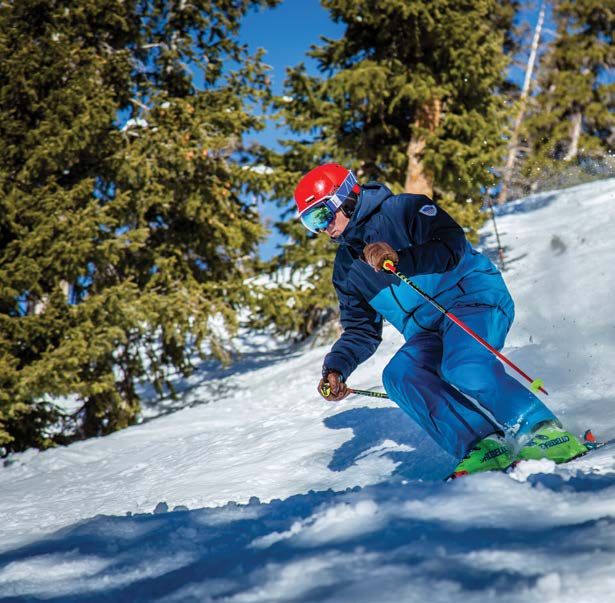
        Why are
        great skiers
        not like
        trees?
        Answer in the Central Division Facebook page.

T H E S C O O P A B O U T P S I A-A A S I | C E R T I F I E D I N S T R U C T O R L I S T | S E N I O R S P E C I A L I S T C E R T I F I C AT E | W E L C O M E N E W B OA R D M E M B E R S
President’s Message
    Spring Report
    By Richard Wren, President,
    PSIA-AASI Central Division

    A
            s this 2017-2018 season has come and gone I         actively supporting the interests of Central Division resorts,
            am sure that if I blinked I would have missed       sharing our input for the topics that help guide and shape this
            it. The kid’s shoes do not fit any more and their   industry. It is reassuring to be consulted by resort management
    pants are about 2 inches above their shoes. There are       and CEO’s regarding staffing issues and customer retention —
    new scratches on my skis and I do not remember how          we were asked for recommendations on programming, insights
    they got there. My new gloves are packed out and all I      into best practices, and suggestions for educating current school
    can remember was “that was a fun winter.”                   leadership. When the industry looks to us as the experts and seeks
                                                                our guidance, we are assured that we are moving in the right
    I would like to thank all of our administrators and         direction! By establishing and maintaining these quality working
    volunteer leadership, and you our membership for            relationships with the resorts we are making sure we are aligning
    a great 2017-18 season. It was fast, it was fun, it         our efforts to promote the growth of the SnowSports industry and
    was exciting and I hope everyone was able to learn          supporting sustainability for our membership, ensuring a more
    something new or share something with a new guest or        beneficial future for all. I am even more proud to lead Central
    colleague.                                                  Division and excited for what comes next.
    One thing I learned this year was that Central              Now that the season has ended and in the spirit of “what comes
    Division is still a strong player in this industry.         next,” we should not just put away our skis and boards and forget
    One of our driving initiatives going into this season       about what we do until the fall. Our Education Staff members
    was to reestablish connections, foster and grow our         across all disciplines have been working hard in developing off-
    relationships with the management and ownership of          snow content. These new online content classes are a great way
    the resorts we serve to enhance, and support each other     to collect your CEU requirements and to keep your skills fresh
    in efforts of promoting and developing the SnowSports       over the summer months. It is exciting to see the members of our
    industry. We made great strides this year with Executive    organization “keeping up with the Joneses,” per se, and utilizing
    Director Ron Shepard putting over 20,000 miles on the       technology to aid in our respective educations when for the
    road, attending as many events as possible, spending        longest time we have primarily been an on-snow focused group.
    time with area management, and visiting ski schools         I encourage you to check out one of these new offerings and
    throughout our division.                                    challenge yourself to “connect” the on-snow with the off-snow
                                                                and see how it can improve your knowledge base and benefit your
    Also, we applaud the efforts of all of our Event
                                                                guest’s experience.
    coordinators and the work they do with the individual
    Ski Areas by executing events in an efficient and           It has been a great
    effective manner that both supports the needs of the        first year as your
    areas as well as our members. The results of these          President. Now
    ongoing initiatives were evident to me when Ron             that I’ve seen
    Shepard and I had the privilege of representing the         the view from
    Central Division beside other divisional presidents and     the cockpit I’m
    operational leadership, and Nick Herrin, the PSIA-          hoping that we
    AASI CEO, at the National Ski Areas Association             can find out
    summer meeting a few weeks ago. On many occasions,          what Central
    various resort leaders expressed their appreciation         Division really
    for our participation in these meetings. Resorts both       can do!
    big and small were pleased to see us involved and

2
Front row kneeling, from l to r: Jon Wittman, Forrest Gibson, Brooks Lillhei. Back
                                                               row standing: Phillip Howell, Zeke Fashinbauer, President Richard Wren, Bradferd
                                                               Miller, Chad Poepping, Nancy Wilder, Bill Brooks, Sally DeLange, Geoff Shepherd,

PSIA-AASI Central Division
                                                               Julie Nitzsche and Bart McClure. Not pictured: Mike Moenning.

Welcome New Board Members
By Sally De Lange – Executive Vice President PSIA-AASI C

T
       he Board is excited and looking forward to working           • Alpine Section 3: Bart McClure, representing members
       with all new and re-elected members of the                     in Illinois, Iowa, Missouri, and Louisiana;
       board for the 2018/2019 Season. This is a great              • Alpine Section 4: Richard Wren, representing members
opportunity to continue our partnership with PSIA-AASI                in Michigan, East of Hwy 77 in the Upper Peninsula
and enter into a new era of unification, communication,               and north of Hwy 57 (in the mitten).
and teamwork with the association.                                  • Alpine Section 5: Sally De Lange, representing members
                                                                      in Michigan, South of Hwy 57;
The 2018 election had eight open seats. There were only             • Snowboard Representative: Phillip Howell -
4 nominations for the eight open seats; 1 for each of the             representing Sections 4, 5, & 6;
following: Alpine Section 3, Alpine Section 4, Alpine               • Adaptive Representative: Bill Brooks – representing all
Section 5, and Nordic. All 4 seats were uncontested. The              Sections; and
Bylaws and Policies and Procedures documents governing              • Nordic Representative: Zeke Fashingbauer.
our organization do not allow for write-in candidates in
our elections, therefore all four nominees won their seats          SECTION/DISCIPLINE 2018
through the nomination process.                                     Sec 1 Alpine    Gary Nelson            Sec 5 Alpine Geoff Sheperd
                                                                    Sec 1 Alpine   Jon Wittman             Sec 6 Alpine Julie Nitzsche
There were no nominations for the following open
                                                                    Sec 2 Alpine Chad Poepping             Sec 6 Alpine Forrest Gibson
seats: Alpine Section 1, Alpine Section 2, Snowboard
                                                                    Sec 2 Alpine   Nancy Wilder            Sec 1,2,3 SB  Brooks Lillhei
Section 4, 5, & 6, and Adaptive. The Board followed the
                                                                    Sec 3 Alpine   Bart McClure            Sec 4,5,6 SB  Phillip Howell
Bylaws and Policies and Procedures by appointing these
                                                                    Sec 3 Alpine Mike Moenning             Nordic-All	Zeke
qualified candidates to the 4 seats that did not receive any                                                             Fashingbauer
                                                                    Sec 4 Alpine  Richard Wren
nominations from the membership. The board received                                                        Adaptive-All     Bill Brooks
                                                                    Sec 4 Alpine     Brad Miller
3 qualified recommendations for the Snowboard open
                                                                    Sec 5 Alpine Sally De Lange
position. The Board held a special meeting allowing each
of the three recommended candidates to present themselves           Voting in our elections is an opportunity for certified
and their resume to the Board. The open Snowboard seat              members to help guide our organization’s future. Selecting
was filled by the appointee that the board determined to be         who governs is a great way for your voice to be heard and
the most qualified.                                                 make a difference. The Board is planning to make changes
                                                                    to ensure that our membership is aware of and has the
• A lpine Section 1: Jon Wittman, representing members             best opportunity to participate in the Nomination and
  in the Minnesota, Bottineau Ski Area in North Dakota,             Election process. Please look for future communications in
  and Great Bear Recreation Area in South Dakota;                   the upcoming issues of the Central Line magazine, email
• Alpine Section 2: Chad Poepping, representing                    communications from Central Division, and notifications/
  members in Wisconsin and the upper peninsula of                   updates on our website - http://www.psia-c.org.
  Michigan West of Hwy 77;
                                                                                                                                                    3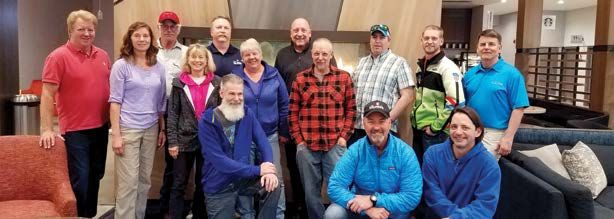
Creating Your Own Great Brand
    Personalis iter tuum
    By Bradferd L. Miller

    Y
            et another season has passed, with more
            adventures in communicating, learning and
            sharing. An amazing 39 seasons have gone by
    since a brash 20 year old instructor sat in Timberlee’s
    Gold Brick Saloon spouting off his theory on skiing.
    Little did I know at that time that my haste to
    create a “brand” of ski teaching of my own would
    lead to many potholes, curves and forks during
    my journeys. Along with persona and team work,
    creating your own brand takes communication skills,
    a commitment to learning and a commitment to
    sharing.
    A. E
        xpanding your abilities as a
       communicator:
    As an avid skier, signing up to become an instructor
    was a simple choice. Receiving a free ski pass,
    discounts at the food & beverage facilities and           B. Learning comes before teaching:
    getting paid to be on skis was a dream come true.         When your students sense that you are willing to learn they will
    In the beginning, after watching my customers             generally perform better. Being confident as an instructor was
    improve and learn, I became obsessed with how I           fine, but being over confident about my personal knowledge base
    could better perform. Each lesson presented different     was not. A few years back current Alpine Administrator, Mr.
    challenges, specifically in my communication skills.      Ken Herman, confided that every morning he knew less than
    As the decades have passed, more communication            he did the day before. Every day a new challenge confronts us
    opportunities have presented themselves and more          as snow sports instructors. Although we may have had a similar
    knowledge about communication has become                  challenge in the past there will always be minute differences.
    readily available. Creating your own brand requires       Being able to continue learning new approaches and techniques
    the ability to understand, know and improve your          through reading, obtaining Intel on the Web and/or attending
    communication skills. It took many seasons before         educational clinics facilitate great teaching and helps with the
    I realized that my learning preferences were Visual       multiple challenges which lessons can present to us.
    and Kinesthetic. (I watched movements then copied
    them-by practicing on the snow). Through a process        Taking on personal educational and physical challenges also lend
    of trial and error I would eventually learn.              well to learning. After 25 years as a certified Alpine instructor
                                                              I looked for a new challenge resulting in following certification
    I also began to spend time working on my auditory         pathways in two other disciplines. More than anything, I
    communication skills via reading, writing and             gained a great deal of empathy for those wishing to go through
    speaking. When I began to incorporate all learning        the certification processes. I also learned more about useful
    preferences into my learning process I found that I       common teaching denominators that cross discipline boundaries.
    had become a more skilled communicator. PSIA-             Physically, I had spent a couple decades out of the physical fitness
    AASI’s Core Concepts and Children’s Instruction           and competition world.
    Manual offer information on communication,
    and more can be found at your local library or on         I was beginning to get less comfortable asking athletes to
    the World Wide Web. Continually checking for              perform in training and competition. Although my fitness and
    understanding with customers is also a great teaching     competition level was not that of my athletes, by reentering a
    tool relative to personal communication skills.           competitive sport, and its associated training, my coaching skills
                                                                                                               Continued on page 5
4
continued from page 4                                            Nob, Boyne Highlands Resort, Snowsnake Resort and Hanson
                                                                 Hills. A member of the Michigan High School Ski Coaches
improved through my understanding of what my athletes            Association Hall of Fame, Brad continues to help with his
go through. [Note: In my case, athletes began to respect         alma mater, Clare High School.
and incorporate my input as I became more physically
fit. I began to do the same in regards to respecting and
incorporating their input after walking in their shoes].
C. Sharing your passion facilitates the
   learning partnerships and more:
If you are serious about your occupation, sharing the passion
                                                                     2019 Spring Rally
for your work, and allowing others to share with you helps
to build lifetime learning partnerships. The world of snow
sports instruction is one with open borders and is based on           & Symposium.
sharing thoughts and ideas. The same can be said of our               Join Pros and their families from the Northwest, Northern
relationships with our peers and customers. When I began              Rocky, and Intermountain Divisions for a weekend of fun,
my Alpine certification process, I was surrounded by people           exploration, and community. Ski and Ride with Education
who were willing to share their knowledge with me. That               Staff from all over the U.S.
experience helped me “pay it forward” to any that have asked          Come see why Sun Valley, Idaho is one of the most-
for help, a process which has resulted in great reciprocal            celebrated and recognized resorts in North America.
learning. More often then not the greatest experiences take
place when your student or athlete makes a statement or               Right after, head to Big Sky, MT
shows you something that works or validates the learning
                                                                      for the 2019 National Academy!
partnership.

In a recent Telemark exam a participant demonstrated a
drill that benefited my personal skiing. While coaching                                Save the Date!
Junior Alpine race athletes this season an 11 year old athlete
told me that learning about the pole swing really lighted
up his Slalom results. More importantly, sharing can lead
to wonderful intrinsic rewards. For example, when a High
School athlete tells you that their time on the team was their
best Senior experience.

In conclusion, successfully creating your personal brand is a
never ending journey that centers around your persona and
                                                                          Discount on Tickets Available
the team(s) with which you surround yourself. My hope is
                                                                          Lodging Package details TBA
that by my sharing a few personal insights you can avoid                  at www.psia-c.org
a majority of the potholes, curves and forks along your
journey’s road. Communicate, Learn and Share (CLS) on
your trek to a Great Personal Brand.

Nisi de provocalione et frui itinere.

References: PSIA -AASI “Core Concepts For Snowsports
Instructors,” “Children’s Instruction Manual, 2nd Ed.,” and
“Gulliver’s Travels” by Jonathan Swift.                                                                   KATYA CHALOVA
                                                                                                          REALTOR ®
Brad Miller is the current Education Vice President and also
                                                                                                          608.698.7036
serves on the National Education Leadership Counsel. He is                                                katyachalova@kw.com
a member of the Nordic Education Staff. He is a Level III                                                 katrinachalova@gmail.com
Alpine and Telemark instructor, a Level II Cross-Country                                                  YourDreamMountainHome.com
Instructor, and has a Children’s Specialist credential.

Brad has taught and coached across Section 4 since 1979,
and is currently with the Grand Traverse Ski Club, Nub’s
                                                                                                                                      5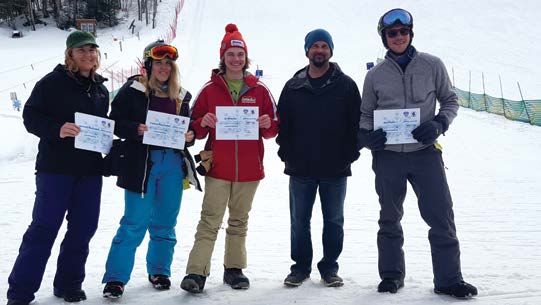
“Up Your Game” With the
     Senior Specialist Certificate
    By Julie Nitzsche

    O
             ne day, my 70-year-old dad walked into a ski school       TOPICS OF FOCUS INCLUDE:
             and said “Hello, I would like a lesson. I have been       •  Understanding how senior’s think, feel and learn.
             skiing for 38 years and I want to ski for 20 more         •  Senior gear.
    years.” The person at the counter smiled and said, “My             •  The importance of relationships.
    advice to you is to take a lesson from someone your age or         •  How to demonstrate and utilize low impact/continuous
    older. You will want someone who understands seniors. Let             movements and appropriate group and learning pace.
    me find Gerhardt.”                                                 • The Beginner/Novice and Intermediate Zone lessons and
    My dad enjoyed the lesson which addressed the pole touch,             fundamentals. Participants will be encouraged to share
    “stacking the skeleton,” pacing yourself, having a cup of             their knowledge, learn from each other and relate the
    coffee during a break, talking on the chair lift, staying             information to the Senior National Standards.
    forward in the boots, and low impact movements. My Dad             If you are a certified member in the Alpine, Snowboard,
    is now 80 years old and he skis groomers and an occasional         Telemark and/or Adaptive Discipline, you can sign up for
    mogul field. He still talks about that great lesson.               this course at Boyne Highlands Resort, Cascade Mountain,
    Up Your Game! Central Division is listening to the active          Boston Mills, Schuss
    senior population and the members that want to be their            Mountain, and Afton
    coach. Starting in the 2018-2019 season the Multi-Discipline       Alps. If you are a
    Senior Specialist 1 Certificate (SS1) will be offered at Central   certified Cross-Country
    Events. The SS1 is designed to educate instructors of all ages     member you can register
    on how to provide quality snowsport instruction to seniors.        for the early Minocqua,
    The SS1 is an assessment-based certificate, not an exam. It is     WI event. Prior to the
    offered to all PSIA-AASI certified instructors. The program        on-snow event, the
    provides a view into the aging process and how snowsport           participant will read the
    instructors can create a rewarding senior learning partnership.    Senior Specialist Manual
                                                                       and complete the
                                                                       provided material
                                                                                                                continued on page 7
6
continued from page 6                                                             Julie Nitzsche: Central Division Alpine Representative
                                                                                  Section 6, Education Staff, works at Keystone, CO and Ski
in order to check for understanding. During the on-snow                           Away Program, MN
portion they will work with the clinician to demonstrate:

1. Understanding;
2. Participation, and;
3. Guided and self-assessment.

The specific requirement and assessment details are being
developed and will be posted on the Central Division
website before the start of the snowsports season. Instructors
successfully meeting the requirements of the SS1 will earn
12 CEUs (Continuing Education Units), a certificate of
achievement and hopefully a Senior Specialist pin.

Certified Members, you can Up Your Game and become
SS1 certified. Enhance your talents in teaching and working
with active seniors of all abilities. You can be that “prepared”
instructor when a senior walks into your ski school and
wants to learn/continue to ski/ride/Telemark/Cross-Country.
You are the one that will help seniors meet friends and
family for lunches on the hill, plan winter vacations and
slide on the snow with their great-grandchildren.

Snowboard Examination at Marquette Mountain. From Left to right: Michelle Barnstable, Colleen Barnstable, JC Bertram, Education Staff Member Corey
Schroeder, and Zac Fosler.

                                                                                                                                                     7
Education
    Vice President’s Update
    By Brad Miller, PSIA-AASI-C Nordic Education Staff, Education Vice President

    CENTRAL NATION:                                                       TEAM WORK:
    THE WINTER THAT WOULDN’T END has given                                There is no “I” in team, however there have been key
    way to Spring in Northwestern Lower Michigan, although                players as Central starts a new chapter. Executive Director
    Boyne Mountain Resort remains open as of this writing. As             Ron Shepard and Events Coordinator Shelby Huffman
    Central’s Education Vice President, I would like to give a            have provided a big change in the way our office operates.
    heartfelt thanks to members and areas who supported our               Discipline Administrators John Fay, Kirsten Gannon, Ken
    great program this year and in the past. As a member who              Herman and David Seelbinder volunteer countless hours
    works seven days a week in the Winter as an Alpine Coach              working on event schedules, staff education, education
    and Nordic Instructor, I appreciate all those who have                materials and National Task Forces.
    reached out with thoughts, suggestions and comments.
    PSIA-AASI C is member driven with some new items                      Childrens Specialist leader, Ned Pinske, does the same as
    slated for 2019, including a Senior Specialist program                do Alpine ECC members John Hamaker, Karin Spencer,
    modeled after our Children’s Specialist offering. Originally          Adam Hosfield, Mark Styles, Greg Chmielecki , Chris
    brought to our attention by member Tom Schaeppi, Senior               Fisher and countless others. A special shout-out to Central
    Specialist was taken under the wing of hard working board             Line Editor Gary Evans who donates an enormous amount
    member Julie Nitzsche. The efforts of Julie and Senior                of time creating a great forum in which all can participate.
    Specialist Committee Members to reach out to PSIA-NW                  I look forward to the off season months and the sharing
    and help generate Central Division’s Senior Specialist                of ideas that will take place, most importantly, the
    program will provide Central Members with a great                     contributions from members which drive positive change
    offering.                                                             and our new and exciting programs.

                                                                          Keep your communication coming – it makes a difference.

                                                                          Thank You Central Nation!

8
The Q Angle Effect:
An Opportunity to Significantly
Impact Your Advanced Students
By Chuck Roberts
T
he Q angle before buckling. The ruler on the right (Figure 2b) has
(Quadriceps more bend simulating a larger Q angle. This condition
angle) is an requires less force to buckle than the ruler on the left.
angle formed by a This illustrates that the larger the Q angle, the less force is
line from the ASIS required to buckle the leg or cause a knock-kneed stance.
(anterior superior
iliac spine) to the Figures 3a and 3b show a
mid-point of the female skier with non-parallel
Patella (knee cap) leg shafts (knock-knees). While
and a vertical line turning, the compression force
from the midpoint acting along the inside leg has
of the patella. It caused it to buckle medially,
is an anatomical resulting in the knock-kneed
feature of the stance. The outside leg is
human body that prevented from inward lateral
Figure 1 Figure 3a
is typically more movement by the inside
pronounced in women than men. Figure 1 depicts the knee. This condition can be
difference in Q angle between men and women. Men aggravated by hip rotation in
typically have a Q angle on the average of 14 degrees while the direction of the turn.
women typically have a Q angle on the average of 17 As an instructor, this issue
degrees. This tends to yield the knock-kneed stance often with your students yields
observed in many female skiers, as shown in Figures 3a an opportunity to make a
and 3b, that hinders edge engagement, limits independent significant difference in their
leg movement and causes excessive skidding in turns performance, allowing them
(Reference 3). This also makes it difficult for females to Figure 3b
to achieve a higher skiing/
perform Ollies on a snowboard and land properly from an snowboarding level. There
aerial maneuver on a snowboard or skis. Young female ski are many things you can do
racers are often affected by Q angle changes as they mature. to help. Boot fit and cant
angle can make a difference
and is a good Segway into the
importance of addressing the
mechanics of proper alignment
of the skis to make sure both
skis are flat on the surface Figure 3c
when standing. Another
recommendation is strengthening of muscle groups such as
the hamstrings. Many women have developed quadriceps
muscles, but hamstring strength and inner thigh muscles
are less developed. Recommend that the student review the
physical training curriculum at a particular gym and look
Figure 2a Figure 2b for pelvifemoral and hamstring strengthening as an exercise
Figure 2 illustrates the mechanics of the leg with respect regimen to reduce the knock-kneed stance.
to Q angle. The ruler on the left (Figure 2a) has a slight
bend simulating a small Q angle. It can carry an axial force continued on page 10
9continued from page 9
OK, now what can you do to help during a lesson. Several It is interesting to note how
exercises come to mind. One good one is to traverse on the Q angle affects snowboarding.
uphill ski. The problem knock-kneed skiers have is difficulty Figure 6 shows two examples
engaging the new uphill edge. This exercise helps strengthen of ineffective positioning where
the leg muscle groups over time and allows the student to Q angle coupled with hip
get more comfortable with inside ski edging. Railroad track rotation causes the trailing leg
turns on a gentle slope are also helpful in that inside ski edge to collapse, the leading leg to
engagement is reinforced, but be careful of too wide a stance. stiffen and the center of mass
Emphasize tipping the little toe on the new inside ski to get to move toward the tail of the
Figure 6a
that inside ski carving and out of the way of the outside ski. board (as evidenced by the back
Moving the inside knee out of the way and toward the inside leg being more flexed than the
of the turn helps. Another cause of knock-kneed stance is the front). The upper body twist
rotation of the hips in the direction of the turn. This causes with respect to the lower body
the inside leg to collapse, the outside leg to stiffen and a is ineffective in that heel side
knock-kneed stance. Emphasize hips facing downhill, utilizing edge engagement is difficult,
your normal bag of teaching tricks. One or a combination often resulting in skidding.
of these exercises may reduce the Q angle effect during the This condition occurs mostly
lesson. The skier in Figure 3c has successfully corrected the on turns to the heel side since
knock-kneed stance as indicated by the parallel leg shafts. the hips tend to be blocked on Figure 6b
the toe side turn. Emphasizing
For your advanced female the A-frame stance with the
skiers, they may look great hips parallel to the board
on intermediate slopes but is a place to start. Utilizing
may ski knock-kneed on torsional flex of the board with
steeps and during aggressive ankle movement (gas pedal,
dynamic turns as shown in Reference 1) gives confidence
Figure 4. This is because the to the rider, making rotation
more aggressive turns apply a in the direction of the turn
Figure 4
higher axial force in the leg, unnecessary. Typical exercises Figure 7
causing it to collapse. In your advanced female skiers, a here are grabbing the thighs
symptom of this is lifting the inside ski to get the inside with both hands to prevent hip rotation, pointing the
leg out of the way, rather than rolling the inside ski out of leading arm parallel to the board at all times and crossing
the way. Leg strengthening should help at this level since the leading arm over the chest and grabbing the trailing
your student has demonstrated the proper parallel leg shaft shoulder. The rider in Figure 7 who does not exhibit the
position in less aggressive maneuvers. Q angle effect, has proper alignment and positioning. She
It is interesting to note that racing has kept her hips parallel to the long axis of the board,
coaches encounter a change in ski racing eliminating the upper body rotation that causes problems
technique among female racers as they with the heel side turn.
mature. What happens is a reduction
in edging and turn initiation skills as Q Many female riders have been set up with stance angles of
angle increases. 0 degrees leading foot and 0 degrees trailing foot. Setting
the bindings with a duck stance up to +15 degrees leading
Figure 5 shows the effect of Q angle on foot and -15 degrees trailing foot (along with increasing
female freestyle skiers landing jumps. In stance width) reduces the effect of Q angle and allows
Figure 5a, the skier jumps upward and Figure 5a the inner thigh muscles to help support the quadriceps.
lands (Figure 5b) with the classic knock- Encouraging a bow-legged stance may help reduce the
kneed stance. For big air female jumpers knock-kneed position. Encouraging putting weight on the
this causes a problem when landing since little toes may help. The purpose of this is to reduce the
the inside ski edges may become engaged, pronation of the foot which facilitates the knock-kneed
resulting in crossed skis or splits and stance. Of course orthotics that are designed to reduce
loss of control. Being aware of Q angle pronation may help. At the conclusion of the lesson, a
effects on your freestyle female skiers may recommendation of strengthening the hamstrings and
help explain some of the challenges they quads to improve riding may be in order.
experience when performing landings
from high end maneuvers. Figure 5b contined on back page
10The Scoop About
PSIA-AASI
By Ron Shepard, Executive Director, PSIA-AASI Central Division
W
e get it - being a member of PSIA-AASI may This connection-to-the-whole is important because you
sometimes lead to acronym soup, which means may take your Continuing Education Units (CEU) in any
you’ll sometimes see various (and sometimes division so long as you are current in your membership
confusing) acronyms, names, and contacts. Here’s your with your home division. The same is true for
quick guide to Who’s Who and What’s What. examinations, although you must fulfill the prerequisites of
the host division, and obtain permission from your home
First of all, what’s the difference between PSIA-AASI division. As online education opportunities increase, you
and ASEA? Just a few letters! They are one and the same might find an online course that interests you in another
organization. PSIA-AASI stands for the Professional Ski division (and that’s cool with us).
Instructors of America and the American Association
of Snowboard Instructors, and together is referenced as We’re not just affiliated with PSIA-AASI and the other
PSIA-AASI, which is the acronym that’s used in every day seven divisions, we are an integral partner with them. For
communications. Then, sometimes you’ll see the name of example, the National office in Lakewood, Colorado hosts
the American Snowsports Education Association (ASEA), member records and event registration software, while the
and that’s the corporate name of PSIA-AASI. The acronym divisional offices remain the source for local knowledge and
of ASEA is referenced and used only in formal and legal final event capacities. When you log on to thesnowpros.
contexts, so you’ll most likely you’ll just see PSIA-AASI in org, or when you are transferred there by the divisional site,
communications about the association. PSIA-AASI is said besides the ability to renew online simply and easily, you’ll
to be “doing business as” (DBA) when the name under find the complete event calendars for each division, as well
which we’re operating our daily business is different from as your own member profile, education history, receipts,
our legal, registered name of ASEA. That’s why you’ll often registrations, downloads, along with an easy way to access
see ASEA listed on your credit card receipts, and it’s how your membership card in PDF format. On thesnowpros.
we file with many state organizations. org website, you’ll also find links to access The Matrix (a
library of informative videos), e-learning courses, digital
Then, there’s the PSIA-AASI Central Division, with about manuals, the First Chair podcast and more. You can learn
3,431members, and it is one of eight PSIA-AASI Divisions about PSIA-AASI’s financials and membership and even
across in the United States. The approximate membership find a job through the National and regional job boards.
for Northwest (includes Alaska) Division is 3,325, Most importantly perhaps, thesnowpros.org website,
Northern Intermountain Division is 465, Northern Rocky under the “Shop” section is your link to access your
Mountain Division is 1,293, Rocky Mountain Division member deals, including member discounts on Volkswagen
is 8,043, Western Division is 3,339, Eastern Division is automobiles. You can also purchase members-only-deals
10,237, and Intermountain Division is 2,678. The above through the online Accessories Catalog, which offer a
numbers are verified from fiscal year 2017. Together, these variety of product and brands that can be purchased to fit
eight divisions comprise PSIA-AASI, which together is your specific needs.
commonly referenced as “National.” Thus, National is as
much a collective as a distinct organization from the eight Beyond our organizational acronyms are a few related to
divisions. Together, these nine operating organizations the tools we use. We often refer to CRM, and that means
represent one united vision for you and all 32,813 we’re speaking of the software database that manages all of
members: to create lifelong adventures through education. the information on your member records. Foror
continued on page 12
11continued from page 11
example CRM populates the information which appears website, and contact them regarding your interest in a
on your member profile, generates membership, education, particular committee.
and exam based invoices, and records and retains your
Overseeing the evolution of content and processes in
certification results. If you’d like to review, or update your
our division, Brad Miller (Education Vice President)
member profile, log in to thesnowpros.org and click on
coordinates the efforts of Discipline Administrators
“My Profile.”
Ken Herman (Alpine), David Seelbinder (Snowboard
When we speak of the LMS, that means the Learning & Freestyle), Ned Pinske (Children’s), John Fay (XC/
Management System that provides e-learning and online Telemark), Brooks Lillehei (Snowboard Representative,
exams, accessible via thesnowpros.org. sections 1, 2,3), and now Julie Nitzsche, who’s leading
our newest education specialty - Teaching Seniors.
Like any organization, PSIA-AASI is run by people; a
Alpine responsibility is further delineated into sectional
whole host of resources too numerous to list. The National
representation on the Education and Certification
association is led by CEO Nicholas Herrin, under the
Committee, a leadership group which helps to coordinate
oversight of Ed Younglove and the PSIA-AASI National
education staff assignments and training, as well as
Board of Directors. The Central Division is represented on
collaborate towards improved event and exam processes
the National board by Bart McClure from Hidden Valley,
and offerings.
Mo. When you hear of decisions made at “the national level”,
it’s important to understand that this means your division’s Discipline administrators are inward facing, meaning that
board representative, along with each other division’s national their area of oversight relates to event dates, locations,
board representative, voted upon the matter. and staffing. Your questions about event locations and
cancelations go through the office, while requests for
Here in the Central Division, you have an office (located
unscheduled events go directly from your snowsports
in Frankfort, Michigan) where Shelby Huffman and I
school directors to the discipline administrators.
answer your calls and bring local insights to a national
association body. We don’t do this job alone; we operate Ultimately, your most direct line for questions regarding
with some specific direction. Your division is governed your membership and registering for events comes via our
by PSIA-AASI’s Central Board of Directors that’s led by office, and the team in both Michigan and Colorado that
Board President Richard Wren, and has representation for answers your calls and emails. Questions and concerns
each discipline, and each section of our Central Division. about the direction of the division, the organization, our
Don’t know which section you are in? Section 1 represents events and processes are shared and answered by your
the state of Minnesota, along with members from Eastern regional, discipline board representative.
North and South Dakota. Section 2 is Wisconsin and part
For more information, visit our website(s), or go to www.
of Michigan’s Upper Peninsula, Section 3 consists of Iowa,
thesnowpros.org and use the search tool for “Membership
Illinois, Missouri, Kansas, and Louisiana. Section 4 is
Guide”.
northern Michigan and the remainder of the U.P. Section
5 is Southern Michigan. Section 6 is Ohio, Kentucky,
Organization Website Publication
Indiana, Tennessee, Mississippi and Alabama.
PSIA-AASI-National www.thesnowpros.org 32 Degrees, Manuals,
It really IS important for you to get to know your national Accessories Catalog
and divisional board representatives, and for them to get PSIA-AASI Central www.psia-c.org The Central Line
to know you. Why? Because PSIA-AASI is a certification
PSIA-AASI Eastern www.psia-e.org Snow Pro
and education body, responsible for serving the needs
and demands of its members and partners in both arenas. PSIA-AASI www.psia-i.org The Instructors Edge
Intermountain
The board makes decisions and long-range plans based
upon internal and external information - and you, the PSIA-AASI Northern www.psia-ni.org PSIA-AASI Northern
members, are their primary source of internal information. Intermountain Intermountain
Newsletter
Incidentally, many of our members bring their outside
professions, expertise, and insights to the attention of PSIA-AASI Northern www.psia-nrm.org PSIA-AASI Northern
the board. Many board members serve on committees, Rocky Mountain Rock Mountain
Newsletter
although participation isn’t limited to board members on
many of these committees. PSIA-AASI Central’s Standing PSIA-AASI Northwest www.psia-nw.org Northwest
Committees include Election, Governance, Budget, Snowsports Instructor
Marketing & Public Relations, and the Snowsports PSIA-AASI Rocky www.psia-rm.org Instructor-To-
School Directors Committee. You can find your board Mountain Instructor
representative contact information on the PSIA-C.Org PSIA-AASI West www.psia-w.org The Edge
12PSIA-AASI CENTRAL DIVISION 2014-2015
Certified Instructors
The following members successfully achieved certification this past season. We congratulate them
on this accomplishment and appreciate their commitment to advancing their education and expertise.
Adaptive Flanagan, Katie R. Laning, Elizabeth K. Rosalik, Martin E. Hanley, Jeffrey T. Harr, Michael J.
Passes Franzone, Nic J. Laughlin, Marian G. Roslan, Jolanta Hogue, Justin M. Harrison, Brian
Brandt, Jenna Freeburg, Robert E. Lee, Wooyoung Roslan, Peter Keller, Patrick Hemminger, Alan
Campbell, Steve Fries, Brian Leitgen, Claire E. Sagendorf, Daniel King, Joseph Herrmann, Katherine
D’Alecy, marj Fynboh, Joselynne N. Lerdahl, Gillian G. Schaefer, Lacy M. Lefar, Carly S. House, Tip
Dann, Kirk Gartner, Jonathan J. Lewitz, Jack Seelinger, Kim A. Lillehei, Brooks Johnson, Amy C.
Gagstetter, Mark Geoppinger, Megan Liesenfeld, Jason C. Segal, Mark A. Lillehei, Megan Kaltenstein, Michael L.
Hawkins, Peter Germann, Kylie M. Linnett, Jeanne M. Sella, Nick S. McCarty, Mitchell Keller, Patrick
Kovatch, Mark Goddard, Angela Littmann, Tyler J. Sella, Steven R. McCarty, Rachael Kirt, Karen J.
Moncur, Uta Goddard, Norman W. Lumsden, Wayne A. Sella, Sydney K. McPherson, Jeremy Kraszewski,
Sexton, Mats Goehre, Linda S. Lynch, Chantelle Sheils, Finn E. Miller, Stephen H. Christopher J.
Szymanski, Josh Graziano, Anna Manion, Maryann S. Sheteron, Tyler W. Mitchell, Katherine Leppanen, Esa
Tripp, John Gregorich, Michele M. Martin, Tad T. Silbernagel, Peter J. Sacks, Glenn Marks, Ariel
Tyska, Michael Grosvenor, G M. McCarty, Brittany Sirota, Stephen J. Weyand, Jim McCarthy, Caitlyn
Woods, Ryan Guba, John p. McConnell, Stephen K. Skrocki, Annabel Wiegand, Christopher McFarland, Andrew
Zbranchik, Lauren Hall, Elmer N. McDougall, Bryson T. Smith, Maya E. Miller, Duane
CEN-Alpine
Haugen, Eric M. McGraw, Margaret M. Smith, Patrick J. Parcheta, Mary E.
CEN-Alpine Level 3 Exam
Hauser, Todd M. Miller, J Matthew Southall, Jashon L. Peng, Jia
Level 1 Exam Hawkins, Delaney K. Moats, JoAnn Southerton, Keith E. Donelan, Michael E. Pilla, Jean M.
Allebach, Dustin T. Hayne, Todd Moncur, Scott Stanley, Lauren G. Kostein, Bryan Plumer, Col R.
Arnold, James T. Hewett, Elisabeth D. Mueller, Tyler J. Steinbrueck, Leah D. Linn, Alex Polcsik, Diane L.
Badger, Keeth S. Hittinger, Robert Muether, Sarah A. Stewart, Colin M. Moldovan, Nicolae Rankov, Oleg
Baker, Tom Hoffman, Neil Mullen, Kerry D. Studtmann, Katrianna C. Petrich, Bill Roos, Olivia
biermacher, joe Holland, Scott K. Muniz, Molly E. Swartz, Leah Pinchbeck, Patricia Schroeder, Corey
Blaedow, Erin N. Hoogcarspel, Erick R. Navarro, Esteban Tasner, Danielle M. Shepard, Riley Schwartz, Michael A.
Bloomberg, Chad A. Huang, Lisa Nelson, Elizabeth M. Teteak, Alex T. Woodford, Duffy Sikora, Patricia
Bottomley, Jackie Hulbert, Samantha A. Nelson, Morgan A. Thomas, Lyndon M. CEN-Children’s Stadler, James
Brown, Tim Ingraham, David R. Nelson, Rocky Thompson, Richard S. Specialist 1 Stroebe, Bruce
Brummer, Danner R. Jacob, Martin Ness, Ryan A. Thorkildson, Joseph S. Thorkildson, Jennifer
Bailey, Sally K.
Bruzek, Ben Jensen, Donald V. Ortlieb, Robert L. Tosolini, Filippo Underhill, Amy S.
Balliet, JonPaul
Burgess, Jonah B. Jensen, Michael Oswald, Christopher Turrinelli, Gabriella Underwood, Jana
Bauman, Laurie
Burns, Patrick C. Johnson, Charlotte Ouellette, Robert G. Versluis, Bailey G. Wakefield, Richard K.
Brandt, Rachael
Christensen, Aaron Johnston, Edward D. Parenica, Eva M. Vig, Tyler M. Waltman, Douglas
Brazeau, Richard
Christy, Walter G. Jones, Kyle D. Perkins, Jacob C. Villadsen, Eric Ward, Lyndsay B.
Broderick, Mike
Clark, Charles F. Kaiser, Kortney a. Petz, Geoffrey J. Weisbrot, AlbertJj. Werts, Nicole
Burrows, Paul
Cleves, Sean Karr, Tom Pielage, Lindsey Wells, Linda D. Werts, Timothy M.
Burrows, Stephanie
Clinton, Chris Kasper, Kent M. Pierce, Brandon West, Michaela A. Zak, Jennifer
Cabalka, Jeremy
Cohen, Halle Kellar, Kaitlyn R. Poirier, Isak Wilhelm, Jillian N. Capannari, David CEN-Children’s
Collins, David F. Kellerman, Marvin L. Pollard, Jeremy Wilkinson, John P. Capannari, Hannah Specialist 2
Cook, Paul L. Key, Sarah B. Powell, Chris Willse, Julie A. Coyne-DeBruin, Howell, Phillip
Cooper, Devin S. Klein, Mark C. Proesch, William Wise, Christopher L. Kathleen M. Mueller-Brumbaugh,
Corbat, Lauren E. Knox, Ryan J. Prohofsky, David Wise, Kevin A. Cronau, Jefferson R. Carole S.
Court, Maureen M. Kostein, Bradley J. Rajterowski, Adam Young, William Crosson, Jane Y. Powell, Amy L.
Cridelich, Steven A. Kramer, Caelan Raykov, Nikolay S. Zhang, Lulu I. Debiasio, Frederic H. Schroeder, Corey
Davidson, Elizabeth L. Kramer, Samantha j. Regenold, NeTesse M. Zurbriggen, Amedeo Dill, Brady N. Stadler, James
Duggan, Finnian T. Krantz, Carlton J. Reissner, Ryan Zurek, Tony S. Du Comb, Karla Voss, Catherine
Elder, William Z. LaDue, Deb M. Renier, Alex
CEN-Alpine Duffy, Susan
Engebretson, Bruce D. Lamb, Alexander D. Ritchie, Adam D.
Level 2 Exam Fosler, Gregory D.
Evans, Sarah E. Lamb, Joseph B. Robertson, Stacey A.
Gillette, Spencer Fylling, Jordan P.
Fairbanks, Michael J. Lamkin, Melissa M. Robinson, Kyle E.
Greenfield, Brett K. Giblin, Paul
Fish, Elise Laning, Charles P. Robinson, Robert D. Grantham, Peter continued on page 14
13PSIA-AASI CENTRAL DIVISION 2014-2015
Certified Instructors
The following members successfully achieved certification this past season. We congratulate them
on this accomplishment and appreciate their commitment to advancing their education and expertise.
continued from page 13
CEN-Cross Bogue, Nicholas S. Potter, Elliott EST-Adapt Level Freed, Robert Mathers, Robert A.
Country Level 2 Brisson, Alexandra N. Rhodes, David J. I Exam Blind/DD Murnieks, June Sbertoli, Thomas P.
Exam Bystrom, Elizabeth Shinn, Christopher W. In House
WST-Snowboard CEN-Telemark
Wollan, Peter Carlson, Francisco E. Brinkman, Abigail K.
CEN-Snowboard Level 1 Exam Level 2 Exam
colvin, tucker j.
CEN-Cross Level 2 Exam EST-Alpine Level Wiski, Rhys A. Hopper, Cameron N.
Cordes, Jonathan E.
Country Level 3 Prep 2 Online Exam Hopper, Christopher
Currier, Kyle P. Adaptive
Exam Chynoweth, Craig McKinley, David
Davis, Corinne M. Nordhielm, Christie L. Academy -
Trotter, Laurence W. Dubiel, Taylor Hawkins, Spencer J. Zwald, Bob
EST-Alpine Level Fun-damentals
Dunn, Bradley Thomas T. Kim, Matthew
CEN-Cross II Skiing Exam- Across Adaptive CEN-Telemark
Dupuis, Alyssa R. Ohlrogge, Kevin
Country Level 3 Skiing Skill Equipment - 300 Level 2 Written
Elliott, Derrick R. Piontkowski, William
Exam Prep Level Level Course Garcia, Kurt
Farhi, Barak Y. Shirakabe, Norimichi
Esser, John J. Stephan, Jason Rakowski, Matthew Hopper, Cameron N.
Esser, Susan K. Farron, Janel CEN-Snowboard Hopper, Christopher
Ford, Tomiko Level 3 Exam EST-Alpine CEN-Cross
Trotter, Laurence W. McKinley, David
Fosler, Zachary Level II Country Level 2
Anderson, Connor Zwald, Bob
CEN-Freestyle Genereaux, Sara Teaching Exam- Exam
Ethen, Patrick
Specialist Grumbling, Peter R. Children Youth Wollan, Peter CEN-Telemark
Kulich, Whitney T.
Barefoot, Michelle Hedding, Joy M. EXEMPTION Level 3 Exam
Mullenix, Caleb CEN-Cross
Cabalka, Jeremy Hutcheson, Robin Sass, Jennifer L. Bond, Maxwell McKinley, David
Country Level 3
Chernushin, Nikolas Johanneck, Emily A. Stebbing, Zachary EST-Children’s Exam CEN-Telemark
Compagnari, Robert p. Johnson, Hayley P.
CEN-Snowboard Specialist 1 Trotter, Laurence W. Level 3 Written
Dasin, Joseph Jones, Elizabeth L.
Decker, Zane Katlein, Dan Level 3 Exam Bond, Maxwell McKinley, David
CEN-Cross
Earhart, Clayton R. Klimek, Scott G. Prep Country Level 3 EST-Cross Cntry
EST-Cross Cntry
French, Andrew kocsis, alexandria m. Gebby, Stephanie Level I Exam In Exam Prep Level I Exam In
Freuck, James T. Korte, Christopher Kulich, Whitney T. House Esser, John J. House
Gauld, Jerry Kraft, Alexia M. LaMarra, Richard Esser, Susan K. Abdul-Khaliq, Faruq K.
Abdul-Khaliq, Faruq K.
Hisnay, Timothy Laiho, Arianna M. Voice, Samantha S. Trotter, Laurence W. Nagle, Rachel
Nagle, Rachel
Hoggard, Jack Mason, Brooks S. Rode, John
CEN-Telemark Rode, John CEN-Telemark
Holthaus, Megan R. Medlock, Michael B. Rossetti, Ashley
Level 1 Exam Rossetti, Ashley Level 1 Exam
Johnson, Joel D. Nash, Abby M. Sahli, Dan
Arnold, Amy A. Sahli, Dan
Karr, Richard P. Novak, William A. Arnold, Amy A. Versteegen, Dale
Conner, Brett A. Versteegen, Dale
Macko, Tina Oard, Jonathan Conner, Brett A.
Neeley, Marissa D. Oceguera, Arturo Finney, Jay NRM-Alpine Finney, Jay EST-Telemark
Rhodes, David J. Pearl, Alexandra R. Garcia, Kurt Level 1 Exam Garcia, Kurt Early Season
Rose, Stephanie Pearl, Matt H. Harris, Lonnie Harris, Lonnie Primer
Stevens, Don R.
Sack, Christopher R. Polzin, Gabriel P. Mathers, Robert A. Mathers, Robert A. Huber, Joseph A.
Smiddy, Emily ramsey, michael w. Sbertoli, Thomas P. NW-Senior Sbertoli, Thomas P. Stepleton, Jon E.
Smiddy, Frank Simmons, James D. Specialist 1
CEN-Telemark CEN-Telemark EST-Telemark
Yapp, Joseph Stevenson, Justin D. Credential
Level 2 Exam Level 1 Generic Video Ski
Tiemann, Jared Nitzsche, Julie
CEN-Snowboard Hopper, Cameron N. Course Improvement
VanSteenis, Matthew R. Schwanitz, Monica M.
Level 1 Exam Hopper, Christopher Everts, Michael O. Downey, Bill
Wilson, Craig D. McKinley, David RMD-Alpine
Anderson, Christian R. Young, Douglas H. Stepleton, Jon E.
Zwald, Bob Level 1 Exam CEN-Telemark
Anderson, Elexi
CEN-Snowboard Level 1 Written Telemark Fall
baert, kobe l. CEN-Telemark Bickel, John
Level 2 Exam Arnold, Amy A. Training
Barnstable, Colleen M. Level 3 Exam FitzPatrick, Erin
Barnstable, Michelle Dose, Adam Conner, Brett A. Fay, John D.
McKinley, David RMD-Children’s Finney, Jay
Bell, Tyger Jones, Cody Specialist 1
Bertram, James C. Neeley, Marissa D. Garcia, Kurt
Dunseth, Kelly J. Harris, Lonnie
14PSIA-AASI CENTRAL DIVISION
The Official Publication of the PSIA-AASI Central Division
CONTACT INFORMATION
PSIA-AASI C EDITORIAL INFORMATION
P.O. Box 2144 The Central Line is published four times per year by the Professional Ski
Instructors of America-American Association of Snowboard Instructors
Frankfort, Michigan 49635
Central Division (PSIA-AASI Central Division). Permission is hereby given
Phone: 303-987-9390 to all PSIA-AASI divisions to copy original material from this newsletter
Email: Central Division - info@psia-c.org providing credit is given to PSIA-AASI Central Division and the material
Email: National - mist@thesnowpros.org is not altered. Articles that contain specific copyright notices may not be
PSIA-AASI National Website: www.thesnowpros.org reprinted unless written permission is obtained from the author. Please
PSIA-AASI Central Division Website: www.psia-c.org contact the PSIA-AASI National office with questions.
SUBMISSIONS
BOARD OF DIRECTORS Submissions, including articles and photos, are welcome. Articles should
be emailed to garyski3@att.net in MS Word format with the following
Richard Wren President
header: article name, date and author. Photos and graphics should be
Sally DeLange Executive Vice President high resolution (300 dpi or greater and at least 2 inches in the smallest
Bradferd Miller Education Vice President dimension) and submitted in JPEG or TIF format. A photo release must be
Bartley McClure Financial Vice President/Treasurer obtained from any person(s) included in the submitted photo. Articles are
Julie Nitzsche Administrative Vice President accepted on the condition that they are released for use in all PSIA-AASI
Bartley McClure ASEA-C Representative to ASEA Central publications. PSIA-AASI Central reserves the right to edit all articles.
ADVERTISING INFORMATION & SPECS
Jon Wittman & Gary Nelson Alpine Section 1
Advertising rates and submission form are available at psia-c.org. Please
Nancy Wilder & Chad Poepping Alpine Section 2 contact the PSIA-AASI Central office with questions. Acceptance of
Mike Moenning & Bartley McClure Alpine Section 3 advertising does not imply endorsement or approval of product or service
Bradferd Miller & Richard Wren Alpine Section 4 advertised. The PSIA-AASI Central Division Board of Directors reserves the
Geoff Shepherd & Sally DeLange Alpine Section 5 right to refuse an ad that they consider inappropriate or does not hold to
Forrest Gibson & Julie Nitzsche Alpine Section 6 the standard and principles of the association.
Advertisements should be submitted to the PSIA-AASI Central office at
Brooks Lillehei Snowboard Sections 1, 2, 3 info@psia-c.org in high resolution PDF, TIF or EPS format. Trim size is 8.5
Phillip Howell Snowboard Sections 4, 5, 6 inches by 11 inches. Live copy should be at least one-half inch from trim
edge. Bleeds may be included on full page ads and must extend one-quarter
Zeke Fashingbauer Nordic All Sections inch beyond trim size on all four sides.
Bill Brooks Adaptive All Sections
PUBLICATION CALENDAR
ISSUE ARTICLE & AD SUBMISSION DEADLINE
ADMINISTRATORS & COMMITTEE CHAIRS
Nordic Administrator: John Fay 2018 Issue 3 July 10, 2018
2018 Issue 4 October 7, 2018
Alpine Administrator: Ken Herman 2019 Issue 1 January 5, 2019
Snowboard Administrator: David Seelbinder 2019 Issue 2 May 5, 2019
COMMITTEE CHAIRS GENERAL INFORMATION
Education Committee: Bradferd Miller To ensure the most effective representation, PSIA-AASI Central Division
Election Committee: Sally DeLange members should contact their Section Representative to share concerns
Budget Committee: Bart McClure or opinions on the policies, procedures or content of The Central Line.
Materials that have been provided by persons not writing as PSIA-AASI
Marketing and Public Relations Committee: Forrest Gibson Central officials are the responsibility of the author and are not necessarily
Snowsports School Directors Committee: Geoff Shepherd endorsed by PSIA-AASI Central Division.
Governance Chair: Brooks Lillehei
THE CENTRAL LINE STAFF
PSIA-AASI CENTRAL DIVISION STAFF EDITOR
Ron Shepard, Executive Director Gary Evans
Shelby Huffman, Events Coordinator garyski3@att.net
PUBLISHER
COVER PHOTO Robert Wendt, Cultivate Communications
Action photograph of PSIA D-Team member Dusty Dyar. Thanks to PSIA bob@cultivate-communications.com
National, Executive Editor Wendy Schrupp and Katrina Brinkerhoff. Photo
credit and thanks to photographer Linda Guerrette. All articles and photographs intended for publication in The Central Line
should be submitted to the Editor.
15PRSRT STD
U.S. POSTAGE
PAID
MILWAUKEE, WI
PERMIT NO. 0188
P.O. BOX 2144 | FRANKFORT, MICHIGAN 49635
continued from page 10 The female rider in
Q angle also has an effect on Figure 9 is traveling up
performing Ollies (Reference the compression side or
2). Typically, one shifts the the take-off of a jump.
weight toward the nose of This adds a significant
the board (Figure 8a) and vertical load on the
then over the tail of the board body that should be
(Figure 8b), storing energy resisted so the rider
in the bent board. Pushing can extend the legs and
Figure 8a
upward with the trailing leg pop from the lip on the
(extension, Figure 8c) along jump. In Figure 9, the
with the release of stored vertical load has caused Figure 9
energy in the tail of the board the legs to buckle to the
results in getting air (the knock kneed stance which tends to absorb the vertical load
Ollie, Figure 8d). With most and limits the ability to pop at the lip and get air time.
men, pushing upward is not This has been a brief review of how Q angle affects the
a problem. For women, the performance of female skiers and riders. The knock-kneed
higher Q angle tends to cause stance may have prevented your students from progressing
the trailing knee to move Figure 8b
to more advanced turns and maneuvers. As always, be
to the center of the board aware of discomfort on the part of your students who may
absorbing some of the spring require more time or smaller increments to adjust to a
and resulting in significantly new binding stance or a particular exercise. Knock-kneed
less air time. Figure 8d shows problems may not be solved during one lesson, but the
the approximate movement of instructor has the opportunity to guide the student toward
the knee of a female (outlined success with exercises during the lesson and advice on
in red) which absorbs some of strengthening and equipment set up.
the spring required in an Ollie.
If the trailing knee is collapsing REFERENCES
toward the center of the board, Figure 8c 1. “ The 4 Edges of a Snowboard,” C. Roberts Central Line, Issue 1,
emphasize to the student to 2015
move it toward the tail to get 2. “ In Search of the Female Ollie,” Streater James, Maverix Snow Lt.,
the most spring possible out December 10, 2015
of the Ollie. Check binding 3. “Women are Different,” PSIA Rocky Mountain, 2004
set up, since a change in foot
Chuck Roberts teaches at Wilmot Mountain, in Wisconsin. He is a Level
position to a more duck stance III Ski Instructor and a Level II Snowboard Instructor. He has been
or a wider stance may help. The teaching skiing since 1970 and snowboarding since 1987.
Ollie is a basic maneuver and is
used in advance maneuvers on
Figure 8d
boxes, rails and jumps.You can also read


