Youth Sport Trust Active Recovery Curriculum - Appendix C: School Case Studies August 2021
←
→
Page content transcription
If your browser does not render page correctly, please read the page content below
Youth Sport Trust
    Active Recovery Curriculum

Appendix C: School Case Studies
                  August 2021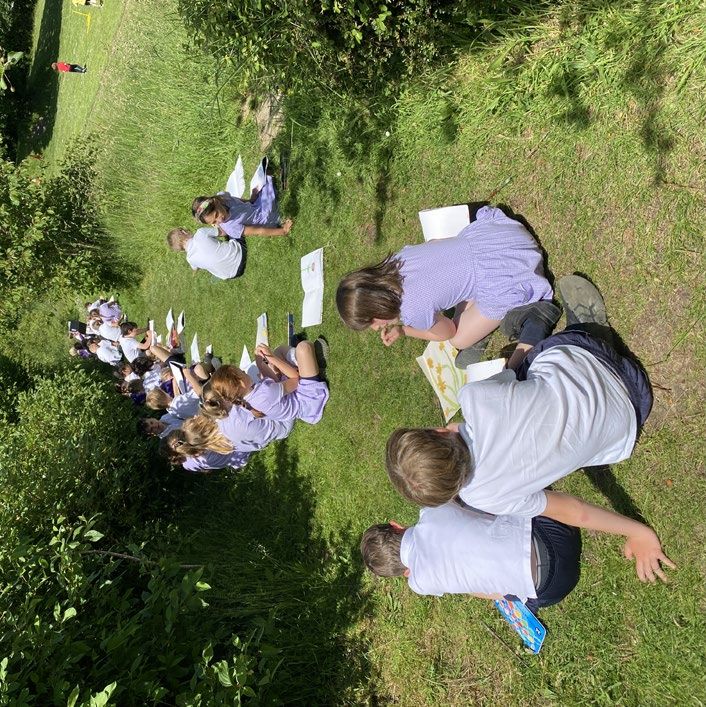
About spear

The Centre for Sport, Physical Education & Activity Research (spear) is
located within the Faculty of Science, Engineering & Social Sciences at
Canterbury Christ Church University. spear undertakes a range of
evidence-led analyses, from critical commentaries and reflections on
current policy and practice, to commissioned research, evaluation and
consultancy.

The Centre’s research is funded by a range of national and international
funders such as the International Olympic Committee, World Health
Organisation, Terre des Hommes, Department of Health, Department for
Education, Youth Sport Trust, Chance to Shine, Premiership Rugby, Sport
Birmingham, parkrun UK and Sport England. Recent work has focused on
sport, physical activity, health and wellbeing in schools and communities.

Research conducted by spear helps guide and inform public policy by
contributing to the wider evidence base used by policy makers, providing
a rationale for government and commercial investment, and steering
programme improvements that enhance the experience of practitioners
and participants.

The Centre for Sport, Physical Education & Activity Research (spear)
Canterbury Christ Church University
North Holmes Road
Canterbury, Kent, CT1 1QU
Tel: 01227 922680
email: spear@canterbury.ac.uk
www.canterbury.ac.uk/spear
Twitter: @spear_news

Author: Dr Katrina Taylor
Project Team: Dr Abby Foad, Dr Katrina Taylor, Annabel Carter, Stacey
Draper & Professor Mike Weed

Active Recovery Curriculums evaluation undertaken by spear and
commissioned by Youth Sport Trust. Report produced by spear

August 2021
Youth Sport Trust
                 Active Recovery Curriculum Case Study
Restoring socialisation and readiness for learning with a reduced
                               curriculum and increased PE focus

               Holy Family Catholic School, Birmingham
                                             June 2021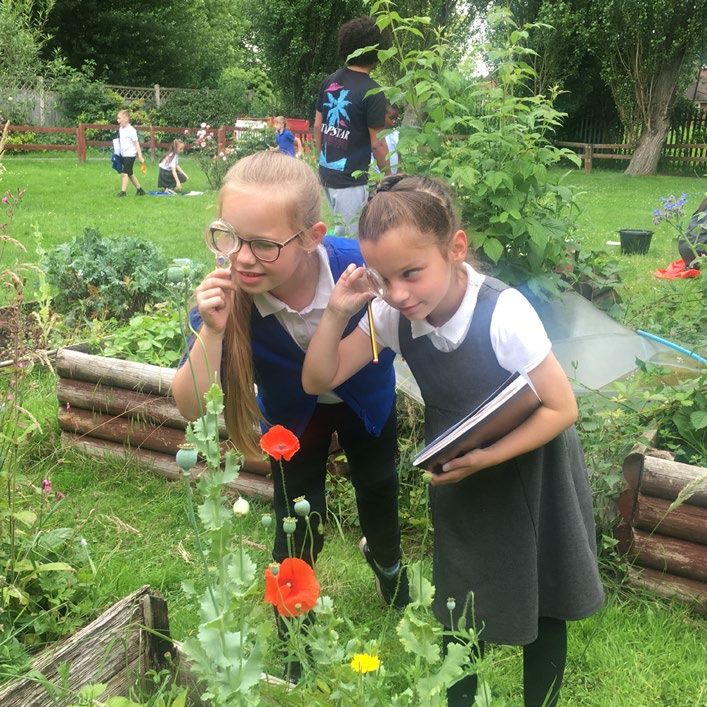
About spear

The Centre for Sport, Physical Education & Activity Research (spear) is
located within the Faculty of Science, Engineering & Social Sciences at
Canterbury Christ Church University. spear undertakes a range of evidence-
led analyses, from critical commentaries and reflections on current policy
and practice, to commissioned research, evaluation and consultancy.

The Centre’s research is funded by a range of national and international
funders such as the International Olympic Committee, World Health
Organisation, Terre des Hommes, Department of Health, Department for
Education, Youth Sport Trust, Chance to Shine, Premiership Rugby, Sport
Birmingham, parkrun UK and Sport England. Recent work has focused on
sport, physical activity, health and wellbeing in schools and communities.

Research conducted by spear helps guide and inform public policy by
contributing to the wider evidence base used by policy makers, providing a
rationale for government and commercial investment, and steering
programme improvements that enhance the experience of practitioners
and participants.

The Centre for Sport, Physical Education & Activity Research (spear)
Canterbury Christ Church University
North Holmes Road
Canterbury, Kent, CT1 1QU
Tel: 01227 922680
email: spear@canterbury.ac.uk
www.canterbury.ac.uk/spear
Twitter: @spear_news

Author: Katrina Taylor
Project Team: Dr Abby Foad, Dr Katrina Taylor, Annabel Carter, Stacey
Draper & Professor Mike Weed

Active Recovery Curriculum evaluation undertaken by spear and
commissioned by Youth Sport Trust. Case study produced by spear.

August 2021

                      spear, Canterbury Christ Church University             1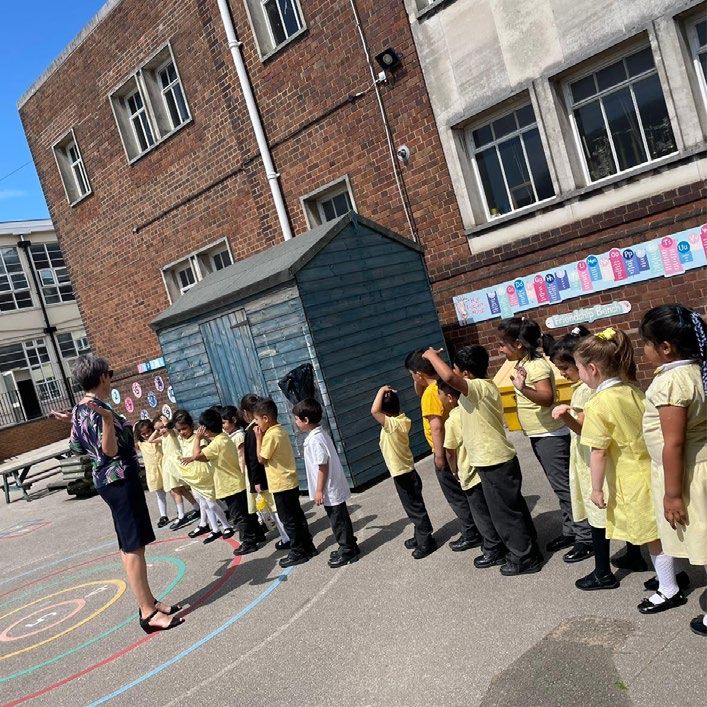
After lockdown….
Context & Reasons for Engagement
                   Holy Family Catholic school is a small one form entry         “
                   primary school located in the Small Heath area of             I was most looking forward
                   Birmingham. Pupils live within a few streets of the           to PE and music.
                   school in an urban location, with limited access to parks     Year 2 pupil
                   and outdoor green spaces. Within the community,
                   social deprivation and obesity levels are higher than
                   average.
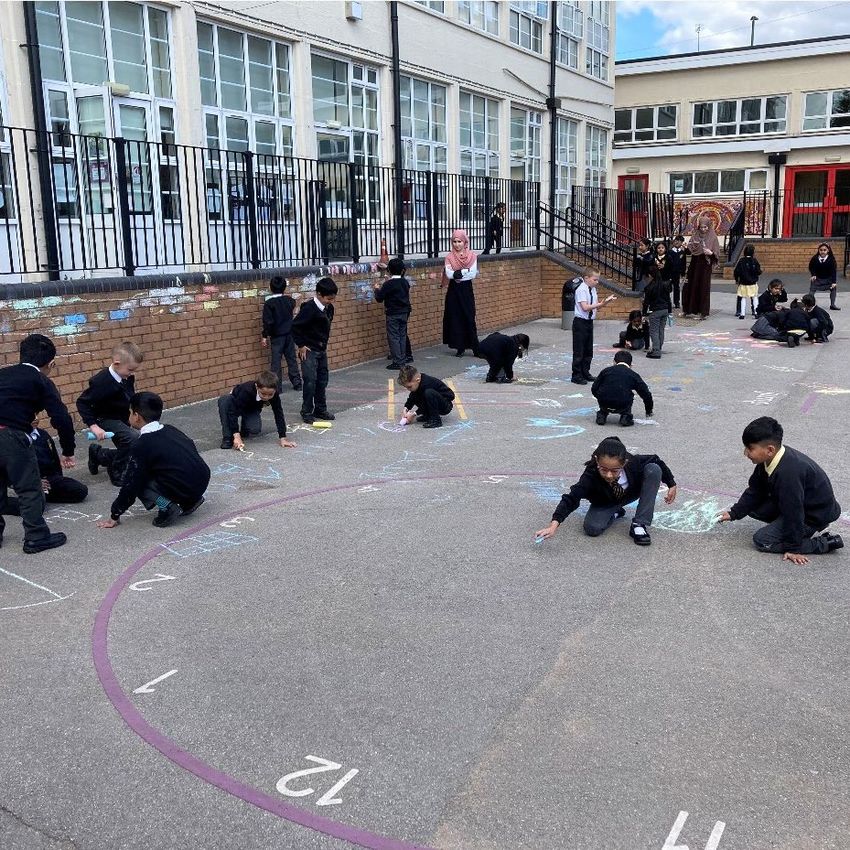
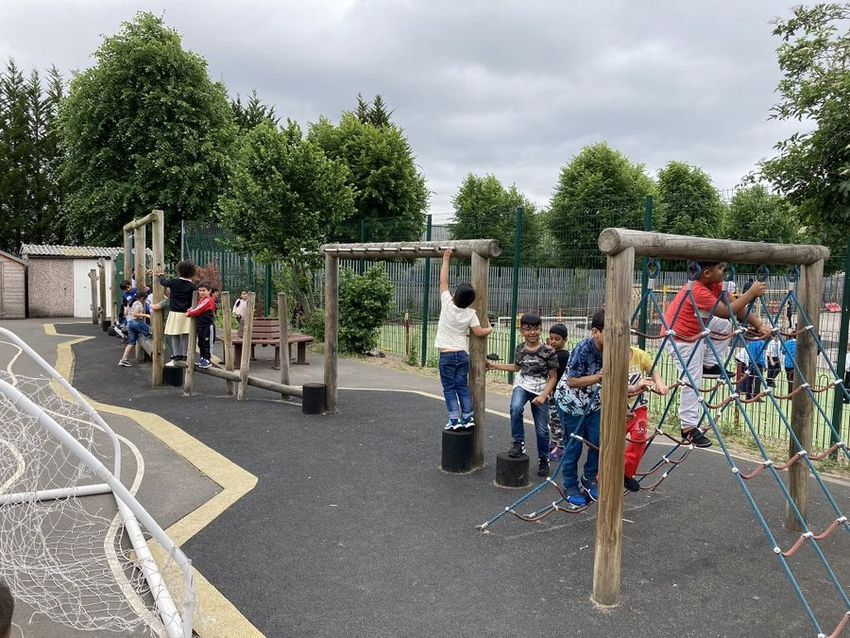
                     The school itself has a small playground with some
                                                                                 “
                                                                                 I wanted to be doing more
football goals and basketball nets and a trim trail around the edge. Physical    sport at school compared
activities also take place in the school hall; however, this multipurpose        to being at home.
space also houses canteen tables, and is unsuitable for activities that
                                                                                 Year 5 pupil
involve big groups of pupils at the same time. The school usually make use
of specialist PE teachers and sports coaches from a local secondary school
to lead their PE curriculum, but opportunities outside of this have been
previously limited.                                                              “
                                                                                 I felt happy to come back
                                                                                 because I could get more
                                                                                 education, because half the
                                                                                 things I forgot.

                                                                                 Year 3 pupil
On return to school after lockdown…
When pupils returned to school on the 8th March
2021, following a year of intermittent                                           “
lockdowns, NQT, Year 3 class teacher and newly                                   It was difficult during lockdown
                                                                                 to be separated from family
appointed PE coordinator Drew Hill, reported
                                                                                 and friends.
pupils were somewhat ‘disengaged and
preoccupied’. Elements of their learning,                                        Year 5 pupil
including handwriting and concentration had
suffered and certain areas were highlighted as a
focal point in the school’s short-term return
strategy. In the first four weeks back at school,
                                                                                 “
                                                                                 In PE lessons at home I did star
much of the usual curriculum was put on hold in                                  jumps and exercise and stuff.
favour of a simplified approach which included English, Maths, RE and PE.        But I was glad to come back to
                                                                                 school because you can’t really
Pupils report feeling ‘nervous’ and ‘shy’ when they first returned, as well as   do it properly at home.
excited to see and spend time with their friends. Physical activity levels
                                                                                 Year 5 pupil
during lockdown were low among pupils, with many reporting having done
no physical activity while at home. Teachers also noted that pupils
appeared unfit and easily tired while engaging in activities at this time.
During the lockdowns, PE activities were set for all pupils via Twitter every    “
                                                                                 I was feeling shy, because I
Friday and the school tried to encourage families to go outdoors and be
                                                                                 hadn’t really seen my
active, however, engagement in these is unclear, and pupils report               classmates in so long.
spending more time sitting down with their laptops and tablets. Teachers
recall it being evident that ‘some children hadn’t run around for months.        Year 3 pupil

                      spear, Canterbury Christ Church University                                 2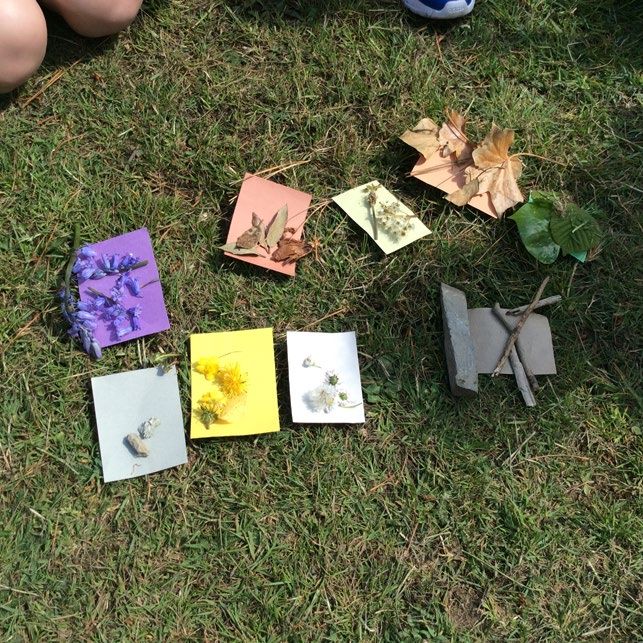
Which activities did
Activities                                                                        you enjoy?
                                    In addition to encouraging playground
                                    activity, PE was incorporated into            “
                                    every school day to ensure pupils were        We did the activities outside,
                                    as active as possible. Key Stage 1            and I prefer to be outside
                                    pupils completed new videos from a            because there’s more space so
                                    paid subscription service ‘Jump Start         you can do more things.
                                    Jonny’ each mornining. Key stage 2            Year 2 pupil
                                    pupils had 15 minute ‘after-break’
                                    activity sessions every day when they
would play fast paced team games to get their heart rates up. A timetable
was also organised to allow one class at a time to go onto the playground
                                                                                  “
                                                                                  I enjoyed cricket the most. I
and run a mile throughout the day. To effectively deliver their Active            like hitting the ball and
Recovery Curriculum with limited indoor and outdoor activity spaces, Holy         running around.
Family have successfully overcome a range of timetabling issues coupled           Year 3 pupil
with COVID restrictions on equipment and capacity. Additional barriers
such as the weather, and swimming pool closures have forced them to be
adaptable and imaginative in order to prioritise time spent being active
                                                                                  “
Since returning to a full curriculum after Easter, Holy Family continue to        We got to do lots more fun
prioritise sporting events and opportunities to engage in outdoor teaching        things outside like tennis and
                                                                                  basketball.
and learning. Examples include curriculum lessons, such as teaching maths
outside, and non-curriulum events such as sessions delivered by                   Year 5 pupil
Warwickshire cricket club and weekly visits from a theatre company
teaching alternative skills such as wilderness activities and tug of war.
Mr Hill said:                                                                     “
“Students have been quite taken aback by                                          I like playing football and
                                                                                  making jokes.
the new activities. I don’t think they
realised how important it is to try new                                           Year 5 pupil
things. They were a bit shy and didn’t
really know what to do but now they are in
the full swing of things it’s probably the
highlight of their week”.
                                                                                  “
                                                                                  We did lots more extra
                                                                                  play.
Extracurricular
In recognition of a sustained period of inactivity and an overall lack of local   Year 3 pupil
opportunities for pupils, Holy Family have extended their extracurricular
                                        activity provision. All staff now have
                                        ownership of an activity each week
                                        and the school now offers over 10         “
                                        clubs per week, compared to 3             It was more fun instead of
                                        offered pre-COVID. Around 70% of          staying at home. We got to
                                        pupils are attending at least one         see and do more stuff.
                                        club, with many attending 2 or 3,
                                        suggesting this additional provision      Year 3 pupil
                                        is well received by pupils and their
                                        parents.

                       spear, Canterbury Christ Church University                                3
Impact: Pupil voice
Impact
Pupils reported ‘PE’ and ‘playing with friends’ as some of the key things        “
they missed during lockdown. The school’s approach to try and                    Being active makes me feel
compensate for missed opportunities has distinct impacts on the children.        happy and joyful and it makes
                                                                                 me feel better if I’m upset or
Physical Wellbeing                                                               sad because it’s fun.
Inactivity and obesity levels are high among pupils at Holy Family, however      Year 2 pupil
since returning to school, teachers report notable reductions in some
pupil’s weight and clear improvements in their fitness levels and stamina.
Children have also become more aware of the importance of getting fresh
air and being active for themselves.                                             “
                                                                                 Being outside makes me feel
Motivation                                                                       happy and being healthy is
The array of opportunities on offer has translated into enthusiasm and           important. I missed it while we
increased motivation for many ‘All the children are buzzing, all the children    were away.
want to be getting involved’ (Mr Hill). When pupils were interviewed             Year 5 pupil
following recent visits from external cricket and tennis providers, most of
them cited these sports as their favourites.
There has also been increased interest in competition. Mr Hill notes during
recreational playground activities ‘you can see the competitiveness shining
                                                                                 “
                                                                                 It’s important to be active to
through’ and ‘winning means a lot to them’.                                      keep healthy.

Social Wellbeing                                                                 Year 3 pupil
The importance of peer-to-peer social interaction has been appreciated
more following the lockdowns; one teacher notes ‘you could really see how
much they value that and how much we all took it for granted and how
much they had missed it’. Many pupils have now increased in confidence
                                                                                 “
                                                                                 It’s important to spend time
after reporting feeling ‘shy’ and ‘nervous’ when they first returned. Pupils
                                                                                 with friends otherwise you
interviewed recognise the value of friendships and spending time with            have no social life.
peers and are ‘excited’ to be outside and playing with friends.
                                                                                 Year 5 pupil

                                                                                 “
Achievements and Challenges                                                      Being active is important,
                                                                                 otherwise when you grow
                                                                                 older you can’t move
Teachers at Holy Family have worked cohesively to develop and deliver            around because you
activities to best suit the needs of their pupils, while the headteacher has     weren’t active when you
encouraged staff to ‘look for opportunities to get more physical activity into   were younger.
the week’. Engagement in an Active Recovery Curriculum has had a notable         Year 5 pupil
positive effect on staff, some of whom are getting involved and joining in
with lessons and their afterschool clubs to give themselves an opportunity
to be active in their day. Prior to COVID-19, all PE was delivered by external
specialists, therefore staff are now more involved with teaching and             “
planning for their classes in this subject due to the additional sessions.       When you are outside you
                                                                                 are getting more air and
                                                                                 stuff. It feels more exciting.

                                                                                 Year 3 pupil

                      spear, Canterbury Christ Church University                                  4
Teacher perceptions of
Top Tips                                                                         impact

                                                                                 “
1) Invite the Experts                                                            We now offer extracurricular
                                                                                 activities every day…cricket,
  Look for local sports clubs, teams,                                            tennis, hockey…we’re going to
  dance troupes, theatre companies and                                           keep that going for September.
                                                                                 They are a lot more tailored,
  other organisations to find unique and                                         and the turn outs are much
  exciting experiences for pupils.                                               better.
  Encourage pupils and staff to have a
  go at something they haven’t done
  before.
                                                                                 “
                                                                                 Students have been quite taken
                                                                                 aback by the new activities. I
                                                                                 don’t think they realised how
                                                                                 important it is to try new
                            2) Review Extracurricular Provision                  things.

                                  Encourage staff to take on responsibility
                                    for a club or activity session afterschool
                                     on one day. Consult with pupils to find     “
                                     out what kinds of activities they would     They can’t wait to get outside
                                     most like to attend. Ensure activities      and are loving being outside
                                     are well advertised so other staff,         playing all kinds of games;
                                                                                 Stuck in the mud…duck duck
                                     pupils and parents all know what is on      goose…going on the trim trail.
                                   offer.

                                                                                 “
                                                                                 Children need a break in the
3) Take a ‘thought’ break                                                        day – give them a thought
                                                                                 break. Even just a 5-minute
   Look at the weekly timetable and find an                                      game of stuck in the mud. They
   appropriate time to include a daily 10-15                                     will sweat, have a drink of
                                                                                 water, then their minds are
   minute pulse raiser. Breaking down                                            much more focused.
   physical activity into short and regular
   chunks is a great way to engage pupils                                        Drew Hill, PE Coordinator and
                                                                                 Year 3 class teacher
   who might be less interested in being
   active. Doing this everyday helps to
   normalise making time to be active,
   wich may encourage young people to be
   active later in life. It also gives pupils a
   ‘thought break’, and helps them return to
   lessons refreshed and focused.

                     spear, Canterbury Christ Church University                                5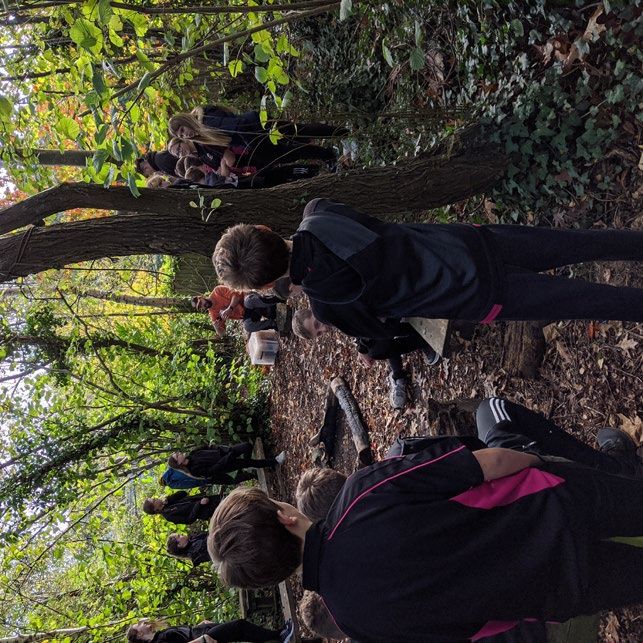
Youth Sport Trust
             Active Recovery Curriculum Case Study
Developing social and emotional wellbeing through an Active
                                       Recovery Curriculum

                                    St Breock, Cornwall
                                            June 2021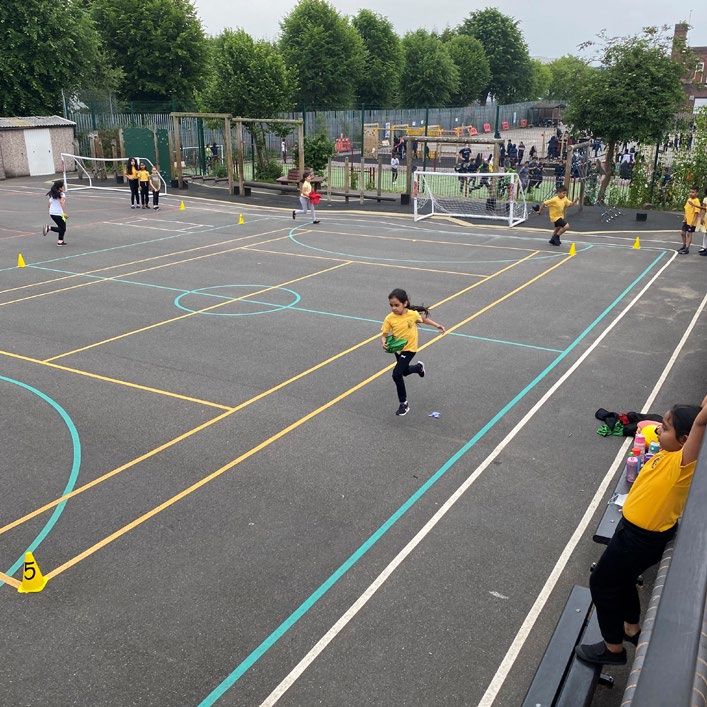
About spear

The Centre for Sport, Physical Education & Activity Research (spear) is
located within the Faculty of Science, Engineering & Social Sciences at
Canterbury Christ Church University. spear undertakes a range of evidence-
led analyses, from critical commentaries and reflections on current policy
and practice, to commissioned research, evaluation and consultancy.

The Centre’s research is funded by a range of national and international
funders such as the International Olympic Committee, World Health
Organisation, Terre des Hommes, Department of Health, Department for
Education, Youth Sport Trust, Chance to Shine, Premiership Rugby, Sport
Birmingham, parkrun UK and Sport England. Recent work has focused on
sport, physical activity, health and wellbeing in schools and communities.

Research conducted by spear helps guide and inform public policy by
contributing to the wider evidence base used by policy makers, providing a
rationale for government and commercial investment, and steering
programme improvements that enhance the experience of practitioners
and participants.

The Centre for Sport, Physical Education & Activity Research (spear)
Canterbury Christ Church University
North Holmes Road
Canterbury, Kent, CT1 1QU
Tel: 01227 922680
email: spear@canterbury.ac.uk
www.canterbury.ac.uk/spear
Twitter: @spear_news

Author: Annabel Carter
Project Team: Dr Abby Foad, Dr Katrina Taylor, Annabel Carter, Stacey
Draper & Professor Mike Weed

Active Recovery Curriculum evaluation undertaken by spear and
commissioned by Youth Sport Trust. Case study produced by spear

August 2021

                      spear, Canterbury Christ Church University             1
Context & Reasons for Engagement After lockdown….
St Breock is a mixed primary school located in
Wadebridge, an old market town in Cornwall.
The school has 205 pupils from Reception to “
year 6 and the majority are from White British When I was being home
schooled I felt like I was
backgrounds. The school is situated on the trapped and it was quite
camel estuary in a rural landscape with annoying because I wasn’t with
extensive grounds available for activities. my friends. When I came back
to school, I was so happy to be
Physical activity has always been important for able to learn with all my
the school but even more so after the lockdowns. The school have a friends again.
dedicated sports coach, Mr Ross, and are often working with local sports Year 4 pupil
clubs and joining in school initiatives, e.g. National School Sports Week.
“
I was really excited as I’d
missed all of my friends.
On return to school after lockdown… Year 5 pupil
When pupils returned to school on
the 8th March, Headteacher, Mrs Hall,
reported children to have reduced “
stamina for school work and were In lockdown you were basically
getting distracted and tired easily. on your own, when we got
Within the younger children, Mrs Hall back to school we could play
reported developmental gaps to be with our class again.
more evident with pupils requiring Year 6 pupil
more supervision at playtime. The
older children had increased anxiety
levels, and the year of intermittent
lockdown had a noticeable impact on “
their social skills with pupils having I’ve definitely been more active
at school compared to when I
reduced tolerances when playing with friends.
was doing lessons at home.
St Breock’s key focus was to develop pupil’s social and emotional Year 6 pupil
wellbeing. Children report most looking forward to seeing their friends
when returning to school which was facilitated by the school allowing extra
time for pupils to build up relationships and routines again. Prioritising
pupils’ social and emotional wellbeing also allowed teachers time to settle “
back into routines and build strong relationships with their classes after Not being with your friends for
teaching from home for so long. so long, being able to interact
with them after a long time is
Feedback from the school’s Health and Wellbeing lead, Year 4 teacher and nice.
PSHE and Literacy co-ordinator, Mrs Dennis, suggested children in Years 2 Year 6 pupil
and 3 found the return to school the most challenging, as they were not
accustomed to being around classmates and in noisy classrooms all day.
Emotional and social delays were apparent and the school is continuing to
focus their efforts on helping pupils socialise and reconnect.
spear, Canterbury Christ Church University 2Which activities did
Activities pupils/you enjoy?
St Breock incorporated an adapted
curriculum for the first two weeks of
school return in March. They began
each day with a ‘shakeout activity’
“
Instead of writing about the
and incorporated regular ‘pause for
Battle of Britain it’s doing it, it
play’ activity breaks throughout the helps with my concentration.
day where children did rapid bursts of
Year 6 pupil
activity and were allowed to play on
the playground equipment.
Additionally, the new curriculum
incorporated regular breaks where children were able to sit and chat with
classmates and get used to socialising again. Teachers had flexible teaching
“
We did art outside as well, next
time over these two weeks and only asked pupils to concentrate on school week we’re going to be doing
work for short periods at a time. The school’s focus was to prepare pupils watercolours outside which I’m
to be ready for learning and prioritise their emotional and social wellbeing. looking forward to.
Year 5 pupil
Mrs Hall encouraged all teaching staff to incorporate lessons outside as she
felt it was important for pupils to understand the benefits of being outside
and being active. This view was reinforced by the school’s health and
wellbeing lead, Mrs Dennis, who said: “
I was quite worried about
“It was those important social skills that they’d forgotten as they hadn’t doing surfing before I did it but
had it for so long. This could easily be achieved by going outside and I really enjoyed it and now I do
doing a lot of activity.” surfing lessons every Sunday at
Polzeath.
Staff found innovative ways to take curriculum teaching outside and make Year 5 pupil
use of the schools extensive grounds in a variety of subjects:
• Year 1 going on nature walks
•
•
Years 2 and 3 sharing social stories with each other outside
Year 4 creating a Viking boat in art
“
We’ve been doing circle time
• Year 5 visiting the local boules club for curriculum PE outside and doing something
• Year 6 recreating the Battle of Britain in history called ‘Pause for Play’ where
our teacher would say Pause
Spending time outside was also factored into staff time with staff meetings for Play and we’d all get up
regularly occurring outside and staff being encouraged to take breaks and say Pause for Play, go
outside and be active role models for the pupils. outside, walk up and then run
in the playground come back
As a further part of the Active and do 10 star jumps and then
be able to play on some
Recovery Curriculum, holiday clubs equipment for a couple of
were introduced. Mrs Hall minutes. Then we’re all ready
expressed the importance of to learn again as it freshens my
maintaining social interactions mind and makes me feel more
relaxed.
between children over the summer
holidays, enabling children to Year 4 pupil
continue their communicative
development to facilitate a smooth
transition back to school in
September.
spear, Canterbury Christ Church University 3Impact Impact: Pupil voice
During the first two weeks of term, St
Breock prioritised their Active Recovery
Curriculum exclusively to prepare and “
develop stamina for the academic You get to do fun things while
being active and you get to do it
curriculum in the following weeks. with your friends.
Interviews with teachers and pupils,
supported by parent feedback, highlight Year 4 pupil
how this approach positively impacted
children’s recovery from COVID-19.
“
“After feeling a bit worried and anxious about going back to school, [child] In lockdown you were basically
and [child] were absolutely buzzing with excitement yesterday when they on your own, when we got back
to school we could play with our
got home!” Parent class again.
Year 6 pupil
Social Wellbeing
Many pupils expressed being excited to see their friends again on return to
school, however, a reduced tolerance within friendships was apparent and
reported by Mrs Hall, headteacher. The Active Recovery Curriculum “
allowed friends time to reconnect and learn how to be a good friend again Being active makes me feel
happy, it distracts me from what
through increased opportunities to play and chat to one another. Pupils
I’m thinking about if I’m upset
were reported to be ‘themselves’ again and their overall wellbeing and puts happy thoughts into my
increased. head.
Year 5 pupil
“[Child] said she had such a lovely day at school and it was lovely to see
that she had her ‘sparkle’ back again.” Parent
“
Emotional Wellbeing Exercise boosts your confidence
Many children experienced heightened anxiety on return to school due to and puts a smile on your face.
being at home for a long period of time, “I was nervous having to go back Year 4 pupil
to school”. Increase anxiety manifested itself into bad behaviour, with
pupils being tearful and withdrawn more easily. The school’s Active
Recovery Curriculum facilitated teachers to be flexible in their teaching and
regularly check in with pupils to ask how they were feeling and coping with “
the transition back to school. Allowing gradual introductions to school Being active helps me let out my
frustration and the thoughts
work and expressing to pupils that they were not coming back and that are buzzing in my head by
expected to be getting on with maths and english where they left off, but going for a walk and enjoying
rather coming back and focusing on being happy and getting to know each fresh air and doing some activity
other again, reduced anxiety levels and increased pupils’ confidence. to just focus your mind to try
and stop you from being
frustrated so when you get back
inside you’re ready to learn
“She came home smiling, laughing, talking and being her normal because you’ve focused your
excellent self again. As a parent I can’t thank Mrs. Dennis enough.” mind.
Parent
Year 4 pupil
spear, Canterbury Christ Church University 4Teacher observations
Top Tips
1) Balance personal and academic development
Focusing on whole person development in
“
If children are anxious or
children should be prioritised. Children’s worried then how are they
health and wellbeing is paramount and going to learn, they’re not
influences their behaviour and ready to learn. Having those
concentration levels. By placing whole couple of weeks really made a
positive impact on the health
person development on equal terms
and wellbeing of our children.
with academic development,
children’s readiness to learn will Mrs Dennis, Health and
increase. Wellbeing Lead, Year 3 teacher
“
General lack of stamina for
2) Implement a school-wide strategy work and that was right across
the school, we needed to build
Try and secure interest from all staff in an that up again slowly and
Active Recovery Curriculum. Having all intersperse that with lots of
staff members recognise the benefits activity to make sure children
were getting those physical
and support an Active Curriculum will breaks and reengaging their
maximise impact and outcomes both brains.
on pupils, and across the school.
Mrs Hall, Headteacher
Reiterating that pupil wellbeing is a
key priority will give teachers
permission to be flexible with lesson
delivery, enhancing pupils’ physical, “
mental, social and emotional health. Giving staff permission to do
that and absolutely not
jumping into literacy and
numeracy, I didn’t want
baseline testing, I think it
would have done more
3) Pause for play damage.
Allow opportunities for pupils to be Mrs Hall, Headteacher
active when planning lessons. After
having a break for play, pupils are
more ready to learn and
concentration levels are heightened.
Encourage regular breaks for physical
activity throughout the day to allow
pupils time to refresh their minds and
increase productivity when in lessons.
spear, Canterbury Christ Church University 5Youth Sport Trust
Active Recovery Curriculum Case Study
Delivering a targeted physical activity intervention to develop
confidence and skills
St Joseph’s Catholic Primary School, Christchurch
July 2021About spear
The Centre for Sport, Physical Education & Activity Research (spear) is
located within the Faculty of Science, Engineering & Social Sciences at
Canterbury Christ Church University. spear undertakes a range of evidence-
led analyses, from critical commentaries and reflections on current policy
and practice, to commissioned research, evaluation and consultancy.
The Centre’s research is funded by a range of national and international
funders such as the International Olympic Committee, World Health
Organisation, Terre des Hommes, Department of Health, Department for
Education, Youth Sport Trust, Chance to Shine, Premiership Rugby, Sport
Birmingham, parkrun UK and Sport England. Recent work has focused on
sport, physical activity, health and wellbeing in schools and communities.
Research conducted by spear helps guide and inform public policy by
contributing to the wider evidence base used by policy makers, providing a
rationale for government and commercial investment, and steering
programme improvements that enhance the experience of practitioners
and participants.
The Centre for Sport, Physical Education & Activity Research (spear)
Canterbury Christ Church University
North Holmes Road
Canterbury, Kent, CT1 1QU
Tel: 01227 922680
email: spear@canterbury.ac.uk
www.canterbury.ac.uk/spear
Twitter: @spear_news
Author: Dr Katrina Taylor
Project Team: Dr Abby Foad, Dr Katrina Taylor, Annabel Carter, Stacey
Draper & Professor Mike Weed
Active Recovery Curriculum evaluation undertaken by spear and
commissioned by Youth Sport Trust. Case study produced by spear.
August 2021
spear, Canterbury Christ Church University 1After lockdown….
Context & Reasons for Engagement
St Joseph’s Catholic Primary school is an urban
one form entry school in Christchurch, Dorset. The “
school has a mixed demographic and a reputation There were gaps across the
of high achieving SATs scores. The school consider board, and we really noticed
themselves to be sporty and recognise the wide- behaviour had gone downhill,
ranging benefits of being physically active and we had a few really tough
weeks from March 8th to the
spending time outdoors. As such, re-gaining Easter holidays where we just
fitness levels and increasing engagement in had to go back to basics and
physical activity is a top priority for the school. again the sport helped with
that so much as it teaches
them different skills.
Headteacher
On return to school after lockdown…
When pupils returned to school in March 2021 there were gaps in many “
We wanted to make sure our
areas of pupil development, ranging from basic selfcare skills through to
children are active after the
academic development. In the first weeks back at school, Headteacher, lockdown, we’re really into
Mrs Elizabeth Rippon, reported a decline in pupil behaviour as pupils re- sports at school anyway but
established structure and routine. Impaired social skills and an increase in felt the children have had a lot
pupils falling out with friends was also reported. of time inside and sports not
just about fitness it’s more
Many of St Joseph’s pupils live in flats or do not have access to gardens. As than that, resilience, working
as a team socially.
such, time spent being active and outdoors at home was limited for many.
During the final winter lockdown in particular many children were inside PE Coordinator
most of the time and had lost interest in going to parks or green spaces.
Pupils report being excited to return to PE lessons and to have
opportunities to be active once again, however, many children displayed
clear reductions in fitness, and were less motivated than before. “
As a school we are always
Concerns about pupil mental health and wellbeing were also apparent, and trying to find ways of
this became a focal point of activities throughout the Summer term. St improving the whole child, we
understand the benefit of
Josephs provided additional sessions with their ‘Emotional Literacy Support physical activity on the
Assistant’. To align with National School Sports Week, the school included children, and it helps them
non-traditional activities such as yoga and mindfulness practices, in a bid to learn so by doing the
introduce children to a holistic approach to overall wellbeing. REACTIVE-8 programme they
are in a better frame of mind
To build up fitness and other skills in children most affected by the to learn in the classroom.
lockdowns, St Josephs developed intervention sessions for PE, as they PE coordinator
would for other core subjects such as
literacy or Maths. Class teachers
identified about 12 children from each
class in years 1-5 who would most benefit
from some additional outdoor weekly
physical activity, and these children took
part in REACTIVE-8 sessions, a
programme designed and delivered by PE
coordinator, Mr Nathan Rickard.
spear, Canterbury Christ Church University 2Observations
Activities
One of the key elements of the Active Recovery
Curriculum at St Josephes was REACTIVE-8, a “
specially designed physical activity intervention They enjoy doing it because it’s
programme to help pupils regain fitness and a social thing, they’re laughing,
enhance other development skills following joking, and having fun which
COVID-19. they haven’t been able to do
because they’ve been in
Sessions were attended during curriculum time isolation.
on Thursday and Friday afternoons by the 12 PE coordinator
children selected from each year group. The
outdoor multi-sport sessions ran once a week
on the hard play area throughout the spring and summer terms. Pupils
worked in pairs and one scored while the “
REACTIVE-8: other did the activity, before they switched We’ve got an orienteering
setup around here where
roles. This promoted communication, we’ve done questions and
Resilience teamwork and empathy as they offered answers relating to a subject,
one another encouragement. Scores were for example geography and
Empathy recorded and they had an opportunity to asking about capitals.
Agility improve upon previous scores each week. PE coordinator
Co-ordination To increase time spent outside, curriculum
lessons such as maths, geography and
Teamwork
Integrity
literacy were also taken outside where
possible. The school have an orienteering
“
I’m more active at school
Versatility course on the grounds and some lessons compared to when I was at
used this for pupils to answer questions home.
Enjoyment about a topic area at each checkpoint. Year 2 pupil
Despite not being able to offer an annual residential trip to older pupils,
residual activity funding was used to take Year 5 and 6 pupils to local
adventure centres to engage in a range of watersports and outdoor
activities that many wouldn’t otherwise have the chance to do.
“
Being active at school makes
me feel more confident and
helps me feel less nervous.
Year 3 pupil
Impact
St Joseph’s pupils report really enjoying the “
additional opportunities to be active at school. I feel happy, confident,
Teachers report pupils asking if they can do excited, because it’s fun.
more of the REACTIVE-8 programme, and
pupils who were not involved have asked if Year 3 pupil
they can be next term. St Joseph’s plans to
continue to incorporate REACTIVE-8 into their
curriculum and will develop the programme to
meet the changing needs of pupils and try to
include more pupils.
spear, Canterbury Christ Church University 3Being outdoors How do you feel about
Spending more time outdoors being active at school?
has been very important to
pupils, many of whom would
choose to play outside
regardless of the weather.
Pupils recognise that getting
“
I like doing sport. It makes me
fresh air is fun and makes them happy and tired.
feel happier.
Year 2 pupil
Academic development
A lot of academic progress has been made since pupils returned, and
headteacher Mrs Elizabeth Rippon comments that the gap in learning is “
‘starting to close’ and she feels positive about pupils’ potential to achieve Being outside is important
in the next academic year. Following REACTIVE-8 sessions, the shift in because you’re with friends
attitudes to learning and feedback from pupils has been extremely and family and in nature.
positive.
Year 3 pupil
Confidence
Although the REACTIVE-8 programme
focuses on a range of skills and abilities, “
the overall goal is to improve physical I love doing outdoor things and
fitness for those who most needed it. The being active is important.
multi-sport focus of REACTIVE-8 and
Year 3 pupil
activities offered in off-site adventure
facilities have helped to expand pupils
comfort zones and increased their
motivation to participate.
“
I’m happy because I’m active,
Headteacher, Elizabeth Rippon said: “It it’s important because you can
get fit and healthy and don’t
has helped the children’s confidence, we
have to stay inside.
weren’t expecting it to do that but it’s
helped their confidence and enthusiasm Year 3 pupil
for sport. It’s given them those skills to
join in and social skills of being part of a
team.” “
Being active makes me feel
Healthy School Community
happy and joyful and it makes
Not only are children more motivated to engage me feel better if I’m upset or
in physical activity in school, but PE coordinator sad because it’s fun.
Mr Nathan Rickard comments that the
programme has “encouraged children to practice Year 2 pupil
physical activity at home”. The wider school
community have also benefited from St Joseph’s
Active Recovery Curriculum. Class teachers have
benefitted from smaller class sizes while some
pupils have been in REACTIVE-8 intervention
sessions, and teacher have also found those
pupils to be more focussed in lessons. Mrs
Elizabeth Rippon says, “I think if the children are
benefiting then the teachers love it.”
spear, Canterbury Christ Church University 4Achievements
Top Tips
1) Teamwork opportunities
Give children opportunities to work
“
Getting the students to
with and support one another socialise more and bond
through physical activity. This helps and come out of their
to develop communication skills, shells a bit more. We let
them get outside and play
empathy and to socialise through together and rediscover
shared interests and experiences. those friendships.
Challenges
2) Offer non-traditional
activities “
The biggest challenge
Activities such as Yoga and when the children came
back to school is them
Mindfulness encourage pupils to make learning how to play
connections between their physical together again, the
and mental health and develop an socialisation. It was across
understanding of the importance of the year groups, and we
got little fall outs because
both for overall wellbeing.
they’ve been away from
each other for so long.
PE Coordinator, Mr
Nathan Rickard
3) Get Outside
After long periods of time confined
indoors, children really appreciate
the opportuity to get fresh air and
enjoy open spaces. Explore
opportunities to deliver sections of
lessons outside and increase
children’s activity levels.
spear, Canterbury Christ Church University 5Youth Sport Trust
Active Recovery Curriculum Case Study
Supporting physical literacy and ambition through new
opportunities for young people
The Bourne Academy, Bournemouth
July 2021About spear
The Centre for Sport, Physical Education & Activity Research (spear) is
located within the Faculty of Science, Engineering & Social Sciences at
Canterbury Christ Church University. spear undertakes a range of evidence-
led analyses, from critical commentaries and reflections on current policy
and practice, to commissioned research, evaluation and consultancy.
The Centre’s research is funded by a range of national and international
funders such as the International Olympic Committee, World Health
Organisation, Terre des Hommes, Department of Health, Department for
Education, Youth Sport Trust, Chance to Shine, Premiership Rugby, Sport
Birmingham, parkrun UK and Sport England. Recent work has focused on
sport, physical activity, health and wellbeing in schools and communities.
Research conducted by spear helps guide and inform public policy by
contributing to the wider evidence base used by policy makers, providing a
rationale for government and commercial investment, and steering
programme improvements that enhance the experience of practitioners
and participants.
The Centre for Sport, Physical Education & Activity Research (spear)
Canterbury Christ Church University
North Holmes Road
Canterbury, Kent, CT1 1QU
Tel: 01227 922680
email: spear@canterbury.ac.uk
www.canterbury.ac.uk/spear
Twitter: @spear_news
Author: Annabel Carter
Project Team: Dr Abby Foad, Dr Katrina Taylor, Annabel Carter, Stacey
Draper & Professor Mie Weed
Active Recovery Curriculums evaluation undertaken by spear and
commissioned by Youth Sport Trust. Case study produced by spear.
August 2021
spear, Canterbury Christ Church University 1After lockdown….
Context & Reasons for Engagement
The Bourne Academy is a
comprehensive secondary school in
Bournemouth for just under 1,000
“
Lockdown was really tough, it
pupils aged 11 to 19. The school has was hard to socialise with
little ethnic diversity and high numbers friends.
of pupils with SEND and pupil
Year 12 pupil
premium. Within the community,
unemployment levels and lifestyle
health problems are higher than national averages. The school has a large
sports hall, Astroturf, grass playing fields and a dedicated outdoor “
education site. Physical activities are led by PE staff. The school recognise When we came out of
the value of ongoing physical activity and wellbeing within its priorities. lockdown I was able to work on
my goals and enjoy physical
activity.
Year 12 pupil
On return to school after lockdown…
Intermittent lockdowns and the return to school had a profound affect on
“
Coming out of lockdown and
various aspects of wellbeing for many young people. On return to school, being able to be active has
Vice Principal Mr Ashley St John reports how “we have seen a dramatic helped me so much.
increase in mental health
Year 11 pupil
referrals over the last 14
months”. Additionally, injuries
requiring first aid occurring
during PE lessons increased “
across the school and teachers Really important part of what
noticed lack of physical we wanted to achieve with
literacy and reduced fitness students returning was to be
levels among pupils. As a active and looking at things
such as active travel, the use of
result, The Bourne Academy social time and being outside
prioritised pupils’ physical as well as maximising
activity and movement on their return and tried to “get things going curriculum time.
again”. In addition to impaired physicality, teachers also recognised drop
Assistant Principal, Mr
offs in motivation and engagement. Teachers aimed to adapt their Jonathan Perkins
approaches in order to better support pupils within curriculum time.
Assistant Principal, Jonathan Perkins described the school’s “Bespoke
approach, giving teachers more autonomy to build and develop those
relationships to promote and be role models for physical activity”. “
Important to support students
Inspite of COVID-19 restrictions and associated limitations of PE delivery, as they return to school.
The Bourne Academy aimed to maintain a sense of normality and maintain
Teacher
the structure and routines pupils are accostomed to, as they believe this
helps enhance academic standards at the school. To avoid mixing bubbles,
each year group has separate changing rooms to use for PE lessons, as well
as separate break and lunctime areas, each with their own goalposts and
footballs for recreational use.
spear, Canterbury Christ Church University 2Teacher observations
Activities
Within curriculum time, weekly
lessons at The Bourne Academy’s
outdoor education site have been
“
We reviewed the needs of
included for Year 7 and 8 pupils. The students when we put
school has also increased its ACE together the ASPIRE day
(Additional learning, Catch up and programme.
Enrichment for students) and Girls Assistant Principal, Mr
Active provision. Jonathan Perkins
To optimise physical activity
opportunities, The Bourne Academy increased their physical activity offer
at break, lunch and after school. New ‘multi-sport’ extra-curricular clubs
“
Looked at additional trips
are now offered so pupils have the chance to play a range of sports. For within our ARC and had the
those who wish to be competitive, intra-year group football competitions largest number of students
have been introduced while external fixtures are unavailable. This has we’ve ever had completing
doubled the number of places available for pupils to play competitively. the DofE awards during the
year.
The Bourne Academy has incorporated performing arts as a key part of
Assistant Principal, Mr
their Active Recovery Curriculum in the belief that opportunities to Jonathan Perkins
perform have positive impacts on pupil wellbeing. The school worked hard
to ensure events in the Summer term calendar went ahead as planned,
amid uncertainties around ongoing COVID-19 restrictions. Events such as
‘The Summer Music Café’ and production of A Midsummer Nights Dream
“
It’s absolutely wonderful
were performed outside on site to a live socially distanced audience:
seeing students taking
opportunities to do a new
“The students get the experience of being outside in front of an activity, something that they
audience and their peers get their cultural experience of watching a wouldn’t normally be able to
piece of live theatre”. try.
Assistant Principal, Mr
Throughout the year the school organise ASPIRE days to help pupils Jonathan Perkins
develop physical literacy, self-confidence and ambition. Pupils are
introduced to over 25 activities delivered by staff and experts and are
encouraged to try something new. This
term activities included a Euro 2020
inter-house football tournament, yoga,
breakdancing, musical theatre,
scavenger hunt, acting masterclass,
escape rooms, outdoor education,
velodrome cycling and a mental health
talk.
Since returning to school, DofE uptake
has grown to 110 pupils from years 9 to 12. This year, 45 pupils achieved a
bronze award which is more than ever before. Teachers suggest this is a
result of the school promoting the activities, and pupils increased desire to
spend more time with friends outside. The Bourne Academy have been
more aware of the value of the award this year and even have gold award
pupils going on a paddle boarding expedition in Scotland.
spear, Canterbury Christ Church University 3Impact Impact: Pupil voice
Physical literacy
Increasing physical activity opportunities across the school and introducing
new activities via the ASPIRE day has led to improvements in pupils’ “
physical literacy. Pupils have been able to experience new opportunities, It is nice to have experts come
learn new skills and find ways to apply their developing skills and in and teach us which we
competencies to new scenarios. obviously haven’t had in a long
time.
Personal Development
Year 12 pupil
PE Subject Lead, Mr Mike Child, cited improvements in teamwork,
organisation and communication skills since the school has returned and
believes an active curriculum had played a role in developing pupils.
Self-confidence “
I really really enjoyed
Through incorporating performing arts as a key part of the school’s Active
performing outside because it
Recovery Curriculum and prioritising outdoor performances to audiences felt a lot more personal with
and peers, pupils’ confidence levels have increased. the audience.
“Pupils are buzzing the next day after their performance, they are Year 12 pupil
already excited for the next one”. Mr David Mastrocola, Head of Visual
and Performing Arts
“
Ambition Being outside, being in the
The ASPIRE day provides open air, being able to take
exposure and opportunities to try a breather has helped my
mental health.
activities pupils may not have
thought of doing previously. Year 12 pupil
Taster sessions help pupils
understand that they can do
things they might have previously
felt they couldn’t, and this shift in “
mindset can be applied to a The school has given me a
lot of opportunities to
range of future scenarios. Inviting experts from the community to lead know what I want to do in
activities further increases pupils’ awareness of opportunities available and the future and it will help
provides new role models. Teachers feel a ‘sense of missed opportunity’ me with going to college or
which arose during lockdown which has made some young people more university and stuff like
that.
willing to get involved in new activities and extracurricular opportunities.
Year 12 pupil
Achievements and Challenges “
I’ve been involved in a Latin
fusion dance workshop
Teachers at The Bourne Academy have worked cohesively to overcome the which is cool because I’ve
challenges of ‘bubbles’ at school by increasing provision so small groups of never done something like
pupils can participate in different activities. Sport staff have also that before.
introduced intra-competitions to replace school fixtures, extending Year 12 pupil
participation numbers from one to two teams and increasing competitive
opportunities for pupils.
spear, Canterbury Christ Church University 4Teacher observations
Top Tips
1) Encourage activities for all
“
Find ways for all pupils to experience It’s so important to broaden
a range of activities at school to spark students’ opportunities.
interest and increase the chance they Assistant Principal, Mr
will find something they enjoy. Jonathan Perkins
Events such as an ASPIRE day
encourage uptake of new activities
and help break down barriers to pupil
engagement. “
Where a student has tried a
new activity for the first time
perhaps that may leave a
2) Use staff as role models lasting legacy for them where
they return to that in their
future lives.
All staff can act as role models and
inspire pupils throughout the school Assistant Principal, Mr
day. Encourage staff to travel to Jonathan Perkins
school actively, to get involved in
activities, and to establish new
extracurricular opportunities relating
to their own interests. Staff being
“
We’re giving teachers more
active in front of pupils encourages autonomy to build and develop
involvement and can increase those relationships to promote
aspiration for an active lifestyle. and be role models for physical
activity.
Assistant Principal, Mr
Jonathan Perkins
3) Think outside the box
Consult with pupils on the types of
activities they would like to try and
try to present relevant opportunities.
“
Seeing their fun and enjoyment
Introducing multi-sport
with their peers when being
extracurricular sessions is a great active is really important for
way to incorporate sports and their future development.
activities to suit a range of pupils,
Assistant Principal, Mr
and to encourage pupils to engage in Jonathan Perkins
things they wouldn’t usually choose.
spear, Canterbury Christ Church University 5You can also read


