SPNHC + TDWG CONFERENCE - 2018 COLLECTIONS AND DATA IN AN UNCERTAIN WORLD 25 AUGUST - 1 SEPTEMBER, DUNEDIN, NEW ZEALAND - TDWG 2018
←
→
Page content transcription
If your browser does not render page correctly, please read the page content below
2018
SPNHC
+ TDWG
CONFERENCE
COLLECTIONS AND DATA
IN AN UNCERTAIN WORLD
25 AUGUST - 1 SEPTEMBER, DUNEDIN, NEW ZEALAND
2018
SPNHC
+ TDWG
CONFERENCE
COLLECTIONS AND DATA
IN AN UNCERTAIN WORLD
Conference             Kia ora tātou,
Organising Committee
                       The local organising committee is delighted
                       to welcome you to Dunedin and the 1st joint
Local Reps:            meeting of the Society of the Preservation
Robert Morris          of Natural History collections (SPNHC) and
                       Biodiversity Information Standards (TDWG).
Nyssa Mildwaters       We are particularly excited to host the 1st
Emma Burns             annual SPNHC meeting in the Southern
                       Hemisphere and hope that this meeting
                       is an opportunity for members of both
SPNHC Rep:             organisations to share knowledge
Barbara Thiers         and expertise.

                       Though the theme of the conference
TDWG Reps:             ‘Collections and Data in an Unstable World’
Shelley James          is particularly relevant to New Zealand, living
Gail Kampmeier         as we do in the shaky isles, it has a much
                       wider scope in these times of uncertainty.
Niels Klazenga         We look forward to bringing people and
James Macklin          ideas together from all around the world who
David Shorthouse       share a common interest in Natural Science
                       collections and the information generated
Stan Blum              from them. We believe that in times of
William Ulate          instability, collaboration is key to ensuring
                       the well-being of our collections and their
                       role in promoting the importance of the
                       natural world. We hope that this meeting
                       will act a catalyst for greater collaboration
                       within the southern hemisphere and of
                       course more widely.

                       We wish to extend sincere thanks to
                       our conference partners whose financial
                       sponsorship has been instrumental in the
                       organisation of this conference as well as
                       to our colleagues on both the TDWG and
                       SPNHC organising committees whose input
                       and assistance has been greatly appreciated.
                       As you will see from the conference
                       programme, this is a particularly busy
                       meeting with lots of concurrent sessions. We
                       hope however that there is something for
                       everyone and that your time with us is both
                       engaging and rewarding

                       Ngā mihi mahana

                       The Local Organising Committee

                       Robert Morris – Chair, Nyssa Mildwaters and
                       Emma Burns.

                                                                         3
CONFERENCE
    PARTNERS

                 DIAMOND PARTNERS

                 PLATINUM PARTNERS

                  GOLD PARTNERS

                  SILVER PARTNERS

                 BRONZE PARTNERS

4
CONTENTS

03
LOCAL COMMITTEE
WELCOME

04
CONFERENCE
                  06
                  WELCOME FROM
PARTNERS          SPNHC & TDWG

08
TRAVEL
                  12
                  GENERAL
                                 14
                                 GETTING
GRANTS            INFORMATION    AROUND

15
AREA
                  22
                  OVERVIEW
                                 24
                                 SCHEDULE
                                               25
                                               SCHEDULE
MAPS              SCHEDULE       THURSDAY      FRIDAY
                                 23 AUGUST     24 AUGUST

26
SCHEDULE
                  27
                  SCHEDULE
                                 29
                                 SCHEDULE
                                               33
                                               SCHEDULE
SATURDAY          SUNDAY         MONDAY        TUESDAY
25 AUGUST         26 AUGUST      27 AUGUST     28 AUGUST

39
SCHEDULE
                  46
                  SCHEDULE
                                 52
                                 SCHEDULE
                                               54
                                               POSTERS
WEDNESDAY         THURSDAY       FRIDAY
29 AUGUST         30 AUGUST      31 AUGUST
WELCOME
               FROM SPNHC

    On behalf of SPNHC Council, it gives me           The core of SPNHC’s accomplishments is the
    great pleasure to welcome all participants to     result of the valuable work done by
    our 33nd Annual Meeting in Dunedin, New           the society’s committees. In these
    Zealand, being hosted by the Otago Museum         unstable times, it’s important for museum
    and the University of Otago. Since this is the    professionals to stand together and advocate
    first SPNHC meeting in this region of the         for what we feel is important. I encourage
    world and the first joint meeting with the        everyone to become involved by becoming
    Biodiversity Information Standards (TDWG),        engaged with one of our committees, which
    it’s shaping up to be significant milestone       all work towards our unwavering fundamental
    for our respective organizations and for          goal of caring, conserving and promoting our
    collections worldwide.                            natural history collections.

    The conference theme is “Collections and          Our annual meeting provides us the
    Data in an Unstable World.” This timely           opportunity to network with professionals,
    theme reflects the current events as well         learn about evolving technologies in
    as our efforts as museum professionals to         collection/data management, highlight our
    find ways to combat the various waves of          accomplishments, and socialize with our
    instability, ranging from the environment         colleagues. This meeting is bound to be a
    to politics, which affects not only our           success in all of these areas, and I’m excited
    collections, but also our day-to-day practices.   to wish all of you a productive and
    The Local Organizing Committee has                fun-filled meeting.
    done a tremendous job of providing an
    engaging program of events around this
    theme including oral and poster sessions,
    informative workshops and some exciting
    social events. We thank them for the huge
    amount of work they have done in making           Linda S. Ford
    this meeting bound for success.                   President
                                                      Society for the Preservation of Natural
    It is rewarding to announce that our SPNHC        History Collections (SPNHC)
    Annual Meeting Travel Grant and Meeting
    Donation Drive programs have assisted in
    funding the attendance of 10 members. In
    addition, I thank the JRS Foundation for
    granting funds to support the attendance of
    three colleagues from African countries. All
    grantees will be mentored by established
    collections professionals and we thank our
    mentors for their valuable contributions.
    Meetings such as these would not be
    possible without the valued financial backing
    of our sponsoring partners. We thank them
    for their continued support and encourage
    you to do the same by visiting their booths at
    the vendor show.

6
WELCOME
                                                                FROM TWDG

Dear colleagues,                                 With our brand new website, direct
                                                 participation to large funding proposals
It is with great enthusiasm that I welcome       and shared activities with international
you, on behalf of the Executive Committee,       actors such as RDA and CODATA, we strive
to the 2019 annual TDWG meeting. Our 34th        to further improve TDWG’s position in
annual event is jointly organised with the       the global landscape of domain-specific
Society for the Preservation of the Natural      standards bodies, add value to the work of
History Collections (SPNHC).                     our community, and improve the reach and
                                                 impact of our products.
Since the first meeting (1985, Geneva) TDWG
has not only been developing standards           In these exciting but also turbulent times,
and recommendations for biodiversity             TDWG will continue playing a central role in
information, it has nurtured a thriving          supporting both scientists and infrastructures
community of experts and acted as a bottom-      to generate, structure, share and re-use data
up international focal point for biodiversity    of the natural world.
data mobilisation and integration. TDWG
products, incl. flagship Standards Darwin        I would like to close by thanking our local
Core and ABCD, are used today for the            hosts for the great work in putting this
majority of biodiversity data transactions       conference together, and wish you the best
globally, underpinning platform and software     for a really productive meeting in this exciting
interoperability needs.                          part of the world.

The unprecedented rate of production of
scientifically fit-for-purpose information,
along with the urgent need for frontier
data-intensive research, highlight the
importance of TDWG’s mission. Developing         Dimitris Koureas
the right strategic partnerships, providing      Chair, Executive Committee
appropriate community services, and further      Biodiversity Information Standards - TDWG
professionalising the organisation are
instrumental priorities, which ensure TDWG
continues its important mission and remains
relevant. In this context, joint conferences
are a key part of our strategy to enhance
the interplay between TDWG and relevant
communities of practice, such as the natural
science collections. Our 2019 meeting (to be
held in the Netherlands between 21 and 25
October 2019) will also be a joint meeting
with global and regional infrastructures.

In our approach to link out and improve our
operational capacity, TDWG also introduced
the all new Biodiversity Information Science
& Standards (BISS) open access journal.
BISS enters the complex ecosystem of
academic journals to provide better visibility
to community outputs (incl. Standards and
recommendations) and act as a scholarly
communication platform for biodiversity
informaticians and data practitioners. The
abstracts of this joint conference are also
published in BISS.

                                                                                              7
TRAVEL
              GRANTS

                                                   2018 SPNHC ANNUAL MEETING
                                                   TRAVEL GRANT RECIPIENTS

                                                   Fitzgerald Travel Grant Recipients

                                                   Christina Byrd
                                                   Sternberg Museum of Natural History
    SPNHC ANNUAL MEETING
    TRAVEL GRANTS                                  Thomas McElrath
                                                   Illinois Natural History Survey
    The Society for the Preservation of Natural
    History Collections (SPNHC) has a Travel       Jess Miller-Camp
    Grant program designed to assist members       Department of Earth Sciences, University of
    with the costs of attending the Society’s      California - Riverside
    annual meetings.

    This year the SPNHC Annual Meeting             Christine Allen Travel Grant Recipients
    Travel Grant program consisted of four
    different grants- The Fitzgerald Travel        Vanessa Delnavaz
    Grant, the Christine Allen Travel Grant, the   University of Kansas Biodiversity Institute and
    Jean DeMouthe Travel Grant, and the New        Natural History Museum
    Zealand Travel Grant.
                                                   Ben Frable
    Due to the generosity of donors, including     Scripps Institution of Oceanography,
    University Products, Gaylord Brothers,         University of California – San Diego
    Hollinger Metal Edge (the Christine Allen
    Travel Grant), and several anonymous           Tiana Rehman
    donations (one for the Jean DeMouthe           Botanical Research Institute of Texas
    Travel Grant), the Committee was able to
    award ten grants.                              Jean DeMouthe Travel Grant Recipients

                                                   Anthony Adu-Gyamfi
                                                   University of Ghana
                                                   Department of Plant and Environmental
                                                   Biology

                                                   Julie McIntosh Shapiro
                                                   Harvard University Herbaria

                                                   New Zealand Travel Grant Recipient

                                                   Meghan Grizzle
                                                   University of Kansas

                                                   Fitzgerald/New Zealand Travel Grant
                                                   Recipient

                                                   Lise Stork
                                                   Leiden Institute of Advanced
                                                   Computer Science

8
TRAVEL
                                                                               GRANTS

                                                   Anthony Adu-Gyamfi
                                                   University of Ghana, Ghana Herbarium,
                                                   Legon, Accra, Ghana.

                                                   Boikhutso Lerato Rapalai
                                                   Curator of Entomology, Natural History
                                                   Division, Botswana National Museum,
TRAVEL GRANTS FOR DELEGATES FROM                   Gaborone.
AFRICA
                                                   Yvette Umurungi
Thanks to the generosity of the JRS                Centre of Excellence in Biodiversity and
Biodiversity Foundation, the organising            Natural Resources Management (CoEB),
committees for this year’s joint Society for the   University of Rwanda, Southern Province,
Preservation of Natural History Collections        Rwanda.
(SPNHC) & Biodiversity Information
Standards (TDWG) Conference have awarded           The organising committee are delighted to
travel assistance to three delegates from          welcome the JRS Biodiversity Foundation
African countries.                                 Travel Grant recipients to Dunedin.

                                                                                               9
biodiversitynext.org
MAKING THE CASE FOR
 NATURAL HISTORY COLLECTIONS
 In 2019, the 34th annual meeting of the Society for the Preservation of Natural History
Collections will take place in Chicago, hosted by the Field Museum. Chicago is centrally
located and an international hub for travelers across the globe. It is a culturally rich and
vibrant city with numerous iconic attractions including, Buckingham Fountain, Navy Pier,
        the Magnificent Mile, 60 different museums, Cloud Gate (also referred to
               as “The Bean”), plus our own SUE the T. rex, to name a few.

Reflecting on the leadership role that SPNHC has in promoting collections, the annual
meeting will focus on the theme of “Making the Case for Natural History Collections”.
 We hope to encourage a more outward facing concept that engages the public and
 explains what we do and why it has importance in local and global communities. We
  want to invite members, both new and established, to give talks or presentations
              that highlight what you do and why your collection matters.

                        Please visit our website for more details:

                          https://www.spnhcchicago2019.com/
GENERAL
INFORMATION
CONFERENCE VENUE ORAL PRESENTATIONS
The main body of the conference will Talks are scheduled for either 15-minute
take place at the University of Otago with or 20-minute slots including any time for
additional activities held at the Otago questions. The time slots will be enforced
Museum and other external locations. by session moderators to accommodate the
Conference presentations will be held in the many concurrent TDWG and SPNHC sessions
Castle and Burns Buildings while The Link that will be running each day.
will host the poster presentations, sponsors
booths, the registration desk and all catering. Presentation slides should be prepared and
saved as PowerPoint in widescreen 16:9 or
Castle Lecture Theatre Complex, North pdf. Speakers are encouraged to ensure that
Dunedin, Dunedin 9016 they have separate copies of any embedded
videos in the event of playback issues. All
The Burns Building, 95 Albany St, North presentations must be labelled with the
Dunedin, Dunedin 9016 speaker’s name, session title or code and the
order of preseatation within that session, For
The Link, 640 Cumberland St, North example:
Dunedin, Dunedin 9016
Smith - Collections Mgmt1
Otago Museum, 419 Great King St, North - Presentation 3
Dunedin, Dunedin 9016 or
Brown_505_4
CONFERENCE MIHI AND FAREWELL In the event that a speaker wishes to
demonstrate specialist software it is possible
As part of the opening of the conference for the speaker to use their own laptop
a Māori Mihi or greeting will be held. It is when presenting. VGA and HDMI connectors
important that delegates do not interupt this are available as are adaptors for USB-C
or walk infront of those speaking during the connections.
Mihi. We ask that all delegates be seated
promptly for 9am in Castle 2 on Monday, Please be aware that all presentations during
August 27th. Those arriving late will be asked the conference will be recorded and made
to wait to enter the lecture hall until after the available to delegates after the conference.
Mihi has finished. To close the conference a If you have concerns, please approach the
farewell will be held in The Link at the start registration desk.
of the lunch break on Friday, August 31st.
This will be relatively informal and delegates
will be able to collect food during this time PRESENTATION DROP-OFF ROOM
although we do ask that noise be kept to a
minimum so those addressing the delegates Delegates are asked to take their
can be heard. presentations to the presentation Drop-off
Room in the Castle Building at least 12 hours
prior to their scheduled session. Delegates
REGISTRATION DESK will have the opportunity to test their
presentations before they are uploaded to
The conference registration desk is open the University system. The presentation drop-
between 7.30am and 5.30pm every day from off room is open between 9am and 5pm
Saturday, August 25th until Friday, August every day from Sunday, August 26th until
31st. Delegates are free to visit the desk any Friday, August 31st.
time to check in, pick up their registration
materials and ask questions. Conference
delegates are asked to wear their lanyards at
all times while attending the conference.
12GENERAL
INFORMATION
POSTERS PHOTOGRAPHY
Conference posters will be displayed Please be aware that there will be a
throughout the conference in The Link and conference photographer recording key
poster presenters are asked to set-up their events. The imagery may be used for
posters between 7.30 and 9am on Monday, Otago Museum venue marketing purposes
August 27th and to take down their and will also be available for purchase via
posters between 4 and 5.30pm on the photographer’s website. If you have
Friday, August 31st. concerns, please approach the
registration desk.
A dedicated poster session is scheduled for
1-1.45pm on Thursday to allow presenters
time to share and discuss their work with PARKING
other delegates. Presenters are expected to
be present during this time. Parking around Otago Museum and the
University of Otago is very limited and we
would suggest delegates make use of public
CODE OF CONDUCT transport, the city’s cycle ways or park further
away from the venue and walk the remaining
The conference is covered by a code of distance where possible. There are a limited
conduct that is available for all delegates to number of mobility parks available around
view online at http://spnhc-tdwg2018.nz/ the University. If you need to make use of
conference/code-of-conduct/. If you have any one of these parks, further information is
questions or would like to raise any issues available from the local organising committee
the Code of Conduct Committee members and at the registration desk.
can be reached, along with hard copies of
the Code of Conduct, via the conference
registration desk and at the Otago Museum SCHED
reception desk. Representatives of the
Committee will also be identified on their The conference programme is available via
Conference lanyards. the Sched website and app at
spnhctdwg18.sched.com
SOCIAL MEDIA
Find us on Twitter @SpnhcTdwgNZ and on
Instagram at SpnhcTdwgNZ
13GETTING
AROUND
Dunedin is a small city that is very simple to WALKING
navigate your way around, with most facilities
located within an easy travelling distance of Dunedin is a very compact and walkable city,
the city centre. The only exception to this is with plenty of cafes and street art to admire
the journey from Dunedin Airport to the city as you walk. All the conference events, with
centre which is approximately 29km. It takes the exception of the Monarch Cruise Tours,
approximately 30 minutes by car and around are either being held at or departing from
50 minutes if you choose to use locations within a 5 to 10 minute walk of each
the shuttle bus. https://www. other. With this in mind we would suggest
airportshuttlesdunedin.co.nz/ that walking is the most convenient way to
get around Dunedin city centre.
BUSES
MAPS
Bus services operate regularly from the city
to all suburbs and outlying centres with cash The following maps show the location of all
fares ranging from $2.60 to $6.00 for Zones the relevant conference venues and details of
1 to 3. For those who intend to use buses the Castle and Burns lecture theatres that will
regularly during the conference a ‘GoCard’ be used during the conference. For further
may be worth considering. With a GoCard information or directions, please approach
you pay less than a cash fare and can get a the registration desk or one of the local
free transfer within the same zone within 30 organising committee or volunteers, all of
minutes of getting off. GoCards cost $5 to whom will be wearing Dunedin lanyards.
set up with a minimum top up of $10 and
can be bought from the bus driver or at the
University Bookshop across from Otago
Museum. More information on bus services pensoft.net
in Dunedin can be found at https://www.orc. info@pensoft.net
govt.nz/public-transport/dunedin-buses or
please ask at the conference
registration desk.
Pensoft is an academic publisher and technology provider, well
known for its innovations in the field of semantic publishing. The
TAXIS company is actively developing novel tools, workflows and meth-
ods for integrated narrative and data publication and dissemina-
tion of scientific information. Key products of Pensoft are:
Dunedin’s small size means that taxi fares are
generally affordable and a range of providers
such as Dunedin Taxis (03 477 7777) are
available. Please note that taxi fares from the
city to Dunedin Airport will cost
in the range of $80.
A first-of-its-kind end-to-end RDF-based Biodiversity Knowledge
publishing platform featuring Graph, encompassing nearly one
DRIVING technologically advanced billion of triples from text and data
workflows for mining of thousands of full-text
For those delegates who are hiring a car Authoring, articles from dozens of journals
during their stay, Dunedin is relatively easy to Reviewing, for biodiversity-related objects,
navigate by road. However, parking can be Publishing, such as taxon names, taxon
an issue particularly around the conference Hosting and name usages, images, taxonomic
venue and delegates may find that if the Archiving of open access treatments, occurrence records,
metered car parks along Cumberland Street journals, books and conference the GBIF taxonomic backbone,
abstracts / proceedings. and more.
are full, they have to park some way from the
venue and walk the remaining distance.
arphahub.com openbiodiv.net
info@arphahub.com
14GETTING
AROUND
GENERAL AREA
To The Octagon George Street George Street
Lone
Star
Albany Street
Great King Street
Union Street West
St David Street
et
re
Otago
St
Museum
lm
co
al
M
Cumberland Street
The
Link
et
Biochem
re
St
nd
la
Central
Albany Street
ow
Library
G
Chemistry
Ethel Benjamin Pl
Castle Staff Leith River
Club
Clocktower
Grange Street Burns
Archway
Quad
Leith Street
Albany Street
Union Street East
River
Hyde Street
Leith
Unicol
Otago
Business
School
Clyde Street Clyde Street Clyde Street
WIFI
Wireless internet access is available at both the University of Otago and Otago
Museum. To access the internet while on University premises you will need to connect
to the UO_Guest wireless network and create an account. An OU_Guest account will
provide you with 14 days of free access, with up to 500MB of data per day across two
devices at a time.
To access the internet while on Otago Museum premises you can either make use of
the museum’s free wifi or log into the OM Functions network using
the password – MEQXC-MKKCV
15Presentation Entrance
drop off CASTLE To Castle
2 C+D
The Link
Entrance
Entrance
To Castle B
Burns
AROUND
GETTING
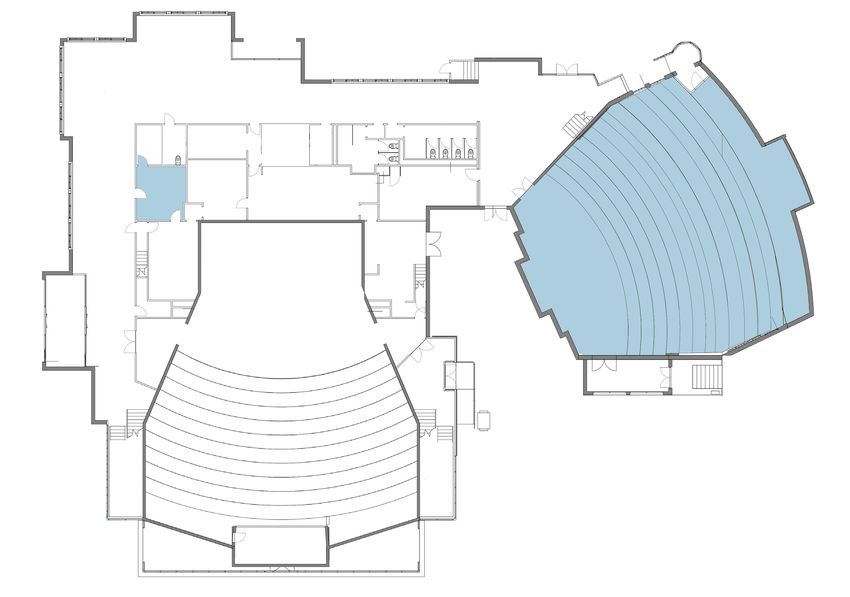
CASTLE THEATRES
GROUND LEVEL
16CASTLE
D
Entrance
CASTLE
C
Entrance
CASTLE
B
CASTLE THEATRES
AROUND
GETTING
LOWER LEVEL
17WHEN IS YOUR
HERBARIUM
UP FOR DIGITIZATION?
www.picturae.comBURNS
5 BURNS
7
Entrance
Castle BURNS BURNS
2 1
The Link
BURNS THEATRES
AROUND
GETTING
ARTS BUILDING
19Thanks and congratulations to our participants, publishers partners and data users
—especially those from TDWG and SPNHC—who have contributed to
#GBIF1billion
The GBIF network
provides free, FAIR and
open access to data
about all life on Earth.
GBIF.org gives researchers and
policymakers an unrivalled source
of biodiversity data that’s the result
of collaboration between people in
more than 1,300 institutions
and 123 countries worldwide.
If you don’t yet count yourself
among those numbers…
gbif GBIFvideo
join us for the next billion.
Facebook “f ” Logo CMYK / .eps Facebook “f ” Logo CMYK / .eps
gbifnews GBIF
gbifs company/GBIF GBIF.orgBIODIVERSITY HERITAGE LIBRARY (BHL) VERNON SYSTEMS
Contact Details: Contact Details:
Website: biodiversitylibrary.org Website: vernonsystems.com
Email: feedback@biodiversitylibrary.org Email: vsl@vernonsystems.com
Social Media: @BioDivLibrary
Our systems are used around the world
The Biodiversity Heritage Library (BHL) is the by natural science, cultural heritage, and
world’s largest open access digital library archive organisations to catalogue, manage
for biodiversity literature and archives. and publish information about collections.
Operating as an international library We develop Vernon CMS, a comprehensive
consortium, BHL provides free access to 54+ collection management system, and eHive,
million pages, representing over 500 years a simple to use web-based cataloguing and
of scientific knowledge, alongside services public access system.
like data exports, APIs, and taxonomic name
finding tools to facilitate discovery and reuse
of data and collections. Explore the library at
biodiversitylibrary.org.
AXIELL MADISON ERIN MAYFIELD
Axiell is the leading provider of collection Contact: mayfieldillustration@gmail.com
management software solutions for
Museums, Archives and Special Libraries. Natural History Artist specializing in Scientific
With offices in Australia, New Zealand, the Illustration & Taxidermy.
Middle East, UK, Europe and North America,
Axiell has more than 3400 customers using Offers freelance Natural History Museum
our products to manage over services including, but not limited to,
690 million objects. exhibition prep, data entry, and
specimen preparation.
Our collection management solutions
support industry standards and enable your Also offering information about Arctos, the
institution to effectively manage, conserve, ongoing collaborative community effort to
exhibit, share, digitise and publish integrate access to specimen data, collection
your collections. management tools, and external resources
on the internet.
Axiell also provides digital asset
management systems (DAMS), innovative
public library management solutions,
education and learning software, e-book and
e-media distribution as well as vital record
management systems around the world.
For further information please visit
https://alm.axiell.com/
or email sales-alm@axiell.com.
21OVERVIEW
SCHEDULE
Thursday 23rd Friday 24th Saturday 25th Sunday 26th Monday 27th Tuesday
7.30 - 8am
8 - 8.30am Registration Desk Registration Desk Registratio
Open Open - Poster set up Ope
8.30 - 9am
9 - 9.30am Opening session, including Keynote Ad
Registration Desk mihi. Keynote Address - Hamish Hol
Open (all day) Jonah Duckles Belbin, Elycia
9.30 - 10am Priscilla
Introducation to
10 - 10.30am 3D Imaging using
Photgrammetry
10.30 - 11am (all day) Coffee Break Coffee B
Registration Desk
Open (all day) Conservation of
11 - 11.30am Keynote Addresses - Anthony Conservation 3
Zoological Wright and Bryan Lessard Access and Us
Software Carpentry Software Carpentry Care of Historic Collections W12 - S03 - Co
11.30 - 12pm and Data Carpentry and Data Carpentry Mammal Taxidermy Workshop (all day)
Instructors Instructors (all day)
12 - 12.30pm Workshop (all day) Workshop (all day), TDWG Exec
MAHC Meeting (all Orokonui Field Trip Meeting (9-5.30pm)
12.30 - 1pm day) with Takahe Lunch - Short tour (free) - Lunch - Short t
Feeding Data Quality IG
IG/TG02 Natural Colls Descr. IG/TG06 Lit
- IG/TG08 Biodiversity IG/TG07 Out
1 - 1.30pm (9.15-1.30pm) (9-4pm) Services and Clients - -Harnessing B
IG/TG09 Species Information Collections
Otago Museum W01 (2-5.30pm) Addressing
1.30 - 2pm Tours (11-3.45pm) Challen
SPNHC Conservation 1 - Collections Disaster Pla
2 - 2.30pm Monarch Cruise Committee Access and Use 1 - W04 - Managing R
(1-5pm) Meetings (2-6pm) W05 - S11 Collections Ace
2.30 - 3pm 4 - Education an
Biodiversity by Orokonui Field Communication
3 - 3.30pm Night (5-8.30pm) Trip with Takahe W07 - S
Feeding
3.30 - 4pm (9.15-1.30pm) Coffee Break Coffee B
4 - 4.30pm Monarch Cruise Conservation 2 - Collections Disaster Pl
(1-5pm) Access and Use 2 - W13 - Managing
W04 - S10 - Contributed 1 Collections A
4.30 - 5pm Otago Museum Use 5 - Educ
Tours Science Comm
5 - 5.30pm - W14 - W0
5.30 - 6pm
SPNHC C
Ice Breaker and Meet
6 - 6.30pm Conference
Photograph
6.30 - 7pm
7 - 7.30pm
7.30 - 8pm Quiz N
8 - 8.30pm
8.30 - 9pm
9 - 9.30pm
9.30 - 10pm
22OVERVIEW
SCHEDULE
y 27th Tuesday 28th Wednesday 29th Thursday 30th Friday 31th Saturday 1st Sunday 2nd
7.30 - 8am
tion Desk Registration Desk Registration Desk Registration Desk Registration Desk 8 - 8.30am
oster set up Open Open Open Open
8.30 - 9am
ssion, including Keynote Addresses - Disaster Planning/ Collections Management 3 - Collections Access and Use 9 - 9.30am
ote Address - Hamish Holewa, Lee Managing Risk 3 - Digitisation and Collections 7 - W17 - W10 - S12 -
Duckles Belbin, Elycia Wallis and Completing the Data Data 3 - S15 - W16 Contributed 5 9.30 - 10am
Priscilla Wehi Pipeline - S06
10 - 10.30am
e Break Coffee Break Coffee Break Coffee Break Coffee Break 10.30 - 11am
esses - Anthony Conservation 3 - Collections Disaster Planning/ Managing Collections Management 4 - SIG - Natural History 11 - 11.30am
Bryan Lessard Access and Use 3 - W18 - Risk 4 - Completing the Data Digitisation and Collections Collections Aotearoa and
W12 - S03 - Contributed 2 Pipeline - W11 - S02 - S13 Data 4 - W03 - Contributed 3 Australasia - SIG -Add Your Opportunity for Opportunity for
- S05 - Educational Share Input to Challenges for Self Guided Self Guided 11.30 - 12pm
Fair Implementing Collections Activies/ Tours etc. Activies/ Tours etc.
Data Quality Feedback
12 - 12.30pm
rt tour (free) - Lunch - Short tour (free) - Lunch - EMP Lunch - IG/TG05 Lunch - IG/TG04 Joint 12.30 - 1pm
ural Colls Descr. IG/TG06 Literature - Fundraising-Parnters - RDA-TDWG - IG/TG03
Biodiversity IG/TG07 Outreach - SIG IG/TG01 ABCD Audubon Core - Poster Lunch - Conference Farewell-
nd Clients - -Harnessing Biodiversity Session SPNHC Annual Business 1 - 1.30pm
cies Information Collections Data for Meeting
Addressing Global
Challenges 1.30 - 2pm
1 - Collections
Use 1 - W04 -
Disaster Planning/
Managing Risk 1 -
Collections Management 1
- Digitisation and
Collections Management 5 -
Digitisation and Collections
SPNHC Annual Business
Meeting cont. - TDWG
2 - 2.30pm
- S11 Collections Acess and Use Collections Data 1 - Data 5 - W08 - W06 - S09 - Business Meeting
4 - Education and Science Completing the Data Contributed 4 - Challenges 2.30 - 3pm
Communications 1 - W14 - Pipeline - W11 - W05 - S07 for Implementing Collections
W07 - S08 - S14 Data Quality Feedback 3 - 3.30pm
Break Coffee Break Coffee Break Coffee Break Coffee Break 3.30 - 4pm
n 2 - Collections Disaster Planning/ Collections Management 2 Collections Access and Use 6 Poster Take down 4 - 4.30pm
Use 2 - W13 - Managing Risk 2 - - Digitisation and - Digitisation and Collections
Contributed 1 Collections Access and Collections Data 2 - Data 6 - W08 - W06 -
Use 5 - Education and Completing the Data Challenges for Implementing 4.30 - 5pm
Science Communications 2 Pipeline - S07 - S14 Collections Data Quality
- W14 - W07 - S08 Feedback 5 - 5.30pm
5.30 - 6pm
SPNHC Council
aker and Meeting
erence 6 - 6.30pm
ograph Sponsors'
Cocktail
Farewell Drinks 6.30 - 7pm
and Nibbles
7 - 7.30pm
Quiz Night 7.30 - 8pm
Conference
Dinner 8 - 8.30pm
8.30 - 9pm
9 - 9.30pm
9.30 - 10pm
23THURSDAY
23 AUGUST
9 - 10.30AM Software Carpentry and Data Carpentries Instructor Training.
Organiser - Jonah Duckles.
Hutton Theatre, Otago Museum.
10.30 - 11AM Coffee Break
11 - 12.30PM Software Carpentry and Data Carpentries Instructor Training.
Organiser - Jonah Duckles.
Hutton Theatre, Otago Museum.
12.30 - 2PM Lunch Break
2 - 3.30PM Software Carpentry and Data Carpentries Instructor Training.
Organiser - Jonah Duckles.
Hutton Theatre, Otago Museum.
3.30 - 4PM Coffee Break
4 - 5.30PM Software Carpentry and Data Carpentries Instructor Training.
Organiser - Jonah Duckles.
Hutton Theatre, Otago Museum.
24FRIDAY
24 AUGUST
9 - 10.30AM Software Carpentry and Data Carpentries Instructor Training.
Organiser - Jonah Duckles.
Hutton Theatre, Otago Museum.
MAHC Group Meeting. Organiser - Antony Kusabs.
Kakapo Room, Otago Museum.
10.30 - 11AM Coffee Break
11 - 12.30PM Software Carpentry and Data Carpentries Instructor Training.
Organiser - Jonah Duckles.
Hutton Theatre, Otago Museum.
MAHC Group Meeting. Organiser - Antony Kusabs.
Kakapo Room, Otago Museum.
12.30 - 2PM Lunch Break
2 - 3.30PM Software Carpentry and Data Carpentries Instructor Training.
Organiser - Jonah Duckles.
Hutton Theatre, Otago Museum.
MAHC Group Meeting. Organiser - Antony Kusabs.
Kakapo Room, Otago Museum.
3.30 - 4PM Coffee Break
4 - 5.30PM Software Carpentry and Data Carpentries Instructor Training.
Organiser - Jonah Duckles.
Hutton Theatre, Otago Museum.
MAHC Group Meeting. Organiser - Antony Kusabs.
Kakapo Room, Otago Museum.
25SATURDAY
25 AUGUST
7.30AM - 5.30PM Registrations Desk Open
The Link
9 - 10.30AM Workshop in the Care of Historic Mammal Taxidermy Workshop.
Organiser - Fran Richie.
Hutton Theatre, Otago Museum.
Orokonui Field Trip with Takahe Feeding (9.15am – 1.30pm)
Meeting point: Otago Museum Foyer
10.30 - 11AM Coffee Break
11 - 12.30PM Workshop in the Care of Historic Mammal Taxidermy Workshop.
Organiser - Fran Richie.
Hutton Theatre, Otago Museum.
Otago Museum Tour (11 – 11.45am)
Meeting point: Otago Museum Foyer
12.30 - 2PM Lunch Break
Otago Museum Tour (1 – 1.45pm)
Meeting point: Otago Museum Foyer
2 - 3.30PM Workshop in the Care of Historic Mammal Taxidermy Workshop.
Organiser - Fran Richie.
Hutton Theatre, Otago Museum.
Monarch Cruise (1 – 5pm)
20 Fraytt Street, Dunedin
Otago Museum Tour (2 – 2.45pm and 3 – 3.45pm)
Meeting point: Otago Museum Foyer
3.30 - 4PM Coffee Break
4 - 5PM Workshop in the Care of Historic Mammal Taxidermy Workshop.
Organiser - Fran Richie.
Hutton Theatre, Otago Museum.
5 - 8.30PM Biodiversity by Night (5 – 8.30pm)
Meeting point: Otago Museum Foyer
26SUNDAY
26 AUGUST
7.30AM - 5.30PM Registrations Desk Open
The Link
9 - 10.30AM Data Quality IG
Burns 5 (50)
TDWG Exec Meeting
Castle D (40)
Introduction to 3D Imaging Using Photogrammetry.
Organiser - JP Brown.
1877 Space, Otago Museum
Workshop: Care & Conservation of Zoological Collections.
Organiser - Julian Carter.
Hutton Theatre, Otago Museum
Orokonui Field Trip with Takahe Feeding (9.15 – 1.30pm)
Meeting Point: Otago Museum Foyer
10.30 - 11AM Coffee Break
11 - 12.30PM Data Quality IG
Burns 5 (50)
TDWG Exec Meeting
Castle D (40)
Introduction to 3D Imaging Using Photogrammetry.
Organiser - JP Brown.
1877 Space, Otago Museum
Workshop: Care & Conservation of Zoological Collections.
Organiser - Julian Carter
Hutton Theatre, Otago Museum
1 - 1.30PM Lunch Break
Monarch Cruise (1 – 5pm)
20 Fryatt Street, Dunedin
2 - 3.30PM Data Quality IG
Burns 5 (50)
W01 - Training workshop in auditing and cleaning of biodiversity data.
Organiser - Dr Robert Mesibov.
Castle B (32)
TDWG Exec Meeting
Castle D (40)
Introduction to 3D Imaging Using Photogrammetry.
Organiser - JP Brown. 27
1877 Space, Otago MuseumSUNDAY
26 AUGUST
2 - 3.30PM Workshop: Care & Conservation of Zoological Collections.
Organiser - Julian Carter.
Hutton Theatre, Otago Museum
SPNHC Committee Meetings,
Skinner Annex, Otago Museum.
3.30 - 4PM Coffee Break
4 - 5.30PM W01 - Training workshop in auditing and cleaning of biodiversity data.
Organiser - Dr Robert Mesibov.
Castle B (32)
TDWG Exec Meeting
Castle D(40)
Introduction to 3D Imaging Using Photogrammetry.
Organiser - JP Brown.
1877 Space, Otago Museum.
Workshop: Care & Conservation of Zoological Collections.
Organiser - Julian Carter.
Hutton Theatre, Otago Museum.
SPNHC Committee Meetings
Skinner Annex, Otago Museum.
5.30 - 6PM SPNHC Committee Meetings Cont.
Skinner Annex, Otago Museum.
SPNHC Committee Meetings
2 - 2.55PM Legislation and Regulation Committee - Stephanie Carlson
Membership Committee - Ann Pinzl
3 - 3.55PM Professional Development Committee - Jeff Stephenson and jenifer Strotman
Best Practices Committee - Jessica Cundiff
4 - 4.55PM Conference Committee - Barbara Thiers
Conservation Committee - Fran Richie
5 - 5.55PM International Relations Committee - Deborah Paul
Long - Range Planning Committee - Barbara Thiers
28MONDAY
27 AUGUST
7.30 - 9AM Registrations Desk Open and Poster Set-up
The Link
9 - 10.30AM Opening session including mihi (9 – 9.45am)
Castle 2 (415)
Keynote Address: Building, Growing and Sustaining
Global Collaborative Communities.
- Jonah Duckles (9.45–10.30am) [BISS 28158]
10.30 - 11AM Coffee Break
11 - 12.30PM Keynote Address: Collections in an Uncertain World: The Impact of
Earthquakes on Canterbury Museum.
- Anthony Wright (11–11.45 am) [BISS 28364]
Castle 2 (415)
Keynote Address: Promoting Public Engagement of Natural History
Collections through Science Communication.
- Bryan Lessard (11.45–12.30 pm) [BISS 28479]
Castle 2 (415)
12.30 - 2PM Lunch
IG/TG08 Biodiversity Services and Clients
Burns 5 (50)
IG/TG09 Species Information
Castle B (32)
IG/TG02 Natural Colls Descr.
Castle D (40)
Short Tours of Geology or Anatomy Museums (1.15–1.45PM)
Meeting Point: Registration Desk
2 - 3.30PM W05 - Developing a mechanism to coordinate planning and investment in
biodiversity informatics.
Organiser - Donald Hobern.
Burns 2 (175)
S11 - Invasive Species Experts’ Panel: Breaking Information Silos.
Organiser - Annie Simpson.
Burns 5 (50)
1. Documenting the occurrence through space & time of aquatic non-indigenous
fish, mollusks, algae, & plants threatening North America’s Great Lakes utilizing
herbaria & zoological museum specimens - Mark Wetter (2 – 2.15pm) [BISS 24930]
2. Vocabulary challenges with invasive species data sharing - Annie Simpson
(2.15 – 2.30pm) [BISS 25642]
29MONDAY
27 AUGUST
2 - 3.30PM 3. Introducing the Global Register of Introduced and Invasive Species: challenges
with classification - Shyama Narayan Pagad (2.30 – 2.45pm) [BISS 25306]
4. TrIAS, leveraging citizen science data to monitor invasive species in Belgium -
Quentin Groom (2.45 – 3pm) [BISS 24749]
5. Discussion (3–3.30pm)
Collections Access and Use 1.
Moderator - Tom Myers
Burns 7 (88)
1. Opening-up Crépin’s Rose Herbarium by New Technologies: a Pilot Project. -
Patricia Mergen (2–2.20 pm) [BISS 25792]
2. Shining a New Light on Elmer Ottis Wooton’s Legacy Herbarium and Historical
Archive: an Exercise to Increase Student Participation while Promoting Public
Engagement. - Sara Fuentes-Soriano (2.20 – 2.40pm) [BISS 25783]
3. A Workflow for the Semantic Annotation of Field Books and Specimen Labels. -
Lise Stork (2.40 – 3pm) [BISS 25839]
4. Authenticity in an Uncertain World: Ensuring Accuracy in both the Explicit and
Implicit Messages of Exhibits. - Steven M. Sullivan (3 – 3.20pm) [BISS 25785]
W04 - Next generation biodiversity data: developing an
international traits system.
Organiser - Simon Checksfield.
Castle B (32)
Conservation 1. Moderator - Sheldon Teare
Castle C (40)
1. Collections Management from the Public Floor, Exhibit Registrars and
Preparators Fight against Light, Dust and the Public. - Lindsay Palaima
(2 – 2.20pm) [BISS 26053]
2. Put a (clear, goal-oriented, flexible and focused) contract on them! Some
thoughts on selecting your pest contractors.
- Armando Mendez (2.20 – 2.40pm) [BISS 26721]
3. Finding the Silver Lining: Creating Positive Outcomes From Pest Problems. -
Nyssa Mildwaters (2.40 – 3pm) [BISS 26226]
3.30 - 4PM Coffee Break
4 - 5.30PM S10 - Digital Collection Data: storage, archive and disaster recovery.
Moderator - Jeff Gerbracht; Timer - Rob Guralnick
Burns 2 (175)
1. Introduction - Jeff Gerbracht, Steve Kelling, Rob Guralnick (4 – 4.05pm)
2. Best Practices for using Cloud Services for Digital Data Archive and Disaster
Recovery - Jeff Gerbracht (4.05 – 4.20pm) [BISS 25812]
30MONDAY
27 AUGUST
4 - 5.30PM 3. The Death of VertNet Has Been Greatly Exaggerated But We Still Archive -
Robert Guralnick (4.20 – 4.30pm) [BISS 26836]
4. COSA: Cloud Object Storage Archive for deep archival of digital data - Jeff
Gerbracht (4.30 – 4.45pm) [BISS 25811]
5. Validation for preservation: how sustainable are GBIF datasets? - Joakim
Philipson (4.45 – 5.00pm) [BISS 25805]
6. Biodiversity Data Curation: South Africa Goes Online - Willem Coetzer
(5.00 – 5.15pm) [BISS 25840]
Contributed 1.
Moderator - Bronwyn Collins
Burns 5 (50)
1. Embedding Data Sharing in Biodiversity Research - Mary Barkworth
(4 – 4.15pm) [BISS 26262]
2. Catalogue of Life Plus: innovating the CoL systems as a foundation for a
clearinghouse for names and taxonomy - Wouter Addink
(4.15 – 4.30pm) [BISS 26922]
3. Integrated Landscape Assessment and Monitoring (ILAM): A cost-effective
approach towards informed decision-making for natural resources management -
Faustin Gashakamba (4.30 – 4.45pm) [BISS 26304]
W04 - Next generation biodiversity data: developing an
international traits system.
Organiser - Simon Checksfield.
Castle B (32)
Conservation 2. Moderator - Sophie White
Castle C (40)
1. The Forgotten Variable: Effects of Sample Preparation and Storage on
Geochemistry of Invertebrate Skeletal Carbonate. - Abigail Smith
(4 – 4.20pm) [BISS 26288]
2. Revising the Dead Art of Skeleton Preparation for Today’s Museum Collections. -
Judith Streat (4.20 – 4.40pm) [BISS 26278]
3. Composting – Recent Investigations for Specimen Preparation. - Sheldon Teare
(4.40 – 5pm) [BISS 26340]
4. Bone Degreasing – Finding a New Solution to an Old Problem. - David Stemmer
(5 – 5.20pm) [BISS 26392]
W13 - Audubon Core Workshop.
Organiser - Niels Klazenga.
Castle D (40)
1. Specifications and Standards for Insect 3D Data - Jiangning Wang
(4 – 4.15pm) [BISS 26561]
31MONDAY
27 AUGUST
4 - 5.30PM Collections Access and Use 2
Moderator - Sophie Fern
Burns 7 (88)
1. Data enrichment facilitated by existing inter-disciplinary expertise at Auckland
War Memorial Museum.Data enrichment: A cross-disciplinary approach.
- Severine Hannam, Elle Keen (4-4.20 pm) [BISS 25937]
2. Looking Back for the Future: Utilizing Sawfish Saws from Natural History
Collections to Conserve the Critically Endangered Largetooth Sawfish
(Pristis pristis). - Annmarie Fearing (4.20-4.40 pm) [BISS 25806]
3. The Archnology Collection at the Denver Museum of Science & Nature.
- Jeffrey T. Stephenson (4.40-5 pm) [BISS 25810]
5.30 - 7PM Ice Breaker and Conference Photograph
Otago Museum
32TUESDAY
28 AUGUST
7.30 - 9AM The Link
Registrations Desk Open and Poster Set-up
9 - 10.30AM Keynote Address: The change Imperative: Accelerating the pace of
Biodiversity Discovery and Documentation.
- Lee Belbin and Elycia Wallis (9.00 – 9.45am) [BISS 28131]
Castle 2 (415)
Keynote Address: If Only They Could Speak.
- Priscilla Wehi (9.45 – 10.30am)
Castle 2 (415)
10.30 - 11AM Coffee Break
11 - 12.30PM S03 - Biodiversity Heritage Library: Strategies for Improving Research
Efficiency and Delivering Biodiversity Data through Digital Library Collections.
Organizer - Carolyn Sheffield; Moderator - Constance Rinaldo.
Burns 2 (175)
1. Outreach Strategies to Engage Citizen Scientists: Insights from the Biodiversity
Heritage Library - Grace Costantino (11 – 11.20am) [BISS 25641]
2. How A Citizen Scientist Can Reuse & Link Biodiversity Heritage Library Data -
Siobhan Leachman (11.20 – 11.40am) [BISS 25298]
3. What are we DOIng about the Missing Links? Connecting Taxonomic Names to
the Linked Network of Scholarly Research - Nicole Kearney
(11.40am – 12pm) [BISS 25700]
4. Improving Search Efficiency in the Biodiversity Heritage Library Corpus - Carolyn
A. Sheffield (12 – 12.20pm) [BISS 25586]
Contributed 2.
Moderator - Julia Kasper
Burns 5 (50)
1. Best practices for connecting genetic records with specimen data - Michael
Trizna (11 – 11.15am) [BISS 26369]
2. Best practices for setting up a repository of phenotypic data for European
germplasm holdings - Stephan Weise (11.15 – 11.30am) [BISS 25223]
3. Discussion of the Method for Constructing Animal Traits - Jiangning Wang
(11.30 – 11.45am) [BISS 26168]
4. Automated Trait Extraction using ClearEarth, a Natural Language Processing
System for Text Mining in Natural Sciences - Anne Thessen
(11.45am – 12pm) [BISS 26080]
5. Using Semantics for morphological Descriptions in Morph•D•Base
- Christian Köhler (12 – 12.15pm) [BISS 25535]
33TUESDAY
28 AUGUST
11 - 12.30PM Collections Access and Use 3.
Moderator - Anusha Beer
Burns 7 (88)
1. Overcoming the Tyranny of Distance: Revealing Type Collections Down-Under. -
Wilma Blom (11 – 11.20am) [BISS 26280]
2. Integration and Curation of At-Risk Collections into the Scripps Institution of
Oceanography Collections. - Benjamin Frable (11.20 – 11.40am) [BISS 26259]
3. A Case Study for Connecting Collections and Ecological Research. - Richard
Levy (11.40 – 12am) [BISS 26008]
4. Labels, Ledgers, Scribbles and Scraps: Uncertain Historical Data. - Rosi Crane
(12 – 12.20pm) [BISS 25784]
W12 - Standards for Interoperability for Bio-logging Data.
Moderator - Peggy Newman; Timer - Holger Dettki.
Castle B (32)
1. What Went Where When? Representing Animal Movements as Simple Darwin
Core Occurrences - Peggy Newman (11 – 11.10am) [BISS 25664]
2. Setting the Stage – The Life Cycle of Bio-logging Data: Origin, Mobilization and
Data Exchange - Holger Dettki (11.10 – 11.25am) [BISS 25914]
3. Outcomes of the International Oceanographic Data and Information Exchange
Ocean Biogeographic Information System OBIS-Event-Data Workshop on Animal
Tagging and Tracking - Abigail Benson (11.25 – 11.40am) [BISS 25728]
4. Discussion (11.40am – 12.30pm)
Conservation 3.
Moderator - Fran Ritchie
Castle C (40)
1. 100 Years of Adhesives: Knowing What Sticks. - Julie McIntosh Shapiro
(11 – 11.20am) [BISS 26147]
2. Measuring and Mitigating Mercury Gases in the Museums Victoria Collection. -
Danielle Measday (11.20 – 11.40am) [BISS 27044]
3. Pyrite Rehousing – Recent Case Studies at Two Australian Museums. - Sheldon
Teare (11.40 – 12pm) [BISS 26343]
11 - 12.30PM W18 - Names for Biodiversity.
Organiser - Greg Whitbread.
Castle D (40)
34TUESDAY
28 AUGUST
12.30 - 2PM Lunch
SIG -Harnessing Biodiversity Collections Data for Addressing Global Challenges
Burns 7 (88)
IG/TG07 Outreach
Castle B (32)
IG/TG06 Literature
Castle D (40)
Short Tours of Geology or Anatomy Museums (1.15–1.45PM)
Meeting Point: Registration Desk
2 - 3.30PM Disaster Planning/ Managing Risk 1 .
Moderator - Sue Cooper
Burns 1 (88)
1. This Old Herbarium: APHIS Compliance and Renovation Planning. - Erika M.
Gardner (2 – 2.20pm) [BISS 28122]
2. Unexpected Faults: Managing Entomology Collections through the 2010/11
Canterbury Earthquakes. - John W. M. Marris (2.20 – 2.40pm) [BISS 27268]
3. Planning for when Push Comes to Shove: Mitigating Risk; Recovering from
Disaster. - Dermot Henry (2.40 – 3pm) [BISS 26126]
4. Catching up with Archives – Disaster preparedness and the Protection of Cultural
Heritage in Berlin Museums. - Peter Giere (3 – 3.20pm) [BISS 26337]
S08 - Biodiversity Data Quality – alpha to omega.
Moderator - Arthur Chapman; Timer - Antonio Saraiva.
Burns 2 (175)
1. Data Quality Task Group 2: Tests and Assertions - Lee Belbin
(2 – 2.15pm) [BISS 25608]
2. Vocabularies of Values: Tackling the Heterogeneity Problem - Paula Zermoglio
(2.15 – 2.30pm) [BISS 25438]
3. Avoiding Conflicting Assertions: Approaches to Developing Consistent Test
Implementations - Paul J Morris (2.30 – 2.45pm) [BISS 25324]
4. An Integrated Data Quality System for Species Observations - Steve Kelling
(2.45 – 3pm) [BISS 25395]
5. Data Quality in Data Exchanges: a Tri-Part Approach in the French Information
System on Nature and Landscapes - Remy Jomier (3 – 3.15pm) [BISS 25176]
Discussion (3.15 – 3.30pm)
35TUESDAY
28 AUGUST
2 - 3.30PM Collections Access and Use 4.
Moderator - Anna Wood
Burns 7 (88)
1. Building Next-Generation Collections: Natural History Specimens, Just One
Click Away! - Kamal Khidas (2 – 2.20pm) [BISS 26145]
2.Mapping Marine Biodiversity: Using Open Source GIS Tools to Visualise and
Extract Collection Data. - Sadie Mills (2.20 – 2.40pm) [BISS 25787]
3. Plants and People: How Plant Collections can Connect Artefacts and Culture. -
Catherine Smith (2.40-3 pm) [BISS 28278]
4. The Preservation of Two Leopard Seals (Hydruga leptonyx), Ten Years Apart. -
Emma Burns (3 – 3.20pm) [BISS 26682]
W07 - Improving research linking and visibility of specimens and physical
samples through standardised identifiers and metadata.
Organiser - Donald Hobern.
Castle B (32)
1. Specimen Identifiers in Related Disciplines: What can Biodiversity Learn from
and Offer to Other Fields? - Kerstin Lehnert (2 – 2.20pm) [BISS 26615]
2. Identifiers as Mechanisms for Linking Archaeological Data across Repositories -
Laura Brenskelle (2.20 – 2.40pm) [BISS 26471]
3. Standardised Globally Unique Specimen Identifiers - Anton Güntsch
(2.40 – 3pm) [BISS 26658]
4. Options to Apply the IGSN Model to Biodiversity Data - Donald Hobern
(3 – 3.20pm) [BISS 27087]
Education and Science Communications 1.
Moderator - Kate Timms-Dean
Castle C (40)
1. Beyond the Museum Walls: Developing Inexpensive Discovery Trunks for k-12. -
Julia E Robinson (2 – 2.20pm) [BISS 25925]
2. Discovering New Fungal Species to Kick-Start a Passion for Science -
Mahajabeen Padamsee (2.20 – 2.40pm) [BISS 26085]
3. Engaging Children with Herbarium Specimens at Royal Botanic Gardens Kew’s
Science Festival. - Melissa Bavington (2.40 – 3pm) [BISS 25933]
4. Turning a Recently-Donated Mineral Collection into a Multifaceted Learning
Experience. - Jess Miller-Camp (3 – 3.20pm) [BISS 27073]
W14 - Deep Learning for Biodiversity.
Moderators - Erick Mata & Francisco Pando; Timer - Lara Lloret.
Castle D (40)
1. Applications of Deep Learning in Ornithology - Jessie Barry
(2 – 2.15pm) [BISS 27251]
36TUESDAY
28 AUGUST
2 - 3.30PM 2. Convolutional Neural Networks for Phytoplankton identification and
classification - Lara Lloret (2.15 – 2.30pm) [BISS 25762]
3. Deep learning for plant identification: how the web can compete with human
experts - Hervé Goëau (2.30 – 2.45pm) [BISS 25637]
4. Deep Learning for Forest Species Identification Based on Macroscopic Images -
Erick Mata-Montero (2.45 – 3pm) [BISS 25261]
5. A Pipeline for Deep Learning with Specimen Images in iDigBio - Applying and
Generalizing an Examination of Mercury Use in Preparing Herbarium Specimens -
Matthew Collins (3 – 3.15pm) [BISS 25699]
6. A Methodological Proposal for Collecting and Creating Macroscopic
Photograph Collections of Tropical Woods with Potential for Use in Deep Learning
- Erick Mata-Montero (3.15 – 4pm) [BISS 25260]
3.30 - 4PM Coffee Break
4 - 5.30PM Disaster Planning/ Managing Risk 2.
Moderator - JP Brown
Burns 1 (288)
1. Developing a GIS of Hazards for Canadian Cultural Institutions. - Tom Strang
(4 – 4.20pm) [BISS 26305]
2. ALERT Lessons From A Biosecurity Disaster. - Gill Brown
(4.20 – 4.40pm) [BISS 25941]
3. Using Data From Index Herbariorum to Assess Threats to the World’s Herbaria. -
Barbara Thiers (4.40 – 5pm) [BISS 26440]
4. Adhesives and the Herbarium: International Survey and Application of the
Results in Analysis of the Influence of Conservation Materials on DNA of Herbarium
Specimens. - Magdalena Grenda-Kurmanow (5 – 5.20pm) [BISS 25583]
S08 - Biodiversity Data Quality – alpha to omega.
Moderator - Lee Belbin; Timer - Antonio Saraiva
Burns 2 (175)
6. Sample Management Across the National Ecological Observatory Network -
Christine M Laney (4 – 4.15pm) [BISS 25351]
7. Georeferencing and data quality: SANBI’s story - Fhatani Ranwashe
(4.15 – 4.30pm) [BISS 25310]
8. The Online Pollen Catalogs Network (RCPol) data quality assurance system -
Allan Koch Veiga (4.30 – 4.45pm) [BISS 25657]
9. Whip: Communicate and Test What to Expect from Data - Peter Desmet
(4.45 – 5pm) [BISS 25317]
Discussion (5 – 5.30pm)
37TUESDAY
28 AUGUST
4 - 5.30PM Collections Access and Use 5.
Moderator - Priscilla Wehi
Burns 7 (88)
1. The Importance of Museum Biomaterial Resources and Specimen Records
for the Advancement of Zoological Research in Southern Africa. - Zamawelase
Mwelase (4 – 4.20pm) [BISS 26350]
2. Subsistence Practices, Past Biodiversity, and Anthropogenic Impacts Revealed
by New Zealand-Wide Ancient DNA Survey. - Nic Rawlence (4.20 – 4.40pm)
3. A New Method to Access Isotopic Signatures on Preserved Fish Specimens. -
Steve Wing (4.40-5 pm) [BISS 26597]
4. Global Genomic Resources for Biodiversity Research. - Jonathan Coddington
(5-5.20 pm) [BISS 28440]
W07 - Improving research linking and visibility of specimens and physical
samples through standardised identifiers and metadata.
Organiser - Donald Hobern.
Castle B (32)
Discussion (4 – 5.30pm)
Education and Science Communications 2.
Moderator - Tahu Mackenzie
Castle C (40)
1. Project Paleo: Citizen Curation and Community Science at the Natural History
Museum of Los Angeles County. - Elizabeth R Ellwood (4 – 4.20pm) [BISS 25980]
2. “Critter of the Week”: Wikipedia as a Museum Outreach Tool. - Mike Dickison
(4.20 – 4.40pm) [BISS 25798]
3. Digital Construction Kit: 3D Computer Graphics for Creative and Accessible use
of Museum Collections. - Jiri Frank (4.40 – 5pm) [BISS 26023]
W14 - Deep Learning for Biodiversity.
Moderators - Erick Mata & Francisco Pando; Timer - Lara Lloret.
Castle D (40)
7. Deep learning for weed identification based on seed images - Francisco Pando
(4 – 4.15pm) [BISS 25749]
8. Technology Developments for Biodiversity Monitoring and Conservation - Steve
Kelling (4.15 – 4.30pm) [BISS 25833]
5.30 - 6.30PM SPNHC Council Meeting
Otago Museum Boardroom
6.30 - 9PM Quiz Night at Lone Star
484 George Street
38WEDNESDAY
29 AUGUST
7.30 - 9AM Registrations Desk Open
The Link
9 - 10.30AM Disaster Planning/ Managing Risk 3.
Moderator - Julian Carter
Burns 1 (288)
1. Earthquake Mitigation Solutions for Collections - Experience from New Zealand’s
National Museum. - Antony Kusabs (9 – 9.20am) [BISS 26598]
2. Edifice Complex: Managing Risk During Construction. - Jeffrey Hirsch
(9.20 – 9.40am) [BISS 26119]
3. Building the Beaty: Creating, Maintaining, and Growing a Publicly Accessible
Biodiversity Museum Collection in the Pacific Ring of Fire. - Christopher Stinson
(9.40 – 10am) [BISS 26273]
4. After the Fall. - Meghann Toner (10 – 10.20am) [BISS 28075]
S06 - Science Powered by Informatics. - The Next Steps.
Organisers - Abigail Benson and Robert Guralnick.
Burns 2 (175)
1. Introduction (9–9.05 am)
2. New Requirements of Biodiversity Research for Metadata on Models and
Sensors on the Internet of Things and Big Data Era - Wilian França Costa
(9.05–9.20 am) [BISS 25653]
3. Current progress in the development of taxonomic and anatomical ontologies
within the scope of BIOfid - Markus Koch (9.20–9.35 am) [BISS 25585]
4. The Open Biodiversity Knowledge Management (eco-)System: Tools and
Services for Extraction, Mobilization, Handling and Re-use of Data from the
Published Literature - Teodor Georgiev (9.35–9.50 am) [BISS 25748]
5. Published examples using the new Chronometric extension to Darwin Core
- Laura Brenskelle (9.50–10.05 am) [BISS 25694]
6. Discussion (10.05–10.30 am)
Completing the Data Pipeline: Collections Data Use in
Research, Education and Outreach.
Organisers - Gil Nelson and Molly Phillips.
Burns 7 (88)
1.The Impact of Digitization and Digital Data Mobilisation on Biodiversity Research
and Outreach. - Gil Nelson. Presented by Randy Singer (9 – 9.20am) [BISS 28470]
2. Increasing the Research Value of Digitized Fossil Museum Specimens via
Integrated Stable Isotope Data. - Bruce J MacFadden. Presented by Sean Moran
(9.20 – 9.40am) [BISS 26567]
3. Preparing the Next Generation of Data-Driven Scientists through the
Biodiversity Literacy in Undergraduate Education - Data Initiative (BLUE Data). -
Anna Monfils and Elizabeth Ellwood (10.20 – 10.40am) [BISS 27162]
4. Tools and Techniques of Implementation Science to Support Wide-Spread
Adoption of Biodiversity Literacy Standards. - Natalie Douglas 39
(10.40 – 11am) [BISS 27150]WEDNESDAY
29 AUGUST
10.30 - 11AM Coffee Break
11 - 12.30PM Disaster Planning/ Managing Risk 4.
Moderator - Lisa Yeats
Burns 1 (288)
1. Panel Discussion: Institutional Earthquakes and Recovery Experiences:
Continuing to be Collections Stewards in an Uncertain World. - Carol R. Butler and
Christiane Quaisser (11 – 12.30am) [BISS 26570]
S02 - Species-centered projects, tools and methods.
Organisers - Francisco Pando, Chuck Miller and Erick Mata;
Moderators - Chuck Miller & Francisco Pando; Timer - William Ulate.
Burns 2 (175)
1. Aggregation and Synthesis of Taxon Information in the Encyclopedia of Life. -
Katja Schulz (11 – 11.15am) [BISS 25852]
2. A Content Management System and underlying models for avian taxonomic
monographs. - Jeff Gerbracht (11.15 – 11.30am) [BISS 25693]
3. Towards an Integrated Species Distribution Modelling Environment. - Tania Laity
(11.30 – 11.45am) [BISS 25165]
4. Descriptive Data Challenges for the World Flora Online - Chuck Miller
(11.45am – 12pm) [BISS 26731]
5. The Online Pollen Catalogs Network (RCPol). - Antonio Mauro Saraiva
(12 – 12.15pm) [BISS 25658]
6. Comparison of species information TDWG standards from the point of view of
the Plinian Core specification - Francisco Pando (12.15 – 12.30pm) [BISS 25869]
S13 - Metabarcoding, Metagenomics and Biomonitoring.
Organiser - Patricia Mergen.
Burns 5 (50)
1. Detecting and identifying ectomycorrhizal fungi in New Zealand silver beech
(Lophozonia menziesii, Nothofagaceae) forest: a case study - David A Orlovich
(11 – 11.15am) [BISS 25982]
2. Microbes matter: integrating microbial sequence information for biodiversity -
Kelly Ramirez (11.15 – 11.30am) [BISS 26009]
3. Let me see your iD: Impacts of Environmental Stressors on Aquatic Ecosystems
Assessed by (e)DNA Metabarcoding - Romana K Salis
(11.30 – 11.45am) [BISS 25983]
4. DNAqua-Net or how to navigate on the stormy waters of standards and
legislations - Patricia Mergen (11.45am – 12pm) [BISS 25953]
Discussion (12 – 12.30pm)
40You can also read


