Action Plan Spring 2021 - Arlington County
←
→
Page content transcription
If your browser does not render page correctly, please read the page content below
Action Plan
Spring 2021

              VISION ZERO ACTION PLAN | ARLINGTON COUNTY   1
Message From the County Manager
                             We often take for granted the ability to         multidisciplinary approach. A diverse group
                             safely travel from one place to another          of community stakeholders representing
                             in Arlington. For many years, the County         an array of interests and community groups
                             has been one of the safest places to live,       provided guidance and feedback at every
                             work and play in the country, and that           step of the process. Over 1,600 members
                             includes our comprehensive multimodal            of our community contributed their
                             transportation system. Arlington County          experiences and expertise to this Action
                             is highly ranked as a safe place to travel on    Plan through extensive public engagement.
                             foot, by bike, on transit, by car, or by any
                             other means of conveyance people depend          This plan lays out a roadmap to eliminate
                             on.                                              serious and fatal crashes by:

                             But safety is not static, and we can’t simply    •   Improving data and analysis techniques
                             accept the status quo when it comes to the           to identify safety issues
                             lives of those who use our streets, trails,      •   Updating processes and departmental
                             sidewalks and transit systems. Indeed, even          organizational procedures to prioritize
                                                                                  safety in all plans, projects, programs,
                             with our excellent safety record, Arlington
                                                                                  and policies
                             County averages nearly 55 serious injury         •   Engaging with a diverse population of
                             crashes and almost 4 fatal injury crashes            community members to understand
                             every year. Many of these crashes happen             their experience of safety issues
                             in higher density areas of our community         •   Fostering lasting partnerships that will
                             where pedestrian activity and transit                help us create a community culture of
                             ridership are high.                                  safety across Arlington

                             By adopting Vision Zero and joining over
                             40 of our peers across the United States,        With this plan, Arlington County is
                             our community is clearly stating that            committing to immediate, equitable
                             every crash that results in a life-altering      and effective actions that will make our
                             injury or the loss of life can, and should, be   community safer for everyone who travels
                             prevented before it happens.                     into, around and through our County.

                             To eliminate serious and fatal crashes           As Arlington continues to grow as a
                             from our transportation network by 2030,         desirable place to live, work and visit, a safe
                             the County set about identifying a new           transportation network for everyone – no
                             approach to making our streets and trails        matter who you are, where you live or how
                             safer for everyone, no matter who you are        you choose to travel – is more than just
                             or where you live in Arlington.                  important. It’s an imperative.

                             Staff across multiple departments came           Because no serious or fatal crash is
                             together to tackle safety issues with a          acceptable.

2   VISION ZERO ACTION PLAN | ARLINGTON COUNTY
Acknowledgments

LEADERSHIP                            EXTERNAL STAKEHOLDERS                      REGIONAL, STATE AND
•   Mark Schwartz, County Manager     GROUP                                      FEDERAL PARTNERS
•   Arlington County Board            •   Arlington County Public Schools        Regional/State
       Matt de Ferranti, Chair              Joint Committee on
       Libby Garvey, Member                                                     • Department of Rail and Public
                                                Transportation Choices              Transportation (DRPT)
       Katie Cristol, Member                Advisory Committee on
       Christian Dorsey, Member                                                 • NAIOP NoVA (Commercial Real
                                                Transportation Choices              Estate Development Association)
       Takis P. Karantonis, Member          Safe Routes to School
       Erik Gutshall, Member (In                                                • NOVA Parks
                                      •   Arlington Families for Safe Streets    • Northern Virginia Health
          Remembrance)                •   Arlington Teen Network Board              Foundation
                                      •   Bicycle Advisory Committee             • Northern Virginia Transportation
                                      •   Chamber of Commerce                       Authority (NVTA)
INTERDEPARTMENTAL                     •   BIDs and Alliances                     • Northern Virginia Transportation
STAKEHOLDERS GROUP                           Ballston BID                          Commission (NVTC)
•   County Manager’s Office                  Clarendon Alliance                 • Metropolitan Washington Airports
•   Department of Environmental              Columbia Pike Revitalization          Authority
    Services                                    Organization                     • Metropolitan Washington Airports
       Transit                              Lee Highway Alliance                  Authority Police
       Transportation Engineering           National Landing BID               • Metro Transit Police
          & Operations                       Rosslyn BID                        • Virginia Department of
       Transportation Planning       •   Arlington County Civic Federation         Transportation (VDOT)
          and Capital Program             (CivFed)                               • Virginia State Police
          Management                  •   Commission on Aging                    • Washington Metropolitan Area
       Commuter Services             •   Disability Advisory Commission            Transit Authority (WMATA)
          (BikeArlington,             •   Economic Development
                                          Commission                             Federal
          WalkArlington)
       Decision Support              •   Environment and Energy                 • National Park Service
       Communications                    Conservation Committee                 • Pentagon (United States
       Water, Sewer, Streets         •   Housing Commission (Citizens              Department of Defense)
•   Department of Parks and               Advisory Commission on Housing)        • Joint Base Myer-Henderson Hall
    Recreation                        •   Neighborhood Complete Streets             (US Army)
•   Economic Development                  Commission                             • Arlington National Cemetery
•   Fire Department                   •   Neighborhood Conservation                 (US Army)
•   Police Department                     Advisory Committee                     • US Park Police
•   Department of Human Services      •   Parks and Recreation Commission
       Public Health                 •   Pedestrian Advisory Committee
•   Public Safety Communications      •   Pike Presidents Group
                                      •   Planning Commission                    PROJECT TEAM
    and Emergency Management
    Office                            •   Transit Advisory Committee             Arlington County
                                      •   Transportation Commission              • Christine Baker; Laura Castro;
                                      •   Site Plan Review Committee                 Nathan Graham; Dennis Leach;
                                      •   Washington Area Bicyclist                  Sam Murrey; Daniel Nabors; Erin
                                          Association                                Potter; Hui Wang
                                                                                 Consultant Team
                                                                                 • RK&K (Brian Wert; Paige Cureton)
                                                                                 • RHI Rhodeside Harwell (Jennifer
                                                                                    Koch)

                                                                            VISION ZERO ACTION PLAN | ARLINGTON COUNTY   3
4 VISION ZERO ACTION PLAN | ARLINGTON COUNTY
Contents
Executive Summary.................................................................................. 6
Key Terms................................................................................................ 13
1 Introduction........................................................................................ 16
             1.1    What is Vision Zero? ...................................................................................17
             1.2    A Collaborative Approach...........................................................................21
             1.3    Vision Zero in Practice................................................................................22
             1.4    What Does Vision Zero Look Like?..............................................................24
2 Transportation Safety in Arlington........................................................ 26
             2.1 Safety Data................................................................................................27
             2.2 Focus on Equity..........................................................................................38
3 Arlington’s Vision for Safer Streets........................................................ 40
             3.1 Vision Zero in Arlington...............................................................................41
             3.2 A Community Program ..............................................................................44
             3.3 Goals and Targets.......................................................................................45
4 Action Strategy................................................................................... 48
             4.1    Action Item Introduction............................................................................49
             4.2    (A) Data & Evaluation.................................................................................50
             4.3    (B) Process & Organization .......................................................................51
             4.4    (C) Engagement.........................................................................................52
             4.5    (D) Partnerships.........................................................................................53
             4.6    Action Items...............................................................................................54
5   Measuring Our Success......................................................................... 66
             5.1    Measuring Our Success...............................................................................67
6 Join the Movement.............................................................................. 72
             6.1 How to Participate.....................................................................................73
             6.2 Safety Pledge.............................................................................................74
7 Appendix: Developing the Action Plan................................................... 76
             7.1 A Community Plan......................................................................................77
             7.2 Stakeholder Engagement...........................................................................78
             7.3 Public Engagement ....................................................................................81
Image Credits........................................................................................... 86
Stay Connected........................................................................................ 87

                                                                                          VISION ZERO ACTION PLAN | ARLINGTON COUNTY   5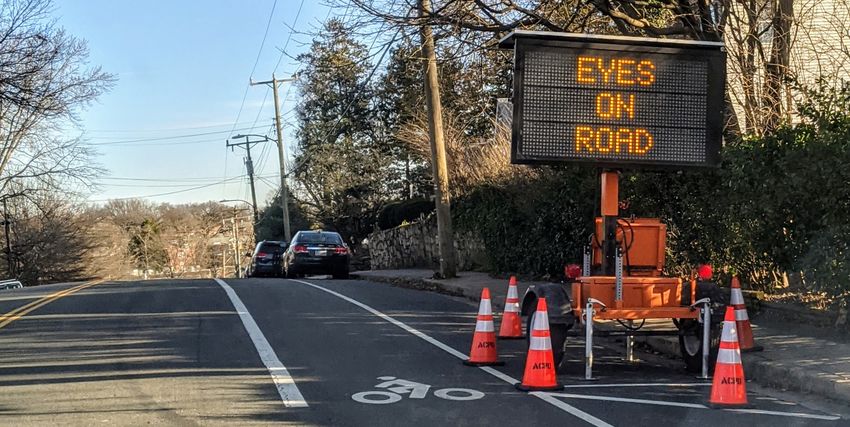
Arlington Vision Zero Action Plan Executive Summary
Vision Zero Overview
VISION ZERO IN ARLINGTON COUNTY
                                                                      ADVANCING EQUITY & INCLUSION
On July 16, 2019, the Arlington County Board adopted
                                                                In September 2019, the County Board adopted an
a resolution committing to Vision Zero. The adoption of
                                                                Equity Resolution. Our equity mission is to advance racial
this resolution paved the way for increased commitment,
                                                                equity as a county-wide priority to eliminate, reduce and
collaboration and resources to implement Vision Zero.
                                                                prevent disparities in our policies, procedures, practices,
                                                                engagement and interaction with and service to the
Arlington County Vision Zero is a bold approach to
                                                                community.
changing the way we, as a community, view transportation
safety. The Vision Zero Action Plan demonstrates Arlington’s
                                                                Social equity is at the core of Vision Zero. All people
commitment to achieve zero transportation-related deaths
                                                                have the right to move about our community safely.
and serious injuries on our streets and trails by 2030.
                                                                People of color, low-income households, people with
                                                                disabilities, older adults and youth, people with limited
                                                                English proficiency and households with limited vehicle
                                                                access often face more challenges and barriers to safe
                                                                transportation. Vision Zero aims to learn more about these
                                                                disparities and close the gaps to safe transportation.

    CORE PRINCIPLES OF VISION ZERO                             WHAT DOES VISION ZERO LOOK LIKE?
                                                               Vision Zero implementation may include efforts related to
    The core principles in a Vision Zero approach to
                                                               complete streets, speed management, improved signage,
    transportation safety include:
                                                               curbspace management, and other strategies such as:
                   Transportation-related serious injuries
                   and deaths are preventable.

                   Human life and health are prioritized        Intersections that
                   within all aspects of transportation         Protect All Users
                   systems.
                                                                Education &
                                                                Encouragement
                   Human error is inevitable, and
                   transportation systems should be
                   forgiving.

                   Safety work should focus on systems-                                        Partnerships
                   level changes above influencing
                   individual behavior.

                   Mitigation of speed is the
                   fundamental factor in reducing crash         Allocation of Road
                   severity.                                    Space for All Users

6    VISION ZERO ACTION PLAN | ARLINGTON COUNTY
Arlington Vision Zero Action Plan Executive Summary
Community and Stakeholder Engagement
THREE PUBLIC INPUT PHASES

                                  Phase I                            Phase II                             Phase III

    Timeframe:                  Jan – Feb 2020                     Oct - Nov 2020                       Jan – Feb 2021

    Objective:          Set program goals & priorities         Identify safety concerns        Gather feedback on draft plan

    Activities:           Open House; Online Form;          Virtual Meeting; Online Form;        Virtual Q&A; Online Form;
                               Pop-up Events                      Postcards; Hotline              Postcards; Library Kiosk

    Participation:              ~900 Reached                       ~500 Responses                      ~400 Responses

     Open House Meeting

ENGAGING WITH PARTNERS
Vision Zero is an all-community effort. We collaborated with
our partners to address transportation safety issues.

•    Representatives from various committees, commissions,
     and community organizations in the County participated
     in an External Stakeholders Group to represent a wide
     range of interests and perspectives, and provide strategies
     and recommendations. This group met every other month
     during the development of the Action Plan (with a brief
     pause during the onset of the COVID-19 pandemic).
•    An Interdepartmental Stakeholders Group helped
     develop, and will help implement, the Vision Zero
     program. The group has met monthly since fall 2019.

                                                                                                        External Stakeholders
                                                                                                        Group Meeting

                                                                                     VISION ZERO ACTION PLAN | ARLINGTON COUNTY   7
Arlington Vision Zero Action Plan Executive Summary
Safety Data
    Arlington has long benefited from a
                                                  DATA ANALYSIS                                HIGH-INJURY NETWORK
    multi-modal transportation network            Vision Zero is a data-driven process.        Arlington’s “High-Injury Network”
    that supports people walking,                 Several analyses guided this Vision Zero     highlights corridors with high
    biking, rolling, riding transit and           action planning effort:                      concentrations of critical crashes.
    driving. However, transportation-                                                          In Arlington County, this network
    related fatalities and injuries               •   High Injury Network (HIN): A             represents just 7% of over 555 miles
    continue to pose a serious public                 geographical analysis in which staff     of roadway, but includes 78% of all
    health risk.                                      identified corridors where serious or    critical (serious or fatal) crashes2.
                                                      fatal crashes are concentrated in the
    Each year, approximately 60                       County.                                  The majority of the High-Injury Network
    people sustain serious or fatal                                                            is comprised of highway or arterial
    injuries on Arlington streets. These          •   Systemic Critical Crash Analysis:        roadways—multi-lane streets with
    deaths and long-term injuries are                 A comprehensive analysis in which        higher volumes and speeds.
    preventable.                                      staff evaluated common factors
                                                      in serious and fatal crashes over a      •    Highways (roads with high volumes
    While Arlington’s transportation                  three-year period to identify high            and speeds) in Arlington County
    network is relatively safe by                     risk roadway characteristics or crash         were the site of 39% of serious and
    national standards, no death or                   circumstances.                                fatal crashes.
    serious injury on our streets or
    trails is acceptable.                         •   “Hot Spot” Analysis: A geographic        •    Arterial roadways were the site of
                                                      analysis in which staff identified            about 42% of Arlington’s serious or
                                                      individual intersections or locations         fatal crashes.
                                                      that experienced high numbers of
     Transportation-related                           crashes over a three-year period.

    Deaths per 100,000 People                                                                 High-Injury Network
             (2018)1                                                                               VDOT-Controlled Road Segments
                                                                                                   County-Controlled Road Segments
          ARLINGTON COUNTY

                     0.84

                NATIONALLY

                    11.17

    Data Sources
                                                  You can learn more about
    1.     VDOT & NTSB 2018 crash reports         Arlington County’s data analysis
    2.     VDOT Full Crash Dataset 01/01/2013 –   on the Vision Zero website.
           7/31/2019

8        VISION ZERO ACTION PLAN | ARLINGTON COUNTY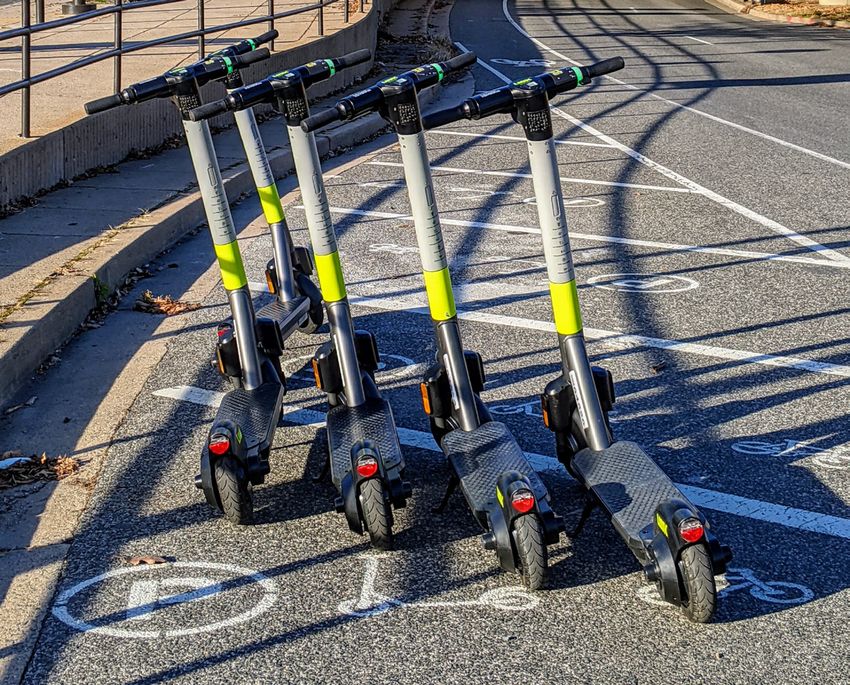
Arlington Vision Zero Action Plan Executive Summary
Program Goals                                                   Target Areas
Working with County staff, stakeholders and community           Using the findings from our data analysis and
members, we defined the following six goals for Arlington’s     stakeholder/community engagement, we defined
Vision Zero program.                                            “Target Areas,” which are areas that we must improve
                                                                to get to zero transportation-related serious injuries or
                                                                fatalities.

 OUR VISION ZERO                  OUR ACTION PLAN                           OUR TARGET AREAS
PROGRAM WILL BE…                   GOALS ARE TO...                                ARE...

        Multimodal                       Ensure safe                  High-Injury Network Corridors
                                  transportation, no matter
                                     how you get around.                         Intersections

                                                                                  Pedestrians
       Safety-First               Put safety first on County
                                  projects and policies - big                        Bicycles
                                           or small.
                                                                                     Alcohol

                                                                                   Distraction
      Transparent &                    Be transparent,
       Accountable                     responsive and                                 Speed
                                    accountable on Vision
                                      Zero progress and                           Work Zones
                                         outcomes.
                                                                                      Equity
       Data-Driven                Apply timely data to take
                                     action on safety.                       Information Quality

                                                                      Transparency & Accountability

                                                                                Safety Culture
      Collaborative                 Promote a culture of
                                  transportation safety for
                                         everyone.

         Equitable                Prioritize transportation
                                     safety investments
                                    equitably in the most
                                  vulnerable communities.

                                                                                VISION ZERO ACTION PLAN | ARLINGTON COUNTY   9
Arlington Vision Zero Action Plan Executive Summary
An Action Item is a specific activity that will be implemented by Arlington County or our partners to work toward Vision Zero.
These activities will be tracked as we implement the Vision Zero program. For a full list of actions, please refer to the Action
Strategy Section.
A: DATA & EVALUATION ACTION ITEMS
Data & Evaluation Objective/Action Item List
Vision Zero is a new approach to using safety
data proactively, rather than reacting to issues • A1 Crash Data: Improve and expand the County's
after crashes happen. database and improve overall data quality.
To accomplish this, we identified actions that • A2 Supporting Data: Identify and integrate additional
compile, analyze and report transportation data sources into safety analyses.
safety data in more complete and transparent • A3 Annual Crash Analysis: Conduct an annual
ways. comprehensive crash analysis to guide the safety
program.
Arlington will gather more data from more
• A4 Equity Analysis: Identify the inequitable impacts of
partners, and put it to more uses that enable us
transportation on safety in our communities.
to better understand what has happened on our
transportation network, and where action and • A5 Critical Crash Reviews: Review and evaluate critical
investment can better prevent crashes from crashes to identify quick response actions.
happening. • A6 Vision Zero Program Reporting: Regularly report
progress on action items and crash statistics.
We’re also improving data sharing and
information gathering as part of the periodic • A7 Annual Benchmark Safety Survey: Implement an
Vision Zero program reports on the progress annual survey of perceived safety issues.
we’re making towards our goals. • A8 Before & After Studies: Perform before/after
evaluations to assess new strategies or improvements.
B: PROCESS & ORGANIZATION ACTION ITEMS
Process & Organization Objective/Action Item List
Vision Zero is an all-community effort, and
that includes public servants who work in our • B1 Master Planning: Continue a unified plan that builds
community. upon the current Master Transportation Plan (MTP).
Decisions about land use, traffic enforcement, • B2 Plan/Project Review: Evaluate processes for
capital projects and construction are not made considering safety in developments and capital projects.
in a vacuum; they have an impact on the safety • B3 Safety Project Prioritization & Implementation:
of our transportation network. Establish criteria to identify and prioritize locations
for quick-build and large scale/long-term safety
Working with our colleagues in the improvements.
Interdepartmental Stakeholders Group, we developed
actions around Planning, Design, and Operations • B4 Safety Project & Program Funding: Establish a
and Maintenance to better coordinate funding source for safety projects and programs.
between County divisions and departments on • B5 Speed Management: Promote safe and context-
transportation safety. appropriate vehicle speeds.
• B6 Guidelines/Standards: Update County design
These system-focused actions better position the County standards and guidelines to reflect safety best practices.
and our inter-governmental partners to respond
comprehensively to the kinds of concerns the • B7 Multimodal Safety Toolbox: Establish a set of
public has raised about transportation safety, strategies available to address safety issues.
and clearly state which departments should • B8 Data-Driven/Equitable Enforcement: Identify
be involved in decisions about transportation approaches for non-biased traffic enforcement.
safety. • B9 Facilities Maintenance: Enhance maintenance
through improved inventories and coordination.
• B10 Maintenance of Traffic Design & Active
Construction: Develop and implement Maintenance
of Traffic (MOT) plans for development and capital
improvement projects that protect the safety of all
modes of transportation during construction.
10 VISION ZERO ACTION PLAN | ARLINGTON COUNTYArlington Vision Zero Action Plan Executive Summary
C: ENGAGEMENT ACTION ITEMS
Engagement Objective/Action Item List
To be a proactive, data-driven safety program,
Arlington County Vision Zero must also • C1 Ongoing Safety Engagement: Seek and incorporate
communicate what we learn and how we act public feedback from the community on the
on safety. implementation of the Vision Zero program.
During the Action Plan development process, • C2 Accessible Feedback Channels: Establish easily
we learned about where people feel unsafe accessible channels and response time frames for
while traveling in Arlington, the places that see community-reported safety issues.
the most crashes, and the user behaviors that • C3 Vision Zero Program Communications: Create
disproportionately contribute to transportation and broaden awareness of the Vision Zero program,
safety issues. transportation safety information and project updates.
• C4 Community Knowledge Building: Promote public
Education and engagement on transportation
knowledge of safe transportation practices and options
safety issues is a key part of achieving our
through targeted education efforts.
Vision Zero goals. It has to be more than simply
pointing to individual actions. It must help all of
us better understand how our choices can contribute to –
or risk – our shared safety.
From maintaining a Vision Zero program website
and information, to education campaigns
around safer street design tools, to highlighting
engagement opportunities for safety projects,
we must continue to work together.
D: PARTNERSHIPS ACTION ITEMS
Partnerships Objective/Action Item List
Extensive cross-disciplinary collaboration
informed the development of the Action Plan, • D1 Interdepartmental Collaboration on Safety:
and helped highlight the need for continued Collaborate on ongoing transportation safety activities
inter-departmental partnerships during across County departments and bureaus, and ensure that
implementation. all County plans and policies contribute to a safe, equitable
and accessible transportation network, consistent with
The County’s transportation professionals will Vision Zero safety and equity values.
continue to lead the conversation about Vision
Zero and safety, but these conversations will • D2 Virginia Department of Transportation: Coordinate
include relevant colleagues from across the safety issues on VDOT-maintained roadways.
County as well as key community stakeholders and • D3 Regional Agency Coordination: Partner with
public engagement opportunities. neighboring agencies on safety issues.
• D4 Legislative Advocacy: Advance legislative solutions
We are part of the regional, state and national
for transportation safety at the VA General Assembly.
transportation safety conversation. To
address safety issues on some of our most • D5 Stakeholders: Collaborate with local organizations to
problematic streets, including a majority of the promote safety education and engagement.
High-Injury Network, we’ll work with our regional, state, • D6 Service Providers: Coordinate with transportation
and federal partners to make needed changes. service companies to ensure safe practices in company
policies and operations.
We’ll also look for ways to ensure the County’s
consultants, contractors and service
providers uphold Vision Zero commitments
to safety through policy, contracts, and
engagement.
VISION ZERO ACTION PLAN | ARLINGTON COUNTY 11Arlington Vision Zero Action Plan Executive Summary
Evaluation & Monitoring
TAKING ACTION
The Vision Zero Action Plan outlines an initial set of actions that Arlington County and its partners will take to work toward the
goal of achieving zero transportation-related deaths and serious injuries on our streets and trails by 2030. The Action Plan is
intended to be a living and evolving plan. The timeline below provides an overview of our Vision Zero program moving forward.
Vision Zero Action Plan Vision Zero
Adoption Action Plan Vision Zero
(Mid-2021) Update Target Year
2030
2026
2024
2021
2022
2025
2023
TBD
Key
Annual Report &
Public Meeting We will implement action items, review outcomes, and identify next
Mid-year Check- steps in an iterative and collaborative process.
in with External Actions may evolve or change over time. To see which actions
Stakeholders we’re taking and when, view the Vision Zero Action Plan at
Group transportation.arlingtonva.us/vision-zero.
ANNUAL PROGRESS REPORT MOVING FORWARD
Arlington County will report the progress of the Vision Zero • Representatives from the County’s departments will
Action Plan through an annual Vision Zero Progress Report. continue to meet quarterly to share and track progress on
The Progress Report will track progress on Vision Zero actions implementation.
and inform subsequent Action Plan updates. The progress
report will be publicly released every year. • The Annual Report will let you know how we’re
progressing compared to the Plan.
Target Areas Performance Measures
• # of Serious Crashes • We will host an annual meeting and ongoing engagement
Vision Zero opportunities to keep YOU involved!
• # of Fatal Crashes
Intersections • # of Intersection Crashes*
Pedestrians • # of Pedestrian Crashes*
Bicycles • # of Bicycle Crashes*
Alcohol • # of Alcohol-related Crashes*
Speed • # of Speed-related Crashes*
Distraction • # of Distraction-related Crashes*
Work Zones • # of Work Zone Crashes*
High-Injury • # of Crashes on the High-Injury
Network Corridors Network*
• # Crashes in Areas of Higher
Equity
Poverty or Diversity*
Information Quality •
Safety Culture • Qualitative Program
Transparency & Assessment
•
Accountability
*Reported by Severity Level
12 VISION ZERO ACTION PLAN | ARLINGTON COUNTYKey Terms
VISION ZERO There are many ways to define safe
transportation, and everyone might view
Vision Zero is a strategy to eliminate all
safety a bit differently. The bottom line,
traffic fatalities and serious injuries, while
and the most common thing that we heard,
ensuring safe, healthy, equitable mobility
is that “safe transportation” means getting
for all.
from point A to point B without injury – no
matter who you are and no matter how you
SAFE TRANSPORTATION travel.
When we asked community members to
tell us what “safe transportation” means to UNSAFE TRANSPORTATION
them, this is what we heard:
What makes a street or trail “unsafe”? It can
be difficult to pinpoint one specific factor
• Being able to get where we need to go
without being afraid of injury or death. that makes a location feel unsafe, but there
• Our transportation system should be are various conditions and circumstances
tolerant of human mistakes and allow that transportation professionals look for
travelers to fail softly. when assessing conditions:
• Kids traveling independently to school,
parks and other destinations by • Speeds
walking, biking and transit. • User behaviors
• Clear visibility at all intersections, and • Visibility
intersections that are not confusing. • Maintenance conditions
• More crosswalks and more bike lanes. • Signage and signaling
• Enforcement of crosswalk laws and • Crossing conditions
school bus laws. • Pedestrian and bicycle path continuity
• Pedestrians coexisting safely with • Accessibility
vehicular traffic. • Street and trail widths
• People of all ages can feel safe walking, • Lighting
biking, crossing streets or traveling • Other unique characteristics
along streets.
• Developing, implementing and
sustaining a robust County education EQUITY
and outreach program, integral to As defined in the Arlington County 2019
County traffic safety policy.
Equity Resolution, equity is all populations
• Extra support for work zones and
areas where there have recently been having access to community conditions
multiple crashes. and opportunities needed to reach their
• My neighbors and I can travel where we full potential and to experience optimal
want, how we want, knowing that there well-being. Community conditions that
is a safe route that will take us there. affect individual opportunity and well-
• Everyone who uses our public roads being include the economy, environment,
and trails must be accountable for housing, land use policy, public
traveling with full regard to safety for facilities and infrastructure, healthcare,
others. neighborhoods, education and social
connectedness.
VISION ZERO ACTION PLAN | ARLINGTON COUNTY 13PEDESTRIAN HOT SPOT
A person walking, running, jogging or Hot spot locations are intersections or spot
rolling (using a wheelchair, tricycle, locations with a relatively high density of
quadricycle, skateboard, roller skates, crashes in a three-year period (15+ Vehicle
scooter, etc.) on a sidewalk, crosswalk, Crashes; 3+ Pedestrian Crashes; 2+ Bicycle
path, trail or roadway. Crashes). County staff review each location
to identify needs and opportunities for
CRASH short- and long-term improvement. The
hot spot analysis shown in this document
A crash is a transportation-related collision is based on crash data provided by the
involving a vehicle, pedestrian, bicycle, Virginia Department of Transportation for
animal, or a stationary object. The crashes years 2017-2019. Hot spots are revisited
used for analysis in this report included every year with the latest 3-year dataset.
all crashes reported to the Virginia
Department of Transportation between
2017-2019 that resulted in either fatal or
HIGH INJURY NETWORK
serious injury or over $1,500 in property The High Injury Network identifies corridors
damage. in Arlington County with relatively high
densities of serious injury or fatal crashes.
FATAL CRASH The Network is based on crash data
provided by the Virginia Department
A fatal crash is a crash that resulted in an of Transportation for years 2017-2019.
injury so serious that one or more persons The High Injury Network will be used to
lost their life. The fatality may occur on inform Vision Zero analysis and project
the spot of the crash or even days/weeks prioritization, and will be revisited every 2-3
following the crash. years.
SERIOUS INJURY CRASH SYSTEMIC ANALYSIS
Based on police review at the scene, a In this document, systemic analysis refers
crash-related injury is classified as any to a comprehensive analysis of serious
injury other than fatal, resulting in one or and fatal crashes over a three-year period.
more of the following: The purpose was not to identify individual
safety issues or locations, but to identify
• Serious laceration resulting in exposure overall patterns in crash locations and/
of underlying tissues, muscle, organs,
or resulting in significant loss of blood or circumstances. Identifying the types of
• Broken or distorted extremity (arm or conditions, environments, or behaviors that
leg) lead to a serious or fatal crash helps us to
• Crush injuries implement tools and projects countywide
• Suspected skull, chest, or abdominal to prevent future serious crashes.
injury other than bruises or minor
lacerations
• Significant burns (second and third
degree burns over 10 percent or more
of the body)
• Unconsciousness when taken from the
crash scene
• Paralysis
14 VISION ZERO ACTION PLAN | ARLINGTON COUNTYACTION PLAN COMPONENTS
The Action Plan components below are color-coded with a chart that demonstrates their relationships.
GOALS
The Vision Zero program goals are long- Arlington Vision Zero Action Plan
term intentions for transportation safety.
The goals focus on safety aspects of
Arlington’s Master Transportation Plan Arlington Vision Program Goals
goals and were vetted by both staff and
community members to ensure they fully
represent Arlington’s safety needs.
Target Areas Objectives
TARGET AREAS
Target Areas are key safety problem
areas where we must focus our efforts Action Items
to effectively reduce serious injuries or
fatalities. Arlington County staff identified
Target Areas through crash data analysis Performance Metrics
findings and stakeholder/community
engagement efforts.
Progress Reports
OBJECTIVES
Objectives are overarching action
topics that aim to address one or more
target areas to ultimately achieve our
transportation safety goals. The objectives
are used to organize Vision Zero action
items.
ACTION ITEMS
Each Action Item is a specific step to be
taken to enhance safety on Arlington’s
transportation system. The actions are
grouped by objectives. Each action item
has a defined lead agency, supporting
agencies, a measurement (which will be
used to report on progress), a general
timeline and identification of the Target
Areas it falls within.
PERFORMANCE METRICS
The performance metrics for the Vision
Zero program are a set of measurements
that will help us assess our progress toward
achieving zero serious injuries or fatalities
on the transportation system and also
track our progress on addressing our key
target areas for improvement.
VISION ZERO ACTION PLAN | ARLINGTON COUNTY 151 Introduction 16 VISION ZERO ACTION PLAN | ARLINGTON COUNTY
1.1 What is Vision Zero?

      Vision Zero is a bold approach to changing the way we, as a
                community, view transportation safety.

Everyone depends on a safe transportation
network to reach their destination. Vision     CORE PRINCIPLES
Zero is a strategy to eliminate all traffic    The core principles of a Vision Zero approach to transportation safety
fatalities and serious injuries, while         include:
ensuring safe, healthy, equitable mobility
for all.                                                   Transportation-related serious injuries and deaths are
                                                           preventable. Crashes aren’t accidents – they are often
Vision Zero provides an opportunity to                     the result of inadequate infrastructure and poor behavior.
work toward a safer transportation system                  Together we can improve our policies, systems and
for everyone through commitment and                        environments to meet our goal of zero transportation-
intention.                                                 related serious injuries and deaths.

A Vision Zero approach helps address                       Human life and health are prioritized within all
safety issues before they cause harm.                      aspects of transportation systems. People deserve safe
                                                           transportation regardless of how they get around, whether
By collecting and analyzing transportation                 walking, biking, rolling, riding transit or driving. Benefits of
safety data to identify problems on a                      speed and mobility are secondary to health and safety.
systemic level, cities can better prioritize
resources and implement changes - both                     Human error is inevitable, and transportation systems
big and small.                                             should be forgiving. Let’s face it, people make errors,
                                                           mistakes and misjudgments. The transportation system
                                                           must be easy to navigate safely and be designed to
                                                           minimize the consequence of human error.

                                                           Safety work should focus on systems-level changes above
                                                           influencing individual behavior. Policies, systems and the
                                                           built environment should be designed to encourage desired
                                                           behaviors, rather than rely on individuals.

                                                           Mitigation of speed is the fundamental factor in reducing
                                                           crash severity. The speed and force of a crash are directly
                                                           related to the severity of its impact on the human body. To
                                                           protect human life, travel speeds should reflect a street’s
                                                           context and users.

                                                                               VISION ZERO ACTION PLAN | ARLINGTON COUNTY     17
A PROVEN STRATEGY
The Vision Zero comprehensive Vision Zero is not accomplished through
transportation safety philosophy was transportation improvements alone. Many
first implemented in Sweden in the factors contribute to safety, and there are
1990s. Those efforts sought to evolve many benefits of increasing travel safety.
beyond disjointed, reactive responses The Arlington County Vision Zero effort
to transportation-related deaths to will be community-wide, collaborative and
implement a goals-based, multi-disciplinary multi-disciplinary.
approach, shifting the focus from individual
incidents to system-wide improvement. While the Vision Zero approach is
implemented uniquely in each community,
Through Sweden’s Vision Zero efforts, all programs share a set of five core tenets:
transportation-related deaths in the
country have been reduced by half, making 1. Build and sustain leadership and
it one of the safest places in the world to collaboration
travel. Now, Vision Zero safety programs
are gaining traction across the world, with 2. Collect, analyze and use data to
dramatic results. understand trends
Vision Zero is a strategic, fundamental 3. Emphasize equity and engagement
shift in how we address safe
transportation that: 4. Establish urgency and accountability
• Recognizes that traffic deaths and 5. Prioritize safe roadways and speeds in
injuries are preventable all transportation planning and design
• Factors human behavior and error into
proposed solutions
• Emphasizes that safety enhancements
don’t have to be expensive
People should not be seriously injured or
killed while traveling on our streets or trails.
18 VISION ZERO ACTION PLAN | ARLINGTON COUNTYVISION ZERO IN OTHER COMMUNITIES
Arlington County joins over 40 cities Vision Zero communities often share
in the United States that have made resources and lessons learned. The biggest
a commitment to Vision Zero. Places information hub for Vision Zero efforts
like New York, NY; Philadelphia, PA; in the United States is the Vision Zero
Washington, DC; Chicago, IL; Seattle, WA; Network, which provides case studies,
and Los Angeles, CA, have demonstrated webinars and other tools to improve Vision
how the resources of a large city can work Zero efforts.
toward Vision Zero. Smaller cities including
Alexandria, VA; Bellevue, WA; and Eugene,
OR have demonstrated that Vision Zero
can be successfully scaled to any size and
tailored to local needs.
VISION ZERO ACTION PLAN | ARLINGTON COUNTY 19PEER RESEARCH
Key findings from the peer
Vision Zero efforts can learn from one
another. To help inform the Arlington Vision
review include:
Zero Action Plan, we reviewed five peer
• Ensure leadership commitment in
Vision Zero Action Plans, from Cambridge,
implementing Vision Zero
Massachusetts; Richmond, Virginia;
Denver, Colorado; San Francisco, California; • Seek a balanced and strategic
and Seattle, Washington. approach
The purpose of the peer review was • Integrate public health as a core
to identify policies, data and analyses, element in Vision Zero
programmatic elements, evaluation
• Adopt equity-focused analysis
measures and lessons learned. We also
and programs
conducted interviews with staff from
peer agencies to ask questions and learn • Develop Vision Zero design
more about Vision Zero in action in their guides, manuals and policies
communities.
• Partner with community
members to implement strategic
actions and manage expectations
• Prioritize and monitor
improvements on the High-
Injury Network, where there are
higher concentrations of fatal and
serious crashes
• Use data to guide program
elements and continually monitor
data quality
• Report progress on specific
actions
The findings of the peer review
informed the development of this
action plan.
Information from the Peer Research is available on the Vision Zero website,
transportation.arlingtonva.us/vision-zero/.
20 VISION ZERO ACTION PLAN | ARLINGTON COUNTY1.2 A Collaborative Approach
Vision Zero is a “safe system” approach
to transportation safety. This holistic
A Collaborative Approach
view considers safety in all aspects of the • Vision Zero is strategic, intentional, pro-active and collaborative.
transportation system. • Vision Zero is a commitment to system-level change in policies,
practices and actions.
The “safe system” approach focuses on the • Vision Zero provides an opportunity to integrate efforts across
interactions between roadway users and agencies to create a safer transportation system for all.
the transportation system. By assessing a • One agency alone cannot tackle this public health issue.
wide range of integrated factors and their
potential influence on injuries and deaths,
we can design and implement effective
crash interventions.
SHARED RESPONSIBILITY
Vision Zero shifts from strategies focused on influencing • Policy makers develop proactive policies to guide
individual behavior to developing policies, systems decisions and implement Vision Zero actions.
and a built environment that support safe access and
mobility for all. The Vision Zero approach includes cross- • Community members are the people who use and
sector collaboration between community members, rely on the transportation system. Those who use the
policy makers, elected officials, law enforcement, public transportation system have a responsibility to follow
health professionals, planners, educators, transportation the established rules and regulations, however they
professionals and transportation safety advocates to ensure may be traveling. Community members offer diverse
shared responsibility and accountability. perspectives, defining the Vision Zero framework,
establishing goals, informing actions and advocating for
Some highlights of those roles include: change.
• Elected officials provide political commitment for Vision • Law enforcement provides support through data
Zero, establishing trust and accountability. Political collection and analysis. Police officers support safety
leaders set the tone for Vision Zero and prioritize safety education, awareness and training.
through funding, policies and practices.
• Public health professionals help fill in data gaps related
• Transportation professionals ensure that safety is to transportation-related injuries and deaths. By linking
prioritized above other considerations when planning, crash reports with information from hospitals and
designing, operating and maintaining our transportation trauma centers, we obtain a more complete picture
system. They contribute expertise to help make and of injuries and fatalities so they can be addressed.
keep the transportation system safe for all modes and Research, data and evaluation of health equity inform
users. Transportation professionals are responsible for targeted, inclusive actions, especially where vulnerable
taking action to prevent fatalities and serious injuries communities are at risk.
through system interventions. This is a diverse group of
professionals and includes engineers, policymakers and • Educators teach, inform and inspire our community to
government officials. practice safe travel behavior.
• Planners work closely with the community to make • Transportation safety advocates carry the Vision
decisions and investments that reflect our values. Zero principles into the community and ensure action
These decisions shape our neighborhoods, commercial through legislative work, education, awareness and
districts, parks and public spaces, which are all engagement.
connected by the transportation system.
VISION ZERO ACTION PLAN | ARLINGTON COUNTY 211.3 Vision Zero in Practice
DATA & EVALUATION and funding safety policies and projects.
Leadership promotes the importance of
Transportation safety data includes crash
embedding equity in transportation plans
information, speeds, volumes, citations,
and policies—prioritizing engagement and
infrastructure conditions, near misses
investment in under-served communities.
(also called close calls) and other safety-
related information. Vision Zero requires
accurate, reliable data to identify safety ENGAGEMENT
issues on the transportation system and Vision Zero is an all-community program,
proactively address them. The use of data which means that it requires engagement
extends beyond the identification of safety with the public on safety issues, upcoming
measures—data is also required to assess projects and planning for the future.
the effectiveness of those measures over
time. All communication and engagement
materials should be available and
Vision Zero principles emphasize accessible to people of all ages, abilities
the importance of transparency and and backgrounds to ensure that community
accountability. Vision Zero communities experiences and perspectives are heard and
maintain open data platforms—available addressed by County staff.
to all— to ensure transparency. They
also regularly report crash trends and Vision Zero underscores the importance of
the status of Vision Zero Action Items to making meaningful, equitable engagement
show progress toward the goal of zero convenient for community members
transportation-related serious injuries or when it comes to their safety in our
deaths. transportation system.
PROCESS & ORGANIZATION
Vision Zero requires coordination in all
aspects of the process of building a safe
and equitable transportation system:
planning, policymaking, design, operations
and maintenance. In addition to the
general theme of taking a proactive,
systems-based approach to safety, some
additional key themes that arise in the
process and implementation of a successful
Vision Zero program are a “Complete
Streets” approach to design and speed
management.
A resounding theme across Vision Zero
communities and a cornerstone for any
successful program is top-down support
from community leadership. Having
this support from elected officials and
executive-level staff is key to implementing
22 VISION ZERO ACTION PLAN | ARLINGTON COUNTYPARTNERSHIPS
Partnerships are the foundation of The design and rules of streets and trails
a successful Vision Zero program. should be intuitive and easy to follow
Partnerships begin with achieving support
and participation from all parties involved— for people of all ages, abilities and
agency staff, stakeholders and community
members.
backgrounds.
• Agency staff will carry the principles
of Vision Zero into all plans, policies
and projects through ongoing intra-
departmental collaboration.
• Support and commitment from
governing agencies and bodies at
the state and regional levels is critical
given the interrelationships of the
transportation system with neighboring
jurisdictions.
• Those who support transportation
operations—like transit providers, ride
hailing services, micro-mobility services
and contractors—must understand and
support Vision Zero’s principles.
• The support and commitment of
community members, community
organizations and interest groups is
paramount to achieving Vision Zero
goals.
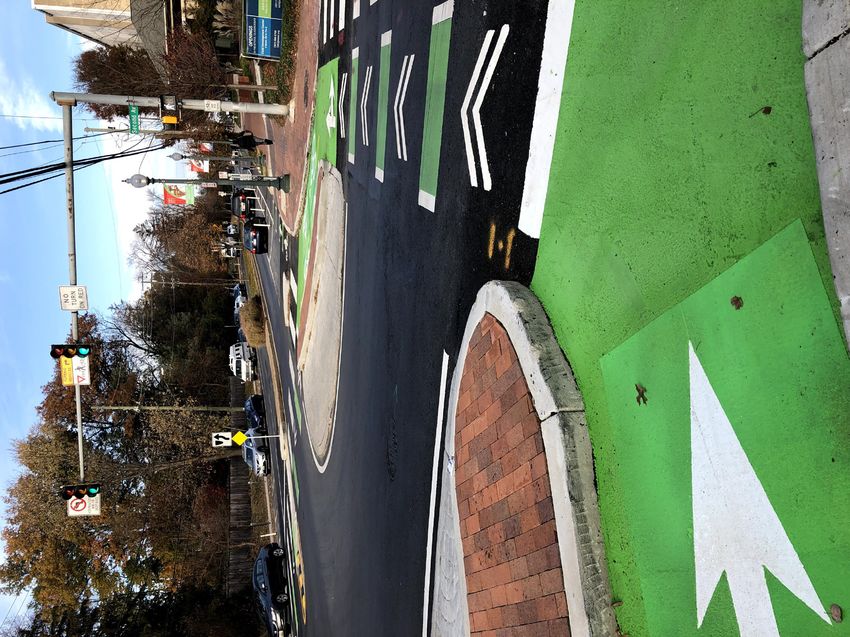
VISION ZERO ACTION PLAN | ARLINGTON COUNTY 231.4 What Does Vision Zero Look Like? INTERSECTIONS THAT PROTECT ALL USERS COLLABORATING WITH SERVICE PROVIDERS IMPROVED SIGNAGE & WARNINGS 24 VISION ZERO ACTION PLAN | ARLINGTON COUNTY
REALLOCATION OF STREETSPACE   SAFE ACCESS TO TRANSIT

EDUCATION & ENCOURAGEMENT

                                        VISION ZERO ACTION PLAN | ARLINGTON COUNTY   25
2 Transportation
Safety in Arlington
26 VISION ZERO ACTION PLAN | ARLINGTON COUNTY2.1 Safety Data
Vision Zero is a data-driven process. During While Arlington’s transportation network
the development of the Action Plan, we is relatively safe by national standards, no
collected and reviewed existing data to death or serious injury on our streets or
better understand transportation safety trails is acceptable.
issues in our community. We also heard
from people in Arlington about their top
safety concerns and experiences with
crashes – and their vision for the future. Transportation-related Deaths
per 100,000 People (2018)1
Arlington has long benefited from a
multi-modal transportation network that
ARLINGTON COUNTY
supports people walking, biking, rolling,
riding transit and driving. However, 0.84
transportation-related fatalities and
injuries continue to pose a serious public
health risk.
Each year, approximately 60 people sustain
serious or fatal injuries on Arlington streets. NATIONALLY
11.17
These deaths and long-term injuries are
preventable.
How Arlington County Gets Around
Arlington Resident Weekly Commute Mode2
Train 29% Bus 13%
Bike 6%
Walk 5%
Carpool/Vanpool
Drive 3%
alone
45%
63% of Arlington >50% of trips >20% of trips
residents who commute by Arlingtonians aged by Arlingtonians aged
About 8% of commuters do not have via Metro walk to the 25+ are via single 25+ are via public
access to a car3 station4 occupancy car, truck, transportation3
16% take the bus and about or van3
5% drive alone and park at
Metro
Data Sources
1. VDOT & NTSB 2018 crash reports
2. 2015 Arlington Resident Travel Survey Report - February 11, 2016
3. 2017 ACS 5-Year Estimates from Census Bureau
4. 2016 Metrorail Passenger Survey
VISION ZERO ACTION PLAN | ARLINGTON COUNTY 27Vision Zero begins with accurate, CRASH TRENDS OVER TIME
complete data. County staff evaluated
The charts on the next page illustrate crash
crash data from Arlington County Police
trends in Arlington from 2015-2019. Key
and Virginia State Police to identify
findings include:
common crash locations, types, severity,
modes and conditions. The objective of
• Arlington County’s population
the analysis was to identify clear trends,
increased by 3.6% and employment
patterns and systemic safety issues that
increased by 2.3%.
could be addressed through staff action.
• Total crashes increased by about
Arlington’s crash data evaluation included
1%, and the reported injury crashes
four distinct analysis efforts:
increased by about 6.2%.
1. Analysis of trends over time: Staff
• Pedestrian crashes decreased by
reviewed data to understand how
about 24% and bicycle-related crashes
crashes in Arlington are changing over
increased by approximately 37%.
time.
• There was at least one fatal crash each
2. Systemic analysis of serious and
year.
fatal crashes: Staff identified common
factors across critical crashes to identify
high risk circumstances and roadway
characteristics.
3. Identification of a High Injury
Network (HIN): Staff conducted
geographical analysis to identify
corridors with high concentrations of
serious or fatal crashes.
4. Identification of “Hot Spot” crash
locations: Staff identified individual
intersections or locations that
experienced high numbers of crashes.
28 VISION ZERO ACTION PLAN | ARLINGTON COUNTYTOTAL CRASHES (WITH INJURIES AND FATALITIES)
BICYCLE AND PEDESTRIAN INJURIES AND FATALITIES
Data Source: Virginia Department of Transportation Full Crash Dataset 01/01/2013 – 7/31/2019.
VISION ZERO ACTION PLAN | ARLINGTON COUNTY 29SYSTEMIC ANALYSIS OF
CRITICAL CRASHES
Critical crashes are crashes that result in People Walking
serious or fatal injuries to one or more
people involved.
From 2017 to 2019, there were 178 critical
crashes out of a total of 7,549 reported
crashes in Arlington.
5% of Total Crashes
24% of Critical Crashes
When we focused our analysis on the 50+% of Fatal Crashes
modes of transportation involved in
critical crashes, we learned that:
• While crashes involving pedestrians
made up only about 5% of all crashes,
People Biking
pedestrian crashes made up almost a
quarter of critical crashes and over half
of fatal crashes.
• Similarly, motorcycles made up only 2% of Total Crashes
1% of all crashes but over 13% of critical
crashes. 8% of Critical Crashes
• Bicyclists made up about 2% of all
reported crashes but 8% of critical
crashes. People on
These statistics confirm that when a
Motorcycles
person walking, biking or riding a
motorcycle is involved in a crash, their
injury is much more likely to be serious.
It is important that our Vision Zero 1% of Total Crashes
program focuses on these vulnerable
road users, because they are more likely to 13% of Critical Crashes
sustain a serious or fatal injury if there is a
crash.
Data Source: Virginia Department of
Future systemic analysis will include
Transportation Full Crash Dataset
investigating the patterns in transportation
01/01/2013 – 7/31/2019.
infrastructure (e.g., crossing conditions,
signage or bike lane characteristics) that
may lead to crashes.
30 VISION ZERO ACTION PLAN | ARLINGTON COUNTYArlington County staff mapped critical crashes by mode and circumstantial factors to identify geographic patterns.
The following map illustrates the areas in which crashes were concentrated based on common characteristics.
Arlington County will be proactive in identifying issues and identifying actions to prevent these types of crashes in
the future.
Critical Crash Areas of Concentration by
Circumstance and Travel Mode
Alcohol-related Pedestrian
Crash at night Bicycle
Turning-related Large Truck
Data Source: Virginia Department of Transportation Full Crash Dataset 01/01/2013 – 7/31/2019.
VISION ZERO ACTION PLAN | ARLINGTON COUNTY 312017-2019 Critical Crash Factors Critical crashes are crashes that result in serious or fatal
injuries to one or more people involved. Percentages may not
From 2017 to 2019, there were 178 critical crashes in sum to 100% because a crash may involve multiple factors.
Arlington.
Alcohol Time of Day Speeding
(Crashes: 34) (Crashes: 69) (Crashes: 47)
Only about 8% of all crashes Over 33% of critical crashes 26% of critical crashes and
involved alcohol, but almost and 50% of fatal crashes 23% of fatal crashes involved
50% of fatal crashes involved occurred after dark. speeding.
alcohol.
Drinking and driving has a 86% of critical night crashes More than 50% of critical
large impact on the severity occurred on a lighted crashes that involve
of a crash. roadway. speeding occurred on a
highway.
Turning Distractions Driver Age
(Crashes: 52) (Crashes: 39) (Crashes: 34)
29% of critical crashes and Over 20% of all critical crashes Almost 20% of critical crashes
8% of fatal crashes involved involved people who were involved a senior driver (over
turning movements. distracted. the age of 65).
Left turn crashes alone Distractions include phone Seniors comprise about 10%
contributed to 20% of all use or other activities that of the County population.
critical crashes. may divert the traveler’s
attention.
Data Source: Virginia Department of Transportation Full Crash Dataset 01/01/2013 – 7/31/2019.
32 VISION ZERO ACTION PLAN | ARLINGTON COUNTYHIGH-INJURY NETWORK
Arlington’s “High-Injury Network” VDOT owns and maintains all roads within
highlights corridors with high most counties in the state of Virginia.
concentrations of critical crashes. In Arlington County is unique in that the
Arlington County, this network represents County owns and maintains many of the
just 7% of over 555 miles of roadway, roads within the County, while VDOT owns
but 78% of all critical (serious or fatal) and maintains a few major highways (I-66,
crashes. I-395 and US 50) and arterials in Arlington
(e.g., Glebe Road, Lee Highway, sections
The majority of the High-Injury Network of Washington Blvd). Given this shared
is comprised of highway or arterial relationship, Arlington County staff
roadways—multi-lane streets with higher and VDOT staff must work together to
volumes and speeds. address safety on major corridors.
• Highways (roads with high volumes and VDOT is responsible for many of the streets
speeds) in Arlington County were the with higher volumes and speed limits within
site of 39% of serious and fatal crashes. Arlington. More than half of the roadways
Key corridors with higher crash rates on Arlington’s High-Injury Network are
include I-66, I-395 and US 50. owned and maintained by VDOT. As part
of the Vision Zero initiative, Arlington
• About 42% of Arlington’s serious County will continue to work with VDOT to
or fatal crashes occur on arterial systemically address transportation safety
roadways. Arterial corridors with higher on VDOT-owned and maintained streets.
crash rates include Glebe Road, Lee
Highway, Columbia Pike, Four Mile
Run and sections of Wilson Boulevard,
Fairfax Drive, Carlin Springs Road,
Washington Boulevard, 10th Street N
and Walter Reed Drive.
42% of Arlington’s serious
or fatal crashes occur on
arterial roadways.
VISION ZERO ACTION PLAN | ARLINGTON COUNTY 33You can also read


