Activating the immune system to fight cancer - Company presentation May 2019 - Ultimovacs
←
→
Page content transcription
If your browser does not render page correctly, please read the page content below
Activating the immune system to fight cancer

              Company presentation

                   May 2019

                                                                            |
                                               Strictly private and confidential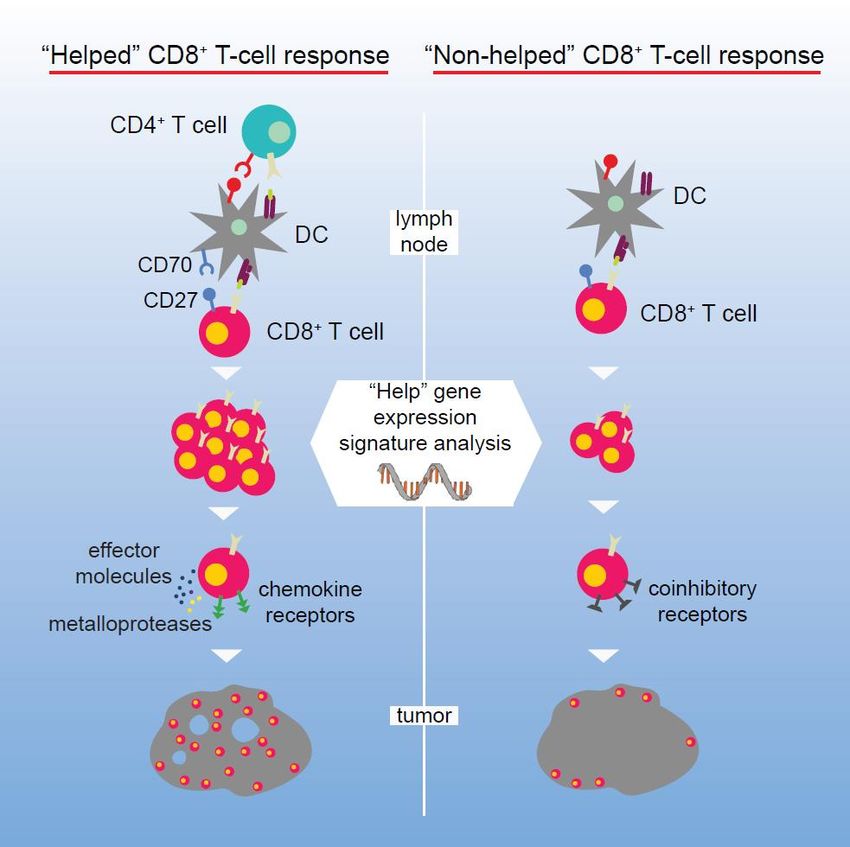
Disclaimer

NOT FOR DISTRIBUTION IN THE UNITED STATES, EXCEPT PURSUANT TO APPLICABLE EXEMPTIONS FROM THE REGISTRATION REQUIREMENTS OF THE U.S. SECURITIES ACT OF 1933.

This presentation has been prepared by Ultimovacs ASA (“Ultimovacs” or the “Company”) solely for information purposes and does not form part of any offer to subscribe for any securities.

This presentation is based on the economic, regulatory, market and other conditions in effect on the date hereof and, may contain certain forward-looking statements. By their nature, forward-looking statements
involve risk and uncertainty because they reflect Ultimovacs’s current expectations and assumptions as to future events and circumstances that may not prove accurate. None of the Company or any of its
subsidiary undertakings or any such person’s officers or employees provide any assurance as to the correctness of such forward-looking information and statements. It should be understood that subsequent
developments may affect the information contained in this document, which neither Ultimovacs, nor its advisors, are under an obligation to update, revise or affirm. Important factors that could cause actual results
to differ materially from those expectations include, among others, economic and market conditions in the geographic areas and industries that are or will be major markets for the Company’s businesses, changes
in governmental regulations, interest rates and fluctuations in currency exchange rates.

This presentation is not a prospectus, disclosure document or offering document and does not purport to be complete.

AN INVESTMENT IN THE COMPANY INVOLVES SIGNIFICANT RISK AND, SEVERAL FACTORS COULD CAUSE THE ACTUAL RESULTS, PERFORMANCE OR ACHIEVEMENTS OF THE COMPANY TO BE MATERIALLY DIFFERENT FROM
ANY FUTURE RESULTS, PERFORMANCE OR ACHIEVEMENTS THAT MAY BE EXPRESSED OR IMPLIED BY STATEMENTS AND INFORMATION IN THIS PRESENTATION.

No representation or warranty (express or implied) is made as to, and no reliance should be placed on, any information, including but not limited to projections, estimates, targets and opinions, contained herein,
and no liability or responsibility whatsoever is accepted as to the accuracy or completeness of this presentation or for any errors, omissions or misstatements contained herein, and, accordingly, none of the
Company nor any of its subsidiary undertakings or any such person’s officers or employees accepts any liability whatsoever arising directly or indirectly from the use of this presentation. This presentation does not
purport to contain all of the information that may be required to evaluate the Company and its shares and should not be relied on in connection with any investment in the Company.

The contents of this presentation are not to be construed as legal, business, investment or tax advice. Each recipient should consult with its own legal, business, investment or tax adviser as to legal, business,
investment or tax advice. By attending or receiving this presentation, you acknowledge that you will be solely responsible for your own assessment of the market and the market position of the Company and that
you will conduct your own analysis and be solely responsible for forming your own view of the potential future performance of the Company’s business and the securities issued by the Company.

This presentation has not been reviewed or approved by any regulatory authority or stock exchange. The distribution of this presentation into jurisdictions other than Norway may be restricted by law. This
presentation does not constitute or form part of any offer or invitation to sell or issue, or any solicitation of any offer to acquire any securities. Neither this presentation nor anything contained herein shall form the
basis of any contract or commitment whatsoever. Persons into whose possession this presentation comes should inform themselves about, and observe any such restrictions. Any failure to comply with these
restrictions may constitute a violation of the securities laws of any such jurisdiction.

This presentation is not for distribution, directly or indirectly, in or into the United States (including its territories and possessions, any State of the United States and the District of Columbia), Canada, Australia or
Japan. This presentation does not constitute or form a part of any offer or solicitation to purchase or subscribe for securit ies in the United States. The securities mentioned herein have not been, and will not be,
registered under the U. S. Securities Act of 1933 (the "Securities Act"). The securities mentioned herein may not be offered or sold in the United States, except pursuant to an exemption from the registration
requirements of the Securities Act.

This Presentation is subject to Norwegian law and any dispute arising in respect of this presentation is subject to the exclusive jurisdiction of the Norwegian courts with Oslo district court as the legal venue.

                                                                                                                                                                                                                                 2|

                                                                                                                                                                                              Strictly private and confidential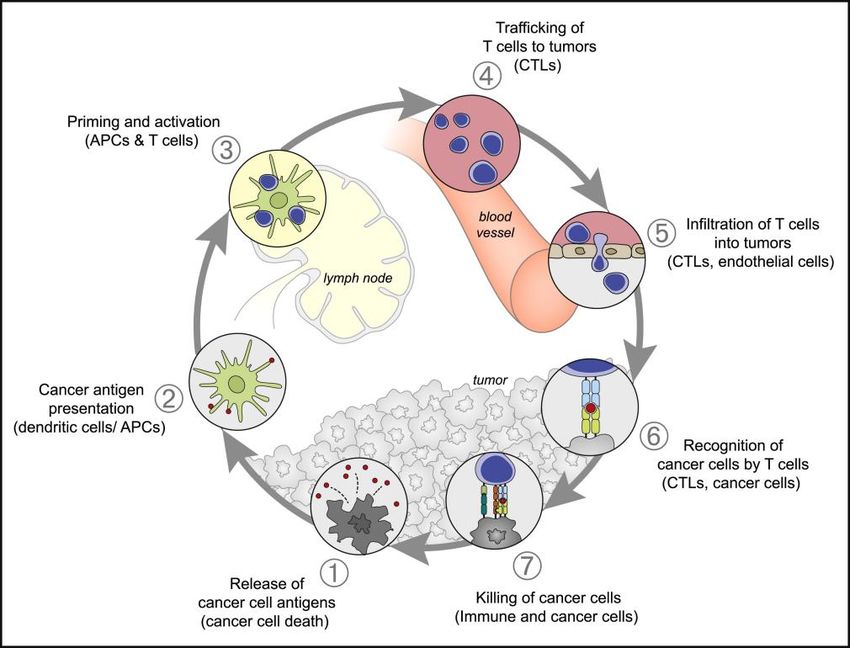
Agenda

1   Introduction to Ultimovacs

2   Immunotherapy and telomerase (target antigen)

3   The UV1 vaccine

4   Clinical development program

5   Newsflow and shareholder base

6   UV2 preclinical / first-in-man clinical trial

7   Supporting information

                                                                                 3|

                                                    Strictly private and confidential
Intends to further
  Developing a                                                        pursue
universal, off-the-    Lead product        Aims to document     development of a
   shelf cancer       tested in three       clinical efficacy     vaccine for the
     vaccine           clinical trials –    through a Proof-    treatment of very
applicable across      strong clinical     of-Concept Phase         early stage
a broad spectrum      efficacy signals           II study        cancer, possibly
 of cancer types                                                   prevention of
                                                                      cancer

                                                                                                     4|

                                                                        Strictly private and confidential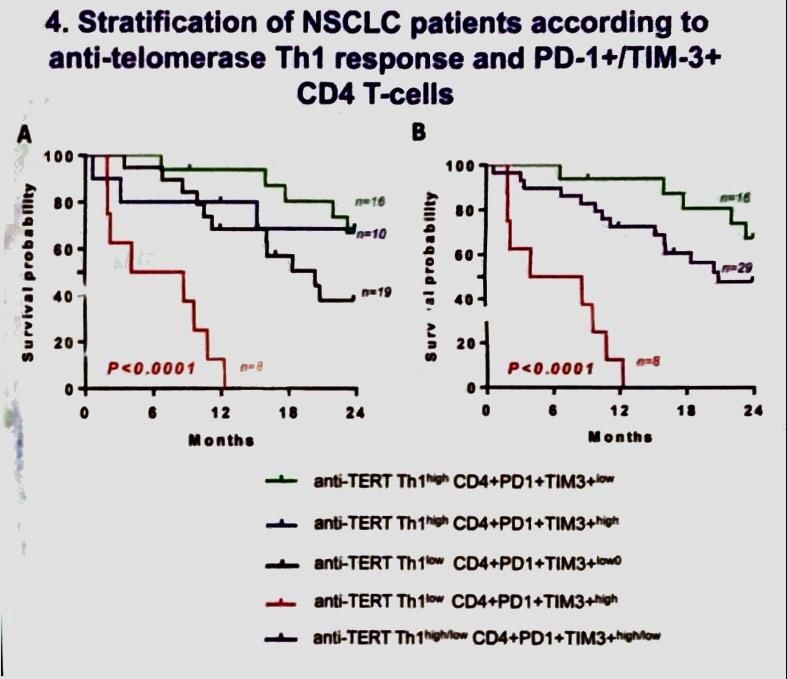
Company Snapshot

              Brief overview                                                                   Development plan

       Ultimovacs is a research based
       pharmaceutical company
       focused on developing universal
       cancer vaccines applicable at all
       stages of cancer, including
       possibly prevention of cancer                                                                         1

       Ultimovacs’ lead product UV1 is a
       universal cancer vaccine
       developed to enable the
       immune system to identify and kill
       cancer cells

       UV1 activates the immune system
       against telomerase antigens
       (hTERT) essential to cancer cells’
       unlimited proliferation ability

       These antigens are present in 85 –
       90% of all cancers

       UV1 is developed in combination
       with checkpoint inhibitors

       UV1 is easy to produce and
       requires no sophisticated
       infrastructure

1: Strong momentum in recruitment, as of 14 May 2019, 11 patients are recruited to the study
                                                                                                                                               5|

                                                                                                                  Strictly private and confidential
Ultimovacs – Investment Highlights

   Seasoned management team with a track                                                                       Universally applicable across cancer indications, stages and
   record of success                                                                                           populations
                                                             Proven, highly                  UV1 - Unique             T-helper cell (CD4) activating vaccine
   Industrial experience from research through               experienced                    and universally
                                                                                                                          Synergistic effects with checkpoint inhibitors
   commercialization                                         management                       applicable                  (CPIs)
                                                                 team                       cancer vaccine
                                                                                                                              HLA type independent, no screening necessary

   Strong commercial potential as                                                                                                 hTERT is a universal self antigen,
   combination treatment with CPIs                                                                                                identification of tumor or patient
        –   Potential to expand therapeutic                                                                                       specific antigens not necessary
            area to include indications
            approved for CPIs
                                                 Multiple sources                                          Promising              Three Phase I/IIa clinical trials completed and
        –   CPI sales expected to exceed USD
                                                     of value                                             clinical data           in follow-up with promising data
            34bn by 2024
                                                                                                                                  –   Melanoma: 75% 2Y survival (UV1 +
                                                                                                                                      ipilimumab) vs. 42% (ipilimumab only)
   Significant upside opportunity to move use
   of UV1 to adjuvant setting and possibly                                                                                    –   Stage 3B/4 NSCLC: 50% 2Y survival and 28
   prevention of cancer                                                                                                           months median overall survival (UV1 mono)
                                                                                                                          –   Prostate: 8 of 22 patients with normal PSA levels
                                                                                                                              and no clinical signs of cancer after 4.5 years
                                                                          Pioneers in a new
                                                                           area of biology

                                                                    Pioneered and identified the
                                                                    concept of using telomerase (hTERT)
                                                                    as an immune therapy target

                                                                    hTERT expression is the mechanism
                                                                    enabling the cancer cell to divide
                                                                    an endless number of times

                                                                                                                                                                                  6|

                                                                                                                                                   Strictly private and confidential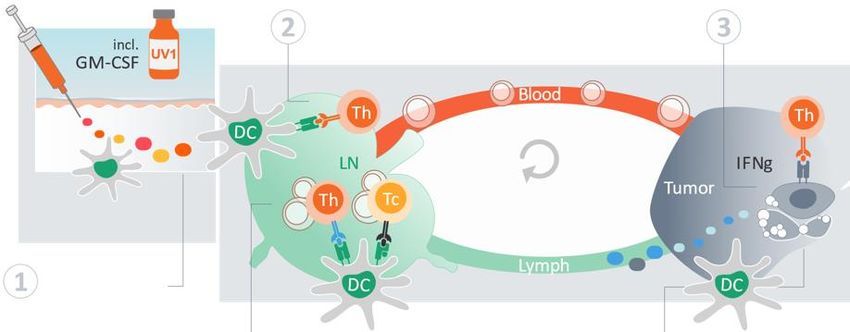
Agenda

1   Introduction to Ultimovacs

2   Immunotherapy and telomerase (target antigen)

3   The UV1 vaccine

4   Clinical development program

5   Newsflow and shareholder base

6   UV2 preclinical / first-in-man clinical trial

7   Supporting information

                                                                                 7|

                                                    Strictly private and confidential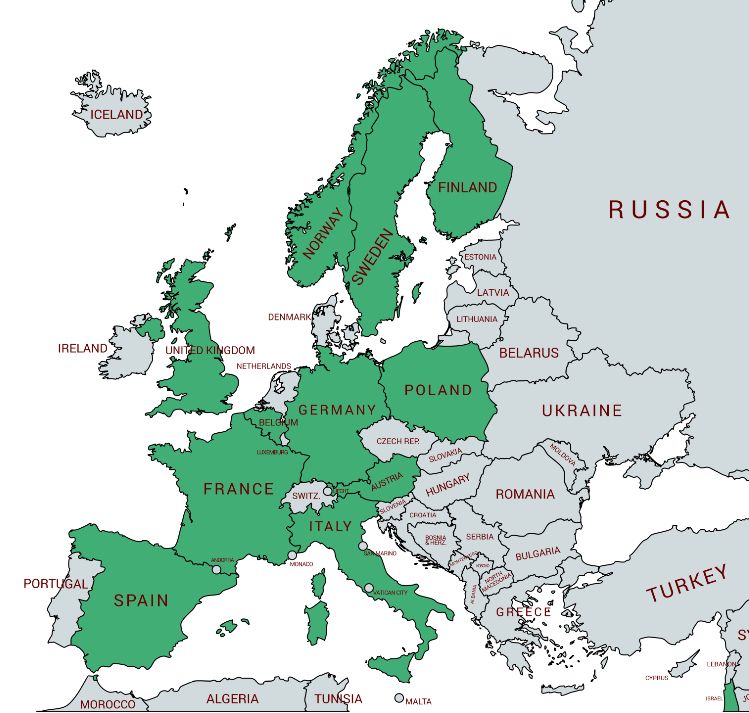
UV1 is a CD4 Activating, Universal Cancer Vaccine

         UV1 is directed towards hTERT, which is expressed in 85-90% of all cancer indications

              UV1 can be used in the general population without pre-screening of HLA

           The UV1 vaccine consists of long peptides activating CD4 helper T lymphocytes

                 UV1 is easily manufactured, has a long shelf life and a low unit cost

                   Ease of clinical use, no complex hospital infrastructure required

                                                                                                                          8|

                                                                                             Strictly private and confidential
Ultimovacs is in the forefront of Cancer Vaccine Development

     Key enablers for Ultimovacs       Ultimovacs differentiation

                                       Long peptide = T-helper cell
                                          activation approach
          Checkpoint inhibitors

                                             Universal target
         Combination treatments

                                              Essential target
      Understanding of telomerase as
                 antigen

                                           Off-the-shelf solution

                                                                                              9|

                                                                 Strictly private and confidential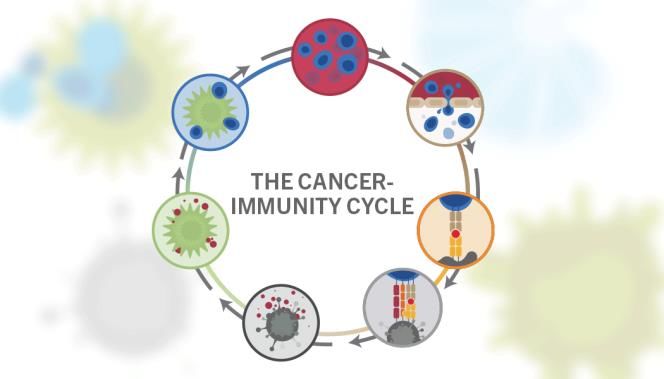
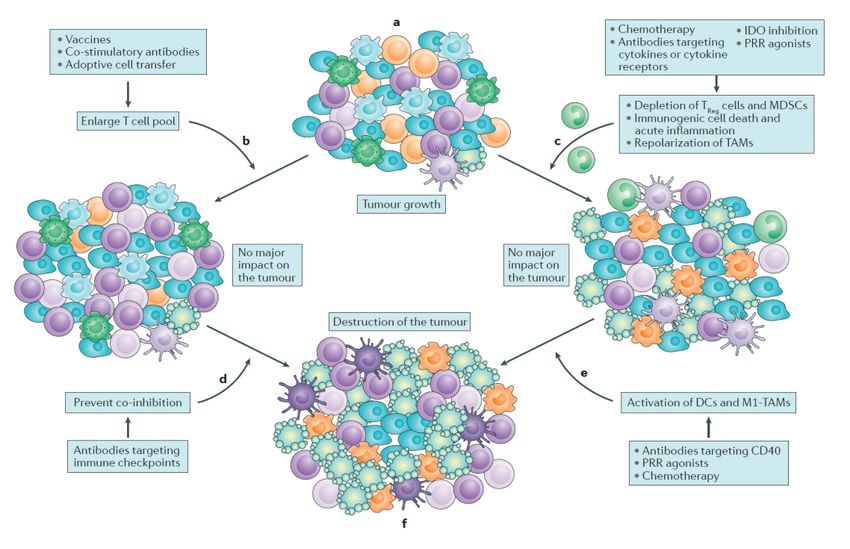
Immunotherapy Clears Cancer

Immunotherapy is a unique approach using the body’s natural defences (the immune system) to fight cancer

     The premier feature of the immune system is the ability to differentiate and recognize foreign bodies or abnormal cells such as tumor cells from normal cells
     Cancerous cells deploy different approaches to avoid recognition and elimination by the immune system through;
         - Disruption of the antigen presenting mechanisms (downregulating HLA or disabling antigen processing); or
         - Disrupting the pathways involved in controlling T cell inhibition and activation to avoid being attacked by the immune system
     The immunotherapy approach enables the immune system to target cancer cells directly, is less invasive, has fewer limitations and is applicable to tumors at a
     broader spectrum of stages compared to standard of care (chemo, radiation, surgery)
     Since the first immunotherapy treatment was approved in 2010, it has proven effective in treating a wide array of oncology indications

                          The cancer immunity cycle                                                             Improving long-term survival

                                                                                                                                                                    Illustrative
             CTLA4 - checkpoint                     4         Cell based therapies
             inhibitor                                        (Car-T, Adoptive, etc.)

            2

     Cancer vaccines
     (UV1/UV2)
1

     5
    Therapies that kill cancer cells:
    Chemo                                                           3 PD1/PDL1 Checkpoint                                Chemotherapy / Targeted therapies
    Radiation                                                           inhibitor
    Oncolytic virus
    Targeted (including cytotoxic mAbs)
    Anti-angiogenic

Source: Citi – opinion article November 19th 2013, Dagens Medisin
                                                                                                                                                                           10
                                                                                                                                                                            |
                                                                                                                                               Strictly private and confidential
Telomerase (hTERT) is an Ideal Target Antigen in Cancer
Immunotherapy
Telomerase
preserves telomers
in cancer cells
Telomerase’s function and relevance Telomerase is essential for unlimited
for tumor is well known and w/o telomerase enzyme w/ telomerase enzyme growth and immortality
documented
Cell division
Cell division
Telomerase is also essential for tumor
Most normal cells are telomerase spread
negative Normal cell = Cancer cell =
normal cell Unlimited, uncontrolled
death and cell division
replacement
Telomerase is present in cancer stem Telomer
cells
Chromosome
Telomerase is a universal target: Telomerase is an essential target:
85-90% of cancer cells express hTERT Tumor cells are dependent on expressing hTERT
Source: Role of Telomeres and Telomerase in Aging and Cancer (2016) , Jerry W. Shay
11
|
Strictly private and confidentialAgenda
1 Introduction to Ultimovacs
2 Immunotherapy and telomerase (target antigen)
3 The UV1 vaccine
4 Clinical development program
5 Newsflow and shareholder base
6 UV2 preclinical / first-in-man clinical trial
7 Supporting information
12
|
Strictly private and confidentialUV1 – Mechanism of Action
The UV1 mechanism of action is fundamentally to activate CD4 helper T lymphocytes
2 3
DC = Dendritic cell (antigen presenting cell)
Th = T helper cell
Tc = T killer cell
IFNg = Interferon gamma
LN = Lymph node
1
5 4
1 UV1 is administered as an intradermal injection, taken up by antigen presenting cells and transported to lymph node
2 In the lymph node UV1 epitopes are presented to T-cells and T-cells are clonally expanded
T-cells migrate in blood to tumor and enter the tumor if microenvironment is acceptable. T-cells will kill cancer cells presenting UV1 epitopes.
3 The UV1 T-cells produce several molecules (IFNg, IL-2 and TNF-alfa) generating an optimal environment for immune-mediated killing of
cancer cells and formation of memory T-cells
4 New epitopes (neoantigens) from dead tumor cells are taken up by antigen presenting cells and transported to lymph node
5 T-cells recognizing new epitopes are clonally expanded and migrate to tumor
13
|
Strictly private and confidentialCD4 T Cells Orchestrate Effective and Durable Antitumor
Immune Responses (1 of 2)
Key roles of CD4 Th1 cells in the cancer immunity cycle The cancer immunity cycle8
1.
A Induction of effective antigen presentation1
Through cytokine production, CD4 T cells mediate induction of
class I and II HLA molecules on tumor cells and upregulation of
antigen processing machinery in antigen presenting cells
(APCs)
2.
B Augmentation of CD8 T cell responses1,2
CD4 T cells activate APCs, leading to cross-priming of CD8 T B
cells and antigen spreading
3.
C T cell homing1,3,6
CD4 T cells produce IFN-g which by several mechanisms
support T cell infiltration to the tumor C
4.
D Tumor cell killing1,4,5
Induction of cytotoxic T cell responses, and direct and indirect F E
killing of HLA-class II pos or neg tumors, respectively
A
E Activation of other immune cells9
CD4 T cells activate NK cells, macrophages and B cells,
potentially leading to a favorable modulation of the tumor D
microenvironment
F Memory formation1,7
CD4 help is required for optimal CD8 memory formation and
secondary recall response
1: Mellsen & Slingluff, Curr. Op. Immunol., 2017; 2: Kreiter S et al., Nature, 2015; 3: Keskin et al, Nature, 2019; 4: Tran E, et al., Science, 2014; 5: Haabeth et
al, Front. In Immunol. 2014; 6: Justin Wong et al, J Immunol., 2008; 7: Janssen et al, Nature, 2004; 8: D.S. Chen & I. Mellman, Immunity, 2013; 9: Murphy K & 14
|
Weaver C Janeway`s Immunobiology 9th edition, 2017
Strictly private and confidentialCD4 T Cells Orchestrate Effective and Durable Antitumor
Immune Responses (2 of 2)
CD4 “help” potentiates CD8 effector function1-2 Clinical validation of the relevance of hTERT-specific CD4 T cells3
Priming of CD8 T cells in absence of CD4 “help” is ineffective, Spontaneous hTERT-specific immune responses of the CD4+ Th1
due to lack of CD27 co-stimulation, leading to a 10-fold phenotype are proven to correlate with favorable outcome
reduction in cell frequency hTERT-specific Th1 cells counteracts hyper exhausted CD4+ cells
Effector differentiation, migration and extravasation of the CD8 leading to improved survival, regardless of disease stage
T cells are reliant on CD4 stimulation hTERT-specific CD4+ Th1 cells suggested as a potential
Therefore, lack of CD4 stimuli during priming ultimately results in biomarker for immunotherapy
impaired anti-tumor activity
1: Ahrends et al, Immunity, 2017
2: Provine et al, J Immunol, 2016 15
|
3: Laheurte et al, abstract 575/10 presented at AACR 2019, An immunomonitoring study in NSCLC (N=59) showed that levels of hTERT-specific CD4 Th1
cells correlated with positive survival (p=0.009) Strictly private and confidentialUV1 Clinical Trials Completed to Date
Clinical trial overview Description
Indication Clinical Stage 2014 2015 2016 2017 2018 3 Phase I/IIa trials are completed and now
in follow-up
Safety profile as expected for therapeutic
Follow-up cancer vaccine
Prostate cancer Phase I/IIa 22 patients
(up to 10 years)
- Generally well tolerated with mild side
effects reported as injection site related
Non small cell lung Follow-up
All trials were performed as single site trials
cancer Phase I/IIa 18 patients at The Norwegian Radium Hospital
(up to 10 years)
Malignant melanoma
Follow-up
(combination study w/ Phase I/IIa 12 patients
(up to 10 years)
ipilimumab1)
Study reports
Key conclusions from completed studies
Melanoma trial Lung cancer trial Prostate cancer trial
2-year survival of 75% (UV1 + ipilimumab) vs. 42% (ipilimumab 2-year survival of 50% and 28 months median overall survival 8 of 22 patients with normal PSA levels and no clinical signs of
only) (UV1 mono) cancer after 4.5 years
The study treatment is safe and well tolerated
The study treatment is safe and well tolerated The study treatment is safe and well tolerated
8 of 22 patients with normal PSA levels and no
Median progression-free survival was 6.5 months Median progression-free survival was 12.3 months
clinical signs of cancer after 4.5 years
1: Ipilimumab Yervoy (Bristol-Myers Squibb) was the first checkpoint inhibitor approved for cancer treatment. It works by helping to stimulate t-cell activation and proliferation
16
|
Strictly private and confidentialAgenda
1 Introduction to Ultimovacs
2 Immunotherapy and telomerase (target antigen)
3 The UV1 vaccine
4 Clinical development program
5 Newsflow and shareholder base
6 UV2 preclinical / first-in-man clinical trial
7 Supporting information
17
|
Strictly private and confidentialProcess for Selection of Indications for Proof of Concept Trial
Workflow for identification of proof of concept trial
Proposed Proof of Concept
Scientific, medical, regulatory and commercial selection criteria
trial
Unmet medical need 30.5k
Clinical efficacy signals from completed Ultimovacs trials
Combination checkpoint inhibitors (CPIs) approved in major
markets First line metastatic
malignant melanoma with
triple combination
Current CPI Standard of Care expected to be stable for next 3 ipilimumab/nivolumab/UV1
years
Acceptance by international Key Opinion Leaders
Positive trial outcome relevant for future development
18
|
Strictly private and confidentialRationale for selection of Malignant Melanoma (1 of 2)
Immune response and response rate Key takeaways
Immune response Excellent UV1 immune responses, in
100% particular in malignant melanoma in
90% combination with ipilimumab
80%
Strong clinical efficacy signal
Percent immune responders
70%
60%
50%
40%
30%
20%
10%
Weeks
0%
0 5 10 15 20 25 30 35 40
Melanoma (combination UV1 + ipilimumab) Prostate Lung
Best overall response1
Ipilimumab (N=315)
Ipilimumab/UV1 (N=9)
CheckMate-067
19% 44%
1: Rate (%) of patients with complete or partial response according to RECIST 1.1
19
|
Strictly private and confidentialRationale for selection of Malignant Melanoma (2 of 2)
Immune response and response rate Key takeaways
Progression free survival Overall survival Combination treatment with
Checkmate-067 study, ipilimumab arm Checkmate-067 study, ipilimumab arm ipilimumab and UV1 enhances
immune response in melanoma
mPFS 2.9 months mOS 19.9 months
patients as compared to
Patients with Progression-Free Survival (%)
monotherapy with UV1
Combination treatment with
ipilimumab/UV1 increases PFS
and OS as compared to
historical controls
UV1 is expected to be
synergistic to both anti-PD1 and
Ipilimumab + UV1 in Melanoma Ipilimumab + UV1 in Melanoma anti-CTLA-4
100 100
UV1’s Mode of Action is
Patients with Progression-Free Survival (%)
Ipilimumab/UV1 , mOS not reached
mPFS 6.5 months at 36 months1 complementary to checkpoint
75 75
inhibitors (CPIs) and could add
Survival probability (%)
50 50
incremental effect to CPI
combinations (nivolumab +
25 25 ipilimumab)
0 3 6 9 12 15 18 21 24 27 30 33 36 39 42 45 0 3 6 9 12 15 18 21 24 27 30 33 36 39 42 45 48
Months Months
1: Cut-off Nov 2018
20
|
Strictly private and confidentialUltimovacs – Development Plan
2018 2019 2020 2021 2022 2023
Metastatic malignant melanoma trial (Phase I, N=20, UV1/anti-PD-1)
Ultimovacs
sponsored UV1
Phase II proof of concept trial (first line metastatic malignant
Preparations
melanoma with triple combination ipilimumab/nivolumab/UV1)
Collaboration Preparations
Proof of concept trial with external partner (outside/within current
UV1 approved indications for CPIs)
UV2 / TET technology
UV2 (preclinical)
Pipeline Preparations TET phase I trial
Other (mechanistic analyses, pipeline development)
21
|
Strictly private and confidentialPhase II trial in First Line Malignant Melanoma Patients Indicated
for Combination Treatment with Nivolumab/Ipilimumab
Proof of concept trial to compare treatment with UV1/anti-PD1/anti-CTLA-4 versus anti-PD1/anti-CTLA-4 in patients that are
indicated for anti-PD1/anti-CTLA-4 treatment
Background and rationale Study design
Purpose
To show signal of superiority of UV1/anti-PD1/CTLA-4 over anti-PD1/CTLA-4
in 1st line metastatic malignant melanoma
Goal and timing of primary endpoints
Evidence of signal that UV1/anti-PD1/anti-CTLA-4 is clinically superior to FPFV1
anti-PD1/anti-CTLA-4 Q1 2020
PFS read-out when 70 endpoints have been reached (expected to be
appr. 30 months after study start) UV1
nivolumab
nivolumab
Interim immune response data in H1 2021from randomized patients ipilimumab
ipilimumab
Recruitment (N=77)
(N=77)
Patient population and endpoints completed
Q2 2021
Target is a hazard ratio of 0.6, expected mPFS in control arm 11.5 months
(CheckMate 067)
PFS read-out
H2 2022
Potential outcome: Primary endpoint: PFS
Efficacy data in target population relevant for future development
Secondary endpoints: OS + ORR + DOR + Safety
: First patient first visit
22
|
Strictly private and confidentialResearch activities related to Proof of Concept study
Background and hypothesis Key objectives Significance of findings
Background Correlate immune responses in blood with intra-
Analyses of blood and tumor biopsies tumoral changes, elucidating the mechanisms
collected from patients participating in Proof of underlying clinical benefit of UV1 therapy
Concept study
Understanding mechanisms
Hypothesis Blood underlying signal of clinical efficacy
Vaccination with UV1 is expected to drive;
Key output
- Amplification and diversification of immune
response against tumor-specific antigens UV1-specific immune
(epitope spread) and; response
Neoantigen-specific
- Increased infiltration of T cells into tumor immune response
Strengthening of clinical signals on
efficacy
T cell receptor
repertoire
Research collaborations
Collaborations with leading European expertise Guidance for future studies with
on T Cell Receptor repertoire sequencing and Tumor
regards to novel therapeutic
analysis of immunorepertoire data funded by
Key output combinations and indications
Eurostars
Other collaborations include OncoImmunity, Immune cell
offering innovative solutions for neoantigen composition
prediction T cell receptor
repertoire
Tumor mutational Biomarkers for response to treatment
burden
Neoantigen prediction
23
|
Strictly private and confidentialPre-Feasibility Showing High Interest
Geographical overview High interest from KOLs to participate
Country Individual Institute
Immediate responses:
Dirk Schadendorf University Hospital Essen
Ulrich Keilholz Charité Universitätsmedizin Berlin “Happy to contribute in this
very interesting approach”
Peter Mohr Elbe Klinikum Buxtehude
- Jean Jacques Grob
James Larkin The Royal Marsden Hospital
Jean-Jacques APHM Hospital Timone Aix
Grob Marseille University
“Of course we are interested
National Tumour Institute in this trial, as discussed at
Paolo Ascierto
“Fondazione G. Pascale” ESMO”
Azienda Ospedaliero - Ulrich Keilholz
Michele Maio
Universitaria Senese
Eva Muñoz-
Hospital Vall D’Hebron
Couselo
“We are certainly interested in
Hadassah Hebrew University this study”
Michal Lotem
Medical Center
- Michele Maio
Steven O’Day John Wayne Cancer Institute
The Angeles Clinic and
Omid Hamid “Yes this study would definitely
Research Institute
be of potential interest”
St Luke’s Cancer Center &
Sanjiv Agarwala
Temple University - James Larkin
University of Colorado Cancer
Rene Gonzales
Center
24
|
Strictly private and confidentialAgenda
1 Introduction to Ultimovacs
2 Immunotherapy and telomerase (target antigen)
3 The UV1 vaccine
4 Clinical development program
5 Newsflow and shareholder base
6 UV2 preclinical / first-in-man clinical trial
7 Supporting information
25
|
Strictly private and confidentialAnticipated News Flow Up to 2022 (I/II)
Multiple near-term value creating milestones, leading up to efficacy signals in 2022
Quarterly updates on patient inclusion
Initiation (first Recruitment
patient in) of completed in
randomized study randomized study
in malignant in malignant
melanoma melanoma
Milestones and
new projects
Initiation (first Clinical Potential start of
patient in) of TET development clinical trial
phase I decision UV2 program UV2
2019 2020 2021 2022
H1 H2 H1 H2 H1 H2 H1 H2
5y OS data from
malignant
5y OS data from TET phase I,
melanoma
prostate cancer clinical data
(UV1/anti-CTLA-4)
Phase 1 readout
& NSCLC Phase
I/IIa
Data read out1
✓
2y OS data from
Safety data first 3 Safety data from Immune response PFS data from
Phase I data in phase 1
patients in Phase I Phase I study in data from phase phase II
malignant malignant
study in malignant malignant II randomized randomized
melanoma melanoma
melanoma melanoma malignant malignant
(UV1/anti-PD-1) (UV1/anti-PD-1)
(UV1/anti-PD-1) (UV1/anti-PD-1) melanoma melanoma
1: Data will be presented in peer reviewed journals and at scientific conferences as appropriate
26
|
Prostate cancer Melanoma Phase Melanoma Phase
Non-small cell lung
Melanoma Strictly private and confidential
I/II (UV1/anti- (NSCLC) cancer UV2 / TET
Phase I CTLA-4)
I (UV1/anti-PD-1) Phase I/II Phase IIAnticipated News Flow Up to 2022 (II/II)
2019 2020 2021 2022
H2 H1 H2 H1 H2 H1 H2
Malignant Malignant Malignant Malignant
Prostate phase I/II
melanoma phase I/II melanoma phase melanoma phase melanoma phase II
5 yrs OS data and
clinical data, IR data I/II 5 yrs OS data and I/II 5 yrs OS data and preliminary safety
mechanistic data1
and TMB assessment mechanistic data1 mechanistic data2 data, IR data
NSCLC Phase I/IIa
NSCLC phase I/II:
R&D 5 yrs OS data, long-
Clinical data and IR
UV1 term IR data and
data
mechanistic data3
Planned Malignant
presentations melanoma
on scientific Phase I
meetings IR data4
R&D in vitro data,
R&D in vivo mouse Preclinical safety UV2 clinical trial first
UV2 lead candidate
data data patient dosing
selection
Preclinical efficacy First dosing of TET
TET Preclinical safety First in human safety
analysis in phase I in prostate
phase I data data
humanized mice cancer patients
Operational IPR
Quarterly update on patient inclusion Results of prosecution of national patent applications
Regulatory Telomerase vaccine patent family
Other market 4Q 2019: Clarification and agreement with central European regulatory Combination therapy patent family
updates authorities on the main elements to finalizing UV1 production for Manufacturing/CMC
commercial supply. H1 2021: Final manufacturing process at commercial scale for the active
1Q 2020: Approval of phase II study in first country pharmaceutical ingredients established with Corden Pharma Brussels
H1 2022: UV1 drug product manufacturing at commercial scale established
Prostate cancer Melanoma Phase Melanoma Phase Melanoma Non-small cell lung
I/II (UV1/anti- (NSCLC) cancer UV2 / TET
Phase I CTLA-4)
I (UV1/anti-PD-1) Phase II Phase I/II
1: On UV1 Mode of Action based on genetic profiling of tumor and immune repertoire profiling of blood.
2: Based on immunogenicity testing of predicted neoantigens 27
|
3: On UV1 Mode of Action based on immune repertoire profiling of blood
4: Based on T cell proliferation, immune repertoire profiling of blood and DTH
Strictly private and confidential
Note: IR = Vaccine specific immune response, MoA = Mode of ActionStrong Shareholder Base and Ownership Structure
Description Overview of top 20 shareholders
Ultimovacs is backed by a strong shareholder base with a combination of Number of
# Shareholder % ownership
industry- and financial competence shares
1 Gjelsten Holding AS 4,885,450 30.5%
- Top 10 shareholders currently holds 85.9% of the total shares outstanding
2 Inven2 AS 2,021,775 12.6%
- Largest owner is institutional investor Gjelsten Holding
3 Canica AS 1,397,150 8.7%
Ultimovacs has successfully completed three financing rounds since early 4 Radiumhospitalets Forskningsstiftelse 1,395,875 8.7%
2015, raising a total of NOK 246m Top 5
5 Langøya Invest AS 906,325 5.7%
Shareholders
- Proceeds mainly used to finance ongoing and completed clinical trials 6 Immuneed AB 866,400 5.4% 66.2%
7 Watrium AS 820,925 5.1%
Number of shares (‘000) Equity value (NOKm)
8 Sundt AS 617,150 3.9%
Pre Capital Post Dilution 9 Prieta AS 485,175 3.0%
Date Pre issue Issue Post issue
money raised money (%) Top 10
10 CGS Holding AS 364,375 2.3%
Shareholders
Jan-15 9,675 1,350 11,025 320 45 365 12.3% 11 Helene Sundt AS 364,375 2.3% 85.9%
Aug-16 11,025 1,750 12,775 475 75 550 13.7% 12 Wiarom AS 250,000 1.6%
Oct-17 12,775 2,375 15,150 675 126 801 15.7% 13 Annemvax AS 246,900 1.5%
14 Holmetjern Invest AS 228,550 1.4%
In July 2018 Ultimovacs completed the acquisition of TET Pharma AB (now 15 Månebakken AS 189,000 1.2%
Ultimovacs AB) from the Swedish company Immuneed AB for NOK 50.4m2 16 Vitmed AS 160,000 1.0%
- The purchase price was paid through a combination of cash and shares 17 K-TO AS 119,175 0.7%
18 Asteroidebakken AS 94,500 0.6%
Key transaction details
19 Aeolus AS 87,500 0.5%
Cash consideration NOK 4.5m
20 Jakob Hatteland Holding AS 62,500 0.4%
Share consideration NOK 45.9m2
Total purchase price NOK 50.4m Sum top 20 shareholders 15,563,100 97.1%
Other shareholders 457,300 2.9%
Total shares in Ultimovacs pre transaction 15,154,000 Sum 100.0%
16,020,400
Total shares issued 866,400
Total shares post transaction 16,020,400 Executive management
Implied equity value post transaction2 NOK 847m
1: Prieta AS = Gustav Gaudernack (CSO), Vitmed AS = Øyvind Kongstun Arnesen (CEO), Aeolus AS = Audun Tornes (COO)
2: Value based on subscription price of latest completed equity issue at NOK 52.9 per share (Oct-17) 28
|
Note: Figures adjusted for 1:25 share split completed in May 2019
Strictly private and confidentialIntends to further
Developing a pursue
universal, off-the- Lead product Aims to document development of a
shelf cancer tested in three clinical efficacy vaccine for the
vaccine clinical trials – through a Proof- treatment of very
applicable across strong clinical of-Concept Phase early stage
a broad spectrum efficacy signals II study cancer, possibly
of cancer types prevention of
cancer
29
|
Strictly private and confidentialAgenda
1 Introduction to Ultimovacs
2 Immunotherapy and telomerase (target antigen)
3 The UV1 vaccine
4 Clinical development program
5 Newsflow and shareholder base
6 UV2 preclinical / first-in-man clinical trial
7 Supporting information
30
|
Strictly private and confidentialUV2 Preclinical Development Plan and Future Milestones
Successful pre-clinical development of UV2 will establish a platform technology tentatively applicable in general cancer
treatment from early stages to advanced disease
R&D phase
Preclinical workup
Clinical trial start UV2
Lead candidate selection IND submission Phase II/III
2018 2019 2020 2021 2022 2023
UV2 combines the TET technology based adjuvant and Ultimovacs’ peptide based vaccine platform for active uptake in antigen
presenting cells
Conjugates adjuvant and peptides into one molecule
Applicable for peptide vaccines in general
Ultimovacs acknowledges the possibility for using this principle for very early stage and possibly preventive vaccine for high risk populations
31
|
Strictly private and confidentialPhase I/IIa Trial With TET Test Molecules in Advanced Prostate Cancer
First-in-man dose finding study evaluating safety and tolerability of TET conjugate vaccine in patients with advanced or
metastatic prostate cancer
Background and rationale Study design
Background
Ultimovacs aims to document the safety and tolerability of TET conjugate vaccine
N=up to 28 in total
Patients (N): A 3 + 3 dose escalation with 3 dose levels will be used
FPFV
The study will expand at the selected Phase II dose level with H2 2019
Description
additional 10 patients with advanced or metastatic prostate
cancer
TET test molecules
(N=up to 3+3 at 3 dose
levels
Primary objectives: To determine safety and tolerability of TET +
conjugate. To define a Recommended Phase II dose N=10)
Purpose Secondary objectives: To show a clear immune response to TET
conjugate
Exploratory objectives: Systemic cytokine response profiling
LPLV
Q2 2021
Goal Favorable safety profile and number of immune responses
Endpoints: Safety, Immune response, efficacy signal
First patient in: H2 2019
Timetable
Last patient out: Q2 2021 (+ follow-up)
32
|
Strictly private and confidentialReasons for TET phase I Clinical Trial in Prostate Cancer Patients
The TET conjugate trial will likely address relevant questions regarding future clinical development of the UV2 program
SUPPORT TO UV2
Proof of Concept for TET technology, bridging to UV1 prostate cancer
Reduced risk since UV1 and new core are not exposed
Generate information on UV2 on safety, possible biomarkers and doses to optimize
design of UV2 study program
Effects on CD4 and CD8 responses will provide support to future novel UV2 constructs
Fastest way to safety signal on TET technology, early risk mitigation strategy to avoid
costly clinical program for UV2
33
|
Strictly private and confidentialAgenda
1 Introduction to Ultimovacs
2 Immunotherapy and telomerase (target antigen)
3 The UV1 vaccine
4 Clinical development program
5 Newsflow and shareholder base
6 UV2 preclinical / first-in-man clinical trial
7 Supporting information
34
|
Strictly private and confidentialDocumentation of Efficacy in First Line Malignant Melanoma
with the Triple Combination Ipilimumab, Nivolumab and UV1
Considerations
Unmet medical need
- Nivolumab/ipilimumab is currently indicated as combination therapy in patients with metastatic malignant
melanoma
- Even if the effect of the combination therapy has dramatically improved clinical outcome for patients with this
indication, more than 50% of patients have progressed on treatment within 12 months and around 60% will not
survive
CPI indication approved in major markets
- The combination is approved as first line treatment of patients with metastatic malignant melanoma in all
major markets
- Based on external competitive intelligence data, scientific meetings and 1:1 discussion with Key Opinion
Leaders, Ultimovacs has identified that change of Standard of Care during the expected inclusion period in
the registration study is less likely
- Key Opinion Leaders state that the study is attractive, feasible and clinically relevant
Outcome data relevant for further development/market authorisation
- Ultimovacs’ view is that the planned Proof of Concept trial has a relevant clinical and regulatory design for
further late phase development of the triplet combination
35
|
Strictly private and confidentialPhase I/IIa Study in Non Small Cell Lung Cancer
Study design overview Data readout plots
Study design Single arm / Single center (The Norwegian Radium Hospital) Kaplan-Meier plot of progression-free survival1
Inclusion 18 Patients
Treatment UV1 + GM-CSF, dose escalating: 100 / 300 / 700 μg
Treatment period Max 18 doses / 1 year and 9 months
Endpoints Safety, immune response, PFS, OS
Earlier lines of chemo- SD > 4
Diagnosis UV1
and /or radiotherapy weeks
Months since first UV1 dose (data cut-off 22 Aug 2017)
Median
Inclusion Subjects Event Censored
survival
95% CL
18 14 4 12.29 8.969 17.94
Endpoint readout
Months
Immune response 67% of patients Kaplan-Meier plot of overall survival1
Safety The study treatment is safe and well tolerated
mPFS 12.3 months (Docetaxel chemo therapy mPFS 3-4 months2)
mOS 28.2 months (Docetaxel chemo therapy mOS 12 months2)
Conclusion
Months since first UV1 dose (data cut-off Dec 2018)
Median
The study treatment is safe and well tolerated in patients with NSCLC Subjects Event Censored
survival
95% CL
18 11 7 28.24 11.43
The immune response and survival results indicate that there may be a dose
relationship of UV1 with 700 µg being the best dose Months since first UV1 dose
1: With number of subjects at risk
2: As second line therapy 36
|
Strictly private and confidentialPhase I/IIa Study in Hormone-Sensitive Metastatic Prostate
Cancer
Study design overview Data readout plots
Study design Single arm / Single center (The Norwegian Radium Hospital)
Kaplan-Meier plot of overall survival1
Inclusion 22 Patients
Treatment UV1 + GM-CSF, dose escalating: 100 / 300 / 700 μg
Months since first UV1 dose (data cut-off May 2018)
Treatment period Max 18 doses / 2 years
Endpoints Safety, immune response, OS Subjects Event Censored Median survival 95% CL
Anti-androgen treatment 22 11 11 51.84 36.65
Diagnosis
UV1
UV1
Inclusion
Endpoint readout
Immune response 82% of patients
Safety Four SAEs, allergic reactions
mOS Estimated 51.8 months
Conclusion
The study treatment is safe and well tolerated
Months
8 of 22 patients with normal PSA levels and no clinical signs of cancer after 5 years
1: With number of subjects at risk
37
|
Strictly private and confidentialDeep Bench of Experienced Talent
Management team
Individual Years of experience Select experience Background
Øyvind Kongstun Arnesen, MD
20+ Extensive industrial and clinical experience as MD and from leading positions in big pharma
Chief Executive Officer
Hans Vassgård Eid Experience include senior management positions
20+
Chief Financial Officer Previously with Orkla, Storebrand, Foinco and McKinsey & Company
Audun Tornes R&D management experience from pharma industry
20+
Chief Operating Officer Inventor of 10+ patents in diagnostics and cancer therapy
Experience from BASF, Novartis, Clavis Pharma and AstraZeneca
Jens Bjørheim, MD and PhD
20+ MD PhD with clinical oncology experience and scientific merits within immunology and
Chief Medical Officer
cancer genetics
Ingunn Hagen Westgaard, PhD Consulting, R&D and regulatory experience from biotech industry within oncology and
10+
Head of Research regulatory authorities, including membership in CHMP
Gudrun Trøite, PhD 11 years’ experience in Biotech industry
11
Director of Regulatory Affairs & QA Previously with Photocure as Clinical Operations Director
Øivind Foss 13 years’ experience from clinical development in the Biotech industry
13
Head of Clinical Operations Previously with Pharmalink Oncology as Clinical Operations Director
Gunilla Ekström, MD and PhD Extensive experience of managing advanced pre-clinical and clinical pharmaceutical
25+
Managing Director (Ultimovacs AB) development projects and organizations
Key scientific resources
Individual Years of experience Select experience Background
Gustav Gaudernack, PhD Holds 50+ patents in cancer vaccines and diagnostics
40+
Chief Scientific Officer Head of Immunotherapy at Oslo University Hospital 1995-2011
Professor in Oncology at Oslo University Hospital
Steinar Aamdal, MD and PhD
40+ Active member of ESMO, AACR and ASCO
Senior Medical Advisor
Member of EMA Scientific Advisory Group for Oncology
Founder of and previous CSO of Immuneed AB and have 10+ years in the R&D field of
Sara Mangsbo, PhD
10+ immuno-oncology with experience in antibody and peptide-based drugs along with
Chief Development Officer
advanced ex vivo and in vivo modeling
38
|
Strictly private and confidentialStrong Board of Directors
Individual Background
CEO of the Norwegian Radium Hospital Research Foundation
Jonas Einarsson
Board member of several biotech companies
Chairman of the board
One of the initiators behind the Norwegian Center of Expertise, Oslo Cancer Cluster
CEO of Sundt AS, a Norwegian family owned investment company
Leiv Askvig
Board member of Pandox AB, Eiendomsspar, Oncoinvent AS and Civita
Board member
Previously Chairman of the Board of Oslo Stock Exchange and CEO of Sundal Collier & Co
Ketil Fjerdingen 25+ years experience from board and management positions in different companies and industries
Board member Ultimovacs’ Chairman of the board from ’11-’17
CEO and board member of Gjelsten Holding AS
Henrik Schüssler
Previously CFO and CEO of Norway Seafood
Board member
Accounting/consulting experience from Ernst & Young
Kristin L. A. Wilhelmsen Co-owner and CFO of WAK Family Office - Watrium
Board member Board member of Nordic and Europe Health Invest AS and a number of Wilhelmsen family’s investment companies
Extensive experience in drug development and commercialization within the pharmaceutical industry of new breakthrough products
Kari Grønås
securing regulatory approvals, i.e. Xofigo, Hexvix
Board member
Board positions in Spago Nanomedical AB, SoftOx AS and The Norwegian Lung Cancer Society
Director for Business Development of the Norwegian Radium Hospital Research Foundation
Eva S. Dugstad
Previously President and the EVP at the Institute for Energy Technology (IFE) and chair of the board for IFE Venture
Board member
Has been involved in various boards in both public and private sector and in several public expert panels
39
|
Strictly private and confidentialImmunotherapy Rapidly Became an Enormous Market…
Overall oncology market expected to grow – driven by…
USDbn
1 … high growth in the immunotherapy
market (USDbn)1, and…
“
147-177
The cost of oncology drugs will exceed $150billion Sales of existing IO treatments
(…) especially immunotherapies – will drive much (Yervoy, Opdivo and Keytruda) 34
”
of this growth reached USDbn 6.2 in 2015
IMS Institute, Global Oncology Trend Report
14
113 1
107
104
2012 2019E 2024E
96
90 91
84 2
… expected increase in launched
combination therapies (number)
Low response rates with current 34
treatments likely to cause an
increase in combinations
19
7
2010 2011 2012 2013 2014 2015 2016 2021E 2016 2019E > 2021E
US EU5 Japan Pharmerging 2 Rest of World
Source: IMS Institute, Global Oncology Trend Report: A Review of 2015 and Outlook to 2020, DCAT, GlobalData, QuintilesIMS, Gjendrum (2010), BMS
1: 7 main markets = US, France, Germany, Italy, Spain, UK and Japan 40
|
2: Includes China, India, Brazil, Russia, South Africa, Argentina, Mexico, Poland, Ukraine, Turkey, Egypt, Algeria, Nigeria, Thailand, Indonesia, Pakistan and Saudi Arabia
Strictly private and confidential…But Response is Still Lackluster
Checkpoint inhibitors still only work in a fraction of the total addressable population
Addressable US Pop. Eligible for CPIs2 Patients Treated with PD-1 / PD-L1 CPI Responders
NSCLC1 141,350 NSCLC1 7.6k 30.5k NSCLC1 20%
Melanoma 10,119 Melanoma 2.3k 2.3k Melanoma 50%
RCC1 17,843 RCC1 1.6k 2.5k RCC1 40%
Gastric 17,170 Gastric1 0.5k 2.2k Gastric 20%
H&N1
H&N1 23,263 H&N 0.5k 2.0k 20%
Bladder 7,582 Bladder1 0.6k 1.4k Bladder 30%
HCC1 11,550 HCC 1.5k HCC1 20%
0.4k
Treatment responders Treated non-responders
Of the top 7 indications where CPIs are approved only 24% of the aggregate treated patients respond to treatment
Source: Cowen and Company
1: NSCLC = Non small cell lung cancer; RCC = Renal cell carcinoma; H&N = Head and neck cancer; HCC = Hepatocellular carcinoma 41
|
2: Defined as metastatic patients within indication, per 2017
3: Total patients treated with PD-1 / PD-L1 therapy
Strictly private and confidentialSignificant Tailwinds From Approvals of Checkpoint Inhibitors
The potential target market for UV1 is rapidly expanding, as checkpoint inhibitors (CPIs) become approved in new indications
Rapidly increasing approval rates for CPIs… …with extensive development pipeline in new indications
US Approval Timeline of PD-(L)1 Checkpoint Modulators Clinical Trials with PD-(L)1 modulators in Solid Tumours
Approval date Atezo- Pembro-
Indication Drug name avelumab durvalumab nivolumab
2015 2016 2017 lizumab lizumab
atezolizumab Bladder cancer
avelumab Breast cancer
Bladder
durvalumab Cervical cancer
cancer
nivolumab
CRC
pembrolizumab
Endometrial cancer
nivolumab
HL Gastric cancer
pembrolizumab
GBM
nivolumab
HNSCC HCC
pembrolizumab
HNSCC
nivolumab
Melanoma Melanoma
pembrolizumab
NSCLC
Merkel cell
avelumab Ovarian cancer
carcinoma
Pancreatic cancer
MSI-H/dMMR
pembrolizumab
cancer Prostate cancer
atezolizumab RCC
NSCLC nivolumab SCLC
pembrolizumab Soft tissue sarcoma
RCC nivolumab Thyroid cancer
Phase I Phase I/II&II Phase II/III&III
Source: GlobalData, Pharma Intelligence Center
42
|
Strictly private and confidentialTelomerase Broader Landscape
Select telomerase based vaccines in development Background and UV1 rationale
Several companies develop
Therapeutic vaccines targeting hTERT currently in development Competitive positioning vs. UV1 vaccines based on telomerase
Drug Name
Company
Indication
Development HLA screening
Long peptides Adjuvant - Established consensus on
Name Stage not needed
telomerase/hTERT as a key
UV1 Melanoma Phase II GM-CSF target for immuno-oncology
therapies
ASTVAC-1 AML Phase II Not required
(DC vaccine) UV1 can be used in non HLA-
screened population
ASTVAC-2 NSCLC Phase I (DC vaccine)
Not required
- Most other candidates need
GX-301 Prostate Cancer Phase II Montanide ISA-
51 & Imiquimod HLA-screening, narrowing the
target population
INO-1400
Multiple Solid
Tumors
Phase I n.a.
(DNA vaccine) UV1 is a synthetic product with
general application that does
INVAC-1 CLL Phase I n.a. n.a.
not need complex infrastructure
(DNA vaccine)
(as compared to drugs that
UCPVax Lung Cancer Phase II Montanide need individual adjustments)
Vx-001 Lung Cancer Phase II n.a.
Breast Cancer;
Vx-006 Gastric Cancer;
Prostate Cancer
Phase II Montanide
Source: Globaldata
43
|
Strictly private and confidentialLarge Target Population in Melanoma
Melanoma Immunotherapy has been established
as standard of care in several patient
groups with malignant melanoma
~20% ~80%
Further expansion of the use of
immunotherapy in malignant
melanoma is likely over the next few
Drug treated
Non-metastatic years.
population
Ipilimumab and nivolumab is the first
~80% ~20% immunotherapy combination
approved in malignant melanoma.
The combination is expected to be in
wider use over the next years due to
Stage II/III resectable superior clinical efficacy as
Advanced patients patients compared to monotherapy and
better safety control
In 2018, more than 40k patients will be
US Top 5 EU US Top 5 EU treated for metastatic melanoma in
the US and EU5
Adjuvant & UV1 currently being evaluated as 1st
1st line 16,155 10,939 neoadjuvant 4,401 2,832 line therapy, with more than 25k
treatment patients treated in US and EU5 (2018)
2nd line treatment for relapsed
2nd line 8,674 5,937 patients treated with BRAF/MEK
inhibitor as 1st line therapy
3rd line 1,886 1,288 Potential upside in other markets
Note: 2018E figures
Source: Globaldata 44
|
Strictly private and confidentialStandard of Care – Metastatic Malignant Melanoma
1st line 2nd line 3rd line
Share of patients treated with CPIs Treatment regimen similar to first line Treatment regimen similar to first line
and combinations expected to therapy and second line therapy
increase going forward CPI leading form of treatment Experimental drugs with a larger
Targeted therapies only used in BRAF share of the market
V600 mutation-positive patients
Patient Patient Patient
Treatment regimen share (%)1
Treatment regimen share (%)1
Treatment regimen share (%)1
CPIs 65% CPIs 63% CPIs 52%
Targeted Therapies 19% Targeted Therapies 9% Targeted Therapies 13%
Melanoma Advanced
Chemo alone 9% Chemo alone 16% Chemo alone 19%
Other 6% Other 12% Other 16%
Interferon-based
Stage II/III
adjuvant therapies
Resectable
CPIs
CPIs are established as the standard of care across the metastatic malignant melanoma treatment spectrum
1: Based on 2018 US figures
Source: Globaldata 45
|
Strictly private and confidentialUV1 product development and manufacturing (CMC)
The development and manufacture of the 3 Active Pharmaceutical Ingredients (APIs) will be performed at Corden Pharma
Brussels. Development, up-scaling and manufacture of UV1 Drug Product (DP) continue at Corden Pharma Caponago
Manufacturing of UV1 for clinical trials Process development and validation
Manufacturing and supply of UV1 meeting regulatory requirements for all Complete transfer of API manufacturing process to Brussels and demonstrate
clinical trials. Multiple batches needed. equivalence (paid by Corden)
The regulatory requirements differs in Europe and US and are stricter for Development of commercial scale process for DP and document formulation
late stage clinical trials (UV1 classed as a “biologic” by FDA)
Development of Potency Assay required by FDA
Generation of clinical data on diffent batches of UV1
Identify and fill gaps in process, analytical methods and documentation
Regulatory scientific advice on requirements for marketing application in
Europe and US (implement later except where immediate action needed)
1
Process validation decision to be made at start of pivotal clinical trial
Validation batches are 3 consecutive batces of each API and DP with fixed
commercial process. UV1 from these may potentially be sold.
1: Timelines assume filing in 2025. This is flexible. However, the decision to start validation must be made 2.5 years prior to planned filing.
46
|
Strictly private and confidentialYou can also read


