August 12, 2021 - ALX Oncology
←
→
Page content transcription
If your browser does not render page correctly, please read the page content below
August 12, 2021
DISCLAIMER

This presentation contains forward-looking statements that involve substantial risks and uncertainties. Forward-looking statements
include statements regarding future results of operations and financial position, business strategy, product candidates, planned
preclinical studies and clinical trials, results of clinical trials, research and development costs, regulatory approvals, timing and
likelihood of success, plans and objects of management for future operations, as well as statements regarding industry trends. Such
forward-looking statements are based on ALX Oncology’s beliefs and assumptions and on information currently available to it on the
date of this presentation. Forward-looking statements may involve known and unknown risks, uncertainties and other factors that may
cause ALX Oncology’s actual results, performance or achievements to be materially different from those expressed or implied by the
forward-looking statements. These and other risks are described more fully in ALX Oncology’s filings with the Securities and
Exchange Commission (“SEC”), including ALX Oncology’s Annual Report on Form 10-K and other documents ALX Oncology files with
the SEC from time to time. Except to the extent required by law, ALX Oncology undertakes no obligation to update such statements to
reflect events that occur or circumstances that exist after the date on which they were made.

This presentation concerns product candidates that are under clinical investigation, and which have not yet been approved for
marketing by the U.S. Food and Drug Administration. These product candidates are currently limited by federal law to investigational
use, and no representation is made as to their safety or effectiveness for the purposes for which they are being investigated.

This presentation also contains estimates and other statistical data made by independent parties and by ALX Oncology relating to
market size and growth and other industry data. This data involves a number of assumptions and limitations, and you are cautioned
not to give undue weight to such estimates. In addition, projections, assumptions, and estimates of ALX Oncology’s future
performance and the future performance of the markets in which it operates are necessarily subject to a high degree of uncertainty
and risk.

                                                                                                                                       1
TEAM

                                Jaume Pons, PhD                               Sophia Randolph, MD, PhD
                                President and CEO                             Chief Medical Officer

       Jeanne Jew                                   Peter García                                      Hong I. Wan, PhD
       Chief Business Officer                       Chief Financial Officer                           Consulting
                                                                                                      Chief Scientific Officer

                                                                                                                                 2
OVERVIEW

ALX Oncology (Nasdaq: ALXO) is a clinical-stage   Lead product candidate evorpacept (also known as ALX148)
immuno-oncology company focused on helping        initiating multiple Phase 2 trials
patients fight cancer by developing therapies
                                                  CD47 blocker
that block the CD47 checkpoint pathway and
bridge the innate and adaptive immune system      • Designed for use in combination
                                                  • Tolerability profile enables higher dosing
                                                  • Higher dosing may enable greater efficacy
                                                  Clinical proof-of-principle in both hematologic and solid tumors
                                                  Initial focus on solid tumors, MDS, and AML

                                                  Early-stage antibody candidate ALTA-002* for systemic CpG
                                                  delivery

                                                  • IND by end of 2022

                                                      *SIRPα Toll-like receptor agonist antibody conjugate (TRAAC)   3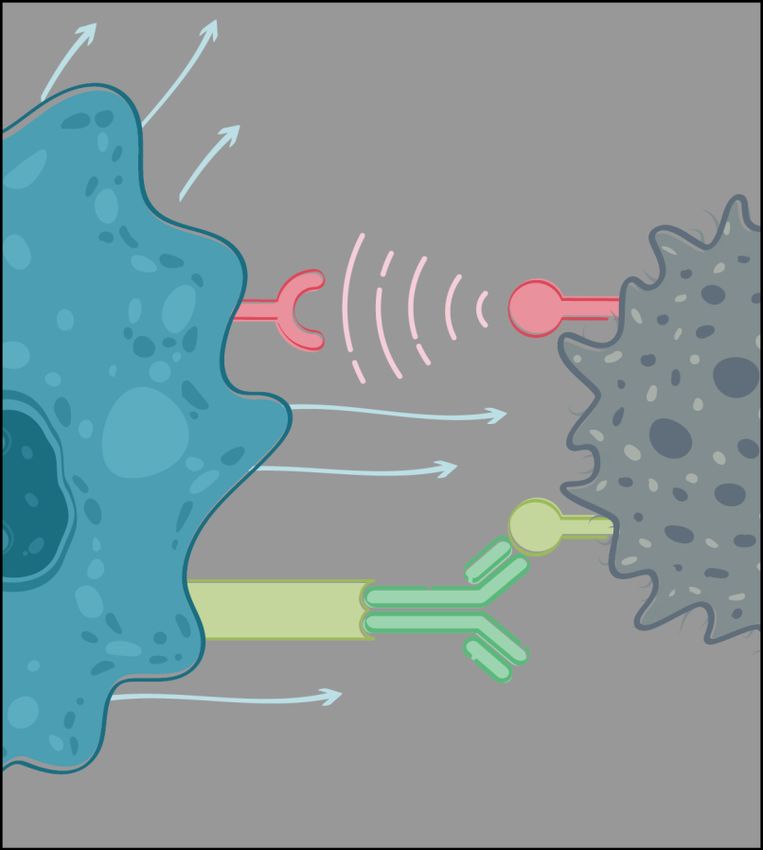
CD47: TUMOR ASSOCIATED ANTIGEN (TAA)- MYELOID CHECKPOINT DUALITY

TAA-Expression levels on cancer and normal cells   Checkpoint Mechanism: “do not eat me”

                                                                    SIRPα               CD47
                                                   Macrophage

                                                                         Don't eat me

                                                                                                 Cancer cell

                                                                              Eat me
                                                                Fc receptor

                                                                              Anti-cancer drug

                                                                                                               4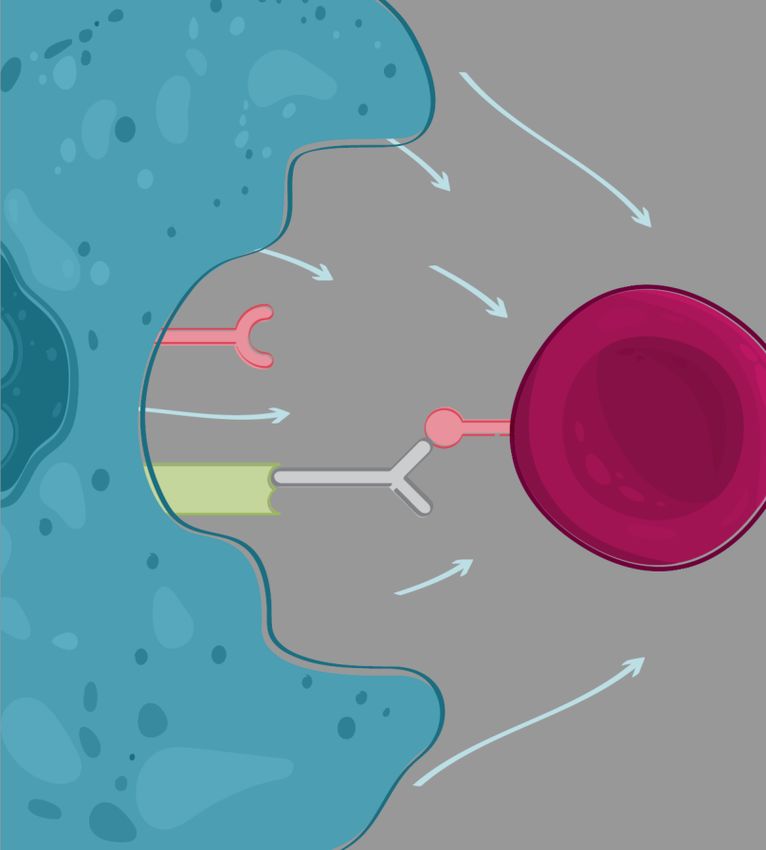
TARGETING CD47 AS TUMOR ASSOCIATED ANTIGEN
                                                        But also targets normal cells

Macrophage

                                       Cancer cell                                  Red blood
                                                                                       cell              Anti-cancer
                                                                                                         drug

             Fc receptor
                                                 CD47

                           Anti-CD47

 SIRPα

  Anti CD47 with active Fc                                                                      Dose limitations prevent full
  directly targets cancer cells                                                                 blockade of CD47 and active
                                                                                                Fc competes with combo
                                                                                                drug                            5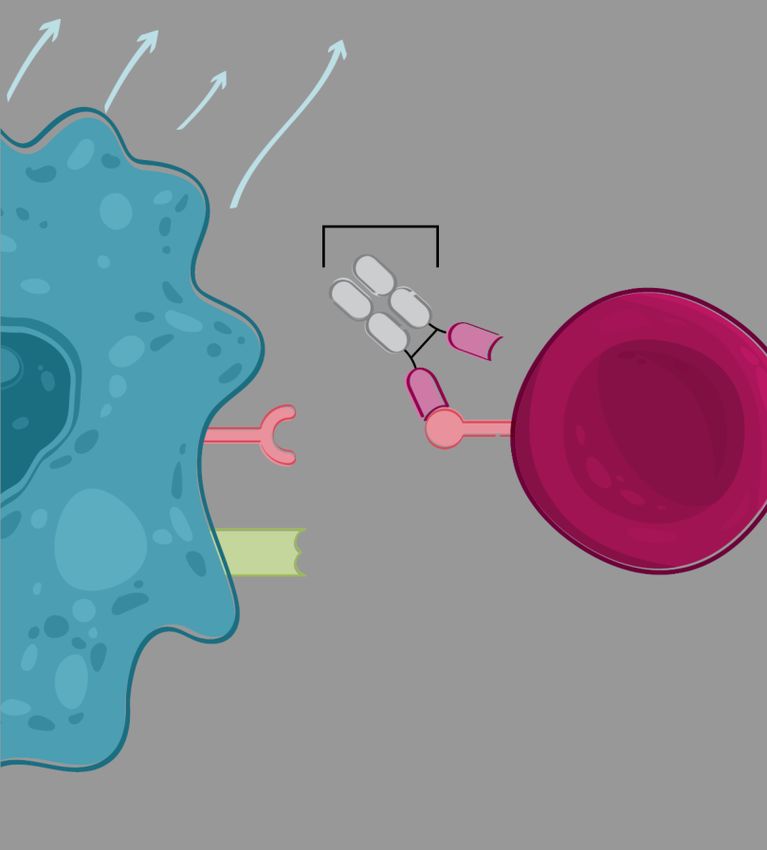
TARGETING CD47 AS CHECKPOINT: ALX ONCOLOGY’S APPROACH
                                                           It spares normal cells

                                                                                                                                   Evorpacept

                                                                    Inactive Fc

                                                                              Evorpacept
 Macrophage
                            TAA
                                      Cancer cell                                          Red blood              Eat me
                                                                                              cell
                                                    CD47

              Fc receptor
                                                                                                                    Anti-cancer
                                                                                                                    drug

  SIRPα
                                                                                                                                     Evorpacept
                                  Evorpacept

Anti CD47 with inactive Fc binds and                                                                   High dose allows full blockade of
block CD47-SIRPa interaction                                                                           CD47 and maximizes activity of
                                                                                                       combo drug
                                                                                                                                                  6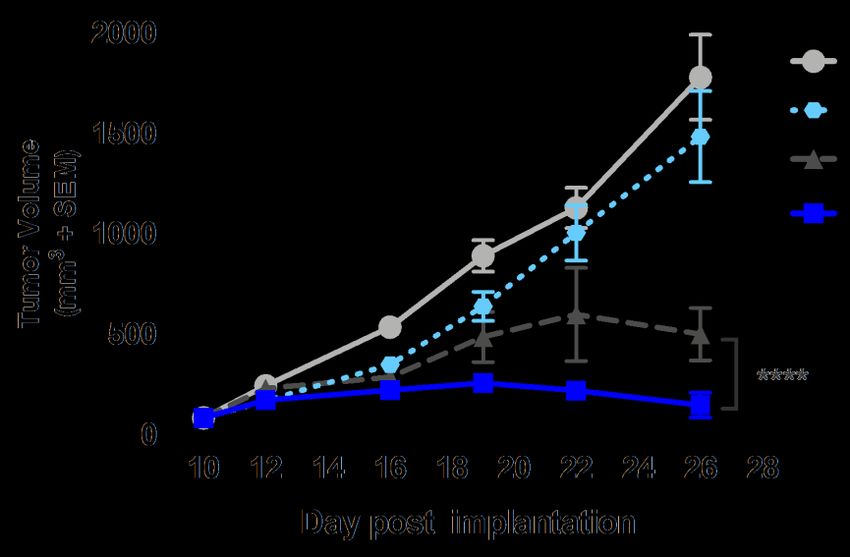
EVORPACEPT: METICULOUSLY DESIGNED CD47 BLOCKER

                                                                      Designed for safety
  High affinity CD47 binding           Potently blocks CD47           and efficacy
  domain of SIRPα                      signal on cancer cells

                                                                      High affinity CD47 binding
                                                                      domains of SIRPα

  Inactive Fc domain eliminates        No dose dependent
  binding activity                     cytopenia

                                                                     Inactive Fc
  Presence of Fc domain ensures slow                                 domain
                                       Less frequent
  clearance and long half-life         dosing

                                                                •   ~Half the molecular weight of an antibody
                                                                •   Increases solid tumor penetration
                                                                •   Cross-reactive to human, monkey, mouse
                                                                •   Standard antibody manufacturing process
                                                                                                                7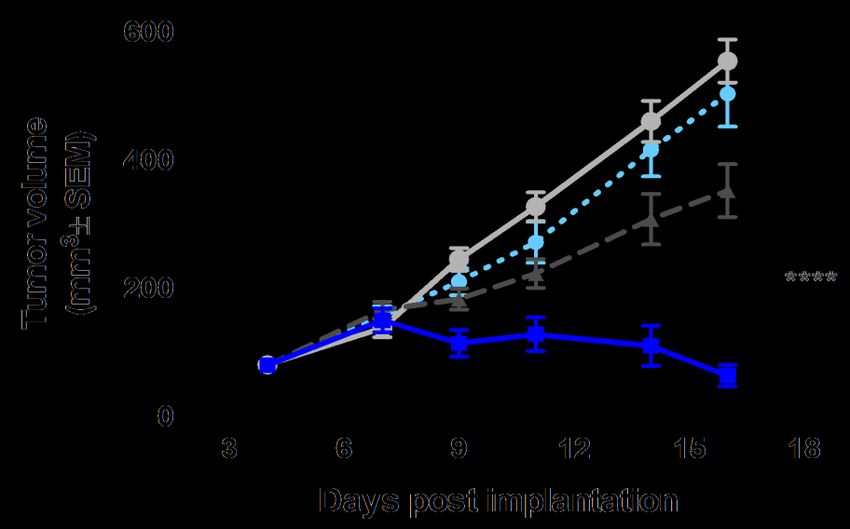
EVORPACEPT DEMONSTRATES SUPERIOR PHAGOCYTOSIS

                                     40

                                                                                                Evorpacept inactive Fc
                                     30                                                         + Cetuximab
                                                                                                ADCP by cetuximab is enhanced by
         Macrophages, percent GFP+

                                                                                                inactive Fc and high affinity

                                                                                                5F9 (Magrolimab) IgG4
                                     20
                                                                                                + Cetuximab
                                                                                                Enhances ADCP with cetuximab but
                                                                                                at lower levels
                                              Cetuximab
                                     10

                                                                                                TTI-621 IgG1
                                                                                                + Cetuximab
                                              Medium
                                                                                                Does not enhance ADCP in
                                     0                                                          combination with cetuximab
                                          0       0.01    0.1   1             10   100   1000
                                                                CD47 blocker, nM

                                                                                                                                   8
INACTIVE FC SHOWS REDUCED CYTOPENIA IN MICE IN VITRO

         Red Blood Cells                         Platelets                        White Blood Cells
   ALX377          evorpacept       ALX377                   evorpacept       ALX377                  evorpacept
  (active Fc)      (inactive Fc)   (active Fc)               (inactive Fc)   (active Fc)              (inactive Fc)

                                                                                                                          Inactive Fc is the core
                                                                                                                          determinant of safety
                                                                                                                          profile

                                                                             CD-1 mice received 30 mg/kg IV single dose

                                                                                            ****p
COMBINATION EFFICACY WITH TAA (RITUXIMAB) ANTIBODIES AND
CHECKPOINT INHIBITOR (ATEZOLIZUMAB)
Raji – NOD SCID Model MC38 Syngeneic Tumor Model
PBS
PBS
evorpacept
evorpacept
Rituximab anti-PD-L1
evorpacept + evorpacept + anti-PD-L1
Rituximab
Mouse cross-reactivity allows for better clinical translation of preclinical models: presence of CD47 sink and mouse
models with intact immune system
10EVORPACEPT CLINICAL PHARMACOKINETICS AND CD47 TARGET OCCUPANCY
Evorpacept Serum Levels for Cycle 1 Day 1 CD47 Target Occupancy by Evorpacept
CD4 CD4
Concentration (μg/mL)
120 120
Evorpacept Serum
100 100
TO (CD4+)
TO (CD4+)
80 80
0.3 mg/kg (N=2)
60 60 1 mg/kg (N=4)
40 40 3 mg/kg (N=6)
20 0.3 mg/kg (N=2) 10 mg/kg (N=3)
20
1 mg/kg (N=4) 30mg/kg (N=12)
0 0
0 21 42 63 84 105 0 21 42 63 84 105
Days Days
• Steady-state half-life of evorpacept at 10 mg/kg QW • Near complete CD47 target occupancy (TO) by evorpacept
is predicted to be ~30 days. is maintained at ≥ 3 mg/kg QW across dosing interval
• Evorpacept PK profile is not impacted by • 0.3 and 1 mg/kg QW show near complete target
combination drugs. occupancy at peak, but not at trough
11EVORPACEPT DEMONSTRATES FAVORABLE
TOLERABILITY PROFILE
Preclinical Single agent Combinations
Evorpacept
has not yet reached a
maximum tolerated
Highest 100 mg/kg1 30 mg/kg Q2W2 15 mg/kg QW
currently dosed dose
administered with no observable No evidence of
dose adverse events dose-dependent 60 mg/kg Q4W
cytopenias planned
1100 mg/kg of evorpacept ≅ 200 mg/kg of a typical antibody
2Single agent safety, ALX presentation, ASCO 2018 poster
12ALX PIPELINE
Indication Combination Agent Preclinical IND stage Phase 1 Phase 2 Phase 3 Fast Track Collaboration
Partner
HNSCC Keytruda
Head And Neck Squamous Cell
Carcinoma Keytruda + 5FU +
SOLID TUMORS
Evorpacept Combination Studies
Platinum
GC Herceptin
Gastric/Gastroesophageal
Junction Cancer Herceptin + Cyramza +
paclitaxel
Breast Cancer Zanidatamab
MDS
Azacitidine
Myelodysplastic Syndromes
HEMATOLOGY
AML
Azacitidine + Venclexta
Acute Myeloid Leukemia
NHL
Rituximab
Non-Hodgkin’s Lymphoma
ALTA-
002*
Advanced Cancer
*SIRPα Toll-like receptor agonist antibody conjugate (TRAAC)
13EVORPACEPT DEMONSTRATES CONSISTENT TOLERABILITY PROFILE
evorpacept + Herceptin evorpacept + Herceptin evorpacept + Keytruda evorpacept + Keytruda evorpacept + Rituximab
Treatment related + Cyramza + chemo (N=18) + chemo
adverse events* (N=30) (N=5) (N=52) (N=33)
Total n (%) Grade 3 Total n (%) Grade 3 Total n (%) Grade 3 Total n (%) Grade 3 Total n (%) Grade 3
Fatigue 2 (11.1%) - 9 (30.0%) - - - 6 (11.5%) - 4 (12.1%) -
Rash 3 (16.7%) - - - - - 5 (9.6%) - 8 (24.2%) -
AST increased - - - - - - 9 (17.3%) - - -
Platelets decreased - - 5 (16.7%) 2 (6.7%) - - 4 (7.7%) 2 (3.8%) - -
ALT increased - - - - - - 7 (13.5%) 1 (1.9%) - -
Pruritus 2 (11.1%) - 3 (10.0%) - - - 5 (9.6%) - 2 (6.1%) -
Pyrexia - - 3 (10.0%) - - - 3 (5.8%) - - -
Decreased appetite - - 3 (10.0%) - - - 2 (3.8%) - - -
Anemia - - 2 (6.7%) - - - 5 (9.6%) 1 (1.9%) 2 (6.1%) 1 (3.0%)
Infusion reaction - - - - - - 4 (7.7%) - - -
Neutropenia / Neutrophil count decr - - 2 (6.7%) 2 (6.7%) - - 2 (3.8%) 1 (1.9%) 2 (6.1%) 2 (6.1%)
Nausea - - 2 (6.7%) - - - 2 (3.8%) - 2 (6.1%) -
Alkaline phosphatase incr - - - - - - 3 (5.8%) - - -
Arthralgia - - - - - - 3 (5.8%) - - -
WBC decreased - - - - - - 3 (5.8%) - - -
Myalgia - - - - - - 2 (3.8%) - 2 (6.1%) -
Diarrhea 3 (16.7%) - - - - - - - - -
Urticaria 3 (16.7%) - - - - - - - - -
Treatment related adverse events occurring in 2 subjects in all histologies at 10 & 15 mg/kg QW.
*Data cut off: April 1, 2020 for combination cohorts of evorpacept plus Keytruda and Herceptin; October 1, 2020 for combination cohorts of evorpacept plus Rituxan, Keytruda and
chemotherapy (5FU, platinum); May 03, 2021 for combination cohort of evorpacept plus Herceptin and chemotherapy (Cyramza, paclitaxel).
Tolerability profile enables broad combination potential 14EVORPACEPT HAS INITIAL CLINICAL ACTIVITY ACROSS TUMOR TYPES IN
MULTIPLE TRIALS
≥2L HNSCC ≥2L NHL
Population ≥2L HER2+ GC ≥2L HER2+ GC 1L HNSCC
(CPI-Naïve) (15mg/kg)
evorpacept + Herceptin evorpacept evorpacept + Keytruda evorpacept evorpacept
Combination
+ Cyramza + paclitaxel + Herceptin + 5FU + platinum + Keytruda + Rituximab
N-evaluable 18 19 4 10 10
evorpacept benchmark evorpacept benchmark evorpacept benchmark
ORR 21% 70%
72% 28% 75% 36% 40% 15%
mPFS (months) 9.1 4.4 2.2 NC 4.9 4.6 2.1 NC
mOS (months) NC 9.6 8.1 NC 13.0 22.1 8.4 NC
Benchmark regimen Cyramza + paclitaxel Keytruda + 5FU + platinum single agent Keytruda
Evorpacept plus Herceptin and Cyramza and paclitaxel data as of May 03, 2021. All other data as of October 1, 2020. NC = unable to be calculated, ORR = Objective Response Rate, mPFS = median
progression free survival, mOS = median overall survival. CPI = checkpoint inhibitor.
2L GC benchmark, Wilke, Lancet Oncology, 2014; 2L HNSCC benchmark, Cohen, Lancet, 2018; 1L HNSCC benchmark, Burtness, Lancet, 2019.
15evorpacept
NHL TRIAL: EVORPACEPT + RITUXIMAB MECHANISM OF ACTION in
NHL
Evorpacept
SIRPα CD47
Cancer cell
Fc receptor CD20
Macrophage Rituximab
Evorpacept increases antibody dependent cellular phagocytosis in combination with Rituximab
16evorpacept
NHL PROOF-OF-PRINCIPLE TRIAL in
NHL
evorpacept evorpacept
10 mg/kg QW + Rituximab 15 mg/kg QW + Rituximab
Phase 1b NHL cohorts
(n=22) (n=11)
Follicular 5 3
Marginal Zone (MZL) 2 1
Primary Disease, n
relapsed/Refractory NHL, Mantle Cell (MCL) 4 1
prior regimen with Rituximab DLBCL 11 6
Median Age, Years (range) 66 (32-80) 64 (53-78)
Treatment: M 17 6
Sex, n
evorpacept 10 or 15 mg/kg F 5 5
once a week (QW) Asian 18 9
+ Race, n
Rituximab 375 mg/m2 once a week for White 4 2
4 weeks, once monthly 0 7 2
for 8 months ECOG, PS, n
1 15 9
Median Prior Therapy, n (range) 3 (1-7) 3 (1 -5)
Data Cutoff October 1, 2020
17evorpacept
NHL PROOF-OF-PRINCIPLE TRIAL in
NHL
10 mg/kg QW 15 mg/kg QW
Population N ORR N ORR
All 22 40.9% 10 70.0% Evorpacept
demonstrated higher
response rate
Aggressive 15 33.3% 6 50.0%
at higher dosing
Indolent 7 57.1% 4 100.0%
Data Cutoff: October 1, 2020; ASH 2020 Abstract 3016
N = Response Evaluable Patients
Indolent = Follicular Lymphoma and Marginal Zone Lymphoma.
Aggressive = Diffuse Large B-cell Lymphoma and Mantle Cell Lymphoma.
ORR = Objective Response Rate.
18evorpacept
NHL: CLINICAL ACTIVITY OF EVORPACEPT + RITUXIMAB BY PATIENT in
NHL
Evorpacept (10 mg/kg QW)* + Rituximab Evorpacept (15 mg/kg QW) + Rituximab
100 100
Aggressive NHL Aggressive NHL
80
^ ^ ^ ^ 80 ^ ^
Indolent NHL 80 Indolent NHL
Change from Baseline (%)
60
Change from Baseline (%)
40 50
60 20
60
0 0
% Change from Measurable Baseline Lesion
% Change from Measurable Baseline Lesion
-20
40 -40 40
-60 -50
-80
20 -100 20 -100
0 100 200 300 400 500 0 50 100 150 200 250 300 350 400
Time from Initiation of Treatment (Days)
Time from Initiation of Treatment (Days)
0 0
-20 -20
Complete Response
Partial Response -40
-40
Stable Disease
Progressive Disease
-60 -60
1 patient with metabolic CR
-80 -80
not represented in plots
-100 -100
Data Cutoff October 1, 2020; Response evaluable patients; Responses include metabolic response per Lugano Response Criteria.
19
^ more than 80% increase from baseline. * 1 patient with rapid fatal progressive disease not represented in plotevorpacept
NHL: EVORPACEPT CLINICAL PHARMACOKINETICS AND EXPOSURE-RESPONSE in
ANALYSIS NHL
1000 4000 800
Evorpacept Concentration (µg/mL)
Evorpacept AUC (day*µg/mL)
evorpacept 30 mg/kg 3000 600
Evorpacept Cmax (µg/mL)
100 (N=12)
evorpacept 15 mg/kg 16 15
+ Rituximab (N=11)
evorpacept 10 mg/kg 2000 16 400
+ Rituximab (N=10)
15
10
1000 200
1
0 0
0 2 4 6 8 10 12 14 Responder Non-Responder Responder Non-Responder
Days
Evorpacept concentration-time profiles following first *A significant improvement in patients with clinical response (PR,CR) with
IV infusion at Cycle 1 Day 1 as single agent or in increased evorpacept exposure (AUC; p = 0.023) was observed across the
combination with Rituximab. exposure range evaluated (10 mg/kg QW - 15 mg/kg QW).
Data Cutoff October 1, 2020 20evorpacept
NON-HODGKIN LYMPHOMA PROOF-OF-PRINCIPLE SUMMARY in
NHL
Other agents in CD47 class Higher dosing enabled by Higher dosing of evorpacept
reduced dosing leading to reduced evorpacept tolerability profile led to higher responses
responses
21evorpacept
GC TRIAL: EVORPACEPT + HERCEPTIN MECHANISM OF ACTION in
GASTRIC
Evorpacept
SIRPα
CD47
Cancer cell
Fc receptor HER2
Macrophage Herceptin
Evorpacept increases antibody dependent cellular phagocytosis in combination with Herceptin
22evorpacept
PHASE 1B GC TRIALS: PATIENT BASELINE CHARACTERISTICS in
GASTRIC
evorpacept + Herceptin ≥2L GC evorpacept + Herceptin + Cyramza/chemo
(N=20) ≥2L GC
(N=18)
Median age, years (range) 58 (45-79) 63 (36-83)
M 15 13
Sex, n
F 5 5
Asian 13 15
Race, n
White 6 3
Other 1 -
0 7 8
ECOG PS, n
1 13 10
Progressed upon prior anti-HER2 therapy, n ( %) 19 (95) 17 (94)
Progressed upon ≥2 prior anti-HER2 therapy n (%) 9 (45) 1 (6)
Progressed upon prior CPI therapy, n (%) 9 (45) 2 (11)
Visceral distant metastasis, n (%) 17 (85) 17 (94)
23evorpacept
PHASE 1B ≥2 LINE GC TRIAL: EVORPACEPT + HERCEPTIN in
GASTRIC
Phase 1b GC trial:
Response Result: ORR 21.1% (4/19)
evaluable patients
100
N=19 HER2 positive GC
80
% Change in Baseline Measurable Lesions
progressed on prior fluoropyrimidine,
Herceptin or platinum. 60
Treatment: 40
20
evorpacept 10 mg/kg
0 3+ 2+ 3+ 2+ 3+ 3+ 1+ 3+ HER2
once a week (QW) 0
Score
2+ 2+ 0 1+ 2+ ND 2+ 3+ 2+
+ Herceptin -20
8 mg/kg once, then
-40 DCR 26.3% (95% CI 9.1, 51.2)
6 mg/kg every three weeks (Q3W)
DOR 8.7 months (95% CI 5.6, 9.4)
-60
Endpoints: mPFS 2.2 months (95% CI 1.9, 5.5)
-80 mOS 8.1 months (95% CI 3.4, 12.6)
• maximum tolerated dose
-100 mFollow-up 19.8 months (95% CI, 11.7,19.8)
• anti-cancer activity
Notes: Data Cutoff October 1, 2020. Patients who received at least one dose of evorpacept in the expansion phase,
had a baseline assessment, and at least one post-baseline disease assessment; One patient with clinical progression not included in plots.
ORR = Overall Response Rate. ND = Not Done. HER2 Score retrospectively assessed using archival tissue by a central IHC lab.
FDA granted evorpacept fast track designation for second-line treatment of HER2 positive GC
24evorpacept
PHASE 1B ≥2 LINE GC TRIAL: in
EVORPACEPT + HERCEPTIN + CYRAMZA + PACLITAXEL GASTRIC
Population mPFS
N ORR (95% CI)
Phase 1b higher dose + chemo trial: evorpacept dose (95% CI)
60 2L GC evorpacept + Herceptin + 72.2% 9.1
18
Cyramza + paclitaxel (49.1%; 87.5%) (3.8 ; NR)
73.3%
Patients: evorpacept (15mg/kg QW) 15
(48.1%; 89.1%)
NR
40
66.7%
R/R HER2 positive GC, 2L or greater; Progressed evorpacept (10mg/kg QW) 3 NR
(20.8%; 93.9%)
on prior Herceptin and fluoropyrimidine or
platinum. 20
% Change in Baseline Measurable Lesions
0 2+ ND 0 2+ 3+ ND 3+ ND 2+ 3+ ND ND ND 3+ 2+ ND 2+ HER2 score
0
Treatment:
evorpacept 10 and 15 mg/kg (QW)
-20 *
+ Herceptin
+ Cyramza
+ paclitaxel
-40
Endpoint: *
*
-60 Complete Response
• safety of combination
Partial Response
• anti-cancer activity Stable Disease
Progressive Disease
-80
* evorpacept dosed 10 mg/kg QW
Data Cutoff May 03, 2021. ND = Not Done
25evorpacept
SECOND LINE GC: in
PLANNED RANDOMIZED PHASE 2 CLINICAL TRIAL, ASPEN-06 GASTRIC
Randomized Phase 2: Randomized Planned Phase 3:
2L or greater HER2 positive GC 2L or greater HER2 positive GC
Patients: Patients:
with prior HER2 targeted therapy with prior HER2 targeted therapy
N=100
Treatment Treatment
evorpacept 30 mg/kg (Q2W) evorpacept 30 mg/kg (Q2W)
+ Herceptin + Herceptin
+ Herceptin + Cyramza
+ Cyramza + Cyramza vs.
vs. + Cyramza + paclitaxel
+ paclitaxel + paclitaxel
+ paclitaxel
Endpoint: • Anticancer activity: including ORR, DOR, PFS, OS Endpoint: • Anticancer activity: including OS, PFS, ORR, DOR
26
Dosing schedules: Herceptin and Cyramza Q2W, paclitaxel on days 1, 8, and 15 of a 28-day cycleevorpacept
HNSCC TRIAL: EVORPACEPT + KEYTRUDA MECHANISM OF ACTION in
HNSCC
Cancer cell Cancer cell Cancer cell
Tumor
antigen
CD47
1 3 PD-L1
Evorpacept
Keytruda
SIRPα PD-1
2
Dendritic cell
Dendritic cell
Dendritic cell
Tumor
antigen T cell
T cell TCR
T cell
Evorpacept activates dendritic cells and enhances cross-priming of T cells
27evorpacept
HNSCC STANDARD OF CARE & OPPORTUNITY in
HNSCC
mPFS mOS
ORR Gr3 TRAEs
(months) (months)
Keytruda
+ chemo1 36% 4.9 13.0 72%2
(KEYNOTE 048) • Keytruda monotherapy ORR of 15% in ≥2L CPI naïve
HNSCC
1L
• Significant unmet need
Keytruda
monotherapy 17% 2.3 11.5 17% • Increasing use of Keytruda monotherapy3
(KEYNOTE 048)
• Keytruda 2020 WW Sales $14.4B4
Keytruda
monotherapy
2L 15% 2.1 8.4 13%
(KEYNOTE 040)
15FU + cisplatin or carboplatin.
283% occurrence in chemo control arm.
3Wiley 2019, Real-world treatment patterns for patients with metastatic head and neck squamous cell carcinoma treated with immuno-oncology therapy.
4Merck 10-K February 25, 2021
28evorpacept
HNSCC TRIALS: PATIENT BASELINE CHARACTERISTICS in
HNSCC
evorpacept + Keytruda evorpacept + Keytruda + 5FU/platinum 1L
≥2L HNSCC HNSCC
(N=20) (N=5)
Median age, years (range) 62.5 (35-81) 61 (45-63)
M 15 4
Sex, n
F 5 1
Asian 6 4
Race, n
White 12 1
Other 2 -
0 7 4
ECOG PS, n
1 13 1
Progressed upon prior CPI therapy, n (%) 10 (50) 0 (0)
Visceral distant metastasis, n (%) 12 (60) 1 (20)
29evorpacept
PHASE 1B ≥2 LINE HNSCC TRIAL: EVORPACEPT + KEYTRUDA in
HNSCC
Phase 1b ≥2L HNSCC trial:
Response evaluable
Result: Checkpoint Inhibitor (CPI) Naïve
patients CPI Prior Therapy
90 ORR: DCR
N=20: recurrent/metastatic HNSCC, at CPI Naïve 40.0% (4/10)
CPI Prior 0.0% (0/10)
50.0% (5/10)
10.0% (1/10)
least one prior systemic therapy
% Change in Baseline Measurable Lesions
60
Treatment: 30
evorpacept 10 mg/kg 2 20 35 0 40 23 15 0
once a week (QW) 0 CPS
53 5 5 0 65 80 5 5 25 - 0 1
+
Keytruda -30
CPI Naïve CPI Prior Therapy
200 mg every three weeks (Q3W) DOR 4.3 months (95% CI 1.9, NC) NA
Endpoints: -60 mPFS 4.6 months (95% CI 0.5,7.5) 2.0 months (95% CI 0.9, 3.6)
mOS 22.1months (95% CI 3.1,NC) 7.4 months (95% CI 3.1,15.4)
• maximum tolerated dose
• anti-cancer activity -90 mFollow up 25.1 months (95% CI15.3; 25.6) 24.4 months (95% CI 1.0,24.4))
Notes: Data Cutoff October 1, 2020. Patients who received at least one dose of evorpacept in the expansion phase,
had a baseline assessment, and at least one post-baseline disease assessment.
ORR = Overall Response Rate. DCR = Disease Control Rate. CPS = Combined Positive Score.
FDA granted evorpacept Fast Track designation for first-line treatment of patients with HNSCC
30evorpacept
PHASE 1B HNSCC: EVORPACEPT + KEYTRUDA + 5FU/PLATINUM in
FIRST LINE CHECKPOINT NAIVE HNSCC
Phase 1b ≥1L HNSCC dose confirmation:
60
Median Follow-
60 Population ORR
N up* 40
evorpacept dose (95% CI)
Change from Baseline (%)
(95% CI)
20
1L HNSCC
Treatment: 75% 5.0
evorpacept + Keytruda 4 0
[30.0%; 95.0%] [1.3 ; 8.8]
40 + 5FU + platinum
% Change in Baseline Measurable Lesions
-20
100% 1.6
evorpacept (15mg/kg) 1
[20.5; 100%] [1.3 ; 1.9] -40
66.7% 5.3 -60
evorpacept (10mg/kg) 3
evorpacept 10 & 15 mg/kg (QW) 20 [20.8%; 93.9%] [5.0 ; 8.8]
-80
+ Keytruda 0 50 100 150 200 250
Time from Initiation of Treatment (Days)
+ 5FU
- 40 0 50 CPS
+ Cisplatin or carboplatin 0
-20
No prior treatment
for advanced disease
-40
Complete Response
Partial Response
Progressive Disease
-60
Data Cutoff October 1, 2020
* Intent to treat population: HNSCC (10 + 15 mg/kg) N=5; HNSCC (15 mg/kg) N=2 31evorpacept
FIRST LINE HEAD & NECK CANCER: in
PHASE 2 DEVELOPMENT PLAN, ASPEN-03 AND ASPEN-04 HNSCC
ASPEN-03 Phase 2 trial: Open for Accrual
evorpacept 45 mg/kg (Q3W) • First patient enrolled May 2021
+ Keytruda
evorpacept N=70
Endpoint:
+ 2:1
• ORR (from benchmark of 17% to goal of 33%)
Keytruda
Keytruda
N=35
(Safety lead-in prior to randomization)
ASPEN-04 Phase 2 trial:
evorpacept 45 mg/kg (Q3W) • First patient enrolled July 2021
evorpacept + Keytruda
+ + 5FU
N=71 + cisplatin or carboplatin
Keytruda 2:1 Endpoint:
+ • ORR (from benchmark of 36% to goal of 54%)
chemo + Keytruda
+ 5FU
N=35 + cisplatin or carboplatin
(Safety lead-in prior to randomization) 32
Dosing schedules: Keytruda and chemotherapy Q3Wevorpacept
MDS TRIAL: EVORPACEPT + AZACITIDINE MECHANISM OF ACTION in
MDS
Evorpacept
SIRPα
CD47 Cancer cell
Calreticulin
Macrophage
LRP
Azacitidine
Evorpacept increases pro-phagocytic signal provided by azacitidine
33evorpacept
CD47 BLOCKADE IS CLINICALLY VALIDATED in
WITH SIGNIFICANT OPPORTUNITY TO IMPROVE ON MAGROLIMAB MDS
All grade TRAEs: 38% Anemia
Magrolimab with azacitidine Magrolimab monotherapy 19% Neutropenia
18% Thrombocytopenia
Sallman, ASCO 2020 Sallman, ASCO 2019 Sallman, ASCO 2020
CD47 blocker 5F9 (magrolimab) shows complete responses only when paired with azacitidine,
and causes frequent incidence of treatment-related, high-grade cytopenia
ORR = overall response rate. MLFS = morphologic leukemia free state
CR = complete response rate. SD = stable disease 34
CRi = complete remission with incomplete hematological recovery PD = progressive diseaseevorpacept
PRECLINICAL: EVORPACEPT INCREASES PHAGOCYTOSIS in
OF BACKBONE MDS DRUG, AZACITIDINE MDS
Calreticulin levels on HL60 Cells Phagocytosis of HL60 Cells
2.0 50
Calreticulin (fold over media only)
40
1.5
Phagocytosis, %CFSE+
30
1.0
20
0.5
10
0 0
0 0.039 0.078 0.156 0.312 0.625 1.25 2.5 Media 312 nM 40nM evorpacept+
Azacitidine (uM) only azacitidine evorpacept azacitidine
Azacitidine induces calreticulin display.
Evorpacept increases phagocytosis in combination with azacitidine.
35evorpacept
EVORPACEPT INCREASES TUMOR INHIBITION OF AZACITIDINE in
MDS
HL60 LUC
109
PBS
evorpacept (30 mg/kg)
108
Total Flux (photons/sec)
Combination
azacitidine (5mg/kg)
107
opportunity in MDS
and AML
azacitidine +
106 evorpacept (10 mg/kg)
azacitidine +
evorpacept (30 mg/kg)
105
2 4 6 8 10 12 14
Day Post Inoculation
Disseminated AML mouse model
36evorpacept
EVORPACEPT INCREASES TUMOR INHIBITION OF VENCLEXTA in
AML
RS4;11 Model
2000
evorpacept
1500
(10 mg/kg)
Tumor volume (mm3 SEM)
PBS
1000 Combination
opportunity
Venclexta
(12.5 mg/kg)
in AML
500
evorpacept
+ Venclexta
0
20 25 30 35 40 45
Day post Implant
37evorpacept
MDS TRIAL PLANS, ASPEN-02 in
MDS
Phase 1 trial: Open for Accrual Phase 2 Randomized Trial
Patients: Patients:
N=~24 treatment naïve
R/R and treatment naïve IPSS-R intermediate, high, very
IPSS-R intermediate, high risk MDS
high, very high risk MDS
Treatment:
Treatment: evorpacept
evorpacept recommended phase 2 dose
20 mg/kg (Q2W) +
30 mg/kg (Q2W) azacitidine
or 60 mg/kg (Q4W)
+ vs.
azacitidine azacitidine
75 mg/m2 daily for 7 days
of 28 day cycle Endpoint:
Endpoint: • complete response rate (CRR)
• safety of combination (from benchmark of 17% to goal of 35%)
38evorpacept
EVORPACEPT DIFFERENTIATION POTENTIAL ENABLED BY TOLERABILITY in
MDS
Higher dosing /
Less frequent
administration
Tolerability Efficacy
Fewer cytopenias
39EVORPACEPT SUMMARY
Evorpacept tolerability profile Evorpacept higher dosing and Clinical proof-of-principle in Evorpacept is the
enables combination with range smaller molecular weight hematologic only CD47 blocker to show
of agents facilitate tumor penetration for and solid tumors encouraging response data in solid
greater efficacy tumor indications
40EVORPACEPT DEVELOPMENT PROGRESS AND FUTURE PLANS
HNSCC w/Keytruda
Ph1 chemo combo readout
MDS w/azacitidine
z
Ph1 final readout AML w/standard of care
GC w/Herceptin/chemo
z
Ph2 initiation Ph1 readout
MDS w/azacitidine
z
AML w/standard of care Ph2 initiation
z
Ph1 initiation
Breast w/zanidatamab
Ph1 initiation
1H 2022
4Q 2021
2H 2021
41EARLY STAGE PIPELINE:
SIRPα-TRAAC COLLABORATION
42ALX ONCOLOGY AND TALLAC THERAPEUTICS 50/50 JOINT COLLABORATION ON
NOVEL SIRPα ANTIBODY – TLR9 AGONIST CONJUGATE (SIRPα TRAAC)
• CD47-SIPRα is a dominant myeloid checkpoint mechanism where SIRPα is expressed on
myeloid and dendritic cells as well as on a range of tumor cells. SIRPα TRAAC induces targeted
• SIRPα expression on tumor cells enables tumor microenvironment localization of SIRPα immune activation, bridging innate
Provides
SIRPα antibody TRAAC. and adaptive immune responses.
SIRPα TRAAC simultaneously
overrides “don’t eat me” signals by
• Toll-like receptor 9 (TLR9) is a key receptor in the innate immune response. blocking CD47-SIRPα myeloid
checkpoint pathway and induces
• Synthetic CpG oligonucleotides (CpG ODNs) are potent TLR9 agonists that stimulate
antitumoral cytokine production and immune activation.
TLR9-based immune activation in
Provides antigen presenting cells (APCs).
TRAAC platform • Novel Toll-like receptor agonist antibody conjugation platform (TRAAC) enables systemic
and TLR9 agonist delivery of targeted TLR9 activation.
43TOLL-LIKE RECEPTOR 9 (TLR9): A KEY INNATE PATHWAY
PROOF-OF-CONCEPT DATA IN MELANOMA PATIENTS WITH INTRATUMORAL TLR9 AGONISTS
TLR9 stimulation by CpG ODN leads Intratumoral programs have demonstrated clinical activity
to immune cell activation 120
CR
CpG ODN 100
PR
80
Change from Baseline of Target Lesions (%)
SD
60
PD
40
CpG ODN uptake 20
Endosome 0
-20
RECIST Partial Response: -30%
-40
TLR9
-60
-80
-100
-120
CMP-001 (Checkmate) + Pembrolizumab in Anti-PD-1 Refractory Melanoma,
1-4Checkmate, S1 2020.
Immune activation Additional clinical data from SD-101 (Dynavax), IMO-2125 (Idera)
and AST-008 (Exicure) further validate TLR9 agonism in cancer.
44TALLAC TRAAC PLATFORM: SYSTEMIC, TARGETED IMMUNE ACTIVATION
ANTIBODY DIRECTS TLR9 AGONIST (T-CPG) TO SPECIFIC IMMUNE CELLS
TLR9 Agonist Antibody Conjugate (TRAAC):
Systemic dosing with cell specific TLR9 activation
Targeted-CpG (T-CpG) designed
specifically for compatibility with
Targeting antibody antibody conjugation, superior
PK, receptor-mediated uptake
and TLR9 stimulation
Site specific conjugation Unique TLR9 agonist
45SIRPα IS EXPRESSED ON MYELOID AND DENDRITIC CELLS AS WELL AS SELECTED TUMOR TYPES
Dendritic cell
Tumor destruction B cell
Dendritic Fc receptor
cell
SIRPα
Myeloid cell
T cell
Cancer
cell
Myeloid
cell
T cell
Tumor microenvironment Myeloid Lymphoid organs
cell
• SIRPα TRAAC binding to myeloid cells targets TLR9 activation in myeloid cells that matter (e.g. dendritic cells).
• SIRPα expression on tumor cells enables tumor microenvironment localization of SIRPα TRAAC.
• SIRPα TRAAC blocks CD47-SIRPα myeloid checkpoint pathway.
46SIRPα TRAAC PROGRAM IS COMPLEMENTARY TO EVORPACEPT
Macrophage
CD47
Evorpacept
Evorpacept is an antagonistic molecule designed to maximize the activity
SIRPα
of a wide array of anti-cancer agents by blockade of the CD47 myeloid checkpoint. Cancer
cell
Removal of the CD47 inhibitory signal requires constant, full blockade of the pathway. Eat me
Fc receptor
Anti-cancer drug
Dendritic
cell
B cell
Dendritic
cell
Fc receptor Tumor
SIRPα
destruction SIRPα TRAAC is an agonistic molecule that directly activates dendritic cells
Myeloid cell
and initiates a coordinated innate and adaptive immune response against
Cancer
T cell
cancer.
Myeloid cell
cell
In the case of agonistic molecules (TLR9 agonist), constant blockade is not
T cell
Tumor Lymphoid required.
microenvironment organs
Myeloid
cell
47SIRPα TRAAC INDUCES POTENT AND SELECTIVE IMMUNE ACTIVATION
AND LEADS TO POTENT SINGLE AGENT ACTIVITY IN TUMOR MODELS
Human dendritic cells Mouse syngeneic model
Activation Marker CD86 CT26
2000
10000
Tumor volume (mm3)
1500 TF 0/5
Median Fluorescent
8000
Intensity (MFI)
mean ±SEM
1000
6000
TF 1/5
500
4000
TF 4/5
0
0.001 0.01 0.1 1 10 100 1000 5 10 15 20 25
nM Days Post Tumor Implantation
Unconjugated anti-SIRPα PBS SIRPα TRAAC 0.1mg/kg
SIRPα TRAAC SIRPα TRAAC 0.3mg/kg SIRPα TRAAC 1mg/kg
Harrabi et al., SITC, 2020
48SYSTEMIC ADMINISTRATION OF SIRPα TRAAC GENERATES
DURABLE ANTI-TUMOR RESPONSE AND IMMUNOLOGICAL MEMORY
Naive MC38
1000
750 Naive
Mean Tumor Size
500
Mouse syngeneic model 250 • Established MC38 tumors were eradicated
MC38 250
(mm3)
200 following 10 mg/kg 2q3d systemic
2000
150
Rechallenge treatment with SIRPα TRAAC.
100
Mean Tumor Size (mm3)
with MC38
1500 50 • These tumor free mice were then re-
0
60 80 100 120 challenged 60-70 days post
Days Post Tumor Implantation
1000 tumor clearance.
MC38 Re-challenge • SIRPα TRAAC treatment group
500 1000
750 SIRPα TRAAC demonstrated immune protection from the
Mean Tumor Size
500 10mg/kg
250 tumor re-challenge.
0 50
(mm3)
0 25 50 75 100 125 • Naïve age-matched mice were used
Days Post Tumor Implantation as control for tumor growth.
PBS
0
SIRPα TRAAC 10 mg/kg 60 80 100 120
Naive mice Days Post Tumor Implantation
Harrabi et al., SITC, 2020
49ALTA-002: TARGETING IMMUNE ACTIVATION TO WHERE IT MATTERS
• SIRPα TRAAC binding to myeloid cells targets TLR9 activation
in key myeloid cells (e.g. dendritic cells).
• SIRPα expression on tumor cells enables localization of SIRPα
TRAAC to tumor microenvironment.
ALX anti-SIRPα
antibody • SIRPα TRAAC blocks CD47-SIRPα myeloid checkpoint pathway.
• Antibody-like PK profile allows for convenient dosing.
• Antibody conjugate produced through established
manufacturing processes.
Tallac TRAAC
and TLR9 agonist
IND expected end of 2022
50FINANCIAL INFORMATION
• Consummated IPO on July 21, 2020
• Closed follow-on offering on December 14, 2020
− Gross proceeds of $208.0 million
− 2.737 million shares at $76 per share
• Cash and cash equivalents as of June 30, 2021:
− $410.0 million
• Expected cash runway through 2024
51STRONG INTELLECTUAL PROPERTY
Robust patent position
COM patent expiry: 2036 U.S. patent
(w/o PTE) 10,259,859 granted
Exclusive, worldwide rights to
Key IP generated
high affinity SIRPα licensed
in-house
from Stanford
Non-exclusive, worldwide rights
to a broad background CD47 patent
portfolio from Stanford
52WHY INVEST IN ALX ONCOLOGY: LEADER IN CD47 THERAPY
CD47 is a novel immune Clinical proof-of-principle in Evorpacept is a CD47 blocker Growing pipeline in
checkpoint pathway with hematologic with potential for greater myeloid biology
clinical proof-of-concept and solid tumors efficacy
and tolerability due to unique
mechanism of action
53BACKUP SLIDES
54CD47 MECHANISM OF ACTION AS MYELOID CHECKPOINT
Basal state: Anti-cancer drug alone: Evorpacept combined with anti-cancer drug:
Macrophage
SIRPα CD47 CD47
Macrophage
Macrophage Evorpacept
Don't eat me
SIRPα CD47 SIRPα
Cancer cell Cancer cell Cancer cell
Don't eat me
Eat me Eat me
Fc receptor Fc receptor
Anti-cancer drug Anti-cancer drug
Evorpacept: designed to work with partner anti-cancer drugs to maximize phagocytosis of cancer cells
55evorpacept
NHL TOLERABILITY in
NHL
Selected hematologic, evorpacept + Rituxan CC-90002 + Rituxan 5F9 (magrolimab)
treatment related (N=33)1 (n=26)2 + Rituxan (n=115)3
adverse events
Total % (n) ≥Grade 3 Total % (n) ≥Grade 3 Total % ≥Grade 3 Evorpacept:
Neutropenia 6% (2) 6% (2) 50% (13) 39% (10) ~13% ~7% Tolerability profile
Thrombocytopenia/ compares favorably to
- - 35% (9) 23% (6) ~20% ~13%
Decreased Platelets
other CD47 blockers
Anemia 6% (2) 3% (1) 12% (3) 4% (1) ~30% ~15%
1ASH 2020 Abstract 3016
2ASH 2019 Abstract 4089
3EHA 2019 Abstract S867
56MAGROLIMAB NHL RESPONSE RATES AND DOSING
NHL
DLBCL Ph1 Ph2
w/ Rituxan
N 21 38
Dosing up to 30 30 and 45 Reduced dosing led to
(mg/kg) Weekly Every Other Week
reduced overall
ORR 48% 29% response rate in NHL
CR 33% 5%
PR 14% 24%
ORR = overall response rate. EHA 2019 Abstract S867
CR = complete response rate.
PR = partial response rate.
57evorpacept
NHL: PRELIMINARY CLINICAL TOLERABILITY in
NHL
evorpacept + Rituximab (N=33)
Treatment Related Adverse Event Total n (%) ≥Grade 3 n (%)
Rash 8 (24.2) —
Fatigue 4 (12.1) —
Nausea 2 (6.1) —
Neutrophil Count Decreased 2 (6.1) 2 (6.1)
Anemia 2 (6.1) 1 (3.0)
Myalgia 2 (6.1) —
Pruritus 2 (6.1) —
Data Cutoff: October 1, 2020
58evorpacept
HER2 POSITIVE GC UNMET NEED in
GASTRIC
2020 US patient population
by line of systemic therapy1
• Herceptin is an anti-HER2 antibody that has multiple
1L Metastatic 13,400 2,910 FDA approvals in patients with
HER2 positive cancers
2L Metastatic 8,800 1,910 • Clinical trials show that re-treatment
with Herceptin has no activity
3L+ Metastatic 4,440 960 in 2L HER2 positive gastric cancer3
HER2 positive
5-year OS in metastatic gastric cancer is only 6%2
1DRG Gastroesophageal Cancer published December 2019, HER2+ rate of ~17%.
2 SEER18 59
3Makiyama J. Clin Oncology 2020evorpacept
PHASE 1B ≥2 LINE GC TRIAL: in
EVORPACEPT + HERCEPTIN + CYRAMZA + PACLITAXEL GASTRIC
TREATMENT RELATED ADVERSE EVENTS
Treatment Related Adverse Events ≥ Grade 3 Adverse Events
evorpacept + trastuzumab + ramucirumab + paclitaxel evorpacept + trastuzumab + ramucirumab + paclitaxel
(N=18) (N=18)
Total n(%) Total n(%) Total n(%)
Adverse Event
Adverse Event evorpacept evorpacept All Causality Related
10 mg/kg QW 15 mg/kg QW Grade 3 4 3 4
Diarrhea - 3(16.7) 10 15 10 15 10 15 10 15
evorpacept dose QW
Rash - 3(16.7) mg/kg mg/kg mg/kg mg/kg mg/kg mg/kg mg/kg mg/kg
Urticaria - 3(16.7) Neutrophil count decreased 1(5.6) 4(22.2) 1(5.6) 1(5.6) - - - -
Pruritus - 2(11.1) Hypertension 2(11.1) 4(22.2) - - - - - -
Fatigue 1(5.6) 1(5.6) Anemia - 3(16.7) - - - - - -
Fatigue - 2(11.1) - - - - - -
Lymphocyte count decreased - 1(5.6)
Hypophosphatemia - 1(5.6) - - - - - -
Abdominal pain - 1(5.6)
Lymphocyte count decreased - 1(5.6) - - - 1(5.6) - -
Anemia - 1(5.6)
Platelet count decreased - 1(5.6) - - - - - -
Back pain - 1(5.6)
Urinary tract infection - 1(5.6) - - - - - -
Dermatitis acneiform - 1(5.6)
Aspartate aminotransferase
Stomatitis - 1(5.6) - 1(5.6) - - - - - -
increased
Vision blurred - 1(5.6) Asthenia - 1(5.6) - - - - - -
Diverticulitis - 1(5.6) - - - - - -
Dysphagia - 1(5.6) - - - - - -
Non-cardiac chest pain - 1(5.6) - - - - - -
Data Cutoff May 03, 2021 60evorpacept
PHASE 1B ≥2 LINE GC TRIAL: in
EVORPACEPT + HERCEPTIN + CYRAMZA + PACLITAXEL GASTRIC
BEST OVERALL AND DURATION OF RESPONSE WHILE ON TREATMENT
≥2L HER2 positive GC
Data Cutoff May 03, 2021 61CLINICAL ACTIVITY OF EVORPACEPT COMBINATIONS IN RESPONSE EVALUABLE
PATIENTS WITH ≥2L HER2 POSITIVE GC CANCER
ORR (%) DOR (m) PFS (m) PFS rate at OS (m) 0S rate at Follow up (m)
Population N (EVAL) [95% CI] [95% CI] [95% CI] 6m [95% CI] 12 m [95% CI]
≥2L Gastric
72.2 [ 9.1 10.5
(evorpacept -10 mg/kg or 15 18 NR 74.5% NR 75.8%
49.1% ; 87.5%] [3.8 ; NR] [4.8 ; 12.5]
mg/kg + tras/ram/pac)
Gastric 66.7 14.3
3 NR NR 100% NR 66.7%
(evorpacept-10 mg/kg + TRP) [20.8% ; 93.9%] [12.0;NR]
Gastric 73.3 9.4
15 NR NR 68.3% NR 80.8%
(evorpacept-15 mg/kg + TRP) [48.1% ; 89.1%] [4.2 ; 12.5]
≥2L Gastric
tras/ram/paclitaxel 50 52 5.1 7.4 - 13.6 - 22.9
Rha et al ASCO 20213
3L Gastric
Enhertu 126 41 11.3 5.6 43% 12.5 52% -
DESTINY 011
≥2L Gastric
ramucirumab/paclitaxel 109 34 - 5.5 - 12.1 - 7.9
RAINBOW-ASIA Region32
≥2L Gastric 21.1 8.7 2.2 8.1 27.0
19 16.7% 38.2%
(evorpacept-10 mg/kg + tras) [8.5% ; 43.3%] [5.6; NR] [1.9 ; 5.5] [3.4 ; 12.6] [NR]
≥3L Gastric
Irinotecan or Paclitaxel 62 11.3 3.9 3.5 21% 8.4 29% -
DESTINY 01ControlArm1
1Enhertu product insert, and Shitara et al, NEJM June 18, 2020; 2Wilke et al, Lancet October 2014; ESMO-GI 2021 62
3Rha et al #4063 ASCO 2021 (trastuzumab dosed 4 mg/kg loading followed by 2mg/kg QW)evorpacept
PHASE 1B FIRST LINE HNSCC: in
EVORPACEPT + KEYTRUDA + 5FU/PLATINUM HNSCC
TREATMENT RELATED ADVERSE EVENTS
≥ Grade 3 Adverse Events
evorpacept (10 and 15 mg/kg QW) + Keytruda + 5FU + platinum (N=5)
Total n(%) Total n(%)
Adverse Event All Causality Related
No TRAEs were reported
Grade 3 Grade 4 Grade 3 Grade 4
in 1L HNSCC patients (n=5)
Neutrophil count decreased 1 (20) - - -
Anemia 1 (20) - - -
Cardiac tamponade - 1 (20)* - -
Dysphagia 1 (20) - - -
Pericarditis constrictive 1 (20)* - - -
Supraventricular tachycardia 1 (20)* - - -
*Events occurred in a single patient with malignant pericardial effusion
Data Cutoff Oct 1 2020 63evorpacept
PHASE 1B FIRST LINE HNSCC: EVORPACEPT + KEYTRUDA + 5FU/PLATINUM in
BEST OVERALL AND DURATION OF RESPONSE WHILE ON TREATMENT HNSCC
>1L HNSCC
CR
PR
Patient
Complete response (CR)
Partial response (PR)
PD
Progressive disease (PD)
Patients on treatment
PR
0 10 20 30 40
Study weeks
64evorpacept
EVORPACEPT PK FOLLOWING COMBINATION THERAPIES IS COMPARABLE in
WITH AND WITHOUT CHEMOTHERAPY HNSCC
100
Evorpacept Concentration (μg/ mL)
100
evorpacept 15 mg/kg + Herceptin + chemo
evorpacept 10 mg/kg + Keytruda
evorpacept 10 mg/kg + Herceptin
evorpacept 10 mg/kg + Herceptin/Keytruda + chemo
10
1
0 24 48 72 96 120 144 168
Study weeks
65evorpacept
NEAR COMPLETE CD47 TARGET OCCUPANCY IS MAINTAINED THROUGHOUT in
EVORPACEPT DOSING INTERVAL WHEN COMBINED WITH CHEMOTHERAPY HNSCC
CONTAINING REGIMENS
RBC CD4
100 100
80 80
CD47 Target Occupancy(%)
CD47 Target Occupancy(%)
evorpacept (10 mg/kg) + Herceptin + chemo gastric N=3
60 60
evorpacept (15 mg/kg) + Herceptin + chemo gastric N=10
evorpacept (10 mg/kg) + Keytruda + chemo HNSCC N=3
40 40
evorpacept (15 mg/kg) + Keytruda + chemo HNSCC N=2
20 20
0 0
0 50 100 150 200 0 50 100 150 200
Days Days
66evorpacept
PRE-TREATMENT IHC RESULTS IN HOT AND COLD TUMORS in
HNSCC PATIENT 1 (PD-L1 POSITIVE) AND PATIENT 2 (PD-L1 NEGATIVE) HNSCC
Patient 1 Best Overall Response: CR Patient 2 Best Overall Response: PR
Immunologically “hot” tumor Immunologically “cold” tumor
PD-L1 CD68 PD-L1 CD68
CD8 CD163 CD8 CD163
Patient 1: HNSCC (CPS 50) characterized as immunologically “hot” with a Patient 2: HNSCC (CPS 0) characterized as immunologically “cold” where
high density of infiltrating T lymphocytes (CD8) and tumor associated immune cells are excluded from the tumor core while present at lower density
macrophages and myeloid cells (CD68 and CD163). in the peri-tumoral regions.
67evorpacept
MDS OPPORTUNITY in
MDS
US Diagnosed Prevalent Cases 1
Higher Risk (HR) MDSHARNESSING THE POWER OF INNATE AND ADAPTIVE IMMUNE
RESPONSES TO CANCER
Dendritic cell
Dendritic cell T cell
Innate immune cell T cells
Cancer Antigens DAMPs
Cancer cell
cell
Myeloid
cell
1. Release of PAMPs/DAMPs 2. Detection by PRRs 3. Amplification of innate immune 4. Antigen presentation 5. Recognition and elimination of
and tumor antigens on innate immune cells cell activation and activation of T cells tumor by T cells
• Successful immune-mediated elimination of cancer requires • Innate immune cells (macrophages, myeloid cells and dendritic cells) may utilize a variety of
coordination between the innate and adaptive arms of the signaling pathways, including TLR9, TLR7 or 8, STING and CD40, to trigger proinflammatory
immune system. programs and engage the adaptive immune system.
DAMPs: damage-associated molecular patterns
PAMPs: pathogen-associated molecular patterns
PRRs: pattern recognition receptors
69TLR9 AGONIST ANTIBODY CONJUGATE (TRAAC)
ENABLES VERSATILE TARGETING OF IMMUNE CELLS THAT MATTER
Immune cell targeted
TRAAC
Lymphoid
organs
Tumor destruction
Tumor targeted TRAAC
Tumor
microenvironment
70ALX ONCOLOGY’S SIRP⍺ ANTIBODIES: HIGH AFFINITY AND DIVERSE EPITOPES
ALX’s diverse range of SIRPα antibodies
Family 1 Diversity allows selection of best-in-class SIRPα antibodies:
Family 2 • Binds human SIRPα variants V1 and V2
Family 3
Family 4
• Cross reacts with rodent, monkey and human SIRPa
Family 5 • Wide range of affinities
• Full coverage of SIRPα domain 1 surface allows selection for
optimal epitope
SIRP⍺
71You can also read


