CHINA IN THE BROADER BLACK SEA REGION - www.globsec.org
←
→
Page content transcription
If your browser does not render page correctly, please read the page content below
CHINA IN THE BROADER
BLACK SEA REGION

                www.globsec.org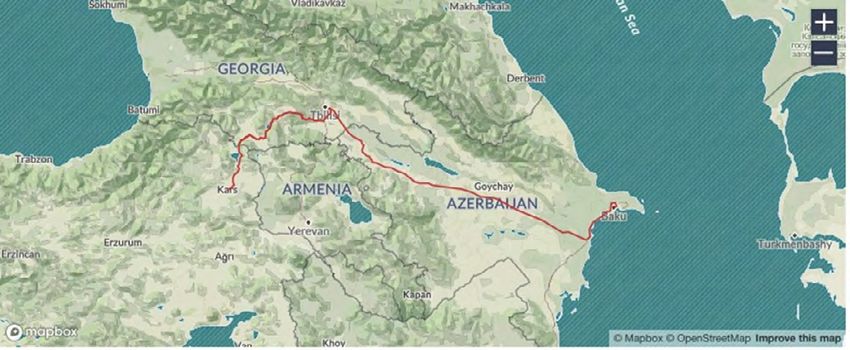
CHINA IN THE BROADER BLACK SEA REGION
The broader Black Sea region is the scene of increasing tensions amid renewed great
power competition and conflicting geopolitical and geo-economic interests. The rise of
China and its solidifying regional footprint requires a better understanding of how this
influence is capitalized at national and regional level, what type of challenges it creates
for respective countries, and what choices decision-makers have at their disposal in this
new complex and complicated geopolitical setting.

A report coordinated by

Alexandra Martin, Head of GLOBSEC Brussels Office

March 2021
China in the Broader Black Sea Region                                                                                                                                                                                       China in the Broader Black Sea Region

PARTNERS:                                                      PARTNERS                                                        AUTHORS
This is a joint publication of GLOBSEC, the Wilfried Martens   GLOBSEC is a global think-tank based in Bratislava              Dimitar Lilkov is a Research Officer at the Wilfried Martens     Tena Prelec is a Research Fellow at the Department
Centre for European Studies and the Black Sea Trust for        committed to enhancing security, prosperity and                 Centre, where he is responsible for matters involving the        of Politics and International Relations (DPIR), University
Regional Cooperation. This publication receives funding        sustainability in Europe and throughout the world. Its          digital economy, energy and the environment. Dimitar is          of Oxford. While her work at DPIR focuses on the global
from the European Parliament. GLOBSEC, the Wilfried            mission is to influence the future by generating new ideas      the host of the Martens Centre’s ‘Brussels Bytes’ podcast        dimension of kleptocracy and anti-kleptocracy, she is
Martens Centre for European Studies, the Black Sea Trust       and solutions for a better and safer world. We believe          series on technology and European policy. He has a               also an established analyst on the Western Balkans,
for Regional Cooperation, and the European Parliament          we can change the world by putting together the right           master’s degree in politics and government in the EU from        including as a Research Associate at LSEE-Research on
assume no responsibility for facts or opinions expressed in    stakeholders at the right time for a free exchange of           the London School of Economics and a BA in international         South Eastern Europe (London School of Economics and
this publication or any subsequent use of the information      ideas. In an interconnected world, GLOBSEC stimulates           relations. Currently, he is pursuing a Ph.D. at the European     Political Science), a Region Head at Oxford Analytica, and
contained therein. Sole responsibility lies on the authors     public-private dialogue to shape agendas for the future.        studies department of Sofia University.                          a member of the Balkans in Europe Policy Advisory Group
of the publication.                                            With global ambitions in mind, and building on its Central                                                                       (BiEPAG).
                                                               European legacy, GLOBSEC seeks to contribute to                 Marcin Kaczmarski is a Lecturer in Security Studies in
                                                               agendas which are critical for Europe. GLOBSEC acts in the      the School of Social and Political Sciences. He is based in      Mohammadbagher Forough is a Researcher at the
The processing of the chapters was concluded in 2020.          spirit of European values and international cooperation.        the Central and East European Studies subject area. In his       Leiden Asia Center and a Research Associate at the
                                                                                                                               research, he focuses on Russia-China relations, Russia’s         Clingendael Institute, where he co-editor of the New Silk
                                                               The Wilfried Martens Centre for European Studies was            foreign and security policy, comparative regionalism, and        Road Forum. His specific areas of expertise include the
                                                               established in 2007 as the political foundation and think       the role of rising powers in international politics. Marcin      contemporary International relations and international
                                                               tank of the European People’s Party (EPP). It promotes a        is the author of Russia-China relations in the post-crisis       political economy of China with a focus on the Chinese
                                                               pan-European mind-set based on centre-right, Christian          international order (Routledge 2015) and published articles      New Silk Road (NSR) initiative, also known as One Belt,
                                                               Democrat, conservative and like-minded political values.        in leading academic journals, including International            One Road (OBOR) or Belt and Road (B&R). He completed
                                                               The Martens Centre has four main goals: put forward new         Affairs, International Politics and Europe-Asia Studies.         his PhD in International Relations and Security Studies at
                                                               ideas and provide a forum where they can be debated,            He was a visiting scholar at the Chengchi University in          Groningen University in 2015.
                                                               have policy impact through concrete policy proposals,           Taiwan, the Slavic-Eurasian Research Center in Japan,
                                                               shape European public opinion and be the key platform of        the Aleksanteri Institute in Finland, the Kennan Institute in    Alexandra Martin is the Head of GLOBSEC Brussels
                                                               cooperation for centre-right partners and experts.              Washington, DC, and the Shanghai International Studies           Office. She joined the organization in 2018. Prior to this,
                                                                                                                               University in China. Prior to joining the University of          she worked for the OSCE Mission to Skopje, The German
                                                               The Black Sea Trust for Regional Cooperation (BST) is a         Glasgow, Marcin combined research and teaching at the            Marshall Fund of the United States in Washington DC
                                                               grant-making initiative based in Bucharest, Romania. It         University of Warsaw with policy-oriented analysis for the       and the European Union Monitoring Mission in Georgia.
                                                               was created in 2007 by The German Marshall Fund of              Finnish Institute of International Affairs in Helsinki and the   Her areas of research interest include the transatlantic
                                                               the United States, with the support of the United States        Centre for Eastern Studies in Warsaw.                            relationship, NATO, European defense and the impact
                                                               Agency for International Development (USAID), Charles                                                                            of disruptive technologies on the future of conflict. She
                                                               Stewart Mott Foundation, the Ministry of Foreign Affairs        Selçuk Çolakoğlu is a professor of International relations       completed her MA in International Relations, specialization
                                                               of Romania, the Government of Latvia, and the Lynde             and Director of the Turkish Center for Asia-Pacific Studies      Conflict Management at the Johns Hopkins University,
                                                               and Harry Bradley Foundation, the Robert Bosch Stiftung         (APAC) in Ankara, Turkey. His research interests include         School of Advanced International Studies.
                                                               and Calouste Gulbenkian Foundation and the European             Globalization, Global Governance, the G20, BRICS, MIKTA,
                                                               Commission.                                                     Silk Road cooperation, foreign policy and security issues
                                                                                                                               in international relations, particularly in Asia-Pacific and
                                                               ©All rights reserved                                            Central Eurasia including the Black Sea region, Turkey,
                                                                                                                               and China.
                                                               For additional information, please visit
                                                               www.globsec.org

                                                               Acknowledgment should also be provided for support and
                                                               assistance in the research, coordination and realization of
                                                               this publication to Santiago de la Presilla, Policy Assistant
                                                               at the GLOBSEC Brussels Office.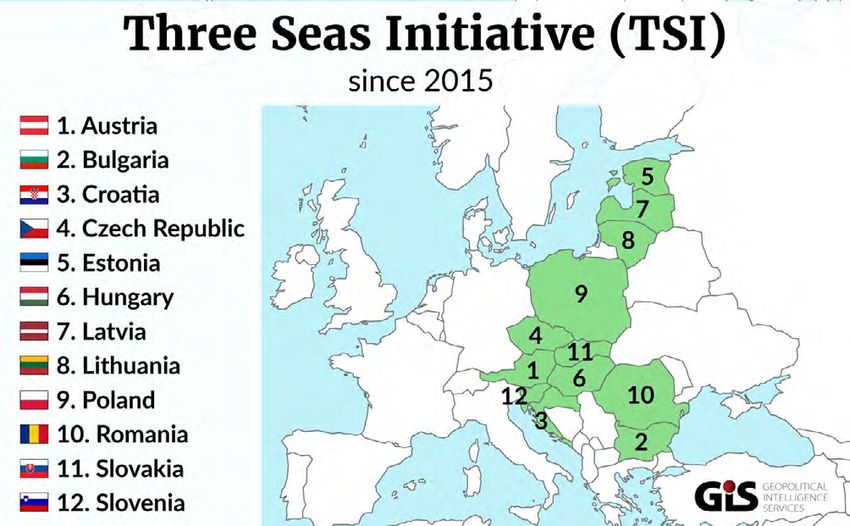
China in the Broader Black Sea Region                                                                                                                             China in the Broader Black Sea Region   (I

                                                                       THE ROLE OF CHINA
                                                                       IN THE BROADER BLACK SEA REGION
                                                                       FOREWORD
                                                                       Steven Everts, Senior Advisor
TABLE OF CONTENTS
                                                                       European External Action Service
Authors
                                                                       The EU has a strategic stake in the success of its neighbourhood.   This then is the background for the report ‘China and
The role of China in the broader Black Sea region                      In contrast to those who believe in ‘competitive nationalism’, a    the broader Black Sea region’, published by GLOBSEC,
Foreword                                                               core tenet of the EU is the conviction that it can only be strong   the Martens Centre and the Black Sea Trust for Regional
                                                                       and successful if its neighbours are too. Hence, all the efforts    Cooperation of the German Marshall Fund. It offers a careful
Steven Everts                                                          that the EU puts, and has done for years, into supporting           analysis of the “intricacies of this geo-political reordering…
European External Action Service                                  I    political and economic reforms, through advice, trainings,          for the Broader Black Sea region, a space that has become
                                                                       financial resources, preferential market access, policy support     the interplay of power, economic, and ideological interactions
Key Insights and Recommendations                                  II   and more.                                                           between super powers.”

Introduction and Summary                                               These days, everyone talks about how we live in an age of           It helps the reader make sense of key policies and projects
Alexandra Martin                                                       enhanced competition among powers and political models and          pursued by China, such as the Belt and Road Initiative and the
                                                                       how the COVID-19 pandemic has accelerated these trends.             17+1 platform. It separates facts from hype and sets out clearly
Globsec                                                           V
                                                                       Indeed, the situation in our extended neighbourhood bears           how countries in the region and the EU can best respond to
Chapter 1: The Belt and Road Initiative in the Black Sea Region        this out. Across the EU’s neighbourhood, we see increased           risks of economic asymmetries and excessive dependencies.
                                                                       geo-political competition and growing influence from other
Dimitar Lilkov                                                         countries, such as China, Russia and Turkey. They are acting        A key strength of the report is that it uses a wide prism and
The Wilfried Martens Centre for European Studies                  1    in a determined manner, in areas of key infrastructure, and         assesses how China’s growing presence is affecting not
                                                                       more recently, through mask and vaccine diplomacy. All this         only the EU but also Russia and Turkey, in terms of their own
Chapter 2: The Sino-Russian Relationship                               is often accompanied with disinformation campaigns, feeding         relationships with China but also their regional footprint and
Marcin Kaczmarski                                                      anti-EU sentiments.                                                 options. It all points to a dynamic and competitive strategic
                                                                                                                                           environment.
University of Glasgow                                             10   EU High Representative Josep Borrell has spoken about
                                                                       a rise in ‘empire mentality’ that one can see spread across         Sound policy-making depends on having a clear yet nuanced
Chapter 3: The Sino-Turkish Relationship                               our neighbourhood. There are actors who combine a certain           understanding of the issues at stake. This report on China’s
Selçuk Colakoğlu                                                       nostalgia with only accepting the sovereignty of states and         role in the broader Black Sea region offers just that. It should
                                                                       not of the people. As EU, we need to be fully aware of what’s       be widely read.
Turkish Center for Asia-Pacific Studies                           18
                                                                       going on; be aware that we are not the only actor in the
Chapter 4: China’s Influence in the Balkans                            region; and that there is a battle of narratives underway.

Tena Prelec
University of Oxford                                              27
Chapter 5: The Geoeconomics of the Wider Black Sea Region:
Between China and the West
Mohammadbagher Forough
The Clingendael Institute                                         38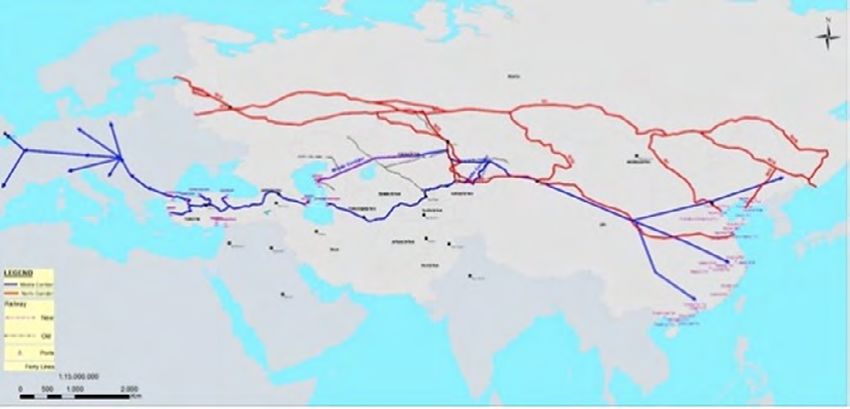
II) China in the Broader Black Sea Region China in the Broader Black Sea Region (III
KEY INSIGHTS AND RECOMMENDATIONS influence between the two states; (b) unwillingness
to support each other’s aggressive policies, towards
ON SINO-TURKISH RELATIONSHIP
post-Soviet neighbourhood and the South and East Ankara has tried to use Moscow and Beijing as
China Seas respectively; (c) divergent views on the key balancers against NATO and the EU to get some
ON BELT AND ROAD INITIATIVE between twelve (mostly CEE) European member states
located on an axis between the Baltic, Adriatic and challenges and future evolution of the international benefits on its differences. On the other hand, Turkey
No country should be reprimanded for looking Black sea. The initiative aims to develop the region’s order still has bitter differences with China on the Uyghur
for investment opportunities or boosting its trade weak infrastructure and provide funds for strategic cause and with Russia on Syria, Libya, and the
prospects. If the Chinese Belt and Road initiative was The United States and NATO presence in the region Nagorno-Karabakh dispute between Azerbaijan and
projects.
a transparent and open mechanism for international may create an incentive for closer Sino-Russian Armenia. The AKP-MHP government has also tried to
development, and mutually beneficial investments, The EU should also devote appropriate attention cooperation. From Moscow’s perspective, it is the use the BRI cooperation with China as a bargaining
many international actors could benefit. But the BRI to the countries within the Eastern Partnership and Western military presence that constitutes the key chip to get more investments and financial flows from
pursues a different agenda which not only serves provide a viable alternative to the BRI in the Black challenge. For China, the US influence in the region Western countries and financial institutions.
mostly Chinese interests, but also exacerbates Sea region. Additional efforts and funds should be may turn out to be an obstacle in both further
dedicated, boosting the Trans-European Transport development of the Belt and Road Initiative and in Ankara is demanding more Chinese investments
current existing problems between the EU and China.
Network (TEN-T) which aims to foster better increasing regional influence. in Turkish transportation, energy, and mining
European member states have signaled their concerns
connectivity between Armenia, Azerbaijan, Belarus, infrastructure and a flow of Chinese financial assets
about the lack of transparency of the initiative and Russia’s conflict with Ukraine, including the annexation
the Republic of Georgia, the Republic of Moldova and to Turkey without offering lucrative tenders to Beijing.
the unbalanced relationship between China and its of Crimea, posed the biggest challenge for Sino-Russian
Ukraine. Countries like Georgia and Ukraine have Meanwhile, Beijing has not made clear its BRI vision
partnering countries. The initial excitement of the relations in the Black Sea region. Moscow’s aggressive
already benefited from European macro-financial to Turkey. Ankara’s NATO membership and economic
European countries partnering in the ‘17+1’ mechanism foreign policy put Beijing in a highly uncomfortable
assistance and Europe has been actively engaged integration with the EU and the OECD makes Beijing
is waning as many of the involved European actors see position. China walked a fine line, trying to avoid direct
in providing economic support in the fallout of the hesitant to reveal its so-called grand strategy to Turkey.
their trade deficits with China soaring and a lot of the support for Russia and unwilling to criticise Moscow’s
promised infrastructure projects not materialising at all. Covid-19 pandemic. The long-term European budget
actions. Russian policy generated concrete obstacles Trends in global politics such as the U.S.-China
(MFF) should be leveraged to support EU’s strategic
for the implementation of Chinese economic interests, trade war, the tumultuous U.S.-Russia relations, the
There are a number of actions which the EU can take eastern partners, while financial institutions such as
such as the inclusion of Ukraine and the Black Sea reinstatement of U.S. sanctions against Iran, and the
so that the economic bloc can safeguard its strategic the EIB and EBRD can provide valuable credit lines for
region in general into a broader scheme of the Belt ongoing process to reach a final peace settlement in
interests and limit the potential negative spill-overs of connectivity projects.
and Road Initiative. As post-2014 developments Syria have made the prospect of further Sino-Turkish
the BRI within its member states generally and in the
The European Union is fully aware that the Chinese illustrated, Russia and China have managed to avoid cooperation in general even more unclear. In the
Black Sea region in particular. A collective response
Belt and Road initiative is a tool for expanding Chinese the conflict over the region. Beijing seems to respect absence of concrete offers by Ankara for projects of
is key. The EU must ensure internal cohesiveness and
influence abroad. Beijing has not shied away from what it perceives as Russian ‘red lines’. Russia, in turn, Silk Road cooperation, Beijing appears to pursue a
make sure that Chinese bilateral or regional trade
making grandiose claims about its ‘project of the seems to have limited the activities that might directly wait-and-see policy to avoid the political uncertainties
efforts do not break European unity or influence
century,’ which aims to run in the upcoming decades harm Chinese economic interests. associated with any Turkey-related initiative.
the EU’s foreign policy. The CEE European member
states part of ‘17+1’ should be more vocal about the and strengthen its foothold in Eurasia, Africa, and
While there remains some potential for competition Despite rhetoric ridden statements regarding
unequal trade relationship with China and make even Latin America. The EU should respond to the
between Russia and China (e.g. with regard to nuclear cooperation between Turkish and Chinese officials,
sure they improve the market access of European challenge and optimise its financial, diplomatic, and
energy market or arms sales), it is the increase in China’s current involvement in the Middle Corridor
companies if they are to continue their engagement international development tools, in order to guarantee
tensions between Russia and NATO/the West that (MC) is not at the significant level. There are no
with the initiative. Countries such as Bulgaria and that its strategic interests are protected internally and
might turn out most detrimental to China’s interests. significant Chinese investments in the ports, railroads,
Romania should be wary of possible long-term debt in its own back yard.
Beijing remains interested in using the region as one and motorways in the Broader Black Sea region.
traps as part of the BRI and thoroughly scrutinise of corridors for the BRI and perceives it as attractive for Although some Chinese cargos were transferred to
large-scale investment projects for their compatibility Chinese investments. As a result, China – unlike Russia Europe through the MC in the past year, sea routes
with EU environmental and social standards. On the ON SINO-RUSSIAN RELATIONSHIP
– requires a certain degree of stability and economic and then the Northern (Russian) Corridor are still the
technological front, a common approach to addressing Sino-Russian interactions in the region have been openness in the region. As the opening of transit via backbone of China-Europe trade. The United States
cybersecurity risks relating to the future 5G network limited so far. Both states hardly mention the region Ukraine and the potential for a new transit corridor and the EU are also not eager to see China’s heavy
roll-out or cyber-espionage is essential. Additionally, a in their annual communications, nor do any joint via Azerbaijan demonstrate, Moscow appears to take involvement in the MC. The United States and the EU
strengthened mechanism for the screening of foreign military exercises take place in the area. Rather Chinese interests into consideration. A sui generis likely support the MC, for the purpose of building an
direct investment from third countries should be at parallel activities of both states define the state of their division of labour that both states practice in Central integrated market in the Broader Black Sea region
the disposal of the European Commission in order to relationship in the region. China seems to exercise Asia (with China increasing its economic influence, and rather than reaching to China.
mitigate potential security risks and interference in self-restraint and take some Russian interests into Russia taking on the political-military leadership) can
domestic matters. account, when it comes to its relations with Ukraine to some extent be replicated in the Black Sea region.
The conflicting interest of the West and Russia in the
Broader Black Sea region may make China hesitant to
The EU should commit increased resources and and Georgia.
take a decisive role in the MC. The increasing Chinese
political attention to providing attractive international Several obstacles prevent Moscow and Beijing from economic dominance over Central Asia has already
partnerships which can compete with the Chinese upgrading the level of their relationship to that of an disturbed Russia. China’s strategic investments to the
BRI. Efforts such as the current EU–Asia Connectivity alliance. While one of the fundamental reasons for critical infrastructures in Georgia and Ukraine may
platform and the enhanced partnership with Japan in the absence of a military alliance, is China’s traditional anger Russia more. Under these circumstances, there
the field of digital services, transportation, and energy unwillingness to get involved in alliance commitments, is a long way to go for reaching an ultimate integration
should be strengthened and expanded to other other factors are specific to the Sino-Russian between the BRI and the MC. If Beijing and Ankara can
countries in the region. An interesting prospect to relationship: (a) increasing asymmetry of power and address these difficulties, the Sino-Turkish Silk Road
counter Chinese influence is the Three Seas initiative cooperation will enter to next stage.
IV) China in the Broader Black Sea Region China in the Broader Black Sea Region (V
ON SINO-WESTERN BALKANS
RELATIONSHIP
foreign policy towards China. China interestingly has
expressed its support for ESA, arguing that it will make INTRODUCTION AND SUMMARY
Europe a reliable ‘pole’ in the current multipolar world.
Due to a substantial increase in its economic foothold The reason for this support is rather obvious; an EU Alexandra Martin
over the past decade, China is set to remain an independent of the US can balance the US and is
important player in the Western Balkans. In spite of easier to handle for China. The world is going through profound geo-political recalibration, lack of coordination between Brussels and Washington DC on
China’s partial downscaling of BRI investments by as great power competition is back on the cards, appearing to a possible transatlantic consensus on China.
late 2020, its significance is likely to grow further in
China does not see the Wider Black Sea Region be the dominating modus operandi on the international stage
(WBSR) as a region per se, but as a piece in its larger now. China’s rising power along with its growing geo-political The intricacies of this geo-political reordering can be observed
the region. Analysts have gone so far as to opine
global geoeconomic strategy of connecting Western and geo-economic ambitions, continue to raise concerns in the Broader Black Sea region, a space that has become
that China “pose[s] the greatest long-term threat to
Europe and the Mediterranean. China’s infrastructure among the transatlantic community. The Chinese ascend the interplay of power, economic, and ideological interactions
democratic development in the Western Balkans,
investments in Central and Eastern European, part of is seen by many as a challenger to the western-dominated between super powers. China’s policy of engagement in
especially in the context of an escalating “systemic
WBSR, is to facilitate and boost its vision of connecting liberal order, which had been left unquestioned till recently. the region, underpinned by the Belt and Road Initiative
rivalry” with the West.”
East Asia to Western European markets. Along the Many observers today look at the global landscape through (BRI) and more specifically the ‘17+1’ platform, has at times
What makes the competition in South Eastern Europe way, it also wants to buy itself goodwill and soft power the lens of an ever intensifying global confrontation between received possibly unjustified attention, with the region being
different than any other endured so far by the EU is that, through economic investment. democracies and authoritarian models of governance. And in considered a ‘trojan horse’ for Chinese influence in Europe.
with the 17+1 Initiative, China’s state-backed enterprises this regard, Beijing seems poised to secure a more active role Despite the grand expectations, the BRI has in many ways,
brought the action ‘closer to Europe.’ Furthermore,
The US is involved in the region to counter the in the international system and determined to be among the failed to live up to it promises of delivering benefits in the
geopolitical and energy interests of Russia as well rule-setters of this century. Today, China accounts for over 12 region. In Central and Eastern Europe unfinished BRI projects
the bulk of the projects of 17+1 is focused in the non-
as to limit the increasing influence of China, its BRI, percent of global trade and about 15.5 percent of the world’s significantly outnumber the ones which have been completed.
EU countries of the initiative, making the Balkans the
and Chinese Digital Silk Road, through development GDP. Since 1978, the country’s average growth rate was 9.5 Across the region disillusionment with the economic results
neuralgic point of this project. Beijing might not be the
aid, lethal military aid, and supporting the Three Seas percent of GDP and is now the world’s largest producer of of engaging with China, especially through frameworks
biggest investor in the Western Balkan countries (it is
Initiative (3SI) and the Clean Network. Competing with manufactured goods. like the BRI or the 17+1 arrangement is growing. Concerns
worth remembering that this title is still firmly held by
Russian energy interests (Nord Stream 2 particularly), about economic asymmetries, economic dependency, and
the EU), but it is a very smart one.
the US is also trying to find a market for its energy US-China tensions and trade wars have dominated the global rising trade deficits are now at the forefront of the trade and
China’s willingness to loan money to tottering export. The American geopolitical and geoeconomic agenda in the last couple of years, to a point where fears infrastructure cooperation relationships with China, with few
democracies for the construction of economically approach in the region is more focused on short-term about a possible decoupling, and a new “Cold War” have exceptions detailed in this report’s pages.
unviable projects has made it the partner of choice results. However, China is clearly playing a long-term become real policy options, rather than just IR simulations.
game. The new U.S. Administration is expected to shape a less This work investigates China’s growing presence and
for many autocratic countries – from Central Asia, to
bellicose narrative vis-à-vis China but, President Biden is influence in the Broader Black Sea Region amid increased
Latin America, and to Africa. Several Western Balkan
The EU wants to create a third space between China likely to continue criticism of President Xi’s policies; and he great power competition. It focuses on and explores a myriad
states, two of which have been downgraded to ‘hybrid
and the US so that it can act independently. It has acted can be expected to work with allies and partners to counter of issues, including China’s Belt and Road Initiative, instability
regimes’ by Freedom House in 2020, have eagerly
relatively autonomously and through multifarious Beijing’s assertiveness and aggressive rhetoric, especially in Europe’s neighbourhoods, Sino-Russian, and Sino-Turkish
embraced this aspect of the partnership, especially
policies, initiatives, and partnerships to actualize its over economic policies, human rights and security issues. relationships. An EU and a transatlantic comprehensive
in a context in which EU accession resembles an ever China policy that takes into account the needs and
European Strategic Autonomy. It has introduced its own
more tenuous mirage and is therefore no longer able The EU has been caught in the middle of this power struggle, interests of the countries in the region, requires substantial
Connectivity Strategy, as its overarching geoeconomic
to exert much traction. with its transatlantic identity on the one side and its economic understanding of the challenges and opportunities on the
concept that is supposed to rival China’s BRI.
interests on the other. The Union is China’s largest trade table. Chinese investments may be difficult opportunities to
The lack of transparency and accountability, frowned
The EU should continue developing independent partner, while China is the EU’s second largest trade partner pass up on, particularly for states with weaker economies,
upon by the EU, is an advantage in Balkan leaders’
policies with regard to China’s role as an emerging after the US. In 2019, the European Commission published the underdeveloped infrastructure, or ongoing conflicts. This
business relations with Chinese actors. The secretive
superpower in general, and in the WBSR in particular, EU-China Strategic Outlook and outlined the approach the EU is especially concerning when one considers the impact
character of the Sino-Balkan projects has the potential would embrace with regards to the developing relationship post-COVID-19 economic depression will have on regional
as this is a region in which many of the challenges
to allow political elites to pursue rent-seeking with China. China was recognized as a negotiating partner, development.
and promises of EU role in the world are unfolding.
schemes, while presenting a narrative of shared important in the fight against climate change and in the efforts
The EU should particularly focus on infrastructure
success to the domestic public. This is an account that to revive multilateralism. At the same time, the EU characterized Russia has obvious interests in the Black Sea Region.
development in the region as much as possible,
suits Chinese investors and local politicians alike, and China as an economic competitor and a systemic rival. The However, it has been weakened by the double impact of the
since this region is infrastructurally underdeveloped.
that is buttressed and supported by an increasingly document also outlined the need for more balanced and pandemic and an unstable, ailing economy that is still highly
Furthermore, infrastructure development is currently
sophisticated soft power strategy by China, while reciprocal trade conditions and steps to strengthen Europe’s dependent on fossil fuels. As such, Russia is running the risk
and in the foreseeable future the global geoeconomic
being amplifying by media loyal to domestic political own economy. By concluding the agreement in principle on of becoming a junior partner to China, a situation which would
battlefield.
elites. investment after seven years of negotiations- Comprehensive not be acceptable to Moscow. It is unclear at the moment, how
Agreement on Investment (CAI)- the Union’s ambition to Russia will respond to China encroaching on its traditional
The EU should not get entangled in the American trade
achieve a more even economic relationship with China sphere of influence in the long term. Similarly, Turkey is
war with China. It should act independently to develop
ON GEOECONOMICS OF THE WIDER a robust policy vis-à-vis China, that is conducive to
seems to have been satisfied, especially on opening the also under increased international pressure due to various
BLACK SEA REGION furthering European interests and values. The current
domestic Chinese market, to sectors like financial services, international disputes and domestic economic challenges.
manufacturing, and real estate. The deal caused waves on This instability could spill over into open confrontations in
Comprehensive Investment Agreement with China
European relations with China, especially in the both sides of the Atlantic, with supporters applauding the Europe’s neighborhood, compounding the existing instability.
is a solid foundation to build a China policy on. To
context of US-China trade war, is an area in which effort pushed across the line by the German Presidency in the An adequate understanding of the current geo-political
balance against China, the EU should also deepen its interest of Europe in the last days of 2020. However, many competition around the Black Sea region should not be
European Strategic Autonomy (ESA) is getting tested
engagement with Japan and its QII, to produce actual critics could not help but emphasize the wrong symbolism overlooked and should become the basis of sound political
and sharpened to a considerable degree. Europe has
momentum for the European Connectivity Strategy. of EU’s strategic autonomy ambitions towards China and the decisions both in Europe and across the Atlantic.
been trying in recent years to develop an independentVI) China in the Broader Black Sea Region China in the Broader Black Sea Region (1
In chapter 1, Dimitar Lilkov tackles The Belt and Road Initiative
in the Black Sea Region, connecting it to the broader Chinese 1. THE BELT AND ROAD INITIATIVE
IN THE BLACK SEA REGION
strategic outlook and interests. Countries are now aware
Chinese investment comes with strings attached. Through
parallel projects in different economic corridors, China
aims to bridge the huge infrastructure investment gap in Dimitar Lilkov
partnering countries and, ultimately, boost its own economic
and diplomatic interests. The Black Sea Region is seen as
the gateway to Europe for Chinese economic and political The Chinese Belt and Road (BRI) initiative is an which shows different faces to the different observers. The
interests. interesting enigma. Officially announced by Xi Jinping BRI itself remains opaque and even Byzantine in terms
as the flagship Chinese project for reviving ancient of its management and overall coordination – several
Chapter 2 addresses the topic of the evolving Sino-Russian trade routes globally, it aims to improve the economic Chinese ministries, agencies and banks shuffle hundreds
relationship. Marcin Kaczmarski argues that this relationship and infrastructure development of partnering nations. of projects with ever-changing priorities. From high
plays a role across the Black Sea Region and in the respective Through parallel projects in different economic corridors, speed-railway projects in South-East Asia, to an economic
countries’ ‘spheres of influence’. Shared aversion towards China aims to bridge the huge infrastructure investment corridor through Pakistan, to massive shipping ports in
numerous features of the post-Cold War US-led liberal gap in partnering countries and, ultimately, boost its own East Africa, the BRI pursues different objectives with
international order has provided a solid foundation for Sino- economic and diplomatic interests. As of early 2020, more varying degrees of success. This demonstrates that Xi’s
Russian cooperation, elites in both countries believe they than 100 countries had expressed interest in or signed BRI flagship initiative is global in its ambition, but its contours
deserve a higher standing in the world, but neither country partnerships—the reach of the initiative touches two-thirds depend on local context8 and the nature of the bilateral
will go as far as calling themselves allies. of the world’s population.1 China has pledged to continue relationship between Beijing and the partnering country.
the BRI as an umbrella initiative throughout the 2020s and
Selçuk Colakoğlu analyzes in Chapter 3 whether China’s has promised at least $1 trillion in funding.2 This ambitious This article explores the BRI’s footprint in the Black Sea
Belt Road Initiative (BRI) and Turkey’s Middle Corridor (MC) platform is largely funded by the China Development region and analyses the impact of Chinese investment in
are compatible to each other. Policies of global players like Bank and the Export–Import Bank of China, both of which the EU and non-EU members in the geographic basin. The
Russia, the European Union (EU), and the United States, China provide attractive loan options. text analyses the most notable current developments in
and regional players like Turkey towards the Broader Black the different countries when it comes to the BRI and tries
Sea region are also elaborated in this chapter. As both the BRI And here is where many agree to disagree. Without a to trace Beijing`s principal long-term goals to the whole
and the MC are regional integration initiatives, other regional doubt, the BRI can be a boon for developing countries region. The article concludes with a discussion on the
actors’ involvements or objections could play a crucial role in that are suffering from poor energy, telecoms and road future of the BRI and a list of key recommendations for
their success. This chapter also reviews current assessments infrastructure, as well as low GDP per capita. However, there European policy-makers.
and shortcomings of integration between the BRI and the MC. is growing criticism that the platform lacks transparency and
that its specific parameters for concluding partnerships,
The Chinese influence in the Western Balkans is analyzed in
allocating loans and choosing contractors are unclear. THE BELT AND ROAD REACHES EUROPE
Chapter 4, where Tena Prelec presents the evolution of the
Some international actors see the threat of ‘hidden debts’
relationship. Before 2010, China had little to no presence or As a transit route the Black Sea region offers substantial
as many of the financial flows related to the project are not
interest in the region. That quickly changed under Belgrade’s possibilities for maritime transport and commerce, as
reported to the International Monetary Fund or the World
ambitions to build closer ties with Beijing. The other Western well as large scale energy infrastructure. For the Belt and
Bank.3 There is notable concern that China is indebting
Balkan countries interacted with China through the Yugoslav Road blueprint, the biggest asset in this region are the
foreign policy framework since its official recognition of
dozens of countries which will be unable to repay their
connections between the Middle East, the Caucasus, and
China in 1949. The relations were lukewarm at best, very far loans and may be placed under pressure to provide
Europe. Most importantly, the region serves as a direct
from today’s ‘our brothers, our saviours’ rhetoric applied by political favours to Beijing in the long run. The outgoing
foothold from Asia into Europe, and offers the possibility
Aleksandar Vučić in Serbia. Personal political relationships US Secretary of State Michael Pompeo has likened the
to paint the final brushstrokes of the BRI. After all, if you
and considerable Chinese investments seems to be pulling Initiative and its leading contractors as imposing ‘an
want to rekindle the ancient silk road routes, you need to
the region away from the EU. expansionist agenda.’4 European leaders have criticised
be able to reach Rome.
the project as it runs against liberalised global trade
In chapter 5, Mamad Forough tackles the Geoeconomics of and solely promotes the interests of heavily subsidised The access of the BRI to European member states and their
the Wider Black Sea Region: Between China and the West. Chinese companies.5 Scholars have highlighted the BRI as markets accomplishes several important achievements for
The Wider Black Sea Region is a highly fluid arena in which a project which aims to shift the major economic flows,6 the Chinese ‘project of the century.’ Partnerships, contracts
some of the most significant global actors, such as the EU, restructuring global value chains,7 and repositioning them and projects approved by EU authorities, or significant
NATO, China, the US, Russia, Turkey, among others, are towards Eurasia, with China at the centre. business entities, gives credibility to the Chinese initiative
vying to shape the future of the global order. Despite being
as a truly global endeavor. This provides a positive signal
a newcomer, it is no less significant for the long-term future This ambitious Chinese initiative seems like a shapeshifter
that the dubious contractual agreements, sub-par labor
prospects of the region. EU’s strategic autonomy, combined
with the American short term geoeconomics approach
compete with Chinese’s quest for influence. 1 China Power, How Will the Belt and Road Initiative Advance China’s Interests?, Center for Strategic and International Studies (8 May 2017)
2 Campbell, C., China Says It’s Building the New Silk Road. Here Are Five Things to Know Ahead of a Key Summit, Time (12 May 2017)
3 Horn, S. et al., China’s Overseas Lending, The National Bureau of Economic Research, Working Paper 26050 (July 2019)
4 United States, Department of State. U.S. Imposes restrictions on Certain PRC State owned enterprises and executives for malign activities in the South
China Sea (26 August 2020)
5 Haide, D. et al., EU Ambassadors Band Together Against Silk Road, Handelsblatt Today (17 April 2018)
6 Bataineh, B., Bennon. M., Fukuyama, F.,How the Belt and Road gained steam: causes and implications of China`s rise in global infrastructure, Center for
Democracy, Development, and the Rule of Law, Working paper (May 2019)
7 Maçães, B., China’s Belt and Road: Destination Europe, Carnegie Europe (9 November 2016)
8 Hillman, J. E. (2020), The Emperor’s New Road: China and the Project of the Century. New Haven, CT, Yale University Press, p.92) China in the Broader Black Sea Region China in the Broader Black Sea Region (3
and environmental standards which often characterize9 and severe strain on national budgets. China saw this as remained in the setup just as a sign of goodwill or a photo- inception. Cheap labor costs, low corporate tax rate, and
the BRI partnerships, are actually improving and falling an opportunity to step up and engage with both EU and op for politicians. EU membership were seen as selling points for attracting
in line with the stringent European requirements. It is non-EU countries, in order to increase its presence and Chinese investment or large-scale infrastructure projects.
also a boost for the market access of Chinese goods, open up additional export avenues. In 2012, China set One of the most pertinent questions related to the China- Much was expected in the field of agriculture, commodities,
services, and sub-contractors, and acts as a multiplier to up the ‘16+1’ initiative together with Albania, Bosnia and CEE mechanism has been the actual impact of Chinese transport and overall connectivity since the country still
the already existing trade flows and commercial activity. Herzegovina, Bulgaria, Croatia, Czech Republic, Estonia, investment and whether the promises for large-scale suffers from insufficient public investment and lukewarm
More importantly, if magnanimous Chinese investments Hungary, Latvia, Lithuania, Montenegro, North Macedonia, infrastructure projects were really kept. After a pledge of foreign direct investment. Bulgarian politicians and media
in infrastructure, construction, transport, or energy are Poland, Romania, Serbia, Slovakia and Slovenia in order opening generous credit lines for partnering countries, even created an inflated image of the expected Chinese
allocated to cash-strapped European countries this might to formalize cooperation between China and Central & Beijing has under delivered on its commitments. As of ventures and raised public expectations about the BRI,
lead to a more positive political relationship between Eastern European (CEE) countries. In 2019 Greece also late 2020, only four of the planned projects under the 17+1 especially on the local level. The actual investment flows
China and the partnering states. officially joined the initiative which has since been dubbed framework have been successfully19 completed – they are remain meagre – the Global tracker of Chinese investment
as the ’17+1’. The aim of the cross-country partnership is to in Greece, Serbia and Montenegro. China has announced notes that between 2012 and 2019, close to EUR 110 million
Some European leaders have been happy to embrace promote cooperation in infrastructure, trade, and tourism, an estimated EUR 13 billion of investment to CEE countries have flown into the country. Bulgaria also has a growing
such initiatives and openly invite Beijing to consider their essentially providing a conduit between CEE countries since 2012, but the balance so far has been clearly tipped trade deficit with Beijing, which reinforces the overall
countries as welcoming partners. The memorable party and BRI projects. toward the five non-EU Balkan countries.20 The investment perception that China’s effort in the region are mostly
leader of Syriza Alexis Tsipras bluntly stated that Greece tracker of the Mercator Institute for China studies intended for one-way traffic. Some of these concerns
could serve as ‘China’s gateway into Europe’ when he was estimates that the cumulative Chinese investment in the were expressed during the 2018 summit of the China-CEE
Prime Minister in 2016.10 In the same year, China’s shipping 12 EU member states participating in the ‘17+1’ mechanism mechanism in Sofia. Initially there were rumours about the
giant Cosco purchased a majority share in the Piraeus between 2012 and 2019, was lower than the investment possible delaying of the summit but eventually it was held
port – Greece’s largest harbor which also has a strategic ‘Scholars who study the ‘17+1’ framework China did in individual Western countries like Finland even ahead of schedule, possibly in order not to coincide
geographic location. For Beijing, this was an important have described it as a form of ‘multilateral or the Netherlands during the same period.21 In parallel, with Bulgaria’s Presidency of the Council of the EU in the
achievement, which signified that the maritime pillar of the expected positive trade spillover from the enhanced second half of the year. The official summit guidelines
bilateralism’ which places China in the middle,
the Belt and Road had been successfully expanded to cooperation between Beijing and the seventeen countries expressed indirect CEE criticism related with trade deficits
Europe. Hungary’s Victor Orban hasn’t shied away from
while the rest of the countries remain around did not reinvigorate the exports toward China. A detailed and the insufficient economic progress when it comes to
being openly pragmatic by claiming that if the EU cannot it, and with little to none cooperation among study dedicated on the ‘17+1’ framework shows that CEE investments.25
provide financial support, the country will turn to China themselves’ trade with China has been described by constantly rising
for investment.11 Both Greece and Hungary have been deficits amounting to 75 billion USD in 2018.22 Moreover, In the aftermath of the 2018 Sofia summit, China
The ‘17+1’ initiative also gives the impression of being
in minority positions on several important EU decisions one of the most ambitious projects under the framework expressed its interest to invest in Bulgaria’s infamous
a multilateral platform between equals. The China-
by disagreeing to condemn China’s actions in the South – the planned high-speed Budapest-Belgrade railway Belene nuclear power plant, should it receive appropriate
CEE mechanism has had annual meetings in different
China Sea12 or Beijing’s deplorable human rights record.13 supported by mammoth Chinese loans to both countries state guarantees. The power plant project has been mired
European capitals since its inception and thus sending a
Of course, the statistical principle of ‘correlation does has been mired in controversy surrounding the legality in controversy since the 1980s, relating to the financial
signal of an institutionalized framework. However, behind
not imply causation’ holds true for politics – there is no of the procedures and the overall debt sustainability of viability and practical need of building an additional
this multilateral veneer, we find an effective exercise of
way to be certain that China has received preferential the project.23 These developments have darkened the nuclear reactor in the country. After freezing the project
power between Beijing and the individual countries.15
treatment from both countries due to prior investment mood for many of the European member states which and then restarting it again, the Bulgarian government is
Scholars who study the ‘17+1’ framework have described it
deals. However, many European capitals have been wary are still unable to see the actual benefit behind all the looking for viable investors to become part of the project.
as a form of ‘multilateral bilateralism’ which places China in
that third party investments in strategic sectors can come political pledges and lengthy summits in the last several For the time being, it remains unclear if the China National
the middle, while the rest of the countries remain around
with political strings or go against common European years. One of the staunchest political proponents of Nuclear Corporation (CNNC) would actually invest in this
it, and with little to none cooperation among themselves.16
interests. In 2018, EU ambassadors to Beijing put together the Chinese initiative - Czech President Miloš Zeman burdensome project.
There have been attempts for gradual institutionalization
a report that highlighted that the BRI promotes mainly the publicly acknowledged his disappointment with the lack
by the set-up of sectoral coordination mechanisms on The Balkan country was supposed to be a hub for the
interests of heavily subsidised Chinese companies and of substantial investment to his country.24 The 2020
different themes such as forestry, energy, or maritime production of automobiles, which were designed by the
goes against European unity by relying only on bilateral edition of the China-CEE annual summit was postponed
issues by the involved countries.17 However, there is still Chinese and manufactured on EU soil. The Chinese car
deals.14 indefinitely due to the Covid-19 pandemic and a lot of
no evidence that such sectoral institutional expansion producer Great Wall Motors (GWM) established a joint
doubt remains on the overall future direction of the
In essence, securing bilateral deals and engaging in has yielded any sufficient economic gains.18 The whole venture with Bulgarian Litex Motors in 2012, with the aim
partnership framework devoted to promote the BRI.
country-specific projects has been the over-reaching operational framework of ‘17+1’ has provided the Asian of producing tens of thousands of car units annually and
strategy of China. This tactic has been applied to the wider country with a strong agenda-setting role and also given opening up to 2000 employment opportunities.26 The joint
Black Sea region, Central and Eastern Europe and even Beijing additional room to maneuver when it comes to BRI AND THE BLACK SEA: partnership was mostly active between 2013-2015 after
five non-EU members from the Western Balkans. The 2008 formal commitments and execution of projects. Many of which car production and sales stagnated. The GWM-
BULGARIA AND ROMANIA
financial crisis and the following economic downturn in the participating countries have signed Memorandums Litex Motors endeavor finally ground to a halt in 2017 –
Europe brought rising unemployment across a number of of Understanding (MoUs) which express willingness for The Republic of Bulgaria has remained optimistic toward after an inefficient marketing strategy and bad financial
EU countries together with a shortage of public investment certain partnerships or projects, but many of them have the ‘17+1’ format and the Chinese BRI initiative since their management made Litex file for bankruptcy after failing
9 Human Rights Watch, China: ‘Belt and Road’ initiatives should respect rights (21 April 2019) 19 Varano, J., China’s 17+1 initiative stalls amid security concerns and broken promises, Australian Strategic Policy Institute (22 October 2020)
10 Horowitz, J., Chastised by E.U., a Resentful Greece Embraces China’s Cash and Interests, New York Times (26 August 2017) 20 Gaspers, J., Divide and Rule, Berlin Policy Journal (2 March 2018)
11 Budapest Business Journal, Orbán: if EU doesn’t pay, Hungary will turn to China (11 January 2018) 21 Stec, G. Central and Eastern Europe and Joint European China Policy: Threat or Opportunity? Mercator Institute for China Studies (1 October 2020)
12 Emmott, R., EU’s statement on South China Sea reflects divisions, Reuters (15 July 2016) 22 Karásková, I et al. (2020), Empty shell no more: China’s growing footprint in Central and Eastern Europe. Association for International Affairs, policy paper,
13 Emmott, R., Koutantou, A., Greece blocks EU statement on China human rights at UN, Reuters (18 June 2017) p.35
14 Haide, D. et al., EU Ambassadors Band Together Against Silk Road, Handelsblatt Today (17 April 2018) 23 Brînză, A., China and the Budapest-Belgrade railway saga, The Diplomat (28 April 2020)
15 Hillman, J. E. (2020), The Emperor’s New Road: China and the Project of the Century, New Haven, CT, Yale University Press, p.91 24 Lau, S. Czech president to skip Beijing summit over China ‘investment let down’, South China Morning Post (13 January 2020)
16 Karásková, I. Engaging China in 17+1: time for the ACT Strategy, The Diplomat (7 April 2020) 25 Grieger, G., China, the 16+1 format and the EU, European Parliamentary Research Service (September 2018), p.1
17 People’s Republic of China, State Council (2018), The Sofia Guidelines for cooperation between China and Central and Eastern European Countries 26 Drahokoupil, J. et al., (2020), Chinese investment in Romania and Bulgaria in In J. Drahokoupil (ed.), Chinese investment in Europe: corporate strategies and
18 Grieger, G., China, the 16+1 format and the EU, European Parliamentary Research Service (September 2018), p.3 labour relations, Brussels: ETUI, p.1474) China in the Broader Black Sea Region China in the Broader Black Sea Region (5
to register sustainable profit. In 2019, China signaled its largest markets and population within the CEE, as well as opposition to the Chinese communist party and private to officially recognize Abkhazia and South Ossetia. Tbilisi
intent to extend the maritime corridor of the BRI to the low labor costs. China is Romania’s second biggest trading technology companies who cooperate with the Chinese hopes that reinforced trade, investment, and diplomatic
Bulgarian Black Sea port of Varna, through a a partnership partner outside the EU (after Turkey) and usually registers authorities. Both Huawei and ZTE had already established links with Beijing can act as long-term insurance policy and
between the China Machinery Engineering Corporation stable annual growth of both imports and exports with the themselves in the Romanian market and have nurtured provide diplomatic support. The Georgian Prime Minister
(CMEC) and the logistical center of the port.27 This was Asian giant. Nevertheless, Romania has a sizeable trade positive business relationships. It is clear that Romania was Irakli Garibashvili affirmed his commitment to China in
the first port project of the CMEC in Bulgaria which aimed deficit with China amounting to EUR 4 billion in 2019 – the heavily influenced by Washington as Bucharest enjoys a 2015 by remarking that ‘There is no country in the region
to modernize and increase the capacity of the Bulgarian highest deficit of all Balkan countries.31 Chinese telecom close relationship on trade and security with the United that is more open to Chinese business and investment,
shipping facilities and ensure the improved access of companies ZTE and Huawei, as well as China Tobacco States. The tumulus Sino-American relationship and the Chinese people and culture or Chinese innovation and
Chinese products to European markets. The project is still International are some of the main investors in the country. extensive pressure on Chinese technological companies ideas than Georgia.’37
in its initial stages and is scheduled to complete by 2022. Romania is one of the few countries in the Balkan region by the Trump administration is leaving its mark on CEE and
which has a branch of the Bank of China and is also part of influencing a number of these countries to oppose the In 2017, China and Georgia signed a free trade agreement,
Since 2019 Bulgaria has sent mixed political signals about the Asian Infrastructure Investment Bank, which handles strategic penetration of the likes of Huawei in their public the first of its kind for a Eurasian country. The removal of
its continued optimism about future partnerships under multilateral development projects mostly in Asia. networks. tariffs for almost all export categories raised expectations
the BRI. The Bulgarian President Rumen Radev made a of a boost in trade flows and diversification of Georgian
personal visit to China in order to reinvigorate the political Romania hosted the 2013 edition of the China-CEE summit Moreover, the European Union as a whole is carefully export goods. Like many other countries, Georgia suffered
relationship28 and promote his country in front of public and used the occasion to sign different agreements re-adjusting its position towards Beijing when it comes from an elevated trade deficit – in 2017 exports to China
authorities and businesses in Beijing. The President valued at EUR 8 billion but very few of them came to actual to trade, unfair competition practices, and predatory were over USD 207 million while imports from China
lamented the low investment flows to Bulgaria and fruition and many are still being negotiated.32 The biggest foreign policy. Countries such as Germany are carefully amounted to USD 732 million.38 The high expectations
expressed his interest towards ambitious joint projects expectations were in the field of energy where China had scrutinizing Chinese investments and especially the were premature as in the following year trade turnover
in the fields of energy, tourism, high technology, and IT.29 expressed interest to invest in several nuclear, thermal, ones related to critical infrastructure and technology. The increased very little compared to previous trends, while
Both parties signaled commitment to opening of a center and hydropower plants. The Cernavodă nuclear power Covid-19 health crisis also led to a dramatic shift of the some key Georgian exports such as wine even decreased
for global partnership, as part of the ‘17+1’ mechanism. plant is one of the notable stories to consider. Located public perception of China, and how it behaved in the slightly.39
Unexpectedly, in 2020 the Bulgarian Prime Minister close to the Black Sea shore, it is the only nuclear energy aftermath of the pandemic.36 In parallel, the ‘17+1’ initiative
officially committed Bulgaria to the ‘Clean Network’ facility in the country and produces around 20 percent is losing momentum due to the growing skepticism of China’s main interest in Georgia stems from its geographical
initiative under the auspices of the US State Department. of Romania’s electricity. The country has been exploring many of its members on the actual merits of sustaining location – the Caucasus are part of the corridor which is
This new diplomatic move aims to ‘guard our citizens’ options for expanding it with additional modern reactors, smoke and mirror partnerships which barely bring tangible the shortest route from China to Europe. It is an important
privacy and our companies’ most sensitive information which was met with interest from China General Nuclear results. The indefinite postponement of the next China-CEE alternative to the Northern routes through Russia and can
from aggressive intrusions by malign actors, such as the Power Corporation (CGN). The Chinese state-owned meeting and the strategic realignments of the EU towards substantially reduce travel time and related freight cost.
Chinese Communist Party’.30 The Trump administration has company expressed its formal interest to become the main Beijing will push countries such as Romania and Bulgaria This essential transport link between Caspian Sea to Europe
been quite active on this front by securing the signature investor in 2014, and was awarded with the successful to rethink their commitment towards Chinese investments received a substantial boost with the inauguration of the
of many EU countries, a diplomatic offensive which bid.33 After years of political instability in Bucharest and and large-scale projects of strategic importance. The year Baku-Tbilisi-Kars (BTK) rail route which optimizes travel
essentially limits the penetration of telecommunications lack of progress on the actual investment plan, the current of 2020 will possibly mark the shifting attitude of the time and offers the possibility for transporting millions of
companies like Huawei or ZTE within the EU. This severely Romanian government did a U-turn in late 2020 and two EU Black Sea countries to the ‘17+1’ framework and freight and passengers annually. The rail link was planned
restricts the options for Chinese companies to roll out their signed an agreement with the US for the provision of the potentially cool off their expectations to the Belt and Road long before the BRI was announced as a project between
digital infrastructure, 5G hardware, data or computing necessary loans and completion of the construction of the Initiative in the upcoming years. Georgia, Azerbaijan, and Turkey. At the insistence of the
services in these European member states. new reactors at the plant. last two countries, the rail line didn’t feature Armenia due
to the Nagorno-Karabakh conflict. Interestingly, there
The Republic of Bulgaria closed 2020 essentially sitting Recently, Chinese interest in the Rovinari thermal power BRI AND NON-EU MEMBER STATES IN was neither Chinese nor international financing involved
on the fence when it comes to the BRI. The country plant suffered a similar blow. Bilateral negotiations were THE BLACK SEA REGION behind the project in the last several years – Turkey and
has expressed commitment to the ‘17+1’ and its future conducted for the better part of the last decade in which Azerbaijan provided the necessary loans and even co-
development on the one hand, as well as frustration by the Chinese partners were supposed to become majority The BRI has all the necessary features to be an alluring financed the Georgian section of the route.40 Even though
lack of actual investment flows or improved trade balances shareholders of the 600 MW thermal plant.34 The Romanian proposition for Georgia. The former Soviet republic is not supported directly by Chinese funds, the BTK rail link
on the other. The overall disappointment of many CEE side eventually lost interest after protracted delays and a looking for opportunities to boost the lackluster foreign has become essential for the transport of Chinese goods.
countries with the dynamic of the relationship with China re-evaluation of its own environmental considerations in direct investments flow and open new employment Enhanced cooperation with the port of Baku gives the
and the growing pressures of the Sino-American rift could line with the European Green Deal. opportunities, while also addressing the poor connectivity opportunity for shipping dedicated freight trains from
make Bulgaria revaluate its expectations towards the Belt within the country. The country’s Black Sea ports of China to Istanbul via Georgia and the BTK railway. This
and Road Initiative. Chinese interests suffered another setback in late Batumi and Poti could be seen as appealing investment transport link will be of growing importance for East-West
2020 after the Romanian Prime Minister banned prospects, while improved railway links can boost the commerce and a viable alternative to costly maritime
Similar processes of BRI ‘second thoughts’ are exhibited by Huawei from building 5G networks in the country.35 This transit of goods to and from the Caspian and numerous shipment of goods. It will be interesting to see if China
Romania, as well. The country also started its membership happened in parallel to many CEE countries signing on landlocked Central Asian countries. Georgia’s geographic only uses the train route through Georgia or does it also
in ‘17+1’ with high expectations. Romania holds one of the to the abovementioned US ‘Clean Network’ initiative in location and the recent military conflict with Russia make invest and incorporate its enhancement as part of the BRI
it extremely wary of Moscow’s belligerent foreign policy in the future, given its strategic role.
27 Bulgarian National Radio, Водеща китайска строителна компания подписа договор за разширяване на пристанище Варна, BNR.BG (23 April 2019)
28 Supported by the Bulgarian Socialist Party, members of the S&D Group in the European Parliament and its hawkish attitude toward its ‘near abroad.’ China
29 Mediapool.bg, Радев предложи на Пекин директни полети, клон на китайска банка у нас и общ научен център (01 July 2019) has supported Georgia’s territorial integrity and refused The deep-sea-port of Anaklia was the main Georgian
30 United States, Department of State. Announcing the expansion of the clean network to safeguard America’s assets, press statement (26 August 2020). megaproject which aimed to make the country one of
31 Karásková, I et al. (2020), Empty shell no more: China’s growing footprint in Central and Eastern Europe. Association for International Affairs, policy paper,
p. 39
32 Ibid, p.29 36 Standish, R., Balkans Become Unlikely Bridgehead In Europe For U.S.’s Anti-China Push, Radio Free Liberty (02 November 2020)
33 Abdel-Aziz, A et al., Romania’s Cernavodă nuclear power plant looking for new investors as partnership with China General Nuclear Power Corporation 37 Government of Georgia, PM discusses Georgia-China partnership at Beijing University, Press release (11 September 2015)
terminated, Lexology.com (8 July 2020) 38 Smolnik, F., Georgia Positions Itself on China’s New Silk Road, German Institute for International and Security Affairs, SWP Comment, p.2
34 Todorovic, I., Romania erases new coal-fired thermal power plants from its plans, Balkan Green Energy News (23 November 2020) 39 Topurina, R., Georgia Can Still Be a Hub for China, But Only If the Belt and Road Survives, The Diplomat (27 August 2019)
35 Radio Free Liberty, Romania Rejects Partnering With China’s Huawei On 5G, Prime Minister Says, RFL/RL Romanian Service (01 November 2020) 40 Smolnik, F., Georgia Positions Itself on China’s New Silk Road, German Institute for International and Security Affairs, SWP Comment, p.4You can also read


