Comparative Transcriptome Analysis of Early- and Late-Bolting Traits in Chinese Cabbage (Brassica rapa)
←
→
Page content transcription
If your browser does not render page correctly, please read the page content below
ORIGINAL RESEARCH
                                                                                                                                              published: 04 March 2021
                                                                                                                                       doi: 10.3389/fgene.2021.590830

                                              Comparative Transcriptome Analysis
                                              of Early- and Late-Bolting Traits in
                                              Chinese Cabbage (Brassica rapa)
                                              Xiaochun Wei 1† , Md. Abdur Rahim 2† , Yanyan Zhao 1 , Shuangjuan Yang 1 , Zhiyong Wang 1 ,
                                              Henan Su 1 , Lin Li 1 , Liujing Niu 1 , Md. Harun-Ur-Rashid 2 , Yuxiang Yuan 1* and
                                              Xiaowei Zhang 1*
                                              1
                                               Institute of Horticulture, Henan Academy of Agricultural Sciences, Zhengzhou, China, 2 Department of Genetics and Plant
                                              Breeding, Sher-e-Bangla Agricultural University, Dhaka, Bangladesh

                                              Chinese cabbage is one of the most important and widely consumed vegetables
                                              in China. The developmental transition from the vegetative to reproductive phase
                                              is a crucial process in the life cycle of flowering plants. In spring-sown Chinese
                                              cabbage, late bolting is desirable over early bolting. In this study, we analyzed
                                              double haploid (DH) lines of late bolting (“Y410-1” and “SY2004”) heading Chinese
                         Edited by:
                                              cabbage (Brassica rapa var. pekinensis) and early-bolting Chinese cabbage (“CX14-
                        Zhiyong Liu,
     Shenyang Agricultural University,        1”) (B. rapa ssp. chinensis var. parachinensis) by comparative transcriptome profiling
                               China          using the Illumina RNA-seq platform. We assembled 721.49 million clean high-
                     Reviewed by:             quality paired-end reads into 47,363 transcripts and 47,363 genes, including 3,144
                       Pengtao Ma,
             Yantai University, China
                                              novel unigenes. There were 12,932, 4,732, and 4,732 differentially expressed genes
                  Shengnan Huang,             (DEGs) in pairwise comparisons of Y410-1 vs. CX14-1, SY2004 vs. CX14-1, and
     Shenyang Agricultural University,
                                              Y410-1 vs. SY2004, respectively. The RNA-seq results were confirmed by reverse
                                China
                                              transcription quantitative real-time PCR (RT-qPCR). A Kyoto Encyclopedia of Genes
                  *Correspondence:
                        Yuxiang Yuan          and Genomes (KEGG) pathway analysis of DEGs revealed significant enrichment for
           yuxiangyuan126@126.com             plant hormone and signal transduction as well as starch and sucrose metabolism
                       Xiaowei Zhang
               xiaowei5737@163.com
                                              pathways. Among DEGs related to plant hormone and signal transduction, six unigenes
     † These   authors have contributed       encoding the indole-3-acetic acid-induced protein ARG7 (BraA02g009130), auxin-
                    equally to this work      responsive protein SAUR41 (BraA09g058230), serine/threonine-protein kinase BSK11
                                              (BraA07g032960), auxin-induced protein 15A (BraA10g019860), and abscisic acid
                   Specialty section:
         This article was submitted to        receptor PYR1 (BraA08g012630 and BraA01g009450), were upregulated in both late
Evolutionary and Population Genetics,         bolting Chinese cabbage lines (Y410-1 and SY2004) and were identified as putative
               a section of the journal
                  Frontiers in Genetics
                                              candidates for the trait. These results improve our understanding of the molecular
          Received: 03 August 2020
                                              mechanisms underlying flowering in Chinese cabbage and provide a foundation for
         Accepted: 18 January 2021            studies of this key trait in related species.
          Published: 04 March 2021
                                              Keywords: comparative transcriptome, early bolting, late bolting, differentially expressed genes, Chinese
                             Citation:        cabbage
           Wei X, Rahim MA, Zhao Y,
   Yang S, Wang Z, Su H, Li L, Niu L,
     Harun-Ur-Rashid M, Yuan Y and
         Zhang X (2021) Comparative
                                              INTRODUCTION
     Transcriptome Analysis of Early-
    and Late-Bolting Traits in Chinese
                                              Brassica belongs to the Brassicaceae family, which consists of several economically important
            Cabbage (Brassica rapa).          vegetable crops consumed worldwide (Cheng et al., 2014). Vegetables in this genus exhibits various
            Front. Genet. 12:590830.          morphotypes, including leafy heads (cabbage, Brassica oleracea var. capitata; Chinese cabbage,
    doi: 10.3389/fgene.2021.590830            Brassica rapa var. pekinensis), enlarged inflorescences (cauliflower, B. oleracea var. botrytis; broccoli,

Frontiers in Genetics | www.frontiersin.org                                         1                                          March 2021 | Volume 12 | Article 590830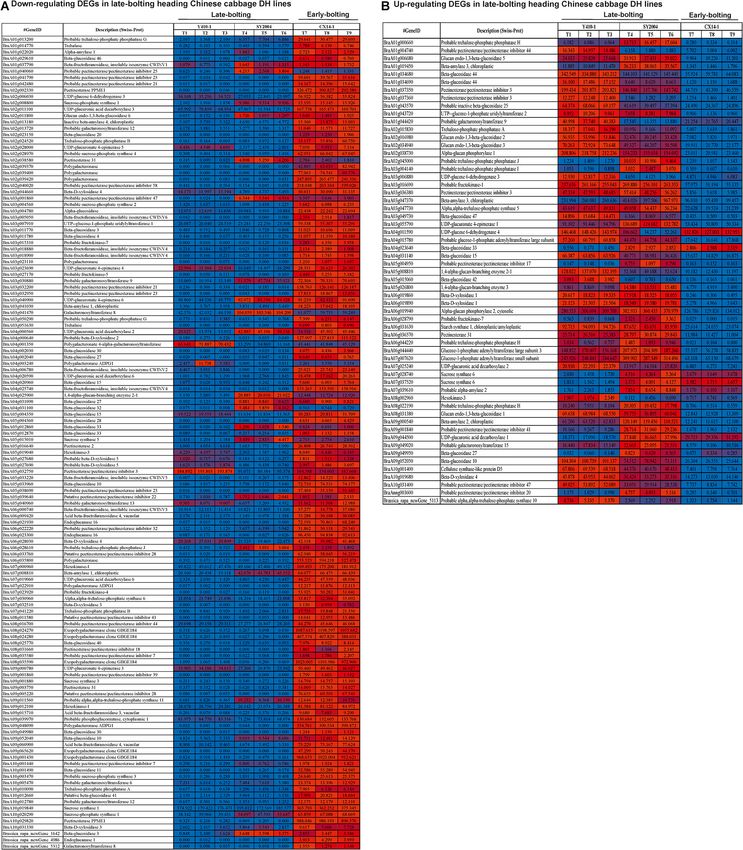
Wei et al.                                                                                                                    Genetic Basis of Bolting

B. oleracea var. italica), enlarged axillary buds (Brussels sprouts,        2000; Moon et al., 2003; Amasino, 2005). Mutations in these
B. oleracea var. gemmifera), enlarged stems (kohlrabi, B. oleracea          genes result in early flowering in Arabidopsis (Michaels and
var. gongylodes), and enlarged roots (turnip, B. rapa subsp.                Amasino, 1999; Johanson et al., 2000; Choi et al., 2011). FRI
rapa) (Zhao et al., 2005; Cheng et al., 2014, 2016). Furthermore,           positively regulates the transcription of the flowering repressor,
these vegetables contain various health-promoting secondary                 FLC (Choi et al., 2011). In contrast, vernalization results in early
metabolites, including glucosinolates, phenolics, carotenoids,              flowering via suppressing the FLC (Michaels and Amasino, 1999;
flavonoids, and anthocyanins, which have protective effects                 Sheldon et al., 1999). Three genes, VIN3 (VERNALIZATION
against inflammation, cardiovascular diseases, and age-related              INSENSITIVE 3), VRN2 (VERNALIZATION 2), and VRN1
diseases (Manchali et al., 2012).                                           (VERNALIZATION 1), are required for the cold-mediated
    Brassica rapa subspecies show high morphological diversity              repression of FLC (Kobayashi et al., 1999; Gendall et al., 2001;
(Zhao et al., 2005). In particular, the heading Chinese cabbage             Sung and Amasino, 2004). Su et al. (2018) reported that BrVIN3.1
(B. rapa L. subsp. pekinensis) is one of the most important                 and BrFLC1 are the important genetic determinants of bolting
Brassica vegetables in Asian countries, especially in China, Korea,         time variation in B. rapa. Recent reports have revealed that
and Japan (Bong et al., 2012; Cheng et al., 2014). It is a major            there are various orthologs of FLC and FT for flowering time
vegetable crop produced in China, where it is considered as a               variation in B. rapa and B. oleracea (Schiessl et al., 2017). In
key source of mineral nutrition (Wu et al., 2008). Moreover,                B. rapa, there are two copies of FT on chromosomes A02 and
Chinese cabbage is the main ingredient of the most popular                  A07 and four copies of FLC on chromosomes A02, A03, and A10
traditional Korean side dish kimchi (Bong et al., 2012; Lee et al.,         (reviewed in Schiessl et al., 2017). Moreover, Shu et al. (2018)
2014). The flowering Chinese cabbage (B. rapa ssp. chinensis var.           reported a major quantitative trait locus (QTL) (Ef2.1) for early
parachinensis) produces elongated, tender, and thick stalks with            flowering in “broccoli × cabbage” and identified BolGRF6 as
rapid bolting as edible organs (Cheng et al., 2014; Huang et al.,           a putative candidate for early flowering in broccoli. BrSDG8
2017). Pak choi (B. rapa subsp. chinensis) produces smooth dark             code for encoding a histone methyltransferase is associated
green leaves with a prominent white midrib instead of forming a             with bolting in B. rapa ssp. pekinensis (Fu et al., 2020). Huang
leafy head (Zhao et al., 2005).                                             et al. (2020) found that histone methyltransferase CURLY LEAF
    In angiosperms, flowering is the most important                         (CLF; Bra032169) controls the expression of flowering-related
developmental transition in the plant life cycle (Song et al., 2015).       genes, and mutation in the Bra032169 caused early bolting in
This transition is controlled by endogenous and environmental               Chinese cabbage.
signals (Song et al., 2015; Zhang et al., 2015). More than 180 genes            Gibberellic acid (GA), a plant hormone, plays an important
identified by functional analyses are associated with flowering             role in the regulation of flowering time (Bernier, 1988). In
time in Arabidopsis (Fornara et al., 2010). Several of these genes          Arabidopsis, the application of exogenous GA promotes flowering
form a complex regulatory network involving six key pathways,               under short-day conditions (Langridge, 1957; Chandler and
including photoperiod, vernalization, ambient temperature,                  Dean, 1994). Mutations in genes related to GA biosynthesis and
age, autonomy, and gibberellin pathways (Fornara et al., 2010;              signaling can alter flowering time in Arabidopsis (Wilson et al.,
Zhang et al., 2015; Huang et al., 2017). However, photoperiod               1992; Sun and Kamiya, 1994; Jacobsen et al., 1996). In Brassica
and vernalization related to day length and low temperatures,               napus, flower initiation, flowering time, and shoot elongation
respectively, have also been identified as the major pathways for           are regulated by endogenous GA (Dahanayake and Galwey,
the regulation of flowering time (reviewed in Song et al., 2013).           1999). Exogenous GA can stimulate flower development, while
Several homologs of Arabidopsis genes related to flowering in               an inhibitor of GA delays or inhibits flowering in Brassica (Rood
B. rapa and other plant species have been identified (Andersen              et al., 1989; Zanewich et al., 1990).
et al., 2004; Greenup et al., 2009; Cheng et al., 2011; Duan                    In flowering Chinese cabbage, aerial vegetative parts and
et al., 2015; Xu et al., 2015). Mutations in the CONSTANS (CO),             floral buds are consumed. The early-bolting flowering Chinese
GIGANTEA (GI), and FLOWERING LOCUS T (FT), related to                       cabbage double haploid (DH) line “CX14-1” is characterized by
the photoperiod pathway, result in delayed flowering, but short             rapid flower stalk development and early flowering. In contrast,
days do not affect flowering time, unlike wild-type Arabidopsis             late-bolting heading Chinese cabbage exhibits a long period of
(Suárez-López et al., 2001; Simpson and Dean, 2002; Moon et al.,            vegetative growth before flower bud initiation. In B. rapa, long-
2003). The CO gene encodes a zinc finger transcription factor               day conditions together with vernalization promote reproductive
that triggers the transcriptional upregulation of downstream                growth over vegetative growth; consequently, plants bolt before
floral integrator genes, including FT and SUPPRESSOR OF                     reaching the harvesting stage, which is a serious problem in
OVEREXPRESSION OF CO1 (SOC1), in leaves under long-day                      this crop (Zhang et al., 2015). Therefore, late-bolting traits are
conditions (Samach et al., 2000; Srikanth and Schmid, 2011;                 desirable than early flowering for the cultivation of spring-sown
Zhang et al., 2015). Furthermore, FT and SOC1 act as activators             Chinese cabbage.
of floral meristem identity genes, such as LEAFY (LFY) and                      In this study, we performed transcriptome sequencing of
APETALA 1 (AP1) (Amasino, 2005). In Arabidopsis, FRIGIDA                    flower bud samples from early-bolting flowering Chinese cabbage
(FRI; encoding two coiled−coil motif-containing protein)                    (“CX14-1”) (B. rapa ssp. chinensis var. parachinensis) and late-
and FLOWERING LOCUS C (FLC; encoding a MADS−box                             bolting (“Y410-1” and “SY2004”) heading Chinese cabbage
transcription factor) are involved in the annual winter habit               (B. rapa var. pekinensis) DH lines using the Illumina platform,
(late flowering) (Michaels and Amasino, 1999; Johanson et al.,              with a focus on genes related to plant hormone signaling.

Frontiers in Genetics | www.frontiersin.org                             2                                     March 2021 | Volume 12 | Article 590830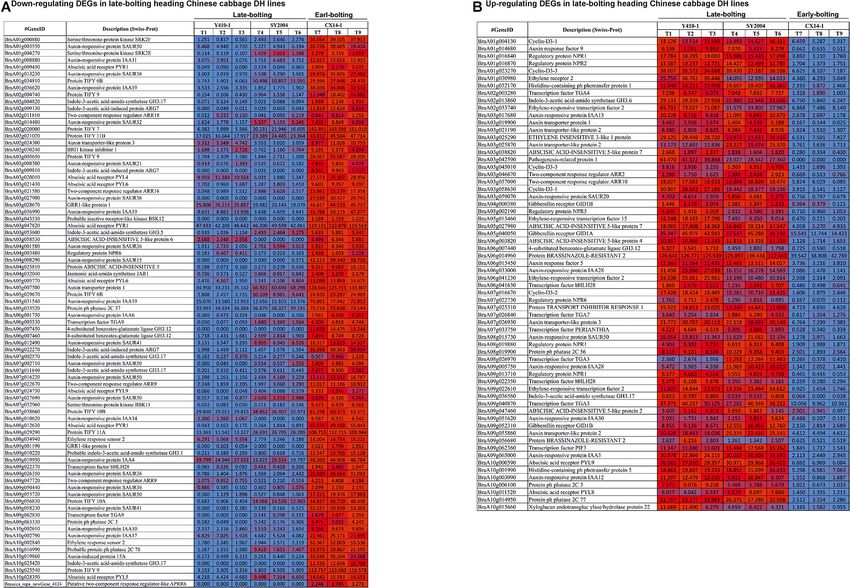
Wei et al.                                                                                                                                    Genetic Basis of Bolting

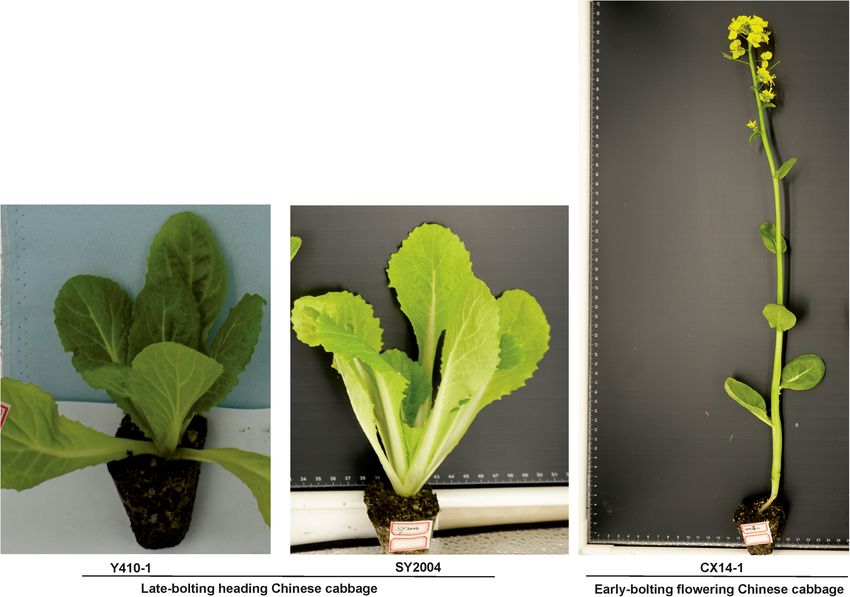
  FIGURE 1 | Phenotypes of early- and late-bolting Chinese cabbage double haploid lines used in the study.

MATERIALS AND METHODS                                                                using the NEBNext Ultra RNA Library Prep Kit for Illumina
                                                                                     (New England Biolabs, Beverly, MA, United States) following the
Plant Materials                                                                      manufacturer’s recommendations. The clustering of the index-
The late-bolting DH heading Chinese cabbage (B. rapa L. ssp.                         coded samples was performed on a cBot Cluster Generation
pekinensis) lines “Y410-1” and “SY2004” and a vernalization-                         System using the TruSeq PE Cluster Kit v4-cBot-HS (Illumina,
independent early-bolting flowering Chinese cabbage (B. rapa                         San Diego, CA, United States) according to the manufacturer’s
ssp. chinensis var. parachinensis) DH line “CX14-1” were used                        instructions. After cluster generation, the library preparations
(Figure 1). The plants were grown in the experimental field                          were sequenced on the Illumina high-throughput sequencing-
at Yuanyang (113◦ 97’ E and 35◦ 5’ N), Henan Academy of                              by-synthesis technology platform to generate paired-end reads.
Agricultural Sciences, China. The flower primordia of these lines                    The adapter sequences and low-quality reads were removed. The
were used for RNA sequencing. The samples were collected,                            clean reads were then mapped to the B. rapa (Chiifu-401) v. 3.0
immediately frozen in liquid nitrogen, and stored at -80◦ C.                         reference genome [Brassica database (BRAD)]1 using HISAT22 .

Total RNA Isolation, Library                                                         Functional Annotation and Novel Gene
Construction, RNA Sequencing, and                                                    Discovery
                                                                                     The functions of assembled genes and novel gene discovery
Assembly                                                                             were performed by BLAST searches against the NR [National
The frozen flower bud samples were ground into a powder                              Center for Biotechnology Information (NCBI) non-redundant
in liquid nitrogen. Thereafter, total RNA was isolated from                          protein sequences3 ], Swiss-Prot4 , gene ontology (GO)5 , Clusters
100 mg of powder using the RNeasy Mini Kit (Qiagen,                                  of Orthologous Groups of proteins (COG)6 , Pfam7 , and Kyoto
Valencia, CA, United States) according to the manufacturer’s
guidelines. The concentration, integrity, and purity of the RNA                      1
                                                                                       http://brassicadb.org/brad/
samples were determined using a NanoDrop spectrophotometer                           2
                                                                                       http://ccb.jhu.edu/software/hisat2/index.shtml
(NanoDrop Technologies, Wilmington, DE, United States) and                           3
                                                                                       ftp://ftp.ncbi.nih.gov/blast/db/
Agilent 2100 Bio Analyzer (Agilent Technologies, Palo Alto, CA,                      4
                                                                                       http://www.uniprot.org/
United States). RNA samples with more than seven RNA integrity                       5
                                                                                       http://www.geneontology.org/
numbers (RINs) were used for RNA-seq library preparation with                        6
                                                                                       http://www.ncbi.nlm.nih.gov/COG/
biological replications. Nine RNA-seq libraries were constructed                     7
                                                                                       http://pfam.xfam.org/

Frontiers in Genetics | www.frontiersin.org                                      3                                            March 2021 | Volume 12 | Article 590830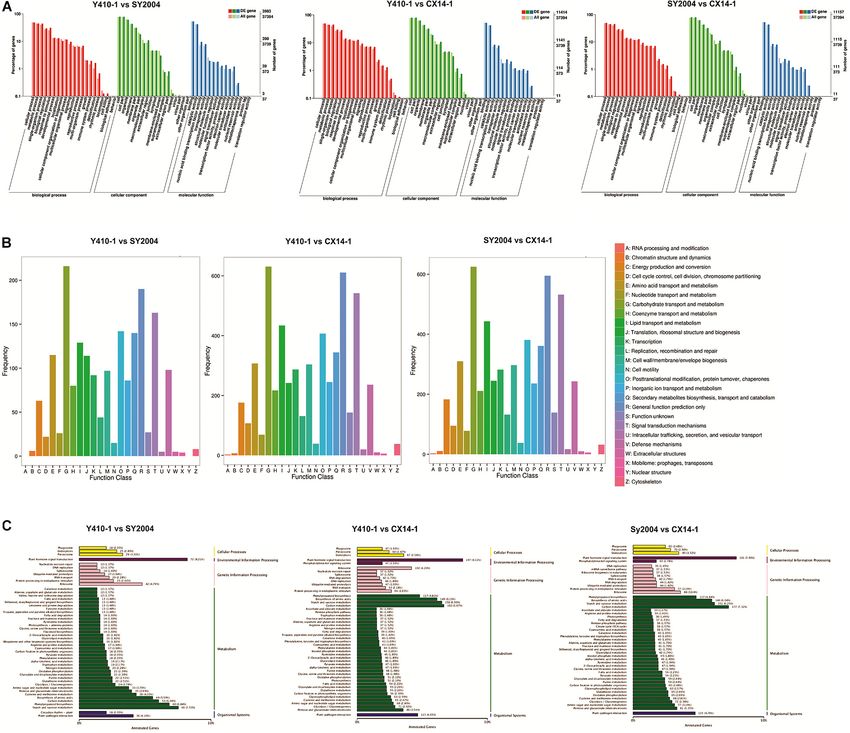
Wei et al.                                                                                                              Genetic Basis of Bolting

Encyclopedia of Genes and Genomes (KEGG)8 databases. After              comparative 2−11Ct method (Livak and Schmittgen, 2001) with
prediction of the amino acid sequences of the new genes,                BrActin as a reference gene.
HMMER (Eddy, 1998) was used for comparisons with the Pfam
database to obtain annotation information.
                                                                        RESULTS
Quantification of Gene Expression and
Identification of Differentially Expressed                              Transcriptome Sequencing of Early- and
Genes                                                                   Late-Bolting Chinese Cabbage Floral
Gene expression levels were estimated by fragments per kilobase         Buds
of transcript per million fragments mapped (FPKM). The FPKM             We performed transcriptome analyses of two late-bolting
value for each gene was quantified according to the length of the       heading Chinese cabbage (B. rapa L. ssp. pekinensis) DH
gene and read count mapped to this gene. Differentially expressed       lines (Y410-1 and SY2004) and one early-bolting flowering
genes (DEGs) between early-bolting and late-bolting Chinese             Chinese cabbage DH line (CX14-1) (B. rapa ssp. chinensis var.
cabbage lines were identified using the R package DEGseq (Wang          parachinensis) with three biological replications using Illumina
et al., 2010). The resulting p-values were adjusted using the           sequencing technology. The raw reads generated by RNA-seq
Benjamini and Hochberg method to control the false discovery            were deposited in the NCBI “Sequence Reads Archive” (SRA)
rate. Genes with an adjusted p-value < 0.01 found by DEseq were         under the accession number PRJNA605481. After removal of
identified as DEGs.                                                     low-quality sequences, adapters, and ambiguous reads, a total of
                                                                        721.49 million clean paired-end reads were obtained (Table 1).
Gene Ontology and Kyoto Encyclopedia                                    The clean reads for each sample totaled 8.81 Gb, and the Q30 base
of Genes and Genomes Pathway                                            percentage was 92.71% or greater (Table 1). The clean reads were
                                                                        aligned with the B. rapa (Chiifu-401) v. 3.0 reference genome
Enrichment Analysis                                                     (BRAD, see text foot note 1), and the efficiency of the alignment
Gene ontology enrichment analysis of the DEGs was
                                                                        ranged from 86.20 to 89.54%. Furthermore, variable splicing
implemented by the GOseq R packages based on the Wallenius
                                                                        prediction, a gene structure analysis, and new gene discovery
non-central hyper-geometric distribution (Young et al., 2010),
                                                                        were performed based on the comparison. The clean reads were
which can adjust for gene length bias in DEGs. KEGG (Kanehisa
                                                                        then assembled into 47,363 transcripts and 47,363 genes, of which
et al., 2008) is a database resource for understanding high-
                                                                        3,144 were predicted as novel genes (Supplementary Table 2).
level functions and utilities of the biological system from
molecular-level information, especially large-scale molecular
datasets generated by genome sequencing and other high-
                                                                        Identification of Differentially Expressed
throughput experimental technologies (see text foot note 8). We         Genes
used KOBAS (Mao et al., 2005) software to test the statistical          A total of 30,375 DEGs (Supplementary Tables 3–5) were
enrichment of differential expression genes in KEGG pathways.           identified in pairwise comparisons (Y410-1 vs. SY2004, Y410-
A GO enrichment analysis of DEGs was performed using the                1 vs. CX14-1, and SY2004 vs. CX14-1) (Figure 2A). The most
GOseq R package based on the Wallenius non-central hyper-               DEGs were found in Y410-1 vs. CX14-1 (12,932), with 7,913
geometric distribution (Young et al., 2010), which can adjust for       upregulated and 5,019 downregulated genes (Figure 2). The
gene length bias in DEGs.                                               fewest DEGs were found in Y410-1 vs. SY2004 (4732), with
                                                                        2,925 and 1,807 up- and downregulated genes, respectively
cDNA Synthesis and qPCR Validation                                      (Figure 2B). Overall, 1,445 DEGs were common to all
A total of 1 µg of RNA was used for cDNA synthesis                      comparisons. Volcano plots (Figure 3) and MA plots (Figure 4)
using SuperScript III following the manufacturer’s protocol             were generated to summarize significant DEGs. The upregulated
(Invitrogen, Gaithersburg, MD, United States). Then, the FPKM           and downregulated genes in comparisons between each pair
values for nine randomly selected genes were validated by               of early-bolting Chinese cabbage lines were determined by
reverse transcription quantitative real-time PCR (RT-qPCR)              hierarchical clustering based on FPKM values (Figure 5).
using the LightCycler 480II (Roche, Mannheim, Germany).
A total of 45 ng of cDNA was used as a template for RT-                 Functional Annotation and Classification
qPCR with gene-specific primers (Supplementary Table 1)                 The putative functions of assembled genes were annotated
using 2 × SyGreen Mix (qPCRBIO Lo-ROX) (PCR Biosystems,                 by searches against public databases, including GO, COG,
London, United Kingdom). Thermocycling conditions were                  KEGG Orthology (KOG), KEGG, eggNOG, PFAM, NR, and
95◦ C for 5 min, 45 cycles of 95◦ C for 10 s, 60◦ C for 10 s, and       SWISS-PROT. Among them, 47,214, 40,497, 35, 083, 32,944,
72◦ C for 15 s. At the end of the PCR cycles, the Ct values were        and 24,390 genes were annotated to the NR, eggNOG, PFAM,
analyzed using LightCycler 480II software (Roche). The efficiency       SWISS-PROT, and KOG databases, respectively (Table 2). In
of each gene-specific primer was determined using pooled cDNA           addition, 2,564 of 3,144 novel genes were functionally annotated
samples. The expression of each gene was normalized using the           (Supplementary Table 2). Furthermore, we performed GO,
                                                                        COG, and KEGG pathway analyses to illustrate the biological
8
    http://www.genome.jp/kegg/                                          functions of the Chinese cabbage floral bud transcriptomes.

Frontiers in Genetics | www.frontiersin.org                         4                                   March 2021 | Volume 12 | Article 590830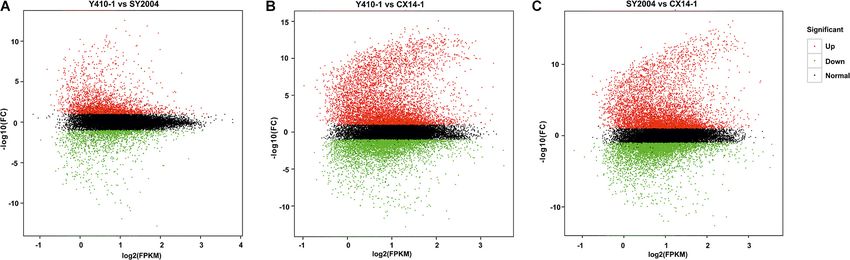
Wei et al.                                                                                                                                Genetic Basis of Bolting

TABLE 1 | Overview of the Chinese cabbage transcriptome sequencing and assembly.

Samples                                   Y410-1                                             SY2004                                   CX14-1

                           T1                  T2            T3               T4               T5           T6           T7             T8              T9

Clean reads            84,649,952      110,937,646       86,119,332       61,878,880       58,846,612   62,047,916   82,928,554     89,056,338      85,030,426
Clean bases               12.62               16.56         12.85            9.23             8.81         9.27         12.39         13.26            12.67
GC content (%)           47.56%           47.65%           47.75%           47.56%           47.47%       47.60%       47.39%        47.21%           47.25%
Q30 (%)                  94.57%           94.75%           94.41%           92.76%           92.81%       92.71%       95.22%        94.56%           94.75%
Mapped reads           73,679,588       97,117,048       75,349,891       54,591,125       52,692,240   55,186,834   72,209,297     76,873,854      73,294,494
                        (87.04%)         (87.54%)         (87.49%)         (88.22%)         (89.54%)     (88.94%)     (87.07%)       (86.32%)        (86.20%)
Uniquely mapped        72,019,424       94,886,164       73,661,268       53,399,380       51,512,996   53,981,346   70,403,562     74,887,781      71,481,831
reads                   (85.08%)         (85.53%)         (85.53%)         (86.30%)         (87.54%)     (87.00%)     (84.90%)       (84.09%)        (84.07%)
Multiple map reads     1,660,164        2,230,884        1,688,623        1,191,745         1,179,244    1,205,488    1,805,735     1,986,073       1,812,663
                        (1.96%)          (2.01%)          (1.96%)          (1.93%)           (2.00%)      (1.94%)      (2.18%)       (2.23%)         (2.13%)
Reads map to “+”       36,562,440       48,204,505       37,387,481       27,067,998       26,126,686   27,361,985   35,865,686     38,167,001      36,400,366
                        (43.19%)         (43.45%)         (43.41%)         (43.74%)         (44.40%)     (44.10%)     (43.25%)       (42.86%)        (42.81%)
Reads map to “-”       36,694,556       48,376,741       37,538,457       27,220,998       26,275,023   27,524,467   35,975,214     38,287,253      36,504,731
                        (43.35%)         (43.61%)         (43.59%)         (43.99%)         (44.65%)     (44.36%)     (43.38%)       (42.99%)        (42.93%)

Q30 is the percentage of bases within a Phred value > 30.

A GO term enrichment analysis was performed to identify                                   (Berardini et al., 2004) (Figure 6A). A total of 37,394 genes
terms in three general categories, biological process (BP),                               were assigned to 54 main functional groups. The cellular process
molecular function (MF), and cellular component (CC)                                      (GO:0009987), metabolic process (GO:0008152), and single-
                                                                                          organism process (GO:0044699) were the most important in the
                                                                                          BP category. Cell (GO:0005623), cell part (GO:0044464), and
                                                                                          organelle (GO:0043226) were highly enriched in CC. Binding
                                                                                          (GO:0005488) and catalytic activity (GO:0003824) were the most
                                                                                          important GO terms in MF (Supplementary Table 6–8 and
                                                                                          Figure 6A). These results indicated that early and late bolting
                                                                                          might be associated with DEGs in these functional subgroups.
                                                                                          According to a COG functional annotation analysis, 14,411
                                                                                          genes were classified into 25 COG categories (Figure 6B). The
                                                                                          predominant COG categories represented in the Chinese cabbage
                                                                                          floral bud transcriptomes were G (carbohydrate transport and
                                                                                          metabolism), R (general function prediction only), and T (signal
                                                                                          transduction mechanisms) (Figure 7B). Several genes in these
                                                                                          categories were differentially expressed, which might contribute
                                                                                          to flowering time differences between the early- and late-bolting
                                                                                          Chinese cabbage DH lines.

                                                                                          Kyoto Encyclopedia of Genes and
                                                                                          Genomes Pathway Enrichment Analysis
                                                                                          of the Differentially Expressed Genes
                                                                                          Different gene products interact with each other to exert
                                                                                          biological functions, and pathway annotation analyses are
                                                                                          therefore useful to predict the functions of gene. KEGG is
                                                                                          a resource for the systematic analysis of gene function and
                                                                                          genomic information databases, providing information about
                                                                                          genes and expression patterns from a whole network perspective
                                                                                          (Kanehisa et al., 2004). We therefore analyzed the metabolic
  FIGURE 2 | Differentially expressed genes (DEGs) between early- and                     pathways of the DEGs between early- and late-bolting Chinese
  late-bolting Chinese cabbage double haploid lines. (A) Venn diagram DEGs                cabbage lines using the KEGG database. Total 2,430 and 2,417
  identified through pairwise comparisons. (B) Number of up- and                          DEGs were assigned to 124, 128, and 127 pathways for Y410-
  downregulated genes in each comparison. Venn diagram was generated
                                                                                          1 vs. SY2004, Y410-1 vs. CX14-1, and SY2004 vs. CX14-1,
  using the freely available VENNY 2.1 online tool (http://bioinfogp.cnb.csic.es/
  tools/venny/).
                                                                                          respectively (Supplementary Table 9). Moreover, these pathways
                                                                                          involved 15,408 genes, which were different from the DEGs

Frontiers in Genetics | www.frontiersin.org                                           5                                   March 2021 | Volume 12 | Article 590830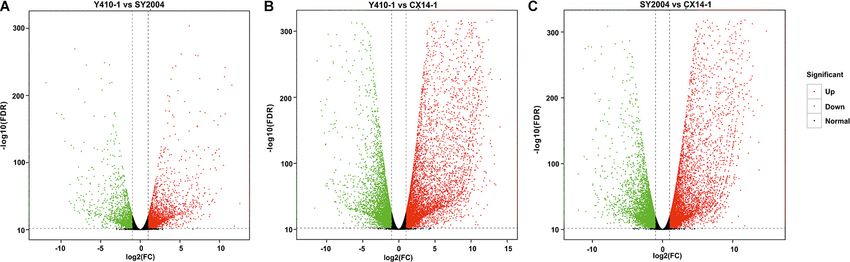
Wei et al.                                                                                                                                        Genetic Basis of Bolting

  FIGURE 3 | Volcano plots of differentially expressed genes (DEGs) for each comparison in flower bud of early- and late-bolting Chinese cabbage double haploid
  lines. The x and y axes indicate logarithm fold change [log2 (FC)] of the difference in the expression of a gene between two samples and the negative logarithm of the
  statistical significance [log2 (FDR)] of the change in gene expression, respectively. The red and green dots represent significantly up- and downregulated genes,
  respectively; while black dots represent non-differentiated genes. FC, fold change; FDR, false discovery rate.

  FIGURE 4 | MA plot of differential expression for two samples. Each point represents the differentially expressed genes (DEGs). The x axis indicates log2 (FPKM), and
  the y axis indicates log2 (FC). The red and green dots represent significantly up- and downregulated genes, respectively; while black dots represent non-differentiated
  genes. FPKM, fragments per kilobase of transcript per million fragments mapped; FC, fold change.

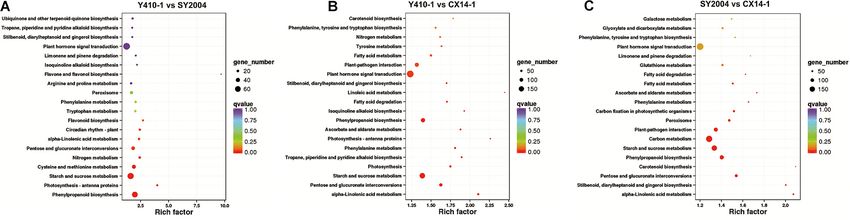
assigned to pathways, indicating that some genes contribute to                          sucrose metabolism (151 genes) (Ko00500), and phenylalanine
more than one KEGG pathway (Table 2 and Supplementary                                   biosynthesis (117 genes) (Ko00940) are highly enriched for
Table 9). For example, the novel gene predicted in this study                           SY2004 vs. CX14-1 (Figure 7 and Supplementary Table 8).
“Brassica_rapa_newGene_2848” is involved in homologous                                  Plant hormone and signal transduction as well as starch and
recombination, mismatch repair, nucleotide excision repair,                             sucrose metabolism were common to both comparisons. Among
and DNA replication. However, six pathways, including plant–                            genes related to plant hormone and signal transduction, 98 and
pathogen interaction, starch and sucrose metabolism, carbon                             99 genes were up- and downregulated in Y410-1 vs. CX14-1
metabolism, biosynthesis of amino acids, phenylpropanoid                                (Supplementary Table 10), and 89 and 102 genes were up- and
biosynthesis, and plant hormone signal transduction, contained                          downregulated in SY2004 vs. CX14-1 (Supplementary Table 10).
over 100 DEGs between early- and late-bolting lines (SY410-1 vs.
CX14-1 and SY2004 vs. CX14-1) (Figure 6C). Further, a KEGG
pathway enrichment analysis of DEGs between early-and late-
bolting lines revealed that plant hormone and signal transduction
                                                                                        Expression Patterns of Differentially
(197 genes) (Ko04075), starch and sucrose metabolism (158                               Expressed Genes Related to Plant
genes) (Ko00500), and phenylalanine biosynthesis (117 genes)                            Hormone and Signal Transduction
(Ko00940) are highly enriched for Y410-1 vs. CX14-1, while                              The expression levels of most of the DEGs related to ABA
carbon metabolism (177 genes) (Ko01200), plant hormone                                  receptors were downregulated, except PYL8 and PYL9, while
and signal transduction (191 genes) (Ko04075), starch and                               most of the DEGs encoding ABA-insensitive five-like protein

Frontiers in Genetics | www.frontiersin.org                                         6                                            March 2021 | Volume 12 | Article 590830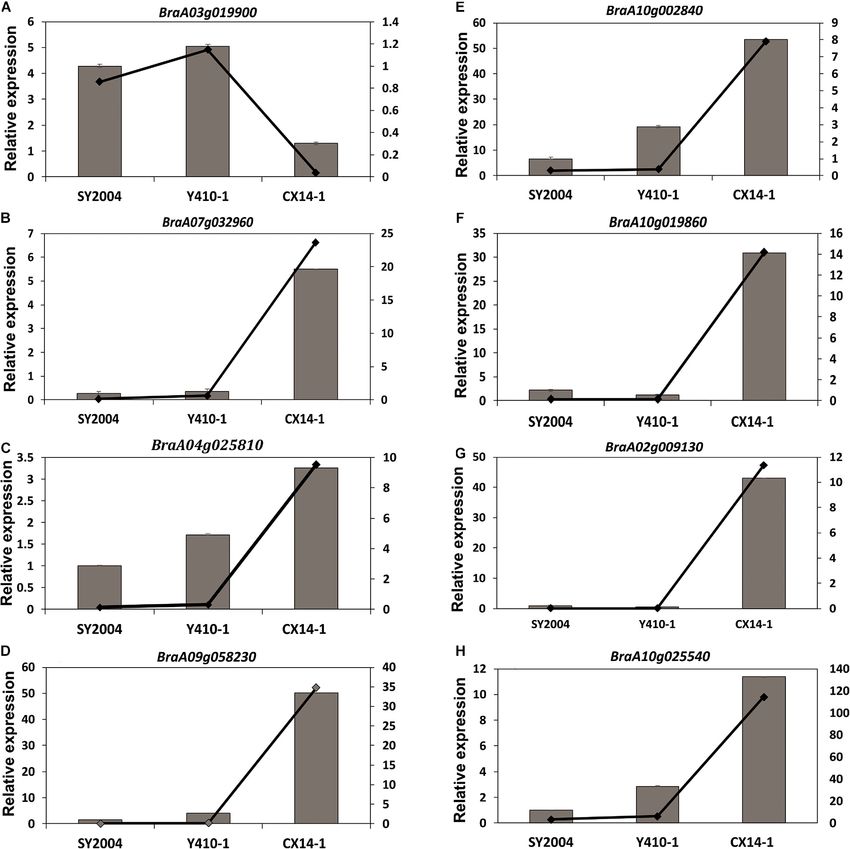
Wei et al.                                                                                                                                      Genetic Basis of Bolting

  FIGURE 5 | Heatmap representation of differentially expressed genes (DEGs) in the floral bud of early- and late-bolting Chinese cabbage double haploid lines. The
  expression patterns are based on the log2 of FPKM (fragments per kilobase of transcript per million fragments mapped for each gene) used for hierarchical clustering
  for each sample. The different columns represent different samples, with different rows representing different genes. Biological replicates: T1, T2, and T3 (Y410-1);
  T4, T5, and T6 (SY2004); and T7, T8, and T9 (CX14-1).

were upregulated in late-bolting Y410-1 compared with early-                              The expression levels of DEGs encoding gibberellin receptors
bolting flowering Chinese cabbage DH lines (Figure 8 and                               GID1A and GID1B were upregulated in both late-bolting (Y410-
Supplementary Table 9). Similarly, the expression levels of most                       1 and SY2004) heading Chinese cabbage compared with the
of the DEGs related to ABA receptors were downregulated, except                        early-bolting flowering Chinese cabbage DH line (Figure 8 and
for PYL8 and PYL9. In contrast, most of the DEGs related to                            Supplementary Table 10).
ABA-insensitive 5-like proteins were upregulated in late-bolting                          The expression levels of JA signaling genes, like jasmonate-
compared with early-bolting flowering Chinese cabbage DH lines                         amino synthetase (JAR1, a GH3 family of protein), were
(Figure 8 and Supplementary Table 10).                                                 downregulated in both late-bolting heading Chinese cabbage
                                                                                       DH lines (Y410-1 and SY2004) compared with the early-
                                                                                       bolting flowering Chinese cabbage DH line (Figure 8 and
TABLE 2 | Summary of functional annotation and classification of                       Supplementary Table 10). Moreover, the expression levels of
assembled genes.                                                                       DEGs encoding TIFY proteins were upregulated in the early-
                                                                                       bolting flowering Chinese cabbage DH line (CX14-1) compared
Database annotated         No. of genes          Length               Length
                                                                                       with both late-bolting heading Chinese cabbage lines (Figure 8
                                              (300 ≤ 1,000)          (≥1,000)
                                                                                       and Supplementary Table 10).
COG                            14,411             4,341                9,839              The expression levels of DEGs encoding brassinazole-
GO                             37,394             15,993              19,336           resistant 2 proteins (BraA09g056680, BraA06g014960, and
KEGG                           15,408             6,204                8,422           BraA08g028240) and brassinosteroid-insensitive 1-associated
KOG                            24,390             9,639               13,624           receptor kinase 1 (BraA08g016610) were upregulated, whereas
Pfam                           35,083             14,009              20,085           BRI1 kinase inhibitor 1 (BraA02g030240) was downregulated in
Swiss-Prot                     32,944             13,405              18,021           both late-bolting heading Chinese cabbage lines compared
eggnog                         40,497             17,383              20,916           with early-bolting flowering Chinese cabbage DH lines
NR                             47,214             21,202              22,487           (Figure 8 and Supplementary Table 9). Furthermore, two
All                            47,363             21,268              22,505           DEGs related to DELLA protein RGA1 (BraA06g040430) and
COG, Clusters of Orthologous Groups of proteins; GO, Gene Ontology; KEGG,              RGA2 (BraA09g023210) were upregulated in both late-bolting
Kyoto Encyclopedia of Genes and Genomes; KOG, KEGG Orthology.                          heading Chinese cabbage lines.

Frontiers in Genetics | www.frontiersin.org                                        7                                           March 2021 | Volume 12 | Article 590830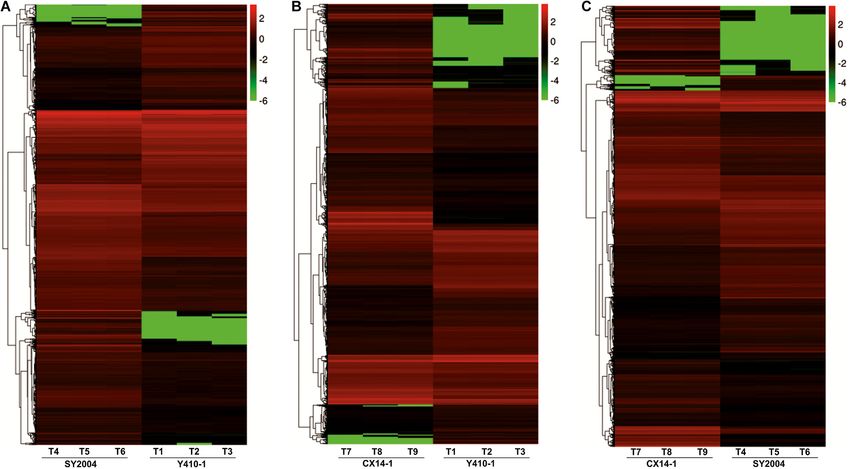
Wei et al.                                                                                                                                      Genetic Basis of Bolting

  FIGURE 6 | Functional classification of differentially expressed genes (DEGs) among early- and late-bolting Chinese cabbage double haploid lines. (A) Gene ontology
  (GO), (B) Clusters of Orthologous Groups of proteins (COG), and (C) Kyoto Encyclopedia of Genes and Genomes (KEGG) classification of DEGs.

  FIGURE 7 | Kyoto Encyclopedia of Genes and Genomes (KEGG) pathway enrichment scatter plot of differentially expressed genes. Rich factor is the ratio of the
  differentially expressed gene number to the total gene number in a certain pathway. The dot size and color indicate the number of genes and the range of the false
  discovery rate (FDR) value, respectively.

Frontiers in Genetics | www.frontiersin.org                                        8                                           March 2021 | Volume 12 | Article 590830
Wei et al.                                                                                                                                     Genetic Basis of Bolting

  FIGURE 8 | Heatmap representation of the expression pattern [fragments per kilobase of transcript per million fragments mapped (FPKM) values] of differentially
  expressed genes (DEGs) related to plant hormone and signal transduction. (A) Downregulated and (B) upregulated DEGs in both late-bolting heading Chinese
  cabbage double haploid (DH) lines.

   In case of ethylene signaling genes, DEGs encoding ethylene                         upregulated and 15 downregulated were common to both late-
response sensors, such as ethylene response sensor 2 and ethylene-                     bolting lines (Supplementary Table 10).
insensitive 3-like 3, were downregulated, while ethylene-responsive
transcription factor 2 (BraA06g041230, BraA02g033740, and
BraA09g022610), ethylene-responsive transcription factor 15
(BraA05g013460 and BraA04g022530), and ethylene receptors,
                                                                                       Expression Patterns of Differentially
such as ethylene-insensitive 3-like 1 (BraA03g025290), were                            Expressed Genes Related to Starch and
upregulated in both late-bolting heading Chinese cabbage DH                            Sucrose Metabolism
lines compared with the early-bolting flowering Chinese cabbage                        Among the DEGs related to starch and sucrose metabolism,
DH line (Figure 8 and Supplementary Table 10).                                         trehalose-phosphate phosphatase (A, B, G, and J), trehalase,
   The unigenes related to auxin signal transduction, including                        alpha-amylase,     beta-glucosidase,    beta-fructofuranosidase,
auxin-responsive proteins, auxin transporter-like proteins, auxin                      pectinesterase/pectinesterase   inhibitor,    sucrose-phosphate
responsive factor (ARF), and auxin-induced proteins, were                              synthase, UDP-glucuronic acid decarboxylase, inactive
differentially expressed between late-bolting heading Chinese                          beta-amylase, galacturonosyltransferase, UDP-glucuronate
cabbage and early-bolting flowering Chinese cabbage DH lines.                          4-epimerase, polygalacturonase, beta-D-xylosidase (2, 3, 5),
The expression levels of 34 of these DEGs were upregulated                             alpha-glucosidase, UTP-glucose-1-phosphate uridylyltransferase
in late-bolting heading Chinese cabbage Y410-1 compared with                           1, fructokinase (4, 5, 7), galacturonosyltransferase,
early-bolting flowering Chinese cabbage DH lines. Likewise,                            polygalacturonate             4-alpha-galacturonosyltransferase,
27 and 33 DEGs were down- and upregulated, respectively,                               1,4-alpha-glucan-branching enzyme, hexokinase, acid beta-
in another late-bolting DH line, SY2004 (Figure 8 and                                  fructofuranosidase, endoglucanase, alpha-trehalose-phosphate
Supplementary Table 10). However, among these DEGs, 27                                 synthase, and exopolygalacturonase were downregulated in

Frontiers in Genetics | www.frontiersin.org                                        9                                          March 2021 | Volume 12 | Article 590830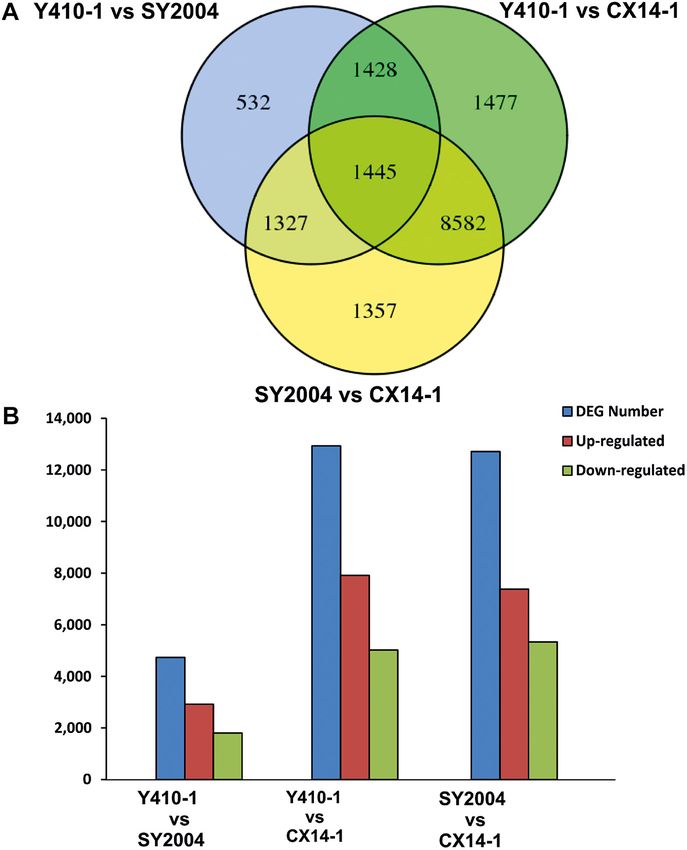
Wei et al.                                                                                                                                     Genetic Basis of Bolting

both late-bolting heading Chinese cabbage DH lines (Y410-                              UTP-glucose-1-phosphate uridylyltransferase 2, alpha-glucan
1 and SY2004) compared with the early-bolting flowering                                phosphorylase (1, 2), fructokinase-1, glucose-1-phosphate
Chinese cabbage (Figure 9). On the other hand, trehalose-                              adenylyltransferase large subunit, beta-D-xylosidase (1, 4),
phosphate phosphatase (I, H), glucan endo-1,3-beta-glucosidase,                        starch synthase 1, and cellulose synthase-like protein D5 were

  FIGURE 9 | Heatmap representation of the expression pattern [fragments per kilobase of transcript per million fragments mapped (FPKM) values] of differentially
  expressed genes (DEGs) related to starch and sucrose metabolism. (A) Downregulated and (B) upregulated DEGs in both late-bolting heading Chinese cabbage
  double haploid (DH) lines.

Frontiers in Genetics | www.frontiersin.org                                       10                                          March 2021 | Volume 12 | Article 590830
Wei et al.                                                                                                                                      Genetic Basis of Bolting

upregulated in both late-bolting heading Chinese cabbage                                unigenes were consistent with the FPKM expression pattern
lines (Figure 9).                                                                       obtained by RNA-seq (Figure 10).

Validation of RNA-seq Data by RT-qPCR
We further tested the reliability of FPKM expression patterns                           DISCUSSION
(determined by RNA-seq) by RT-qPCR. Eight DEGs were
randomly selected, and their relative expression levels were                            Late bolting is an important economic trait in spring-sown lines,
quantified using the same RNA samples extracted from early-                             and late-bolting varieties have been developed and characterized
and late-bolting Chinese cabbage lines for RNA sequencing. The                          for off-season production to meet the annual demand for Chinese
results confirmed that the expression patterns of the analyzed                          cabbage (Yang et al., 2007; Su et al., 2018). Nevertheless, little is

  FIGURE 10 | Relative expression of eight unigenes in the floral bud of early- and late-bolting Chinese cabbage double haploid lines. Error bar represents ± SE of the
  means of triplicates. The superimposed line graph represents the RNA-seq expression profiles [fragments per kilobase of transcript per million fragments mapped
  (FPKM)].

Frontiers in Genetics | www.frontiersin.org                                        11                                          March 2021 | Volume 12 | Article 590830
Wei et al.                                                                                                                  Genetic Basis of Bolting

known about the genes and pathways associated with flowering              results revealed that two DEGs encoding DELLA proteins RGA1
time in flowering Chinese cabbage (B. rapa ssp. chinensis var.            (BraA06g040430) and RGA2 (BraA09g023210) are upregulated
parachinensis) and late-bolting heading Chinese cabbage (B. rapa          in late-bolting heading Chinese cabbage “Y410-1” (Figure 8
var. pekinensis). RNA sequencing technology has been effectively          and Supplementary Table 10) and downregulated at the
utilized for transcriptome analyses in a wide range of texa (Wang         flowering stage compared with the vegetative stages in early-
et al., 2009; Lu et al., 2010). This high-throughput sequencing           bolting flowering Chinese cabbage. These results suggest that
technology can be used to determine global gene expression                the downregulation of negative regulators of the GA signaling
differences between populations or species with phenotypic                pathway might increase GA levels, and the lack of function of
differences and responses to environmental stress (Mortazavi              these genes may trigger early bolting. Similar results have been
et al., 2008; Wang et al., 2009; Miao and Luo, 2013). In                  reported by Huang et al. (2017), who reported that RGA1 and
the present study, we performed a comparative transcriptome               RGA2 are downregulated in flowering Chinese cabbage.
analysis of early-bolting Chinese cabbage DH lines by RNA-seq.                Several previous studies have indicated that the
We obtained 721.49 million clean paired-end reads assembled               phytohormone jasmonic acid (JA) also regulates flowering
into 47,363 unigenes, including 3,144 genes predicted as novel            time in Arabidopsis (Zhai et al., 2015). The F-box protein COI1
(Table 1 and Supplementary Table 2). We detected 12,932                   (coronatine insensitive 1) degrades JAZ (contains TIFY and
(Y410-1 vs. CX14-1) and 12,711 (SY2004 vs. CX14-1) DEGs                   Jas domains) repressors (Hoo and Howe, 2009). Transcript
between two sets of early- and late-bolting Chinese cabbage               levels of NaJAZd and NaJAZh are upregulated in the early floral
(Figure 2A and Supplementary Tables 4, 5).                                stages of NaJAZi-silenced plants due to the high JA content
   A functional analysis of assembled unigenes revealed that              in the flowers (Li et al., 2017). Our results also showed that
the predominant COG categories were carbohydrate transport                DEGs encoding TIFY proteins are more highly expressed in the
and metabolism, general function prediction only, and signal              early-bolting flowering Chinese cabbage DH line (CX14-1) than
transduction mechanisms (Figure 6B). Several unigenes in these            in both late-bolting heading Chinese cabbage lines (Figure 8 and
categories were differentially expressed and might explain the            Supplementary Table 10). These results suggest that the elevated
difference in flowering times in early-bolting Chinese cabbage            expression of these genes in early flowering Chinese cabbage
DH lines. Moreover, we identified 3,144 novel unigenes, of which          might be related to a high JA content.
2,564 were functionally annotated (Supplementary Table 2).                    Another steroidal phytohormone, brassinosteroid (BR),
   A KEGG pathway enrichment analysis of DEGs between                     promotes flower induction in plants (Matsoukas, 2014). The BR
early- and late-bolting DH lines indicated that plant hormone             signaling genes BZR1 (brassinazole-resistant1) and BES1 suppress
and signal transduction (Ko04075) and starch and sucrose                  the expression of important genes related to BR biosynthesis
metabolism (Ko00500) were the most enriched pathways in both              (CPD, constitutive photomorphogenesis, and dwarfism; DWF4,
comparisons (Supplementary Table 9). These results suggest that           and DWARF4) by binding to their promoter regions in
unigenes related to plant hormones, signal transduction, and              Arabidopsis (Wei et al., 2017). Moreover, BR-deficient/BR-
sucrose metabolism are involved in the regulation of flowering            insensitive mutants show delayed flowering time (Domagalska
time in these Chinese cabbage DH lines.                                   et al., 2007; Zhu et al., 2013). We also found that DEGs related
   The “no hydrotropic response” (nhr1) Arabidopsis mutants               to BZR1, BZR2, and BRI1 (brassinosteroid insensitive 1) were
show high levels of ABA, resulting in late flowering (Quiroz-             more highly expressed in both late-bolting heading Chinese
Figueroa et al., 2010), whereas ABA-deficient (aba2 and aba3)             cabbage DH lines than in early-bolting flowering Chinese
or ABA-insensitive (abai4) mutants show early flowering than              cabbage (Figure 8 and Supplementary Table 10). These results
wild types (Martínez-Zapater et al., 1994; Matsoukas, 2014).              suggest that the upregulation of BR signaling genes might affect
Moreover, Zhu et al. (2013) demonstrated that ABA-insensitive             BR biosynthesis and cause late bolting in late-bolting heading
5 (ABI5, encoding a bZIP transcription factor) delayed flowering          Chinese cabbage DH lines.
time in Arabidopsis under long-day conditions. Our results also               Starch and sucrose play important roles in flowering
indicated that the expression levels of most genes encoding               (Turnbull, 2011; Cho et al., 2018). Previous reports revealed that
ABI5-like proteins (ABA-insensitive 5-like protein 2, ABA-                trehalose-6-phosphate acts as a signal molecule for flowering
insensitive 5-like protein 4, ABA-insensitive 5-like protein 5,           initiation in different plant species, including Arabidopsis
ABA-insensitive 5-like protein 6, and ABA-insensitive 5-like              thaliana (Sheen, 2014), grape (Caspari et al., 1998), and citrus
protein 7) were higher in late-bolting Chinese cabbage DH lines           (Shalom et al., 2014). Besides, Micallef et al. (1995) found that
than in early-bolting flowering Chinese cabbage (Figure 8 and             an increased level of endogenous sucrose promotes flowering
Supplementary Table 10).                                                  in tomato. Wahl et al. (2013) reported that TREHALOSE-6-
   Previous studies of mutants related to GA biosynthesis                 PHOSPHATE SYNTHASE 1 (TPS1) is required for the regulation
or signal transduction have revealed that GA can alter the                of flowering time in A. thaliana. In the present study, alpha,alpha-
flowering time (Wilson et al., 1992; Peng and Harberd, 1993;              trehalose-phosphate synthase 5 (BraA03g047730) was upregulated
Sun and Kamiya, 1994; Jacobsen et al., 1996; Peng et al., 1997;           in both late-bolting heading Chinese cabbage lines compared
Andres et al., 2014). Moreover, the DELLA domain protein                  with early-bolting flowering Chinese cabbage lines (Figure 9).
RGA (repressor of ga1-3), GAI (GA insensitive), and RGA-                      Razi et al. (2008) demonstrated that BoFLC alleles segregate
like1 (RGL1 and RGL2) act as negative regulators of the GA                independently from flowering time alleles in Brassica oleracea.
signaling pathway (Yu et al., 2004; Silverstone et al., 2007). Our        However, Yuan et al. (2009) reported that variation in BrFLC1

Frontiers in Genetics | www.frontiersin.org                          12                                     March 2021 | Volume 12 | Article 590830
Wei et al.                                                                                                                                             Genetic Basis of Bolting

is linked to flowering time in B. rapa. Moreover, Xie et al.                               development of molecular markers for the detection of early- and
(2015) performed a QTL analysis and showed that Br2 is the                                 late-bolting cultivars.
key determinant of BrFLC2 and a candidate flowering time
locus in B. rapa. A transposon insertion in the coding sequence
of BrFT2 located on a QTL on chromosome A07 (region                                        DATA AVAILABILITY STATEMENT
Br5) causes late flowering (Zhang et al., 2015). Therefore, we
further analyzed the flowering time-related genes, especially FLC                          Data is available at NCBI SRA accession: PRJNA605481.
and FT, based on FPKM expression values. Unigenes, such
as FLK (BraA03g031700) and FLD (BraA03g034300), showed
higher expression levels in both late-bolting lines than in early-                         AUTHOR CONTRIBUTIONS
bolting lines, while FLT (BraA02g016700) showed the opposite
pattern (Supplementary Table 11). With regard to FT genes,                                 XZ and YY conceived and designed the experiments. YZ, SY,
the expression levels of three unigenes encoding proteins related                          and ZW performed the experiments. HS, LL, LN, and MH-U-R
to flowering time control, such as FCA (BraA01g020520), FY                                 prepared the figures and tables. XW and MR drafted the work or
(BraA02g004930), and FPA (BraA09g036880), were higher in                                   revised it critically for important content. All authors contributed
both late-bolting lines than in early-bolting lines (Supplementary                         to the article and approved the submitted version.
Table 11). Nonetheless, none of these unigenes were differentially
expressed between early- and late-bolting lines.
   In late-bolting Chinese cabbage, 98 and 89 unigenes related                             FUNDING
to plant hormone and signal transduction were upregulated
in Y410-1 vs. CX14-1 and SY2004 vs. CX14-1, respectively                                   This work was supported by the National Natural Science
(Figure 8 and Supplementary Table 9). Among these, 19 and 12                               Foundation of China (31801874), the Programs for Science and
unigenes showed log2 fold change values of > 5.0 in Y410-1 vs.                             Technology Development of Henan Province (212102110124
CX14-1 and SY2004 vs. CX14-1, respectively; while six unigenes,                            and 212102110126), the Modern Agro-Industry Technology
including BraA02g009130 (indole-3-acetic acid-induced protein                              Research System (CARS-23-G-16), and the Zhongyuan Scholar
ARG7), BraA09g058230 (Auxin-responsive protein SAUR41),                                    Program (202101510003).
BraA07g032960 (serine/threonine-protein kinase BSK11),
BraA10g019860 (auxin-induced protein 15A), BraA08g012630
(abscisic acid receptor PYR1), and BraA01g009450 (abscisic                                 SUPPLEMENTARY MATERIAL
acid receptor PYR1), were common in both late-bolting
heading Chinese cabbage lines (Y410-1 and SY2004). These                                   The Supplementary Material for this article can be found
unigenes are candidates for earl-bolting and late-bolting traits                           online at: https://www.frontiersin.org/articles/10.3389/fgene.
in these DH Chinese cabbage lines and could be useful for the                              2021.590830/full#supplementary-material

REFERENCES                                                                                 Chandler, J., and Dean, C. (1994). Factors influencing the vernalization response
                                                                                             and flowering time of late flowering mutants of Arabidopsis thaliana (L.) Heynh.
Amasino, R. M. (2005). Vernalization and flowering time. Curr. Opin. Biotech. 16,            J. Exp. Bot. 45, 1279–1288. doi: 10.1093/jxb/45.9.1279
   154–158. doi: 10.1016/J.COPBIO.2005.02.004                                              Cheng, F., Liu, S., Wu, J., Fang, L., Sun, S., Liu, B., et al. (2011). BRAD, the
Andersen, C. H., Jensen, C. S., and Petersen, K. (2004). Similar genetic switch              genetics and genomics database for Brassica plants. BMC Plant Biol. 11:136.
   systems might integrate the floral inductive pathways in dicots and monocots.             doi: 10.1186/1471-2229-11-136
   Trends Plant Sci. 9, 105–107. doi: 10.1016/J.TPLANTS.2004.01.002                        Cheng, F., Sun, R., Hou, X., Zheng, H., Zhang, F., Zhang, Y., et al. (2016).
Andres, F., Porri, A., Torti, S., Mateos, J., Romera-Branchat, M., García-                   Subgenome parallel selection is associated with morphotype diversification and
   Martínez, J. L., et al. (2014). SHORT VEGETATIVE PHASE reduces gibberellin                convergent crop domestication in Brassica rapa and Brassica oleracea. Nat.
   biosynthesis at the Arabidopsis shoot apex to regulate the floral transition              Genet. 48, 1218–1224. doi: 10.1038/ng.3634
   Fernando Andrés. Proc. Natl. Acad. Sci. U.S.A. 111, E2760–E2769. doi: 10.1073/          Cheng, F., Wu, J., and Wang, X. (2014). Genome triplication drove the
   pnas.1409567111                                                                           diversification of Brassica plants. Hort. Res. 1:14024. doi: 10.1038/hortres.
Berardini, T. Z., Mundodi, S., Reiser, L., Huala, E., Garcia-Hernandez, M.,                  2014.24
   Zhang, P., et al. (2004). Functional annotation of the Arabidopsis genome               Cho, L. H., Pasriga, R., Yoon, J., Jeon, J. S., and An, G. (2018). Roles of sugars in
   using controlled vocabularies. Plant Physiol. 135, 745–755. doi: 10.1104/pp.104.          controlling flowering time. J. Plant Biol. 61, 121–130. doi: 10.1007/s12374-018-
   040071                                                                                    0081-z
Bernier, G. (1988). The control of floral evocation and morphogenesis. Ann. Rev.           Choi, K., Kim, J., Hwang, H. J., Kim, S., Park, C., Kim, S. Y., et al. (2011). The
   Plant Physiol. Plant Mol. Biol. 39, 175–219. doi: 10.1146/annurev.pp.39.060188.           FRIGIDA complex activates transcription of FLC, a strong flowering repressor
   001135                                                                                    in Arabidopsis, by recruiting chromatin modification factors. Plant Cell 23,
Bong, Y. S., Shin, W. J., Gautam, M. K., Jeong, Y. J., Lee, A. R., Jang, C. S.,              289–303. doi: 10.1105/tpc.110.075911
   et al. (2012). Determining the geographical origin of Chinese cabbages using            Dahanayake, S. R., and Galwey, N. W. (1999). Effects of Interactions between low-
   multielement composition and strontium isotope ratio analyses. Food Chem.                 temperature treatments, gibberellin (GA3), and photoperiod on flowering and
   135, 2666–2674. doi: 10.1016/J.FOODCHEM.2012.07.045                                       stem height of spring rape (Brassica napus var. annua). Ann. Bot. 84, 321–327.
Caspari, H. W., Lang, A., and Alspach, P. (1998). Effects of girdling and leaf               doi: 10.1006/ANBO.1999.0920
   removal on fruit set and vegetative growth in grape. Am. J. Enol. Viti. 49,             Domagalska, M. A., Schomburg, F. M., Amasino, R. M., Vierstra, R. D., Nagy, F.,
   359–366.                                                                                  and Davis, S. J. (2007). Attenuation of brassinosteroid signaling enhances FLC

Frontiers in Genetics | www.frontiersin.org                                           13                                             March 2021 | Volume 12 | Article 590830
Wei et al. Genetic Basis of Bolting
expression and delays flowering. Development 134, 2841–2850. doi: 10.1242/ Martínez-Zapater, J., Coupland, G., Dean, C., and Koornneef, M. (1994).
dev.02866 Transition to flowering in Arabidopsis. Cold Spring Harb. Monogr. Arch. 27,
Duan, W., Song, X., Liu, T., Huang, Z., Ren, J., Hou, X., et al. (2015). Genome-wide 403–433.
analysis of the MADS-box gene family in Brassica rapa (Chinese cabbage). Mol. Matsoukas, I. G. (2014). Interplay between sugar and hormone signaling pathways
Genet. Genom. 290, 239–255. doi: 10.1007/s00438-014-0912-7 modulates floral signal transduction. Front. Genet. 5:218. doi: 10.3389/fgene.
Eddy, S. R. (1998). Profile hidden markov models. Bioinformatics 14, 755–763. 2014.00218
Fornara, F., de Montaigu, A., and Coupland, G. (2010). Snapshot: control of Miao, X., and Luo, Q. (2013). Genome-wide transcriptome analysis between
flowering in Arabidopsis. Cell 141, 550–550. doi: 10.1016/j.cell.2010.04.024 small-tail Han sheep and the Surabaya fur sheep using high-throughput RNA
Fu, W., Huang, S., Gao, Y., Zhang, M., Qu, G., Wang, N., et al. (2020). Role of sequencing. Reproduction 145, 587–596. doi: 10.1530/REP-12-0507
BrSDG8 on bolting in Chinese cabbage (Brassica rapa). Theor. Appl. Genet. 133, Micallef, B. J., Haskins, K. A., Vanderveer, P. J., Roh, K. S., Shewmaker, C. K.,
2937–2948. doi: 10.1007/s00122-020-03647-4 and Sharkey, T. D. (1995). Altered photosynthesis, flowering, and fruiting in
Gendall, A. R., Levy, Y. Y., Wilson, A., and Dean, C. (2001). The transgenic tomato plants that have an increased capacity for sucrose synthesis.
VERNALIZATION 2 gene mediates the epigenetic regulation of vernalization Planta 196, 327–334. doi: 10.1007/BF00201392
in Arabidopsis. Cell 107, 525–535. Michaels, S. D., and Amasino, R. M. (1999). FLOWERING LOCUS C encodes a
Greenup, A., Peacock, W. J., Dennis, E. S., and Trevaskis, B. (2009). Molecular novel MADS domain protein that acts as a repressor of flowering. Plant Cell 11,
biology of seasonal flowering-responses in Arabidopsis and cereals. Ann. Bot. 949–956.
103, 1165–1172. doi: 10.1093/aob/mcp063 Moon, J., Suh, S. S., Lee, H., Choi, K. R., Hong, C. B., Paek, N. C., et al. (2003).
Hoo, S. C., and Howe, G. A. (2009). A critical role for the TIFY motif in repression The SOC1 MADS-box gene integrates vernalization and gibberellin signals for
of jasmonate signaling by a stabilized splice variant of the JASMONATE ZIM- flowering in Arabidopsis. Plant J. 35, 613–623. doi: 10.1046/j.1365-313X.2003.
domain protein JAZ10 in Arabidopsis. Plant Cell 21, 131–145. doi: 10.1105/tpc. 01833.x
108.064097 Mortazavi, A., Williams, B. A., McCue, K., Schaeffer, L., and Wold, B. (2008).
Huang, S., Hou, L., Fu, W., Liu, Z., Li, C., Li, X., et al. (2020). An insertion mutation Mapping and quantifying mammalian transcriptomes by RNA-Seq. Nat.
in Bra032169 encoding a histone methyltransferase is responsible for early Methods 5, 621–628. doi: 10.1038/nmeth.1226
bolting in chinese cabbage (Brassica rapa L. ssp. pekinensis). Front. Plant Sci. Peng, J., Carol, P., Richards, D. E., King, K. E., Cowling, R. J., and Murphy, G. P.
11:547. doi: 10.3389/fpls.2020.00547 (1997). The Arabidopsis GAI gene defines a signaling pathway that negatively
Huang, X., Lei, Y., Guan, H., Hao, Y., Liu, H., Sun, G., et al. (2017). Transcriptomic regulates gibberellin responses. Genes Devel. 11, 3194–3205. doi: 10.1101/gad.
analysis of the regulation of stalk development in flowering Chinese cabbage 11.23.3194
(Brassica campestris) by RNA sequencing. Sci. Rep. 7:15517. doi: 10.1038/ Peng, J., and Harberd, N. P. (1993). Derivative alleles of the Arabidopsis gibberellin-
s41598-017-15699-6 insensitive (gai) mutation confer a wild type phenotype. Plant Cell 5, 351–360.
Jacobsen, S. E., Binkowski, K. A., and Olszewski, N. E. (1996). SPINDLY, a doi: 10.1105/tpc.5.3.351
tetratricopeptide repeat protein involved in gibberellin signal transduction in Quiroz-Figueroa, F., Rodríguez-Acosta, A., Salazar-Blas, A., Hernández-
Arabidopsis. Proc. Natl. Acad. Sci. U.S.A. 93, 9292–9296. doi: 10.1073/pnas.93. Domínguez, E., Campos, M. E., Kitahata, N., et al. (2010). Accumulation
17.9292 of high levels of ABA regulates the pleiotropic response of the nhr1 Arabidopsis
Johanson, U., West, J., Lister, C., Michaels, S., Amasino, R., and Dean, C. (2000). mutant. J. Plant Biol. 53, 32–44. doi: 10.1007/s12374-009-9083-1
Molecular analysis of FRIGIDA, a major determinant of natural variation in Razi, H., Howell, E. C., Newbury, H. J., and Kearsey, M. J. (2008). Does sequence
Arabidopsis flowering time. Science 290, 344–347. polymorphism of FLC paralogues underlie flowering time QTL in Brassica
Kanehisa, M., Araki, M., Goto, S., Hattori, M., Hirakawa, M., Itoh, M., et al. (2008). oleracea? Theor. Appl. Genet. 116, 179–192. doi: 10.1007/s00122-007-0657-3
KEGG for linking genomes to life and the environment. Nucleic Acids Res. 36, Rood, S. B., Mandel, R., and Pharis, R. P. (1989). Endogenous gibberellins and
D480–D484. doi: 10.1093/nar/gkm882 shoot growth and development in Brassica napus. Plant Physiol. 89, 269–273.
Kanehisa, M., Goto, S., Kawashima, S., Okuno, Y., and Hattori, M. (2004). The doi: 10.1104/PP.89.1.269
KEGG resource for deciphering the genome. Nucleic Acids Res. 32, 277–280. Samach, A., Onouchi, H., Gold, S. E., Ditta, G. S., Schwarz-Sommer, Z., Yanofsky,
doi: 10.1093/nar/gkh063 M. F., et al. (2000). Distinct roles of CONSTANS target genes in the
Kobayashi, Y., Kaya, H., Goto, K., Iwabuchi, M., and Araki, T. (1999). A pair of reproductive development of Arabidopsis. Science 288, 1613–1616.
related genes with antagonistic roles in mediating flowering signals. Science 286, Schiessl, S. V., Huettel, B., Kuehn, D., Reinhardt, R., and Snowdon, R. J. (2017).
1960–1962. doi: 10.1126/science.286.5446.1960 Flowering time gene variation in Brassica species shows evolutionary principles.
Langridge, J. (1957). Effect of day-length and gibberellic acid on the flowering of Front. Plant Sci. 8:1742. doi: 10.3389/fpls.2017.01742
Arabidopsis. Nature 180, 36–37. doi: 10.1038/180036a0 Shalom, L., Samuels, S., Zur, N., Shlizerman, L., Doron-Faigenboim, A., Blumwald,
Lee, M. K., Chun, J. H., Byeon, D. H., Chung, S. O., Park, S. U., Park, S., et al. E., et al. (2014). Fruit load induces changes in global gene expression and in
(2014). Variations in glucosinolates in 62 varieties of Chinese cabbage (Brassica abscisic acid (ABA) and indole acetic acid (IAA) homeostasis in citrus buds.
rapa L. ssp. pekinensis) and their antioxidant activity. LWT Food Sci. Technol. J. Exp. Bot. 65, 3029–3044. doi: 10.1093/jxb/eru148
58, 93–101. doi: 10.1016/J.LWT.2014.03.001 Sheen, J. (2014). Master regulators in plant glucose signaling networks. J. Plant Biol.
Li, R., Wang, M., Wang, Y., Schuman, M. C., Weinhold, A., Schäfer, M., 57, 67–79. doi: 10.1007/s12374-014-0902-7
et al. (2017). Flower-specific jasmonate signaling regulates constitutive floral Sheldon, C. C., Burn, J. E., Perez, P. P., Metzger, J., Edwards, J. A., Peacock,
defenses in wild tobacco. Proc. Natl. Acad. Sci. U.S.A. 114, E7205–E7214. doi: W. J., et al. (1999). The FLF MADS box gene: a repressor of flowering in
10.1073/pnas.1703463114 Arabidopsis regulated by vernalization and methylation. Plant Cell 11, 445–458.
Livak, K. J., and Schmittgen, T. D. (2001). Analysis of relative gene expression doi: 10.1105/tpc.11.3.445
data using real-time quantitative PCR and the 2-11CT method. Methods 25, Shu, J., Liu, Y., Zhang, L., Li, Z., Fang, Z., Yang, L., et al. (2018). QTL-seq for
402–408. doi: 10.1006/meth.2001.1262 rapid identification of candidate genes for flowering time in broccoli× cabbage.
Lu, T., Lu, G., Fan, D., Zhu, C., Li, W., Zhao, Q., et al. (2010). Functional annotation Theor. Appl. Genet. 131, 917–928. doi: 10.1007/s00122-017-3047-5
of the rice transcriptome at single-nucleotide resolution by RNA-seq. Genome Silverstone, A. L., Tseng, T. S., Swain, S. M., Dill, A., Sun, Y. J., Olszewski, N. E., et al.
Res. 20, 1238–1249. doi: 10.1101/gr.106120.110 (2007). Functional analysis of spindly in gibberellin signaling in Arabidopsis.
Manchali, S., Chidambara Murthy, K. N., and Patil, B. S. (2012). Crucial facts about Plant Physiol. 143, 987–1000. doi: 10.1104/pp.106.091025
the health benefits of popular cruciferous vegetables. J. Funct. Foods 4, 94–106. Simpson, G. G., and Dean, C. (2002). Arabidopsis, the rosetta stone of flowering
doi: 10.1016/J.JFF.2011.08.004 time? Science 296, 285–289. doi: 10.1126/science.296.5566.285
Mao, X., Cai, T., Olyarchuk, J. G., and Wei, L. (2005). Automated Song, X., Duan, W., Huang, Z., Liu, G., Wu, P., Liu, T., et al. (2015). Comprehensive
genome annotation and pathway identification using KEGG Orthology analysis of the flowering genes in Chinese cabbage and examination of
(KO) as a controlled vocabulary. Bioinformatics 21, 3787–3793. evolutionary patterns of CO-like genes in the plant kingdom. Sci. Rep. 5:14631.
doi: 10.1093/bioinformatics/bti430 doi: 10.1038/srep14631
Frontiers in Genetics | www.frontiersin.org 14 March 2021 | Volume 12 | Article 590830You can also read


