Environment Fast Forward 2021 Sustainability Report - Micron Technology ...
←
→
Page content transcription
If your browser does not render page correctly, please read the page content below

Environment Fast Forward 2021 Sustainability Report
Environment For the full report visit micron.com/sustainability
Our Manufacturing Process / Goals & Aspirations / Greenhouse Gas Emissions & Energy / Water / Hazardous Substances & Waste / Team Member Engagement
“
Innovation, collaboration and tenacity are necessary as we drive
improvements in our energy, emissions, water and waste performance
throughout our operations.
Transformative technology innovations — breakthroughs Assessing and reviewing our performance through and construction. This integration includes evaluating
Our products improve the
in autonomous driving, big data processing, artificial
intelligence and more — are possible only through significant
corporate and third-party audits
Adopting strategic corporate environmental sustainability
environmental sustainability improvements, such as
energy, water and waste efficiency; Leadership in Energy & world by giving billions
improvements in memory and storage solutions. Increasing
the capacity and performance of these components can
and safety targets, which are implemented throughout our
global manufacturing network
Environmental Design (LEED) criteria; and other opportunities
to improve our performance over time. of people the power
to access and store
unlock new possibilities for people and the planet.
We continue to strengthen our upfront integration of EHS
But these product improvements also require new
considerations into our process design, facility design
manufacturing equipment, materials and processing
technologies, which can intensify our operational footprint. information. We believe
these products should be
We are continually working to align our production with
objectives for both product and environmental performance
while also managing sometimes significant trade-offs.
This balance begins in the early stages of planning made sustainably. That’s
why we set aggressive
and process development, when we strive to identify
opportunities to reduce the effect of our operations on the
environment and in the communities where we’re located.
This analysis requires a blend of global strategy and local
adaptation, which we do through these activities:
goals for emissions
Assessing opportunities to align processes with our
strategic objectives in early-stage technology development
reduction, renewable
Engaging our robust network of site-based environmental, energy, water use and
health and safety (EHS) professionals throughout our
global operations waste reduction to achieve
Exploring and implementing opportunities to build
manufacturing, infrastructure and office space that over the next 10 years.”
conserves resources and ensures worker safety
Implementing and maintaining certified ISO 14001:2015
and ISO 45001:2018 EHS management systems at all Buddy Nicoson
manufacturing locations
Senior Vice President of
Enhancing critical practices in our manufacturing to Global Front-End Operations
align with industry trends, often exceeding local
legal requirements Micron - Taichung City, Taiwan
2 © Micron 2021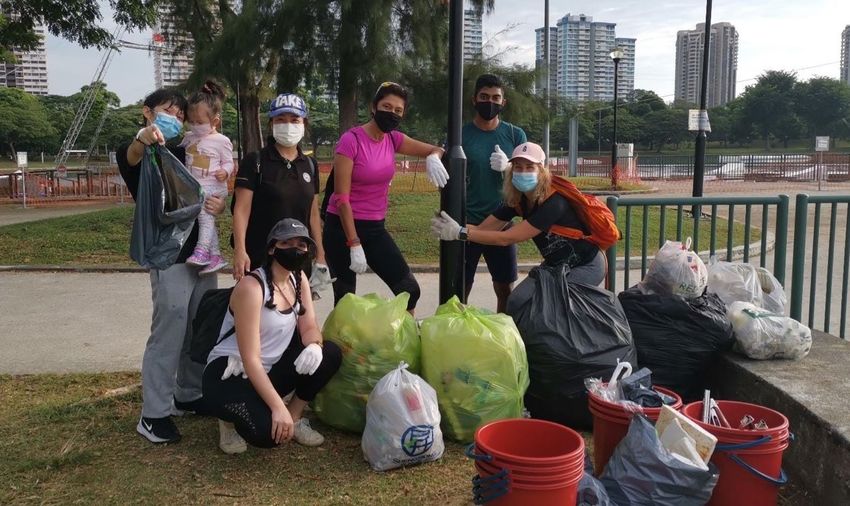
Environment                                                                                                                                                                                               For the full report visit micron.com/sustainability

Our Manufacturing Process / Goals & Aspirations / Greenhouse Gas Emissions & Energy / Water / Hazardous Substances & Waste / Team Member Engagement

Our Manufacturing Process
As one of the world’s largest                                   as 25% per year, and the cumulative effect over the decades
                                                                has been enormous. That said, innovation opportunities
                                                                                                                                 drive energy, material use and reaction efficiency and to
                                                                                                                                 develop additional abatement techniques for unreacted
semiconductor companies,                                        abound to enhance environmental sustainability in                gases and chemicals. We are also working with equipment
Micron understands that our                                     semiconductor manufacturing.                                     manufacturers to promote advanced technologies that can
                                                                                                                                 reduce total water use and enable us to reuse and recycle
manufacturing operations                                        To take advantage of these opportunities to innovate, we
                                                                are investing approximately US$1 billion over the next
                                                                                                                                 more water. In addition, we are finding ways to repurpose
affect the environment, so we                                   five to seven years to adopt and co-develop leading-edge
                                                                                                                                 our waste to contribute to a circular economy.

take a proactive approach to                                    technologies that further drive down our consumption of
                                                                resources and generation of byproducts. We are committed
                                                                                                                                 We will continue to dedicate significant resources in each of
                                                                                                                                 these areas, demonstrating our commitment to enhancing
environmental stewardship.                                      to identifying and enabling these opportunities in partnership   energy efficiency, reducing greenhouse gas (GHG) emissions
                                                                with governments, academia, utility providers and members        and improving waste and water recycling infrastructure at
We build memory chips (or die) at our front-end facilities,     of the broad manufacturing value chain. Micron is working        our global facilities.
known as fabs, in Singapore, Taiwan, Japan and the United
States. Using state-of-the-art processes, we add and
                                                                with our process and equipment solution providers to
                                                                                                                                                                                                 Our task is to innovate
subtract specialized materials to silicon wafers to create
our memory and storage solutions. This process takes                                                                                                                                             boldly, not only to improve
place at the nanoscale in a cleanroom environment. Each
wafer goes through numerous manufacturing steps, where
chemicals and materials are precisely applied to develop the
                                                                                                                                                                                                 our products but also to
functionality of each chip. Airborne particles, temperature
and humidity are tightly controlled to ensure quality as the
                                                                                                                                                                                                 accelerate sustainability.
wafer passes hundreds of times through up to 10 process
areas, each with a unique set of tools.
From the moment a new wafer enters the fab until all steps
are finished, the process can take months. Once complete,
a wafer is divided into its constituent die, which are then
assembled at our assembly and test facilities into numerous
customized formats that enable many technologies. These
processes require energy to run specialized equipment and
maintain the cleanroom environment, use water to ensure the
cleanliness and quality of the wafer, and involve potentially
hazardous chemicals.
Our application of Moore’s law has driven higher bit
density with each successive product generation while
requiring fewer resources and producing fewer emissions
per unit of production. No other industry is as efficient as
semiconductor manufacturing in this regard. For instance,           Micron - Taichung City, Taiwan
energy consumed per bit produced is improved by as much

3                                                                                                                                                                                                                                              © Micron 2021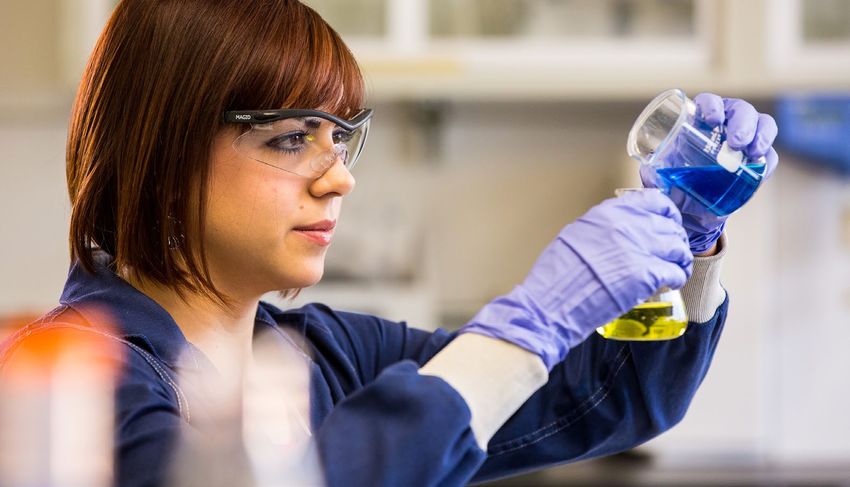
Environment For the full report visit micron.com/sustainability
Our Manufacturing Process / Goals & Aspirations / Greenhouse Gas Emissions & Energy / Water / Hazardous Substances & Waste / Team Member Engagement
Goals & Aspirations
Our Environmental Goals
The semiconductor industry
faces great challenges to
reducing its operational
2 degrees Celsius and with the United Nations Sustainable
Development Goal 13 on Climate Action.
To be accountable for our performance, Micron has set
ambitious sustainability goals for the short and long terms.
efficiency in our fabs. We are designing for sustainability,
following LEED criteria in the construction of new facilities.
Over the next five years, operational sustainability will be
integrated into every technology development process,
and goals and solutions will be developed to drive us to
75%
reduction in greenhouse
footprint. But these are These aspirations will dramatically improve the environmental
impact of our global operations while staying true to our vision
benchmark performance. gas emissions per unit
challenges that Micron of enriching the world for all through technology innovation. A global, cross-functional team was convened to develop of production in CY30
engineers and innovators are As a first step, we have set time-bound emissions, energy, our sustainability aspirations and has allowed us to share from CY18 baseline
water and waste targets for calendar years (CY) 2025 and insights across geographies so that we can make progress
uniquely positioned to solve. 2030. And, as we mentioned above, Micron plans to spend in several areas at once. In addition, we have formed
approximately $1 billion over the next five to seven years on specialized teams focused on heat transfer fluids, fluorinated
Understanding how our operations affect the environment our environmental programs to support these goals. gases, energy efficiency and renewables, water and waste,
100%
and wanting to be responsible stewards, we aspire to align and other areas to support our goals. renewable energy
A variety of innovative approaches will help us meet these
our emissions with the target established by the Paris
goals. For example, we are using artificial intelligence, in the United
Agreement to limit planetary warming to well below
machine learning and the internet of things (IoT) to increase States in CY25
Pillar Goal Aspiration Actions CY20 Performance
Emissions 75% reduction in GHG emissions
per unit of production in
CY30 from CY18 baseline
40% reduction in absolute
GHGs from CY18
Reducing direct emissions through efficient abatement of process GHGs and
a transition to low global-warming-potential heat transfer fluid
Reducing indirect emissions through design of energy-efficient facilities, smart-
controlled systems, and a transition to renewable electricity where available
36% reduction in GHG
emissions per unit of
production vs. CY18
75%
water conservation
in CY30
Energy 100% renewable energy in the 100% renewable Finalizing contracts for new U.S. renewable energy development and engaging Initiated negotiations
United States in CY25 energy globally with governments to increase the availability of renewable energy to support for new renewable
95%
where available our global manufacturing energy development and
procurement in the U.S.
Water 75% water conservation through 100% water conservation Targeting conservation through enhancing our water reuse and recycle 50% water conservation
reuse, recycling and restoration through reuse, recycling infrastructure, as well as engaging in water restoration projects through reuse, recycling reuse, recycling and
in CY30 and restoration and restoration
recovery, and zero hazardous
Waste 95% reuse, recycling and Zero waste to landfill Focusing on reuse, recycling and recovery through enhanced waste recovery 84% reuse, recycle waste to landfill in CY30*
recovery, and zero hazardous through reduction, reuse, systems, improved waste stream segregation, and engagement of alternate and recovery
waste to landfill in CY30* recycling and recovery waste disposal vendors (including energy recovery)
*Subject to vendor availability
*Subject to vendor availability
Note: Micron's environmental performance is measured by calendar year. Environmental goals are targeted for the end of the referenced calendar year.
4 © Micron 2021
Environment For the full report visit micron.com/sustainability
Our Manufacturing Process / Goals & Aspirations / Greenhouse Gas Emissions & Energy / Water / Hazardous Substances & Waste / Team Member Engagement
Greenhouse Gas Emissions & Energy
Progress Toward Greenhouse
Gas Emissions & Energy Goals
While Micron’s low-power
36%
The semiconductor industry is also working to reduce the grid and increasing federal funding for clean energy
emissions of fluorinated GHGs (F-GHG), a potent source technology research, development and demonstration.
reduction in
devices support sustainability of emissions that result from manufacturing processes.
Achieving our GHG and energy goals requires incorporating
GHG emissions
and climate change initiatives Despite years of research into alternatives for F-GHGs,
few suitable substitutes exist for broad use. Micron is
sustainability into our buildings from the ground up. We from CY18
in customer operations and continuously evaluating possibilities that are more efficient
consider sustainable building attributes — such as LEED
criteria, the world’s top rating system for green buildings —
products, our manufacturing or have lower potential for global warming. When no other
options are available, we also reduce F-GHGs through
as part of new building design. Many of our newest buildings Energy Consumption
process remains an energy- point-of-use abatement at the tool level, where more than
have achieved LEED Gold status, and we design and build
all new construction to meet or exceed that standard. To
and emissions-intensive one. 90% of gases are destroyed. 2018 5.61 2.14 7.95
.195
improve the energy and emissions associated with existing
In terms of energy savings, we have saved a cumulative buildings, we are creating roadmaps to reductions over the
Micron is tackling the challenge of energy and emissions 7% compared to our 2016 baseline through projects coming years. Because both new fab construction projects
2019 6.10 2.27 8.56
.194
reduction head-on, with aspirations established early in implemented in 2020. We are also taking the first steps and upgrades take years to design and implement, our plans
2020 to reduce our absolute GHG emissions by 40% and toward our renewable energy goal. In 2020, we began take a long-term view.
achieve 100% renewable energy where available worldwide. negotiations to develop and procure new renewable
In the near term, we are implementing AI tools, smart control
We are updating these aspirations with two new time-bound energy in the United States. In addition, we are installing 2020 6.83 2.37 9.40
.20
systems and predictive maintenance to improve production
corporate targets: solar panels at facilities in Malaysia and Singapore and
efficiency and automation. We have integrated 470,000
will explore further opportunities for on-site solar as local Purchased Electricity Purchased Steam and Cooling Fuel
Reduce GHG emissions 75% per unit of production facility sensors into IoT platforms and control centers. And
regulations allow.
in 2030 (compared to a 2018 baseline) we use a real-time performance monitoring platform with Energy consumption in millions of megawatt hours (M MWh)
Micron is a member of the Renewable Energy Buyers Alliance video analytics, high-speed cameras, graphic units and deep Detailed energy consumption & savings figures can be found in Performance at a Glance
Achieve 100% renewable energy in the U.S. by the
(REBA), a membership association for large-scale energy learning to conduct automated root-cause and corrective-
end of 2025
buyers, developers, service providers and nongovernmental action analyses. This platform, which enables us to quickly
We also maintain our multiyear goal to achieve at least organizations. In early 2021, we joined our REBA partners in resolve equipment downtime and process deviations, has led
Total Greenhouse Gas Emissions Trend
10% energy savings (measured in kilowatt-hours saved releasing a policy statement calling on the U.S. government to an 18% improvement in labor productivity, 50% reduction
compared to 2016 baseline energy use) by 2022. To to enact national policy solutions that will accelerate the in product downgrade, 22% improvement in time to new
achieve these goals, we are focusing first on areas where transition to a zero-carbon power system by decarbonizing product ramp and significant savings in energy consumption.
our potential is greatest, including our energy use and 0%
process gas emissions.
-26% Micron deploys best environmental
Our approach to GHG management begins with collecting, -36% management practices and efficiency
analyzing and reporting data specific to these emissions. improvements that significantly
We report on GHG emissions through CDP, the primary reduce GHG emissions per unit of
international organization standardizing environmental production. Production increases
6.12 6.70 7.14
data reporting on GHG emissions and other environmental result in GHG emissions growth.
criteria for companies, cities, states and regions. In 2020, 2018 2019 2020
we received a score of B on CDP’s climate list and a B on
Scope 1 & 2 GHG Emissions (Operations & Purchased Energy)
its water security list, both improvements from prior
Indexed Reduction per Unit of Production (% vs. CY18 baseline)
years’ scores. Micron - Singapore
Emissions for calendar year in million metric ton CO2 equivalents
Note: Micron's environmental performance is measured by calendar year. Environmental goals are targeted for the end of the referenced calendar year.
5 © Micron 2021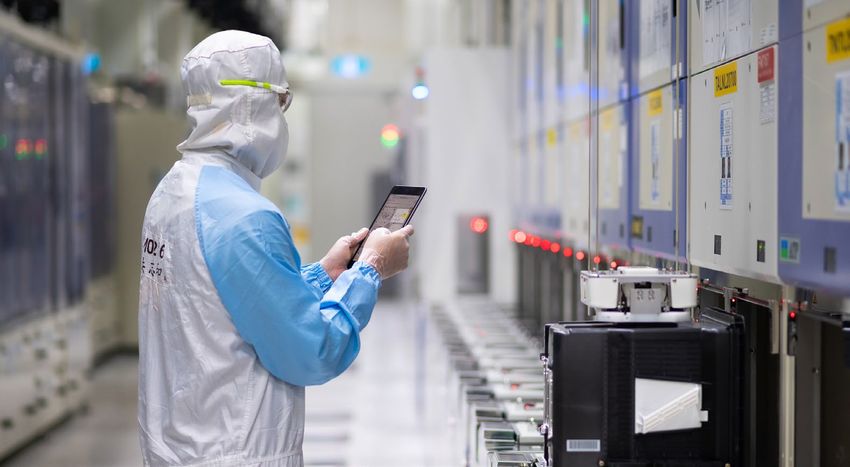
Environment For the full report visit micron.com/sustainability
Our Manufacturing Process / Goals & Aspirations / Greenhouse Gas Emissions & Energy / Water / Hazardous Substances & Waste / Team Member Engagement
Water
Progress Toward Water Stewardship Goal
Water is an essential
resource in the manufacture
of semiconductors.
have gathered to determine the best approach to water
management at each site.
A water risk assessment using the World Resources
Institute’s Aqueduct tool has helped us better understand
While our approach to water stewardship reflects a local,
adaptive approach, our commitment to ensuring that
industrial wastewater discharges meet all environmental
legal requirements is global. Each Micron site has invested
54
million m3
Water Reused,
Recycled & Restored
in significant water treatment infrastructure so that any
local water conditions. Recent updates to Aqueduct note
wastewater leaving the site meets or exceeds applicable
Each wafer used to make our products goes through a that only 1% of Micron’s total water withdrawals come from
water quality standards. Wastewater treatment methods 100%
Water Reuse, Recycle
series of cleaning steps, which depend on ultrapure water areas of high water stress — specifically our facility in Xi’an,
may vary by site but include membrane filtration, ion-resin Aspiration & Restoration Rate
to ensure manufacturing process quality. As semiconductor China. Still, many of our locations face potential water stress,
adsorption, precipitation, bio-oxidation and neutralization.
technologies have become more complex, demand for water and we recognize the importance of being a good partner
We routinely sample wastewater discharges for compliance
has grown. Therefore, reducing the amount of water we in managing local water resources. Our fabs in Taiwan,
with environmental standards. In CY20, we discharged
use and properly treating the water we do use are among for example, have been designed to enable the highest
42.4 million cubic meters of treated wastewater, with
Micron’s top environmental priorities. water recycling rates in the Micron network. A wastewater
85% of that discharge sent to publicly operated treatment
reclamation system installed at our wafer fab in Taoyuan
Micron proactively manages water consumption by works. The sites also have staff responsible for the ongoing
in 2019 reduces our annual municipal water consumption
identifying opportunities to increase water efficiency and
by over 450,000 cubic meters. As the location weathers a
operation and routine maintenance of wastewater systems to 75% 50% Water Reused,
reduce raw water demand, supporting the U.N. Sustainable safeguard proper performance over time. 2030 Target Recycled & Restored
historic drought, we are working closely with local authorities
Development Goal 6, which focuses on clean water and
and carefully managing our water use.
sanitation. Our manufacturing sites generate ultrapure water
from a combination of recycled water from our operations
and local, untreated water resources. Wastewater from our
operations that is not recycled or otherwise reused on-site is
Water Use & Recycle
treated to comply with local standards and then discharged.
We are working toward an aspirational goal of reusing, 109
50% 99
recycling or restoring 100% of the water used in our 2020 96
operations, with an interim goal of 75% by the end of 2030. 54
Actions such as enhancing reuse and recycling infrastructure 48 49
and managing water efficiency, especially at existing
facilities, will drive us toward this goal. Increasingly, we are
incorporating water saving measures during the design stage
of new buildings and industrial processes.
Sustainable management of our water footprint begins
with understanding where we obtain water. Globally, the
primary source for water at manufacturing locations is the 48 50 55
municipal supply, underscoring the importance of partnering
with local water authorities. We consider these relationships 2018 2019 2020
within their local context, seeking to understand the
Withdrawal
implications of different geographies, climates, watersheds Micron - Manassas, Virginia, U.S. Reuse, Recycle & Restoration
and infrastructure. We then use the information we
All data is calendar year Water volume in millions of cubic meters (m3)
Note: Micron's environmental performance is measured by calendar year. Environmental goals are targeted for the end of the referenced calendar year.
6 © Micron 2021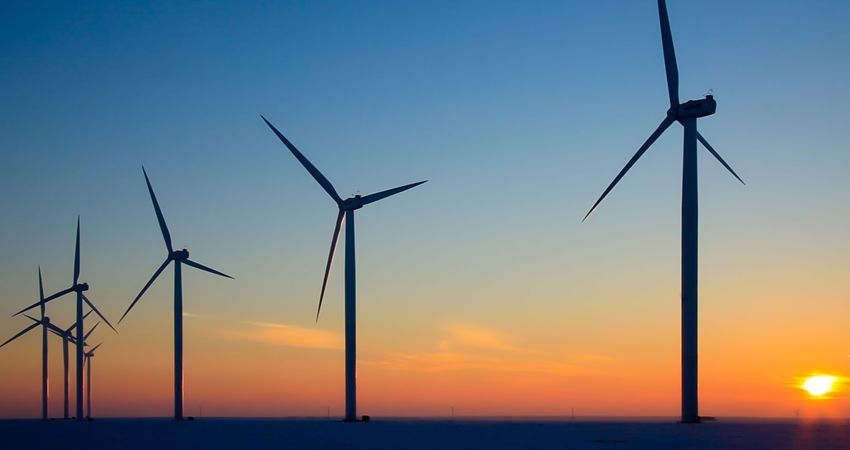
Environment                                                                                                                                                                    For the full report visit micron.com/sustainability

Our Manufacturing Process / Goals & Aspirations / Greenhouse Gas Emissions & Energy / Water / Hazardous Substances & Waste / Team Member Engagement

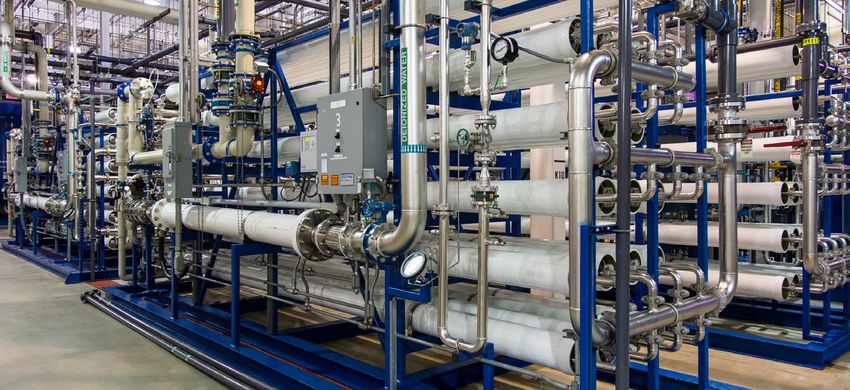
                                                                                                                                                      Solving Shared
                                                                                                                                                      Water Challenges
                                                                                                                                                      Close to Home
                                                                                                                                                      One way Micron will achieve its water conservation goal is
                                                                                                                                                      by getting involved in local water restoration projects in the
                                                                                                                                                      communities where we operate. Boise State University’s
                                                                                                                                                      Intermountain Bird Observatory and Diane Moore Nature Center
                                                                                                                                                      is just across the Boise River from the pumphouse for Micron’s
                                                                                                                                                      headquarters and primary technology development fab, providing
                                                                                                                                                      a direct line of sight from one of Micron’s water sources to our
                                                                                                                                                      clean water goal.
                                                                                                                                                      By “adopting” this stretch of the river, Micron will support the
                                                                                                                                                      restoration of a side channel that runs parallel to the river and
                                                                                                                                                      improve the quality of 10.9 million cubic meters of water a year.
                                                                                                                                                      If the main stem of a river is the highway, a side channel is the
                                                                                                                                                      service road where the traffic flows at a slower pace. In the case
                                                                                                                                                      of the Boise River, it is also where fish and wildlife can access
                                                                                                                                                      food, shelter and rest. The side channel provides cleaner, cold
                                                                                                                                                      water to target the higher dissolved oxygen needs of trout spawn
                                                                                                                                                      and juveniles.
                                                                                                                                                      Micron is providing funding for the design and construction of the
                                                                                                                                                      project, which will reopen the side channel that has been filled in
                                                                                                                                                      over the years. This effort will offer an annual restoration benefit
                                                                                                                                                      equal to 21% of Micron’s 2020 global water withdrawals. Our
                                                                                                                                                      support will also allow Boise State University, a longtime partner,
                                                                                                                                                      to incorporate walking paths, signage and wildlife viewing areas
                                                                                                                                                      along the river. These amenities will engage visitors and bolster
                                                                                                                                                      community STEM education programs.

    Boise, Idaho, U.S.

7                                                                                                                                                                                                                   © Micron 2021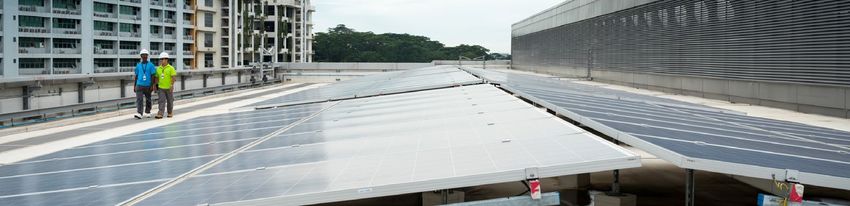
Environment For the full report visit micron.com/sustainability
Our Manufacturing Process / Goals & Aspirations / Greenhouse Gas Emissions & Energy / Water / Hazardous Substances & Waste / Team Member Engagement
Hazardous Substances & Waste
Progress Toward Waste Goal
The manufacturing
processes that transform
management also has critical intersections with workforce
safety and with our products.
Beyond chemical screening, we perform due diligence
waste production by identifying new segregation methods,
collaborating with waste vendors on solutions, optimizing
recipes to reduce chemical waste, and working with
84%
a wafer into hundreds of on all new waste vendors to make sure their practices
business partners on reuse and recycling technology. For
example, facilities in many countries now divert treatment Waste Reused,
individual die use chemicals meet applicable legal requirements and safeguard the
Recycled & Recovered
plant byproducts for use as alternative raw materials in
surrounding environment. If a waste facility passes this
and materials such as evaluation, Micron updates the assessment periodically to
other industries. We are also exploring technologies for
treating and reusing it in other Micron applications.
acids, bases and solvents support the consistent and effective management of waste
materials over time.
Includes energy recovery
for depositing, patterning, Given our dynamic industry, we keep abreast of any new 100%
selectively removing and risks or opportunities related to hazardous substances. Aspiration
cleaning. These processes We are committed to reducing chemical consumption and
95%
also create a variety of 2030 Target
waste materials. 84%
2020
Micron maintains an active program to continually reduce
hazardous chemicals in the manufacturing process and
evaluate what we can do to mitigate any environmental
impacts stemming from our use of those chemicals.
We also seek to reduce waste going into landfills and identify
new recycling opportunities for any waste we produce — Total Waste
ultimately to meet our 2030 target of 95% waste reuse,
recycling and recovery on the way to our aspirational goal to
2018 64 163
64
send zero waste to landfill. 99
This commitment starts with a rigorous chemical review
process that ensures only approved chemicals reach
our facilities. This review prevents banned or restricted
2019 115 68 183
68
chemicals from reaching our operations and facilitates
the proper handling, recycling and disposal of chemicals
throughout their lifecycle. It also allows us to track and
understand our chemical-use profile so that we can
2020 132 71 203
71
implement chemical reduction and elimination initiatives.
Over the past year, we have increased our focus on chemical
reduction through process improvements, encouraging Hazardous Waste
Micron - Manassas, Virginia, U.S. Nonhazardous Waste
teams to design waste out of their processes. Chemicals
All data is calendar year Total waste in millions of kilograms (M kg)
Note: Micron's environmental performance is measured by calendar year. Environmental goals are targeted for the end of the referenced calendar year.
8 © Micron 2021Environment For the full report visit micron.com/sustainability
Our Manufacturing Process / Goals & Aspirations / Greenhouse Gas Emissions & Energy / Water / Hazardous Substances & Waste / Team Member Engagement
“
Team Member Engagement
Micron’s team members Taiwanese team member Solo Wu recruited colleagues
to help him monitor and protect the Nankan River from
repurposing food scraps, electronics, furniture and more.
In Lehi, Utah, food waste collected from an on-site cafeteria
care deeply about their
environment, especially as it
pollution. Once a month, volunteers patrol and clean up
trash along a roughly 6-mile stretch of the river. “Biodiversity
has been used by a recycling partner to produce natural gas
fuel, diverting 5.7 tons from the landfill in the first six months We are fortunate to be
in Nankan River has been growing over the years,” said Wu, of operation. The Boise, Idaho, team also established a new
relates to the health and well- an environmental engineer for Micron’s EHS department program to reduce food waste by integrating compostable located near a company
being of their communities. in Taoyuan. “We have observed multiple distinctive and cafeteria scraps into an on-site composting system. The
Whenever possible, they put
benchmark species. It indicates that patrol efforts are
effective and water quality is improving.”
program recorded an average of 583 pounds a month of
waste diverted from the local landfill.
that operates an anaerobic
their commitment into action. At several sites, team members organized donation
and recycling drives to keep materials out of landfills,
digester that converts
In 2020, Micron invited all team members to rally around our
new environmental goals by crowdsourcing a slogan that will food waste to biofuel.
support engagement and awareness for our environmental
programs. Using an online collaborative innovation tool, Our ‘Scrape the Plate’
the initiative garnered immense support: More than 730
submissions were posted and more than 8,700 team
members across all Micron geographies participated.
campaign allows all team
Based on this input and executive review, the slogan Our
Memory. Our Planet. was born from a concept submitted by
members and contractors
a Micron team in Arzano, Italy. Our Memory highlights our
core business offering. Our Planet connects our business to to participate in Micron’s
sustainability efforts. This
sustainable environmental practices.
We’re also involving team members in other sustainability
work inside and outside Micron. We organized a virtual
Earth Day celebration in spring 2020 and launched our first is an example of how small
global environmental roundtable connecting grassroots
environmental teams across 21 manufacturing and
nonmanufacturing Micron locations. Roundtable members
and simple things can lead
represent committees of local volunteers who raise
awareness and engage peers on sustainability issues.
to great results.”
Despite the challenges of COVID-19, volunteers came
together where it was safe to do so to care for their local
environments. Teams in Singapore, Taiwan and Japan Mike Smith
organized cleanups of nearby waterways. In Singapore Principal Environmental Engineer
alone, nearly 850 team members gathered for 36 public
space cleanup sessions, volunteering 4,185 hours and Micron - Singapore
recovering 5,732 pounds of waste from the coastline.
9 © Micron 2021Published in April 2021, this report covers the sustainability performance of Micron Technology, Inc., in fiscal year 2020 (Aug. 30, 2019, through Sept. 3, 2020), unless otherwise stated, and includes all of Micron’s controlled entities. This 2021 Sustainability Report has been prepared in accordance with Global Reporting Initiative (GRI) Standards: Core option. GRI is the most widely accepted global standard for sustainability reporting and allows companies to measure, evaluate and communicate corporate sustainability information in a consistent and comparable manner. We are also reporting to the Sustainability Accounting Standards Board (SASB) Semiconductors Standard and provide an index aligned with the Task Force on Climate-Related Financial Disclosures (TCFD) framework. Accompanying this report is our 2021 Sustainability Progress Summary, which contains selected highlights from the past year and stories of how Micron and our team members have taken action to meet urgent global challenges, such as COVID-19, inequality and climate change. About Micron Technology, Inc. We are an industry leader in innovative memory and storage solutions transforming how the world uses information to enrich life for all. With a relentless focus on our customers, technology leadership, and manufacturing and operational excellence, Micron delivers a rich portfolio of high-performance DRAM, NAND and NOR memory and storage products through our Micron® and Crucial® brands. Every day, the innovations that our people create fuel the data economy, enabling advances in artificial intelligence and 5G applications that unleash opportunities — from the data center to the intelligent edge and across the client and mobile user experience. To learn more about Micron Technology, Inc. (Nasdaq: MU), visit micron.com. © 2021 Micron Technology, Inc. All rights reserved. Information, products, and/or specifications are subject to change without notice. Micron, the Micron logo, and all other Micron trademarks are the property of Micron Technology, Inc. All other trademarks are the property of their respective owners. micron.com/sustainability
You can also read


