Evaluation of the SteamVR Motion Tracking System with a Custom-Made Tracker
←
→
Page content transcription
If your browser does not render page correctly, please read the page content below

applied
              sciences
Article
Evaluation of the SteamVR Motion Tracking System with a
Custom-Made Tracker
Marcin Maciejewski

                                          Institute of Optoelectronics, Military University of Technology, gen. Sylwestra Kaliskiego 2,
                                          00-908 Warsaw, Poland; marcin.maciejewski@wat.edu.pl; Tel.: +48-26-183-96-27

                                          Abstract: The paper presents the research of the SteamVR tracker developed for a man-portable
                                          air-defence training system. The tests were carried out in laboratory conditions, with the tracker
                                          placed on the launcher model along with elements ensuring the faithful reproduction of operational
                                          conditions. During the measurements, the static tracker was moved and rotated in a working area.
                                          The range of translations and rotations corresponded to the typical requirements of a shooting
                                          simulator application. The results containing the registered position and orientation values were
                                          plotted on 3D charts which showed the tracker’s operation. Further analyses determined the values
                                          of the systematic and random errors for measurements of the SteamVR system operating with a
                                          custom-made tracker. The obtained results with random errors of 0.15 mm and 0.008◦ for position
                                          and orientation, respectively, proved the high precision of the measurements.

                                          Keywords: motion capture; SteamVR tracking; accuracy assessment

                                1. Introduction

                                                Virtual reality (VR) systems have been gaining popularity in recent years due to the
Citation: Maciejewski, M. Evaluation      development of virtual technologies. They have become cheaper, the image visualisation
of the SteamVR Motion Tracking            possibilities have increased, and motion controllers more accurately transfer the user’s
System with a Custom-Made Tracker.
                                          actual actions to the virtual world. All this means that the use of virtual reality systems for
Appl. Sci. 2021, 11, 6390. https://
                                          applications much more advanced than those commonly associated with entertainment is
doi.org/10.3390/app11146390
                                          being considered more often [1–3]. To name but a few industries, virtual reality is used
                                          in medicine [4,5], sport [6], and in military applications [7], where the typical use is for
Academic Editor: Enrico Vezzetti
                                          shooting simulators [8,9]. Some simulators display the image on a large screen but, in
                                          immersive solutions, the virtual world image is shown on a head-mounted display (HMD).
Received: 15 June 2021
Accepted: 8 July 2021
                                          Proper training in a virtual environment ensures cost reductions, increased training safety,
Published: 10 July 2021
                                          as well as the possibility of creating many training scenarios.
                                                The usefulness of a given training system, including a virtual one, is primarily de-
Publisher’s Note: MDPI stays neutral
                                          termined by the transfer value, which means the possibility of applying the knowledge
with regard to jurisdictional claims in
                                          and skills acquired during training to a real environment and situations where they are
published maps and institutional affil-   used and needed [10]. The transfer value of virtual training simulators is influenced by
iations.                                  several factors, such as immersion, i.e., the impression of being present in the virtual
                                          world, fidelity of the real-world representation, and the level of user acceptance of a given
                                          simulator [11–13]. For immersive shooting simulators, all these factors largely depend on
                                          the accuracy with which the application is able to reproduce the weapon’s real movements.
Copyright: © 2021 by the author.
                                          Therefore, it is extremely important to choose the right motion tracking system. Such a
Licensee MDPI, Basel, Switzerland.
                                          system provides real-time data on the position (coordinates x, y, z) and orientation (angles
This article is an open access article
                                          α, β, γ) of the tracked object. It is essential that this data is continuously measured and
distributed under the terms and           delivered to the application without significant delays (below 20 ms [14]). It is equally
conditions of the Creative Commons        important that the measurement is characterised by high precision (low random error
Attribution (CC BY) license (https://     value) and trueness (low systematic error value).
creativecommons.org/licenses/by/                There are several types of motion tracking systems available on the market, the
4.0/).                                    most popular of which are marker optoelectronic solutions, characterised by their high

Appl. Sci. 2021, 11, 6390. https://doi.org/10.3390/app11146390                                                  https://www.mdpi.com/journal/applsci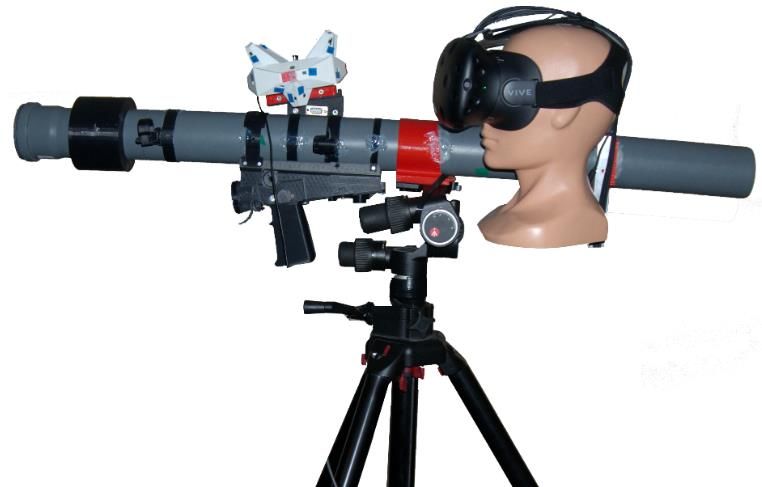
Appl. Sci. 2021, 11, 6390                                                                                            2 of 14

                            accuracy [15–17]. In this respect, multi-camera systems are the best solution, [18] but
                            their use entails the complicated installation and calibration of cameras and, above all, a
                            high price. Single-camera systems are much simpler and cheaper [19], however they do
                            not provide sufficient accuracy and, moreover, there may be problems with the camera’s
                            visibility of the tracked object, causing interruptions in tracking. An alternative approach
                            to the systems considered above is the lighthouse solution [20,21], in which base stations
                            located in the room are stationary, and the tracked object is equipped with a set of detectors.
                            An example of this type of system is SteamVR (the full name is SteamVR Tracking),
                            developed by Valve, which is used in commercial devices such as the HTC VIVE virtual
                            reality set. SteamVR is an open system and can be used by other companies implementing
                            it to track the devices they manufacture. Hardware development kits provided by Triad
                            Semiconductors and Virtual Builds are helpful in implementing this technology [22].
                                  This system was used in the developed PIORUN [23] shooting simulator (Polish
                            MANPADS missile system). Initially, a commercial product from HTC VIVE was used as a
                            tracked device (tracker). The SteamVR system operating with this tracker was tested [24],
                            which proved the accuracy of the motion tracking was sufficient, but there were some
                            problems with maintaining uninterrupted tracking of the launcher model. Accordingly, a
                            proprietary design for the tracking device was developed, which was able to ensure contin-
                            uous measurement of an object with dimensions as large as the PIORUN missile launcher.
                                  The developed device was also initially tested [25], but in isolation from its intended
                            application. In 95% of the tested orientations, the tracker was characterised by sufficient
                            parameters. This means the measurement’s precision, determined by a standard deviation
                            of less than 1 mm for the position and 1◦ for the orientation, did not exceed the assumed
                            limits. For other tracker orientations, however, worse values for the precision (up to 10 cm
                            for position and 2◦ for orientation) and were recorded. These measurements were carried
                            out under conditions intended to reproduce the operation of the HMD Designer simulation
                            software, i.e., only one base station was used, and the measurements were carried out
                            in an uncalibrated working area. Thus, the obtained results did not provide complete
                            data on the parameters of the tracker when working in real conditions. Moreover, the
                            previous measurement method does not verify the key feature of the tracker, which is the
                            ability to continuously track launchers at a range of 0–360◦ for the azimuth and 0–60◦ for
                            the elevation (based on the simulator’s requirements). Earlier tests and simulations have
                            confirmed that commercial devices, due to their shape and size, were obscured by the
                            launcher and the user during operation. However, the developed tracker, according to the
                            simulation results, should be free from this defect.
                                  This paper describes the measurement setup and the analysis of the measurement
                            results of the parameters for a custom-made tracker operating in a SteamVR system,
                            optimised for tracking the PIORUN missile launcher model. The analysis provided the
                            parameters of the tracker in real operating conditions for the shooting simulator. The tests
                            also confirmed that the tracker was free from the limitations of commercial devices, i.e., the
                            presence of orientations in which tracking was not possible.
                                  A similar study to evaluate the performance of the SteamVR system and compatible
                            devices was described in [21,26,27]. However, these studies concern commercial devices
                            only. In turn, ref. [22] describes a custom-made device; however, the aspect of testing
                            its parameters is only briefly presented. This article provides extensive research on a
                            custom-made tracker compatible with the SteamVR tracking system.

                            2. Tracker and Measurement Setup
                                  The subject of the research was the SteamVR system tracker equipped with a set of
                            sensors (a photodetector with a signal conditioning system) receiving a predetermined
                            sequence of signals from the base stations. By analysing these signals, the SteamVR system
                            is able to determine the position and orientation of the tracker. The predicted random error
                            of the measurement is inversely proportional to the distance between the sensors.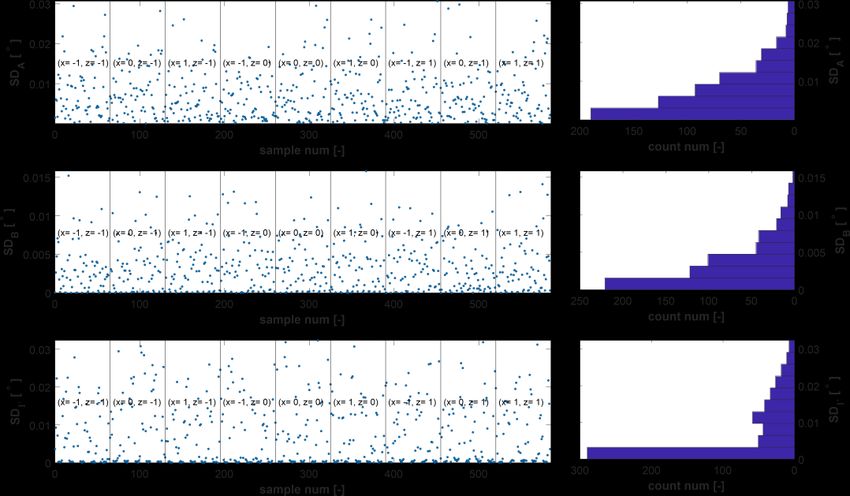
Appl. Sci. 2021, 11, x FOR PEER REVIEW 3 of 14
Appl. Sci. 2021, 11, 6390 3 of 14
is able to determine the position and orientation of the tracker. The predicted random
error of the measurement is inversely proportional to the distance between the sensors.
The
Thetracker
trackerstructure
structurewas
wasdesigned
designed using thethe
using CAD
CAD program;
program; simulation software
simulation in-
software
cluded in the SteamVR Hardware Development Kit (SteamVR HDK version
included in the SteamVR Hardware Development Kit (SteamVR HDK version 04558546), 04558546), as
well as analytical and simulation programs prepared by the author. The project
as well as analytical and simulation programs prepared by the author. The project was was opti-
mised so that
optimised the the
so that designed device
designed was
device characterised
was characterisedbyby
a ahigh
highaccuracy
accuracyofofthe
the position
position
and
and orientation
orientation measurements
measurements inin the
the range
range of
of 0–360°
0–360◦ azimuth
azimuth andand 0–60°
0–60◦ elevation
elevation angles
angles
for the 2 × 2 m working area, which means:
for the 2 × 2 m working area, which means:
1.
1. High
Highprecision,
precision,expressed
expressedby bythe
thestandard
standarddeviation
deviation(SD)
(SD) of
ofthe
themeasurement
measurement results
results
for each of the vector components:
for each of the vector components:
• position
position(SD
(SDXX, ,SD
SDY,YSD
, SD Z) below
Z ) below 1 mm;
1 mm;
• orientation (SD , SD , SD )
orientation (SDA , SDB , SDΓ ) below
Α Β Γ below 0.1◦ .
0.1°.
2.
2. High
Hightrueness,
trueness,which
whichtranslates
translatesinto intothe
thedifference
difference (Δ)
(∆) between
between the
the mean
mean measured
measured
value and the real value of the measured
value and the real value of the measured quantity: quantity:
• each
eachof
ofthe
theposition
positioncomponents
components(Δ (∆XX, ,Δ∆Y,YΔ
,∆Z)Zbelow
) below1010mm;
mm;
• orientation
orientation(Δ
(∆orientation
orientation) below ◦
1°.1 .
) below
The
The result
result of
of the
the design
design work
work was
was aa model
model equipped
equipped with
with 24
24 sensors,
sensors, which
which at
at the
the
simulation stage
simulation stagehad
hadbetter
betterparameters
parametersthan
thancommercial
commercialdevices
devicesavailable
availableon
onthe
themarket.
market.
Based on
Based on the
the model,
model, aa prototype
prototype of
of the
the device
device was
was made
made using 3D printing. Photos
Photos of
of the
the
model and
model and prototype
prototype are
are shown
shown in
in Figure
Figure 1.
(a) (b) sensors (c)
Figure
Figure 1.
1. The
The lower
lower part
part of
of the
the tracker
tracker model
model prepared
prepared for
for printing:
printing: with
with electronic
electronic components
components (a);
(a); aa photo
photo of
of the
the tracker
tracker
prototype (b); and its dimensions (units—mm) (c).
prototype (b); and its dimensions (units—mm) (c).
The
The prototype
prototype was was tested,
tested,which
whichconfirmed
confirmed that
that thethe simulation
simulation program’s
program’s predic-
predictions
tions about the number of visible sensors were correct. Therefore,
about the number of visible sensors were correct. Therefore, further tests were started, further tests were
started,
the aimthe aim of were
of which whichtowere to determine
determine the tracker’s
the tracker’s parameters
parameters in conditions
in conditions typicaltypical
for a
for a shooting
shooting simulator.
simulator.
A
Ameasuring
measuring setupsetup was
was prepared
prepared inin aa laboratory
laboratory roomroom with
with dimensions
dimensions of of 3.6
3.6 by
by 4.5
4.5 m
m
and a height
and a height of 1.98 to 2.15 m. Strong light sources and reflective elements that
to 2.15 m. Strong light sources and reflective elements that could distort could dis-
tort the measurements
the measurements werewere removed
removed fromfrom
the the
room.room.TwoTwobasebase stations
stations (BS1(BS1
andandBS2)BS2) of
of the
the SteamVR
SteamVR system
system werewere
placedplaced in opposite
in opposite cornerscorners
of theofroom
the room at heights
at heights of 2.09ofand2.09 and
1.89 m.
1.89
Theirm.orientations
Their orientations wereso
were chosen chosen so that
that they facedthey
the faced
centrethe centre
of the of and
room, the room, and the
the inclination
inclination
was set at 30was◦ from
set atthe
30°vertical.
from theThisvertical.
is theThis is the minimum
minimum suggested suggested value associ-
value associated with
ated with the
the lower thanlower than recommended
recommended mountingmounting
height of height
the base ofstations.
the base stations. The distance
The distance between
between
the base the base stations
stations was overwas 5 m,over 5 m,iswhich
which more is more
than thethan the maximum
maximum distancedistance for
for correct
opticaloptical
correct synchronisation. Therefore,
synchronisation. wire wire
Therefore, synchronisation
synchronisation was was
used, which
used, whichguaranteed
guaran-
uninterrupted
teed uninterruptedworkworkduring the measurements.
during the measurements. On the Onfloor, in theincentre
the floor, of theofroom,
the centre nine
the room,
measurement
nine measurement points werewere
points marked out, out,
marked within a square
within withwith
a square sidessides
of 2 m.
of 2The distance
m. The dis-
between
tance the points
between was 1 was
the points m. The
1 m.distribution scheme
The distribution for thefor
scheme measurement
the measurementpoints points
is shownis
in Figure
shown 2.
in Figure 2.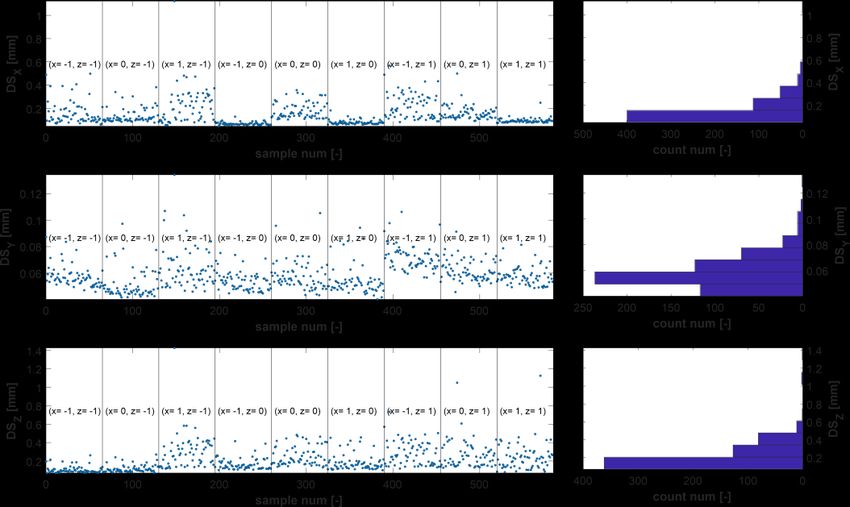
Appl. Sci. 2021, 11, x FOR PEER REVIEW 4 of 14
Appl.Appl.
Sci. 2021, 11, x11,
Sci. 2021, FOR PEER REVIEW
6390 4 of 14
4 of 14
Figure 2. Photo of the laboratory room with a tracker and a model of the launcher on a tripod (a);
Figure
Figure 2. Photo
2. Photo of theoflaboratory
the laboratory
roomroomwith with a tracker
and and a model oflauncher
the launcher a on a tripod (a);
and diagram of the distribution of athe
tracker
measuring apoints
model of the
(“x” symbols) onThe
(b). tripod (a); marks
blue line the
and and
diagram
diagramof the
of distribution
the of
distribution the
of measuring
the measuring points (“x”
points symbols)
(“x” (b).
symbols)
walls of the room, and the red and green circles symbolise the base stations. The
(b). blue
The line
blue marks
line the
marks the
wallswalls
of the
of room, and and
the room, the red
the and green
red and circles
green symbolise
circles the base
symbolise stations.
the base stations.
At each of the nine points marked with the symbol “x”, a tripod with a mounted
At each
At each of theof theninenine points
points marked
marked withwiththe the symbol
symbol “x”,“x”, a tripod
a tripod withwith a mounted
a mounted
launcher was placed sequentially. The tests were carried out for the launcher at a height
launcher
launcher waswas placed
placed sequentially.
sequentially. TheThe tests
tests were were carried
carried outoutforfor
thethe launcheratata aheight
launcher height of
of 1.6 m, which corresponds to the average height of a human arm. The geared tripod
1.6 m, which corresponds
of 1.6 m, which corresponds to the average height of a human arm.
average height of a human arm. The geared tripodThe geared tripod head
head Manfrotto 405 allowed the desired orientation of the launcher to be set. The tests
headManfrotto
Manfrotto405 405allowed
allowedthe thedesired
desired orientation
orientation ofof thethelauncher
launcher totobebeset. The
set. The tests were
tests
were performed for the angles◦φ = 0–360° (azimuth) in steps ◦ andofθ 30° and◦ θ = 0–80° (eleva-
wereperformed
performedfor forthe theangles
anglesϕφ= =0–360
0–360°(azimuth)
(azimuth)in insteps
stepsof of30 30° and θ== 0–80
0–80° (elevation)
(eleva-
tion) in steps
◦ . As of 20°. As a result, 65 different orientations were obtained, and tested at each
tion)ininsteps
stepsofof2020°. Asaa result,
result, 65 different orientations
orientations were were obtained,
obtained,and andtested
testedatateacheach of
of the nine points in the room, which give a total of 585 tested launcher positions. A greater
thenine
of the nine points
points inin thethe room,
room, which
which give
give a total
a total of 585
of 585 tested
tested launcher
launcher positions.
positions. A greater
A greater
concentration of measurements would be too time-consuming, due to the need to manu-
concentration
concentration of measurements
of measurements would
would be be
tootoo time-consuming,
time-consuming, dueduetotothe
theneed
needtotomanu-
manually
set theally set the
tripod for tripod
each for each measurement.
measurement.
ally set the tripod for each measurement.
A model A model of launcher
the launcher waswas developed based onaaPVC PVC pipe with withaaof diameter of 75 mm,
A model of theoflauncher
the was developed developed
based onbased a PVCon pipe withpipe a diameter diameter
75 mm, of
75 mm, on which
onother
which the other elements,
the othermadeelements,made by 3D printing, were mounted. To mount the tracker
on which the elements, by 3Dmade by 3D
printing, wereprinting,
mounted.wereTo mounted.
mount the To tracker
mount the
tracker onon thethelauncher
launcher model,
model,a aPicatinny
Picatinny rail
rail(STANAG
(STANAG 2324) was used, which
which in in the
the real
on the launcher model, a Picatinny rail (STANAG 2324) was2324) used,was used,
which in the real
launcher
real launcher is used
is used for mounting
for mounting the
theThe scope.
scope. The
Thewas model
model was equipped
was equipped with a
with athat handle that
handle
launcher is used for mounting the scope. model equipped with a handle
allows
thatitallows it to
it to be be stably mounted
stably mounted on the
on the tripod
tripod head
head3). (Figure
(Figure 3). The
3). The model of the user’s
user’s head,
allows to be stably mounted on the tripod head (Figure The model of model
the user’sof the
head,
head, along
along with
with the the HMD goggles
HMD goggles from the HTC VIVE set, were mounted on the launcher.
along with the HMD goggles from thefrom HTC theVIVE
HTCset,VIVE wereset, mounted
were mounted on the onlauncher.
the launcher.
These These are
are goggles the
the goggles goggles that will be used in the simulator application, so that real conditions
These are the thatthat
willwill be used
be used in thein simulator
the simulator application,
application, so that
so that real real conditions
conditions
can becan be reproduced
reproduced more more faithfully.
faithfully.
can be reproduced more faithfully.
tracker azimuth (φ) head model with HMD goggles
tracker azimuth (φ) head model with HMD goggles
launcher model
launcher model
elevation (θ)
elevation (θ)
tripod head
tripod head
tripod
tripod
FigureFigure 3. Photo
3. Photo of the of the launcher
launcher modelmodel with
with the the mounted
mounted trackertracker and
and the the user’s
user’s head model.
head model.
Figure 3. Photo of the launcher model with the mounted tracker and the user’s head model.
BeforeBefore
the measurements
the measurements were were
taken,taken,
the SteamVR
the SteamVRsystem’s working
system’s area was
working areacali-
was cali-
Before the measurements were taken, the SteamVR system’s working area was cali-
brated, whichwhich
brated, determined the location
determined of its of
the location coordinate system.
its coordinate The controller
system. from from
The controller the the
brated,
HTCwhich
VIVE determined
set was the location of its coordinate system. YThe controller from thewas
HTC VIVE setused
was for
usedthefor
calibration. The origin
the calibration. of theof
The origin axis,
vthe Yv denoting height,
axis, denoting height, was
HTCdetermined
VIVE set was usedlevel
at floor for the calibration. Theheight
originofofthe
thecontroller
Yv axis, denoting
placed onheight,
it. Thewas
Xv it.
determined at floorby measuring
level the
by measuring the height of the controller placed on andThe Xv
determined
Zv axes at
werefloor level by
set parallel measuring the height of the controller placed on it. The Xvwas
and Zv axes were settoparallel
the boundaries of the rectangular
to the boundaries working area.
of the rectangular This
working area
area. This area
and Zv axes were set parallel to the boundaries of the rectangular working area. This area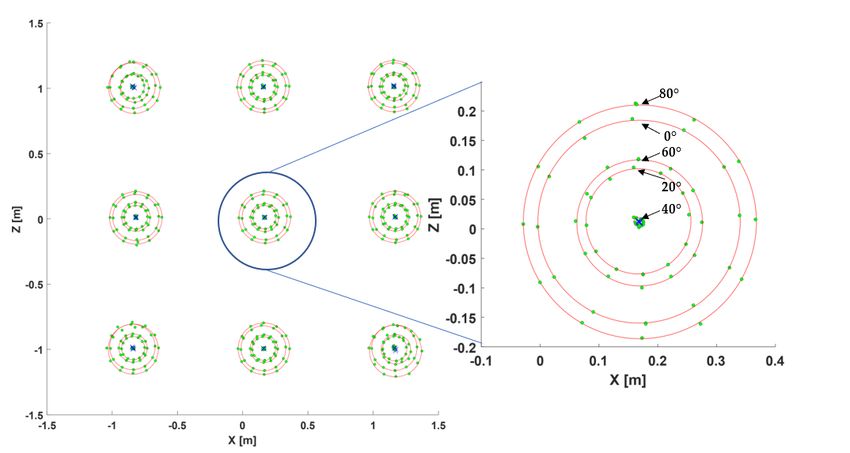
Appl. Sci. 2021, 11, 6390 5 of 14
Appl. Sci. 2021, 11, x FOR PEER REVIEW 5 of 14
determined
was determinedby measuring
by measuringthe position
the position of the ofcontroller at the
the controller atfour corner
the four cornerpoints so that
points so
the origin of the SteamVR coordinate system (O v ) coincides with the
that the origin of the SteamVR coordinate system (Ov) coincides with the centre of the centre of the working
area (Or ).area
working In turn,
(Or).the Xv and
In turn, theZX
v vaxes
and should
Zv axesbe parallel
should be to their limits.
parallel to their limits.
During preliminary measurements, however,
During preliminary measurements, however, to appeared to appeared that thethe
that SteamVR
SteamVR coordinate
coordi-
system did not coincide with the assumed coordinate system.
nate system did not coincide with the assumed coordinate system. The differences The differences concerned
con-
both the shift between the origins (Xc , Yc , Z c ) as well as the rotations (A c , B
cerned both the shift between the origins (Xc, Yc, Zc) as well as the rotations (Αc, Βc, Γc); as c , Γ c ); as a result,
athe directions
result, of the individual
the directions axes of axes
of the individual bothof systems did notdid
both systems coincide (Figure(Figure
not coincide 4). Such
4).
a result was expected, as similar problems were noted by other authors of the SteamVR
Such a result was expected, as similar problems were noted by other authors of the
system research [26,27].
SteamVR system research [26,27].
Figure
Figure 4.
4. Translation
Translation and
and rotation
rotation between
between the
the real
real coordinate system and
coordinate system and the
the SteamVR
SteamVR system.
system. The
The
hatched area represents the floor.
hatched area represents the floor.
The values of
The values oftranslation
translationand
androtation
rotationshown
showninin thethe above
above diagram,
diagram, once
once thethe calibra-
calibration
tion
was was corrected,
corrected, did not didexceed
not exceed
a fewa centimetres
few centimetres
and aandfewa degrees
few degrees for each
for each respective
respective axis.
axis. The translation and rotation values for the individual axes
The translation and rotation values for the individual axes changed when the SteamVR changed when the
SteamVR was restarted, or when synchronisation between the base stations
was restarted, or when synchronisation between the base stations was lost. The resulting was lost. The
resulting
errors coulderrors could be compensated
be compensated by additional
by additional calibration
calibration before
before using using
the the SteamVR
SteamVR system.
system. This issue is discussed in greater detail throughout
This issue is discussed in greater detail throughout the paper. the paper.
Data
Data acquisition
acquisition consisted
consisted of
of manually
manually setting
setting the
the launcher
launcher position
position onon aa tripod
tripod inin
accordance with the guidelines calculated by the program. After setting, the user started
the acquisition of results containing information about the position and orientation of the
tracked objects, such as the tested tracker, the HMD goggles, goggles, and
and the
the base
base stations.
stations.
The measurement method described above is an extension of the method used in [25],
where the tripod was also set at subsequent points in the room. In the method described
here, however,
however, aatripod
tripodhead
headrotation
rotationelement
elementhashas been
been added
added to assess
to assess potential
potential prob-
problems
lems with tracker
with tracker visibility
visibility more accurately.
more accurately. In workInonwork on motion
motion trackingtracking
systems,systems, meas-
measurements
with an industrial
urements robot arm robot
with an industrial are often
armused [21,28],
are often but[21,28],
used this method
but thismakes it difficult
method makes to it
perform tests in a larger working area.
difficult to perform tests in a larger working area.
3. Measurement
3. Measurement Results
Results
For each
For each position
position and
and orientation
orientation of
of the
the launcher,
launcher, 50,000
50,000 data
data samples
samples were
were recorded
recorded
for all the SteamVR devices (tracker, HMD goggles, and base stations). However, the the
for all the SteamVR devices (tracker, HMD goggles, and base stations). However, re-
research
search concerned
concerned thecustom
the customtracker,
tracker,sosothe
thepresented
presentedresults
resultsare
are limited
limited to
to this
this device
device
only. Nevertheless,
only. Nevertheless, the
the measurement
measurement results
results for
for the
the remaining
remaining components
components of of the
the system
system
turned out to be useful in interpreting the obtained results. The two main
turned out to be useful in interpreting the obtained results. The two main parameters ofparameters of
the tracker
the tracker have
have been
been defined,
defined, which
which are
are the
the trueness
trueness and
and precision
precision ofof the
the measurement.
measurement.
The results are shown below for position and orientation, separately.
The results are shown below for position and orientation, separately.
3.1. Position
3.1. Position
The position of the tracker changed when the tripod was moved to the next measuring
The position of the tracker changed when the tripod was moved to the next measur-
point, as well as with the change of the launcher orientation, as the tracker’s centre was
ing point,
not in as wellhead’s
the tripod as with
axisthe
of change
rotation.ofThe
theattachment
launcher orientation,
point of theas the tracker’s
launcher centre
was selected
was not in the tripod head’s axis of rotation. The attachment point of the
to correspond to the place where the launcher rests against the user’s arm in the actuallauncher was
selected to correspond
application. to the
The position place
of the whereatthe
tracker launcher
each rests points
of the nine againstwhere
the user’s arm inwas
the tripod the
actual application. The position of the tracker at each of the nine points where
placed should have values belonging to five circles, the radius of which will depend on the the tripod
was placed should have values belonging to five circles, the radius of which will depend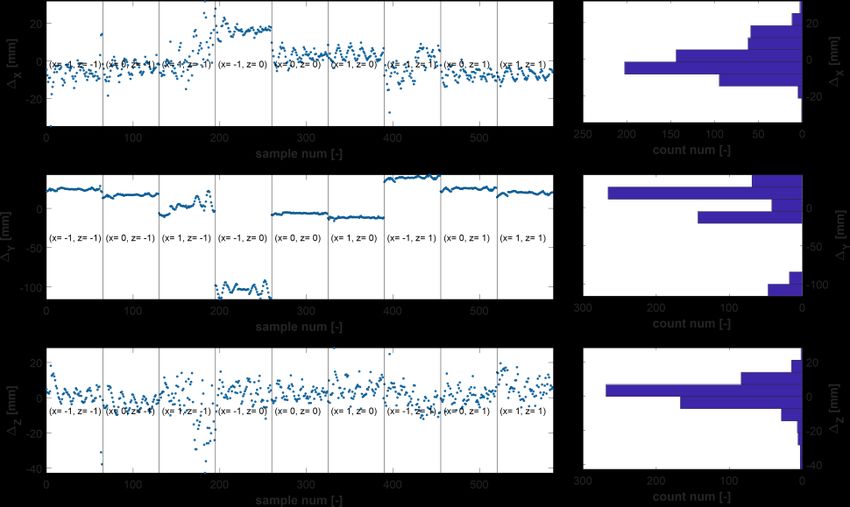
Appl.Appl. Sci. 2021,
Sci. 2021, 11, x FOR PEER REVIEW
11, 6390 6 of 14
6 of 14
on the angle of the tripod inclination θ. The average values of the tracker positions are
angle of the tripod inclination θ. The average values of the tracker positions are shown in
shown in the XZ plane in Figure 5. The chart also shows circles whose parameters were
the XZ plane in Figure 5. The chart also shows circles whose parameters were determined
determined using the least-squares method.
using the least-squares method.
Figure
Figure 5. Tracker
5. Tracker positions
positions during
during measurements
measurements (top view).
(top view). Theindicate
The dots dots indicate the tracker’s
the tracker’s position,
position, the redthe red
lines lines repre-
represent
sent the
the circles circles
with with determined
a radius a radius determined from theand
from the results, results, and the
the crosses crossestheir
indicate indicate their centres.
centres.
TheThe
chartchart
shows shows
fourfour circles
circles for each
for each tripod
tripod position.
position. TheThe
fifthfifth
circlecircle for elevation
for the the elevation
angle of 40
angle of◦ 40°
is almost invisible,
is almost as the
invisible, as average
the average radius of the
radius of circles is about
the circles 9 mm.
is about The The
9 mm.
maximum
maximum differences between
differences the radii
between the of the circles
radii of the for the same
circles elevation
for the angle are angle
same elevation about are
5 mm for a
about mm ◦for
5 0–40 elevation, and increase
a 0–40° elevation, andtoincrease
almost to 10almost
mm for10anmm 80◦forelevation. In part, In
an 80° elevation.
these values may be due to an inaccurate setting of angle on the
part, these values may be due to an inaccurate setting of angle θ on the tripod head.
θ tripod head.
TheThe
circles projected
circles ontoonto
projected the XZ
the plane
XZ plane should be concentric.
should be concentric. However,
However, especially at at
especially
the the
corner points
corner of the
points of working
the working space, the centres
space, the centres of theof circles are shifted.
the circles The The
are shifted. greatest
greatest
shiftshift
values werewere
values observed nearnear
observed the base stations,
the base where
stations, wherethe centres of the
the centres of circles are 27
the circles aremm27 mm
apart near the BS1 stations, and 22 mm near the BS2 stations. The
apart near the BS1 stations, and 22 mm near the BS2 stations. The circles in the centre circles in the centre of of
the the
working space are closest to one another, with the distance between
working space are closest to one another, with the distance between their centres not their centres not
exceeding
exceeding4 mm. 4 mm.
TheThe
results showshow
results a systematic error of
a systematic approximately
error of approximately 160 mm 160formm
the X forcoordinate and
the X coordinate
12 mmandfor12 the
mmZfor coordinate. This error
the Z coordinate. This results
error from
results thefrom
shiftthe
of shift
the SteamVR coordinate
of the SteamVR coordi-
system relative to the centre of the working space. It can be eliminated
nate system relative to the centre of the working space. It can be eliminated at the VR at the VR application
stage. Often, however,
application therehowever,
stage. Often, is no need thereforisthis, as the
no need forsame shift
this, as theissame
observed
shift isfor the
observed
positions of the HMD goggles which are positioned in the same
for the positions of the HMD goggles which are positioned in the same coordinate system. coordinate system. As
a result,
As a result, when the user sees the virtual world through the HMD goggles, such aisshift
when the user sees the virtual world through the HMD goggles, such a shift
difficult to notice,
is difficult and has
to notice, andnohas
impact on theon
no impact working
the workingenvironment.
environment.
In addition to the parameters of circles discussed
In addition to the parameters of circles discussed above, above, there is also
there the Y
is also thecoordinate
Y coordinate
of the centre of the circle, and a vector normal to the plane of the circle, which describes its
of the centre of the circle, and a vector normal to the plane of the circle, which describes
orientation in space. A graphical representation of the above parameters is presented in
its orientation in space. A graphical representation of the above parameters is presented
Figure 6, showing the data projected onto the XY plane (side view).
in Figure 6, showing the data projected onto the XY plane (side view).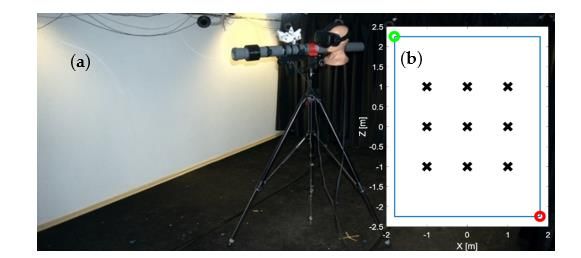
Appl.
Appl. Sci. 2021, 11,
Sci. 2021, 11, 6390
x FOR PEER REVIEW 77 of
of 14
14
Figure 6.
Figure 6. Tracker
Trackerpositions
positionsduring
duringmeasurements
measurements(side
(side view).
view). The
The dots
dots indicate
indicate thethe tracker’s
tracker’s position,
position, thethe
redred lines
lines repre-
represent
sent the circles with a radius determined from the results, and the crosses indicate their centres.
the circles with a radius determined from the results, and the crosses indicate their centres.
For points with a greater value of X, the readout for the the tracker’s
tracker’s height decreases,
which indicates the rotation of the SteamVR coordinate system system with
with respect
respect to
to the
the room.
room.
As a result, the “virtual” floor plane in the SteamVR system is tilted relative to the actual
floor. The tilt angle is 0.5 ◦ , which, for a 2 by 2 m
0.5°, m working
working space,
space, translates
translates into
into aa height
height
change of of less
less than
than2020mmmmbetween
betweenthe theextreme
extremepoints.
points. These
These values
values areare small,
small, andand
cancan
be
be compensated
compensated for for
in ain a virtual
virtual environment.
environment. There There
werewere no significant
no significant differences
differences between be-
the deviation
tween of the height
the deviation of the circles
of the height at different
of the circles elevation
at different angles.angles.
elevation
The rotation of the planes to which the individual circles belong was also observed. observed.
The mean difference
difference between
between the the reference
reference plane
plane normal
normal (0,
(0, 1,
1, 0) and the determined circle
circle
plane norm is 11° ◦ with a standard deviation of 1◦ .
1°. The worst results of deviation from the
◦ ) were recorded for the measurements at the point where x = −1,
horizontal direction (3.5 (3.5°) recorded for the measurements at the point where x = −1,
z == 0.
0. At
Atthe
thesame
sametime,
time,the
thestandard
standard deviation
deviation atat this
this point
point remains
remains small, which confirms
the rotation of the SteamVR reference frame. The best results were achieved in the centre
of the
of the room,
room, where
where thethe mean
mean inclination
inclination between
between thethe plane
plane ofof the
the circles
circles and
and the
the plane
plane ofof
the floor ◦ ◦
the floor was
was 0.21 with aa standard
0.21° with standard deviation
deviation ofof 0.05
0.05°..
3.1.1. Position
3.1.1. Position Precision
Precision
For each
For each position
position of
of the
the launcher,
launcher, the
the standard
standard deviation
deviation (SD)
(SD) was determined, which
was determined, which
represents the precision of the measurement. The summary of the results with their
represents the precision of the measurement. The summary of the results with their histo-
histograms is shown in Figure 7, which shows the fragments where the position of the
grams is shown in Figure 7, which shows the fragments where the position of the tripod
tripod was constant, and the launcher orientation was changed.
was constant, and the launcher orientation was changed.
This section may be divided by subheadings. It should provide a concise and precise
This section may be divided by subheadings. It should provide a concise and precise
description of the experimental results and their interpretation, as well as the experimental
description of the experimental results and their interpretation, as well as the experi-
conclusions that can be drawn.
mental conclusions that can be drawn.
Among all 585 analysed results, only three tracker positions were characterised by a
standard deviation slightly greater than the assumed 1 mm. The vast majority of the results
were characterised by a standard deviation of less than 0.6 mm for the X and Z axes, and
less than 0.1 mm for the Y axis. Thus, it can be concluded that, in terms of measurement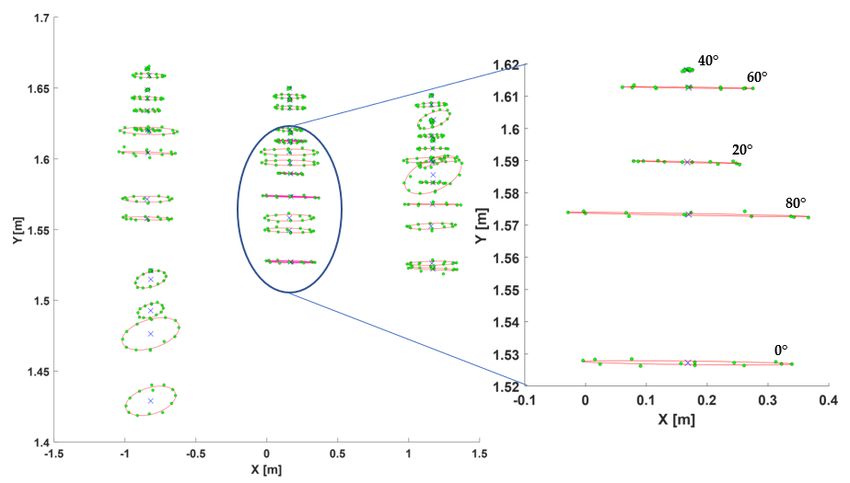
Appl. Sci. 2021, 11, x FOR PEER REVIEW 8 of 14
Appl. Sci. 2021, 11, 6390 8 of 14
precision,
Appl. Sci. 2021, 11, x FOR PEER REVIEW the tracker works properly. Thanks to this, in the VR environment, the user
8 of 14
should not observe the instability of related virtual objects.
Figure 7. The precision of the tracker position measurements for the individual components (left),
and their histograms (right).
Among all 585 analysed results, only three tracker positions were characterised by a
standard deviation slightly greater than the assumed 1 mm. The vast majority of the re-
sults were characterised by a standard deviation of less than 0.6 mm for the X and Z axes,
and less than 0.1 mm for the Y axis. Thus, it can be concluded that, in terms of measure-
Figure7.7.The
Theprecision
precisionofofthe
thetracker
trackerposition
positionmeasurements
measurementsforforthe
theindividual
individual components(left),
(left),
Figure
ment precision, the tracker
and their histograms (right).
works properly. Thanks to this, in the VR components
environment, the
and their
user histograms
should (right). the instability of related virtual objects.
not observe
Among all 585 analysed results, only three tracker positions were characterised by a
3.1.2.
3.1.2.Position
Position Trueness
Trueness
standard deviation slightly greater than the assumed 1 mm. The vast majority of the re-
The
The measurement
measurement
sults were characterised trueness,
trueness, quantified
quantified
by a standard bybythe
deviationthe measurement
of less than 0.6 deviation
measurement mmdeviation (∆),
for the(Δ),was
wasZ
X and calcu-
calcu-
axes,
lated
and as
latedlessthe
as thandifference
the difference
0.1 mm forbetween
between the mean
the mean
the Y axis. measured
Thus, measured value and the
value andthat,
it can be concluded true
the true value.
value.
in terms The
of Thelatter
latter
measure-
was
wascalculated
calculated based ononthe
the tripod orientation and
andposition
positiondata,
data,asaswell
wellasasthe
the parame-
ment precision,based
the tracker tripod orientation
works properly. Thanks to this, in the parameters
VR environment, the
ters of
of the the tripod
tripodnot head.
head. Constant
Constant correction factors
correctionoffactors were included in the calculations to
user should observe the instability relatedwere included
virtual objects.in the calculations to com-
compensate
pensate for shifts in the SteamVR coordinate system. The results are shown in Figure 8.8.
for shifts in the SteamVR coordinate system. The results are shown in Figure
3.1.2. Position Trueness
The measurement trueness, quantified by the measurement deviation (Δ), was calcu-
lated as the difference between the mean measured value and the true value. The latter
was calculated based on the tripod orientation and position data, as well as the parameters
of the tripod head. Constant correction factors were included in the calculations to com-
pensate for shifts in the SteamVR coordinate system. The results are shown in Figure 8.
Figure8.8.The
Figure Thetrueness
truenessofofthe
thetracker
trackerposition
positionmeasurements
measurementsfor
forthe
theindividual
individualcomponents
components(left)
(left)
and their histograms (right).
and their histograms (right).
In most tests, the measurement deviation of the position components does not exceed
±20 mm. The exception is the fourth group of samples corresponding to the point x = −1,
Figure 8. The trueness of the tracker position measurements for the individual components (left)
and their histograms (right).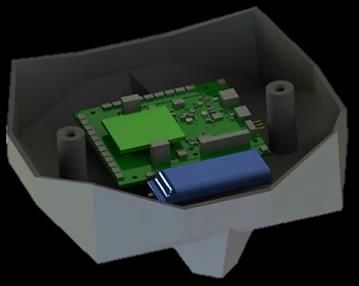
Appl. Sci. 2021, 11, x FOR PEER REVIEW 9 of 14
Appl. Sci. 2021, 11, 6390 9 of 14
In most tests, the measurement deviation of the position components does not exceed
±20 mm. The exception is the fourth group of samples corresponding to the point x = −1,
z = 0. The existence of such a large deviation results from the shift of the SteamVR coordi-
z = 0. The existence of such a large deviation results from the shift of the SteamVR coordi-
nate system, and does not preclude the application possibilities of the developed device.
nate system, and does not preclude the application possibilities of the developed device.
If only this fragment of data was analysed, after calculating the adequate values of the
If only this fragment of data was analysed, after calculating the adequate values of the
shifts between the coordinate systems, the systematic measurement error would not ex-
shifts between the coordinate systems, the systematic measurement error would not exceed
ceed 25 mm at point x = −1, z = 0. A similar analysis could be extended to other parts of
25 mm at point x = −1, z = 0. A similar analysis could be extended to other parts of the
the chart above. For example, for a tripod in the centre of the working area, the measure-
chart above. For example, for a tripod in the centre of the working area, the measurement
ment deviation would be less than 10 mm after offset correction.
deviation would be less than 10 mm after offset correction.
3.2.
3.2. Orientation
Orientation
For
For aaclearer
clearerpresentation
presentation ofof the
theorientation
orientation results,
results, they
they were
were plotted
plotted as
asaaset
setof
offixed-
fixed-
length
length vectors
vectors representing
representing the
the direction
direction inin which
which the
the launcher
launcher was
was pointing.
pointing. Each
Each of
of the
the
vectors
vectors was
was parallel
parallel to
to the
the axis
axis of
of the
thelauncher,
launcher, and
and shifted
shifted downwards
downwards by by an
an angle
angle of 10◦ ,
of 10°,
which
which results
results from
from the
the mounting
mounting angle
angle of
of the
the tracker
tracker (Figure
(Figure 9).
9). The
The desired
desired value
value of
of the
the
tripod position in the real coordinate system was taken as the starting point of the
tripod position in the real coordinate system was taken as the starting point of the vectors. vectors.
Figure
Figure 9. Vectors indicating
9. Vectors indicating the
the direction
direction in
in which the launcher was facing during the measurements (top view).
The data
The data presented
presented in in the
the figure
figure above
above show
show that
that the
the tracker
tracker orientation
orientationwas wasdeter-
deter-
mined correctly. The vectors at each point were evenly distributed around
mined correctly. The vectors at each point were evenly distributed around the circumfer- the circum-
ference
ence of the
of the circle;
circle; however,
however, asthe
as in in the
casecase of the
of the position,
position, somesome shifts
shifts werewere observed.
observed. All
All vectors were rotated anticlockwise about the Y axis by approximately 1 ◦ . Moreover,
vectors were rotated anticlockwise about the Y axis by approximately 1°. Moreover, along
alongthe
with with the increase
increase in theofvalue
in the value of the elevation
the elevation angle (shorter
angle (shorter projectionprojection of the
of the vector vector
onto the
onto the XZ plane), the shift angle changed anticlockwise, increasing the
XZ plane), the shift angle changed anticlockwise, increasing the measurement’s systematic measurement’s
systematic
error. error. The
The reason reason isthe
is probably probably thebetween
rotation rotation the
between the real coordinate
real coordinate system and system
the
and the SteamVR system. The side view of the vectors shown in Figure
SteamVR system. The side view of the vectors shown in Figure 10 is slightly less readable. 10 is slightly
less readable.
As in the case of the analogous position analysis, here the results from several tripod
positions also overlapped. However, it can be seen that the vectors were sorted into groups
corresponding to the successive values of the elevation angle. The angle between the
vectors for successive values of ϕ at the equal value of the angle θ is approximately 20◦ ,
which corresponds to the actual changes. All vectors were rotated downwards by 10◦ ,
which coincided with the mounting angle of the tracker.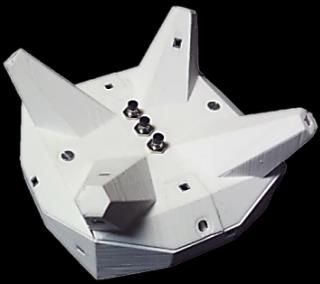
Appl.
Appl. Sci.Sci. 2021,
2021, 11,11, x FOR PEER REVIEW
6390 10 10
of of
14 14
Figure 10. Vectors indicating the direction in which the launcher was facing during the measurements (side view).
As in the case of the analogous position analysis, here the results from several tripod
positions also overlapped. However, it can be seen that the vectors were sorted into
groups corresponding to the successive values of the elevation angle. The angle between
the vectors for successive values of φ at the equal value of the angle θ is approximately
Figure
Figure 10.10. Vectors
Vectors
20°, the
indicating
indicating
which
the corresponds
direction
direction in in
tothe
which
which
the
theactual changes.
launcher
launcher was
was
Allduring
facing
facing
vectors
during were
thethe
rotated downwards
measurements
measurements (side
(side
by 10°,
view).
view).
which coincided with the mounting angle of the tracker.
3.2.1. Orientation Precision
As in the case of the analogous position analysis, here the results from several tripod
3.2.1. Orientation Precision
positions also overlapped.
The precision However,
of the orientation it can be seen
measurement, as that
in thethecase
vectors
of thewere sortedwas
position, into
definedTheascorresponding
groups precision of thedeviation
the standard orientation
to of measurement,
the successive values
the results ofasthe
in the
determined case
elevation ofangle.
for each theofposition,
The
the was between
angle de- of
components
fined
the
the as the standard
vectors
orientation for deviation
successive
vector. of are
values
The results the results
of shown determined
φ at theinequal 11.forofeach
Figurevalue the of the components
angle of
θ is approximately
the orientation vector. The results are shown in Figure 11.
20°, which corresponds to the actual changes. All vectors were rotated downwards by 10°,
which coincided with the mounting angle of the tracker.
3.2.1. Orientation Precision
The precision of the orientation measurement, as in the case of the position, was de-
fined as the standard deviation of the results determined for each of the components of
the orientation vector. The results are shown in Figure 11.
Figure11.
Figure 11. The
The precision
precision of
of the
the tracker
tracker orientation
orientationmeasurements
measurementsforfor
thethe
individual components
individual components
(left) and their histograms (right).
(left) and their histograms (right).
The values of the standard deviation determined for the A and Γ axes are below 0.03◦ ,
and for the B axis below 0.015◦ . Thus, the precision of the orientation measurements for
the tested tracker meets the requirements, as the random error does not exceed 0.1◦ . The
graph above shows no correlation between the precision of the orientation measurements
and the tripod’s position or orientation.
Figure 11. The precision of the tracker orientation measurements for the individual components
(left) and their histograms (right).Appl. Sci. 2021, 11, x FOR PEER REVIEW 11 of 14
The values of the standard deviation determined for the Α and Γ axes are below 0.03°,
Appl. Sci. 2021, 11, 6390 and for the Β axis below 0.015°. Thus, the precision of the orientation measurements 11forof 14
the tested tracker meets the requirements, as the random error does not exceed 0.1°. The
graph above shows no correlation between the precision of the orientation measurements
and the tripod’s position or orientation.
3.2.2. Orientation Trueness
3.2.2.
TheOrientation Trueness
measurement trueness was analysed differently than in the case of the previous
parameters, as the description
The measurement trueness ofwas the orientation
analysed in thethan
differently forminof Euler
the angles
case of is ambiguous.
the previous pa-
Very similar
rameters, launcher
as the orientations
description can be described
of the orientation in the form by different
of Euler anglessets of angles (α,
is ambiguous. Very
β, γ).
Thus, the
similar calculated
launcher measurement
orientations deviationby
can be described of different
the individual components
sets of angles could
(α, β, γ). Thus,suggest
the
calculated measurement
significant discrepancies,deviation of the individual
while different datasetscomponents could suggest
describe a similar significant
orientation. In the
discrepancies,
SteamVR system,while
thedifferent
orientation datasets describeinathe
is recorded similar
formorientation. In thewhich
of quaternions, SteamVR sys-
accurately
tem, the the
describe orientation is recorded
differences between inthe
the true
formand
of quaternions, which accurately
measured orientation describe the
(the systematic error
differences between the true and measured orientation (the systematic
of the orientation measurement). However, this method is difficult to interpret, error of the orien-
hence
tation
we measurement).
converted However,tothis
the quaternions method
Euler is difficult
angles. Duringtothe interpret, hence weboth
measurements, converted
forms of
the quaternions to Euler angles. During the measurements, both forms
the orientation description were noted, so quaternions were used to determine the total of the orientation
descriptionerror
systematic wereofnoted, so quaternions
the orientation were used to determine the total systematic error
measurement.
of the orientation measurement.
Based on the data on the orientation of the tripod head (angles ϕ and θ), a matrix of
Based on
quaternions the data on
describing thethe
trueorientation
orientationof the
wastripod head (angles
determined. Then,φtheandangular
θ), a matrix of
difference
quaternions describing the true orientation was determined. Then,
between the mean value of the measured and true orientation was determined. The the angular difference
between the
functions mean value
quaternion of the
( ) and distmeasured
( ) of the and
Matlabtrue2019b
orientation was determined.
environment were usedThe func-
to calculate
tions quaternion ( ) and dist ( ) of the Matlab 2019b environment were used to calculate
the angular difference and convert the Euler angles to quaternions. The calculation results
the angular difference and convert the Euler angles to quaternions. The calculation results
are shown in Figure 12.
are shown in Figure 12.
Figure 12. The trueness of the tracker orientation measurements (left) and their histograms (right).
Figure 12. The trueness of the tracker orientation measurements (left) and their histograms (right).
The average
The average measurement
measurement deviation
deviationofofthe
thetested tracker
tested orientation
tracker waswas
orientation about 4°. 4◦ .
about
This value was greater than assumed; however, the repeated correlation between
This value was greater than assumed; however, the repeated correlation between the the true-
ness andand
trueness the orientation of the of
the orientation tripod head, which
the tripod head,repeats
whichfor each tripod
repeats position,
for each tripodproved
position,
the rotation of the SteamVR coordinate system in relation to the real coordinate system.
proved the rotation of the SteamVR coordinate system in relation to the real coordinate
The rotations were confirmed by similar kinds of changes in the measurement deviation
system. The rotations were confirmed by similar kinds of changes in the measurement
for the HMD goggles placed on the same launcher. Thus, it was possible to reduce the
deviation for the HMD goggles placed on the same launcher. Thus, it was possible to
systematic error of the orientation measurement by introducing a correction in the virtual
reduce the systematic error of the orientation measurement by introducing a correction in
environment.
the virtual environment.
4. Discussion
4. Discussion
The conducted measurements assumed the analysis of 585 different tracker positions
The conducted measurements assumed the analysis of 585 different tracker positions
in the working space. The tested tracker was continuously tracked by the SteamVR system
in the working space. The tested tracker was continuously tracked by the SteamVR
while recording data from all measurement points. Taking into account that the measure-
system while recording data from all measurement points. Taking into account that the
ment setup realistically reflects the conditions in which the tested device is to be used, it
measurement setup realistically reflects the conditions in which the tested device is to be
can be concluded that the developed tracker is free from the disadvantages of commercial
used, it can be concluded that the developed tracker is free from the disadvantages of
commercial devices, which in similar conditions had problems with tracking due to being
covered by the launcher or the user’s head.
Both the position and orientation of the tested tracker were measured with a precision
that met the requirements for a motion tracking system for a virtual shooting simulator
application. These parameters are extremely important, as they determine the correct
course of the basic task for the user, which is to keep the object in the launcher’s sight.
This task would be impossible if the tracker and associated launcher were not positionedAppl. Sci. 2021, 11, 6390 12 of 14
precisely. Especially important is the tracker orientation, for which the average value of
the standard deviation is more than two times lower than the assumed limit value. There
was a shift and rotation between the SteamVR coordinate system where the tracked objects
were positioned and the actual system in the room. This meant that both the position
and orientation of the tracker were measured with insufficient correctness. The resulting
measurement error was, however, a systematic error and, as such, it can be significantly
reduced by introducing appropriate corrections. These, in turn, can be introduced in the
virtual environment itself, taking into account the fact that similar errors concern the HMD
goggles through which the user observes the virtual world. Therefore, the shifts and
rotations observed by them should not have a large impact on the course of the simulation.
Total values of systematic and random errors of measurement were determined
for position and orientation. Total values of random errors of position and orientation
measurement were determined as the RMS value of the individual components. The
total systematic error of position measurement was determined as the Euclidean distance
calculated from the individual components. For orientation, as given in the previous
chapter, the values of the components of systematic error were not determined, but only
the total error. The summary of the mean values of all the tested parameters, together with
the standard deviations, is presented in Table 1.
Table 1. Summary of the tracker measurement results.
Position Orientation
Systematic Error [mm] Random Error [mm] Systematic Error [◦ ] Random Error [◦ ]
Standard Standard Standard Standard
Mean Mean Mean Mean
Deviation Deviation Deviation Deviation
X 7.0 5.4 0.14 0.10 A - - 0.007 0.006
Y 28.1 28.6 0.06 0.01 B - - 0.003 0.003
Z 5.6 5.5 0.21 0.13 Γ - - 0.007 0.008
Total 31.0 28.2 0.15 0.09 Total 4.2 1.4 0.008 0.004
Based on the obtained results, the centre point of the working area was selected as the
optimal place to set up a person training with a launcher. The next stage of the work will be
tests of the system with a user, which will verify the possibility of introducing corrections
improving the accuracy of the measurements, and thus will give the final answer as to the
application possibilities of the developed tracker.
The obtained results concerning the correctness and precision of the measurement for
the tested custom-made device are comparable with the results obtained for commercial
devices [21,26,27]. Moreover, the tested tracker, in comparison with the commercial device,
showed uninterrupted tracking of the launcher [24]. This confirms that it is possible and
advisable to design and construct SteamVR devices with the shape and arrangement of
sensors optimized to the tracking of a given object.
5. Conclusions
Custom-made SteamVR Trackers are an interesting addition to the SteamVR system.
In many applications, commercially available trackers are sufficient, however, when these
devices do not fulfill their tasks, for example due to the large size of the tracked object, a
custom-made tracker can be used. The authors of the previously cited works mention the
use of several trackers to track one object as one of the possibilities of improving the system
parameters. Thanks to the custom-made approach, the entire object could be covered with
sensors, thus acting as a tracker, which, due to its dimensions, would be well tracked. This
can be an important issue, as the number of SteamVR devices operating simultaneously is
limited. The results described in this paper confirm that, in terms of measurement precisionYou can also read


