FLOOD RESILIENCE A Basic Guide for Water and Wastewater Utilities - Select a menu option below.
←
→
Page content transcription
If your browser does not render page correctly, please read the page content below
FLOOD RESILIENCE
A Basic Guide for Water and Wastewater Utilities
                    Select a menu option below.
          First time users should start with the Overview.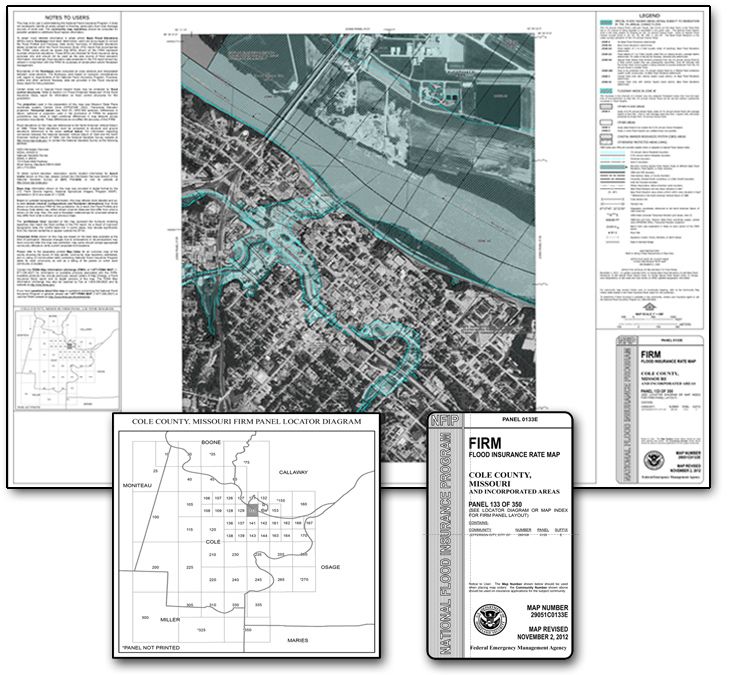
FLOOD RESILIENCE
  A Basic Guide for Water and
      Wastewater Utilities

            September 2014
           EPA 817-B-14-006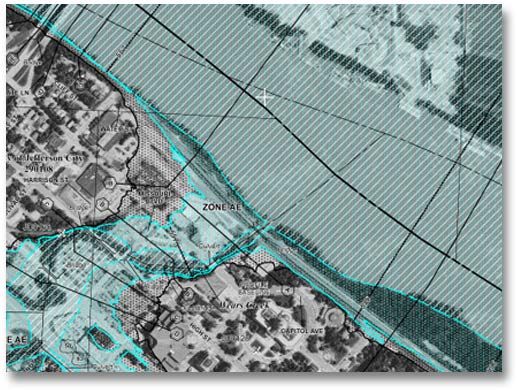
FLOOD RESILIENCE: A Basic Guide for Water and Wastewater Utilities

      Overview (page 1 of 3)

      FLOODS AND UTILITIES

1
      Flooding is one of the most common hazards in the
      United States, causing more damage than any other
      severe weather-related event. It can occur from tropical
      storms, hurricanes, swollen rivers, heavy rains, tidal
      surges, spring snowmelt, levee or dam failure, local
      drainage issues and water distribution main breaks.

      Impacts to drinking water and wastewater utilities can
      include loss of power, damage to assets and dangerous
      conditions for personnel. As storms become more
      frequent and intense and as sea levels rise, flooding will
      be an ongoing challenge for drinking water and
      wastewater utilities.

                                                                                     Click Next to learn more about flood
                                                                                                resilience and mitigation.

                          Previous                                       Main Menu           Next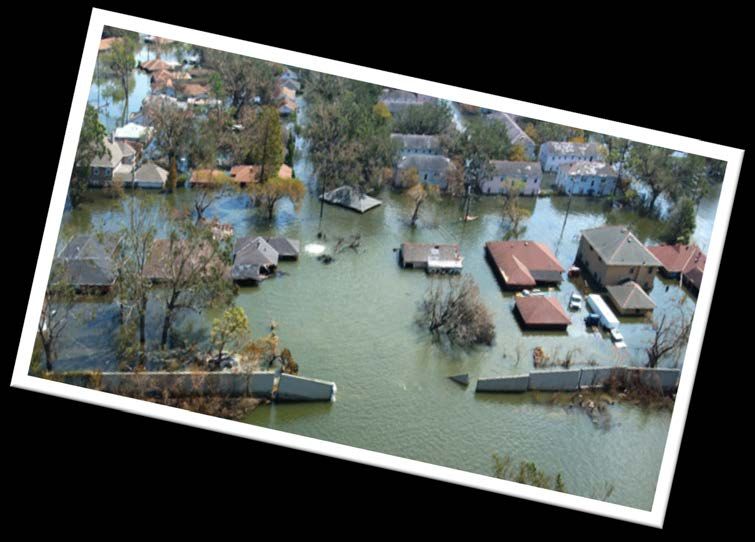
FLOOD RESILIENCE: A Basic Guide for Water and Wastewater Utilities
Overview (page 2 of 3)
WHAT IS FLOOD RESILIENCE AND MITIGATION?
For the water sector, “flood resilience” refers to the ability of
water and wastewater utilities to withstand a flooding event, Mitigation Success Story
1
minimize damage and rapidly recover from disruptions to in Alabama
Note: Recent FEMA publications recommend elevating
critical infrastructures above the 500 year flood elevation.
service.1 Utilities can build resilience by implementing
This level of protection may be necessary to obtain
mitigation measures. A mitigation measure can be an federal funding.
emergency planning activity, equipment modification/upgrade
or new capital investment/construction project. Examples of
mitigation measures include:
Emergency response plan
Barriers around key assets
Elevated electrical equipment
Emergency generators
Bolted down chemical tanks
During major flooding, power outages at the
Implementing these mitigation measures requires financial Geneva Water Works resulted in sewer backups.
investment by the utility; however, flood mitigation could Geneva County received a FEMA Hazard
prevent costly damage and enable the utility to provide more Mitigation Grant to procure an emergency backup
reliable service to customers during a disaster. To help pay for generator and fuel tank as well as to elevate
flood mitigation measures, a utility can also apply for federal critical motors and blowers. Two years later,
disaster mitigation funds. Geneva experienced another major flood, but this
time the system was unaffected.
Click Next to learn more about this Guide
1 For more information on resilience, see Presidential Policy Directive 21 (accessed August 21, 2014). and to watch a video on flood resilience.
Previous Main Menu Next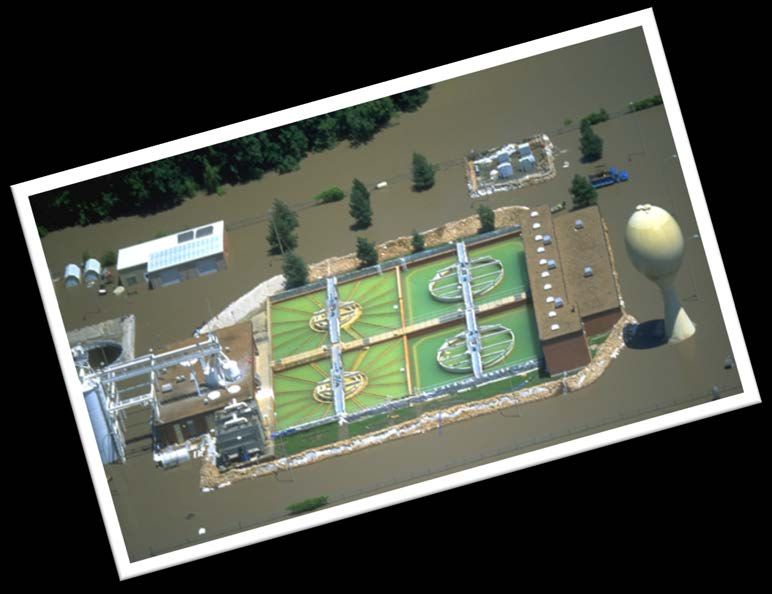
FLOOD RESILIENCE: A Basic Guide for Water and Wastewater Utilities

    Overview (page 3 of 3)

1
    ABOUT THIS GUIDE

    The U.S. Environmental Protection Agency (EPA) developed
    this guide to help drinking water and wastewater utilities
    become more resilient to flooding.1 In the approach, the utility
    would examine the threat of flooding, determine impacts to
    utility assets and identify cost-effective mitigation options. This
    approach was successfully tested during a pilot project at a
    small drinking water system, the Berwick Water Department
    (BWD), in Berwick, Maine. Click on the video to learn why and
    how BWD assessed their resilience to flooding.

    This guide is particularly useful for small and medium utilities.
    It provides easy-to-use worksheets with corresponding videos
    (based on the Berwick pilot). To increase your resilience to
    flooding, consider your utility’s priorities and available
    resources. Although this guide focuses on flood resilience, the
    same approach can be applied to enhancing resilience to other
    hazards (e.g., earthquakes, tornadoes).
                                                                                                                          Click on the image to view the video.

                                                                           You have completed the Overview.
                                                                     Click Next to continue to the 4-Step Approach.

    1   For more on EPA’s Water Security tools and resources, visit http://water.epa.gov/infrastructure/watersecurity/.

                             Previous                                                    Main Menu                                    Next
FLOOD RESILIENCE: A Basic Guide for Water and Wastewater Utilities

      Approach to Flood Resilience
      4-STEP PROCESS
      There are four basic steps involved in increasing your utility’s resilience to flooding.1
1

              STEP 1                           STEP 2                             STEP 3                             STEP 4
            Understand the                 Identify Vulnerable                     Identify &                     Develop Plan to
              Threat of                    Assets & Determine                 Evaluate Mitigation                    Implement
              Flooding                       Consequences                          Measures                     Mitigation Measures

      Click on each step above and:
      • Read the step description
      • Watch the corresponding video
      • Complete a worksheet and fill in accompanying blank tables with your utility data

      WORK WITH A TEAM
      To help you through this process, work with a team of your partners and
      stakeholders. This team could include your utility staff (e.g., operators,
      supervisors, field staff), other partners from local government (e.g., town
      engineer, public works staff, floodplain managers, emergency response
      personnel) and state government (e.g., primacy agency staff, hazard mitigation
      officers). It will be helpful to hold a kick-off meeting with this team to discuss
      goals and responsibilities to complete the assessment and implement mitigation
      measures. The four steps should be completed sequentially; however, they do not
      have to be completed all at once. Complete the steps as time and resources
      permit.

      1
          This basic approach is consistent with other water sector guidelines and standards, including ANSI/AWWA G440-11: Emergency
          Preparedness Practices, ANSI/AWWA G430: Security Practices for Operations and Management, AWWA M-19 Emergency Planning for
          Water Utilities, JAWWA J100-10 Risk and Resilience Management of Water and Wastewater Systems and the Vulnerability Self-
          Assessment Tool (VSAT).

                            Previous                                               Main 1Menu                                          Next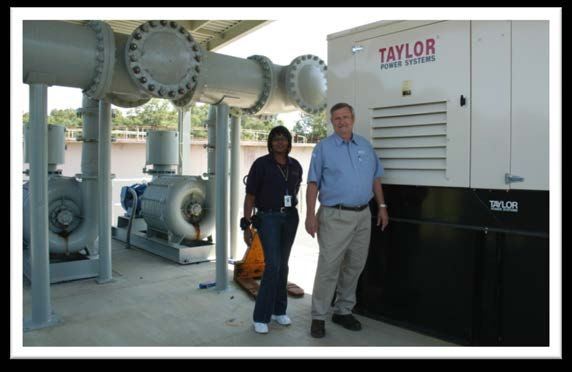
FLOOD RESILIENCE: A Basic Guide for Water and Wastewater Utilities

  Approach to Flood Resilience

        STEP 1                          STEP 2                        STEP 3                        STEP 4
      Understand the                Identify Vulnerable                Identify &                Develop Plan to
        Threat of                   Assets & Determine            Evaluate Mitigation               Implement
        Flooding                      Consequences                     Measures                Mitigation Measures

  STEP 1: UNDERSTAND THE THREAT OF FLOODING
  Flooding depends on various factors including
  rainfall, topography, river-flow, drainage and
  tidal-surge. The threat of flooding is based on
  the likelihood that such a flooding event will
  occur. Learn how the Berwick Water
  Department (BWD) evaluated their threat of
  flooding from the video. Also, the Federal
  Emergency Management Agency (FEMA) is a
  resource to help you. FEMA produces maps of
  a “100-year flood” (a flood event that has a
  one percent chance of occurring in a given
  year) and a more catastrophic “500-year
  flood” (a flood event that has a two tenths of a
  percent chance of occurring in a given year).
  Click on the Step 1 worksheet icon below so
  that you can document the flooding threat
  and obtain FEMA Flood Maps.                                                  Click on the image to view the video.

                                                                        STEP 1 Worksheet                 Worksheet

                                        Click here to document the threat of flooding to your utility.

   Previous                                           Main Menu                                             Next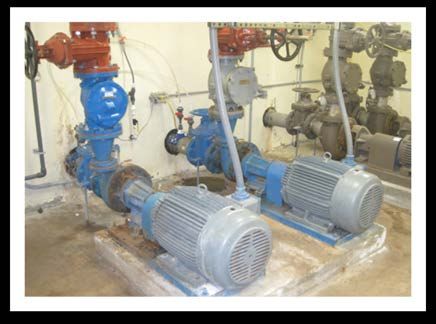
FLOOD RESILIENCE: A Basic Guide for Water and Wastewater Utilities

 Worksheet
                  STEP 1: Worksheet (page 1 of 2)
                   To better understand the threat of flooding, your utility should first examine historical flooding
                   data and review Federal Emergency Management Agency (FEMA) Flood Maps. Below are
                   instructions for evaluating the threat of flooding at your utility.

                   The tables below have sample data. Use the blank tables (double click icon)
                   to input your utility’s data.                                                                        1
  1.1 Have you reviewed utility records of past flooding events?                                           Yes          No

        If no, review how past flooding events have threatened your utility. Use various sources, including utility
        records, newspapers, websites and hazard mitigation experts, to collect previous flooding data. Enter your
        utility’s past flooding information into Table 1.
        EXAMPLE OF COMPLETED TABLE 1 – PAST FLOODING EVENTS
          Event Information                                  Description of Damage
          (e.g., Date, Name, Type*, Flood Elevation)         (Operational, Public Health and Economic Impacts)
          April 2007, “Patriot’s Day Storm,” Nor’easter,     Collapsed water storage tank and damage to pump stations
          238.5 ft                                           and chemical storage. Operated on backup power
                                                             generator. Boil water notice issued for several days.
                                                             Financial impacts were roughly $100,000.
        * Tropical storm, hurricane, spring thaw/snowmelt, levee failure, etc.

  1.2 What potential sources of flooding could impact your utility?
              Swollen rivers/streams                 Flash floods                      Levee/dam failure

              Spring thaw                            Coastal flooding                  Non-natural causes (e.g., main breaks)

  1.3 Have you obtained FEMA Flood Maps?                                         Yes          No

        If no, go to the Map Service Center to find FEMA Flood Maps, categorized by
        community. Flood Maps show areas that will be affected by both 100-year and 500-
        year floods. A “100-year flood” is a flood event that has a one percent chance of
        occurring in a given year. A “500-year flood” is a flood event that has a two tenths
        percent chance of occurring in a given year. Click on the icon to learn more about                 Guide to Interpreting
        interpreting a Flood Map. If your Flood Map is not up to date, talk with your local                 FEMA Flood Maps
        community planning department or floodplain manager.

  1.4 Identify which floodplains your utility systems are located within.
        Locate your utility systems, such as intake, treatment, distribution, storage tank and pump stations, on
        your community’s Flood Map to determine which floodplains they are located within. Summarize your
        findings in Table 2.

   Previous                                                Main Menu                                                  Next
FLOOD RESILIENCE: A Basic Guide for Water and Wastewater Utilities

 Worksheet
                    STEP 1: Worksheet (page 2 of 2)
                      EXAMPLE OF COMPLETED TABLE 2 - UTILITY SYSTEMS WITHIN FLOODPLAIN
                                                                   100-year               500-year
                                 Utility System                   Floodplain             Floodplain
                                                                  Flood Reaches          Flood Reaches        Note: Changes in climate
                                                                 Elevation (237 ft)     Elevation (240 ft)
                                                                                                              and land use can affect a
                       Intake (235 ft)                                                                        utility’s flooding threat. For
                                                                                                              a more advanced evaluation,
                       Treatment (238 ft)
                                                                                                              EPA’s Climate Resilience
                       Distribution/Collection (237 ft)                                                       Evaluation and Awareness
                                                                                                              Tool (CREAT) can provide
                       Storage Tank (252 ft)                                                                  data on projected changes of
                       Pump Stations (238 ft)                                                                 extreme precipitation events
                                                                                                              and sea-level rise by location.

  1.5 What flooding threat do you want to prepare for?

         Using your utility’s information from Table 2, decide which flood threat will be the focus for protecting your
         utility. Select the flooding level that you would like to address.

                    100-year flood                  Elevation ___________ ft
                                                                                              Note: A recent FEMA publication2
                                                                                              recommended elevating critical
                    500-year flood                  Elevation ___________ ft
                                                                                              infrastructures above the 500-year flood
                    Other: _______                                                            elevation. This level of protection may
                                                    Elevation ___________ ft
                                                                                              be necessary to obtain federal funding.
               (e.g., add elevation for climate change impacts or freeboard1 for
               local building requirements)

         To illustrate how a utility might make this decision, below are three potential options based on the
         sample data in Table 2 above.
           • Option A: Select 100-year flood. The utility is unwilling to tolerate a one percent probability of a
               flood that would damage its intake and distribution systems. The utility is not concerned about the
               more remote possibility of a 500-year flood at this time.
           • Option B: Select 500-year flood. Although the utility will have some impacts from a 100-year flood,
               the intake and distribution systems are generally well protected. However, the entire facility,
               including a new expensive treatment system, would be a total loss with a 500-year flood.
           • Option C: Select 100-year flood plus 2 feet. The facility has assets located along the coast and
               experienced two floods in the last 5 years that approached this elevation and caused significant
               disruption to service.

  1 Freeboard is a safety factor expressed in feet above a flood level for purposes of floodplain managers.
  2 “Reducing Flood Effects in Critical Facilities,” FEMA RA2 (accessed August 21, 2014).

   Previous                           You have completed Step 1. Click Next to continue to Step 2.                                 Next
FLOOD RESILIENCE: A Basic Guide for Water and Wastewater Utilities

                                                                                         Return to Step 1 Worksheet

  Interpreting FEMA Flood Maps (page 1 of 2)
  FLOOD MAP
  Flood Map is the common term used to refer to a Flood Insurance Rate Map (FIRM) developed by FEMA. Local and
  state governments use these maps to understand the threat of flooding and to devise hazard mitigation plans
  (including possible projects) to mitigate the effects of flooding in their communities. Flood Maps can be obtained
  through FEMA’s Map Service Center. To identify your relevant Flood Map, enter the address of your facility or
  vulnerable asset(s). An example map including legend, index and title box is provided below.
  EXAMPLE FLOOD MAP – JEFFERSON CITY, MISSOURI                                                            Legend

                                                                                                 Panel Number
                                                                                              Community Name
      Depicts                                                                                 and Number
  Which Area
 Is Shown on
   Map/Panel

                                                                                                 Date

                                   Index                              Title Box

   Previous                                           Main Menu                                            Next
FLOOD RESILIENCE: A Basic Guide for Water and Wastewater Utilities
Return to Step 1 Worksheet
Interpreting FEMA Flood Maps (page 2 of 2)
FLOOD MAP
The figure below presents a close-up view of the Flood Map shown on the previous page. Water and wastewater
utilities can use Flood Maps to determine if their facility locations (e.g., treatment, culverts, water storage) are in
a 100-year flood zone, a 500-year flood zone or outside of a 500-year flood zone. Although the format and
content may differ, information on a Flood Map includes:
• Common physical features, such as major highways, lakes, railroads and waterways
• Areas subject to a 100-year flood (one percent annual chance of such flooding), also known as Special
Flood Hazard Areas (SFHAs) and base flood areas
• Areas subject to a 500-year flood (two tenths percent annual chance of such flooding)
• Areas outside of the 500-year flood zone
• Base flood elevation (BFE) or depths
• Flood insurance risk zones
To illustrate how to interpret a Flood Map, a hypothetical water utility building is shown.
CLOSE-UP OF EXAMPLE FLOOD MAP
OTHER FLOOD AREAS FLOODWAY AREAS IN ZONE AE
Areas of 0.2% annual chance flood; areas of 1% The floodway is the channel of a stream plus
ZONE X annual chance flood with average depths of less than any adjacent floodplain areas that must be kept free of
1 foot with drainage areas less than 1 square mile; and areas encroachment so that the 1% annual chance flood can be
protected by levees from 1% annual flood chance. carried without substantial increases in flood heights.
Includes areas in the 500-year floodplain
Missouri River
Hypothetical Water Utility
Building located outside of
the 500-year flood zone.
Special Flood Hazard Areas
(SFHAs) Subject to inundation
by the 1% annual chance of flood.
Depicts areas in the 100-year floodplain Base Flood Elevation
line and value.
More information on how to read a Flood Map can be found at
http://www.floodsmart.gov/floodsmart/pages/flooding_flood_risks/understanding_flood_maps.jsp.
Previous Main Menu NextFLOOD RESILIENCE: A Basic Guide for Water and Wastewater Utilities
Approach to Flood Resilience
STEP 1 STEP 2 STEP 3 STEP 4
Understand the Identify Vulnerable Identify & Develop Plan to
Threat of Assets & Determine Evaluate Mitigation Implement
Flooding Consequences Measures Mitigation Measures
STEP 2: IDENTIFY VULNERABLE ASSETS &
DETERMINE CONSEQUENCES
Often located in low lying areas, water and
wastewater utilities are particularly
vulnerable to flooding. Water and debris can
inundate the facility, thereby damaging
equipment and structures and causing
power outages. Such impacts can lead to
various consequences including costly
repairs, disruptions of services, hazardous
situations for personnel and public health
advisories. In this step, identify the assets
that are vulnerable to flooding and
determine the resulting consequences to
those assets and to overall utility
operations. Using this information and your
judgment, determine the assets/operations
that you will need to protect from flooding.
Click on the image to view the video.
Click the video to learn how BWD identified vulnerable assets and determined consequences to their utility. Use
the worksheet below to conduct Step 2. It includes a checklist to inspect your utility and determine elevations of
assets/operations. It is important to understand how your drinking water or wastewater utility may be impacted
by flooding events so that you can identify appropriate mitigation actions to eliminate or reduce asset damage
and prevent service disruptions.
STEP 2 Worksheet Worksheet
Click here to identify assets that are vulnerable to
flooding and determine consequences.
Previous Main Menu NextFLOOD RESILIENCE: A Basic Guide for Water and Wastewater Utilities
Worksheet
STEP 2: Worksheet (page 1 of 2)
To identify which key utility assets/operations are vulnerable to flooding, you should conduct an on-
site inspection to locate assets and document elevations. Compare these elevations with the threat
elevations in the FEMA Flood Map. The assets/operations that are vulnerable to flooding and that
result in significant consequences for the utility are candidates for mitigation and protection. Below
are instructions for evaluating vulnerabilities of assets and the resulting consequences at your utility.
The tables below have sample data. Use the blank tables (double click icon)
to input your utility’s data. 2
2.1 Measure elevations of utility assets to determine vulnerability to flooding.
Conduct on-site inspections of your utility system and then determine the elevation for each critical
asset/operation. To assist you, use the On-Site Asset Inspection Form found in the blank tables. Summarize
the elevation data for all assets/operations in the vulnerability columns in Table 3.
• Write in the asset/operation (column 1) Tip:
• Measure the height of the asset/operation above the floor • During the inspections, consider flood
(column 2) water entry points. For example,
assets/operations below ground may
• Determine the elevation of the floor (above sea level) using
be vulnerable due to leaks from first-
as-built design drawing or layouts
floor flooding.
• Determine asset elevation (column 3) by adding floor
elevation and asset height above the floor • Although an asset may be located
• Write in flood threat elevation into column 4 (from Step 1.5) within a floodplain, it may not be
• Compare asset elevation (column 3) to flood threat elevation vulnerable to flooding if, for example, it
(column 4) and determine which assets/operations are is built on an elevated platform or
vulnerable to flooding (column 5) within a bermed area.
2.2 Determine consequences based on replacement costs and impacts to
facility operations.
Assuming that an asset/operation is flooded, determine the consequences. Estimate replacement costs for
assets based on the best available data, vendor costs or Recommended Practices.1 Record this in column 6
of Table 3 and characterize impacts to the utility operations in column 7.
2.3 Determine priority need for mitigation to improve flood resilience.
For each asset/operation, use your judgment to determine the
priority need for mitigation measures. Base your decision on Tip: In the example table, note that
both the vulnerability of the asset/operation to flooding the automatic transfer switch has a
high consequence to the utility, but is
(column 5) and the consequences for the utility (columns 6 and
located above the flood threat
7) in Table 3. Enter your judgment into column 8.
elevation, so the switch ultimately
has a low priority for mitigation.
1 AACE Recommended Practice 17R-97: Cost Estimating and Budgeting: Class 5 – Process Industry Planning Level estimate
http://www.aacei.org/non/rps/17R-97.pdf (accessed August 21, 2014).
Previous Main Menu NextFLOOD RESILIENCE: A Basic Guide for Water and Wastewater Utilities
Worksheet
STEP 2: Worksheet (page 2 of 2)
EXAMPLE OF COMPLETED TABLE 3 – SUMMARY OF VULNERABLE ASSETS, CONSEQUENCES OF FAILURE
& PRIORITY FOR MITIGATION
Vulnerability Consequences Priority for Mitigation5
1 2 3 4 5 6 7 8
Height
Elevation Vulnerable
of Asset Elevation Replacement Impact to Facility
Asset/ of Flood to Low Moderate High
Above of Asset Costs ($) for Operations from Asset
Operation Threat Flooding? () () ()
Floor (ft)2 Asset Failure
(ft)3 (Yes/No)4
(ft)1
Inability to feed raw water to
Raw Water
0.5 238.5 240 Yes 20,000 the process tanks will render
Pump
the facility inoperable.
Inability to provide high air
pressure will limit the
Air operation of pneumatic
0.75 238.75 240 Yes 15,000
Compressor valves on the treatment
process systems. This will
render facility inoperable.
If water damaged the
Automatic Automatic Transfer Switch,
2.5 240.5 240 No 5,000
Transfer Switch the facility would be
inoperable.
The outlets for general use
are not critical to facility
Electrical Outlets 2.5 240.5 240 No 5,000 operations and they are
located above the 500-year
flood elevation.
1 The distance between the floor and the bottom of the utility asset.
2 Elevation of the asset = elevation of floor (in this example, 238 ft based on design drawing of utility) plus height of asset above floor (column 2).
3 In this example, elevation of flood threat for the 500- year flood is 240 ft (obtained from Step 1.5).
4 If elevation of flood (column 4) is higher than elevation of asset (column 3), then yes.
5 Based on qualitative judgment considering both vulnerability and consequences.
Previous You have completed Step 2. Click Next to continue to Step 3. NextFLOOD RESILIENCE: A Basic Guide for Water and Wastewater Utilities
Approach to Flood Resilience
STEP 1 STEP 2 STEP 3 STEP 4
Understand the Identify Vulnerable Identify & Develop Plan to
Threat of Assets & Determine Evaluate Mitigation Implement
Flooding Consequences Measures Mitigation Measures
STEP 3: IDENTIFY & EVALUATE MITIGATION MEASURES
First, identify possible mitigation measures that
can protect the key vulnerable assets and
operations prioritized in Step 2. Then, evaluate
which mitigation measures make sense to pursue
and implement.
A mitigation measure can be any emergency
planning activity, equipment modification or new
capital construction project. Examples of each
include:
• Emergency procedure to top off water
storage tanks in advance of flooding.
• Bolting down chemical tanks and
elevating equipment.
• Constructing flood barriers and installing
backup generators.
Click on the image to view the video.
Click the video to learn how BWD identified and
evaluated appropriate mitigation measures. Click
on the worksheet icon below to conduct Step 3.
STEP 3 Worksheet Worksheet
Click here to identify and evaluate mitigation measures.
Previous Main Menu NextFLOOD RESILIENCE: A Basic Guide for Water and Wastewater Utilities
Worksheet
STEP 3: Worksheet (page 1 of 5)
To improve your utility’s flood resilience, you should identify and evaluate which mitigation
measures to pursue based on cost, effectiveness and practicality. It is possible that some
mitigation measures could be implemented at little to no cost to your utility. Below are
instructions for evaluating mitigation measures at your utility.
The tables below have sample data. Use the blank tables (double click icon)
to input your utility’s data. 3
3.1 What are your utility’s requirements to maintain a minimum level of service
during a flood?
Enter capacities/requirements to maintain a minimum level of service at your utility into Table 4. See below
for an example of Table 4 completed with sample data. This information may help you choose mitigation
measures that can sustain your minimum level of service.
EXAMPLE OF COMPLETED TABLE 4 –
CAPACITIES/REQUIREMENTS TO MAINTAIN A MINIMUM LEVEL OF SERVICE
Sample Asset/Operation Capacity/Requirements
Finished Water 3,500 gpd
Chemical and Fuel 500 lbs chlorine/day
TIP: The level of service
Electricity Varies required following a
Water Pressure at Treatment Plant 60 psi flood event may differ
from “normal” demands.
Pressure of Booster Pumps 80 psi
3.2 What flood mitigation measures can prevent damage to key assets and
disruptions to critical operations?
For assets/operations that have a moderate or
high priority for mitigation (column 8 in Table 3),
you may consider consulting with a team of TIP: General examples
operators, mitigation officers, town engineers, include waterproofing,
elevating or upgrading
neighboring utilities, vendors, etc., to identify equipment; using flood
potential options. Click the icon to help you control methods to
identify mitigation measures. modify runoff and
managing stormwater
through green
infrastructure.
Mitigation Options
Previous Main Menu NextFLOOD RESILIENCE: A Basic Guide for Water and Wastewater Utilities
Worksheet
STEP 3: Worksheet (page 2 of 5)
3.2 What flood mitigation measures can prevent damage to key assets and
disruptions to critical operations? (cont’d)
Populate the first two columns in Table 5 with mitigation measures that
TIP: Consider listing several
you propose for each asset/operation. FEMA also provides some possible mitigation measures for
guidance for selecting mitigation measures to protect against flooding.1 a specific asset or operation (e.g.,
multiple rows for one
asset/operation).
3.3 Evaluate mitigation measures.
Evaluate the mitigation options based on various criteria including effectiveness, practicality and cost.
Descriptions of these sample criteria are in Matrix 1. Also, your utility might want to consider other
factors such as:
• Availability of funding from federal/state sources,
• Selecting a mitigation strategy that addresses a group of similar assets/operations (e.g., pumps for
raw water and pumps for intake water) or
• Bundles of mitigation measures that can better address a flooding threat (e.g., bundle sandbags and
water-proof doors).
For each mitigation measure, use your professional judgment to classify the criteria as low, medium or
high. In columns 3–5, rate each criterion and, in column 6, write your thoughts in evaluating the
mitigation option. Finally, in column 7, provide your recommendation. For each mitigation measure,
complete columns 3–7 in Table 5.
1 Selecting Appropriate Mitigation Measures for Floodprone Structures, FEMA 551 (2007), Section 7-2,
Technical Considerations (available at http://www.fema.gov/library/viewRecord.do?id=2737 [accessed August 21, 2014]).
Previous Main Menu NextFLOOD RESILIENCE: A Basic Guide for Water and Wastewater Utilities
Worksheet
STEP 3: Worksheet (page 3 of 5)
MATRIX 1 – DESCRIPTIONS OF EVALUATION CRITERIA
Priority Evaluation Criteria
Effectiveness Practicality Cost
This evaluates the ability of a mitigation This is a measure of the ease to Consider replacement costs for the asset, up-front costs for the
measure to increase resilience. For the water implement the mitigation option. For mitigation measure, operations and maintenance costs as well as
sector, “flood resilience” refers to the ability of example, consider whether the indirect costs such as staff training. Sources of cost estimation include
water and wastewater utilities to withstand a mitigation option requires ongoing vendors, trade publications or industry standards. Consider whether the
flooding event, minimize damage and rapidly operations and maintenance or mitigation measure can be implemented internally or if it requires
recover from disruptions to service. This can be special training or certification. outside contractor assistance. Also, consider calculating net present
measured against the requirement for a value costs and compare the costs of the mitigation measures to the
minimum level of service (see Table 4). costs of replacing flood-damaged equipment and the costs of disrupted
operations, as outlined in Table 3.
Other Evaluation Criteria
Funding Sources Single Mitigation Solution for Groups of Assets Bundle Mitigation Strategies
Consider the likelihood of applying and receiving You may want to consider a mitigation strategy for a Sometimes, combinations or bundles of mitigation
federal funding for the mitigation measure. Be group or bundle of assets/operations that are threatened measures can better address a flooding threat.
aware that for FEMA Hazard Mitigation Grants, in the same way. For example, several critical pumps Often, such bundles can be provided at a lower
you need to use FEMA’s more comprehensive (raw water, backwash and finished water) that are co- cost. For example, you may want to bundle
Benefit-Cost Analysis Tool to assess mitigation located at similar elevations could be considered a single sandbags and water-proof doors to provide
costs. group of assets that need protection. It may be more cost complementary reliable protection.
effective to protect all the pumps with a retaining wall
rather than invest in submersible versions of the pumps.
Previous Main Menu NextFLOOD RESILIENCE: A Basic Guide for Water and Wastewater Utilities
Worksheet
STEP 3: Worksheet (page 4 of 5)
EXAMPLE OF COMPLETED TABLE 5 –
IDENTIFY & EVALUATE MITIGATION MEASURES FOR POWER SUPPLY
Mitigation Measures Evaluation Criteria Recommendation
1 2 3 4 5 6 7
Recommend
Possible Effectiveness Practicality
Assets/ Mitigation
Mitigation (Low, Med, (Low, Med, Estimated Cost ($) Evaluation of Mitigation Measure
Operations Measure
Measures High) High)
(Yes/No)?
Significant benefit over current
Medium-High: situation – highly effective. Would
Procure $100K; Cost-Benefit propose to bundle the procurement of
Power Supply emergency High Medium analysis indicated a 7- a generator and fuel agreements to Yes
generator year return on ensure power resilience in floods.
investment FEMA mitigation can fund generators
so we will plan to apply.
Establish
Initial conversation with vendors looked
agreements
promising. Bundled with generator
Power Supply with suppliers High High Low: $5K Yes
procurement. Influenced by high
to fuel
effectiveness and low cost.
generator
Strongly influenced by low practicality.
Procure
There is no need for fuel truck beside
vehicle to Medium: $30K plus
emergencies and it may require
Power Supply obtain/ Medium Low costs for operations & No
hazmat driver certification. Also, the
distribute fuel maintenance
vendor agreed to stage a fuel vehicle in
for generator
advance of hurricanes.
Previous Main Menu NextFLOOD RESILIENCE: A Basic Guide for Water and Wastewater Utilities
Worksheet
STEP 3: Worksheet (page 5 of 5)
EXAMPLE OF COMPLETED TABLE 5 –
IDENTIFY & EVALUATE MITIGATION MEASURES FOR PUMPS
Mitigation Measures Evaluation Criteria Recommendation
1 2 3 4 5 6 7
Recommend
Possible Effectiveness Practicality
Assets/ Mitigation
Mitigation (Low, Med, (Low, Med, Estimated Cost ($) Evaluation of Mitigation Measure
Operations Measure
Measures High) High)
(Yes/No)?
High: $150–216K for
High cost because there are six pumps
six pumps
Pumps (raw, Replace with at similar vulnerable elevation; medium
($25K/pump to
finished, submersible Medium Medium practicality because would also need to No
replace or $36K/pump
backwash) pumps upgrade electrical panel. Look for other
to upgrade to
short term fixes.
submersible)
Larger sump pump capacity may give
Pumps (raw, Increase
staff additional time to plan for
finished, capacity for Medium High Low: $7K Yes
mitigation efforts. Low cost is
backwash) sump pump
attractive.
Relatively easy to install water
Install
proofing, but relies on labor for heavy
Pumps (raw, watertight
lifting. Worthwhile given that preventing
finished, doors and sand Medium High Low-Medium: $20K Yes
water from entering building protects
backwash) bags for
six pumps totaling more than $150K in
waterproofing
replacement costs.
Previous You have completed Step 3. Click Next to continue to Step 4. NextFLOOD RESILIENCE: A Basic Guide for Water and Wastewater Utilities
Approach to Flood Resilience
STEP 1 STEP 2 STEP 3 STEP 4
Understand the Identify Vulnerable Identify & Develop Plan to
Threat of Assets & Determine Evaluate Mitigation Implement
Flooding Consequences Measures Mitigation Measures
STEP 4: DEVELOP A PLAN TO IMPLEMENT
MITIGATION MEASURES
Your utility will need to develop a plan to
implement mitigation measures to reduce or
eliminate asset damage and service
disruptions during flooding. The plan should be
revisited periodically and address actions,
schedule, funding, responsibilities, etc. For
example, flood mitigation measures that
involve major capital and infrastructure
investments should be integrated into the
utility’s overall scheduling in the asset
management planning process (e.g., phasing
in flood-resistant pumps). Click on the video to
learn how BWD developed a plan to implement
mitigation measures. To help your utility
complete Step 4, click the worksheet icon
below.
Click on the image to view the video.
STEP 4 Worksheet Worksheet
Click here to develop a plan to implement mitigation measures.
Previous Main Menu NextFLOOD RESILIENCE: A Basic Guide for Water and Wastewater Utilities
Worksheet
STEP 4: Worksheet (page 1 of 2)
Now that you have selected mitigation measures, develop a plan to implement them.
Below are instructions for developing an implementation plan at your utility.
The tables below have sample data. Use the blank tables (double click icon)
to input your utility’s data. 4
4.1 Develop an implementation plan for selected mitigation measures.
Develop a plan, with specific timeframes, to implement your recommended mitigation measures
(identified in Table 5). Consider coordinating with the following contacts: Utility Board, Local
Government, Emergency Management Agencies, State Hazard Mitigation Officer, Other Utilities and
Vendors.
Decide when and how to implement mitigation measures
Identify if the mitigation measure is to be implemented in the short-term (requiring less
planning and resources, yet filling an urgent need), medium-term or long-term (requiring
more planning/resources and protecting your utility from more intense events).
Determine when your utility will be making other planning decisions (e.g., updating capital
improvement plans or conducting capacity building) and incorporate mitigation activities into
these decision-making processes.
Consider general operations and maintenance activities that are planned (e.g., replacing
equipment at the end of their life cycles) and how they might factor into the timeline for
implementing mitigation measures.
Use Table 6 to structure the plan.
EXAMPLE OF COMPLETED TABLE 6 –
PLAN TO IMPLEMENT SELECTED MITIGATION MEASURES
Total Time Lead
Mitigation Actions to Implement Mitigation Measure & Timeline for Funding
to Individual
Measure Completion Source
Implement or Agency
• Develop proposal that outlines basic engineering plans
and cost/benefit analysis for generator; include costs
for operations, maintenance, fuel (within 2 months)
• Talk to power utility about priority restoration of
electricity as well as possibility of generator (within 2–3 Capital
Emergency months) Funding and
Generator
• Talk to fuel vendors to establish agreements (within 2– Operations FEMA Hazard
and Fuel 1 year
3 months) and Finance Mitigation
Vendor
Agreement • Take proposal to town managers for preliminary Grant
approval to pursue (4 months) Program
• Work with local mitigation official and explore idea of
getting Federal Emergency Management Agency
(FEMA) Mitigation Funds for generator perhaps
bundled with other measures, etc. (4 months to 1 year)
Previous Main Menu NextFLOOD RESILIENCE: A Basic Guide for Water and Wastewater Utilities
Worksheet
STEP 4: Worksheet (page 2 of 2)
4.2 Explore funding sources for mitigation measures.
Internal utility capital improvement funding.
Local/State funding/bonds.
Federal funding: EPA’s tool Federal Funding for Utilities – Water/Wastewater – in National Disasters
(Fed FUNDS) provides comprehensive information on funding programs from various federal
agencies including FEMA, EPA, the U.S. Department of Agriculture (USDA), the U.S. Department of
Housing and Urban Development (HUD) and the Small Business Administration (SBA). For example,
because of flooding from Hurricane Sandy, EPA’s State Revolving Funds have refocused efforts on
encouraging flood resilience for both water and wastewater utilities. To access Fed FUNDS, click the
icon below.
Tip: Utilities applying for FEMA
Hazard Mitigation Grants must use
FEMA’s Benefit-Cost Analysis Tool
to evaluate the cost-effectiveness
Federal Funding for Utilities – Water/Wastewater of the mitigation measure.
– In National Disasters (Fed FUNDS)
4.3 Follow your implementation plan.
Implement measures according to the adopted implementation plan.
Update emergency response plans based on new mitigation measures and procedures to maintain
operations.
Evaluate the actual effectiveness of mitigation measures and reassess mitigation
decisions/approaches.
You have completed Step 4.
Previous Return to the Main Menu to explore other sections of this Guide. NextFLOOD RESILIENCE: A Basic Guide for Water and Wastewater Utilities
Return to Step 3 Worksheet
Mitigation Options
IDENTIFY MITIGATION MEASURES
This guide provides two ways to identify mitigation measures:
1. Practical Mitigation Measures. Click the clipboard icon for a one-page list of Practical
practical mitigation measures to help your utility prevent flood water intrusion, Mitigation
Measures
protect assets/operations if flooding does occur and ensure power reliability.
2. Mitigation Options for Specific Assets/Operations. Click the photographs of assets/operations
at drinking water (DW) and wastewater (WW) utilities and get tables of flood mitigation
measures for those assets/operations. The tables also provide relative costs for various
mitigation options.
DW
Assets
Water Intake, Distribution Booster Stations and Drinking Water
and Storage Other Pumps Treatment Plant
DW & WW
Assets
Buildings Chemical and Other Instrumentation and Power Supply
Storage Electrical Controls
WW
Assets
Lift Stations Headworks Wastewater Treatment
Plant
Remember, before you select the mitigation measures to implement, know the vulnerabilities of the
assets/operations and the costs and effectiveness of those mitigation measures (Step 3 Worksheet). You may be
able to relocate certain assets/operations outside of the floodplain. Also, find out if your local government
requires critical infrastructures to elevate assets to certain heights (e.g., 2 feet above 100-year floodplain).
Previous Main Menu NextFLOOD RESILIENCE: A Basic Guide for Water and Wastewater Utilities
Return to Mitigation Options
Practical Mitigation Measures for Flood Resilience
PREVENT INTRUSION OF FLOOD WATER
Implement a program to keep all drains and culverts clear of
debris to reduce possible flooding.
Use sandbags to make a quick and low-cost barrier to minor
flooding. Have sand and bags available.
Install backflow preventers on low-lying overflow pipes to protect
finished water.
Sandbags to prevent
intrusion of water
PROTECT ASSETS AND OPERATIONS
Secure or elevate chemical and other tanks to prevent them from
floating away, releasing contents or damaging other equipment.
Plan to move vehicles to high ground. Develop alternative methods to
access the facility if entry is blocked by high flood waters or debris.
Elevate or relocate instrumentation, electrical controls, computers and
records.
Fill finished water storage tanks to full capacity if a flooding event is
anticipated.
Maintain sufficient supplies of chemicals and fuel in anticipation of
supply disruptions during a flood. Wellhead above
100-year flood
ENSURE POWER RELIABILITY
Contact your local power utility and local emergency management agency to
plan for priority restoration of power to your water or wastewater utility.
Ensure backup power for pumps, treatment facilities and remote units.
Purchase, rent or borrow generators (e.g., through mutual aid). Install
connections to enable your utility to rapidly hook up generators to your
system.
Make sure generators, electrical connections and fuel supplies are protected
from flooding (e.g., elevated, easy to access).
Arrange for priority access to fuel supplies (e.g., vendor contract).
Elevated Emergency
Generator
Previous Main Menu NextFLOOD RESILIENCE: A Basic Guide for Water and Wastewater Utilities
Return to Mitigation Options
Mitigation Options
BUILDINGS (page 1 of 2)
Drinking water
Wastewater
It is important for drinking water and wastewater utilities to protect
their buildings and other structures from floods. This includes any
entryways, both obvious (e.g., doors, windows, floor drains) and not
so obvious (e.g., wiring conduits, overflow drains, cracks) where water
can enter structures. Significant damage can result from flood waters
entering a building; water can damage or destroy the structure,
process equipment, communications and controls, records and field and administrative equipment. Flood waters
can also restrict access to the facility. These impacts could result in loss of service for your customers and
significant repair costs for the utility. Utilities should establish emergency monitoring and warning systems
(alarm systems where possible), emergency preparedness protocols and evacuation procedures for all buildings
and facilities.
See the following checklist for potential flood mitigation options for your utility buildings.
Mitigation Options for Buildings Cost
1. Prevent buildings from flooding.
a. Caulk and/or seal wall and floor penetrations. $
b. Install backflow prevention devices on sewers, drains and other buildings. $
c. Install waterproof protection (e.g., removable/semi-permanent structures, sealed
$$
doors, shields) for building entry points (e.g., windows, doors, garages).
d. Install floodwalls, levees or berms around buildings. $$$
2. Protect critical components if buildings do flood.
a. Train staff how and when to shut down and start up power and gas supplies,
$
electrical controls, operating systems and other equipment in system facilities.
b. Identify locations outside the flood zone where utility equipment (e.g., heavy
equipment, vehicles, replacement parts, backup generators, pumps) can be stored $
safely, permanently or temporarily, to prevent damage from flood waters or debris.
c. Have an alternative access plan in case normal access to buildings is blocked.
Consult with other entities (e.g., Department of Transportation) to consider alternate $
road/transportation options (e.g., watercraft).
Previous Main Menu NextFLOOD RESILIENCE: A Basic Guide for Water and Wastewater Utilities
Return to Mitigation Options
Mitigation Options
BUILDINGS (page 2 of 2)
d. Elevate or relocate equipment (e.g., computers, desks, work benches) to prevent
damage if water does enter the facility (i.e., move control centers and/or $$-$$$
laboratories to a second floor).
e. Maintain a cache of spare parts. $-$$$
3. Maintain operations when the electrical grid is down.1
a. Maintain a generator above flood levels. $$
4. Maintain continuity of operations during flooding.
a. Regularly backup electronic and paper files outside the flood zone either on-site
(e.g., an upper floor) or off-site. Include all permits and compliance documentation,
designs and as-built drawings, process diagrams, operations and maintenance
$
(O&M) records, standard operating procedures, process and equipment manuals,
material safety data sheets, asset management data, purchasing records,
operations data, customer records and other critical information.
b. Have the capability to operate remotely in case buildings are inaccessible. $$$
c. Establish interconnections or other partnership opportunities to share resources
$$-$$$
with neighboring water utilities.
Cost Key (Provides relative costs of mitigation measures - actual costs may differ for your utility)
$ - Little to no cost. Some internal level of effort required, but no contractor support needed.
$$ - Moderate cost/complexity. Likely involves contractual costs.
$$$ - High cost/complexity. Will require one or more contractors to implement this option.
1
See Mitigation Options (Power Supply)
Previous Main Menu NextFLOOD RESILIENCE: A Basic Guide for Water and Wastewater Utilities
Return to Mitigation Options
Mitigation Options
CHEMICAL AND OTHER STORAGE
Drinking water
Wastewater
After a flooding event, adequate supplies of chemicals and fuel are
vital to maintain utility operations during the days and weeks that
follow. Chemicals are needed for continued treatment of water and
wastewater and fuel is needed to run equipment including emergency
generators. Flooding may impact these resources in several ways.
Deliveries of chemicals and fuels can be disrupted if access to the
facility is restricted due to high flood waters or debris.
Without necessary chemicals or fuels, utility service could be disrupted for a prolonged period of time. Storage
tanks are also at risk of being damaged from a flooding event. For example, chemical or fuel tanks that are not
properly secured can be carried away, damaged or ruptured, potentially resulting in leaks and spills that may
contaminate utility assets and the environment.
See the following checklist for potential flood mitigation options for your utility chemical and other storage.
Mitigation Options for Chemical and Other Storage Cost
a. Elevate or relocate tank platforms above flood levels (e.g., 100- and/or 500-year
$-$$$
flood) or install physical barriers around the tanks.
b. Secure tanks to platforms (i.e., bolt tanks down). $
c. Install larger capacity chemical storage tanks to ensure a sufficient supply through
$
and beyond an emergency until the supply chain is restored.
d. Establish emergency contract provisions with various fuel vendors and chemical
suppliers and inform them of estimated fuel/chemical needs (type, volume and
$$
frequency).1 Work with your local emergency management agency to prioritize
chemical/fuel needs.
e. Ensure chemicals and fuels are topped off in advance of a potential flood. $-$$
f. For systems that work on groundwater well supply, procure or get access to a
$-$$
portable chlorinator.
Cost Key (Provides relative costs of mitigation measures - actual costs may differ for your utility)
$ - Little to no cost. Some internal level of effort required, but no contractor support needed.
$$ - Moderate cost/complexity. Likely involves contractual costs.
$$$ - High cost/complexity. Will require one or more contractors to implement this option.
1
See Mitigation Options (Power Supply)
Previous Main Menu NextFLOOD RESILIENCE: A Basic Guide for Water and Wastewater Utilities
Return to Mitigation Options
Mitigation Options
INSTRUMENTATION AND ELECTRICAL CONTROLS
Drinking water
Wastewater
Instrumentation, electrical controls and electrical wiring are critical
components of drinking water and wastewater treatment processes
and should be protected from flood damage to prevent a potential
service interruption. Motor Control Units (MCUs) may be co-located
with the equipment they monitor/control or they may be located in a
central control room. Typically, MCU clusters are co-located with the
pumps and other equipment that they control. With some modification they can be made more resilient to
flooding. Supervisory Control and Data Acquisition (SCADA) systems also may be at risk of failure during a
flood. Loss of SCADA systems can impact operations and data collection in operations centers, treatment
facilities, processes and remote locations in distribution and collection systems such as valve chambers and
pump stations. Utilities should be able to monitor and control operations manually if instrumentation and
controls are off-line due to flooding impacts.
See the following checklist for potential flood mitigation options for your utility instrumentation and
electrical controls.
Mitigation Options for Instrumentation and Electrical Controls Cost
1. Protect instrumentation and electrical controls from flood damage.
a. Elevate individual instrumentation/controls, control centers and MCUs or relocate to
$$
remote locations outside of the flood zone.
b. Maintain a cache of spare parts to restart operations as soon as possible. $-$$
c. Purchase and have available portable equipment if permanent equipment becomes
$$
disabled.
d. Train staff to shut down electrical equipment and controls (e.g., SCADA systems,
$$
computers, field instruments) prior to a flood to minimize damage.
e. Replace instrumentation and control enclosures with waterproof models. $-$$$
2. Maintain continuity of operations (e.g., redundant controls at another
location) if instrumentation and controls are damaged by a flood.
a. Have redundant controls at another location and/or remote access capabilities. $$
b. Train staff and plan for manual operation of your water system. $
Cost Key (Provides relative costs of mitigation measures - actual costs may differ for your utility)
$ - Little to no cost. Some internal level of effort required, but no contractor support needed.
$$ - Moderate cost/complexity. Likely involves contractual costs.
$$$ - High cost/complexity. Will require one or more contractors to implement this option.
Previous Main Menu NextFLOOD RESILIENCE: A Basic Guide for Water and Wastewater Utilities
Return to Mitigation Options
Mitigation Options
POWER SUPPLY (page 1 of 3)
Drinking water
Wastewater
Floods often result in power outages that have major implications for
drinking water and wastewater utilities. Without a backup solution,
outages can disrupt service leading to boil water advisories, sewer
backups or the discharge of raw sewage. To ensure continued service
in the event of a power outage, a utility should consider a number of
different strategies (e.g., backup generators, alternative/auxiliary
source of power, energy efficient equipment) to run the critical components of its system keeping in mind that
the minimum level of service required after a flood may differ from “normal” demands. Deciding on a strategy
requires that you identify and evaluate your facility’s sources, reliability, redundancies and critical power needs.
To get started, use the EPA’s publication Is Your Water or Wastewater System Prepared? What You Need to
Know About Generators (EPA 901-F-09-027, September 2009).
See the following checklist for potential flood mitigation options for your utility power supply.
Mitigation Options for Power Supply Cost
1. Long before a flood, take measures to reduce the duration of power outages.
a. Prepare a list of key utility facilities (e.g., intake works, pump stations, treatment
facility) that require critical power restoration and include the physical locations of
the facilities and their corresponding power company account numbers. Provide $
this information to the power company during an outage to expedite electricity
restoration.
b. Talk with your local emergency management agency and local power utility to
$
increase the priority of power restoration for your utility’s facilities.
c. Working with the power utility, consider installation of two independent power feeds
$$
to your utility, elevating substations and/or ways to avoid downed power lines.
d. Establish more reliable connection to power source (e.g., install substation
expressly for your utility or a dedicated feeder between the power station and the $$$
treatment plant).
2. Secure backup generators.1
a. For your electrical requirements, document the size and type of backup generator
that you need including voltage, phase configuration, horsepower/amperage, fuel, $
etc.
1
Regularly test/service backup generators and ensure that permanent/mobile generators are elevated or outside of flood zone.
Previous Main Menu NextFLOOD RESILIENCE: A Basic Guide for Water and Wastewater Utilities
Return to Mitigation Options
Mitigation Options
POWER SUPPLY (page 2 of 3)
b. Have pump stations wired to accept a portable generator. Ensure that “quick
$
connect” capability is installed and ready, and that on-site personnel are trained.
c. Arrange to get portable generators in an emergency by maintaining a call list of
multiple vendors that rent portable generators, entering into an agreement with a
particular vendor or joining a mutual aid network (e.g., Water/Wastewater Agency
$
Response Network [WARN]) to allow sharing of backup generators. During
widespread flooding events, demand and competition for portable generators will be
high.
d. Procure and install your own portable or permanent generators. Consider multi-fuel
$$$
generators.
3. Secure a source of fuel for backup generators.1
a. Fill fuel storage tanks in anticipation of flooding. $
b. Establish an agreement with your fuel supplier and provide estimates of fuel needs
(e.g., volume and frequency) in the event of a power outage. Also, secure a list of
$
alternative fuel suppliers. Maintain communication with your local emergency
management agencies for priority in getting fuel supplies.
c. Install fuel tanks on your utility’s vehicles and train staff in moving the utility’s fuel in
$$
an emergency.
d. Perform an energy audit of your facility to identify energy saving opportunities via
operations and equipment modifications. Implement recommendations of the audit
$$
(e.g., replace equipment with energy efficient models) to extend the life of your
backup power supply.
e. Install additional and/or larger fuel storage tanks. $$
4. Install an alternative energy system.
a. Install solar panels or wind turbines to reduce dependence on the electrical grid and
to potentially supplement your backup power supply (ensure your utility has the $$$
proper technical switches).
b. Install cogeneration units and/or a waste heat recovery system at wastewater
$$$
treatment plants to reduce or eliminate dependence on the grid.
5. Prepare/protect electrical connections/equipment.
a. Train staff to shut down electrical equipment (e.g., Supervisory Control and Data
Acquisition [SCADA] systems, computers, field instruments) prior to a flood event to $
minimize potential damage from flood waters.
b. Develop “start and connect” checklists specific to each piece of equipment. $
1
Regularly inspect/service fuel storage tanks and ensure that permanent/mobile fuel tanks are elevated or outside of flood zone.
Previous Main Menu NextFLOOD RESILIENCE: A Basic Guide for Water and Wastewater Utilities
Return to Mitigation Options
Mitigation Options
POWER SUPPLY (page 3 of 3)
c. Equip generators and motors with disconnect fittings that can be removed before a
$
flood and then restored.
d. Evaluate existing electrical panels to determine the best method of connecting
$
external portable generators to the facility or to individual pieces of equipment.
e. Replace/upgrade electrical connections/motor controls/junction boxes with
$$
watertight panels.
f. Relocate or elevate electrical vaults and service panels outside of the flood zone. $$$
Cost Key (Provides relative costs of mitigation measures - actual costs may differ for your utility)
$ - Little to no cost. Some internal level of effort required, but no contractor support needed.
$$ - Moderate cost/complexity. Likely involves contractual costs.
$$$ - High cost/complexity. Will require one or more contractors to implement this option.
Previous Main Menu NextFLOOD RESILIENCE: A Basic Guide for Water and Wastewater Utilities
Return to Mitigation Options
Mitigation Options
WATER INTAKE, DISTRIBUTION AND STORAGE (page 1 of 3)
Drinking water
Flooded rivers and lakes can pose threats to source water intake
structures by clogging them with excess silt/debris or by physically
damaging them with debris. Flood waters that do enter the intake
may carry increased contaminant loads and/or turbidity levels that
may impact water treatment plant processes. Distribution system
piping and appurtenances that are underground, along culverts and
under bridges can be washed out by fast and high flowing flood
waters. Finished water storage tanks also can be damaged by the
force of flood waters.
Groundwater sources also may be prone to damage. Flood waters can overtop wellheads, causing damage to
the casings as well as contaminating the well water. Shallow wells near a flood zone can be contaminated even
if the wellhead itself has not been overtopped. Distribution lines for groundwater sources can be equally
vulnerable to flooding.
See the following checklist for potential flood mitigation options for your utility surface or groundwater
intakes, distribution systems and storage facilities.
SURFACE WATER UTILITIES
Mitigation Options for Surface Water Utilities Cost
1. Prevent structures from flooding.
a. Relocate or elevate pump house and distribution system appurtenances that are in
$$$
the flood zone.
2. Protect critical components if intake, distribution and storage
of finished water do flood.
a. Protect or reinforce surface water intake structures from floating debris, erosion and
siltation to prevent damage or blockages during floods. Install jetty or breakwater to
$$
divert debris/silt away from structure. Install/upgrade screen at the intake to prevent
debris blockages.
b. Waterproof, relocate or re-enforce distribution system appurtenances (i.e., fire
$$
hydrants, valve vaults) susceptible to flooding or damage from debris.
c. Install submersible pumps or waterproof pump motors. $$
d. Ensure that distribution lines across streams are sufficiently below streambed. $$-$$$
Previous Main Menu NextYou can also read


