FORTUM - For a cleaner world - Equity story of Investor / Analyst material May 2020
←
→
Page content transcription
If your browser does not render page correctly, please read the page content below

Equity story of

FORTUM – For a cleaner world
Investor / Analyst material
May 2020

Disclaimer

This presentation does not constitute an invitation to underwrite,
subscribe for, or otherwise acquire or dispose of any Fortum shares.
Past performance is no guide to future performance,
and persons needing advice should consult an independent financial adviser.
Any references to the future represent the management’s current best understanding.
However the final outcome may differ from them.

2

Content
Fortum in brief                        4–5
Energy market transition               6–9
Fortum’s strategic route               10 – 16
Q1 2020 Interim Report                 17 – 40
Appendices                             41
European and Nordic power markets      42 – 48
Fortum’s power generation              49 – 51
Fortum’s Russian capacity and prices   52
Historical achieved prices             53
Dividend                               54
IR contacts                            55

3
Fortum in brief

Fortum at a glance
    Description of Fortum                                                                                                         Key shareholders                                      Finnish households
                                                                                                                                                                                        12.3%        Financial and
    •   A leading clean-energy company across the Nordic region, the Baltic                                                       •    Listed on the Helsinki
                                                                                                                                                                                                     insurance institutions
        countries, Poland, and Russia                                                                                                  Stock Exchange since
                                                                                                                                                                                                     2.2%
                                                                                                                                       1998
    •   A circular economy champion, providing solutions for sustainable cities,                                                                                                                         Other Finnish
        including waste, recycling, and biomass                                                                                   •    Market capitalisation of        Finnish                           investors
                                                                                                                                       ~EUR 14bn                         State                           9.0%
    •   Rated BBB/CreditWatch Negative and BBB/Rating Watch Negative by
                                                                                                                                                                        50.8%
        S&P and Fitch respectively                                                                                                •    Finnish State is a
                                                                                                                                       majority owner                                                   Foreign
    •   In 2018, Fortum closed its tender offer to shareholders in Uniper (holding
                                                                                                                                                                                                        investors
        of 49.99% of the outstanding shares and voting rights as of 31.12.2018), in                                                                                                                     25.7%
        2020 additional >20% stake to be closed                                                                                        30.4.2020

    Operations by business segment                                                                  Production by source
                                      Consumer Solutions 8%
                            City                                                                                Natural gas 37%                                       Natural gas 59%            Coal 18%
                       Solutions                                  Generation                                                                                Nuclear
                             17%                                        50%                                                                                 power
                                                                                                                                                            31%
                                        EBITDA(1)                                                            Waste1%                   Power                                          Heat              Waste 10%
                                                                                                         Wind, solar 1%
                                       EUR 1.8 bn                                                          Biomass 1%                 76.3 TWh                                      26.4 TWh
                                                                                                                Coal 3%
                                                                                                                                                                                                       Biomass 9%
                                                                                                                                                                                                    Heat pumps, electricity
                                                                                                                                                                                                  Peat 1%       2%
                           Russia 25%                                                                              Hydropower 26%                                                              Others 1%

        Note: All data as of FYE 2019 unless otherwise stated, Uniper will be consolidated from Q2/2020 onwards
4       (1) Comparable EBITDA defined as operating profit plus depreciation and amortisation less items affecting comparability
Fortum in brief

Fortum’s geographical footprint

                   Nordic countries                                       Russia             Key figures 2019
                   Power generation                                       PAO Fortum         Sales                    EUR 5.4 bn
             #3
                   45.5 TWh                                                                  Comparable
             #5
                   Heat sales                                       #10
                                                                          Power generation   EBITDA                   EUR 1.8 bn
                   5.9 TWh                                                29.3 TWh           Total assets             EUR 23 bn
             #1
                   Electricity customers                             #7
                                                                          Heat sales         Personnel                8,200
                   2.3 million                                            16.9 TWh

                  Poland                                         Baltic countries            Sales by market area 2019
                  Power generation                               Power generation                        Poland   Other 4%
                  0.6 TWh                                        0.7 TWh                                     7%
                                                                                                                                  Nordics
                  Heat sales                                     Heat sales                                                       69%
                  3.3 TWh                                        1.5 TWh                       Russia 20%
                                                                                                                   EUR
                                                                                                                  5.4 bn

       x     = Fortum market share ranking

    Note: Ranking based on year 2018 pro forma figures
    Source: Fortum, company data, shares of the largest actors
5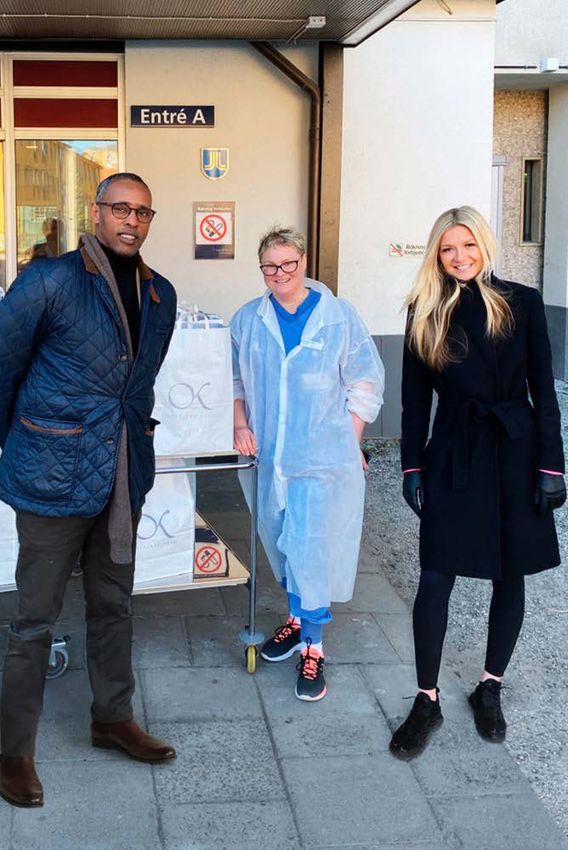
Energy market transition

Europe needs to eliminate CO2 emissions to reach climate goals – this
requires actions from all sectors
    MtCO2-eq

    6 000
                             Greenhouse gas emissions

    5 000

                                                                                                                 Coal
    4 000                                                                                                                       Power
                                                                                                                                                        - 40%

    3 000                                                                                                         Oil        Transport1      -50…-55%           - 60%

    2 000                                                                                                                                                                  Old climate targets

                                                                                                                              Industry2
                                                                                                                  Gas

    1 000                                                                                                                                                                                        - 80%
                                                                                                                              Buildings3
                                                                                                               Others
                                                                                                                               Others4                                                           - 95%
       0                                                                                                                                                                                         -100%
                                                                                                              Source            Sector
            1990                               2000                                       2010                                        2020              2030    2040                      2050
                   Sources: EEA, IEA, Fortum
                   1 including international aviation and marine
                   2 iron & steel and chemicals are among the biggest contributors
6                  3 residential and commercial heating & cooling
                   4 non-energy related emissions: industrial processes and product use, waste management, agriculture, fugitive emissions
Energy market transition

Volatility and uncertainty in the European power market increases the
value of flexible assets

    Intermittent renewables

    Nuclear and coal closures

    Increasing role of gas

                                        Volatility and
    Supply-demand balance
                                         uncertainty
    Increased interconnection between
    Nordics and Continent

    Commodity and CO2 prices

    Weather conditions

7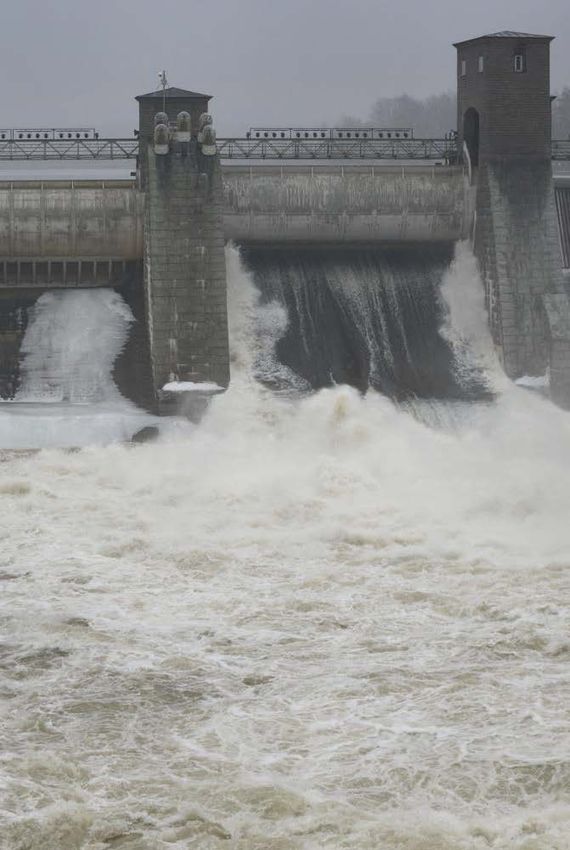
Energy market transition
The MSR introduces tightness to carbon market
Linear reduction factor (LRF) tightens the market Market stability reserve restores scarcity by Abatement from coal to gas switching depends
reducing future auction volumes on coal and gas prices, together represented by
MtCO2
a switching range
Illustrative volumes (Mton of CO2eq.)
2500 Eur/t
60
24% of cumulative surplus Need for abatement
2000 or inventory reduction Switch range CO2 price
50
57% of cap
1500
40
1000 Cap (excl. aviation) 30
43% of cap
500 20
EU ETS emissions (incl. call
on EUAs from aviation)
0 10
2010
2012
2014
2016
2018
2020
2022
2024
2026
2028
2030
2032
2034
2036
2038
2040
2042
2044
2046
2048
2050
Free Auction MSR Auction Deficit Emissions 0
allocation pre- effec post-
2017 2018 2019 2020
MSR t MSR
• Linear reduction factor (LRF) is the percentage of • When TNAC2 > 833 Mt, MSR deducts 24% of the • CO2 price has almost quadrupled since November
baseline supply1 by which the annual supply of TNAC from the auction volume each year placing 2017, when the final decision was reached on the
allowances (cap) is reduced every year. LRF is set them into the reserve during 2019-2023 future EU ETS rules, including the intake rate of the
at • MSR rate is 12% during 2024-2030 Market Stability Reserve, which became
• 1.74% for 2013-2020 (equals to a reduction • When TNAC < 400 Mt, MSR releases 100 million operational in January 2019
of 38 MtCO2/year) EUAs annually from the reserve adding them to • Market tightness forces the EUA market to find
• 2.2% for 2021-2030 (equals to a reduction future auctions ways to reducing demand, including by coal-to-gas
of 48 MtCO2/year) • 900 million back loaded allowances from 2014-2016 switching, making the relative gas/coal price an
• In total, emissions are set to decrease by 43% by will be transferred into the MSR in 2019-2020 important price anchor for CO2
2030 vs. 2005 • As from 2023, allowances in MSR above the total • Political risks also continue to play a role in EUA
• Next LRF review is scheduled for 2024 number of allowances auctioned during the previous prices, with developments around Brexit and
• 3.03% LRF from 2030 onwards would year will be cancelled national coal phase-out policies in particular being
deliver net zero emissions by 2050 • Next MSR review is scheduled in 2021 closely watched
2TNAC = total number of allowances in circulation = Efficiency assumptions in switching range;
8 1 Average annual total quantity of allowances released in 2008-2012. supply – (demand + allowances in the MSR). According to the latest at low-end: gas 52% and coal 34%; at high-
publication May 15, 2018 the TNAC corresponds to 1655 million end: gas 48% and coal 38%. O&M cost
allowances. assumptions apply.
Energy market transition

Several Western European countries exiting coal over the next decade

                                                                                                                                                                 FI: Phase-out
•   France to phase out coal from power sector at latest in 2022                                                         Germany: Phase-                         by 2029
                                                                                                                           out by 2038
•   United Kingdom to exclude coal condense from capacity                                                                                               SE: Last coal
                                                                                                                                                        plant to close
    market by capping allowed emissions from 2025                                                                                                       2022
                                                                                                                    UK: Phase-out by
•   Netherlands’ new government aims at exit by 2030, regulation                                                          2025
    not yet in place
•   Poland: investments in new coal generation, after 2025 will be                                   NL: Phase-out by 2030
    based on CHP or other technologies, which will allow the
    emission standards on the level of 450kg CO2 per MWh of
    generated energy                                                                                  FR: Phase-out by
                                                                                                            2022
•   Germany’s coal phaseout law was agreed by the cabinet in
    January and currently awaits for parliamentary approval
    –   By end-2022, only 15 GW of hard coal and 15 GW of lignite is allowed in the                  AT: Phase-out by 2025
        market, compared to 21 GW and 18 GW at end-2019
        •   By end-2030, 8 GW of hard coal and 9 GW of lignite allowed in the market
        •   Full coal exit by end-2038, with an option for an early exit already in 2035    PT: Phase-out by 2030

    –   Compensation for hard coal operators is to based on reverse auctions set to start
        already in 2020, provided the draft enters into law
    –   Compensation for lignite closures will be agreed on one-by-one basis and will
        follow a formula based on, inter alia, expected earnings
                                                                                                      IT: Phase-out by 2025
    –   The government intends to cancel European Emission Allowances in order to
        neutralize the phaseout’s impact on the EU ETS
                                                                                                  Phase-out from          Phase-out from   Phase-out from        Phase-out commitment
                                                                                                  power sector            power sector     power sector          mainly via “Powering
                                                                                                  latest by 2025          latest by 2030   latest by 2040        past coal Alliance”

9
Fortum’s strategic route

Positioning Fortum for the decade of electricity
– For a cleaner world

10
Fortum’s strategic route

Delivering on financial targets through operational excellence
and portfolio optimisation in the short to mid term

     Strategic priorities…                                               … creating value

      Operational excellence
      • Continue productivity improvement                                • Benchmark performance
      • Prioritise capital expenditure
                                                                         • Optimise cash flow

      Increased flexibility                                              • Strengthen balance sheet
      • Maximise flexibility in current businesses and assets
      • Develop new sources of flexibility                               • Create financial flexibility

                                                                         • Solid investment grade rating
      Value creation and portfolio optimisation
      • Ensure competitive asset fit for changing business environment
      • Focus on core businesses
      • Selective investments

11
Fortum’s strategic route
Consolidated Fortum is the third largest CO2 free generator in Europe
12 Source: Company information, Fortum analyses, 2018 figures pro forma.
EPH incl. LEAGFortum’s strategic route
Scale, competences and resources to prosper, grow and lead European
energy transition
2019 combined Comparable Combined power generation assets(2)
EBITDA(1)
Fortum
EUR 1.8 bln Nordics
EUR 3.3 bln Russia
#2
#3
Uniper
EUR 1.6 bln
Baltics
Combined capacity split(3)
UK
Low + Zero
emissions NL
17% Germany Poland
Hydro
9% Nuclear #2
45% 48.6 GW Gas
7%
+ India
Other termal
Hungary
Other
(1)
22% Fortum Uniper Combined geographical presence Combined market positions
Coal phased out
over time
(1) Comparable EBITDA is based on the Fortum's Comparable EBITDA and Uniper's Adjusted EBITDA as defined in Fortum’s and Uniper's financial statements. No impacts from the assumed transaction has been included.
(2) Market positions for Central-Europe/Europe and Nordics are based on total installed capacity; the market position in Russia is based on thermal capacity.
13 (3) Based on 31 Dec. 2019 capacity.Fortum’s strategic route
Fortum’s CO2-free power generation to increase by ~60% as Uniper will
be consolidated in 2020
Fortum's power generation, TWh
200
Fortum and Uniper
175 consolidated*:
150
• CO2-free generation
+60%
125
• Gas-fired power
100 generation triples
75
• Share of coal-fired
CO2-free Gas Coal Other generation ~12%
50
• Share of coal of sales
25 revenue ~1%
* based on 2019 reported figures
0
2010
2011
2012
2013
2014
2015
2016
2017
2018
2019
1990
1991
1992
1993
1994
1995
1996
1997
1998
1999
2000
2001
2002
2003
2004
2005
2006
2007
2008
2009
2020 ind.
INDICATIVE GENERATION FOR 2020, NOT OFFICIAL GUIDANCE.
Note: Fortum actuals 1990-2019 excluding associated company Stockholm Exergi. 2020 indicative figures adjusted for Nordic wind and Joensuu CHP assets sold in 2020. Uniper’s disclosed 2018 numbers used
for indicative consolidation 2020 with the following corrections/assumptions: normal hydrological year, accounting view adjusted to pro forma, French coal assets sold, Datteln 4 approximately 2.2 TWh in 2020,
no net increase in generation from Beresovskaya 3, coal-to-gas switch 2 TWh, Ringhals 2 closed on 31 Dec 2019.
14Fortum’s strategic route
Fortum is listed in several
Fortum is a forerunner in sustainability sustainability indices and ratings:
We engage our customers and society to drive the change towards a cleaner
world. Our role is to accelerate this change by reshaping the energy system,
improving resource efficiency, and providing smart solutions. This way we
deliver excellent shareholder value.
Increasing CO2-free power generation
Annual CO2-free power generation will increase appr. 60% from ~45 TWh to ~70 TWh
when consolidating Uniper
Among the lowest specific emissions
96% of power generation in the EU and 59% of total power generation was CO2-free in
2019. Fortum’s specific emissions from power generation in Europe were 27 gCO2/kWh in
2019, total 183 gCO2/kWh.
Growing in solar and wind
Targeting a multi-gigawatt wind and solar portfolio, which is subject to the capital
recycling business model
MSCI ESG RATINGS DISCLAIMER STATEMENT: THE USE BY FORTUM CORPORATION OF ANY MSCI ESG RESEARCH LLC OR ITS AFFILIATES (“MSCI”) DATA, AND THE USE OF MSCI LOGOS, TRADEMARKS, SERVICE MARKS OR INDEX NAMES HEREIN, DO
NOT CONSTITUTE A SPONSORSHIP, ENDORSEMENT, RECOMMENDATION, OR PROMOTION OF FORTUM CORPORATION BY MSCI. MSCI SERVICES AND DATA ARE THE PROPERTY OF MSCI OR ITS INFORMATION PROVIDERS, AND ARE PROVIDED
‘AS-IS’ AND WITHOUT WARRANTY. MSCI NAMES AND LOGOS ARE TRADEMARKS OR SERVICE MARKS OF MSCI.
15Fortum’s strategic route
Fortum’s evolution and historical strategic route
Skandinaviska Birka Energi Länsivoima Elnova Østfold
Elverk 50% Fortum →100% 50% → 100%
50% Stockholm
Gullspång merged Shares in Divestment of
with Stockholm Energi Hafslund Fingrid shares
Gullspång Stora Kraft Birka Energi TGC-1 E.ON Divestment
50% → 100% established Finland of Lenenergo
Shares in shares
Divestment of
Länsivoima Lenenergo shares → Lenenergo Oil business heat operations outside
45% → District heating spin-off TGC-10 of
65% in Poland → Stockholm
IVO FORTUM
NESTE 1996 1997 1998 2000 2002 2003 2005 2006 2007 2008 2011
2012 2014 2015 2016 2017 2018 2020
Divestment of Divestment of electricity Divestment of DUON Nordkraft wind power Investment in Uniper Divestment of district
non-strategic distribution business electricity distribution heating business in
heat business business Joensuu
Ekokem Restructuring of Divestment of
Divestment of electricity ownership in Hafslund ownership in
distribution and heat businesses Hafslund Produksjon Majority 73.4% owner
in Uniper
Divestment of Turebergs Russian wind power JV
small scale hydro Divestment of Grangemouth power Recycling
plant Nordic wind capital
recycling (80%)
Divestment of Gasum shares
16Interim Report January-March 2020 Fortum Corporation 15 May 2020
Q1 2020 – Solid result in a volatile market
environment
• Power and heat consumption down due to mild winter
  – Nordic spot price down 67%
  – Water reservoirs clearly above long-term average levels in Q1
  – Volatile commodity and CO2 prices
• Covid-19 has had limited immediate impact on Fortum’s business
• Comparable EBITDA at EUR 543 (545) million
• Comparable operating profit at EUR 393 (408) million
• Fortum’s share of profits from associates of EUR 479 (111) million
  – Strong result contribution from Uniper of EUR 469 million
• EPS at EUR 1.05 (0.38)
  – Items affecting comparability EUR 0.22 (-0.04) and Uniper 0.53 (0.06)
• Balance sheet supported by strong operational cash flow and divestments
• Long-term financial targets will be revised following Uniper consolidation
 18
Q1 2020 highlights

 Majority owner in Uniper 73.4%                         Joensuu district
 - consolidating as a subsidiary                       heating divested

                                                       Fortum partners
                                     Nordic wind       with Infracapital
   Uniper Supervisory Board        capital recycling         on EV
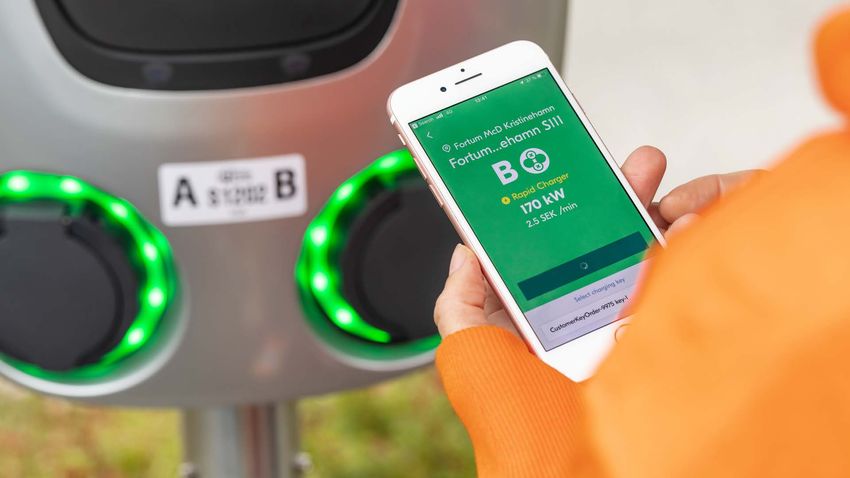
        appointments                    closed          infrastructure
                                                           business
2
0
GWh/h GWh/h
60
65
30
35
40
45
50
55
60
65
30
35
40
45
50
55
01/01 01/01
01/16 01/16
01/31 01/31
02/15 02/15
-1%
-3%
03/01 03/01
03/16 03/16
03/31 03/31
04/15 04/15
04/30 04/30
05/15 05/15
05/30 05/30
06/14 06/14
06/29 06/29
07/14 07/14
Nordics
07/29 07/29
08/13
Germany
08/13
08/28 08/28
09/12 09/12
09/27 09/27
10/12 10/12
10/27 10/27
11/11 11/11
Percentage change in Q1 2020 compared to Q1 2019
11/26 11/26
12/11 12/11
12/26 12/26
GWh/h
Source: ENTSO-E hourly reported power demand, 7 day moving avg
GWh/h
170
130
140
120
150
110
100
160
80
60
65
70
75
30
35
40
45
50
55
CWE = Central Western Europe (Germany, France, Netherlands, Belgium)
01/01 01/01
01/16 01/16
01/31 01/31
02/15 02/15
-3%
-5%
03/01 03/01
03/16 03/16
03/31 03/31
04/15 04/15
04/30 04/30
05/15 05/15
05/30 05/30
06/14
2019
06/14
06/29 06/29
CWE
07/14
France
07/14
07/29 07/29
08/13 08/13
08/28
2020
08/28
09/12 09/12
09/27 09/27
10/12
10/12
10/27
10/27
11/11
11/26 11/11
12/11 11/26
Power demand development in different areas
12/26 12/11
12/26
GWh/h
GWh/h
80
85
70
75
90
95
110
100
105
30
35
40
45
20
25
01/01 01/01
01/16 01/16
01/31 01/31
02/15
-7%
-3%
02/15
03/02 03/01
03/17 03/16
04/01 03/31
04/16 04/15
05/01 04/30
05/16 05/15
05/31 05/30
06/14
06/15
06/29
Italy
06/30 07/14
07/15 07/29
07/30
Decrease in the Nordics and Russia due to warm weather, other regions mainly affected by Covid-19
08/13
08/14 08/28
08/29 09/12
09/13 09/27
Russia (First price zone)
09/28 10/12
10/13 10/27
10/28 11/11
11/12 11/26
11/27 12/11
12/12 12/26
12/27Risk assessment of Covid-19 impact on Fortum
So far very limited effect from Covid-19, lot will depend on industrial activity on our core areas
Not directly Covid-19 related
Directly (also) Covid-19 related
• Power price – hedging supports result • Power and heat price – CSA and CCS capacity
• Power demand – impacted by weather payments provides stability and visibility
conditions and seasonality • Power and heat demand – impacted by
• Power demand – affected by industrial weather conditions and seasonality
power demand in the Nordics GENERATION RUSSIA • Power and heat demand – affected by
• Planning of annual overhauls of nuclear industrial demand
plants and regular maintenance of • Negative EUR translation effect - weaker RUB
power plants • Potential bad debts – affected by customers’
financial situation and solvency
• Heat and power prices – resilience as • Sales price and gross margin – impacted
heating is contracted, power prices by power price
hedged
• Heat demand – impacted by weather • Potential credit losses - affected by
conditions and seasonality CONSUMER customers’ financial situation and solvency
Power and heat demand – affected by CITY SOLUTIONS
• SOLUTIONS
industrial demand
• Recycling and waste business –
affected by industrial demand and
smoothness in supply chain logistics
21Nordic hydro reservoir surplus increased during Q1
Reservoir content (TWh)
120
• Rainy and mild weather led
to a clear increase in the
100 surplus of the Nordic water
reservoirs during January
80 and February 2020
• Weather conditions were
60
closer to long term average
level in March and April
40
• After the rainy period in the
Norway
first quarter, the water
20
reservoirs are currently at
Sweden Average
2000 2003 2018 2019 2020
2000-2018 normal level
Finland
0
Q1 Q2 Q3 Q4 • Snow balance currently
shows a surplus
22 Source: Nord Pool, 2019 by countryFuel prices in Q1 on a downward trend
USD / t Coal price (ICE API2 2021) • Generally coal prices have been less affected by Covid-19 compared to
120
many other energy commodities.
100
• During Q1, 2021 coal forward dropped ~13% from 62 USD/t to 55
80 USD/t. Mild winter combined with weakening gas and power prices
60 contributed to the decline in European coal prices.
40 • Global coal prices have declined driven by ample LNG supply and
decreasing coal demand. Rising power generation based on nuclear
20
and renewables in Asia have contributed to decreasing coal demand.
0
Q1/19 Q2/19 Q3/19 Q4/19 Q1/20
EUR / MWh Gas price (TTF 2021) • European gas prices declined strongly during Q1 2020 with the summer
30 2020 contracts down almost 40% and year 2021 contract down 25%.
25 • During March, the outbreak of the corona pandemic worked as a
20 catalyst in a market situation that was already impacted by ample LNG
supply and record high storage levels in Europe.
15
• Recent years weak gas price trend has been driven by the fast increase
10
of global LNG supply coupled with slower growth in North East Asia.
5 Similarly to coal, weak gas demand in Asia is related to growth in power
0 production based on nuclear and renewables and slowing industrial
Q1/19 Q2/19 Q3/19 Q4/19 Q1/20 production.
Source: Bloomberg
23 12 May 2020Volatile CO2 and oil prices
EUR / tCO2 CO2 price (EUA DEC 2020)
36
• EUA price saw a drastic decline during mid-March when in just five
days the prices dropped from 24 €/t level to 14 €/t. Increased auction
30 supply in 2020 coupled with falling demand due to Covid-19 being the
24 main drivers. In addition the year ahead gas price weakening strongly
against coal, decreasing the coal to gas switching price.
18
• After a sharp fall, the EUA prices recovered rapidly to above 21 €/t.
12
6
• 2019 emissions dropped 9% (~150 mton) compared to 2018.
0 • On a few year’s perspective, the strong intake of MSR continues to
Q1/19 Q2/19 Q3/19 Q4/19 Q1/20 make the EUA market tighter. Also, the EU is in the process of
tightening its 2030 climate target.
USD / bbl Crude oil price (ICE Brent)
120
• Oil price declined strongly during the quarter as the front-month of
100
Brent declined from above 60 USD/t level to below 20 USD/t.
80
• Oil price have been impacted by Covid-19 since Feb 2020 as the
60 market started to discount lower demand.
40 • Oil price collapse followed the unsuccessful OPEC+ meeting that
20 practically led to an oil price war between Saudi Arabia and Russia.
0
Q1/19 Q2/19 Q3/19 Q4/19 Q1/20
Source: Bloomberg
24 12 May 2020Rainy and mild weather combined with weak commodities
Nordic forward prices especially for 2020 declined
• During Q1, the average Nord Pool system spot price was
EUR/MWh Nordic spot and forward prices 15.4 EUR/MWh (46.8)
70
Realised system price
• The average area prices were:
Futures 3 Feb 2020
60
Futures 12 May 2020 – 24.0 EUR/MWh (47.5) in Finland
50 – 18.7 EUR/MWh (46.4) in Sweden (SE3, Stockholm)
• The Nordic spot prices declined during Q1 2020 caused
40
by exceptionally rainy and mild weather. This
development was also supported by low spot prices in
30
Continental Europe, driven especially by declining gas
prices.
20
• The forward market is expecting the Nordic system price
10 to remain on current low level until next winter.
• The decline in power demand in the Nordics during Q1
0 from 116 TWh to 112 TWh y-on-y is mainly explained by
Q1 Q2 Q3 Q4 Q1 Q2 Q3 Q4 Q1 Q2 Q3 Q4 Q1 Q2 Q3 Q4
2018 2019 2020 2021 the rainy and mild winter, not depending on Covid-19
Source: Nord Pool, Nasdaq Commodities impact.
25Nordic year forwards driven by Continental European power
prices and hydrology
• Along with the declining spot price, also the
EUR/MWh forward prices have come down significantly since
45 year end.
40 • While hydrology is clearly the main driver for soft
35 Nordic spot prices, the forward curve is more
driven by Continental power prices, fuels and CO2
30
prices.
25
• In the beginning of 2020, Nordic YR 2021 forward
20 contract dropped from 33 EUR/MWh to 22
15
Year20 EUR/MWh (end of April).
Year21
10 • The decline in Nordic yearly power contracts
Year22
during the last months can especially be attributed
5 Year23
to weaker gas prices and declining CO2 prices.
0
Q1/2019 Q2/2019 Q3/2019 Q4/2019 Q1/2020 • Weak market sentiment for global energy
commodities is partly caused by the Covid-19 and
Source: Bloomberg, forwards until 12 May 2020
the measures to restrict its spreading.
26Fortum hedging supported achieved power price in the Nordics
as power prices declined, Russia power prices stable
Spot price for power in Nord Pool power exchange Spot price for power (market price), Urals hub
EUR/MWh RUB/MWh
54 1 500
46,9
45 1 250 1 128 1 151 1 107
38,6 1 081 1 068
35,6 34,7
36 1 000
27 750
-5%
18 15,4 500
9 -67% 250
0 0
Q1/2019 Q2/2019 Q3/2019 Q4/2019 Q1/2020 Q1/2019 Q2/2019 Q3/2019 Q4/2019 Q1/2020
Generation's Nordic power price Achieved power price for PAO Fortum
EUR/MWh
EUR/MWh
42 38,4 37,6 30 27,2 27,5 28,2
35,7 26,4
35,0 34,0 24,5
35 25
28 20
-11% -7%
21 15
14 10
7 5
0 0
Q1/2019 Q2/2019 Q3/2019 Q4/2019 Q1/2020 Q1/2019 Q2/2019 Q3/2019 Q4/2019 Q1/2020
Changes refer to year-on-year difference (Q1 2020 versus Q1 2019)
NOTE: Achieved power price (includes capacity payments) in roubles decreased by 10%
27Generation
• Higher comparable operating profit in Q1, +5%
– Higher hydro power generation, +33%
– Achieved power price supported by hedges, 4.4 EUR/MWh
lower at 34.0 EUR/MWh, -11% while spot price -67%
• The segment’s overall operational performance and the
load factor for nuclear generation were at a good level
• The CO2 free generation accounted for 100% (99%) of the
total power generation.
MEUR I/2020 I/2019 2019 LTM
Sales 574 601 2,141 2,114
Comparable EBITDA 273 259 939 953
Comparable operating profit 235 223 794 806
Comparable net assets 5,306 6,228 6,147
Comparable RONA % 12.8 12.6
Gross investments 34 38 260 256 Imatra, Finland
28Russia
• Comparable operating profit flat in Q1
– Lower electricity margin and CSA payments
– Higher heat tariffs
– FX impact EUR -2 million
• In 2020, no new units will receive higher CSA payments
MEUR I/2020 I/2019 2019 LTM
Sales 317 298 1,071 1,090
Comparable EBITDA 138 135 469 472
Comparable operating profit 99 99 316 316
Comparable net assets 2,606 3,030 3,205
Comparable RONA % 12.3 12.6
Gross investments 4 5 133 132 Ulyanovsk, Russia
CSA=Capacity Supply Agreements
29City Solutions
• Lower comparable operating profit in Q1
– Heating and cooling business EUR 22 million negatively affected by
• Lower heat sales volumes
• Lower power prices especially lowering heat prices in Norway
– The divestment of Joensuu district heating impact EUR -10 million
– Recycling and waste business negatively affected by changing market
conditions and one-time effects
• Strategic review of district heating in Järvenpää (Finland), Poland
and Baltics initiated
MEUR I/2020 I/2019 2019 LTM
Sales 342 405 1,200 1,137
Comparable EBITDA 106 137 309 278
Comparable operating profit 58 92 121 87
Comparable net assets 3,577 3,845 3,892
Comparable RONA % 4.7 3.8
Gross investments 38 72 322 288 Järvenpää, Finland
30Consumer Solutions
• Sales -37% following significantly lower power prices in Q1
– Competition continued to be intense with high customer churn
– Accelerated Covid-19 pandemic increased uncertainty in the small and
medium size enterprise segment
• Comparable operating profit +23% in Q1
– Higher sales margins as a result of active development of the service
offering following the Hafslund integration and subsequent development
of the business
MEUR I/2020 I/2019 2019 LTM
Sales 424 669 1,835 1,590
Comparable EBITDA 48 41 141 148
Comparable operating profit 32 26 79 85
Comparable net assets 567 647 640
Fortum team providing lunches to intensive care hospital in
Customer base, million 2.38 2.46 2.38 collaboration with Fortum enterprise customer, restaurant
Operakällaren, #StrongerTogether
Gross investments 15 13 55 57
31Uniper
Ownership and collaboration
• Fortum’s ownership increased to 73.4%
– Uniper has become a subsidiary and a valuable part of the Fortum group
• New Supervisory Board members appointed
– Fortum nominated 4/6 shareholder representatives
• First collaboration areas established, strategic alignment during 2020
– Results and target setting expected by the end of this year
Financial impact and consolidation
• Uniper’s balance sheet consolidated at the end of Q1 2020
• Fortum’s share of profit from Uniper, EUR 469 million (49), and EPS effect of EUR
0.53 (0.06)
– Recorded in “Other Operations”
• Uniper’s result consolidated to Fortum’s income statement from Q2 2020
onwards
32Q1 2020 – Lower achieved power price and higher hydro
volumes
Comparable operating profit
EUR
million
• 1.6 TWh higher • Lower power
hydro volumes margin • Low power • Higher sales
• 4.4 EUR/MWh • Higher heat prices margin
lower achieved tariffs • Warm weather
price • FX- effect EUR lowered heat
2 million volumes
• Joensuu district
heating
divested
• Lower
profitability in
recycling and
waste solutions’
33Income statement
MEUR I/2020 I/2019 2019 LTM • Lower power prices:
Sales 1,357 1,690 5,447 5,114 • Sales declined due to lower power
Other income 23 21 110 112 prices and divestment of district
Materials and services -576 -917 -2,721 -2,380 heating business in Joensuu, Finland
Employee benefits -123 -122 -480 -481 • Materials and services down due to
Depreciations and amortisation -150 -137 -575 -588 lower power purchase costs
Other expenses -138 -127 -591 -602
Comparable operating profit 393 408 1,191 1,176
• Items affecting comparability includes
• EUR 431 million sales gain related to
Items affecting comparability 199 -50 -81 168
divestment of Joensuu
Operating profit 592 358 1,110 1,344
• EUR -222 million from the change of
Share of profits/loss of associates and
joint ventures
479 111 744 1,112 Uniper to a subsidiary from being an
-57 -46 -125 -136
associated company (translation
Finance costs - net
differences)
Profit before income tax 1,014 424 1,728 2,318
Income tax expense -76 -65 -221 -232
• Share of profits from associated
Profit for the period 938 359 1,507 2,086
companies related to significant share of
profits from Uniper, EUR 469 million
34Cash flow statement
MEUR I/2020 I/2019 2019 LTM
Comparable EBITDA 543 545 1,766 1,764 • Strong net cash from operating
Paid net financial costs, income taxes and activities
other -115 -64 -74 -125
Change in net margin liabilities 553 292 356 617 • Net cash from investing activities
Change in working capital impacted by
133 -22 -33 122
Net cash from operating activities 1,114 751 2,015 2,378
• acquisition of shares in Uniper,
EUR 844 million net of cash
Capital expenditures • divestment of shares, mainly
-110 -150 -695 -655
Acquisitions of shares (net of cash) Joensuu district heating
-844 -12 -107 -939
business, EUR 524 million
Divestments of shares
524 8 53 569
Change in cash collaterals and restricted • Dividend of EUR 977 million paid on
cash 7 310 311 8 5 May, no impact Q1 2020
Other investing activities 17 12 69 74
Cash flow from investing activities
-406 167 -369 -942
Cash flow before financing activities
708 918 1,646 1,436
Paid dividends
0 0 -977 -977
35Balance sheet
MEUR I/2020 2019 MEUR I/2020 2019
Intangible assets 2,185 1,143 Equity of the parent company 13,776 12,982
Property, plant and equipment 18,716 10,123 Non controlling interest 3,192 252
Participations in associates and JVs 2,869 6,435 Total equity 16,968 13,235
Derivative financial instruments 23,205 311 Derivative financial instruments 21,415 389
Interest-bearing receivables 2,661 1,035 Interest-bearing liabilities 10,458 6,688
Shares in Nuclear Waste Funds 2,962 813 Nuclear provisions 3,276 813
Other assets including trade receivables 11,870 2,074 Other provisions 4,489 225
Liquid funds 4,081 1,433 Other liabilities 11,944 2,014
Total assets 68,550 23,364 Total liabilities 51,582 10,129
Total equity and liabilities 68,550 23,364
• PPE increased (EUR 9.1 billion) due to Uniper’s assets
• Uniper reclassified from associate to subsidiary
• Derivative assets (EUR 23.2 billion) and Derivative liabilities (EUR 21.4 billion) mainly due to Uniper’s financial contracts
• Share in Nuclear Waste Funds and Nuclear provisions increased due to Uniper nuclear assets in Sweden
• Other (than nuclear) provisions increased by EUR 4.2 billion
• New lines on balance sheet; Margin receivables (EUR 0.6 billion) and Margin liabilities (EUR 1.5 billion)
• Goodwill (EUR 1.8 billion) in Uniper’s balance sheet not included as it is not an identifiable asset of Fortum according to IFRS
36New net debt definitions
Financial net debt and adjusted net debt
EUR million 31 Mar
2020
+ Interest-bearing liabilities 10 464 “Net debt” of EUR 6,383 million
- Liquid funds 4 081 according to Fortum’s previous
- Non-current securities 76 definition
- Collateral arrangement securities 243
- Securities in interest bearing receivables 319
- Margin receivables 559
+ Margin liabilities 1 478
+ Net margin liabilities 919
Financial net debt 6 983 New “Financial net debt”
+ Pension obligations 1 032
+ Other asset retirement obligations 775
- Share of Finnish and Swedish Nuclear Waste Funds 2 962
+ Nuclear provisions 3 276
+ Nuclear provisions net of assets in Nuclear Waste Funds 314
+ Total provisions net of assets in Nuclear Waste Funds 2 121
Adjusted net debt 9 104 New “Adjusted net debt”
37Ongoing actions to optimise cash flow and financial flexibility
Fortum targets to have a solid investment grade rating of at least BBB to maintain its financial strength, preserve financial
flexibility and good access to capital markets for the enlarged group. Focus on cash flow - profitability, optimizing of cash
flow and tight prioritising of capital expenditure in the current market and business environment.
Maturity profile
• Loans total EUR 9,502 million
3 250
3 000 –Average interest rate for total portfolio
2 750
1.7% (2019: 2.3%), including hedging cost
2 500
2 250 of all loans of which EUR 641 million
2 000 (2019: 787) is swapped to RUB with
1 750 average interest including cost for
1 500 hedging 7.5% (2019: 7.8%)
1 250
1 000 1)
750 –Average interest rate for euro
500 denominated loans 0.8% (2019: 0.9%)
250
0
2020 2021 2022 2023 2024 2025 2026 2027 2028 2029+ –Including loans in Uniper group EUR 559
million
Bonds Financial institutions Other long-term debt Short-term debt
1) In addition, Fortum has received EUR 351 million based on collateral agreements with several counterparties. This amount has been booked as a short term liability.
38Fortum’s financial targets under review after Uniper consolidation
Aim to set new targets by end of 2020 at the latest
By the end of the year at the latest, Fortum aims to set
new long-term financial targets for the enlarged group
and ambitious decarbonisation targets covering the
Fortum’s dividend policy
combined operations of both companies. remains intact:
“Fortum’s dividend policy is
• Following the consolidation of Uniper, the Group’s
business profile has changed. to pay a stable, sustainable,
• Fortum’s long term financial targets for ROCE and net
and over time increasing
debt-to-EBITDA do not appropriately reflect the dividend of 50-80% of
group’s business profile and are now under review earnings per share
• Fortum will closely monitor that its net debt-to-EBITDA excluding one-time items.“
ratio remains at a level that ensures a credit rating of at
least BBB.
39Outlook
Demand growth Hedging 2020 Estimated annual Taxation
capital expenditure,
Electricity demand in the Generation Nordic hedges: In 2020, the comparable
including maintenance and
Nordics is expected to effective corporate income
For the remainder of 2020: ~85% excluding acquisitions
grow by ~0.5% on average tax rate for Fortum is
hedged at EUR 33 per MWh estimated to increase from
EUR 700 million
For 2021: ~50% hedged at EUR the 2019 level (22.4%)
Note: capital expenditure guidance does
34 per MWh not include Uniper estimates
following the consolidation of
(Q4: 40% at EUR 33) Uniper
Uniper Nordic hedges: Fortum and Uniper share the
For the remainder of 2020: ~95% view of the importance of
hedged at EUR 28 per MWh credit rating and take it into
account when making new
For 2021: ~70% hedged at EUR
capex decisions
28 per MWh
For 2022: ~15% hedged at EUR
23 per MWh
40Appendices
European and Nordic power markets

Still a highly fragmented Nordic power market
Fortum has the largest electricity customer base in the Nordics
                       Power generation in 2018                                                                                                        Electricity retail
                                      400 TWh                                                                                                        16 million customers
                                   >350 companies                                                                                                      ~350 companies

                                                          Vattenfall
                                                                                                                                              Others                                 Fortum

                 Others
                                                                                                                                                                                              Vattenfall
                            36%                                           Statkraft                                                               50%
                                                                                                                                                  49%
                                                                                                                                                                                                E.ON

                                                                                                                                                                                              Ørsted
                   BKK
                  Ørsted                      Fortum                                                                                                                                     Norlys
                Agder Energi                                                                                                                                                          Fjordkraft
                   Norsk Hydro          Uniper                                                                                                                                        Helen
                             PVO Hafslund E-CO
                                                                                                                                                                                      Oomi
                                                                                                                                                                                      SEAS-NVE
                                                                                                                                                                                      Din El, Göteborg

     Source: Fortum, company data, shares of the largest actors, pro forma 2018 figures
42   Norlys was formed through the merger of the companies SE and Eniig in Denmark
     Oomi was formed through the merger of the retail businesses of Oulun Seudun Sähkö, Lahti Energia, Vantaan Energia, Pori Energia and Oulun Sähkönmyynti Oy and its stakeholders Oulun Energia,
     Tornion Energia, Haukiputaan Sähköosuuskunta, Raahen Energia, Rantakairan Sähkö and Tenergia in Finland
European and Nordic power markets
Fortum mid-sized European power generation player
– major producer in global heat
Power generation Heat production Customers
Largest producers in Europe and Russia, 2018 Largest global producers, 2018 Electricity customers in Europe, 2018
TWh TWh Millions
EDF Gazprom Enel
Rosenergoatom T Plus
RWE Sibgenco EDF
Enel Inter RAO UES
Gazprom E.ON
RusHydro Veolia
Inter RAO UES RusHydro Iberdrola
Uniper En+ ENGIE
Vattenfall EDF
ENGIE Fortum DEI
EPH Quadra
NNEGC Energoat. CEZ
Fortum TGC-2
En+ KDHC Vattenfall
PGE Minskenergo
Iberdrola Vattenfall EDP
CEZ PGE Centrica
Statkraft Lukoil
T Plus Tatenergo EnBW
EnBW
Sibgengo PGNiG Tauron
EDP Kyivteploenergo
EPS Ørsted PGE
DTEK EPH SSE
Verbund Stockholm Exergi
Axpo Naturgy
E.ON
SSE
E.ON CEZ Fortum
Naturgy Helen
DEI TGC-14 Ørsted
0 100 200 300 400 500 600 0 20 40 60 80 100 120 140 0 10 20 30 40
Source: Company information, Fortum analyses, 2018 figures pro forma.
43
EPH incl. LEAG, E.ON incl. Innogy customers. No data from China.European and Nordic power markets
Wholesale power prices
EUR/MWh Spot prices Forward prices
100
90
80
70
60
German
50 Nordic
40
Russian*
30
20
10
12 May 2020
0
2010 2011 2012 2013 2014 2015 2016 2017 2018 2019 2020 2021
* Including weighted average capacity price
44 Source: Nord Pool, Bloomberg Finance LP, ATS, NP “Market Council”, FortumEuropean and Nordic power markets
Nordic year forwards
Year10 Year11 Year12 Year13 Year14 Year15 Year16 Year17 Year18 Year19 Year20 Year21 Year22
€/MWh 12 May 2020
Year21
70 Year22
36
34
32
30
60 28
26
24
22
20
50 18
01/01/2020 01/02/2020 01/03/2020 01/04/2020 01/05/2020
Jan Feb Mar Apr
2020 2020 2020 2020
40
30
20
10
0
2008 2009 2010 2011 2012 2013 2014 2015 2016 2017 2018 2019 2020
45 Source: Nasdaq Commodities, BloombergEuropean and Nordic power markets
German and Nordic forward prices softened
Spot price
• During Q1 2020, the average spread was 11.1 EUR/MWh with the EUR/MWh Nordic and German daily spot prices in Jan 2019 – May 2020
Nordic system average price at 15.4 EUR/MWh and the German spot 100
price at 26.5 EUR/MWh. 80
• Nordic prices were strongly impacted by the exceptionally rainy and 60
mild weather. Also German spot prices softened mainly du to 40
weakening gas and CO2 prices and lower demand - all impacted by 20
mild winter - and Covid-19 measures. 0
• During 2012-2019, the average realised German-Nordic spot spread -20
Q1 Q2 Q3 Q4 Q1
was 4 EUR/MWh, fluctuating on an annual level in the range of -1…15 2019 2020
EUR/MWh. Nordic Germany
Forward price EUR/MWh Nordic and German year 2021 forwards in Jan 2019 – May 2020
60
• During Q1 2020, the spread for 2021 delivery traded in the range
50
11.3-16.8 EUR/MWh, average at 13.7 EUR/MWh. At the end of March, it
was at 16.2 EUR/MWh. 40
30
• The German-Nordic spread is essentially determined by the supply-
demand balance in the Nordics and on Continental Europe, in 20
combination with available interconnector capacity. Thus investments 10
in interconnectors, demand growth, expansion of renewable capacity, 0
Q1 Q2 Q3 Q4 Q1
as well as phasing out of nuclear and coal capacity all play a key role. 2019 2020
Nordic Germany
Including 12 May 2020
46 Source: Nord Pool, BloombergEuropean and Nordic power markets
Nordic, Baltic, Continental and UK markets are integrating
– Interconnection capacity growing to over 13 GW by end-2023
• Several interconnectors are currently under 1
700 MW COBRAcable from DK to NL has been
construction or decided to be built Current Nordic/Baltic taken into operation in September 2019
interconnector New 400 MW Zealand – DE connection via Kriegers
2
• New interconnections will increase the projects Flak offshore wind area due in August 2020
Nordic export capacity from the current 6.9 3 EU’s Connecting Europe Facility co-financing 3rd EE-LV
GW to over 13 GW by end of 2023 C transmission line, due to be ready by end-2020
4 DK1-DE capacity will grow by 860 MW by end-2020,
+94% with further 1,000 MW increase by end-2023
13.4 1,400 MW NordLink as first direct NO-DE link is due
B 5 to start commercial operation in March 2021
Interconnection capacity (GW)
Norway - UK 1,400 MW North Sea Link (NSL) is
11.0 11.0 6
due to be ready by end-2021
6
3 1,400 MW DK-UK Viking Link has been
5 A 7 contracted to be built by end-2023
8.2
6.9 7 700 MW LT-PL Harmony Link to be built by 2025 as
1 9 8
6.2 a part of the Baltic synchronisation project
8
4 2 700 MW Hansa PowerBridge DC link between
9
Sweden and Germany by 2026/2027
A 1200 MW SE3-SE4 South West Link ready Oct 2020
New interconnectors New Nordic lines
B 800 MW with first measures on SE2-SE3 by 2023
Existing interconnectors
C 800 MW 3rd 400 kV line SE1-FI ready in 2025
2019 2020 2021 2022 2023 2024 Russia Poland Germany
47 Estonia Netherlands
Years in the chart above refer to a snapshot of 1st of January each year.
Source: Fortum Market Intelligence Lithuania United KingdomEuropean and Nordic power markets
Power Generation in the Baltic Rim in 2018 (2017)
Hydro NORDICS BALTICS
Nuclear
Sweden 2018 TWh % TWh %
Fossil fuel
158 TWh
Biomass (159) Hydro *212 53 3 17
Waste
Wind Finland Nuclear 88 22 - -
67 TWh
Solar
(65) Fossil fuel 28 7 13 62
Others Norway
146 TWh
(149) Biomass 26 6 2 9
Estonia Waste 3 1 0 1
10 TWh (11)
Wind 40 10 2 9
Denmark
29 TWh (29) Latvia
7 TWh (7) Solar 1 0 0 1
Lithuania Others 2 1 0 1
3 TWh (4)
Total generation 400 100 20 100
Germany
Net export Net import
598 TWh
2 TWh 9 TWh
(602) Poland
157 TWh
(158)
*) Normal annual Nordic hydro generation 200 TWh, variation +/- 40 TWh.
Source: ENTSO-E Statistical Factsheet
48 Graph sizes are illustrative.Fortum’s power generation
Fortum's power and heat production by source
Fortum's power generation in 2019 Fortum's heat production in 2019
Natural gas 37% Natural gas 59%
Total Others 1% Total
Waste1% Nuclear
Wind, solar 1% power generation power Peat 1% heat production
Biomass 1% 76.3 TWh Heat pumps, 26.4 TWh
31%
Coal 3% electricity 2%
Biomass 9%
Waste 10%
Hydropower 26% Coal 18%
Note: Fortum’s power generation capacity 14,230 MW (hydro 4,677, nuclear 2,821, CHP 5,689, condensing 565, wind 194 and solar 285)
and heat production capacity 13,249 MW at the end of 2019
49Fortum’s power generation
Fortum’s Nordic, Baltic and Polish generation capacity
GENERATION CAPACITY MW NORWAY MW FINLAND MW
Hydro 4,677 Price areas Hydro 1,553
NO4, Wind 82 Nuclear 1,487
Nuclear 2,821 NO4 SE1
NO1, CHP 20 CHP 452
CHP 831
Generation capacity 102 Other thermal 565
Other thermal 565
Generation capacity 4,057
Wind 159 SE2 FI
NO3
Nordic, Baltic and Polish
generation capacity 9,053 NO5 SWEDEN MW BALTICS AND
NO1
Figures 31 December 2019 POLAND MW
Price areas
NO2 SE3 SE2, Hydro 1,550 Generation capacity, CHP
EE
The capacity includes the 52 MW Joensuu CHP plant in SE2, Wind 75 in Estonia 49
Finland, which has been sold in January 2020.
SE3, Hydro 1,574 in Latvia 34
The capacity includes the 157 MW wind portfolio in LV SE3, Nuclear 1,334 in Lithuania 18
Norway and Sweden, of which a majority 80% DK1 SE4
ownership has been sold in May 2020. SE3, CHP 9 in Poland 233
LT
DK2 Generation capacity 4,542
in Latvia, Wind 2
PL
Associated companies’ plants
(not included in the MWs) Stockholm DENMARK, DK1 MW
Exergi (Former Fortum Värme),
Stockholm; TSE, Naantali Generation capacity, CHP 16
50Fortum’s power generation
Fortum is growing towards gigawatt scale target in solar
and wind power generation
PORTFOLIO TECHNOLOGY STATUS CAPACITY FORTUM SUPPLY STARTS/
MW SHARE, MW STARTED
FINLAND 90 18
Kalax Wind Under construction 90 18 (20%) Q1 2021
Ånstadblåheia 10 MW (Fortum share) NORWAY 179 113
Nygårdsfjellet Wind Operational 32 6 (20%) 2006 and 2011
Sørfjord 97 MW Ånstadblåheia Wind Operational 50 10 (20%) 2018
Sørfjord Wind Under construction 97 97 Q4 2019-Q3 2020
Solberg 15 MW (Fortum share) SWEDEN 76 15
Ulyanovsk-2 25 MW Solberg Wind Operational 76 15 (20%) 2018
Kalax 18 MW (Fortum share)
(Fortum share) RUSSIA 2,009 1,098
Astrakhan 88 MW (Fortum share) Bugulchansk Solar Operational 15 15 2016-2017
Nygårdsfjellet Ulyanovsk 35 MW solar power plants
Pleshanovsk Solar Operational 10 10 2017
6 MW (Fortum share) 35 MW
Grachevsk Solar Operational 10 10 2017
Solar Under development 110+6 110+6 2021-2022
Rostov 200 MW
Ulyanovsk Wind Operational 35 35 2018
(Fortum share)
Ulyanovsk 2 Wind Operational 50 25 (50%) 1.1.2019
Rostov Wind Operational/Under cons 200+200 100+100 (50%) Q1 2020-Q4 2021
Bhadla 31 MW (Fortum share)
Kalmykia 100 MW Kalmykia Wind Under construction 200 100 (50%) Q4 2020
(Fortum share) Amrit 2 MW (Fortum share) Astrakhan Wind Under construction 176 88 (50%) Q4 2021
Rusnano JV Wind Under development 997 499 (50%) 2021-2023
Kapeli 4 MW (Fortum share) INDIA 685 581
Amrit Solar Operational 5 2 (44%) 2012
Kapeli Solar Operational 10 4 (44%) 2014
First focus markets Bhadla Solar Operational 70 31 (44%) 2017
Pavagada 250+44 MW Pavagada Solar Operational 100 44 (44%) 2017
Operating wind power plants (Fortum share) Pavagada 2 Solar Operational 250 250 Q3 2019
Operating solar power plants
Rajasthan Solar Under construction 250 250 Q4 2020
Projects under construction TOTAL 3,039 1,826
Under development 1,113 615
Under construction 1,013 653
Operational 913 558
51 *) NOTE: Table numbers not accounting; tells the size of renewables projects. All not consolidated to Fortum capacities. All figures in MW and rounded to nearest megawatt. Additionally, target to invest 200 – 400 million euros in
India solar and create partnership for operating assets. Under construction includes investment decisions made.Fortum’s Russian capacity and prices
Day ahead wholesale market prices in Russia
Key electricity, capacity and gas prices in the PAO Fortum area
I/20 I19 2019 LTM
Electricity spot price (market price), Urals hub, RUB/MWh 1,068 1,128 1,117 1,102
Average regulated gas price, Urals region, RUB 1000 m3 3,937 3,883 3,910 3,924
Average capacity price for CCS, tRUB/MW/month 165 162 154 154
Average capacity price for CSA, tRUB/MW/month 1,163 1,196 1,096 1,088
Average capacity price, tRUB/MW/month 672 678 624 622
Achieved power price for Fortum in Russia, RUB/MWh 1,810 2,002 1,990 1,932
Achieved power price for Fortum in Russia, EUR/MWh 24.5 26.4 27.3 26.7
35 1,400
Day ahead
power market prices 30 1,200
for Urals 25 1,000
RUB / MWh
€ / MWh
20 800
15 600
10 400
5 200
Source: ATS
In addition to the power price generators 0 0
receive a capacity payment. 2009 2010 2011 2012 2013 2014 2015 2016 2017 2018 2019 2020 2009 2010 2011 2012 2013 2014 2015 2016 2017 2018 2019 2020
52Historical achieved prices Hedging improves stability and predictability – principles based on risk mitigation 53 2009 onwards thermal and import from Russia excluded
Dividend

Capital returns: 2019 EUR 1.10 per share ~ EUR 1 billion

                                                               Five year history of dividend per share
      Fortum's target is to pay a stable, sustainable, and
     over time increasing dividend of 50-80% of earnings       EUR
              per share excluding one-off items                1,2    1.10      1.10      1.10       1.10       1.10

                                                               1,0
Fortum’s dividend policy is based on the following
preconditions:                                                 0,8
• The dividend policy ensures that shareholders receive
  a fair remuneration for their entrusted capital, supported   0,6
  by the company’s long-term strategy that aims at
                                                               0,4
  increasing earnings per share and thereby the dividend.
• When proposing the dividend, the Board of Directors looks    0,2
  at a range of factors, including the macro environment,
  balance sheet strength as well as                            0,0
                                                                      2015      2016      2017      2018       2019
  future investment plans.
     Since 1998 Fortum has paid dividends totaling EUR                24%        196%      112%     116%        66%

                        16.5 billion
54
Next events:
January-June Half-year Financial Report on 19 August
January-September Interim Report on 17 November
The CMD planned for 3 December 2020
For more information,
please visit www.fortum.com/investors
Fortum Investor Relations and To subscribe Fortum's releases, please fill out the subscription form on our website
https://www.fortum.com/about-us/media/media-room/subscribe-press-releases
Financial Communications
Ingela Ulfves Rauno Tiihonen Måns Holmberg Pirjo Lifländer Meeting requests:
Vice President, Manager Manager IR Specialist Anna-Elina Perttula
Investor Relations and IR coordinator
Financial Communication
+358 (0)40 515 1531 +358 (0)10 453 6150 +358 (0)44 518 1518 +358 (0)40 643 3317 +358 (0)40 664 0240
ingela.ulfves@fortum.com rauno.tiihonen@fortum.com mans.holmberg@fortum.com pirjo.liflander@fortum.com anna-elina.perttula@partners.fortum.com
Follow us on:
Fortum ForEnergy blog at
www.twitter.com/Fortum www.linkedin.com/company/fortum www.youtube.com/user/fortum
fortumforenergyblog.wordpress.comYou can also read


