HYDRIM C61W G4 INSTRUMENT WASHER - Operator's Manual Manuel de l'utilisateur - SciCan
←
→
Page content transcription
If your browser does not render page correctly, please read the page content below
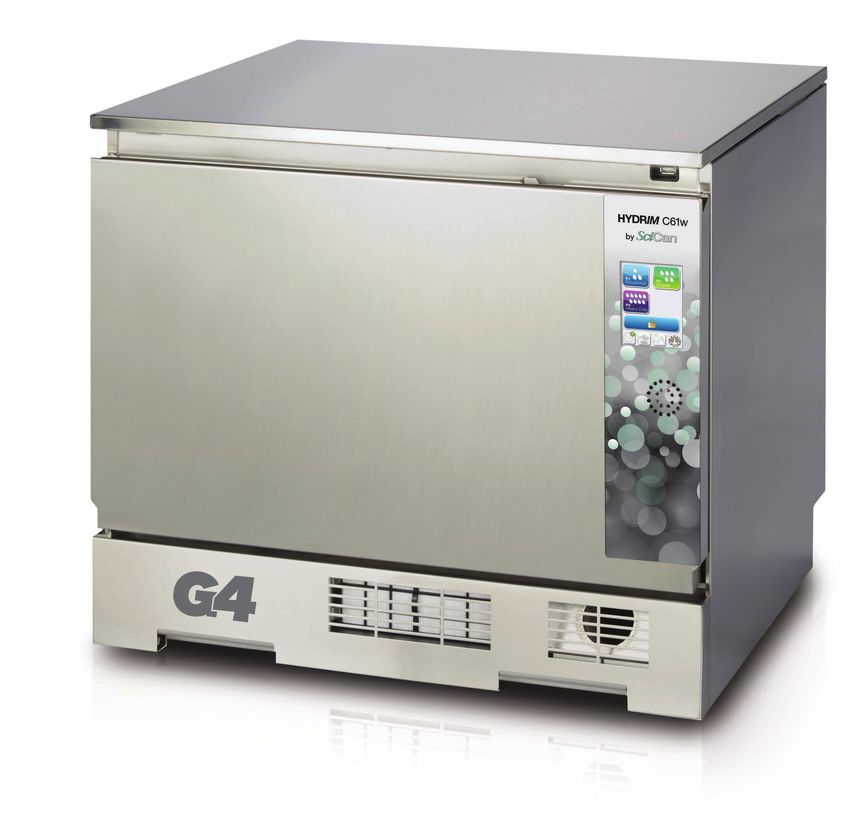
HYDRIM C61W G4
                                              ®

INSTRUMENT WASHER

• Operator’s Manual
• Manuel de l’utilisateur

95-113022 NA EN FR R4 HYDRIM C61W G4 Operator’s Manual © Copyright 2021 SciCan Ltd .
All rights reserved.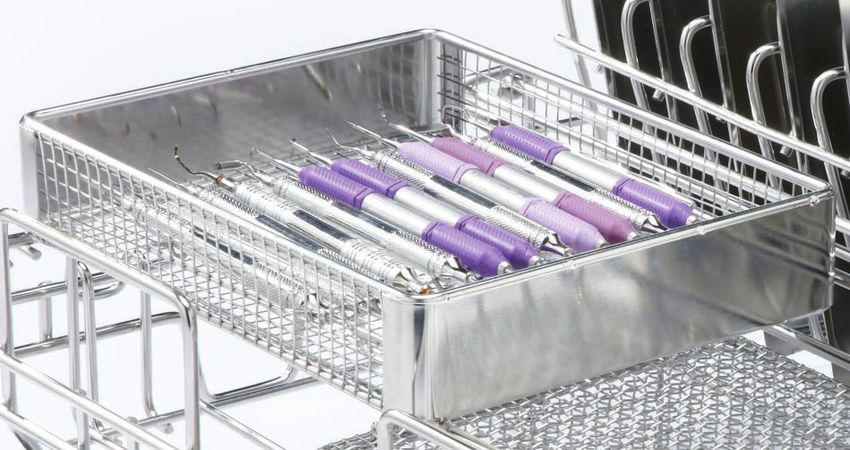
Contents
1. Introduction .................................... 3                        4. Using your HYDRIM ...................... 19
                                                                                  Instrument reprocessing recommendations
2. Important Information ..................... 4                                  Cycle description charts
    Disclaimer                                                                    Baskets and accessories
    Unit overview                                                                 Hints and tips for best cleaning results
    Touchscreen overview                                                          Recommended load configurations
    Set-up menu overview                                                          Running a cycle
3. Setting up your HYDRIM ................. 8                                     Interrupting / aborting a cycle
    Installation                                                                  Additional user and setup menu functions
    Handling and installing HIP™ Ultra                                            Opening the door in case of power failure
    		 cleaning solution                                                      5. Storing and Retrieving
    Water quality                                                                Cycle Information .......................... 28
    Testing water quality                                                         Retrieving cycle information using
    Disposing of packaging and                                                    		 the touchscreen
    		 decommissioned units                                                       Retrieving cycle information using
    Setting language                                                              		 the USB data back up
    Setting country
    Setting time                                                              6. Care and Maintenance................... 30
    Setting date                                                                  Replacing the HIP™ Ultra cleaning solution
    Assigning unit identifier number                                              Refilling the water softening salt reservoir
    Resetting drying counter                                                      Changing the air filter
    Adjusting screensaver delay                                                   Filter and wash arm maintenance
    Adjusting temperature delay                                                   Cleaning the unit
    Turning the button sound ON or OFF                                            Preparing the unit for shipping
    Adjusting button beep volume                                                  Annual maintenance
    Adjusting salt regeneration                                                   Unit testing and validation
    Adjusting screen contrast
    Changing touchscreen display themes                                       7. Troubleshooting ............................ 36
    Creating a user name                                                          Troubleshooting general problems
    Creating a user PIN                                                           Troubleshooting error messages
    Setting up process enforced usage                                         8. Warranty ....................................... 40
    Connecting to a network
    Connecting to a wireless network                                          9. Specifications ............................... 41

 HYDRIM and STATIM are registered trademarks of SciCan Ltd. BRAVO, HIP™,
 and SysTM are a trademarks of SciCan Ltd. All other trademarks referred to
 in this manual are the property of their respective owners.                      SciCan GmbH
                                                                                  Wangener Strasse 78
                                                                                  88299 Leutkirch GERMANY
                                                                                  Tel.: +49 (0)7561 98343 - 0
 For all service and repair inquiries:                                            Fax: +49 (0)7561 98343 - 699
 In Canada      1-800-870-7777
 United States: 1-800-572-1211                                                    US
 Germany:       +49 (0)7561 98343 - 0                                             701 Technology Drive
 International: (416) 446-4500                                                    Canonsburg, PA 15317 USA
 Email:         techservice.ca@scican.com                                         Phone: +1 724 820 1600
   Manufactured by:                                                               Fax: +1 724 820 1479
   SciCan                                                                         Toll free: 1-800-572-1211
   1440 Don Mills Road,
   Toronto ON M3B 3P9                                                             SciCan Medtech
   CANADA                                                                         Alpenstrasse 16
   Phone: 		      (416) 445-1600                                                  CH-6300 ZUG SWITZERLAND
   Fax: 		        (416) 445-2727
   Toll free:     1-800-667-7733                                                  Phone: +41 (0) 41 727 7027
                                                                                  Fax: +41 (0) 41 727 7029

                                                                   Page 2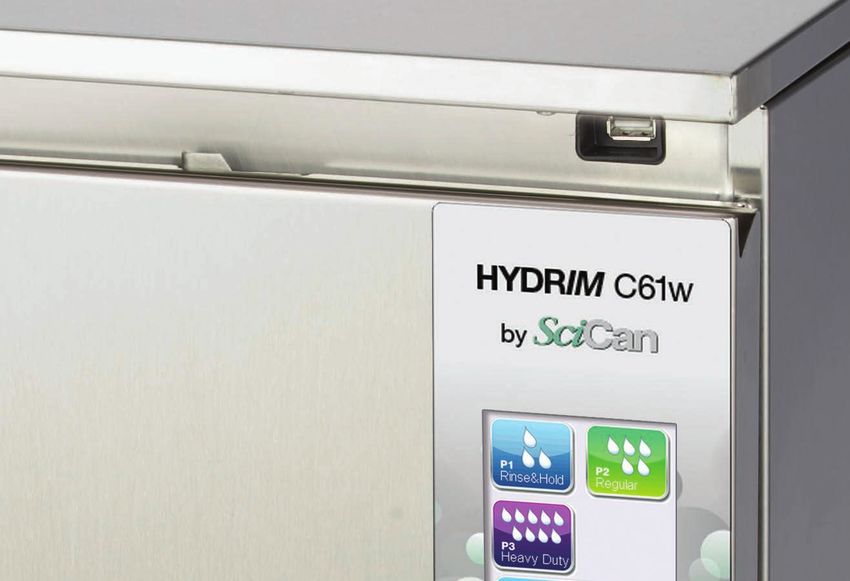
1 Introduction

                                                                         HYDRIM C61w

     Thank you for selecting the HYDRIM C61w G4 instrument washer. The HYDRIM
     complements the STATIM® and BRAVO™ autoclaves by quickly and hygienically preparing
     soiled instruments for sterilization. To ensure years of safe, trouble-free service, carefully
     review this Operator’s Manual before operating the unit. The HYDRIM C61w G4 is suitable
     only for the applications listed in this manual. Using the HYDRIM for other purposes may
     be dangerous. The manufacturer cannot be held responsible for damage caused by
     improper use.

     Operational, maintenance and replacement instructions must be followed for the product
     to perform as designed. All trademarks referred to in this manual are the property of their
     respective owners. Contents of this manual are subject to change without notice to reflect
     changes and improvements to the HYDRIM product.

     The HYDRIM should only be installed and serviced by a qualified contractor as the
     HYDRIM C61w G4 is an Installation Category II device. Before connecting the unit, the
     installer should check that the voltage and frequency of the electrical supply correspond
     with the details in the installation instructions. The unit must only be plugged into a
     grounded outlet. Please note that this unit is completely isolated from the electrical supply
     only when it is unplugged or the circuit breaker is turned OFF. This must be done before
     any repair work is carried out.

     The HYDRIM C61w G4 uses HIP™ Ultra cleaning solution exclusively. The unit will not
     perform as described if detergents or cleaning products not approved by SciCan are used.
     Other detergents or cleaning products may damage the unit, the instruments, cause
     excessive foaming, and void the warranty. Do not use solvents in this unit. Do not allow
     unauthorized personnel access to this unit or its controls.

                                           Page 3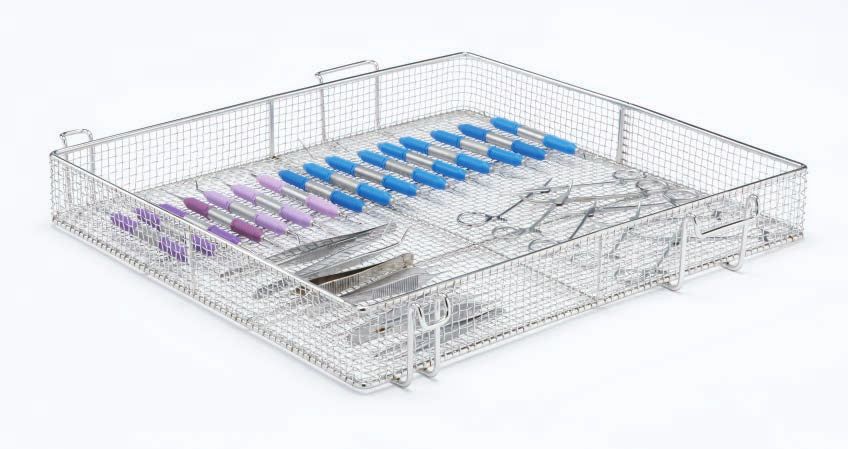
2 Important Information

     2.1 Disclaimer
     Do not permit any person other than authorized personnel to supply parts for service or
     maintenance for your HYDRIM. SciCan is not liable for incidental, special or
     consequential damages caused by any maintenance or services performed on the HYDRIM
     by unauthorized personnel, or for the use of equipment or parts manufactured by a third
     party, including lost profits, any commercial loss, economic loss, or loss arising from
     personal injury.

     Never remove any unit panels and never insert objects through holes or openings in the
     cabinetry. Doing so may damage the unit and/or pose a hazard to the operator.

     If the unit is used in a manner other than that specified, the protection provided by the
     equipment may be impaired.

     Cleaning solutions may irritate. Avoid contact with eyes and mouth.

     Never sit, stand or lean on the open door. The unit may tip forward causing injury.

     Always turn the unit OFF before adding softener salt, adding solutions or performing routine
     maintenance to the unit.

     The owner shall not allow any personnel other than the trained and authorized personnel
     to operate the unit.

     SciCan recommends leaving the unit turned ON at all times, in particular over times when
     no staff is in the office when no water shut-off mechanism is installed. Leaving the unit
     turned ON will activate the drain pump if water is leaking into the chamber as a result of
     any faulty circumstance.

                                          Page 4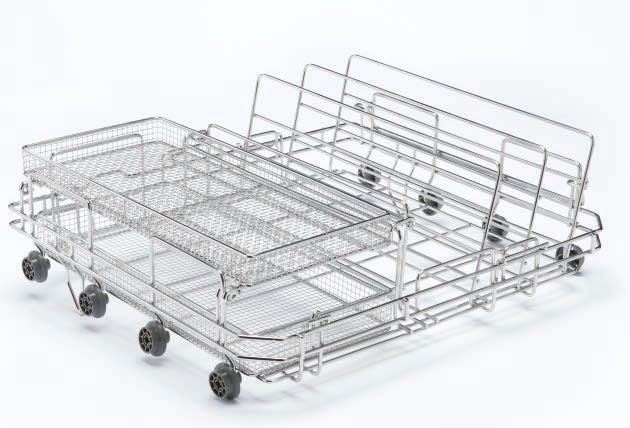
2 Important Information

            2.2 HYDRIM Unit overview
                                         5        6         7
                                                            2                   8          9        10    11            12

       1         2    20        3        4
 n11   Power switch                          n18 Dryer outlet                       n114 Ethernet port
 n12   Kickplate                             n19 Water softener                     n115 RS232 port
 n13   HEPA filter                           n110 Wash arms (top not shown)         n116 Cold water inlet
 n14   Dryer exhaust                         n111 Coarse filter                     n117 Hot water inlet
 n15   Door latch                            n112 Cleaning solution                 n118 R/O water inlet
 n16   USB port                              n1 and drawer                          n119 Fuses
 n17   LCD touchscreen                       n113 Drain outlet                        20 Power cable port
                                                                                    n121 Drain tube (behind kickplate)
            Rear Connections

       13                  14       15                 16          17                 18             19         20

   The following symbols                                                      A situation that
                                              A potential hazard                                          Important
   appear in the margins                                                      may lead to a
                                              to the operator.                                            information
   of this book.                                                              mechanical failure.

 The following symbols appear on the unit:
            Caution: Hot Surface                      Caution: Risk of electrical              Caution: Refer to manual
            and/or Hot Steam                          shock. Disconnect supply                 for details.
                                                      before servicing.

                                                         Page 5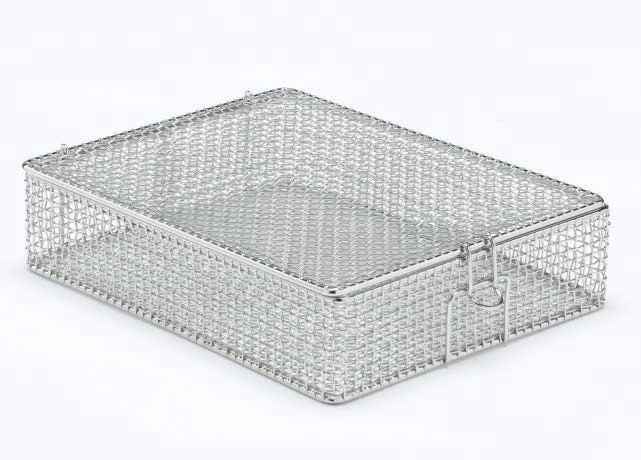
2 Important Information

      2.3 Touchscreen overview

   Programs

                                                       Unlock door

 Network connectivity
  (green when active)
                                                 Settings
                  USB status
              (green when active)

                              Water softener,
                              detergent level,
                              and door status

                                    Page 6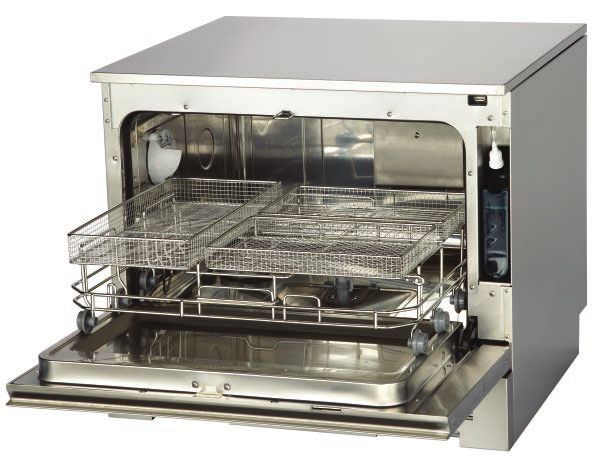
2 Important Information
     2.4 Set up menu overview

      User                Technician                   Setup

      Cleaning                  Language Selection             Set Printer

      Set Drying Time           Country                        Baud Rate

      Set Wash Time             Date/Time                      Set EOL CR/LF

      Cycle Count               Unit No.                       Set Regeneration

      Process Enforced          Network Setup                  LCD Contrast

      User                      Reset Drying Counter           Theme

                                Screen Saver                   Remote Screen

                                Temperature C/F                Instructions

                                Set Button Beep                Instructions Delay

                                Beep Volume                    Remote Access

                                                               Prepare for Shipping

                                 Page 7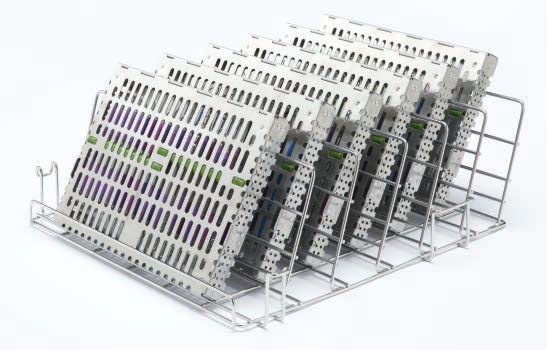
3. Setting up your HYDRIM

     IMPORTANT INFORMATION
      • To open the wash chamber door if the door is locked and the unit is not functional,
        release the lever located on the top edge of the door and pull the door open. (For more
        detail, see section 4.9 Opening the door in case of a power failure.)

      • Ensure that HIP™ Ultra cleaning solution (instrument wash chemical) is available. All
        other supplies are included with your unit.

      • The HYDRIM C61w G4 is heavy (44 kg). Exercise caution when moving it.

      • The HYDRIM C61w G4 must be properly grounded.

      • The HYDRIM C61w G4 is equipped with an air gap / anti-suction device to prevent
        backflow of dirty water into the water supply. No other air gap device is necessary.

     3.1 Installation
     Installation should only be undertaken by a SciCan approved technician. The use of an
     unapproved installer may invalidate the warranty. A separate pre-installation checklist
     should have been supplied by your dealer. Please review this prior to approving installation.

     If the HYDRIM C61w G4 is installed in a sterilization center, the manufacturer of the
     sterilization center should allow enough space at the top, back and both sides of the unit
     to facilitate installation, leveling, and service access to the unit.

     Do not move the HYDRIM C61w G4 into place by maneuvering the open wash chamber
     door. This may cause the door to become misaligned and can cause leakage.

     During installation, all consumables should have been added to the machine as approriate.
     It is important to check that this has been undertaken before starting the machine.

     3.2 Handling and installing the HIP™ Ultra cleaning solution
     The HIP™ Ultra cleaning solution is used in dilute form as a detergent for the cleaning of
     surgical instruments in the HYDRIM range of washers and washer disinfectors. It is a
     colourless and almost odourless liquid which is completely soluble in water.

     The ph range is between 9.3 – 9.8 and the solution is therefore mildly alkaline. It is therefore
     advised that certain precautionary measures are observed when handling during the loading
     of the solution into the machine, and when removing and disposing of the empty bag.

                                           Page 8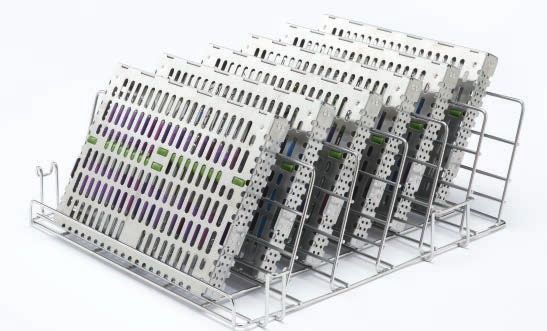
3. Setting up your HYDRIM

           Recommended precautionary measures with regard to safe handling of HIP™ Ultra cleaning
           solution.

           •       Always wear undamaged gloves made of natural or butyl rubber, nitrile, or neoprene
                   (Surgical gloves are ideal).

           •       Always wear eye protection.

           •       Protect exposed skin on arms.

           •       If solution is spilled on clothing, remove the item of clothing and wash affected skin with
                   plenty of water, in accordance with the Material Safety Data Sheet requirements.

           •       Use good industrial hygiene practices in handling this material. When handling,
                   do not eat or drink.

           •       After handling the product, remove and dispose of gloves and wash hands prior to
                   removing eye protection.

           •       Do not use the personal protective equipment you use for clinical activities to handle
                   HIP™ products.

           •       Always ensure that personal protective equipment, if contaminated with HIP™ Ultra
                   cleaning solution, is cleaned, or disposed of as appropriate.

           For comprehensive data on HIP™ Ultra cleaning solution, please visit SciCan.com to view
           or download a PDF of the Material Safety Data Sheet.

           To install the HIP™ Ultra cleaning solution bag, follow these steps:

               1       2       3       4    5      6 Turn
                                                      7 the power         1   2   3   4    5     6    7 Place a new bag

A
                                                     OFF, open the                                        in the chemical
                                                     door and pull out                                    drawer.
                                                     the chemical
                                                     drawer.
ent Protection                                                                        www.scican.com

       1   2       3       4       5       6 Ensure
                                             7                   1   2    3   4   5   6     7          Connect
                                                                                                                 HYDRIM is a registered trademark of SciCan Ltd.

                                                the nozzle is                                          the new bag,
                                                                                                                 Manufactured by SciCan Ltd., Toronto, Canada

                                                                                      Lot number:
                                                in the correct                        L0T334.11.2012 close the door
                                                position.                                              and power
                                                                                      Product: CS-HIPC-U
                                                                                      8X 750ML /       the unit ON.
                                                                                      25.4 U.S. fl. oz.

                                                                 Page 9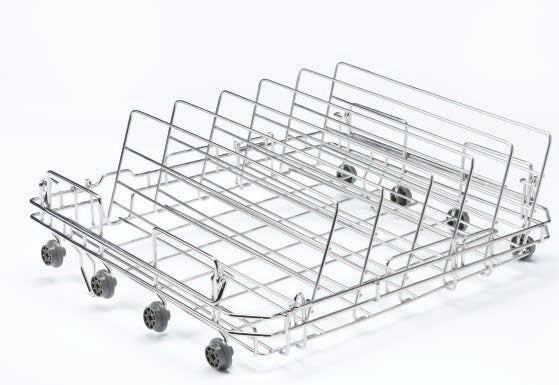
3. Setting up your HYDRIM

     3.3 Water quality
     The quality of the water being used in the HYDRIM to clean the instruments is very critical
     to achieving satisfactory cleaning results and to protecting the instruments and the internal
     parts of the unit from deterioration.

     Drinking water typically contains many dissolved solids. The amount of dissolved solids
     greatly depends on the local natural geological conditions and they can cause stains, spots
     and corrosion on instruments and on the internal parts of the HYDRIM. Among others, Iron,
     Manganese, Chloride, and Calcium Carbonate (CaCO3) are the dominant dissolved solids
     that affect the cleaning results when using a washer.

     Iron and Manganese can cause orange and brown or black stains on the instruments and
     on the internal parts of the HYDRIM. Chloride is usually responsible for causing stains,
     spotting, pitting and scaling. If the instruments or the inner parts of the HYDRIM C61w,
     such as the chamber, show any of these spots or stains, a water test may be required to
     determine the cause. The installation of a water treatment system may be required to
     reduce the amount of dissolved solids in the water and to improve the cleaning
     performance of the HYDRIM.

     Calcium Carbonate is the principle cause of water hardness and leaves white spots or
     scales. The HYDRIM is equipped with a built-in water softening system that must be
     adjusted according to the local water hardness. Please see section 3.4 of this manual for
     recommended regeneration settings.

     Before using the HYDRIM, SciCan recommends testing the water and recording the results
     for water hardness, pH value, and water conductivity for future references in the pre-
     installation and installation documents.

     IMPORTANT: The HYDRIM's water softening system reduces the water hardness by
     taking out Calcium Carbonate. If your water testing results show that your water hardness
     is outside the unit's range of adjustment, or if other dissolved solids in the water cause
     stains or deposits on the instruments or chamber, an external water treatment system may
     be required.

                                         Page 10
3. Setting up your HYDRIM
3.4 Testing water quality Water Hardness Conversion and salt regeneration levels
The HYDRIM C61w G4 is equipped with US PPM
°dH Regen.
a built-in water softening system that must GPG (mg CaCO3 / Litre)
be adjusted according to the local water 1 1.0 18
Very Soft
No Treatment Necessary
2 2.1 36
hardness. To read local water hardness,
(values from 18-143)
3 3.1 54
1
proceed as follows: 4 4.2 71
Typically
5 5.2 89
1. The water test kit included with your 5.6 5.8 100
6 6.3 107
HYDRIM contains three water 6.2 6.4 110
2
hardness test strips in bags. Take a 7 7.3 125
8 8.3 143
water sample from the location where 8.4 8.8 150
the machine will be installed. 9 9.4 161
10 10.4 178 3
10.1 10.5 180
2. Open one of the bags, remove the 11 11.5 196
test strip and dip it into the water. 11.2 11.7 200
11.8 12.3 210
4
12 12.5 214
3. Compare the color of the strip with
13 13.6 232
the chart on the back of the bag 14 14.6 250*
Determine the water hardness according 15 15.6 268 5
May Require External Treatment
16 16.7 286
to the chart on the water test kit envelope.
(values from 150-535)
16.8 17.5 300
17 17.7 303
6
4. Power the unit on and select the 18 18.8 321
Settings key from the main menu. 19 19.8 339
19.6 20.5 350
20 20.9 357
5. Go to the Setup Menu and select 20.2 21.0 360
“Set Regeneration”. 21 21.9 375
22 22.9 393 7
7. Using the up and down arrows, set the 22.4 23.4 400
23 24.0 411
water softener regeneration level 24 25.0 428
according to the water hardness table 25 26.1 446
25.2 26.3 450
in this section. If your water hardness 26 27.1 464
falls between two settings, select the 27 28.2 482
28 29.2 500
higher setting. 28.6 29.8 510
29 30.2 518
8. Unscrew the water softener container 30 31. 3 535
8
lid from the bottom left of the chamber
External Treatment
30.3 31.6 540
and pour 0.5 litres of water into the
(values >535)
Required
water softener container.
>30.3 >31.6 >540
9. Add 0.5 kg of water softening salt to
the water softener container, using
the supplied funnel to prevent any salt
from spilling into the chamber, and close
by screwing the lid tightly back into place. An improper seal can lead to corrosion.
*Please note: The water test strip is only accurate up to 250 ppm. If the reading on the test strip exceeds
250 ppm and/or if the location in which the HYDRIM is installed has known water quality problems, having
a more detailed and accurate water test done by a test lab is strongly recommended.
Page 113. Setting up your HYDRIM
3.5 Disposing of packaging and decommissioned units
Your unit is shipped in a corrugated cardboard box and packed with protective material.
Please do not add these materials to your regular domestic waste. Instead, look to reduce
the amount of waste diverted to landfill by recycling these materials. Break down the
cardboard box so that it can be easily handled, and contact your municipality to learn about
its policy regarding the recycling of soft polyethylene engineered foam. Some municipalities
operate packaging collection points with dedicated disposal bins to accommodate various
materials.
A decommissioned washer should not be disposed of in the regular domestic waste. Doing
so is potentially harmful to people and the environment. It has been used in a healthcare
setting and represents a minor infection control risk. It also contains several recyclable
materials that can be extracted and reused in the manufacture of other products. Contact
your municipality to learn about its policies and programs governing the disposal of
electronic devices.
3.6 Setting the language
The messages displayed by your HYDRIM can be presented in a number of different
languages. To change the current language, follow these steps:
1.
2. Scroll to Language and select.
3. From the LANGUAGE screen, press to scroll through the list of languages.
When you have found the desired language, press to save your selection and return
to the Setup menu.
3.7 Setting the country
1.
2. Scroll to Country and select.
3. Using the keypad, type the name of the country and press EN to select. Press
to save and return to the Setup menu.
3.8 Setting the time
1.
2. Scroll to Time and select.
3. From the TIME screen, use the keypad to set the time. Press EN to save and
to return to the Setup menu.
Page 123. Setting up your HYDRIM
NOTE: If the HYDRIM is connected to a network, it is important to also enter the correct
Time Zone. Enter the Time submenu, select Time Zone and scroll and select your local
time zone.
4. To change your unit to display 12-hour time format (24-hour time format is the default
setting), go to the Setup menu and use to scroll to TIME 12/24, select it and
toggle to 12. Press to save and return to the Setup menu.
5. To activate daylight savings time (DST), go to the Setup menu and use to scroll
to DST ON/OFF and select. Use to toggle DST ON or OFF and press the
to save and return to the Setup menu.
3.9 Setting the date
1.
2. Scroll to Date and select.
3. From the DATE screen, use the keypad to set the date. Press EN to save and
to return to the Setup menu.
4. To change the format in which the date appears, return to the Setup menu and use
to scroll to DATE FORMAT. Select it, and follow the prompts to have
the date displayed in the desired format. Press to save and return to
the Setup menu.
3.10 Assigning unit identifier number
1.
2. Scroll to Unit No and select.
3. Using the keypad, select a maximum of 3 digits to be used as the unit’s identifier
number. Press EN to save and to return to the Setup menu.
3.11 Resetting the drying counter
The drying counter must be reset when the HEPA filter is changed. To reset the drying
counter, follow these steps:
1.
2. Scroll to Reset Drying Counter and select.
3. Select Default 0 to reset.
Page 133. Setting up your HYDRIM
3.12 Adjusting the screensaver delay
To change the length of time before the screensaver is activated, follow these steps:
1.
2. Scroll to Screensaver and select.
3. Use to scroll through your time options. When you have found the amount of
time you require, press it. Press to save and return to the Setup menu.
3.13 Adjusting the temperature display
1.
2. Scroll to Temperature C/F and select.
3. Use to choose between having information displayed in degrees Celsius or
Fahrenheit. Press to save and return to the Setup menu.
3.14 Turning the button sound ON or OFF
The HYDRIM is preset to beep when a button is pressed. If you would like to turn the button
sound off, follow these steps:
NOTE: Turning OFF the button sound does NOT turn off other alarms and cycle notification
beeps.
1.
2. Scroll to Beep ON/OFF and select.
3. Use to scroll through your ON or OFF options and select it by pressing it.
Press to save and move back to the Setup menu.
3.15 Adjusting the button beep volume
If you would like to adjust the beep volume, follow these steps:
1.
2. Scroll to Beep Volume and select.
3. Use to scroll through the volume settings. Select the one you want by
pressing it. Press to save and move back to the Setup menu.
Page 143. Setting up your HYDRIM
3.16 Adjusting the salt regeneration
Salt regeneration should be set according to the local water hardness. See section 3.4
Testing Water Quality for instructions on determining correct settings. To set salt
regeneration, follow these steps:
1.
2. Scroll to Set Regeneration and select.
3. Use to change the value. The default setting is 1. Press to save and return
to the Setup menu.
3.17 Adjusting the screen contrast
The touchscreen is calibrated for the lighting condition of most sterilization centers. Should
you need to adjust the contrast for your office, follow these steps:
1.
2. Scroll to LCD Contrast and select.
3. Use to scroll through your contrast options. When you have found the contrast
you require, press it. Press to save and return to the Setup menu.
3.18 Changing the touchscreen display themes
The touchscreen themes (i.e. icons and background colours) can be changed to one of the
preset options. To change themes follow these steps:
1.
2. Scroll to Theme and select.
3. In the Change Theme screen, use to scroll through your available options.
As you scroll, each theme will display on the touchscreen. Press to select your
theme and return to the Setup menu.
Page 153. Setting up your HYDRIM
3.19 Creating a User Name
Up to four unique User Names can be created. To assign a User Name follow these steps:
1.
2. Scroll to User and select.
3. To assign a user name, select User Name and use the alphabetic keypad to enter
a name (up to 12 characters) and press EN to save.
3.20 Creating a User PIN
From the User PIN screen, you can assign up to four PINs. To assign a PIN, follow these
steps:
1.
2. Scroll to User and select.
3. To assign a user PIN, select User PIN and use the numeric keypad to enter
a number (up to 4 digits) and select EN to save and to move to the confirmation
screen.
4. If all of the information presented in the confirmation screen is correct, press OK
to be returned to the User PIN screen. To make a correction, select the User PIN you
want to change and repeat the process described above.
Page 163. Setting up your HYDRIM
3.21 Setting up process enforced usage
When process enforced usage is activated, users are required to enter a PIN at the end of
a cycle. For process enforced usage to function, User IDs and PINs must first be assigned.
To set up User ID and PINs, refer to sections 3.19 and 3.20 on creating a user name and
PIN. To activate process enforced usage, follow these steps:
1.
2. Scroll to Process Enforced and select.
3. Use to toggle process enforced function ON or OFF. Press
to save your selection and return to the Setup menu.
NOTE: Any user can stop a cycle even
with process enforced usage ON.
However, the cycle data will record
that an unauthorized user
has stopped the cycle.
3.22 Connecting to a network
The HYDRIM C61w G4 has a 10/100Base-T Ethernet port located at the back of the unit.
To connect your HYDRIM to a network using a router, follow these steps:
1. Connect your network cable to the Ethernet port at the back of the unit. If your office
uses a router, the router should automatically assign the unit an IP address. A red X on the
network icon means the unit is not connected. A yellow check mark means the unit has
an IP address but is not connected to the Internet and cannot send emails. A green check
mark means the Internet connection is set up properly and the unit can send out emails.
NOTE: In some circumstances, where you do not have a router, for example when using
Windows Network Sharing, you may have to assign a dedicated or ‘static’ IP address.
To assign a static IP address, contact your local network administrator.
2. From the main screen, press the Network icon. The Network screen displays information
about your HYDRIM’s connectivity, including its IP address.
Page 173. Setting up your HYDRIM
3. Type the IP address displayed on the touchscreen into the browser of any web enabled
device to access your unit’s web portal. When the Network icon is active (for example when
sending email) it will turn green.
NOTE: Use QR code if connecting to a mobile device.
NOTE: Connection time will vary depending on your network speed, and making an initial
connection can take longer.
3.23 Connecting to a wireless network
The HYDRIM can be configured for wireless use by connecting the Ethernet port to an
external wireless bridge / access point. SciCan currently recommends the use of the
D-Link® DAP-1522 Xtreme N® Duo Wireless Bridge. Contact your network administrator
to learn more about setting up a wireless bridge.
Page 184. Using your HYDRIM
4.1 Instrument reprocessing recommendations
The HYDRIM C61w G4 is designed to clean general dental and medical instruments. When
used correctly, the HYDRIM is effective for the removal of debris on instruments that may
result in the insulation of microorganisms during terminal sterilization.
Note: Terminal sterilization must follow processing in the HYDRIM C61w G4.
Examples of medical and dental instruments suitable for cleaning in the HYDRIM include:
• Stainless steel scalers, spatulas and hemostats.
• Stainless steel retractors, needle holders, skin hooks, tissue forceps, scissors, curettes,
and other stainless steel instruments free of deep cavities.
For best results, instruments processed in the HYDRIM should have the following
properties:
• Heat resistance to a temperature of up to 60°C.
• Corrosion resistance in the presence of heat.
Microkeratomes, phaco tubing, fiberoptics and electrical equipment should not be
processed in the HYDRIM.
Nickel-plated instruments, or instruments containing aluminum or colour anodized aluminum
as well as single use instruments are not suited for processing in the HYDRIM.
HIP™ Ultra (HYDRIM cleaning solution with Instrument Protection) has been carefully
formulated to provide outstanding material compatibility with a wide range of metals and
coatings. However, some manufacturers’ instruments may not be compatible.
Some instrument manufacturers make their instruments with special coatings, which may
not be suitable for the use in an automatic instrument washer. Please consult the instrument
manufacturer for their recommended cleaning procedures of these instruments.
In general, it is not recommended to process carbon steel and chrome-plated instruments
in the HYDRIM C61w G4.
When processing small or light objects in the HYDRIM C61w G4, use the basket
with lid.
Do not put dental burrs in the HYDRIM C61w G4.
Page 194. Using your HYDRIM
4.2 Cycle description chart
HYDRIM C61w G4 instrument washer
Cycle Prewash Wash Rinse Dry
P0 – Machine Cleaning4. Using your HYDRIM
4.3 Baskets and accessories
Observe the instrument manufacturer’s recommendations for cleaning and care.
When loading the unit, arrange loose instruments so that they do not touch one another.
Instruments with concave surfaces or cavities should be placed so that water can drain freely.
Baskets
STATIM 2000 basket STATIM 5000 basket Large basket
01-107240 01-107241 01-113545
Hygiene Basket Basket with hinged lid
01-113546 01-113547
Racks (Trolley and baskets not included)
Six cassette rack Three cassette, two basket rack Two basket rack
01-113251 01-113253 01-113257
Rack for Vertical and Hinged Instruments
Requires support from a basket
Rack for vertical instruments Rack for Hinged instruments Ten tray, two basket rack
01-113255 01-110409S 01-113254
Page 214. Using your HYDRIM
4.4 Hints and tips for best cleaning results
• Remove all cement, composite material and amalgam from instruments at chairside
prior to processing in the HYDRIM.
• Use only accessories, such as baskets, cassettes, trolleys and racks to hold instruments
that are designed for the HYDRIM C61w G4.
• Use accessories for their intended purpose only. For example, do not place hinged
instruments in cassettes. Use the hinged instrument rack instead.
• Disassemble instruments if possible.
• Do not overlap instruments. Each instrument must be kept separate.
• All instruments must be placed in the instrument washer in such a way as to allow good
rinsing of all surfaces. Any surface that is shielded from water and detergent cannot
be cleaned.
• Hinged instruments should be placed in a wide open position in baskets. Closed hinged
instruments cannot be cleaned.
• Place suction tubes in the rack for vertical instruments and ensure that water can flow
unrestricted in and out of the tubes. Do not place suction tubes horizontally in a basket
or in a cassette. For instruments containing lumens, such as dental handpieces, only the
external surfaces are cleaned.
• Place trays and other concave shaped items at an angle to ensure water can run off
surfaces easily.
• Do not overload the HYDRIM.
• Verify the HYDRIM setup:
– Ensure that the washer spray arms are free of any blockage and can rotate freely.
– Ensure that the mesh filters in the chamber drain are free from debris.
• To achieve best cleaning results, instruments should be processed in the HYDRIM as
soon as possible. If immediate cleaning is not possible, it is recommended to process
the instruments using the P1 Rinse and Hold program immediately after use on
the patient.
• Visually inspect instruments for cleanliness and integrity (corrosion, material changes)
after cleaning and repair or replace instruments if necessary.
• If process enforced is activated, the operator must confirm that the instruments are
visually clean after a complete cycle is finished.
Page 224. Using your HYDRIM
4.5 Recommended load configurations
The HYDRIM C61w G4 can process many different instrument combinations as determined
by the following:
• Size of practice
• Types of procedures undertaken at any one time
• Specialization of practice
• Instrument management protocols
Below are examples of a few loading scenarios, including the most common basket
loadings, the recommended loading of general instruments, and the worst case loading for
the unit. Handle all instruments with care to prevent personal injuries from punctures, for
example, and follow local health and safety regulations to prevent accidents and injuries.
Using baskets and accessories
Observe the instrument manufacturer’s recommendations for cleaning and care. When
loading the unit, arrange loose instruments so that they do not touch one another.
Instruments with concave surfaces or cavities should be placed so that water can
drain freely.
Sample loading:
Solid straight and hinged instruments
For example:
scalpels, scissors,
curettes, excavators,
pluggers, etc.
Solid straight instruments
For example:
pliers, knives,
explorers, scalers,
etc.
Page 234. Using your HYDRIM
Hinged instruments, solid instruments and open hollow instruments
For example: For example: Tissue
Scalers, curettes, forceps and scissors.
dental elevators,
single part mirrors,
suction tubes etc.
Small and disassembled instruments
For example: Two piece mirrors, scalpel knife handles, etc.
Instrument sets in cassettes – full load
For example: Bone files, pluggers, curettes, excavators, etc.
Page 244. Using your HYDRIM
4.6 Running a cycle
Before using your HYDRIM, check that the water supply is on and that the HIP™ Ultra
cleaning solution bag is correctly installed and attached, then follow these steps:
1 Power unit on. 22. Touch the screen to begin. 33. Press UNLOCK if required.
44. Load instruments into the baskets 66. Press START.
or cassettes, place them in the
machine and close the door.
55. Select the desired cycle.
(Use a heavy duty cycle
for cassettes, hinged
instruments or heavily
soiled instruments.)
77. The cycle will begin.
The cycle will start by draining the unit. The bar on the screen
indicates the progression of the cycle. The stage within the cycle
is shown beneath the bar (e.g. Filling, Rinsing). The estimated time
remaining (in minutes) is always displayed. Please note that the
time will increase or decrease depending on the projected cycle
completion.
88. The cycle is complete.
When the cycle is complete, the program name and “Cycle
Complete” is displayed, and the unit beeps three times. Press “OK”
to open the door. Use gloves to unload the instruments. After all
cycles, exercise caution as the instruments, trolley, baskets and
cassettes may be hot. Inspect the instruments for debris prior to
packaging / sterilizing.
Page 254. Using your HYDRIM
4.7 Interrupting / aborting a cycle
The door of the HYDRIM is locked during the cycle. If the STOP
button is pressed, the cycle is aborted and cannot be re-started.
The message “Draining. Please wait” will appear. The unit will drain.
Then the message “Instruments not processed” will appear. Press
OK. Open the door by pressing . Use gloves if handling the
instruments. Exercise caution as instruments, trolley, baskets and
cassettes may be hot. The cycle must be repeated to ensure that
instruments are properly processed.
NOTE: If the drying phase of the cycle is interrupted, the critical parts of the cycle are
complete and the message displaying the program name and “Cycle Complete. Drying
interrupted” will appear.
4.8 Additional user and setup menu functions
To access the user or setup menus, follow these steps:
OR
Chamber cleaning
This cycle is used to periodically remove hardwater deposits from
the chamber walls and racks. Pour 0.5 litres of vinegar or citric acid-
into the chamber before starting the cycle. The HYDRIM will remind
you to run a cleaning cycle every 25 cycles. The reminder frequency
can be adjusted by the technician. Touch “cleaning.” A cleaning
cycle, similar to a normal wash cycle, will run. Failure to clean the
chamber can promote corrosion.
Set drying time
The drying times for P2 and P3 can be set independently. Touch
the cycle for which you want to set the drying time. Use the up and
down arrows to select the desired drying time. Touch “default” if you
wish to return to the factory default. Use the back arrow to return to
the previous screen.
Set wash time
The wash time for P3 can be set independently. Touch the cycle for
which you want to set the wash time. Use the up and down arrows to
select the desired wash time. Touch “default” if you wish to return to
the factory default. Use the back arrow to return to the previous screen.
Page 264. Using your HYDRIM
Cycle count
This allows the user to see how many cycles have been run on
the HYDRIM. Touch cycle count and the number of cycles
(completed and aborted) will be displayed. This cannot be reset.
Touch the back arrow to return to the previous menu.
Instructions
Users can access a database of pictorial instructions on how to
perform routine maintenance such as installing the cleaning solution.
4.9 Opening the door in case of a power failure
If there is a power failure, locate the lever on the top edge of the door, slide it to the right
and pull the door open. Exercise caution! There may be fluid remaining in the unit and the
instruments may be hot. If the cycle was interrupted, instruments should not be used and
should be reprocessed.
Page 275. Storing and Retrieving Cycle Information
The HYDRIM C61w G4 has an internal Data Logger capable of storing all the data on every
cycle, whether successful or incomplete, for the lifetime of the unit. You can access this
information through the touchscreen, through the web portal or by using a USB storage
device.
5.1 Retrieving cycle information using the touchscreen
1. From the main menu, press the USB icon.
2. The unit will record up to the last five successful cycles and the last five incomplete
cycles.
If you select a cycle from the list, it will display cycle information in a format similar to
how it would be printed.
3. Use the arrow keys to scroll through and read.
NOTE: Regardless of whether you have a USB storage device attached to the unit or not,
you can always see the last five successful cycles and the last five incomplete cycles.
Use the HYDRIM C61w G4 web portal to access all the cycle information stored on your
HYDRIM from your computer. To connect your HYDRIM see section 3.22 Connecting to
a Network.
Page 285. Storing and Retrieving Cycle Information
5.2 Retrieving cycle information using the USB data back up
The USB storage device can be used to transfer cycle information stored in the unit to a
computer. Best practice suggests this should be done once a week. To transfer data using
the USB port, follow these steps:
1. Plug the USB storage device into the USB port.
2. The HYDRIM keeps track of what data has already been transferred to the USB storage
device and will automatically load only new data. Data stored in the internal memory of
the HYDRIM can be copied once only. Access to previously transferred information can
be made from the web portal.
3. When the activity light on your USB storage device stops blinking or the USB icon on
the LCD turns from a flashing green to a solid grey, remove the USB storage device and
transfer the information to your computer.
NOTE: If you select the USB storage device icon from the main menu, you will only be able
to view the last five complete cycles and the last five incomplete cycles. To view all the
cycles stored on the USB storage device, you must use your computer.
NOTE: If you lose your USB storage device and would like to transfer your unit’s cycle
history to a new device, follow these steps:
1. Plug the new USB storage device into the USB port.
2. Select the USB icon.
3. From the cycle information screen, select the USB icon again.
4. Select Copy and the unit will copy all cycle information to the USB storage device.
Page 296. Care and Maintenance
6.1 Replacing the HIP™ Ultra cleaning solution
Only replace the cleaning solution with HIP™ Ultra cleaning solution, which is used in dilute
form as a detergent for the cleaning of surgical instruments in the HYDRIM washer.
It is a colourless and almost odourless liquid that is completely soluble in water.
Some precautions must be taken to safely handle this chemical. For more information,
see section 3.2 Handling and Installing the HIP™ Ultra cleaning solution.
NOTE: To avoid spillage, replace the solution container only when the message appears
and be sure to wear gloves.
When a red X appears on the water softener/detergent icon. Press on the icon to determine
if the problem is with the water softener or cleaning solution level. If the cleaning solution
must be replaced, a red X will appear next to it.
To replace the cleaning solution, follow these steps:
Spare part#: CS-HIPC-U (8 x 750 mL), HIP™ Ultra cleaning solution.
1 2 3 4 5 61 72 3 4 5 6 17 2 3 4 5 6 7
Turn the power OFF, Disconnect the cleaning Remove the empty cleaning
open the door and pull out solution connector. solution bag and discard
the chemical drawer. or recycle it.
Page 30ULTRA
h Instrument
6. Care andProtection
Maintenance www.scica
1 2 3 4 5 61 72 3 4 5 6 71 2 3 4 5 6 7
Lot number:
L0T334.11.2012
Product: CS-HIPC
8X 750ML /
25.4 U.S. fl. oz.
Place a new bag Connect the new bag,
in the chemical drawer. close the door and
Ensure the nozzle is
power ON the unit.
in the correct position.
To prime the cleaning solution dosing pump, press the water softener/detergent icon on the
main screen. In the water softener/detergent screen, press the red X next to “Detergent”.
The unit will prime the dosing system and a green check mark will appear in place of the
red X when it is ready for use.
NOTE: The system can also be primed by simply starting a cycle and selecting “Detergent
Replaced”, when prompted.
Page 316. Care and Maintenance
6.2 Refilling the water softening salt reservoir
When a red X appears on the detergent and water softener level indicator, press on
the icon to determine if the problem lies with the water softener or cleaning solution level.
If the water softener must be refilled, follow these steps:
1.Open the salt container lid.
2.Fill the salt container to the top, using
the funnel supplied, to a maximum of
0.5 kg.
3.Close the salt container lid, ensuring
a tight seal. An improper seal
can lead to corrosion.
4.Run a complete cycle, with no instruments.
Spare part#: 01-112594S Salt,
Water Softener
2. Remove softener
6.3 Changing the air filter
When the message “Replace air filter”
appears, the HEPA filter is in need of
changing. Turn the power off. Pull open the
ventilation panel below the front door of the
unit. Make note of the direction of the arrow
and remove the old filter by pulling it from
the centre. Install the new air filter – placing
the arrow in the correct orientation – and
close the ventilation panel.
After replacing the filter, go to the “Reset
Drying Counter” screen in the Setup menu
HEPA filter and reset the drying counter to zero. (See
Section 3.11)
The filter must be replaced every 750 drying
cycles. The unit will continue to run if the
filter is not replaced, but you will notice less
than optimal drying performance.
Spare part#: 01-113277S Filter-Air, C61
Page 326. Care and Maintenance
6.4 Filter and wash arm maintenance
Filter maintenance
Inspect the coarse and fine filters in the
bottom of the chamber daily for debris and
clean if necessary. To clean, remove the
filter (turn the metal nut at the centre front of
the filter to release it), rinse under a tap and
reassemble. Ensure that the filter is firmly
locked into position when replaced.
3. Remove coarse filter
Wash arm maintenance:
If you see that the wash arms are not
turning easily, remove the arm(s) as
needed – excessive removal of wash arms
can reduce service life. Both the upper and
lower arms are pressure mounted.
To remove the upper arm, pull down and to
remove the lower arm, pull up. Rinse under
a tap, clear obstructions from outlet holes
and reassemble.
4. Remove Arms
6.5 Cleaning the unit
To clean outer surfaces and the decal covering the touchscreen, use a soft cloth moistened
with soap and water or a surface disinfectant. Do not use harsh cleaning chemicals.
To clean the chamber, use the “Cleaning” function available in the user menu with 0.5 L of
vinegar or citric acid in the chamber. See section 4.8 for details.
NOTE: Every 25 cycles, the user will be reminded to run a chamber cleaning cycle.
Press OK to continue the selected wash cycle but remember to run a chamber cleaning
cycle at the next available opportunity.
6.6 Preparing the unit for shipping
If preparing the unit for transport or storage, waste water should be removed from the
sump. Waste water in the unit may contain biological contaminants. From the Setup menu,
select the Prepare for Shipping function.
Page 336. Care and Maintenance
The unit will pump all the waste water from the sump. If a small amount remains, soak it
up with absorbent material. Wear disposable rubber gloves. Dispose of absorbent material
according to biological waste disposal regulations.
If the unit is without power, use the drain tube located under the front of the unit in the
middle to drain the water from the chamber and system. Then unlock the door using the
door lever (see section 4.9) and remove the coarse filter and fine filter (see section 6.4) and
use absorbent material to soak up any water remaining in the sump.
6.7 Annual maintenance
If the message “Preventative Maintenance Required. Call for Service” appears, the annual
maintenance is required. To continue using the HYDRIM, press OK. Call for service as soon
as possible. The annual maintenance should be done after 365 days have elapsed since the
initial installation or since the last service call was performed.
6.8 Unit testing and validation
The following outlines the recommended regular maintenance to be performed by the user
and technicians for the HYDRIM C61w G4 washer.
To ensure the unit's ongoing cleaning efficacy, SciCan recommends observing the following
periodic testing protocols.
The recommended periodic testing protocols are listed in the table below:
When Who What Tests
• Commissioning/Installation testing as
By a
outlined in the installation document included
Upon installation SciCan-approved
with the unit.
technician
• First validation if required by local regulations.
• door lock check
• wash arm rotation check
• door seal check
Daily tests and checks By the user • load carrier check
• check and clean chamber filters
• visual examination (inspection under
magnification) of each load for residual soil.
By a • Annual maintenance schedule
Annually SciCan-approved as outlined in the service manual
technician
By a
Bi-Annually SciCan-approved • Re-validation if required by local regulations.
technician
Page 346. Care and Maintenance
IMPORTANT NOTES:
• This document outlines the minimum requirements to ensure that the equipment
performs to specification. In some regions, local/national guidance documents may
require additional testing. Please contact your dealer or local medical authorities
for details.
• Installation, commissioning, annual servicing MUST be undertaken by SciCan approved
technicians. Failure to maintain this equipment may invalidate the results of the following
testing regime.
Tests to be performed by the user:
Door lock check
This test is to ensure that the door cannot be opened while a cycle is running or a cycle will
not start with the door open. To check that these features are working correctly, attempt to
open the door using the handle immediately after a cycle has started. Caution – DO NOT
attempt this when the wash arms are rotating and/or the water is above ambient
temperature. The door should not open. When you attempt to start a cycle with the door
open, the cycle should not start. If the unit fails this test, stop using it immediately and call
your dealer for technical service.
Door seal check
Visually check the door seal for debris or wear. If the seal is worn or damaged, call your
dealer for technical service.
Load carrier check
Visually check load carriers (trolleys) for wear and tear, damage and that the runners move
freely over their full range.
Chamber filter check
Remove, visually check and clean as described in section 6.4.
Load check
Visually inspect each load for residual soil. Washers are designed to ensure that the
surfaces of instruments are free from debris that may compromise the sterilization process.
A visual check of the instruments processed in each load should be undertaken prior to
sterilization to ensure that no residual debris is present on the instrument.
If debris is still apparent, the instrument should not be considered clean and should be
reprocessed through the HYDRIM again prior to sterilization.
NOTE: Some set-able materials such as cements and composites, if set on the instrument
will not be removed in a HYDRIM. If these materials are noticed on the instrument then
abrasive removal may be required.
Page 357. Troubleshooting
Problem Possible Causes and Solutions
Instruments are • Do not overload cassettes or instrument baskets.
not clean • Do not load too many cassettes into the HYDRIM.
• U
se the Heavy Duty cycle for cassettes and hinged
instruments.
• Check filters and wash arms for debris.
• Increase wash times. See section 4.8.
Touchscreen / • Ensure that the power button is turned ON.
Unit does not come on • E
nsure that the plug is properly inserted into the wall
socket.
• C
heck if a fuse or circuit is blown – call service for
assistance.
NOTE: Fuses should NOT be replaced by the operator.
Call an authorized service technician for assistance.
For continued protection against the risk of fire, replace
only with 15A, 250V type F fuses.
The wash arms • Remove the wash arms, clean and reinstall them.
do not rotate • Check for obstructions in chamber.
The door cannot be • The cycle is not complete.
opened • The cycle was aborted and the unit has not completed
draining yet.
Operating cycles appear • T
he water is not hot enough. Check that the incoming
to be taking too long hot water temperature is in the recommended range.
to complete • C
heck that the hot and cold hoses are not reversed.
“No detergent” message • Check for a kink in chemical tubing.
comes on but there is still • Check cap for seal.
a lot of chemical left in the • Reinstall chemical solution, see section 6.1
container
Drying performance is • Increase the drying time. See section 4.8.
inadequate • Change the HEPA filter.
spare part#: 01-113277S Filter-Air, C61
Page 367. Troubleshooting
Problem Possible Causes and Solutions
“Preventative Maintenance The annual maintenance should be done after 365 days
Required. Call for Service” have elapsed since the initial installation or the last
message appears service call was performed. Call for service.
“Replace Air Filter” message • Replace HEPA filter. See section 6.3.
appears • If filter was replaced and message continues to
appear, reset drying counter. See section 3.11.
“Air Filter Missing. • Check HEPA filter to ensure it is installed correctly
Install Filter” (with arrow in correct position).
Lost USB storage device If you need to copy all of the unit’s cycle data to a new
with all cycle data USB storage device:
1. Insert the new USB device.
2. Select the USB icon.
3. Select cycle information.
4. From the cycle information screen, select the USB
icon at top right.
5. Select copy and all of the unit’s cycle history will be
copied to the new device.
No Internet Connection Select the connectivity icon to go to the connection
status screen.
• If a red X appears next to IP: You do not have
a network connection. Contact your network
administrator.
• If a red X appears next to Internet: You do not have an
Internet connection. Contact your Internet provider.
Page 377. Troubleshooting
Error Messages
Error What it Means What to Do
CF1 Water Heating The water does not reach • Call for service.
failure the required temperature in
the specified time.
CF2 Chamber Filling The water does not fill the chamber • Check that the
Failure within the specified time. water hoses are
not kinked. Open
the water shut-off
valves.
CF3 Chamber Faulty sensor. • Call for service.
temperature reading
failure
CF4 Water Water cannot drain from the unit. • Check that the drain
evacuation hose is not kinked.
failure • Check that the filters
in the bottom of the
chamber are not
obstructed.
• Check that the
drain outlet is
within the specified
height noted in the
installation manual.
CF7 Cycle Aborted Power failure. • Restore power to
or Interrupted the unit.
• Restart program.
CF9 System failure. • Call for service.
CF10 Drying System Problem with drying. • Call for service.
Error
CF11 Dosing System Problem with detergent system. • Call for service.
Error
Page 387. Troubleshooting
Error What it Means What to Do
CF15 Water Water reservoir overflow switch • Restart program.
Reservoir Overflow triggered. • Call for service.
CF16 Ambient Unit is too hot or has overheated. • The room or
Temperature Error enclosure is too
warm and not
allowing the unit to
adequately cool.
• If message persists,
call for service.
CF17 Air Drying Drying system overheated. • Check HEPA filter
Error • Check if air exhaust
is blocked
• If message persists,
call for service.
CF21 Dosing Pump Chemical dispensing system • Tighten detergent
Failure error. cap.
• Check for detergent
leak.
• If message persists,
call for service.
CF22 Air Faulty sensor. • Call for service.
Temperature Error.
CF23 Top wash arm Top wash arm speed too low. • Check that load is
low RPM not blocking wash
arm.
• Check all holes in
wash arms for debris.
• If message persists,
call for service.
CF24 Bottom wash Bottom wash arm speed too low. • Check that load is
arm low RPM not blocking wash
arm.
• Check all holes in
wash arms for debris.
• If message persists,
call for service.
CF25 Reference System failure. • Call for service.
voltage Error
Page 398. Warranty
Limited Warranty
For a period of one year, SciCan guarantees that the HYDRIM C61w G4, when
manufactured in new and unused condition, will not fail during normal service due to
defects in material and workmanship that are not due to apparent abuse, misuse, or
accident. In the event of failure due to such defects during this period of time, the
exclusive remedies shall be repair or replacement, at SciCan’s option and without charge,
of any defective part(s), provided SciCan is notified in writing within thirty(30) days of the
date of such a failure and further provided that the defective part(s) are returned to
SciCan prepaid.
This warranty shall be considered to be validated, if the product is accompanied by
the original purchase invoice from the authorized SciCan dealer, and such invoice
identifies the item by serial number and clearly states the date of purchase. No other
validation is acceptable. After one year, all SciCan’s warranties and other duties with
respect to the quality of the product shall be conclusively presumed to have been satisfied,
all liability therefore shall terminate, and no action or breach for any such warranty or duty
may thereafter be commenced against SciCan.
Any express warranty not provided hereon and any implied warranty or representation as
to performance, and any remedy for breach of contract which, but for this provision, might
arise by implication, operation of law, custom of trade or course of dealing, including any
implied warranty of merchantability or of fitness for particular purpose with respect to all
and any products manufactured by SciCan is excluded and disclaimed by SciCan.
To register your product warranty with SciCan, go to Scican.com, click on the appropriate
country, and then click on the Register Your Warranty tab.
Page 409. Specifications
Machine dimensions: Length: 52 cm 20.5"
Width: 59.8 cm 23.5"
Depth: 52.6 cm 20.7"
Depth with door open: 82.9 cm 32.6"
Weight : 44 kg 97 lbs
Running noise: 65 dB
Hot and cold water connections G 3/4"
Inlet water pressure: 1-10 bar
Incoming hot water temperature: 60°C 140°F
Drain: 3/4"
Drying system: Heater 1 kW
Electrical connection: 208-240VAC ±10%, single-phase,
60 Hz, 12A
Protection class: Class I
Equipment pollution degree: Pollution degree 2
Equipment installation category: Installation category II
Maximum relative humidity: 80% for temp up to 31°C/88°F
50% for temp up to 40°C/104°F
Operating temperature range: 5˚C - 40˚C 41°-104°F
Max. altitude: 2000 m 6,562 feet
Mains supply: + / -10% of nominal
Fuses: 15A, 250V, Type F
Page 41Table des matières
1. Introduction .................................... 3 4. Utilisation du HYDRIM .................. 18
Recommandations sur le retraitement
2. Informations importantes ............... 4 des instruments
Avertissements Tableau descriptif des cycles
Aperçu général de l’appareil Paniers et accessoires
Aperçu de l'écran tactile Conseils pour de meilleurs résultats de nettoyage
Aperçu du menu Configuration Configurations recommandées pour le chargement
3. Préparation du HYDRIM .................. 7 Démarrer un cycle
Installation Interrompre/annuler un cycle
Manipulation et utilisation de la solution Fonctions supplémentaires des menus
nettoyante HIPMC Ultra Utilisateur et Configuration
Qualité de l'eau Ouverture de la porte en cas de panne
Vérification de la qualité de l’eau de courant
Élimination de l’emballage et des appareils 5. Enregistrer et récupérer
hors service les informations de cycles ............ 27
Sélection de la langue Récupérer les informations de cycles à l’aide
Sélection du pays de l’écran tactile
Réglage de l’heure Récupérer les informations de cycles à l’aide
Réglage de la date de la sauvegarde sur clé USB
Attribution d’un numéro d’identification de l’appareil
Réinitialisation du compteur de cycles de séchage 6. Entretien et maintenance.............. 29
Réglage de l’écran de veille Remplacer le sac de solution nettoyante
Réglage du format d’affichage de la température HIPMC Ultra
Activation/désactivation du signal sonore des touches Remplir le réservoir de sel adoucisseur d’eau
Réglage du volume du signal sonore des touches Changer le filtre à air
Réglage de la régénération de sel Entretien du filtre et du bras de lavage
Réglage du contraste de l’écran Nettoyer l’appareil
Changement des thèmes d’affichage Préparer l’appareil pour l’expédier
Création d’un nom d’utilisateur Entretien annuel
Création d’un NIP Essai et validation de l’appareil
Configuration du processus d’application forcée
Connexion à un réseau 7. Dépannage .................................... 35
Connexion à un réseau sans fil Dépannage – problèmes généraux
Dépannage – messages d’erreur
8. Garantie ........................................ 39
9. Spécifications ............................... 40
HYDRIM et STATIM sont des marques déposées de SciCan ltée. BRAVO,
MC
HIP , et SysTM sont des marques de commerce de SciCan ltée. Toute autre
marque dont il est fait mention dans le présent manuel appartient à son pro- SciCan GmbH
priétaire respectif.. Wangener Strasse 78
88299 Leutkirch ALLEMAGNE
Pour toute demande de renseignements relatifs
à l’entretien et à la réparation, composer :
Tél.: +49 (0)7561 98343 - 0
Téléc. : +49 (0)7561 98343 - 699
Au Canada : 1-800-870-7777
Aux États-Unis : 1-800-572-1211
États-Unis
En Allemagne : +49 (0)7561 98343 - 0
International : (416) 446-4500
701 Technology Drive
Courriel : techservice.ca@scican.com Canonsburg, PA 15317 USA
Tél. : +1 724 820 1600
Fabriqué par : Téléc. : +1 724 820 1479
SciCan Sans frais : 1-800-572-1211
1440 Don Mills Road,
Toronto ON M3B 3P9 SciCan Medtech
CANADA Alpenstrasse 16
Tél. : (416) 445-1600 CH-6300 ZOUG SUISSE
Téléc. : (416) 445-2727
Sans frais : 1-800-667-7733 Tél. : +41 (0) 41 727 7027
Téléc. : +41 (0) 41 727 7029
Page 1You can also read


