IMPLEMENTATION GUIDE NextGenATMIA 2019
←
→
Page content transcription
If your browser does not render page correctly, please read the page content below
NextGenATMIA
                            IMPLEMENTATION GUIDE
                                    2019

  4/16/2020            Version 1.0 FINAL, M. Ficken
The ATMIA anti-trust and IPR policies will apply to this document (see references 5 and 6).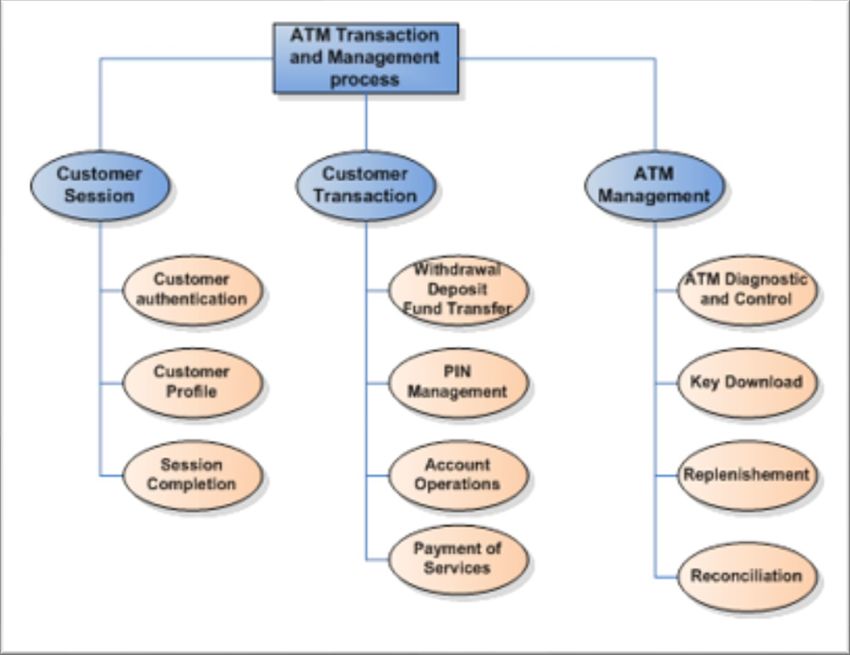
NextGenATMIA - Implementation Guide 2019

         1 Table of Contents

         1      Table of Contents ............................................................................................................................ 2
         2      Introduction .................................................................................................................................... 7

         3      Approach ......................................................................................................................................... 8
             3.1       Implementation Committee ................................................................................................... 9
             3.2       FUNCTIONAL Working Group................................................................................................ 10
             3.3       TECHNICAL Working Group................................................................................................... 10
             3.4       CERTIFICATION Working Group ............................................................................................ 10
             3.5       Proof of Concept (PoC) ......................................................................................................... 11
             3.6       Next-Gen ATM Journey ......................................................................................................... 11

         4      NextGenATMIA Blueprint ............................................................................................................. 12
             4.1       Bigger Picture ........................................................................................................................ 13
             4.2       Blueprint 2019 – ATM end-point configurations .................................................................. 14

         5      FUNCTIONAL Specifications .......................................................................................................... 15
             FUNCTIONAL Overview ..................................................................................................................... 16
             NON-FUNCTIONAL Overview ............................................................................................................ 16
             5.1       FUNCTIONAL CASH-OUT Process Flow ................................................................................. 17
                5.1.1          COD functionality .......................................................................................................... 19
                5.1.2          ATM Device functionality .............................................................................................. 19
                5.1.3          APP Service functionality .............................................................................................. 20
                5.1.4          INFRAstructure functionality ........................................................................................ 20
                5.x APP Service functionality......................................................................................................... 20

         6      TECHNICAL Specifications ............................................................................................................. 21
             6.1       TECHNICAL CASH-OUT PROCESS FLOW ................................................................................ 22
                6.1.1          Interface-1 (COD – ATM Appliance) .............................................................................. 23
                6.1.2          Interface-2 (ATM Appliance – NextGenATMIA APP)..................................................... 23
                6.1.3          Interface-3 (ATM Appliance Software – ATM driving APP service) .............................. 23
                6.1.4          Interface-4 (ATM Driving APP service – Network Gateway INFRA) .............................. 23
                6.1.5          Interface-5 (Network Gateway INFRA – Card Networks) ............................................. 23

Version 1.0 FINAL, 16-4-2020                                                                                                                                Page: 2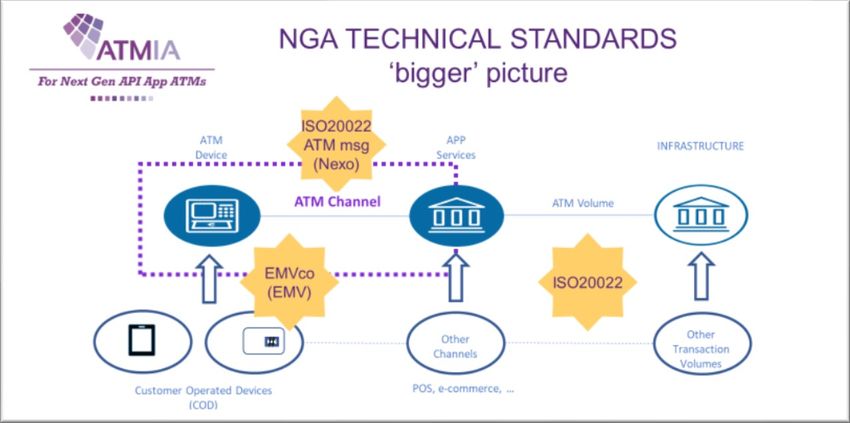
NextGenATMIA - Implementation Guide 2019

         7     CERTIFICATION Specifications ....................................................................................................... 24
             7.1      Certification Approach .......................................................................................................... 25
             7.2      CERTIFICATION CASH-OUT PROCESS FLOW .......................................................................... 26
               7.2.1         Industry Certifications (Level-0 + Level-1) .................................................................... 26
               7.2.2         NextGenATMIA Certifications (Level-2) ........................................................................ 27
               7.2.3         NextGenATMIA Certifications (Level-3) ........................................................................ 27
               7.2.4         NextGenATMIA Certifications (Level-4) ........................................................................ 27
               7.2.5         End-2-End NextGenATMIA Certification ....................................................................... 27
             7.3      Pre-Certification Registration ............................................................................................... 28

         APPENDIX A: HIGH-LEVEL ATM-APP API (ECMAScript 6) ...................................................................... 29

         8     Use Case Framework..................................................................................................................... 30
               8.1.1         SERVICE use case........................................................................................................... 31
               8.1.2         CARD-AUTHENTICATION use case ................................................................................ 31
               8.1.3         INPUT Cash-Out............................................................................................................. 32
               8.1.4         PROCESS Cash-Out ........................................................................................................ 32
               8.1.5         OUTPUT Cash-Out ......................................................................................................... 32

Version 1.0 FINAL, 16-4-2020                                                                                                                       Page: 3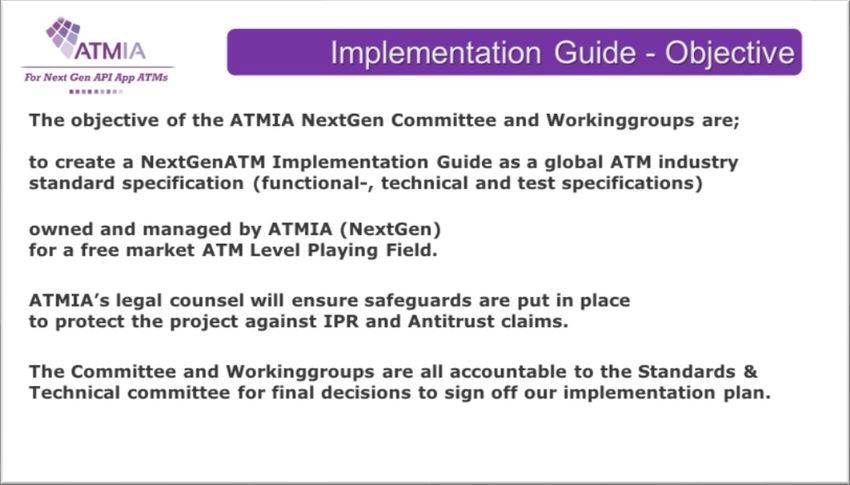
NextGenATMIA - Implementation Guide 2019

         9     JavaScript SPECIFICATIONS ........................................................................................................... 33
             9.1     NextGen Object ..................................................................................................................... 33
               9.1.1        Get Service .................................................................................................................... 33
             9.2     Session Service API ................................................................................................................ 34
               9.2.1        Get Session Information ............................................................................................... 34
               9.2.2        Start In Service .............................................................................................................. 35
               9.2.3        Start Session .................................................................................................................. 36
               9.2.4        End Session ................................................................................................................... 36
               9.2.5        Flows ............................................................................................................................. 37
             9.3     CardReader Service API ......................................................................................................... 38
               9.3.1        Accept Card ................................................................................................................... 38
               9.3.2        Eject Card ...................................................................................................................... 39
               9.3.3        Flows ............................................................................................................................. 40
             9.4     Card Service API .................................................................................................................... 41
               9.4.1        Get Info ......................................................................................................................... 41
               9.4.2        Select Application.......................................................................................................... 42
             9.5     PIN Service API ...................................................................................................................... 43
               9.5.1        Collect PIN ..................................................................................................................... 43
               9.5.2        Flow ............................................................................................................................... 44
             9.6     QRCode Reader Service API .................................................................................................. 45
               9.6.1        Get Info ......................................................................................................................... 45
             9.7     Withdrawal Service API ......................................................................................................... 46
               9.7.1        Get Withdrawal Information......................................................................................... 46
               9.7.2        Authorize ....................................................................................................................... 47
               9.7.1        Dispense ........................................................................................................................ 48
               9.7.2        Flow ............................................................................................................................... 49
             9.8     Receipt Service ...................................................................................................................... 50
               9.8.1        Print Receipt.................................................................................................................. 50
               9.8.2        Flow ............................................................................................................................... 51
             9.9     Error handling ....................................................................................................................... 51
               9.9.1        Error Format.................................................................................................................. 51

Version 1.0 FINAL, 16-4-2020                                                                                                                              Page: 4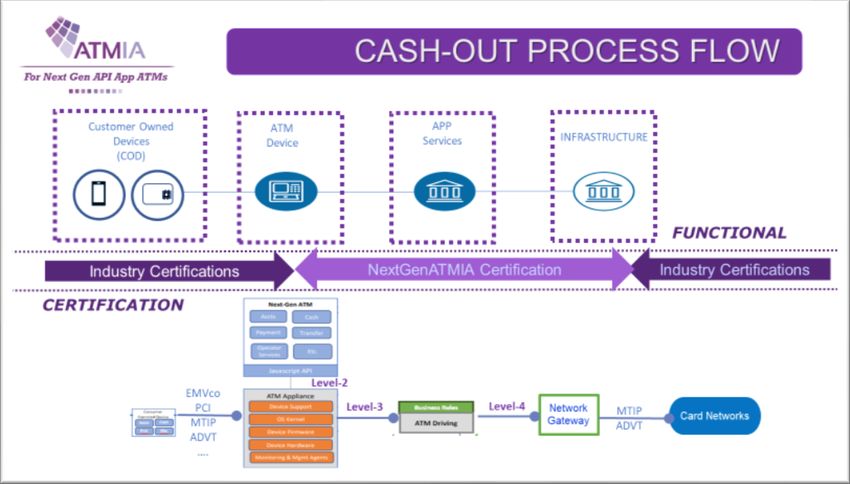
NextGenATMIA - Implementation Guide 2019

         VERSION HISTORY

          Version Date       Author         Changes
          0.1     10/10/2018 M. Ficken      First setup of Implementation Guide,
                                            based on reference 1+2.
          0.2      26/11/2018 M. Ficken     First input meeting cycle (November 2018)
                                            from Implementation Committee and
                                            Functional-, Technical- and Certification WorkingGroups.
          0.3      4/1/2019     M. Ficken   Process review and feedback of meeting cycle (December)
                                            from Implementation Committee and
                                            Functional-, Technical- and Certification WorkingGroups
          0.4      11/2/2019    M. Ficken   Process review and feedback of meeting cycle (Jan/Feb)
                                            from Implementation Guide Working Groups
                                            Functional-, Technical- and Certification meeting.
                                            Update according to ATMIA Clarification Statement 2.0
                                            (reference 7)
          0.5      30/7/2019    M. Ficken   Process reviewed Next-Gen ATM Blueprint 2019, version 1.5
                                            (see reference 3)
                                            Process v. 0.5 review and feedback of meeting cycle 5 (July)
                                            from Implementation Guide Working Groups
                                            Functional-, Technical- and Certification meetings
          0.5      6-8-2019     M. Ficken   Process Consortium for Next Generation ATMs
                                            Sub-Committee for Security meeting 6-8-2019
          1.0      19-10-2019   M. Ficken   Blueprint 2019, version 1.5 FINAL draft (reference-3)
          DRAFT                             PoC implementation reference 11 update
                                            Technical WorkingGroup API Meeting (7-10-2019)
                                            Appendix A: High-Level Javascript
                                            Modular Certification Model based on ICS
          1.0      3-12-2019    M. Ficken   Process v. 1.0 review and feedback of meeting cycle 6
          PUBLIC                            (oct/nov) from Implementation Guide Working Groups
          DRAFT                             Functional-, Technical- and Certification meetings.
          1.0      23-3-2020    M. Ficken   Processed version 1.0 public draft review comments of
          FINAL                             public consultation (December 2019 - March 2020) and
          Draft                             Proof of Concept results from Combi-Implementation WG
                                            meeting at March 13th 2020
          1.0      16-4-2020    M. Ficken   No additional comments received.
          FINAL                             Version to be approved by Steering Committee 23-4-2020.

Version 1.0 FINAL, 16-4-2020                                                                        Page: 5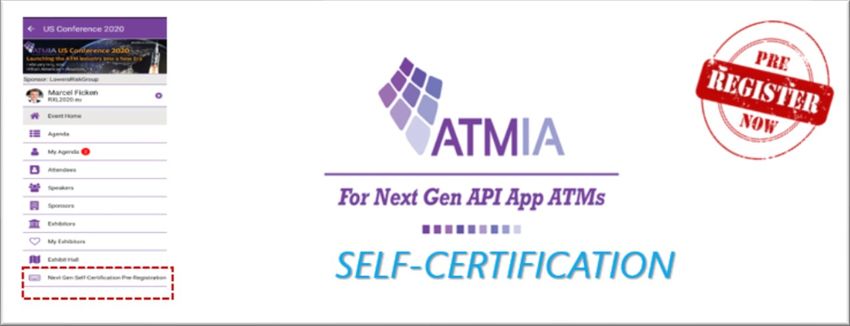
NextGenATMIA - Implementation Guide 2019

         REFERENCES`

          No.   Document                                          Version       Author
          1     Technical Standards Assessment Report             2.0 final     M. Ficken
          2     Implementation Model                              2.0           M. Ficken
          3     NextGen Blueprint 2019                            1.5, FINAL    ATMIA
          4     Glossary of Terms, 2018-04                        1             ATMIA
          5     ATMIA anti-trust compliance policy – 10018816     Final         ATMIA
          6     ATMIA IPR policy – 10020625                       Draft         ATMIA
          7     ATMIA Clarification Statement                     2.0           ATMIA
          8     NextGen ATM User Interface Best Practices         2018-10       ATMIA
          9     NextGen Ecosystem Security for API App ATMs       2018-09       ATMIA
          10    Added Value Services to boost Next Gen ATMs       2018-10       ATMIA
          11    Participate in the NextGenATM Proof of Concept    18-9-2019     M. Ficken
                Q4 2019 till Q1 2020
          12    First Next-Gen ATM Proof of Concept Results       March 2020    M. Ficken

Version 1.0 FINAL, 16-4-2020                                                                Page: 6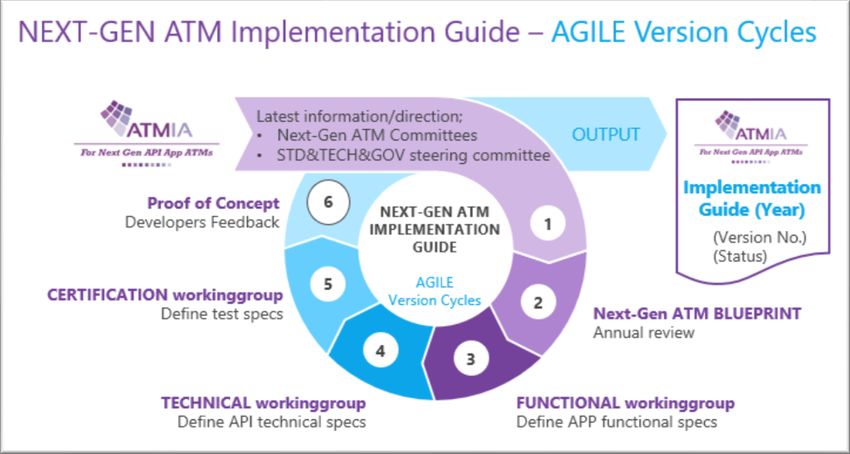
NextGenATMIA - Implementation Guide 2019

         2 Introduction
         The Implementation Guide will contain the NextGenATMIA Specifications
         from Functional-, Technical and Certification perspective as a single source
         for NextGenATMIA providers to develop, test and certification of NextGen software.

         The Technical Standards Roadmap (see reference 1) contains of the following three phases;

                    Phase-1                           Phase-2                             Phase-3

          Define NextGenATMIA Implementation Guide 1.0:
          Containing NextGen Blueprint, Technical Standards,
          Vendor Agnostic Functional Flow (see paragraph 5.1) and
          Implementation Model (see paragraph 5.2)
                                        Proof of Concept Implementations (see paragraph 5.4):
                                        to validate the specifications, gain implementation experience and
                                        demonstrate implementation reference showcases for ATMIA events
                                        in 2020.
                                                                                NextGenATMIA
                                                                                Implementation Guide
                                                                                version 2.0:
                                                                                based on validated reference
                                                                                implementations to have the
                                                                                majority of possible NextGen
                                                                                implementation issues tackled

Version 1.0 FINAL, 16-4-2020                                                                           Page: 7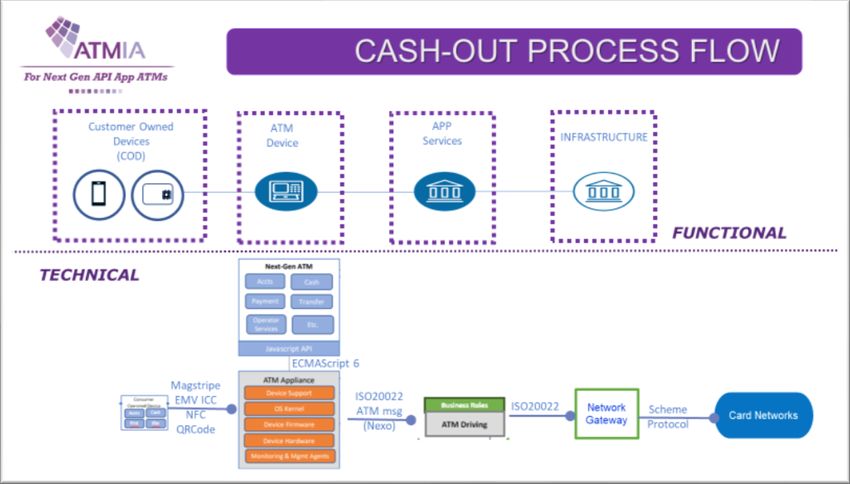
NextGenATMIA - Implementation Guide 2019

         3 Approach
         The approach for used for the implementation guide is following an Agile way of working.
         Each cycle version is based on a single NextGen APP functionality covering the end-2-end vendor
         agnostic interfaces in the NextGen Architecture Blueprint (NGA, see reference 3).

         We realised the workgroup aim to finish phase-1 (implementation guide version 1.0) and
         have started phase-2 (Proof of Concept) at the end of 2019.

         The review comments of the 3 months public consultation (December 2019 till March 2020) and
         the first Proof of Concept results review and improvements are processed in this final version too.

Version 1.0 FINAL, 16-4-2020                                                                             Page: 8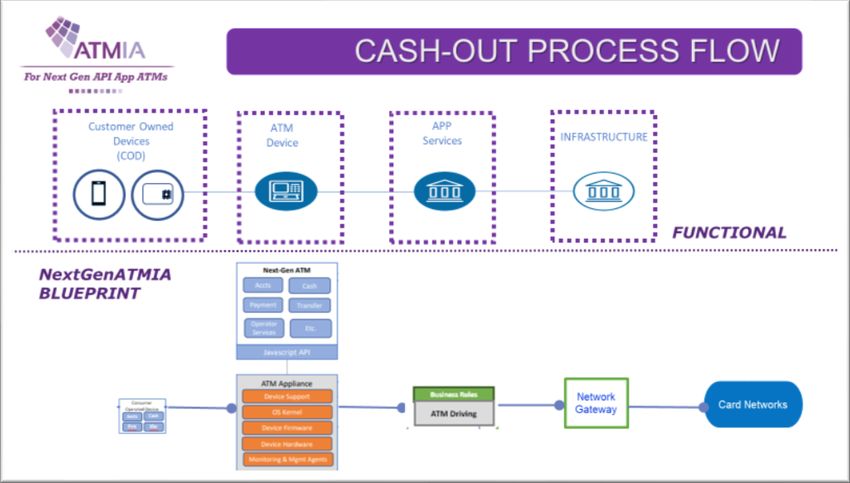
NextGenATMIA - Implementation Guide 2019

         3.1 Implementation Committee

         The mission of the Implementation Committee is;

         Working together with industry stakeholders and standards bodies, the Next Gen
         ATM Implementation Committee will take all steps required to implement the
         standards roadmap and implementation model on behalf of the Standards &
         Technical Subcommittee, while managing and tracking the on-going progress of the
         implementation guide and reference implementations during 2019.

         It’s recommended that the reference implementations will focus on
         the ATM channel (ATM+COD Layer), especially the NextGen ATM APP.
         The other layers can rely on the ISO20022 standard.

         The following objective and way of working is used by the implementation committee and
         working groups to define the implementation guide;

Version 1.0 FINAL, 16-4-2020                                                                      Page: 9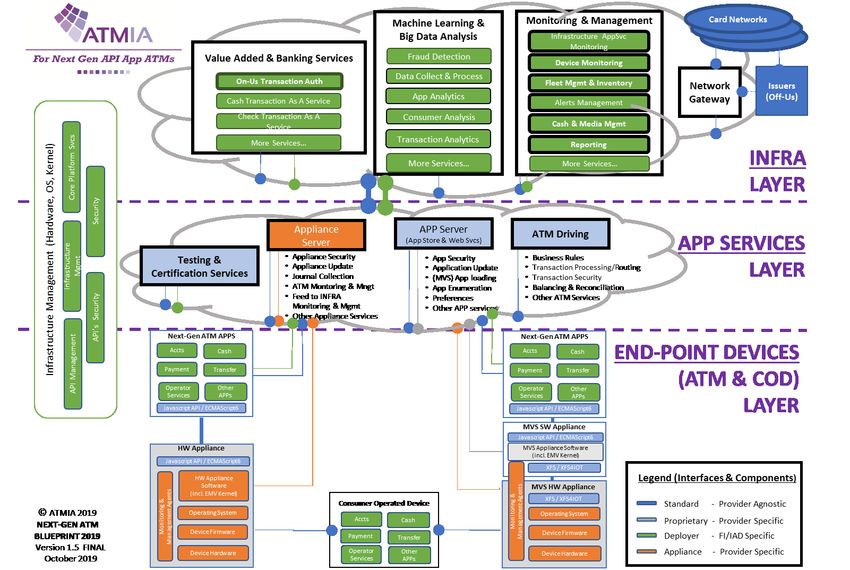
NextGenATMIA - Implementation Guide 2019

         3.2 FUNCTIONAL Working Group

         ATM product managers, ATM functional designers, ATM architects from especially ATM deployers
         (Bank, IADS, PSP, Processors) designed together with the NextGen Blueprint architects the desired
         vendor-agnostic functional requirements for an open NextGenATM App Model.

         The Functional Working Group defined the first NextGen ATM app functionality.

         3.3 TECHNICAL Working Group

         ATM interface/API experts, JavaScript API designers/developers and ATM software developers from
         ATM software vendors designed the technical specifications for the implementation guide based on
         the desired vendor-agnostic functionalities.

         The Technical Working Group defined the first NextGen ATM app and api.

         3.4 CERTIFICATION Working Group
         ATM test/certification expertise from ATM test tool vendors and ATM test/certification service
         providers designed and developed a testplan and testscripts for the development of a NextGen
         Certification system.

         The Certification Work Group developed the first NextGen Certification system to validate the first
         NextGen ATM app reference implementation (when available by the software providers)

Version 1.0 FINAL, 16-4-2020                                                                              Page: 10
NextGenATMIA - Implementation Guide 2019
3.5 Proof of Concept (PoC)
ATMIA stimulate that the implementation Guide specifications will be validated in a Proof of
Concept (PoC), to get developers implementation feedback from the ATM industry on the
Implementation Guide to improve the quality and clarity of the specifications.
The PoC implementation will not be part of the implementation guide (conform reference 7,
clarification statement, no software) and stays at the individual PoC implementation company.
However ATMIA stimulate to demonstrate these PoC implementations during ATMIA events.
Innovators and early adopters could participate in NextGen ATM POC implementations.
First Next-Gen ATM PoC (Device Layer, API)
The first Next-Gen ATM Proof of Concept were based on version 1.0 December 2019 and presented
during a workshop at the ATMIA US 2020 event in Houston.
The first Next-Gen ATM Proof of Concept RESULTS include PoC use case for
Next-Gen ATM Contact(less), Additional Security Feature and API testing
The results can be found as whitepaper at the ATMIA website
https://www.atmia.com/whitepapers/first-next-gen-atm-proof-of-concept-results/2388/
During 2020 a second Proof of Concept will be started, expected PoC use cases
will focus on COD/Mobile- and Cardless ATM Next-Gen ATM Blueprint.
If you are interested to participate in this PoC please contact mike@atmia.com
3.6 Next-Gen ATM Journey
In case you do not know yet, the following Next-Gen ATM documents
can support you in your NextGen ATM direction and decisions;
NextGen ATM Quickscan 2019
https://www.atmia.com/whitepapers/next-gen-atm-quickscan-2019--marcel-ficken/2355/
Business Economic Matrix
https://www.atmia.com/news/atmia-launches-next-gen-atm-business-case-toolkit/6952/
Deployers Guide
https://www.atmia.com/education/purchase-reports/next-gen-atm-deployer-guide/
Version 1.0 FINAL, 16-4-2020 Page: 11NextGenATMIA - Implementation Guide 2019
4 NextGenATMIA Blueprint
This Implementation Guide is a guideline for the implementation of the ATMIA Next Gen Blueprint
(reference-3), which contains three layers;
• INFRAstructure Layer
• APP services Layer
• End Point Devices Layer (ATM & Consumer Owned Devices)
This Next-Gen ATM Blueprint Architecture will be reviewed annually to be updated with the latest
available technologies, architecture and implementation best practices in the market.
To get you up to speed see the following videoclip on the ATMIA Next-Gen portal
“Next-Gen ATM Blueprint 2019 explained in 3 minutes”;
http://www.atmia.com/connections/members/atm-tube-videos/?video=lvtdXbFefU0
Version 1.0 FINAL, 16-4-2020 Page: 12NextGenATMIA - Implementation Guide 2019
4.1 Bigger Picture
The ATM channel cannot be viewed in isolation. The ATM app services, and host infrastructure
domains are part of a multi-channel environment that includes but is not limited to mobile
(customer-owned devices or “CODs”) and POS channels. It is essential that this interactivity be taken
into consideration when developing standards and aligning with current standards. Doing so will
contribute to the efficiency and quality of implementation, support improved economies of scale,
and help entities optimize their return on investment over the long term.
The ATM channel (ATM device and interfaces to the COD and APP Services) should be the primary
focus for vendor agnostic standardisation, as shown in the figure below.
Version 1.0 FINAL, 16-4-2020 Page: 13NextGenATMIA - Implementation Guide 2019
4.2 Blueprint 2019 – ATM end-point configurations
This Implementation Guide is using the ATMIA NextGen ATM Blueprint 2019 (reference 3)
which defines two types of ATM end-point configurations (layer-1),
which are explained in more detail in this paragraph.
The architecture basic of the ATM end-point device contain Appliance Provider Specific hardware
and software shown in orange, can contain Provider Specific Multi-vendor software and other
software shown in grey and Deployer Specific User Interface APP shown in green.
Which are connected through standard provider agnostic API’s in blue,
like JavaScript (ECMAScript6) for the high-end Deployer Specific APPs,
and low-level XFS (or XFS4IOT) to connect to the ATM Appliance Provider Specific components.
Two basic ATM end-point Next-Gen configurations defined in the Next-Gen ATM Blueprint 2019 are;
High-Level ATM configuration
on the left in the Blueprint 2019 Device Layer.
Connecting the Deployer Specific ATM APPs (green)
directly to the ATM Appliance Provider Specific hardware and
software (orange).
MVS ATM configuration
on the right in the Blueprint 2019 Device Layer
Leverage on the current defacto MVS
Multi-Vendor Software (in grey) and
the current ATM appliances (in orange)
using low-level XFS or next version XFS4IOT to connect
the same high-level Deployer Specific ATM APPs (green).
Version 1.0 FINAL, 16-4-2020 Page: 14NextGenATMIA - Implementation Guide 2019
5 FUNCTIONAL Specifications
The Functional Use Cases chapter follows the NextGen Committees approved recommendations in
the NextGen Standards Assessment Report (see reference 1) about NextGen App functionality.
The functionality in the NextGen Apps will be the main driving force and direction of the next steps.
Starting with the NextGen App and transaction flow description of the NextGenATM Blueprint.
The high-level business processes covered by ISO 20022 ATM messages (Nexo) standard would be a
good starting point, as shown in the figure below, which functionality should be provider agnostic.
Source: ISO20022 ATM message – high level business process
Recommendation: make the ATM user interface device-agnostic among ATMs or, even better,
design the NGA App so the same NGA App can run on the ATM device and the COD.
Version 1.0 FINAL, 16-4-2020 Page: 15NextGenATMIA - Implementation Guide 2019
FUNCTIONAL Overview
Overview of Vendor Agnostic APP-API Functionality;
First Cycles
No APP Vendor Agnostic End-Point
Group Function ATM COD
1 CASH OUT (Magstripe, EMV contact) X N.A.
2 CASH OUT (Contactless, NFC, QRCode,..) X X
Next Cycles
No APP Vendor Agnostic End-Point
Group Function ATM COD
Value Added Services Marketing Campaign
See 50 examples to boost
Next Gen ATMs (reference 10).
CASH Deposit
Accounts Balance Inquiry
Payment
Transfer
Operator Services
Ect.. ???
Out-of-Scope ATM/COD-APP functionality
1 FI/IAD specific Customer User Interface X X
NON-FUNCTIONAL Overview
Overview of Vendor Agnostic Generic Non-Functional requirements.
No Vendor Agnostic Non-Functional Requirements
Type Requirement
1 Architecture Support of multi-vendor NextGen ATM APPs
2
Version 1.0 FINAL, 16-4-2020 Page: 16NextGenATMIA - Implementation Guide 2019
5.1 FUNCTIONAL CASH-OUT Process Flow
The first APP functionality will be the CASH-OUT Process Flow,
which is drawn in the figure below in a FUNCTIONAL process flow
based on the corresponding NextGenATMIA Blueprint process flow.
In the following paragraphs the vendor-agnostic CASH OUT functionality will be defined.
Customer User Interface is not vendor-agnostic and will be ATM deployer FI/IAD specific.
The Payment Scheme Specifications defines which functionality is supported too,
especially for the endpoints and gateway to the card schemes.
Last but not least the ATMIA best practices for the User Interface and Security (see references 8+9).
Version 1.0 FINAL, 16-4-2020 Page: 17NextGenATMIA - Implementation Guide 2019
The following Cash-Out Functional Transaction Types (Contact-Contactless-Cardless)
have been defined in the table below.
Transaction type User device / User account Credentials for Interoperability Security Features
ATM interaction identification authentication ①
Contact Card Card / Card Card PAN PIN Interoperable
Cash Withdrawal reader
Contactless Card Card / NFC Card PAN PIN Interoperable
Cash Withdrawal reader
Contactless COD / NFC Card PAN PIN Interoperable using Host
Cardbased reader Card Emulation or Additional IoT Beacon
Cash Withdrawal Tokenization Security Feature ②
(COD wallet app)
PARTIAL Cardless COD / ATM Bank’s app login One Time Password Only Interoperable within
(User Interaction) display screen leading to +app authentication Scheme (e.q.MasterCard Additional IoT Beacon
Cash Withdrawal (displaying QR virtualised card PAN (touch ID or m-PIN) “cardless” solution) Security Feature ②
code) ③ (Need to be Tokenized - or
Virtual PAN to process
transaction)
FULL Cardless COD / QR code Bank’s app or OTP + mobile PIN Only On-us or domestic
(End-to-End) reader ③ or website login (m-PIN) (e.g. country scheme) Additional IoT Beacon
Cash Withdrawal keyboard entry leading to customer (No Need for Tokenized - Security Feature ②
id (pre-staged) or Virtual PAN to process
transaction)
① Supported Authentication method is choice of FI/deployer and issuer/scheme (including biometrics).
② Optional by Security Provider, see reference 12 (whitepaper First Next-Gen ATM PoC results, security use case)
③ Leverage on the EMVco QRCode specifications.
Version 1.0 FINAL, 16-4-2020 Page: 18NextGenATMIA - Implementation Guide 2019
5.1.1 COD functionality
Customer User Interface is not vendor-agnostic and will be ATM deployer FI/IAD specific.
The Payment Scheme Specifications defines which functionality is supported too,
especially for the endpoints and gateway to the card schemes.
No. Supported Functionality Customer Owned Device
1 Customer Token / Technology NFC / Contactless
QRCode
2 Customer Authentication PINcode
Biometrics (optional)
3 Bank Note Selection of notes (optional)
5.1.2 ATM Device functionality
Customer User Interface is not vendor-agnostic and will be ATM deployer FI/IAD specific.
The Payment Scheme Specifications defines which functionality is supported too,
especially for the endpoints and gateway to the card schemes.
No. Supported Functionality NextGenATMIA ATM APP
1 Customer Token / Technology Card Magstripe
Card EMV ICC Contact
Card EMV ICC Contactless
QRCode
2 Customer Authentication PINcode
Biometrics (optional)
3 Bank Note Selection of notes (optional)
Version 1.0 FINAL, 16-4-2020 Page: 19NextGenATMIA - Implementation Guide 2019
5.1.3 APP Service functionality
Most APP Services are generic for all the ATM DEVICE APP functionality and
will be descripted in another common chapter.
No. APP Service Functionality
1 ATM Driving Service See Paragraph 5.x
2 ATM APP Service See Paragraph 5.x
3 ATM APPLIANCE Service See Paragraph 5.x
4 Testing & Certification Service See Chapter 7.
5.1.4 INFRAstructure functionality
The Payment Scheme Specifications defines which functionality is supported too,
especially for the endpoints and gateway to the card schemes.
5.x APP Service functionality
Most APP Services are generic for all the ATM DEVICE APP functionality and
will be descripted in this common chapter.
No. APP Service Functionality
1 ATM Driving Service Processing ATM Financial Messages
2 ATM APP Service APP Store & Web Services
3 ATM APPLIANCE Service Security (see reference 9)
Remote Appliance Update
Journal Collection
Feed to Monitoring & Device Management
4 Testing & Certification Service See Chapter 7.
Version 1.0 FINAL, 16-4-2020 Page: 20NextGenATMIA - Implementation Guide 2019
6 TECHNICAL Specifications
The NextGen Committees approved NextGen Standards Assessment Report (see reference 1)
defines the following interface standards for the NextGen ATM App.
The following Technical Interface standards will be leveraged on;
Version 1.0 FINAL, 16-4-2020 Page: 21NextGenATMIA - Implementation Guide 2019
6.1 TECHNICAL CASH-OUT PROCESS FLOW
The first APP functionality will be the CASH-OUT Process Flow,
which is drawn in the figure below in a TECHNICAL process flow
based on the corresponding FUNCTIONAL and NextGenATMIA blueprint process flow.
Customer User Interface is not vendor-agnostic and will be ATM deployer FI/IAD specific.
The Payment Scheme Specifications defines which functionality and technology is supported too,
especially for the endpoints and gateway to the card schemes.
Version 1.0 FINAL, 16-4-2020 Page: 22NextGenATMIA - Implementation Guide 2019
6.1.1 Interface-1 (COD – ATM Appliance)
Customer User Interface is not vendor-agnostic and will be ATM deployer FI/IAD specific.
The Payment Scheme Specifications defines which functionality and technology is supported too,
especially for the endpoints by EMVco like Magstripe, EMV contact(less) and QRCode.
For Next-Gen ATM provider agnostic we will leverage on the EMVco QRCode for Payment Systems;
Merchant Presented Mode to be used by the deployer ATM-APP (display on the ATM screen)
Consumer Presented Mode to be used at the COD-APP screen and read by the ATM Appliance.
6.1.2 Interface-2 (ATM Appliance – NextGenATMIA APP)
A high-level Javascript ECMAScript6 API will be defined in Appendix A.
6.1.3 Interface-3 (ATM Appliance Software – ATM driving APP service)
Leverage on the ISO-20022 ATM Message (Nexo)
6.1.4 Interface-4 (ATM Driving APP service – Network Gateway INFRA)
Leverage on the ISO-20022 Message
6.1.5 Interface-5 (Network Gateway INFRA – Card Networks)
Customer User Interface is not vendor-agnostic and will be ATM deployer FI/IAD specific.
The Payment Scheme Specifications defines which functionality and technology is supported too,
especially for the gateway to the card schemes like MasterCard- and VISA network specifications.
Version 1.0 FINAL, 16-4-2020 Page: 23NextGenATMIA - Implementation Guide 2019
7 CERTIFICATION Specifications
The following DRAFT mission of the Certification Working Group is defined;
To build an achievable, pro-competitive next gen certification system which takes
account of available resources and which delivers a certification service designed to
ensure global vendor interoperability and ubiquity of next gen ATMs, focusing primarily,
but not exclusively, on the vendor-agnostic infrastructure level of the blueprint, whilst
encouraging the widest possible industry participation and adoption.
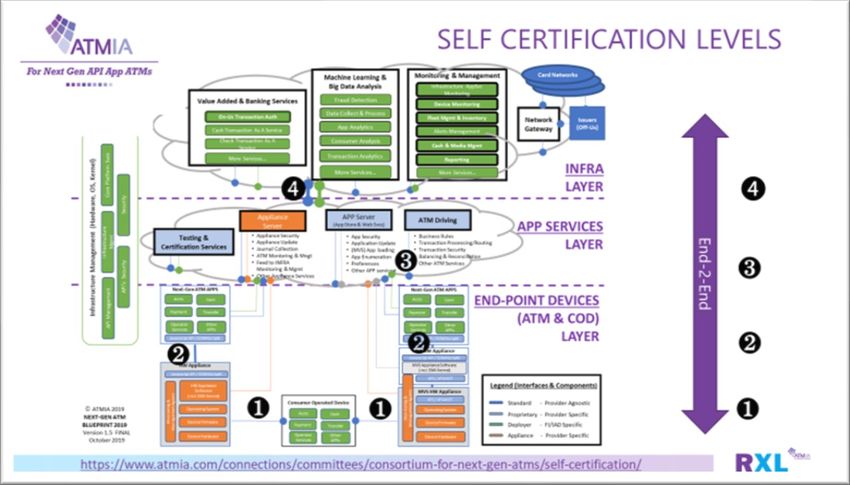
The following Certification Levels are defined for NextGenATMIA;
NextGenATMIA CERTIFICATION LEVELS
NextGen Certification Certification Level
Blueprint Levels Description
INFRASTRUCTURE Level-4 NextGenATMIA
INFRA-Service
APP Services Level-3 NextGenATMIA
APP-Service
End Point Devices Level-2 NextGenATMIA NextGenATMIA
ATM & COD ATM Appliance ATM APP
Level-1 ATM Appliance Customer Owned Device
(or ATM App UX) (COD)
Leverage on Level-0 Payment Scheme Certifications (Acquirer, Network,..)
Pre-Conditions PCI certification
EMVco Certifications (Level-1, Level-2, …)
Version 1.0 FINAL, 16-4-2020 Page: 24NextGenATMIA - Implementation Guide 2019
7.1 Certification Approach
The following Certification Approach is defined how to validate the functionality (chapter 5) and
technical interfaces (chapter 6);
• Validation of single NextGen Blueprint component
• BlackBox testing using Interfaces (API)
• Leverage on Certification Standards from payment schemes (MC, VISA), EMVco, PCI, ..
• Define NextGenATMIA Implementation Confirmation Statement (ICS)
for modular certification per APP or API per Certification Level.
NextGenATMIA CERTIFICATION LEVELS
NextGen Certification Certification Level HOW to Validate ?
Blueprint Levels Description (Blackbox – Interface)
INFRASTRUCTURE Level-4 NextGenATMIA I/F-4
INFRA-Service ISO20022
APP Services Level-3 NextGenATMIA I/F-3
APP-Service ISO20022
End Point Devices Level-2 NextGenATMIA NextGenATMIA I/F-2
ATM & COD ATM Appliance ATM APP JavaScript ES6
Level-1 ATM Appliance NextGenATMIA I/F-1
COD-APP
ATM-APP (UX)
Leverage on Level-0 Payment Scheme Certifications (Acquirer, Network,..)
Pre-Conditions PCI certification
EMVco Certifications (Level-1, Level-2, …)
Version 1.0 FINAL, 16-4-2020 Page: 25NextGenATMIA - Implementation Guide 2019
7.2 CERTIFICATION CASH-OUT PROCESS FLOW
The first certification functionality will be the CASH-OUT Process Flow,
which is drawn in the figure below in a CERTIFICATION process domains
based on the corresponding FUNCTIONAL and TECHNICAL process flows.
7.2.1 Industry Certifications (Level-0 + Level-1)
NextGenATMIA Certification will leverage on the industry certifications from EMVco, PCI and the
payment schemes terminal integration process and acquirer processor/network certifications for
ATM devices, like shown in the figure.
EMVco Certifications EMVCo Level-1 Hardware, Level-2 EMV kernel, …
PCI Certifications PCI-PED, PCI-DSS, PCI-…
MasterCard Certification M-TIP for ATM
VISA Certifications ADVT for ATM
Version 1.0 FINAL, 16-4-2020 Page: 26NextGenATMIA - Implementation Guide 2019
7.2.2 NextGenATMIA Certifications (Level-2)
Software applications using the JavaScript ES6 API
between ATM Appliance and ATM APP.
7.2.3 NextGenATMIA Certifications (Level-3)
Software applications using the ISO20022 API
between Layer-1 EndPoint Device and Layer-2 APP Services
7.2.4 NextGenATMIA Certifications (Level-4)
Software applications using ISO20022 API
between Layer-2 APP Services and Layer-3 INFRA Services
7.2.5 End-2-End NextGenATMIA Certification
The chain of all NextGenATMIA Certification provider components Level-1 till Level-4
to provide the deployer a Next-Gen-ATMIA End-2-End ATM channel.
The figure below provide an overview of the different Self Certification Levels.
Version 1.0 FINAL, 16-4-2020 Page: 27NextGenATMIA - Implementation Guide 2019
7.3 Pre-Certification Registration
Pre-register now if you want to be one of the first companies who can start the
Next-Gen ATMIA Self-Certification Process in 2020, once it goes live later this year
to certify your Next Gen products and services.
Introduced during ATMIA US 2020 event in the ATMIA event app and at the ATMIA Next-Gen portal
https://www.atmia.com/connections/committees/consortium-for-next-gen-atms/self-certification/
Version 1.0 FINAL, 16-4-2020 Page: 28NextGenATMIA - Implementation Guide 2019
APPENDIX A: HIGH-LEVEL ATM-APP API (ECMAScript 6)
The scope of this appendix is to define the High-Level Javascript (ES6) provider-agnostic API (blue)
between the deployer-specific ATM-APP (green) and the Appliance provider-specific software
component (orange/grey) like shown in the figure below.
Out of scope are the End-Point Devices Layer SDK of the ATM-APP in green, which will define the
deployer-specific UX interface e.q. HTML5 and the Appliance Software which will define the low level
interface to the Appliance Hardware e.q. XFS in case of MVS appliance software.
The out of scope are the App Services Layer connections for this appendix, which will only make the
context environment in the figure complete. The Appliance Software/Hardware in orange has
connection with the Appliance Server, the appliance software has the online provider-agnostic
ISO20022 connection with the ATM driving APP Service, while the deployer-specific ATM-APP have a
connection with the APP Server.
Version 1.0 FINAL, 16-4-2020 Page: 29NextGenATMIA - Implementation Guide 2019
8 Use Case Framework
The High-Level API will be designed and defined using functional use case examples, to provide more
context how the API can be implemented by the ATM-APP and Appliance Software.
The API per use case will contain three parts, INPUT – PROCESS – OUTPUT
using the responsibilities which are defined in the table below.
The deployer can define his own ATM APP flow using the provider-agnostic API building-blocks
defined in this appendix. While the Appliance provider can support these provider-agnostic API
building-blocks to support these deployer-specific ATM APPs and flows.
The combination of these two are key for a Next-Gen ATM configuration.
Version 1.0 FINAL, 16-4-2020 Page: 30NextGenATMIA - Implementation Guide 2019
8.1.1 SERVICE use case
The first use case in IDLE state of the ATM-APP will be the SERVICE use case before the ATM will be
in-service (or out-of-service).
Step ATM-APP API Appliance Sw Notes
1 IDLE, Start-Up Screen SERVICE Validate available services
Start In-Service →
2 UX available APPs SERVICE Provide Available Services IN-Service
Based on services Out-of-Service
8.1.2 CARD-AUTHENTICATION use case
Multiple Transactions will use the same authentication use case,
based on the magstripe / EMV contact chip card and user PINcode.
Step ATM-APP API Appliance Sw Notes
1 UX display Authenticate
Read Card → ReadCard Read Card data
2 UX Display Status Read Card Magstripe,
EMV Contact,
EMV Contactless
3 UX Display Authenticate
Read PINblock→ PINBlock
SecureKeyboard.startReading ()
keyPressed Event [1..n]
UX Display Status PINBlock
Version 1.0 FINAL, 16-4-2020 Page: 31NextGenATMIA - Implementation Guide 2019
8.1.3 INPUT Cash-Out
Step ATM-APP API Appliance Sw Notes
1 UX Interface Dialogue
- Select Amount Deployer SDK
- Bank Notes for UX e.q. HTML5
….
8.1.4 PROCESS Cash-Out
Step ATM-APP API Appliance Sw Notes
2 User Interface PROCESS N.A.
3 Start Cash-Out Process ProcessCashOut WithdrawalTx.authorize ATM Driver APP Server
(amount, banknotes, …) (amount, account) → Receive Message
- Create Online Message Send Response
ISO20022 incl. PINBlock
- Send Online Message
- Receive Online Message
4 ProcessCashOut WithdrawalTx.authorize
(amount, account)
- Create Online Message
ISO20022 incl. PINBlock
- Send Online Message
- Receive Online Message
5 User Interface PROCESS Results N.A.
8.1.5 OUTPUT Cash-Out
Step ATM-APP API Appliance Sw Notes
6 User Interface Card Return
START CARD-RETURN Process ReturnCard Return Card to Cardholder
7 ReturnCard Status Card Returned Event
(OK, NOK, ERROR, …)
8 START CASH-OUT OUTPUT → CashOut Validate online Auth Event status
(incl.print receipt, options) OK-Authorized
9 User Interface DISPLAY status CashOut WithdrawalTx.dispense () Fulfil transaaction
based on CASH-OUT Results - dispensingCash Event
- cashPresented Event
- cashTaken Event
STATUS CashOut
10 START PRINT-RECEIPT PrintReceipt receiptBegin/End Event
11 CLOSE Transaction EndSession • Commit / Rollback Transactions ATM Driver App Server
• Send Online Message (on Failure) → Receive Message
• Write e-journal Send Response
Remove TransactionData in memory
Status EndSession
Version 1.0 FINAL, 16-4-2020 Page: 32NextGenATMIA - Implementation Guide 2019
9 JavaScript SPECIFICATIONS
The NextGen ATMIA is implemented as a set of Javascript Objects that implement Service APIs.
By decomposing the API across a suite of Javascript Objects, the API is focused, simplified and
extensible. The NextGen object is the main entry point for applications and provides access to
the following Services.
• Session (9.2)
• CardReader (9.3)
• Card (9.4)
• PIN (9.5)
• QRCodeReader (9.6)
• Withdrawal (9.7)
9.1 NextGen Object
The API exposes the set of Javascript Objects, available from the Registry, that implement the
NextGen Javascript API.
The NextGen Instance exposes the following functions.
- getService(serviceName): object
9.1.1 Get Service
NextGen.getService(serviceName): object
Returns the corresponding Javascript Object that implements the API.
9.1.1.1 Function arguments
This function call requires the following arguments.
Argument Type Required Description
serviceName string Required The Service Name requested, either
“Session”, “Card”, “QRCode”, “PIN”,
“Withdrawal”, “Receipt”
9.1.1.2 Return value
This function returns the following values.
Type Required Description
object Required A Javascript Object implementing the Service API
Version 1.0 FINAL, 16-4-2020 Page: 33NextGenATMIA - Implementation Guide 2019
9.2 Session Service API
The Session Service API is exposed to allow the NextGen application to start an interaction with a
consumer. Applications retrieve this object on start up from the NextGen Registry (“Session”).
The Session Service instance is required to expose the following functions.
- getInfo(): SessionInfo
- startInService (inServiceListener): void
- startSession (): void
- closeSession (): void
The coming sections provide a detailed description of these functions, and the objects and flows that
are involved.
9.2.1 Get Session Information
SessionService.getInfo(): SessionInfo
Returns information about the ATM including whether it is in service and the available card readers,
etc. See the SessionInfo object for a detailed description of the return values.
9.2.1.1 Function arguments
This call does not require parameters.
9.2.1.2 Return value
The object returned will be an instance of SessionInfo containing the following members.
Field Type Required Description
status boolean Required Describes whether the Session is ready for interaction.
readers string[] Required A list containing the readers that are available for this ATM.
Allowing the Session consumer experience to correctly display
instructions to the consumer.
readerId string Required The identifier of the available reader.
• “QRCode”
• “contactless”
• “dip”
• “swipe”
• “latchdip”
• “motorized”
Version 1.0 FINAL, 16-4-2020 Page: 34NextGenATMIA - Implementation Guide 2019
9.2.2 Start In Service
SessionService.startInService(inServiceListener): void
Applications should call this function during/after their start-up sequence and after each customer
session. Calling this function, will inform the API that the application is ready to provide service. The
application will receive notifications that interaction was initiated via the inServiceListener it
provided.
9.2.2.1 Function arguments
This function requires that an instance of inServiceListener is provided.
Argument Type Required Description
inServiceListener Object Required Object containing callback functions for sessions initiated by the
ATM.
ready () Function Required This function will be invoked when the ATM is in-service and waiting
for a Consumer to interact with the device. The ATM should display
the “attract sequence” until a consumer is present.
notReady ( Function Required This function will be invoked when the ATM is out-of-service and
error cannot interact with a Consumer. The ATM should display the “out-
) of-service” experience until the error is corrected. Detailed
information is provided through the error object.
cardDetected () function Required Indicates a card was presented to one of the ATM’s readers.
cardAccepted () function Required Indicates the card was read successfully.
failedCardAccept() Function Required Indicates a failure occurred accepting the card
sessionStarted( Function Required This function will be invoked when the ATM is initiating a session. E.g.
cardProvided when it registers a card is being presented through one of its readers
) or via the StartSession function.
The function receives one argument.
- cardProvided: boolean
Indicates whether a card was already provided and
successfully read.
sessionEnded () Function Required This function will be involved after endSession and indicates that
session with the consumer is complete. To start a session with the
next consumer – the Application must call startInService
9.2.2.2 Return value
This function does not return anything. Instead feedback is provided through the functions defined
in the sessionListener argument.
9.2.2.3 Exceptions
This function will throw an exception if one or more of the required arguments were not provided.
Version 1.0 FINAL, 16-4-2020 Page: 35NextGenATMIA - Implementation Guide 2019
9.2.3 Start Session
SessionService.startSession(): void
Applications can optionally initiate a session for a cardholder (for example, by touching a screen or
via their mobile device). This function can be called to start such a session. Note, if a session is
started using a Reader – this function does not need to be called.
9.2.3.1 Function arguments
This function does not require any arguments.
9.2.3.2 Return value
This function does not return anything. Instead feedback is provided through the functions defined
in the inServiceListener argument provided in the startInService call.
9.2.3.3 Exceptions
This function will throw an exception if a session is already active.
9.2.4 End Session
SessionService.endSession(): void
Applications must end a session at the end of the interaction with the cardholder. Once the session
is ended the Application must call startInService to start an interaction with the next consumer.
9.2.4.1 Function arguments
This function does not require any arguments.
9.2.4.2 Return value
This function does not return anything. Instead feedback is provided through the functions defined
in the inServiceListener argument provided in the startInService call.
9.2.4.3 Exceptions
This function will throw an exception if a session is not active.
Version 1.0 FINAL, 16-4-2020 Page: 36NextGenATMIA - Implementation Guide 2019
9.2.5 Flows
Version 1.0 FINAL, 16-4-2020 Page: 37NextGenATMIA - Implementation Guide 2019
9.3 CardReader Service API
The CardReader Service API is exposed to allow the NextGen application to start an interaction with
a card reader. Applications retrieve this object on start up from the NextGen Registry
(“CardReader”).
The Card Service instance is required to expose the following functions.
- acceptCard (readCardListener): void
- ejectCard (returnCardListener): void
The coming sections provide a detailed description of these functions, and the objects and flows that
are involved.
9.3.1 Accept Card
CardReaderService.acceptCard(readCardListener): void
Requests the ATM to listen to its card readers provide events when a card was provided. This
method is intended to be used when SessionService.sessionStarted(cardProvided) was invoked with
cardProvided = false, or when the current session was initiated by the application.
This API provides limited card data to the application.
9.3.1.1 Function arguments
This function requires the following arguments.
Argument Type Required Description
acceptCardListener object Required Object containing callback functions that will be used by the API to
provide asynchronous events containing information whether card
data was read.
cardDetected () function Required Indicates a card was presented to one of the ATM’s readers.
cardAccepted () function Required Indicates the card was read successfully.
failedCardAccept() function Required Indicates a failure occurred accepting the card
error( function Required This function will be called when the ATM was unable to obtain card
error data. Error details are provided through the error object.
)
9.3.1.2 Return value
This function does not return anything. Instead feedback is provided through the functions defined
in the readCardListener argument.
9.3.1.3 Exceptions
This function will throw an exception if one or more of the required arguments were not provided.
Version 1.0 FINAL, 16-4-2020 Page: 38NextGenATMIA - Implementation Guide 2019
9.3.2 Eject Card
CardReaderService.ejectCard(ejectCardListener): void
Instructs the ATM to eject the card. Event updates will be provided through the callbacks that are
provided in the ejectCardListener object.
9.3.2.1 Function arguments
This function requires the following arguments.
Argument Type Required Description
ejectCardListener object Required Object containing callback functions that will be used by the API to
provide asynchronous updates during the card eject process.
cardPresented() function Required Indicates the card was presented to the consumer.
failedCardPresent() function Required Indicates that a failure occurred in ejecting the card
cardTaken() function Required Indicates the card was taken.
cardCaptured() function Required Indicates that card was not taken and subsequently captured.
failedCardCapture() function Required Indicates that a failure occurred attempting to capture a card
error( function Required This function will be called when the ATM was unable to return the
error card. E.g. when the contactless reader was used to read the card
) data. Error details are provided through the error object.
9.3.2.2 Return value
This function does not return anything. Instead feedback is provided through the functions defined
in the ejectCardListener argument.
9.3.2.3 Exceptions
This function will throw an exception if one or more of the required arguments were not provided.
Version 1.0 FINAL, 16-4-2020 Page: 39NextGenATMIA - Implementation Guide 2019
9.3.3 Flows
9.3.3.1 Card Accept Flow
9.3.3.2 Card Eject Flow
Version 1.0 FINAL, 16-4-2020 Page: 40NextGenATMIA - Implementation Guide 2019
9.4 Card Service API
The Card Service API is exposed to allow the NextGen application to start an interaction with a card.
Applications retrieve this object on start up from the NextGen Registry (“Card”).
The Card Service instance is required to expose the following functions.
- getInfo(): CardInfo
- selectApplication (applicatonId,
applicationSelectionListener): void
The coming sections provide a detailed description of these functions, and the objects and flows that
are involved.
9.4.1 Get Info
CardService.getInfo(): CardInfo
Requests the details of the Card from the ATM.
9.4.1.1 Function arguments
This call does not require parameters.
9.4.1.2 Return value
The object returned will be an instance of CardInfo containing the following members.
Field Type Required Description
status boolean Required Describes whether the Card Service is ready for
interaction.
authorizationMethod string Required Describes the method used with this card for
transaction authorization. Must be one of the following
values:
“ActionRequired”, “MagneticStrip”,
“MagnetricStripFallback”, “EMVApplication”,
“NoAuthorization”
actionRequired string Required Describes the next action to be taken before the card
can be used for authorization:
“ReadMagneticStripe”, “ReadChip”,
“SelectEMVApplication”, “UseSingleCard”,
“SeeDeviceForInstructions”, “None”
minimumPinLength number Required The minimum length of PIN (in number of digits) that is
associated with this card
maximumPinLength number Required The maximum length of PIN (in number of digits) that is
associated with this card.
preferredLanguages string[] Required Array of string representing ISO 639-1 language codes
selectedApplication object Optional Currently selected EMV Application or null
availableApplications list of Optional
emvApplication
objects
applicationId string Required An identifier that uniquely identifies an application on
an EMV-enabled card
label string Required A description of the application using only characters
from the EMV Common Character Set
Version 1.0 FINAL, 16-4-2020 Page: 41NextGenATMIA - Implementation Guide 2019
preferredName string Required A description of the application in the cardholders’ own
language using characters from CodeTable
preferredNameCodeTable number Required The ISO/IEC 8859 code table to be used to display
the preferredName. An integer > 0.
confirmationRequired boolean Required True if the consumer must confirm this application
selection, otherwise false.
9.4.2 Select Application
CardService.selectApplication(applicationId,applicationSelectionListener):void
Requests the details of the Card from the ATM.
9.4.2.1 Function arguments
This function requires the following arguments.
Argument Type Required Description
applicationId String Required The identifier that uniquely identifies an application
on an EMV-enabled card
applicationSelectionListener object Required Object containing callback functions that will be used
by the API to provide asynchronous events containing
information on application selection.
applicationSelected() function Required This function is called when the requested EMV
application has been successfully selected
applicationSelectionFailed() function Required This function is called when the EMV application could
not be selected.
9.4.2.2 Return value
This function does not return anything. Instead feedback is provided through the functions defined
in the applicationSelectionListener argument.
9.4.2.3 Exceptions
This function will throw an exception if one or more of the required arguments were not provided.
Version 1.0 FINAL, 16-4-2020 Page: 42NextGenATMIA - Implementation Guide 2019
9.5 PIN Service API
The PIN Service API is exposed to allow the NextGen application to initiate secure PIN entry.
Applications retrieve this object on start up from the NextGen Registry (“PIN”).
The PIN Service instance is required to expose the following functions.
- collectPIN (collectPINListener): void
The coming sections provide a detailed description of these functions, and the objects and flows that
are involved.
9.5.1 Collect PIN
PINService.collectPIN(collectPINOptions, collectPINListener): void
Requests the ATM to obtain the PIN code from the end-user. This function requires that a card has
been successfully read within the current session. In limited PIN data collection is exposed to the
application. PIN encryption will occur automatically at the end of the Collect PIN function.
9.5.1.1 Function arguments
This function requires the following arguments.
Argument Type Required Description
options object Required Object containing the collect PIN options
minLength number Optional Minimum number of digits in the PIN. If defined must be an integer
greater than 0
maxLength number Optional Maximum number of digits in the PIN. If defined must be an integer
greater than 0
autoEnd boolean Optional Defines if PIN collection ends automatically when the length of the
PIN = maxLength
keys string[] Optional Array of strings that define which keys are to be enabled.
• “enter” – terminates input
• “cancel” – terminates input
• “clear” – non terminating
• “backspace” – non terminating
• “digit” – non terminating
• “00” – non terminating
• “000” – non terminating
• “help” – non terminating
• “dec” – non terminating
collectPINListener object Required Object containing callback functions that will be used by the ATM to
provide the application with feedback during the validate PIN
process.
keyPressed( function Required This function will be invoked when a key press occurs during PIN
key, terminated entry:
) - Key – String as defined in keys
- Terminated – Boolean Indication that entry is complete
error( function Required This function will be called when the ATM was unable to obtain the
error PIN. Error details are provided through the error object.
)
Version 1.0 FINAL, 16-4-2020 Page: 43You can also read


