LONGMONT ASTRONOMICAL SOCIETY - OCTOBER 2020
←
→
Page content transcription
If your browser does not render page correctly, please read the page content below
Longmont                           Volume 35, No 10, Oct. 2020
                                        ISSN 2641-8886 (web)
                                       ISSN 2641-8908 (print)

Astronomical
Society
October 2020

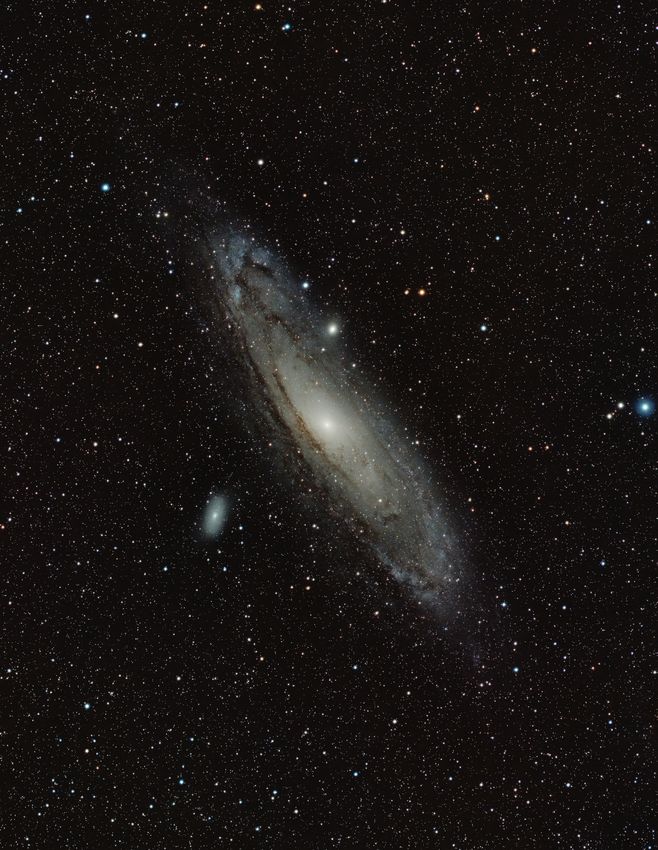
               M31 Andromeda Galaxy by Rolondo Garcia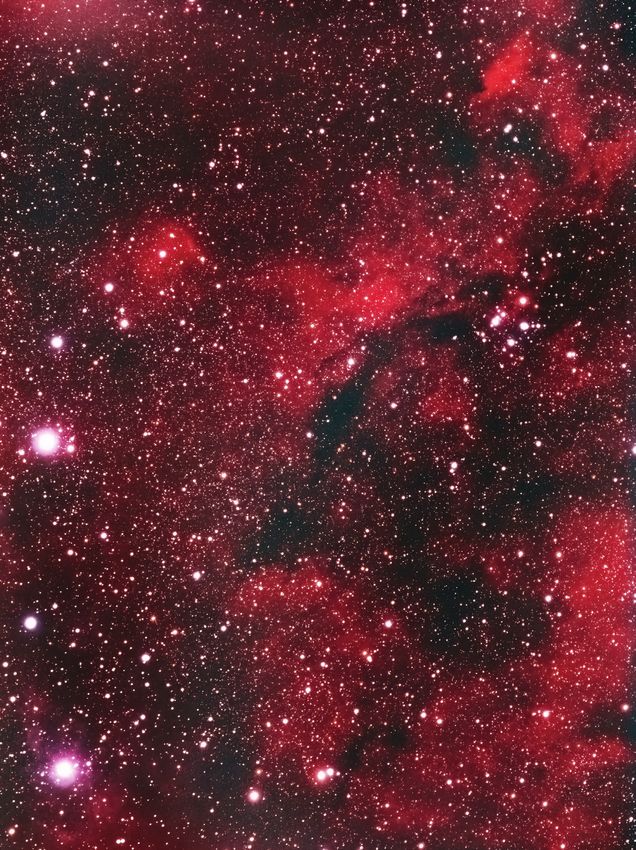
LAS Virtual Meeting October 15 from 7 to 9 pm
                               “You can almost touch the stars” by Tom Field
 Even if you wanted to touch a star, they’re all impossibly distant. Despite these great distances, astronomers have
 learned an enormous amount about stars. How? The most common method to study the stars is called spectrosco-
 py, which is the science of analyzing the colorful rainbow spectrum produced by a prism-like device.
 Until recently, spectroscopy was too expensive and too complicated for all but a handful of amateurs. Today, though,
 new tools make spectroscopy accessible to almost all of us. You no longer need a PhD, dark skies, long exposures,
 enormous aperture ... or a big budget! With your current telescope and FITS camera (or a simple web cam or even a
 DSLR without a telescope) you can now easily study the stars yourself. Wouldn’t you like to detect the atmosphere
 on Neptune or the red shift of a quasar right from your own backyard?!
 This talk, with lots of interesting examples, will show you what it’s all about and
 help you understand how spectroscopy is used in research. Even if you are an
 armchair astronomer, understanding this field will enhance your understand-
 ing of the things your read and the night sky. We’ll do a live Q&A after Tom’s
 45-minute presentation.

 Speaker Bio:
 Tom Field has been a Contributing Editor at Sky & Telescope Magazine for
 the past 7 years. He is the author of the RSpec software (www.rspec-astro.
 com) which received the S&T “Hot Product” award in 2011. Tom is a pop-
 ular speaker who has spoken to hundreds of clubs via the web and in-person
 at many conferences, including NEAF, the NEAF Imaging Conference, the
 Winter Star Party, the Advanced Imaging Conference, and others.
 by Stephen Garretson, LAS Vice President

                                                              About LAS
 The Longmont Astronomical Society Newsletter ISSN 2641-8886 (web) and ISSN 2641-8908 (print) is published monthly
 by the Longmont Astronomical Society, P. O. Box 806, Longmont, Colorado. Newsletter Editor is Vern Raben. Our website
 URL is https://www.longmontastro.org The Longmont Astronomical Society is a 501 c(3), non-profit corporation which
 was established in 1987. Our main goal is to promote local amateur astronomy. This is accomplished through regular monthly
 meetings, star parties and public observing sessions. Regular meetings are held every month (except December) on the third
 Thursday.
 A broad spectrum of topics are covered at the meetings and include such things as deep sky observing, planetary imaging, nar-
 row band imaging, equipment discussions and demonstrations just to name a few. These subjects are presented by both club
 members as well as special guests who are professional astronomers or experts in a particular field.

                     The Longmont Astronomical Society is affiliated with the Astronomical League
                     (https://www.astroleague.org). The Astronomical League is an umbrella organization of
                     amateur astronomy societies in the United States.

                                                 LAS Officers and Board Members in 2020
                                                 • Bill Tschumy, President           Board Members:
                                                 • Stephen Garretson, Vice President Mike Hotka, Gary Garzone,
                                                 • Michelle Blom, Secretary          Brian Kimball, Vern Raben
                                                 • Bruce Lamoreaux, Treasurer

Page 2 Copyright (c) Longmont Astronomical Society, October 2020. Website: www.longmontastro.org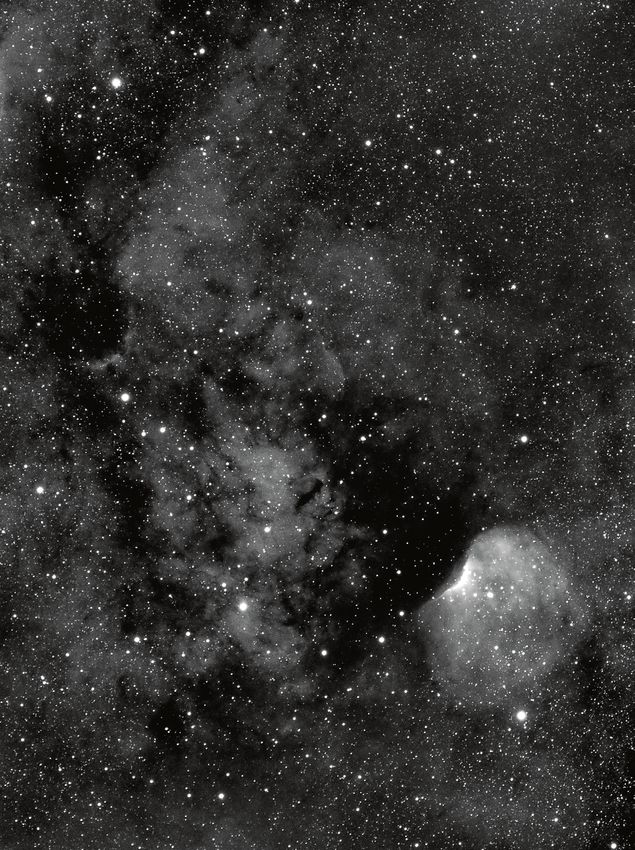
Contents
 Front Cover     Andromeda Galaxy by Rolondo Garcia
      2          LAS Virtual Meeting October 15 from 7 to 9 pm
                 “You can almost touch the stars” by Tom Field
                 About LAS
      3          Contents
      4          Solar System Highlights for September by Vern Raben
      5          “Navigating the mid October Night Sky” by John Goss
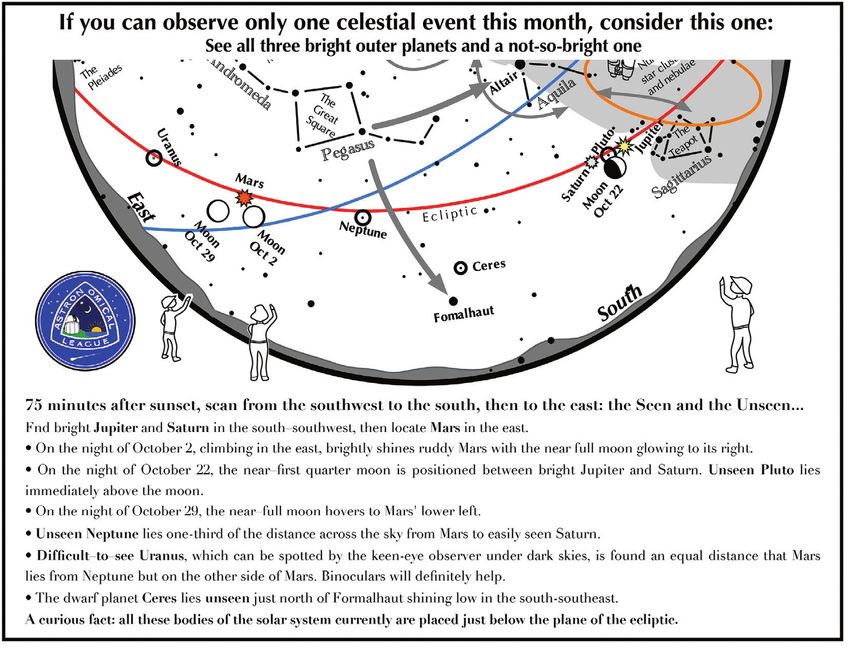
      6          If you can observe only one celestial object this month - “See all three bright planets and a not so
                 bright one” by John Goss
                 Newsletter Archives from October 2010, October 2000, and October 1990
       7         Comets for October - 88P (Howell)
     8 - 22      LAS Member Images from September 2020
       8          Jupiter and Saturn on Sept. 13 by Brian Kimball
       9          Mars and Saturn on Sept. 22 by Gary Garzone
       10         Mars on Sept. 2 and Sept. 13 by Vern Raben
       11         Sharpless 2-158 by Tally O’Donnell
12 - 13 Center    Smoke from Colorado Fires by Bill Ferreira on Sept. 8
       14         IC 417 M16 by Stephen Garretson
       15         Sharpless 2-202 by Stephen Garretson
       16         Sharpless 2-140 by Stephen Garretson
       17         Eagle Nebula and Iris Nebula by Jim Pollock
       18         Horse Head Nebula by Jim Pollock
                  Colorado Fire Smoke on Sept. 8 by Bryan Wilburn
     19           M8 East by M. J. Post
     20           Helix Nebula and M33 by Eddie Hunnell
     21           NGC 6946 Fireworks Nebula by Eddie Hunnell
     22            Owl Hollow Star Party by Jake Holt
     23          Summary of Sept. 17 Meeting by Vern Raben
 Back Cover      Tulip Nebula by M. J. Post

                                       Copyright (c) Longmont Astronomical Society, October 2020. Website: www.longmontastro.org Page 3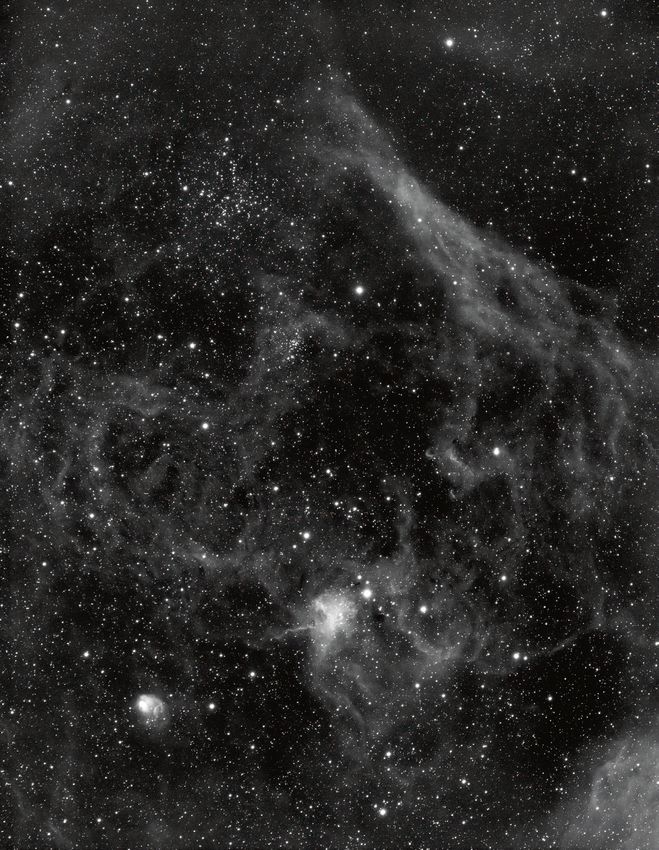
Solar System Highlights for October 2020

                                                              Full Moon: Oct. 1 at 3:06 pm

                                                                   Third Quarter: Oct. 9 at 6:41 pm

                                                                   New Moon: Oct. 16 at 1:32 pm

                                                              First Quarter: Oct. 23 at 7:24 am
                           Image Credit: Brian Kimball

  Mercury                                                                Oct. 18 at 9:00 pm at altitude 20°
  Mercury is not visible this month.                                     Oct. 23 at 8:10 pm at altitude 24°
                                                                         Oct. 28 at 7:20 pm at altitude 26°
  Venus
  Venus is visible in the morning sky in the constellation   Saturn
  Leo and moves into Virgo on Oct. 22nd. It is around                                                         Saturn is visible in
  magnitude -4.1 in brightness and decreases in apparent                                                      the evening sky in
  size from 16 arc sec to 13 arc sec in diameter this month.                                                  constellation Sagit-
  Mars                                                                                                        tarius. Brightness is
                                                                                                              around magnitude
                                            Mars is nearest the
                                                                                                              0.5 and apparent size
                                            Earth on Oct. 6 and
                                                                                                              of the disk is 17 arc
                                            is at opposition on
                                                                                                              sec across.
                                            Oct. 13 at 7:55 pm.
                                            It reaches a maximum
                                            brightness of -2.6 and Saturn on July 4 by Gary Garzone
                                            23 arc sec across.     Uranus
                                                                         Uranus is best seen in the morning sky in constellation
  Mars on July 19 by Gary Garzone                                        Aries. It is magnitude +5.7 in brightness and its disk is
                                                                         3.7 arc sec across. It will be at opposition on Oct. 31st.
  Jupiter
                                                                         Neptune
                                            Jupiter is in constel-       Neptune is visible in the evening sky in constellation
                                            lation Sagittarius. It       Aquarius. It is magnitude 7.8 in brightness and the disk
                                            is around -2.3 magni-        is 2.3 arc sec across. Neptune was at opposition on Sept.
                                            tude in brightness and       11th.
                                            the disk is about 39
                                            arc sec across.              Meteor Showers
                                                                         Draconids Meteor shower peaks the evening of Oct 7-8.
                                                                         Only a few faint meteors per hour may be seen; moon
  Jupiter on July 6 by Gary Garzone
                                                                         rise is at 10:00 pm. Observing conditions are poor for
 The Great Red Spot mid transit times this month are:                    this one.
 Oct. 1 at 9:52 pm at altitude 21°
 Oct. 4 at 7:22 pm at altitude 29°                                       Orionids Meteor shower peaks the evening Oct 20-21.
 Oct. 6 at 9:01 pm at altitude 24°                                       Moon sets at 9:23 pm; observing conditions should be
 Oct. 11 at 8:11 pm at altitude 27°                                      quite good. An average of 10 to 20 meteors per hour
 Oct. 16 at 7:21 pm at altitude 28°                                      may be observed from a dark location.
Page 4 Copyright (c) Longmont Astronomical Society, October 2020. Website: www.longmontastro.org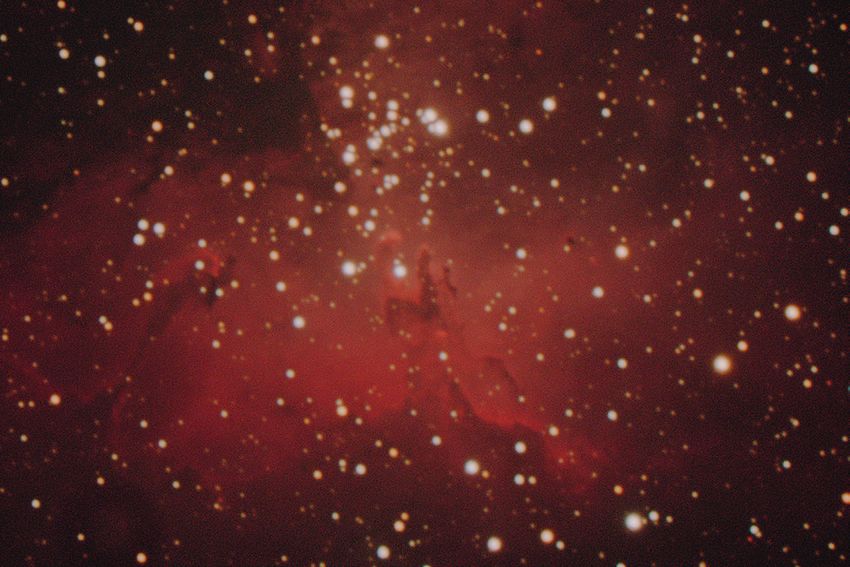
Navigating the mid October Night Sky by John Goss

               Copyright (c) Longmont Astronomical Society, October 2020. Website: www.longmontastro.org Page 5
Newsletter Archives
 10 Years Ago - Oct. 2010                        20 Years Ago - Oct. 2000          30 Years Ago - Oct. 1990
                       Next meeting                              Welcome new                               President, Bob
                       is open forum                             member Dick                               Spohn, an-
                       meeting -- IE no                          Mallot!                                   nounced that
                       scheduled speak-                                                                    LAS would be
                       er. There will be                         Scott Kindt put                           holding a raffle
                       an update on the                          up a nice display                         to bolster our
                       “all sky” camera                          of his astropho-                          meager trea-
                       project which                             tography work.                            sury of $20.
                       is now in place                                                                     Kevin Clowers
                       atop a NOAA       Brian Kimball was elected interim vice presentation was about solar radia-
  tower on Niwot Ridge. There will be president.                                   tion and eye protection. He talked
  discussion about the Astronomical                                                about how the eye works and how
  League conference at Bryce Canyon Nancy Clanton, an illumination engi- solar radiation, especially blue light,
  in late June. Mike Fellows will pres- neer from the Dark Sky Association,        affects the tissues in the eye. Astron-
  ent the monthly treasurer report.      gave a very informative talk describing omers can improve dark adaptation
  We’ll also discuss the “beginning      the particulars of the fight to reduce    by using eye protection filtering in
  astronomy” class which will begin in the incidence of inefficient and waste- afternoon before observing.
  late February.                         ful lighting practices.
Page 6 Copyright (c) Longmont Astronomical Society, October 2020. Website: www.longmontastro.org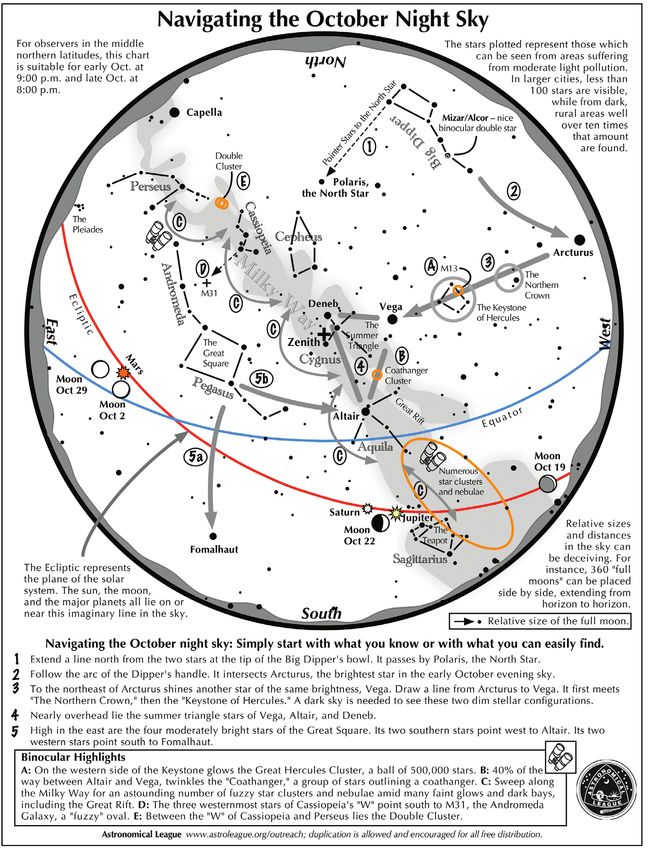
Comets in October
                                          Comet 88P (Howell)

Created with SkyTools 4

Comet 88P (Howell) was discovered on August 29, 1981 by Ellen Howell using photographic plates obtained by .46
meter Schmidt telescope at Palomar Observatory

Date      Optimal time RA                  Dec                     Brightness        Size (arc min)         Constellation
Oct. 1    7:57 pm         16h51m57.3s      -26°10’32”              9.5               3.8                    Scorpio
Oct. 8    7:46 pm         17h18m58.9s      -26°52’27”              9.6               3.7                    Ophiuchus
Oct. 15   7:37 pm         17h46m36.0s      -27°15’18”              9.7               3.6                    Sagittarius
Oct. 22   7:29 pm         18h14m30.0s      -27°18’06”              9.8               3.5                    Sagittarius
Oct. 30   7:20 pm         18h46m16.6s      -26°56’39”              10.0              3.4                    Sagittarius

                                      Copyright (c) Longmont Astronomical Society, October 2020. Website: www.longmontastro.org Page 7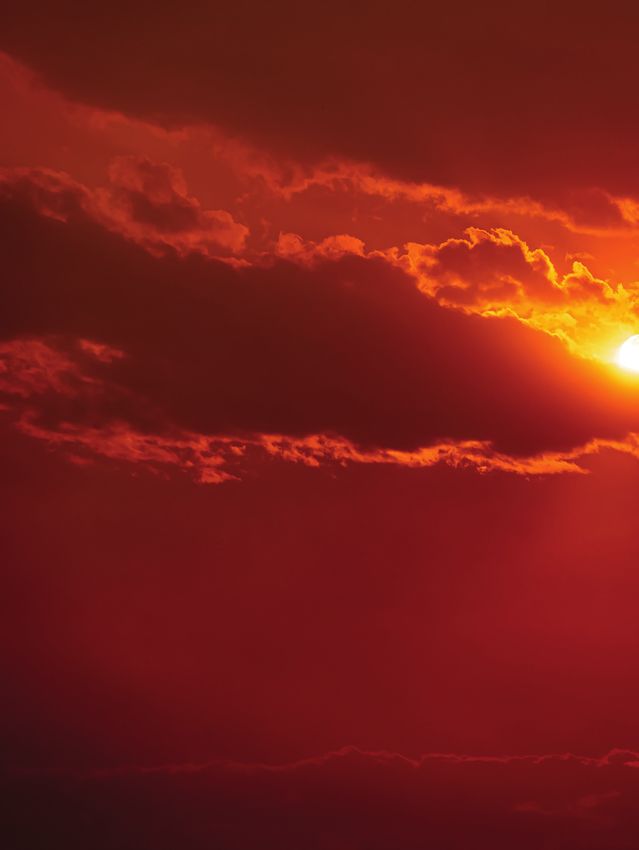
Jupiter on Sept. 13 by Brian Kimball

 Saturn on Sept. 13 by Brian Kimball
Page 8 Copyright (c) Longmont Astronomical Society, October 2020. Website: www.longmontastro.org
Mars on Sept. 22 by Gary Garzone

Saturn on Sept. 22 by Gary Garzone
                                     Copyright (c) Longmont Astronomical Society, October 2020. Website: www.longmontastro.org Page 9
Mars on Sept 2 by Vern Raben

 Mars on Sept 13 by Vern Raben
Page 10 Copyright (c) Longmont Astronomical Society, October 2020. Website: www.longmontastro.org
Sharpless 2-158 by Tally O’Donnell

                                     Copyright (c) Longmont Astronomical Society, October 2020. Website: www.longmontastro.org Page 11
“Smoke from Colorado Fire” by Bill Ferreira (Sept. 8) Page 12 Copyright (c) Longmont Astronomical Society, October 2020. Website: www.longmontastro.org
Copyright (c) Longmont Astronomical Society, October 2020. Website: www.longmontastro.org Page 13
IC 418 M17 by Stephen Garretson

Page 14 Copyright (c) Longmont Astronomical Society, October 2020. Website: www.longmontastro.org
Sharpless 2-202 by Stephen Garretson

                                       Copyright (c) Longmont Astronomical Society, October 2020. Website: www.longmontastro.org Page 15
Sharpless 2-140 by Stephen Garretson Page 16 Copyright (c) Longmont Astronomical Society, October 2020. Website: www.longmontastro.org
Eagle Nebula by Jim Pollock

Iris Nebula by Jim Pollock
                              Copyright (c) Longmont Astronomical Society, October 2020. Website: www.longmontastro.org Page 17
Horsehead Nebula by Jim Pollock Smoke from Fire Smoke on Sept 8 by Bryan Wilburn Page 18 Copyright (c) Longmont Astronomical Society, October 2020. Website: www.longmontastro.org
M8 East by M. J. Post
 M8 East by M. J. Post

                         Copyright (c) Longmont Astronomical Society, October 2020. Website: www.longmontastro.org Page 19
Helix Nebula by Eddie Hunnell M33 by Eddie Hunnell Page 20 Copyright (c) Longmont Astronomical Society, October 2020. Website: www.longmontastro.org
Owl Hollow Star Party on Sept. 12 by Jake Hout

                                       Copyright (c) Longmont Astronomical Society, October 2020. Website: www.longmontastro.org Page 21
NGC 6946 Fireworks Nebula by Eddie Hunnell Page 22 Copyright (c) Longmont Astronomical Society, October 2020. Website: www.longmontastro.org
Summary of Sept. 17, 2020 Meeting
The meeting was called to order at 7     Adams was located when he took the               it got to Halloween in 1941 he found
pm by vice president Stephen Gar-        photo. With a compass David shot                 a nice match at 4:03 pm. He noti-
retson. He introduced the speaker,       alignments of various objects in the             fied Beaumont Newhall so he could
David Elmore, Astronomer Emeritus,       landscape. When he got everything                document the date in his various texts.
National Solar Observatory.              to align he was standing in the south            Newhall notified Ansel Adams who
                                         bound lane of the 1980s two lane                 sent David a post card on the back of
David’s presentation was about using     highway through Hernandez. When
astrometry to date the photograph,
“Moonrise Hernandez New Mex-
ico” taken by Ansel Adams. The
photograph is the most expensive
print ever sold, $609K. Adams had a
contract with the US Government to
take photographs for a government
building in DC. He took three trips                                                       a “Moonrise Hernandez New Mexico”
New Mexico to obtain images for the      he got back to Sunspot, NM he used               image.
project in 1941, 42, and 43. He kept     a topographic map of the area and
copious notes about the settings and     plotted the angles of various peaks              The 50th anniversary of the Hernan-
techniques he used to produce the        in the Sangre de Christo mountains               dez photograph was in 1991. That year
photograph but didn’t know which         visible in Adam’s photo and compared             was also the 50th anniversary of Sky &
trip. Beaumont Newhall wrote a           them with azimuths he had shot when              Telescope Magazine. Dennis di Cicco
book, “History of Photography”, and      in Hernandez. Since the peaks were               decided that the phase of the moon
was interested in knowing when Ansel     at different distances he calculated             didn’t look quite right and thought
Adams actually took the photograph.      curvature of earth for each to get a             the image was taken the next day. He
In 1980 he wrote letters to observa-     corrected altitude. This enabled him             contacted David thinking there was
tories across the United States. One     to improve the azimuths he had taken             probably an error. David reviewed his
of the letters went to one of David’s    in Hernandez.                                    notes and calculations and realized
friends, Dick Fowler, who was at the                                                      he had misplaced the elevation of the
Sac Peak Observatory in Sunspot          Next step was to calculate the posi-             horizon. The new official date is now
NM. Fowler sent the letter along to      tion of the moon for a series of dates.          4:41 pm Nov 1, 1941.
David. In the letter, Newhall inquired   Back in 1980 astronomy apps such
whether the phase and position of the    as Sky Safari did not exist. There was           During the business meeting Bruce
moon in the photo could be used to       a computer programmer working at                 Lamoreaux, Treasurer, talked about
determine the date it was taken. Da-     Sac Peak who was also an astrologer.             membership payments the past
vid contacted Newhall and visited the    Astrologers need to know where the               month. Total assets remain around
church and graveyard in Hernandez        moon and planets are so the program-             $16.5K and we have 82 members.
NM to see whether dates on the graves    mer had written a Fortran program
could determine the year. That didn’t    that calculated position of celestial            Vern Raben talked about the 2021
work out.                                objects for any date and time. David             club calendar. The goal is to have the
                                         copied the program from the card                 calendar available for distribution for
 To calculate the date of the photo he deck onto magnetic tape and stored it              the Nov. 19 meeting. This means that
had to determine the azimuth and         on his computer. He traced features in           images must be sent to him by Fri.
altitude of features in the photograph the Ansel Adams photo with a Tektr-                Oct. 23. The calendar committee will
and then compute the azimuth and al- onix 4010 graphics terminal. He then                 select images to be in the calendar on
titude of objects in the sky for various wrote a wrapper around the astrology             Sat. Oct 24. It should cost approxi-
dates to find a match.                   program so he could plot positions of            mately $4 to print the calendars and
                                         the moon for various dates starting in           $2 to mail. Final price of the calendars
First problem was to determine where 1944 and worked his way back. When                   has not yet been set.
                                         Copyright (c) Longmont Astronomical Society, October 2020. Website: www.longmontastro.org Page 23
Longmont Astronomical Society
PO Box 806, Longmont, CO
https://www.longmontastro.org
Tulip Nebula by M. J. PostYou can also read


