Morphomer: platform and pipeline review - NASDAQ: ACIU | March 31, 2021 - AC Immune SA
←
→
Page content transcription
If your browser does not render page correctly, please read the page content below
Morphomer™: platform and pipeline review
NASDAQ: ACIU | March 31, 2021
                                                                                                                             www.acimmune.com

 NASDAQ: ACIU | Morphomer™ Platform Event | March 2021   © 2021 AC Immune. Not to be used or reproduced without permission
Disclaimer

 This presentation contains statements that constitute “forward-looking statements” within the meaning of Section 27A of the Securities Act
 of 1933 and Section 21E of the Securities Exchange Act of 1934. Forward-looking statements are statements other than historical fact
 and may include statements that address future operating, financial or business performance or AC Immune’s strategies or expectations.
 In some cases, you can identify these statements by forward-looking words such as “may,” “might,” “will,” “should,” “expects,” “plans,”
 “anticipates,” “believes,” “estimates,” “predicts,” “projects,” “potential,” “outlook” or “continue,” and other comparable terminology. Forward-
 looking statements are based on management’s current expectations and beliefs and involve significant risks and uncertainties that could
 cause actual results, developments and business decisions to differ materially from those contemplated by these statements. These risks
 and uncertainties include those described under the captions “Item 3. Key Information – Risk Factors” and “Item 5. Operating and
 Financial Review and Prospects” in AC Immune’s Annual Report on Form 20-F and other filings with the Securities and Exchange
 Commission. These include: the impact of Covid-19 on our business, suppliers, patients and employees and any other impact of Covid-
 19. Forward-looking statements speak only as of the date they are made, and AC Immune does not undertake any obligation to update
 them in light of new information, future developments or otherwise, except as may be required under applicable law. All forward-looking
 statements are qualified in their entirety by this cautionary statement.

 This presentation is strictly confidential, is being distributed to a limited range of invited persons solely for their own information, may not
 be distributed to the press or any other person, and may not be reproduced or published, in whole or in part, in any form.

NASDAQ: ACIU | Morphomer™ Platform Event | March 2021   © 2021 AC Immune. Not to be used or reproduced without permission   2
Welcome

                                                        Today we will provide a comprehensive overview of AC Immune’s
                                            clinically validated Morphomer™ small molecule technology platform
                                         and our pipeline of Morphomer-derived therapeutic and diagnostic candidates

                                                                Driving progress toward precision medicine
                                                                              for neurodegenerative diseases

NASDAQ: ACIU | Morphomer™ Platform Event | March 2021           © 2021 AC Immune. Not to be used or reproduced without permission   3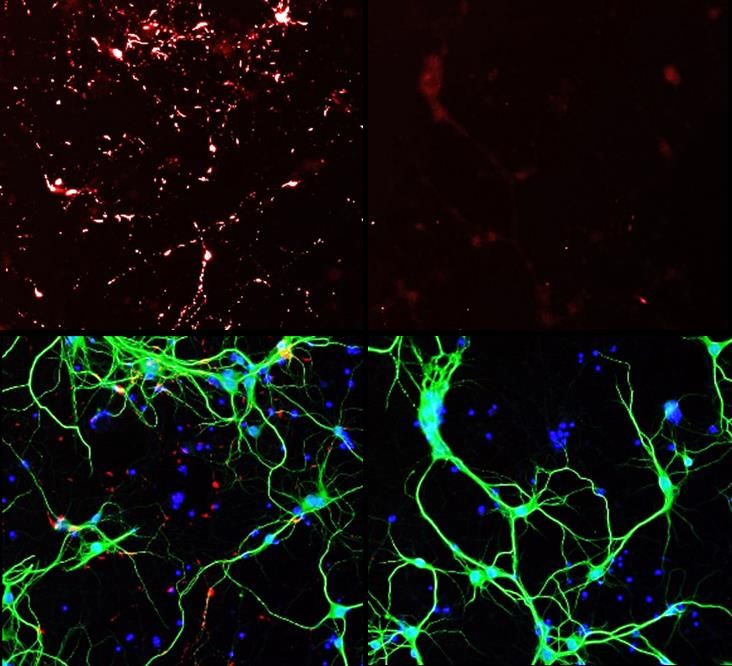
Agenda
                                                                       Joshua Drumm, PhD
  Introduction
                                                                       Head of Investor Relations

                                                                       Andrea Pfeifer, PhD
  Strategy & Pipeline Overview
                                                                       Chief Executive Officer

                                                                       Marie Kosco-Vilbois, PhD
  Morphomer™ Platform Introduction
                                                                       Chief Scientific Officer

                                                                       Sonia Poli, PhD
  Therapeutic CNS1 Molecules
                                                                       Life Cycle Leader

                                                                       Francesca Capotosti, PhD
  PET2 Imaging Agents
                                                                       Group Leader In Vivo Pharmacology and Non-Clinical Safety

                                                                       Andrea Pfeifer, PhD
  Conclusion and Q&A
                                                                       Chief Executive Officer

(1) Central nervous system; (2) Positron emission tomography

NASDAQ: ACIU | Morphomer™ Platform Event | March 2021          © 2021 AC Immune. Not to be used or reproduced without permission   4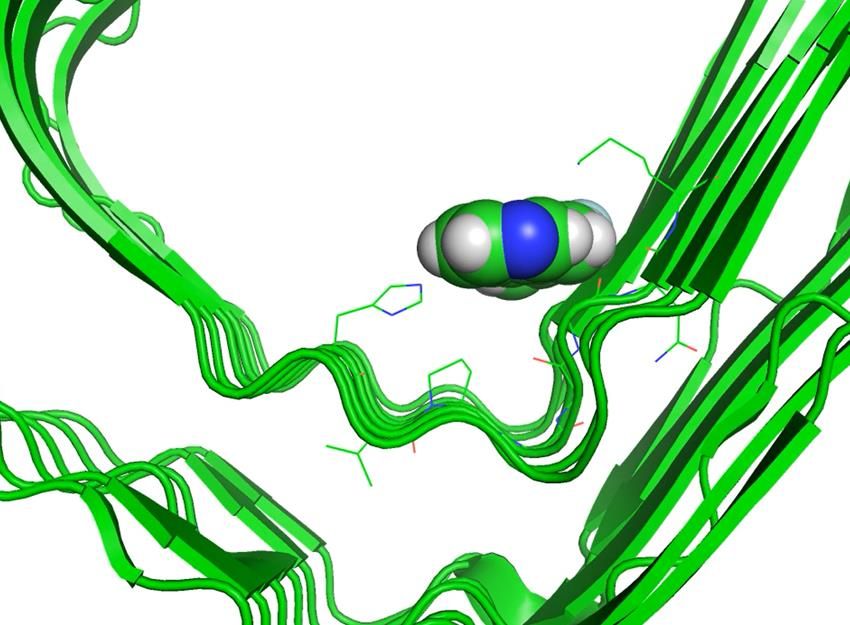
Strategy and pipeline overview
Andrea Pfeifer, PhD, Chief Executive Officer
AC Immune investment highlights
 Pioneering precision medicine for neurodegenerative diseases
                                   ■ Largest healthcare market
                                        ▪ Diversified approach targeting traditional and novel targets; five Phase 2 candidates
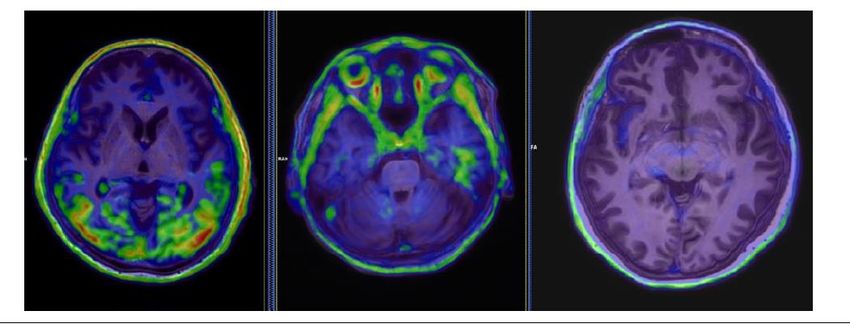
                                        ▪ Multiple near-term catalysts in large and orphan indications

                                          ■ Validating partnerships
                                               ▪ Generated CHF 334 million to date; more than raised from investors
                                               ▪ CHF 3 billion in total potential milestones plus royalties
                                               ▪ Genentech1, Janssen and Eli Lilly deals and five prestigious grants validate platform technologies
                                       ■ Clinically validated SupraAntigenTM and MorphomerTM platforms
                                            ▪ Fuel proprietary pipeline – e.g. preclinical assets: a-syn2, TDP-433, NLRP34
                                            ▪ Drive value creation from existing and future partnerships
                                            ▪ Enable precision medicine
                                   ■ Precision medicine strategy
                                        ▪ First- and/or best-in-class companion diagnostic products
                                        ▪ Better clinical trials due to selection of defined patient populations

                     ■ CHF 225.9 million in cash funds operations through Q1 20245
                         ▪ Multiple meaningful value inflection points
                         ▪ Continuous investment into newly validated targets
(1) A member of the Roche group; (2) Alpha-synuclein; (3) TAR DNA-binding protein 43; (4) (NOD)-like receptor protein 3; (5) As of December 31, 2020

NASDAQ: ACIU | Morphomer™ Platform Event | March 2021                      © 2021 AC Immune. Not to be used or reproduced without permission           6
“Firsts” reflect ACIU’s leadership in NDD1

    2013                                                1st        Prevention trial in AD2 (crenezumab)

    2014                                                1st        Anti-pTau3 vaccine clinical trial in AD

    2015                                                1st        Clinical vaccine trial in Down syndrome (Abeta vaccine)

    2017                                                1st        Clinical data for Tau PET4-imaging tracer in PSP5

    2019                                                1st        MorphomerTM Tau6 clinical trial (ACI-3024)

    2020                                                1st         Anti-TDP-437 antibody shown to mitigate TDP-43 neuropathology

    2020                                                1st        Anti-Tau antibody Phase 2 readout in AD

(1) Neurodegenerative diseases; (2) Alzheimer's disease; (3) Phosphorylated Tau; (4) Positron emission tomography; (5) Progressive supranuclear palsy; (6) Small molecule Tau-specific aggregation inhibitor;
(7) TAR DNA binding protein-43

NASDAQ: ACIU | Morphomer™ Platform Event | March 2021                       © 2021 AC Immune. Not to be used or reproduced without permission                               7
Execution of our three-pillar strategy: the 2021 focus

                      Precision medicine                                                 Alzheimer’s disease
                                                                                            ▪ Accelerate development of phospho-Tau vaccine with partner Janssen
                                                                                            ▪ Prioritize development of small molecule Tau aggregation inhibitor with partner Lilly

  Alzheimer’s              Focused non-AD
                                                  1
                                                             Diagnostics                 Non-AD and NeuroOrphans
    disease                   Parkinson’s                                                                                                                       3
                              LATE
                                   2                                                        ▪ Advance Abeta vaccine in Down syndrome to late stage; seek partner for AD
      (AD)                                                                                                                          4          5                                              6                   7
                              NeuroOrphan                                                   ▪ Advance anti-TDP-43 mAb in NeuroOrphan indications (ALS , FTLD-TDP )
                                                                                                                            8
                                                                                            ▪ Accelerate a-syn small molecule in Parkinson’s disease
                                                                                                                           9                       10
                                                                                            ▪ Develop NLRP3 assets in CNS                               and non-CNS indications

            SupraAntigenTM & MorphomerTM                                                 Diagnostics for precision medicine
                                                                                           ▪ Advance differentiated diagnostic pipeline (Tau, a-syn, TDP-43) to late stage
                                   Values                                                  ▪ Early detection, improved clinical trials and marked differentiation

(1) Parkinson’s disease; (2) Limbic-predominant age-related TDP-43 encephalopathy, a TDP-43-dependent dementia that affects 20%-50% of individuals >80 years old; (3) Down syndrome- related Alzheimer’s disease;
(4) TAR DNA-binding protein 43; (5) Monoclonal antibody; (6) Amyotrophic lateral sclerosis; (7) Frontotemporal lobar degeneration with TDP-43 pathology; (8) Alpha-synuclein; (9) (NOD)-like receptor protein 3; (10)
Central nervous system

NASDAQ: ACIU | Morphomer™ Platform Event | March 2021                      © 2021 AC Immune. Not to be used or reproduced without permission                                   8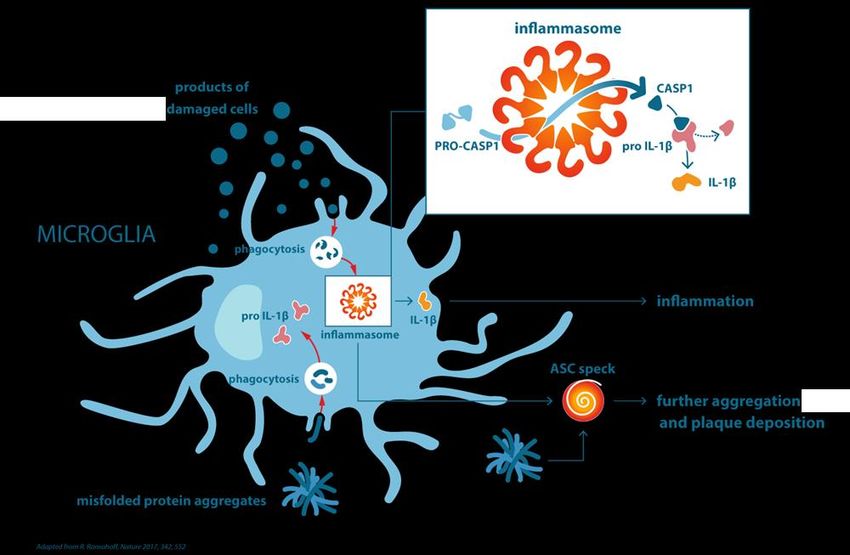
Morphomer™ and SupraAntigen™ platforms
    An integrated approach to CNS1-specific therapies

CNS-optimized                                                                                                                                   Conformation specific
▪    Rapid generation of therapeutics and diagnostics for                                                                                       ▪   High selectivity for pathological forms of target
     novel CNS targets                                                                                                                              proteins
         ▪    Small molecules with excellent BBB2 passage                                                                                       ▪   Strong safety profile
              and intracellular mechanism of action
         ▪    Safe, T-cell-independent vaccines
         ▪    Highly specific (low nM to pM) monoclonal
              antibodies

Clinically validated                                                                                                                            Precision medicine enabling
▪    2 Monoclonal antibodies                                                                                                                    ▪   First-/best-in-class companion diagnostics
▪    2 Liposomal vaccines                                                                                                                              ▪   Earlier, more reliable diagnosis
▪    1 Small molecule                                                                                                                                  ▪   Treatment according to underlying pathology
▪    2 PET3 tracers                                                                                                                                    ▪   Prevention through early, safe intervention

(1) Central nervous system; (2) Blood-brain barrier; (3) Positron emission tomography

NASDAQ: ACIU | Morphomer™ Platform Event | March 2021                       © 2021 AC Immune. Not to be used or reproduced without permission                               9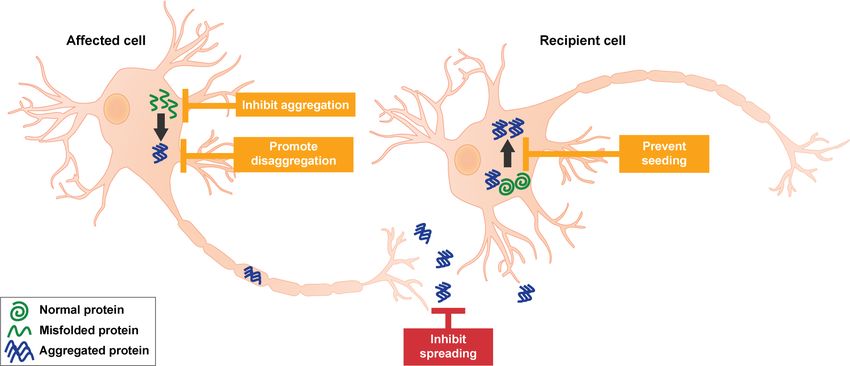
Positioned for precision medicine
 Suite of novel therapeutics and diagnostics enable differentiated approach

                            2                                                     9                                                  3
       Clinically validated technology                               Therapeutic product                                        Diagnostic product
       platforms fuelling future growth                                  candidates                                                candidates

                            5                                                     6                                                  4
                    Key molecular                                          Candidates in                                     Collaborations with major
                  targets addressed                                        clinical trials                                  pharmaceutical companies

NASDAQ: ACIU | Morphomer™ Platform Event | March 2021   © 2021 AC Immune. Not to be used or reproduced without permission              10
Broad and robust pipeline in neurodegenerative diseases
Driven by validated proprietary technology platforms for sustained growth
Established Targets Pipeline
TARGET PRODUCT CANDIDATE INDICATION DISCOVERY PRECLINICAL PHASE 1 PHASE 2 PHASE 3 PARTNER
ACI-35.030
AD1 treatment
(anti-pTau vaccine)
Semorinemab
AD treatment (moderate)
(anti-Tau antibody)
Rare Tauopathies (ACI-3024)
Morphomer™ Tau
Tau
aggregation inhibitor
AD treatment
AD diagnostic
Tau-PET2 tracer
PSP3 diagnostic
Crenezumab
AD prevention4
(anti-Abeta antibody)
Abeta AD treatment (Down syndrome5)
Biologic
ACI-24
(anti-Abeta vaccine) Small Molecule
AD treatment Diagnostic
(1) Alzheimer’s disease; (2) Positron emission tomography; (3) Progressive supranuclear palsy; (4) Prevention trial API-ADAD in Colombia; (5) Down syndrome-related Alzheimer’s disease
NASDAQ: ACIU | Morphomer™ Platform Event | March 2021 © 2021 AC Immune. Not to be used or reproduced without permission 11Broad and robust pipeline in neurodegenerative diseases
Diversification into non-AD1 and non-CNS2 diseases
Novel Targets Pipeline
TARGET PRODUCT CANDIDATE INDICATION DISCOVERY PRECLINICAL PHASE 1
A-syn-PET3 tracer PD4, a-synucleinopathies
a-synuclein
Anti-a-syn antibody PD, NeuroOrphan
(a-syn)
Morphomer™ a-syn
PD, a-synucleinopathies
(a-syn inhibitor)
Anti-TDP-435 antibody LATE6, NeuroOrphan
TDP-43
TDP-43-PET tracer TDP-43-opathies
Anti-NLRP37-ASC8 antibody NeuroOrphan
Inflammasome Morphomer NLRP3-ASC Non-CNS
Biologic
Small Molecule
Morphomer NLRP3-ASC NeuroOrphan Diagnostic
(1) Alzheimer’s disease; (2) Central nervous system; (3) Positron emission tomography; (4) Parkinson’s disease; (5) TAR DNA-binding protein 43; (6) Limbic-predominant age-related TDP-43 encephalopathy;
(7) (NOD)-like receptor protein 3; (8) Apoptosis-associated speck-like protein containing a CARD, also PYCARD
NASDAQ: ACIU | Morphomer™ Platform Event | March 2021 © 2021 AC Immune. Not to be used or reproduced without permission 12Substantial funds from partnerships complement equity investments
Distinguished institutional investors1 Corporate funding to date2 (in CHF millions)
Share capital offering Partner equity
of 10 million common investments
shares July 2018
CHF 313 million
CHF 334 million
IPO NASDAQ
September Upfront
2016 payments
PROSIGHT CAPITAL 128.5
Five private Milestone
financing rounds payments
▪ CHF 313 million from investor funds
▪ CHF 334 million in partnering related funds3,4
▪ CHF 3 billion in total potential payments plus potential royalties outstanding
(1) Based on latest schedule 13G and 13F filings; (2) Converted to CHF based on exchange rates at times of receipt; (3) Milestone payments as of June 30, 2020; (4) With Lilly convertible loan
NASDAQ: ACIU | Morphomer™ Platform Event | March 2021 © 2021 AC Immune. Not to be used or reproduced without permission 13Broadest anti-Tau pipeline has generated CHF 264 million in cash
Product
candidates
Therapies and Diagnostics:
antibody vaccine small molecule diagnostic
1
Current focus 2
AD, NeuroOrphan
3
AD AD AD, PSP
Partner
clinical trials clinical trials clinical trials clinical trials
Cash received
CHF 59 CHF 31 CHF 170 EUR 3.5
million million million million
(1) Programs can be expanded into additional Tauopathies; (2) Alzheimer’s disease; (3) Progressive supranuclear palsy
NASDAQ: ACIU | Morphomer™ Platform Event | March 2021 © 2021 AC Immune. Not to be used or reproduced without permission 14Spotlight on key Morphomer™ licensing deals1
Proprietary pipeline assets carry substantial future deal value
Therapeutic: Tau Morphomer small molecules (in millions) Diagnostic: Tau PET imaging agent (in millions)
Total value CHF 1,860 Total value (millions) EUR 160
CHF 80 +
Upfront payment Upfront payment EUR 0.5
USD 50 equity investment
Milestones received to date CHF 40
Milestone received to date EUR 3
Next milestone CHF 60 at Phase 2 start
Royalties Low-double digits to mid-teens Royalties Mid-single digits to low teens
Partner Partner
(1) Disclosure limited due to confidentiality agreements with collaboration partners
NASDAQ: ACIU | Morphomer™ Platform Event | March 2021 © 2021 AC Immune. Not to be used or reproduced without permission 15Substantial market & partnership opportunities for novel targets pipeline
Combination of very large and NeuroOrphan indications
Large Indications
Alzheimer’s disease Parkinson’s disease LATE5
Prevalence: Affects 50M globally1 Prevalence: >6.1M globally4 Prevalence: 20-50% of individuals over age 806
Tau, NLRP32-ASC3 a-synuclein, NLRP3-ASC TDP-437
Partner (Tau): Therapeutic: Therapeutic:
NLRP3-ASC: Diagnostic: Diagnostic:
NeuroOrphan Indications
Progressive Supranuclear Multiple System Amyotrophic Lateral Frontotemporal Lobar
Palsy Atrophy Sclerosis Degeneration
Prevalence: ~20K in U.S.8 Prevalence: 15-50 K in U.S.9 Prevalence: 15-30K in U.S.10,11 Prevalence: 20-30K in U.S.12
Tau a-synuclein TDP-43 TDP-43
Therapeutic: with partners Therapeutic: Therapeutic: Therapeutic:
Partner (diagnostic): Diagnostic: Diagnostic: Diagnostic:
(1) The World Alzheimer Report 2019; (2) (NOD)-like receptor protein 3; (3) Apoptosis-associated speck-like protein containing a CARD, also called PYCARD (4) GBD 2016 Parkinson's Disease Collaborators Lancet Neurology
2018; (5) Limbic-predominant age-related TDP-43 encephalopathy; (6) Nelson et al. Brain 2019; (7) TAR DNA-binding protein 43; (8) National Institute of Neurological Disorders and Stroke (NINDS) Progressive Supranuclear
Palsy Fact Sheet; (9) NINDS Multiple System Atrophy Fact Sheet; (10) ALS Association Rare Disease 2013; (11) NINDS Amyotrophic Lateral Sclerosis Fact Sheet; (12) Knopman and Roberts J. Mol. Neurosci. 2011
NASDAQ: ACIU | Morphomer™ Platform Event | March 2021 © 2021 AC Immune. Not to be used or reproduced without permission 16Drivers of value creation in 2021 and beyond
Accelerate late-stage ▪ ACI-35.030 in Alzheimer's disease (partnered with Janssen)
clinical development ▪ ACI-24 in Down syndrome (wholly owned)
▪ Accelerate development of anti-TDP-431 antibodies and small molecule
Focus on NeuroOrphans
Tau aggregation inhibitor candidates in NeuroOrphan indications
Expand MorphomerTM ▪ Prioritize development of small molecule portfolio, e.g. a-syn2
Platform ▪ Generate companion diagnostic for precision medicine
Advance ▪ Maximize value of neuroinflammation programs
neuroinflammation ▪ Expand strategic focus within and beyond CNS3
Sustained financial ▪ Further enhance financial strength
strength ▪ Explore regional / global partnerships in specific programs
(1) TAR DNA-binding protein 43; (2) Alpha-synuclein; (3) Central nervous system
NASDAQ: ACIU | Morphomer™ Platform Event | March 2021 © 2021 AC Immune. Not to be used or reproduced without permission 17Morphomer™ platform introduction Marie Kosco-Vilbois, PhD, Chief Scientific Officer
Proprietary Morphomer™ technology
 CNS1 drug discovery and development platform

 ▪ Robust library of conformation-specific, non-peptidic small molecules with desirable CNS1 properties
   constructed and continually refined and expanded over many years

 ▪ Comprehensive screening, rational design and early validation processes rapidly generate highly specific
   hit compounds

 ▪ Clinically validated with two diagnostic and one therapeutic candidates
(1) Central nervous system

NASDAQ: ACIU | Morphomer™ Platform Event | March 2021   © 2021 AC Immune. Not to be used or reproduced without permission   19
Morphomer™ pipeline in neurodegenerative diseases
 Enables multiple high-value therapeutic and diagnostic opportunities
    Morphomer™ programs
 TARGET               PRODUCT CANDIDATE                         INDICATION                         DISCOVERY             PRECLINICAL            PHASE 1          PHASE 2           PHASE 3            PARTNER

                                                               Rare Tauopathies
                      Morphomer™ Tau                           (ACI-3024)
                      aggregation inhibitor
                                                               AD1 treatment
       Tau
                                                               AD diagnostic
                      Tau-PET2 tracer
                                                               PSP3 diagnostic

                      a-Syn-PET tracer                         PD4, a-synucleinopathies
  a-synuclein
    (a-syn)
                      Morphomer™ a-syn
                                                               PD, a-synucleinopathies
                      (a-syn inhibitor)
                                                                                                                                                                                                       Proprietary
                                                                                                                                                                                                       Programs
     TDP-43           TDP-435-PET tracer                       TDP-43-opathies

                      Morphomer™ NLRP36-ASC7                   Non-CNS8
     Neuro-                                                                                                                                                                   Therapeutic
 inflammation                                                                                                                                                                 Diagnostic
                      Morphomer™ NLRP3-ASC                     NeuroOrphan

(1) Alzheimer’s disease; (2) Positron emission tomography; (3) Progressive supranuclear palsy; (4) Parkinson’s disease; (5) TAR DNA-binding protein 43; (6) (NOD)-like receptor protein 3; (7) Apoptosis-associated
speck-like protein containing a CARD, also called PYCARD; (8) Central nervous system

NASDAQ: ACIU | Morphomer™ Platform Event | March 2021                       © 2021 AC Immune. Not to be used or reproduced without permission                                    20
Morphomer™: Key advantages/benefits
Innovating development with first- and best-in-class candidates
1 CNS1-optimized compounds with favorable brain penetration and pharmacokinetics
2 Rationally designed, highly selective candidates bind intracellular protein aggregates
3 Focused library of ~12,000 conformation-specific compounds reflecting years of research know-how
4 Proprietary suite of assays to identify and validate successful compounds
5 Broadly applicable for potentially disease-modifying therapeutics and precision diagnostics
(1) Central nervous system
NASDAQ: ACIU | Morphomer™ Platform Event | March 2021 © 2021 AC Immune. Not to be used or reproduced without permission 211 CNS1-optimized compounds with favorable brain penetration
Disaggregation capacity of Tau aggregation inhibitor, ACI-3024, in brains of Tg4510 mice
IHC2 with MC1 in red for misfolded Tau Area of misfolded Tau levels MC1 area correlates with
and DAPI in blue for nuclei in brain sections drug concentration
p< 0.05
MC1 Area Fraction
MC1 (% IR area)
Vehicle-tTa
Poli S, et al., CTAD 2018
Vehicle
Plasma Concentration
ACI-3024
■ Treatment with ACI-3024 significantly reduced misfolded Tau in the brains where the pathology is manifested
■ The decrease was proportional to the plasma exposure to ACI-3024
(1) Central nervous system (2) Immunohistochemistry
NASDAQ: ACIU | Morphomer™ Platform Event | March 2021 © 2021 AC Immune. Not to be used or reproduced without permission 221 CNS1-optimized compounds with favorable pharmacokinetics
Ideal pharmacokinetic profile for a-syn2 tracers in non-human primates
Fast uptake
Capotosti F, et al., AD/PD™ 2021
Percentage
Brain uptake Brain uptake Remaining at 120
(min to Cmax) (%ID3/g) min (% of Cmax)
Rapid ACI-12589 3.5 4.3 10
washout
ACI-3847 4.5 2.6 6
Time (min)
■ Both candidates display a pharmacokinetic profile in non-human primates suitable for use as brain PET4
ACI-3024
tracers with good and fast brain uptake, homogeneous distribution as well as rapid and complete washout
(1) Central nervous system (2) Alpha-synuclein (3) Injected dose; (4) Positron emission tomography
NASDAQ: ACIU | Morphomer™ Platform Event | March 2021 © 2021 AC Immune. Not to be used or reproduced without permission 232 Rationally designed candidates inhibit intracellular protein aggregates
Assessing intracellular Tau misfolding in vitro using a human neuroblastoma cell line
Intracellular labeling of Dose-dependent reduction of misfolded Tau
misfolded Tau (MC1)
% Reduction of MC1 Area
Undifferentiated
Poli S, et al., CTAD 2018
cells
Differentiated
neurons expressing
Tau P301L
(retinoic acid
induced) ACI-3024 (nM)
ACI-3024 ■ Potent intracellular effect in vitro, demonstrating dose-dependent inhibition in the generation of pathological Tau
NASDAQ: ACIU | Morphomer™ Platform Event | March 2021 © 2021 AC Immune. Not to be used or reproduced without permission 242 Rationally designed, highly selective candidates to differentiate NDDs1
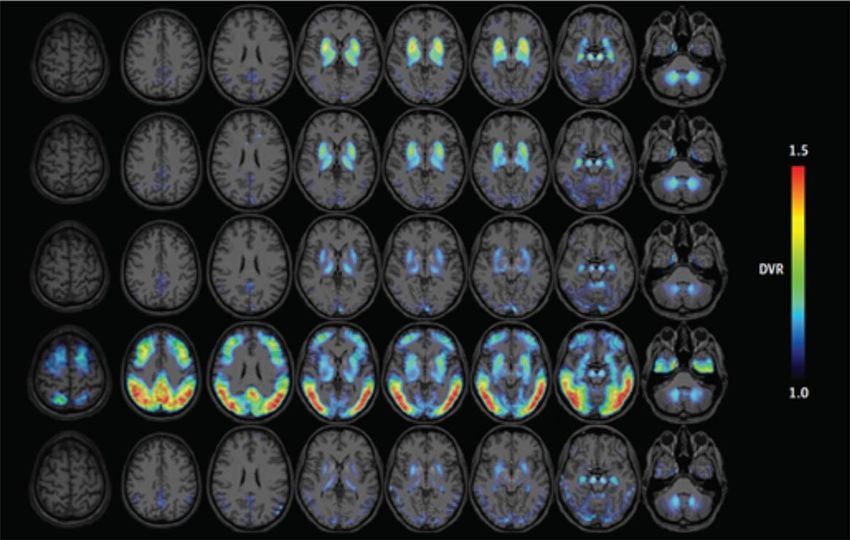
Average distribution volume ratio (DVR)
PSP2-RS3
PSP-non-RS4
Brendel et al., JAMA Neurology 2020
a-syn5
AD6
Healthy control
■ PI-2620 PET imaging can detect and assess PSP pathology in vivo to establish an earlier and more reliable diagnosis
■ Differentiation at the single patient level by semi-quantitative and visual classification (sens./spec. for PSP-RS >80%)
(1) Neurodegenerative diseases; (2) Progressive supranuclear palsy; (3) Richardson syndrome; (4) PSP non-Richardson syndrome; (5) Alpha-synucleinopathies; (6) Alzheimer’s disease
NASDAQ: ACIU | Morphomer™ Platform Event | March 2021 © 2021 AC Immune. Not to be used or reproduced without permission 253 Focused library of ~12,000 conformation-specific compounds
Model illustrating the binding pocket of Morphomers™ to the beta sheets of Tau aggregates
■ Library conceived to bind to beta sheets of misfolded pathological proteins
■ Initially 5000 compounds, now expanded to ~12, 000
■ Consistently delivers small molecules that can be used to generate therapeutic and imaging agents for Tau, a-syn and TDP-43
NASDAQ: ACIU | Morphomer™ Platform Event | March 2021 © 2021 AC Immune. Not to be used or reproduced without permission 263 Focused library reflecting years of research know-how
7 41
In-house medicinal chemists Outsourced chemistry FTEs1
115 70
Collective years of medicinal chemistry experience In-house biologists
(1) Full-time equivalents
NASDAQ: ACIU | Morphomer™ Platform Event | March 2021 © 2021 AC Immune. Not to be used or reproduced without permission 274 Proprietary suite of assays to identify and validate candidates
Screening for a-syn1 MorphomersTM via intracellular target engagement ACI-015153-NX1
TM 2ug/ml seeds, Lipofectamine
No treatment Morphomer (5µM)
[pS129+ object count]/[MAP2+ Area]
[pS129+ object count]/[MAP2+ area]
Rat cortical primary neurons
1.0
Normalized Ratio of ratio
Ait-Bouziad N, et al., AD/PD™ 2021
Normalized Ratio
aSyn pS129
Neurons (MAP2)
0.5
Nuclei
0.0
0.01 0.1 1 10
Concentration (M)
Concentration (μM)
■ Developed a proprietary model of a-syn aggregation using primary neurons
■ Provides data to establish a candidate’s capacity to prevent de novo aggregate formation
(1) Alpha-synuclein
NASDAQ: ACIU | Morphomer™ Platform Event | March 2021 © 2021 AC Immune. Not to be used or reproduced without permission 28Best-fit values
4 Proprietary suite of assays to identify and validate candidates Bmax
Kd
Std. Error
9578
153.4
Bmax 644.8
Screening for TDP-431 tracers using patient-derived tissue and competitive
22.81 radiobinding Kd
R squared 0.9844
HOT (nM) T2 NS3
Frozen brain
tissue ACI-3071_QSBB_P70/15_10uM
8000
Specific binding
10% Brain homogenates
units)
6000
binding
[3H]-ACI-3071
Afroz T, et al., AD/PD™ 2020
(relative
4000
Detergent & enzymatic
Specific
solubilization 2000
0
100 200 300 400
C Supernatant Concentration (nM)
3H-ACI-3071 (nM)
-2000
normal
proteins
Pellet
C Radiobinding assay
aggregated
Modified from Laferrière et al., 2019, Nat Neurosci C
proteins
with tritiated ligand
■ Protocol isolates pathological TDP-43 from enriched patient-derived aggregates
■ Essential to determine compound affinity for pathological aggregates in proprietary micro-radiobinding assays
(1) TAR DNA-binding protein 43; (2) Total binding; (3) Non-specific binding
NASDAQ: ACIU | Morphomer™ Platform Event | March 2021 © 2021 AC Immune. Not to be used or reproduced without permission 295 MorphomerTM candidates address key pathologies
Only company with a suite of therapeutics and diagnostics against all major targets in NDD1
FTLD3, ALS4, other NeuroOrphan
Alzheimer’s disease
LATE5
PSP,2 other NeuroOrphan
Alzheimer’s disease
TAU TDP-436
Parkinson’s disease A-SYN7 NLRP38
Neuroinflammatory target
Alzheimer’s disease
Across multiple NDD
NeuroOrphan
(1) Neurodegenerative disease; (2) Progressive supranuclear palsy; (3) Frontotemporal lobar degeneration; (4) Amyotrophic lateral sclerosis; (5) Limbic-predominant age-related TDP-43 encephalopathy;
(6) TAR DNA-binding protein 43; (7) Alpha-synuclein; (8) NOD-like receptor protein 3
NASDAQ: ACIU | Morphomer™ Platform Event | March 2021 © 2021 AC Immune. Not to be used or reproduced without permission 305 TDP-431: growing understanding underscores need and opportunity
No diagnostic or therapeutic intervention directly targeting TDP-43 available or in clinic
Indication % TDP-43
▪ RNA/DNA-binding protein that functions as a regulator of gene
Amyotrophic lateral sclerosis 97%6
transcription and RNA metabolism NeuroOrphan
Frontotemporal lobar degeneration 45%6
Alzheimer’s disease 50%7
▪ Cytoplasmic aggregation of TDP-43 is a major pathology in Large Market
LATE 100%8
Alzheimer’s disease and several other NDDs2
▪ Strongly related to cognitive decline3 and episodic memory loss4
Afroz T, et al., AD/PD™ 2021
▪ LATE5 is a recently defined and highly prevalent TDP-43
Target engagement by
pathology that causes age-related dementia that strongly mimics
TDP-43 PET tracer candidate
Alzheimer’s disease8
■ TDP-43 is a critical primary target and co-pathology in NeuroOrphan and large CNS indications
■ ACIU’s first-in-class diagnostics and therapeutics are substantial value creation opportunities
(1) TAR DNA-binding protein 43; (2) Neurodegenerative diseases; (3) Wilson et al., 2013; (4) Nag et al., 2017; (5) Limbic age-related TDP-43 encephalopathy; (6) Ling et al., 2013; (7) Josephs et al., 2014; (8)
Schneider AD/PD 2020
NASDAQ: ACIU | Morphomer™ Platform Event | March 2021 © 2021 AC Immune. Not to be used or reproduced without permission 315 Therapeutic potential in targeting microglia and NLRP31-ASC2 pathway
Reducing neuroinflammation through multiple mechanisms
3
Immune modulation shows great potential in NDD
▪ Hyperstimulated microglia are emerging as a hallmark in NDD
▪ Hyperstimulation drives inflammation, neuronal death and disease progression
ACIU targets the NLRP3-ASC pathway to reduce neuroinflammation
▪ Maintain phagocytosis of misfolded proteins
▪ Decrease pro-inflammatory factors
▪ Do not alter diffuse mechanisms (side effects)
NLRP3-ASC pathway addressed with two approaches
4
▪ Intracellular NLRP3 activity (SMEs )
5
▪ Extracellular ASC specks (mAbs )
(1) (NOD)-like receptor protein 3; (2) Apoptosis-associated speck-like protein containing a CARD, also called PYCARD; (3) Neurodegenerative diseases; (4) Small molecule entities; (5) Monoclonal antibodies
NASDAQ: ACIU | Morphomer™ Platform Event | March 2021 © 2021 AC Immune. Not to be used or reproduced without permission 325 Neuroinflammation exacerbates proteinopathy-driven damage
Key target for multiple neurodegenerative diseases
1 2
ALS / FTLD
TDP-43
ASC-Abeta
Down Composites
CD14 Microglia
syndrome
Fibrillar Abeta NF- κB ASC Speck
Alzheimer's
disease
pTau NFT
Nucleus
Lysosome
Rupture NLPR3-ASC
Inflammasome
activation
Neuronal atrophy
Parkinson’s Fibrillar a-synuclein
Activated Pro IL-1β
Caspase-1
disease
IL-1β
(1) Amyotrophic lateral sclerosis; (2) Frontotemporal lobar dementia; (3) TAR DNA binding protein-43; (4) Apoptosis-associated speck-like protein containing a CARD, also called PYCARD; (5) neurofibrillary tangle
NASDAQ: ACIU | Morphomer™ Platform Event | March 2021 © 2021 AC Immune. Not to be used or reproduced without permission 33Morphomer™: Key advantages/benefits
Accelerating early-stage development with first-/best-in-class candidates
1 CNS1-optimized compounds with favorable brain penetration and pharmacokinetics
▪ Able to engage target proteins in any brain compartment
2 Rationally designed, highly selective candidates bind intracellular proteinaggregates
▪ Potential for best-in-class efficacy and safety
Focused library of ~12,000 conformation-specific compounds reflecting years of research know-how
3 ▪
▪
Remarkable efficiency; library enriched for compounds that bind beta-sheet aggregates
Rapid hit-to-lead optimization; process enables further expansion and optimization of library
4 Proprietary suite of assays to identify and validate successful compounds
▪ State-of-the-art translational animal models evaluate intended mechanism of action
Broadly applicable for potentially disease-modifying therapeutics and precisiondiagnostics
5 ▪
▪
Able to engage targets intracellularly and extracellularly to disrupt key disease processes
Able to bind targets with pharmacokinetics optimized for PET2 imaging
(1) Central nervous system; (2) Positron emission tomography
NASDAQ: ACIU | Morphomer™ Platform Event | March 2021 © 2021 AC Immune. Not to be used or reproduced without permission 34Therapeutic Morphomer™ programs Sonia Poli, PhD, Life Cycle Leader
Tau Pathology: Correlation with the rate of cognitive decline
 A key driver of Alzheimer's disease pathology with wide therapeutic window
                                      Tau PET1 changes are closely associated                                                                        Density of neurofibrillary tangles (NFTs) significantly
                                          with the rate of cognitive decline                                                                                 correlates with final cognitive status

                                                                    Low initial Abeta PET

                                                                                                                                                                                                               Nelson et al., J Neuropathol Exp Neurol 2012
                                                                    High initial Abeta PET
            PACC2 Change: z Score/y

                                                                                                                                 Final MMSE3 Score
                                                                                             Hanseeuw et al., JAMA Neurol 2019
                                                   Time, SUVr/y
                                                                                                                                                                      Counted NFTs in Isocortex

                                              ■ Tau-targeted approaches may have a much broader therapeutic window to potentially disrupt, slow or prevent
                                                disease progression at both early and advanced stages

(1) Positron emission tomography; (2) Preclinical Alzheimer cognitive composite; (3) Mini-mental state examination

NASDAQ: ACIU | Morphomer™ Platform Event | March 2021                       © 2021 AC Immune. Not to be used or reproduced without permission                                                     36
Comprehensive screening tailored to CNS1-targeted small molecules
Proprietary library and mechanistic assays, combined with BBB2 and safety assessment
Library, scaffold hopping, rational
Multiple chemical series for risk-reduced development design, focused screening, 3D
ligand based
3
Inhibition of aggregation assay Developability profile tested ADME : solubility, permeability,
Disaggregation assay early in the project microsomal stability, chemical stability
4
CNS exposure and intracellular NeuroPK and safety
MoA studies
Off targets
Intracellular availability efficacy / targeting
Exploratory tox
5 Understanding of PK/PD
In vivo POC In vivo Efficacy
Projection of human doses
CC6 Clinical candidate
Phase 1 development
■ Lead candidates selected based on proteinopathy-relevant MoA and developability profile for CNS
(1) Central nervous system; (2) Blood-brain barrier; (3) Absorption, distribution, metabolism, and excretion; (4) Mechanism of action; (5) Proof-of-concept; (6) Clinical candidate
NASDAQ: ACIU | Morphomer™ Platform Event | March 2021 © 2021 AC Immune. Not to be used or reproduced without permission 37Morphomer therapeutics: Discovery and validation of ACI-3024
First-in-class, conformation–specific small molecule Tau aggregation inhibitor
▪ Proprietary library screened for the Tau therapeutic program (>1000 molecules)
▪ More than 1000 compounds synthesized
▪ Broad range of technologies employed to achieve optimization (scaffold hopping, rational design, 3D-
ligand base)
▪ ACI-3024 qualified as clinical candidate
▪ Eight distinct chemical series identified
NASDAQ: ACIU | Morphomer™ Platform Event | March 2021 © 2021 AC Immune. Not to be used or reproduced without permission 38ACI-3024 is highly selective for human pathological Tau
Binding specificity across patient-derived protein aggregates
1
Tau-rich (human AD donor) Abeta-rich (human AD donor) a-Synuclein-rich
2
8000
(Human PD donor)
8000 6000
6000
6000 4000
RU
4000
Kd = no fit
RU
4000
Kd = no fit
RU
Kd = 11.7 nM 2000
2000
2000
0
200 400 600 0
0 50 100 150 200 250
0 25 50 75 100 125
-2000 -2000
3H-ACI-3024 (nM) 3H-ACI-3024 (nM) 3H-ACI-3024 (nM)
Tau monomer (recombinant) Healthy donor
AC Immune unpublished data
3000 6000
2000 4000
RU
RU
RU
2000
1000 Kd = no fit Kd = no fit
0 0
0 20 40 60 80 200 400 600
3H-ACI-3024 (nM) -2000
3H-ACI-3024 (nM) 3H-ACI-3024 (nM)
■ ACI-3024 is highly selective for Tau over Abeta and a-synuclein
■ ACI-3024 does not bind to non-pathological Tau monomer
(1) Alzheimer’s disease; (2) Parkinson’s disease
NASDAQ: ACIU | Morphomer™ Platform Event | March 2021 © 2021 AC Immune. Not to be used or reproduced without permission 39Characterizing the anti-Tau mechanism of action
Proprietary Tau seeding and aggregation assay
ACI-3024
ACI-3024
Heparin-induced Inhibition of aggregation Disaggregation
Tau
monomer
Adapted from Pavlova et al, 2016
Patient-derived Inhibition of seeding
Tau fibrils
ACI-3024
■ Successfully established series of assays to investigate Morphomer™ Tau aggregation inhibitor in vitro efficacy
NASDAQ: ACIU | Morphomer™ Platform Event | March 2021 © 2021 AC Immune. Not to be used or reproduced without permission 40ACI-3024 shows broad in vitro activity against Tau aggregation
Multiple points of intervention
Inhibition of seeding Inhibition of aggregation Tau disaggregation
100 100
Inhibition of aggregation (% )
120
In h ib it io n of seeding (% )
80
100 80
% d isa g g re ga tio n
60
80 60
40
20 60 40
AC Immune unpublished data
0 40 20
-20 20
0
-40 EC50 = 0.8 µM
IC50 = 6.3 µM 0
IC50 = 0.2 µM -20
-60 -20 0.0001 0.001 0.01 0.1 1 10 100
0.001 0.01 0.1 1 10 100 1000 0.001 0.01 0.1 1 10 100 1000
ACI-3024 (uM) ACI-3024 (uM) ACI-3024 (uM)
■ ACI-3024 inhibits Tau seeding, Tau aggregation, and promotes Tau disaggregation
NASDAQ: ACIU | Morphomer™ Platform Event | March 2021 © 2021 AC Immune. Not to be used or reproduced without permission 41Binding induces conformational change in Tau
Tau aggregates treated with ACI-3024 return to monomer-like conformation
Tau aggregates +/- ACI-3024 ACI-3024 induced changes vs. monomer
Tau aggregates Tau monomer
Tau aggregates
+ ACI-3024
HDX1 H/D profile
Tau aggregates
+ ACI-3024
Region of major changes Similar profiles
R1 R2 R3 R4 R1 R2 R3 R4
■ ACI-3024 induces profound changes within the microtubule binding domain
■ Tau aggregates exposed to ACI-3024 change conformation from pathological to monomer like
(1) Hydrogen/deuterium exchange
NASDAQ: ACIU | Morphomer™ Platform Event | March 2021 © 2021 AC Immune. Not to be used or reproduced without permission 42Physiological target engagement and activity in AD1-derived samples
Target engagement Ex vivo disaggregation of Tau NFT2 Disaggregation of human AD
by high resolution autoradiography on human AD brain sections brain- derived PHF3
PHF
[3H]-ACI-3024
80
Disaggregation (%)
60
40
Cold ACI-3024
[3H]-ACI-3024
20
0
25 uM 0.5 uM
■ ACI-3024 specifically binds and disaggregates Tau NFTs from human AD brains, even in the presence of Abeta
■ ACI-3024 disaggregates human AD brain-derived PHF
(1) Alzheimer’s disease; (2) Neurofibrillary tangles; (3) Paired helical filament Tau
NASDAQ: ACIU | Morphomer™ Platform Event | March 2021 © 2021 AC Immune. Not to be used or reproduced without permission 43Future potential as therapeutic agents across Tauopathies
In vitro evaluation of Tau morphomer MoA1 to support further development in rare Tauopathies
AD
2
CBD
5
PSP
6
FTLD-MAPT
7
PiD
8
Disaggregation of Tau isoforms and
3
(NFT ) (Astrocytic plaque) (Tufted astocytes) (NFT) (Pick bodies) mutants by ACI-3024
4
3R/4R 4R 4R P301L mutation 3R
Tau isoforms EC50 (µM)
4R2N 2.6
4R1N 3.3
4R0N 2.6
3R2N 1.9
Adapted from Kametani - Frontiers in Neurosci (2020)
3R1N 3.1
3R0N 3.5
AD fold CBD fold PiD fold
Tau mutants EC50 (µM)
V248L 2.5
G272V 5.9
P301L 4.2
Adapted from Zeng, Y, Cellular and Molecular Lifesciences (2020) R406W 10.7
■ Different Tauopathies present different Tau aggregates
■ ACI-3024 can equally disaggregate 3R and 4R Tau isoforms as well as Tau mutants relevant for rare Tauopathies
(1) Mechanism of action; (2) Alzheimer’s disease; (3) Neurofibrillary tangles; (4) 3-repeat / 4-repeat; (5) Corticobasal degeneration; (6) Progressive supranuclear palsy; (7) Frontotemporal lobar degeneration caused by
a MAPT gene mutation; (8) Pick’s disease
NASDAQ: ACIU | Morphomer™ Platform Event | March 2021 © 2021 AC Immune. Not to be used or reproduced without permission 44Highly potent reduction of intracellular pathological Tau
Dose-dependent reduction of misfolded Tau in FLTD-Tau1 brain cells
Reduction of intracellular Tau pathology
Bright field Misfolded Tau Dose-dependent reduction of pathological Tau
(MC-1)
Undifferentiated
cells
Retinoic acid
differentiated cells
Mean + SEM
■ In vitro treatment with ACI-3024 led to a dose-dependent decrease of misfolded Tau at low nM concentrations
(1) Brain cells overexpressing Tau with P301L mutation
NASDAQ: ACIU | Morphomer™ Platform Event | March 2021 © 2021 AC Immune. Not to be used or reproduced without permission 45ACI-3024 has positive effect on Tau-induced neurodegeneration
Detoxification of Tau promotes neuronal health in vitro
Reduced Tau-induced neurodegeneration after seeding with human AD-brain derived Tau
Experimental design1 Neurodegeneration assessed by neurite length
Rat primary neuron microglia co-cultures
300
Neurite length (mm/mm2)
3 0 0
ACI-3024
(m m /m m 2 )
* *
*
AC Immune unpublished data
250 2 5 0
ACI-3024
le n g th
* 200 2 0 0
*
n e u r ite
Neurons affected by Tau pathology 150 1 5 0
le
u
M
M
a
ic
u
u
T
h
.2
1
ic
e
0
4
r
v
Mean + SEM
2
e
4
0
2
m
3
0
o
1-way ANOVA
3
n
o
M
A g g r e g a te d T a u * pACI-3024 significantly reduces Tau-induced neuroinflammation
Decreased microglial activation in vitro
Human AD1-brain derived Tau activation of rat primary microglial cells
CD68+ microglia cells C1q release from microglia
0.06
0 .0 6 0.25
0 .2 5
c o n flu e n c e )
C1q – OD450nm
(% confluence)
0.20
AC Immune unpublished data
0 .2 0
- O D 4 5 0 n m
*
CD68/lba1
0.04
0 .0 4
*** 0.15
0 .1 5
(%
**** 0.10
0 .1 0
C D 6 8 /Ib a 1
C 1 q
0.02
0 .0 2
0.05
0 .0 5
0.00
0 .0 0
0.00
0 .0 0
F
u
M
M
a
H
µ
µ
T
u
P
M
M
F
5
5
a
ic
µ
µ
in
H
4
4
T
r
2
2
P
5
.5
a
e
ic
0
0
r
4
2
m
in
-b
3
3
r
2
I-
I-
o
e
4
a
Mean + SEM
D
0
n
C
C
2
r
m
3
A
o
-b
0
A
A
o
3
+
M
1-way ANOVA
n
+
D
+
+
F
o
A
u
F
H
M
F
a
H
* p< 0.05
P
T
H
P
P
ic
*** p< 0.005
r
e
m
**** p< 0.001
o
n
o
M
■ Detoxification of Tau aggregates significantly decreases pathological Tau induced-microglial activation
(1) Alzheimer’s disease
NASDAQ: ACIU | Morphomer™ Platform Event | March 2021 © 2021 AC Immune. Not to be used or reproduced without permission 47ACI-3024: proposed mode of action
Inhibit aggregation
Promote Prevent
disaggregation seeding
C1q1 release
damages neurons
to release more Tau
Uptake and activation
Microglia
Inhibit Inhibit downstream
spreading neurodegeneration
■ Targeting both intracellular seeds and extracellular spreading for full control of the disease pathology
■ Tau detoxification may reduce downstream neuroinflammation, further preventing neuronal damage
(1) Complement component 1q
NASDAQ: ACIU | Morphomer™ Platform Event | March 2021 © 2021 AC Immune. Not to be used or reproduced without permission 48ACI-3024: summary of in vitro characteristics
▪ Inhibition of Tau aggregation and Tau seeding
MoA1 on Tau
▪ Ability to disaggregate pathological Tau
aggregates ▪ Effect independent of Tau and FTLD-MAPT2 isoform and mutants
▪ Selective binding to AD3 brain-derived pathological Tau (Kd 11.7 nM)
Selectivity for ▪ No binding to monomeric forms of Tau or to healthy control tissue
aggregated Tau ▪ No binding to Abeta from AD human brain
▪ No binding to alpha-synuclein from PD4 human brain
Intracellular activity on ▪ Dose-dependent decrease of intracellular misfolded Tau at low nM
Tau misfolding concentrations in a cellular assay
Inhibition of ▪ Significantly reduces Tau induced neurodegeneration
ND5 and NI6 ▪ Significantly decreases pathological Tau induced-microglial activation
(1) Mechanism of action; (2) Frontotemporal lobar degeneration caused by a MAPT gene mutation; (3) Alzheimer’s disease; (4) Parkinson’s disease; (5) Neurodegeneration; (6) Neuroinflammation
NASDAQ: ACIU | Morphomer™ Platform Event | March 2021 © 2021 AC Immune. Not to be used or reproduced without permission 49In vivo evaluation of ACI-3024 after oral administration
Tauopathy model: transgenic mice expressing human FTLD-MAPT1 Tau mutation (P301L)2
Tg4510 mice age 5 months 6 months
End-Points
▪ Biochemistry:
– Total, aggregated, and hyper-
ACI-3024 30 mg/kg b.i.d.
phosphorylated brain Tau
ACI-3024 treatment
DOX
– Total CSF Tau
▪ Immuno-histochemistry:
– Misfolded Tau
Vehicle b.i.d. ▪ Neuroinflammation:
Vehicle treatment
DOX
– Microglial analysis
▪ Plasma concentrations of ACI-3024
▪ An independent dose response experiment performed at 10, 30 or 100 mg/kg BID
■ In vitro cellular assays combined with preclinical brain pharmacokinetics led to the in vivo dose and dosing regimen
■ Dose selection driven by ability to maintain target ACI-3024 CSF3 concentration over 24-hour period
(1) Frontotemporal lobar degeneration caused by a MAPT gene mutation; (2) rTg4510 mice express repressible (Tet promotor Tau on/off) human 4R0N Tau carrying the P301L mutation (SantaCruz, 2005); (3)
Cerebrospinal fluid
NASDAQ: ACIU | Morphomer™ Platform Event | March 2021 © 2021 AC Immune. Not to be used or reproduced without permission 50ACI-3024 significantly reduces phosphorylated pathological Tau in vivo
Biochemistry: Analysis of pathological Tau in Tau ON/OFF rTg4510 mice
Aggregated Tau1 normalized Insoluble hyper-phosphorylated Dose-proportional reduction of
to total Tau2 Tau3 normalized to total Tau2 Tau aggregates
T a u / T o ta l T a u
Insoluble AT8 Tau/Total Tau
20 50
5 0
Aggregated Tau/Total Tau
*
(A lp h a L IS A )
T a u i n s (AlphaLISA)
40
4 0
40
4 0
a rk o s y l
AT8 Tau in sarkosyl
15 r -0
30 30
3 0
3 0
p=0.01 P (two
10 r=-0.54
A T 8 fraction
fr a c tio n
A T 8
20
2 0 20
2 0
In s o lu b le
5 10
1 0
10
insoluble
1 0
in s o lu b le
0 00
00
)
le
Poli S, et al., CTAD 2018
g
0 1000 2000 3000
ic
/k
0 1 0 0 0 2 0 0 0 3 0 0 0
h
g
e
m
v
0
P la s m a c o n c e n tr a tio n
0
3
Plasma concentration
1
x
5
(2
4
g
4
T
2
0
3
I-
Mean + SEM
C
A
1-way ANOVA
*** p< 0.001; * p< 0.05
■ Significantly reduced aggregated, insoluble pS202/pT205 hyper-phosphorylated Tau in cortical homogenates
■ The decrease was proportional to the plasma exposure of ACI-3024
(1) HT7xHT7; (2) HT7xTau13; (3) AT8xHT7
NASDAQ: ACIU | Morphomer™ Platform Event | March 2021 © 2021 AC Immune. Not to be used or reproduced without permission 51Dose-dependent reduction in Tau misfolding in vivo
Immunohistochemistry: Analysis of misfolded Tau (MC1) in rTg4510 brain section
MC1 in brain sections Representative staining (MC1 in red, DAPI: blue)
0.04
MC1 area fraction
0.03
0.02
tTA Vehicle ACI-3024
A C I-3 0 2 4 e x p o s u r e M C 1 IR
0.01 50 µm 50 µm
0.04
0 .0 4
p=0.03
0.00 r -0.5257
MC1 (% IR area)
0.03
0 .0 3 r=-0.53
a re a )
P (two-tailed) 0.0302
Mean + SEM 0.02
0 .0 2
IR
1-way ANOVA
*** p< 0.001
(%
0.01
0 .0 1
* p< 0.05
M C 1
0.00
0 .0 0
1000
1 0 0 0 2000
2 0 0 0 3000
3 0 0 0
-0.01
-0 .0 1 Plasma concentration
P la s m a c o n c e n tr a tio n
■ Treatment with ACI-3024 significantly reduced misfolded Tau
■ The decrease is correlated with the ACI-3024 plasma exposure
NASDAQ: ACIU | Morphomer™ Platform Event | March 2021 © 2021 AC Immune. Not to be used or reproduced without permission 52Dose-dependent reduction of Tau in CSF1 may indicate brain clearance
Potential as a biomarker for efficacy
Dose-dependent reduction of total Tau in CSF Relationship between CSF and PET2 biomarkers
A C I-3 0 2 4 e x p o s u re C S F T a u
200000
2 0 0 0 0 0
P = 0.01
Mattsson-Carlgren et al Sci Adv 2020
r= -0.56
r -0.5629
Tau in CSF (A.U)
(A .U )
150000
1 5 0 0 0 0
P (two-tailed) 0.0121
C S F
100000
1 0 0 0 0 0
in
T a u
50000
5 0 0 0 0
00
0
0 1000
1 0 0 0 2000
2 0 0 0 3000
3 0 0 0
P la s m a
Plasmac concentration
o n c e n tr a tio n
■ The significant inverse correlation between CSF Tau and ACI-3024 exposure in plasma might indicate an
increase of Tau clearance from the brain
■ CSF Tau concentrations may be explored as a biomarker for efficacy in clinical development
(1) Cerebrospinal fluid; (2) Positron emission tomography
NASDAQ: ACIU | Morphomer™ Platform Event | March 2021 © 2021 AC Immune. Not to be used or reproduced without permission 53Positive effect on Tau-induced neuroinflammation in vivo
ACI-3024 treatment led to significant decrease in microglial activation
Total Microglia in frontal cortex Representative microglia labelling
*
10
1 0
88
(% )
r e a (%)
Iba1
area
66
R a
Iba1 IIR
44
Ib a 1
22
00
le le g
ic ic /k
h h g
e e m
-
v V
3
0 tTA ACI-3024 vehicle
a x
2
tT 4
2
0
3
I-
C
A
■ Treatment with ACI-3024 reduced microgliosis
■ Detoxification of Tau aggregates significantly decreases pathological Tau induced-microglial activation
NASDAQ: ACIU | Morphomer™ Platform Event | March 2021 © 2021 AC Immune. Not to be used or reproduced without permission 54Phase 1 – SAD/MAD1 healthy subject study
Dose escalation scheme
Cohort 5
Dose 5
Cohort 4
Dose 4a
SAD Cohort 3
Dose 3
Cohort 2
Dose 2 Cohort 4
Cohort 1
Dose 4b (fed)
Dose 1
Study results to be
shared via scientific
communication at a
later date
Cohort C
Dose regimen 3 Dosing
Cohort B
Dose regimen 2
MAD Cohort A CSF2 assessment
Dose regimen 1
Dose escalation meeting: evaluate safety, tolerability,
pharmacokinetic data (up to 48 hours post-dose)
Cohort D
Dose regimen 2
(1) Single ascending dose/multiple ascending dose; (2) Cerebrospinal fluid
NASDAQ: ACIU | Morphomer™ Platform Event | March 2021 © 2021 AC Immune. Not to be used or reproduced without permission 55Morphomer™ Tau therapeutic program
Generated first brain-penetrant Tau small molecule aggregation inhibitor
▪ ACI-3024 single and multiple ascending dose study completed as planned
Phase 1 in healthy young, elderly, and Japanese subjects
▪ All cohorts completed dosing
▪ Dose-dependent plasma exposure
▪ Half-life of 47.5 to 101 h with steady-state reached after 12-13 days
Pharmacokinetics ▪ Low renal clearance
▪ Absorption increased by food
▪ Exceeded ACI-3024 therapeutic target concentration in CSF1 after multiple
Brain exposure dose administration
▪ Multiple Tau Morphomers have demonstrated in vitro disaggregation of
pathological Tau
Development status ▪ Novel optimized Tau Morphomer should be advanced into development for
AD2 in 2021
▪ ACI-3024 assessment ongoing for rare NeuroOrphan indications
(1) Cerebrospinal fluid; (2) Alzheimer’s disease
NASDAQ: ACIU | Morphomer™ Platform Event | March 2021 © 2021 AC Immune. Not to be used or reproduced without permission 56Morphomer™ Tau therapeutic program: summary and outlook
Generated first brain-penetrant Tau small molecule aggregation inhibitor
▪ High target specificity
▪ Demonstrated MoA1 in vitro and in vivo
Selectivity and ▪ Selective inhibition of Tau seeding and aggregation
in vivo efficacy ▪ Promotion of disaggregation
▪ Significant reduction of pathological Tau in transgenic mouse model (Tg4510)
▪ Consequential decrease in neuroinflammation and neurodegeneration
Brain uptake ▪ Completed single and multiple ascending dose Phase 1 study
in healthy subjects ▪ Achieved therapeutic target concentration in CSF2
▪ Tau Morphomers™ have the potential to treat AD3 and rare diseases caused
by Tau misfolding and aggregation
(1) Mechanism of action; (2) Cerebrospinal fluid; (3) Alzheimer’s disease
NASDAQ: ACIU | Morphomer™ Platform Event | March 2021 © 2021 AC Immune. Not to be used or reproduced without permission 57Diagnostic PET imaging agents targeting Tau, a-syn and TDP-43 Francesca Capotosti, PhD, Group leader in vivo pharmacology and non-clinical safety
Brain PET1 imaging is key for precision medicine
 PET imaging in neurodegenerative diseases

       1               The vast majority of neurodegenerative diseases are sporadic; diagnosis cannot be only based on genetic testing

       2               So far clinically relevant fluid markers have been identified only for few NDDs and their correlation with brain pathology
                       remains often poorly understood

                               2

      3               In AD , the availability of Abeta PET tracers has allowed better stratification of patient populations and target
                      engagement of anti-Abeta immunotherapies to be proven

      4               In AD and other Tauopathies, Tau tracers have the potential to provide differential diagnosis. Such tracers also have
                      potential as prognostic and/or predictive biomarkers in clinical trials

                                                                                                                                                    3

      5               There is a clear unmeet clinical need for new PET tracers for other targets in neurodegeneration such as a-syn and
                      TDP-43
                              4

(1) Positron emission tomography; (2) Alzheimer’s disease; (3) Alpha-synuclein; (4) TAR DNA-binding protein 43

NASDAQ: ACIU | Morphomer™ Platform Event | March 2021                      © 2021 AC Immune. Not to be used or reproduced without permission   59
Tau-PET1 tracer PI-2620: A tool to assess early AD2 and neuronal injury
Target Misfolded Tau (3R/4R, 3R and 4R)
▪ High specificity for pathological forms of human Tau in AD (3R/4R) and PSP3 (4R)
▪ Outstanding PET tracer profile: excellent brain uptake, fast wash-out and low off-target binding, allowing early-stage disease
Key results imaging
▪ Good reproducibility of PET scans in test-retest studies
Phase 1 clinical study results 4
Phase41 clinical study results
Chotipanich et al., Molecular Imaging 2020
PI-2620 Tau PET in different disease stage PI-2620 Tau PET as surrogate marker of neuronal injury in AD
Mild-cognitive Cognitively
AD FDG and PI-2620 early phase PET scans
impairment normal
▪ 3R/4R Tau detection in AD; reproducible 4R Tau detection in PSP; promising 4R Tau detection in CBD5
Key differentiation ▪ Potential for earlier and more reliable diagnosis: PI-2620 PET imaging can detect and assess PSP pathology in vivo
▪ PI-2620 PET imaging can serve as surrogate biomarker for neuronal injury and allow differential diagnosis
Development status Phase 2 longitudinal study in AD and Phase 1 study in PSP (test-retest) nearing completion
(1) Positron emission tomography; (2) Alzheimer’s disease; (3) Progressive supranuclear palsy; (4) Fluorodeoxyglucose; R, right; L, left; LAT, lateral; SUP, superior; INF, inferior; (5) Corticobasal degeneration
NASDAQ: ACIU | Morphomer™ Platform Event | March 2021 © 2021 AC Immune. Not to be used or reproduced without permission 60PI-2620 is the only PET1 tracer that can reliably detect 4-repeat (4R) Tau
4R Tau detection may enable precision medicine approaches in PSP2 and other Tauopathies
▪ Multicenter study enrolled patients with PSP-RS3, PSP-non-RS4, a-synucleinopathies (MSA5, PD6), AD7, and HC8
Study Rationale ▪ Strong overlap of clinical symptoms; clinical assessments lack sensitivity in early disease and specificity for pathological Tau
▪ No available biomarker currently fulfills the criteria to ensure differential diagnosis in PSP
▪ Results show clear differentiation of PSP from non-PSP patients:
▪ High specificity for pathological forms of Tau in PSP (4R) with specific autoradiography signal in PSP tissue
Key results
▪ Statistically significant signal in PSP target regions compared to healthy controls (HC) and disease controls (a-syn9, AD)
▪ Clear target engagement (binding to 4R Tau aggregates) in autoradiography on postmortem PSP tissue
10
Average DVR Quantitative DVR of Tau Increased binding in postmortem PSP
11 12
Brendel et al., JAMA Neurology 2020
aggregates tissue vs. HC by ARG
PSP-RS
PSP-non-RS
a-syn
AD
HC
Key differentiation ▪ Reproducible 4R Tau detection in PSP; promising 4R Tau detection in CBD13
(1) Positron emission tomography; (2) Progressive supranuclear palsy; (3) PSP-Richardson syndrome; (4) PSP-non-Richardson syndrome; (5) Multiple system atrophy; (6) Parkinson’s disease; (7) Alzheimer’s disease;
(8) Healthy control; (9) a-synucleinopathies; (10) Distribution volume ratio; (11) Statistics derive from multivariant analysis including center, age and sex; (12) Autoradiography; (13) Corticobasal degeneration
NASDAQ: ACIU | Morphomer™ Platform Event | March 2021 © 2021 AC Immune. Not to be used or reproduced without permission 61Developing a suite of PET1 tracers against emerging targets in NDD2
Precision medicine approach enabled by the Morphomer™ platform
B C
a-syn4 Lewy
Tau NFTs3 TDP-435 inclusions
bodies and neurites
The development pathway:
▪ Rely only on patient-derived brain samples for target engagement
▪ Minimize off-target binding to optimize signal-to-noise ratio
▪ Optimize selectivity against other potential co-pathologies (Abeta, Tau, TDP-43)
▪ Optimize brain penetration and washout
(1) Positron emission tomography; (2) Neurodegenerative disease; (3) Neurofibrillary tangles; (4) Alpha-synuclein; (5) TAR DNA-binding protein 43
NASDAQ: ACIU | Morphomer™ Platform Event | March 2021 © 2021 AC Immune. Not to be used or reproduced without permission 62Developing a suite of PET1 tracers against emerging targets in NDD2
Precision medicine approach enabled by the Morphomer™ platform
B C
a-syn4 Lewy
Tau NFTs3 TDP-435 inclusions
bodies and neurites
The development pathway:
▪ Rely only on patient-derived brain samples for target engagement
▪ Minimize off-target binding to optimize signal-to-noise ratio
▪ Optimize selectivity against other potential co-pathologies (Abeta, Tau, TDP-43)
▪ Optimize brain penetration and washout
TM
▪ >2000 Morphomers have been designed, synthesized and screened to date for AC Immune's PET programs
(1) Positron emission tomography; (2) Neurodegenerative disease; (3) Neurofibrillary tangles; (4) Alpha synuclein; (5) TAR DNA binding protein-43
NASDAQ: ACIU | Morphomer™ Platform Event | March 2021 © 2021 AC Immune. Not to be used or reproduced without permission 63Early treatment of PD1 with a pathological a-syn2 PET3 tracer
Diagnosing PD before onset of clinical symptoms offers improved treatment paradigms
▪ >90% of PD cases are sporadic; diagnosis cannot be based on genetic testing4
▪ Dopaminergic imaging has a poor correlation with clinical severity5,6
▪ a-Synuclein inclusions (Lewy bodies and Lewy neurites) appear before dopaminergic changes, i.e., premotor stage of PD7
▪ Development of fluid biomarkers limited by low abundance of pathological a-syn in biofluids
▪ Pathological aggregates of a-syn are intracellular, not as abundant as Abeta and Tau pathology in Alzheimer’s disease and often
present as part of co-pathologies8
▪ Clinical trials targeting a-syn have a higher chance of success when utilizing an a-syn tracer for recruiting a more homogeneous
population as well as longitudinal surveillance
▪ Thus, our aim is to develop a first-in-class high affinity, selective a-syn tracer
(1) Parkinson’s disease; (2) Alpha-synuclein; (3) Positron emission tomography; (4) Shah et al., 2014 Journal of Nuclear Medicine; (5) Fahn et al., 2004. N Engl J Med; (6) Brooks et al., 2003 Exp Neurol.; (7) Eberling
et al., 2013 J Parkinsons Dis; (8) Robinson et al., 2018 Brain
NASDAQ: ACIU | Morphomer™ Platform Event | March 2021 © 2021 AC Immune. Not to be used or reproduced without permission 64You can also read


