Mother and Baby Unit Welcome to the - Providing Patient and Family Centred Care Visiting Hours: 9:00 a.m. to 9:00 p.m. daily
←
→
Page content transcription
If your browser does not render page correctly, please read the page content below

Welcome to the
Mother and Baby Unit

Providing Patient and Family Centred Care

Visiting Hours: 9:00 a.m. to 9:00 p.m. daily

             Bishop Dowling Wing, Level 3
            St. Joseph’s Healthcare Hamilton
                    Hamilton, Ontario
          Telephone: 905.522.1155 ext. 33314

 Page 1            www.stjoes.ca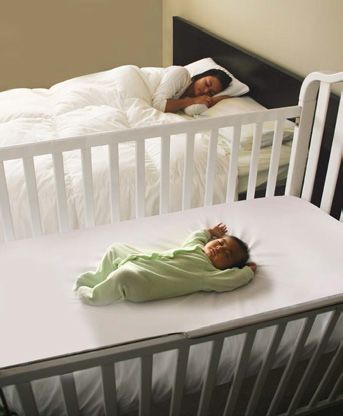
At Home
There are 4 very important jobs you
must do when you are home.

This is all done electronically by computer.
Go to: ServiceOntario.ca/newborn

When you go to this website, follow the instructions to:

1.   Complete baby’s birth registration form
2.   Apply for baby’s birth certificate
3.   Apply for Canada Child Benefits
4.   Apply for baby’s Social Insurance Number (SIN)

You may need some help doing this. Ask a member
of your family or a friend that is able to use a
computer if you would like help.
Inside this book
Welcome .......................................................... Page 1

About Your Baby Friendly™ Unit ........................ Page 2

Your Baby’s Safety .......................................... Page 2

Around the Unit ................................................. Page 3

Our Health Care Team .................................... Page 7

Confidentiality and Privacy ............................. Page 9

Visiting in Your Room ..................................... Page 11

Infection Control ............................................ Page 12

Getting Ready for Home ............................... Page 15

Around the Hospital ..................................... Page 18

Compliments and Complaints ........................ Page 20

What to Bring to the Hospital ........................ Page 21

What Not to Bring to the Hospital ..................... Page 22

Your Health Care – Be Involved ..................... Page 23
Welcome
Welcome to the Mother and Baby Unit. We are part
of the Women’s and Infants’ Program at St. Joseph’s
Healthcare Hamilton. This book will help you and your
family learn more about the unit and St. Joseph’s and
what to expect when you are here.

About your Baby Friendly™ Unit
There are 32 beds on the unit.
You will stay on this unit if you
are waiting to have your baby
but need to be in the hospital
for medical reasons. After you
deliver your baby, you will stay
on this unit with your baby.

St. Joseph’s is Baby Friendly™.
This means that we support
and promote breastfeeding
as the best way to feed your
baby. We also support mothers that decide not to
breastfeed after learning about the benefits.

A Lactation Consultant who is a person trained in
breastfeeding works 7 days a week from 7:00 a.m.
to 7:00 p.m. All of the nurses on the unit have also
taken breastfeeding courses as part of being Baby
Friendly™. You can have help with breastfeeding
any time of day. If you have a breast pump please
bring it with you to the hospital. You can buy one
here if needed.

Page 1
Your Baby’s Safety
We promote ‘zero separation’, which
means your baby stays with you at
all times until you are discharged.

Your baby’s safety is important
to us. Each new mother, father
or partner and baby will be given an identification
band. The nurses will check your baby’s band with
your band any time you and your baby have been
separated.

If you need to leave the unit

For your baby’s safety, you must leave your baby
with a spouse, partner or support person. You cannot
drop your baby off at the Health Care Team Centre
in the middle of the unit. For example, if you plan to
go outside to smoke, babysitting services are not
provided.

                                                 Page 2
Around the Unit Rooms The unit has rooms that hold 4 women (ward), 2 women (semi private) and 1 woman (private room). You will be in a room that is covered by your health plan. If you want to upgrade to a private room or stay in the Celebration of Life room, you can speak to the unit clerk. The unit clerk will help you fill out the forms and help you arrange payment. Celebration of Life Room The Celebration of Life room is a special room that provides cozy, private accommodations for a new mother, her partner and baby. Ask the unit clerk about this room if you are interested. There is an extra charge for this room that you pay. Fees from this room are used by the St. Joseph’s Healthcare Foundation to support patient care projects in the Maternal Newborn Child Program at St. Joseph’s Healthcare Hamilton. Page 3
Call Bells

Each bed and bathroom has a call bell. If you need
help, press the red button. The unit clerk at the
Nurses’ Station can talk to you through your room
speaker. If you do not need help right away, tell the
person on the speaker. The nurse will come to help
you when available. This should be within 10 minutes.
If not, please call again as the nurse may be looking
after other patients when you call.

If you need help right away, please tell the person
on the speaker who answered your call. Urgent calls
are answered first. Your nurses will check on you
throughout the shift as well.

Telephones

You can arrange to have a telephone by paying a
service charge at the Patient Accounts Office in the
main lobby.

If you have a telephone at your bedside,
dial 88 then the number. If you need to
change rooms in the hospital, your telephone
will go with you at no extra charge. You can use the
phone in the Family Lounge as well.

Pay Phones

There are also taxi phones and pay phones at
each entrance.

                                                  Page 4
Around the Unit
Television
Cable TV can be rented by filling out
a television rental card found on the
wall outside the nursing station. You
can drop the card off there as well.
Cable service is started between 3:00 and 4:00 p.m.
daily. Fees must be paid in advance to the
television person.
Wi-Fi
Please ask the unit clerk for a password to get wi-fi.
Privacy and Confidentiality
We are committed to protecting the privacy of all
patients, visitors and staff. We want to make sure
everyone is comfortable and safe. While we
encourage the participation of our patients and
families in their health care, it is important to
understand that taking photographs or videos
(cellphones and cameras) is prohibited unless
those involved have given consent to having their
pictures taken.
If you want to take pictures and/or record an event,
please talk to your health care provider or the
manager, supervisor or person in charge.
Page 5Family Lounge
This lounge is across from the nursing station.
If you have a lot of visitors, please go to the lounge
with them to visit.
Washrooms
All women staying on the unit have a washroom in
their room. Family members and visitors must use
the washrooms on:
• Level 3 near the nursing station
• Level 2 outside the cafeteria
• Level 1 in the main lobby near the
main entrance
Family members and visitors are not
allowed to use the patients’ washrooms.
Pantry
There is a pantry next to the Family
Lounge. All mothers are welcome to
help themselves to milk, juice and
bread or bring their own food. There is
also a toaster, kettle and microwave.
Meals
Breakfast comes around 8:00 in the morning, lunch
around noon and dinner around 5:00 p.m.
Page 6Our Health Care Team The members of your health care team include nurses, doctors, residents, interns, midwives, social workers, child life specialists, public health nurses, unit clerks and spiritual care specialists. There are also students in all of these professions on the unit. The nurses work as a team. During each shift, there is one nurse who is responsible for each mother and baby. As a team, other nurses will help you with your care or your baby’s care. You will be cared for under the doctor, midwife or health care provider who delivered your baby. Your baby will be cared for by your family doctor, pediatrician or the unit rotation doctor. You and your spouse, partner or support person are important members of our team. We want you to be involved in planning and giving care to your baby. Please feel free to ask any questions or voice any of your concerns. Page 7
Social Work

A social worker is a
professional counsellor
who provides support and
counseling to any mother,
couple or family who has concerns or problems.

A social worker can help you:
• understand the hospital system and talk to
   members of your health care team
• talk about your feelings about having a baby
• talk about feelings like being sad or overwhelmed
   that sometimes come with having a baby
• help with practical issues such as finances,
   housing, getting ready for your baby at home,
   decisions about parenting, etc.
• help you if you are dealing with any problems of
   addiction
• connect you with resources that may be useful
   such as new mothers’ groups, parent drop-in
   centres and counselling services

If you wish to speak with a social worker ask your
nurse, doctor or midwife to have a social worker
visit you.

Public Health

A public health nurse will visit you in your room on
the unit to:
• explore your family’s needs when you go home
• explain the types of services offered in your
   community

                                                  Page 8
Public Health continued For example, in the Hamilton area, public health services offered include: • a phone call from a public health nurse to ask how you, your baby and family are doing and answer any questions you have about breastfeeding, newborn care, your recovery, etc. • breastfeeding support such as breastfeeding clinics and meeting with a lactation consultant who can help you with your questions and concerns • Health Connections Phone Line (905-546-3550) to help you with many types of questions and programs offered such as nutrition, infant safety, parenting, post-partum depression, growth and development and home visiting programs Confidentiality and Privacy In keeping with the Health Care Act, no information about you or your baby will be given over the telephone or in person to family and friends. We tell others that any information can only be given to parents. Violence in the Workplace St. Joseph’s Healthcare Hamilton is working to prevent violence in the workplace. The goal is to provide a healthy, safe, secure and violence-free place for patients, staff and visitors. Violent or abusive behaviour by anyone will not be tolerated. Page 9
Culture and Religion
            Although St. Joseph’s is a Catholic
            organization, all faiths are recognized and
            respected here.

If you want to, please share any of your beliefs that will
help us get to know you and your baby.

The Spiritual Care Team consists of chaplains who are
men and women from many denominations. They are
trained to be with patients, families and staff. A member
of this team can be contacted for you if you ask.

Teaching Centre
St. Joseph’s is a teaching centre. This means that
you may have students involved in your care.

We welcome students from all health care
professions, colleges and universities.

Research Centre
St. Joseph’s is a research centre. Many
new treatments and changes in health
care come from research done here.

You may be asked to take part in a
research study with or without your baby. Make sure you
understand the details of the study and how you would
be involved before you sign a research consent form.

If you do not wish to be in a research study, you and
your baby’s care will not be affected in any way. All
usual treatments will continue.
                                                   Page 10
The Sherman Library The Sherman Library is on the 2nd floor of the Juravinski Tower. You can ask the librarian for help finding information. You can read the information in the library or you may be able to pay for a copy to take home. Visiting Visitors are an important part of patient care. However, we need to limit the number of visitors to help prevent the spread of infection, ensure patient safety, help mothers rest and recover and give mothers and babies time and privacy to breastfeed. During visiting hours you may have 2 visitors at a time in addition to your partner or support person. Visiting in Your Room Keep your visits short. When there is an empty bed in your room do not use the empty bed for: • putting coats, purses or toys on • sleeping or sitting or • changing diapers Page 11
Children Visiting
Children must be with an adult.

During the visit, the adult must:
• remain with a child at all times
• always watch and control a child’s behaviour
• make sure a child does not disturb others

Helpful hints from other parents:
• visit when the child is healthy and rested
• bring a few quiet toys for your child to play with
• bring a snack for the child to eat in the Family Lounge

There are times when no children can visit. This may
be for Infection Control reasons. Please ask your
nurse if it is all right for a child to visit.

Infection Control and Patient Safety:
Protect Yourself and Others
Adults and children should not visit if
they do not feel well or have:
• chills, fever, new cough or
   sore throat
• diarrhea in the last 48 hours
• nausea or vomiting
• sign of an infection such as rash or open sores

Family or friends that have any of these symptoms
cannot visit your baby. Make sure any child visiting
has had the chicken pox or has been immunized for
chicken pox.

                                                  Page 12
Infection Control and Patient Safety:
Protect Yourself and Others continued
If you, as a parent are not feeling well or have a cold
sore, talk to your nurse. You can decide together the
best thing to do to protect your baby. You may need
to wear a mask, gloves and gown while caring for
your baby.
Keeping Your Baby Healthy
Newborn babies are not ready to fight off all the
germs that they may be exposed to. Germs that may
cause only a mild illness or no illness in an older child
or adult may cause a serious infection in a baby.
Careful handwashing prevents the spread of germs
to your baby.
Why is handwashing important?
• Clean hands reduce the spread
of germs.
• Germs, like cold or flu can make
you sick.
• Clean hands can save lives.
If your hands are visibly soiled, you must wash with
soap and water. Otherwise, you may use the alcohol
based hand rub.
Page 13Wash your hands well for 15 seconds:
• after you sneeze or blow your nose
• after using the toilet or bathroom
• after touching something on the floor
• after changing your baby’s diaper
• before you put on a gown or gloves
• each time you enter or leave the unit or a
hospital building
• each time you hold your baby
Do not be shy while you are here:
Help our staff remember how important it is to wash
their hands by asking any member of your baby’s
health care team, “Did you clean your hands?”
Tell your visitors to wash their hands before
and after each visit and before and after holding
the baby.
Page 14Isolation and Visitors: Patient Safety
If you and your baby are in isolation there will be a
special sign on your door. The sign will show
everyone what they need to do to visit with you and
your baby safely. Your nurse will help you and your
visitors as well.
Here is an example of an Isolation Sign:
Contact Isolation is the most common isolation.
When you and your baby are in Contact Isolation
before entering the room everyone needs to:
When leaving your room, everyone needs to take
off the gowns and gloves then wash hands well.
Getting Ready for Home
Time in Hospital
• If you had a vaginal birth expect to stay in hospital
about 1 or 2 days.
• If you have a cesarean birth expect to stay in the
hospital about 2 or 3 days.
Page 15Car Seat
Before going home you must bring a safe car seat to
the hospital:
• The car seat must have an up-to-date Canada
Motor Vehicle Safety Standards label on it.
• You must have already read the manual and know
how to use the car seat correctly including how
to adjust the straps and put your baby into the
seat safely.
• The base of the car seat should already
be installed in your vehicle according to
your manual.
• Be sure to only use products that
come with the car seat such as
the head rest pads. Do not use
any that do not come with the
car seat such as extra blankets.
Breastfeeding and Newborn Assessment
Clinic (BANA)
If you need continued breastfeeding
support, your nurse will make an
appointment at this clinic for you.
When you are home you can call the
BANA Clinic to make an appointment
if needed. Babies are seen up to 6
weeks old.
All babies must be seen 24 to 48 hours after going
home. You need to make a follow-up appointment
with your family doctor, midwife or pediatrician to
have your baby checked after going home. Call to
make your baby’s appointment before you leave the
hospital and tell your nurse.
Page 16Breastfeeding and Newborn Assessment
Clinic (BANA)
As a new mother, you should also have a 6-week
follow-up appointment with your health care provider
for your own check up.
Discharge Home
When you are ready to go home, your nurse will:
• Check your identification band with your
baby’s band.
• Check your baby after you have placed the baby
in the car seat.
• Check your health card form and give it to the
unit clerk.
• Review the “from Hospital to Home” book with
you before you leave.
from ospital
to ome
Parent Guide
& Safety Tip
s
Public Health
Services
Page 17Around the Hospital
Out-Patient Pharmacy
The Pharmacy in the main lobby can meet all of your
medication and health care product needs. It offers
professional advice, education and fast and friendly
service. The pharmacy accepts all drug plans. Any
patient or visitor may use the pharmacy.
Parking
Follow the signs for parking. Visitor parking is off
James Street South beside the Fontbonne Building.
You can call the Parking Office at 905-522-1155 ext.
32750 to get a reduced rate to come and go all day,
or a reduced rate 2 week pass or monthly pass.
The parking lot off Charlton Avenue
is premium parking. No in and out
privileges, coupons, passes or
validations are accepted here and it
costs more to park here.
There are also local parking lots in the area
if you do not mind walking.
Food and Drinks
The cafeteria, on Level 2, offers a variety of
snacks, meals and food. There is a coffee
and snack shop on Level 1 by the main
entrance and Level 1 of the Fontbonne Building.
There are also vending machines around the
buildings and in our Family Lounge on the unit.
Page 18Chapel The chapel is located near the main entrance. It is a quiet, peaceful place where everyone is welcome. Daily mass and special services are posted on the chapel door. Smoking There is no smoking at St. Joseph’s Healthcare Hamilton. This means there is no smoking anywhere on the property inside or outside. If you would like help to quit smoking talk to a member of your health care team. We can help. Gift Shop and Store These are located near the main entrance. You can get cards, flowers, gifts, magazines, books, snacks, and much more here. Fragrance Free Many patients, staff and visitors are allergic to scented products. For everyone’s safety, please do not use any scented products such as perfume, and cologne. Page 19
Compliments and Complaints
At St. Joseph’s Healthcare Hamilton we
expect everyone will treat each other with dignity
and respect at all times. We invite you to contact our
Patient Relations Department at 905-522-1155 ext.
33838 when you have comments, compliments or
complaints about the care you or your baby had here.

When you call with a compliment, we will pass this
message on.

When you call with a complaint, we will
work with you and your health care team
to try and resolve the problem using
respect, compassion, confidentiality
and fairness for all involved. If no one is
available when you call, please leave a message.

                                               Page 20
What to bring to the hospital You will need: medications you take regularly in labelled pharmacy containers a pen and paper non-slip footwear such as socks, shoes and/or slippers books, magazines, etc. soap, shampoo and deodorant (all unscented) toothbrush and toothpaste at least 2 packages of long, maxi or super absorbent sanitary pads and 3 to 4 pairs of comfortable full brief underwear breastfeeding pads box of tissues nightgown, bathrobe and bra (a supportive bra that opens easily is best for breastfeeding) tops that open in the front to support skin-to-skin contact with baby comfortable clothes or maternity clothes to wear home, clothes that open at the front are best for breastfeeding For your baby: unscented baby wipes, baby wash, vaseline baby diapers – at least 20 newborn diapers baby clothes such as undershirts, sleepers, hat and blankets for using in the hospital and taking baby home – do not take hospital clothing or blankets home approved car seat (see page 19 for more information) Page 21
What not to bring to the hospital
Do not wear or bring scented products such
as perfume, cologne, aftershave, scented lotions
and hair products. The chemicals in fragrances
can cause health problems for some people.
Do not bring baby powder or talcum powder.
These products affect the air everyone breathes
and the smoke detectors.
Do not bring money or valuables,
such as jewellery and credit cards. St. Joseph’s
Healthcare Hamilton is not responsible for lost
or stolen items. Valuables are locked in the
hospital vault until you are discharged. You cannot
take them in and out of the vault.
Page 22Your Health Care – Be Involved
Your safety is our concern. In order to have the best
health care become an active member of your health
care team.
Here are some ways to Be Involved:
• Ask questions and talk about your concerns
• Know the medications you and your baby take
• Carry a current list of medications
• Carry a list of medical conditions, allergies, past
problems and surgeries
• Make sure you know what
4. youTell your health caretoteamdo 5. Make sureleave
have ever had a reaction when you you know the
if
what Home and Community Sector
to do when you are at home.
to any medicine or food hospital,
. clinic, program Your Health Care
If you get sick, your health care or doctor’s office
team may
need to act fast. Before they give When you are getting ready to
come home
Be Involved
you any from the hospital or after a health
medicine, they will need to know care
if you appointment, ask as many quest
could have a bad reaction to it.
When you are involved, you
you should tell them in advance
That’s why
about any
can. Make sure you understand
need to do when you are at home
ions as you
what you
allergy or reaction you have ever
medicine or food. can make better decisions
had to information down or have a family
friend write it for you. Share the
. Write this
member or
Reactions can include rashe about
s, headaches,
your treatment plan.
with your other health care provid
information
ers.
ome medicines have foodFor more information there
reathing trouble, and feeling sick.
Becau se Here are some good ques
in them (such as tions to ask:
• What support should I have at
isTellaa memb
he eggs used in the flu shot), be
bout your food allergies too.
surebooklet
to talk
er
titled,
• Are there safety “Your
home?
concerns I should be
Health
f your team right away if a new
akes you feel unwell. If you
medic
do not know
ine Carebe– Be Involved”
aware of? (For instance, rugs that
might
a falling hazard or poor lighting)
published
any allergies, you can get tested
. by
• Whenthe Ontario
• Will I have trouble moving aroun
can I return to work?
d?
out your allergies. Some Hospital Association.
on’t wait until you get sick to tell • What medications do I need
people to take
when I am at home?
people wear an
You
bracelet such as MedicAlert .
e health care team about your
™
This can download this
tells
allergies
book in many languages
en you can’t tell them yourself.
from www.oha.com.
This brochure has been prepared
for general information and as
intended to be and is not a a reference guide, and is not
comprehensive or definitive
subject matter contained herein. statement or review regarding
This brochure is not intended the
advice. You should not adapt to provide any legal or medical
or change any medical treatments
with your doctor. or practices without consulting
This brochure may not be modified,
adapted, published or sold in
prior written permission of, and whole or in part without the
with express attribution to, OHA.
reproduction, and display for Downloading, distribution,
non-commercial personal use
permission. are permitted without prior written
© Ontario Hospital Association
, 2009. All rights reserved.
Funding for this project was initially
provided by the Ontario Ministry
of Health and Long-Term Care.
www.ccac-ont.ca/ClientSafety
Page 23Notes:
Page 24PD 5815 (2014-06) File: Printing
You can also read


