New Jersey - Size and Possession Limits - NJ.gov
←
→
Page content transcription
If your browser does not render page correctly, please read the page content below
2018 Marine Fishing Season Dates and Limits • FREE

     New Jersey

May 2018

                                                            Size and
                                                          Possession
                                                              Limits
                                                                  page 21

                 A Summary of Recreational Regulations and
               Marine Fish and Shellfish Management Information
                            NJFishandWildlife.com
You could get a discount when you combine your auto and boat policies.

                                                                                       for your boat
                                      geico.com | 1-800-865-4846 | Local Office

Some discounts, coverages, payment plans and features are not available in all states or all GEICO companies. Boat and PWC coverages are underwritten by GEICO Marine
Insurance Company. Multi-Policy Discount available to auto insureds that have purchased a boat policy through the GEICO Marine Insurance Company. GEICO is a registered
                  service mark of Government Employees Insurance Company, Washington, D.C. 20076; a Berkshire Hathaway Inc. subsidiary. © 2017 GEICO
10 Governor’s Surf Fishing Tournament
14 Marine Fish Regulations — Finfish
18 Marine Species Identification
20 Marine Regulations — Mollusks and Crustaceans
21 State Seasons, Minimum Size and Possession Limits Chart
22 Federal Recreational Fishing Regulations
23 Shellfish and Non-Commercial Crab Pot License Information
26 Skillful Angler Recognition Program
28 New Jersey State Record Marine Sport Fish
30 Health Advisories

hotlines
New Jersey Fish and Wildlife
                                                                                                                       6   River Herring
                                                                                                                           Status

Report Marine, Shellfish and Finfish Violations
(609) 748-2050 or call the 24-hour DEP Hotline: 877-WARNDEP
Violators of the Marine Fisheries laws are subject to a $30 per fish or $300 to $3,000 fine.

Federal Marine Fisheries Contacts
NOAA Fisheries                           NOAA Fisheries Office of Law              Federal Fisheries Law
Enforcement Hotline                      Enforcement — Northeast                   Enforcement Field Offices
24-hour non-emergency tipline            Enforcement Division HQ                   Wall: (732) 280-6490
(800) 853-1964                           (978) 281-9213                            Marmora: (609) 390-8303

       This DIGEST is available photocopied in an
      enlarged format for the visually impaired.
             Write to: New Jersey Division of Fish and Wildlife,
                 Large Format Marine Digest, MC501-03,
                  P.O. Box 420, Trenton, NJ 08625-0420
                                                                                                                       12    Eastern Oysters of
                                                                                                                             the Delaware Bay
                                     Scan this QR code with your
                                     mobile device for instant
                                     access to New Jersey Division
                                     of Fish and Wildlife's website:
                                     NJFishandWildlife.com.

This is not the full law. Consult the Division of Fish and Wildlife for further details. All persons are reminded
that the statutes, code and regulations are the legal authorities. New Jersey Division of Fish and Wildlife
receives federal assistance from the U.S. Fish and Wildlife Service and thus prohibits discrimination on the
basis of race, color, national origin, disability, age and sex pursuant to Title VI of the Civil Rights Act of 1964,
Section 504 of the Rehabilitation Act of 1973, Title II of the Americans with Disabilities Act of 1990, the Age
Discrimination Act of 1975 and Title IX of the Educational Amendments of 1972. If you believe that you have
been discriminated against in any program, activity or service, contact New Jersey Division of Fish and Wildlife,
MC501-03, P.O. Box 420, Trenton, NJ 08626-0420. The telephone number is (609) 292-9410. You may also
write to the U.S. Fish and Wildlife Service, Civil Rights Coordinator for Public Access, 4401 N. Fairfax Drive,
Mail Stop: WSFR-4020, Arlington, VA, 22203.
                                                                                                                       24     S
                                                                                                                              Shore to Please:
                                                                                                                              Outreach and Education
                                                                                                                              O
Director's Message
 L A R RY H ER R I G H T Y
 Last year, New Jersey’s challenge to the proposed summer flounder regulations made history. It was the
 first time that the Atlantic States Marine Fisheries Commission (ASMFC) decision to deny a state’s
 proposed season framework and find a state “out of compliance” was overturned by the Secretary of
 Commerce. This decision resulted in New Jersey implementing our proposed summer flounder season
 of 125 days with an 18-inch minimum and three fish limit. The post-season analysis of our harvest,
 through surveys of recreational anglers, found that New Jersey did not exceed our total allowable
 harvest. Overall, summer flounder harvest was down coastwide, allowing a more liberal season this year.
   The unprecedented decision by the Secretary of Commerce caused shock waves up and down the
 coast. Although I am pleased with the Secretary’s decision, criteria for challenging the ASMFC are
 tough to meet. And quite frankly, the deliberative and collaborative ASMFC process is thorough and
 most often fair to all states, considering the difficult decisions that must be made.                                          Williamstown, MA | Birmingham, AL
   It is important for all member states to work within the ASMFC structure and to accept the col-
 lective decisions, based on sound data, necessary to ensure our migratory fish species are conserved.
 Anglers should not expect to, nor should we desire to, buck the system every time a decision does not
 go our way. After all, the goal is to rebuild the fishery for better fishing in the future.
   Over the past year I learned just how complicated marine fisheries management is. New Jersey’s
 biologists, biologists in the other coastal states and the ASMFC staff all spend a great deal of time
 collecting data, crunching numbers, running the fisheries models and putting in long hours at meet-
                                                                                                                         About This Guide
 ings to collectively come up with appropriate harvest recommendations. Commission members must
 set harvest quotas that protect the fisheries resource for the future and satisfy the present interests of
                                                                                                                         This high-quality guide is offered to you
 the commercial and recreational anglers. That is not an easy job.
                                                                                                                         by the New Jersey Division of Fish and
   The most significant way you can help the process is by providing the data to feed the models.
 In this Digest there is a reminder (page 25) about the Access Point Angler Intercept Survey (APAIS).                    Wildlife through its unique partnership
 If you are approached by one of our employees at dockside, please take the time to participate in the                   with J.F. Griffin Publishing, LLC.
 survey, even if you had a bad day of fishing. Days when you catch little or nothing are important. If                    The revenue generated through ad sales
 only successful anglers participate in the survey, our harvest numbers will be inflated and future                       significantly lowers production costs and
 seasons may be affected negatively. You can also participate in our Volunteer Angler Survey using                        generates savings. These savings translate
 your home computer or smartphone.                                                                                       into additional funds for other important
   One of New Jersey’s biggest marine fisheries challenges is having adequate staff levels to gather the
                                                                                                                         agency programs.
 data, do the research and make our case at these interstate fisheries meetings. Although retirement
 has stolen from us several valuable personnel in recent years, I am happy to report progress. This                      If you have any feedback or are inter-
 spring Fish and Wildlife’s new Marine Fisheries Administrator, Joe Cimino, takes the helm. Joe was                      ested in advertising, please contact us at
 the assistant director of Virginia’s Marine Resources Commission and is quite the catch!                                413.884.1001 or at www.JFGriffin.com
   As we welcome spring, please join me in welcoming Joe to our ranks as he takes on the challenging
 administrative responsibilities associated with managing our marine resources. He has a great crew to                              Graphic Design:
 work with and a body of anglers eager to reap the rewards of his team’s work. So let’s go fishing!                          Jon Gulley, Dane Fay, John Corey,
                                                                                                                            Evelyn Haddad, Chris Sobolowski
 Larry Herrighty is the Director of the Division of Fish and Wildlife.
                                                                                                        Pete Grimbilas

                                                                                                                               This guide is also
                                                                                                                               available online at
South Harbor Marine

A Full Service
Marina Located on
the Barnegat Bay
Family owned and operated since 1968

T
        he Mackie family purchased Macs      SERVICING AND MAINTENANCE                 FULL SERVICE MARINA
        Dock 50 years ago as a rowboat       Your relationship with South Harbor       South Harbor Marine is located on the
        livery. Dedicated to serving the     Marine does not end at the sale. They     mainland just minutes from the Barnegat
        boating community, it has evolved    pride themselves on giving the BEST       Inlet. Amenities include:
into one of the most reliable and            SERVICE possible to help you maintain        OLaunching Ramp
professional full service marinas in         your boat and motor in top condition.        OFuel Dock
New Jersey and is now trading as South       Their factory trained technicians are        OBait
Harbor Marine. Delivering the best to        dedicated to maintaining and repairing       OIce
their customers has always been and will     your outboard to the highest standards.      O Full line of fishing equipment with
continue to be their goal. Here are just a                                                  brands such as SHIMANO, PENN,
few of the services offered.                 MARINE ELECTRONICS SALES                       ABU-GARCIA, TSUNAMI AND MANY
                                             AND INSTALLATION                               MORE all at very competitive pricing.
REPOWER SPECIALISTS                          As a member of the NATIONAL MARINE
South Harbor Marine specializes in           ELECTRONICS ASSOCIATION, South
repowering your boat with YAMAHA,            Harbor Marine’s trained installers are
HONDA and SUZUKI outboards. Their            ready to set you up with the latest in
highly skilled staff will deliver a TURN     marine electronics from brands such as
KEY experience when it is time to bring      GARMIN, FURUNO, SIMRAD and
new life to your existing boat.              RAYMARINE.

                                                                                        The team at South Harbor Marine are
                                                                                        excited about their 50th year serving
                                                                                        the boat community. It has been the
                                                                                        family’s pleasure delivering the
                                                                                        personal attention that your family
                                                                                        deserves. So what are you waiting for?
                                                                                        Visit them today or give them a call to
                                                                                        find out what they can do for you.

                             HERE                                                       CONTACTS
                                                                                        116 Oregon Ave
                                                                                        Waretown, NJ 08758

                                                                                        p (609) 693-3658

44
New Jersey
Take a
friend fishing!
The memories will last a lifetime.
State of New Jersey
Philip D. Murphy, Governor
Sheila Y. Oliver, Lieutenant Governor
Department of Environmental Protection
Catherine R. McCabe, Acting Commissioner
Division of Fish and Wildlife
Larry Herrighty, Director
Dave Golden, Assistant Director
Paulette Nelson, Assistant Director
Joe Cimino, Marine Fisheries Administrator
Vacant, Chief, Marine Fisheries
Jeff Brust, Research Scientist, Marine Fisheries
Russ Babb, Chief, Shellfisheries
Al Ivany, Chief, Information and Education
Sean Cianciulli, Acting Chief, Law Enforcement
Lisa Barno, Chief, Freshwater Fisheries
Dave Golden, Chief, Land Management
Carole Stanko, Chief, Wildlife Management
David Jenkins, Chief, Endangered and Nongame Species
Cindy Kuenstner, Editor
New Jersey Division of Fish and Wildlife is a professional, environmental organization dedicated
to the protection, management and wise use of the state’s fish and wildlife resources.
The Digest is available at coastal license agents, bait and tackle shops and Fish and Wildlife
FREE Freshwater Fishing Days offices. Information may be reprinted with permission. Subscriptions are not available.
This Digest is designed and produced by J.F. Griffin Publishing, LLC; www.jfgriffin.com.
— June 9 and Oct. 20, 2018 — Partial funding for the Digest is provided by the Federal Aid in Sport Fish Restoration Program.
Cover photo: Man fishing on beach at sunset (Shutterstock.com)
On these two days, residents and non-residents may fish New Jersey’s
public fresh waters without a license or trout stamp. All other
New Jersey Fish and Wildlife Councils
regulations, including size and daily catch limits, remain in effect.
Marine Fisheries Council Atlantic Coast Shellfish Council Waterfowl Stamp
Richard N. Herb, Acting Chair John J. Maxwell, Chair Advisory Committee
James Alexis Walter L. Johnson, III, Vice Chair Robert VonSuskil, Chair
Erling Berg Walter Hughes Peter Bacinski
Dr. Eleanor Ann Bochenek Joseph DeMartino
Delaware Bay Shellfish Council
Warren Hollinger Mike Kantor
Warren Hollinger, Chair
John J. Maxwell Scott Paterson
Stephen J. Fleetwood, Vice Chair
Frances Puskas Mike Shanahan
Richard Malinowski
Sergio Radossi Jim A. Shissias
Joe Rizzo Wildlife Rehabilitators Dr. Lenore Tedesco
Robert R. Rush, Jr. Advisory Committee Ken Whildin
Joseph A. Zaborowski Diane Nickerson, Chair
Endangered and Nongame
Phillip Brodhecker
Fish and Game Council Species Advisory Committee
Giselle Chazotte-Smisko
Frank Virgillio, Acting Chair Dr. Rick Lathrop, Chair
Carol Dragland
Phillip Brodhecker Dr. James Applegate
Heather Freeman
Joe DeMartino Dr. Barbara Brummer
Tracy Leaver
Jim DeStephano Dr. Joanna Burger
Dr. Nicole Lewis
Agust Gudmundsson Dr. Emile DeVito
Dr. Erica Miller
Dr. Rick Lathrop Howard Geduldig
Diane Nickerson
Jeffrey A. Link Dr. Erica Miller
Dr. Jennifer Norton
Robert Pollack Dr. David Mizrahi
Michael O'Malley
Loren Robinson Jane Morton-Galetto
Ken Whildin Dr. Howard Reinert
James Shissias
The Lowcountry Awaits
Where to Write Us
New Jersey Department of Environmental Protection, Division of Fish and Wildlife
MC 501-03 • P.O. Box 420 • Trenton, NJ 08625-0420 • NJFishandWildlife.com
PROFESSIONAL FISHING GUIDE New Jersey Division of Fish and Wildlife
Our Mission
FLY AND CONVENTIONAL To protect and manage the state’s fish and wildlife to maximize their long-term biological,
recreational and economic value for all New Jerseyans.
Our Goals
INSHORE × NEARSHORE × OFFSHORE • To maintain New Jersey’s rich variety of fish and wildlife species at stable, healthy levels
and to protect and enhance the many habitats on which they depend.
Charleston, SC • To educate New Jerseyans on the values and needs of our fish and wildlife and to foster a
positive human/wildlife co-existence.
(843)860-4231 × john@flyrightcharters.com • To maximize the recreational and commercial use of New Jersey’s fish and wildlife for both
4 present and future generations.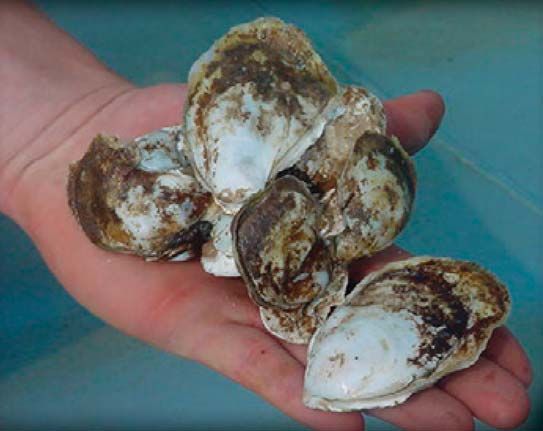
WELDING & FABRICATION
             FLOATING DOCKS - PIERS - GANGWAYS
                     RAILINGS - TOWERS - T-TOPS
            LADDER RACKS - MARINE ACCESSORIES

CUSTOM ALUMINUM PRODUCTS

*Now Stocking: Non-polluting Piles - Dimensional Lumber
          Vinyl Sheet Pile - Dock Floatation*
       1089 Delsea Drive • Dennisville, NJ
  (609) 427-1012 • www.bluewaterwelding.com
River Herring Status:
        Research Holds the Key
        By: Matthew Heyl, Marine Fisheries Specialist
            Courtney Laws, Hourly Fisheries Biologist

    River herring aren’t as well-known
    recreationally as striped bass or
    fluke. In the past, anglers used
    them for bait, not realizing the
    importance of this species. Read
    on to learn more about these fish
    including their value, population
                                                                                    Courtney Laws sets a 100-foot seine net
    decline and current research.                                                    on the Great Egg Harbor River. Common
                                                                                    fish caught here include Atlantic silver-
                                                                                      sides, bay anchovies, spottail shiners,
                                                                                               blue crabs and mummichogs.

    Importance of River Herring
    From the same family as American shad, river
    herring (a collective term for alewife and blue-
    back herring) are anadromous fish that spend
    most of their adult lives at sea, returning to fresh-
    water in the spring to spawn. Most abundant
    in the mid-Atlantic and Northeast, river her-
    ring spawn in rivers, lakes and tributaries from
                                                                                                                         Chris Bartlett/Maine Sea Grant

    northeastern Newfoundland to South Carolina.
      River herring were once an important commer-
    cial fishery in New Jersey. Looking at landings
    dating back to 1950, commercial landings peaked
    around 42,000 pounds in 1990 and were the low-
    est in 2003 at around 200 pounds. Population
    declines and lack of data have contributed to the
    current regulations which prohibit the harvest or
    possession of river herring in all New Jersey waters.

6   |   New Jersey Fish & Wildlife Digest                   NJFishandWildlife.com                          2018 Marine Issue
spawning migrations of adult alewife and blue-         salinity from freshwater to saltwater and are
  The Decline of River Herring                             back herring below the Union Lake Dam.                 sampled twice a month. The seine net is set and
  The 2007 coast-wide stock assessment determined            The Great Egg Harbor River is one of the major       retrieved with a boat, creating a horseshoe loop
  that river herring stocks were low and in need of        rivers traversing the Pinelands. It is 55 miles long   in the net. All fish are identified to species and
  recovery. Dams and other impediments that block          and drains 308 square miles of wetlands into the       counted. A subsample of the catch is measured
  spawning rivers, overfishing and habitat degrada-         Great Egg Harbor Bay and Atlantic Ocean. It            by fork length. Common catches besides river
  tion have contributed to the river herring popula-       serves as spawning and feeding grounds, nursery        herring are Atlantic silversides, bay anchovies,
  tion decline. In response to the stock assessment,       areas and migratory routes for important recre-        spottail shiners, blue crabs and mummichogs.
  the Atlantic States Marine Fisheries Commission          ational and commercial fish and invertebrates
  (ASMFC) passed an amendment prohibiting all              including alewife.

                                                                                                                                                                 Shawn Crouse/NJ Div. Fish and Wildlife
  recreational and commercial river herring har-
  vest beginning January 1, 2013, unless a state had
  developed a sustainable fishery management plan
                                                           Types of Sampling
  approved by ASMFC. Since data was not available
  for New Jersey to develop a plan, the New Jersey
  Division of Fish and Wildlife began studying river
  herring in our waters.

  Survey History
  The key to finding ways to increase river herring
  populations is research. When funding was received
  in 2012, Fish and Wildlife’s Bureau of Marine
                                                                                                                  An electrofishing survey of the Millstone River,
  Fisheries (Marine Fisheries) began a three-year
                                                                                                                  conducted here by Fish and Wildlife seasonal
  research project to collect biological data and deter-
                                                                                                                  staff Scott Catton (L) and Steve Tourto of the
  mine indices for adult and juvenile river herring
                                                                                                                  Stony Brook-Millstone Watershed Association,
  abundance on the Rancocas Creek and Maurice
                                                           A gill net is set by Hugh Carberry, Bill Maxwell and   revealed the presence of blueback herring for the
  River watersheds.
                                                           Courtney Laws below the Union Lake Dam on the          first time in spring of 2016.
    During the first year of the program, staff per-
                                                           Maurice River. Common catches include white
  formed test-sampling at numerous sites on both
                                                           perch, striped bass, channel and white catfish.
  river systems with various sampling methods                                                                     Electrofishing by boat for juvenile river herring
  including gill netting, seining, fish ladder moni-                                                               occurred on the Rancocas Creek during 2013 and
  toring and electrofishing.                                Gill Netting for adult river herring begins in         2014. Electrofishing is when electrical currents
    After three years, the project was evaluated and       March and runs through May. Alewife are the            pass through positive and negative electrodes
  revised accordingly. The first change discontinued        earliest to be netted as they are more tolerant of     hung partially submerged in the water. As the
  sampling at the Union Lake Dam since it was              spawning in cooler water temperatures. A few           boat moves, the electrical field travels through
  determined that few river herring were utilizing         weeks later blueback herring arrive. Gill nets         the water, temporarily stunning the fish. The
  the fish ladder. The second change replaced the           are set weekly on each river system and are left       lack of hard bottom made seine netting difficult
  Rancocas Creek with the Great Egg Harbor River           in the water for one and a half hours on average.      on the northern and southern branches of the
  system. The decision to eliminate the Rancocas           When pulling gill nets, biologists immediately         creek. Electrofishing is an extremely effective
  Creek was made due to the duplication of similar         put collected fish into a circular live well with a     way of capturing and releasing juvenile river her-
  sampling during the Marine Fisheries’ Striped            touch of salt. This minimizes the stress on the        ring alive. Although electrofishing techniques
  Bass Recruitment Survey on the Delaware River.           fish and greatly improves the chance of survival.       were used on the Rancocas Creek until biologists
  Both the Great Egg Harbor and Maurice Rivers             River herring biological data collected includes       ended sampling there, electrofishing equipment
  contain a Denil-style fish ladder that allows biolo-      fork and total length, sex and spawning stage. All     could not be used on other river systems due to
  gists to view and study what species of fish pass         other fish collected are measured and released.         the presence of salt water.
  into either Lake Lenape (Great Egg Harbor River)         Common catches besides river herring are white           Data collected from all sampling methods listed
  or Union Lake (Maurice River). In addition, the          perch, catfish and striped bass.                        above are similar. All fish caught are identified
  Great Egg Harbor River allows staff to survey                                                                    and counted; a sub-sample is measured. Other
  and compare an Atlantic coastal drainage with                                                                   important data collected include water quality
  a Delaware estuary drainage (Maurice River).                                                                    levels and atmospheric conditions which are
                                                                                                                  recorded at each sampling site. Types of water
                                                                                                                  quality information recorded are salinity, water
  River Systems                                                                                                   temperature, dissolved oxygen and pH. Atmo-
  The Rancocas Creek, a tributary of the Delaware                                                                 spheric conditions include air temperature, tide,
  River, has two branches that run through the Pine-                                                              weather conditions and moon phase.
  lands National Reserve. The main stem of the river
  is 8.3 miles long; the north branch is 28.3 miles
  long and the south branch is 21.7 miles. Since
                                                                                                                  River Herring
  1975, spawning migrations of adult alewife and                                                                  Survey Results
  blueback herring have been confirmed in the main-
                                                                                                             Through 2017, Fish and Wildlife has completed
  stem as well as the north and south branches.
                                                                                                             five years of the River Herring Survey. For the
    The Maurice River is the second longest and
                                                           Marine fisheries staff retrieves a 100-foot seine gill net season, a total of 687 adult alewife and
  largest tributary to the Delaware Bay. It is 50
                                                           net on the Great Egg Harbor River. Southern spe-  13 adult blueback herring have been caught along
  miles long and drains 386 square miles. Its
                                                           cies caught during the survey have included gag   with other species. For the seine season, a total
  mouth to the Delaware Bay is surrounded by
                                                           grouper, mangrove snapper and Florida pompano. of 4,305 juvenile alewife and 10,161 juvenile
  salt marshes and serves as spawning and feeding
                                                                                                             blueback herring have been caught. Percent fre-
  grounds, nursery areas, and migratory routes for
                                                                                                             quencies and geometric means are calculated
  important recreational and commercial fish and            Seine Netting for juvenile river herring begins
                                                                                                             for both species.
  invertebrates including alewife and blueback her-        in July and runs through October. Each river
  ring. Since 1977, Fish and Wildlife has confirmed         system has predetermined sites that range in

2018 Marine Issue                                                      NJFishandWildlife.com                               New Jersey Fish & Wildlife Digest                                              |   7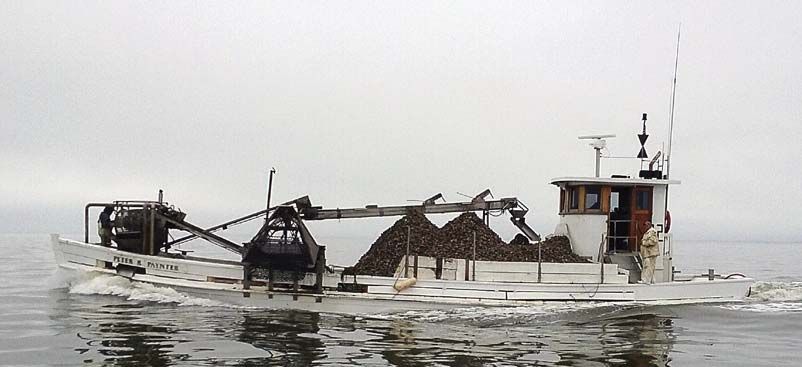
A geometric mean is the average of a set of
Ladyfish
products. This calculation provides the catch-per-
Sustainability and
unit-effort which allows biologists to measure the Restoration of River Herring
abundance of a target species. When comparing
Over the past 20 years, there has been a severe
NJ Div. Fish and Wildlife
geometric means from different years, changes
decline in river herring populations. The River
in the values signify changes to the species’ true
Herring Survey was designed to enhance cur-
abundance.
rent understanding of overall stock levels and
For both rivers, the 2016 gill netting produced
to gain information specific to the New Jersey
the highest geometric means of river herring for
populations. Fishery surveys like these are the
the time series. The 2017 seining season, juvenile
groundwork for the overall stock assessment
alewife index was above average on the Great Egg,
process where data collected is used to better
while juvenile blueback herring index was above
understand coast-wide population trends and
average for the Maurice River. The numbers of
Joe Reynolds/NYHarborNature.com
Crevalle Jack harvest potential.
both the juvenile alewife seine-netted on the Great
New Jersey Division of Fish and Wildlife plans
Egg and juvenile blueback herring seine-netted
to continue the survey with the goal of expanding
on the Maurice River were the highest recorded
sampling to all Delaware River tributaries and
in both river systems since bi-weekly sampling
Atlantic Coast rivers, obtaining sufficient data
began in 2016. More years of sampling will help
to develop a sustainability plan and restoration
provide a better estimate of population trends.
targets for alewife and blueback herring.
Common and Rare Catches
Marine biologists record data on all fish caught,
just not river herring. Common catches include
These species caught during sampling are many types of bait and game fish common to New
uncommon along New Jersey. Ladyfish are found Jersey such as Atlantic silverside (22,204 sam-
in tropical or subtropical regions. The crevalle pled), stripped bass (192) and winter flounder
jack can grow quite large and frequents tropical (28.) On occasion, some uncommon or tropical
to temperate waters. species not typically seen in New Jersey's marine
waters are caught, primarily in late-August
through September when water temperatures
are at their highest. These species are native to
the warmer waters of the southeast U.S. coast.
URE
UR
NG LLURES
IIN RES
RES
RE
ISH
FFIIS
HARKrggFISHIN
HING
HIN d
SSHARK
o enssen
n selected
sselect ed
te
cted
sellectedd and
28
Pg 28
Pg
osh Jorgense
Josh
JJos Jo
vira v eo -
de
ideo
al video
vide
in h
d in iss viral
his vira
used
u se
ed
se
sed Issu
Issu
V Issuee4
sue
Volum
V
Vo
Volumemee V,
e
de
uiide
Gui
ct Guide
ducct
roduct
Product
16 Pro
P
01
2016
2
DE
N SID
IN S
COMB
COM
CO
DE
SIIID GES
GES
PACKA
PAC
MBO PACKA
See Pages
17
1
6-1
5, 16-17
16-1
16
1 7
KA
REQUEST OUR CURRENT CATALOG
AT TACKLEDIRECT.COM/CATALOG
u
Our
O
00000+
0,00
50,000
550 ous
mous
rmous
no
eno
urr en
RO
PROD
RO
RODUC
0+ PRODUod
o
pro
ormous
enor
enormous
du
DU
ODUC UCC TS FOR
CTS
ctt and
uct
us product
ous
a b
bra
br a
and
rra
and brand
FO
ele
sel
se
ANGLERS
AN
ORR ANGLE
ion
tion
ection
d selection
RS
LERS
ed
nmatched
un
n iss unmatched
unmat
S
O
ORLD
OR
WORLD
W
hip to
Ship
Sh
DW
RLLLD
RLD WIDE
stin i
desst
ur dest
yo
n!!
n
destination
d
o your
you
HIIPPIN
H
IDE SSHIPPI
NGG
3/14/2016
12:41:34
PM
FISH, SNAP & TAG #HookedOnTD
LUCANUS JIGS BUTTERFLY FLAT FALL JIGS BUTTERFLY FLAT SIDE JIGS
3FBE3FWJFXT 3FBE3FWJFXT 3FBE3FWJFXT
1SPEVDU2" 1SPEVDU2" 1SPEVDU2"
Starting at
SHM-1218 1499
$ Starting at
SHM-2709
$1299 Starting at
SHM-3097
$ 1499
t"FSPEZOBNJDIFBEEFTJHO t)ZESPEZOBNJDøBULFFMEFTJHO t*OOPWBUJWFEFTJHOUIBUHJWFTUIFNUIF
t5SBJMFSTXPCCMFBOEWJCSBUF t5XP0XOFSEBODJOHTUJOHFSIPPLT CFTUQFSGPSNBODFXIFOBOHMFWFSUJDBM
jigging
Shop Online: TackleDirect.com Order Toll-Free: 888.354.7335 Retail Location: 6825 Tilton Road, Bldg C, Egg Harbor Twp, NJ 08234-4426
8Governor's Surf Fishing Tournament
GET OUTSIDE & ENJOY A DAY OF FISHING WITH FAMILY AND FRIENDS
Join us for the 27th Annual Governor’s Surf Fishing Tournament!
May 20, 2018 Also, congratulations to Lacey High School for winning first place in the High
School Team Category with a 21 7⁄8 -inch bluefish. Lacey High School had
their name engraved on the new High School Team Cup and received a 1st
Island Beach State Park, Seaside Park, NJ place plaque.
New Jersey Division of Fish and Wildlife, along with our co-sponsors— All participants who mailed their registration were entered into an early
New Jersey Division of Parks and Forestry, New Jersey State Federation entry raffle for a Coastline Surf System.
of Sportsmen’s Clubs, Jersey Coast Anglers Association, and New Jersey
Beach Buggy Association—congratulate Kyle Brendel of Nutley who took Prizes are awarded in different species and age categories. For more
the grand prize and NJ Governor's Cup by catching a 34-inch bluefish. information and to register, visit NJFishandWildlife.com/gsft.htm
Mr. Brendel received two-rod and reel combinations, a Berkley Power Bait A special thanks to our 2017 donors:
tackle bag, a pair of Costa Del Mar sunglasses, a plaque and will have his
name engraved on the Governor's Cup. • American Angler • Legal Limits Company
• Chestnut Neck Boat Yard • Mann’s Bait Company
• Friends of Island Beach State Park • O. Mustad and Son
• Grumpy’s Bait and Tackle • Silver Horde
• NJ Div. of Fish and Wildlife’s Hooked • Stanley Jigs
on Fishing—Not on Drugs Program
• World Jeep
A special thanks to our 2017 High School Team Category donors:
• The Fisherman • Fish Hawks Saltwater Anglers Club
• The Reel Seat • Shark River Surf Anglers
Lacey High School winners: 1st Place High School Team category
Stronger and will outlast pork or plastic baits!20’x8’
AirRanger
Bowfishing
Edition
18’x8’ AirRanger Law Enforcement Edition
Over 54 Years of Airboat Experience!
American Airboat Corp. builds the highest quality Fire and Rescue
airboats in the world. These airboats save lives.
Actual headlines taken from news sites:
“Ice Boats Help Rescuers Save Lives” - “Airboat To The Rescue”
“Water Rescue Thursday On Delaware River” - “Douglas County Helps
Boat Crash Victims” - “Coast Guard Assists Two In Lake Erie”
We also have boats for:
Hunting • Bow Fishing • Law Enforcement • Fishing Boats • Pleasure
Duck Hunting • Extreme Terrain
Call for a Quote Today. You DREAM it - we BUILD it.
WORLD’S FINEST AND SAFEST AIRBOATS
www.americanairboats.com
800.241.6390 fax:409.883.0100 108 E. Lutcher Drive Orange, TXEastern Oysters
of the Delaware Bay
NJDFW/Marine Fisheries Admin.
By Russ Babb, Chief, Bureau of Shellfisheries
Fishing vessel Peter R. Paynter harvesting oysters in
Delaware Bay as part of a resource enhancement program.
Unfortunately, this disease—associated with extending along the axis of the estuary from Cape
Introduction abnormally high winter temperatures—resur- May Point to Artificial Island, and in the brackish
The Eastern oyster, Crassostrea virginica, has a long faced in 1990, spreading throughout the oyster or lower portions of many tributaries leading into
history as a commercially and ecologically impor- population in most of the bay. Although oyster the Bay. The most productive beds in the Delaware
tant species in the Delaware Bay. Dating back as far stocks have been significantly impacted by disease, Bay (i.e., currently providing the best recruitment
as the early 1800s, the Delaware Bay oyster has been habitat loss and in some cases over-harvesting, the and survival) range from the Cohansey River south
known for its unique flavor and high-quality meat, Eastern oyster still remains an integral part of the to Nantuxent Cove.
making it extremely popular in the seafood market. ecosystem of the Delaware Estuary and the basis Oysters will grow on almost any type of stable
Oyster commerce contributed significantly to the of a viable industry. bottom available such as hard or sandy mud, clay,
bayshore communities of New Jersey and Delaware. gravel and preferably—other oysters. Oysters do
Throughout the early 1900s, oyster landings not survive well on sandy bottoms that are inclined
ranged from one to two million bushels annually.
Where Can We Find to be unstable. Likewise, areas adjacent to shift-
Today, oyster production is severely inhibited by the Eastern Oyster? ing mud, sand or organic debris are also generally
a serious disease: a water-borne protozoan para- unsuitable as the oysters may become smothered
The filter-feeding Eastern oyster is an estuarine
site called Perkinsus marinus, commonly known as during storm events.
animal with a tolerance for a wide salinity range.
Dermo. Oyster lovers have no fear—the Dermo Oysters grow from the intertidal zone to a depth
The Delaware Bay oyster typically exists in salinities
parasite poses no health concern to human consum- of 30 or more feet. The most productive areas on
as low as four or five parts per thousand (ppt) and
ers. Dermo was originally detected in the Delaware New Jersey’s natural oyster seedbeds and leased
as high as 28 ppt. (Sea water is normally 35 ppt.)
Bay during the mid-1950s and was associated with grounds range in depth from 6 to 25 feet.
However, the optimal salinity range is believed to
imports of the seed oysters from southern states.
be about 14–28 ppt.
The disease was essentially undetectable shortly
after the cessation of the importing practice.
In the New Jersey portion of the Delaware Bay, The Mating Ritual
oysters are established in areas of suitable habitat
The Eastern oyster is a protandric alternate spe-
cies as explained by following its path to sexual
maturity. When oysters first develop gonads (a
reproductive organ that produces sex cells and
hormones), the majority are functionally male. As
NJDFW/Marine Fisheries Admin.
individuals grow larger, many will sexually morph
into females. Oysters develop mature gametes and
spawn in response to temperature. The first spawn-
ing typically occurs in Delaware Bay waters when
the temperature reaches 77°F (25°C). Subsequent
spawns commonly occur throughout the summer
until early-September.
Survival of the Fittest
There is a two-week phase for the free-swimming
larvae. During most of this period the larvae are
passively transported by tidal and wind driven cur-
rents. In a stroke of evolutionary brilliance, dur-
ing their last few days of larval life, they exhibit a
Water cannons deposit clean oyster shell on oyster seed bed in
tendency to descend in the water column on slack
Delaware Bay as part of the annual shell planting program.
water, remain on the bottom during ebb tide and
return to the water column on flood tides.
12 | New Jersey Fish & Wildlife Digest NJFishandWildlife.com 2018 Marine IssueIn this manner, while late-stage larvae do experience a net movement
CHESTNUT NECK
toward the headwaters of the estuary, they remain in the estuary—not
in the ocean where they cannot survive. When they are ready to set,
larvae seek a hard, clean surface upon which to attach. Many oyster
BOAT YARD
experts speculate that approximately 95 percent of larvae are lost to
predation and other causes of mortality prior to final settlement and
attachment. Once a larval oyster finds a substrate upon which to attach,
it cements itself to that surface. It will remain there for life unless
removed by some external force.
The availability of clean substrate or cultch—preferably oyster
shell—is critical for the successful setting of juvenile oysters, at which
2018 FORKLIFT SERVICE 7 DAYS A WEEK
point they become sessile (permanently attached to the cultch) and APRIL 15 TO NOVEMBER 15
are referred to as “spat.”
The NJ Marine Fisheries Administration has a significant shell plant- Gas • Diesel • Ice • Bait • Tackle
ing and reef enhancement program. Each July, hundreds of thousands
of bushels are planted strategically across the oyster seed beds in an Docks • 4 Launching Ramps
effort to increase recruitment. Used Boats for Sale
If an oyster were lucky to be in the five percent that managed to set,
the battle to survive is far from over. Following final settlement and Please come visit us at our new LARGE bait,
attachment, the newly set oyster has other hazards to face. It is now
vulnerable to many new predator threats. A gastropod known as the
tackle and marine store!
oyster drill, mud crabs, blue crabs, a flatworm called Stylochus, black
drum, starfish, skates and rays all take a toll on oysters.
The principal predator in Delaware Bay is the oyster drill, Urosalpinx
cinerea and Eupleura caudata. The abundance of these drills on the
downbay market beds can have a significant effect on whether juvenile
oysters survive to reproductive maturity. Drills are normally present on
the lower beds below Ben Davis Point (higher salinity) and often have
758 Old New York Rd.
a major impact on the productivity of those beds, particularly during Port Republic, NJ
609-652-1119
periods of drought. Drills have migrated to the upper seed beds of the
Bay during prolonged periods of higher-than-normal salinity.
Oyster drills earn their name. These small snails prey on oysters We are a Suzuki Cutting Edge Award dealership
by secreting sulfuric acid that slowly softens the shell. Next, using Suzuki’s highest honor for service & customer satisfaction!
an organ called a radula, they drill a small hole in the shell, feasting
on the soft oyster parts inside. High numbers of drills can decimate
healthy oyster beds quickly.
www.chestnutneckboatyard.com
At the peak of the droughts during the 1960s, oyster drills were quite
common on the Cohansey and Ship John seed beds which are typically
free of these pests due to lower salinities during the egg laying season
for drills. The point: it is hard to live the life of an oyster.
Keystone Species
Many marine organisms—bryozoans, hydroids, sponges, barnacles,
ascidians, tube-building worms and other bivalves—attach to oysters
and the associated structure of their reefs. These fouling organisms, in
turn, attract various crustaceans and small fish. This furnishes, as many
anglers know, a concentrated food source for a variety of recreationally
sought fish such as the weakfish, striped bass, croaker and black drum.
Beyond that, numerous animals seek food and shelter in the interstices
of oyster reefs, utilizing the oyster community for refuge, foraging and
spawning habitat.
In short, oysters and oyster reefs play a critical ecological role in our
estuaries and are the basis of a vast community of organisms. Manage-
ment efforts by coastal states to bolster the oyster resource not only
provide major economic benefits for harvesters and local communities,
but add to the overall ecology of our estuaries. Healthy oyster reefs
increase habitat and faunal diversity and in some cases, at the required
scale and location, can even potentially improve water quality by reduc-
ing particulates and shifting nutrient dynamics.
A reference list of article resources is available from the Division of Fish
and Wildlife by calling (609) 748-2040.
2018 Marine Issue 13Finfish
M A R I N E R EG U L AT I O N S
Regulations in red are new this year. These changes were implemented for New Jersey
to remain in compliance with the Atlantic States Be the First to Know!
Regulations remain in effect until changed. Marine Fisheries Commission’s management plans
For the most current regulations, go to for summer flounder, black sea bass, tautog and Get on the List
NJFishandWildlife.com/njregs.htm#marine scup (porgy). The new rules are aimed at provid-
or call the marine fish "listen-only" informa- ing adequate protection to these fish stocks while The Marine Fisheries and Shellfish
tion line at (609) 292-2083. Visit our website at allowing New Jersey’s saltwater recreational anglers e-mail list, that is. This free service
NJFishandWildlife.com. to participate to the fullest extent possible in these provides the latest information about
• The recreational summer flounder open season various fisheries. Fish and Wildlife events, public hearings and
has been modified to include May 25 to Sept. 22. New Jersey recreational marine regulations apply other matters related to marine resources.
For Delaware Bay and tributaries, west of the to all fish species when they are possessed in state And there are six other lists to help you get
COLREGS line which delineates Delaware Bay waters or landed in New Jersey regardless of where the most out of New Jersey’s fish and wildlife
from the Atlantic Ocean, the size limit remains they are caught. Saltwater anglers must comply resources. Sign up today.
17 inches and the possession limit is still three with the requirements of the New Jersey Saltwater
Visit Fish and Wildlife’s website:
fish. The 17-inch minimum size limit applicable Recreational Registry Program. See page 16. NJFishandWildlife.com/lstsub.htm
to Delaware Bay does not include the waters
of the Cape May Canal east of the Cape May Resource Information
Ferry Terminal. Transport of summer flounder Anyone who takes fisheries resources may be
caught in Delaware Bay, greater than or equal to required to provide information on the species, Wanton Waste Prohibited
17 inches but less than the 18 inches, may occur number, weight or other information pertinent to Fish of any species which are purposely killed shall
in waters east of the Cape May Ferry Terminal management of resources. Anglers are encouraged become part of the angler’s daily possession limit
to the George Redding Bridge (Rt. 47) located to report all fishing activity after each trip. Visit and shall not be returned to the water from which
at the entrance of Wildwood provided all fish- Fish and Wildlife's Volunteer Angler Survey at they were taken. This does not apply to fish which
ing gear aboard the vessel is stowed with rigs NJFishandWildlife.com/marinesurvey.htm. are released alive and subsequently die, but does
removed and the vessel may not stop to fish for apply even to species without size/possession limits.
any species. In all other waters, the size limit Methods of Recreational Fishing
remains 18 inches, the possession limit is still No person shall take, catch, kill or attempt to take, Spearfishing
three fish and transportation of summer floun- catch or kill any fish within the marine waters of the Spearfishing may be conducted by means of a spear,
der less than 18 inches is prohibited. state by any means except in the manner commonly harpoon or other missile while completely sub-
• The recreational black sea bass regulations have known as angling with hand line or rod and line unless merged in the marine waters of the state for any
yet to be finalized. For the most current regula- specifically provided for by statute or regulation. species, except lobster.
tions, see our website at NJFishandWildlife. Persons who fish with a spear for species with size
com/njregs.htm#marine. Delaware Fishing License Requirement limits are reminded that it is their responsibility
• The recreational tautog regulations have been A Delaware fishing license is required for all non- to ensure the fish meets the minimum size limits
modified to include an open season of Aug. 1– resident anglers aged 16 and over fishing either before being killed or injured.
Nov. 15 for the third season, with a one fish pos- fresh or tidal waters of Delaware. Delaware fishing
session limit and a 15-inch minimum size limit. license information can be found at http://www.
Fourth season regulations have been modified to fw.delaware.gov/Fisheries/Pages/NewFishingLi-
Fish Measurement
include an open season of Nov. 16–Dec. 31 with cense.aspx.
a 5 fish possession limit and a 15-inch minimum
size limit. New York Fishing Registry Requirement
• The recreational scup (porgy) regulations have New York offers a free registry to all marine anglers
been modified to include an open season of fishing in New York. Visit http://www.dec.ny.gov/
Jan. 1–Dec. 31 with a 50 fish possession limit permits/54950.html.
and a 9-inch minimum size limit.
• The recreational cobia regulations have been Bait Fish
modified to include an open season of June 1– No license is required for the taking of baitfish for
Sept. 30 with a 1 cobia per day, no more than 3 personal use with the following gear:
cobia per vessel, possession limit and a 40-inch 1. Dip nets 24 inches diameter or less for the tak-
minimum size limit. ing of Atlantic herring only (does not include
river herring — alewife and blueback herring)
for live bait. The taking or possession of river
herring is prohibited.
1. Lay fish flat on top of, or alongside a
Accessible 2. Bait seines 50 feet long or less.
measuring rule, not measured over the body.
3. Cast nets 20 feet in diameter or less.
Fishing Sites 4. Lift or umbrella nets four feet square or less. 2. Fish are measured from the tip of the snout
5. Not more than five killipots. (mouth closed) to the longest part of the tail.
For people with disabilities, visit: 6. Not more than two miniature fykes or pots for
www.NJFishandWildlife.com/sites.htm the taking of eels for bait.
An Accessible Fishing Sites list is available to Fish taken in this manner may not be sold or used
Prohibited Species
assist anglers whose mobility is impaired. for barter unless the angler is in possession of a It is illegal to take, possess, land, purchase, or sell
All sites are wheelchair- commercial bait net license. any of the following species:
accessible except for the No person shall take or attempt to take fish by any • Atlantic sturgeon
Musconetcong River in Morris means from the Deal Lake flume, Lake Takanasse • basking shark
County, where vehicle access spillway or Wreck Pond spillway on any Monday, • big eye sand tiger shark
is to the shoreline. Wednesday or Friday during the months of April • diamondback terrapin
and May. • sand tiger shark
14 | New Jersey Fish & Wildlife Digest NJFishandWildlife.com 2018 Marine IssueThe the most up-to-date
regulations online.
• sandbar shark may
m ay be
b obtained from Fish and Wildlife’s Bureau not to include the tail filaments.
filamentsts.. (See
(See fish
fish
h measuring
• shortnose sturgeon of Marine
Mar i e Fisheries.
arin example
exampl plee on page 14.) The 2018 regulations for
• whale shark bblack
lack sea bass have yet to be finalized. For the most
• white shark Black Sea Bass current regulations, go to NJFishandWildlife.com/
• river herring (alewife and blueback herring; see Black sea bass are measured along the midline from njregs.htm#marine or call the marine fish "listen-
herring illustrations, page 18) the snout to the end of the central portion of the tail, only" information line at (609) 292-2083.
• See Sharks (page 16) for the full list of pro-
hibited shark species
Top 8 Tips for Releasing Fish Unharmed
Sea Turtles & Marine
Proper handling and releasing techniques reduce fish mortality.
Mammals
• Land fish as quickly as possible, except not tool to cut the leader at the hook. Cut this line
It is illegal to intentionally molest, kill or possess sea when retrieving from depths of 40-feet or close to the hook’s eyelet.
turtles, including terrapins, or marine mammals, more. Fighting a fish to exhaustion increases
or to possess any part thereof. • To bring a fish out of the water momentarily,
mortality as does rapidly bringing up a fish
use a neoprene net or one of knotless nylon.
through the changing water pressure and
Handle the fish carefully using wet hands, wet
Finfish temperature gradients.
cotton gloves or similar material to minimize
Regulations for most finfish are listed in the table • Keep fish to be released in the water as much loss of the fish’s protective slime layer.
on page 21. as possible. Plan ahead with tools and camera.
• To revive lethargic fish, hold in a normal,
• Minimize physical injury. Do not touch gills or upright position. Move the fish forward in an
Filleting allow fish to flop around on deck. “S” or figure-8 pattern so that water flows
The filleting at sea of all fish with a size limit, or any over the gills only from front to back.
• Carefully remove hooks using a dehooker or
species of flatfish, is prohibited except for summer needle-nose pliers. • Use circle hooks (not offset) for species that
flounder; see Summer Flounder, page 17. Anglers bite and flee, such as striped bass, weakfish
shall possess no parts of any fish caught on a previ- • Use plain hooks, not stainless, which will
or sea bass. Consider pinching hook barbs
ous fishing trip. Party boats may fillet fish at sea if rust away quickly if one must be left in a gut-
with pliers.
they obtain a Special Fillet Permit. Applications hooked fish. Be prepared with a long-reach
2018 Marine Issue NJFishandWildlife.com New Jersey Fish & Wildlife Digest | 15Finfish
M A R I N E R EG U L AT I O N S
Regulations in red are new this year. • All sharks within the Aggregate Large Coastal Striped Bass
and Hammerhead groups* will have a closed (includes Hybrid Striped Bass)
River Herring season within state waters from May 15 The possession limit for striped bass/hybrid striped
The taking or possession of any river herring (alewife through July 15 to protect spawning female bass is two fish. The size limits are one fish at 28
and blueback herring) in New Jersey is prohibited. sharks during the pupping season. inches to less than 43 inches and one fish equal to or
See the fish ID illustrations on page 18 for her- greater than 43 inches. Anglers participating in the
* See page 22 footnote for species list defining
ring species identification. Striped Bass Bonus Program may possess a striped
shark groupings.
bass at 24 inches to less than 28 inches in length.
Sharks All sharks harvested by recreational fishermen Fish may be harvested in any order.
The hammerhead shark recreational size limit is 78 must have heads, tails and fins attached natu- It is illegal to take, catch or kill any striped bass
inches fork length (FL). The minimum size limit for rally to the carcass until landed. Anglers may still from or in any marine waters of this state, by
authorized shark species of the Aggregate Large gut and bleed the carcass as long as the tail is not means of a net of any description, or by any meth-
Coastal and Pelagic groups remains at 54 inches fork removed. Filleting sharks at sea is prohibited. ods other than angling with a hook and line or by
length except Shortfin mako at 83 inches fork length, Recreational anglers should access the follow- spear fishing.
while all others do not have a size limit. See dogfish ing National Oceanic and Atmospheric Admin- It is illegal to possess any striped bass which is less
Note and measuring illustration for fork length. istration website, https://www.fisheries.noaa.gov/ than the legal minimum size of 28 inches unless in
resource/outreach-and-education/shark-identifi- possession of a Striped Bass Bonus Permit.
Shark
cation-placard to download the NOAA Fisheries Harvest and possession of striped bass from
Shark Identification Placard, an excellent pictorial federal waters (outside three miles) is prohibited.
guide to identifying sharks that are legal to harvest. Sale of striped bass in New Jersey is prohibited.
These shark species are prohibited from posses-
sion: Atlantic angel, basking, bigeye sixgill, bigeye Striped Bass Closed Seasons
thresher, bigeye tiger, bignose, Caribbean reef, No person may take, attempt to take, or have in
Fork Length
Caribbean sharpnose, dusky, Galapagos, longfin possession any striped bass from the following
mako, narrowtooth, night, sandbar, sandtiger, closed waters:
The 2018 shark regulations complement existing sevengill, silky, sixgill, smalltail, whale and
Jan.1–Feb. 28: All waters closed except the Atlan-
federal shark regulations (see 2018 Federal Recre- white sharks.
tic Ocean from zero to three miles offshore. All
ational Regulations table, page 22). However, Note: To differentiate sharks from dog-
inlets and bays are delineated from ocean waters
the following additional measures are required for fish—the smooth dogfish has flat, tiny teeth;
by a Colregs Demarcation line.
state waters: the spiny dogfish has strong, dorsal spines,
• In state waters, there is no minimum size limit shorter than, and in front of, the dorsal fins April 1–May 31: Delaware River and Bay and their
for non-blacknose small coastal sharks and blac- along the topline of the shark's back. Neither tributaries closed from the upstream side of the
knose sharks* in the recreational fishery, but are present in sharks. Calhoun St. bridge downstream to and including
federal regulations include a 54-inch minimum the Salem River and its tributaries.
size limit for blacknose and finetooth small
Note: Non-offset circle hooks are required to
coastal sharks.
reduce striped bass bycatch mortality while
fishing with natural bait during the striped bass
springtime spawning area closure within the Del-
aware River and its tributaries. This restriction
New Jersey Saltwater Recreational does not apply to hook sizes smaller than size 2.
Registry Program (NJSRRP)
Striped Bass Bonus Program
The Striped Bass Bonus Program will continue this
ATTENTION: New Jersey Saltwater Anglers year, where anglers possessing a bonus permit may
keep a striper at 24 inches to less than 28 inches. The
REGISTER. You make a difference! It’s free, easy and required. open season for this program will be September 1
Each state’s saltwater registry serves as the contact list for mail and telephone surveys. Complete through December 31.
participation in the New Jersey Saltwater Recreational Registry Program is crucial for achieving The current allocation from the Atlantic States
accurate recreational fishing estimates which help to ensure healthy fisheries for the future. Marine Fisheries Commission is 215,912 pounds.
Before you head out to catch your favorite saltwater fish this year, be sure to join the hundreds of Should New Jersey exceed this quota, any overage
thousands of anglers who have already registered with the New Jersey Saltwater Recreational would be subtracted from the following year’s quota.
Registry Program (NJSRRP). Application Process: Striped Bass Bonus Pro-
gram permits are issued via mail only. Go to NJFis-
Register at the NJ Saltwater Recreational Registry Program site:www.saltwaterregistry.nj.gov handWildlife.com/bonusbas.htm to download the
application and for regulation or program updates.
The permit is non-transferable and valid for the cur-
rent calendar year. Only one permit can be used per
day and harvest reporting is mandatory.
Striped Bass Bonus Permit (SBBP) Harvest
Reporting: The SBBP Permit must be securely
Matt Hencheck/NJDFW
attached to the fish through the mouth and gill
immediately upon capture and prior to transporta-
tion. Harvest reporting is mandatory and must
be reported online or by leaving a message at
(609) 748-2074.
16 | New Jersey Fish & Wildlife Digest NJFishandWildlife.com 2018 Marine IssueMike Turner/Volunteer, NJ Div. Fish and Wildlife
The sun sets over Atlantic City as
Fish and Wildlife’s ocean trawl
survey crew heads back to port.
Summer Flounder (Fluke) Anglers may fillet one legal-sized summer floun-
The recreational summer flounder open season has der from their daily possession limit catch for use
been modified to include May 25 to September 22. as bait. This carcass, commonly known as the rack,
For Delaware Bay and tributaries, west of the COL- shall be kept intact so it can be measured for com-
REGS line, which delineates Delaware Bay from pliance with the minimum size limit. Anglers shall
the Atlantic Ocean, the size limit is 17 inches and not be in possession of any parts of any summer
the possession limit is three fish. The 17 inch mini- flounder caught on a previous fishing trip; only fish
mum size limit applicable to Delaware Bay does not just caught on the current outing.
include the waters of the Cape May Canal east of the Shore-based anglers fishing at Island Beach State
Cape May Ferry Terminal. Transport of summer Park (IBSP) may retain 2 fish greater than or equal
flounder caught in Delaware Bay, greater than or to 16 inches (total length) only at IBSP during the
equal to 17 inches but less than the 18 inches may current open summer flounder fishing season.
occur in waters east of the Cape May Ferry Terminal Shore-based fishing is defined as fishing from a
to the George Redding Bridge (Route 47) located pier, jetty, beach, bank, or marsh.
at the entrance of Wildwood provided all fishing
gear aboard the vessel is stowed with rigs removed Additional Marine Fishing Regulations
and the vessel may not stop to fish for any species. See pages 18–19 for the fish ID pages and
In all other waters, the size limit is 18 inches, the pages 21–22 for the regulation charts.
possession limit is three fish and transportation of
summer flounder less than 18 inches is prohibited.
Motor Boat Registration & Title Requirements
NJ Motor Vehicle Commission (MVC)
Registration Title
Most boats must be registered to operate on New Jersey waterways. For use on New Jersey waterways, all boats more than 12 feet in length
must be titled, with the exception of ship’s lifeboat, canoe, kayak,
• All titled boats must be registered also.
inflatable, surfboard, rowing scull, racing shell, tender/dinghy used for
• Any boat (including jet skis and non-titled watercraft), direct transportation between a vessel and shore for no other purposes.
mechanically propelled (incl. electric motors), regardless of
length, must be registered. Boat Operator License (MVC)
• Boats greater than 12 feet in length, regardless of propulsion means, An operator license is required to operate power vessels on fresh,
must be titled and registered at an MVC office. non-tidal waters such as lakes, creeks and rivers. (Minimum age
Boats and marine equipment which need not be registered: 16 years; with certain exceptions.)
• Those not based in New Jersey or operating here less than 180
consecutive days that are operating under a federally approved
For More Information:
numbering system from another state New Jersey Motor Vehicle Commission
(888) 486-3339 toll free in NJ or (609) 292-6500 from out-of-state
• Ship’s lifeboats www.nj.gov/mvc/vehicles/boating.htm.
• Non-motorized vessels used exclusively on small lakes and ponds on Boat Safety Certificate (NJSP)
private property A boat safety certificate (from an approved boat safety course; see
• Racing vessels with New Jersey State Marine Police permit NJSP website, below) is required to operate a personal watercraft or
power vessel, including electric motors, in NJ waters (tidal and non-tidal).
• Non-motorized inflatable device, surfboard, racing shell, dinghy, canoe
or kayak New Jersey State Police (NJSP)
(609) 882-2000
• Non-motorized vessel less than 12 feet in length http://www.njsp.org/marine-services
2018 Marine Issue NJFishandWildlife.com New Jersey Fish & Wildlife Digest | 17You can also read


