Northwest New Brunswick Communities - Preparing - Municipal Natural Assets Initiative - Municipal Natural ...
←
→
Page content transcription
If your browser does not render page correctly, please read the page content below
Preparing
Northwest New Brunswick
Communities
for a Natural Asset Management Initiative
Initial Project Results and Roadmap
April 2020

Municipal Natural Assets Initiative
I N V E S T I N N AT U R E
                     The Municipal Natural Assets Initiative (MNAI) is changing the way
                     municipalities deliver everyday services, increasing the quality and
                     resilience of infrastructure at lower costs and reduced risk. The MNAI
                     team provides scientific, economic and municipal expertise to support
                     and guide local governments in identifying, valuing and accounting
                     for natural assets in their financial planning and asset management
                     programs, and developing leading-edge, sustainable and climate-resil-
                     ient infrastructure.
                     © Municipal Natural Assets Initiative (MNAI) 2020.

                     C O N V E N I N G O R G A N I Z AT I O N S

Votre Fonds en fiducie pour l'environnement au travail
       Your Environmental Trust Fund at Work
TABLE OF CONTENTS

              TABLE OF CONTENTS  .  .  .  .  .  .  .  .  .  .  .  .  .  .  .  .  .  .  .  .III
              OVERVIEW .  .  .  .  .  .  .  .  .  .  .  .  .  .  .  .  .  .  .  .  .  .  .  .  .  .  . 1
              BACKGROUND  .  .  .  .  .  .  .  .  .  .  .  .  .  .  .  .  .  .  .  .  .  .  .  . 2
                         G E N E R A L _  _  _  _  _  _  _  _  _  _  _  _  _  _  _  _  _  _  _ 2
                         I N V E N T O R I E S_  _  _  _  _  _  _  _  _  _  _  _  _  _  _  _  _ 3

              PROJECT .  .  .  .  .  .  .  .  .  .  .  .  .  .  .  .  .  .  .  .  .  .  .  .  .  .  . 4
                         C O M M U N I T Y C O N T E X T _  _  _  _  _  _  _  _  _  _  _  _ 4
                         INVE NTORY DE VELOPMENT PROCESS_ _ _ _ 5
                         I N V E N T O R Y R E S U LT S_  _  _  _  _  _  _  _  _  _  _  _  _ 6
                         U N D E R LY I N G A S S E T R E G I S T R Y _ _  _  _  _  _  _  _ 6
                         D A S H B O A R D - S T Y L E E X P R E S S I O N S O F D ATA _ 8
                         D ATA M A N A G E M E N T F R A M E W O R K _  _  _  _  _  _ 9

              INSIGHTS FROM THE INVENTORY .  .  .  .  .  .  .  .  .  .  .  . 10
              ROADMAP  .  .  .  .  .  .  .  .  .  .  .  .  .  .  .  .  .  .  .  .  .  .  .  .  .  . 12
                         G E N E R A L C O N S I D E R AT I O N S _  _  _  _  _  _  _  _                                      12
                         S P E C I F I C C O N S I D E R AT I O N S _  _  _  _  _  _  _  _                                    13
                         O P T I O N S A N D A C T I O N S _  _  _  _  _  _  _  _  _  _                                       14

              SOURCES .  .  .  .  .  .  .  .  .  .  .  .  .  .  .  .  .  .  .  .  .  .  .  .  .  . 16

              This document features interactive links! Clicking on a heading or sub-heading in the Table of Contents (ToC) above will take you directly
              to that page. Also, clicking on the page number in the footer will bring you back to the ToC. Lastly, clicking on any of the partners’ logos
              will bring you to their websites.

Preparing                                                                  iii
Northwest New Brunswick Communities
for a Natural Asset Management Initiative
OVERVIEW

Historically, many communities in New                   to determine the role that natural assets such
Brunswick settled in areas along the rivers,            as forests, wetlands and green spaces could
which has made them vulnerable to periodic              play in mitigating inland flooding and increasing
inland and coastal flooding. The flooding has           resilience to climate change [CSRNO 2019].
substantially increased the number of disaster          These discussions led the communities of
financial assistance programs triggered in              Saint-André and Drummond, together with
the province, leading to a growing urgency              the Northwest Regional Service Commission
to address the challenge (Province of New               (CSRNO), to work with MNAI between January
Brunswick, 2014).                                       – April 2020 to develop an inventory of their
The Municipal Natural Assets Initiative (MNAI)          natural assets, which is the first step towards
and others have documented growing evidence             a more comprehensive natural asset program
that numerous interventions at different scales         (CSRNO 2019).
can reduce flooding risks, and that municipal           Inventory results are summarized here together
natural asset management is one of them. For            with a roadmap so the communities of Saint-
example, natural assets such as wetlands, green         André and Drummond can use them as the basis
spaces and forests can store rain water and             for full natural asset management efforts that,
slow its release, thus supporting stormwater            in turn, can support flood mitigation.
management and flood mitigation. Healthy,
                                                        Saint-André and Drummond, together with the
well-managed natural assets can also be resil-
                                                        Northwest Regional Service Commission, are
ient and adaptable, provide reliable services in
                                                        now in possession of the full inventory and data
a changing climate, and provide levels of service
                                                        registry along with the means to update it as
that meet or exceed regulatory standards (MNAI
                                                        required.
2017a, 2020).
Within this context, elected officials, municipal
employees, representatives from First Nation
communities, and organizations from Northwest
Regional New Brunswick began meeting in 2019

                                                    1                                                Preparing
                                                                        Northwest New Brunswick Communities
                                                                        for a Natural Asset Management Initiative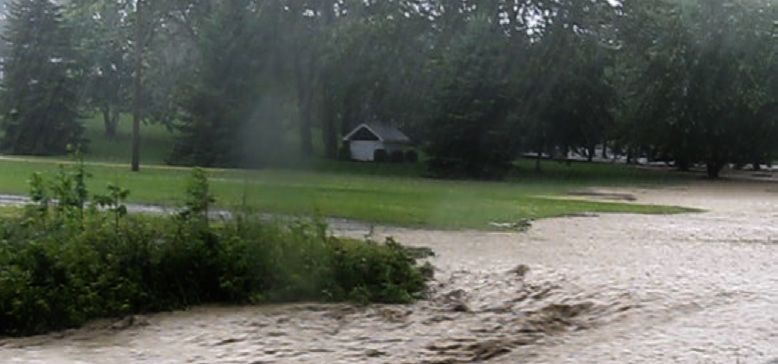
BACKGROUND
GENERAL
The term municipal natural assets refers to the There are numerous ways local governments
stock of natural resources or ecosystems that a can manage the natural assets that provide
municipality, regional district, or other form of sustainable municipal services and also protect
local government could rely upon or manage for their co-benefits, including directly through
the sustainable provision of one or more local asset management and shared natural asset
government services (MNAI 2018). management, and indirectly through
supporting policies, bylaws, plans and
guidelines (MNAI 2018).
Ongoing Natural Asset
Adaptive Inventory
Management
Measure Assess Asset
Management
and Report Complete
Practices
Natural Asset
T
EN
AS
Condition
ENGAGE Assessment
LEM
SE
SS
IMP
ST
AF
TE
FI NA
N E T U R A L A SS E O R A
ON FIN
N G TU
ATI A
TS
P
M
NEE RAL ASS CORP
TO IN CO R
Financial Implement Assess
NC
R
INFO
ES
Plan For Asset Sustainable Current
DS TO IN
CO M M
Natural Management Service State of
Assets Practices Delivery Assets
ED S
E
AS
Valuation
PL
IE W
ETS O
ET O
T NA
S
S PE of Natural
A
Assets
RA
UN
DA
EV
TE
CA R
TE
I
Integrate to Asset
Long-term Management
Financial Plan Policy
Asset Asset
Management Management
Plan Strategy
PLAN
Figure 1 Long-term Goals and
Natural Asset Service Delivery
The Asset Management Operations &
Requirements from
Process. MNAI has adapted Maintenance Plan
Natural Assets
this for use with natural assets.
Preparing 2
Northwest New Brunswick Communities
for a Natural Asset Management Initiative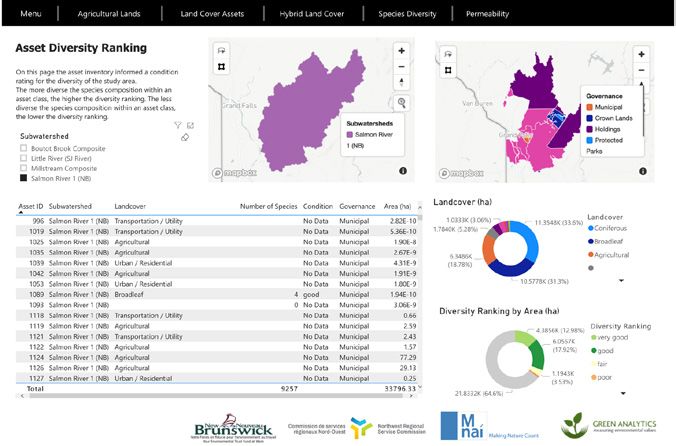
BACKGROUND

Asset management for both natural and engi-             Be built into the same asset management
neered assets generally follows the assess, plan         system the local government is using,
and implement steps depicted above.                      whether that is a basic spreadsheet or a
                                                         more sophisticated software platform.
 MNAI has methodology that is rooted in
                                                        Be developed within the context of the
 standard asset management, which, together
                                                         service delivery goals, objectives and capac-
 with a range of supporting tools and
                                                         ities of the local government undertaking
 technical advisory services, enables local
                                                         the work to ensure they are appropriate and
 governments to undertake the process of
                                                         beneficial.
 natural asset management. Some of these
 tools relate to the development of invento-           As a subset of its overarching natural asset
 ries, as described in more detail below.              management methodology, MNAI has guidance,
                                                       tools and templates for developing natural
                                                       asset inventories. MNAI developed these from
I N V E N TO R I E S
                                                       its experiences in the approximately 20 local
A first step in the natural asset management           governments with which MNAI has worked. As
process is the development of a natural asset          such, they are based on solid experience and
inventory.                                             have strong practical applicability, and this
                                                       experience was used to support the efforts of
This inventory includes a list of the natural
                                                       Saint-André and Drummond. At the same time,
assets that provide services to a local govern-
                                                       the guidance, tools and templates remain far
ment, an understanding of the services they
                                                       from exhaustive and continue to evolve, as does
provide, the physical boundaries of those
                                                       the nascent field of natural asset management
natural assets, and should also encompass an
                                                       more generally. Therefore, the lessons and
understanding of the assets’ condition and an
                                                       feedback from this project will support further
identification of risks. A robust inventory can
                                                       improvements to the method and tools.
support all subsequent stages of natural asset
management (MNAI 2019).                                MNAI’s long-term objective is to elaborate all
                                                       of its guidance, tools and templates to a point
To ensure that local governments can integrate
                                                       where it is an authoritative norm across Canada
natural asset management into their asset
                                                       and thus enable natural asset management,
management processes, natural asset invento-
                                                       including inventories, to be comparable, repli-
ries should:
                                                       cable and effective across local governments,
 Share the same characteristics and structure         regions and provinces.
  as inventories used for engineered infra-
  structure assets.

                                                   3                                               Preparing
                                                                      Northwest New Brunswick Communities
                                                                      for a Natural Asset Management Initiative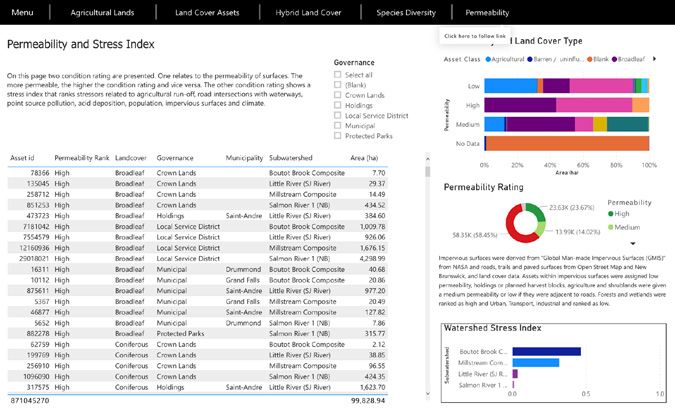
PROJECT
COMMUNITY CONTEXT
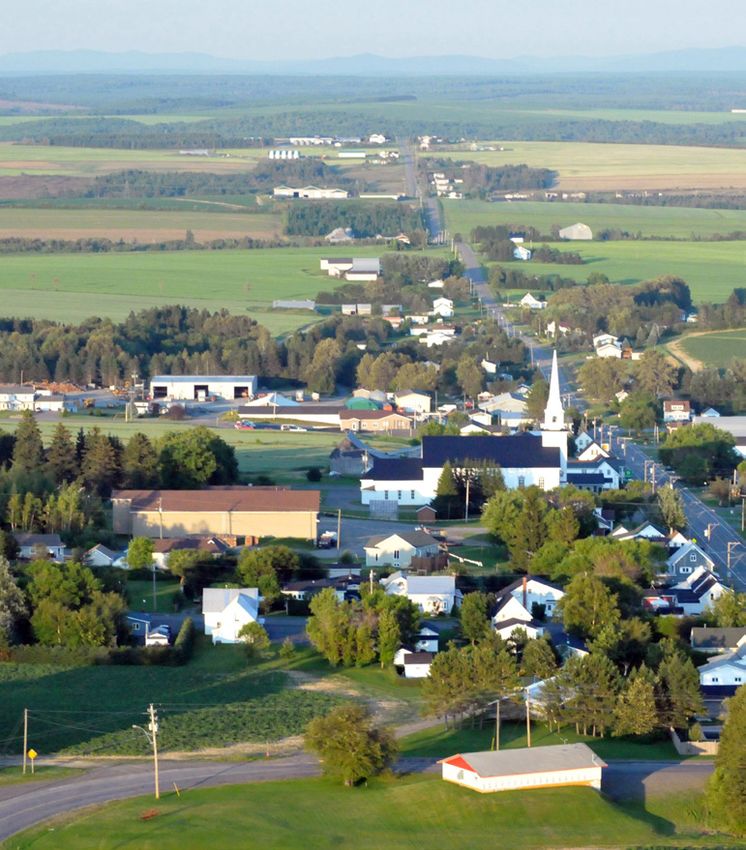
Saint-André is a rural community in Madawaska           CSRNO provides services to 10 municipalities,
County, and Drummond, approximately 12 km               13 service districts, and has partnerships
away, is a village in Victoria County, both in          with First Nations. It is not responsible for
northwest New Brunswick. Their chief service            asset management, but does provide asset
delivery concerns relate to overland flooding, as       management mapping and management tools
opposed to riverine flooding from the adjacent          to communities within its local service branch.
St. John River.                                         Saint-André and Drummond are not currently
                                                        members of this service.

                                                        Figure 2
                                                        Saint-André and Drummond are located in
                                                        northwest New Brunswick.

Preparing                                           4
Northwest New Brunswick Communities
for a Natural Asset Management Initiative
PROJECT
INVENTORY DEVELOPMENT
PROCESS
Points of particular interest in terms of flooding The key steps to developing the natural asset
impact are in the immediate vicinity of commu- management inventory included:
nities, specifically Rue de L’Eglise in Saint-André, STEP 1: MNAI provided its Technical Guidance
and Tobique Road in Drummond. Run-off related document and a Technical Compendium,
to heavy agricultural use is also a consideration together with recent lessons in their use, to the
for the communities. communities for initial review.
Based on an asset management readiness STEP 2: CSRNO, Drummond Village, Saint-André
assessment conducted by MNAI, overall, the Rural Community and MNAI collectively defined
communities of Drummond and St. André are data needs for the project with the objective of
at a very early stage of their asset management addressing overland flooding.
journey. More specifically:
STEP 3: MNAI guided Drummond Village and
Both communities have engineered asset Saint-André Rural Community through an
data in spreadsheets that conform to adapted version of the Federation of Canadian
Canada’s Public Sector Accounting Board Municipalities Asset Management Readiness
reporting requirements. Scale to determine their level of capacity
Drummond Village (population 737) has an and readiness to undertake natural asset
asset management policy and committee, management.
but has done only limited asset management STEP 4: Data were gathered, assessed for
and related financial management planning relevance, sorted and cleaned for use in the
to-date. They do not have an engineer on inventory.
staff and the larger community of Grand Falls
STEP 5: CSRNO, Drummond Village, Saint-
takes on their planning responsibilities.
André Rural Community and MNAI convened
St. André Rural Community (population 1,970) in a webinar to discuss municipal services and
does not have an asset management policy future scenarios of greatest interest in the
or committee. They do not have an engineer watershed, and to determine an approach for
on staff and do not undertake financial assessing the condition of natural assets and
planning for asset management. The project identifying potential risks to the natural assets.
with MNAI represents a first step toward
STEP 6: MNAI added a characterization of
asset management for the community.
natural asset condition and potential risks to
the data.
5 Preparing
Northwest New Brunswick Communities
for a Natural Asset Management InitiativeSTEP 7: MNAI then compiled the data into a DATA
registry and dashboard, as described in more
Land cover
detail below.
Forest composition (age, species)
STEP 8: MNAI made a final presentation of the
Forest canopy
data management and visualization framework
Forest management plans and
to the communities; made all of the compiled
forest harvest data
data, inventories and dashboards available; and
Wetlands (type) and waterbodies
held an initial discussion about next steps.
Watershed boundaries
I N V E N TO RY R E S U LT S Subwatersheds
Road networks
The inventory that resulted from the project
Parks and protected areas
has three main elements: an underlying asset
Land ownership
registry; a dashboard-style expression of the
data; and a data management framework, as Emergency Service Zones
follows. Zoning
Crown Lands
U N D E R LY I N G A S S E T R E G I S T R Y Protected Watersheds
AAFC Data
As noted, data were gathered from numerous
different sources and then sorted and analyzed Open Street Maps, Roads and Trails
for relevance. The table below lists the main Global Man-made Impervious Surface (GMIS)
sources used. Slope of watersheds
However, not all the information in these Northwest Erodibility
sources is relevant to the inventory, or Climate modelling results
presented in a format useful in asset manage- Soil classification
ment. Accordingly, MNAI extracted data of
greatest use to the community such as land- Reviewed Future Work
cover type, area, and governance, as illustrated
Figure 3
below, and placed it into the same asset
Data sources reviewed for the inventory.
management data structure used for engineered
assets. This helps ensure that the natural asset
inventory can be used within a single asset
management system. The use of asset identifi-
cation numbers allows individual assets to be
selected, analyzed, and the corresponding data
manipulated as required.
Preparing 6
Northwest New Brunswick Communities
for a Natural Asset Management InitiativePROJECT
ASSET ID SUBWATERSHED LANDCOVER AREA (ha) GOVERNANCE
26 Boutot Brook Composite Urban / Residential 0.37 Crown Lands
27 Boutot Brook Composite Urban / Residential 0.03 Crown Lands
42 Boutot Brook Composite Agricultural 0.13 Crown Lands
46 Boutot Brook Composite Urban / Residential 0.00 Crown Lands
51 Boutot Brook Composite Recreational 2.90 Crown Lands
85 Boutot Brook Composite Recreational 0.23 Crown Lands
93 Boutot Brook Composite Recreational 0.17 Crown Lands
154 Boutot Brook Composite Agricultural 0.93 Crown Lands
229 Boutot Brook Composite Agricultural 0.05 Crown Lands
237 Boutot Brook Composite Agricultural 0.40 Crown Lands
267 Boutot Brook Composite Transportation / Utility 0.67 Crown Lands
330 Boutot Brook Composite Transportation / Utility 9.96 Crown Lands
335 Boutot Brook Composite Urban / Residential 0.00 Crown Lands
352 Boutot Brook Composite Urban / Residential 0.00 Crown Lands
361 Boutot Brook Composite Urban / Residential 1.14 Crown Lands
363 Boutot Brook Composite Transportation / Utility 0.05 Crown Lands
… … … … …
TOTAL 62,380.51
Figure 4
Part of the asset registry extracted from the data sources.
7 Preparing
Northwest New Brunswick Communities
for a Natural Asset Management InitiativeDASHBOARD-STYLE E XPRE SSIONS
O F DATA
Data can be expressed in a simple list form For example, the Asset Diversity Ranking (Figure
as above, but it provides more insights when 5) diagram shows species diversity of landcover
characterised in meaningful, visual ways. in sub-watershed within the project area and
Accordingly, MNAI used the data in the under- Figure 6 shows permeability, with both variables
lying asset registry to represent the data in being proxies for natural asset health.
different ways that correspond to community
needs.
Figure 5
Species diversity depicted in the dashboard as one way to
understand asset health.
Preparing 8
Northwest New Brunswick Communities
for a Natural Asset Management InitiativePROJECT
Figure 6
Asset permeability and stress as other proxies for condition,
risk and health of natural assets.
D ATA M A N A G E M E N T F R A M E W O R K
The underlying asset registry can be expanded identified in Step 3 of the inventory develop-
as new information becomes available. For ment process above. The level of detail desired
example, asset condition might improve as may evolve as asset management readiness
a result of restoration efforts, or additional increases, or as areas of specific natural
studies may be conducted in the watershed management interests emerge.
over time. These changes can be reflected As such, the underlying asset registry and dash-
in the depth and breadth of the underlying board are not static entities, but rather provide
asset registry and how it is expressed in the a data management framework that can both be
dashboard. Furthermore, this inventory was used immediately, and can continue to change
developed with the current capacities and asset and evolve over years in keeping with the needs
management readiness of the communities, as and requirements of the communities.
9 Preparing
Northwest New Brunswick Communities
for a Natural Asset Management InitiativeINSIGHTS FROM THE INVENTORY
The inventory gives the communities of Saint- A high portion of the study area is rated
André and Drummond, together with the low permeability. This means it has limited
Northwest Regional Service Commission: ability to absorb and hence manage flood
A factual and visual basis for communicating waters.
the concept that natural assets provide The data used to develop these insights were,
services that the community relies upon. in general, sufficient and robust as it was drawn
A basis for considering the extent of the from provincial (forestry) and federal (agri-
reliance on the asset and the condition of, culture) sources. However, there is a notable
and risks to, their natural asset. data gap around large private land holding
areas. There are some gaps around meta data
More specifically, the inventory indicates:
(explaining the data available) and in some
The sub-watersheds surrounding the cases data were not available for the entire
communities comprise significant natural study area (e.g. the data used in the species
assets – including 36,000 hectares of diversity index).
coniferous forest and 20,000 hectares of
Furthermore, improved data resolution (e.g.
deciduous forest. These assets are likely
Lidar) will assist with filling data gaps (e.g.
to provide a range of services to the local
differentiating areas with overlapping land
residents that include carbon storage, storm-
classes, identification of riparian buffers) and
water management and water filtration, air
providing additional indicators of condition (e.g.
purification, improvements to community
tree age and height).
health, wildlife habitat, recreation, and
aesthetic value. Nonetheless, the data contained in the inven-
tory and registry provide the foundation for
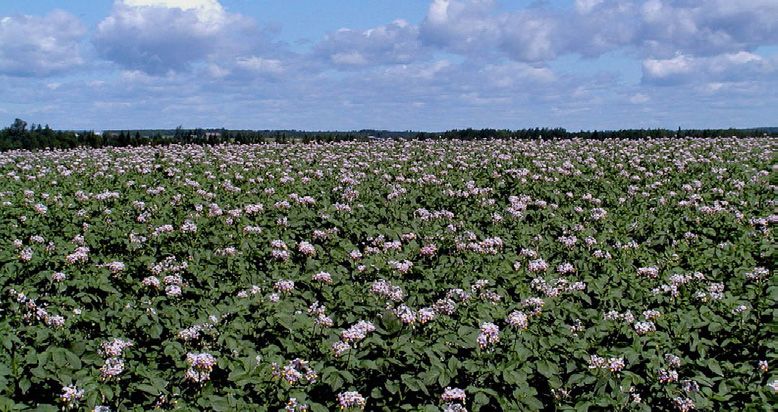
The significant agriculture production,
natural asset management and can be used to:
particularly in the form of potato farming,
likely contributes to the low permeability of Start setting goals
agriculture lands in the sub-watersheds and Given community values, as well as the
hence may be a factor in the degree to which natural assets and functions of highest
assets provide stormwater management importance, consider incorporating
services. natural assets into related asset manage-
The condition of the assets from a species ment plans and goals. To complete this
diversity perspective is either very good or step, it would be helpful to begin by
good (for the areas for which data are avail- identifying existing practices, tools and
able), which speaks to the overall ecological plans that are related to the manage-
health of the region. ment of natural assets (e.g. park plans,
bylaws).
Preparing 10
Northwest New Brunswick Communities
for a Natural Asset Management InitiativeINSIGHTS FROM THE INVENTORY
Assess risk Identify opportunities
Overlay service risks onto natural inven- Identify where natural assets and
tory (i.e. maps or spreadsheets) to begin engineered assets are working together
assessing the influence that natural to provide services (e.g. at source water
assets have on risk levels. intake locations).
What assets are most at risk and what Where are opportunities for protection or
could be lost if no action is taken? restoration? Based on those assets and
E.g. What areas are zoned for devel- risks you have identified, which should
opment and do they overlap with key be protected or restored and which need
natural assets? attention now?
Compare existence of, or lack of, natural What future data needs to be
assets in areas experiencing frequent collected?
flooding, which could identify critical or Where should you collaborate with
priority natural assets. other land owners or managers?
Start gathering sources of local At this time, the data alone are not sufficient
climate projects to prepare for to provide information related to service
assessment of how climate change levels, asset values, or how assets will respond
will affect capacity of natural assets to changes in demand. The completion of
to provide services. modelling, scenario analysis and economic
assessments would help fill these gaps and
create a framework for on-going monitoring and
maintenance of priority/critical natural assets.
11 Preparing
Northwest New Brunswick Communities
for a Natural Asset Management InitiativeROADMAP
Saint-André and Drummond, together with the Northwest Regional Service Commission, would like
to understand how the inventory can assist them to better manage their natural assets.
This section describes a potential roadmap forward.
G E N E R A L C O N S I D E R AT I O N S More specifically, the Maturity Assessment
completed with participating communities
Understanding the location, type and condition
points to the following needs:
of natural assets that provide services to local
governments underpins most other steps in the 1. Policy & Governance
asset management cycle [Figure 1]; thus, the Senior management needs to recognize
inventory is a vital first step. the role of natural assets in service
However, inventories are normally not an end in delivery, which is reflected in a formal
themselves, and must also be considered within asset management policy and program.
the context of the larger asset management Local government needs to identify the
process within which they reside. benefits they want the natural assets to
Inventories should grow in detail and sophisti- deliver in their organizational objectives.
cation only insofar as they remain aligned with Identification of short-term actions
the capacity of the communities to maintain that incorporate natural assets in asset
them, or the uses to which they will be put. Their management.
evolution and development should be a function 2. People & Leadership
of the monitoring, reporting and lessons of the
Asset management staff is sufficient
asset management cycle and be driven by the
to ensure a holistic and effective
imperative of ensuring sustainable, cost-effec-
approach that can integrate natural asset
tive delivery of services to the community, which
management into the Asset Management
is at the core of asset management [ see centre
requirements [Note: CSRNO staff could
of Figure 1 ].
provide essential information to the
asset management team].
A natural assets champion within the
Asset Management program.
Council awareness of resourcing
and funding needed to incorporate
natural asset management into Asset
Management system requirements and
an asset management roadmap.
Preparing 12
Northwest New Brunswick Communities
for a Natural Asset Management InitiativeROADMAP
S P E C I F I C C O N S I D E R AT I O N S
3. Data & Information The section, Insights from the Inventory, above,
Awareness of common or emerging notes some of the limitations to this inventory.
approaches for measuring the condition Specific actions that could be taken to address
of our natural assets, and their perfor- these include:
mance in supporting municipal service Prioritizing services and hence assets, which
delivery. Existing plans and studies may would be a function of determining which
provide initial information. services the assets are currently delivering,
Financial data that put a value on the what their condition is, what risks are appli-
natural assets that support municipal cable to them and what opportunities for
service delivery. conservation, restoration or enhancement
might increase the service provision from
4. Planning & Decision-making
the assets.
Development of a documented approach
Further developing the condition assessment
to managing or protecting the natural
and undertaking a risk assessment using the
assets that support municipal service
CSRNO modelling results (soil erodibility,
delivery.
climate projections) and other data already
Development of formal natural asset at their disposal.
management plans.
Linking specific services to assets and
Annual capital and operating budgets assessing the condition of and risks to the
that include operations and maintenance assets from the perspective of their ability to
costs for natural assets when they exist deliver services. From a stormwater manage-
alongside grey infrastructure assets ment perspective, the forested areas in the
that are being maintained (e.g. culverts, sub-watersheds will be key.
roadside ditches, etc.).
Considering how natural assets in and
around agricultural lands could be enhanced
to increase stormwater management
services in the area.
Adding more condition ratings - for example,
canopy cover, which also links to stormwater
management services.
13 Preparing
Northwest New Brunswick Communities
for a Natural Asset Management Initiative Examining how urban development, forestry, If, by contrast, they wish to proceed with a full
or other pressures could increase the risk to natural asset management project, including
the assets. implementation, then they would need to
Initiating monitoring data, such as staff consider the following steps:
gauges, water level sensors, and loggers 1. Confirming scope, roles and responsibilities.
to improve understanding of trends, feed Undertake a meeting or workshop to confirm
into condition ratings of assets, and gather (a) assumptions [for example, that overland
information for modelling. flooding is the primary service of concern];
(b) roles, responsibilities and capacities; and
OPTIONS AND ACTIONS (c) community capacity to undertake a larger
project.
Saint-André and Drummond, together with the
Northwest Regional Service Commission, are 2. Filling essential knowledge gaps. If discus-
now at a place where they can choose one of sions on scope and certainty and related
two main options: data needs for modelling indicate the need
for additional data, these could be filled.
1. Status quo - maintain their natural asset
inventory primarily as it is, with the 3. Modelling and economic assessment.
understanding that an inventory without Modelling the levels of service that natural
corresponding action is primarily limited to assets currently provide, and the levels of
an awareness-raising and communications service under different potential manage-
tool; or ment, rehabilitation or restoration scenarios,
is central to natural asset management as
2. Define and pursue next steps in the natural
it gives communities the ability to explore
asset management cycle, which may or may
how different actions will affect the health
not affect the contents of the inventory in
and corresponding performance of natural
terms of its scope, contents or the level of
assets. The economic assessment compo-
certainty provided by the data it currently
nent provides a market-based indication
includes.
of the costs and values of different inter-
If Saint-André and Drummond, together with the ventions in terms of service delivery. This
Northwest Regional Service Commission, pursue answers questions such as “what happens
Option 1, then little additional effort is required to the services provided by the wetland
at this stage beyond establishing a means to if everyone builds upstream?” or “what
keep the inventory up-to-date within their happens to the services if the forest is
capacity, and potentially making some incre- restored?”
mental changes to address some of the issues
noted in Specific Considerations.
Preparing 14
Northwest New Brunswick Communities
for a Natural Asset Management InitiativeROADMAP
4. Planning. Based on the foregoing, the 6. Ongoing monitoring. Project monitoring is
communities will have the opportunity to essential to learn whether interventions are
undertake actions ranging from status quo working and to share lessons and learn-
to planning, regulatory, financial operations, ings from other communities undertaking
maintenance, acquisition and monitoring natural asset management. MNAI would
interventions. These would occur during the typically stay involved with the community
natural asset management planning phase for a period of 3 years through a monitoring
and MNAI would be able to provide technical arrangement to be established with the
support as required throughout. communities.
5. Implementation. MNAI can provide ongoing
advice / guidance on policy pieces and
integration of the above information over a
period of 12-18 months. After this point, the
community, together with local partners and
service providers, would ideally have the
capacity to continue these efforts on their
own.
15 Preparing
Northwest New Brunswick Communities
for a Natural Asset Management InitiativeSOURCES Commission de services régionaux Nord-Ouest (CSRNO). Workshop for Northwest New Brunswick Communities: Ways to Reduce Flooding and Develop Resilient Communities Workshop Summary. March 6, 2019. MNAI. Developing Natural Asset Inventories: MNAI Technical Guidance. Version 1.0 November 2019. MNAI. Defining and Scoping Municipal Natural Assets. June 2017. mnai.ca/media/2019/07/SP_MNAI_Report-1-_June2019-2.pdf MNAI. Results from the First National Cohort. Decision-maker summary. 2018. mnai.ca/media/2019/08/spmnaijuly31-summaryweb.pdf MNAI. Cohort 2 National Project Overview. February 2020. mnai.ca/media/2020/02/MNAI-CohortSummary.pdf Province of New Brunswick. New Brunswick’s Flood Reduction Strategy. 2014. www2.gnb.ca/content/dam/gnb/Departments/env/pdf/Flooding-Inondations/ NBFloodRiskReductionStrategy.pdf Preparing 16 Northwest New Brunswick Communities for a Natural Asset Management Initiative
MNAI.CA

© 2020 All rights reserved by the Municipal Natural Assets Initiative.
You can also read


