NOTES - SPRING 2020 INSIDE A Wolf Story Waystations for Monarchs - The Nature Conservancy
←
→
Page content transcription
If your browser does not render page correctly, please read the page content below
FIELD
     NOTES
 F O R M E M B E R S O F T H E N AT U R E CO N S E RVA N C Y I N A R I ZO N A

                                                          SPRING 2020
                                                                   INSIDE
                                                              A Wolf Story
                                                            Waystations for
                                                                Monarchs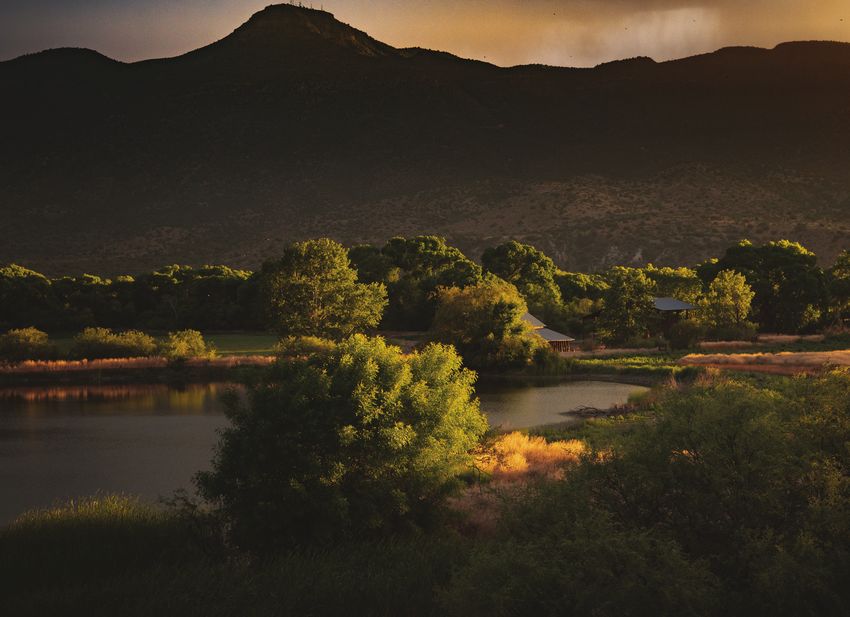
Fifty years ago, a movement emerged. Its focus
                                                                                                              was clear. The air we breathe. The water we
                                        To Our TNC Family…                                                    drink. Our health and the health of the planet.

                                        As we went to press with this issue, our country
                                        and local communities have been in isolation
                                                                                             I think that I   At the time, rivers were catching on fire. Oil spills were blanketing beaches. Air
                                                                                                              pollution was killing people. The following decade saw the passage of major
                                        due to the threat of the COVID-19 pandemic.
                                        Like many businesses and nonprofits, The
                                                                                               shall never    environmental laws including the Clean Air Act, Clean Water Act, Endangered
                                                                                                              Species Act and the creation of the Environmental Protection Agency.
                                        Nature Conservancy has temporarily closed our         see a poem      I was in high school in Bozeman, Montana, and didn’t fully grasp the significance of that

    NOTES                               office doors in the interest of protecting the
                                                                                                 lovely as    day. However, we did take action picking up litter along the roads. It was a start. Finding
FIELD

                                        health and safety of our staff. We have also                          the balance between a healthy planet and healthy economy became my life’s work.

 Published by
                                        closed our preserves in Arizona to protect our
                                        many volunteers who support our preserves, our
                                                                                                    a tree.   In this issue we see examples of the mysteries and resilience of nature from the
 The Nature Conservancy                                                                                       migration of monarch butterflies to wolves. From the restoration of lands like the
 in Arizona, for our members
                                        staff and visitors. We are continuing to work
                                        with our contractors to thin forests; with farmers
                                                                                                    ~ Joyce   7B Ranch to the Verde River.
 and friends.
                                        on water efficiency projects upon which they                 Kilmer   We recognize the importance of courage in our tribute to Kevin Hauser, whose
 Field Notes welcomes                                                                                         partnership with the Conservancy demonstrated how we could work together to
                                        depend to grow food; and to maintain the health
 comments and questions.                                                                                      save a farm and a river.
                                        of our preserves. In our work we are practicing
 Please send to the editor,
                                        physical distancing and following other                               A founding supporter of The Nature Conservancy, Rachel Carson was very courageous
 Tana Kappel, at tkappel@
                                        guidelines from the CDC and state.                                    to write Silent Spring in 1962. She was criticized as a scientist, even called a communist.
 tnc.org or 520-547-3432.
                                                                                                              Through it all she quietly battled breast cancer. Public support overwhelmed the
                                        We are reminded during times like these of the
 Visit nature.org/arizona                                                                                     critics. Many now consider her a founder of the modern environmental movement.
                                        importance of connecting with nature in ways
                                        that are safe: A walk around your neighborhood,                       I have a personal connection to this story. Her book quoted my father’s research on
           arizona nature conservancy
                                                                                                              the impacts of spraying insecticides on forests.
                                        in the desert or forest, or viewing images or
           @nature_arizona
                                        videos of nature. Nature offers a much-needed                                 Today, in the wake of COVID-19 we are faced with rebuilding a vibrant
                                        calming effect. It gives us hope. It inspires us.                               economy while addressing the challenges of a warming planet. May we
 Copyright 2020                                                                                                         have the courage to act in defense of nature, by creating more resilient
 The Nature Conservancy                 You are a valued member of our Nature
                                                                                                                        communities, cleaner air, cooler cities and healthier rivers.
                                        Conservancy community, and your health
                                        and well-being are very important to us.                                      We are all in this together. Now more than ever we need to care for our
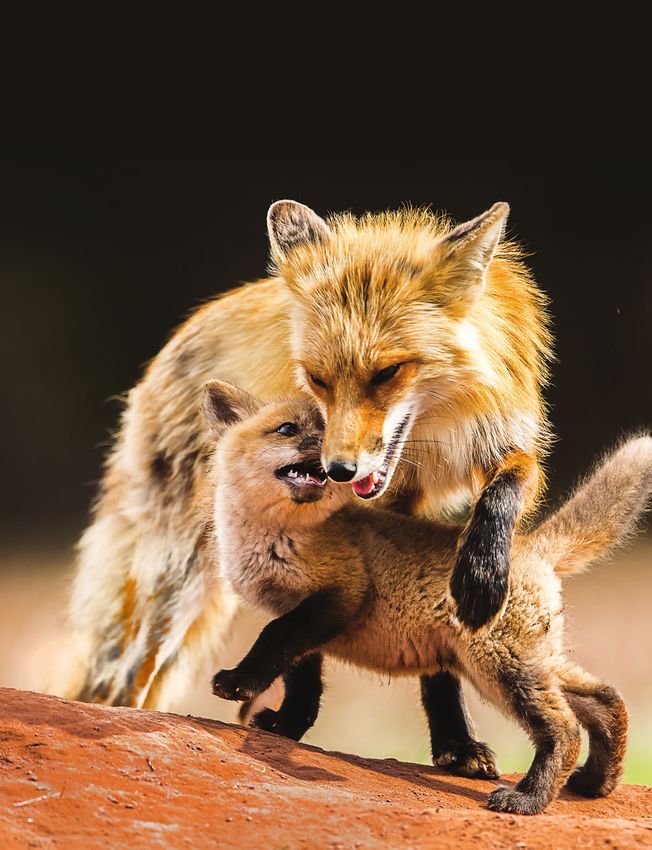
 cover image  This photo is a
 male red fox playing with his          Please stay safe.                                                                  planet, our communities and each other.
 pup. Red foxes are found in
 northeastern Arizona, but are                                                                                                      We hope you enjoy nature through this issue of Field Notes,
                                        We are working every day to help keep our
 rare in the rest of the state.                                                                                                      which is dedicated to the beauty of nature. Poet Joyce
 Most foxes in Arizona are kit          planet healthy. Now more than ever the
                                                                                                                                        Kilmer expressed this well in his poem called “Trees.”
 foxes or gray foxes. © Ian             world we depend upon, depends on us.
 Murray/TNC Photo Contest
 2018 this page top to bottom                                                                                                                “I think that I shall never see a poem lovely as a tree.”
 Reflections at White Pocket,
 Arizona © Laura Hedien/TNC                                                                                                                  Thank you for caring.
 Photo Contest 2019; Ponderosa
 pine in a meadow © Steven              Patrick Graham, State Director
 Gnam opposite page Pat Graham
 © Mark Skalny                                                                                                                            Patrick Graham, State Director

        2 | Field Notes: Spring 2020
        2 | Field Notes: Spring 2020                                                                                                                                             Field Notes: Spring 2020 | 3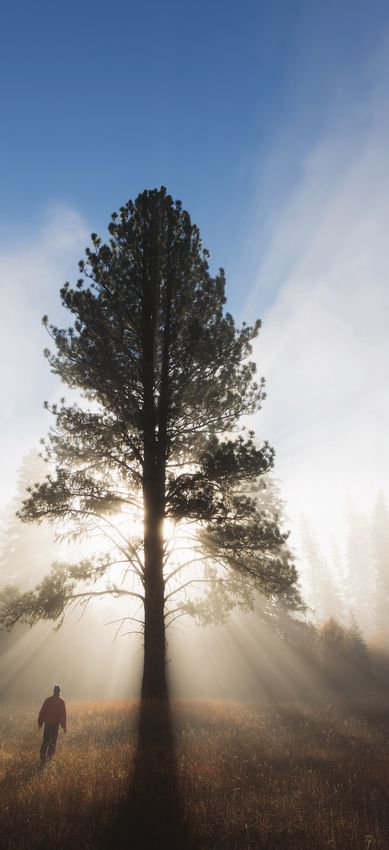
From the Editor: A Forest Surprise
Writing for Field Notes is always an adventure.
Typically, three months out, we do a content plan,
but the actual focus of each story is unclear until
the final days of writing and editing.
A Wolf Story small animals. Their kills benefit
many other wildlife, such as
ravens, coyotes, eagles and other
creatures that also consume
Now, in the time of Corona virus, story the remains.
The Nature Conservancy’s Joel Jurgens lives When Nicky got home she called Joel,
selection is complicated, and striking the right tone is with his wife and two boys in the forested who admitted his initial thought was Historically, “before we started
critical. Our members, our readers, have many important mountains west of Flagstaff. They are less than “yeah sure.” However, he reached out to suppressing fire, our forests
things to consider, and to some extent, it’s nice to escape a mile from Chimney Springs in the Coconino his contact at Arizona Game and Fish and were more open; there were
the weighty issues that consume us. So why not some National Forest, where TNC recently completed was told that if this report had come in more meadows, with forbs
nice musings about nature, or feel-good stories? a forest restoration project. It’s also a popular hiking, just a few years prior, disbelief would have and grasses that would
The development of one story in particular was weighing biking and recreation spot. prevailed. Turns out that images had been likely attract and support
on me. How can I make our TNC forest restoration captured of a very large, lone male canine, more prey species and
One morning in mid-February,
work — which involves creating tools to make thinning just 20 miles west of Chimney Springs, other wildlife,” said Joel,
Joel’s wife Nicky and their dog
less costly — interesting or relevant to our readers two days later. who oversees TNC’s
Belle went out for their morning
during this time? Rather than focusing on the forest restoration work
run through Chimney Springs. The consensus: A lone Mexican grey wolf
“how” of what we’re doing, I felt strongly about in Arizona.
About six miles in, Nicky stopped on a walk-about, hundreds of miles from
the “why.” Why do we do the work we do? for a breather and to take in the where his forebears were re-introduced We can’t say for certain that
I called my source for the story — Joel Jurgens, view, at which point she locked back in 1998: Arizona’s White Mountains the wolf was in the Chimney Springs
the Conservancy’s forest stewardship eyes with a large canine high on the border with New Mexico. area because of our recent restoration
director — and explained my dilemma. I above the trail. Assuming it was a work. But we can say that restoring
There are more Mexican grey wolves in
asked him if he and his family could recall coyote and unsure how to proceed the forest is helping it become healthier
the wild now than at any time since
a special time spent together in the forest, around this animal, she turned to and more resilient, which tends to attract
reintroduction began. The latest survey
preferably a healthy forest, where the trees jog towards home. The “coyote” followed, stalking her, or more all manner of wildlife. Including those
shows there are at least 163 wolves in New
were not like toothpicks sprouting up likely, her female dog, from about 40 feet behind, all the way down creatures at the top of the food chain.
Mexico and Arizona, a nearly 25 percent
every 2 feet. A place where there were the path. No shouting, screaming or twig throwing would distract it.
jump from the previous year. During this time of physical distancing,
meadows and spaces and grasses, Soon she came upon another runner and her dog, and warned her it’s re-assuring that this lone wolf, one
like in the days before we started When large predators like wolves exceed
about the “large coyote” stalking her. Nicky’s friend, who has been of the rarest species on the planet, chose
putting out all fires. A place with birds, their pack size, the younger, non-mating
running these trails for 20 years, took one look and said, “that is no to meander through a restored forest in
squirrels, coyotes and flowers. A hike males tend to wander to seek mates
coyote, that’s a Mexican grey wolf.” The suspected wolf followed them Arizona, perhaps finding food and rest
or a picnic in a sun-dappled forest. elsewhere. They go where they can find
until they reached a logger’s camp, at which point the wolf turned and left. in our neck of the woods.
prey. Wolves are carnivores and prey
I’m sure glad I made that call. on elk, deer, rabbits and various other — Tana Kappel Chimney
Boy, did he have a story. Springs
Mexican grey wolves were first introduced in “We reached the old wolf in time to watch a fierce green fire dying in her eyes,”
Arizona in 1998 into the Blue Range in east-central Arizona. It’s ironic that he wrote in his now-classic memoir A Sand County Almanac. “I realized
the Blue Range was where during the early part of the century, Aldo Leopold, then and have known ever since that there was something new to me in those
today one of the guiding spirits of the American conservation movement, first eyes — something known only to her and the mountain. I was young then, and
came to know the Southwest. Before Leopold made his many contributions to full of trigger itch; I thought that because fewer wolves meant more deer, that
conservation, he worked as a government hunter, and killed dozens of wolves in no wolves would mean hunter’s paradise. But after seeing the green fire die,
the area. He came to regret his work only after he mortally wounded an aged I sensed that neither the wolf nor the mountain agreed with such a view.”
female, failing to make what hunters call a clean kill.
this page top to bottom Tana Kappel © Tana Kappel/TNC; Nicky and her dog Belle © Joel Jurgens/TNC this page top to bottom Mexican grey wolf © iStockphoto; TNC forest restoration area
4 | Field Notes: Spring 2020 Mexican grey wolf at the Arizona Sonoran Desert Museum © Jay Pierstorff called Parks West © Joel Jurgens/TNC Field Notes: Spring 2020 | 5
7B Ranch
Magical Migrating Monarchs
Need Milkweed Waystations
Not Just a Pretty Butterfly But their numbers have been declining significantly over
the last two decades, corresponding to the loss of milkweed
Monarchs are unique in the insect world; they are the only around the country, a casualty of urban development and
insects that undergo such marathon migrations. They fly aggressive weed control in farming. 2018 and 2019 saw
up to 250 miles per day. historic lows in fall monarch migration numbers.
Celeste Andresen hopes the spring
In spring, after overwintering on the California coast or in
rains that sparked a riot of desert flowers will
Mexico’s fir forests, monarchs start their long journey Back to the 7B Ranch
boost her new crop of milkweed, and in turn, north, a migration of more than 3,000 miles. On their way,
Arizona, and specifically the 7B Ranch, rarely sees large
lure a few intrepid migrating monarchs. they lay eggs on the underside of the leaves of milkweed
numbers of monarchs, said Andresen, but the state’s warm
plants. The young hatchlings start their lives as caterpillars.
temperatures and presence of native milkweed species
The goal, said Andresen, is to make the 7B After they emerge as butterflies two weeks later, they join
make it an essential area for the butterflies.
waystation Ranch, which she manages, a the stream of migrating monarchs heading north.
The ranch, owned by Resolution Copper Mining and
waystation for the orange and black-striped Individual butterflies never make it all the way north; they
managed by The Nature Conservancy since 2005, includes
butterflies as they embark on their epic migrations. live for only a month. Their own offspring may not make
river bottom, a mesquite bosque and Sonoran Desert
the final leg of the journey either. Some lucky monarchs
uplands. The property, located along the lower San Pedro
reach the final destination in Canada, and that special
“We were blessed with abundant rains, so we’re River near the town of Mammoth, is home to hundreds
group tends to live for eight months, gliding all the way
hopeful that the milkweed we planted last fall of bird species, large and small mammals, reptiles,
back south on air currents.
amphibians, and countless insect species.
will thrive and attract monarchs,” she said.
During their travels across North America, they perform
Last fall, Andresen worked with partners Westland Resources
an important service: pollinating plants. Monarchs drink
Every little bit of milkweed planted helps, since and Tonto National Forest Tribal Monitors to plant milkweed
nectar from flowers and transfer pollen in the process.
it’s the sole food source for monarchs. seeds and seedlings in several locations on the ranch.
this page tleft to right ”Medicine wheel” style bed for milkweed seeds © Daniel McNair;
Tribal monitors and Celeste Andresen of TNC at right © Daniel McNair; Arizona milkweed
6 | Field Notes: Spring 2020 this page top to bottom Celeste Andresen © Tana Kappel/TNC; Monarch butterfly © iStockphoto (Asclepias angustifolia) © Tana Kappel/TNC Field Notes: Spring 2020 | 7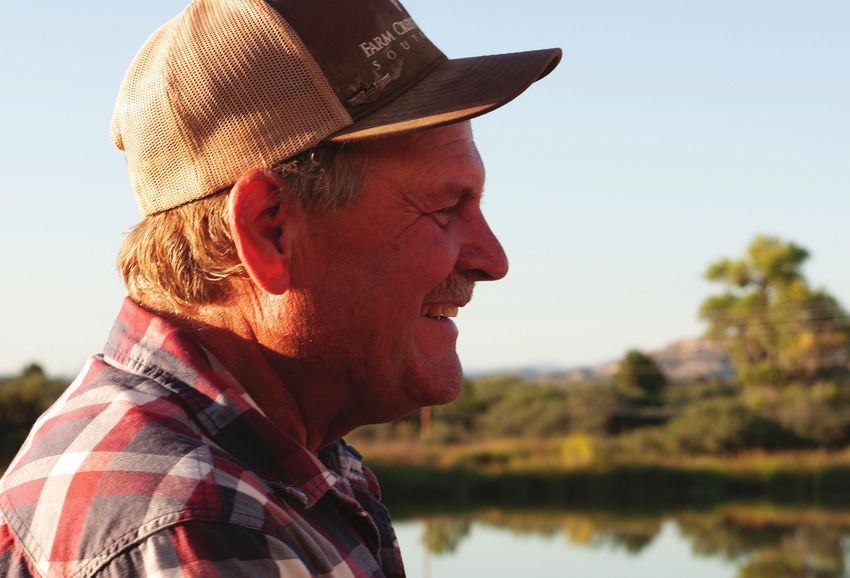
How healthy is the Verde?
The Verde River Watershed Report Card
A leisurely springtime float on the the summer — at 38 percent. That efforts on the river, said Kim Schonek,
Verde River: What could be more score reflects nearly 30 years of the Verde River program director.
delightful? You would almost think steady declines due to groundwater
The report also shows the importance
that all is well with this river and the pumping, diversions, degraded
“We planted 1200 milkweed seeds last fall, and 22 seedlings planted near a livestock water tank that receives regular of the river to local communities,
wildlife who depend on it. habitats and warmer, drier weather.
of native milkweed. The seedlings are looking good, but the water from an artesian well. not only for drinking water and
seeds have yet to emerge,” she said. But dig a little deeper and you’ll find Not all the scores were low. This irrigation, but also recreation.
“We call it the Dragonfly drinker,” said Andresen, so named that the river needs some help. Some hard-working river that stretches “It’s important to think about how
“We got to know the 7B Ranch as part of a related project because of the plethora of dragonflies that hang out there. more water would be nice. from Chino Valley to Phoenix, we can achieve conservation goals
assessing some of the diverse plants there, including the and provides drinking water, in concert with economic goals
“One plot of live plants circles the drinker, while another In February, The Nature Conservancy
unique soapberry grove within the mesquite bosque,” irrigation and recreation for all for the communities in the
plant plot surrounds the outflow of the well. These plants and Friends of the Verde River
said Daniel McNair of Westland Resources. The western the communities it runs through, watershed – these include housing
receive ample moisture,” said Andresen. released a comprehensive analysis
soapberry tree is the host plant of the soapberry scored well on recreation access and recreation,” said Schonek.
hairstreak butterfly. of the river’s health with input from
Twenty of the 22 live plants have survived. The two lost and visitor satisfaction: 87 percent
more than 16 entities and concerned Significant funding for the process
plants most likely succumbed to hungry wildlife who and 96 percent respectively.
As part of a survey of butterflies, the team found no citizens. The first-ever Verde River was provided by the U.S. Forest
frequent the area.
monarchs, but they did find a profusion of their look-alike Watershed Report Card gave the The report — which required 18 Service and the Nina Mason Pulliam
butterflies – Queens. Noting the absence of milkweed on Soon, Andresen hopes the milkweed plants will flower river an overall score of 57 percent, months of workshops, data Charitable Trust. Read more about
the property, the team set to work planting native milkweeds. and provide a much-needed waystation for our intrepid for a grade of C-plus. compilation and stakeholder the report and the methodology at
monarchs. With completion of the project, the 7B interviews to complete — provides Verdereportcard.org.
Live plants and seed plots were planted in four separate One of the lowest grades was the
was registered as a Monarch Waystation through a roadmap for where to focus our
areas: Two plots, which receive only natural moisture, were river’s baseflow — river flows during
Monarchwatch.org
established within the mesquite bosque. The rest were
How You Can Help Monarchs From Our Partner: Nina Mason Pulliam Charitable Trust
Plant milkweed. Two species of milkweed that do well in Arizona are Arizona milkweed
(Asclepias angustifolia) and western whorled milkweed (Asclepias subverticillata) We are tremendously grateful provides habitat to hundreds of bird, wildlife and water. So, in recent years the Trust has sharpened
for Pulliam’s leadership in fish species. It supplies drinking water to 14 rural its focus on the environment, particularly on
protecting the Verde River. communities along its banks and nearly 3 million protecting and restoring waterways in Arizona
Where to get plants: The 7B Resources for planting milkweed and helping monarchs: The Trust has contributed residents in Maricopa County. As our state and Indiana.
project got their live milkweed
• Monarchwatch.org is a good resource for planting $4 million to date to TNC endures persistent drought and as the impacts of
plants from Desert Survivors
and monitoring monarchs, and you can get your plot and partners, and recently climate change become ever more evident, it is Why do you support TNC?
Nursery in Tucson. We are immensely grateful to The Nature
designated as a Monarch Waystation. announced another $8 million over the next five imperative that we protect this critical waterway.
years to this effort. We asked the Trust’s board Conservancy for its visionary leadership
How to plant: You may need to amend the soil before • The Southwest Monarch Study provides information Why is this work so important
chair, Carol Peden Schilling, why they support coalescing various entities into real action on
transplanting. You might use hardware cloth installed a foot and protocols for monarch conservation work and
our work in the Verde. for the Pulliam Trust? behalf of the Verde. We are inspired by the
deep around each plant to exclude gophers and other predators. citizen science.
Nina Mason Pulliam was a conservationist. She future-focused, broad-minded and innovative
To plant seeds: In the fall, line seed plots with burlap about • The Arizona Game and Fish Department has mobilized Why is Pulliam interested in loved Arizona – its landscapes, people and projects in which the Conservancy has been
one foot below the soil surface to protect the seeds. Hand-bury to plant milkweed and restore monarch habitat the Verde landscape? animals – and dedicated much of her wealth to engaged on behalf of the Verde River and the
the seeds. The seeds for the 7B project were purchased from throughout Arizona. The Verde is one of Arizona’s last perennial rivers caring for them. Acting on Nina’s great love of Verde Valley for decades. We are honored to
Native Seed Search in Tucson, which were wild harvested by and the sense of responsibility we have to restore animals and nature, we believe that if you want be partners with them in this work.
• Check out westlandresources.com/blog
Borderlands Restoration from Arizona native milkweed species. and protect this waterway and the myriad of to help animals, you must protect habitat. And
systems it supports is weighty. The Verde River if you want to protect habitat, you must protect
this page left to right Queen butterfly at Las Cienegas National Conservation Area © Peter Warren/TNC;
Comanche skimmer dragonfly © Cary Kerst; Tagged Monarch at Hassayampa River Preserve this page top to bottom Sunset at the Shield Ranch in Camp Verde, Arizona © Andrew Kornylak;
8 | Field Notes: Spring 2020 © Christina Kondrat-Smith inset © Monarch Waystation sign © Tana Kappel/TNC Carol Peden Schilling © Courtesy of Pulliam Charitable Trust Field Notes: Spring 2020 | 9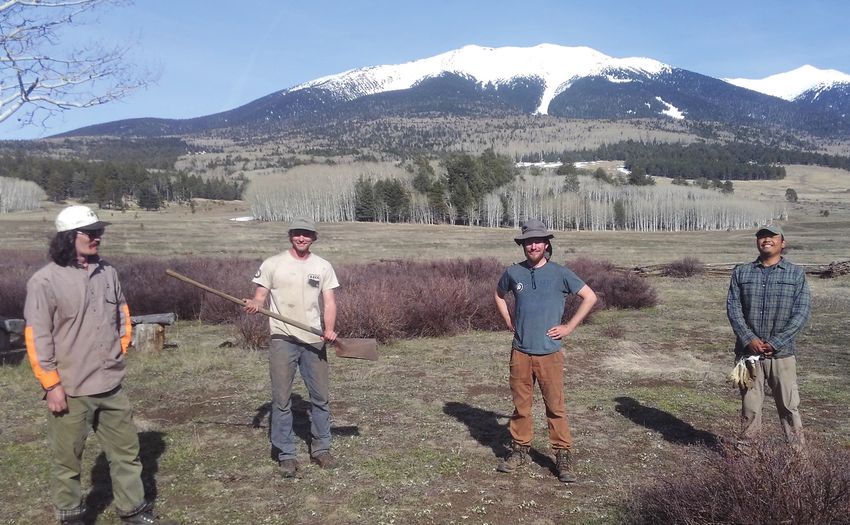
and Hauser Farms and around the farming and addresses challenges to
community because Kevin was willing our water supply. There are other
to take risks with us. Projects were things that can’t be measured – like
negotiated on ditch banks, in tractors, the impact of having a place where
along the river and sitting in the shop. conservation and agriculture work
together to solve real problems. The
Thanks to Kevin’s leadership and
things Kevin taught people will have a
vision, there will always be farms along
lasting impact on our community and
the river and crops will grow here. And,
agriculture. He taught me a lot about
in 100 years, if we keep working hard,
farming, water and life in general. We
a river will run through them. Many
talked about raising kids and how hard
people are part of this story, but
drove as fast as he could in hopes it is, but how good the results can be.
Kevin’s role was critical. My part
that I would not be able to find my He taught me to negotiate a good deal,
could have been played by another,
way back. Lucky for me, I did get but to also accept the deal I could get.
but his part could only be played by
invited back. He taught me that we have to keep
him and he played it perfectly.
going if we are going to succeed, even
Kevin wanted to steward his lands in
I don’t know what Kevin would think if it’s hot and dusty and in spite of
a way that would protect them for the
of what we are dealing with today, but what the neighbors might think or
future. He did not want to conquer
I know what he would be doing. He say. He inspired me to compromise,
the land and push every dollar from
would be planting crops, watering them dream big and not lose focus on what
it that he could. He wanted the land
and working hard to make them grow. really matters.
to be healthy, to turn a profit and to
He would hire local folks to do good
ensure that it was a farm for future The most important thing we can all
work and eat lunch with his family.
generations. His love of farming was learn is to steward the lands along our
Today as I think about how food
only rivaled by his love of family. rivers: They are treasures. Kevin’s
gets from the ground to the grocery
To be able to farm and work with his legacy is his family and friends, and
store, I am happy to know that we did
family brought him great joy – and these lands and the waters that flow,
KEVIN HAUSER 1960 - 2019 some frustration, of course. Over his
conservation in a way that supports
that will last forever in Arizona.
years farming, Kevin’s leadership
resulted in successful farms
My Friend, A Farmer
throughout the Verde Valley
and central valley of California.
Our first effort was to upgrade a
Verde irrigation water delivery
Kim Schonek, We were unlikely friends. The Nature Conservancy out for a visit system – by installing a solar-powered,
be a good idea? Reluctantly, he agreed computerized system to regulate
TNC’s Verde River Kevin Hauser was everything you
to show me around. water flow to landowners and restore
program director, would want in a farmer – hard working, unneeded water to the river. I remember
remembers her innovative and able to weather a storm. I was impressed with the beauty and agreeing to meet Kevin at a spot along
friend in the Verde We met more than a decade ago. I had productivity of his farms. My job with the ditch. I arrived first, his truck
moved to Arizona from Oregon to The Nature Conservancy is to find pulled up in front of mine. We stood in
Valley, Kevin
work on issues related to the Verde ways to improve and protect flows the weeds between the two trucks and
Hauser, who River. I wanted to see the farms that in the Verde River. I had a lot of talked. There were hard questions,
passed away December 27 after a nestled along the river and understand questions. Kevin had a lot of answers. best guesses and assurances from both
two-year battle with colon cancer. how the irrigation ditches worked. That day we didn’t talk about water. sides. Since that day many projects
We stayed on safe topics like GMO have become a reality on Hauser
Kevin was skeptical about why I might
(genetically modified) corn and
want to see his farm. How could having
presidential elections. I think he
this page top to bottom Kevin and his wife, Claudia Hauser © Andrew Kornylak;
10 | Field Notes: Spring 2020 this page top to bottom Kevin Hauser © Tana Kappel/TNC; Kimberly Schonek © Chris Chappell/TNC Four generations of the Hauser family © TNC Field Notes: Spring 2020 | 11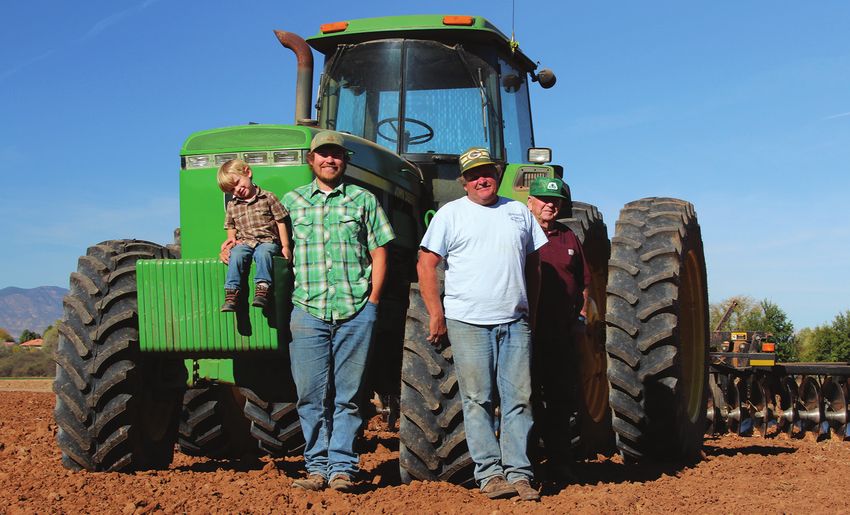
field notes tidbits
Nature Books - TNC Staff Picks
“That Wild Country: An epic journey “Braiding Sweetgrass” “A Walk in the Woods.”
through the past, present and future by Robin Wall Kimmerer By Bill Bryson
of America’s Public Lands”
I started reading Bill Bryson’s book,
by Mark Kenyon “Braiding “A Walk in the
Sweetgrass” Woods,” brings
“That Wild because I longed you on his journey
458
Country” reflects for a woman’s and attempt
on the past and voice speaking to walk The
future battles about nature. Her Appalachian Trail.
over America’s poetic style and It is a combination
public lands. It use of storytelling of humor, ecological
The number of river
BONDING IN UNCERTAIN TIMES is part travel log
and part historical
to describe
ecological principles is approachable
history and human
interaction. If you’ve always been
examination of and engaging. She brings together interested in hiking the trail, but never
miles TNC has America’s public indigenous knowledge, science actually wanted to do it (a fraction of
worked to protect lands through the eyes of Mark and his and nature. the people who start the trail finish),
in Arizona BY WADE GIBSON, TNC/AMERICORPS STEWARDSHIP ASSISTANT co-travelers, and the vast controversy this is a great way to explore vicariously.
over them since their inception. Recommended by Sarah Martin,
Loyal Donor Officer Recommended by Heather Beshears,
When I joined The Nature Conservancy’s family through AmeriCorps in March, I Recommended by Heather Switzer, Director of Strategic Communications
could not have predicted the circumstances to come. No one could. I knew I was Events Manager and Marketing
“Neither Wolf Nor Dog: On Forgotten
going to become friends with my three new AmeriCorps co-workers, and that is
“The Hidden Life of Trees: Roads with an Indian Elder”
exactly what happened. Seeing each other every day through our orientation week “Prodigal Summer”
in Tucson, participating in the Prescott Fire Academy, and living in a bunk-style What They Feel, How They by Kent Nerburn
by Barbara Kingsolver
housing while serving at Ramsey Canyon Preserve; naturally we became close. Communicate — Discoveries This book spoke to
“Prodigal Summer”
We knew the COVID-19 virus was a threat and would eventually come to Arizona. from a Secret World” me in an authentic
weaves together
voice that attempts
Having worked multiple seasonal jobs, I was used to being adaptable. Under the by Peter Wohlleben to remove the the story of three
current circumstances, our service term with AmeriCorps and TNC was uncertain. main characters
author’s privileged
Our service involves working in remote areas, which meant we were performing our Drawing on who are living amid
bias. It is a reminder
amazing scientific the mountains and
civic duty to socially distance ourselves from others. After TNC closed Ramsey to acknowledge
discoveries, farms of southern
Canyon Preserve to the public in mid-March, only we four AmeriCorps members cultural difference
Wohlleben Appalachia. Over
were on the preserve. Fortunately, we were able to keep working and logging hours, without judgement.
explains how the course of one
It espouses the simplicity of reverence,
even as Arizona’s governor declared a “shelter in place” order for the entire state. trees are social verdant summer, it
silence and the divinity of the Earth. In
beings: how they explores their nature, their relationship
Hearing the horrible stories of the rising death toll, the economy collapsing, the Dan’s words, “Live close to the earth.
communicate, with nature, love and challenges.
Get rid of some of your things. Help
essential shutdown of America…we knew our daily face-to-face interactions would support each Kingsolver’s vivid descriptions of
each other. Talk to the Creator. Be quiet
be important for us. During times of crisis, relationships trump everything else. Not other, share Appalachia transports the reader to
more. Listen to the earth instead of
having the ability to be with family during these uncertain times is hard. It is nutrients with those who are sick or that unique area and stimulates one’s
building things on it all the time. Don’t
struggling, and even warn each other senses. She also has a brilliant way
fortunate that we have the technology today to visually see our family and friends blame other people for your troubles
of impending dangers. After reading of describing nature and science in a
via phone or computer. However, over the past month, I have gained another family and don’t try to make people into
this book, I gained a deeper appreciation friendly and engaging way.
I can interact with daily, a family I can trust and share my thoughts and emotions something they’re not.”
for woods and forests and the incredible
with. I am thankful for my AmeriCorps and TNC family. Recommended by Celeste Andresen, 7B
processes of life, death and regeneration. Recommended by Mark Ryan,
Ranch Manager and Outreach Liaison
Donor Relations Manager
A part of the AmeriCorps pledge states, “Faced with adversity, I will persevere.” Recommended by Caity Varian,
Faced with a global pandemic, I and my newfound AmeriCorps family have bonded, Development Coordinator
we’re healthy and in a healthy state of mind. We’re getting preserve work done.
And we persevere. AmeriCorps members from left, Ben Thomas, Tom Reynolds, Wade
opposite page top to bottom
Gibson and Martin Malat at Hart Prairie Preserve © Steven Kinback/TNC; Larkspur and penstemon
growing near aspen at Hart Prarie Preserve © Betsy D. Warner/ TNC; Cactus in bloom © iStockphoto;
12 | Field Notes: Spring 2020 Western tanager at Ramsey Canyon Preserve © Sandy Kunzer/TNC volunteer Field Notes: Spring 2020 | 13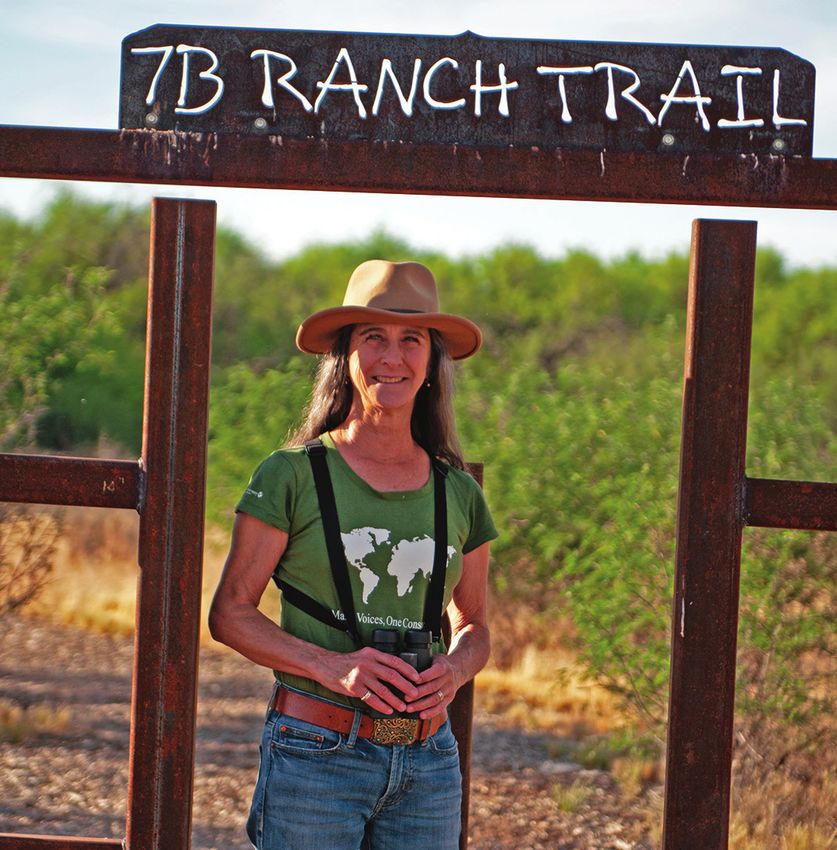
ON NATURE,
What is your favorite place in Arizona?
We asked each other, if you could spend a week anywhere, where would
you go? Our top choice was The Nature Conservancy’s Muleshoe
Ranch. It offers comfortable self-catering rooms in the historic ranch
house, and endless hiking opportunities through lovely scenery rich in
AFRICA AND
wildlife. The outdoor hot tubs are the perfect place to relax at the end
of the day. We have been going there for years.
What drew you to get involved with TNC?
We were impressed by TNC’s ability to conserve large and intact natural
INSPIRATION
areas. Visits to Muleshoe and Aravaipa Canyon preserves convinced
us that TNC knows what it is doing and has the staff to preserve and
maintain precious habitats where wildlife can thrive.
What are your major environmental concerns?
Most environmental problems, including habitat destruction, pollution,
David Bygott and Jeannette Hanby are climate change and loss of biodiversity, are due to humans. The
well-traveled supporters of TNC and unchecked growth of our species seems the fundamental issue that
bring a perspective that links nature and we are still unable to address.
people. After extensive time in Africa, What do you think about how TNC tackles these issues?
the two have written a book that explores We see that TNC does all it can to halt habitat destruction by securing
the intersection of environment and crucial habitats. For instance, we lived in the vulnerable semi-arid
environment of northwest Tanzania for nearly 20 years. The area is still
social networks. The Tucson residents
home to a small group of hunter-gatherers known as the Hadza, who
share insights on global travel, and we came to know well. They need a large area where they can forage,
some closer to home. using traditional skills. Encroachment by pastoralists and farmers has
seriously endangered both wildlife and the Hadza. TNC has started a
carbon-offset project that provides funds for protection of the habitat,
You’ve travelled broadly – which
helping to ensure that this unique area and its people survive.
place really inspires you?
Where are you now?
The Serengeti ecosystem. We have been
going to Africa for almost half a century. We are temporary caretakers of Ruby Ghost Town in Southern Arizona,
Leave Your Legacy:
David studied chimpanzees at Gombe in far from most people, in a place we love! Ruby is a privately owned David and Jeannette became TNC Legacy
Tanzania in the early 1970s, then went to historical and nature reserve. It’s a disused mining area that has been
Cambridge, England to work on his doctoral
Club members by creating a TNC charitable
going back to nature since the mine shut down over 60 years ago. It
thesis. Jeannette was there doing research remainder trust. As Legacy Club members,
has lakes, woodlands and rocky hills that support a rich variety of
on captive monkeys, having just received large mammals, birds and smaller creatures. We help monitor the they enjoy Legacy field trips and events. “It
her own doctorate degree. Together we went environment with trail cameras and species inventories. was an easy process and we’re glad to support
to Tanzania to study lions in the Serengeti. the work of The Nature Conservancy.”
Lions are a top predator and from their point What inspired you to write your book?
of view we learned a lot about Serengeti’s Living in a little-known part of Africa with an amazing diversity of For information about giving options that
ecological pyramid. We continue to return people and wildlife inspired us to write about our experiences. We offer income opportunities, please contact
there as safari guides and are still enthralled lived in a village near Lake Eyasi in northern Tanzania, a place where Mark Ryan at mdryan@tnc.org.
by Serengeti’s immensity and diversity; strikingly different cultures meet and interact. Our forthcoming book,
the web of interactions between plants and “Spirited Oasis,” is a collection of stories about this unique place, known
animals, predators and prey. as Mangola, and we have a sequel planned as well.
this page top to bottom Male lion at Serengeti National Park in Tanzania © Nicolás Alais/TNC Photo this page top to bottom Lion cub stretching © Yaron Schmid/2018 TNC Photo Contest; A lion
Contest 2019; From left, David Bygott, Jackie Day, Jeannette Hanby and Mark Haberstich at cub resting on his mother’s neck in the Serengeti, Tanzania © Yaron Schmid/2018 TNC
14 | Field Notes: Spring 2020 Aravaipa Canyon Preserve © Mark Ryan/TNC Photo Contest; David Bygott and Jeannette Hanby © Courtesy David & Jeannette Field Notes: Spring 2020 | 15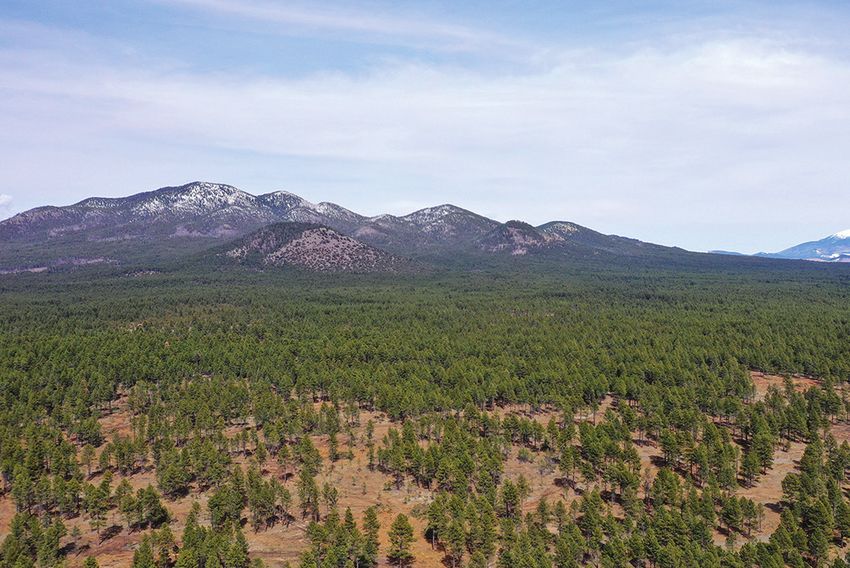
The Nature Conservancy       Tucson Conservation Center                             NONPROFIT ORG
                               Arizona Chapter              1510 E. Fort Lowell Rd.                                  US POSTAGE
                               7600 N. 15th Street, #100    Tucson, AZ 85719                                            PAID
                               Phoenix, AZ 85020                                                                     TUCSON, AZ
                                                                                                                   PERMIT NO. 2216
                               nature.org/arizona

   Need original
   FSC Art

clockwise  Red monkey flower in Aravaipa Canyon © Marian Stampfer; A swallowtail butterfly perches among pine tree needles at Hart
Prairie Preserve © Doug Iverson; The arm of a saguaro cactus drops down to say hello. © Anthony Rodgers/TNC Photo Contest 2019;
Sandhill Crane taking her baby chicks out for a swim. © Roxana Walters/TNC Photo Contest 2019

   NATURE
   THANKS
   YOU
  Your support has helped
  us to ensure people and
  nature prosper and thrive,
  together. Because of
  you, Arizona and our
  world will be better for
  generations to come.
You can also read


