Psychological Stress in Myocardial Infarction Patients
←
→
Page content transcription
If your browser does not render page correctly, please read the page content below
Published online: 2020-03-28
THIEME
Original Article 27
Psychological Stress in Myocardial Infarction Patients
Daya Vaswani1
1 Department of Cardiology, NIMS, Punjagutta, Hyderabad, Address for correspondence Daya Vaswani, DM, Department of
Telangana, India Cardiology, NIMS, Punjagutta, Hyderabad, Telangana, 500082, India
(e-mail: dayavaswani@gmail.com).
Ind J Car Dis Wom 2020;5:27–37
Abstract Background The interplay between mental and physical health is an area of inad-
equate research and hence poorly understood. However, decades of research have
made surprising revelations—that both may actually cause each other—but the precise
nature of these links is not clearly defined. Hence, the aim of this paper is to deter-
mine the prevalence of undiagnosed depressive and anxiety symptoms in patients pre-
senting with Acute Myocardial Infarction (MI) in the Intensive Care Unit (ICU) of our
hospital.
Materials and Methods This is a cross-sectional study conducted on 100 patients
admitted with acute MI in the cardiology ICU of our tertiary hospital. A detailed history
was obtained, including socioeconomic history and complete medical history. The Per-
ceived Stress Scale (PSS) was used to assess subjective psychological stress. Patient
Health Questionnaire-9 (PHQ9) was used to diagnose unrecognized depression, and
Generalized Anxiety Disorder-7 (GAD7) was used to identify anxiety disorder among
patients.
Results Out of total study population, 35% (n = 35) were females (mean age:
57.44 ± 13.54 years) and 65% (n = 65) were males (mean age: 55.90 ± 10.81 years).
82% (n = 82) of the patients were found to have subjective psychological distress,
among which 70.73% (n = 58) patients had depressive symptoms, with 5.17% (n = 3)
having major depression. Of the total patients diagnosed to have depression, 68.96%
(n = 40) patients were males and 31.03% (n = 18) were females, with two out of three
patients with major depression being females. Among the total study patients, 24%
(n = 24) had anxiety symptoms, out of which 58.3% (n = 14) were males and 41.6%
(n = 10) were females, with only two patients categorized as having severe anxiety
disorder, both being females. Univariate analysis of study variables with depression
showed that increased incidence of subjective psychological stress and lesser phys-
Keywords ical activity were strongly associated with depressive symptoms (P value: 0.04 and
►►Myocardial 0.01 respectively). Among the total study patients, 24% (n = 24) had anxiety symp-
Infarction (MI) toms out of which 58.3% (n = 14) were males and 41.6% (n = 10) were females, with
►►psychological stress only two patients categorized as having severe anxiety disorder, both being females.
►►depression Univariate analysis of study variables with anxiety disorder showed significant associa-
►►anxiety disorder tion of older age > 60 years (P value 0.002), hypertension (HTN) (P value 0.001), T2DM
Published online DOI https://doi.org/ ©2020 Women in Cardiology and
March 28, 2020 10.1055/s-0040-1708575 Related Sciences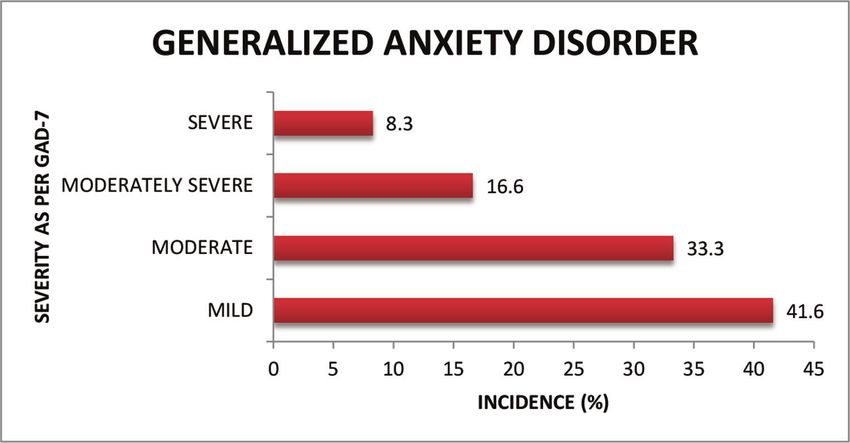
28 Psychological Stress in Myocardial Infarction Patients Daya Vaswani
(P value 0.02), and coexisting T2DM and HTN (P value 0.05), with anxiety disorder.
Smoking and alcoholism also demonstrated an independent association with anxiety
disorder (P value 0.04 and 0.01 respectively). Lesser physical activity demonstrated a
strong association with anxiety (P value 0.0001).
Conclusion The prevalence of psychological stress among MI patients is high, with
depression existing in 70.7% of patients, notably, major depression was more in
females. Of the total study population, 24% of patients had anxiety, where a severe
degree of anxiety was more in female patients.
Introduction informed consent. Patients with a history of neuropsychiatric
disorders or previously treated by a psychologist or psychia-
Cardiovascular diseases (CVDs), mainly ischemic heart dis- trist were excluded from the study. The study was conducted
ease, account for a major disease burden globally and is a on a total of 100 patients with ACS.
leading cause of mortality and morbidity.1,2 Affective disor-
ders (mainly depression and anxiety disorders) are among Study Procedure
the most common psychological disorders encountered in The demographic details of all participants were noted. Par-
clinical practice3 ticipants were subjected to a detailed questionnaire in the
Currently, CVD is regarded as the leading cause of g lobal language that they could speak and understand. Participants
disease burden (GBD), with depression holding fourth place. were asked about their lifestyle, occupation, and personality
However, depression is expected to become the second lead- using a structured questionnaire that included their response
ing cause of GBD by 2020.4,5 A bidirectional relationship at workplace, introvert or extrovert nature, social behavior,
exists between depression and coronary heart disease (CHD) energy level, response to a stressful event, patience, compet-
that does not involve only bidirectional causation but also itive feeling, overthinking, and decision making. Based on
common pathophysiology.6-8 The causation and association their response, patients were designated as having Types A,
relationship between CHD and anxiety has not been studied B, C, D personality types. Past history of (H/O) Type 2 Dia-
as extensively as with depression. Although the association betes Mellitus (T2DM), hypertension (HTN), cerebrovascular
between anxiety and CHD has been known for over 100 years, event (CVA), chronic kidney disease (CKD), bronchial asthma
the exact delineation of this association is lacking.9,10 or chronic obstructive pulmonary disease (COPD) was noted.
An intriguing relationship between psychological disor- Family history of T2DM, HTN, and MI was obtained. Histo-
ders and CHD appears to exist. Conversely, people suffering ry of personal addictions of smoking, alcohol, and tobac-
from a psychological disorder seem to have an increased co chewing was also obtained. History of alcohol use was
risk of CHD, possibly because of a common pathophys- assessed by asking each patient if on any typical day they
iological mechanism linking both diseases. The extent to consumed at least one drink for females and two drinks for
which each of these psychological disorders jointly and males, for which they responded as “yes” or “no. Patients who
independently contribute to CHD risk should be clarified.11 have smoked at least 100 cigarettes in their lifetime and are
Hence, the objective of the study is to determine the prev- still smoking or had quit smoking in the last 12 months were
alence and severity of unrecognized depression and gener- taken as smokers.13
alized anxiety disorder (GAD) in patients presenting with All patients were asked individually for the presence of
acute MI. subjective psychological stress by using item 3 of the PSS and
scored on a Likert scale of 0,1,2,3, and 4.14 Scores of 3 and 4
Methods were taken as significant psychological stress. Patients with
significant psychological stress were then subjected to sep-
Study Design
arate questionnaires for anxiety and depression. (►Table 1).
This is a cross-sectional study design conducted in the car-
The nine-item Patient Health Questionnaire (PHQ-9)
diology department of a tertiary institute over a period of
was used to establish the presence and to assess the
6 months (October 1, 2018 to April 1, 2019).
severity of depressive symptoms and major depression
(►Table 2). PHQ-9 is based on the DSM-IV criteria for
Study Population major depressive disorders and is considered a reliable and
Patients presenting to the ICU with acute coronary syn- valid assessment tool. Patients responded to each question
drome (ACS), including ST Elevation MI (STEMI) and Non-ST on a scale of 0–3 depending on the frequency of depres-
Elevation MI (NSTEMI), were included in the study. The diag- sive symptoms experienced by them. A total score of 0 to
nosis of Acute MI was made following standard diagnostic 27 was calculated. The severity of depression was grouped
criteria.12 Patients were included in the study after obtaining into none (score 0–4), minimal symptoms (score 5–9), and
Indian Journal of Cardiovascular Disease in Women WINCARS Vol. 5 No. 1/2020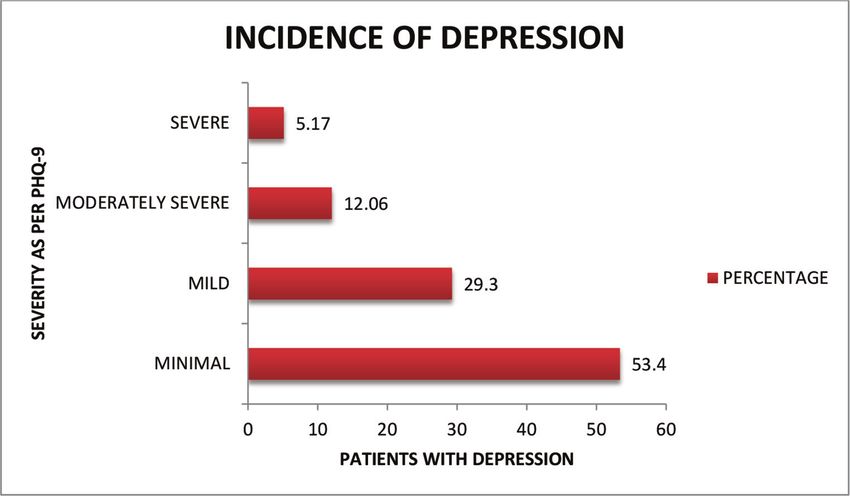
Psychological Stress in Myocardial Infarction Patients Daya Vaswani 29
Table 1 Perceived stress scale (PSS)14
Sr No. During last one month, how often you Never Almost never Sometimes Fairly often Very often
thought or felt a certain way
1. How often have you been upset because of 0 1 2 3 4
something that happened unexpectedly?
2. How often have you felt that you were unable to 0 1 2 3 4
control the important things in your life?
3. How often have you felt nervous and “stressed”? 0 1 2 3 4
4. How often have you felt confident about your 0 1 2 3 4
ability to handle your personal problems?
5. How often have you felt that things were going 0 1 2 3 4
your way?
6. How often have you found that you could not cope 0 1 2 3 4
with all the things that you had to do?
7. How often have you been able to control 0 1 2 3 4
irritations in your life?
8. How often have you felt that you were on top of 0 1 2 3 4
things?
9. How often have you been angered because of 0 1 2 3 4
things that were outside of your control?
10. How often have you felt difficulties were piling up 0 1 2 3 4
so high that you could not overcome them?
Courtesy: Cohen S. “Perceived Stress Scale.” Psychology. 1994:1–3.
Table 2 The 9-item patient health questionnaire (PHQ-9)15
Sr No. Over the last two weeks, how often have you been Not at all On several More than Nearly every
bothered by any of the following problems? (Use “✔” to days half of the day
indicate your answer) days
1. Little interest or pleasure in doing things 0 1 2 3
2. Feeling down, depressed, or hopeless 0 1 2 3
3. Trouble falling or staying asleep or sleeping too much 0 1 2 3
4. Feeling tired or having little energy 0 1 2 3
5. Poor appetite or overeating 0 1 2 3
6. Feeling bad about yourself—or that you are a failure or have let 0 1 2 3
yourself or your family down
7. Trouble concentrating on things, such as reading the newspaper 0 1 2 3
or watching television
8. Moving or speaking so slowly that other people could have 0 1 2 3
noticed. Or the opposite—being so fidgety or restless that you
have been moving around a lot more than usual
9. Thoughts that you would be better off dead or of hurting yourself 0 1 2 3
in some way
Courtesy: Adewuya A. O., Ola B. A., Afolabi O. Validity of the patient health questionnaire (PHQ-9) as a screening tool for depression among Nigerian
university students. Journal of Affective Disorders. 2006; 96(1–2):89–93.
major depression (score 10 or more). Major depression (score 0–5), moderate (score 6–10), moderately severe (score
was then subcategorized as mild depression (score 10–14), 11–15), and severe anxiety disorder (score 16–21).16
moderately severe depression (score 15–19), and severe
depression (score greater than 20).15 Statistical Analysis
The seven-item Generalized Anxiety Disorder questionnaire Statistical analysis was performed using Statistical Pack-
(GAD-7) was used to assess the presence and severity of anxi- age for the Social Sciences Version 21.0 (SPSS Inc., Chicago,
ety symptoms (►Table 3). Patients rated the frequency of their IL, USA). Categorical data were expressed as proportions
symptoms by using a Likert scale of 0–3. A total score of 0–21 and percentages. Logistic regression analysis was used
was calculated. Anxiety disorder was then categorized as mild to determine the study variables associated with the
Indian Journal of Cardiovascular Disease in Women WINCARS Vol. 5 No. 1/2020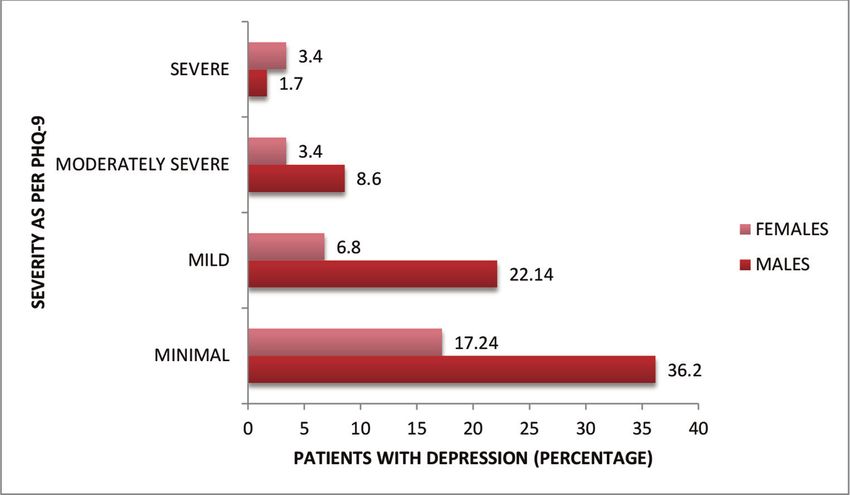
30   Psychological Stress in Myocardial Infarction Patients                        Daya Vaswani

     Table 3 The 7-item generalized anxiety disorder questionnaire (GAD-7)16
       Sr No.      Over the last 2 weeks, how often have you                        Not at all    On several     More than half of   Nearly every day
                   been bothered by any of the following                                          days           the days
                   problems?
                   (Use “✔” to indicate your answer)
       1.             Feeling nervous, anxious, or on the edge                      0             1              2                   3
       2.             Not being able to stop or control worrying                    0             1              2                   3
       3.             Worrying too much about different things                      0             1              2                   3
       4.             Trouble relaxing                                              0             1              2                   3
       5.             Being so restless that it is hard to sit still                0             1              2                   3
       6.             Becoming easily annoyed or irritable                          0             1              2                   3
       7.             Feeling afraid as if something awful might                    0             1              2                   3
                      happen
     Courtesy: Spitzer RL, Kroenke K, Williams JB, et al; A brief measure for assessing generalized anxiety disorder: the GAD-7. Arch Intern Med. 2006
     May 22; 166(10):1092–7.

     presence or absence of depression and generalized anxiety                               The prevalence of depressive symptoms in the study pop-
     disorder. P value of less than 0.05 was taken as statistically                      ulation was 58% (n = 58), out of which 53.4% (n = 31) of the
     significant.                                                                        study participants had minimal depressive symptoms, 29.31%
                                                                                         (n = 17) had mild depression, 12.06% (n = 7) had moderately
     Ethical Clearance                                                                   severe depression, and only 5.17% (n = 3) had severe depression.
     The study was approved by the ethical committee of the insti-                       Two out of three patients with severe depression were females
     tute where the study was conducted. All the participants were                       (►Table 5). ►Fig. 3 shows the severity of depression and ►Fig. 4
     explained about the aim and objective of the study and were                         shows the depression as per sex-based distribution.
     included in the study after signing informed consent form. Par-                         Of the total study population, 58% (n = 58) patients were
     ticipants were also explained that they can withdraw their con-                     diagnosed to have depression as per the PHQ-9 score. Among
     sent for the study at any time with no untoward consequences.                       them, 18 patients were females and 40 were males. The inci-
                                                                                         dence of minimal depressive symptoms was higher in males.
                                                                                         Also, the incidence of mild and moderately severe depression
     Results
                                                                                         was significantly higher in males. These findings may be due
     Sociodemographic Characteristics and Medical History                                to disparity in the sample size of males and females in the
     of Study Participants                                                               study population. But out of the three patients diagnosed
     Of the total study population, 35% (n = 35) were females, with                      with severe depression, two were females (►Fig. 4). Thus,
     a mean age of 57.44 ± 13.54 years, and with 42.85% (n = 15)                         it can be inferred from the above figure that the severity of
     of the females above the age of 60 years. Of the total partic-                      depressive symptoms is more in females.
     ipants, 64% (n = 64) were diagnosed cases of HTN and 60%                                The incidence of depression was found to be significantly
     (n = 60) were diagnosed with T2DM, and with 40% (n = 40)                            higher in males. But this finding may be confounded by the
     of the patients having comorbid T2DM and HTN. Family his-                           unequal distribution of males and females in the study pop-
     tory of MI was found to be positive in 34% (n = 34) of the                          ulation. Older age was not found to have a significant asso-
     patients. History of smoking was positive in 41% (n = 41) of                        ciation with depression (p = 0.27) (►Table 6). In this study,
     the patients. 48% (n = 48) had a history of regular alcohol
     consumption while 28% (n = 28) of the patients were found
     addicted to tobacco chewing. A majority of 72% (n = 72) of
     the patients were not engaged in adequate physical activity.
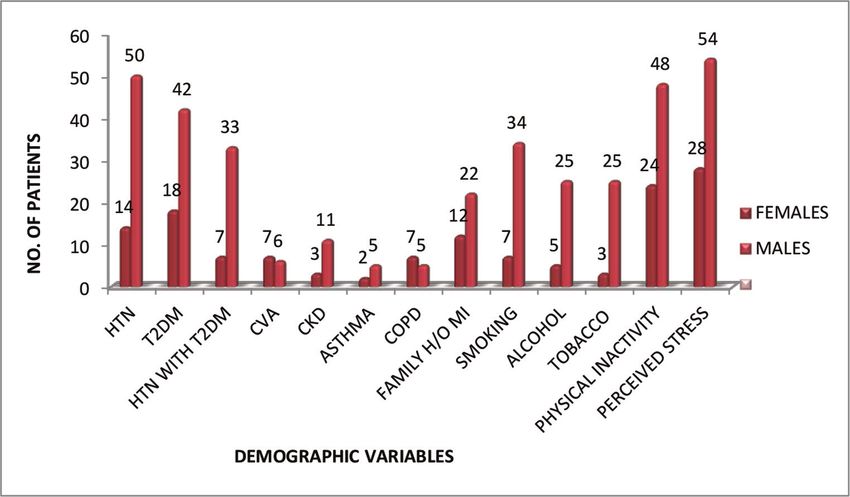
     A significant 82% (n = 82) of the participants were diagnosed
     to have subjective psychological stress (►Figs. 1 and 2).
         Of the total study population, a significant proportion of
     males were above the age of 60 years. There was an increased
     incidence of HTN, T2DM, and coexisting HTN and T2DM
     among males, which was found to be statistically significant
     when compared with females. Similarly, personal addictions
     of smoking, alcohol, and tobacco chewing were more pre-
     dominant among males compared to females. Males were
     found to have more subjective psychological stress compared
     to females (P value 0.01) (►Table 4, ►Fig. 2).
                                                                                         Fig. 1 Gender distribution.

     Indian Journal of Cardiovascular Disease in Women WINCARS Vol. 5 No. 1/2020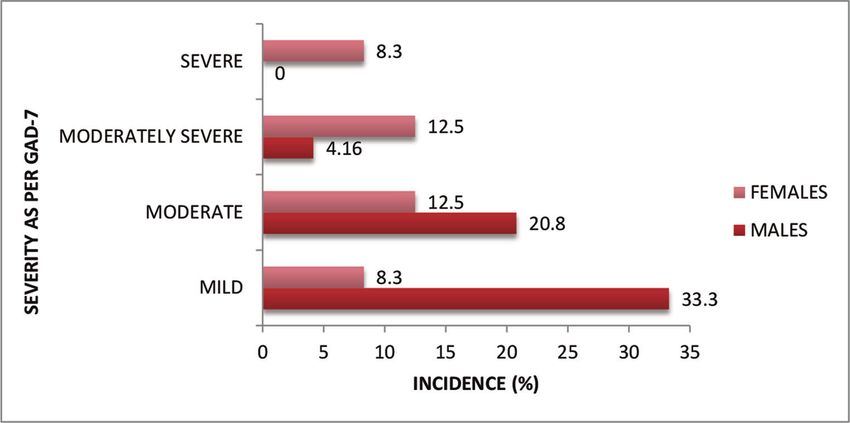
Psychological Stress in Myocardial Infarction Patients                         Daya Vaswani           31

Fig. 2 Demographic characteristics based on gender.

Table 4 Medical history of study population
 Variables                                                Females (n = 35) (%)                     Males (n = 65) (%)                 P value
 Age < 60 years                                           20 (57.15)                               23 (35.4)                          0.73
 Age ≥ 60 years                                           15 (42.85)                               42 (64.6)                          0.006
 Mean age                                                 57.44 ± 13.54 years                      55.9 ± 10.81%
 Diagnosed HTN                                            14 (40)                                  50 (77)                            0.0003
 Diagnosed T2DM                                           18 (51.4)                                42 (64.6)                          0.015
 Comorbid T2DM and HTN                                    7 (20)                                   33 (50.7)                          0.003
 Diagnosed CVA                                            7 (20)                                   6 (9.2)                            0.84
 Diagnosed CKD                                            3 (8)                                    11 (17)                            0.16
 Diagnosed asthma                                         2 (5.7)                                  5 (7.7)                            0.46
 Diagnosed COPD                                           7 (20)                                   5 (7.7)                            0.68
 Positive history of HTN in first-degree relative         15 (42.8)                                25 (38.5)                          0.24
 Positive history of T2DM in first-degree relative        15 (42.8)                                23 (35.4)                          0.34
 Positive history of MI in first-degree relative          12 (34.3)                                22 (33.8)                          0.22
 Smoking                                                  7 (20)                                   34 (52.3)                          0.003
 Alcohol consumption                                      5 (14.3)                                 43 (66)                            0.0001
 Tobacco chewing                                          3 (8)                                    25 (38.5)                          0.005
 Engaged in less physical activity                        24 (68.6)                                48 (73.8)                          0.019
 Significant subjective psychological stress              28 (80)                                  54 (83)                            0.01

Table 5 Depression status of the participants
 Variable                                                         n (%)                     Males (%)                 Females (%)
 Total number of depressed patients                               58 (58%)                  40 (68.96%)               18 (31.03%)
 Normal                                                           42 (42%)                  25 (59.52%)               17 (40.47%)
 Level Of depression
 PHQ-9 (Score 5–9) minimal symptoms                               31 (53.4%)                21(36.2%)                 10 (17.24%)
 PHQ-9 (Score 10–14) mild                                         17 (29.31%)               13 (22.14%)               4 (6.8%)
 PHQ-9 (Score 15–19) moderately severe                            7 (12.06%)                5 (8.6%)                  2 (3.4%)
 PHQ-9 (Score ≥ 20) severe                                        3 (5.17%)                 1 (1.7%)                  2 (3.4%)

                                                                              Indian Journal of Cardiovascular Disease in Women WINCARS Vol. 5 No. 1/2020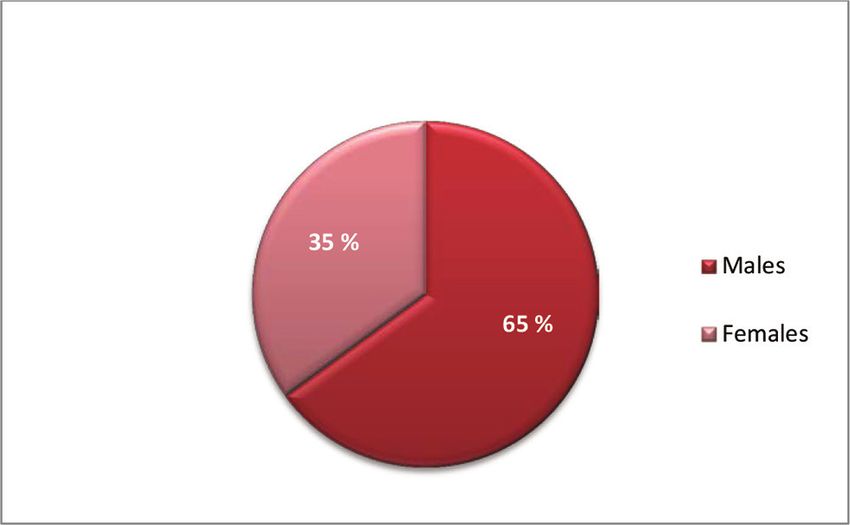
32   Psychological Stress in Myocardial Infarction Patients                        Daya Vaswani

     Fig. 3 Severity of depression.

     Fig. 4 Severity of depression based on gender.

     univariate analysis of the association of all known risk fac-                          Among the total patients diagnosed with generalized anxi-
     tors of MI was done with the presence of depression and it                         ety disorder, 58.3% (n = 14) were males and 41.6% (n = 10) were
     was observed that none of the conventional risk factors of                         females. The severity of generalized anxiety disorder was more
     MI demonstrated a statistically significant association with                       in females, with 12.5% (n = 3) having moderately severe anxi-
     depression. Subjective psychological stress and lesser phys-                       ety. Only two patients in the study population were diagnosed
     ical activity increased the odds of depressive symptoms                            with severe anxiety and both were females. (►Table 7, ►Fig. 6)
     (P value 0.04 and 0.01 respectively) (►Table 6). In view of                            Univariate analysis of study variables with anxiety dis-
     the disproportionate sample size of males and females, gen-                        order showed a significant association of hypertension,
     der-wise comparison and multivariate analysis could not be                         T2DM, and coexisting T2DM and HTN with anxiety disor-
     done.                                                                              der. Smoking and alcoholism also demonstrated an inde-
        A total of 24 patients were diagnosed to have generalized                       pendent association with anxiety disorder. Lesser physical
     anxiety disorder as per GAD-7 scoring system. Out of these,                        activity and older age increased the odds of anxiety symp-
     41.6% (n = 10) patients had mild anxiety symptoms, 33.3%                           toms. The incidence of anxiety disorder was found to be
     (n = 8) had moderate anxiety, 16.6% (n = 4) had moderately                         higher in the male population. This observation may be
     severe anxiety, and 8.3% (n = 2) patients had severe anxiety                       confounded by the higher sample size of the male popula-
     disorder (both were females) (►Table 7, ►Fig. 5).                                  tion under study (►Table 8). Gender-wise comparison and

     Indian Journal of Cardiovascular Disease in Women WINCARS Vol. 5 No. 1/2020
Psychological Stress in Myocardial Infarction Patients Daya Vaswani 33
Table 6 Association between study variables and depression
Variables Depressive Status (n = 58) (%) P Value
Depressed (n = 58) (%) Normal (n = 42) (%)
Sex Males 40 (68.96) 25 (59.52) 0.1
Females 18 (31.03) 17 (40.47) 0.89
Age < 60 Years 34 (58.6) 27 (64.28) 0.45
> 60 Years 24 (41.4) 15 (35.71) 0.27
HTN 39 (67.24) 25 (35.71) 0.14
T2DM 33 (56.9) 27 (64.28) 0.52
Comorbid HTN and T2DM 19 (32.76) 21 (50) 0.80
History of CVA (H/O) 5 (8.6) 8 (19.05) 0.54
Known CKD 7 (12.06) 7 (16.6) 1.0
Diagnosed asthma 4 (6.9) 3 (7.14) 0.79
Diagnosed COPD 4 (6.9) 8 (19.04) 0.39
Smoking 21 (36.2) 20 (47.62) 0.90
Alcoholism 21 (36.2) 27 (64.28) 0.48
Tobacco chewers 12 (20.7) 16 (38.09) 0.56
Family H/o HTN 19 (32.75) 21 (50) 0.80
Family H/o DM 19 (32.75) 19 (45.24) 1.0
Family H/o MI 17 (29.31) 17 (40.47) 1.0
Engaged in lesser physical activity 48 (82.75) 24 (57.14) 0.01
Significant subjective psychological stress 51 (87.9) 31 (73.8) 0.04
Table 7 Generalized anxiety status of the participants
Variables n (%) Males (%) Females (%)
Total 24 (24) 14 (58.3) 10 (41.6)
GAD-7 Score 0–5 (mild) 10 (41.6) 8 (33.33) 2 (8.3)
GAD-7 Score 6–10 (moderate) 8 (33.3) 5 (20.83) 3 (12.5)
GAD-7 Score 11–15 (moderately severe) 4 (16.6) 1 (4.16) 3 (12.5)
GAD-7 Score 16–21 (severe) 2 (8.3) 0 2 (8.3)
Fig. 5 Severity of generalized anxiety disorder.
Indian Journal of Cardiovascular Disease in Women WINCARS Vol. 5 No. 1/202034 Psychological Stress in Myocardial Infarction Patients Daya Vaswani
Fig. 6 Gender distribution of generalized anxiety disorder.
Table 8 Association of study variables with anxiety
Variables Anxiety Status P Value
Anxiety (n = 24) Normal (n = 76)
Sex Males 14 51 0.001
Females 10 25 0.12
Age < 60 Years 13 30 0.09
> 60 Years 11 46 0.002
HTN 13 51 0.001
T2DM 17 43 0.02
Comorbid HTN and T2DM 10 30 0.05
History of CVA 6 7 0.86
Known CKD 2 12 0.14
Diagnosed asthma 0 7 0.18
Diagnosed COPD 4 8 0.50
Smoking 10 31 0.04
Alcoholism 11 37 0.01
Tobacco chewers 6 22 0.07
Family H/o HTN 9 31 0.03
Family H/o T2DM 8 20 0.17
Family H/o MI 8 26 0.06
Engaged in lesser physical activity 13 59 0.0001
Abbreviation: T2DM, type 2 diabetes mellitus.
multivariate analysis could not be done of disproportion- artery diseases.2,17-19 The main risk factors associated with
ate numbers of males and females under study. CHD include diabetes mellitus, HTN, dyslipidemia, and obesi-
ty, which themselves are chronic medical conditions requir-
ing lifelong therapy. Other risk factors include old age, male
Discussion
gender, sedentary lifestyle, Type A and D personalities, stress,
Cardiovascular diseases, mainly ischemic heart disease, are smoking, and family history of CHD.9
the leading cause of GBD. As per the World Health Organi- Psychological disorders are also a major contributor
zation (WHO) 2015 statistics, CVDs account for 17.7 million to GBD.20,21 According to a recent meta-analysis, 14.3% of
or 31% of all deaths worldwide. Among these, an estimated total deaths worldwide are attributable to psychological
number of 7 million deaths are due to CHD. According to data disorders.22 Affective disorders (mainly depression and gen-
collected from India in 2015 of more than 2.1 million deaths, eralized anxiety disorders) are among the most common psy-
more than a quarter of all deaths was attributed to coronary chological disorders encountered in routine clinical practice.3
Indian Journal of Cardiovascular Disease in Women WINCARS Vol. 5 No. 1/2020Psychological Stress in Myocardial Infarction Patients Daya Vaswani 35
CVD is the leading cause of GBD worldwide, with depres- individuals with depression have a 30% increased risk of
sion occupying the fourth position in the queue.4,5 However, CHD compared to non-depressed perons (RR = 1.30, 95% CI:
with its rapidly rising prevalence, depression is expected to 1.22–1.40).7 Another meta-analsis of prospective cohort studies
become the second leading cause of GBD by 2020. The WHO (n = 323709) conducted by Gan Y et al. in 2014 has found that
report of 2012 estimated that ~350 million people are suffer- depression increased the risk of MI by 31% (adjusted HR = 1.31,
ing from depressive symptoms and the figure is still rising.23 95% CI: 1.09–1.57) and that of coronary death by 36%
According to statistical data, depression is more prevalent (adjusted HR = 1.36, 95% CI: 1.14–1.63) compared to non-
among CVD patients than the general population.24 Thus, depressed persons.31
depression may be regarded as an important risk factor for In our study, 24% of patients were found to have generalized
CVD in the same way as conventional risk factors like dia- anxiety disorder, with only 1% having severe anxiety, and the
betes and hypertension probably because of the common key factors associated with anxiety were uncontrolled T2DM
pathophysiological mechanism. Furthermore, the worse and tobacco chewing. According to a meta-analysis conducted
prognosis is observed in patients with comorbid depression by Emdin CA et al. in 2016, anxiety incurs an additional 41% risk
and CVD (including all-cause mortality).25 of CHD in patients (RR = 1.41, 95% CI: 1.23–1.61, P > 0.0001).32
The relationship between anxiety and CHD is not clearly Another meta-analysis of 20 studies (n = 249846), conducted
established.26 Studies suggest that the prevalence of anxiety by Roest AM et al. in 2010, analyzed the association between
is more in patients with CVD and may be associated with anxiety and incident CHD and they found that anxiety pos-
increased cardiovascular morbidity and mortality.26 This es an additional risk of 26% for the incident CHD (HR = 1.26,
finding holds across the spectrum of anxiety disorder with 95% CI: 1.15–1.38, P > 0.0001), independent of demograph-
generalized anxiety disorder imposing major risk for adverse ic characteristics, other conventional risk factors, and health
cardiac events in CHD patients.27,28 habits.33
Stress is a complex phenomenon that begins from exposure to Although all these findings are significant, it should be
a stressful event, followed by the individual’s perception of psy- emphasized that high levels of heterogeneity exist among
chological stress induced by that event and the resultant behav- studies related to methodological differences and probably
ioral response to that stressful event, which includes sympathetic the risk associated with anxiety is not as remarkable as that
stimulation and vagal inhibition. The PSS is a widely used psycho- with depression.34,35 Sensitivity analyses have shown that it is
logical tool to assess an individual’s perception of his life events likely that the exclusion of depression (which is highly cor-
or situations. Higher scores are known to be associated with related with anxiety) substantially reduces the risk of CHD or
depressive symptoms related to current life situations.29 Alkha- attenuates the relationship between anxiety and adverse car-
thami et al., through a study of 368 primary healthcare patients diovascular outcomes in patients with CHD.10,28,34 The extent to
with diagnosed hypertension and diabetes, demonstrated that which both of these psychological disorders jointly and inde-
patients who were aware of their uncontrolled HTN or T2DM had pendently contribute to CHD risk still needs to be clarified.
increased levels of perceived stress and this was associated with Major depression and anxiety disorder can thus be consid-
increased prevalence of depression and anxiety. This feeling had ered as potential risk factors for ACS. Also, they may be associ-
no correlation with objective measures of control like glycated ated with worsened outcomes in these patients. Furthermore,
hemoglobin and measured blood pressure. Thus, the presence of these psychological disorders are associated with worsened
subjective psychological stress indicates toward increased preva- quality of life. Also, there is a significant overlap in the risk
lence of depression and generalized anxiety disorder in patients factors associated with CVD and depression and anxiety dis-
with chronic diseases. Also, one cannot underestimate the role order, further emphasizing a common pathophysiological
that having a first-degree relative with HTN, T2DM, CVD, or any mechanism relating to these diseases. Thus, identifying the
chronic illness has to play on perceived stress, considering the sets of patients with higher PSS scores and directing them to
role played by immediate family members in the care of other a psychiatric clinic for earlier diagnosis and treatment might
family members in the Indian setting and the subsequent care- improve the overall outcome for patients with CVD.
giver burden.30
In our study, 58% of the study population had significant
Conclusion
depression even though the majority (48%) was classified as
having minimal symptoms and mild major depression. The The study demonstrates a higher prevalence of depression
key risk factors associated with depression being HTN, comor- (70.7%) and anxiety symptoms (24%) among patients pre-
bid HTN and T2DM, positive family history of HTN, T2DM, senting with ACS to cardiology ICU. Major depression and
and CVD, smoking and alcohol consumption, and reduced severe anxiety were more common in females compared
physical activity. A study that was conducted by Sandra et al. with male patients.
in Nigeria, which included 200 participants, concluded that
59.4% of patients had depressive symptoms, with 16.5% of the Implementations of the Study
patients having major depression. In this study, old age and Hypertension and diabetes are two well-established and
significant perceived stress were shown to be independently thoroughly studied risk factors for CVD. The importance of
associated with depression, incurring a higher risk of CVD in their proper control cannot be underestimated for favorable
these patients.30 According to a meta-analysis of 30 prospec- cardiovascular outcomes. Depression and anxiety have a neg-
tive studies (n = 893,850) conducted by Wu Q et al. in 2016, ative impact on body controls, thus interfering with adequate
Indian Journal of Cardiovascular Disease in Women WINCARS Vol. 5 No. 1/202036 Psychological Stress in Myocardial Infarction Patients Daya Vaswani
control of HTN and T2DM and further influencing the mani- Association (AHA)/World Heart Federation (WHF) Task Force
festations of CVD. On the other hand, the stress of living with for the U niversal Definition of Myocardial Infarction. Fourth
Universal Definition of Myocardial Infarction (2018) J Am Coll
chronic medical illnesses and immediate family members
Cardiol 2018;72(18):2231–2264
with chronic illnesses also poses an additional risk of depres- 13 Fauci AS, Braunwald E, Kasper DL, et al. eds. Harrison‘s princi-
sion and anxiety. This emphasizes the need to screen all ples of Internal medicine.19th ed. Newyork: Mcgraw Hill Com-
patients living with chronic medical illnesses for depressive panies; 2015 2726–2732
symptoms and anxiety disorder and referring these patients 14 Cohen S, Williamson G. Perceived stress in a probability sam-
to a professional clinical psychologist or psychiatrist at the ple of the United States In: Spacapam S and Oskamp S. The
Social Psychology of Health 1988: Sage, 31–67
earliest for integrated care and treatment.
15 Adewuya AO, Ola BA, Afolabi OO. Validity of the patient
health questionnaire (PHQ-9) as a screening tool for depres-
Limitations sion amongst Nigerian university students. J Affect Disord
The study was conducted on a smaller sample population 2006;96(1-2):89–93
with a disproportionate number of males and females. 16 Spitzer RL, Kroenke K, Williams JB, Löwe B. A brief measure
Hence, gender-wise comparisons could not be done and mul- for assessing generalized anxiety disorder: the GAD-7. Arch
Intern Med 2006;166(10):1092–1097
tivariate analysis could not be done.
17 Shepard D, VanderZanden A, Moran A, Naghavi M, Murray
Larger sample size with multicentric trial should be done C, Roth G. Ischemic heart disease worldwide, 1990 to 2013:
so as to ascertain the actual relationship between psycho- estimates from the global burden of disease study 2013. Circ
logical stress and ACS. Because of the cross-sectional design Cardiovasc Qual Outcomes 2015;8(4):455–456
of the study, the duration of symptoms was not studied and 18 Foley JR, Plein S, Greenwood JP. Assessment of stable coro-
nary artery disease by cardiovascular magnetic resonance
long term follow up of patients was not done.
imaging: Current and emerging techniques. World J Cardiol
Conflict of Interest 2017;9(2):92–108
19 World Health Organization (2017). Cardiovascular diseases
None declared.
(CVDs). Fact sheet, updated May 2017
20 Goldstein BI, Carnethon MR, Matthews KA, et al; American
References Heart Association Atherosclerosis; Hypertension and Obesity
in Youth Committee of the Council on Cardiovascular Disease
1 WHO. Global Status Report on Noncommunicable Diseases in the Young. Major depressive disorder and bipolar disorder
2014. World Health Organisation; 2014 predispose youth to accelerated atherosclerosis and early car-
2 Benziger CP, Roth GA, Moran AE. The global burden of dis- diovascular disease: a scientific statement from the American
ease study and the preventable burden of NCD. Glob Heart Heart Association. Circulation 2015;132(10):965–986
2016;11(4):393–397 21 Amare AT, Schubert KO, Klingler-Hoffmann M, Cohen-Woods
3 DiMatteo MR, Lepper HS, Croghan TW. Depression is a risk fac- S, Baune BT. The genetic overlap between mood disorders and
tor for noncompliance with medical treatment: meta-analysis cardiometabolic diseases: a systematic review of genome wide
of the effects of anxiety and depression on patient adherence. and candidate gene studies. Transl Psychiatry 2017;7(1):e1007
Arch Intern Med 2000;160(14):2101–2107 22 Walker ER, McGee RE, Druss BG. Mortality in mental disorders
4 Moussavi S, Chatterji S, Verdes E, Tandon A, Patel V, and global disease burden implications: a systematic review
Ustun B. Depression, chronic diseases, and decrements and meta-analysis. JAMA Psychiatry 2015;72(4):334–341
in health: results from the World Health Surveys. Lancet 23 DEPRESSION: A Global Crisis, World Ment Heal Day, 2012
2007;370(9590):851–858 24 Whooley MA, Wong JM. Depression and cardiovascular disor-
5 Ferrari AJ, Charlson FJ, Norman RE, et al. Burden of depressive ders. Annu Rev Clin Psychol 2013;9:327–354
disorders by country, sex, age, and year: findings from the global 25 Das R, Singh O, Thakurta RG, et al. Prevalence of depression in
burden of disease study 2010. PLoS Med 2013;10(11):e1001547 patients with type II diabetes mellitus and its impact on qual-
6 Seligman F, Nemeroff CB. The interface of depression and car- ity of life. Indian J Psychol Med 2013;35(3):284–289
diovascular disease: therapeutic implications. Ann N Y Acad 26 Player MS, Peterson LE. Anxiety disorders, hypertension,
Sci 2015;1345:25–35 and cardiovascular risk: a review. Int J Psychiatry Med
7 Wu Q, Kling JM. Depression and the risk of myocardial infarc- 2011;41(4):365–377
tion and coronary death: a meta-analysis of prospective cohort 27 Tully PJ, Cosh SM, Baune BT. A review of the affects of
studies. Medicine (Baltimore) 2016;95(6):e2815 worry and generalized anxiety disorder upon cardiovascu-
8 Adibfar A, Saleem M, Lanctot KL, Herrmann N. Potential lar health and coronary heart disease. Psychol Health Med
biomarkers for depression associated with coronary artery 2013;18(6):627–644
disease: a critical review. Curr Mol Med 2016;16(2):137–164 28 Tully PJ, Cosh SM, Baumeister H. The anxious heart in whose
9 Nasiłowska-Barud A, Zapolski T, Barud M, Wysokiński A. Overt mind? A systematic review and meta-regression of factors
and covert anxiety as a toxic factor in ischemic heart disease associated with anxiety disorder diagnosis, treatment and
in women: the link between psychological factors and heart morbidity risk in coronary heart disease. J Psychosom Res
disease. Med Sci Monit 2017;23:751–758 2014;77(6):439–448
10 Cohen BE, Edmondson D, Kronish IM. State of the art review: 29 Prior A, Vestergaard M, Larsen KK, Fenger-Grøn M. Association
depression, stress, anxiety, and cardiovascular disease. Am J between perceived stress, multimorbidity and primary care
Hypertens 2015;28(11):1295–1302 health services: a Danish population-based cohort study. BMJ
11 De Hert M, Detraux J, Vancampfort D. The intriguing relation- Open 2018;8(2):e018323
ship between coronary heart disease and mental disorders. 30 Ofori SN, Adiukwu FN. Screening for depressive symptoms
Dialogues Clin Neurosci 2018;20(1):31–40 among patients attending specialist medical outpatient
12 Thygesen K, Alpert JS, Jaffe AS, et al; Executive Group on clinics in a tertiary hospital in southern Nigeria. Psychiatry
behalf of the Joint European Society of Cardiology (ESC)/ J 2018;2018:7603580
American College of Cardiology (ACC)/American Heart
Indian Journal of Cardiovascular Disease in Women WINCARS Vol. 5 No. 1/2020Psychological Stress in Myocardial Infarction Patients Daya Vaswani 37
31 Gan Y, Gong Y, Tong X, et al. Depression and the risk of cor- 34 Tully PJ, Turnbull DA, Beltrame J, et al. Panic disorder and inci-
onary heart disease: a meta-analysis of prospective cohort dent coronary heart disease: a systematic review and meta-
studies. BMC Psychiatry 2014;14:371 regression in 1 131 612 persons and 58 111 cardiac events.
32 Emdin CA, Odutayo A, Wong CX, Tran J, Hsiao AJ, Hunn BH. Psychol Med 2015;45(14):2909–2920
Meta-analysis of anxiety as a risk factor for cardiovascular dis- 35 Caldirola D, Schruers KR, Nardi AE, De Berardis D, Fornaro M,
ease. Am J Cardiol 2016;118(4):511–519 Perna G. Is there cardiac risk in panic disorder? An updated
33 Roest AM, Martens EJ, de Jonge P, Denollet J. Anxiety and risk systematic review. J Affect Disord 2016;194:38–49
of incident coronary heart disease: a meta-analysis. J Am Coll
Cardiol 2010;56(1):38–46
Indian Journal of Cardiovascular Disease in Women WINCARS Vol. 5 No. 1/2020You can also read


