REGIONAL ROADMAP 2017-2020 - Regional Development ...
←
→
Page content transcription
If your browser does not render page correctly, please read the page content below

REGIONAL ROADMAP 2017-2020
Acknowledgements
             The Regional Development Australia
             Sunshine Coast (RDASC) Committee
             is the driving force behind the
             Sunshine Coast Regional Roadmap.
             The Regional Development Australia
             Sunshine Coast Regional Roadmap
             2017-2020 was coordinated and
             edited by Nicole Duguid and the RDA
             Sunshine Coast team consisting of
             CEO Darrell Edwards, and Shanna
             Douglas. Graphic Design by Danielle
             Royall-West (dnd Graphiks).

             Traditional Custodians
             RDASC acknowledges the traditional
             custodians and Elders across the
             region and pays respect to the leaders
             both past, present and future for they
             hold the memories, the traditions, the
             culture and hopes of all Aboriginal
             people. RDASC also acknowledges
             the work Sunshine Coast Council has
             commenced on the Sunshine Coast
             Council Reconciliation Action Plan.

             Disclaimer
             All reasonable efforts have been made
             to ensure that the contents of this
             document are accurate. However, the
             authors do not accept responsibility
             for the accuracy and completeness
             of the contents and will not be
             liable for any loss or damage that
             may result directly or indirectly by
Mooloolaba
             use of or reliance on the contents.
             The information presented in this
             document should not be solely
             relied on when making commercial
             decisions.

             Explanatory Note
             It should be noted that ABS Census
             data for 2016 will not be available
             until late 2017 and as such this
             document uses ABS census data from
             2011, unless otherwise stated.
             Copyright © 2017 Regional
             Development Australia Sunshine
             Coast Incorporated
             This document is available electronically
             from www.rdasunshinecoast.org.au
             10 April 2017

             Cover photo: Sourced by Noosa
             Council, Noosa Hinterland
REGIONAL ROADMAP

     Table of Contents                                                                       Cranes in the skyline

    Message from the Chair                                                                                     4
    Executive Summary                                                                                          5
    A vision for the future
          RDASC and the region                                                                                 5
    Opportunities for investment and growth                                                                    5
          Regional Outcomes                                                                                    5
    Role of RDA
          The Regional Roadmap                                                                                 6
          Building Better Regions Fund                                                                         7
    Vision
          Our Vision                                                                                           8
          Our Mission                                                                                          9
          Our approach                                                                                         9
    Setting Our Priorities - Analysis of the Region
          Fast Facts                                                                                          11
          Employment growth, participation and unemployment on the Sunshine Coast                             12
          What the statistics are telling us about the region and its future challenges                       15
          What the community is telling us about the region                                                   16
          Stakeholder surveys                                                                                 17
          Key determinants of long-term regional economic growth for Sunshine Coast Region                    19
    Regional Projects and Initiatives
         Growth in the economy through economic development opportunities                                     20
         Fostering Innovation, entrepreneurship and knowledge economy                                         22
         Creating connective productive communities with education pathways                                   24
         Regional transport infrastructure that supports growth                                               26
         Digital infrastructure and projects that support smart communities                                   28
         Catalytic Projects across the Sunshine Coast Region                                                  29
    Appendices
        Appendix 1: Glossary and Abbreviations                                                                30
        Appendix 2: A summary of the Sunshine Coast’s key economic sectors                                    31
        Appendix 3: Regional Projects, Government Priorities and Stakeholders                                 32
        Appendix 4: Fast Facts                                                                                33
    RDA Sunshine Coast 2016-17 Regional Roadmap Update                                                        34
    References                                                                                                35
3
RDA SUNSHINE COAST

                                    Regional Development Australia Sunshine Coast’s (RDASC) Regional Roadmap
                                    2017-20 has been developed in collaboration with both the Noosa and
                                    Sunshine Coast Councils and includes strategies that show the changing
                                    priorities for a region that is developing and adapting to the challenges

    Message
                                    and disruptions in a modern economy. Input has been gathered from key
                                    organisations, regional leaders and all levels of government to articulate
                                    priorities for the Sunshine Coast.

    from the                        Our Regional Roadmap focuses on the projects that the Sunshine Coast
                                    community sees as a priority for the region: Economic Prosperity and Core

    Chair                           Infrastructure.
                                    Increasing Core Transport Infrastructure is key to connectivity, mobility and
                                    growth of the region. While the Roadmap highlights the importance of
                                    this infrastructure to our region, the words have little impact unless we can
                                    identify how we can fund and ultimately deliver these projects.
                                    There are many who believe that the question of funding is the responsibility
                                    of the various levels of government and it is for them to build. If we adhere
                                    solely to this mantra it will be a long time before we see all the requisite
                                    infrastructure for our region. I say that not as a criticism of government but in
                                    recognition of the fact that we are in an era of constrained capital and many
                                    competing priorities for Federal and State funding.
                                    RDASC encourages debate and support for smarter infrastructure solutions,
                                    reducing costs and increasing productivity in the construction industry and
                                    consideration of alternate funding methods. It is time for actions that drive
                                    outcomes. Rather than see this as a difficult challenge, I believe it presents
                                    us with an opportunity to take control of our region’s future and determine
                                    when infrastructure is delivered.
                                    Our local elected representatives across three levels of government: Local,
                                    Federal and State continue to actively fight for our fair share of infrastructure
                                    funding. We have seen them succeed with a number of wins including national
                                    road funding for the Bruce Highway Upgrade and the delivery of the Sunshine
                                    Coast University Hospital, both delivering great benefit for our region.
                                    RDASC has increased its focus on developing the Digital Economy to capture
                                    innovation, entrepreneurship and harness digital technologies which increase
                                    productivity, efficiency and profitability of Small to Medium businesses. We
                                    are also committed to delivering the Digital Sunshine Coast Action Plan
                                    and Queensland Government’s Advancing Regional Innovation Program with
                                    Noosa Shire Council and Sunshine Coast Council, in conjunction with many
                                    collaborators.
                                    By celebrating our advantages and working to overcome our challenges,
                                    together we have an enormous opportunity to prosper as a vibrant, modern
                                    community with a sustainable and enviable lifestyle.
                                    The RDASC committee and staff are proud of our achievements to date, but
                                    there is much work still to be done. We look forward to collaborating with our
                                    key stakeholders into the future for the betterment of the Sunshine Coast.
                                    Tony Riddle
    Maroochydore Boulevard Bridge   Chair, Regional Development Australia Sunshine Coast
4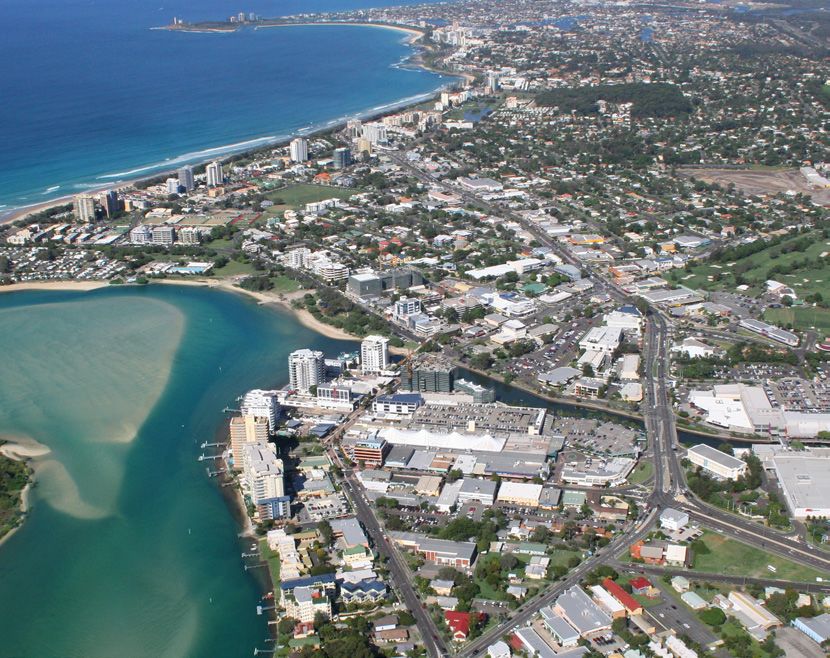
REGIONAL ROADMAP
Sunshine Coast University Private Hospital
Executive Summary
A vision for the future Opportunities for
The RDA Sunshine Coast Regional Roadmap 2017-20 takes a local, state,
investment and growth
and national perspective to building a vision for the Sunshine Coast region There are a number of catalytic
and identifies associated priorities to assist in the growth of the region. The projects that have been identified
Sunshine Coast region will need a coordinated and collaborative approach to across the region that will support
building the region’s infrastructure and economic development opportunities the region’s economic prosperity:
so that the region achieves a vision where our communities are innovative,
Infrastructure Development projects
dynamic, connected and sustainable. Regional collaboration and partnerships
Bruce Highway upgrades
are central to the growth of a strong region, and RDASC plays a significant role
in assisting the region with integrated and coordinated planning. North Coast Rail Duplication
CAMCOS – Caboolture to
RDASC and the region Maroochy Corridor Study
Regional Freight Hub aligned to
RDASC’s role is to help facilitate dialogue across all levels of government and
the National Freight Strategy
key stakeholders in the region to assist in integrated planning and to raise
the profile of the region. The region has over 341,000 people across both Integrated Regional Transport
the Noosa Shire Council and Sunshine Coast Council with a geographical Infrastructure Plan
footprint of more than 3,000 sq km. The region currently has a GRP of Sunshine Coast Airport Expansion
approximately $15.5 billion per annum which will need to grow through International Undersea
increased infrastructure and economic diversity if it is to support our growing Broadband Cable
population (NIEIR 2016a, p.167). The population is expected to grow to around Maroochydore - The Bright City project
514,000 people by 2036 and to support this growth further capital investment Peregian Digital Hub
into the region is needed by both public and private entities (QGSO 2017a).
Sunshine Coast University
RDASC’s priorities and projects have been identified Hospital, Health Hub, and Skills,
to assist in the long-term economic growth of the Academic and Research Centre
region. Our role is to support, lead, advocate, University of Sunshine Coast
participate, facilitate, and encourage delivery of expansion Moreton University
region-building projects. Precinct
Economic Development projects
Stakeholder consultation has identified some emerging challenges that
will need to be addressed to encourage long-term regional growth. These Digital Sunshine Coast project
challenges include: Digital Scorecard program
Creating growth in the economy through economic development opportunities Advancing Regional Innovation
program
Creating employment across all demographics despite an ageing
Mobilise Youth program
population, reduced participation and digital disruption
Fostering innovation and entrepreneurship The Australian Government’s Building
Better Regions Fund (BBRF) will also be
Creating connective and productive communities with education pathways
important to assist in the development
Providing regional transport infrastructure that supports growth of various economic and infrastructure
Ensuring digital infrastructure and projects that support smart communities projects across the region.
5 5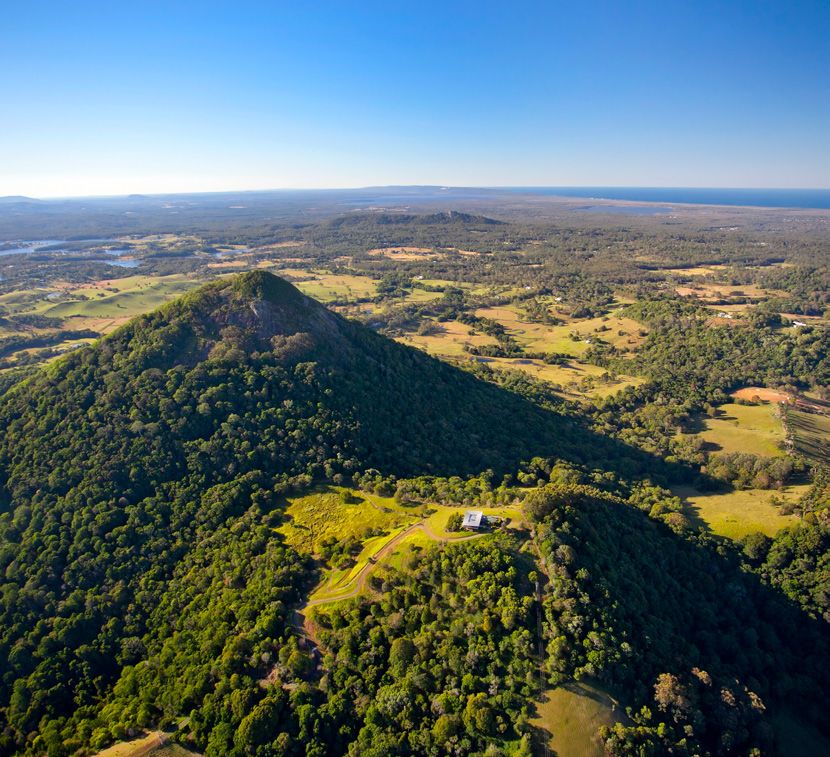
RDA SUNSHINE COAST

    The new Maroochydore city centre
    featuring a network of city streets,
    waterways and parks

    The Regional Roadmap
    The Regional Roadmap is developed through extensive                                                                          The Roadmap also supports the implementation of the
    engagement with regional communities to identify a                                                                           Queensland Government State Infrastructure Plan (2016)
    long-term vision and associated key projects that will                                                                       which underpins economic growth, supports jobs and
    enable the growth of the region. This roadmap has a                                                                          creates long-term prosperity for all Queenslanders.
    strong focus on supporting economic growth and building
    infrastructure for the future and will encourage dialogue                                                                    The Roadmap reflects the two local governments’ visions
    and planning in a more collaborative and coordinated                                                                         to build the priorities within this plan. Noosa Council’s
    manner.                                                                                                                      values and vision - “Noosa Shire – different by nature”,
                                                                                                                                 and Sunshine Coast’s vision “To be Australia’s most sustainable
    Strategic Alignment                                                                                                          region – Healthy, Smart, Creative”. The overall intent of the
    The Regional Roadmap supports the implementation of                                                                          roadmap draws upon the local governments’ visions which
    the Australian Infrastructure Plan 2016 which identifies                                                                     are to build sustainable and connected communities with
    infrastructure reform and investment for a more prosperous                                                                   enhanced economic development (Noosa Corporate Plan
    nation and identifies priorities such as affordable,                                                                         2017-2037; Sunshine Coast Council Corporate Plan
    innovative and competitive energy, telecommunications,                                                                       2017-2021).
    water and transport services.

                                                              Department of Infrastructure, Local Government and Planning

                                                                                                                                                      Corporate
         Australian                                                                                                                                        Plan                            DRAFT Sunshine Coast Council

         Infrastructure
                                                                                                                                                                                           Australia’sPlan
                                                                                                                                                                                                       most sustainable region
                                                                                                                                                      2017-2037                            Corporate
                                                                                                                                                                                           Healthy, Smart, Creative
                                                                                                                                                                                           2017-2021

         Plan                                                                                                                                                                              February 2017

         Priorities and reforms for
         our nation’s future
         Report
         February 2016

                                                                                                                                                           Noosa Shire
                                           State Infrastructure Plan                                                                              - different by nature
                                                                                                                                                                                           Sunshine Coast Council
                                           Part A: Strategy                                                                                                                                Corporate Plan 2017–2021
                                           March 2016                                                                                                                                      February 2017

                                                                                                                                                         PO Box 141 Tewantin QLD 4565
                                                                                                                                                     P (07) 5329 6500 | F (07) 5329 6501
                                                                                                                                                                  mail@noosa.qld.gov.au
                                                                                                                                                                 www.noosa.qld.gov.au
                                      1                                       Draft State Infrastructure Plan Part A: Strategy

6
REGIONAL ROADMAP
Noosa Hinterland
Role of RDA
Regional Development Australia (RDA) is a national Building Better Regions Fund
network of 55 committees made up of local leaders who
The Australian Government provides funding for regional,
work with all levels of government, business and community
rural and remote communities through the Building
groups to support the development of their regions.
Better Regions Fund (BBRF), previously National Stronger
The key outcomes for Regional Development Australia Regions Fund (NSRF). The aim of the funding program is
include to create jobs, drive economic growth, and enhance
Create a regional plan that focuses on economic liveability in regional areas through investments in two
development for the region streams; infrastructure projects, and community investments.
Provide advice to the Australian Government on The fund is part of a $1 billion commitment by the
critical issues affecting the region Australian Government to support regional economic growth
and RDA’s role is to assist organisations to apply for funding.
Identify priority activities that will drive regional
economic development based on consultation and Grants are available through two funding streams:
engagement with community leaders
Infrastructure Projects Stream will support projects
Promote the Building Better Regions Fund and assist which involve the construction of new infrastructure,
local community stakeholders to develop project or the upgrade or extension of existing infrastructure
proposals that provide economic and social benefits to regional
Promote awareness of Australian Government and remote areas.
programs within the region
Community Investments Stream will fund community
building activities including, but not limited to, new
or expanded local events, strategic regional plans, and
leadership and capability building activities. These
projects will deliver economic and social benefits to
regional and remote communities.
7
RDA SUNSHINE COAST

    Our                  Our Vision is a Sunshine Coast that is

                         innovative, dynamic,
    Vision               connected and sustainable.

8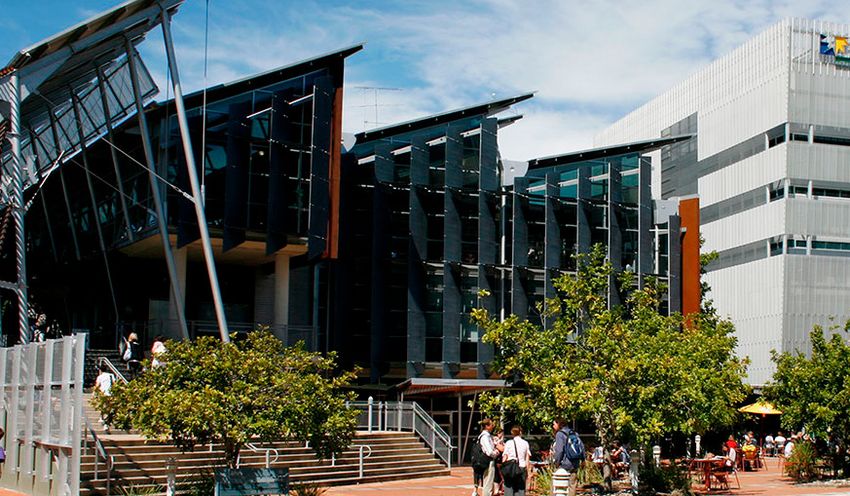
REGIONAL ROADMAP

    Our
    Mission
    Our Mission is to
    connect people
    from within our region and across
    other regions to strengthen
    business growth,
    generate innovative
    sustainable solutions
    and enhance economic
    development.

    Our Committee
    RDASC is committed to good governance and efficient administration, and focuses on delivering the business plan
    and Regional Roadmap. We will proactively monitor regional development opportunities and encourage greater
    infrastructure and economic development initiatives across the region.

    Local people delivering local solutions to local issues and opportunities

    Tony Riddle (Chair)           Dr Ian Young (Deputy Chair)   Glenn Ferguson AM (Secretary)    Brook Kitson (Treasurer)

    Cameron Hall                 Professor Birgit Lohmann       Michael Whittaker (Ex Officio)   Brett De Chastel (Ex Officio)
9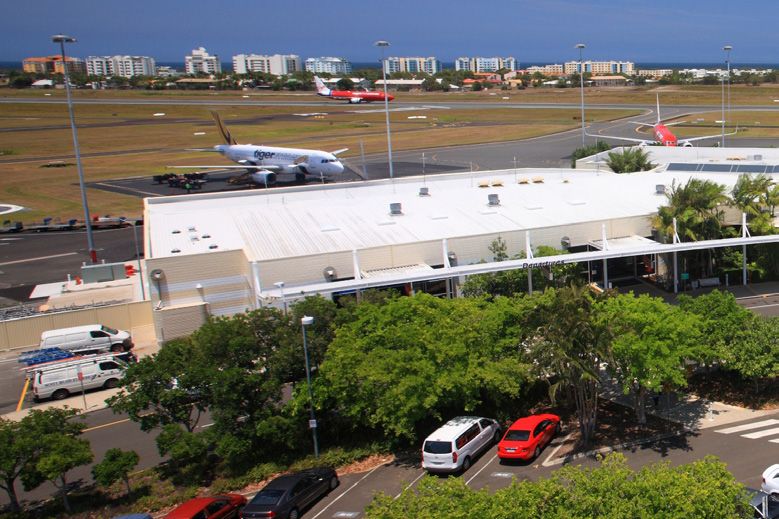
RDA SUNSHINE COAST

     Aerial photo of Maroochydore

     Setting Our Priorities -
     Analysis of the Region
                                    The region is situated approximately 100 km north of Brisbane with coastal
                                    communities from Caloundra to Noosa. There are significant inland
                                    communities along the Blackall range such as Maleny, Montville, Kenilworth
                                    and Connondale. At the foothills of the Blackall range is Nambour known for
                                    its sugarcane, pineapples and tropical fruits.
                                    Historically, the region was built on agriculture and timber industries but more
                                    recently employment has been driven by education services, tourism, healthcare,
                                    construction, and retail. Furthermore, the knowledge economy is transforming
                                    commuter patterns and increasing opportunities in digital industries.
                                    The major freight corridor connecting Brisbane to Cairns runs along the
                                    Bruce Highway and is in close proximity to the Sunshine Coast airport. There
                                    are currently two universities in the region; University of the Sunshine Coast
                                    including an Innovation Centre, and Central Queensland University. The region
                                    has a total area of 3,126.3 km2 with an average daily temperature range
                                    of 14.6 °C to 25.0 °C and an average rainfall of 1,624 mm each year
                                    (QGSO 2017a).
10
REGIONAL ROADMAP
Fast Facts
There are two local government areas in the region Noosa
LGA – 54,022 persons and Sunshine Coast
LGA 292,990 persons (as at 30 June 2016) (QGSO 2017a).
Regional GRP estimate $15.5 billion for 2016 (NIEIR
2016a, p.167)
Estimated Resident Population 347,012 (as at 30 June
2016). This is projected to increase to 514,927 by 2036
with the annual growth rate estimated at 1.9% (QGSO 2017a).
Median age of 43.1 years compared to Queensland with
a median age of 36.9 as at 30 June 2015 (Noosa LGA being
higher again at 47.2 years) (QGSO 2017a).
The median total personal income for the Sunshine
Coast is $38,755 - lower than the Queensland median
of $45,711 (QGSO 2017a).
Indigenous population 1.5% compared to 3.6%
across Queensland (QGSO 2017a).
36,002 registered businesses located on the
Sunshine Coast (SA4 in 2015-16) (QGSO 2017b).
Employment by industry across the region: Health and
Social Services 13.3%, Retail Trade 12.7%,
Construction 11.6%, Accommodation and
Food 9.1%, Education 8.1% (QGSO 2017a) (Refer:
Figure 1 - Appendix 4).
The three highest growth
industries in the region -
Health, Education, and Professional Services
- are positioned in the top two quadrants i.e. predicted to have a
significant disruption in technology over the short to long term
(Deloitte 2012) (Refer: Figure 2 - Appendix 4).
The structure of employment will change
dramatically as a result of Digital Disruption (Deloitte
Access Economics 2013, p.ii) (Refer: Figure 3 - Appendix 4).
Agriculture product (2014-15) – Gross Value Agricultural
Product $238 million (ABARES 2016).
International visitors 231,000, an increase
from previous year of 19.9%, total expenditure $266
million (‘Coast records highest ever international holiday
visitor numbers’ 2017; TEQ 2016).
Domestic visitors 3,394,000, an increase from
previous year 15.2%, total expenditure $2.1 billion
(TEQ 2016; TRA 2017).
Over 50,000 people - 20.2% of population undertake
voluntary work as compared to Queensland 18.7%
(QGSO 2017a).
11RDA SUNSHINE COAST
Employment growth, participation and unemployment on the
Sunshine Coast
Sunshine Coast unemployment rate is 4.7%, Over the last three years, total employment on the
compared to Queensland rate of 6.1% (Feb 2017). Since Dec Sunshine Coast has contracted by 2.2%, while
2015 the region’s unemployment rate has dropped below the Queensland employment has grown by 0.2% (Deloitte 2017,
QLD rate (QGSO 2017a) (Refer: Figure 4 - Appendix 4). p.4).
Much of the drop in unemployment rate is related to lower Part-time workers accounted for 37.2% of
participation rates in the region (Deloitte 2017, p.2). Sunshine Coast workers which is substantially higher than
Queensland at 31%. Strong part-time employment is largely
due to high service-based workers in tourism, retail and
Participation rates in the Sunshine Coast have accommodation, and food services (Deloitte 2017, p.4).
dropped significantly in the last year from 59.3%
to 56.7% (Nov 2016). The 55-64 year age group
is driving lower participation rates in the Youth unemployment on the Sunshine Coast is
Sunshine Coast with participation rate for this age group at 11.3% (Feb 2017) which has increased from last year
53.5%, compared to 63.6% in Queensland. The 55-64 year – 8.4% (Feb 2016), and is lower than Queensland average
age group grew more rapidly on Sunshine Coast at 16.3% youth unemployment 13.6% (QGSO 2017c) (Refer: Figure 5 -
compared to Queensland 14.5 %. If growth in this age group Appendix 4).
continues into the future, it may translate to a lower overall
participation rate (Deloitte 2017, p.2). 22.2% persons living on the Sunshine Coast are
working outside the region and 2.2% did not
The Sunshine Coast region has an ageing population state a place of work (QGSO 2014).
with the median age of 42.9 years (QGSO 2017a).
The percentage of persons 55 + has grown from 26.9
% (2001) of population to 34.1% (2016), which
is the fastest growing population on the Sunshine Coast;
whereas the age group 30-54 years has dropped
from 35.7% to 31.2% (2001-2016) (NIEIR 2016a,
p.167).
12REGIONAL ROADMAP
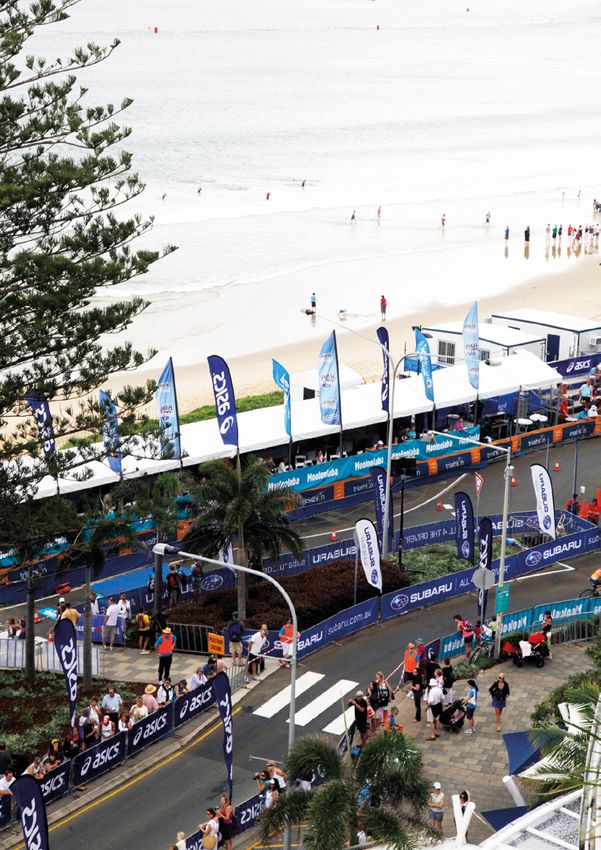
Moolooaba Triathlon
13 13RDA SUNSHINE COAST 14
REGIONAL ROADMAP
What the statistics are telling us about the
region and its future challenges
Sunshine Coast’s unemployment rate has dropped The projected increase in GRP from $15 to $33
to a low of 4.7% compared to Queensland’s 6.1% billion would move the current GRP per capita from
(Feb 2017) but there appears to be other underlying approximately $44,000 to over $64,000 per person
structural issues affecting these unemployment which is similar to the 2012 Australian nominal
figures: participation rates, ageing population and GDP per capita at the height of the mining boom at
workers travelling outside the region for work (QGSO $67,854 (NIEIR 2016a, p.166). This would represent a
2017a). The unemployment rate disguises the substantial increase to the productivity of the region.
fact that employment dropped by 2.2% last year
Current research by Stanley and Brain (NIEIR 2016,
(Deloitte 2017, p.4).
p.31), demonstrates the relationship between the
The region’s youth unemployment has recently scale of populations and the productivity
increased from 8.4% to 11.3% which is lower than of a city in relation to GRP. Cities with less than 1
the state average at 13.6% (QGSO 2017c). Based on million people are more likely to have lower GRP per
census data, the proportion of 15-25 year olds is capita (around $20,000 - $30,000). At present, this
falling faster than the proportion across Queensland emulates the Sunshine Coast’s position and poses
(Deloitte 2017, p.4). We need to create more jobs for issues about the possibilities of increasing the
youth to reduce migration from the region. Sunshine Coast GRP per capita to the Australian
average when the population will only be 500,000
The 2011 census data revealed that 22.2 % of people
people. This justifies increased emphasis on
on the Sunshine Coast work outside of the region.
the seven high value industries to increase the
Further data from the 2016 census will provide
productivity of the region.
additional insight into journey to work patterns and
will assist in future transport infrastructure planning The region has a growing population but also an
on the Sunshine Coast (QGSO 2014). We need to ageing population with an average age of 42.9 years -
create more jobs to improve self-containment of higher than Queensland average of 36.9 years (QGSO
employment and reduce commuters for work. 2017a). The emphasis on a knowledge economy and a
digital future will assist people to stay in work longer
Population figures are estimated to increase
and provide greater flexibility for work opportunities.
significantly from approx. 341,000 to over 514,000 by
If the Sunshine Coast population continues to age
2036, which will place substantial pressure on road
more rapidly than the Queensland average, this
infrastructure and the need for jobs on the Sunshine
will increase demand for employment in the aged
Coast (QGSO 2017a). The new SEQ Regional Plan
care sector.
2016 estimates that Sunshine Coast populations
will grow to 558,000 by 2041 (DILGP 2016a, p.99).
Sunshine Coast’s growth has historically been
population led, however this is not sustainable if
employment growth doesn’t match. This may cause
more migratory workers increasing pressure on
infrastructure. Given the research, the Sunshine Coast
Region will need to focus on innovation
The GRP is estimated to grow from $15 billion to
and knowledge economy jobs to assist in
$33 billion by 2033 through the growth of the
long term economic growth but in tandem
seven high-value industries: Knowledge Industries
with more appropriate infrastructure
and Professional Services; Tourism, Sport and
investment to support and attract
Leisure; Clean Technologies; Aviation and Aerospace;
industry and skilled labour.
Education and Research; Agribusiness; and Health
and Wellbeing (NIEIR 2016, p.167). The expansion
of these industries will be critical to support the
growing populations and to decrease the amount
of people travelling outside the region for work.
15RDA SUNSHINE COAST
Boreen Point Campground
What the community is
telling us about the region...
#Speed it Up Campaign
RDASC conducted a survey to inform Digital Sunshine Coast’s actions and
support the Speed it Up Campaign. Respondents provided information on the
digital capacity of businesses on the Sunshine Coast which included:
98% of respondents wanted faster 71% of respondents want both
and/or more stable internet for faster and more stable internet
their business needs
3 out of 4 Sunshine Coast 9 in 10 Sunshine Coast businesses
businesses have an internet connection experience upload speeds slower
with download speed slower than than the national average
the national average
16REGIONAL ROADMAP
Kings Beach at night
Would you support private
ownership of key transport
infrastructure if it accelerated
RDASC regional intelligence delivery? 62% YES
Would you be willing to pay
a toll at the Mooloolah River
RDASC Transport Infrastructure Survey Interchange (MRI) if it meant
In December 2016, RDASC conducted a region-wide transport survey with 768 getting to your destination
responses. The survey found the most urgent transport infrastructure needs for faster? 64% NO
the Sunshine Coast were (based on each project being ranked as no.1);
Would you use the train to travel
1 2 3 Caboolture to
to Brisbane if it was faster and
more cost effective? 87% YES
Maroochydore
Bruce Highway North Coast Rail Corridor Study
upgrades Duplication – CAMCOS*
Would you use public transport
(58.3%) (29.8%) (12.8%) more frequently if it was cheaper,
faster and more reliable?
86% YES
4 Mooloolah 5 6
River Light rail International Would you carpool or ride-share
Interchange project airport using a ride-share app? 27%
(4.4%) (2.4%) YES, 40% NO, 33% Maybe
(5.3%)
17RDA SUNSHINE COAST
Caloundra Music Festival
18REGIONAL ROADMAP
Key determinants of long-term
regional economic growth for the
Sunshine Coast Region
Long-term regional economic growth can be influenced RDASC priorities and projects have been identified to
by a number of factors such as human capital, sustainable assist in the long-term economic growth of the region.
communities, comparative advantage and access to Regional collaboration and partnerships are central to
markets. the growth of a strong region, and the RDASC can play a
significant role in assisting the region with integrated and
coordinated planning.
Comparative
advantage Sustainable
and business communities
competitiveness and populations
Build on
strengths of Grow economic
the region: base with
innovation and increased
entrepreneurship populations, and
increased regional
Strengthen economy Partnerships and productivity
through natural integrated regional
advantage
planning
role of RDASC to collaborate
Acccess to across the region for better
international planning outcomes
national and Human
regional markets Capital
increase trading partners increase skills, education
and allow competitive and employment
industries to grow opportunities, retain
young people
Greater market places
for services
and products
Adapted from: Framework for Regional Economic Development, Department of Regional
Australia, Local Government, Arts and Sport (DRALGAS)
19RDA SUNSHINE COAST
Surf skiing Mooloolaba Beach
Regional Projects
and Initiatives
The regional roadmap takes into consideration multiple critical issues facing
our Sunshine Coast.
The Sunshine Coast region needs to grow its population and create sustainable
communities by nurturing high-potential economic development opportunities
that enable global competitiveness, and at the same time attract and retain
a diverse workforce. The projects identified in this section will support the
region’s economic prosperity by:
Nurturing high potential economic development opportunities, initiatives
and industries towards global competitiveness and support major projects
that have far-reaching benefits across the Sunshine Coast Community
Helping businesses, institutions and communities improve their resilience,
competitiveness, connectivity and self-sufficiency by embracing
innovation, entrepreneurship and digital technologies.
Supporting and nurturing the start-up, emerging and established
entrepreneurial ecosystem – particularly with regard to businesses
utilising innovative, disruptive, and emerging digital technologies.
Leading and supporting education pathways that create employment for
youth.
20REGIONAL ROADMAP
Boreen Point Campground
21RDA SUNSHINE COAST
Fostering innovation,
entrepreneurship and
knowledge economy
The latest research from the State of the Region (SOR) Report (NIEIR 2016b,
p.19), highlights that high-income economies depend on sustained innovation
as the core driver of long-term economic growth. The capacity to innovate
depends on knowledge and networks at the regional level, and that most high
income countries and regions which have maintained sustainable growth have
done so because they have established successful knowledge based regions
(NIEIR 2016b, p.20). These regions have a high concentration of highly skilled
global knowledge workers, such as scientists and engineers, and these workers
tend to migrate to regions with a wide variety of cultural and lifestyle choices
(NIEIR 2016b, p.20)
The region will drive innovation and entrepreneurial activities to become
globally competitive and grow the region’s economic base. Supporting and
nurturing the start-up, emerging and established entrepreneurial ecosystem
– particularly with regard to businesses utilising innovative, disruptive, and
emerging digital technologies.
22REGIONAL ROADMAP
Noosa Council in partnership with the Sunshine Coast Business Council
Advancing Regional
a large network of organisations to educate the business community
Innovation Program
and individuals. The Digital about the ‘ripple effect’ of the $1.8bn
The Queensland Government’s Sunshine Coast Action Plan has Sunshine Coast University Hospital
Advancing Regional Innovation a number of activities including: and how to best capitalise on these
Program encourages innovation Helping businesses, institutions and opportunities. This will provide
across Queensland and supports communities improve their resilience, a template for future catalytic
local economies to create jobs for competitiveness, connectivity projects and ensure Small to Medium
regional Queenslanders. RDASC, and self-sufficiency by embracing enterprises participate in the “ripple
Sunshine Coast Council, and Noosa innovation, entrepreneurship and effect”. RDASC are also contributing
Council are lead collaborators in the digital technologies. to the SCUH Interagency Taskforce
project that aims to attract, connect, to improve traffic and congestion
and support innovators across the
Digital Scorecard around the hospital precinct.
Sunshine Coast region. The project is
Program
being managed by the Sunshine Coast RDASC partnered with the
SPEED IT UP
Regional Innovation Pipeline Team Queensland Government Department
Campaign
(#SCRIPT) who are working toward of Science, Information Technology The SPEED IT UP Campaign was
a collaborative action plan. Over 20 and Innovation (DSITI) to deliver launched to promote and accelerate
partners are collaborating on the the Digital Scorecard program. The investment in digital infrastructure
project including local governments, Digital Scorecard will help businesses on the Sunshine Coast. The campaign
not for profit and industry which identify ways to improve their digital involved the collection of information
demonstrates the Sunshine Coast’s capability and be more competitive in about business-grade broadband
strength in innovation ecosystems. a global digital economy. needs to better understand
broadband issues on the Sunshine
Digital Sunshine Coast Ripple Effect –
Coast. The survey results (see p17)
Catalytic Projects
Digital Sunshine Coast is a will inform and support investment
collaborative project hosted by RDASC is working closely with decisions for improved digital
RDASC, Sunshine Coast Council, and Sunshine Coast Chamber Alliance and infrastructure.
23RDA SUNSHINE COAST
University of the Sunshine Coast
Creating A high priority for the region is to grow
employment and continue to develop
Sunshine Coast
University Hospital
education and skills opportunities
connective through various pathways including
a strong university sector. Along with
(SCUH) and health hub
Sunshine Coast University Hospital
productive employment and training, a focus on
the advancement of leadership roles
(SCUH) is a new $1.8 billion healthcare
precinct which is co-located with the
$150 million Sunshine Coast University
communities
and capacity building will strengthen
human capital across the region, Private hospital. SCUH has developed
leading and supporting education a $60.8 million Skills, Academic and
with pathways that create employment
for youth. The Sunshine Coast will
Research Centre to help students
transition from studying healthcare
education continue to develop as a smart region into the workforce and provide strong
with smart technologies. Digital linkage between the University of
innovation will allow for smart supply Sunshine Coast and healthcare
pathways chain management, greater business
intelligence and greater mobility for
industry for research purposes.
our communities.
University of Sunshine
Coast Expansion –
Moreton University
Precinct
The University of Sunshine Coast is
one of Australia’s top universities
for teaching quality, and has been
selected to develop the new Moreton
Bay Region University Precinct at
Petrie. The Petrie campus will have
a comprehensive offering of courses
including law, business, science,
engineering and many specialty
courses such as mechatronics.
24REGIONAL ROADMAP
Coding and Programming
Curriculum
RDASC, in partnership with TAFE
Queensland East Coast and
Sunshine Coast Council launched
the Introduction to Coding course
for anyone looking to develop their
skills in coding. After consulting
with businesses to better understand
industry needs, the six-week TAFE
course was developed as a pathway
to employment as there is currently
no vocational/tertiary coding and
programming curriculum post
high school to ensure people are
employment-ready.
Mobilise Youth
Mobilise Youth is a learner driver
mentor program designed to address
the barriers to employment or
apprenticeships that underprivileged
and vulnerable youth face in gaining
the hours of driving experience
required to obtain a probationary
licence. There are a number of
organisations collaborating to bring
the pilot program to fruition –
Integrated Family and Youth Services
(IFYS), Community Solutions, United
Synergies, and RDASC.
Start-up business
curriculum
The Startup Business Curriculum will
be delivered through TAFE Queensland
East Coast and will be directed at Year 11
and 12 students who do not wish to attend
university but would like to start their own
businesses. The course will encourage
innovation and entrepreneurship, and
support the local economy by creating
jobs for youth on the Sunshine Coast.
25RDA SUNSHINE COAST
Regional transport infrastructure that
supports growth
The Sunshine Coast region is competing for scarce capital investment against
Public and SMART
other productive regions across Australia who may have greater GRP and/or
transport solution
populations.
(Modal shift)
It is critical for the region to provide solid plans to secure timely investment
which demonstrates a return on investment to the Australian economy. RDASC understands that major
The return on investment will need to include economic, environmental and infrastructure projects will have an
social outcomes. approximate 5 to 7 year delivery
horizon and realise that in the
Transport Infrastructure Planning meantime traffic and congestion
RDASC has recently developed a Transport Infrastructure Scoping Paper will need to be managed – this will
2016 and survey (see p17) to uncover implementation solutions to regional require a modal shift from single to
transport issues. The information will assist the region to plan for the multi occupant vehicles and/or public
identification, prioritisation and sequencing of transport infrastructure for transport. RDASC is involving large
growing populations. RDASC is advocating for an Integrated Transport Plan employer groups in a public transport
to support a City Deal for the Sunshine Coast; and is also collaborating with strategy which includes ride-sharing
Sunshine Coast Business Council in bringing business leaders together to and active transport.
discuss the transport issue.
Sunshine Coast Airport Terminal
26REGIONAL ROADMAP
Priority Transportation
Infrastructure projects
Bruce Highway upgrades We need further investment in the CAMCOS – Caboolture to
Bruce Highway to reduce congestion, Maroochydore Corridor Study
There are a number of Bruce Highway for example: an extra lane southbound
upgrades that will reduce travel times The Caboolture to Maroochydore
from Steve Irwin Way connection, and
and traffic congestion, improve safety, Corridor Study proposed a passenger
improved interchanges north of the
increase efficiencies in long distance rail service branching off the North
Pine River.
road freight, and support the needs of Coast railway line at Beerwah and
local communities including tourism North Coast Rail Duplication extending through Caloundra to
traffic. Priority funding areas identified The proposed initiative is located on the Maroochydore. The proposed rail line
by State and Federal governments include: North Coast Line between Beerburrum will provide a public transport spine
and Nambour stations. The project for the Sunshine Coast and link the
Cooroy to Curra project (estimated coastal urban area to Brisbane.
project cost $200 million) involves the duplication of the track,
extensions of existing passing loops National Freight Corridor and
Maroochydore Road Interchange and improvements to stations along Regional Freight Hub
Upgrade – Stage 1 (estimated the route. The improvements will facilitate
project cost $187 million) The National Freight and Supply
greater flexibility and passing Chain Strategy is a federal government
Caloundra Road to Sunshine opportunities, improving the efficiency initiative by Infrastructure Australia
Motorway (estimated project cost of both passenger and freight services, to improve freight and supply chain
$929 million). and take pressure off the Bruce Highway. issues across Australia. A regional
freight hub would assist Sunshine
Coast to increase productivity and
reduce congestion issues on the
Bruce Highway.
Sunshine Coast Airport Expansion
The Sunshine Coast Airport expansion
project will deliver new infrastructure
and facilities enabling enhanced
domestic and international flight access
to the region. This will also facilitate new
freight capabilities and more direct
access to global markets (Sunshine
Coast Council 2016, p.46). This project
is ongoing and the new runway is expected
to be open and operating in 2020.
(Department of State Development 2017).
Mooloolah River Interchange
(MRI)
The MRI works will provide the
transport capacity needed to support
the Sunshine Coast University Hospital
precinct. This is a new two-lane
motorway connecting Caloundra, the
Hospital precinct, and Mooloolaba to
Sunshine Coast motorway.
27RDA SUNSHINE COAST
Digital infrastructure is a shared workspace for a range of
complementary activities, including
commercial businesses, public sector
and projects that support and community organisations. It offer
high-speed and cutting-edge technical
smart communities facilities and services, as well as meeting
rooms, event and training spaces, with
a focus on bringing people together.
Innovation and the adoption of digital The cost of the project is over $3 million.
technologies will be a key driver of
economic prosperity for the Sunshine
International Submarine
Coast. More than 80% of Australian
Broadband Cable
business leaders believe innovation Sunshine Coast Council has lodged
is the main driver to creating a a submission with the Australian
competitive economy and the best Communications and Media Authority
way to improve productivity (Equitise (ACMA) to start the process to declare
2015). Digital connections are an offshore cable protection zone for
transforming business, social and the proposed International Submarine
environmental opportunities on a Broadband Cable. If the application
daily basis on the Sunshine Coast. is accepted, work will begin on a
The Sunshine Coast digital economy business case and market sounding
has been recognised by Mark Sowerby to identify proponents interested in
(Queensland Chief Entrepreneur) as a leading and delivering the project.
leader at regional, state and national
Entrepreneurial Ecosystem
levels (Austin 2017).
The Sunshine Coast has a unique
Smart Communities | Entrepreneurial Ecosystem, where
Maroochydore - The Bright industry contemporaries collaborate,
City (SunCentral) and where new ideas, entrepreneurs
Maroochydore’s New Central Business and start-ups are not only encouraged
District is a green-field site being – they are actively supported. Digital
transformed into a new smart city in Sunshine Coast is in the ongoing process
the geographic centre of the Sunshine of mapping the Coast’s Entrepreneurial
Coast. The Maroochydore city centre Ecosystem to capture the support and
will have a strong focus on innovation resources available for new, emerging
and technology, and excellence in and established entrepreneurs within
urban design. The 53-hectare site the Sunshine Coast region. The
includes prime commercial office Entrepreneurial Ecosystem will assist
space, retail, residential and cultural with networking, connectivity and
precincts, an entertainment, convention collaboration within the regions.
and exhibition centre, all surrounded
Digital Work Hub Project
by extensive parks and waterways.
This project will create a new central RDASC is continuing to develop the
business district for the Sunshine Coast Digital Work Hub project to advance
and an estimated 5,000 new jobs by networking and collaboration across
2020, and 15,000 new jobs by 2025. regions, and seeks to leverage off the
This project will provide a $4.4 billion current research and expand the network
boost to the Sunshine Coast economy. to identify all co-working spaces (and
their activities) across the twelve
Digital Communities - Queensland RDA regions. The project
Peregian Digital Hub will facilitate collaboration and
Noosa Shire Council is developing a partnerships that will strengthen
modern, flexible, shared workspace Queensland’s position as a leader of
called the Peregian Digital Hub to innovation, entrepreneurship and
assist the local economy to grow. It business development.
28Sunshine Coast Region
Catalytic Projects
Peregian Digital Hub
$3 million project
Sunshine Coast Solar
Farm (>$10 million
economic benefit)
Sunshine Coast Airport
Expansion $347 million
Sunshine Plaza Expansion
($400 million expansion)
Maroochydore Bright City
Project ($4.4 billion
increase to regional economy)
Mooloolah River
Interchange (MRI)
($440 million project)
Sunshine Coast University
Hospital, Health Hub and
Skills Academic and
Research Centre (Public
hospital $1.8 billion,
Private hospital $150
million, and research
centre $60.8 million)
International Submarine
Broadband Cable
($700 million economic
benefit regional economy)
Mooloolaba
(Proposed)
Oceanside – Australia’s
healthiest city by the beach
($13.3 billion contribution
to economy 2013)
North Coast Rail
Duplication ($540m 2014)
Harmony (Palmview)
Development ($3 billion
construction)
Bruce Highway upgrades
(over $1.3 billion)
Aura – City of Colour |
(Caloundra South) Priority
Development Area
($7 billion + investment)
Sunshine Park ($90 million
project) (Proposed)
Projects supplied by Noosa Council CAMCOS (Caboolture to
and Sunshine Coast Council Maroochy Corridor) (over
29 $1 billion for entire corridor
- first stage $480m)RDA SUNSHINE COAST
Appendix 1: Glossary and Abbreviations
ABARES Australian Bureau of Agricultural and Resource Economics and Sciences
ABS Australian Bureau of Statistics
ACMA Australian Communications and Media Authority
ALGA Australian Local Government Association
BBRF Building Better Regions Fund
CAMCOS Caboolture to Maroochydore Corridor Study
COC Chamber of Commerce Alliance
CQU Central Queensland University
CS Community Solutions
DET Department of Education and Training (Federal Government)
DILGP Department of Infrastructure, Local Government and Planning (State Government)
DSC Digital Sunshine Coast
DSITI Department of Science, Information Technology and Innovation (State Government)
DTMR Department of Transport and Main Roads (State Government)
GDP Gross Domestic Product
GRP Gross Regional Product
IC Innovation Centre – University of Sunshine Coast
IFYS Integrated Family and Youth Services
LGA Local Government Area
MRI Mooloolah River Interchange
NBN National Broadband Network
NC Noosa Council
NIEIR National Institute of Economic and Industry Research
NSRF National Stronger Regions Fund
QGSO Queensland Government Statisticians Office
RDA Regional Development Australia
RDASC Regional Development Australia Sunshine Coast
SA4 Statistical area level 4 (SA4) is one of the spatial units defined under the Australian Statistical Geography
Standard (ASGS)
SC #SiliconCoast
SCBC Sunshine Coast Business Council
SCC Sunshine Coast Council
SCUH Sunshine Coast University Hospital
SEQ South East Queensland
SOR State of the Region
SP Sustainable Partnerships
TAFE TAFE QLD East Coast
TEQ Tourism and Events Queensland
US United Synergies
USC University of the Sunshine Coast
30REGIONAL ROADMAP
Appendix 2: A summary of the Sunshine Coast’s key
economic sectors
Health The health care sector on the Sunshine Coast is growing at a rapid rate and is the largest industry employer in
the region (QGSO 2017a).
The “business of health” provides employment and private enterprise opportunities; and services a growing
(and ageing) population. The Sunshine Coast University Hospital is a catalyst for significant opportunity and
opened in 2017. The new hospital has over 450 beds; about 3500 staff will work in the new public hospital
from opening in 2017 and about 6000 staff will be required to staff the facility by 2021. Approximately 1500
workers were on site each day during peak construction (Queensland Health 2016).
Education and The education and research sector is supported by the University of Sunshine Coast, Central Queensland
Research University and over 180 registered training institutions, with more than 60,000 students studying on the
Sunshine Coast (Sunshine Coast Council 2016, p7).
This sector is expected to grow significantly over the next 20 years and more than double its workforce from
12,000 to 28,000 workers (Deloitte Access Economics 2013, pii).
Both education and research are high value-industry sectors that are key enablers for the region to ensure the
long-term provision of highly skilled labour.
Professional, The professional and scientific workforce is approximately 9,000 workers in the region and is expected to more
Scientific and than double in the next 20 years. (Deloitte Access Economics 2013, pii).
Technical Knowledge workers are linked with high productivity and high-value returns, a key aspiration articulated by
Services local governments’ economic development strategies.
Tourism Tourism is a key driver of the region’s economy, contributing to both the accommodation and food services
sectors, and in part to the retail sector and professional services.
Total visitors to the region was approx. 3.5 million which has increased from the previous year by 12.9% and
total expenditure of $2.3 billion which has increased by 17.2% from the previous year (TEQ 2016).
International visitors to the Sunshine Coast grew 6.4%, with the NZ market being the greatest source of
international visitors followed by UK and Germany (TEQ 2016).
Further expansion of the Sunshine Coast Airport will allow for greater domestic and international visitors.
Agriculture and Agriculture and food play a strong role in the region’s economy. $238 million (ABARES 2016) derived from
Food agricultural commodities but further growth in this sector will help strengthen the economic diversity and
structure of the economy.
The region has a rich history of primary production, sophisticated food manufacturing outlets, and a high
number of internationally renowned restaurants, coupled with growing populations and visitor numbers. The
expansion of the airport could also support a growing clean foods industry with opportunities to exports to
Asian and international markets.
Construction Construction is the third largest employer in the region and a major contributor to the economy (QGSO
2017a).
The region heavily relies on the construction industry sector due to the past and future population growth,
and the need to service residential housing demand and infrastructure developments.
Mining and The upgrade to the Sunshine Coast Airport and a region-wide focus on the digital economy will position the
Flexible region to capitalise on a flexible workforce and a hub for mining services sector into the future. The concept
of FIFO not only applies to the mining sector but many other industries that can have a mobile workforce such
Workforce as military, health, construction and financial services.
31RDA SUNSHINE COAST
Appendix 3: Regional Projects, Government Priorities
and Stakeholders
The table below summarises the regional projects and initiatives, associated government priorities and the key stakeholders involved in the projects.
Regional Priority Project/Activity Government Priorities Key Stakeholders
Advance Queensland
National Innovation and
Digital capacity Science Agenda
DSITI
and skills building Digital Scorecard Program Sunshine Coast Council
Sunshine Coast Council
Regional Economic
Noosa Council
Economic development
Development Strategy
Noosa Council Local
Economic Plan
Sunshine Coast Council
Mobilise Youth – Learner Driver Regional Economic Community Solutions
Mentor Program Development Strategy IFYS
Noosa Council Local United Synergies
Regional economic Economic Plan
development Youth Employment Strategy
strategies Sunshine Coast Business
Collaborative
The Ripple Effect Sunshine Coast Council Sunshine Coast Collaborative
Sunshine Coast Chamber
Alliance
Speed it Up Broadband NBN
Infrastructure Advocacy Advance Queensland Sunshine Coast Council
Campaign National Innovation and Noosa Council
Digital Science Agenda DSITI
Infrastructure Sunshine Coast Council Chamber of Commerce
Regional Economic Alliance
International Submarine Development Strategy Digital Sunshine Coast
Broadband Cable Noosa Council Local
Economic Plan
Infrastructure
Noosa Transport Strategy
North Coast Rail Upgrade 2016-2036.
Bruce Highway Upgrade Sunshine Coast Active Sunshine Coast Business
Sunshine Coast Airport Transport Plan 2011-2031 Council
Expansion Transport Coordination Plan DTMR
Transport National Freight Corridor for Queensland 2008–2018 Sunshine Coast Council
Infrastructure Integrated Transport Connecting SEQ 2031: Noosa Council
Infrastructure Planning An Integrated Regional Federal, State, and Local MPs
Influencing modal shift and Transport Plan for South East Sunshine Coast industry
commuter behaviour to Queensland Infrastructure Australia
alternate, smart solutions Bruce Highway Action Plan
DILGP State Infrastructure Plan
Infrastructure Australia Plan 2016
Advance Queensland
The Innovation Centre
Entrepreneurial Ecosystem National Innovation and
SPARK Bureau
Science Agenda
Noosa Boardroom
Sunshine Coast Council
TAFE QLD East Coast
Entrepreneurship Start-up Business High School Regional Economic
Mountain Creek State
capacity building Curriculum Development Strategy
High School
Noosa Council Local
DET
Innovation
Economic Plan
Sunshine Coast Council
Youth Employment Strategy
Coding & Programming Curriculum Noosa Council
DSITI Mapping Digital
Silicon Coast
Infrastructure Project
DSITI
Sunshine Coast Council
Advancing Regional Innovation Noosa Council
Innovation Advance Queensland
Program Industry
DSC
USC
32REGIONAL ROADMAP
Appendix 4: Fast Facts
(a) Based on a 4-quarter smoothed series.
Source: Australian Government Department of Employment, Small Area Labour Markets Australia, various editions
Figure 4: Sunshine Coast Unemployment compared to Queensland
Source: QGSO (2017a) Queensland Regional
Profiles: Resident Series Profile for Sunshine Coast & Noosa region.
Figure 1 Youth unemployment rate by SA4, February 2017
Per cent Queensland average (13.6%)
45
40
35
30
25
20
15
10
5
0
Darling Downs
Brisbane - East
Brisbane - West
Brisbane - North
Brisbane Inner
Toowoomba
Brisbane - South
Cairns
Gold Coast
Moreton Bay -
Moreton Bay -
Fitzroy
Queensland
Townsville
Wide Bay
Ipswich
Mackay
Beaudesert
Sunshine Coast
- Outback
Logan -
- Maranoa
South
North
City
(a) Total used to derive percentages includes inadequately described and not stated responses.
Source: ABS, Census of Population and Housing, 2011, Basic Community Profile - B43 (usual residence)
Figure 1: Employment by Industry Source: QGSO (2017a) Queensland Regional
Figure 5: Youth unemployment
Profiles: Resident Series Profile for Sunshine Coast & Noosa region
Based on 12-month moving average. February 2016 (8.4%), February 2017 (11.3%).
Youth refers to persons 15 to 24 years. Source: QGSO (2017c) Regional Youth
32% SHORT FUSE, BIG BANG
50
LONG FUSE, BIG BANG
33%
Impact (% change in business)
of the
Australian
of the
Australian
Unemployment February 2017
economy economy
45
ICT and media
Retail trade 40
Finance
35
Education
Transport
and post
POPULATION CHANGE
Professional services Health
30
Recruitment
2001 2006 2011 2016
Agriculture
and cleaning
Arts and recreation
25
Government services
Real estate
Age 0-19 19.2% 17.9% 18.0% 18.5%
20 Utilities
Age 20-29 19.5% 20.4% 20.4% 16.9%
Timing (years)
15 Age 30-54 40.2% 40.4% 39.9% 41.8%
01 2 3
Construction 4 5
Accommodation
Wholesale trade
10 Age 55+ 21.2% 21.3% 21.7% 22.8%
and food services Mining
Manufacturing
5 (average between years)
17% 18%
of the 0 of the Age 0-19 573 2 ,224 3 ,443
Australian Australian
economy SHORT FUSE, SMALL BANG LONG FUSE, SMALL BANG economy Age 20-29 3 ,127 2 ,450 - 1,981
Age 30-54 4 ,559 4 ,120 8 ,888
Figure 2: Digital Disruption Source: Deloitte Access Economics (2012, p.9)
Age 55+ 2 ,490 3 ,024 4 ,982
Digital disruption. Short fuse, big bang?, Building the Lucky Country #2, p.9
Average Annual Growth 1 .9% 1.9% 2 .2%
Health care and social assistance
and training
Retail trade
Population Change Sunshine Coast
Professional, and technical services
2001-2016
40
Tourism
2011-12
35
and food services
2031-32
Transport, postal and warehousing
30
Rental, hiring and real estate services
Financial and insurance services
25
and support services
Arts and services 20
Manufacturing
Public and safety 15
Wholesale trade
Other services 10
Mining
Agriculture, forestry and 5
media and
Electricity, gas, water and waste services 0
Age 0-19 Age 20-29 Age 30-54 Age 55+
01 02 03 04 05 0
2001 2006 2011 2016
Persons employed by industry (000s)
Source: Australian
FigureBureau of
3: Industry Tourism
structure SatelliteA ccount,
of employment Access
in Sunshine Economics
Coast region 2011-12 and Fig 6 & 7 Source: NIEIR (2016a, p.167) State of the regions 2016-17 – Appendix 1
2031-32 Source: Deloitte Access Economics (2013, pii) Workforce Planning Research for Regional Indicators.
33 the Sunshine Coast and Moreton Bay Council RegionsYou can also read


