Stem Cell Research and Diseases II - www.gscn.org zur deutschen Version p bitte wenden - German Stem Cell Network
←
→
Page content transcription
If your browser does not render page correctly, please read the page content below
www.gscn.org

 Stem Cell Research and
 Annual magazine of the GSCN Diseases II
 2020/21                                      zur deutschen Version p bitte wenden
                             basic research

                                                     networks
          therapies
          stem cell

                                         ethics
                                  COVID-19
  heart

embryoids                       translation
                                                            lungs

clinical                  stem immunology
            macrophages

                                organoids

                           cells
studies
                                                                     ISSN (Print) 2198-7831
                                                                   ISSN (Online) 2198-784X
IMPRINT

    German Stem Cell Network e.V.
    Annual Magazine 2020/21
    © 2021 GSCN

    Publisher
    German Stem Cell Network (GSCN)
    c/o Max-Delbrück-Centrum für Molekulare Medizin (MDC)
    Robert-Rössle-Str. 10
    13125 Berlin

    phone: +49 30 9406 24-87/-88
    fax: +49 30 9406 2486
    e-mail: gscn.office@mdc-berlin.de
    URL: www.gscn.org

    Editors
    Stefanie Mahler, Antje Veldhues, Daniel Besser (Central Office GSCN)

    GSCN pictures by Stefanie Mahler

    Translation
    Baker & Company

    Design & Layout
    unicom Werbeagentur GmbH

    Print
    Buch- und Offset-Druckerei H. Heenemann
    Circulation: 1.000

    Copyright
    The magazine is part of the public relations work of the GSCN and funded by the
    Berlin Institute of Health (BIH) in a joined Dialog Platform Stem Cell Research.
    It is supplied for a protective fee of 2€ (Including postage) and must not be resold.
    Reprint only with permission by the editors.

    ISSN (Print) 2198-7831
    ISSN (Online) 2198-784X

                                                                                           Stem Cell Research and Diseases II
WELCOME NOTE THOMAS RACHEL

              Welcome Note

              O
                      rganoid generation is a field in stem cell research,    Advances are also being made
                      which is developing at a remarkably high pace. Or-      in the development of stem
                      ganoids represent miniature imitations of organs        cell-derived treatments in humans.
              grown from stem cells. These mini-organs can be used to         Two research consortia coordinated by the University Med-
              study disease mechanisms, accelerate the search for new         ical Center Göttingen are developing ways to treat heart
              drugs, avoid animal testing and even develop personalized       disease with synthetically generated cardiac tissue that is
              treatment options for patients. Stem cells are also used to     based on induced pluripotent stem cells and partially on
              simulate the natural development of organs. Organoid sys-       genetic correction. The aim of these collaborative projects
              tems make it easier to analyse the status of each individual    is to launch clinical trials for application in humans. Similar
              cell and their interactions. The Organoid Cell Atlas, which     clinical trials to apply pluripotent stem cell derivatives in
              is part of the Human Cell Atlas project, captures the molec-    humans have already been launched at international level
              ular signature of each individual cell in different organoids   to treat other diseases, for example degenerative eye disor-
              and thereby also of their constituent stem cells.               ders such as macula degeneration and retinitis pigmentosa
                                                                              as well as diabetes and Parkinson’s disease.
              During the coronavirus pandemic, stem cell-derived or-
              ganoids of the lung and other organ systems have helped         The German Stem Cell Network is an important platform
              scientists to analyse coronavirus infection pathways. The       for collaboration and exchange that enables Germany to
              ACE2 enzyme has been shown to be the entry receptor             make practical use of the opportunities offered by stem cell
              for the virus while approaches for blocking the receptor        research for treating severe diseases and raise awareness
              have also been identified. The emergency measure of the         of these novel approaches. I am therefore particularly de-
              Federal Ministry of Education and Research, which was           lighted that the German Stem Cell Network and the Berlin
              launched to fund research on COVID-19, supported the            Institute of Health concluded an agreement in early 2021
              quick formation of consortia and projects to do research        on their close and long-term collaboration to operate a
              in these areas. Yet, using organoids to analyse virus infec-    platform for dialogue on stem cell research.
              tions is nothing new. Organoids were used to shed light on
              the disease mechanisms causing Zika virus infection and
              Zika-associated underdevelopment of the brain or micro-
              cephaly. They were also used to expedite the development
              of new drugs to treat Zika. Furthermore, organoid models
              are being used to investigate bacterial infections, for ex-     Thomas Rachel, MP
              ample those leading to gastrointestinal diseases (Helico-       Parliamentary State Secretary
              bacter).                                                        to the Federal Minister of Education and Research
Photo: BMBF

Annual GSCN Magazine 2020/21                                                                                                                   3
We
     are the
     GSCN

4             Stem Cell Research and Diseases II
PREFACE HANS SCHÖLER

                                                                Preface

                                                                L
                                                                     ast year, Emmanuelle Charpentier and Jennifer A.           synergistic interac-
                                                                     Doudna received the Nobel Prize for Chemistry „for the     tions on a new „stem
                                                                     development of a genome editing method.“ Drawing on        cell research dialog
                                                                the new „CRISPR/Cas9“ gene scissors technology, research-       platform.” The plat-
                                                                ers can alter the genetic material of animals, plants, and      form will serve as a
                                                                microorganisms with extremely high precision and ease.          foundation for estab-
                                                                To illustrate the revolutionary influence of this technology    lishing and promoting
                                                                on stem cell research, it is worth taking a mental journey      joint activities such as
                                                                back a few years. Before genome editing it was very tedious     conferences, workshops,
                                                                and difficult to introduce gene modifications into mammal       training sessions for young
                                                                cells by homologous recombination. That was „state of the       scientists, or events for the general
                                                                art“ in those days, hence M.R. Capecchi, M.J. Evans, and O.     public.
                                                                Smithies rightly won the Nobel Prize in 2007 for their dis-
                                                                coveries of „Principles of introducing specific gene modifi-    The BIH has as its mission the discovery and creation of
                                                                cations in mice by the use of embryonic stem cells.“            innovations in medicine for the improvement of the wel-
                                                                                                                                fare and quality of life of humans. As a member of the Max
                                                                In 2006, Shinya Yamanaka published a groundbreaking             Planck Society, I very much support and promote this en-
                                                                method for reprogramming mouse somatic cells into pluri-        deavor. The work of my division relates first and foremost
                                                                potent stem cells (iPS cells or iPSCs), for which he received   to basic research that is aligned closely with the underly-
                                                                the Nobel Prize in 2012. In 2007, it was already possible to    ing principle of the Max Planck Institute of „Insight must
                                                                reprogram the cells of patients into iPSCs, so that different   precede application.“ As new insights to improve human
                                                                aspects of a disease could be investigated in the petri dish.   welfare and quality of life may arise through research in
                                                                The development of the Zinkfinger technology, the TALEN         the field of stem cells, it is essential to maintain an open
                                                                technology, and in particular the CRISPR/Cas9 technology        dialog with scientists whose goal is to transform such in-
                                                                have enabled the introduction and repair of mutations in        sights into medical applications.
                                                                iPSCs with relative facility! And it has since become pos-
                                                                sible to derive some extremely interesting structures from      I was very much looking forward last year to the GSCN
                                                                stem cells that are very similar to parts of human organs.      conference in Ulm. Unfortunately, the meeting was only a
                                                                                                                                virtual event due to the pandemic. Nonetheless, the digital
                                                                A White Paper on these so-called organoids was published        conference was highly successful, and we are hopeful and
                                                                late last year. That work was the fruition of the construc-     cautiously optimistic that we can build on that success in
                                                                tive collaboration among the German Stem Cell Network           person at the onsite conference at the Ulm research site on
                                                                (GSCN), the Interdisciplinary Working Group (IAG) Gene          6 – 8 October 2021.
                                                                Technology Report of the Berlin-Brandenburg Academy of
                                                                Sciences and Humanities (BBAW), and the Berlin Institute        I hope that you enjoy reading our annual magazine and
                                                                of Health (BIH). These three institutions aim to raise public   gain insights and inspirations from the contributions for
                                                                awareness of this exciting research field and stimulate an      furthering your own research. Stem cells hold tremendous
                                                                interdisciplinary public debate about organoids. The „BIH       potential for the welfare and quality of life of human beings
                                                                & GSCN Lecture“ with Jürgen Knoblich on brain organoids         and I hope that you can help realize their immense poten-
Photos: GSCN / Max Planck Institute for Molecular Biomedicine

                                                                in November 2020 marked yet another successful public           tial and contribute to advancing research in this exciting
                                                                event. Discourses of this nature can provide decision-mak-      field!
                                                                ers in the areas of politics and economics with valuable
                                                                information and support into technologies and their poten-
                                                                tial for human welfare.

                                                                The tireless dedication and work of many researchers have       Best regards,
                                                                given rise to a partnership between the GSCN and the BIH.
                                                                Thanks to this partnership, the GSCN can look forward to
                                                                a stable and strong future of continued support for many
                                                                years to come. I owe a special debt to the GSCN, and I would
                                                                like to especially acknowledge the support of former pres-
                                                                idents Hartmut Geiger and Andreas Trumpp and the cur-
                                                                rent Managing Director Daniel Besser. This partnership          Hans Schöler
                                                                will enable these two groups to join their forces and foster    Active President

   Annual GSCN Magazine 2020/21                                                                                                                                                                   5
INDEX

                                                    Welcome Note
                                                    Thomas Rachel (BMBF)����������������������������������������������������������3

                                                    Preface
         13                                         Hans Schöler, GSCN President����������������������������������������������������5

                                                    A new phase for the GSCN:
                                                    Dialog Platform Stem Cell Research
                              8                     Interview with Hans Schöler������������������������������������������������������8

                                                    GSCN News
                                                    from the GSCN Central Office���������������������������������������������������13

                                     18             8th VIRTUAL GSCN Annual Conference
                                                    of German Stem Cell Network 2020����������������������������������������18

                                                                        32|33
                                          CARDIAC CELL REPLACEMENT THERAPY

                                  Muscle patches heading
                                          for clinical use

        40|41
          STEM CELLS DELIVER BOOST
          TO LUNG RESEARCH

          Lungs in the lab

                                             STEM CELLS AND IMMUNOLOGICAL MEMORY
                                                                                     48|49
                                              Defense training in the
                                                       bone marrow

6                                                                                                        Stem Cell Research and Diseases II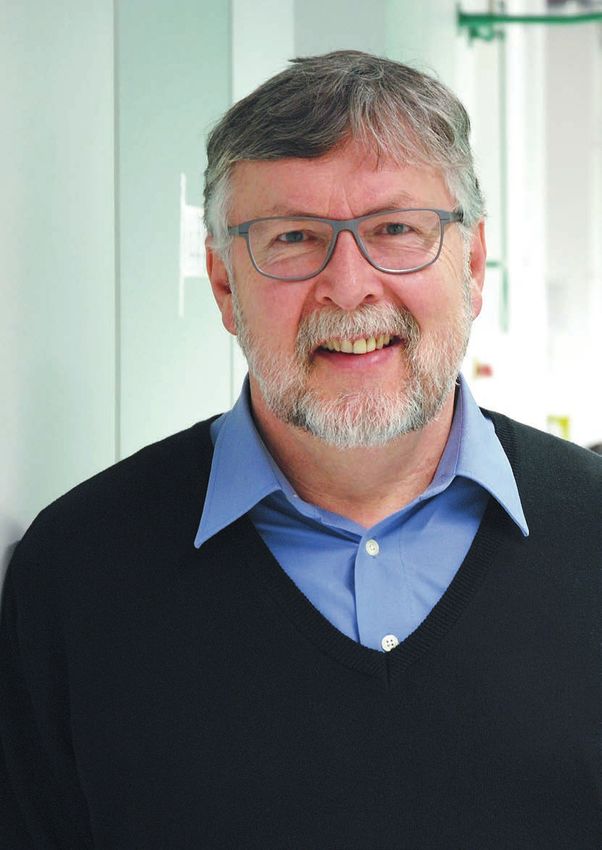
INDEX

                           54|55WHITE PAPER ON ORGANOID TECHNOLOGY

                                Tiny substitutes –
                                the age of organoids

                                                                         62|63
                                        INTERVIEW WITH PROFESSOR CHRISTOPHER BAUM

                                   The BIH: An institute devoted
                                          to medical translation

                            66|67
                                AN ESSAY BY HANNAH SCHICKL

                                On the status of brain
                                organoids and embryoids.
                                More specifically: the status of
                                human embryos 2.0

                                                                     GSCN Annual Report 2020������������������������������� 72

Annual GSCN Magazine 2020/21                                                                                                         7
A new phase for the GSCN:

     Dialog Platform
     Stem Cell Research
8                               Stem Cell Research and Diseases II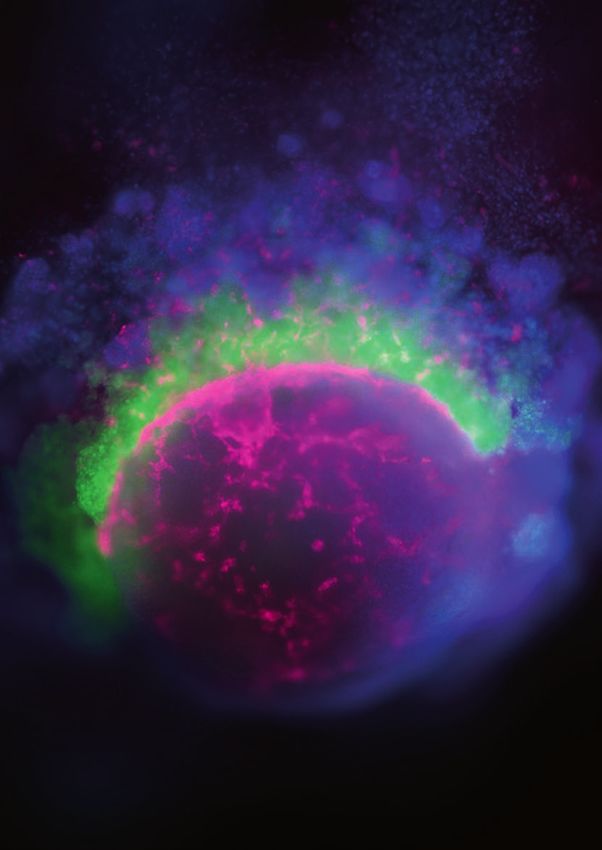
INTERVIEW WITH HANS SCHÖLER

                                                                                       The new GSCN President Hans Schöler is starting a new
                                                                                       phase with the stem cell network: beginning in 2021, the
                                                                                       GSCN and the Berlin Institute of Health (BIH) will cooperate
                                                                                       with each other on a long-term basis and establish the joint
                                                                                       „Dialog Platform Stem Cell Research“. For Hans Schöler,
                                                                                       the cooperation means new networks and a source for new
                                                                                       energies. This fits in well with his hope to emerge from the
                                                                                       pandemic times by 2021. The interview was conducted by
                                                                                       Stefanie Mahler.

                                                                                       GSCN: On 1 January 2021, the GSCN entered a close part-
                                                                                       nership with the Berlin Institute of Health (BIH). The
                                                                                       two organizations have co-founded the ‘Dialog Platform
                                                                                       Stem Cell Research’, which will be attached to the BIH
                                                                                       Center for Regenerative Therapies. What does this part-
                                                                                       nership mean for the GSCN?

                                                                                       Hans Schöler: Through this partnership, the GSCN is gain-
                                                                                       ing a key strategic partner to achieve common goals. Both
                                                                                       institutions pursue the goal of fostering the translation of
                                                                                       academic insights into medical applications for the benefit
                                                                                       of patients. The GSCN promotes and supports a network of
                                                                                       German stem cell researchers across a range of disciplines
                                                                                       and boasts a wide range of international connections.
                                                                                       The BIH is involved in a much broader range of research,
                                                                                       but also has a focus on stem cell research and associated
                                                                                       technologies. We are both committed to the objective of
                                                                                       fostering the translation of academic insights into practi-
                                                                                       cal applications and improving the environment for doing
                                                                                       so. There is significant overlap between the GSCN and BIH,
                                                                                       and the Dialog Platform Stem Cell Research, co-founded
                                                                                       by the two organizations, pursues a shared objective. The
                                                                                       platform is aimed at forging contacts between a wide range
                                                                                       of scientists, promoting networking through conferences
                                                                                       and workshops, and enhancing the way science is commu-
                                                                                       nicated using a range of formats, of which some have been
                                                                                       previously developed by the GSCN. The BIH will benefit
                                                                                       from greater depth and internationalization in stem cell
                                                                                       research and enjoy networking benefits. The GSCN will
                                                                                       gain long-term stability and financial security, which, by
                                                                                       enabling to plan ahead with confidence, should endow the
                                Photo: Max Planck Institute of Molecular Biomedicine

                                                                                       network with new vigor.

                                                                                       What are your goals for the Dialog Platform for the next
                                                                                       two years of your presidency?

                                                                                       Over the next two years, we want to fill our partnership
                                                                                       with the BIH with life. That will include integrating BIH
                                                                                       scientists into GSCN working groups to form joint Dialog
                                                                                       Platform working groups. We will be setting up and devel-
                                                                                       oping joint initiatives aimed at encouraging talented young
                                                                                       researchers. These will range from travel awards and post-
                                                                                       er prizes to training courses. We also want to develop joint
                                                                                       projects and organize both scientific and public events.

Annual GSCN Magazine 2020/21                                                                                                                           9
INTERVIEW WITH HANS SCHÖLER

                                              Hans Robert Schöler has been conducting research as Director of the Depart-
                                              ment of Cell and Developmental Biology at the Max Planck Institute for Molecular
                                              Biomedicine in Münster since 2004. He received his PhD degree from the Center
                                              for Molecular Biology at the University of Heidelberg in 1985. In 1999, he accep-
                                              ted a professorship in reproductive medicine at the School of Veterinary Medicine
                                              of the University of Pennsylvania, United States, and served in that position for
                                              five years. He also holds several full and associate professorships in Germany, the
                                              United States, and South Korea. Hans Schöler has received numerous prizes and
                                              awards, including the Robert Koch Prize, the Kazemi Prize, and the Max Delbrück
                                              Medal. He is an elected member of the German Academy of Sciences Leopoldi-
                                              na and numerous other academies. In 2010, the Hans Schöler Stem Cell Research
                                              Center (HSSCRC) was formally inaugurated in his honor at the Ulsan National In-
                                              stitute of Science and Technology in South Korea. Hans Schöler is on the board of
                                              the International Society for Stem Cell Research (ISSCR).

         Specifically, we are already planning a joint session at the   maintaining the GSCN’s autonomy as a scientific society.
         virtual 2021 ISSCR Annual Meeting and want to shape a          The interests of the GSCN will continue to be managed by
         joint BIH-GSCN presence within the international stem cell     an elected executive board in consultation with the larger
         research world.                                                GSCN management board, and its resolutions and activi-
                                                                        ties will continue to be implemented by the GSCN office. As
         As President through to 2022, I hope to be able to help en-    from 2021, however, this office will be largely financed by
         sure that the partnership between the BIH and the GSCN is      the BIH. The GSCN’s autonomy is not impacted in any way
         positive and constructive. Over these two years I am look-     – that was important to both organizations and is explicitly
         ing forward to a further White Paper, hopefully real-life      set out in the partnership agreement.
         conferences, and tangible mutual benefits.
                                                                        With a look to joint activities, the GSCN and BIH have
         We also want to take a more detailed, in-depth look at the     co-founded the Dialog Platform for Stem Cell Research,
         issue of affirmative action programs for women, fine tune      which organizes and hosts workshops, conferences, and
         the conceptual basis for such programs and further develop     White Papers.
         modules aimed at encouraging talented young researchers.
                                                                        The coronavirus pandemic meant that the GSCN held
         My dream would be to help to remove or at least lower          most of its events online in 2020. How did you experience
         barriers that are impeding the translation of basic research   this, for example the virtual Annual Conference?
         into successful treatments.
                                                                        Looking back on 2020 and all those virtual conferenc-
         How will the GSCN’s autonomy be preserved in light of          es, workshops and meetings, there are, from my point of
         the GSCN’s close partnership with the BIH?                     view, both advantages and disadvantages. For a conference
                                                                        like the 8th Annual GSCN Conference, I found it good that
         In legal terms, the GSCN is a nonprofit organization. It op-   I could easily switch between sessions, put on a pair of
         erates as a network of scientists and is open to members.      headphones and really concentrate, and I found it easier to
         Members include natural persons people – the individual        take notes than I do in most conference rooms. A further
         scientists and other people with an interest in stem cell      advantage is that it’s easier to get international speakers on
         research – and organizations – research institutes and         board for virtual lectures. I’m not sure, for example, that all
         companies involved in stem cell research. From a legal         of our keynote speakers would have been able to travel to
         point of view, the GSCN and BIH have completely different      Ulm for the conference. Speakers like Christine Mummery
         structures, with the BIH in 2021 having become part of         (Leiden NL), Bertie Göttgens (Cambridge, UK), Shahragim
         Charité – Universitätsmedizin Berlin. Through the Dialog       Tajbakhsh (Paris, FR), Jonathan Kimmelman (Montreal,
         Platform Stem Cell Research, we have successfully estab-       CAN) and Marius Wernig (Stanford, US) are very much in
         lished a structure that enables us to work together while      demand and are often drowning in conference invites.

10                                                                                                             Stem Cell Research and Diseases II
INTERVIEW WITH HANS SCHÖLER
What I certainly missed, however, is the face-to-face discus- Which scientific achievements impressed you the most
sions after sessions and having a beer with other scientists. in 2020?
And a meet-the-expert session is just a lot more fun when
you’re sitting around an actual table together. I also defi- There have been quite a number of interesting advances
nitely missed the GSCN WunderBar at the ISSCR in June, well worthy of mention, but what has impressed me time
originally scheduled to take place in Boston. It’s a wonder- and time again is the consistent progress Masayo Taka-
ful event which has become something of a tradition and hashi has been making. She has previously performed
enjoys a great reputation. Meeting up virtually just isn’t the and published a number of clinical studies involving in-
same, so I’m very much hoping that we will all be able to duced pluripotent stem cells (iPSC). She has published
get together for the 9th GSCN Conference in Ulm. As the con- some excellent papers on retinal differentiation and on
ference is not due to take place until October – specifically organoids derived from pluripotent cells. Right from the
6–8 October 2021 – I am cautiously optimistic that it will outset, she has taken the approach that reconstructing the
be able to go ahead. Networking is quite simply crucial, es- photoreceptor layer will require tissue transplantation.
pecially for younger researchers, but also with partners in In 2017, she and her team carried out the first success-
the business sector. Being able to see the latest equipment ful procedure to transplant iPSC-derived retinal cells into
in the flesh is incomparably better than viewing it virtually. the eye of a patient with advanced neovascular age-related
Annual GSCN Magazine 2020/21 11INTERVIEW WITH HANS SCHÖLER
acular degeneration. During the operation, a sheet of ap-
m ic highlights the importance of being able to move quickly,
proximately 250,000 retinal pigment epithelial cells from and that’s much easier if you remove unnecessary barriers
donor-derived iPSCs was transplanted into the patient’s on the one hand and promote the creation of structures
eye. conducive to this objective on the other. I’d like to highlight
two examples here – one of unnecessary barriers and one
Her next step is both logical and exciting – she is planning of structures conducive to this objective.
a clinical trial using organoids to treat patients with reti-
nitis pigmentosa. She is planning to transplant tiny sheets One problem is restrictions on how stem cells can be
of retinal progenitor cells cut from retinal organoids. The used. Under the German Stem Cell Act (Stammzellgesetz),
idea is that, once in the patient’s eye, over a period of sev- hESC-derived cells can be used in clinical trials, as these
eral months the retinal progenitor cells should mature into trials are considered a research activity. But if we got to
functional photoreceptors. She and her team published a the point where hES cells were to be routinely used to
paper demonstrating that this is in principle possible in produce cell products for clinical applications, that would
2018. Their experiments were able to demonstrate func- be prohibited under the Stem Cell Act. This restriction is
tional maturation of human ESC-derived retinal sheets significantly hindering the translation process. The ability
(human embryonic stem cells) following transplantation to make non-research use of ES cells to manufacture cell
in mice. Although there are other types of retinal cells that products for developing treatments is simply indispensi-
were not produced, this procedure could restore visual ble. Otherwise, we are developing procedures in Germany
function in a retina in which complete photoreceptor de- which will only be able to be used overseas. If the Stem Cell
generation has taken place. I am very much looking for- Act is not amended on this point, our only hope is that one
ward to seeing the results. day we will be able to generate induced pluripotent stem
cells which are equal in quality to hES cells.
Regenerative medicine repeatedly touted as a vision for
the future. Despite this, we still seem to be making slow It would be conducive to this objective if there were clini-
progress in realizing rapid translation into practical ap- cal trials units specializing in advanced therapy medicinal
plications and successful treatments. What, in your opi- products (AMTPs) at German university hospitals. Stem
nion, are the main obstacles to a more rapid translation cell researchers, clinicians and regulatory authorities coor-
process and how can they best be overcome? dinating closely at such clinical trials units would provide
a major boost.
I think we’re still facing the same problems that were out-
lined in the German Stem Cell Network’s 2018 white paper I am very much looking forward to seeing what new de-
“Translational Medicine – from stem cells to future technol- velopments will arise in this exciting research field and, to-
ogies”. That White Paper described several key problems gether with GSCN members, hope to be able to contribute
and potential solutions. The ongoing coronavirus pandem- to these developments.
Max Planck Institute for Molecular Genetics (MPIMG)
Research at the Max Planck Institute for Molecu- and research groups at the institute in recent years.
lar Genetics (MPIMG) concentrates on genome MPIMG researchers are interested in questions of
analysis of man and other organisms. It is the epigenetic regulation and work on a better under-
overall goal of all MPIMG’s groups to gain new standing of gene regulation networks for tissue
insights into the development of diseases on a formation and homeostasis, as their dysfunction my
molecular level, thus contributing to the develop- result in numerous diseases. In this context, stem
ment of cause-related new medical treatments. cell research is gaining increasing importance.
Work at the MPIMG is characterized by a
genome-wide approach to scientific questions. Max Planck Institute for Molecular Genetics
In this context, the very close connection bet- Ihnestraße 63-73 · 14195 Berlin
ween experimental and computational methods www.molgen.mpg.de
has become a major feature of all departments
12 Stem Cell Research and Diseases IIFROM THE GSCN CENTRAL OFFICE
GSCN News
GSCN & BIH launch Dialog Platform tragic accident prevented her from being honored togeth-
Stem Cell Research er with Hans Spemann when the latter was awarded the
Nobel Prize for the discovery of the organizer effect in
At the turn of the year, the GSCN entered into a close part- 1935.
nership with the Berlin Institute of Health (BIH). The two The annual GSCN science prize is bestowed on outstand-
organizations will now work together to expedite the ing female stem cell researchers. In addition to scientific
translation of stem cell innovations into clinical applica- achievement, the jury also aims to recognize the award
tions. To this end, they have co-founded the Dialog Plat- winner’s lifetime achievement as a role model for young
form Stem Cell Research, aimed at enhancing networking female scientists. As before, women continue to be under-
between national and international stem cell researchers. represented in stem cell research leadership positions at
Joint activities will include conferences, workshops and universities and research institutes.
mutual working groups. The legal structure of both organ-
izations will, however, remain unchanged. The partnership
means that the GSCN is now financially secure for the next European consortium for communicating gene and
four years. cell-based therapy information
Complementing the work of EuroStemCell, February 2021
White Paper on organoids will see the launch of a European consortium for commu-
nicating gene and cell-based therapy information to the
In November 2020, the GSCN and general public. Sponsored by the EU, the project is entitled
the Interdisciplinary Research EuroGCT. The project is being led by the EuroStemCell team
Group (IAG) Gene Technology Re- in Edinburgh and, with more than 47 European partner in-
port of the Berlin-Brandenburg stitutions from 16 countries, is a Europe-wide initiative. It
Academy of Sciences and Human- is expected to attract significant interest from sections of
ities (BBAW) published a White the general public. The EuroStemCell website will remain
Paper entitled “Organoids – from in place and continue to provide helpful information on all
stem cells to future technologies”. aspects of stem cell research. The GSCN is an active partner
With this White Paper, they hope in both EU projects.
to raise public awareness of orga-
noid research and to stimulate an interdisciplinary public
debate on the issue. The White Paper includes a GSCN re- A very different 2020 Non-PI Meeting went virtual
port on organoids, which offers an overview of the latest
developments in the field and potential applications. The Very different, but normal for 2020 was the verdict on the
report includes viewpoints from national and international 2020 Non-PI Meeting. The online event was held on 22
researchers, stakeholders from current projects, and com- September. 13 participants attended from Germany and
panies involved in organoid research. This is followed by Switzerland. An online format meant that the meeting was
the working group’s key points and recommendations on able to go ahead despite the coronavirus pandemic. The
the use of organoids. To find out more, see the article on four-hour get-together was planned as an open discussion
p. 55.
The white paper can be downloaded in PDF form in English
or German from www.gscn.org.
The “GSCN Hilde Mangold Award” rewards
outstanding female scientists and role models
Awarded annually, the GSCN Female Scientist Award has
Photo: Verena Börger, Essen
now been rebranded as the GSCN Hilde Mangold Award.
The new name is in recognition of German embryologist
Hilde Mangold (born 20 October 1898 in Gotha; died
4 September 1924 in Berlin). Mangold performed key
experiments which paved the way for the discovery of
the embryonic organizer, thereby playing a seminal role
in the development of embryology. Her early death in a
Annual GSCN Magazine 2020/21 13FROM THE GSCN CENTRAL OFFICE
forum for young scientists to discuss technical and con- stitutions went ahead with their events only after putting
ceptual challenges relating to their research and solutions in place suitable precautions and highlighting infection
to methodological problems. Participants shared their control measures, or with a much-reduced program. How
thoughts on their research projects, key points in proto- the event was run varied greatly around the world, with
cols and procedures, the latest technologies, cell culture many school classes and institutions canceling at short no-
reagents, and molecular biology. The meeting also offered tice. Due to the subsequent lockdown and the focus on the
opportunities for networking, exploring potential collabo- pandemic, no reliable statistics for participant numbers
rations, and career planning. The meeting was organized are available. The GSCN events which did go ahead, for ex-
by Germán Camargo Ortega (Basel, CH), Verena Börger (Es- ample in Berlin, were once again very successful.
sen), and Mona Vogel (Ulm) who were all very enthusiastic
about the course of meeting. “The information shared at
the meeting really is an invaluable asset for participants. It GSCN affirmative action program for women
is indispensable for young scientists’ careers and I’m sure
will help them and their laboratories to advance towards In 2020, the GSCN, through the Chris-
their goals.” The event concluded with a shared online es- tiane Nüsslein-Volhard Founda-
cape room experience in the evening. tion, supported Anna Döser
The next Non-PI Meeting will take place on 5 October, 2021 with her research into tumor
in Ulm. It will be a hybrid event, so that anyone will be able immunology in ovarian cancer. Anna Döser
to take part online, even if they are not in Ulm. It’s a great The young mother is a physi-
opportunity to talk to others in a similar position and solve cian performing her research
problems! at University Hospital Bonn.
Commenting on the GSCN grant,
she said, “The grant is aimed at giving
UniStem Day 2020 female scientists with children the mobility and freedom
they need to progress in their careers. Being relieved of do-
UniStem Day 2020 was held mestic duties and having greater flexibility really did give
on 6 March, 2020, just be- me a fantastic feeling of freedom which I have been able to
fore the first lockdown. At use for my research. Employing household assistance, for
Photo: Anna Döser, privat
the time there was great example, means that I no longer have to spend my evenings
uncertainty as to whether it doing housework, but can instead spend time at my desk.
would be possible for events to continue, and This has freed up two or three evenings a week that I can
if so, how they would be held. Many institutions canceled use for work.”
their planned UniStem Day events at short notice. Other in-
Leibniz Institute on Aging – Fritz Lipmann Institute (FLI)
Research for better aging
The Leibniz Institute on Aging – Fritz Lipmann will be enriched by the wealth of knowledge and
Institute (FLI) has dedicated to biomedical aging experience older people possess.
research since 2004. More than 350 employees As one of 96 institutes of the Leibniz Association,
from around 40 nations explore the molecular the FLI is publically funded by the German Federal
mechanisms underlying aging processes and Ministry of Education and Research (BMBF) and the
age-associated diseases. The main aim of State of Thuringia.
research at FLI is to delineate how aging leads
to the development of tissue dysfunction and Leibniz Institute on Aging –
diseases in the elderly. If the understanding of Fritz Lipmann Institute (FLI)
the aging process contributes to the extension Beutenbergstraße 11 · 07745 Jena
of healthy lifespan, the strains on society can be www.leibniz-fli.de
minimized and the society’s future development
14 Stem Cell Research and Diseases IIFROM THE GSCN CENTRAL OFFICE
GSCN website relaunch
The GSCN has started the process of revamping its website.
While the website boasts some excellent content, it has
fallen behind the times technically. The English-language
pages will feature a new format and new visuals. New for-
mat means that the website is now resized and the colors
freshened up on smartphones and tablets, enhancing read-
ability. In terms of content, much has changed, and at the
same time very little has changed. Much in that we have
streamlined and restructured many of the pages. Very little
in that, if you dig down, you can still find the same treasure
trove of content as before – our network can rest assured
that this content has not been lost. The GSCN looks forward
Photo: GSCN
to the website continuing to be enthusiastically used by
members, conference delegates, journalists, patients, and
broad sections of society. Naturally, the website is still to be
accessed at: www.gscn.org.
JAHRE EXZELLENZ
MINT-NACHWUCHS
IN DEUTSCHLAND FÖRDERN?
JETZT MITGLIED BEIM GRÖSSTEN
SCHULNETZWERK WERDEN!
MINT-EC ist das nationale Excellence-Netzwerk von derzeit 332 Schulen mit Sekundarstufe II und ausgeprägtem
Profil in Mathematik, Informatik, Naturwissenschaften und Technik. Hier erfahren Sie mehr: www.mint-ec.de15
Annual GSCN Magazine 2020/21FROM THE GSCN CENTRAL OFFICE
GSCN Stem Cells for Life posters in English
In the beginning of 2021, the GSCN will be producing Eng-
lish versions of its Cells for Life poster series. The posters
will then be available, together with a range of background
German and English-language GSCN school materials information, at stemcells4life.info. Like the German-lan-
updated guage version at zellenfuersleben.de, the posters are avail-
able for download free of charge on the GSCN website
In 2020, the GSCN’s material for schools, hosted at – enabling a complete exhibition on stem cells for use in
stammzellen-verstehen.de and understanding-stemcells.info, institutions, schools or at public events to be produced in
was updated with new content, and existing content was no time at all. So be sure to check it out!
refreshed and adapted for use in online teaching. In Janu-
ary 2021, one teacher was enthusiastic enough to give us
the following feedback, “While looking for new material for
my high school biology course in North Rhine-Westphalia, I
quickly came across your website. I found the material and
the website so interesting that I tried it out right away. So
far (Basics and Ethics), the concept has also proved suit-
Photo:Sabine Wörndle, Uni Ulm
able for use for online learning and even for independent
computer work (where the teacher is not present due to a
teachers’ meeting). In addition to the expertise with which
the material has been prepared and the fact that it is very
up to date, a key factor for me was that preparing a lesson
using your material saved me a lot of time. It’s very rare that
I am satisfied with material from external sources. Because I
have been benefiting from your material for two weeks now, I
was e ager to provide you with some feedback.” We hope that
these words of praise from a teacher will encourage you to
warmly recommend the material for schools to others!
Bavarian research association ForInter
Human brain cell interaction
The research group ForInter aims to investigate engineering lay a foundation for application-
the complex cell and molecular biological oriented research of the human brain.
interactions of different cell types in the human ForInter’s new platform for functional analysis
brain in multidimensional, highly innovative of the brain is intended to contribute in the
cell culture systems. Our consortium is unique long term to intervention strategies and
in Bavaria as an interdisciplinary research therapies for diseases of the nervous system.
network of this kind. Under the leadership of Bavarian research association ForInter
the Friedrich-Alexander-Universität Erlangen- Universitätsklinikum Erlangen
Nürnberg, scientists with basic biological and Department of Stem Cell Biology
translational expertise in neurobiology and Glückstr. 6 · 91054 Erlangen
neurology, neuropathology, bioinformatics Funded by: www.forinter.de
as well as legal and ethical aspects of genetic Bavarian State Ministry of Science and the Arts
16 Stem Cell Research and Diseases IIAre You Thinking of Scaling Up Your Stem Cell Cultivation? Today’s bioprocess professionals need to stay on top of many things: Scale-up parameters and equipment capabilities, control strategies and automation, validation requirements and documentation to name a few. New fields of applications like stem cell technology are evolving into powerful tools of the future. Become an expert in bioprocessing. Join us at www.eppendorf.com/bioprocess-experts Eppendorf ® and the Eppendorf Brand Design are registered trademarks of Eppendorf AG, Germany. www.eppendorf.com /bioprocess-experts All rights reserved, including graphics and images. Copyright © 2021 by Eppendorf AG.
8 TH GSCN ANNUAL CONFERENCE · VIRTUAL

          2020 Conference Report

          8th GSCN Annual Conference
          23 – 25 September 2020                                       VIRTUAL

          I
             n 2020, everything was new and different: what in spring
             2021 seems like the best possible alternative to a phys-
             ical conference, was a pioneering act in July 2020. Due
          to hygiene regulations and travel restrictions in the Corona
          Pandemic, the GSCN Annual Conference took place online.

                                                                                              109
          The goal behind it: To create the complete program with
          all elements as a digital likeness of an actual GSCN Annual
          Conference within three months. The online experiment
          succeeded: With 364 participants, 45 talks, 22 sessions,
          22 exhibiting companies and 109 posters, the GSCN moved
          its conference online. The effort behind it was enormous
          for all parties involved: agencies, new techniques and new
          forms of communication had to be found and tested by the
          GSCN office, the speakers created online presentations, on-                                  Poster
          line posters could be enhanced with multimedia, compa-
          nies moved their booths with new formats online – many
          questions and not always clear answers accompanied this
          joint expedition into virtual uncharted territory.                                                                        5
                                                                                                                                International
                                                                                                                                   Keynote
          The Annual Conference was an excellent event, and every-
          one involved had a great time getting to grips with the new                    ethics                                   Lectures

          format. Of course, there were some technical glitches, such
          as the loss of some chairs or somewhat blurred images due
          to low network bandwidth at participants homes, and less
          communication among the conference participants and the
          companies. The biggest loss was certainly the lack of net-
          working during the breaks and social meetings. Intensive
          exchange in conversation is simply more difficult in the net.
                                                                                 6
                                                                            International

                                                                                                           22
          In summary, it was a great conference – with considerable         Highlight Talks
          scientific output.

                                                                                                           Sessions

          Headquarter in Berlin: 10 persons organized the GSCN Conference
          and were responsible for the technical and logistic issues
          of the virtual conference.

                                                                                              10
                                                                                            National
                                                                                         Highlight Talks           stem
                                                                                                                    cells
18                                                                                                        Stem Cell Research and Diseases II
8 TH GSCN ANNUAL CONFERENCE · VIRTUAL
1
Non-PI Workshop
Extras
• Point-of-discussion: Sars-CoV-2/
COVID-19 and approaches
with stem cells with Christine
Mummery
• Membership Meeting
• Board meetings
1
ELSA Symposium
22
Industry
exhibitors
3 50
Europe
302
GSCN Awards
12 Germany
International
364 networks 3
Conference Participants Meet-the-Expert-
Tables
99 Students (27,2 %)
265 Regular (72,8 %)
COVID-19
stem cell
therapies clinical
studies
embryoids &
organoids
Annual GSCN Magazine 2020/21 198 TH GSCN ANNUAL CONFERENCE · VIRTUAL
2020 Conference Report
Five exciting international
keynotes
O
n the morning of 23 Sept. 2020, more than 200 con- and that the EOM transcriptome is reprogrammed follow-
ferees had gathered in front of their screens to par- ing transplantation into a limb muscle environment. Nota-
ticipate in the 8th virtual GSCN Annual Conference. bly, EOM MuSCs expressed host-site specific positional Hox
They were warmly welcomed by GSCN President Hartmut codes after engraftment and self-renewal within the host
Geiger and then introduced to the online systems used to muscle. However, about 10% of EOM-specific genes showed
broadcast the talks (Zoom) and present the posters and engraftment-resistant expression, pointing to cell-intrinsic
GSCN affiliates (iPoster) as well as to the web etiquette. molecular determinants of the higher engraftment poten-
After the technical briefings were done, the scientific pro- tial of EOM MuSCs. Taken together, these studies highlight
gram started. the molecular diversity of distinct modes of division that
muscle stem cells adopt in different scenarios that solicit a
The first keynote presentation of the scientific program flexibility in cell plasticity.
was delivered by Shahragim Tajbakhsh from
Institute Pasteur in Paris. The group of The second keynote of the afternoon was given by Bertie
Shahragim Tajbakhsh has Göttgens (Cambridge, U.K.). The Göttgens group uses
been using a combination Shahragim Tajbakhsh a combination of experimental and computational
of genetically modified mice approaches to study how blood stem cells devel-
and ex vivo artificial niches op, and how mutations in stem/progenitor cells
to investigate the heterogeneity can cause leukemia. Recent work has
and fate potential of adult skel- focused on applying single cell
etal muscle stem cells (MuSCs). genomics technologies to the
MuSCs can be maintained through early stages of mouse embryo
symmetric (SCDs) and asymmetric development, when the first
(ACDs) cell divisions, yet how and when blood cells are generated. Da-
these divisions occur in vivo in vertebrates is tasets of hundreds of thousands
poorly understood. His group developed a clonogenic cell of cells have been generated for
tracing method that demonstrates the asymmetric distri- both wild type embryos, as well
bution of transcription factors along with old and new DNA as embryos that carry mutations in
in mouse muscle stem cells during skeletal muscle regen- key regulatory genes for early blood Bertie Göttgens
eration directly in vivo. Further, by combining single cell development. Integrated analysis of
tracking and artificial niches ex vivo, they showed that cells both single cell gene expression and open
can switch modes in consecutive divisions, suggesting that chromatin datasets has been instrumental to clarify the
they are not dedicated to an obligate mode of cell division. regulatory hierarchies of transcription factors responsible
Regarding stem cell heterogeneity, diverse properties and for early blood formation. In parallel studies on the adult
gene regulatory networks define MuSCs in different ana- blood system, the group has applied computer modeling to
tomical locations (e.g. head vs. limb). Although MuSCs de- derive a mathematical framework that can capture exper-
rived from extraocular muscles (EOM) have a higher regen- imental data generated by three different laboratories to
erative capacity than those derived from limb muscles, the obtain a quantitative description of the dynamical nature
molecular determinants that govern these differences of blood stem cell function. This computational framework
remained undefined. The Tajbakhsh lab showed is not only useful to interpret normal blood stem cell be-
that EOM and limb MuSCs have distinct DNA havior but is also being used to model the deleterious con-
methylation signatures associated with sequences of mutations that can corrupt normal stem cells
enhancers of location-specific genes, to turn into leukemia stem cells.
Photos: Institute Pasteur; privat
20 Stem Cell Research and Diseases II8 TH GSCN ANNUAL CONFERENCE · VIRTUAL
Christine Mummery
The final session of the
Heart forming organoid: whole mount immunofluorescence GSCN conference on Friday,
staining with DAPI (nuclei, blue) and antibodies
against cardiac troponin T (indicating cardio-
25 September 2020 featured
myocytes, green) and vimentin (mesen- another two highly fascinating key-
chymal cells, pink). notes. The first was given by Chris-
tine Mummery (Leiden University Medical
Center, The Netherlands). Her group has worked for many
years creating models for cardiovascular disease based
on pluripotent stem cells (hPSCs) and has used these for
understanding disease mechanisms as well as detecting
Jonathan Kimmelman cardiotoxic effects of drugs and sensitivities associated
with particular genotypes. Simple monolayer cultures
Traditionally, the keynotes on of hPSC-cardiomyocytes or vascular cells have usual-
the first conference evening ly proven adequate for this purpose even though the
provide the link to the discus- cells are immature and fetal like. For example, by meas-
sion of ELSA issues around the uring contraction, action potential and calcium tran-
GSCN Annual Conference and sients simultaneously in hPSC-cardiomyocytes, the group
continue during the second day with demonstrated that they could predict the toxic effects of a
the ELSA Symposium (see below). Thus, groups of test drugs with almost 80% accuracy, compared
on Wednesday evening, the presentation by Jonathan with less than 70% in primary rabbit cardiomyocytes. For
Kimmelman (McGill University, Montreal, Canada) con-
Photos: McGill University; Leiden University Medical Centre / Lika Drakhlis, LEBAO / MHH; of: Nature Biotechnology 2021
some purposes though, immature cells in 2D culture are in-
cluded the first day. Jonathan Kimmelman and his research sufficient to capture disease phenotypes. Mummery gave
group (STREAM) study ethical and social dimensions of two examples that showed the benefits of 3D culture of
clinical development of new treatment strategies. Kimmel- multicell type structures: the first, she combined cardio-
man formerly chaired the ISSCR’s ethics and public policy myocytes, cardiac fibroblasts, and cardiac endothelial cells
committee and co-chaired the ISSCR committee that devel- in “microtissues” consisting of just 5,000 cells. In these
oped Guidelines for Stem Cell Research and Clinical Trans- microtissues, the cardiomycoytes showed a remarkable
lation in 2016. His work is guided by the premise that even degree of maturation including the formation of (post-na-
the most technical aspects of research conduct are saturat- tal) transverse tubules (T-tubules). By replacing each of the
ed with ethical judgments. Kimmelman’s talk at GSCN built cell types in the microtissues with a diseased variant, she
on his work uncovering various practices in preclinical and was able to show that cardiac fibroblasts carrying a PKP2
clinical research that frustrate the process of redeeming desmosomal gene mutation induce arrhythmia in microtis-
the public and patient investments in the enterprise of sues in which the cardiomyocyte were normal and healthy.
clinical development. He began by describing how initial This indicated that fibroblasts in the heart can contribute
research efforts aimed at addressing the COVID-19 pan- to the phenotype in patients with arrhythmogenic cardi-
demic laid bare numerous common research deficiencies, omyopathy. Mummery also gave an example of a vascular
including poor study design, biased analysis and reporting, disease in which the vascular cells behaved identically as
and a lack of coordination. He then used COVID19 research the healthy isogenic controls in 2D vascular networks but
as a prism through which to view similar, recurrent chal- the lumenized vessels were distinctly abnormal in 3D mi-
lenges cell-based intervention research efforts. The talk crofluidic “Organ-on-Chip” models. These more complex
closed by connecting these reflections with various poli- cell systems based on hPSCs are paving the way forward
cy statements on the ethical conduct of clinical research, for a new generation of disease models for understanding
including the ISSCR Guidelines for Stem Cell Research and disease mechanisms and drug discovery.
Clinical Translation.
Annual GSCN Magazine 2020/21 218 TH GSCN ANNUAL CONFERENCE · VIRTUAL
The final presentation of the ways were not activated
Annual Conference 2020 was as the mutant protein
yet another highlight lecture by was transported to the
Marius Wernig from the Insti- cell membrane. Instead,
tute for Stem Cell Biology and it was found that mutant
Regenerative Medicine at Stan- cells were critically sensi-
ford University. His lab of works tive to iron which caused
on mechanism of cell lineage secondary lipid oxidative
identity and on develop- stress. Gene-corrected OPCs
ing new approaches for were largely insensitive to in-
cell therapies in the brain. creased iron. Pharmacological
Wernig discussed a recent iron chelation rescued mutant cells
project focused on Pelizae- in vitro and upon transplantation into
us-Merzbacher disease, a Marius Wernig hypomyelinating mice. OPCs from PLP-mutant
fatal monogenetic leukodys- jimpy mice also showed enhanced survival and differ-
trophy caused by mutations in entiation upon iron chelation. These results suggest the
the PLP1 gene. Wernig described how intriguing possibility that simple iron chelation therapy
his lab used patient-derived induced pluripotent stem cells might be beneficial at least for a subset of PMD patients.
(iPSCs) and genetically corrected, isogenic cells to assess In a second approach, Wernig discussed his lab’s investiga-
the impact of PLP1 mutations from two severely affected tions on the use of bone marrow transplantation to replace
PMD patients. Genetically corrected iPSC-derived oligo- endogenous microglia with circulation-derived myeloid
dendrocyte precursor cells (OPCs) showed functional cor- cells (CDMCs). The Wernig lab found that liberating mi-
rection in vivo as seen by restorative myelin formation af- croglial niche factors by microglia depletion is critical for
ter transplantation into myelin-deficient mice. These data robust differentiation and incorporation of CDMCs. Con-
provide proof of concept that a combination of reprogram- sequently, a combination of bone marrow transplantation
ming, gene engineering, and differentiation is a therapeu- conditioning and pharmacological depletion of microglia
tic path for myelin disorders and establish iPSC derived with a CSF1 receptor inhibitor resulted in near complete
OPCs as viable platform for cell therapy in the brain. He replacement. Wernig reported that current efforts center
further reported that PLP1-mutant, iPSC-derived iOPCs on the understanding of the cellular mechanisms of CDMC
were formed normally but underwent apoptosis upon fur- recruitment and to evaluate proof of principle therapeutic
ther differentiation. Unexpectedly, UPR and ER stress path- potential of this impressive brain reconstitution.
Photo: privat
Fraunhofer Institute for Cell Therapy and Immunology IZI
The Fraunhofer Institute for Cell Therapy and Drugs and Diagnostics. Its areas of competence
Immunology IZI investigates and develops lie in cell biology, immunology, drug biochemistry,
solutions to specific problems at the interfaces bioanalytics and bioproduction as well as process
of medicine, life sciences and engineering. One of development and automation. The research focus is
the institute‘s main tasks is to conduct contract on developments in the field of immunoncology and
research for companies, hospitals, diagnostic infection research.
laboratories and research institutes operating in The institute works in close cooperation with
the field of biotechnology, pharmaceuticals and hospital institutions and performs quality Fraunhofer Institute for Cell Therapy and
medical engineering. tests besides carrying out the GMP-compliant Immunology IZI
The Fraunhofer IZI develops, optimizes and manufacture of clinical test samples. Furthermore, Perlickstr. 1 · 04103 Leipzig
validates methods, materials and products it helps partners obtain manufacturing licenses and www.izi.fraunhofer.de
for the business units Cell and Gene Therapy, permits.
22 Stem Cell Research and Diseases II8 TH GSCN ANNUAL CONFERENCE · VIRTUAL
The Presidential Symposium:
GSCN Awards 2020 and Presidential Invite
I
n the afternoon of the second day of the conference, the group has recently learned that in liver cells, the transition
Presidential Symposium brings further scientific high- from a unipotent to a bi-potent proliferative state requires
lights to the participants. The symposium includes a the active de-methylation mediated by TET1 to transcrip-
lecture by special invitation of the president and the tionally activate the genes involved in regenerative
three winners of the GSCN awards of the respec- program including components of the Erbb as
tive year. well as YAP/TAZ hippo pathway. This acti-
vation is essential both in vitro, during
In 2020, GSCN President Hartmut Geiger organoid initation and in vivo, during
had invited Meritxell Huch from the Max the damage-regenerative response. In
Planck Institute for Molecular Cell Biology addition, the group also described that
in Dresden to deliver a lecture. The Group the signaling that mediates this transi-
of Meritxell Huch has developed liver and Online Presenter tion is derived, in part, from the
pancreas organoids from both mouse and portal mesenchyme. Switching
Meritxell Huch
human adult tissues and exploited them to gears to pancreatic system Huch
gain basic molecular and cellular understanding also discussed their new protocol to establish
Photo: GSCN
of the biology of these two organs across scales. In human pancreas organoids from biopsies (even
her talk, Huch first described one of the molecular mech- frozen tissue) and how these expand long term while re-
anisms involved in duct-mediated liver regeneration. The taining their genetic stability over time. This new human
NutriStem®
Culture Systems
Complete xeno-free, serum-free
systems for the growth and
expansion of stem cells
n Defined, serum-free, xeno-free media for hMSC, hiPSC,
and hESC
n Superior proliferation rate
n Support long-term growth and differentiation potential
n Specially developed solutions for attachment,
dissociation, cryopreservation, and differentiation
n Complete protocols and application data
n FDA Drug Master File (DMF) available
Learn more at www.sartorius.com/stem-cell-media
Annual GSCN Magazine 2020/21 238 TH GSCN ANNUAL CONFERENCE · VIRTUAL
pancreas ductal organoid culture medium also supports producible across individuals. They also compare human,
the growth of pancreas cells in a chemically defined fully chimpanzee and macaque cerebral organoid development
biomimetic extracellular matrix. In summary, Huch shared using both single-cell RNA- and chromatin accessibility
the newest results of her research team on liver and pan- (ATAC)-sequencing and identify expression and gene reg-
creas organoids and their vision on how these can be used ulatory features that are specific to humans. In the second
to gain basic understanding of the mechanisms of human part of her talk, she discussed new lineage recording strat-
organogenesis and repair. egies to explore dynamics during brain regionalization in
organoids. She presented data from a new method called
The GSCN 2020 Young Investigator Award was present- iTracer that couples reporter barcodes, inducible CRISPR/
ed to Barbara Treutlein for her seminal research on tack- Cas9 scarring, and single-cell transcriptomics to analyze
ling differentiation on a single-cell level. Although being lineage relationships during organoid development. They
already a well-established researcher first at the MPI for used iTracer to infer fate-mapped whole organoid phylog-
Evolutionary Anthropology, Leipzig and since enies over a scarring time course, and to reconstruct pro-
2019 as Professor for Quantitative Devel- genitor-neuron lineage trees within microdissected
opmental Biology at the ETH Zürich cerebral organoid regions. They show that the sys-
D-BSSE, Switzerland, it tem is compatible with spatial transcriptomics,
Online presentation
was just in 2012 that she which revealed clonal enrichment in distinctly
finished her PhD at the by awardee patterned brain regions. Finally, she showed
LMU Munich, still making Barbara Treutlein new data from long term 4-D light sheet micros-
her eligible for the pres- copy that enabled in toto temporal tracking of
tigious GSCN Junior Award. Her nuclei over 100 hours of cerebral organoid de-
group uses and develops single-cell velopment. Altogether, the work sheds light on
technologies in combination with how fates emerge and mature during human brain
stem cell based three-dimensional cul- organoid regionalization, and the techniques can be
ture systems to study human organogenesis. adapted in any pluripotent stem cell-derived cell culture
In her talk, Treutlein first focused on their work on brain system.
organoids to understand human-specific features of brain
development. She first presented a single-cell transcrip- The GSCN 2020 Female Scientist Award was presented
tomic analysis of human brain organoid development from to Edith Heard (European Molecular Biology Laboratory,
pluripotency that revealed the emergence of diverse neu- Heidelberg). The Award was presented for her important
ronal fates within the dorsal and ventral forebrain, mid- contributions to our understanding of X-chromosome in-
Photo: GSCN
brain and hindbrain regions. Her group found that brain activation. To achieve dosage compensation, one of the two
region composition varies in organoids from different iPSC X chromosomes is converted from the active euchromatic
lines, yet regional gene expression patterns are largely re- state into inactive heterochromatin during early female
Max Delbrück Center for Molecular Medicine in the
Helmholtz Association (MDC)
Excellent stem cell research at the MDC in Berlin
Photo: Katharina Bohm/MDC
The Max Delbrück Center for Molecular reprogrammed skin cells of the northern white
Medicine is one of the world’s leading rhino in a bit to save the endangered species.
biomedical research institutes. Many of the One technology platform provides expertise on
MDC’s scientific teams at its two Berlin locations iPS cell lines, another on organoids. „We offer
are using stem cells and organoids in their excellent infrastructures and are further expanding
research. For example, they modify muscle stem our facilities,“ says Professor Thomas Sommer,
cells using CRISPR-Cas to develop therapies for the Scientific Director of the MDC (interim). „Our
previously incurable muscle-wasting conditions. organoid platform pools expertise and opens up Max Delbrück Center for Molecular Medicine
They are growing mini-tumors from cancer new avenues to study the development of organs, Robert-Rössle-Str. 10 · 13125 Berlin
stem cells to test the efficacy of drugs. They such as the kidney, intestine and liver, or neuronal www.mdc-berlin.de
are also attempting to cultivate egg cells from diseases.“
24 Stem Cell Research and Diseases IIYou can also read


