SUSTAINABILITY REPORT - AEG'S 2019 - AEG Worldwide
←
→
Page content transcription
If your browser does not render page correctly, please read the page content below
AEG’S 2019

SUSTAINABILITY
REPORT
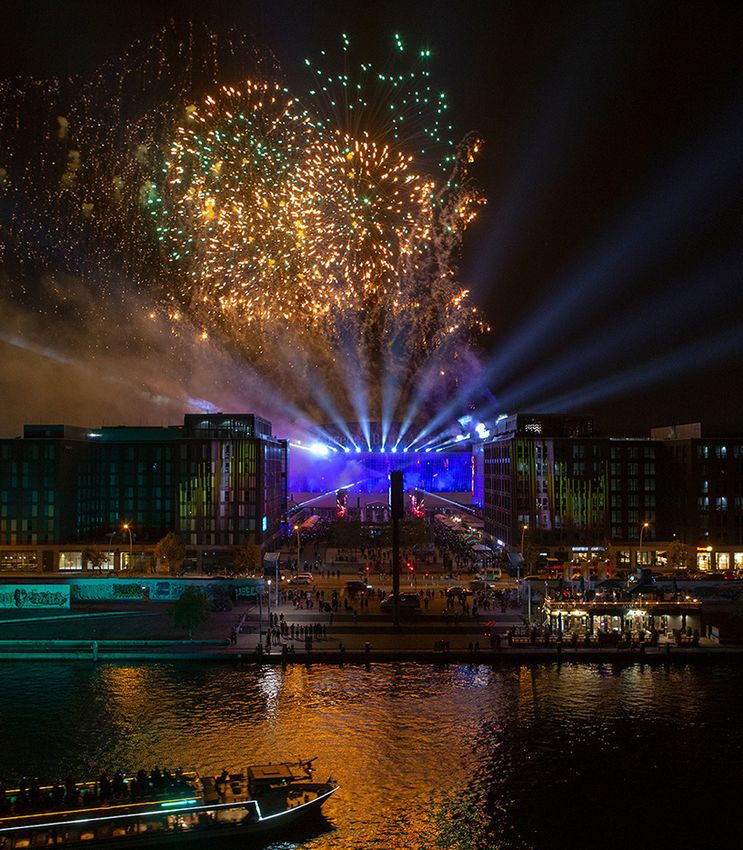
cover photo: Mercedes Platz, Berlin, Germany

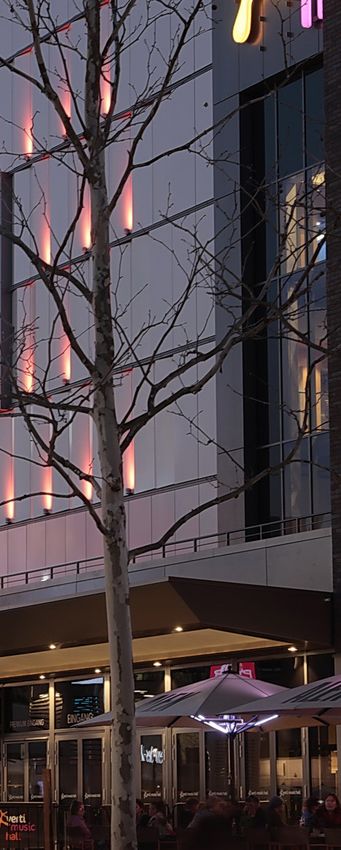
Verti Music Hall, Berlin, Germany
TA B L E O F C O N T E N T S

TABLE OF CONTENTS

ABOUT AEG....................................................5

ABOUT AEG 1EARTH......................................7

2018 BY THE NUMBERS.................................9

LETTER FROM THE PRESIDENT & CEO........10

LETTER FROM THE VICE PRESIDENT,
ENERGY AND ENVIRONMENT.....................12

OUR PATH TO 2020 AND BEYOND..............14

GREENHOUSE GAS EMISSIONS...................16

WATER..........................................................18

WASTE..........................................................20

COMMUNITY ENGAGEMENT.......................22

AEG 1EARTH
AMBASSADORS PROGRAM.........................24

EMPLOYEE SPOTLIGHT................................26

YEAR IN REVIEW: THE CASE STUDIES.........29

2018 MEMBERSHIPS, CERTIFICATIONS,
AND RECOGNITIONS...................................50

                                    AEG WORLDWIDE | 3
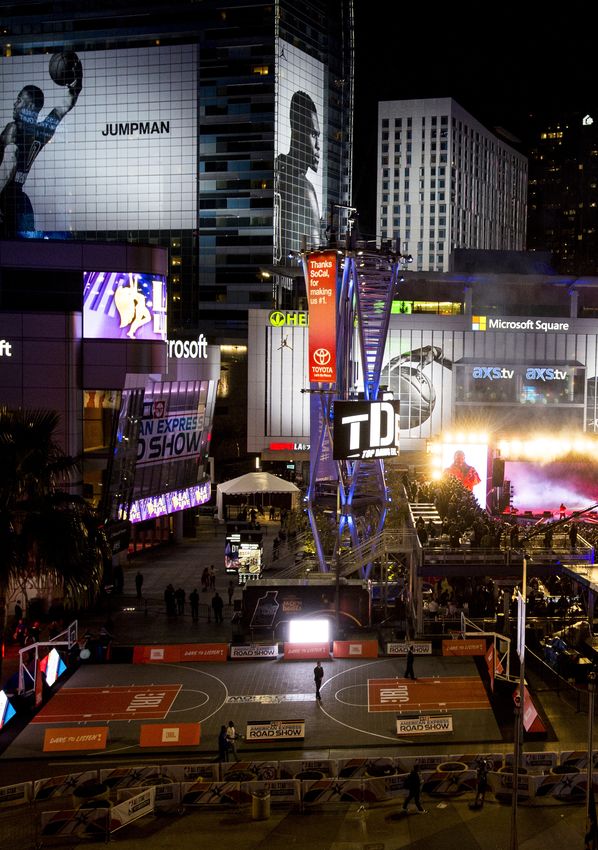
NBA All-Star Game, L.A. LIVE in Los Angeles, CA
ABOUT AEG

About AEG
From epic concerts to premier music festivals
to heart-stopping sporting events, AEG
has been giving the world reason to cheer
through unparalleled live events that create
unforgettable memories for more than
20 years.
As the world’s leading sports and live
entertainment company, we operate on
five continents, entertaining more than
100 million guests annually through our
network of over 150 venues worldwide.
We focus and coordinate the specialized
skills of each our key divisions into a powerful
aggregated resource that has played a
pivotal role in transforming the sports and
live entertainment industry.
• AEG Facilities owns, manages or consults
  with a network of premier arenas, conven-
  tion centers and stadiums, including more
  than 20 of the top 100 venues in the world.
• AEG Presents is one of the largest live
  music companies promoting more than
  10,000 shows including global and regional
  concert tours; operating more than
  80 music venues; and producing more than
  40 world-renowned music festivals.
• AEG Sports is the world’s largest operator
  of sports franchises and high-profile
  sporting events.
• AEG’s Global Partnership division was
  voted “Best in Property Consulting, Sales
  and Client Services” by the Sports Business
  Journal for 2017 and 2018 and delivers
  more than 1,000 corporate brand partners
  the largest sports and live music marketing
  network in the world.
• AEG’s Real Estate division oversees
  all aspects of real-estate development
  for the company’s world-class venues
  and entertainment districts, as well as
  providing consulting services on numerous
  other projects.
More information about AEG can be found
on our website at www.aegworldwide.com.

                          AEG WORLDWIDE | 5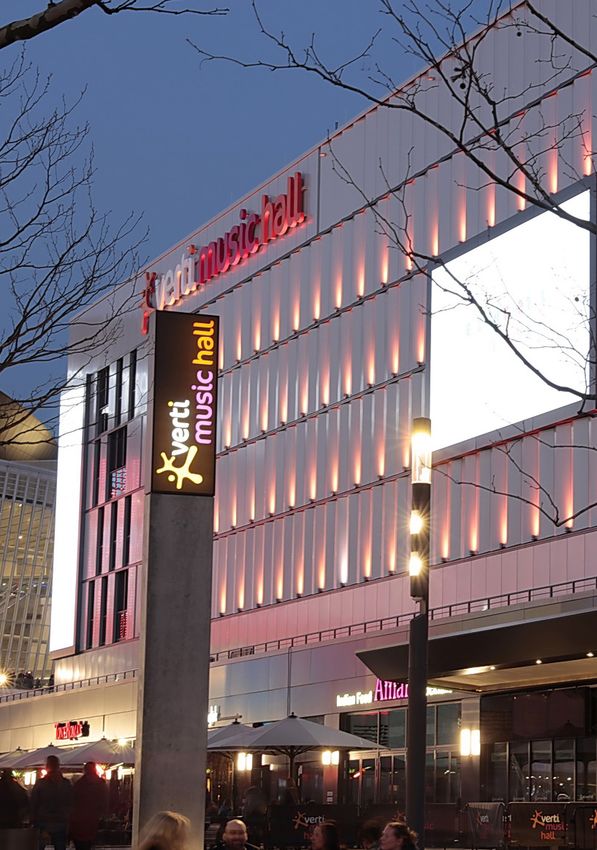
ABOUT AEG 1EARTH

About AEG 1EARTH
AEG 1EARTH is AEG’s industry-leading
corporate environmental sustainability
program now in its second decade of
operation. AEG 1EARTH helps us reduce our
company’s environmental footprint and raise
public awareness about important issues
facing our industry, communities and planet.
By measuring our environmental footprint
and collecting operational data from our
global network of sports and entertainment
venues, we set material and science-based
goals against which we review our annual
performance.

The AEG 1EARTH program is managed
by a dedicated team at our corporate
headquarters in Los Angeles, California and
is implemented by our management and
employees throughout the world. While we
value our global footprint, we understand
that change happens on a local level and
that everyone plays a role in environmental
sustainability. We encourage our employees
to actively participate in our initiatives and
constantly seek ways to inform guests that
attend our events how they can do their part.
Our program is designed to encourage the
sharing of best practices in order to forge a
more sustainable future. We seek feedback
from our customers, partners, vendors and
employees because we believe that through
consistent and robust dialogue, we can work
together to improve the health of our planet.

                         AEG WORLDWIDE | 7
2018 BY THE NUMBERS
2018 by the
Numbers
1,000,000 gallons restored
35,883 metric tons CO2e reduced in one
year
32 new AEG 1EARTH Ambassadors
2x increase in water stress in one year
At least 6,900,000 fewer plastic straws
each year
56% of waste diverted from landfill
8,595,000 kilowatt hours of solar power
generated
35,700 meals donated
AEG WORLDWIDE | 9LETTER FROM THE PRESIDENT & CEO
Letter from the
President & CEO
At AEG, people are at the heart of our business. They are also at
the heart of our sustainability practice because we believe that we
can drive meaningful environmental change through the choices
we make and the actions we take.
Annually, AEG hosts more than 100 million visitors at our
entertainment districts, arenas, stadiums, clubs, theaters and
convention centers around the world. Guests expect us to be responsible corporate citizens,
and we believe we need to earn their respect through our actions, because for us sustainability
is about creating the conditions that allow people and communities to thrive.
Since last year’s Anniversary Spotlight which focused on three of our most important
properties, L.A. LIVE in Los Angeles, The O2 in London, and Mercedes-Benz Arena in Berlin,
we have taken major steps toward realizing our long-term vision at these locations and laid a
foundation for our sustainability activities for the future.
For the past ten years we have been intimately involved in enhancing Figueroa Street, a
neglected corridor in downtown Los Angeles and the main traffic artery serving L.A. LIVE and
the STAPLES Center. We are very pleased to announce that this past August, the MyFigueroa
project was completed and today the street better serves the needs of pedestrians, bicyclists,
transit riders, and drivers alike. Multi-modal streets like the MyFiguroa project continue to be
a key component of our vision for urban renewal in Los Angeles and elsewhere.
In October of 2018, we opened ICON Outlet at The O2, a 210,000 square foot premium
shopping destination that is adjacent to the world’s #1 entertainment arena. Urban outlets
tend to be located outside of major city centers, however, ICON is just 15 minutes from
central London and easily accessible by multiple transit modes. I am proud to report that
the project is on track to achieve BREEAM certification and will be the first major retail
development in the UK to earn this distinction.
Also, last October, in Berlin, Germany, we celebrated the opening of the Mercedes Platz, our
newest entertainment district. This project is the result of a long-term commitment we made
to the city nearly 20 years ago and has all the components we look for when evaluating where
we should build—a neglected or blighted inner city area that is centrally located, good access
to public transportation and high potential for urban restoration. With the Mercedes-Benz
Arena as the anchor, the new entertainment district includes the 4000-seat Verti Music Hall,
bars, restaurants, a bowling alley, cinemas and office and residential space. The arena and
Platz are expected to see over five million visitors each year and create 1,500 new jobs.
These three iconic projects demonstrate both the viability of our business model, as well
as our commitment to making a positive impact on the communities where we operate.
That is why we continue to look for ways where we can operate responsibly and reduce our
environment footprint be it decreasing our carbon emissions, water consumption or waste.
10 | AEG WORLDWIDELETTER FROM THE PRESIDENT & CEO
In this year’s report, you will read about several initiatives we completed, some big, some
small, but all in service of making sure that we are doing our part to protect the planet for
future generations. We are particularly proud that AEG will be one of the first companies
to adopt a greenhouse reduction goal that’s based on the 1.5˚ C global warming limit
recommended by the Intergovernmental Panel on Climate Change (IPCC). We are also
very proud that last year, we launched our AEG 1EARTH Ambassadors Program, a voluntary
sustainability advocacy program focused on expanding our employees’ knowledge and
impact at both at work and in their communities.
We strive to continue leading our industry and recognize that sometimes we need to take
a moment to listen and understand issues that are most material to our stakeholders and
business. That is why last year, we began re-assessing our service models and addressing
the use of single-use plastics in our operations. We have made good headway in reducing
the usage of plastic straws at our venues and events and are piloting new projects to reduce
single-use cups and other single-use items.
While we are very pleased by the progress we have made to date, we recognize that much
more needs to be done. Although, none of this work is easy, it’s necessary and it makes us
a better, more innovative company.
We hope you enjoy this year’s Sustainability Report and look forward to sharing more with
you as we continue in our journey.
Sincerely,
Dan Beckerman
AEG WORLDWIDE | 11L E T T E R F R O M T H E V I C E P R E S I D E N T, E N E R G Y & E N V I R O N M E N T
Letter from the
Vice President,
Energy & Environment
Thank you for your interest in AEG’s eight sustainability report.
This is the sixth report I’ve had the pleasure to work on and I look
forward to this time each year because it offers me an opportunity
to reflect on the past year’s events. What stands out most is that
2018 was a big year for sustainability both within our company and outside of it. If I had
to sum up the year, it would be the United Nations’ Intergovernmental Panel on Climate
Change’s (IPCC) report and the focus on single-use.
In October, the IPCC released its latest report on global warming, which recommended
that global warming should not exceed 1.5˚ C and stated that while the 1.5˚ scenario is still
possible, it will require “unprecedented” changes across the globe. While not unexpected, the
report’s conclusions are both frightening and daunting. Yet despite painting a grim picture,
the report does tell us what we need to do as a global society: reduce emissions 45% by 2030
and become carbon neutral by 2050.
With those targets as a roadmap, I’m proud to announce that our company has accepted the
challenge and revised its 2020 Environmental Goals to meet the more aggressive objectives.
While we’re still focused on 2020, the next stop will be 2030 and our commitment to at least a
45% reduction in our overall carbon emissions.
With regards to single-use, who would have thought that the lowly plastic straw would be
the lightning rod to finally spur action on single-use plastics? In my opinion, the straw debate
single-handedly did more to move the sustainability field forward than any other issue. In
reading through this report, you’ll learn what we’ve done and continue to do to reduce our
dependence on single-use plastics. I hope that you, as I have, assess your use of single-use
plastics. You may find yourself shocked at how dependent on these items you are, but also by
how many better alternatives are now available.
Creating lasting change starts with a committed team, and I want to extend a sincere thank
you to my Energy and Environment colleagues. Without their hard work this report and our
program would not be possible. I also want to thank AEG’s global family of employees for
their continued support of our program and initiatives.
12 | AEG WORLDWIDEL E T T E R F R O M T H E V I C E P R E S I D E N T, E N E R G Y & E N V I R O N M E N T
We believe in empowering our employees and educating them about sustainable best
practices in order to advance our mission to safeguard the environment. Our new AEG
1EARTH Ambassadors Program is a perfect example of this commitment. Last year, to
celebrate the 10th anniversary of AEG 1EARTH, we launched our Ambassadors Program to
incentivize our employees to learn more about sustainability practices that they can adopt
personally, as well as to champion sustainability within their department or business division.
Thanks to this program, we are better understanding the true extent of our sustainability
impact and better equipping our employees to help amplify our collective contributions.
As you will see from the following pages, our path to sustainability is a shared endeavor,
touching all levels of our organization in all corners of the globe. I hope you enjoy this year’s
Sustainability Report and please know that we would love to hear your thoughts. Feel free
to email us at aeg1earth@aegworldwide.com or check us out on Twitter: @AEG1Earth.
Regards,
John Marler
AEG WORLDWIDE | 13O U R PAT H T O 2 0 2 0 A N D B E YO N D : A S E N S E O F U R G E N C Y Our Path to 2020 and Beyond: A Sense of Urgency In our 2016 report we announced our adoption of a science-based goal for reducing our greenhouse gas (GHG) emissions. We modeled that goal on “The 3% Solution,” a report from the World Wildlife Fund and the Carbon Disclosure Project, which concluded that the US corporate sector should reduce emissions by approximately 3.2% per year between 2010 and 2020. This rate was aligned with the level of decarbonization required to keep global temperature change under 2˚ Celsius. Now, just three years later, we are changing our plan because of the United Nations’ Intergovernmental Panel on Climate Change’s (IPCC) “Global Warming of 1.5˚ C” special report issued on October 8, 2018, which addresses the impacts of a 1.5˚ global warming scenario versus a 2.0˚ scenario. The report outlines that human activities have already caused approximately 1.0˚ C of global warming above pre-industrial levels. As a result, we have already seen a certain amount of damage to our environment, infrastructure, and health and safety. What the report explains, however, is that this damage will only increase if we reach a 1.5˚ level of warming, and that the risks of damage grow even larger at the 2.0˚ scenario. For example, extreme heat events are expected to be 2.6 times more severe under the 2.0˚ scenario than at 1.5˚. In order to achieve the 1.5˚ scenario, global net GHG emissions must decline by 45% from their 2010 levels by 2030, and GHG emissions must reach net zero by 2050. The report notes that achieving this level of carbon reduction would require “unprecedented” changes in our economies, lifestyles and habits. A challenge for sure, but one that AEG is up to. We see the report as both a solemn warning and a clear roadmap for the future. As such, we have reassessed our existing 2020 Environmental Goal for GHG emissions, which is expected to reduce our emissions by 25% or better by 2020. Our adoption of the new 1.5˚ goal requires us to reduce our emissions by 33% from 2010 to 2020, and to follow IPCC’s guidance to reduce emissions by 45% by 2030 and 100% by 2050. We believe adopting a science-based target that aligns with the 1.5˚ scenario is the right thing to do, but it’s not our only contribution to the fight against global climate change. We are committed to continuing to help draw attention to this serious issue and lead the way toward change by engaging and inspiring our global employees, guests, stakeholders and partners to do more to ensure the safety of our world. 14 | AEG WORLDWIDE
O U R PAT H T O 2 0 2 0 A N D B E YO N D : A S E N S E O F U R G E N C Y

AEG’S 2020 ENVIRONMENTAL GOALS

 GHG EMISSIONS

 GOAL: REDUCE GHG EMISSIONS 4% EACH YEAR
 ACROSS ALL OPERATIONS FROM 2010 TO 2020

 Our science-based GHG emissions reduction goal is
 based on the 2018 “Global Warming of 1.5˚ C” report
 from the United Nations’ Intergovernmental Panel on
 Climate Change (IPCC). The report recommends reducing
 global emissions 45% from 2010 to 2030 and achieving
 net zero emissions by 2050. Our current goal for 2020
 reflects the level of reductions required to achieve
 these longer-term targets.

 WATER

 GOAL: REDUCE POTABLE WATER CONSUMPTION
 AT WATER-STRESSED SITES BY 4.4% PER YEAR

 We use the World Resources Institute’s AqueductTM tool to categorize AEG operations
 in areas that are identified as having “high” or “extremely high” “overall water risk.”
 For sites that meet this criteria, our goal is that they reduce potable water consumption
 by at least 4.4% each year. This equates to reducing consumption
 by a total of 20% in five years, a benchmark that we adapted from
 local city ordinances that identify their preferred levels of potable
 water conservation.

 WASTE

 GOAL: DIVERT 70% OF WASTE FROM LANDFILL
 ACROSS ALL OPERATIONS BY 2020

 Our operations generate a variety of materials that need to
 be taken off-site for disposal or additional processing. Our
 aim is to minimize the amount of material we send to landfills
 by implementing a “reduce, reuse, recycle” approach in order
 to lower our overall waste footprint and identify alternatives
 to landfilling and incineration wherever possible.

                                                                          AEG WORLDWIDE | 15
GREENHOUSE GAS EMISSIONS Greenhouse Gas Emissions In 2018, our operations resulted in the emissions of 167,416 metric tons of CO2e. This represents an 18% decrease from our 2017 emissions. This year, we are just 4% above our new revised 2020 Environmental Goal for GHG emissions, based on a 1.5˚ global warming threshold scenario. A year ago, based on the 2.0˚ threshold scenario that we had in effect, we were 19% over our goal. We are pleased that we have made significant progress towards meeting our GHG emissions targets. This change is due in large part to our decision to start purchasing additional renewable energy credits (RECs) - beyond our existing renewable energy and REC purchases - to offset the Scope 2 carbon emissions relating to our consumption of grid energy. As we noted in prior reports, our lack of progress has been due to our rapid growth. Despite our ongoing energy efficiency efforts, grid-based electrical supplies are not decarbonizing fast enough for us to meet our goals. RECs provide a way to support and access renewable energy, particularly at locations where there are no other feasible methods for directly procuring additional renewable energy. In addition to adopting the more aggressive goal for emissions reduction and initiating new REC purchases, we made other adjustments to our carbon tracking and reporting process to ensure we are reporting as accurately and fairly as possible, so we can better gauge our progress toward 2020. First, we operate a small number of facilities that purchase chilled water from third-party suppliers for cooling and other process uses. Since our last report, we discovered an error in the system that converts chilled water units into carbon emission units. As a result of this error, we have been systematically under-reporting our total carbon footprint by 4–13% each year, with the largest discrepancies in the early years, when the facilities using chilled water constituted a larger proportion of our portfolio emissions. We have corrected this error and as a result our total emissions have now increased from 2010 through 2018. Second, we changed the emission factors that we use to calculate carbon emissions for our venues located in Australia. Historically we have used factors supplied by the International Energy Agency (IEA) which uses a single, country-specific factor to convert electric power units into carbon emissions. Through consultation with our advisors, we decided to adopt territory- specific emission factors provided by the Australian government, the National Greenhouse Account (NGA) factors. Our venues in Australia range from Sydney to Darwin to Perth and we believe it’s important to use emission factors that are most reflective of the carbon intensity of the local electric power supplies. NGA factors are available going back to 2010, so we applied the NGA factors to all of our 2018 and historic electric power consumption data. Third, we own or operate six arenas that host or have hosted National Hockey League (NHL) teams: the STAPLES Center, Gila River Arena, PPG Paints Arena, Barclays Center, and NYCB Live. For the 2014–2015, 2015-2016, and 2016–2017 seasons, the NHL and its partners procured RECs and carbon offsets to match and offset the impact of league games in those 16 | AEG WORLDWIDE
GREENHOUSE GAS EMISSIONS

                    arenas. Historically we have not accounted for the effective reduction in carbon footprint from
                    this initiative but realized that in neglecting to account for them we were in effect overstating
                    the carbon footprint of the arenas and publishing data that was not in line with the league’s
                    public reports. Through consultation with the NHL we have applied those reductions for the
                    applicable seasons for the six arenas mentioned above.

                    With our more aggressive carbon target, we will need to step up efforts to use less energy
                    and continue expanding our procurement and support of carbon-free renewable energy. We
                    also will need to continue evaluating RECs and other structures, like green tariffs and power
                    purchase agreements (PPAs), as tools to reduce our carbon footprint.

       2020 GOAL PROGRESS – GHG EMISSIONS (metric tons of CO2e)

240,000

                                                                                                               ACTUAL
220,000                                                                                                        BASE YEAR
                                                                                                               GOAL
200,000

180,000

160,000

140,000

120,000

100,000
           2010     2011    2012     2013     2014     2015       2016      2017   2018      2019     2020

                     ANNUAL GHG EMISSIONS (metric tons of CO2e)
   YEAR               2010         2011     2012       2013       2014        2015      2016        2017       2018
   Scope 1              21,472     20,833    23,284    28,299      28,231     29,269      36,384     38,106    40,472

   Scope 2            120,772    125,822    132,052    149,028    155,536     149,728   142,074      165,193   126,944
   TOTAL              142,244    146,655    155,336    177,327    183,767     178,997   178,458     203,299    167,416
   Carbon Offsets           0          0          0           0     (438)     (1,240)   (2,432)      (1,448)    (1,481)

                                                                                                   AEG WORLDWIDE | 17
WAT E R Water For this year’s report we updated our potable water conservation goal. In the past, we targeted reducing potable water use 2.3% per year from 2010 to 2020 for sites identified as having “high” or “extremely high” water risk using the World Resource Institute’s AqueductTM tool. Since setting that goal in 2016 we realized that it was unfair to the sites subject to the goal, because we were tracking progress from 2010 forward but they were only put on notice as to the existence of the goal in 2016. Also, the original target, a 20% reduction in water use over a decade, was not supported by external guidance as to what level of reduction is scientifically necessary or technically feasible. Starting with this year’s report, we are now including sites in our potable water goal analysis starting the year they are identified as “high” or “extremely high” risk sites by AqueductTM. We set the base level of water consumption during that year and then in the following years they should reduce consumption 4.4% each year as long as they remain as water-stressed sites. This reduction level is based on a 20% reduction in five years, which is a benchmark that we’ve adapted from local city ordinances that identify their legally meaningful levels of potable water conservation. Before discussing the new goal framework, we note that our global potable water footprint decreased slightly, from 2,017 million liters in 2017 to 2,008 million liters in 2018. With the same amount of venues in operation in those two years, we see that as a positive trend toward lower water impact. Also, this year was the first year one of our sites purchased water restoration certificates,® with the LA Kings using their Earth Month recycling proceeds to purchase certificates to offset water consumption at the STAPLES Center Arena. This effort lowered our overall impact by adding water back into a local watershed. With respect to our goal progress, the big news for this year is that we now have 24 sites that are identified as having high or extremely high overall water risk. The percentage of the water we use in water-stressed locations doubled, from 23% to 46%. This development is a wake-up call that no one can take water security for granted. Results under our new, more aggressive water conservation goal are mixed. In 2016, we were ahead of target, however, consumption at water-stressed sites exceeded our goal levels by 8% in 2017 and by 11% in 2018. The main drivers in both years were the same: Dignity Health Sports Park in Carson, California, has been hosting an additional sports team, the National Football League’s LA Chargers, and the Los Angeles Convention Center has attracted a high level of bookings. While we continually look for opportunities to conserve water, our operational experience has shown us that water consumption can vary widely from year to year based on event counts, attendance figures, and ambient weather, among other factors. Looking ahead, we will continue to advocate for water-smart operational behaviors and investigate new ways to conserve and recycle water. 18 | AEG WORLDWIDE
WAT E R

                  2020 GOAL PROGRESS
  POTABLE WATER USE AT WATER-STRESSED SITES (million liters)

2500                                                                                                   ACTUAL

2250                                                                                                   BASE YEAR
                                                                                                       GOAL
2000
                                                                                                       TOTAL POTABLE WATER
 1750
 1500
 1250
1000
  750
  500
  250
     0
         2015               2016                  2017                 2018                 2019                 2020

                             ANNUAL WATER USE (million liters)
                                       2010        2011 2012 2013 2014 2015 2016 2017 2018
 Potable Water                           970        1,101      1,304    1,505     1,772     1,696      1,784     2,017     2,008

 Recycled Water                           147        137        165      149          197     221       184       129        127

 TOTAL                                    1,117    1,237       1,470    1,654     1,969      1,918     1,967     2,146     2,135

 Water Restoration Certificates              0           0        0        0           0        0            0      0        (4)

                         PERCENTAGE OF POTABLE WATER
                     IN WATER-STRESSED REGIONS (million liters)
                                                    2015                   2016                      2017                 2018
 Potable Water                                       1,696                    1,784                  2,017                 2,008

 Water Stressed                                          395                    411                   458                   933

 % Water Stressed                                     23%                       23%                   23%                   46%

NOTE: Our data quality assurance/quality control (QA/QC) efforts are ongoing. In preparing each annual report,
we inevitably find errors, obtain missing data, and/or obtain better quality data as compared to the prior years’
reports. For this reason, you will notice slight variations in the water generation data reported in this year’s report
compared to prior reports. We consider our most current published data our most accurate and reflective of our best

                                                                                                         AEG WORLDWIDE | 19
WA S T E Waste AEG’s company-wide diversion rate decreased slightly from 2017 to 2018, from 57% to 56%. Since 2014, our diversion rate has ranged between 54% and 58%. With only two more years until 2020, we will need to make significant improvements to achieve our target of 70% diversion by 2020. Despite remaining essentially flat with regard to our diversion rate, we were encouraged to see that our total waste generation decreased 11% from 2017. We hope this is evidence that efforts at source reduction are paying off as we see across-the-board decreases in totals for waste to landfill, waste to energy, and recycled waste with the same number of venues reporting in 2018 as in 2017. In 2018 we continued to see significant changes in the waste and recycling industry and shifts in public perception of waste generation and disposal. The most notable of these developments were the continued disruption of the global recycling market in the wake of China’s “National Sword” policy and the growing outcry against single-use plastics. What has become apparent in the past two years is that what we have always thought of “recycling” was in large part just an export business, with countries like the U.S., UK, and Australia sending relatively poorly-sorted loads to less-developed countries for further processing. With the receiving countries now severely restricting the intake of those materials due to the negative environmental consequences associated with their importation, these materials are accumulating in their countries of generation, and are increasingly landfilled or incinerated. The primary cause of this situation is poor sorting practices for so-called “recyclable” consumer goods. Although there’s always room to improve people’s bin-side sorting performance, our experience tells us that this can’t be our sole strategy for achieving our 2020 Environmental Goal for waste diversion, because we have little confidence that recycling via public sorting is a scalable, sustainable waste management solution, at least for the items that make up the bulk of our waste stream, food and beverage serviceware. As a result, we have embarked on a comprehensive campaign of source reduction with the hopes of reducing our reliance on single-use items designed for immediate disposal or intended for “recycling.” A number of our venues and events updated their straw policies, changing to paper straws, making straws available only on request, or removing straws entirely. Additionally, we saw venues and festivals adding or expanding expanding their water refill station capacity to encourage the use of refillable water bottles. We also saw venues begin piloting reusable cup programs that allow patrons to use the same cup throughout their evening and either keep the cup or redeem it at the end of the night. For example, at Dignity Health Sports Park, in Carson, California, home of Major League Soccer‘s LA Galaxy, management instituted a new program to reduce dependence on single- use serviceware in the employee cafeteria. By switching to reusable dishes, to-go containers and reusable utensils, the stadium eliminated the use and disposal of 12,000 single-use paper to-go boxes and 20,000 plastic utensils. You will read about other examples later in this report and we hope to share similar success stories in the future as we continue to look for ways to reduce our waste footprint. 20 | AEG WORLDWIDE
WA S T E

                   2020 GOAL PROGRESS – WASTE DIVERSION RATE (%)

           100%
            90%
            80%
             70%
            60%
            50%
            40%
            30%
            20%
             10%
              0%
                         2010        2011       2012       2013        2014       2015        2016       2017        2018

                       ANNUAL WASTE GENERATION (metric tons)
YEAR                   2010         2011       2012       2013        2014       2015        2016        2017       2018
Waste to Landfill        8,247       8,083       8,227      8,366      11,836     12,580      12,443     13,883       12,571

Waste to Energy           1,548      1,543      3,697       6,820       6,876      7,504       8,721      7,986       6,852

Recycled Waste           5,883       6,443      9,259        5,618      7,073      7,836       8,632     10,358       9,223
TOTAL WASTE             15,678     16,069       21,183    20,804      25,785      27,920     29,796      32,228     28,647

NOTE: Our data quality assurance/quality control (QA/QC) efforts are ongoing. In preparing each annual report,
we inevitably find errors, obtain missing data, and/or obtain better quality data as compared to the prior years’ reports.
For this reason, you will notice slight variations in the waste generation data reported in this year’s report compared to
prior reports. We consider our most current published data our most accurate and reflective of our best efforts.

                                                                                                       AEG WORLDWIDE | 21
COMMUNITY ENGAGEMENT Community Engagement We are in the business of bringing people together, whether it’s at a local music club, sports arena, stadium, entertainment district or multi-day music festival. Our venues and events are part of the local community and no matter where we operate, we are committed to making our mark on the communities we serve. By actively promoting sustainability at our events and through our online assets, we are uniquely positioned to raise awareness about pressing environmental issues and to connect people around a single purpose. Here’s a snapshot of the community engagement projects that took place in the last year: EARTH HOUR 2018 In celebration of Earth Hour 2018, Mercedes-Benz Arena Shanghai invited JJ Lin fans to pose with Earth Hour posters and share their thoughts on protecting the planet before the singer’s March 17 concert. The arena made a collective video sharing that special Earth Hour message. A week later, on March 24, arena staff hosted guests from a local school for the Earth Hour festivities which included a sustainability presentation, ice skating, and a candle-lighting ceremony prior to turning off the lights from 8:30 to 9:30 p.m. local time. For Earth Hour 2018, AEG hosted its first-ever Earth Hour competition, where 22 of our venues competed to deliver the most innovative and impactful Earth Hour campaign. Mercedes-Benz Arena Shanghai’s efforts were judged the best with Pechanga Arena in San Diego, California, Kuala Lumpur Convention Centre in Malaysia, and Gila River Arena in Glendale, Arizona rounding out the podium winners. EARTH MONTH 2018 For the final three LA Kings home games in April 2018, fans were encouraged to recycle their cans and bottles at STAPLES Center Arena in Los Angeles. The team then used redemption funds to purchase water restoration certificates to offset the arena’s water usage. The effort resulted in the restoration of 1,000,000 gallons of water to the Sacramento River wetlands. During Earth Month, the LA Galaxy Foundation supported the MLS WORKS Greener Goals Week by partnering with the Garden School Foundation to finalize a month-long garden beautification and mural initiative at Leapwood Avenue Elementary in Carson, California. Volunteers transformed the existing reading garden into an edible garden with six vegetable beds featuring artwork made by the school’s students. To celebrate Earth Day 2018, employees from Sign Language XL worked alongside 400 volunteers from the community to beautify Denver’s City Park. 22 | AEG WORLDWIDE
COMMUNITY ENGAGEMENT

                                           CALIFORNIA CLEAN AIR DAY
                                           On October 3, 2018, AEG celebrated the
                                           first California Clean Air Day, a new campaign
                                           designed to raise awareness about the impacts
                                           of air pollution on public health. AEG’s venues
                                           in California showed up big for the event with a
                                           number of unique activations including the Los
                                           Angeles Convention Center, which encouraged
                                           employees to take alternate transport on Clean
                                           Air Day. Forty-seven employees participated in the
                                           Convention Center’s program, diverting 934 single-
                                           vehicle travel miles by carpooling, using public
                                           transit, biking, and walking.

GRID ALTERNATIVES
To kick off Veterans Day, the LA Kings
and AEG Energy Services partnered with
GRID Alternatives to install 10 kilowatts of
solar panels on four Habitat for Humanity
Los Angeles homes. Over their lifetime, the
panels are expected to reduce utility costs
by more than $15,000 and reduce carbon
emissions by 157 tons.

                                                AMERICA RECYCLES DAY
                                                For America Recycles Day, the staff at
                                                KFC Yum! Center in Louisville, Kentucky
                                                educated fans at the University of Louisville
                                                men’s basketball game about recycling at
                                                the arena. During pre-game and halftime
                                                periods, the team ran graphics with facts
                                                about the arena’s recycling and encouraged
                                                fans to join the movement. Earlier in the year,
                                                during Earth Month, several of the arena’s
                                                staff members participated in a waterfront
                                                cleanup and local park tree planting activities.

                                                                          AEG WORLDWIDE | 23
AEG 1EARTH AMBASSADORS PROGRAM
AEG 1EARTH Ambassadors Program
At AEG, we believe that everyone has a part to play in
sustainability and that being knowledgeable about best
practices can serve as a catalyst to help drive our success
and inspire others to action. That is why on Earth Day 2018,
to celebrate the 10-year anniversary of our AEG 1EARTH
AEG CONGRATULATES THE INAUGURAL 2018 CLASS
program, we launched an AEG 1EARTH Ambassadors AEG 1EARTH ENVIRONMENTAL SUSTAINABILITY AMBASSADORS PROGRAM
Program. The Ambassadors Program was designed to give In celebration of 10 years of the AEG 1EARTH program, we created a new program
designed to give AEG employees who are passionate about environmental sustainability
AEG employees who are passionate about environmental a new forum to learn best practices, champion sustainability, and gain experience.
sustainability a new forum to strengthen their knowledge
THIS YEAR’S PARTICIPANTS ARE
and learn best practices, champion sustainability with fellow Allegra Batista Jenny Hamada Pete Lisowski
AEG AEG Presents LA Kings
employees and friends, and gain personal and professional Rohan Basin Jennifer Heifetz Jennifer Muscatello
development opportunities and experience. Barclays Center AEG Presents Keswick Theatre
Nenah Bondi Georgina Iceton Lisa Rollins
AEG Global Partnerships AEG Europe LA Galaxy
Participants are required to join monthly conference calls Katie Boone
ICC Sydney
Jo Jablonska
The O2
Tony Sestito
AEG Presents
with their colleagues from around the world. The call topics Jeff Carbaugh
Hawai’i ConventionCenter
Sherry Jackson
Sprint Center
Connie Shao
AEG Presents
are recommended by the Ambassador group participants. Nicky Devine Alice James Samantha Shearer
Bowery Presents Eventim Apollo Brisbane Convention &
Participation in the program requires each person to identify Amanda Ellis Steven Kaskalla
Exhibition Centre
LA Kings Gingerbread Shed Jaime Stephenson
and implement a workplace sustainability initiative, volunteer Alejandro Gardiner Gillian Kelly
Barclays Center
Sign Language XL The O2 Mari Tait
for a local non-profit, and complete a sustainability-related Laura Goddard Lee Lacey
Hawai’i Convention Center
ICC Sydney The O2 Amanda Theurich-Renda
training course. Starland Ballroom
Ashley Hall Mitchell Lamont
LA Galaxy ICC Sydney Stephanie Wongsam
AEG
Earth Day 2019 marks the first full year of the program. In
recognition of the contributions made by the inaugural class
of AEG 1EARTH Ambassadors, we decided to feature a few For more information on AEG 1EARTH and to read AEG’s latest sustainability report,
please go to https://www.aegworldwide.com/about/aeg-1earth
of them in this year’s report to share their perspective and
13185_SU_1EARTH Ambassador Program_v2.indd 1 6/13/18 3:31 PM
experiences:
STEVEN KASKALLA
Ticket Purchase Support Specialist • Elevate Tickets •
Tempe, Arizona
Steven oversees customer service operations and internship programs
at Elevate Tickets.
My father worked at Bureau of Indian Affairs for many years when I was
growing up and he helped address water rights disputes on the job.
That was an early impact on me, seeing how water scarcity impacts peoples’ lives. When I
learned about the AEG 1EARTH Ambassadors Program, I saw it as a way to apply my interest
and learning about sustainability to my work life and home life. At home, I started composting
and built a garden. These things took time, but they forced me to think more about what
I do and eat. For example, after learning more about the food waste and food production
cycles, I’ve switched to a vegetarian diet. I’ve enjoyed the program as it’s helped me get my
coworkers excited about sustainability and implementing greener choices around the office. It
helps that we have an interested, aware group here who already understand that sustainability
is important.
24 | AEG WORLDWIDEAEG 1EARTH AMBASSADORS PROGRAM
SAMANTHA SHEARER
Sustainability Coordinator • ecoBiz • Brisbane Convention &
Exhibition Centre • Brisbane, Australia
Samantha coordinates the Centre’s environmental and sustainability
programs, including EarthCheck, AEG 1EARTH, and ecoBiz reporting.
I’m an enthusiastic member of our Corporate Social Responsibility (CSR)
team here at the Brisbane Convention & Exhibition Centre (BCEC). We
have a long history of proactively managing our environmental footprint and supporting our
community. I saw joining the AEG 1EARTH Ambassadors Program as a way to help strengthen
my knowledge of environmental initiatives and network with my colleagues worldwide. Since
joining the program, I’ve completed an online course on climate change as part of the program’s
educational requirement. BCEC has had a long partnership with Tangalooma EcoMarines and
since joining the program I’ve completed two local cleanups with that group. Around the office,
I’ve worked with colleagues on topics such as the Centre’s utility usage and the state-wide plastic
bag ban we have here in Queensland. At home, we’ve instituted a new system for separating our
waste and recyclables to enhance our diversion.
JAMIE STEPHENSON
Executive Assistant • Barclays Center • Brooklyn, New York
Jaime supports the General Manager and Assistant General Manager at
Barclays Center.
I’ve always been interested in sustainability and brought that interest to
work at Barclays Center. A few years ago I created the Environmental
Awareness Committee (EAC) at the center to see what we can do to have
better practices in the workplace. For example, our employee kitchens needed a lot of help. To
date, though, we’ve replaced disposable water cups with water bottles, replaced disposable
coffee cups with coffee mugs, and switched to ceramic plates instead of disposable plates. For
the center’s lost and found items, we now have a ReFashionNYC bin for unclaimed clothes,
we donate sunglasses and eyeglasses to a local shelter, and we donate lost cell phones. The
Ambassadors Program has been a natural extension of my interests and it’s been great sharing
with colleagues from around the globe. I like learning what other buildings are doing, and to
compare the things I’m doing at home with the other Ambassadors.
AEG WORLDWIDE | 25E M P LOY E E S P OT L I G H T
Employee Spotlight
As a leader in our industry, our sustainability goals are ambitious, and we believe that
everyone must be actively engaged in our efforts if we are to reach or surpass our goals. The
success of our AEG 1EARTH program depends on our full- and part-time employees who help
us each day in immeasurable ways. In this section, we profile several of our employees who
are working on cutting-edge sustainability solutions to get their perspective on how to move
sustainability forward in the workplace:
FRANCISCO COCA
Operations Director • Puerto Rico Convention Center •
San Juan, Puerto Rico
Francisco oversees housekeeping, set-up, engineering, and IT
departments, among other operating groups, making sure that visitors
and users of the Puerto Rico Convention Center and Antiguo Casino
have safe, energy-efficient, and sustainable experiences.
We have worked hard to create a culture of energy conservation. We manage energy usage
with our Energy Site Team which closely monitors our energy data to identify trends, compare
against benchmarks, and support long-term capital upgrades to our facilities. Through our
efforts we’ve identified several major capital projects that will save energy and save money.
We’ve been fortunate enough to launch several of these this year. For instance, we have been
replacing legacy fluorescent tube lights with LEDs throughout our office spaces, saving over
220,000 kilowatt hours each year. Looking ahead, we will continue to convert to LEDs in our
meeting rooms and exhibit halls in 2019. In addition, we recently replaced and upgraded our
outside air handling units and we expect this project will save an additional 1,400,000 kilowatt
hours each year. As you know, Puerto Rico is part of the Windward Islands in the Caribbean so
we will always be in the path of hurricanes. As a result of Irma and Maria in 2017, we sustained
damage to 80% of our rooftop solar system. So our consistent upgrades to our facility not
only helps us operate more efficiently but also helps build resiliency that will help us weather
future storms.
JESSICA FRANCO
Sustainability Programs Manager • STAPLES Center • Los
Angeles, California
Jessica ensures that STAPLES Center maintains its ISO 14001-certified
environmental management system (EMS) and manages all
sustainability-related projects taking place at the STAPLES Center
in Los Angeles.
We have 250 full-time employees at the STAPLES Center and, during events, another 750
to 800 staff on hand. Keeping our EMS relevant and using to support day-to-day operations
is important to us, so we have to continually work with our employees to make sure
everyone understands the system and their responsibilities. We also keep very close track
on our environmental performance by looking at our Ecometrics. We want to see continual
26 | AEG WORLDWIDEE M P LOY E E S P OT L I G H T
improvement, so I spend a lot of time training, doing presentations, auditing, and walking
the building to keep sustainability front-of-mind here in the building. Energy efficiency and
sustainability are definitely part of our culture and have been as long as I’ve been here for over
12 years. I manage our green team and EcoChallenge reward program so I see how people
respond. I think they like the recognition and that fact that we’re trying to what’s right for the
environment.
ADAM PEARSON
Head of Commercial • The O2 • London, England
As Head of Commercial, Adam is responsible for boosting revenue,
The O2 App, and food and beverage experiences. He also heads up the
Green Team steering group at The O2.
In 2018 we started exploring a deposit model for reusable pint cups but,
with a venue as complex at The O2, quickly began to encounter implementation challenges.
However, in the course of hosting U2’s “Experience + Innocence” tour dates in October 2018,
things changed.
U2 virtually mandated the use of reusable pint cups to reduce single-use plastic waste.
We were able to make things work for the U2 shows and within four months we now have
operated reusable cups on a pilot scheme at eight events and 26 shows, removing an
estimated 95,000 single-use plastic cups from our waste stream. What we’ve learned is that
it takes a concerted effort across our staff, our guests, artists, promoters, event organizers,
vendors and suppliers to make these initiatives successful over the long term.
MARI TAIT
Director of Operations • Hawai’i Convention Center •
Honolulu, Hawai’i
Mari oversees on-going operations at the convention center, managing
Engineering, Information Technology, Telecom, Housekeeping,
Landscaping, Capital Improvement Projects, and Sustainability.
2018 was a big year for the Hawai‘i Convention Center. To mark our 20th year anniversary, we
launched our Ho’omaluō Program, a comprehensive approach to environmental sustainability
with the goal of enhancing the guest, planner, staff and community meetings and events
experience. Ho’omaluō, which means “to conserve; to use or manage wisely” in the Hawaiian
language, celebrates our recent award of LEED v.4 O+M: Existing Buildings Gold Certification
by the U.S. Green Building Council. The road to LEED certification led us to examine all
phases of our operations, perform tests, conduct surveys, and gather data. It was a big
endeavor but well worth it given all that we learned. The process helped us focus and cover
important aspects of our operations. We have ongoing communication with our employees
about the Ho’omaluō Program and how they can do their part in contributing to sustainability.
We have also started working with contractors and clients and looking into ways to help
them plan and execute greener events. Later this year, we are trying to target zero waste for
one of our upcoming events and I think if we can achieve that it will be our next landmark
accomplishment.
AEG WORLDWIDE | 272018 Amgen Tour of California
YEAR IN REVIEW: CASE STUDIES

MERCEDES PLATZ

ICON OUTLET OPENS AT THE O2

MYFIGUEROA

THE LAST STRAW? WE CAN ONLY HOPE

LOS ANGELES CONVENTION CENTER
GOES SOLAR

LED LIGHTING ILLUMINATES ENERGY
SAVINGS

WASTE MANAGEMENT: ONE STEP AT A TIME

HYDRATION: HOW TO PROVIDE WATER
IN A CONVENIENT, ENVIRONMENTALLY
FRIENDLY WAY

HAWAI’I CONVENTION CENTER EARNS
LEED GOLD; INTRODUCES HO’OMALUŌ

ELECTRIC FOREST

2018 MEMBERSHIPS, CERTIFICATIONS,
AND RECOGNITIONS

                    AEG WORLDWIDE | 29
YEAR IN REVIEW: CASE STUDIES
Mercedes Platz
After a construction period of over capacity of 4,350 people, a 2,500 seat UCI
two years, AEG opened its newest movie theatre, a 28-lane bowling alley, 20
entertainment district in Berlin, Germany, restaurants and bars, two hotels, and 10,000
the Mercedes Platz, with a weekend- square meters of office space.
long celebration that kicked off on Friday,
The Platz marks the latest example
October 12, 2018. A crowd of more than
of AEG’s commitment to developing
25,000 gathered to watch AEG’s President
sustainable infrastructure projects through
and CEO, Dan Beckerman, the economic
its entertainment district model, which was
senator for Berlin, Romona Pop, and Britta
pioneered in Los Angeles with L.A. LIVE.
Seeger, a member of the Board of Directors
These developments are focused on
for Daimler AG, present the Platz to the
reclaiming urban environments to create
public, all accompanied by fireworks, light
resilient and inclusive city spaces. Prior to
shows, and water shows.
the construction of the Mercedes-Benz
The new Mercedes Platz covers 20,500 Arena, the site where the Berlin campus is
square meters and fulfills the long-term located was a neglected former industrial
vision for this site that began with the site that needed significant restoration and
construction of AEG’s Mercedes-Benz rehabilitation. Despite these challenges, the
Arena, which opened in 2008. Today, the site had something in common with AEG’s
arena welcomes 1.3 million visitors annually other entertainment districts: a strategic
and the new Platz is expected to expand location centrally located with good
that number by 4.5 million people each transportation infrastructure. Mercedes
year. The complex includes the Verti Music Platz is within the urban core of Berlin,
Hall, Berlin’s newest music venue with sandwiched between a rail corridor and the
30 | AEG WORLDWIDEYEAR IN REVIEW: CASE STUDIES
Spree River, adjacent to the
Berlin Wall Museum and East
Side Gallery. The site is a short
walk from the Warschauer
Strasse S-Bahn, U-Bahn, and
street tram station that sees
85,000 passengers each day,
easily accessible via public
transit. For cyclists, there are
500 bicycle stands station
at various points around the
property. Although some
visitors, workers, and guests
will drive to the site, only 400
additional parking stalls were management system is used to monitor
added, and traffic will be optimized energy consumption and to support energy
using an interactive wayfinding system. optimization schemes. Overall, the project
is roughly 20% more efficient than statutory
Mercedes Platz was also designed to requirements.
run efficiently with low environmental
impact. For starters, the office buildings Although the Platz is in an urban location,
use thermal concrete core activation and efforts were taken to restore greenery
only need a minimum of additional cooling where possible. More than 20% of the
and heating. When heating and cooling roof areas across the Platz are green
are required, energy usage is kept to a roofs. Through construction, 32 new trees
minimum by leveraging large-scale services. were planted across the site. There’s
For heating, the Platz is connected to an also a rainwater retention system that
existing district heating network reducing helps minimize the impact of the new
the energy consumption and carbon development on the local sewer system.
emissions compared to stand-alone systems. One of our favorite features is that the
A central cooling plant provides cooling for water used for the site’s iconic fountains is
all of the buildings, taking advantage of the collected, treated, and recirculated, helping
different load profiles to serve all spaces entertain guests and locals without putting
more efficiently. LED lights were used unnecessary additional demand on local
wherever possible and a central building potable water supplies.
AEG WORLDWIDE | 31YEAR IN REVIEW: CASE STUDIES
Icon Outlet Opens at The O2
credit: Luke Dyson
As we profiled in last year’s report, The O2 ICON Outlet includes low-flush toilets
celebrated its 10th anniversary in 2017. Just and low-flow taps that provide over 55%
a year later, on October 18, 2018, The O2 reduction in water use compared to the
celebrated the completion of ICON Outlet, BREEAM baseline; it’s estimated that these
a new 210,000-square foot premium urban fixtures will save over 8.5 million litres of
shopping outlet. For the first time, visitors water per year, roughly equivalent to the
to The O2 are able to walk all the way usage of 52 British households’ usage.
around the full circle of the iconic venue and
To minimize energy usage and carbon
visitors can experience the fusion of fashion
emissions, the project is connected to an
alongside world-class entertainment, bars,
offsite district heating network, reducing
restaurants, and other attractions.
carbon emissions 28% compared to the
Sustainability principles were embedded in regulatory baseline. For cooling, the
the new retail outlet through the design and climate control system makes liberal use
construction stages. As of the writing of this of cool outside air when conditions allow,
report, the project is targeting and on track decreasing the energy demand of the chiller
to receive the prestigious BREEAM (Building systems.
Research Establishment’s Environmental
In addition to these operational features,
Assessment Method) Outstanding rating,
a new ecologically valuable habitat was
the highest rating that a development can
added within the wider site boundary to
obtain within the BREEAM scheme and is
add aesthetic and ecological values on a
broadly achieved by less than 1% of the
previously heavily used industrial site.
UK’s new non-domestic buildings.
32 | AEG WORLDWIDEYEAR IN REVIEW: CASE STUDIES
As the ICON Outlet was being completed, improving environmental performance. In
the operations team at The O2 were its first year, the team piloted a reusable cup
upgrading the waste and materials handling program, organized talks with sustainability
infrastructure on site to enhance recycling experts from venue partner Sky, and
and diversion from landfill. The team volunteered for local projects like beach
completed construction of a purpose-built clean ups and “plogging” trips. In the
materials handling area with an Eco-Digester arena, in-house caterers Levy Restaurants
for food waste and double compaction for introduced green initiatives on the
The project is connected to an offsite district heating network,
reducing carbon emissions 28% compared to the regulatory baseline.
general waste (currently the only one of its concourses. These include the complete
kind in the world). Together, these additions removal of plastic straws, cutlery, and sauce
are expected to reduce truck trips by up sachets; use of chef whites made from
to 300 trips per year, reducing fuel use recycled plastic bottles; and replacement
and eliminating air pollution and carbon of greaseproof paper. These initiatives,
emissions. combined with removal of single-use plastics
and introduction of reusable cups for certain
Finally, 2018 saw the inception of an
events, contributed to a savings of 1.6
internal green team at The O2, a group of
tonnes of plastic at most recent count.
representatives from different departments
brought together to focus efforts on
credit: Luke Dyson
AEG WORLDWIDE | 33YEAR IN REVIEW: CASE STUDIES
My Figueroa
On August 30, 2018, Los Angeles Proposition 1C funding is designed to
celebrated the completion of the Figueroa improve infrastructure in urban areas. With
Corridor Streetscape project, also known its global headquarters based in downtown
as MyFigueroa. In a decade, MyFigueroa Los Angeles, AEG, was a major Figueroa
(MyFig) transformed downtown LA’s Corridor stakeholder and supporter of
Figueroa Corridor into a complete, the project, bringing a holistic vision for
multimodal street that serves pedestrians, a denser and vibrant Figueroa Street
bicyclists, transit riders, and drivers. AEG’s and facilitating the grant-writing process.
L.A. LIVE entertainment district and AEG’s shared vision was to transform this
STAPLES Center arena, and the AEG- car-centric thoroughfare to a multi-modal
managed Los Angeles Convention Center corridor serving new housing, event centers,
all front Figueroa Street and benefit from and other activity hubs along the corridor.
the project.
When asked to look back at the project,
MyFig connects downtown LA to Expo Park, AEG’s Executive Vice President of Real
extending between 7th Street and Martin Estate Development, Ted Tanner, said “[w]
Luther King Boulevard and added the hen we initiated the first study of the
following amenities: Figueroa Corridor in 2005, we saw the
critical need to better connect downtown
• Better signals, signage, and crosswalks
LA, the convention center, STAPLES Center
• A three-mile bikeway linking Downtown and L.A. Live with Expo Park, its museums,
and South Los Angeles and the University of Southern California
• Protected bike lanes campus. Our priority was to enhance
pedestrian, bicycle and transit use and
• More street trees and public art
safety along this corridor. It is heartwarming
Launched in 2010, MyFig was funded to see these improvements realized.”
by a $20 million Proposition 1C grant;
34 | AEG WORLDWIDEYou can also read


