Take Action Burlington - An Update on Our Local Environment June 2019 - burlington.ca/environment
←
→
Page content transcription
If your browser does not render page correctly, please read the page content below

Take Action Burlington
An Update on Our Local Environment
June 2019

                   burlington.ca/environment

Table of Contents
Background........................................................................................................ 6
  History of Sustainable Development......................................................... 6
  A New Direction...............................................................................................7
  Take Action.......................................................................................................7
Introduction........................................................................................................ 8
Land....................................................................................................................10
 Climate Change Connections.......................................................................11
 What Are We Doing?...................................................................................... 13
  Land Use......................................................................................................... 13
   Demographics.............................................................................................. 13
   Housing......................................................................................................... 13
   Green Buildings...........................................................................................14
  Natural Heritage...........................................................................................14
   Park Area...................................................................................................... 15
   Public Trees.................................................................................................. 15
    Tree Management Planning....................................................................16
    Soil Volume and Tree Canopy ................................................................16
    Partnerships...............................................................................................16
   Private Tree Bylaw Pilot............................................................................. 17
   Burlington Beach Dune Restoration....................................................... 17
   Burloak Regional Waterfront Master Plan.............................................18
   Cootes to Escarpment EcoPark System.................................................18
   Jefferson Salamander.................................................................................18
   Blacklegged Ticks and Lyme Disease.....................................................19
  Food and Farms............................................................................................19
   Community Gardens...................................................................................19
   Local Farms and Markets.........................................................................20
 What Can You Do? ......................................................................................... 21

                                                                                           3
Air....................................................................................................................... 22
 Climate Change Connections..................................................................... 23
 What Are We Doing?..................................................................................... 24
  Energy and Greenhouse Gas Emissions................................................. 24
   Community Energy Plan........................................................................... 24
   Renewable Energy in Burlington............................................................ 25
   Corporate Energy Plan for City Operations.......................................... 25
   Partnerships and Community Initiatives.............................................. 26
    Bay Area Climate Change Office........................................................... 26
    Halton Climate Collective....................................................................... 26
    Other Networks........................................................................................ 26
    BurlingtonGreen Environmental Association..................................... 26
    Gas and Electric Utilities..........................................................................27
    Provincial and Federal Government......................................................27
  Air Quality...................................................................................................... 28
  Transportation.............................................................................................. 29
   Travel Choice in Burlington...................................................................... 29
   Cycling Master Plan................................................................................... 29
   Electric Vehicles (EVs)...............................................................................30
   Charging Stations......................................................................................30
   Idling.............................................................................................................. 31
 What Can You Do?......................................................................................... 32
Water.................................................................................................................. 33
 Climate Change Connections..................................................................... 34
 What Are We Doing?..................................................................................... 35
  Water Quality ............................................................................................... 35
   Halton Region............................................................................................. 35
   Hamilton Harbour Remedial Action Plan (HHRAP)............................. 35
   Stormwater Quality................................................................................... 36
  Burlington Flood Risk and Prevention.................................................... 36
  Community Outreach...................................................................................37
   Watershed Programs ................................................................................37
   Halton Children’s Water Festival .............................................................37
   Yellow Fish Road Program....................................................................... 38
   Bottled Water.............................................................................................. 38
   Pool, Spa and Hot Tub Maintenance...................................................... 38
 What Can You Do?......................................................................................... 39

                                                                                             4
Waste..................................................................................................................41
 Climate Change Connections..................................................................... 42
 What Are We Doing?..................................................................................... 43
  Residential Waste Management.............................................................. 43
  City of Burlington Towards Zero Waste Strategy
  for City-Owned Buildings...........................................................................44
  Annual Community Clean-Up...................................................................44
 What Can You Do?......................................................................................... 45
Appendix A: Connections to Burlington’s Strategic Plan.......................46

Endnotes...........................................................................................................49

                                                                                          5
Background
  The City of Burlington is located on the
  northwestern edge of Lake Ontario within
  the Greater Toronto and Hamilton area.
  Burlington is surrounded by natural
  features: the Niagara Escarpment and
  Greenbelt to the north; Lake Ontario to the
  south; the Royal Botanical Gardens and
  the Cootes to Escarpment EcoPark System
  to the west; and Bronte Creek Provincial
  Park to the east. It is urban south of
  Dundas Street and Highway 407 and rural
  to the north.

History of Sustainable
Development
  In 1990, the City of Burlington declared
  itself a Sustainable Development
  Community with sustainable development
  then defined as “meets the needs of the present generation
  without compromising the ability of future generations to meet
  their own needs.”1 The Burlington Sustainable Development
  Committee (SDC), a volunteer citizens advisory committee
  appointed by City Council, was formed at the same time to
  advise council and encourage discussion on matters related to
  sustainable development.2
  In 1994, the SDC developed Principles and Objectives for
  Sustainable Development to provide guidance about how to
  achieve sustainable development. City Council endorsed the
  second edition in 2017. burlington.ca/sdc
  The SDC produced its first State of the Environment Report
  (SOER) in 1998, reporting on the state and health of Burlington’s
  environment and providing recommendations for improvement.
  Further editions were released in 2004, 2007, 2011 and 2015.
  Hard copies of each edition were available at city libraries, school
  libraries with students from grade seven and up, events attended
  by SDC members and sustainability staff, and on request. The last
  two reports are also available at burlington.ca/sdc.

                                                    6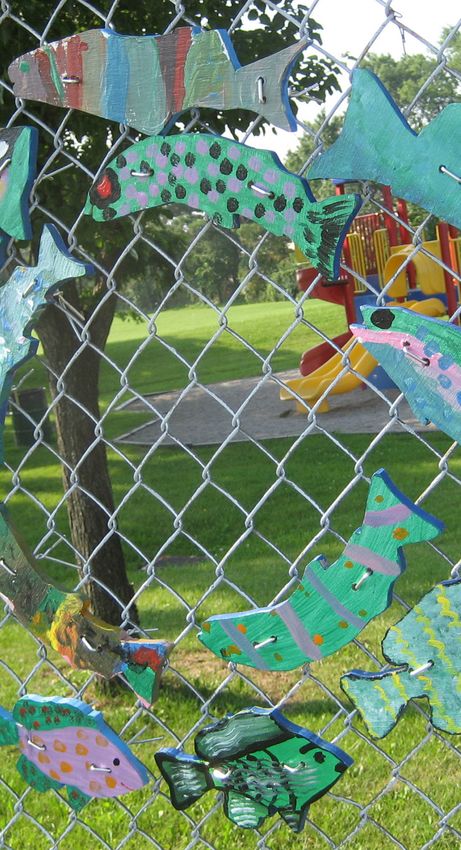
The goal of   A New Direction
                        In consultation with the SDC, a new direction is being used for this
     this report is     edition. City sustainability staff have led the research and writing
                        of this report with feedback from members of the SDC. The goal
     to provide an      of this report is to provide an overview of the state of Burlington’s
       overview of      environment highlighting local sustainability efforts and actions
                        that can be taken in a user friendly document. The result is Take
       the state of     Action Burlington – An Update on Our Local Environment.

      Burlington’s
                      Take Action
     environment        We’d love to hear what you think about this latest edition. Send
                        your comments to environment@burlington.ca.
highlighting local
                        Interested in the environment? Visit TakeActionBurlington.ca for
    sustainability      profiles on environmental initiatives and how you can reduce your
       efforts and      impact on the environment because collectively, we can make a
                        difference!
      actions that
                        Become a member of a City of Burlington citizen advisory
  can be taken in       committee to provide City Council and staff with input about a
                        wide variety of issues through discussions, presentations and
   a user friendly      recommendations. Some committees, such as the Sustainable
                        Development Committee, burlington.ca/sdc, also organize and
        document.       participate in community events. Recruitment takes place each
                        fall.
                        The City of Burlington has an online engagement tool called Get
                        Involved Burlington allowing you to contribute your ideas and
                        feedback on municipal issues and projects that are important to
                        you. Join the conversation and share your thoughts by signing up
                        at burlington.ca/getinvolved.
                        Get involved with local non-profit organizations such as
                        BurlingtonGreen Environmental Association burlingtongreen.org
                        and the Halton Environment Network haltonenvironet.ca.

                                    7
Introduction
                             Welcome to Take Action Burlington – An Update on Our Local
                             Environment.
                             This report has four themes:
                             1. Land,
                             2. Air,
                             3. Water and
                             4.Waste
                             Each theme is broken down into the following headings:
                             • Climate change connections
                             • What are we doing?
                             • What can you do?
                             Climate change is now embedded within each of the themes
                             rather than in a stand-alone chapter because:
                             • Our daily actions, such as how we live and move around have
                               an impact on climate change (mitigation).3
                             • The effects of climate change, such as significantly more
                               intense storms and flooding, impact our everyday lives
                               (adaptation).4
                             In 2016, ICLEI – Local Governments for Sustainability prepared a
                             report on climate data5 for the City of Burlington based on climate
                             change models, emission scenarios6 and tools.7 The results are
                             summarized below.

Baseline    Annual mean      Days over          Days over    Days with       Annual
             temp. (oC)        30oC               35oC       max temp      precip. (mm)
                                                              < -10oC
1971-2000        8.9              20                1            3             875.5

 Period       Average        Days over          Days over    Days with        Annual
               annual          30oC               35oC       max temp         precip.
            increase (oC)                                     < -10oC        increase
                                                                               (mm)
 2020s        1.2 to 1.5          37               4             2         + 17.5 to 23.8
 2050s        2.1 to 3.0      43 to 54           7 to 12          1        + 38.5 to 65.7
 2080s       2.6 to 4.7       51 to 76           9 to 24       0 to 1      + 53.9 to 97.1

                                            8
The ICLEI report identified that climate change will also:
• Decrease water levels in Lake Ontario by 0.5 metres by 2050.
• Decrease ice cover time on the lakes by up to one month.
• Increase lake water temperatures, especially nearshore.
• Increase the occurrence and frequency of extreme weather events such as extreme heat days,
  extreme precipitation and flooding, wind storms and ice storms.
• The city recognizes that climate change is a significant issue and is working with the community and
  all levels of government towards the goal of the Burlington community being net carbon neutral.
Since the last SOER report was published in 2015, a new strategic plan was adopted by City Council
called Burlington’s Strategic Plan 2015-2040 burlington.ca/strategicplan. The plan includes four
strategic directions: a city that grows, a city that moves, a healthy and greener city, and an engaging
city; nine strategic objectives and many goals. Take Action Burlington – An Update on Our Local
Environment ties into some of the goals identified in the strategic plan including: “the city recognizes
that climate change is a significant issue and is working with the community and all levels of
government towards the goal of the Burlington community being net carbon neutral.” A detailed list of
strategic plan connections can be found in Appendix A.

   On April 23, 2019, Burlington’s City Council unanimously
   passed a motion to declare a climate emergency “for the
   purposes of deepening our commitment to protecting the
         economy, environment and community from
                       climate change.”

                                                  9
Land

  10
Climate Change Connections
   The City of Burlington is a waterfront city with almost equal urban
   and rural areas. Urban residents are beginning to experience a
   relatively new phenomenon called the urban heat island effect.
   On a hot summer day, there is a temperature difference between
   a built-up area and a park, for example, and between urban and
   rural areas. This is due to replacing greenspaces with roads and
   buildings that absorb or trap heat. This temperature difference is
   likely to increase with climate change.

                                          Urban Heat Island Effect

   Heat of                     Sunlight
vapourization
 Temperature
              Temperature                     Temperature
  goes down
                increase                        increase
               Heat from                                                          Heat of
            the road surface                                 Heat from the     vapourization
              and vehicles                                  building surface
                                                                               Temperature
                                                             Anthropogenic      goes down
                                                                 heat

                                                                                Water bodies

   Other climate change impacts include:
   • Hotter summer days and drought
     • Increased stress on humans, animals, trees, plants and water
       supply.
     • Higher energy costs from increased use of air conditioners.
     • Increased irrigation for plants and crops.
   • Warmer average temperature in all seasons
     • New invasive species can survive in the area increasing risk of
       disease, stress on trees and increased health care costs.
     • Potential to plant new crops with a longer growing season.
   • More intense storms and temperature fluctuations
     • Damage to trees and infrastructure from wind, ice storms and
       flooding (see the ‘water’ chapter for flooding related issues).

                                                     11
Protecting current greenspaces, such as parks, and increasing
natural features, such as trees and green infrastructure, within
the city can help to reduce the impacts of climate change:
• Healthy trees will help cool the local environment providing
shelter and shade.
• Using different building material and surfaces such as green
roofs and walls, lighter colour materials, etc., can help reduce
the heat island effect.
• Greenspaces/parks, rain gardens and permeable pavement can
increase absorption and reduce flooding.
• Vegetation stores carbon.
This section covers:
• Land use
• Natural heritage
• Local farms and markets
12What Are We Doing?
Land Use
Demographics
Burlington’s population increased by just over four per cent
between 2011 and 2016 to 183,314.8
183314
175779
140836
129575
114314
86125
1971 1981 1991 2001 2011 2016
Housing
As the city accommodates population growth within its existing
urban area, the share of higher density housing forms is expected
to increase. This shift is already happening. In 1986, low density9
housing units made up approximately 60 per cent of all the
housing units in the city. In 2016, that number decreased to 56
per cent, while the share of medium10 and high11 density housing
units increased.
Housing units by type
1986 2016
22% 24%
High
Medium
18%
60% 56% Low
20%
13Green Buildings
There are currently 16 buildings in Burlington certified through
Canada Green Building Council’s Leadership in Energy and
Environmental Design (LEED)12. Four are city buildings: Appleby
Ice Centre, Burlington Transit Administration and Maintenance
building, Fire Station No. 8 and the Performing Arts Centre.
Platinum
Gold
Silver
Certified
QPA Solar Inc., including cover image
Community Owned City Owned
Aerial solar images courtesy of
Joseph Brant Museum is closed for a major expansion. The project
is registered through the LEED program and will be ranked after
completion. Some of the green features include geothermal
energy and a green roof.
In April 2018, City Council approved Sustainable Building and
Development Guidelines. A copy of these guidelines is given to all
development applicants and they are encouraged to incorporate
green design into their project. A future update to the Burlington
Official Plan will include these guidelines. burlington.ca/newop
Natural Heritage
The City of Burlington is surrounded by nature with Lake
Ontario to the south; the Niagara Escapement, a UNESCO World
Biosphere Reserve, to the north; the Royal Botanical Gardens and
Cootes to Escarpment EcoPark System to the west; and Bronte
Creek Provincial Park to the east.
There are plans and policies in place to protect, preserve and
enhance the biodiversity and ecological function of the 7,81613
hectares of Burlington’s natural heritage system. This natural
heritage system is recognized and protected in the Region
of Halton’s Official Plan. Natural features within this system
include endangered and threatened species habitat, wetlands,
woodlands, valleylands, areas of natural and scientific interest,
and streams. They are further protected and connected through
a system of linkages, buffers and other areas that enhance and
provide additional support to the ecosystem.
14Park Area Park Type in Hectares
The city has 592 hectares of park area, up from 573 hectares in
2014. This includes city, community and neighbourhood parks,
parkettes and woodlots. It does not include greenspace on school
properties, multi-use trails, creek blocks, the Royal Botanical
Gardens and private lands with public access, such as Bruce Trail
lands. An additional 580 hectares of greenspace are owned and
maintained by Conservation Halton in Burlington.
Splash pads and shade (natural or artificial) features are
increasingly being added to parks to provide residents with some
relief on hot summer days. These are expected to increase with
climate change. The city makes efforts to use low water spray
nozzles to conserve water. City 207
Neighbourhood 152
Community 136
Special Resource 88
Parkette 9
Public Trees
The City of Burlington’s Roads, Parks and Forestry Department
manages over 70,000 trees in the city’s urban and rural areas
located near roadways and in manicured areas of parks. This
number does not include trees in woodlots, on land managed
by others such as Conservation Halton, or on private property.
burlington.ca/forestry
These trees are under increasing stress from climate change
impacts such as droughts, wind and ice storms. Invasive species In 2018, of 2,258
such as Emerald Ash Borer (EAB) have also had a negative impact
on trees. In 2018, of 2,258 trees removed, 1,982 were due to EAB. trees removed,
For 2019, it is expected that the city will reach peak EAB removals.
This will reduce the number of trees in the city’s inventory as tree
1,982 were due to
removals will outpace replacement tree plantings. This trend is EAB.
anticipated to be reversed in 2020 with one tree planted for every
tree removed to the end of the program in 2024.
burlington.ca/eab
15Tree Management Planning
The city is using new technology to manage the city’s urban
and rural trees near roadways and in manicured areas of parks.
This modern data collection uses geospatial data (GIS) to help
with inspections, maintenance, future planning and information
sharing. For example, each tree that is tracked has species and
age information allowing forestry staff to understand when to
vary tree species and plant new trees before older trees reach
end of life or to fill existing voids in the overall city-wide tree
canopy.
Soil Volume and Tree Canopy
The city is updating urban street tree planting guidelines to
plant trees in more soil for improved tree health. Soil quality and
room to grow are some of the most critical aspects of street-tree
survival. Without enough soil, tree health is compromised so
trees are small with a thin tree canopy and a short lifespan. This
results in greater costs to maintain and manage street trees. A
new technique to improve street tree health uses structural cells
around new trees. Structural cells are pre-engineered products
that can support the sidewalk, and anything on the sidewalk,
while also providing lots of soil for tree roots to grow. This reduces
the damage to sidewalks from tree roots and gives trees the best
chance for the best health. The Elgin Promenade project included
two Honey Locust trees planted in large structural cells behind
the west bus shelter on John Street.
Partnerships
To increase the number of trees planted, the city is entering into
partnerships. In 2018, the city partnered with
• BurlingtonGreen • Laurel Steel
• Burlington Hydro • Rotary Club
• Conservation Halton • TD Bank and
• Halton District School Board • Union Gas.
• IKEA
These collaborations helped plant 110 large trees and 2,158 small
trees across Burlington.
In 2018, Conservation Halton also planted 12,540 trees and
shrubs in Burlington.
16Private Tree Bylaw Pilot
The City of Burlington knows that most urban trees are privately
owned so a two-year tree bylaw is being tested in Roseland as
Courtesy of BurlingtonGreen
of March 1, 2019. The bylaw protects trees with diameters larger
than 30 cm, historic and rare trees from damage or destruction.
During the pilot, forestry staff will be engaging the public through
consultation to investigate the feasibility of a city-wide bylaw.
When the pilot ends in March 2021, a report with an assessment
of the results and recommendations will be presented to City
Council. burlington.ca/privatetree
Burlington Beach Dune Restoration
The Burlington Beach Regional Waterfront Master Park Plan
includes both Spencer Smith Park and Burlington Beach. It was
Courtesy of BurlingtonGreen
approved by Halton Regional Council in 2015 and includes dune
rehabilitation. halton.ca/burlingtonbeach
Between 2013 and 2016, BurlingtonGreen partnered with the City
of Burlington, Conservation Halton and Halton Region to host six
events to remove invasive plants and plant native vegetation to
stabilize the dunes. They received a grant from the Province of
Ontario’s Great Lakes Guardian Community Fund to do this work.
burlingtongreen.org
• Planted about 23,000 native
trees, shrubs and grasses.
• Removed over 200 bags of
invasive species, such as garlic
mustard, and many large piles
of woody invasive plants, such
as buckthorn.
• Installed four large interpretive
signs to explain the importance
of protecting the dune
environment and smaller signs
asking the public to keep off
the dunes.
17Burloak Regional Waterfront Master Plan
The Burloak Regional Waterfront Park Master Plan is a Halton
Regional project, in collaboration with the City of Burlington and
the Town of Oakville. The plan was approved by Halton Regional
Council in 2014 and includes removing invasive trees and shrubs
(completed in 2017) and replacing with appropriate plants. In
2018, the following were planted:
• 304 trees
• 477 whips (very young trees that are two to three feet long,
without branches)
• 8,000 small shrubs
• 1,740 very small shrubs
• 1,132 live stakes (cut branches about two feet long).
burlington.ca/burloak
Cootes to Escarpment EcoPark System
The City of Burlington is one of nine organizations that is working
to reconnect, restore and protect 1,900 hectares of natural
lands owned in the Hamilton-Burlington region. Considered
to be one of the most biologically rich areas of Canada, there
are over 1,500 species, including more than 50 species at risk.
cootestoescarpmentpark.ca
Courtesy of Conservation Halton
Jefferson Salamander
Since 2012, the City of Burlington has closed a section of
King Road for three to four weeks for the safe crossing of the
endangered Jefferson salamanders during their spring breeding
migration. Since then, there have been no reports of road deaths
observed during the closure.
ontario.ca/page/jefferson-salamander
Peter Kelly, Cootes to Escarpment EcoPark System
18Blacklegged Ticks and Lyme Disease
Infected blacklegged ticks can transmit
Lyme disease. In the early 1990s, the
only known ‘hot spot’ in Ontario was at
Long Point Provincial Park. Since then,
the populations have been increasing
and expanding. Ticks feed on and are
carried by migratory birds, so the risk of
infection, while low in Burlington, can
happen anywhere. The risk of infection
is greatest in wooded, brushy areas. For
more information on blacklegged ticks
and Lyme disease, please visit halton.ca.
Food and Farms
Community Gardens
In 2012, with funding support from the Province of Ontario,
BurlingtonGreen in partnership with the City of Burlington
established the first public community garden with 30 plots at
Central Park. By 2018, the number of community gardens grew
to five and the number of plots to 204. Thirteen of the plots are
dedicated to people with mobility needs. Another 13 plots are for
community food sharing, seven of which are supported by the
city’s Neighbourhood Community Matching Fund.
burlington.ca/communitygardens
Additional gardens of various sizes operate across the city
including on faith lands, private land, and school grounds.
19Local Farms and Markets
There are currently three farmers markets operating in Burlington:
• Burlington Centre - 777 Guelph Line
• Aldershot - 35 Plains Rd. E., and
• Downtown - Centro, 437 Brant St.
According to 2016 census data, 15 Burlington farms sell directly
to consumers at on-site kiosks, stands and pick-your-own14. For
more information visit halton.ca/simplylocal.
The total number of farms operating in Burlington continues to
decline with 70 farms reported in 2011 and 66 in 201615. Types of
farms in Burlington include:
• Animal farming/production,
• Nursery/tree/greenhouse/floriculture production,
• Fruit/vegetables and
• Cash crops.16
The city plans to “initiate and develop a strategy for Burlington’s
rural areas. This strategy will consider economic, social, cultural
and environmental factors in support of the rural community,
agricultural industry, natural heritage and water resources.”
burlington.ca/strategicplan.
According to 2016 census data, 15
Burlington farms sell directly to
consumers at on-site kiosks, stands
and pick-your-own.
For more information visit
halton.ca/simplylocal.
20What Can You Do?
• Plant a tree that is the right size and species for the location.
• Make sure you have a variety of trees in case of plant disease/
infestation.
• Volunteer on tree planting days in your area.
• Water the city tree next to your property during droughts.
• Protect root zones of trees when making improvements to your
home.
• Replace lawns with native and drought tolerant plants that
attract pollinators.
• Try to keep the amount of paved areas on your property to
a minimum. If possible, increase the greenspace. Consider
permeable pavers or a raingarden.
• Replacing your roof? Consider a lighter-coloured roofing
material to help counter the urban heat island effect.
Check out • Consider growing your own food to lower your carbon footprint.
Don’t have the space or right conditions?
TakeActionBurlington.ca,
• Apply for a community garden plot before November 30 each
an eco-blog showcasing year.
how we can collectively • Go to a local farm to pick your own in-season local food or
purchase directly from farmers at farmers’ markets.
reduce our impact on the • Help protect our beach dunes. Walk on designated areas only
environment. and stay off the dunes.
• Check out TakeActionBurlington.ca, an eco-blog showcasing
how we can collectively reduce our impact on the environment.
21Air
22Climate Change Connections
Burlington has been impacted by climate change and has
identified it as a significant issue.
• Severe weather such as high winds, ice storms and flooding
cause social and economic problems for residents, businesses Taking collective
and institutions (see the ‘water’ chapter for flooding related action to reduce
issues).
• Higher summer temperatures have a greater impact on our impact on
vulnerable populations and add demand to electricity
infrastructure for air conditioning.
climate change
• Significant swings in winter temperatures shorten the lifecycle is crucial and
of city roads and sidewalks.
requires less
Taking collective action to reduce our impact on climate change
is crucial and requires less reliance on the use of fossil fuels17 in reliance on the
almost every aspect of our lives and businesses. Fossil fuels are
used to power vehicles, heat buildings and generate electrical
use of fossil fuels
energy. Reducing the use of fossil fuels can also improve local air in almost every
quality.
Burlington has committed to take action. Burlington’s Strategic aspect of
Plan 2015-2040 calls for city operations to be net carbon our lives.
neutral18 by 2040 and to work towards being a net carbon neutral
community.
This section covers:
• Energy and greenhouse gas emissions
• Air quality
• Transportation
23What Are We Doing?
Energy and Greenhouse Gas Emissions
Community Energy Plan
Burlington developed its first Community Energy Plan in 2014 working with local community
stakeholders. The group had a shared vision to improve energy efficiency, reduce our carbon
footprint19 and improve energy security, while supporting the local economy. There are five areas of
focus:
1. Community engagement, Community Energy Consumption by Sector - 2017
2. Improving energy efficiency of buildings,
3. Developing local sustainable energy20,
28% 27% 13% 32%
4.Land use and
5. Transportation efficiency.
The plan will be updated in 2019. Residential Commercial Institutional Industrial Transportation (Gas & Diesel)
burlington.ca/cep
Since 2014, community greenhouse gas emissions have decreased by almost two hundred thousand
tonnes, primarily from the residential and industrial sectors. That’s equivalent to the emissions of
42,46321 passenger vehicles driven for one year.
The carbon footprint of the provincial electricity grid reduced significantly since the phase out of the
coal fired generating plants. In 2018, over 93 per cent of Ontario’s electricity was generated from non-
greenhouse gas emitting sources such as nuclear, hydro, wind and solar.22
The use of natural gas, which is used primarily to heat buildings, can vary from year-to-year based
on weather. This contributes significantly to the community carbon footprint. While transportation
represents just over 30 per cent of the community energy consumption it represents almost 45 per
cent of the community carbon footprint.
Community Emissions by Year and Source Community Emissions by Year and Sector
700,000
500,000
Tonnes GHG Emissions eCO2
Tonnes GHG Emissions eCO2
600,000
450,000
500,000 400,000
350,000
400,000 300,000
300,000 250,000
200,000
200,000 150,000
100,000
100,000
50,000
0
2012 2013 2014 2015 2016 2017 2011 2012 2013 2014 2015 2016 2017
Natural Gas Electricity Transportation Fuels Residential Commercial Institutional Industrial Transportation
24Renewable Energy in Burlington Community Emissions
by Sector - 2017
There are no major renewable energy systems, such as wind
or solar farms in Burlington. Most solar installations took place
under the former provincial FIT (Feed-in Tariff) and micro FIT
programs. In 2015, there were about 4 MW (megawatts) of 25%
installed solar capacity in Burlington. In 2018, this increased
to almost 7 MW. Most installations are rooftop solar panels on
homes and businesses. There are also 12 developments known
to be using geothermal systems (using earth energy to heat
buildings) throughout the city. 20%
Corporate Energy Plan for City Operations
Burlington has a Corporate Energy Management Plan to provide
a road map for city operations to improve energy efficiency. 11%
burlington.ca/environment
Emissions from city operations are considered minor compared
to community-based emissions. However, the city must show
community leadership in its efforts to reduce emissions. The
chart below shows total greenhouse gas emissions from city
operations, with the exception of transit buses (part of the
44%
community carbon profile). Measures need to be focused on the
use of natural gas in city facilities as well as the city’s fleet of
vehicles to achieve the
Emissions from City Operations
city’s net carbon neutral
Residential Commercial Institutional
goal by 2040.
Tonnes eGHG Emissions
10,000 Industrial Transportation (Gas & Diesel)
Emissions from city
5,000
operations vary from
year-to-year, often due
to weather. Streetlights
0 2012 2013 2014 2015 2016 2017 and traffic signals are
Emissions City Operations much more efficient
since being converted
to LEDs. Continuous improvements are made to city facilities to
improve energy efficiency. For example, the new City View Park
Pavilion is designed to have a net carbon neutral operation.
The Corporate Energy Management Plan, which will be updated in
2019, will identify short, medium and long-range goals including
how to be net carbon neutral by 2040. The city’s Green Fleet
Transition Strategy also needs to be updated. Options for transit
buses in the future will depend on available and cost-effective
technologies, such as electric or hydrogen buses.
25Partnerships and Community Initiatives
Bay Area Climate Change Office
Burlington partnered with the City of Hamilton and Mohawk
College to address climate change on a regional basis. The Bay
Area Climate Change Office has been created under the Centre
for Climate Change Management at Mohawk College and the Bay
Area Climate Change Council has been formed. The council will
work with implementation teams of experts to take actions on
climate change issues related to transportation, buildings and
Burlington is food. mohawkcollege.ca/bacco
partnering with Halton Climate Collective
The Halton Climate Collective represents another collaborative
a number of effort to contend with climate change with the City of Burlington,
the towns of Halton Hills, Milton and Oakville, Halton Region,
organizations to Conservation Halton and the school boards. The Halton
address climate Environmental Network has taken the lead on developing this
network. haltonenvironet.ca/halton-climate-collective
change. Other Networks
The city is involved in other networks where information, best
practices and lessons learned are shared between organizations
including:
• Clean Air Council,
• QUEST (Quality Urban Energy Systems of Tomorrow),
• ICLEI (Local Governments for Sustainability),
• Ontario Environmental & Sustainability Coordinators Network,
• Municipal Energy Coordinators Network,
• Canada Green Building Council and
• Sustainable Hamilton Burlington.
BurlingtonGreen Environmental Association
BurlingtonGreen is a local non-profit community-based
organization that delivers programs to help individuals and
organizations to reduce their carbon footprint such as Make the
Switch, Kids Go Green Challenge and Eco Solutions Challenge.
burlingtongreen.org
26Gas and Electric Utilities
Burlington Hydro and Union Gas (transitioning to Enbridge)
are the local electricity and natural gas utilities in Burlington.
Each utility delivers energy efficiency programs for homes and Carbon pricing
businesses. burlingtonhydro.com/powertoconserve.html and
uniongas.com provides an
Provincial and Federal Government incentive to
In 2018, the Ontario government ended Cap and Trade; a program
that put a price on carbon pollution. The funds raised through this
businesses and
program funded carbon reduction initiatives like the Electric and households to
Hydrogen Vehicle Incentive Program, the EV Charging Incentive
Program and the Green Ontario Fund (which provided up to improve overall
$5,000 in rebates for windows, thermostats, heat pumps and
insulation). The province is working on a new environment plan
energy efficiency
and emissions reduction target. and reduce their
The federal government has introduced carbon pricing to those
provinces and territories that do not have programs. The carbon carbon footprint.
price is revenue neutral for households through the income tax
system. Carbon pricing provides an incentive to businesses and
households to improve overall energy efficiency and reduce their
carbon footprint.
27Air Quality
Air quality in Ontario is good 90 per cent of the time.23 In 2015, the province moved from the Air
Quality Index (AQI) to the Air Quality Health Index (AQHI). The AQHI provides health messaging for
both the general and at-risk populations (children, seniors, and people with diabetes, heart and lung
disease) to limit short term exposure to air pollution and adjust for activities. airqualityontario.com
The Burlington monitoring station is located near the QEW at North Shore Boulevard East and
Lakeshore Road. It measures ozone (O3), fine particulate matter (PM2.5) and nitrogen dioxide (NO2).
Readings are reported hourly at airqualityontario.com.
The health risk associated with air quality in Burlington is low most of the time, based on the readings
taken at 4 p.m. each day. Most of the ‘moderate’ air quality readings were on the lowest range of the
category. In addition, there was one ‘high’ reading in 2015 and no ‘very high’ readings in any reported
year.
AQHI Categories and Health Messages
Air Quality Health Health Risk Air Quality Health Health Messages
Index Categories, Index
Values and At Risk Population* General Population
Associated
Colours
Low 1-3 Enjoy your usual outdoor Ideal air quality for outdoor
activities. activities.
Moderate 4-6 Consider reducing or No need to modify your usual
rescheduling strenuous outdoor activities unless you
activities outdoors if you are experience symptoms such as
experiencing symptoms. coughing and throat irritation.
High 7 - 10 Reduce or reschedule Consider reducing or
strenuous activities outdoors. rescheduling strenuous
Children and the elderly activities outdoors if you
should also take it easy. experience symptoms such as
coughing and throat irritation.
Very High Above 10 Avoid strenuous activities Reduce or reschedule
outdoors. Children and the strenuous activities outdoors,
elderly should also avoid especially if you experience
outdoor physical exertion. symptoms such as coughing
and throat irritation.
*People with heart or breathing problems are at greater risk.
Follow your doctor’s advice about exercising and managing your condition.
28Transportation
Travel Choice in Burlington
Travel within Burlington is primarily by personal vehicle.24
Transportation emissions make up 44 per cent of Burlington’s
community greenhouse gas emissions. To become a net carbon
neutral community, Burlington residents need to travel using
electric or hydrogen forms of transportation (personal vehicles or
transit) and increase active transportation trips. The opportunity
for active transportation is most appropriate for trips less than
five kilometers which make up a large percentage of trips made
within Burlington.
Travel in Burlington
80 Cycling Facilities in Burlington
70
60 300
50
Percent
Kilometres
40 200
30
100
20
10 0
1986 1991 1996 2001 2006 2011 2016 2006 2009 2014 2018
Driver Passenger Local Transit GO Transit Cycle/Walk/Other
Cycling Master Plan
The city’s first cycling master plan was approved in 2009. In 2018,
there were 212.7 kilometres of cycling facilities in Burlington which
include bike lanes (including shared lane marked or sharrow
streets), multi-use paths (off-road or adjacent to road), signed
routes and paved shoulders.
There will be a new cycling plan in 2019. In the future, the
goal is to integrate all individual plans and policies related to
transportation into one mobility plan and include automobile,
cycling, transit, sidewalk policies, and an active transportation
strategy for north Burlington.
Cycling Facilities in Burlington
300
Kilometres
200
100
0
2006 2009 2014 2018
e/Walk/Other
29Electric Vehicles (EVs) New Vehicle Registrations
The market share of new registrations for EVs (hybrid electric, plug in
25
250
hybrid and battery electric) increased in Burlington between 2015 and
2018 from 1.45 per cent to 5.01 per cent. The increase in EVs may be 200
due to incentives that were in place until mid 2018, improved battery 150
range, the increased number of options available and better public
awareness. EVs are cheaper to operate and maintain and reduce 100
greenhouse gas emissions. plugndrive.ca 50
Charging Stations 0 2015 2016 2017 2018
In 2015, the first public electric vehicle charging station was installed
Hybrid Plug-in Hybrid Electric
on city property in downtown Burlington. It had two ports. By 2018,
there were 29 Level 2 charging ports available on city property; 20 of
which received funding through the provincial Workplace EV Charging
Incentive Program. An additional 64 Level 2 and 3 charging stations
were also available throughout Burlington, some of which require a fee
to charge. plugshare.com
Burlington Electricity Services Inc. (BESI), a non-regulated sister
company of Burlington Hydro Inc., is expanding “Intelligent” EV
charging stations for their Burlington customers including:
• Single-detached or town home owners who own or are considering
owning an EV,
• Condominium owners to get agreements to install Level 2 charging
stations in multi-residential parking garages,
• Condo developers to ensure needs of prospective unit owners
are met without impacting unit owners who do not want charging
stations, and
• Businesses who wish to install charging stations. futuregrid.ca
30Idling
The City of Burlington
launched an idling awareness
campaign in 2003. Burlington
City Council adopted the
city’s first idling bylaw to limit
unnecessary idling in 2004.
The bylaw was strengthened
in 2009 by:
• Reducing the limit for
unnecessary idling from
three minutes to one
minute,
• Eliminating the temperature
exemption, and
• Changing the type of ticket
issued from ticketing a
person (like a speeding
ticket) to ticketing a vehicle
(like a parking ticket)
making enforcement easier.
burlington.ca/idling
Between June 2009 and December 2018, 120 tickets and 69
warnings were issued. The fine is $120.
31What Can You Do?
Transportation Home / Business
• Determine the best way to go electric by • Consider a net zero energy building which
visiting Plug ‘n Drive’s Electric Vehicle produces as much clean energy as is used
Discovery Centre or check out their website on an annual basis. No fossil fuels (natural
at plugndrive.ca. EVs are cheaper to operate gas, propane and oil) are used in the building
and maintain. for heating and cooking. Such homes have a
• Carpool with others to work or other better building envelope with more insulation
activities and high efficiency/triple glaze windows.
As a result, they are more comfortable for
• Walk, cycle, skate, or board for short trips. occupants with more constant air temperature
• Use public transit. throughout the living space, have better air
• If you drive a gas or diesel vehicle, turn quality, good humidity control, a quieter living
your engine off while you wait. The City environment being impacted less by external
of Burlington has a one-minute limit for noise, and cost less to operate.
unnecessary idling. burlington.ca/idling • Renovating?
• Check out saveonenergy.ca for offers to help
save you money on items such as insulation,
air sealing, windows, water heaters and
other heating and cooling incentives.
• Switch to a cold climate air source heat
pump or install a hybrid heat pump if your
fossil fuel furnace is a newer model.
• Replacing appliances? Ensure they are
Energy Star labelled indicating they use less
energy to operate saving you money every
time you use them.
• Reduce phantom power by unplugging all
non-essential devices such as chargers, coffee
makers and other small appliances.
• Renewable energy
• Invest in renewable energy businesses or
financial instruments.
• Install solar photovoltaic panels and/or
batteries under Ontario’s Net Metering
program.
32Water 33
Climate Change Connections                                                 All of the Water in the World
                                                                           Salt Water           Fresh Water
  There is a misconception that water is unlimited, so water is a
  resource that is often taken for granted. Freshwater resources are
  limited and need to be protected and conserved.
  Climate change will have an impact on water in many ways:
  • Burlington is expected to be warmer and receive more
    precipitation in autumn, winter and spring. Summer is expected
    to have less precipitation.26
    • Warmer temperatures could cause:
      • Increased lake evaporation resulting in less water availability.
      • Less ice cover/more open water on the lakes in the winter
        could lead to more evaporation and more shoreline erosion
        during storms.27
      • More algae growth due to warmer shoreline water
        temperatures.
    • More frequent and higher intensity rain, ice and wind storms
      could cause:
                                                                                             Rivers & Lakes
      • High Lake Ontario water levels at times. This was                                    Ground Water
        experienced in 2017 due to “extreme and at times                                     Polar Ice
        unprecedented weather conditions including extremely high,
        natural water supplies and highly unusual winter weather
        conditions.”28
      • Flooded basements from overland water flow and sewer
        backup.
      • Damage to grey and green infrastructure such as roads,
        buildings and tree canopy.
    • Less precipitation in summer could cause:
      • More demand for irrigation (agriculture, residential, etc.).
      • Low aquifer levels in rural Burlington.
      • More stress on trees, plants and crops.
    • Increased opportunities for water conservation programs
      (halton.ca/water) such as:
      • Rain barrels and
      • Drought tolerant landscaping.

 This section covers:
  • Water quality
  • Burlington flood risk and prevention
  • Community outreach

                                                     34
What Are We Doing? Daily Water Consumption Per Capita
Water Quality 300
Halton Region 250
Halton Region is responsible for water purification and
Daily Consumption (Litres)
200
distribution, wastewater collection and treatment in Burlington.
They constantly monitor drinking water quality to make sure 150
it’s safe when it reaches homes, schools and businesses and
100
treat the wastewater before safely returning it back to the
environment. 50
Total water consumption has been declining, even with increasing 0
population thanks to successful conservation efforts. Below
2006 2011 2016
are two charts to reflect this trend: one showing annual water
Residential
consumption for the residential, and industrial, commercial and
institutional (ICI) sectors;29 the other showing average daily water
use by residents for the last three census years.30
Annual Water Consumption in Burlington
30,000,000
Consumption (Cubic Metres)
25,000,000
20,000,000
15,000,000
10,000,000
5,000,000
0
2003 2004 2005 2006 2007 2008 2009 2010 2011 2012 2013 2014 2015 2016 2017
Residential ICI Total
Hamilton Harbour Remedial Action Plan (HHRAP)
Environment Canada is the lead for the HHRAP, a multi-
stakeholder effort to clean up Hamilton Harbour (also known
as Burlington Bay) so it is no longer polluted and an “Area
of Concern” hamiltonharbour.ca/about_the_rap. The most
significant HHRAP project is the Randle Reef Sediment
Remediation Project. Its purpose is to contain highly toxic
materials dating back to the 1800s and covering an area the size
of 120 football fields. randlereef.ca
35Stormwater Quality
The City of Burlington is addressing stormwater quality issues:
• A stormwater management pond clean-out ensures ponds are
operating efficiently, reducing the amount of sediment entering creeks.
• More oil grit separators are reducing sediment and oil from stormwater
to improve stormwater quality. Less sediment is associated with lower
phosphorus levels.
• Training and professionally certifying staff in erosion and sediment
control.
• Updating stormwater design standards in stormwater quality, climate
change adaptation and low impact development and presenting these
new standards to City Council in 2019.
Burlington Flood Risk and Prevention
On Aug. 4, 2014, the City of Burlington received the equivalent of two
months of rain (191 millimetres) in eight hours. Roads, highways and
more than 3,000 homes reported flooding resulting in insured damages
exceeding $90 million, not including uninsured belongings. Many
Southern Ontario municipalities have experienced similar major storms
in recent years.
Options to deal with future storms were presented to City Council in
2015. $20.4 million was added to the existing 10-year stormwater capital
budget and forecast for major flood improvements such as upsizing
major creek culverts and creek channel improvements to increase
capacity to reduce flooding risk. burlington.ca/flood
On the third anniversary of the flood, the University of Waterloo’s
Intact Centre on Climate Adaptation launched the Home Flood
Protection Program (HFPP) in Burlington. This pilot program offered a
comprehensive inspection of residents’ homes and a recommendation
report for flood risk reduction action items. It informed residents on how
to reduce their risk of flooding and in turn reduce damage if flooding
occurred. The program was initially offered to Burlington residents at
a subsidized price of $125. In 2018, the program was offered for free
to the first 100 registrants to encourage more residents to sign up at
homefloodprotect.ca. Over the course of the HFPP in 2017 and 2018, 120
home inspections were done in Burlington.
Halton Region offers four subsidy programs to help residents protect
their homes from flooding:
• Downspout disconnection • Backwater valve installation
subsidy, subsidy, and
• Weeping tile disconnection and • Sewer lateral (pipe) lining and
sump pump installation subsidy, repair subsidy.
halton.ca/water
36Community Outreach
Watershed Programs
Conservation Authorities report on watershed health every five
years including surface water and groundwater quality, forest
cover and impervious land cover. The 2018 report card is available
at conservationhalton.ca/watershed-report-card.
Conservation Halton is involved in community programs including
Halton Watershed Stewardship Program (conservationhalton.ca/
stewardship), Stream of Dreams (conservationhalton.ca/stream-
of-dreams), Healthy Neighboursheds (conservationhalton.ca/
healthyneighboursheds) and the Halton Children’s Water Festival
(hcwf.ca).
Halton Children’s Water Festival
Between 2006 and 2018, over 45,000 elementary students
attended the annual Halton Children’s Water Festival, a four-day
outdoor event at Kelso Conservation Area. Sixty curriculum-linked
activities teach children in grades two to five about ground and
surface water under four themes:
• Water conservation and protection,
• Water health and safety,
• Water science and technology, and
• Water and society.
Local high school students develop leadership skills as they are
trained to deliver several activities at the festival.
The City of Burlington has been an active member of the festival
since 2007, dedicating funding and staff hours to program
development and delivery. hcwf.ca
In 2018, 30 per cent of elementary students and 65 per cent of
high school volunteers at the festival were from Burlington.
37Yellow Fish Road Program
City sustainability staff have promoted Trout Unlimited Canada’s
Yellow Fish Road program since 2005. The program raises
awareness that any material that is dumped into storm drains will
eventually end up untreated in our lakes and why it’s important to
properly dispose of household hazardous waste. Painting kits and
supplies are available free of charge. burlington.ca/water
Bottled Water
In 2010, the city launched a “Thirsty? Try the tap” campaign. It
promotes using tap water and restricts bottled water sales in
most city facilities. City facilities have bottle refilling stations and
outdoor events on city property have use of two water bottle
refilling bars. burlington.ca/water
In 2015, City Council endorsed the Blue Dot Declaration for the
right of citizens to a healthy environment. The Blue Dot campaign
was organized by the David Suzuki Foundation along with
Ecojustice. The ultimate goal is an amendment to the Canadian
Charter of Rights and
Freedoms that guarantees
Canadians the right to a
healthy environment.
In 2017, the Healthy Kids
Community Challenge
(burlington.ca/healthykids),
promoted water as a healthy
beverage choice over sugary
drinks. City staff reached
out to local businesses to
ask them to join Blue W, a
community-based program
promoting and mapping free
municipal tap water refilling
locations. bluew.org
Pool, Spa and Hot Tub Maintenance
Beginning in 2016, City sustainability staff have raised awareness
on the environmentally responsible way to maintain and empty
chlorine and saltwater pools, spas and hot tubs through the
Take Action Burlington blog TakeActionBurlington.ca. In 2018,
sustainability staff also prepared a brochure. burlington.ca/water
Beginning in the summer of 2018, City of Burlington operations
staff have used devices at its three outdoor pools to safely and
easily allow animals and other creatures to get out of the pool.
38What Can You Do?
Be thankful for our clean water supply.
• Thirsty? Try the tap to quench your thirst instead of using
bottled water. burlington.ca/water
• Join Blue W, a community-based organization promoting
municipal tap water. By registering, businesses are saying
they are open to those that need to refill their reusable bottles
without pressure to make a purchase. In 2018, 57 Burlington
locations were registered at bluew.org
Protect the resource.
• Keep contaminants out of the water supply.
• If you have a pool, ensure you maintain and empty your
pool the right way. Check out our online brochure for tips.
burlington.ca/water
• Does your car need a bath? Take it to a car wash to ensure
used water is properly captured and treated. If you wash your
car on your driveway, the dirty water, soap, oil, etc., will be
washed down the nearest storm drain and end up in a water
body without proper treatment.
• Paint the city yellow. Sign out a Yellow Fish Road painting kit.
burlington.ca/water
• Participate in the Great Canadian Shoreline Clean-up, a
national conservation program encouraging Canadians to
take action and pick up litter
wherever water meets land.
shorelinecleanup.ca
• If you use well water, make
sure that your well is a safe
distance from potential
sources of contamination
such as septic systems,
barnyards and roads and
that the land slopes away
from the well to prevent
surface water from entering.
For more information,
please visit halton.ca and
download the Safe Water
Guide for Private Well
Owners.
39You can also read


