Taking Pride in Feeding the World A look at How the Western Hemisphere Contributes to Global Food Security - Jim Sutter, CEO, U.S. Soybean Export ...
←
→
Page content transcription
If your browser does not render page correctly, please read the page content below

Taking Pride in Feeding the World
A look at How the Western Hemisphere Contributes to Global
Food Security

Jim Sutter, CEO, U.S. Soybean Export Council

                        April 23, 2021

U.S. Soybean Farming
•   Soy is grown on 30-36 million
    hectares of land (87 m ha
    total in major crops)
•   97 percent of the 2.1 million
    farms in the United States
    are family-owned operations
•   U.S. soy exports valued at
    more than $20 billion
•   55-60% of U.S. soy is
    exported annually as whole
    beans, meal or oil
                                    SOURCE: U.S. Census of Agriculture, USDA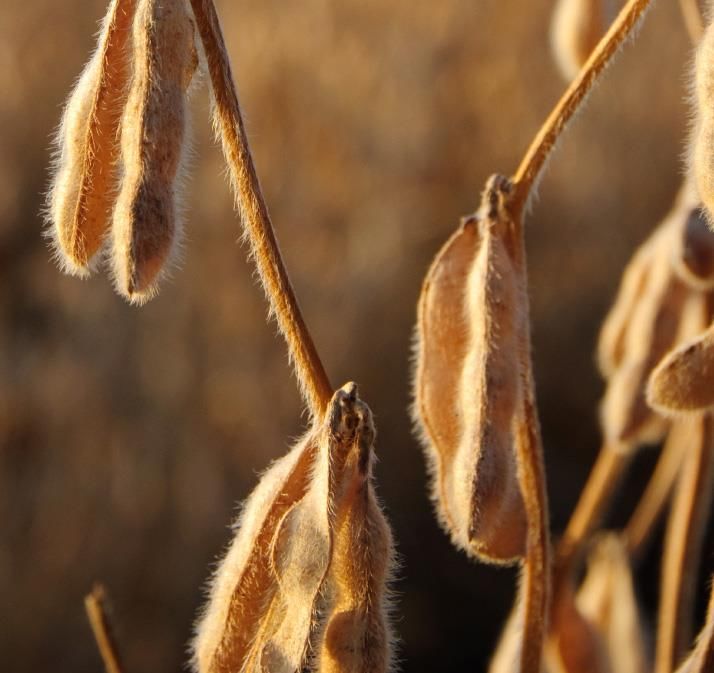
Western Hemisphere: Engine of World Grain Trade
                                                      40.0%                                                                                                  60,000,000.00

                                                      35.0%
                                                                                                                                                             50,000,000.00
    Western Hemisphere Pecent of World Grains Trade

                                                      30.0%

                                                                                                                                                             40,000,000.00

                                                                                                                                                                             Thousands of Metric Tons
                                                      25.0%

                                                      20.0%                                                                                                  30,000,000.00

                                                      15.0%
                                                                                                                                                             20,000,000.00

                                                      10.0%

                                                                                                                                                             10,000,000.00
                                                       5.0%

                                                       0.0%                                                                                                  0.00

                                                              Western Hemisphere Total Cereals Exports   Western Hemisphere Percent of World Cereals Trade
Technological improvements vital to food security

                                             Source: OECD, Making Better Policies for Food Systems report
Yields have grown in line with population
        Global Grain Yields and Population Growth 1988-2020
                                 2

                                1.8

                                1.6
        Index (MY1988/1989=1)

                                                                                                Corn
                                1.4
                                                                                                Soybeans
                                                                                                Rice
                                                                                                Wheat
                                1.2
                                                                                                Population

                                 1

                                0.8

                                                              Source: USDA PSD; UN World Population Prospects
Higher yields have allowed production to soar
             Growth in World Grain Production and Population 1988-2020 (1=1988)
                        4

                       3.5

                        3

                       2.5
       Index, 1=1988

                                                                                                                    Corn
                        2
                                                                                                                    Soybeans
                                                                                                                    Rice
                       1.5
                                                                                                                    Wheat
                                                                                                                    Population
                        1

                       0.5

                        0

                                                                                  Source: USDA PSD; UN World Population Prospects
Enabling lower relative land use
       Growth of total Grain yield and area harvested

                                     1.75

                                     1.65

                                     1.55
             Index (MY1988/1989=1)

                                     1.45

                                     1.35

                                     1.25

                                     1.15

                                     1.05

                                     0.95

                                                        Total Area Harvested   Total Yield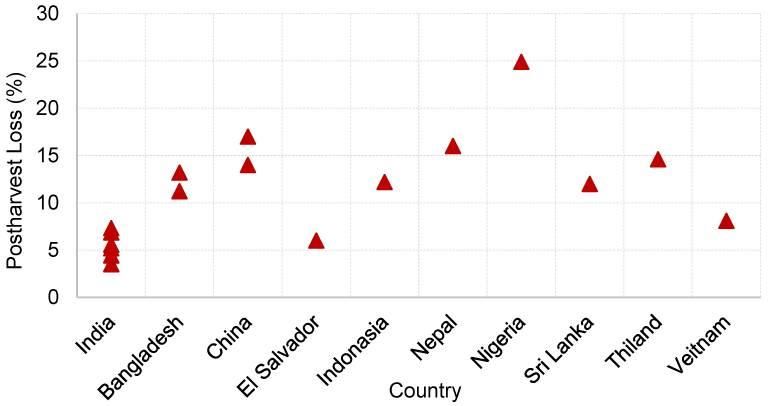
The future: a mixed bushel for crop yields…
       Growth in Projected Grain Yields and World Population 2021-2029
                                1.1

                               1.08

                               1.06
       Index (MY2021/2022=1)

                                                                                                                                                                            Corn
                               1.04                                                                                                                                         Soy
                                                                                                                                                                            Rice
                                                                                                                                                                            Wheat

                               1.02                                                                                                                                         Population

                                 1

                               0.98
                                      2021/22   2022/23   2023/24   2024/25   2025/26   2026/27   2027/28         2028/29                  2029/30

                                                                                                            Source: USDA International Baseline Projections; UN World Population Prospects
…but production is still up
Projected Growth in Production, Grain Crops MY2021-MY2029
1.21
1.16
Index (MY2021/2022=1)
1.11
Corn
Soybeans
Rice
1.06 Wheat
Population
1.01
0.96
2021/22 2022/23 2023/24 2024/25 2025/26 2026/27 2027/28 2028/29 2029/30
Source: USDA International Baseline Projections; UN World Population ProspectsMany challenges ahead for the future
Projected Yield, Grain Crops, MY2021-2050
1.34
1.29
1.24
Index (MY2021/2022=1)
1.19
1.14
1.09
1.04
0.99
Corn Soybeans Rice Wheat Population
Source: USDA International Baseline Projections; UN World Population ProspectsHow did we get here? Technology and innovation
Source: OECD, Making Better Policies for Food Systems reportModern technology and innovation have improved food security
• Improved farming production practices
– Precision agriculture
• Biotechnology and genetic innovations
• Efficient logistics systems
Source: OECD, Making Better Policies for Food Systems reportHow can we meet the growing demand of the future?
• New technology and production practices:
– Precision agriculture
– New plant breeding innovations
– Decreased food waste
– New land and urban farming
Source: OECD, Making Better Policies for Food Systems reportHow can we meet the growing demand of the future?
Post-harvest Loss of Rice Crops, Select Countries
Source: US NIH, Reducing Postharvest Losses during Storage
of Grain Crops to Strengthen Food Security in Developing
CountriesHow can we meet growing demand of the future?
New cropland will need to come into production
Source: US NIH, Global projections of future cropland
expansion to 2050 and direct impacts on biodiversity and
carbon storageHow can we meet growing demand of the future?
But there are constraints on cropland expansion
Biodiversity Hot Spots
Source: US NIH, Global projections of future cropland
expansion to 2050 and direct impacts on biodiversity and
carbon storageHow can we meet the growing demand of the future? • Shifting demand preferences – Plant based proteins – Aquaculture – Increasing preferences for pork and poultry
Principles for a better future food system

1. Ensure all foods optimize environmental and diet quality
   impacts

2. Support food systems inclusive of science, innovation and
   technology

3. Support and expand the positive role of rules-based
   international trade

                                             Source: OECD, Making Better Policies for Food Systems report
Thank you. While the U.S. Soybean Export Council (USSEC) does not guarantee the forecasts or statements of USSEC Staff or Contractors, we have taken care in selecting them to represent our organization. We believe they are knowledgeable and their presentations and opinions will provide listeners with detailed information and valuable insights into the U.S. Soy and U.S. Ag Industry. We welcome further questions and always encourage listeners to seek a wide array of opinions before making any financial decisions based on the information presented. Accordingly, USSEC will not accept any liability stemming from the information contained in this presentation.
You can also read


