The West Midlands Combined Authority - Annual Plan 2018/2019 - Transport for West Midlands
←
→
Page content transcription
If your browser does not render page correctly, please read the page content below

WMCA Annual Plan 2018/19   1

The West Midlands
Combined Authority
 Annual Plan
 2018/2019

2                                                                    WMCA Annual Plan 2018/19

     Content
     3   Foreword from the Mayor

    4    Foreword from the Chief Executive

     5   Foreword from WMCA portfolio lead for transport

    6    Introduction

    10   Political Leadership Team

    13   Officer Leadership Team

         Our priorities:

    15   Economic Growth and Industrial Strategy

    16   Local Industrial Strategy

    17   Housing and Regeneration

    19   Productivity and Skills

    21   Health and Wellbeing

    23   Public Service Reform, Inclusion and Cohesion

    25   Environment

    27   Investment Programme

    28   How the organisation enables delivery: Corporate Services

    33   Governance

    34   TfWM Annual Plan

    49   Appendix 1: Companies and Accountable Bodies

    52   Appendix 2: Financial Summary
WMCA Annual Plan 2018/19                                                                         3

   Foreword from
   the Mayor

           “
  Devolution provides a
   once in a generation
                             Welcome to the West Midlands
                             Combined Authority’s Annual
                             Plan – a look ahead to the coming
                                                                  2017 also saw the region
                                                                  successfully bid for Birmingham to
                                                                  host the Commonwealth Games
opportunity to transform     year and the exciting opportunities  in 2022 and for Coventry to be
the area through a robust    devolution and greater collaboration the City of Culture in 2021. These
                             offer to our region.                 events will provide the region with
  programme of change                                             a golden opportunity to showcase
  focused on economic        Devolution provides a once in        a resurgent, diverse and confident
    growth, transport,       a generation opportunity to          West Midlands to the world. In
           “
 housing, skills and jobs.
                             transform the area through a robust 2018, we have already agreed a
                             programme of change focused          Housing Deal with Government,
                             on economic growth, transport,       helping us to accelerate our plans
                             housing, skills and jobs.            for brownfield development and
                                                                  building 215,000 homes of all types
                             This document outlines how the       across the region.
                             West Midlands Combined Authority
                             (WMCA) will work towards delivering Our success has been rooted in
                             its ambitious plans for driving      collaboration across the leadership
                             inclusive economic growth in the     of the Combined Authority and
                             West Midlands region and building a beyond, and I would like to
                             healthier, happier, better connected take this opportunity to thank
                             and more prosperous population.      colleagues from all sectors, and
                                                                  individuals whose efforts have
                             Over the past year we have           contributed towards the WMCA’s
                             continued to develop strong and      successes over the past year. I look
                             sustainable relationships with       forward to driving our ambitious
                             national Government, and in          plans forward over the year ahead.
                             November a second devolution
                             deal was agreed. The second          Andy Street
                             deal demonstrates Government’s       Mayor of the West Midlands and
                             continued commitment to devolution Chair of the WMCA
                             and the future of the West Midlands.
                             The deal supports our ambitions
                             to deliver growth through a local
                             industrial strategy and improve the
                             wellbeing of our citizens.
4                                                                                       WMCA Annual Plan 2018/19

 Foreword
 from the Chief
 Executive

 The year ahead provides an              region that connects residents         secured a landmark Housing Deal
 opportunity to embed the                to opportunities that are created      for the region that sees more
 outcomes that we set out to             by this investment. They join an       than £350 million being invested
 deliver as part of last year’s          established and expert Transport       into delivering new homes in our
 business plan, deliver on               for West Midlands (TfWM) team          region. We are looking forward
 outcomes set out in the Mayoral         who have, at their core, the ability   to creating a real opportunity
 Renewal Plan and the Strategic          to change the face of the region for   for people to access new talents
 Economic Plan, as well as drive         the benefit of all.                    through our construction skills
 forward a new conversation with                                                deal with Government, as well as
 Government on what devolution           We are committed to making             working with partners to unlock
 can mean for the West Midlands.         our mark along with our proud          key housing sites.
 Having joined the WMCA in the           partners. We set out in our

               “
                                         2017/18 business plan an intent to     Our time is now. We aim to be
                                         implement a second devolution          the best performing region in
                                         deal for the region. We have           terms of delivering infrastructure
  We aim to be the best                  delivered on that, with over a         investment that provides more
                                         quarter of a billion pounds of         jobs and opportunities for all. I
  performing region in
                                         new investment into the region.        am looking forward to working
 terms of skills, increase               More importantly, we have              with colleagues across the West
   in opportunities and                  agreed to take forward our work        Midlands to ‘Make our Mark’.
delivery of infrastructure               with Government in a new and
                “
       investment.
                                         different way, through a constant
                                         conversation on where we can add
                                         value and accelerate the delivery
                                                                                Deborah Cadman
                                                                                Chief Executive of WMCA

                                         of change on the ground, for the
                                         benefit of our residents.
 summer of last year I have now
 secured a team of executive             My aim for 2018/19 is to
 directors, recruited to deliver         demonstrate that we can deliver
 the vision that has been set out        on key infrastructure, including
 for the region across housing,          developing transport and housing
 skills, local industrial strategy and   infrastructure and generating
 public sector reform. The mix of        opportunities for new jobs
 service areas is intentional as we      and skills with partners across
 aim to establish the key levers to      the region. Together with our
 deliver sustained and inclusive         Constituent and Non Constituent
 growth for everyone across the          Authorities we have most recently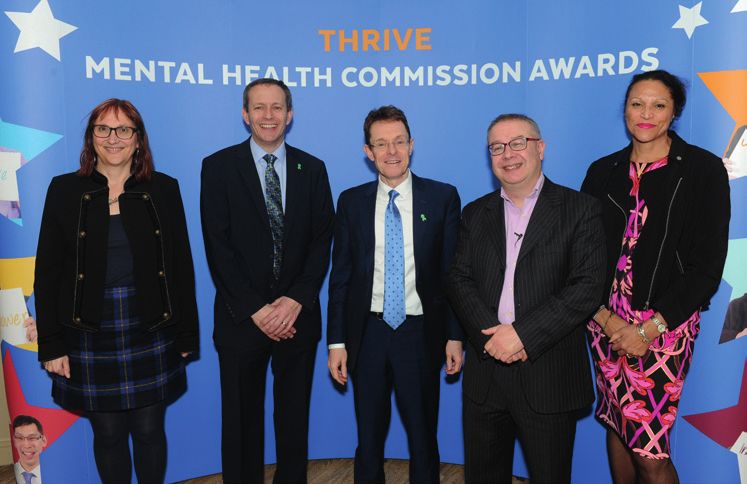
WMCA Annual Plan 2018/19                                                                                       5

Foreword from
WMCA portfolio
lead for transport

Transport for West Midlands             I believe that in the past year we    pounds of future profits to be put
(TfWM), was established as              have made great strides to achieve    back into expanding the network
part of the West Midlands               this goal.                            which will triple in size over the
Combined Authority (WMCA)                                                     next decade, with passenger
a little over 18 months ago. In         The innovative West Midlands          numbers forecast to increase from
that time we have undergone an          Bus Alliance was renewed for          around 6.5 million at present to
unprecedented period of change          a further two years, with a           more than 30 million.
in the region - politically, socially   recommitment from all major
and economically.                       stakeholders, including private       Through the Swift smartcard,
                                        bus operators, councils and           we are at the forefront of public
As part of the Devolution Deal          other partners to continue raising    transport ticketing technology
with Government, our first              vehicle, emission, facilities and     with 94,000 regular customers
democratically elected Mayor            infrastructure standards, with        testament to our forward-thinking
took office in May 2017. This year      direct passenger benefit the focus    approach to integrated solutions
heralded even more devolved             of all improvements.                  which this year will see Swift
powers, meaning local decisions                                               being used for other applications
being made by the people who            The new West Midlands Trains          including hiring bicycles and
know the West Midlands best,            franchise, jointly specified by the   fitness scheme memberships.
another clear vote of confidence        Department for Transport and the
from Westminster for the potential      West Midlands Rail partnership        Being ahead of the curve, not
and ambition of the region.             of WMCA local authorities,            just through technology, but also
                                        was launched in December              in providing new, innovative and
Transport has been - and will           2017. This will secure significant    practical ways of travel such as
continue to be - at the heart of        improvements until 2026,              the bus-based Sprint rapid transit
that change, a catalyst enabling        including more services, additional   system being introduced in the
residents, commuters and visitors       carriages, transformation             coming years, will help the region
to travel across the West Midlands      of existing facilities and the        become an exemplar of transport
using an integrated network that        development of new stations.          best practice.
allows seamless connectivity
between modes: bus, rail, Metro,        Funding was secured for               This is more important than
cycling and walking. It will also       Midland Metro extensions              ever, and with Coventry being
play a crucial role in realising the    from Wednesbury to Brierley           named City of Culture for 2021
future capacity benefits of High        Hill (£207m) and Edgbaston            and Birmingham hosting the
Speed 2 and the associated job          (£60m) and the past year saw          Commonwealth Games the
creation that such unprecedented        Metro record the biggest rise in      following year, we have a unique
infrastructure investment brings.       passenger satisfaction (92%) in       opportunity to showcase a world
                                        the UK. Patronage also reached        class public transport system the
It is vital we have an integrated       eight million for the first time on   West Midlands can be proud of.
public transport system fit for         the line between Wolverhampton
the 21st Century that addresses         and Birmingham city centres.          Councillor Roger Lawrence
congestion, air quality and                                                   WMCA Portfolio Lead for
capacity and creates a vibrant and      During 2018, TfWM will take           Transport
thriving region that people in the      over the day-to-day running of
West Midlands can be proud of.          the Metro, enabling millions of
6                                                                                    WMCA Annual Plan 2018/19

Introduction
The purpose of this Annual Plan is to:
• Set out the WMCA priorities for 2018/19 so that stakeholders and partners
  are clear on the key areas of focus and delivery for the year ahead

• Provide a strategic context for the WMCA as an organisation so that service
  plans and operational activity are aligned to the overall vision and priorities

• Enable the WMCA Board to articulate what is being delivered and why, and
  be able to oversee and review progress against priorities

About the WMCA                                            The WMCA Constitution sets out the ability of the
                                                          various different authorities and stakeholders to
The WMCA has an overall ambition to enable a              participate in decision-making. The Overview and
healthier, happier, better connected and more             Scrutiny and Audit, Risk & Assurance Committees
prosperous West Midlands. It can only do this in          provide challenge and oversight. Both committees
collaboration and partnership with others. One of         have an important role in reviewing and scrutinising
the most important reasons for the creation of the        WMCA’s and the Mayor’s plans, priorities, corporate
WMCA was to build a strong partnership, based on          governance arrangements and financial affairs. A
voluntary collaboration, ready to take on key powers      range of authorities and organisations participate in
passed on from central Government. Some things            regular Programme Board meetings which function
can only be achieved through partnership working          both as agenda-setting meetings and also policy
and the creation of the WMCA has enabled collective       development forums and briefing sessions for the
decision making across local authority boundaries.        work of the Combined Authority. All of this helps to
A great deal of hard work and a close working             shape and inform policy development and decision-
relationship between constituent and non-constituent      making in a collaborative and inclusive way.
authorities has made the WMCA a reality and this
partnership will only develop further as the devolution   Our Devolution Journey
agenda gathers pace.
                                                          Devolution provides the WMCA with greater freedom
The way we make decisions recognises the varied           to direct resources to address all those key local
economic, political and geographical make-up of           needs that we understand better than anyone and
our constituent and non-constituent local authorities     plan public spending as a whole to deliver more and
together with Local Enterprise Partnerships (LEPs)        better jobs and homes, improved transport links,
and other key stakeholders. The WMCA makes                better skills, training and public services.
decisions by consensus through its formal Board,
and also engages through a number of more informal        Government invited the West Midlands, along with
groups including the Mayor and Metropolitan Leaders       nine other areas, to negotiate with them for powers
Liaison Group, Non-Constituent Authorities Group          and functions that can be devolved. The West
and maintains active links with the three LEPs on         Midlands has participated enthusiastically in the
the Strategic Economic agenda and other issues of         process to date, rapidly becoming an exemplar for
shared common interest.                                   taking this agenda forward.
WMCA Annual Plan 2018/19                                                                               7

                                                                The second agreement
Two devolution deals have been secured through
energetic lobbying. The first devolution deal opened
                                                                reflects this changing context
the door to dialogue with Government and built                  and recognises the need
significant momentum for the devolution agenda in
the West Midlands.
                                                                for the WMCA to develop
                                                                a local industrial strategy to
Since the first agreement was signed the need for
                                                                shape the long-term vision for
an effective industrial strategy delivered through
strong local leadership has become even greater,                growth in the area.
as we seek to prepare the UK for a successful
post-Brexit economy.

A second devolution deal was secured in 2017. The
second agreement reflects this changing context
and recognises the need for the WMCA to develop a
local industrial strategy to shape the long-term vision
for growth in the area.

The national context of devolution has also shifted
in the past year. In May 2017 six new metro mayors
were elected in combined authorities across
England. In the same year it was announced Mayoral
Combined Authorities (MCAs) will take on more
responsibility to deliver quality adult education in
their local areas from 2019 when adult funding is
devolved. The West Midlands, alongside the other
MCAs, is planning how it can best make use of these
funds through partnership working.

The WMCA has forged a mature partnership
with Government, demonstrated by the second
devolution deal which outlines a commitment from
them to engage in future devolution conversations.
The WMCA plans to build on this momentum by

                November 2015                                    May 2017
                First Devolution Agreement                       Mayor elected

                                             June 2016
                                                                                   November 2017
                                             WMCA established
                                                                                   Second Devolution
                                                                                   Agreement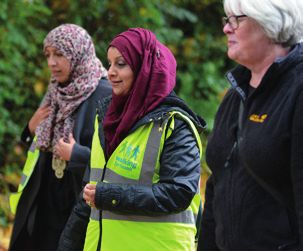
8                                                                                   WMCA Annual Plan 2018/19

Partnership Working

Partnership working sits at the heart of the WMCA.        There are also observer organisations who include
The WMCA is led by the Mayor and the leaders of           other councils, LEPs, and bodies awaiting non-
the seven constituent local authorities, which have       constituent membership, as well as non-voting
full voting rights.                                       observers.

Non-constituent authorities, which include three LEPs
and 10 local councils from across the wider West
Midlands region, have reduced voting rights but play
a crucial role at board level, helping to inform policy
and drive forward the WMCA’s agenda.

                                          Constituent Authorities

                                    Non - Constituent Authorities and
                                         member organisations
WMCA Annual Plan 2018/19                                                                         9

                                       Observer organisations

           As the West Midlands grows the number of organisations the WMCA works with
           is also expected to increase. Partnership working is particularly strong within the
           private, transport, educational, health, faith and voluntary sectors and is key to
           achieving the WMCA’s vision.

                                           Key partnerships

                                  Partnership working sits at the heart
                                             of the WMCA.
10                                                                                 WMCA Annual Plan 2018/19

Political Leadership Team
Leadership of the WMCA comes from the Mayor, the        Non-constituent authorities, as well as the West
seven constituent local authority leaders, plus the     Midlands Fire Service and the Police and Crime
chairs and directors of the LEPs.                       Commissioner, have a significant role to play at
                                                        board level, contributing policy and ensuring that
Elected members and officers lead on key portfolio      WMCA is moving in the right direction.
areas, working in partnership with LEP colleagues.

               WMCA Board Chair and Mayor                         Deputy Mayor of WMCA, portfolio lead
                                                                 for finance and investment and Leader of
                       Andy Street                                            Solihull Council

                                                                     Councillor Bob Sleigh, OBE

      Andy combined a career with John Lewis,
                                                                Councillor Sleigh is Leader of Solihull
      Britain’s most successful workers’ co-
                                                                Metropolitan Borough Council and
      operative, with a host of high-profile
                                                                Deputy Mayor of the WMCA.
      economic development roles, working with
      local and national Government. Starting
                                                                Councillor Sleigh is the portfolio lead
      on the John Lewis graduate scheme, Andy
                                                                member for finance and investment
      rose through the ranks to become managing
                                                                and HS2. He oversees the delivery of
      director, overseeing one of the most
                                                                the WMCA investment agenda and
      successful periods in the company’s history.
                                                                chairs the Investment Board.
      He was also chair of the Greater Birmingham
      & Solihull Local Enterprise Partnership
      (GBSLEP) between 2011 and 2016, helping to
      build the relationships that have underpinned
      the economic growth of the region.

      Additionally, he has been lead non-executive
      director for the Department for Communities and
      Local Government as well as a member of the
      Prime Minister’s Business Advisory Group.
WMCA Annual Plan 2018/19 11
WMCA portfolio lead for
wellbeing and Leader of
Warwickshire County Council
Councillor Izzi Seccombe OBE
The portfolio lead member for wellbeing and
chairs the Public Service Reform Board and
Wellbeing Board.
WMCA portfolio lead for housing and
land and Leader of Walsall Council
Councillor Mike Bird
The portfolio lead for housing and land – covering
the land commission, land remediation fund, housing
delivery and one public estate and chairs the WMCA
Housing and Delivery Board.
WMCA portfolio lead for cohesion and integration
and public sector reform and Leader of Sandwell
Metropolitan Council
Councillor Steve Eling
The portfolio lead for public service reform and chairs
the Public Services Reform Board – covering troubled
families, criminal justice, welfare reform, shared
services and social inclusion.
WMCA portfolio lead for the environment
and Leader of Dudley Metropolitan Council
Councillor Patrick Harley
The portfolio lead for the environment covering overall
sustainability reporting and clean growth opportunities,
including air quality, energy, waste, the natural
environment, and green businesses and buildings.12 WMCA Annual Plan 2018/19
WMCA portfolio lead for transport and Leader
of City of Wolverhampton Council
Councillor Roger Lawrence
The portfolio lead member for transport –
overseeing delivery of the Strategic Transport Plan,
Midlands Connect, HS2 Connectivity and West
Midlands Rail.
WMCA portfolio lead for skills and productivity
and Leader of Coventry City Council
Councillor George Duggins
The portfolio lead for skills and
productivity and sits on the WMCA Public
Service Reform Board.
WMCA portfolio lead for economic growth and
Leader of Birmingham City Council
Councillor Ian Ward
The portfolio lead for economic The portfolio is also concerned
growth, which covers the critical with the economic contribution
work on the Local Industrial that culture makes to the region
Strategy, the West Midlands and works closely with the
Growth Company, and important transport, skills and productivity,
economic growth sectors such as and housing and land portfolios,
digital, automotive, life sciences which all have an important role
and energy. to play in delivering growth.
Chair of WMCA Overview and Scrutiny Committee,
(Sandwell Metropolitan Borough Council)
Councillor Peter Hughes
Chairs the Overview and Scrutiny Committee, responsible
for reviewing and examining the decisions and actions of
the WMCA to ensure they help make the region a better
place to live, work, study and do business. The committee
meets quarterly and has the power to call in decisions
made by the Board and other committees of the WMCA
and refer them back.WMCA Annual Plan 2018/19 13
Officer Leadership Team
Over the past year the Mayor has built a leadership
team by appointing executives to key roles.
Chief Executive of the WMCA Director of Public Service Reform Director of Strategy
Deborah Cadman, OBE Dr Henry Kippin Julia Goldsworthy
Deborah works with the Henry’s role is to build Julia oversees the
Mayor and Leadership collaboration across services delivery of the Strategic
Team to deliver the and sectors by creating a Economic Plan, the Local
commitments and culture of inclusive growth Industrial Strategy and
priorities contained in the and public services innovation an £8 billion investment
Strategic Economic Plan at the WMCA to help deliver programme to deliver
(SEP), devolution deals and place-based change for our jobs and stimulate growth
the Mayor’s commitments people and places. over the next 30 years.
for the WMCA.
Deborah works with
staff across the WMCA Managing Director of Transport
to collectively create a for West Midlands
culture and organisation
Laura Shoaf
that delivers for the
residents of the West
Midlands and one that Laura leads a team of
we can all be proud of. dedicated transport
By working together professionals who work
accelerated, sustainable hard every day to deliver
and inclusive growth for an integrated transport
the residents of the region network which enables a
will be achieved. positive change in the lives
of millions of people.14 WMCA Annual Plan 2018/19
Director of Productivity and Skills
Julie Nugent
Julie’s role is to oversee collaborative partnerships to drive up West
Midland’s employment, skills and productivity by helping the region’s
employers source the workforce development and talent they need to
succeed and grow and providing individuals with access to skills training
and employment opportunities that enable them to benefit from the
region’s economic growth.
Director of Housing and Regeneration
Gareth Bradford
Gareth works in partnership with the public, community and private sectors
to oversee implementation of the WMCA’s plans to increase the supply
of land for housing and employment to help meet growth levels set out in
the Strategic Economic Plan. Gareth works with other policy areas such as
skills, industrial strategy, transport and public service reform to ensure there
is a joined-up approach.
Head of Governance
Tim Martin
Tim is responsible for legal and governance issues in the WMCA. He
ensures that the WMCA and the Mayor have the advice and support
they need to ensure their exciting programmes can be delivered without
significant risk or problems.
Director of Finance
Sean Pearce
Sean’s role is to oversee corporate services. He works closely with
the Mayor to deliver on a number of initiatives including the delivery
of a capital investment programme of at least £8 billion as part of the
devolution deal.
Chief of Staff Mayor’s Office
Andrew Browning
Andrew works with the Mayor, council leaders and staff
across the WMCA to ensure that the Mayor’s Renewal Plan is
delivered as promised.
Chief Executive of West Midlands Growth Company
Neil Rami
Neil leads the West Midlands Growth Company (WMGC). A company
which helps to create new jobs, expand existing businesses and attract
new companies, investment and tourists to the region. Aligned to the
West Midlands Combined Authority’s Strategic Economic Plan, the
WMGC work with hundreds of public and private sector organisations
across the region to deliver WMCA targets.WMCA Annual Plan 2018/19 15
Economic Growth and Local
Industrial Strategy
The West Midlands’ growth priorities and ambitions
are set out in the 2015 Strategic Economic Plan. The
investments and actions the WMCA makes and takes
Key achievements in
are focussed on delivering this plan, working with Local 2017/18
Enterprise Partnerships and other partners including the
West Midlands Growth Company.
• There are 1.84m jobs across the WMCA and
that number is increasing faster than the rest of
High Speed 2 (HS2) will have a truly transformational the UK. Over the last year the West Midlands
impact on the West Midlands. As well as the economic has seen 2.73% growth compared to 2.67%
benefits of investment in high speed rail infrastructure and across England.
improved connectivity, the delivery of the project will play • The number of apprenticeships is also growing
a key part in the future growth of the region. faster than the UK average, with 1% growth
over the past year in new apprenticeships,
Despite these successes there are a number of important compared to a national decline of 2.9%.
challenges the WMCA must work to address: Importantly, there has also been significant
growth in Advanced Apprenticeships (+11.9%)
and Higher Apprenticeships (+18.3%).
• The GVA across the three LEPs which make up
• Business births across the WMCA have
the WMCA is currently £98.2bn and is increasing
continued to grow at a faster rate than the rest
at a faster rate than the UK average. However, of the UK, with 27,550 additional business births
the productivity output gap has increased from (67 per 10,000 population) in 2016, a 22.8%
£16.5bn to £16.9bn. To reduce the output gap, increase on 2015 compared to 8.2% across
the WMCA will continue to focus on raising skills the UK. Since 2013 business births across the
levels, increasing the employment rate with more WMCA have grown by 46.5%, more than double
the UK rate (19.6%).
local people in jobs and promoting the growth and
innovation of the business base. • The Black Country was second only to London
in the proportion of UK businesses founded in
2013 that went on to generate at least £1m in
• The proportion of WMCA residents with no revenues after three years. The proportion of
qualifications decreased from 14.5% (365,600) in existing firms (businesses born before 2013)
2015 to 13% (329,400) in 2016, but still remains over with a turnover of £1-2m per annum in 2013
5 percentage points higher than the national average growing to at least £3m turnover in 2016 was
of 7.8%. higher in the Coventry and Warwickshire LEP
(7.1%) than the rest of the UK (6.7%).
Key priorities in 2018/19 and beyond
• Local Industrial Strategy – WMCA will lead the will be created to provide an overview of performance
development of an evidence based strategy, focused across each portfolio’s area of policy responsibility.
on boosting productivity, earning power and • Inclusive Growth – WMCA will develop a delivery plan
competitiveness in the region. Initial proposals will be for inclusive growth that makes it a cross cutting agenda
developed with government by July 2018, and more in all areas of Combined Authority activity.
detailed plans finalised later in the year
• Exiting the European Union – WMCA will establish a
• Funding for Growth – building on the work in 2017-18, working group to develop a regional proposal for the
the commission will focus its next phase of activity on Shared Prosperity Fund (the successor programme to
projects to secure resource from both the public and EU Structural Funds) that supports WMCA economic
private sector that will support delivery of the WMCA priorities and objectives.
investment priorities.
• Devolution – building a sustained dialogue with
• Economic Performance Reporting – WMCA will update central government on the additional powers
the annual economic review so that it is consistent and resources required to further our economic
with the emerging Local Industrial Strategy, and will ambitions for the region.
incorporate inclusive growth metrics in development
by the Inclusive Growth Unit. A suite of dashboards16 WMCA Annual Plan 2018/19
Local Industrial Strategy
The second devolution deal confirmed the West
Midlands as one of the first regions to develop a Key strengths:
Local Industrial Strategy, following the Government
publishing its Industrial Strategy in November 2017. • Start-up Britain recently reported that
18,337 new businesses were registered in
The Local Industrial Strategy will build on the Birmingham in 2014, the highest in any UK
SEP by demonstrating how the region’s global city outside London.
strengths and competitive sectors will continue • The economy of the West Midlands grew
to contribute to the West Midlands’ success in faster than the national economy between
a post-Brexit economy and create opportunities 2010 and 2013.
for residents and businesses through genuinely • Calculated to be the most prosperous area
inclusive growth. outside of London and South East.
• In 2014/15 the Greater Birmingham and
The West Midlands Industrial Strategy will
Solihull LEP had the highest number of
be developed collaboratively between LEPs,
Foreign Direct Investment (FDI) successes
businesses, universities and local authorities, led by and the highest number of new jobs arising
the WMCA and the Mayor. from FDI of all LEPs.
The Strategy will be evidenced-based and
focussed on the actions needed to boost
productivity, earning power and competiveness.
Nationally it will make the case for ongoing
investment and funding in the West Midlands Key challenges:
as post-European Union funding systems are
• Productivity levels in the West Midlands are
developed. below the national average; taking the UK
figure of GVA worked per hour as 100, the
The WMCA is working to develop initial proposals average for the West Midlands area is 89.7.
with Government by July 2018, and a more
• The West Midlands must become a net
detailed Local Industrial Strategy and evidence
contributor to the UK exchequer. The
base will be produced later in the year.
three LEPs have an estimated net deficit of
£3.96 billion.
• Only 56% of companies in the area are
innovation active.
• Across the area there is a higher than
average proportion of people with
no skills and a lower than average
proportion with degree level skills. If
the skills profile matched the England
18,337
average the annual GVA of the area
would increase by £22 billion.
new businesses were registered in
Birmingham in 2014, the highest in
any UK city outside London.WMCA Annual Plan 2018/19 17
Housing and Regeneration
The WMCA is committed to enabling the
towns and cities of the West Midlands to Key achievements in
fulfil their economic potential and support
inclusive growth. Housing and comprehensive 2017/18
regeneration activity are critical to achieving
these strategic goals. The WMCA aims to
accelerate the delivery of new housing and • The WMCA secured the first major housing deal
increase the quantum, mix and quality of with Government at the Spring Statement in
housing across all tenures aligned to new jobs, March 2018 providing significant new funding for
transport and infrastructure. infrastructure, land remediation and acquisition to
support the delivery of 215,000 homes by 2031. The
Key priorities in 2018/19 and WMCA also secured Government commitment to a
new joint delivery team and coordinated investment
beyond programme with Homes England.
• The second devolution deal outlined a
Housing commitment from Government to provide £6
million of funding to support additional housing
The SEP and Land Delivery Plan estimate that
delivery capacity and new funding for the Brierley
to accommodate the growing population, the
Hill metro extension.
West Midlands will need to deliver at least
215,000 additional new homes by 2031. To • Plans have been approved to facilitate 803
deliver this the WMCA will work: new housing units across the region from the
Brownfield Land and Property Development Fund
secured in the first devolution deal.
• With partners across the public and private
• In last year’s Annual Plan the WMCA set out a
sectors to secure an increase in the supply of
commitment to develop an action plan in response
land for housing and employment. to the Land Commission’s recommendations.
There was unanimous WMCA Board approval
• To submit a housing deal implementation plan
in September 2017 for the Land Delivery Action
to Government by end of May 2018, including
Plan providing the context, agreement and
updated business cases for key housing shared endeavour through which we were able
infrastructure fund bids and a programme for to negotiate a landmark housing deal. Work has
the new housing deal land fund. begun in earnest to implement this ambitious Plan
as outlined below:
• To bring redundant and contaminated land
back into productive economic use. This will o Creation of a comprehensive pipeline of key
require upfront investment in infrastructure, housing and employment sites across the
land remediation and site acquisition. region with local partners and Homes England.
o Establishment of clear governance and
• To become a market leader in modern
accountability through the Housing and Land
methods of construction, land remediation
leaders Board.
and brownfield development supported by
an effective skills and talent programme. o Development of a West Midlands Investment
Prospectus with local partners to secure significant
• To establish a new joint delivery team new private sector investment in infrastructure,
between WMCA and Homes England to residential and commercial opportunities. This
strengthen the expertise and resource was launched on 14 March 2018 and identifies 20
available to unlock key sites, identify new strategic investment opportunities.
opportunities and secure new investment.
o Securing new funding for infrastructure to
• To implement robust programme unlock significant housing and employment
management and governance processes opportunities.
that builds upon arrangements with
constituent and non-constituent authorities18 WMCA Annual Plan 2018/19
to secure a step change in the quantum, pace Regeneration and Skills
and quality of housing provision aligned with
employment provision. • Over the next year the WMCA will work
with higher education institutions, Central
• To improve the quality and standard of
Government, LEPs and local councils to secure the
housebuilding in the West Midlands, setting out
launch of the new Centre of Excellence for land
key design and development principles in the
remediation and modern construction methods
Spatial Plan.
based in the Black Country to put the region as a
• With housing associations and Homes England to market leader in this field.
agree a new supply agreement which will seek to
• The WMCA will explore the provision of serviced
significantly increase affordable housing supply.
sites and wider support for new factories for
modern methods of construction. This will
Spatial plan generate local employment and a local supply
chain contributing to economic growth and
• Over the next year the WMCA will work to develop
housing delivery.
with local partners a Spatial Investment and
Delivery Plan which will set out an overarching • The WMCA will work to create new delivery
housing and employment ambition, plans for major vehicles, and support existing ones, focused around
growth areas and corridors, quality standards for major growth and regeneration projects such as
development, and bring together investment in the Black Country Garden City and Solihull Urban
transport, skills, employment, social infrastructure Growth Company.
and housing to drive inclusive growth.
• The WMCA will work with the Department for
Pipeline development International Trade, Homes England and local
partners to secure the delivery of comprehensive
• To support site delivery the WMCA will maintain regeneration schemes identified in the West
a consolidated and dynamic evidence base of the Midlands Investment Prospectus.
pipeline of sites that can be brought forward for
development and key barriers and constraints
facing delivery on each site. West Midlands will need
• The WMCA, with local partners and Homes
to deliver at least
England, will develop a list of prioritised key sites
for intervention to accelerate supply in 2018/19. 215,000
new homes by
2031WMCA Annual Plan 2018/19 19
Productivity and Skills
The WMCA is committed to improving the region’s
productivity and skills levels to support inclusive Key achievements in
growth. Significant progress has been made in
2017/18 and a firm foundation for future activity has 2017/18
been established.
Key priorities in 2018/19 and beyond • In last year’s annual plan, the WMCA
The WMCA is committed to helping more people outlined a commitment to develop a pilot
access high quality training and employment for employment support for the hardest to
help. In 2017/18, £4.7 million funding was
opportunities, increasing skills levels in priority
secured from the Department for Work &
growth sectors, and creating a responsive regional
Pensions (DWP) to launch an innovative
skills system that drives improvements in productivity. three-year employment support pilot aimed
at supporting more residents to progress
Help more people access good jobs into and within work.
and employment • The WMCA has taken forward a
commitment to co-design the Work
The SEP and Land Delivery Plan estimate that to and Health Programme with DWP. The
accommodate the growing population, the West Programme was launched in the West
Midlands will need to deliver at least 215,000 Midlands in January 2018.
additional new homes by 2031. To deliver this: • The WMCA established a Productivity and
Skills Commission, chaired by Dr Andy
• The Work and Health Programme will help people Palmer, Chief Executive and President
find and keep a job and is focused on supporting of Aston Martin Lagonda Ltd. This has
people with health conditions or disabilities, as well brought together a powerful collective of
as the long-term unemployed. business leaders, productivity and skills
experts and senior academics, with a clear
• The Employment Support Pilot will run from June focus on better understanding the needs of
2018 through to 2020 and will support 4,500 key sectors in the West Midlands economy.
WMCA residents into employment. The pilot is • The second devolution deal recognised
aimed at supporting whole communities and will the importance of the Productivity and
provide support not only to the unemployed, but Skills Commission and agreed to take
those already working on low incomes. forward its recommendations through
dialogue with Government.
• The WMCA will establish an expert review of
employment support provision to understand how • The second devolution deal secured £5
the offer can be improved. A new Employment million additional funding, over a three-
year period, to deliver a construction
Support Framework will be developed for those out
training programme.
of work and/or in low paid work. The review will
build on best practice and harness the expertise of • The second devolution deal also saw the
DWP, JobCentre Plus, Local Authorities and other Government commit to working with the
key local stakeholders. WMCA to deliver the careers strategy,
ensuring careers provision will be informed
• The WMCA will provide mentoring opportunities by local priorities.
for young people in the West Midlands as part of
the ‘Mayor’s Mentors’ scheme to raise and support
levels of aspiration across the region.20 WMCA Annual Plan 2018/19
Increase levels of skills in priority • The WMCA will publish a Regional Skills Plan
which will build on existing evidence and
growth sectors articulate a regional vision for skills, underpinned
by partner commitment, new delivery models and
• In 2018/19 the WMCA will work towards delivering
expanded provision.
the recommendations of the Productivity and
Skills Commission. This will include taking forward • The WMCA will design and deliver a new Career
targeted action for the Automotive, Construction Learning Pilot, aimed at helping low-skilled, low-
and Digital sectors – early prototypes for wider paid employees to access careers information and
system-wide skills delivery. training support that will enable them to progress
in the labour market and boost their overall skills
• The WMCA will work with the region’s colleges
and earning potential.
and adult and community learning providers to
influence Adult Education Budget (AEB) funded
provision in the West Midlands from September
2018, in advance of full devolution to the WMCA
from 2019/20.
• The WMCA will continue to design and develop
a new technical education offer for 16-18 year-
olds, working with DfE, the Gatsby Charitable
Foundation, local employers, colleges and
providers. Over the next year the focus will be on
engaging employers and identifying how best to
support teaching capacity.
Create a responsive regional skills
system that drives improvements to
productivity and addresses current
and future needs
• Building on the Productivity and Skills Commission
the WMCA will work with Government to develop
an approach to Skills Advisory Panel (SAP)
analysis. A new and expert partnership between
the WMCA, local employers, skills providers
and central Government will be established. The
SAP will have a key role in strategic planning for
post-16 skills provision to ensure colleges, training
providers and universities have plans in place to
meet local labour market needs.
The second devolution deal secured
£5m
additional funding to
deliver a construction
training programmeWMCA Annual Plan 2018/19 21
Health and Wellbeing
The WMCA is committed to providing a system
leadership role to support efforts to unlock
productivity, manage demand and address health
Key achievements in
inequalities across the West Midlands. 2017/18
Key priorities in 2018/19 and beyond
The WMCA will work to unlock the economic
• The Mental Health Commission published
premium generated by a healthy population to
‘Thrive West Midlands’ - an action plan,
support inclusive growth. Efforts will be focussed on developed with a range of partners, to
areas where radical action can help close the health drive better mental health and wellbeing.
and productivity gap in our communities. To support
• In last year’s annual plan the WMCA set out
this the WMCA will provide a system leadership role
an ambition to recruit employers to sign
to strengthen collaboration between health, care and
up to a wellbeing charter and in 2017/18
other sectors within public services.
the WMCA launched a West Midlands
wellbeing commitment. Some of the
Productivity and health region’s biggest employers have agreed to
take part, including Jaguar Land Rover and
• A UK-leading population intelligence hub will be the West Midlands Fire Service.
developed as part of the Inclusive Growth Unit in
partnership with Public Health England. • The 2017/18 annual plan set out a
commitment to support the first West
• Over the next year the WMCA will work to Midlands ‘Walking out of Darkness’ event.
develop the One Public Estate Programme The walk took place on 6th May to raise
which aims to convert unused public sector awareness about mental health and
office space into co-working spaces for local suicide prevention.
tech entrepreneurs. Alongside developing the • The WMCA published ‘West Midlands
Programme wellbeing and transport hubs will on the Move’ – a strategic framework for
be piloted, and a set of investment principles for physical activity which was developed with
health and housing will be introduced. local authorities, Public Health England and
the County Sports Partnerships.
• The WMCA developed a forward plan with
health partners, which outlined the role
the WMCA can play in supporting system
collaboration and adding value through
strengthening the links between health and
productivity improvements in the region.
• The WMCA has developed a shared
approach to the prevention of
cardiovascular disease (CVD) which
focusses on improving physical activity in
adults and children and strengthening the
ability of local authorities to take health
and wellbeing into account in planning and
licensing decisions.22 WMCA Annual Plan 2018/19
• The WMCA will carry out in-depth research Leadership and workforce
into resilience and ALTAR, and host a Best Start
conference for young people in autumn/winter 2018. • In 2018/19 the WMCA will support collaborative
leadership development with NHS partners –
Radical prevention including working with NHSE and partners on
regional workforce collaboration, and supporting
• The WMCA will focus on further developing STPs in areas where we can add value.
delivery initiatives outlined in ‘Thrive’ and will
recruit three new programme managers to support • The WMCA will focus on delivering digital
the roll out and delivery of these initiatives. innovation in wellbeing projects via the Urban
Challenge competition. Innovations are likely to
• The WMCA will focus on turning ‘West Midlands focus on self and remote care, and digital solutions
on the Move’ into a delivery plan to mobilise social to social isolation.
movement in the run up to the Commonwealth
Games. This year the focus will be on rolling out the
‘West Midlands Good Gym’ - a platform connecting
physical activity with social activism.
• During 2018/19 the WMCA will work with NHS
England to develop a robust business case for
innovation in preventing CVD and diabetes. To
support delivery a public health dashboard will be
developed which will help the WMCA understand
where resources should be prioritised.WMCA Annual Plan 2018/19 23
Public Service Reform,
Inclusion and Cohesion
The WMCA is committed to driving a model of
inclusive growth that benefits all of its residents and Key achievements in
makes a real difference to communities. 2017/18
Key priorities in 2018/19 and beyond
The WMCA will work to promote a model of • Successful initiatives have been delivered
economic growth that impacts positively on all to improve community cohesion including
of our residents and communities. As part of this the Mayor’s Faith Conference, the launch
the Public Service Reform portfolio will develop of the Mayor’s Cohesion Prize and Diwali
on the Square.
radical new ways of preventing social problems
that are entrenched within the region and which • Policy agendas and pilot work has been
block the potential of communities. The WMCA will developed to promote innovation within
provide system leadership to drive change through offending, criminal justice and the
collaboration, working with members and partners devolution of youth justice, and for people
with multiple complex needs.
on public service innovation to connect communities
and unlock their potential. • Scoping work for a future Public Service
Reform programme has been conducted,
including analysis looking at Public Service
Inclusive growth Reform priorities and the underpinning cost
case across the constituent councils.
• The WMCA commenced the establishment of
the PSR Unit. Over the next 12 months the Unit
will be tasked with developing a delivery plan
for inclusive growth linked to the Industrial Radical prevention
Strategy and other WMCA agendas, for example,
transport and housing. • To support those with multiple complex needs the
WMCA will continue to support the Homelessness
• The WMCA will also work to commission a
Taskforce. Alongside this the WMCA will roll out a
blueprint for ‘sharing economic growth’ for key
‘Pathfinder’ pilot which will support pupils in school
policy areas. This will provide an evidence base that
with social, emotional and mental health issues with
will complement and add to the measures already
wrap around multi-agency support.
set out in the SEP.
• The WMCA will work with Government, the Police
• The WMCA has established a Social Economy
and Crime Commissioner (PCC) and West Midlands
Taskforce. Over the next year the Taskforce will
Fire and Rescue Service to agree a detailed
look specifically at the role the WMCA can play
governance model and a legislative timetable for
in recognising and promoting charities, social
incorporating the role and powers of the PCC and
enterprises and community organisations to address
the Fire Service governance into the mayoralty (and
some of the region’s most pressing problems.
according to specified timetables and criteria). As
• The WMCA is committed to celebrating diversity part of this options for co-designing preventative
and supporting community cohesion. The services will be explored.
WMCA will commission a report which explores
• In 2018/19 the WMCA will further develop its
community cohesion at a city-region and WMCA
research into the experience of young people
level, identify a high-level cohesion champion, and
within the justice system and the potential for new
develop a communications approach to ensure
models of region-wide youth justice devolution
consistent messaging.
– including improving research on the underlying
factors driving youth offending.24
24 WMCA Annual Plan 2018/19
System collaboration
• The WMCA will build capacity to
support system transformation by
recruiting a Chief Digital Officer. This
post will work with partners to develop
a GovTech agenda, and will oversee
the establishment of the Office of Data
Analytics as set out in the second West
Midlands devolution agreement.
• A West Midlands ‘Public Impact Lab’
will be developed and the WMCA will
explore developing public value pilots, in
partnership with local authority and public
service partners.
• The Public Service Reform Director and
team will continue to play a role supporting
better inclusive growth and public service
outcomes across the WMCA’s policy
agenda, including housing, health, skills,
transport and economic growth.WMCA Annual Plan 2018/19 25
Environment
The WMCA is committed to the delivery of clean,
inclusive and resilient growth. To achieve this we Key achievements in
seek to take a longer-term and integrated approach
of delivering jobs, homes, and transport that will also
2017/18
improve our environment and communities.
• Overall good progress on clean growth with the
In practice this means a mixture of activities including latest monitoring for the period (using a 2010
overall sustainability reporting on economic, social baseline) showing a 21% increase in economic
and environmental progress built into the WMCA productivity whilst achieving a 14.5% decrease
SEP and Performance Management Framework led in carbon emissions.
by our strategy team, maximising the overall impacts • The UK’s first annual benchmark of Combined
of all programmes led by the programme team, and Authorities on overall sustainability
the operations led by the assets team. The WMCA performance around areas such as leadership,
strategy and delivery by SWM ranked the
also commission specific programmes to address
WMCA second. The WMCA has committed to
clean growth gaps and opportunities. become ‘best in class’ within two years.
• The creation of a new Environment Portfolio
To help provide independent advice, monitoring, and
lead and agreed set of priorities, developed at a
coordination and engagement with a diverse range of summit with the Mayor and the Climate Change
local networks and partners, the WMCA works with Committee, supported by an Environment
Sustainability West Midlands (SWM) - the government Delivery Board of local partners coordinated
recognised regional sustainability champion body – as and monitored by SWM.
our sustainability delivery partner. • Working with SWM business club networks
and other partners, the WMCA has improved
the coordination of existing business support
Key priorities in 2018/19 and beyond and funding, promoting over £510m of
accessible low carbon funding for local
• The Environment Delivery Board will publish
businesses and communities.
an action plan and report progress on moving
the WMCA to become ‘best in class’ within two • The West Midlands Science and Innovation
Audit launched by the Mayor identified
years. The WMCA will address capacity gaps international strengths in low carbon transport,
identified within the organisation and partners to buildings, and energy. This was reflected
deliver the plan. later in the year within the UK Government
Clean Growth and Industrial Strategies and a
• The WMCA will improve internal and external successful bid to host the £80m UK battery
communication on WMCA activities around research centre in Warwick.
sustainability to help identify and promote good • The second devolution deal contained a
practice, enable constructive challenge and commitment to recognise the existing regional
help local partners to engage and work together Energy Capital partnership, support a WMCA-
more effectively. wide energy strategy, and support a regional
energy commission to explore potential
• The WMCA will work to ensure local strengths in innovation zones to pilot new regulation and
clean growth sectors of transport, buildings and investment in order to stimulate new energy
companies, products and services.
energy, as well as the importance of the natural
environment, form a key part of the new Local • The WMCA held a roundtable with industry and
local partners on air quality to begin to develop
Industrial Strategy, with the ambition to become
a longer-term roadmap to go beyond short-
the UK’s first Combined Authority Clean Growth term compliance on a single pollutant, and
Industrial Strategy. tackle a wider range of pollutants to meet the
SEP 2030 targets and stimulate local economic
• The WMCA will work with natural environment opportunities.
partners, businesses, and Government to develop
• Research was commissioned by the Sustainable
a long-term natural capital investment strategy to Housing Action Partnership and the West
help coordinate and attract investment to improve Midlands Housing Officers Group to identify
the state and use of natural assets. good sustainability practice for new build
standards for housing, planning policies, and
methods of construction.26
26 WMCA Annual Plan 2018/19
• The WMCA will work towards a longer-term
roadmap supported by business and local
partners to tackle overall air quality issues
within the next 10 years, while working with
local authority partners on shorter-term
priorities.
• The WMCA will consider recommendations
from Energy Capital and the Regional Energy
Commission on innovation zones.
• The WMCA will promote key sustainability
opportunities within WMCA key investment
sites to lever local partners’ expertise and
innovation opportunities to maximise benefits.
• The WMCA will review, and if required,
update current sustainability criteria within
WMCA funding and monitoring system and
building standards.WMCA Annual Plan 2018/19 27
Investment Programme
The WMCA has a portfolio of high-profile externally Midland Metro Wednesbury to
delivered investment projects which will contribute
to the WMCA’s primary regeneration and economic Brierley Hill Extension
growth goals outlined in the SEP.
The Outline Business Case for the Metro
Wednesbury to Brierley Hill extension has been
Coventry City Centre Regeneration approved to enable design and development of the
scheme to progress. This scheme forms parts of the
There is a significant opportunity to deliver improved Metropolitan Rail and Rapid Transit Network which
retail and office space in one of the region’s proudest is outlined in the West Midlands Strategic Transport
cities. A grant agreement has been signed which will Plan – Movement for Growth. The proposed route
enable the land acquisition process to progress for will operate between Wednesbury and Brierley Hill
the Coventry City Centre regeneration scheme to through the Metropolitan Boroughs of Dudley and
take place. This redevelopment programme includes a Sandwell. The Metro extension supports a broad
new department store, retail units, food and beverage range of policies including national objectives,
units, a cinema, bowling alley, residential space, a regional and sub-regional strategic visions and local
hotel and car park. The £361m planned investment district centre aspirations.
scheme is predominantly private sector driven and
funded (£262m), with WMCA funding the viability gap
(£99m) enabling the scheme to go ahead. The scheme Solihull UK Central Hub HS2
is expected to secure 1,528 additional permanent jobs Interchange
and an extra £1.1 billion GVA.
The outline business case and funding for the UK
Central Hub HS2 Interchange has been approved and
Friargate
detailed design work has commenced. The WMCA
The WMCA has committed funding of £51.2 million has committed £397.6 million to the Interchange
to accelerate delivery of Friargate – an ambitious which will provide a world class integrated transport
new business district which will bring prime new hub in readiness for connectivity and interchange
office space, hotels, homes, shops, restaurants and with HS2, and will act as a catalyst for economic
public space, all next to Coventry railway station development in the hub area.
and a five minute walk from the city centre. The first
phase of construction which saw the creation of Coventry UK Central Plus
One Friargate, a new 13-storey office block, home
to Coventry City Council staff, has been completed. The WMCA has committed £273.6 million to the
The scheme is expected to secure 4,708 additional Coventry UK Central Plus programme which will
permanent jobs and an extra £3.8 billion GVA. deliver a step-change in transport connectivity to
remove barriers to growth and improve connectivity
to HS2. More detail on the specific components of
Solihull UK Central Infrastructure
the programme is provided below:
Outline business cases are in development for 14
different individual projects which will improve and • A full business case has been completed and
extend the Solihull transport infrastructure to connect approved for the redevelopment of Coventry
people to the HS2 Interchange Hub. This will involve station with a new platform providing connections
improving connectivity within the Solihull area and to Nuneaton and Leamington.
from the M42 to the Interchange Hub, including • An outline business case is being developed for
highway, junction and cycle path improvements. Very Light Rail (VLR) – a new rapid transit facility
The planned funding for this new transport which will improve HS2 connectivity.
infrastructure includes £288m from the WMCA
Investment Programme. • An outline business case is being developed for
improvements to Tile Hill station with an expanded
park and ride facility to cater for growth in rail
passenger numbers.You can also read


