Trapping Guide 2019-2020 - Manitoba Trappers Association
←
→
Page content transcription
If your browser does not render page correctly, please read the page content below
2019-2020
Trapping
Guide
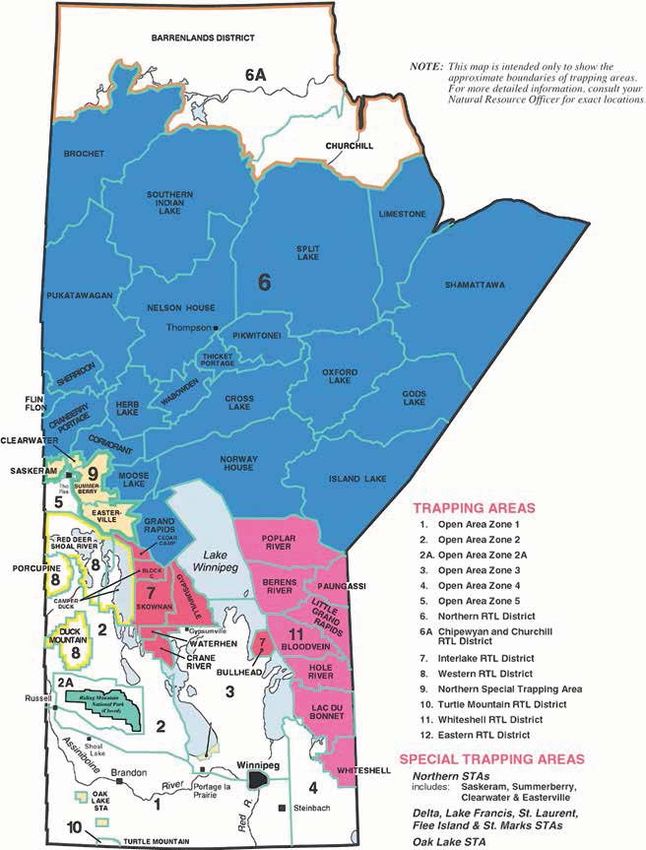
TABLE OF CONTENTS
Department Message . . . . . . . . . . . . . . . . . . . . . . . . . . . . . . 3                                       Youth Mentored Trapping . . . . . . . . . . . . . . . . . . . . . . . . . . 12
Trapping Boundaries Map . . . . . . . . . . . . . . . . . . . . . . . . . . 4                                          Fur Bearing Animal Primeness. . . . . . . . . . . . . . . . . . . . . . 12
2019-2020 Trapping Season Schedule . . . . . . . . . . . . . . . . 5
2019-2020 Changes. . . . . . . . . . . . . . . . . . . . . . . . . . . . . . . . 6                                     Rights-based Harvesters. . . . . . . . . . . . . . . . . . . . . . . . . . . 14
Important Updates . . . . . . . . . . . . . . . . . . . . . . . . . . . . . . . . 6                                         The Rights and Responsibilities of
Licences and Permits. . . . . . . . . . . . . . . . . . . . . . . . . . . . . . . 6                                            First Nations People Who Trap in Manitoba . . . . . . . . . . . . . . . . . . . 14
         Licence and Permit Exchange. . . . . . . . . . . . . . . . . . . . . . . . . . . . . . . . . 7                     Responsibilities . . . . . . . . . . . . . . . . . . . . . . . . . . . . . . . . . . . . . . . . . . . . . 14
         Export Permits . . . . . . . . . . . . . . . . . . . . . . . . . . . . . . . . . . . . . . . . . . . . . 7         Safety Requirements . . . . . . . . . . . . . . . . . . . . . . . . . . . . . . . . . . . . . . . . 14
         Special Permits . . . . . . . . . . . . . . . . . . . . . . . . . . . . . . . . . . . . . . . . . . . . 7
                                                                                                                            Mutual Respect . . . . . . . . . . . . . . . . . . . . . . . . . . . . . . . . . . . . . . . . . . . . . 15
Fish and Wildlife Enhancement Fund . . . . . . . . . . . . . . . . . 7                                                      Treaty Land Entitlement. . . . . . . . . . . . . . . . . . . . . . . . . . . . . . . . . . . . . . 15
Trapping in Manitoba . . . . . . . . . . . . . . . . . . . . . . . . . . . . . . 7
                                                                                                                            The Rights and Responsibilities of Métis People
         Mandatory Qualifications . . . . . . . . . . . . . . . . . . . . . . . . . . . . . . . . . . . . 7
                                                                                                                               Who Trap in Manitoba. . . . . . . . . . . . . . . . . . . . . . . . . . . . . . . . . . . . . 15
Responsible Trapping . . . . . . . . . . . . . . . . . . . . . . . . . . . . . . 8
         Trapping and Sharing the Land . . . . . . . . . . . . . . . . . . . . . . . . . . . . . . . 8                 Wildlife Management. . . . . . . . . . . . . . . . . . . . . . . . . . . . . . . . . . . . . . 15
         Trapping and Industry. . . . . . . . . . . . . . . . . . . . . . . . . . . . . . . . . . . . . . . 8               Human -Wildlife Conflict . . . . . . . . . . . . . . . . . . . . . . . . . . . . . . . . . . . . . 15
Trapping Regulations . . . . . . . . . . . . . . . . . . . . . . . . . . . . . . 9                                          Federal Species at Risk (SARA) Listing . . . . . . . . . . . . . . . . . . . . . . . . . . 15
Other Regulations . . . . . . . . . . . . . . . . . . . . . . . . . . . . . . . . 10                                        Predator Management. . . . . . . . . . . . . . . . . . . . . . . . . . . . . . . . . . . . . . . 16
         Sunday Trapping . . . . . . . . . . . . . . . . . . . . . . . . . . . . . . . . . . . . . . . . . . 10             Other Programs. . . . . . . . . . . . . . . . . . . . . . . . . . . . . . . . . . . . . . . . . . . . . 16
         Trapping and Firearms . . . . . . . . . . . . . . . . . . . . . . . . . . . . . . . . . . . . . 10
                                                                                                                       Fur Bearing Animal Diseases . . . . . . . . . . . . . . . . . . . . . . . 16
         Trapping and Firearms Use in Refuges . . . . . . . . . . . . . . . . . . . . . . . . 10
         Electronic Calls . . . . . . . . . . . . . . . . . . . . . . . . . . . . . . . . . . . . . . . . . . . . 10   Cooperating Organizations. . . . . . . . . . . . . . . . . . . . . . . . . 17
         Hunter Orange Requirements . . . . . . . . . . . . . . . . . . . . . . . . . . . . . . . 10                        Manitoba Trappers Association . . . . . . . . . . . . . . . . . . . . . . . . . . . . . . . . 17
         Wildlife Management Area (WMA) Vehicle Restriction . . . . . . . . . . 10                                          Fur Institute of Canada. . . . . . . . . . . . . . . . . . . . . . . . . . . . . . . . . . . . . . . 17
         Accidental Fur Bearing Animal Capture Policy. . . . . . . . . . . . . . . . . . 10                            Humane Trapping . . . . . . . . . . . . . . . . . . . . . . . . . . . . . . . . 17
         Use of Dead Livestock as Bait. . . . . . . . . . . . . . . . . . . . . . . . . . . . . . . . 11
         Extensions to Trapping Seasons. . . . . . . . . . . . . . . . . . . . . . . . . . . . . . 11
                                                                                                                       The Registered Trapline System and the Lineholder. . . . 25
Fur Bearing Animal Harvests and Values . . . . . . . . . . . . . 11                                                    Common and Power Snare Use . . . . . . . . . . . . . . . . . . . . . 26
         Fur Dealers and Processors . . . . . . . . . . . . . . . . . . . . . . . . . . . . . . . . . . 11             Best Trapping Practices . . . . . . . . . . . . . . . . . . . . . . . . . . . . 27
Thompson Fur Table. . . . . . . . . . . . . . . . . . . . . . . . . . . . . . . 12                                     For More Information . . . . . . . . . . . . . . . . . . . . . . . . . . . . . 28

                                                                                        MAPS AND TABLES
    Trapping Boundaries Map. . . . . . . . . . . . . . . . . . . . . . . . . . . . . . . . . . . . . . . 4             Phase 1 - Certified Traps . . . . . . . . . . . . . . . . . . . . . . . . . . . . . . . . . . . . . . . 19
    Trapping Season Schedule . . . . . . . . . . . . . . . . . . . . . . . . . . . . . . . . . . . . . . 5             Phase 2 - Certified Traps . . . . . . . . . . . . . . . . . . . . . . . . . . . . . . . . . . . . . . . 20
    Manitoba Trapping Licences Issued. . . . . . . . . . . . . . . . . . . . . . . . . . . . . . 11                    Summary of Uses of Leghold Traps and Snare Devices
    Fur Bearing Animal Primeness Chart . . . . . . . . . . . . . . . . . . . . . . . . . . . . 12                      in Manitoba. . . . . . . . . . . . . . . . . . . . . . . . . . . . . . . . . . . . . . . . . . . . . . . . . . 22
    Fur Bearing Animals Taken by Manitoba Trappers. . . . . . . . . . . . . . . . . 13                                                                                                                               . . . . . . . 23
    Average Pelt Values of Manitoba Fur Bearing Animals . . . . . . . . . . . . . 13                                                                                                                                         . . . 24
    Summary Problem Predator Removal Services Program. . . . . . . . . . . 16

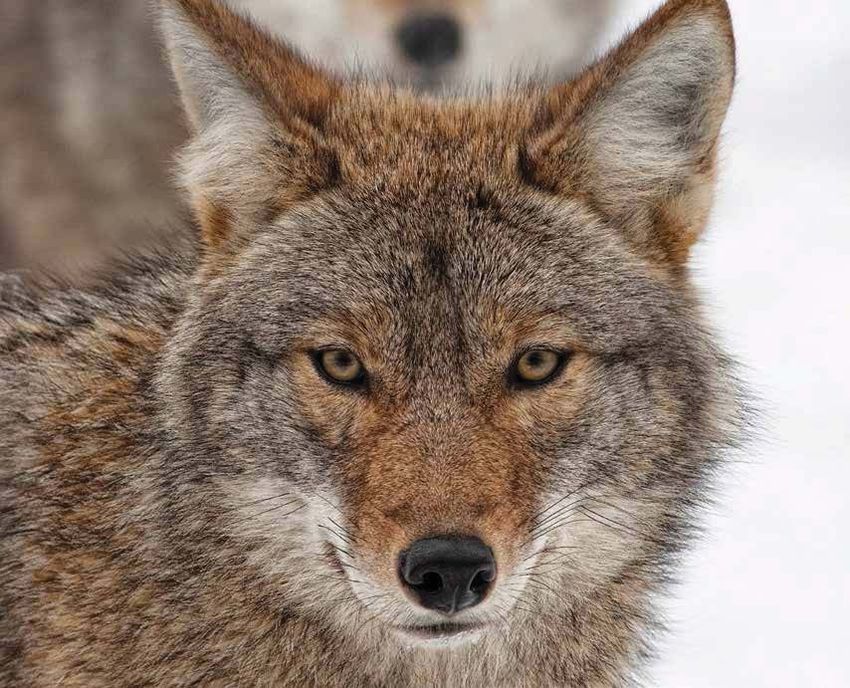
    Cover photo: The coyote (Canis latrans) is one of the most adaptable wild canids in Manitoba. Coyotes contribute to ecosystems by feeding
    mainly on small mammals. They will also scavenge carcasses when they find them. A valuable fur bearing animal, coyote numbers are difficult
    to control and populations rebound very quickly to any disturbances. Typically, an animal of prairie habitats, it has also made its way into
    human developments in adjacent urban and northern boreal areas. Coyotes come into conflict with people most frequently when they prey
    upon livestock and even domestic pets.

2
DEPARTMENT MESSAGE

In this guide, you will find information on our province’s trapping     as coyote provide good prices to the trapper for their pelts,
seasons, regulations and our fur bearer management programs.            but also assist in reducing predation of livestock for producers.
You will also find details on trapping licences and boundaries.         Involvement of trappers in the Problem Predator Removal
                                                                        Services program through the Manitoba Trappers Association is
Trappers in Manitoba have a long, proud history of being stewards
                                                                        one example of the services trappers provide.
of our province’s wildlife resources. They contribute to the cultural
and economic well-being of all communities.                             The rest of the world looks to you to ensure that you provide
                                                                        international markets with wild fur products which are taken
Fur bearing animals have provided clothing and food for
                                                                        humanely and responsibly. Such a social licence allows trapping
indigenous people for thousands of years, and now are also an
                                                                        and other sustainable wildlife harvests to continue.
important source of seasonal income for communities all over the
province.                                                               Best wishes for a safe and a productive trapping season for
                                                                        2019-2020.
Manitoba trappers play an essential role in the shared
management of fur bearing animals. Harvests of species such

                                                                                                                                            3
TRAPPING GUIDE
TRAPPING BOUNDARIES MAP
NOTE: This map is intended only to
show the approximate boundaries
of trapping areas. For more
detailed information, consult a
Conservation Officer.
TRAPPING AREAS LEGEND
6WLU;YHWWPUN(YLHAVUL
6WLU;YHWWPUN(YLHAVUL
(6WLU;YHWWPUN(YLHAVUL(
6WLU;YHWWPUN(YLHAVUL
6WLU;YHWWPUN(YLHAVUL
6WLU;YHWWPUN(YLHAVUL
5VY[OLYU9;3+PZ[YPJ[
()HYYLUSHUKZ9;3+PZ[YPJ[
0U[LYSHRL9;3+PZ[YPJ[
>LZ[LYU9;3+PZ[YPJ[
5VY[OLYU:WLJPHS;YHWWPUN+PZ[YPJ[!PUJS\KLZ
:HZRLYHT:\TTLYILYY`*SLHY^H[LY
:WLJPHS;YHWWPUN(YLHZ:;(Z ,HZ[LY]PSSL
9;3:LJ[PVU
:V\[OLYU9;3+PZ[YPJ[
,HZ[LYU9;3+PZ[YPJ[
:V\[OLYU:WLJPHS;YHWWPUN+PZ[YPJ[!PUJS\KLZ
+LS[H:;(+LS[H:[3H\YLU[-SLL0ZSHUK:[
4HYRZ\UP[Z6HR3HRL:;(>OP[L^H[LY:;(
4TRAPPING GUIDE
TRAPPING SEASON SCHEDULE
Area/zone numbers below refer to the map legend on the previous page
OAZ = Open Trapping Area Zone; RTL = Registered Trapline; ST = Special Trapping
(Quota of 2* per trapline in RTL District 10)
Closed
(Maximum quota of 8* per trapline in RTL District 10)
Closed
5TRAPPING GUIDE
Mandatory Qualifications
2019-2020 CHANGES Manitoba Sustainable Development in conjunction with the
Manitoba Trappers Association is currently reviewing several
Certified Humane Trap Requirements aspects of the program including the following:
Fur bearer species already requiring certified humane traps
include: beaver, bobcat, fisher, lynx, marten, muskrat, raccoon and • re-formatting the exam-challenge process; the exam and
weasel. See the certified trap table and summary of traps usage introducing a practical hands-on segment
on pages 19 to 24 for more details. Additional trap models may be • developing the trapper education manual
certified throughout the season. For updates to the certified trap See additional information on qualifications on page 7 under
listings, please contact the Fur Institute of Canada (see page 17) or Mandatory Qualifications.
Manitoba Sustainable Development (see page 28).
Trappers are encouraged to read the Best Trapping Practices
Please see "Trap Sales Warning" on page 20 about the information to improve their skills. See page 27.
consequences of illegal use of non-certified traps.
Restrictions in Provincial Parks
LICENCES AND PERMITS
Manitoba trapping licences and permits are available only to
residents of Manitoba who meet mandatory qualifications
(see page 7). Fees are:
• Registered Trapline (RTL) Permit: $15.00
• Resident (Open Area) Licence: † x $10.00
• Resident (Open Area) Licence – Treaty:† Free
• Youth Trapping Licence/Permit:*† Free
• Dead Wild Animal Possession Permit (Fur bearer): $10.00
• Export Permit: $20.00
* Youth trapping permits are available free of charge if the
trapper is 12 to 17 years of age on the:
Manitoba Sustainable Development is continuing its review a) day of the first common season (October 1 for beaver)
on how best to manage trapping in provincial parks. Until and
then, previous restrictions will remain in place. Please consult
b) day that the permit is obtained
the nearest district office for updates prior to trapping in any
provincial park. The age requirements for this youth permit are the same as
for youth hunting licences.
Federal Species at Risk Legislation † Special Trapping Areas (STAs) - separate permits must be
See page 15 under Wildlife Management on the designation of the obtained from the nearest district office to trap in STAs.
wolverine.
x Resident (Open Area) licences will be available from regular
vendors from October 1 (first date of the trapping season) to
IMPORTANT UPDATES the beginning of April. Between April and August (the end of
the current trapping season), Resident (Open Area) licences
Certified Humane Trap Requirements will be available only from district offices of Manitoba
In 2020-2021, the use of certified restraining traps will be required Sustainable Development.
for beaver and wolf. See Mandatory Qualifications on page 7.
Southern Special Trapping Area When fur is being shipped, sold or taken to a taxidermist
The southern Special Trapping Areas (Delta, Whitewater, and Oak or tanner for mounting or dressing, the following
Lake STAs; see map on page 4) are important for the harvest of information must be provided: name, address and licence
muskrats and mink. Trappers interested in accessing them must number of the person who harvested the fur bearing animal,
first call the local district office to find out if special permits are plus the area where this animal was taken. Record licence
available. numbers correctly or your fur production will not be credited
to you.
6TRAPPING GUIDE
Licence and Permit Exchange Fur bearer – related projects funded to date include:
A person may not hold both a Resident (Open Area) licence and a • Arctic Fox Research, University of Manitoba
Registered Trapline Permit in the same year. However, a trapper may • Whiteshell Trappers’ Museum Public Education Program
hold both only if the Open Area licence is issued specifically for the
land they own or are a tenant; the legal description of the land must For more information or to apply for funding, contact the Fish and
be indicated on that licence. Wildlife Enhancement Fund administrator at 204-945-6640, or email at
FWEF@gov.mb.ca, or visit www.fwef.ca.
Export Permit
A provincial export permit is required before shipping or moving
raw fur bearing animal pelts from Manitoba to other provinces TRAPPING IN MANITOBA
or countries. Provincial export permits are issued by the
permitting office at the Wildlife and Fisheries Branch in Winnipeg Mandatory Qualifications
(204-945-1893) and at some Manitoba Sustainable Development A person who has never held a valid trapping
district offices. Applications for these permits can be obtained from licence or permit in Manitoba, or another
the nearest Manitoba Sustainable Development office. The fee jurisdiction, may not be issued a trapping
is $20.00 per permit. Environment and Climate Change Canada’s licence or permit unless they hold and
Convention on International Trade in Endangered Species (CITES) produce to a vendor a trapper education
export permit is also required to take bobcat, black bear, lynx, river graduate certificate issued by Manitoba, or a
otter, wolf and certain species at risk across international borders. competent authority in another jurisdiction. Any trapping licence or
These permits are only available from Environment and permit obtained without meeting these requirements is illegal,
Climate Change Canada. Please refer to www.canada.ca/en/ and not valid for obtaining future licences or permits.
environment-climate-change/services/convention-international-
Options to meet this requirement include:
trade-endangered-species.html or call 1-855-869-8670 or
1. Borrow a manual from any Manitoba Sustainable Development
fax 1-855-869-8671 or email ec.cites.ec@canada.ca for more
office and successfully complete an examination.
information.
2. Attend a Trapper Education Course and successfully complete an
Special Permits examination.
A Conservation Officer may issue special permits to possess or harvest A passing mark of 80 per cent is required on the multiple choice
a fur bearing animal to manage numbers and protect property examination.
outside the normal trapping regulations and seasons. This permit
may have conditions which address the type of device allowed, A Manitoba resident who has previously held a valid trapping licence or
location of the activity, disposal of pelts, etc. For information on permit from Manitoba or another province, is not required to take this
Common and Power Snare Use, see page 26. training.
Persons under the age of 14 should be accompanied by a licensed
FISH AND WILDLIFE trapper when engaged in trapping activities in the field.
ENHANCEMENT FUND Trapper education is an important part of fur bearer management
in Manitoba. Courses may be available on request and are usually
The Fish and Wildlife Enhancement Fund collects $5.00 from each two days or three evenings. Subject areas covered include:
trapping licence sold. The funding is directed towards projects, • History of the Fur Trade • Humane Trapping
programs and studies that address one or more of the following • Trapline Management • Problem Animal Control Methods
categories: • Fur Bearer Biology • Fur Bearer Management
• Public Awareness • Acts and Regulations
• conservation and/or enhancement of wildlife populations • Animal Rights • Trapper Ethics
• protection, management, enhancement or restoration of • Trapping Equipment • Skinning
wildlife habitat • Boarding (forming) • Fur Grading
• wildlife research • Fur Marketing • Trap Research
• First Aid • Video Presentations
• wildlife education/outreach
For further information, please contact the nearest Manitoba
• hunter and trapper education programs
Sustainable Development district office or the Manitoba Trappers
Association (see page 17).
7TRAPPING GUIDE
• Trappers who have permission to use private lands are
RESPONSIBLE TRAPPING encouraged to provide the landowner with a map showing
the locations of their traps and the types of traps being
Licensed trapping is a right as identified in The Hunting, Fishing used. In this way, the landowner can caution other users
and Trapping Heritage Act of Manitoba. However, maintaining about trapping activity and reduce the possibility of injury
public acceptance of trapping is the responsibility of trappers to other users, pets and domestic animals.
and resource managers. The trapper is encouraged to follow best
• With the permission of the pasture manager, Community
management practices such as:
Pastures are generally open to trappers after livestock have
• Take fur bearing animals in the most humane manner. been removed.
• Avoid capturing non-fur bearing animals. • When trapping in built-up areas, trappers are advised to
• Maintain a high degree of proficiency in pelt preparation. contact the district office regarding any restrictions that may
• Upgrade your trapping techniques to maximize your pelt value. be in place.
• Use a kill-type trap to harvest marten, weasel, mink and muskrat • Please pay attention to any signs prohibiting trapping
when taken on land. Kill-type sets for otter and beaver should activity.
be fully submerged. When a squirrel is harvested, other than by • Please remember that people and pets may frequent the
snaring or shooting, a kill-type trap should be used. area in which you are trapping.
• Use underwater sets wherever possible for aquatic species. • Trappers are reminded that Wildlife Management Areas
Proper locks and slide wires set in a sufficient depth of water are areas used for various outdoor purposes, including by
should be used on all hold and drown-type shore sets. game bird and waterfowl hunters. During the September
• Ensure that modified leghold traps set on land are secured to a to December period, trappers who are using these lands are
drag of sufficient weight and strength. encouraged to use only live-holding trapping devices.
• Ensure that snares set on land are equipped with proper locking • Where practical, mark the general area where you trap with
devices. flagging tape or tape designed to let others know this is an
• Inspect live-holding devices daily in the early morning. Make active trapping area.
only as many sets as can effectively be managed.
• Trap and snare “set locations” should be recorded on a map. Trapping and Industry
• When trapping on private land, always ask permission and Crown lands in Manitoba are managed for multiple uses,
provide the landowner with a map showing the location and including fur bearer, forest, hydro-electric, and mineral
the types of traps and snares used. management. All activities are important to local, regional
• Know and use proper releasing and killing methods. and provincial economies, and when properly managed, can
• Dispose of animal carcasses according to provincial regulations co-exist and be mutually beneficial. For example, certain roads
and local municipal by-laws. constructed for accessing these resource areas can also be used by
trappers. The key to co-existence is good communication between
• Respect the rights and property of others and assist landowners
all users of the land.
with removal of wildlife causing conflicts.
• Encourage and support trapper education and public awareness Commercial resource lease holders often hold open houses to
programs. meet directly with other users of the land and make them aware
• Promptly report the presence of diseased animals to the nearest of what activities are taking place, including annual activity plans.
department office. Trappers are encouraged to attend these open houses and speak
• Protect and conserve wildlife and its habitat. directly to representatives from industry and government.
• Respect and obey all laws. Local fur council meetings provide another way to meet with
Trapping and Sharing the Land representatives from resource companies. It is important for
everyone involved in these discussions to keep in contact
Trappers often share Crown and private lands with other users. It throughout the year.
is important that trappers use care to minimize potential conflicts
with other users of the land.
• Trappers who share the resource should view each other as
partners, not competition. Trappers need to work together to
maintain the industry for generations to come. Please respect a
fellow trapper's trap sets and his/her legal right to trap.
8TRAPPING GUIDE
13 Trap or attempt to trap fur bearing animals on private land or on
TRAPPING REGULATIONS posted Crown land without first obtaining permission to do so.
14 Hold both a RTL permit and an Open Area trapping licence during
Note: This is a summary of regulations that deal with trapping.
the same trapping year, except a landowner who may hold both
It is neither a legal document nor a complete collection of the under certain circumstances.
wildlife regulations. It is meant to be a reference only. While
every effort has been made to ensure accuracy, some errors 15 Leave trapping devices set after the end of trapping season.
or omissions may have occurred. For additional information 16 Trap fur bearing animals using traps with teeth or serrated edges
consult the nearest Manitoba Sustainable Development office or or with hooks.
telephone 204-945-6784 in Winnipeg or 1-800-214-6497. 17 Trap fur bearing animals using leghold traps attached to spring
For general information on wildlife programs and legislation, visit poles.
www.manitoba.ca/sd/fish_and_wildlife/index.html. 18 Trap fur bearing animals using leghold traps set in trees or on poles
No person shall: above ground. The trap used must be a body grip or killing trap.
Foot encapsulating traps may be used for raccoons on the ground.
1 Trap, attempt to trap, possess or sell a fur bearing animal without
having first obtained a trapper’s licence.
19 Trap fur bearing animals using live holding devices unless they are
checked at least once every 72 hours.
2 Trap a fur bearing animal species before 12:00 a.m. of the season
start date and after 11:59 p.m. of the season closing date, or where
20 Use snares set on land unless they are equipped with mechanical
trapping is not permitted. locks or spring-assist devices set in such a manner that the noose is
prevented from expanding.
3 Possess illegally taken fur bearing animals.
4 Chase, drive, flush, worry, harass, follow after or search for fur
21 Take black bear using any device other than a firearm.
bearing animals from a vehicle. Note: The definition of a vehicle is 22 Take black bear while the bear is in its den.
a motor vehicle, trailer, tractor, powerboat, aircraft or any other 23 Take a female black bear with cubs.
vehicle drawn, propelled or driven by any means other than human 24 Have in possession a live fur bearing animal unless specifically
power. authorized by permit.
5 Remove, disturb, spring or in any way interfere with any trap set
25 Buy and/or sell raw fur except under the authority of a Fur
out lawfully by any other person for the purpose of taking fur Dealer Licence.
bearing animals.
6 Shoot a muskrat, beaver or otter except when they are on land or
26 Transfer or use the trapping licence or permit of another person.
in a trap. 27 Market the pelt of a marten, fisher or river otter taken in the Turtle
7 Ship raw fur out of the province without obtaining an export
Mountain Registered Trapline Section unless it has a tag issued by
Manitoba Sustainable Development affixed to the pelt.
permit. Contact a local Conservation Officer for more information.
8 Possess poison, including cyanide guns or parts of cyanide guns,
28 Possess, sell, attempt to sell or import the bile or gall bladder of a
for the purpose of taking fur bearing animals. bear.
9 Spear, probe, break or destroy a muskrat house, beaver lodge or
29 Use any trap other than an approved one for beaver, bobcat, fisher,
beaver dam without authorization from the Minister of marten, muskrat, river otter, raccoon, and lynx.
Sustainable Development. A licensed trapper may probe or open a 30 Use a leghold trap with a jaw spread greater than 23 centimetres
muskrat house in season for the purpose of trapping providing (9.06 inches).
that it is closed so the water entrance does not freeze. 31 Use a leghold trap to trap beaver, mink, muskrat or river otter
10 Use common snares for taking fur bearing animals and wolves unless it is set in such a manner as to restrain and kill the animal
except in the Registered Trapline (RTL) Area, Northern Special underwater.
Trapping District, and for beaver under ice in Open Areas. 32 Use a leghold trap on land to trap badger, weasels, mink, river otter,
11 Take black bear on an Open Area trapping licence in Open Areas red squirrel or wolverine.
1-5. It is permissible to take black bear on either a RTL permit in 33 Use an unmodified leghold restraining trap to trap bobcat, coyote,
the RTL Area or on a resident trapping licence in the Northern wolf, or fox.
Special Trapping Area, but only by using a firearm.
34 Allow any part of the pelt of fur bearing animal, black bear and
12 Trap or attempt to trap fur bearing animals within Game Hunting
wolf to be wasted, destroyed, abandoned or allowed to spoil.
Area 38, Grants Lake Wildlife Management Area (WMA), Oak
Hammock WMA, Birds Hill Provincial Park, Beaudry Provincial 35 On finding a live fur bearing animal, or wolf in a trapping device,
Heritage Park or portions of Pembina Valley Provincial Park, except fail to immediately and humanely kill the animal.
under authority of a special permit issued by the minister or a 36 Use Duke, Sleepy Creek, Bridger, Belisle, Belisle Classic, Rudy, and
person designated by the minister. Trapping is prohibited in Woodstream Oneida Victor Conibear 110-size traps on land, except
ecological reserves and wildlife refuges. Trapping is allowed in in muskrat sets where approved.
Goose and Game Bird refuges (but not Minnedosa Lake Game Bird
Refuge). Some municipalities may also enact by-laws concerning
trapping.
9TRAPPING GUIDE
OTHER REGULATIONS Refuges are usually signed and trappers should check with Manitoba
Sustainable Development to verify boundaries. Director of Surveys Plan
Sunday Trapping showing the exact locations of the boundaries are available at Canada
Map Sales at 1007 Century Street (Winnipeg, Manitoba).You can also
Taking fur bearing animals, wolves and black bear is permitted on call 1-204-945-6666 or toll free at 1-800-627-7226 or visit
Sundays, provided: www.canadamapsales.com.
• the trapper holds a valid trapping licence
• it occurs in an area with a trapping season for that species Electronic Calls
Electronic calls may be used by licensed trappers to attract coyotes,
Trapping and Firearms
foxes and wolves during a valid trapping season. Electronic calls may
Firearms may be used to take fur bearing animals, black bears and not be used to attract black bears.
wolves. However, the use of firearms by trappers is subject to other
regulations under The Wildlife Act,The Provincial Parks Act, local Hunter Orange Requirements
municipal by-laws, and federal acts. People harvesting coyotes and wolves with a firearm under the
Trappers are advised to check with the municipality in which authority of an Open Area Resident Trapping Licence are required to
they plan to trap, as some municipalities have by-laws wear hunter orange only during the General (rifle) Deer Season (please
prohibiting or restricting the discharge of firearms, including on refer to the annual Hunting Guide). Registered trapline permit holders
Sundays. are exempt from this requirement.Trappers who use a firearm to
The discharge of a firearm is prohibited from 1/2 hour after humanely euthanize an animal caught in a restraining trap are also
sunset to 1/2 hour before sunrise. exempt.
No person shall discharge a firearm requiring a centrefire The hat must be solid hunter orange except that it may have a crest
cartridge, muzzleloading firearm or a shotgun using a single or logo not exceeding 78 sq. cm (12 sq. in.) provided that it does not
projectile from a provincial road, provincial trunk highway, and a completely cover the hunter orange on the side where the crest or
public road within a municipality or local government district. logo is affixed.The brim of any head covering does not have to be
hunter orange.
Trapping and Firearms Use in Refuges
The outer garment must consist of not less than 2,580 sq. cm
The Wildlife Act designates certain lands as being refuges for
wildlife. Depending upon the type of refuge, trapping or the use (400 sq. in.) of hunter orange material, above the waist and visible
of firearms may or may not be prohibited. For example: from all sides. Hunter orange body camouflage is legal if the hunter
orange portion meets the above requirement.The remaining outer
• A “Wildlife Refuge” protects all species, and all hunting and clothing colour is optional.
trapping is prohibited. As well, the discharge of a firearm or
the possession of a loaded firearm is prohibited. A Wildlife The definition of trapping under The Wildlife Act means the use of a
Refuge can take the form of discrete blocks of land of a device to physically restrain an animal.When only a firearm is used to
few, to many hectares, or can run 300 metres along each harvest the animal, even though it is allowed under the authority of a
side of the centre line of a road such as the Duck Mountain trapping licence, the activity is considered to be hunting.
Wildlife Refuge. A wildlife refuge which is designed to run
300 metres on either side of a road should not be confused
Wildlife Management Area (WMA) Vehicle Restrictions
with firearm discharge restrictions that are set out in Vehicle use is prohibited, except under special permit, in Grants Lake
Manitoba provincial parks under The Provincial Parks Act. and Oak Hammock WMAs. A special permit is required to go off trail
Firearm discharge restrictions, in most cases, restrict the in the Mars Hill WMA. Please contact the local district office for more
discharge of firearms 300 metres on either side of roads information.
or prescribed trails in a provincial park, but do not restrict
trapping.
Accidental Fur Bearing Animal Capture Policy
• A “Game Bird Refuge” protects only species of game birds, Occasionally, a fur bearing animal will be taken accidentally ex:
as identified in The Wildlife Act. Trapping is permitted, as outside the open season. A trapper may apply for a Dead Wild Animal
well as the use of a firearm for the purposes of trapping. Possession Permit (cost of $10.00 for a fur bearing animal) from
However, in the Minnedosa Lake Game Bird Refuge, Manitoba Sustainable Development as soon as possible after capture.
trapping is not permitted. All permits are issued at the discretion of a Conservation Officer. All
• A “Goose Refuge” protects only geese. Trapping is other accidental captures of the same species by the same trapper
permitted, as well as the use of a firearm for the purposes must be turned over to the nearest Manitoba Sustainable Development
of trapping. office and will remain the property of the Crown.The exception is black
bear; Open Area trappers are not allowed to keep a black bear taken
accidentally (except in Northern Special Trapping Districts).
10TRAPPING GUIDE
Use of Dead Livestock as Bait Extensions to Trapping Seasons
Dead livestock, or their parts, must be promptly disposed of according The Minister of Sustainable Development may, under certain
to the "Livestock Manure and Mortalities Management Regulation" situations, make temporary extensions to trapping seasons. This
of The Environment Act. As such, these cannot be used as bait. Please change must be for a specific time period, location, and requires
consult an Environment Officer for more details. public notification.
FUR BEARING ANIMAL HARVESTS AND VALUES
Trapping is a business operation because a product (fur) is sold. Fur Dealers and Processors
Good record-keeping is important for any business, but with It is essential to the management of fur bearing animals that
trapline management, it is also important should the trapper fur dealers and processors continue to regularly submit reports.
want to apply for a registered trapline. Applications are assessed These reports are audited for compliance to the regulations.
on numerous criteria including a trapper’s annual harvest or
• A Fur Dealer's Licence authorizes the holder, from a place
production. Trappers should keep records and receipts for all pelts
designated in the licence, to buy, sell and trade the castors of
sold to verify their harvests. Pelts should be sold in the licence or
beavers and the pelts, skins and hides of black bears, wolves
permit year that they were caught and under the trapper’s own
and fur bearing animals taken within the province.
licence or permit.
• Fur dealers must record every transaction on a form provided
The trapper has several fur marketing options available, where
by the department, include all information required on the
pelts may be:
form, and record each transaction immediately after it occurs,
• sold to a licensed fur dealer sequentially by date with no blank spaces between entries.
• consigned to a fur auction company A fur dealer must submit a completed record of transaction
• sold to fur dealers and auction house companies at the form to Manitoba Sustainable Development on or before the
Thompson Fur Table (see page 12) 10th day after the period covered by the form, or as otherwise
• commercially tanned and resold required. When no transactions have occurred in that period,
• sold privately; this must be done in one of three ways: a form marked "No transactions" must be submitted. A
1) The private buyer applies to a district office for a permit to "transaction" means a purchase, sale or trade authorized by a
possess the raw pelt. fur dealer’s licence.
2) The trapper applies for an export permit of the raw pelt to • Processors (tanners and taxidermists) must submit reports on a
the buyers out-of-province address quarterly basis.
3) The trapper submits the pelt to a licensed processor (ex:
tanner or taxidermist) on behalf of the buyer
MANITOBA TRAPPING LICENCES ISSUED
The original trapper's name and licence must be supplied in all
2015-16 2016-17 2017-18 2017-18
cases.
Open Area 6,906 4,851 6,084 4,682
Properly preparing furs results in a higher return.
Registered 1,577 1,223 1,373 1,281
8,483 6,074 7,457 4,682
Included in above:
TIL 126 56 76 66
Youth OA 135 88 102 53
Youth RTL 65 41 59 38
11TRAPPING GUIDE
THOMPSON FUR TABLE FUR BEARING ANIMAL
The Thompson Fur Table was one of several fur tables initiated
PRIMENESS
in the late 1970s to provide northern trappers with a unique An important part of setting seasons is to coincide with the time
opportunity to get better prices for their raw pelts. The two-day when pelts are prime. In a fully prime pelt, both the guard hairs
Table is traditionally held a week or so before Christmas, and has and the under-fur have reached optimum length and density. On
had over 300 trappers attend. It is the first and longest running the leather side of the pelt, the hair roots have stopped producing
event in Canada and is now organized by the Manitoba Trappers pigment and contract, resulting in a skin that is soft, flexible and
Association. creamy white. In an un-prime skin, the under-fur and guard hairs
Up to five licensed Manitoba fur dealers gather annually in one are not fully developed and are at low density. The leather is bluish
hall and inspect each trapper’s lot of fur. Each dealer provides a to black as a result of active pigment production in the hair roots.
quote for the lot and the trapper selects the best price. In this Trappers should harvest fur when it is prime to get the best
way, the trapper benefits from the on-site competitive demand price.
for their furs.
The December timing of the Fur Table also allows families from FUR BEARING ANIMAL PRIMENESS CHART
all over the north to meet with distant friends, learn about new
trapping and management techniques, and do some shopping
before returning to their communities. Hundreds of thousands of
dollars are injected into the local economy.
The Thompson Fur Table is held annually in December (watch for
dates TBA). For more information, please contact the Manitoba
Trappers Association at mta@mymts.net.
YOUTH MENTORED TRAPPING
Several pilot programs have allowed qualified youth to further
develop their skills at muskrat trapping. The concept of youth
mentored trapping was first introduced by members of the Netley
Local Fur Council. This annual event is held at Oak Hammock
Marsh where youth are mentored by experienced trappers from
the Netley Local Fur Council. This program coincides with the
southern muskrat trapping season (March 1 to April 30). The
department encourages members of trapper organizations to
mentor youth in this traditional activity.
Youth trapping licences are free of charge.
12TRAPPING GUIDE
FUR BEARING ANIMALS TAKEN BY MANITOBA TRAPPERS*
5 year Harvest averages Annual total
2002-03 TO 2006-07 2007-08 TO 2011-12 2012-13 TO 2016-17 2017-18 2018-19**
Badger 177 145 134 77 39
Bear - Black 49 33 19 13 5
Beaver 19,059 12,329 7,998 3,255 1,459
Bobcat 19 20 25 22 16
Coyote 8,499 8,151 10,241 7,335 7,393
Fisher 1,679 1,593 1,419 758 553
Fox - Red/Cross/Silver 2,438 2,073 2,662 2,753 1,576
Fox - White/Blue 175 60 178 359 0
Lynx 924 711 561 410 190
Marten 19,472 18,121 18,005 10,479 4,845
Mink 3,928 3,043 2,252 923 1,006
Muskrat 20,175 28,582 20,567 6,123 1,698
Otter 2,067 1,038 875 509 295
Raccoon 2,863 2,927 1,553 754 409
Squirrel 4,774 3,170 2,043 1,045 461
Weasel (long- & short-tailed) 3,787 3,861 2,919 907 762
Wolf 309 375 305 230 85
Wolverine 37 52 74 83 24
AVERAGE PELT VALUES ($) OF MANITOBA FUR BEARING ANIMALS*
5 year averages Annual averages
2002-03 to 2006-07 2007-08 to 2011-12 2012-13 to 2016-17 2017-18 2018-19**
Badger $38.26 $40.75 $35.78 $29.34 $21.39
Bear - Black $74.01 $91.42 $119.80 $124.80 $120.31
Beaver $24.73 $20.93 $17.87 $13.10 $10.19
Bobcat $146.70 $155.54 $112.17 $85.05 $103.71
Coyote $45.46 $33.51 $95.44 $119.21 $103.59
Fisher $56.57 $59.93 $94.06 $54.96 $36.72
Fox - Red/Cross/Silver $29.89 $26.20 $33.63 $16.71 $13.23
Fox - White/Blue $21.85 $28.28 $67.30 $40.52 $26.68
Lynx $155.02 $131.84 $116.37 $84.34 $53.66
Marten $64.14 $62.92 $88.38 $70.01 $41.92
Mink $20.71 $16.61 $19.83 $15.16 $9.57
Muskrat $3.38 $4.80 $6.55 $3.59 $2.85
Otter $143.61 $54.21 $60.75 $39.23 $24.93
Raccoon $15.06 $15.18 $15.72 $12.47 $11.12
Squirrel $1.07 $1.03 $0.52 $0.57 $0.55
Weasel (long- & short-tailed) $4.65 $3.74 $2.40 $1.96 $2.13
Wolf $121.04 $138.69 $237.61 $122.92 $181.91
Wolverine $212.74 $244.10 $332.89 $349.15 $332.41
13TRAPPING GUIDE
Responsibilities
RIGHTS-BASED HARVESTERS With these rights come responsibilities such as conservation
and safety requirements. All First Nations trappers have a
The Rights and Responsibilities of First Nations People responsibility to ensure that their actions in taking fur bearing
Who Trap in Manitoba animals do not reduce the sustainability of fur bearing animal
The Natural Resources Transfer Agreement (1930), which forms populations.
part of The Constitution Act (1982), provides that First Nations The rights of First Nations with status are subject to conservation
people with status have the right to trap for food: measures and other restrictions that do not unduly infringe on
• at all seasons of the year on all unoccupied Crown lands food harvesting. First Nations trappers may not:
• on any other lands to which they may have the right of access • trap protected fur bearing animals for which trapping is
Recognizing the Treaty and Constitutional rights of First Nations prohibited such as wolverine in the open trapping areas of
people, Manitoba Sustainable Development recognizes that Manitoba
First Nations with status, when trapping for food or traditional • waste or abandon fur bearing animals
ceremonial purposes on lands where they have a right of access: • sell, trade or give away the meat, fur or any other part of fur
• do not require licences bearing animals taken under status Indian trapping rights,
• are not restricted to specific seasons or hours except that food may be given to another First Nations person
• are not restricted to limits unless there restrictions that are • sell the pelt of a fur bearing animal unless it was caught
intended for conservation purposes under the authority of a Trapping Licence and all trapping
regulations were followed
• may share the meat and fur with non-status family members
living in the same residence Safety Requirements
• are not subject to equipment restrictions including Many safety restrictions contained in resource management
those as specified under the Agreement on International legislation apply to all trappers in Manitoba, including First
Humane Trapping Standards (AIHTS) (see page 19) Nations trappers. No trapper may:
First Nations people with status generally have the right of • use trapping methods that are careless, unsafe or dangerous to
access to trap for food or traditional ceremonial purposes any person
within: • discharge a rifle or shotgun at night where it is dangerous to do
• Reserve lands, Wildlife Management Areas, Provincial Forests, so
areas of Provincial Parks where licensed trapping is permitted, • hunt from a provincial road or provincial trunk highway or
unoccupied Crown lands, and other Crown lands where discharge a bow or firearm from such a road or highway, or
licensed hunting or trapping is permitted shoot along or across such a road or highway (including the
• private land with the permission of the landowner or road allowance) for the purpose of taking a fur bearing animal
occupant • discharge a centrefire rifle, muzzleloading firearm or shotgun
• community pastures with the permission of the Pasture using a slug from a public road within a municipality or local
Manager government district, or shoot along or across such a road
No person (status or non-status) may trap within: • carry a loaded firearm in a vehicle or discharge a firearm
• Riding Mountain National Park, Birds Hill Provincial Park, from a vehicle
or Beaudry Provincial Heritage Park It is also recommended that all trappers:
• areas of Provincial Parks closed to all hunting or trapping • wear hunter orange clothes when trapping during the time
• Refuges (for the species protected) and most Ecological of year when there are big game hunters in the same area
Reserves or where there may be other people using the same area for
other purposes
• areas closed to all persons for specific conservation purposes
• take a Manitoba Trapper Education course
14TRAPPING GUIDE
Mutual Respect
There are many resource users on the land who are carrying on WILDLIFE MANAGEMENT
their traditions. Commercial and other licensed users of wildlife
need to understand and respect the constitutionally protected Human – Wildlife Conflict
rights of First Nations people. It is equally important for First Fur bearing animals, and some big game species, such as black bear
Nations people to understand and respect the value that other and wolves, may be taken by property owners in defence of property
users place on natural resources and their ability to participate without either a trapping or hunting licence (Section 46 of The
in trapping for their purposes under a licence. All users need to Wildlife Act).
work co-operatively towards building a stronger relationship if This authorization applies to the land owners only on their own land
Manitoba’s trapping and hunting heritage is to be preserved. where the conflict arises. On other private property or on Crown
First Nations trappers are encouraged to carry the federally issued lands, a special permit is first required.
Certificate of Indian Status to help Conservation Officers determine Any animals taken under the provisions of Section 46 must be
that they are entitled to exercise the right to trap for food and reported within 10 days to the nearest Manitoba Sustainable
ceremonial purposes. Development office. The pelts may not be sold unless under permit.
For more detailed information, please contact the nearest All black bear taken must be surrendered to the department.
Manitoba Sustainable Development. Telephone 204-945-6784 Federal Species at Risk Act (SARA) Listings
within Winnipeg, 1-800-214-6497 from outside Winnipeg or visit
American Badger subspecies Taxidea taxus taxus: it includes the
the website at: www.manitoba.ca/sd/about/administration-and-
Manitoba range, and is now designated as Special Concern under
finance/indigenous-relations/index.html.
Canada’s Species at Risk Act (SARA). It is subject to unmonitored
Treaty Land Entitlement and unregulated mortality by landowners, and the application
Manitoba is working with some First Nations to provide Crown of rodenticides. This unmonitored mortality, the limited amount
of habitat in cultivated areas, ongoing threat of roadkill, and the
land to fulfill outstanding treaty land entitlement (TLE). Many
projected use of strychnine in some provinces leads to concern for
First Nations have, or are in the process of selecting, lands to fulfill
the species in a large part of its range. The Manitoba population is
their entitlements and some selections may have an impact on
believed to be sustainable, the harvest is generally incidental, and
some traplines and trapping activity. The lands selected are eligible the use of rodenticides are prohibited in areas where badgers may
to become reserve land under the terms of the TLE Framework be affected.
Agreement. Once the selected lands are confirmed, the First Nation
may request an Exclusive Use Permit (EUP) from the Crown Lands Wolverine Gulo gulo Canadian population: the entire Canadian
Branch of Manitoba Sustainable Development. Once the EUP is population, including Manitoba, has been designated as Special
Concern. Increases have occurred in portions of some provinces and
issued, First Nations then have the authority to exclude all current
territories, including Manitoba, but declines have been reported
and future uses of the permitted land, including trapping activities.
in the southern part of the range, and populations in Quebec and
The Rights and Responsibilities of Métis People Who Trap Labrador have not recovered.
in Manitoba This federal Special Concern designation will not change trapping
Métis people in Manitoba have constitutionally protected activities for these species in Manitoba. Additional scrutiny will be
aboriginal rights to trap for food and domestic use.This does not placed on potential impacts of development. Manitoba will continue
include harvesting fur bearing animals for commercial purposes. to monitor their harvest to ensure their sustainability, and cooperate
with any federal management plans.
Manitoba courts have affirmed the existence of Métis natural
resource harvesting rights in regions of the province, which requires More information on badgers and wolverine in Manitoba can
Manitoba’s regulatory regime to recognize the Métis right to be found at www.manitoba.ca/sd/fish_and_wildlife/wildlife/wild-
harvest.The Manitoba government will continue to work with Métis animals/index.html. For more information on SARA, please go to
communities to legally recognize these rights. www.registrelep-sararegistry.gc.ca/.
As part of this recognition of Métis natural resource harvesting
rights, Métis people will be required to continue to follow safety and
conservation regulations.
Métis trappers who wish to exercise their aboriginal right to
harvest fur bearing animals are encouraged to visit the Métis
Natural Resource Harvesting webpage at www.manitoba.ca/sd/
about/administration-and-finance/indigenous-relations/index.
html. Any new information will be posted on this website.
15TRAPPING GUIDE
Predator Management
Manitoba Sustainable Development continues its efforts to FUR BEARING ANIMAL
enhance the coexistence of predators with people and their DISEASES
domestic animals (pets and livestock). To this end, department
staff develop and provide public education materials, presentations, Fur bearing animals may carry parasites and diseases such as
and information booths; participate in the Livestock Predation rabies, tularemia, hantavirus, giardia (commonly known as beaver
Protection Working Group’s activities; make trapping equipment fever), and raccoon roundworm that can be transmitted to humans.
available in district offices for use by staff and local producers to
Canine distemper is not transmissible to humans, but this viral
build capacity at the local level; and continue to fund the Problem
disease is often fatal to raccoons, canids, and cats. This disease is
Predator Removal Program.
well-established in the Winnipeg raccoon population and likely
The Problem Predator Removal Program is administered and reduced their numbers in 2012. Infected raccoons appear lethargic
delivered under a fee-for-service agreement with the Manitoba and have a runny nose and eyes. They are easily approached but will
Trappers Association to remove only those predators (coyote, still get vicious if approached. A recurrence of this disease is possible
fox and wolf) that are causing livestock losses or are considered if Winnipeg raccoon numbers recover to high levels in the next few
a threat to human safety. In 2018, 45 service requests were years. Distemper appears to have also been passed onto coyotes,
addressed, with 72 coyotes, 29 wolves, and five foxes removed.
based on reports from the southern Interlake.
Dog lice has increased in prevalence in coyotes in southern
Manitoba, and now in wolves in southern and northern Manitoba.
Patches of missing fur on the animal's shoulders, caused by the
scratching and rubbing by the animal to get relief, are a key
indicator of this parasite.
A very small tapeworm, Echinococcus multilocularis, has been
increasing in concern. The adult tapeworm is found primarily in
canids, but also can be carried by cats. These animals shed the eggs,
which can be picked up by humans, where the eggs develop into
cysts. Cysts have been detected in a human in Manitoba.
Trappers who are interested in working under the Problem Trappers should take precautions, which includes always wearing
Predator Removal Program are encouraged to contact the good quality rubber gloves when handling animals, and getting
Manitoba Trappers Association for more information. Experienced immunization against rabies. Please consult your family doctor or
and skilled predator trappers are continually being sought public health unit about immunization against rabies.
for program delivery. Periodically, the department also offers When a trapper encounters diseased animals, the carcasses should
predator trapping workshops, in collaboration with the Manitoba be sealed in strong plastic bags and taken to the nearest Manitoba
Trappers Association, to build capacity for predator trapping Sustainable Development office as soon as possible.
among trappers and producers.
What should be done if a person has been exposed to a suspected
Other Programs rabid animal?
• Manitoba Sustainable Development and the Manitoba Trappers If a biting incident involving a suspected rabid animal has occurred,
Association continued to partner on trapper education immediately wash the wound or exposed surface with soap and
programs, with approximately 250 students passing the water; then seek medical attention. For more information or advice,
mandatory trapper education examination in 2018-2019. contact your nearest public health office or facility, or call Health
Links-Info Santé (7 days a week, 24 hours a day) at 204-788-8200
In the coming year, Manitoba Sustainable Development intends to:
(in Winnipeg) or 1-888-315-9257 (outside of Winnipeg).
• offer workshops and work with other agencies to assist and
To report a potential human exposure to an animal suspected
educate trappers and producers on predator management
of having rabies, the affected person should contact
• work with the Fur Institute of Canada and the other provinces Health Links-Info Santé at: 204-788-8200 in Winnipeg or toll-free
and territories to harmonize implementation of the Agreement 1-888-315-9257 (outside of Winnipeg) or a Health Care provider.
on International Humane Trapping Standards
What should I do if I think an animal is rabid?
• update the Mandatory Trapper Educational Manual
To report an incident where a wild or domestic animal is
16TRAPPING GUIDE
suspected to be rabid, or you would like more information on For more information, please contact:
rabies, the animal owner/ witness should contact Manitoba The Fur Institute of Canada
Agriculture at 204-470-1108. Suite 701-331 Cooper Street, Ottawa, ON K2P 0G5
Telephone: 1-613-231-7099 Fax: 1-613-231-7940
Website: www.fur.ca
COOPERATING
ORGANIZATIONS
HUMANE TRAPPING
Manitoba Trappers Association
The Manitoba Trappers Association (MTA) represents the interests Humane trapping is the taking of fur bearing animals with the least
of all trappers. Your involvement amount of stress to the animal. Trappers should select the most
is important, and MTA gives humane and efficient method possible to capture fur bearing
provincial focus to trappers’ animals.
concerns. The association needs Canada has the most humane trapping methods in the world. To
committed members and the ensure continued markets for our wild-caught fur, Canada, Russia
department encourages all trappers to become active in their local and the European Union (EU) signed the Agreement on International
affairs through a Local Fur Council (LFC). LFCs can play a vital role by Humane Trapping Standards (AIHTS). It sets performance standards
bringing forward local concerns to the department. LFCs can, with for traps. These factors have helped to keep trapping an acceptable
the department, review applications for vacant registered traplines and legitimate profession to the general public.
to ensure local traditions are taken into consideration during the Manitoba regulations are meeting our obligations to the AIHTS.
review process.
What AIHTS means for Manitoba trappers:
For more information, please contact: 1 Only those traps meeting AIHTS requirements will be
Manitoba Trappers Association allowed for listed species. If no traps are found to meet the
P.O. Box 1141 Station Main standard, use of existing traps will be allowed while research
Winnipeg, MB R3C 2Y4 continues.
Telephone: 204-739-2624 Fax: 204-739-2109
Website: www.manitobatrappers.com
2 AIHTS applies to almost all fur bearing animals trapped and
those trappers who trap for commercial purposes in Manitoba
Fur Institute of Canada (see Summary charts in English, Ojibwe and Cree; pages 22, 23
The Fur Institute of Canada (FIC) is a non-profit and 24).
organization supported 3 Leghold Restraining Trap:
by all sectors of the fur
• Modified versions include the padded, laminated and offset
industry, including trappers,
leghold restraining traps.
to promote the sustainable
and wise use of Canada's fur • Manitoba wildlife regulations prohibit the use of all types of
resources. unmodified leghold traps on land (see Summary charts on
pages 22, 23 and 24).
Since it was incorporated in 1983 with Manitoba as a charter
member, FIC has: • All types, when used in a drowning set, will be allowed until
otherwise replaced according to species.
• co-ordinated efforts of government, industry, and trappers
in lobbying to keep our fur markets open to the European • Leghold Power Snare is not included in the definition of a
Union (EU), through the Agreement on International Humane leghold trap, but is prohibited for black bear in all areas.
Trapping Standards (AIHTS) 4 Neck Snares:
• taken the lead in the most advanced humane trap development • Power and Common Suspended: Cannot be used for black
and testing program in the world bear, but can be used under ice for beaver and in RTLs and the
• provided various educational and conservation resources to its Northern Special Trapping Area. (See page 22, 23 and 24.)
members and the public, both here at home and abroad • Common Suspended: Trappers cannot use this snare to take
The trap research program has resulted in many traps being approved any fur bearing animal or wolf in Open Area Zones 1-5, except
and certified as meeting the AIHTS. A complete list of the traps under ice for beaver.
certified as meeting the standards is identified on page 19 of this • Ensure snares are properly set. (See page 26.)
guide.
17TRAPPING GUIDE
5 Body Grip Traps: Conibear-type, rotating-jaw traps that are (10 of 12) of animals tested irreversibly unconscious
currently being used will continue to be replaced with certified ones within a time limit of:
according to species. • 45 seconds for weasel
6 The requirements for a killing trap to meet the standard are • 120 seconds for marten
the following:
• 300 seconds for all other species named in the AIHTS.
In a compound test, the trap must render 80 per cent
18TRAPPING GUIDE
Certified trap models are given exclusive identification letters that manufacturers will have to mark on traps they
manufacture in 2007 and beyond. Trappers may still legally use these same trap models after the implementation of the
AIHTS (2007), regardless of whether they bear this mark.
This list will be updated as additional traps are certified. Please consult Manitoba Sustainable Development (page 28), the Manitoba Trappers
Association (page 17) or the Fur Institute of Canada (page 17).
Phase 1: Certified Traps regulated for trapping the following species:
SPECIES KILLING TRAPS - CERTIFIED TRAPS REGULATED FOR USE
Beaver Bélisle Classic 330 LDL C280 Sauvageau 2001-11
Bélisle Super X 280 LDL C280 Magnum Sauvageau 2001-12
Bélisle Super X 330 LDL C330 Species-Specific 330 Dislocator
BMI 280 Body Gripper LDL C330 Magnum Half-Magnum
BMI 330 Body Gripper Rudy 280 Species-Specific 440 Dislocator
BMI BT 300 Rudy 330 Half-Magnum
Bridger 330 Sauvageau 1000-11F Woodstream Oneida Victor Conibear 280
Duke 280 Sauvageau 2001-8 Woodstream Oneida Victor Conibear 330
Duke 330
Fisher Bélisle Super X 120 LDL C160 Magnum Sauvageau 2001-5
Bélisle Super X 160 LDL C220 Magnum Sauvageau 2001-6
Bélisle Super X 220 Rudy 120 Magnum Sauvageau 2001-7
Koro #2 Rudy 160 Plus Sauvageau 2001-8
Rudy 220 Plus
Marten Bélisle Super X 120 LDL C160 Magnum Sauvageau 2001-5
Martes americana Bélisle Super X 160 Northwoods 155 Sauvageau 2001-6
Martes martes BMI 126 Magnum Body Gripper Onieda Victor Conibear 120-3 MAGNUM Sauvageau C120 Magnum
Martes zibellina Koro #1 Stainless Steel KP 120 (Russia)
Koro #2 Rudy 120 Magnum Kleiner Schwanenhais (Germany)
LDL B120 Magnum Rudy 160 Plus Eiabzugseisen (Germany)
Muskrat (on land) Bélisle Super X 110 FMB 110 SS (Holland) Rudy 110
Bélisle Super X 120 FMB 150 SS (Holland) Rudy 120
BMI 120 Body Gripper HZ -110 Stainless Steel (Holland) Rudy 120 Magnum
BMI 120 Magnum Body Gripper Koro Muskrat Sauvageau C120 "Reverse Bend"
BMI 126 Magnum Body Gripper Koro Large Rodent Double Spring Sauvageau C120 Magnum
Bridger 120 LDL B120 Sauvageau 2001-5
Bridger 120 Magnum Body Gripper LDL B120 Magnum Triple M
Bridger 155 Magnum Body Gripper Oneida Victor 120 Stainless Steel WCS Tube Trap Int'l
CONV 110 CAN (Holland) Oneida Victor Conibear 110-3 Stainless Steel WCS SHORTY Tube Trap
Duke 120 Ouell 411-180 Woodstream Oneida Victor Conibear 110
Ouell RM Woodstream Oneida Victor Conibear 120
Muskrat (underwater) Any jaw type trap (body gripping or leghold) set as a submersion set that exerts clamping force on a muskrat and that maintains a
muskrat underwater
Otter Bélisle Super X220 LDL C280 Magnum Sauvageau 2001-11
Bélisle Super X280 Rudy 220 Plus Sauvageau 2001-12
Bélisle Super X330 Rudy 280 Woodstream Oneida Victor Conibear 220
LDL C220 Magnum Rudy 330 Woodstream Oneida Victor Conibear 280
LDL C220 Sauvageau 2001-8 Woodstream Oneida Victor Conibear 330
Raccoon Bélisle Classic 220 Duke 160 Rudy 220
Bélisle Super X 160 Duke 220 Rudy 220 Plus
Bélisle Super X 220 Koro #2 Sauvageau 2001-6
Bélisle Super X 280 LDL C160 Sauvageau 2001-7
BMI 160 Body Gripper LDL C160 Magnum Sauvageau 2001-8
BMI 220 Body Gripper LDL C 220 Species-Specific 220 Dislocator Half
BMI 280 Body Gripper LDL C 220 Magnum Magnum
BMI 280 Magnum Body Gripper LDL C 280 Magnum Woodstream Oneida Victor Conibear 160
Bridger 160 Northwoods 155 Woodstream Oneida Victor Conibear 220
Bridger 220 Rudy 160
Bridger 280 Magnum Body Gripper Rudy 160 Plus
Lynx and Bobcat Bélisle Super X 280 Bridger 220 LDL C280 Magnum
Bélisle Super X 330 Bridger 280 Mag. Body Gripper Rudy 330
BMI 220 Body Gripper Duke 280 Sauvageau 2001-8
BMI 220 Magnum Body Gripper LDL C220 Sauvageau 2001-11
BMI 280 Body Gripper LDL C330 Woodstream Oneida Victor Conibear 330
BMI 280 Magnum Body Gripper LDL C220 Magnum
19You can also read


