WINNIPEG TRANSIT MASTER PLAN - MARCH 2021
←
→
Page content transcription
If your browser does not render page correctly, please read the page content below
WINNIPEG
             WINNIPEG TRANSIT MASTER PLAN

TRANSIT
MASTER PLAN

MARCH 2021
                          1
WINNIPEG TRANSIT MASTER PLAN

                  Winnipeg lies within Treaty No. 1
                  territory and the traditional homeland
                  of the Métis Nation. The water we drink
                  comes from Shoal Lake 40 First Nation
                  on Treaty No. 3 territory.
                  The City of Winnipeg recognizes
                  the importance of First Nations,
                  Métis, and Inuit Peoples connected
                  to the founding of our city, and the
                  vibrant, diverse people who make up
                  Indigenous communities today.
                  The City of Winnipeg acknowledges
                  the harms and mistakes of the past,
                  and we dedicate ourselves to moving
                  forward in partnership with Indigenous
                  communities in a spirit of truth,
                  reconciliation, and collaboration.

             2
WINNIPEG TRANSIT MASTER PLAN

                               WINNIPEG TRANSIT A History
                               Public Transit, in the form of horse-drawn street
                               cars, first ran in Winnipeg on October 20, 1882. | On
                               January 28, 1891 at 7:30 pm on the Park Line near
                               Osborne & Jubilee, the first electric street car was
                               tested. They began running in regular service in the
                               summer of 1892. | July 8, 1906 saw the introduction
                               of Sunday service. | The last all-wood electric street
                               car was built in August of 1914. | On May 1, 1918, the
                               first gasoline-powered bus operated in Winnipeg. |
                               On June 21, 1919, forever known as Bloody Saturday,
                               street car 596 was set on fire by strikers. The car was
                               being run by Winnipeg Electric Railway Company
                               staff members that were not part of the union. | On
                               November 21, 1938, the first trolleybus ran down
                               Sargent Avenue. | From 1939–1945, female street
                               car operators took over from the male operators,
                               who had volunteered to fight in the Second World
                               War. At the peak there were 53 women employed as
                               operators and maintenance workers. | In 1948, the
                               City of Winnipeg celebrated its 75th anniversary. |
                               From 1901 to 1950, the face of public transit changed
                               many times. | September 18th, 1955 was the last day
                               street cars ran in Winnipeg. | In 1965, diesel buses
                               began to replace electric trolley buses. When service
                               was expanded into new areas, overhead lines were
                               taken down and diesel buses ran those lines. | On
                               Friday March 4, 1966, Winnipeg saw one of the worst
                               snow storms in its history. It was the first time since
                               1905 that the entire transit system was completely
                               shut down due to weather conditions. | The last
                               trolleybus in Winnipeg ran on October 30, 1970. | In
                               1971, the Transit Department of the Metropolitan
                               Corporation of Greater Winnipeg became the City-
                               owned Winnipeg Transit System. | Winnipeg Transit
                               bought its first low-floor accessible bus in 1994.
                               | In 2005, Winnipeg Transit added its 290th low-
                               floor bus, meaning half the fleet was accessible. |
                               Winnipeg Transit retired its last high-floor bus in
                               2017, and now has a fleet of 640 low-floor accessible
                               buses that carried over 48,000,000 people in 2019. |
                               The Southwest Transitway opened in two stages - the
                               first 3.6 km in 2012 and another 7.6 km in 2020, giving
                               Winnipeg its first rapid transit line - the BLUE Line. |
             3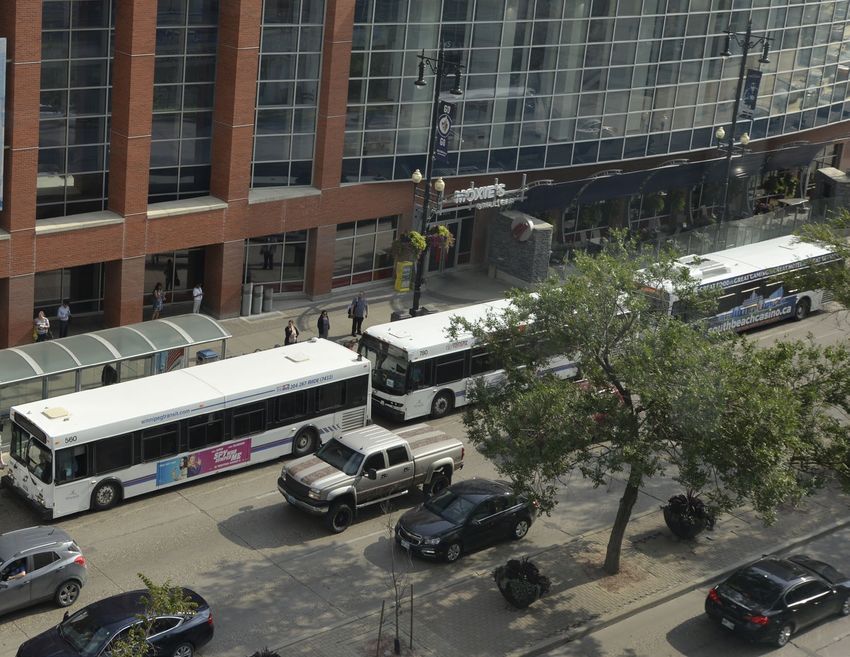
WINNIPEG TRANSIT MASTER PLAN

Open House Community Engagement Session | The Forks Marketplace

TABLE OF CONTENTS                                                                         4.0 TRANSIT VISION........................................................24
                                                                                          4.1 Network Goals...........................................................24

1.0 PROJECT TEAM.......................................................... 8              4.2 Objectives.................................................................28
                                                                                          4.3 Realization of the Vision.............................................29
2.0 INTRODUCTION.........................................................12
2.1 Why This Plan? Why Now?...........................................12                  5.0 TRANSIT NETWORK...................................................32

2.2 Key Challenges..........................................................14            5.1 The Need for a New Network......................................32
                                                                                          5.2 Service Classification.................................................34
3.0 PROCESS..................................................................18
                                                                                          5.3 Primary Network.......................................................35
3.1 Data.........................................................................19
                                                                                          5.4 Feeder Network.........................................................42
3.2 Public Engagement....................................................20
                                                                                          5.5 Network Improvement Implementation......................43

                                                                                          6.0 WINNIPEG TRANSIT PLUS...........................................46
                                                                                          6.1 Short Term................................................................46

                                                                                      4
6.2 Long Term.................................................................47         8.3 Fares........................................................................ 74
                                                                                         8.4 Land Use and Transit-Oriented Development...............76
7.0 RAPID TRANSIT.........................................................50
                                                                                         8.5 Vehicle Technology....................................................77
7.1 Rapid Transit Lines....................................................50
                                                                                         8.6 Off-Board Payment, All-Door Boarding, and Fare
7.2 Rapid Transit - Key Infrastructure ..............................54                      Enforcement.............................................................79
7.3 Transitway Runningways and On-Street Operations.....59                               8.7 Service Planning Changes..........................................80
7.3 Multiple Account Evaluation of Rapid and Frequent                                    8.7 Transit Bus Fleet........................................................82
    Services....................................................................61
                                                                                         8.9 Bus Storage and Maintenance Facilities.......................84
7.4 Investment Program..................................................62
                                                                                         8.10 Passenger Information Systems.................................86
                                                                                         8.11 Staff Resiliency for Changes.......................................88
8.0 SUPPORTING ELEMENTS............................................68
                                                                                         9.0 NEXT STEPS..............................................................90
8.1 Primary Transit Network Infrastructure......................68
8.2 Transit Accessibility...................................................69

                                                                                     5
WINNIPEG TRANSIT MASTER PLAN

1.0

                   6
WINNIPEG TRANSIT MASTER PLAN

PROJECT TEAM
              7
WINNIPEG TRANSIT MASTER PLAN

1.0                   PROJECT TEAM                                                      “The new network will be simpler, easier
                                                                                        to understand, more intuitive to use, more
                                                                                        efficient to operate, and most importantly,
                                                                                        more useful for riders. The end result will be
1.1 WINNIPEG TRANSIT                                                                    a 25-year plan for Winnipeg Transit, showing
                                                                                        how the transit network needs to change,
Greg Ewankiw                                     Marisol Gil Reyes                      when the changes should happen, and what
Director of Transit                              Mascilline Hama                        the priorities are for building infrastructure,
Bjorn Radstrom                                                                          including new rapid transit corridors.”
                                                 Brent Heckert
Manager of Service Development
                                                 Derek Klassen                                               - Bjorn Radstrom, P. Eng.
Kevin Sturgeon                                                                                         Manager of Service Development
                                                 Glen Kuhl
Project Manager - Winnipeg Transit Master Plan                                                                        Winnipeg Transit
                                                 Rose Lebleu
                                                 Xiaoyu Li
Megan Benedictson
                                                 Brian Miller
Rosalyn Boucha
                                                 Scott Payne
Adam Budowski
                                                 Teresa Platt
Alissa Clark
                                                 Brad Pluta
Erin Cooke
                                                 Todd Slatnik
Kirk Cumming
                                                 Nik Thavisone
George Fatouros
                                                 Randy Tonnellier
Josie Fernandes
Laurie Fisher

1.2 THE CITY OF WINNIPEG
Neil Bailey                                      David Patman
Office of Public Engagement                      Public Works (Transportation)
David Jopling                                    Becky Raddatz
Planning, Property & Development                 Office of Sustainability
(Urban Planning & Design)                        Michael Robinson
Lindsay Mierau                                   Planning, Property & Development
Office of Sustainability                         (Urban Planning & Design)
Brad Neirinck
Public Works (Engineering)

                                                                            8
WINNIPEG TRANSIT MASTER PLAN

1.3 STANTEC CONSULTING           1.4 ARGYLE                            1.5 HTFC PLANNING &
PROJECT MANAGEMENT               COMMUNICATIONS AND                        DESIGN
                                 PUBLIC ENGAGEMENT
Graeme Masterton                                                       PUBLIC ENGAGEMENT
Project Manager                  Jane Newlands
                                                                       Maureen Krause
Bob Kurylko                      Hilary Friesen
Deputy Project Manager                                                 Danielle Loeb
                                 Dylan Bekkering
TRANSIT PLANNING                 Dani Boily                            URBAN DESIGN AND IMAGERY
                                 Varinder Brar
Johann Van Schaik                                                      Glen Manning
                                 Brisia Chavez
Transit Planning Lead                                                  Paloma Szpaizer
                                 Brendan Crosby
Michele Colley                   Tatianna Ducklow
Luxmi Shanmuganantha             Miranda Eng                           1.6 MORR
Amanda McDaniel                  Austen Erhardt                            TRANSPORTATION
Jeremy Cohen                     Sophie Fung
David Verbich                    Mariel Higuerey                       Jeannette Montufar
Stephen Oliver                   Christian Kent                        Whitney Ballantyne
Brian Putre                      Vinicius Kran Machado                 Rob Poapst
Sasha Pejcic                     Sean Ledwich                          Stephen Chapman
                                 Christian Massaroni                   Steven Wood
TRANSPORTATION MODELING,
                                 Angela McGillivray                    Jenna Duke
ENGINEERING AND INFRASTRUCTURE
                                 Chris Mulligan
Sumeet Kishnani                  Louis Payette
Sheldon Mar                      Jimmy Quinones
Ken Anderson                     Rebecca Recant
Luis Escobar                     Kathy Reich
Scott Suderman                   Whitney Siemens
DATA ANALYTICS                   Daren Wowchuk
Aaron Baxter
Cynthia Albright

                                                     9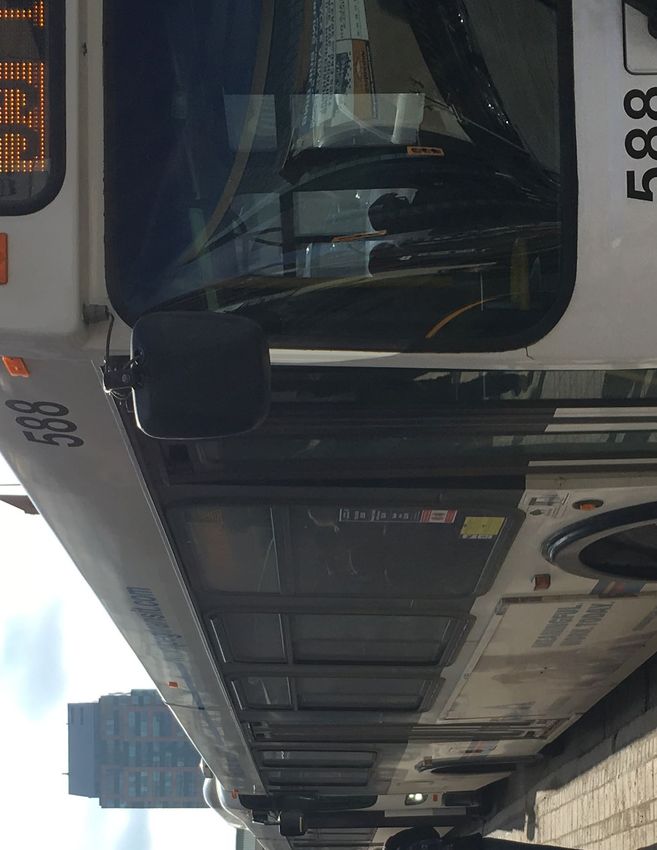
WINNIPEG TRANSIT MASTER PLAN

2.0

                  10
WINNIPEG TRANSIT MASTER PLAN
INTRODUCTION
11WINNIPEG TRANSIT MASTER PLAN
2.0 INTRODUCTION
2.1 WHY THIS PLAN? WHY NOW?
The Winnipeg Transit system that has been in place for more
than a century has seen minimal changes to the network over
the past few decades. This has been noted by members of
Council and the public, as the existing transit service is no
longer representative of the travel patterns of Winnipeggers
today.
The system evolved gradually over the years as the city grew,
however the extent of the city's growth has far outpaced what
can be accommodated with small, incremental changes to
the transit network. A fundamental redesign of the transit
network is needed to address the city's current and future
transportation needs.
The Winnipeg Transit Master Plan (WTMP) presents a future
vision of transit services that will offer transportation options
to efficiently meet the travel needs of Winnipeggers today and
tomorrow.
A GROWING URBAN POPULATION...
The Winnipeg metro area’s population is expected to reach
one million citizens within 25 years. Accommodating the
transportation needs of this growing population requires
enhancements to all aspects of the transportation system.
The mobility needs of all people, regardless of age and ability,
must be addressed in the most sustainable, cost-effective, and
reliable manner.
12WINNIPEG TRANSIT MASTER PLAN
...REQUIRING A SUPPORTIVE TRANSIT NETWORK potential riders, as this promotes transit ridership, helping to
reduce existing and future road congestion, and positioning transit
According to the Canadian Urban Transit Association, 92% as an important part of a multimodal transportation system that
of urban Canadians think that public transit makes their serves both current and future generations.
community a better place to live, and 73% feel that transit
benefits them personally. Transit services that are affordable, WHY THIS PLAN?
reliable, sustainable, safe, and that serve both low-density
neighbourhoods and high-density mixed-use corridors are key to The Winnipeg Transit Master Plan sets a 25-year vision for transit
improving connectivity and mobility needs. service and infrastructure in the city. The WTMP establishes the
long-term vision for transit in Winnipeg, supported by strategic
A GROWING COMMUNITY... policy guidance that creates structure and transparency. The
WTMP includes transit service classification, service guidelines,
As cities grow it becomes difficult to serve new areas while still infrastructure guidelines, Winnipeg Transit Plus recommendations,
adequately maintaining existing services. Providing service and a fare strategy. The transit vision is supported by nine objectives
to areas of growth can often mean decreasing service for that provide better transit options, resulting in a simpler, more
established areas. Trying to do more with constrained budgets efficient, more effective, and more accessible transit system -
results in route extensions and diversions, reduced frequency, one that is better positioned to become people's first choice for
increased schedule complexity, and increased travel times. These travelling around Winnipeg.
consequences of increasing coverage from the existing pool of
resources tends to increase the barriers to transit, sometimes
resulting in a net loss in ridership.
...REQUIRING A TRANSIT SYSTEM THAT
ALIGNS TRAVEL DEMAND WITH SERVICE
Winnipeg Transit currently provides a very geographically
extensive service and offers significant coverage of the city, but
this results in both inefficiency and duplication. The routing
and schedules are complex and can be overwhelming for riders
who are not familiar with the services. To be successful, a transit
service should be simple and easily understood by current and
13WINNIPEG TRANSIT MASTER PLAN
2
2.2 KEY CHALLENGES
CHALLENGE: POPULATION GROWTH CHALLENGE: LENGTHY TRIP TIMES
The Winnipeg metro area’s population is expected to approach one The current radial network funnels over 30 routes through
million citizens within 25 years. Accommodating the transportation downtown. While downtown is critically important, data analysis
needs of this future population requires enhancements to all shows that less than 20% of trips city-wide have downtown as
aspects of the transportation system. The mobility needs of all their destination. With the current transit system, people are
people, regardless of age and ability, must be addressed in a often forced to go through downtown to make a connection,
sustainable, cost-effective, and reliable way. even though it might be out of the way. In many cases this
makes a transit trip take two, three, or four times longer than
CHALLENGE: FREQUENCY AND RELIABILITY it would be by car, or with a direct bus route. A common theme
heard during public engagement is that the future Winnipeg
Service frequency is one of the most important considerations Transit system needs to continue to support trips to and from
when people decide which mode of travel to choose. In the downtown, while also making it easier to take trips to and from
current transit system, only slightly more than 20% of Winnipeg everywhere else.
homes are within a 500 metre (6-7 minute) walk of frequent
transit service. Access to frequent transit service (defined as a CHALLENGE: INCREMENTAL CHANGE OVER TIME
bus coming every 15 minutes or less) is a tipping point to make
transit an attractive and viable choice, as in general riders The transit system has grown and been modified over time
are prepared to walk further to access more frequent and as urban development has changed. However, many of these
direct transit service because it means shorter waiting times. changes have been piecemeal and incremental, resulting in many
A common theme heard during public engagement is that legacy routes and schedules that don’t make sense anymore as
Winnipeg’s winter weather makes waiting for the bus even more they were designed to serve a specific purpose which is no longer
of a challenge. relevant, and haven’t been updated to reflect that. Often due to
financial constraints, new service is tacked onto existing routes
Frequency is also a key component of service reliability. If a bus is at the ends, or midway along a route. Many routes try to serve too
early, late, or full, the service is much more attractive if you know many specific audiences with diverse needs at once—doing many
the next one will arrive in just a few minutes as opposed to a half things, but not doing any one of them particularly well. Complex
an hour later. route paths and schedules are a barrier for new riders and a
challenge for existing riders.
14WINNIPEG TRANSIT MASTER PLAN
CHALLENGE: EFFICIENT USE OF RESOURCES
Operating expenses increased by 15% between 2013 and 2017,
while operating revenue increased by only 3%. However, Winnipeg
Transit’s operating costs per revenue-hour are the lowest among
its peer group, indicating that Winnipeg delivers transit in a more
cost-effective way than its peers, and minimizes costs well. With a
stagnant ridership base, this means that revenues in the future will
be slow to increase and will not match cost increases without either
a change in approach to the service or placing a significant burden
on the passengers to have revenue income from the farebox match
expenses.
CHALLENGE: INEFFICIENT AND
LIMITED SERVICE ON WINNIPEG TRANSIT PLUS
Winnipeg Transit Plus has policies that are outdated and can no
longer be considered best practice. These policies have resulted
in the creation of an inefficient service that subsequently has a
higher level of unaccommodated trips, and single-person trips.
The prevailing policy rules on trip prioritization, no-shows, and
exact booking times negatively impact the use of resources and
the ability to provide the best service to customers. This has
become an expensive, inefficient, and limiting style of service
delivery.
CHALLENGE: CLIMATE CHANGE
The Winnipeg Climate Change Action Plan, approved by Council
in 2018, outlines goals for the City of Winnipeg to reduce Canada in its 5th Urban Transportation Indicators report. This
greenhouse gas emissions (GHG). Key among these is the goal shift away from private vehicle travel toward more sustainable
that 15% of all trips in within Winnipeg would be made by public modes will be an extremely challenging goal that can only be
transit by 2030. This represents a substantial increase from the met through the bold and innovative plans that are proposed in
estimate of 7-8% in 2011 by the Transportation Association of the Winnipeg Transit Master Plan.
15WINNIPEG TRANSIT MASTER PLAN
3.0
16WINNIPEG TRANSIT MASTER PLAN
PROCESS
17WINNIPEG TRANSIT MASTER PLAN
3.0 PROCESS
Phase One of the Winnipeg Transit Master Plan was the Network would most benefit from the construction of Rapid
Transit Service & Infrastructure Plan. It was based on the Transit infrastructure to improve their operation.
detailed analysis of data and informed by the goals established
in the initial public engagement, to create a draft plan for a new The draft network plan was reviewed and updated in several
transit network including a Primary Network and Feeder Network. iterations, based on feedback received and additional analysis.
Phase Two of the project was the Rapid Transit Master Plan. The overall plan and critical milestones of the project are
It was based on identifying which corridors within the Primary summarized below.
OVERALL PROCESS CHART
TRANSIT
ROUTE DEVELOPMENT
DATA WHITE REFINE
PROJECT START-UP
ANALYTICS SERVICE & FEEDER NETWORK LEGEND
PAPERS INFRASTRUCTURE
ROUTE REVIEW
STAKEHOLDER
(Winnipeg Transit)
WORKSHOPS
DATA REVIEW
March - August October PLAN Beginning of a phase
P1
2019 2019 December 2019 2020
PHASE 1 Task
Transit Service & 1 2 3 4 5 6 7 COMPLETE Milestone - Technical Workshop
Infrastructure (Consultant)
DROP-IN SESSIONS
CONVERSTATIONS
Plan 2019-12-20 Milestone - Public Engagement
EXISTING PLANNING
CONDITIONS GUIDELINES &
COMMUNITY
Phase completed
FINAL FRAMEWORK
August - October November
2019 2019
DISCUSSION SESSIONS
PRIMARY MULTIPLE
IDENTIFICATION
DRAFT DRAFT
PRIMARY NETWORK
NETWORK ACCOUNT
RAPID CORRIDOR
RAPID TRANSIT WINNIPEG TRANSIT
CORRIDOR
EVALUATION
MAE CORRIDOR
PROJECTS
TRANSIT PLUS
(from P1) MASTER PLAN MASTER PLAN
PROPOSALS
(MAE) PROCESS
RAPID
July - Sept 2019 September 2020 December 2020
P2
October 2019
PHASE 2
8 9 10 11 12 13 COMPLETE
Rapid Transit
2020-12-28
ONLINE ENGAGEMENT
Master Plan
INFRASTRUCTURE
INFRASTRUCTURE INFRASTRUCTURE BUSINESS CASE
IDENTIFICATION IDENTIFICATION (MAE)
DRAFT FINAL INFRASTRUCTURE
MAE
October 2019 October - December 2019 January 2020
18WINNIPEG TRANSIT MASTER PLAN
3.1 DATA SMART DEVICE LOCATION-BASED DATA
The following are among the inputs that informed the future Stantec worked closely with Winnipeg Transit staff and a data
transit network and the implementation steps required to vendor to obtain data extracted and anonymized from location-
advance Winnipeg Transit towards the vision of the WTMP: based devices (LBD) for this study. LBD is widely referred to as
big data. This type of data provides analysts access to robust
• Listening to the public to identify their transportation needs/ information to supplement or replace more traditional, but
demands also expensive, area travel survey data. LBD strengthened
the interdisciplinary nature of the transit and transportation
• Working with Winnipeg Transit staff, including bus operators
research, analysis, and understanding of the relationship
• Thoroughly reviewing the existing transit system (automatic between transit services and population movements. With
passenger counters, General Transit Feed Specification data, over 25 million GPS data points, the mapping clearly illustrates
automatic vehicle location logs) to identify what is and is not the following locations as the major employment destinations:
working Downtown, the Polo Park area, University of Manitoba, the St.
Vital Centre area, and the Kildonan Place area.
• Analyzing smart device data to identify trip patterns of
residents and visitors TRAFFIC MODELING
Individually, each dataset provides a fragmented picture of travel Traffic modeling was used in the Rapid Transit Master Plan
needs and patterns, but when combined, they result in a holistic to examine the impacts of the rapid transit infrastructure,
picture of travel in Winnipeg. particularly along Main Street and Portage Avenue within
downtown. The purpose of this study was to determine the
TRANSIT DATA - AUTOMATIC PASSENGER COUNTERS, anticipated benefits or impacts on future traffic flow on Main
GTFS, AUTOMATIC VEHICLE LOCATION LOGS Street and Portage Avenue as a result of the proposed rapid
Stantec created a custom data dashboard to enable quick transit infrastructure.
queries and analysis of multiple datasets in one location. The results of this microsimulation study show that the transit
Information can be accessed by time-of-day, day-of-week, improvements, including Rapid Transit corridors along Main
trip types (home-to-work or work-to-home), route, stop, and Street and Portage Avenue, are expected to improve mobility in
boardings, as well as by GIS-based data such as income levels, these corridors for transit riders and car drivers alike. Additional
schools, recreation centres, grocery stores, work locations, technical analysis will be conducted in the future to further
population density, etc. This allowed a comparison of stop- refine the modelling.
level information (how many people used a stop each day or
time period) to community-level information to create a robust
picture of how the system is being utilized today.
19WINNIPEG TRANSIT MASTER PLAN
3
3.2 PUBLIC ENGAGEMENT PHASE ONE
A multi-phase public engagement approach was taken to get Phase One engagement found that overall, Winnipeggers want
public and stakeholder input into the Winnipeg Transit Master a transit system that is more accessible, efficient, frequent,
Plan using a range of in-person and online techniques. This reliable, and affordable, which also promotes health, safety,
allowed the project team to capture public input as the plan and environmental sustainability. Key themes heard during the
evolved and allowed Winnipeggers to choose how they wanted to engagement included:
engage. There were three phases: • Better efficiency: Respondents indicated they want a more
• Phase One kicked off the planning process by creating efficient transit system that makes it quick and simple to navigate
awareness of the project and providing information on current the city compared to driving.
transit patterns and ridership. No plans or proposals were • Improve frequency, scheduling, and reliability: Respondents
shown at this time, and respondents were simply asked to help indicated they were concerned about the lack of frequent
describe a vision for Winnipeg's transit system of the future. service across the city and the unreliability of buses and
From March 15 to April 20, 2019, Winnipeggers shared their schedules.
thoughts on what works and doesn't work well in the current
network, and what was important to consider in planning • More connectivity and coverage: Respondents noted that
transit for a growing city. it is challenging to attend to their daily needs across the city
while relying on transit due to poor connections between
• Phase Two presented the first draft of a proposed new transit destinations, a lack of routes to popular destinations, and a lack
network. From October 25 to November 24, 2019, Winnipeggers of infrastructure to support connections to the transit network.
gave their feedback on the draft route network, proposed
service hierarchy, and bus stop and station types. On January • Improve specific routes and locations: Respondents shared a
13 and 14, 2020, Winnipeg Transit Plus customers were invited number of ideas to improve specific routes and their vision on
to a series of four sessions to discuss proposed changes to that how to improve the routes they frequently use.
service.
• Suggestions for rapid transit: Most respondents wanted
• Phase Three presented the draft Winnipeg Transit Master Plan speed and convenience, with good access from stations to
between October 24 and 28, 2020, and respondents were asked nearby destinations.
for input on the proposed rapid transit plan as well as specific
• Promote affordability: Respondents wanted all individuals to
follow-up questions on Winnipeg Transit Plus.
have access to transportation regardless of their income.
20WINNIPEG TRANSIT MASTER PLAN
• Enhance accessibility, passenger experience, comfort • A majority of respondents felt the proposed primary network
and safety: Respondents noted that they want to enhance will help them get where they need to go: 28% said very well
passenger experience, with suggestions including universal and 35% said well.
accessibility, convenient peggo card loading, improved
• 64% of respondents believed that the proposed network
wayfinding (apps, websites, signs, maps), along with amenities
indicates the City is moving in the right direction. 15%
like bike racks and heated bus shelters.
disagreed, and 21% didn’t have enough information to decide.
• Improve community integration and planning: Some
respondents, especially in new neighbourhoods, felt that their PHASE THREE
communities had not been integrated into transit plans, further When asked "How do you think that the plans for rapid transit,
reducing the efficiency of the system. They felt there were a including the proposed changes Downtown, will affect how
variety of ways to improve land use planning to better support people get around the city?" 80% of respondents said there
transit on roadways including high occupancy vehicle (HOV) would be a significant improvement or somewhat of an
lanes, Park & Ride facilities, and car-free zones. improvement.
• Social equity: Winnipeggers come from all different
backgrounds, and respondents wanted transit to be universally
accessible by every demographic regardless of where or who they
are.
PHASE TWO
Phase Two engagement found that a majority of respondents
supported the proposed network design.
• 43.5% of respondents completely supported the overall
network concept, and another 31.5% somewhat supported
it. 7.5% of respondents somewhat or completely opposed the
concept.
21WINNIPEG TRANSIT MASTER PLAN
4.0
22WINNIPEG TRANSIT MASTER PLAN
TRANSIT VISION
23WINNIPEG TRANSIT MASTER PLAN
Moving Winnipeg into the future — simply and directly
4.0 TRANSIT VISION
Simple. Direct. Frequent. Consistent. Purposeful. Equitable. Comfortable.
Cycling/Scooters
The future transit network is simple, easier to
Pathways and secure parking
understand, more intuitive to use, more efficient to for bicycles, bike share
programs, and scooters
operate, and most importantly, more useful for riders
Pedestrian-Focused
— whether using Winnipeg Transit Plus services or any Public Areas
of the other options in Winnipeg Transit's family of Pathways and waiting
areas that are friendly,
natural, well-lit,and
services. The Primary Network streamlines service to secure Cycle/
downtown, making it more frequent, more reliable, and Scooter
faster. At the same time, new crosstown services enable
more direct trips across the city, avoiding the need to Walking/
Transit Connections
connect through downtown. A new Feeder Network Placemaking
Transit Customer-based
allows for better mobility within neighbourhoods, Public Facilities
facility design to
facilitate connections
and for better connections beyond individual Protection from the between Transit's
elements, washrooms, Family of Services
neighbourhoods. retail space to create a SHELTER
people place
4.1 NETWORK GOALS Shelter &
Facilities Parking/
The vision for transit in Winnipeg is upheld by the Rideshare
following nine goals: Parking and Fare Based Services
General parking facilities in secure
1. ENHANCE CUSTOMER EXPERIENCE Information setting with spaces for electric
vehicles, car share programs, taxi
services
Create a consistent and comfortable
Information
customer experience.
Signage, transportation,
local information
Transit service and infrastructure guidelines have wireless hub, rental info for
bike or car share
been developed to provide customers with a
comfortable, consistent, and reliable experience. and connections between routes at transit junctions, will be
Routes will be consistent and easy to understand. Transit stops designed to be simple, accessible, and safe. Pedestrian-friendly
and stations will have amenities appropriate to their service class amenities will help provide seamless connections between
and usage, and will be universally accessible. Access to transit, transit and active modes of transportation.
24WINNIPEG TRANSIT MASTER PLAN
BUSES LINED UP DURING THE PEAK ON PORTAGE AVENUE
2. INCREASE RIDERSHIP
Focus resources on moving people quickly and efficiently.
The Primary Transit Network lines are designed to increase
ridership by offering direct and frequent service, every 15
minutes or better for the majority of the day, seven days a
week. Increasing ridership is the most significant way Winnipeg
Transit can contribute to reducing greenhouse gas emissions in
Winnipeg.
3. IMPROVE DOWNTOWN MOBILITY
Create simple and straight routing through downtown, with
frequent service. Reduce routes that turn around and terminate
downtown to improve mobility for all users.
The current transit network is a hub-and-spoke, or radial system 4. COMPLEMENT LAND USE DEVELOPMENT
with a significant number of routes focused on Portage Avenue As transit service will be an integrated part of the urban
and Graham Avenue as they travel through downtown, which fabric; service levels and service design will complement the
contributes to congestion and makes the system unattractive diverse development patterns in Winnipeg.
for short trips across Winnipeg's relatively large downtown.
There are few existing crosstown routes that offer more direct The proposed network is designed to support the city as
connections to travel between adjacent neighbourhoods without it develops, following the plans and policies outlined in
having to first travel through downtown. OurWinnipeg and the Complete Communities Direction Strategy.
The future network improves downtown mobility by Transit-oriented development (TOD) is an important tool to
restructuring it from a radial, downtown-focused system to promote compact urban development around key transit nodes.
a modified grid system across the city. The new network The city is anticipated to grow by over 200,000 people by 2040,
minimizes the number of buses that have to turn around and the transit network needs to work seamlessly with the urban
downtown, which is currently a major contributor to congestion fabric to serve land-uses in the most efficient way possible.
and delay for all modes of travel.
25WINNIPEG TRANSIT MASTER PLAN
4
5. IMPROVE MULTI-MODAL MOBILITY Aligning key policy documents and master plans under the
banner of OurWinnipeg, including this Winnipeg Transit Master
Transit will function as one component of the broader multi- Plan, the Transportation Master Plan, the Climate Change Action
modal transportation network, working seamlessly with the Plan, and the Complete Communities Direction Strategy, is of
bicycle and pedestrian network and the broader vital importance in building the city Winnipeggers want now and
transportation network. into the future.
With respect to active transportation, there is a significant
network of multi-use paths that span across the city; however,
these paths are sometimes fragmented and lack connectivity to
the transit network.
Winnipeg Transit will improve multi-modal mobility by:
• Ensuring On-Request services connect to the Primary Network
and major neighbourhood activity centres at universally
accessible locations
• Providing active transportation connections to stations,
junctions, and mobility hubs
• Offering incentives when transferring between transit and
shared services (e.g. rideshare, bikeshare, and carshare)
• Continuing to provide active transportation connections
alongside new rapid transit corridors.
• Enhancing and defining the use of mobility hubs to support
connections between transit and other mobility options
Working in concert with the Transportation Master Plan, the
WTMP intends to create a seamless multi-modal transportation
system that reflects the travel needs of all Winnipeggers.
26WINNIPEG TRANSIT MASTER PLAN
6. ENSURE TRANSIT IS INCLUSIVE technology to reduce transit’s carbon footprint, using app-based
trip booking and fare payments to implement real-time on-request
Conventional transit service will be available to, and be services, identifying potential autonomous vehicle routes, and
accessible for, as many people as possible. Winnipeg Transit improving real-time passenger information systems are just a few
Plus will be available to anyone who is unable to use the innovative ideas included in this WTMP.
conventional system some of the time or all of the time.
In addition to accessible conventional transit service, Winnipeg
8. EMPOWER HEALTHY COMMUNITIES
Transit Plus is available for people who qualify for the pre- Increase access to local essential community services.
booked, shared-ride service. Winnipeg Transit works to enable as
many people as possible to use conventional transit, prioritizing In planning the new network, attention was paid to match existing
the use of Winnipeg Transit Plus for those who are unable to use travel patterns within neighbourhoods with convenient access to
the conventional service for some or all of the time. Winnipeg essential community services such as grocery stores, health care,
Transit will achieve this by: education, and recreation, ensuring each neighbourhood has
access to these vital services and amenities.
• Establishing true fare parity for all transit services
9. BALANCE INVESTMENT WITH AFFORDABILITY
• Eliminating the trip prioritization policy
(to be implemented Summer 2021) Maintain a balance between transit investment and
• Revising eligibility categories to be consistent with best practice affordability for the transit rider and the taxpayer.
• Expanding the service boundary to anywhere in Winnipeg The cost of additional service and transit infrastructure
(implemented in January 2021) improvements should be implemented in such a way that it
• Exploring the feasibility of combining trips using modernized does not create an unrealistic financial burden to taxpayers or
On-Request service with paratransit trips under the Family of necessitate drastic increases to transit fares. The WTMP creates
Services model focus for investment first by reallocating service hours to more
productive routes, by creating straight, simple, and direct routes,
7. CONTINUOUSLY INNOVATE and through restructuring the network from a radial, downtown-
focused service to a modified grid network. Rapid transit
As technology continues to evolve, Winnipeg Transit will construction costs are kept low by utilizing existing infrastructure
use the opportunities it provides to continuously improve where feasible. Investments focus on generating long-term
customer service and service sustainability. returns by minimizing operating costs per passenger. The long-
Thinking strategically will ensure Winnipeg’s investments in term legacy of major investments like rapid transit will be a more
technology will advance transit. Incorporating zero-emission bus affordable transportation system for the City of Winnipeg.
27WINNIPEG TRANSIT MASTER PLAN
4
4.2 OBJECTIVES
Objectives are used to evaluate and measure transit services
to ensure the goals and vision are being implemented. These
are questions Winnipeg Transit will use in determining the final
routing options for the network during implementation, as well
as other details of the implementation of the Winnipeg Transit
Master Plan.
SIMPLE - Are the majority of the routes as straight as COHESIVE - Is the system designed as a cohesive network?
possible?
The transit network works cohesively together using clearly
The straighter or more direct a route is, the more defined service classes, with each class doing its specific task as
understandable and attractive it becomes for potential users. part of a larger integrated network.
PURPOSEFUL - Are the routes designed with purpose?
EMPOWERING - Does the transit system help people get
Routes designed with purpose improve customer understanding where they need to go?
of the route, and do a better job of meeting users' needs.
The new transit network creates more direct routes, adds service
CONSISTENT - Is there a single route pattern? at off-peak times, and reduces the reliance on connections that
route though downtown.
Routes are to have a single route pattern, doing the same trip
every time, every day. INTEGRATED - Does the system promote multimodal and
land use connections?
DIRECT - Are the routes shorter and more direct?
Improved connectivity in the new route network will promote
Longer, winding routes are prone to schedule delays and may be and support OurWinnipeg's goals of increased density and a mix
more complex in design as they try to serve multiple markets. of land uses to better enable people to choose to live without a
car, or to drive less.
28WINNIPEG TRANSIT MASTER PLAN
4.3 REALIZATION OF THE VISION minutes or better throughout the day, closer to where most
Winnipeggers live. In the new transit network, almost three
The most important single step Winnipeg Transit can take to times as many homes in Winnipeg will be within a 500 metre
achieve goals like enhancing customer experience, increasing walk of all-day frequent transit service.
ridership, improving reliability, and improving mobility, all while
staying affordable, is to transition to a new transit network based The improved efficiency resulting from the network redesign
around high frequency service focused on major corridors. means that system capacity is increased by up to 25%. This
can largely be achieved with no additional service-hours or buses
When the bus comes frequently, using transit means being able being added to the system.
to come and go anytime, instead of being limited by a schedule.
The new transit network proposed in the Winnipeg Transit Master The infrastructure outlined in the WTMP enables this new
Plan brings frequent service, defined as a bus coming every 15 network to be as effective, reliable, efficient, accessible, and
convenient as possible.
Under the Current
Network (left), only
21% of dwellings are
within a 500 metre
walk of frequent
service, and only
32% of dwellings are
within an 800 metre
walk.
Under the
proposed Long-
Term Network
Plan (right), 58%
of dwellings are
within a 500 metre
walk of frequent
service, and 73% of
dwellings are within
an 800 metre walk.
29WINNIPEG TRANSIT MASTER PLAN
5.0
30WINNIPEG TRANSIT MASTER PLAN
TRANSIT NETWORK
31WINNIPEG TRANSIT MASTER PLAN
5.0 TRANSIT NETWORK
5.1 THE NEED FOR A Different areas of the city have different with each individual route trying to do
needs for transit service. For example, too much, often not doing it very well.
NEW NETWORK there are usually more riders along
Changes and tweaks to the existing
The Winnipeg Transit Master Plan major streets and fewer riders in
network would not allow for the vision
proposes a new route network that is suburban residential areas. The existing
and goals of the WTMP to be met. A
simpler, more efficient, and easier to network provides coverage of the city
completely new route network needed
understand. with a complicated network of routes,
to be proposed.
ROUTE SIMPLICITY CLASSIFICATION
Route Simplicity EXISTING TRANSIT NETWORK
COMPLEX
C77
T137
An evaluation of existing and proposed routes was undertaken Difficult to understand
No defined purpose
65 66
64
Shaftsbury
Park
S95
S87
S83
E41
137
that classified routes into three categories:
S71
Multiple loops
S85
T162
T170
Crossing patterns
S72 Harkness
E22
Osborne
S97
Multiple small destinations E54
Fort Rouge
T183
E21
T66
E
• Simple routes – simplistic design, with an identifiable
Small Commercial C74
Area E59
High Density
residential
Small Commerc
ial High Density
D E32
Area residential
B High Density
E31
S98
residential
purpose that connect major origins and destinations along key
E58
High Density
S88
residential
A
C S90
Small Commercial 180
Area
S86
NO. OF ROUTES 46
D16
corridors
D50
D29
D33 181
PERCENT OF SYSTEM 53%
Fort Rouge
D20
S84
D18
E28
S94 D44
• Compound routes – simple and complex components with
D19
D10 D15
S51
S96
D49
S93
D45
D56
multiple turns and large one-way loops serving multiple COMPOUND
destinations
Graham
D14
Simple in parts,
T163
E64 E57
Complex in others E40
D11
Two or more destinations
E34
Multiple turns and changes
E35
in direction
• Complex routes – multiple loops serving many destinations Multiple loops D17
Large one-way loops at one end
S92
C75
Harkness
T185
T181
indirectly with crossing patterns that make them difficult to
Osborne
S79
S89 Fort Rouge
Com
m
E36
er
D38
ci
Are al
a
C
E46
High Density residential
understand
A
B S76
Commercial D26
Area
NO. OF ROUTES 24
D43
E42
S91
PERCENT OF SYSTEM 28%
D47
The straighter or more direct a route is, the more
SIMPLE
D68
understandable and attractive it becomes for users. As a route Simple in design
A Straight line or following
E30
T181
C78
a specific roadway 160 T65
increases in complexity, the more challenging it becomes
D12
161
Easily identifable purpose
Primary origin and
185 E65
D53
primary destination S82
because customers need to decipher maps and schedules to use
Key Corridors D60
E48
T160
A
the service. Complex routes act as a barrier to people unfamiliar
University or High
Density residential
cial
Commer
Area
with them and increase the perceived and real trip times.
Comm
ercial
Area
B E24
Downtown
NO. OF ROUTES 17
PERCENT OF SYSTEM 20%
32WINNIPEG TRANSIT MASTER PLAN
ROUTE SIMPLICITY CLASSIFICATION
PROPOSED TRANSIT NETWORK
COMPLEX
Difficult to understand
No defined purpose
The evaluation of existing routes
Multiple loops
Crossing patterns revealed that over half of the routes are
Multiple small destinations
Complex and less than a quarter are
Simple.
E Small Commercial
Area
High Density
residential
Small Comm
ercial High Density
D
Area residential
B High Density
residential
High Density
In the proposed Long Term Network
residential
A
C
Small Commercial
Area
NO. OF ROUTES 0
Plan no routes are Complex, and about
PERCENT OF SYSTEM 0%
two-thirds are Simple.
The result is a route network that is
simpler, more direct, faster, more
COMPOUND
Simple in parts,
efficient, and easier to understand.
Complex in others
Two or more destinations
Multiple turns and changes
in direction
Multiple loops
Large one-way loops at one end
Co
m
m
erc
Are ial
a
C
High Density residential
A
B
Commercial
Area
The redesigned route
NO. OF ROUTES 21
PERCENT OF SYSTEM 33%
Simple in design
SIMPLE
A Straight line or following
network increases
system capacity
a specific roadway
Easily identifable purpose
Primary origin and
primary destination
Key Corridors
A
34
O
by 25% with no
additional resources
University or High
Density residential
Commercial
Area
Commerc
ial
Area
B 63
Downtown
NO. OF ROUTES 43
PERCENT OF SYSTEM 67%
33WINNIPEG TRANSIT MASTER PLAN
5.2 SERVICE CLASSIFICATION
The proposed Service Classification makes it Service Class What does it do? How far apart
easier for transit customers, current residents of buses run?* are the stops?
Winnipeg, and people moving here for the first Rapid lines Frequent service with transit-only right of Every 5-10 minutes At least a 10 minute
Highest demand
time to understand what to expect from each way where needed to bypass congestion walk (700 metres)
and move more quickly across the city
type of route and service. With this information,
people can make decisions about where to live
Primary Network
Stop spacing
and work or where to open a business, knowing Frequent lines Buses run along major streets to help Every 10-15 At least a five
people travel across the city minute walk (350
what to expect from the transit service near minutes
metres)
them.
Stop spacing
Different services have different characteristics Direct lines Buses run along main streets to help people Every 10-20 At least a three
and standards relating to purpose, frequency, travel between neighbourhoods minutes minute walk
(200 metres)
and stopping patterns. These characteristics
Stop spacing
provide minimum service commitments for
each Service Class. Connector Connect people to primary network and Every 15-30 At least a three
routes help them move around the city minutes minute walk
(200 metres)
These Service Classes (sometimes known as
layers) have been adapted from key transit Stop spacing
concepts to create this flexible system for
Community Help people travel within their Every 30-60 At least a three
Feeder Network
Winnipeg that features two main networks of routes neighbourhoods, to nearby services, minutes minute walk
services – the Primary Network and Feeder connector routes, and the primary (200 metres)
network
Network.
Lowest demand
Stop spacing
This service classification allows for significant
On-request
flexibility and resiliency, as individual routes can Available in areas that have very low
N/A N/A
demand, to help people access transit
have their frequency scaled up or down based
on demand. In other words, a Feeder Route can
have its frequency changed independently of the Accessible
Enable eligible customers to access other
N/A N/A
transit services and get around the city
Primary Routes it connects to. This is not possible
with the current route network.
*other than late at night
This type of flexibility and resiliency would have
been very useful during the coronavirus pandemic,
or other disaster scenarios.
34WINNIPEG TRANSIT MASTER PLAN
Primary Transit Network
Frequent. Permanent. Direct. Simple.
5.3 PRIMARY NETWORK
Primary Transit Lines form the essential structure of the transit allow people to plan important decisions like where to live or
network. They provide high frequency services and use the most where to locate a business, if access to frequent transit service is
direct routes available to link each major destination or corridor important to them.
in their path.
Primary Network Lines are simpler and straighter than many Class 1 RAPID Lines provide very high frequency
current routes. Simple, straight lines mean transit reaches its transit services that are reliable, and
destination faster and can run more frequently. Because they consistent along the main corridors in the city
will run frequently, customers will not need to follow a schedule - RAPID
they can simply show up and a bus will arrive shortly. FREQUENT Lines provide high frequency
Class 2
transit services along main corridors that are
The Primary Network includes the Rapid, Frequent, and Direct not served by rapid lines
transit layers — all of which are designed to carry the most riders
FREQUENT
by having the highest levels of service, enhancements to the DIRECT Lines provide service along corridors
service like transit priority measures, and additional customer Class 3 where anticipated demand falls short of
amenities. justifying Class 2 service, but where directness
of travel is a critical consideration to connect
DIRECT to Rapid and Frequent Lines. Many are
The Primary Transit Network is frequent and direct, and is candidates for future upgrade to Frequent
intended to be a permanent, defining feature of the city. It will service
35WINNIPEG TRANSIT MASTER PLAN
5 Winnipeg
Winnipeg TransitTransit
Long Term Long
Network Term
Plan N
Service Overview
A S BOURG
PIPELINE
PRIMARY NETWORK
R
ST
331
32
Rapid Lines
RITCHIE
AM TEM
IP S
A BE PLE
TO
IL L
R N
PH
Service every 5-10 minutes
MC
B
A
JEFFERSON
N IL
High Frequency, high capacity transit service with transit-only right of way where needed 31
MA
C to bypass congestion and move more quickly across the city. 31
331
32 Seven
E Frequent Lines ADSUM
W Oaks
H
Garden City
P Service every 10-15 minutes I W 40
MA ND
Frequent bus service running along major streets to travel downtown or across the city. 331 333
AL AY
332 40
ON
RT
Direct Lines
GA
S
DR JOSE RIZAL
Service every 10-20 minutes MA
PLE
KI
GLE
Regular bus service running along major streets to travel downtown or across the city. INKSTER
KINVER
N 30
BROOKSIDE
PLYM
32 31
WEST
331
FEEDER NETWORK
D
AR
OU
EPP
TH
R
JE F
D EX TE
SH
FER
KILDONA
331
IR
Connector Routes
CLA
EG IN K
ES CH STE
30 UR R
S IN
Z CH
KING EDWARD
E
Service every 15-30 minutes
F IF
I
332
Regular bus service for travelling across neighbourhoods and connecting with the Primary Network. OA 40
MC
K MANITOBA
PO 32
IN
T
650 Community Routes SELKIRK
332
Service every 15-60 minutes MO
UN
TA IN 30
Local bus service for access within neighbourhoods and connecting with the Primary Network. U
E
NORTH
KEEWATIN
233
BU
Limited-Span Service
RR
U OW
699 S
END
ON
GT
Service as needed 40
L IN
SEL
K IR
AR
McPhillips
Local or express bus routes with limited hours of operation, often weekday rush hours only. Station Casino K
Red River College
On-Request Service Area
MCPHILL IPS
J O U W W LO
GA
N
20 233
Service on request
NOTRE DAME
Shuttle buses or vans providing access throughout their service areas and connecting with 20 DU
FFE
30
the Primary Network. R IN
E
J
SHERWIN
DUBLIN H
NO I
TRE
DA
233 O ME
Airport
K L 233
J
KING EDWARD
CENTURY
Health
WINNIPEG Sciences H
RICHARDSON
T
WA N
AIRPORT
K WELLINGTON
See
SAS KAT CHE 232
Downtown
FLIGHT
Inset
ST JAMES
APP LE
SARGENT
K
232
T
WEST
LUMSDEN SILVER
234 235 L ELLICE
BERRY
ARLINGTON
END
VALOUR
FERRY
WALL
ERIN
ON
HA M ILT
H ER
BUCHANA N
Sturgeon-Ness
ITAG
SILVER Arlington
CAVALIER
C Q 234 235 30
A T Q
E
234 30
Polo Park
T
ST. JAMES
233
FAIRLAN E A O J
NESS
Q 23 60
235 Q 232 233
SCHOOL
Unicity
MOUNT ROYAL
WHYTEWOL D
OVERDALE
Assiniboia A Q 60 WESTMINSTER
Downs PO RTAG
E H Grace Booth Q
23 234 235
23 A C 23 WOLSELEY H Misericordia
30
234 235
BEDSON
ROUGE
Moray A
MCBEY
36 A C
ST CHARLES
W N
23 699 23 EL
L INGT LA
235 ON M IL
ACADEMY MC
H
WOODHAVEN
SANSOME J
RIVER
W EST
R
CO U
MBRIDGE
KINGSWAY
WO
60 NT
R TUXEDO
OD
C
Y
636
CL UWINNIPEG TRANSIT MASTER PLAN
rm
Network
Network
Plan
Plan
TO BIRDS HILL
PROVINCIAL PARK
I
FE
RN
BA
NK
IP S
TO B SUMMER
IL L
N
PH
MC
333
NORTH
VE
HE
RO
Seven AD
MA
RG
Oaks ST
VE
H
KILDONAN
ER
RI
AY
Garden City
ES
TEM
TH
PLE
I W 40
RO
TO F
N W
331 333
L E IL
A
B WH MC
ELL IV
AM OR
H
IG
S
LE
RA
G IL
IN G K IN MO
SBU GS
BU W Kildonan Park RE RA
RY RY GS
DI
30 B H W LL
33 331 DO
31 NW
E
WEST
OO
D
JE F W 432
RSO FER
SO
SPR 443
IN G
AN
DONAN
N N F IE
IR
LD
SU
CLA
N
H
IN
VA
S IN
ED
LL
MA
IS O
31
EY
N
C H IE
OR
OR
FP
L E IG
REG
EG
EGU
H TO
KILDONAN
GR
N
CG
IS
MC
MC
32 LEO
R
LT E
D
N
N
SA
SO
ER
IC K
IE R
ND
33
SW
HE
AZ
RE
EAST
30
UN
MA
BR
D
CH
TH
BR
OA
ESO
RO
E N
K
AY
W
20
TE
KILDONAN
32 434 ON
GA
ND
LO
GRASSIE
N
CA K IM
TO
TH BE
ED R LY
40
MC L
RA
L
EL
LA
ON
N
LS
E
MO
L DA
IER
UE
OD
W IM
LO
MU GUNN
G
NR CO
435
LA
OE NC
OR
40 D IA
TT
ON
HE
SPE
WA
Concordia
ND
LER
DU B 40 H
LO
FFE
R IN JOH
U NS 434
TRANSCONA
ON
E 433
PEGUIS
CH
A AL
ME
ON RS 435
H C D E VO N S H I R E
A DA 431 A LEX
ST T
EY
AY
L
MCMEANS
GR
OR
F
EU
TA LB 45
CL
OT
ID
SU TH ER
LA ND
DAY
U
See
REE
ND
ERS KILDARE
HI GG IN
S Watt NA IR
Downtown
N
C N Stapon
435 443 C
Inset
C M
PLESSIS
HOKA
E
531 W 40 RAVELSTON T
AL
Club VICTORIA M UND G
Regent ED
133 REGENT 45
M IS SI
ON C
Kildonan Place
ST
N 433 PANDORA
RAVENHU RST
ER
JO S
CH C M P U
VEN
TAC
T
PRO
EPH
GUE
ATWOOD
W 40 45 431
P LI N
E H
KERNAGHAN
433 434 435
NA IS
531 S IE R
T
MES
BO UR
M
DES MEU RON
J
AUL NEAU
DA
DES PIN S DUGALD
W
SO
N
S
HOLDEN
DOLL ARD
MAZENOD
ET
Saint
N
Boniface
PA
H GOU LET MARION
T
T Q
TRAV ERSE
ST. BONIFACE
G
cordia Q
P
ARC
ENFIELD DUB UC
H IB
37
A LD
HIGHFIELD
N
LA
M IL CONISTON MAGINOT
MC
ST
PLESSIS
.M
Osborne
AR
LY N DA L E
Y’
A C D E ELIZABETH
S
R F I R
531
SPEERSW N
23 699 23 EL LA
ST CHAR
L INGT M IL
235 ON
ACADEMY MC
H
WOODHAVEN
SANSOME J
WINNIPEG TRANSIT MASTER PLAN
RIVER
W EST
R
5
CO U
CAMBRIDGE
KINGSWAY
WO
60 NT
R TUXEDO
OD
C
Y
HEIGHTS
636
CL U B
ROBLIN
I
D ON
60 GROSVENOR RY
S TA
CO
FFO
RD
C S
R ET
OAKDALE
FLE
TUXEDO
DA
SHAFTESB URY
LY
T
AN F
GR 236 236
O
CHARLES WOOD
L OR
NA
TAY Jubilee
LAXDAL
ELMHURST
TH
PORTSMO UTH
A D F
AN
662
BUCKINGH AM
PO
IE L
S 236 662
SE
ID O
MATHERS 636
N
CHARLESWOOD
WE ST TA
YL OR
662
T
RS PO IN
HU T
BE
WILKES
AU
677
MO
NT
D
AL
FORT
VI
F
F
TO
NW F
C
O N R Seel KE
LY LE OA
699 STERLI N G WIS A D 636 641
S 236 2
636 642 650 690
ER
GARRY
EL
GA
SE WK
DO
FE
W
NN
OD
EL
OT
L I N D E N WO
L
677
TE
E
WAV ERL EY
AN
R
CR
KENASTON
Downtown Winnipeg
O
E
L
FA
N WO O D
F
BU E SC E N T
CR
Y
690
RA
LINDE
IV
641 650
LL
GI
MC
CE
642 EN
Health H AR
CL
Sciences H
E LI
NO EA
TRE University D IS R R
DA of Manitoba H R IE
ME 33 EV
GE CH
F ID
NR ZA
I 236 CO
S
FA L PLA
CES
W IL 650 641
P R IN
L IA
M
537
G
K IN
FORT DOUGLAS
BEL
649
DO
J Red River
BA College PARK
IS A
VE
NN Manitoba Museum
AT Y
RC
N R City O
E Hall
A
OU
Centennial Concert Hall
RT
CO
MC FortWhyte SCU
DE RF I
D
LU
I RM
OT City Hall WHITTIER
Alive ELD
MB
B C F PARK 690
IA
OW
UN I
NO J 33 R NL
TRE 642 HE
VER
DA F
ME F
676
SIT
CU Portage & Main 650 693
MB R
Y
ERL 649 EL
LO
AN F A B C D G
D
C
CHAN
FL E E T WO
J K L N OD A
SARGENT
E
K CENTRAL I POR
TAG
E
STEPHEN 693
PARK Victoria
JUBA PARC M IG Field
PARK 650 RK
HA H
ELZEAR MA ON
GOULET ES
TH
BALMORAL
MA
LL OR
SHERBROOK
MARYLAND
AN
D
662 CE
Shaw EL AN
Park ID G CH
BR
B
N
Edmonton ON
OW
Donald
BA
B IS
HT
RN
A D G N
WAVERLEY
A D F G T
ELLICE NO R P
ES
L Bell MTS TO
I K L N RS
Place
O VE
Colony LEE S IL
KE
G
HAR
A D E 671
GE L A
N J 672
N
CAR
GRA
G N R
MA
H G
BRID
EDM
Canadian
LTO
VE
IN
University Museum for Bridgwater Ctr 693 RE
FOR
of Winnipeg L MO
N
Human Rights
KEN
O N TO
GAR
Spence 671 O P 671 IRD
T
K BA 672
S M IT
D
NED
CENTRE
EY
RY
DON
A RY 672 676 693 R
N
A D RN
ME
H M Union Station LA
H
Y
S T. K IL
MO
ALD
G N A B C D 676
R IA
R IC
K L T Q
WAVERLEY
E
IE
L
OUS
GE Winnipeg K GE
RTA Art Gallery RBC Convention YO R 671 ID
PO
DA LH
SPENCE
Centre Winnipeg
K I RKBR
US
Children’s
NG
YOUNG
PEMB INA
PEMB INA
Museum
LANGSIDE
WEST
A
N
JOH
FURBY
AY 662
A BRO
ADW A 662
EY
The Forks
Q C
RL
R VE
WA
E T D ER
BONNYCASTLE Stradbrook ET
BROADWAY
672 E R IM
PARK A B C D LI NE HP
SKY UT
672 SO
J T Q
KEN
KEN
Manitoba O TIM SA LE
AST
Legislative Building E B EL
IN IK
IB O
ON
O SB
S IN I
AS
ORN
F 671 P D D
E
N
T GRA D M O N T
MOSTYN PLACE Q
PARK FORT ROUGE
236 691 ME
WESTMINSTER PARK AR Y
ST
CH MA
LD
J LE
V IL
ER
V IL
DU
PI E R RNEE U
R IV
DO NA
LEN
LE
DE L'EGLIS E
EU
R
VE
V
ST. NORBERT
ST. NORB
E J LYNDALE DR
LEY
30 OK PARK N
LSE RO
WO H Misericordia DB
RA
ST
38You can also read


