York Flood Alleviation Scheme Clementhorpe - Construction Traffic Management Plan February 2021 - Environment ...
←
→
Page content transcription
If your browser does not render page correctly, please read the page content below
York Flood Alleviation Scheme
Clementhorpe

Construction Traffic Management Plan
February 2021
We are the Environment Agency. We protect and improve the
environment.
We help people and wildlife adapt to climate change and reduce its
impacts, including flooding, drought, sea level rise and coastal
erosion.
We improve the quality of our water, land and air by tackling
pollution. We work with businesses to help them comply with
environmental regulations. A healthy and diverse environment
enhances people's lives and contributes to economic growth.
We can’t do this alone. We work as part of the Defra group
(Department for Environment, Food & Rural Affairs), with the rest of
government, local councils, businesses, civil society groups and
local communities to create a better place for people and wildlife.

Quality Assurance
Project name                  York Flood Alleviation Scheme
Project 1B1S reference        ENV0002071C-JBAB-ZZ-B08-RP-PL-0003
Date                          Feb 2021
Version number                P06
Author                        Steven Taylor
Document History
Version   Status         Issue        Prepared by      Reviewed by
                         date
P03       Draft          27th April   Steven Taylor    John Davies
                         2020
P04       Draft          9th Oct      Steven Taylor    Stuart Box
                         2020
P05       Draft          2nd          Steven Taylor    Stuart Box
                         Feb 2021
P06       Draft          2nd          Steven Taylor    Stuart Box
                         Feb 2021

Published by:                            © Environment Agency 2021
Environment Agency
                                         All rights reserved. This document may be
Horizon House, Deanery Road,
                                         reproduced with prior permission of the
Bristol BS1 5AH
                                         Environment Agency.
www.gov.uk/environment-agency
                                         Further copies of this report are available
                                         from our publications catalogue:
                                         http://www.gov.uk/government/publications
                                         or our National Customer Contact Centre:
                                         03708 506 506
                                         Email: enquiries@environment-
                                         agency.gov.uk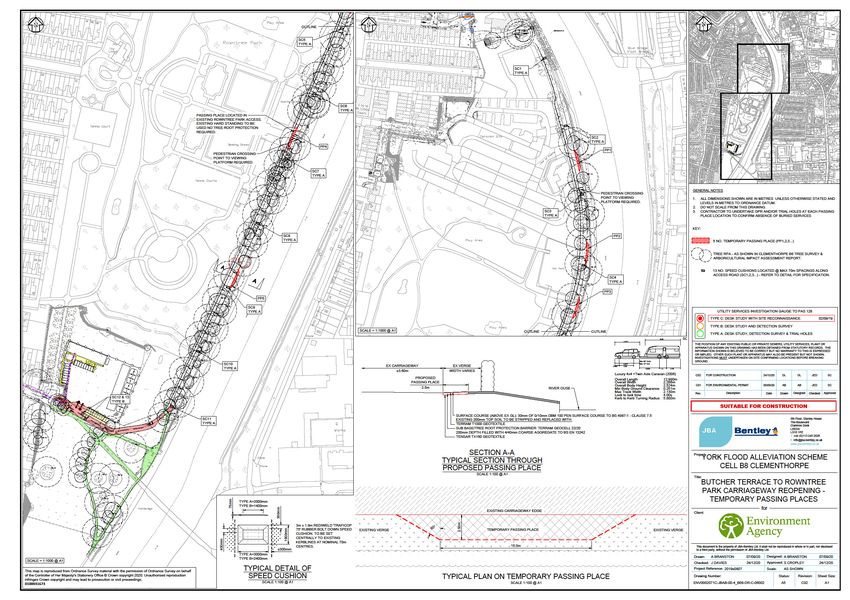
Executive summary
This Construction Traffic Management Plan (CTMP) sets out the anticipated
construction traffic, impacts and routing arrangements during the construction of the
new flood defences in the Clementhorpe area of the city of York.
This document has been prepared in consultation with CYC Highways Development
Control and other relevant York Council Authorities. The CTMP will be updated over
the course of the project as new information arises.

                                                                                        i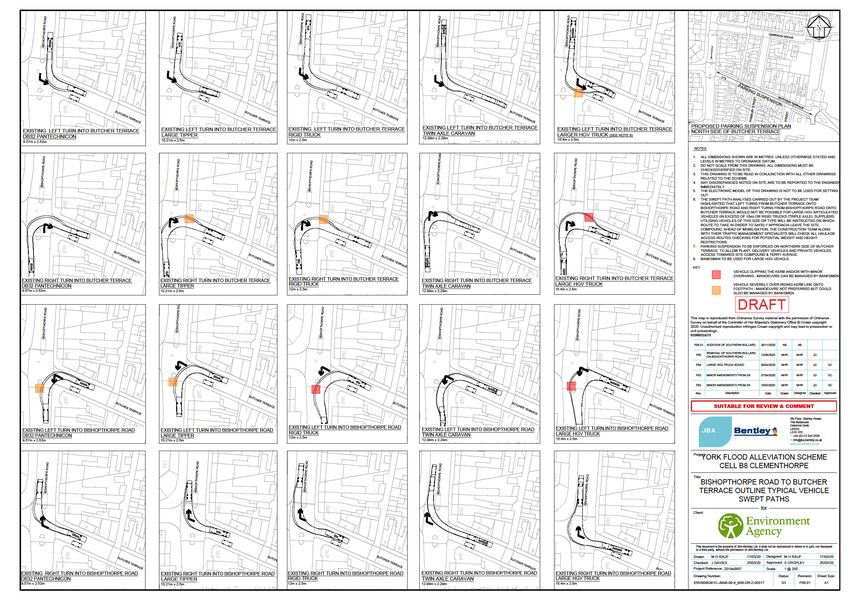
Contents

Executive summary ............................................................................................................................. i

Contents ............................................................................................................................................ ii

Table of Figures .................................................................................................................................. iv

Table of Tables ....................................................................................................................................v

1           Vehicle Information .............................................................................................................. 1

    1.1 Construction related vehicle numbers by month                                                                                                   1
    1.2 Construction machinery by month                                                                                                                 3
    1.3 Construction worker vehicle numbers                                                                                                             4
    1.4 Private vehicle numbers                                                                                                                         4
       1.4.1       Roomzzz Hotel vehicles ....................................................................................................... 4
       1.4.2       Caravan Park vehicles .......................................................................................................... 4
       1.4.3       Rowntree Park car park vehicles .......................................................................................... 4
       1.4.4       Pedestrian and cyclists......................................................................................................... 4
    1.5 Construction, employee and delivery vehicles access                                                                                             5
       1.5.1       Construction vehicles .......................................................................................................... 5
       1.5.2       Employee vehicles ............................................................................................................... 5
       1.5.3       Delivery vehicles .................................................................................................................. 5
    1.6 Private vehicles access                                                                                                                         5
       1.6.1       Caravan park vehicles .......................................................................................................... 5
       1.6.2       Rowntree Park, Roomzzz Hotel and houseboat vehicles ...................................................... 5

2           Working Hours ...................................................................................................................... 6

3           Site Maintenance .................................................................................................................. 7

4           Vehicle routing and waiting................................................................................................... 8

    4.1 The road closure                                                                                                                                8
    4.2 Pedestrian and cyclist diversion route map                                                                                                      9
    4.3 Pedestrian and cyclist diversion route sign schedule                                                                                          10
       4.3.1       Pedestrians/ Trans Pennine Trail ....................................................................................... 11
       4.3.2       Cyclists/National Cycle Route 65/ Trans Pennine Trail ....................................................... 11
    4.4 Vehicle Diversions                                                                                                                            12
       4.4.1       Vehicle approach ............................................................................................................... 12
       4.4.2       Vehicle exit ........................................................................................................................ 13
    4.5 Vehicle diversion route sign schedule                                                                                                         14
    4.6 The Access Route                                                                                                                              15
    4.7 Access route modifications & detail                                                                                                           16

                                                                                                                                                         ii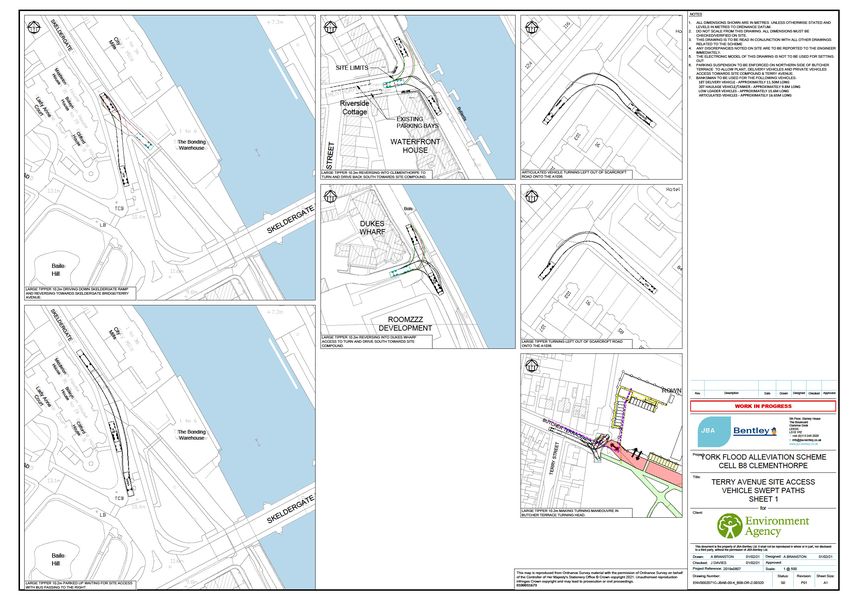
4.7.1    Bishopthorpe Road/ Butcher Terrace Junction .................................................................. 16
      4.7.2    Butcher Terrace ................................................................................................................. 18
      4.7.3    Access road (Adjacent to site compound) .......................................................................... 19
      4.7.4    Terry Avenue (Between access road and Dukes Wharf) ..................................................... 23
      4.7.5    Terry Avenue (Adjacent to Skeldergate Bridge) ................................................................. 26
      4.7.6    Clementhorpe.................................................................................................................... 27
    4.8 Additional Access Management Information                                                                                              29

5        Communications ..................................................................................................................31

    5.1 Community Engagement                                                                                                                  31
    5.2 Active Feedback                                                                                                                       31

6        The review period ................................................................................................................33

    6.1 Monitoring                                                                                                                            33

7        Emergency procedures .........................................................................................................34

    7.1 Access for Emergency Vehicles                                                                                                         34

8        Control Measures.................................................................................................................35

    8.1 Construction Environmental Management Plan                                                                                            35

9        Road Safety Audit ................................................................................................................36

                                                                                                                                                 iii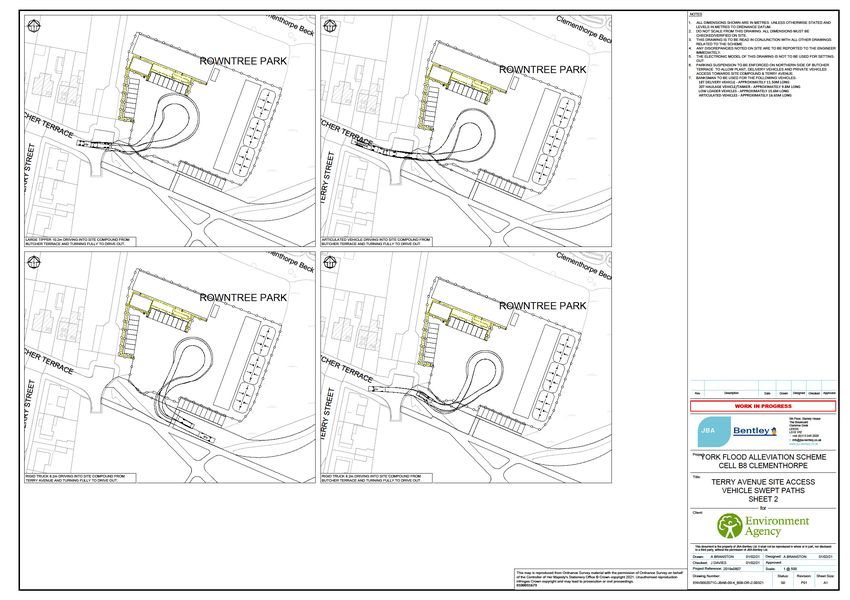
Table of Figures
Figure 1 – Terry Avenue road closure ______________________________________________________ 8
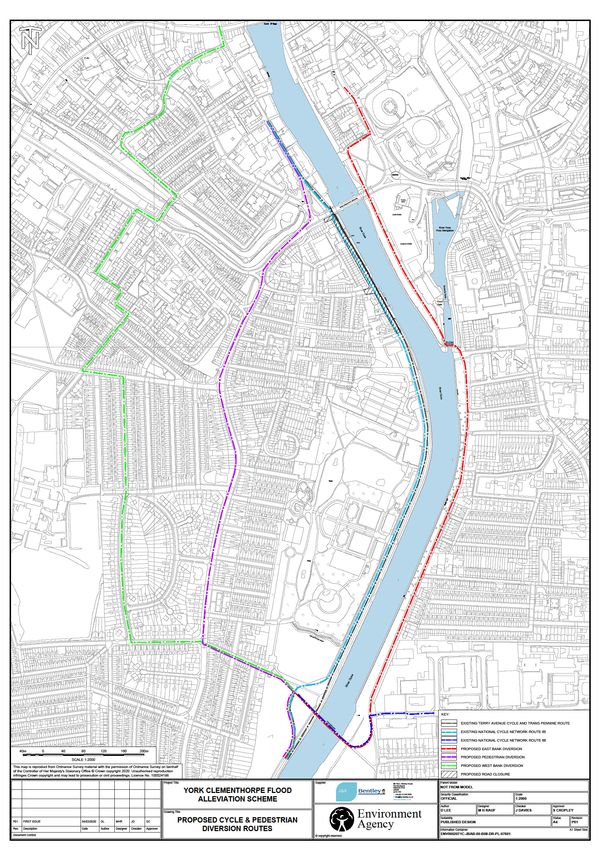
Figure 2 ‐ Pedestrian and cyclist diversions _________________________________________________ 9
Figure 3 ‐ Pedestrian and cyclist diversion route sign schedule _________________________________ 10
Figure 4 ‐ Purple arrows show vehicle diversion routes for approach to Clementhorpe area. _________ 12
Figure 5 – Blue arrows show vehicle diversion routes for exit from Clementhorpe area. _____________ 13
Figure 6 ‐ Vehicle diversion route sign schedule_____________________________________________ 14
Figure 7 – Access route ________________________________________________________________ 15
Figure 8 –Showing existing cycling infrastructure at Bishopthorpe Road/ Butcher Terrace junction as
highlighted in red ____________________________________________________________________ 16
Figure 9 ‐ Swept path analyses ‐ Bishopthorpe Road/ Butcher Terrace___________________________ 17
Figure 10 ‐ Plan view showing proposed parking bay suspensions on northern side of Butcher Terrace _ 18
Figure 11 ‐ Elevation showing proposed parking bay suspensions on northern side of Butcher Terrace _ 19
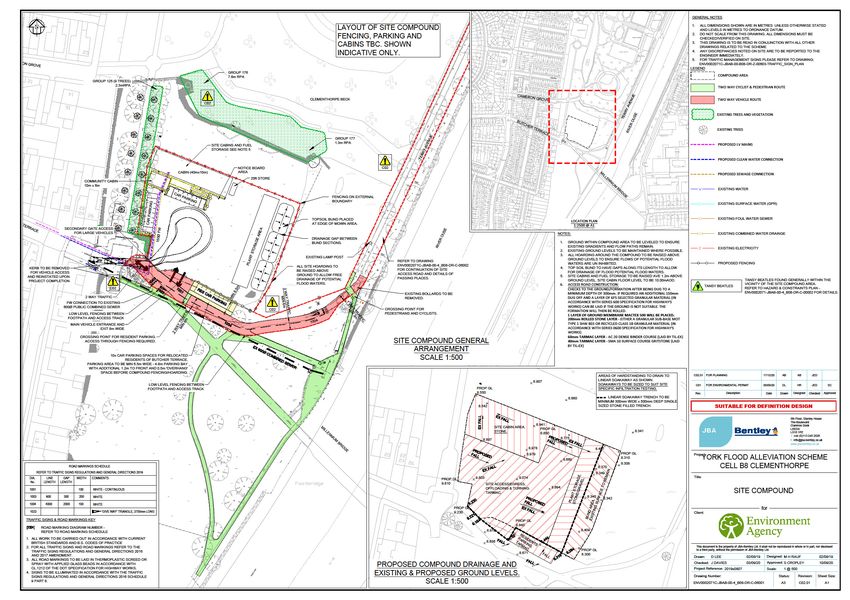
Figure 12 ‐ Plan of site compound. Red area = vehicular routing, Green area = pedestrian & cyclist
routing. ____________________________________________________________________________ 20
Figure 13 ‐ Swept path analyses demonstrating compound manoeuvres _________________________ 21
Figure 14 ‐ Overview of adopted highway _________________________________________________ 22
Figure 15 ‐ Diagram of speed cushion ‐ 3000 x 1900 x 75mm __________________________________ 23
Figure 16 ‐ Overview of passing place and speed cushion locations _____________________________ 24
Figure 17 ‐ Segregation and routing of pedestrians and cyclists (purple) _________________________ 25
Figure 18 ‐ Swept path analysis for Skeldergate, Clementhorpe and the Butcher Terrace turning head _ 28

                                                                                                     iv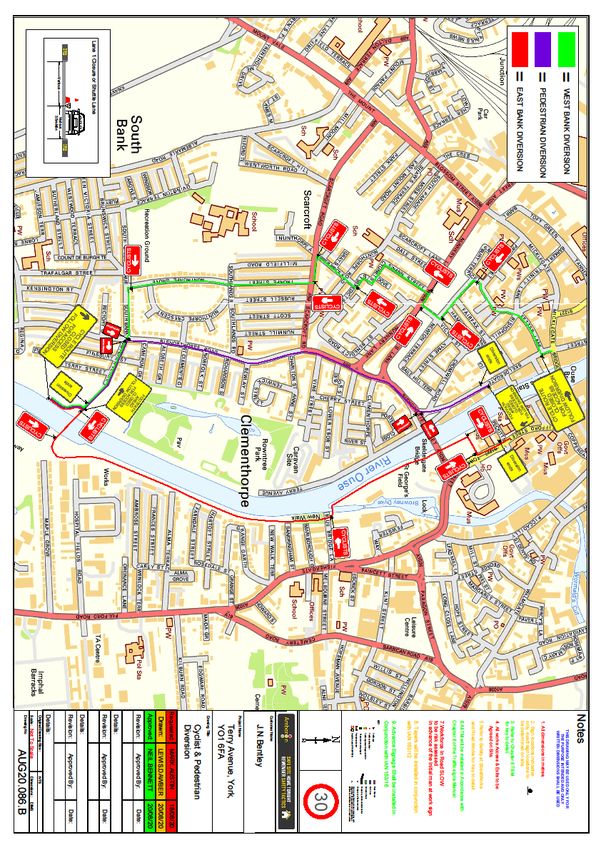
Table of Tables
Table 1 ‐ Construction vehicle numbers and type by month. Vehicle numbers broken down by junction
location _____________________________________________________________________________ 1
Table 2 ‐ Expected construction machinery by month _________________________________________ 3
Table 3‐ Number of permanent construction workers by phase _________________________________ 4
Table 4 ‐ Mitigations to be implemented for vehicles and pedestrians overview ___________________ 29

                                                                                                   v
1 Vehicle Information
1.1 Construction related vehicle numbers by month
The below vehicle numbers (Table 1) are estimates of those required at different stages within the construction programme. Large vehicle movements will be extremely rare, occurring mainly during the mobilisation and
demobilisation of the site compound/ deep soil mixing compound. These are located on Butcher Terrace and Terry Avenue (adjacent to Skeldergate Bridge) respectively. Large vehicles of this type will head directly to their
destination.

Small and large site vans will travel between the compound and worksite on Terry Avenue. The number of movements between the compound and the worksite has been estimated at 60 per day. This is based on 1 vehicle per
operative (due to COVID-19 restrictions) and on average, 10 operatives working per day. Each operative might be expected to have 6 back and forth trips for lunch, breaks etc. These movements are not included in Table 1.

To a lesser extent, there will also be instances when vehicles are required to leave site and use Bishopthorpe road/ Bishopgate Street to access via Skeldergate. Vehicles using Clementhorpe access will be restricted to just the
direct deliveries/ collections as part of the install works.

For the delivery of materials / equipment to site there will be a detailed route access map and information pertaining to current site restrictions which will be sent out in advance to all suppliers and contractors.
Banksmen will be in place for planned deliveries to site to ensure pedestrian and cyclist safety. In the event of an extra-long vehicle requiring access the banksman will manoeuvre the vehicle across to the other side of the road
once it is safe to do so to then allow it to swing into the site compound unloading area. The delivery entrances will be managed by the security guard and the activities recorded as required.

Table 1 - Construction vehicle numbers and type by month. Vehicle numbers broken down by junction location

 BISHOPTHORPE RD /
 BUTCHER TERRACE                  2021                                                                                                                            2022
                                                                                                                                                                                                                             CONTROL OF PLANT
   VEHICLE SIZE / MONTH           JANUARY      FEBRUARY      MARCH      APRIL     MAY    JUNE     JULY       AUGUST   SEPTEMBER   OCTOBER   NOVEMBER   DECEMBER   JANUARY   FEBRUARY   MARCH    APRIL   MAY    JUNE
                                                                                                                                                                                                                                 MOVEMENTS
   Small site van - 4.0m long*        0             1            2         2        2       2       2          2          3          3         3          3          2         1          1       1       1      1           No banksman required
   Large site van - 6.0m long*        0             4            6         6        6       6       6          6          8          8         8          8          6         4          4       4       4      4           No banksman required
  7.5T delivery vehicle - 8.35m
                                      0             3            2         2        2       2       2          2          1          1         1          1          1         2          2       2       2      2           No banksman required
               long
  18T delivery vehicle - 11.50m                                                                                                                                                                                              Banksman from top of
                                      0             2            2         2        2       2       2          2          1          1         1          1          1         2          2       2       2      2
               long                                                                                                                                                                                                       Butcher Terrace to compound
  20T haulage vehicle/tanker -                                                                                                                                                                                               Banksman from top of
                                      0             5            2         2        2       2       2          2          1          1         1          1          1         2          2       2       2      5
            9.8m long                                                                                                                                                                                                     Butcher Terrace to compound
   Low loader vehicle - 15.6m                                                                                                                                                                                                Banksman from top of
                                      0             1            0         0        1       0       0          1          0          0         0          0          0         0          0       0       0      1
               long                                                                                                                                                                                                       Butcher Terrace to compound
                                                                                                                                                                                                                             Banksman from top of
   Artic vehicle - 16.65m long        0             0            0         0        0       0       0          0          0          0         0          0          0         0          0       0       0      0
                                                                                                                                                                                                                          Butcher Terrace to compound
                       TOTALS         0            16           14        14       15      14      14          15        14         14         14         14         11        11        11       11     11      15

                                                                                                                                                                                                                                                    1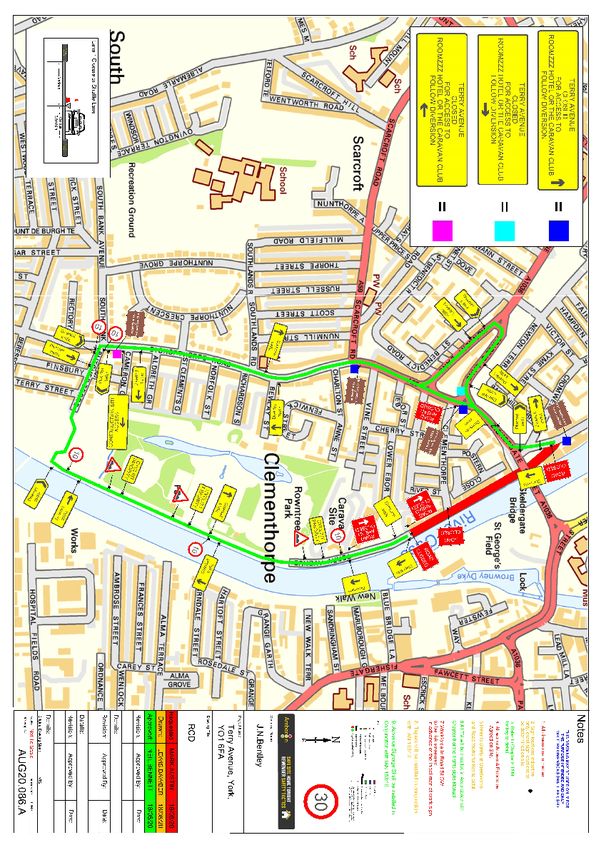
BISHOPTHORPE ROAD /
CLEMENTHORPE 2021 2022
CONTROL OF PLANT
VEHICLE SIZE / MONTH JANUARY FEBRUARY MARCH APRIL MAY JUNE JULY AUGUST SEPTEMBER OCTOBER NOVEMBER DECEMBER JANUARY FEBRUARY MARCH APRIL MAY JUNE
MOVEMENTS
Will use Butcher Terrace
Small site van - 4.0m long 0 0 0 0 0 0 0 0 0 0 0 0 0 0 0 0 0 0
Access
Will use Butcher Terrace
Large site van - 6.0m long 0 0 0 0 0 0 0 0 0 0 0 0 0 0 0 0 0 0
Access
7.5T delivery vehicle - 8.35m Will use Butcher Terrace
0 0 0 0 0 0 0 0 0 0 0 0 0 0 0 0 0 0
long Access
18T delivery vehicle - 11.50m Will use Butcher Terrace
0 0 0 0 0 0 0 0 0 0 0 0 0 0 0 0 0 0
long Access
20T haulage vehicle/tanker - Will use Butcher Terrace
0 0 0 0 0 0 0 0 0 0 0 0 0 0 0 0 0 0
9.8m long Access
Banksman from top of
Low loader vehicle - 15.6m
0 0 0 1 0 0 1 0 0 0 0 0 0 0 0 0 0 0 Clementhorpe (Grouting
long
setup)
Banksman from top of
Artic vehicle - 16.65m long 0 0 0 1 0 0 1 0 0 0 0 0 0 0 0 0 0 0 Clementhorpe (Grouting
setup)
TOTALS 0 0 0 2 0 0 2 0 0 0 0 0 0 0 0 0 0 0
SKELDERGATE / TERRY
AVENUE 2021 2022
CONTROL OF PLANT
VEHICLE SIZE / MONTH JANUARY FEBRUARY MARCH APRIL MAY JUNE JULY AUGUST SEPTEMBER OCTOBER NOVEMBER DECEMBER JANUARY FEBRUARY MARCH APRIL MAY JUNE
MOVEMENTS
Small site van - 4.0m long 0 0 0 1 1 1 1 1 1 1 1 1 1 1 1 1 1 1 No banksman required
Large site van - 6.0m long 0 0 0 3 3 3 3 1 1 1 1 1 1 1 1 1 1 1 No banksman required
7.5T delivery vehicle - 8.35m Banksman from Skeldergate
0 0 0 1 1 1 1 0 0 0 0 0 0 0 0 0 0 0
long (Grouting setup)
18T delivery vehicle - 11.50m Banksman from Skeldergate
0 0 0 1 1 1 1 0 0 0 0 0 0 0 0 0 0 0
long (Grouting setup)
20T haulage vehicle/tanker - Banksman from Skeldergate
0 0 0 1 1 1 1 0 0 0 0 0 0 0 0 0 0 0
9.8m long (Grouting setup)
Low loader vehicle - 15.6m
N/A N/A N/A N/A N/A N/A N/A N/A N/A N/A N/A N/A N/A N/A N/A N/A N/A N/A No Access possible
long
Artic vehicle - 16.65m long N/A N/A N/A N/A N/A N/A N/A N/A N/A N/A N/A N/A N/A N/A N/A N/A N/A N/A No Access possible
TOTALS 0 0 0 7 7 7 7 2 2 2 2 2 2 2 2 2 2 2
2
1.2 Construction machinery by month
The below vehicles will be delivered by lorry or low loader as appropriate. Most of the plant will be stored close to its location of operation. However, where
practicable, certain plant which is more mobile may be stored at the site compound at the end of the working day. Any movement of plant will be done in such
a way as to minimise disturbance to the residents. The deep soil mixing process will use its own dedicated batching plant which connects to the deep soil
mixing machine via hosing. The raw materials of this process include water and cement. Deliveries of raw materials to the batching plant will be required to
maintain the deep soil mixing operation. Delivery will take place via Skeldergate and Terry Avenue, close to Skeldergate Bridge.

Table 2 - Expected construction machinery by month

 Month                                          Type & Size
 February 2021 - Site access &                  21T steel tracked
                                                                           13T rubber tracked excavator           9T Cabbed dumper
 compound excavations                           excavator
 February 2021 - Site access &                  20T Stone tipper lorries   Tarmac tipper lorries and surfacing
                                                                                                                  5T rubber tracked excavator
 compound construction                          Concrete wagons            plant
                                                8T rubber tracked
 March 2021 – Dig downs for services                                       21T wheeled excavator                  20T Muck away wagons 20T Stone tipper lorries
                                                excavator
                                                1 x 8t Piling Rig
                                                                           1x deep soil mixing rig and batching   3 x deep soil mixing tankers/ raw material
 May 2021 – Grout curtain installation          (Klemm KR708 or
                                                                           plant                                  deliveries
                                                similar)
                                                                           20T Stone tipper lorries
 June 2021 – Flood gate installation            1x 30t Mobile Crane                                               20T Muck away wagons
                                                                           Concrete wagons
 June 2022 – Road reinstatement                 20T Stone tipper lorries   Large drum roller                      Tarmac tipper lorries and surfacing plant

                                                                                                                                                                  3
1.3 Construction worker vehicle numbers
Table 3- Number of permanent construction workers by phase
No. of
Month construction
workers
01/21 to 04/21 20
05/21 to 10/21 30
11/21 to 02/22 20
03/22 to 06/22 20
Based on a worst-case scenario, there will be up to 30 two-way trips for the majority of
the construction phase, in the AM and PM peak periods (07:30-08:30 and 17:00-18:00
hours).
1.4 Private vehicle numbers
Private traffic will be free to access the below premises 24 hours a day.
1.4.1 Roomzzz Hotel vehicles
Vehicles will comprise of service vehicles, private cars and taxis. The maximum
anticipated number of two way vehicles movements to Roomzzz Hotel will be 33 in the
am peak.
1.4.2 Caravan Park vehicles
Vehicles will comprise of cars towing caravans, motorhomes, private cars and service
vehicles. In terms of park guests, it is estimated that there will be 70 arrivals and
departures on Sundays and 45 arrivals and departures on other days of the week.
Discussions have been held with the caravan park to stagger arrivals of guests.
Unfortunately this will not be possible due to the logistics of organisation as well as the
unpredictability of guests adhering to specific times. Instead, the Caravan Park will aim
to hold early arrivals on site to prevent backing up into the highway.
1.4.3 Rowntree Park car park vehicles
Vehicles will comprise primarily of private cars. According to ticket purchase records,
August is the busiest month with on average 2,176 transactions which equates to 7 per
hour (based on a 10 hour day).
1.4.4 Pedestrian and cyclists
Pedestrians and cyclists will access the above premises along Terry Avenue from
Butcher Terrace or through Rowntree Park during opening hours.
41.5 Construction, employee and delivery vehicles access
1.5.1 Construction vehicles
The majority of the construction traffic will service the site compound, and the worksite
via Butcher Terrace and Terry Avenue. The deep soil mixing batching plant will be
serviced via Skeldergate and Terry Avenue, close to Skeldergate Bridge. Minimal
construction traffic will use Clementhorpe except for specific utility diversion works and
for the delivery/ collection of the deep soil mixing plant and equipment.
1.5.2 Employee vehicles
Employees will park personal vehicles at the site compound which they will access via
Butcher Terrace. Employees will then walk, or use site vans to reach the worksite.
1.5.3 Delivery vehicles
Apart from deliveries to the deep soil mixing batching plant, adjacent to Skeldergate
Bridge. All deliveries will be received at the site compound via Butcher Terrace. As
mentioned in section 2, deliveries to and dispatches from the site compound by certain
vehicles will be time restricted.
1.6 Private vehicles access
1.6.1 Caravan park vehicles
The caravan park will be accessed via Butcher Terrace and Terry Avenue. Guests of
the caravan park will arrive at 13:00 and check out at 12:00. Early arrivals will be
parked within the boundaries of the caravan park prior to processing to reduce
congestion on Butcher Terrace and Terry Avenue. Sufficient caravan park diversion
signage will be made available on all major approaches to the facility and passing
places will be clearly defined. Management will be reviewed and discussed with the
caravan site at regular intervals as works progress. Arrangements have been made to
ensure caravan park guests are provided updated directions to the park as well as
information relating to the construction of the flood defences. Guests will be strongly
encouraged to not arrive early.
1.6.2 Rowntree Park, Roomzzz Hotel and houseboat vehicles
Rowntree Park car park will be accessed via Butcher Terrace and Terry Avenue.
Vehicle access for the boat moorings is not required as alternative parking will be
provided at either Roomzzz Hotel, the Caravan Park or both. Pedestrian access to the
houseboats will be maintained via a gate located on the riverside of Terry Avenue,
close to Dukes Wharf. This gate will be secured with a padlock or combination code.
The gate will lead into segregated access around the worksite to all boats. There may
be times when the access needs to be changed to accommodate the construction
works but this will be well managed and communicated in advance to the houseboats.
Sufficient Roomzzz Hotel diversion signage will be made available on all major
approaches to the hotel and passing places will be clearly defined.
52 Working Hours
Working hours will be 07:30 to 17:00 hours, Monday to Friday. Only in exceptional
circumstances would weekend working be carried out between 09:00 and 13:00 on
Saturdays. This would be communicated via the Environment Agency’s usual methods
in advance to allow residents to make adequate preparations.
Deliveries to and dispatch from the site compound only, for large vehicles equal to or in
excess of 7.5t, shall be confined to 09:30 to 14:30 Monday to Friday (school term time)
and 09:00 to 17:00 (school holidays or when schools are closed). In exceptional
circumstances, deliveries and dispatches to the site compound will take place between
09:00 to 13:00 hours on Saturdays. Smaller vehicles, such as delivery vans will not be
restricted by these times and will deliver to and dispatch from the site compound
between 09:00 to 17:00 Monday to Friday and in exceptional circumstances, 09:00 to
13:00 hours on Saturdays.
Deliveries to and dispatch from site will be restricted on race days as outlined here,
https://www.yorkracecourse.co.uk/news-york-2021-season-dates.html?cat=3.
Lockdown and social distancing dependent, current race day fixtures would impact the
following days:
Wednesday 12th to Friday 14th May 2021
Friday 11th June 2021
Friday 9th July 2021
Friday 23rd July 2021
Wednesday 18th to Friday 20th August 2021
Friday 8th October 2021
2022 fixtures are yet to be confirmed.
63 Site Maintenance
A road sweeper will be made available to remove deposits of mud and/ or other debris
on Butcher Terrace and Terry Avenue.
The existing footway on the west side of Terry Avenue will be initially and regularly
cleaned of debris to ensure pedestrians are not discouraged from using it.
74 Vehicle routing and waiting
4.1 The road closure
As part of the construction work, Terry Avenue, north of Skeldergate Bridge to Dukes
Wharf will be closed to pedestrians, cyclists and vehicles as shown in Figure 1.
Figure 1 – Terry Avenue road closure
A Temporary Traffic Regulation Order (TTRO) has been submitted to CYC highways
and has been approved. The road closure will be in place for 12 months from 01 March
2021. The Caravan Park, Rowntree Park car park and Roomzzz Hotel will be forced to
use the new access route. Dukes Wharf will be required to use its rear entrance for the
duration of the road closure. The main car park entrance to Waterfront House will be
available most of the time, but will be closed to facilitate works at the Clementhorpe/
Terry Avenue junction. During these times, Waterfront House will be required to use its
rear entrance.
84.2 Pedestrian and cyclist diversion route map
Figure 2 - Pedestrian and cyclist diversions
94.3 Pedestrian and cyclist diversion route sign schedule
Figure 3 - Pedestrian and cyclist diversion route sign schedule
10The diversion options that have been proposed for users of Terry Avenue &
Clementhorpe have been developed from an initial limited selection. The site
constraints and restricted access to Terry Avenue have led to viable alternatives being
difficult to establish. However, the project team believe the proposed routes are
workable alternatives and use existing and available infrastructure. Discussions have
been held between the EA, cyclist groups and York City Council on a number of the
diversion proposals.
4.3.1 Pedestrians/ Trans Pennine Trail
Our proposed diversion is along Bishopthorpe Road.
4.3.2 Cyclists/National Cycle Route 65/ Trans Pennine Trail
There are two proposed diversions:
1. Via the eastern bank of the River Ouse (existing City of York cycling
infrastructure);
2. Via Nunthorpe Grove (existing City of York cycling infrastructure).
114.4 Vehicle Diversions
4.4.1 Vehicle approach
Figure 4 - Purple arrows show vehicle diversion routes for approach to Clementhorpe area.
124.4.2 Vehicle exit
Figure 5 – Blue arrows show vehicle diversion routes for exit from Clementhorpe area.
134.5 Vehicle diversion route sign schedule
Figure 6 - Vehicle diversion route sign schedule
144.6 The Access Route
To site
Roomzzz Hotel
Caravan Park
Rowntree Park
car park
Site compound
Access Route
Figure 7 – Access route
To ensure continuity of access throughout the Terry Avenue closure, the above access
route (Figure 7) will be used for construction vehicles between the site compound and
the site as well as private vehicles destined for Roomzzz Hotel, the Caravan Park,
Rowntree Park car park and the Houseboats.
The access route will be open to pedestrians and cyclists but access will not be
permitted through the construction site on Terry Avenue between Dukes Wharf and
north of Skeldergate Bridge. Cyclists and pedestrians wishing to bypass the
construction site or are travelling north to south will be required to adopt the west or
east diversion route to navigate around the Terry Avenue road closure. Refer to Figure
2 for diversion details.
154.7 Access route modifications & detail
4.7.1 Bishopthorpe Road/ Butcher Terrace Junction
Figure 8 –Showing existing cycling infrastructure at Bishopthorpe Road/ Butcher Terrace junction as
highlighted in red
Our swept path analyses have demonstrated that large articulated construction
vehicles in excess of 15m in length or fixed vehicles in excess of 10m will be unable to
turn right into Butcher Terrace from Bishopthorpe Road and left turns from Butcher
Terrace onto Bishopthorpe Road will also not be possible for articulated construction
vehicles in excess of 15m in length and rigid vehicles in excess of 12m.
Therefore, larger vehicles will approach the junction from the north and turn left into
Butcher Terrace. Similarly, larger vehicles leaving Butcher Terrace will turn right to
head north along Bishopthorpe Road. Swept path analyses for this junction can be
found below (Figure 9).
All large vehicles will be escorted by banksman when making the turn. The number of
large vehicles making this turn will be minimal which will ensure reduced disturbance
within the shopping area along Bishopthorpe Road. Larger vehicles will continue to
head north along Bishopthorpe Road towards Fulford Road or the A1036 and out of the
city. Where possible, deliveries will be made using smaller vehicles.
All other vehicles related to the construction will approach from and be directed to the
south on Bishopthorpe Road.
Haulers will be informed ahead of delivery/ collection about the correct route to take to
reach the compound depending on vehicle size.
16Figure 9 - Swept path analyses - Bishopthorpe Road/ Butcher Terrace
174.7.2 Butcher Terrace
To allow for increased traffic flow and additional space for users such as cyclists, a
temporary Traffic Regulation Order (TTRO) will be implemented to suspend parking on
the northern side of the road between Bishopthorpe Road and the compound location
(see Figure 10 & Figure 11). Double yellow lines and potentially no parking cones will
be used down the northern side of the street. Access for those houses with private
driveways will not be impacted. It is recognised that these additional restrictions are
likely to inconvenience some residents, so to mitigate this we will provide an alternative
temporary residents’ parking area immediately outside our compound area. Residents
will need to display any relevant parking permits as the compound parking will be an
extension of parking zone R58C. The alternative parking will not be available until the
bays are constructed. During this time, residents will be required to find their own
parking.
An advisory speed limit of 10mph along Butcher Terrace will be in effect.
Cycle usage is at its height in the morning and evening peaks. Despite Butcher Terrace
being the main access route for construction vehicles, it is thought that the majority of
the traffic will be leisure-based and occur mainly outside of the peak cycling times.
Traffic data shows that in the past five years there have been no accidents recorded
along Butcher Terrace and only one minor injury accident recorded at the junction with
Bishopthorpe Road.
A holding area will be available at York Racecourse coach park should there be
insufficient capacity to accept a delivery in the compound or if multiple vehicles arrive
simultaneously. To reduce the likelihood of this, keen planning and communication with
haulers will be undertaken
The use of adjacent roads to access the site compound by construction traffic will not
be permitted.
Figure 10 - Plan view showing proposed parking bay suspensions on northern side of Butcher Terrace
18Figure 11 - Elevation showing proposed parking bay suspensions on northern side of Butcher Terrace
4.7.3 Access road (Adjacent to site compound)
Access to the site compound will be via the end of Butcher Terrace. Construction and
private vehicles will utilise the access road to access the compound and Terry Avenue.
Please refer to Figure 12 for details on traffic routing on the access road as well as within
the site compound. The compound will comprise of two access gates. One main gate
and a secondary gate to facilitate access for larger vehicles. This secondary gate will
remain closed when not needed.
Figure 12 demonstrates our approach to segregating vehicles from pedestrians and
cyclists along the access road. All vehicular traffic, both construction and public will
navigate via the red bounded areas whilst cyclists and pedestrians will navigate via the
green bounded areas. Suitable barriers and fencing will be installed to prevent cross
traffic. Existing lighting columns which clash with the highway will be relocated or
temporary lighting provided.
Butcher Terrace displaced parking will be located within the boundary of the compound
but accessed independently of it.
Construction vehicles entering the compound will complete any turning manoeuvres
within the confines of the compound to prevent reversing within the public highway, refer
to Figure 13. Construction vehicle movements in and out of the compound will be under
the supervision of a banksman.
The access road itself, where possible, will use existing paved and tarmacked
infrastructure (see Figure 14), but this will be widened to accommodate vehicular
traffic. Grassed areas adjacent to the existing infrastructure will be taken to facilitate
this but will be reinstated post construction. A licence has been agreed between the EA
and CYC to enable the use of adjacent land to widen the existing highway. Existing
bollards will be moved to allow vehicular access but prevent misuse of Millennium
Bridge. Constructed ramps will be installed where required.
19Figure 12 - Plan of site compound. Red area = vehicular routing, Green area = pedestrian & cyclist routing.
20Figure 13 - Swept path analyses demonstrating compound manoeuvres
21Figure 14 - Overview of adopted highway
224.7.4 Terry Avenue (Between access road and Dukes Wharf)
Due to the linearity and narrowness of Terry Avenue it is necessary to install a series of
vertical traffic calming measures or speed cushions (Figure 15) and passing places
(Figure 16). Figure 16 shows the location of the speed cushions and passing places
which will be located between the southernmost point of Rowntree Park and Dukes
Wharf. Speed cushions will be placed at 70m centres and passing places installed in
suitable locations. Six potential areas have been identified, five in the grass verge
between trees, and one in front of the main gates to Rowntree Park.
Pedestrian safety will be maintained by directing users to the pavement which runs the
length of the highway. Foliage and debris along the western footpath of Terry Avenue
will be kept as clear as possible to encourage its use. Our site team will actively
monitor this stretch of pavement and take action when required.
Figure 15 - Diagram of speed cushion - 3000 x 1900 x 75mm
Crossing points will be installed to allow pedestrian access to the River Ouse viewing
decks. These will be identified with pedestrian crossing point signage and road vehicles
warned of these pedestrian crossing points in advance.
Smaller construction vehicles (work vans, delivery vehicles and 20T haulage wagons)
will access the construction site via Terry Avenue where possible rather than
Clementhorpe. These vehicles will be turned/ reversed within our road closure area,
see Figure 18.
23Figure 16 - Overview of passing place and speed cushion locations
24Pedestrian/
cyclist/ vehicle
Pedestrian
barriers
Crossing
Figure 17 - Segregation and routing of pedestrians and cyclists (purple)
254.7.5 Terry Avenue (Adjacent to Skeldergate Bridge)
In the main, access to Terry Avenue, via Skeldergate, will be used by deep soil mixing
supply vehicles providing materials for the deep soil mixing works. These critical supply
vehicles will reverse down Terry Avenue from Skeldergate towards Skeldergate Bridge
under the control of a banksman. When leaving Terry Avenue, vehicles will head down
Skeldergate towards Micklegate/ Bridge Street. Alternatively, vehicles can turn left out
of Terry Avenue towards Bishopgate Street but our swept path analyses indicate that
this is a difficult manoeuvre. On arrival, vehicles will pull up on Skeldergate and signal
the banksman prior to the manoeuvre taking place.
Deep soil mixing tankers will approach and exit York via the A64. Due to the difficult left
turn from Terry Avenue onto Skeldergate, tankers will reach the A64 via Bridge Street
=> Tower Street => Fulford Road, in most cases.
Refer to Figure 18 for swept path analyses.
264.7.6 Clementhorpe
At Clementhorpe larger vehicles (Articulated and Low-loader vehicles) will need
access/ egress for deliveries/ collections of larger plant and equipment, specifically as
part of setting up and removing our sub-contractor’s deep soil mixing compound and
installing the below ground flood defences. The access/ egress has already been
assessed for suitability and safety by our site team and sub-contractor. Transit of these
large vehicles will be under the control of a banksman at all times from the top of
Clementhorpe down through site and then reversing/ manoeuvring into place.
Banksman will also be used when these vehicles leave site via Clementhorpe.
There will need to be other vehicles on occasion accessing Clementhorpe as there will
be works on the dry side of the proposed flood gate. These vehicles will be under the
control of a banksman as required.
Refer to Figure 18 for swept path analyses.
27Figure 18 - Swept path analysis for Skeldergate, Clementhorpe and the Butcher Terrace turning head
284.8 Additional Access Management Information
Table 4 - Mitigations to be implemented for vehicles and pedestrians overview
Description Vehicle Routes Pedestrian Routes
Signage displayed, and instruction given.
Site Entrance Adequate sight lines, maps, security and vehicle Crossing point over public highway
and Exit management. established and clearly outlined. Vehicle
marshal to be in place for planned deliveries
to site to ensure pedestrian safety.
Separate delivery unloading area and parking
Pedestrian walkway marked around
Parking Areas spaces. Delivery entrance managed and
perimeter of car park to limit distances
activities recorded. Crossing points established
travelled within car movement area.
where traffic enters and leaves the parking
area.
Office and welfare facilities will be in a secure Site compound established as a pedestrian
Offices and Welfare Facilities compound, with segregation barriers to prevent only zone. Instruction given to staff in site
vehicle access. Signs used to direct traffic into induction to provide information on the traffic
parking areas and away from the secure management plan within the site compound.
compound.
One-way system provides a safe means of
Primary Traffic Routes access through the site and minimises the Segregated pedestrian walkway established
number of pedestrian crossings required. This away from traffic route. Pedestrian crossing
will also be available to prevent any reversing point provided with good visibility splays.
on the adjacent roads.
Pedestrian activity managed within storage
Storage area clearly segregated and situated
compound and highlighted in site induction.
away from areas with high pedestrian activity.
Storage Areas and Loading Bays Warning signs erected to alert drivers of the
Traffic flow managed to maintain a one-way
potential for pedestrian movements with the
system within the storage area.
area.
29Drivers going to and from their cars will
10 Spaces provided for residents due to the follow the pedestrian routes and signage will
Butcher Terrace residents temporary
parking suspension on the northern side of be placed to highlight that these parking
parking bays outside JNB compound
Butcher Terrace bays are for residents parking only and to be
left clear.
Access along the footpath as usual with
Access along Terry Avenue with signage
Rowntree Park Car Park and Park segregation between pedestrians and
warning of pedestrian crossing points. Passing
Maintenance area vehicles. Crossing points with clear signage
places clearly defined.
warning of vehicles.
Access along Terry Avenue with signage Access along the footpath as usual with
warning of pedestrian crossing points. Passing segregation between pedestrians and
York Rowntree Park Caravan Club
places clearly defined. This will be reviewed as vehicles. Crossing points with clear signage
works progress. warning of vehicles.
Access along Terry Avenue with signage
warning of pedestrian crossing points. Passing
Access along the footpath as usual with
places clearly defined. Customers and delivery
segregation between pedestrians and
Roomzzz Hotel vehicles will be advised of the access
vehicles. Crossing points with clear signage
restrictions. There has been additional signage
warning of vehicles.
advised to be installed on all major routes into
York.
Vehicle access for moorings is not anticipated
as replacement parking will be provided but will Contact numbers for the site team and the
Boat Moorings on Terry Avenue
be discussed with site team and moorings moorings owners will be shared.
owners as Construction works progress.
305 Communications
5.1 Community Engagement
The Environment Agency will engage with the community throughout the construction
phase. This engagement will take the form of regular updates on the progress of the
scheme. We will also utilise a notice board close to the compound with key messages.
It may also be necessary to carry out bespoke communications with residents to inform
them of emergency works or potential deviations from the CTMP. These
communications will be handled by our comms team and distributed via social media
and hardcopy if required.
Please also refer to the Construction Environment Management Plan (CEMP)
Appendix B: York Contractor Engagement Code of Practice.
5.2 Active Feedback
We will be encouraging feedback from residents and the public about our performance
whilst constructing the Clementhorpe flood defences. We will be making available
contact information on our compound notice board and site entrances which will allow
the public to contact us about concerns, complaints and praise. We will also be
providing a community engagement cabin within the boundaries of the site compound
which will be open for the public to drop in and speak with a member of staff. The cabin
will be accessible from Rowntree Park rather than the construction site compound. The
opening days and hours for the engagement cabin are yet to be decided.
The Environment Agency has a number of existing processes and procedures which
will be applicable to any issues or complaints submitted to the team. In some
instances, these processes and procedures will be adjusted to suit the requirements of
the scheme.
To begin with, any issues or complaints will be logged in a control document (Excel
spreadsheet) recording the:
Name of the correspondent
The date of the correspondence;
The date that the correspondence must be replied to;
The subject matter;
The person responsible for the response;
The actions that are required to resolve the matter;
Whether the matter was resolved; and
Whether the matter has been logged as a complaint
Details of how to contact us will be present on our website, on all public notice boards
around the site, within the community engagement cabin and by request from our York
flood plan e-mail account (yorkfloodplan@environment-agency.gov.uk).
At present, we aim to respond to correspondence within ten working days. We usually
respond much quicker than this, however, some queries that rely on information from
external parties can sometimes take longer periods.
For all correspondence, including that which contains complaints, we will attempt to
resolve the matter via providing the necessary information, or taking the necessary
31actions. If the correspondent remains unsatisfied with the steps that we have taken, we
will continue to engage and seek to resolve the matter, whilst also advising the
correspondent as to how they can submit a formal complaint. This advice will include
information about the complaints process, which is as follows:
Complaints process
We define a complaint as "any expression of dissatisfaction about our work decisions
or our staff". A complaint can therefore be related to any aspect of our work (or that of
our contractors), staff behaviour or our communications.
If you are dissatisfied with our work please contact us at:-
National Customer Contact Centre
PO Box 544
Rotherham
S60 1BY
Email: enquiries@environment-agency.gov.uk
Telephone 03708 506 506
Telephone from outside the UK +44 (0) 114 282 5312
Monday to Friday, 8am to 6pm.
We operate a two-stage complaints process with the emphasis being on understanding
and resolving the customer’s complaint at Stage 1. If a customer remains dissatisfied
after the initial response, we will escalate the complaint to a manager for further review
and response.
Should the customer still be dissatisfied on completion of Stage 2 they may refer the
complaint to the relevant ombudsman. The ombudsman is independent of the
Environment Agency and will only consider complaints after we have had the chance to
resolve them.
326 The review period
6.1 Monitoring
The site construction team and visitors will be briefed on the content of the
Construction Traffic Management Plan and be empowered to highlight any areas on
site that need improvement. There will be a weekly review by the site manager and
areas revised accordingly to ensure the safe passage of all road users, including
pedestrians and cyclists.
As agreed with the council, the CTMP as well as traffic mitigation and pedestrian and
cyclist diversion routes will be monitored on a regular basis. The first stage of
monitoring will take place within six weeks of commencement of development and then
nominally every 3 months, or whenever particular issues of concern arise. A safety
review by an independent road safety auditor will also be conducted post mobilisation.
Recommendations will be considered, agreed with the council and implemented as
necessary. The CTMP will be updated in light of any agreed changes.
The Environment Agency will endeavour to address issues once reported by the public
as quickly as possible by the process outlined in section 5.2. Any issues brought to our
attention will be logged, categorised and discussed at review meetings for the benefit
of all. Specific areas of concerns can be flagged and closely monitored for future
reporting.
Agendas and minutes will be made publically available for transparency. Concerns or
issues raised by the public or lobby groups must be submitted to the Environment
Agency in the first instance via the process outlined in section 5.2. These issues will
then be raised at review meetings with the council.
337 Emergency procedures
Please refer to our flood evacuation plan. In the event of an emergency the site team
will notify e-mail/ call a member of the highways team to inform them that emergency
procedures will be implemented. It may be prudent for highways to provide the EA with
an “on-call” out of hour’s list of contacts in case an evacuation is needed outside of
standard working hours.
Once communicated with the council, we will then inform the public and relevant
stakeholders of our evacuation via e-mail and social media platforms. We will also use
groups such as the Clementhorpe Emergency Committee to spread the message.
7.1 Access for Emergency Vehicles
All temporary access points are sufficient to allow access for the emergency services.
348 Control Measures
8.1 Construction Environmental Management Plan
The Construction Environmental Management Plan (CEMP) includes measures that
will maintain highway safety during construction, for example regular road sweeping as
well as mitigation of noise, vibration and dust.
359 Road Safety Audit
An RSA level 1 and 2 has been carried out in conjunction with York Council. The RSA
1 and 2 provided recommendations that will be implemented as part of this CTMP.
Once the construction compound is mobilised, construction and diversion routes
established, a safety inspection will be undertaken by an independent road safety
auditor in conjunction with City of York Council. Any issues flagged by the safety
inspection will be discussed with City of York Council and where necessary remedied.
When the scheme is substantially complete, a level 3 RSA will be conducted to assess
the impact of permanent changes to the highway.
36You can also read


