APPROACH TO SARS-COV-2 VACCINATION IN PATIENTS WITH MULTIPLE SCLEROSIS
←
→
Page content transcription
If your browser does not render page correctly, please read the page content below
PERSPECTIVE
                                                                                                                                            published: 21 June 2021
                                                                                                                                   doi: 10.3389/fimmu.2021.701752

                                          Approach to SARS-CoV-2
                                          Vaccination in Patients With
                                          Multiple Sclerosis
                                          Christina Woopen , Katharina Schleußner , Katja Akgün and Tjalf Ziemssen *

                                          Center of Clinical Neuroscience, Department of Neurology, University Hospital Carl Gustav Carus Dresden, Technical
                                          University of Dresden, Dresden, Germany

                                          For more than a year now, severe acute respiratory syndrome coronavirus 2 (SARS-CoV-2)
                                          has been causing the coronavirus disease (COVID-19) pandemic with high mortality and
                                          detrimental effects on society, economy, and individual lives. Great hopes are being placed
                                          on vaccination as one of the most potent escape strategies from the pandemic
                                          and multiple vaccines are already in clinical use. However, there is still a lot of insecurity
                           Edited by:
                                          about the safety and efficacy of vaccines in patients with autoimmune diseases like multiple
                         Ingo Drexler,
            Heinrich Heine University,    sclerosis (MS), especially under treatment with immunomodulatory or immunosuppressive
                            Germany       drugs. We propose strategic approaches to SARS-CoV-2 vaccination management in MS
                      Reviewed by:        patients and encourage fellow physicians to measure the immune response in their
                     Javier Carbone,
   Gregorio Marañón Hospital, Spain      patients. Notably, both humoral and cellular responses should be considered since the
             Wayne Robert Thomas,         immunological equivalent for protection from SARS-CoV-2 after infection or vaccination still
      University of Western Australia,
                                          remains undefined and will most likely involve antiviral cellular immunity. It is important to
                            Australia
                                          gain insights into the vaccine response of immunocompromised patients in order to be able
                  *Correspondence:
                         Tjalf Ziemssen   to deduce sensible strategies for vaccination in the future.
tjalf.ziemssen@uniklinikum-dresden.de
                                          Keywords: severe acute respiratory syndrome coronavirus 2 (SARS-CoV-2), coronavirus disease (COVID-19),
                                          vaccination, multiple sclerosis, immunotherapy, immunomodulation, CD20, immune response
                   Specialty section:
         This article was submitted to
                          Vaccines and
              Molecular Therapeutics,
               a section of the journal
                                          INTRODUCTION
              Frontiers in Immunology
                                          Severe acute respiratory syndrome coronavirus 2 (SARS-CoV-2) is the viral pathogen that causes
            Received: 28 April 2021       coronavirus disease 2019 (COVID-19). Typical clinical manifestations range from mild upper
           Accepted: 07 June 2021         respiratory tract symptoms to respiratory failure, severe COVID-19 disease can even lead to septic
           Published: 21 June 2021
                                          shock and multi-organ failure. Neurological complications encompass cerebrovascular disease,
                             Citation:    encephalopathy, seizures, and Guillain-Barré syndrome, amongst others (1, 2). Since the emergence
            Woopen C, Schleußner K,
                                          of SARS-CoV-2 in Wuhan, China, in December 2019, the virus has spread worldwide and led to a
     Akgün K and Ziemssen T (2021)
Approach to SARS-CoV-2 Vaccination
                                          persistent pandemic with more than 2.960.000 deaths and an enormous social and economic burden
   in Patients With Multiple Sclerosis.   (3, 4). The protective capacity of the adaptive immune response to SARS-CoV-2 seems to depend
          Front. Immunol. 12:701752.      not only on virus-specific antibodies but also on the cellular response to infection (5–9) and
    doi: 10.3389/fimmu.2021.701752        vaccination (10–12).

Frontiers in Immunology | www.frontiersin.org                                    1                                         June 2021 | Volume 12 | Article 701752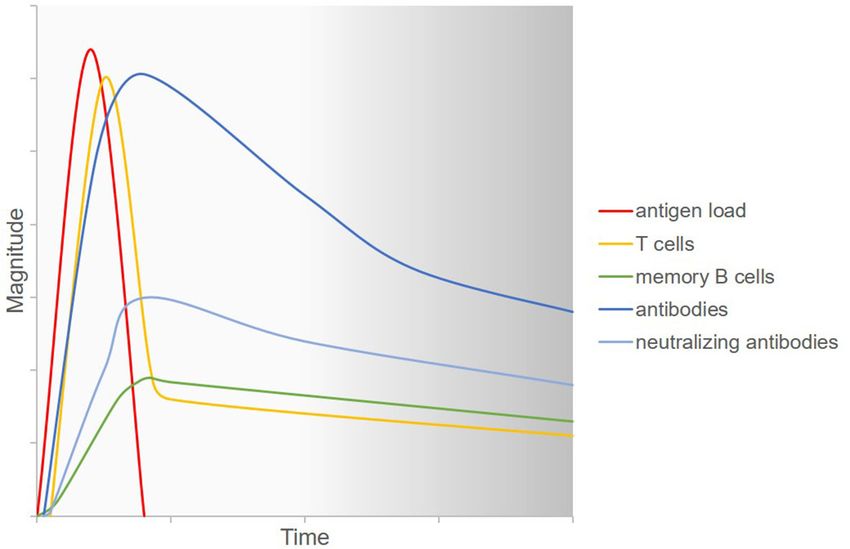
Woopen et al.                                                                                               SARS-CoV-2 Vaccination in MS Patients

    The rapid development of several vaccines against SARS-CoV-            NON-LIVE VACCINES ARE SAFE IN MS
2 is a major achievement of the scientific community (13). As of            PATIENTS WITH AND WITHOUT DMT
April 2021, three vaccines have been approved for emergency use
by the United States Food and Drug Administration: the                     Vaccination has been relieving the world of infections with
messenger ribonucleic acid (mRNA) vaccines BNT162b2                        multiple pathogens for more than a century (36). While
developed by Pfizer-BioNTech and mRNA-1273 by Moderna,                      vaccines have been safely and efficaciously administered for a
and the vector vaccine Ad26.COV2.S by Janssen (14).                        long time, doubts about the safety of vaccine application in
Additionally to the three aforementioned vaccines, the                     patients with autoimmune disorders have repeatedly arisen and
European Commission granted conditional marketing                          led to insufficient vaccination of MS patients. Case reports
authorization for a fourth vaccine also based on viral vector              suggested an elevated relapse frequency in MS patients after
technology: ChAdOx1 nCoV-19 (AZD1222) by Oxford-                           vaccination (37, 38). However, many studies have since been able
AstraZeneca (15). Vaccines based on DNA, viral protein, and                to show that the employment of non-live vaccines in patients
inactivated virus platforms are being administered in other parts          with MS is safe and does not constitute an increased risk for
of the world (16). Another 88 vaccines are currently in clinical           relapse (39–42). This is why current patient care guidelines, e.g.
and 184 in pre-clinical development worldwide (17).                        by the American Academy of Neurology (43) or the German
    Multiple sclerosis (MS) is an autoimmune-mediated disorder             Vaccination Commission (44), recommend the application of
defined by a timely and locally disseminated inflammation of the             standard local vaccination schemes also in patients with MS.
central nervous system (18). 2.8 million people worldwide are              Likewise, established DMT does not constitute a contraindication
affected by MS which is moreover the most common neurological              to immunization with non-live vaccines.
cause of disability in young adults (19). In most cases, the disease           Vaccines against SARS-CoV-2 currently authorized in
is initially characterized by relapses but it often evolves into a         Europe and the United States are based on mRNA and viral
chronic progressive course over time. For around 15% of                    vector technology and hence belong to the group of non-live
patients, the disease takes a progressive clinical course from the         vaccines. As they are the first of their type in clinical use,
beginning (20). Fortunately, several different types of                    representative data on their application in MS patients are still
immunomodulatory and immunosuppressive therapies have                      limited. However, deducing from studies on the safety of other
become available over the last decades. Application of these               non-live vaccines in patients with MS and from the first
disease-modifying therapies (DMT) significantly reduces                     reported data on the application of BNT162b2 in MS patients
relapse frequency but some DMT are also associated with a                  (45), it is very likely that the authorized SARS-CoV-2 vaccines
higher susceptibility to infections (21–23). While MS patients do          as well as DNA, viral protein, and inactivated virus vaccines will
not have an increased risk of SARS-CoV-2 infection or severe               prove to be safe as well (16). Only live attenuated vaccines
COVID-19 disease per se, the risk is elevated in the presence of           should be avoided in MS patients under DMT due to a risk of
comorbidities, higher age, greater MS-associated disability,               infection. Based on a thorough benefit-risk assessment
progressive MS disease course, and under treatment with some               including first experiences with BNT162b2 and ChAdOx1
types of DMT (24–28). Based on data available up until now,                nCoV-19 in MS patients in Israel and England, the
CD20+ B cell-depleting therapies increase the probability of               MS International Federation (46) and the German MS
SARS-CoV-2 infection and of severe COVID-19 in MS patients                 Association (47) recommend vaccinating all eligible MS
and in patients with rheumatic and musculoskeletal disease (24,            patients with non-live SARS-CoV-2 vaccines as it is of utmost
29–31). A trend for an increased risk of contracting COVID-19              importance to minimize the infection and concomitant relapse
symptoms was also reported for patients treated with                       risk in this group.
alemtuzumab and cladribine (32). MS patients with a history of
methylprednisolone therapy in the last four weeks had an
elevated risk for a worse outcome of COVID-19 disease (29).                VACCINATION IS PROTECTIVE, YET
Patients treated with beta-interferons and glatiramer acetate, in          PARTLY LESS EFFECTIVE UNDER
contrast, were shown to have a reduced COVID-19 risk (24).
Notably, immunocompromised patients may be confronted with
                                                                           CERTAIN DMT
the hazard of viral escape mutations during chronic SARS-CoV-2             Besides the discussed safety issues concerning SARS-CoV-2
infection (33). Infections constitute a major risk for relapse in MS       immunization in MS patients, the question of vaccine efficacy
patients (34) and, on top of this, infection-associated relapses are       needs to be addressed. Multiple studies evaluating the
more likely to induce sustained disability compared to relapses            effectiveness of different vaccines in MS patients with and
not associated with infection (35). Taking this into account, the          without DMT have been conducted and several reviews on this
SARS-CoV-2 pandemic poses an additional threat to MS patients              topic are available (30, 48–50):
apart from the risks associated with COVID-19 disease itself.
SARS-CoV-2 vaccination has recently become available as an                 • For MS patients without DMT, no difference was found in
effective tool to reduce the risk of infection. However, there is a          the virus-specific humoral and cellular response to the
lot of insecurity about the safety and efficacy of SARS-CoV-2                 seasonal influenza vaccine as compared to healthy controls
vaccination among MS patients and practitioners.                             (49, 51–53).

Frontiers in Immunology | www.frontiersin.org                          2                                   June 2021 | Volume 12 | Article 701752
Woopen et al. SARS-CoV-2 Vaccination in MS Patients • Beta-interferons are cytokines that unfold their • Alemtuzumab is a monoclonal anti-CD52 antibody leading to immunomodulatory effects via different cascades downstream depletion of mature lymphocytes. With regard to vaccination of the interferon receptor. For treatment with these substances, in alemtuzumab-treated patients, only one study is available. several studies were able to show that the humoral response to Here, responses to multiple vaccine types were maintained, multiple vaccine types is not adversely affected (42, 53–58). but the responding proportion was lower when immunization • Glatiramer acetate is a synthetic copolymer consisting of four took place within 6 months of treatment (65). amino acids that simulates myelin basic protein. Treatment • Cladribine is a purine analog which causes lymphocyte causes immunomodulatory effects on both innate and depletion by interfering with DNA synthesis, repair and cell adaptive immune responses including a shift from a T metabolism. For cladribine, no conclusive data on vaccination helper type 1 to a T helper type 2 and regulatory T cell are available yet, but multiple studies are currently being profile. Since pro-inflammatory T helper type 1 responses are conducted (48, 66). usually needed for protective immunity against infectious • Ocrelizumab, rituximab, and ofatumumab are anti-CD20 agents, glatiramer acetate might be expected to impair monoclonal antibodies leading to depletion of B cells in vaccine responses. However, sufficient immune responses to the circulation. Concerning treatment with humanized inactivated seasonal influenza vaccine were mounted in three anti-CD20 antibody ocrelizumab, humoral responses studies in glatiramer acetate treated MS patients, with a lower to multiple vaccines were attenuated as compared to MS protection rate compared to healthy controls in only one of patients with beta-interferon or without treatment. However, the studies (42, 53, 57). immunization was able to elicit seroprotection or a • Teriflunomide inhibits the enzyme dihydroorotate considerable increase in antigen-specific antibody levels in dehydrogenase which leads to a reduced cell proliferation, ocrelizumab-treated patients when administered with an especially of activated lymphocytes. For teriflunomide, most interval of 12 weeks to the time point of treatment or all subjects reached seroprotection in response to different initiation (67). As for chimeric mouse-human anti-CD20 vaccine types (55, 59). In one of the studies, the geometric monoclonal antibody rituximab, similar results with mean antibody titer after immunization with inactivated attenuated humoral responses to tetanus toxoid and rabies vaccine was significantly lower in subjects receiving influenza immunization were reported in patients with teriflunomide as compared to the ones receiving placebo, but rheumatological and hematological disorders. The all reached seroprotective levels so that a clinical relevance of magnitude of immunization-elicited antibody responses was this observation may be doubted (59). partly associated with the degree of B cell repletion at the time • Dimethyl fumarate reduces inflammation via nuclear factor of vaccine administration (68–70). First data on the humoral erythroid 2-related factor (Nrf2)-dependent and – response to SARS-CoV-2 mRNA vaccines in patients with independent mechanisms. Regarding dimethyl fumarate, chronic inflammatory diseases show reduced or even responses to multiple vaccine types were not significantly undetectable virus-specific IgG and neutralizing antibody affected compared to patients taking beta-interferons but only titers in patients under B cell-depleting therapies (71). one published study is available for this agent (58). Recently, a case was reported in which SARS-CoV-2 mRNA • Sphingosine-1-phosphate (S1P) receptor modulators prevent vaccine BNT162b2 failed to prevent COVID-19 in a patient the exit of lymphocytes from lymph nodes. Fingolimod and with relapsing MS under ocrelizumab treatment. The patient siponimod caused a reduced humoral and cellular immune had received the first vaccine dose approximately two weeks response to different vaccines according to evidence from after the last infusion of ocrelizumab, followed by the second several studies (42, 53, 60–62). Based on these findings, it is vaccine dose around three weeks after the first one. Two and a recommended in the summary of product characteristics of half weeks after the completed immunization, the patient siponimod to discontinue treatment one week before until developed symptoms of a respiratory tract infection and four weeks after a planned vaccination. As the treatment SARS-CoV-2 was detected in a nasopharyngeal swab (72). interruption may provoke MS disease activity, this decision Overall, the available data suggest that the timing of must be based on a thorough benefit-risk-assessment and vaccination in relation to the treatment cycle of B cell further data are needed to evaluate efficacy and risk of this depletion may be decisive for the development of a strategy. For the newer S1P receptor modulator ozanimod, no protective immune response. In order to enhance vaccine studies on vaccination are published yet (48). efficacy, Baker et al. suggest the possibility of stretching the • Natalizumab blocks the alpha-4 chain of the very late antigen interval between doses of CD20-depleting therapies so that 4 (VLA-4) on different inflammatory cells hindering them immunization takes place at a time point where immature B from entering the central nervous system. In natalizumab cells are already recovering whereas memory B cells are still treatment, two studies did not show significant differences depleted, the latter preventing re-activity of autoimmune concerning vaccine-specific antibody responses to several disease (73). In this regard, monthly administered types of immunization. Three other studies, however, found subcutaneous human B cell-depleting agent ofatumumab lower protection rates after influenza vaccination for may offer the advantage of a shorter time span until CD19+ natalizumab-treated patients compared to healthy controls B cell repletion takes place (74). For ocrelizumab treatment, it (42, 53, 57, 63, 64). is often suggested to vaccinate patients at the end of a Frontiers in Immunology | www.frontiersin.org 3 June 2021 | Volume 12 | Article 701752
Woopen et al.                                                                                             SARS-CoV-2 Vaccination in MS Patients

  treatment cycle with a minimum distance of four to six weeks              for the latter three types of immunomodulation, it is
  to the next cycle (66, 75). However, these experientially                 necessary to gather more evidence on the efficacy of
  suggested time points need further confirmation in clinical                immunization and the most suitable time point of
  studies. Without doubt, the best strategy is to vaccinate                 vaccination in relation to the treatment cycle as the
  patients before starting treatment with depleting therapies               acquired data may have implications for future disease
  but this is not always feasible in clinical routine. Notably, the         management and vaccination schedules.
  discussed studies focused mostly on humoral responses so                • Second, all of the studies cited above were conducted with
  that more information is needed on the role of the cellular               inactivated, polysaccharide, conjugate, toxoid vaccines, or
  immune response to immunization in patients under B cell-                 neoantigens. However, currently authorized vaccines against
  depleting therapies.                                                      SARS-CoV-2 in Europe and the United States are based on
• High-dose corticosteroids are often employed for relapse                  mRNA and viral vector technology. Vaccines from these
  treatment in MS. However, no studies on vaccine efficacy in                platforms have never been examined in MS patients before
  this treatment regimen are available. Data about the impact of            so that not all of the available data concerning the efficacy of
  long-term low-dose glucocorticoid treatment on vaccine                    other vaccine types may be transferable (30).
  efficacy in patients with pulmonary or rheumatological                   • Third, we need to collect information on the durability
  diseases show small or no effects on humoral immune                       of protective immune responses. As for the vaccine trials,
  responses to non-live vaccines (48, 76, 77). Impaired                     immunological data concerning the adaptive humoral
  immune responses after influenza vaccination were shown                    response are available for a maximum of 119 days after
  for patients with systemic lupus erythematodes receiving                  first vaccination with mRNA-1273 by Moderna (79–82),
  prednisone doses higher than 20 mg per day (78).                          day 85 after the first administration of BNT162b2 by
  Preliminary data on SARS-CoV-2 mRNA vaccination in                        Pfizer-BioNTech (10, 83), day 71 after application of
  patients with chronic inflammatory diseases showed                         Ad26.COV2.S by Janssen (12, 84), and day 56 after the
  reduced antibody titers and decreased neutralizing capacity               first vaccination with ChAdOx1 nCoV-19 by Oxford-
  when patients were receiving glucocorticoid therapy (71). In              AstraZeneca (11, 85, 86). Published data on the adaptive
  clinical practice, an interval of two to four weeks between               cellular response cover an even shorter time span after
  immunization and high-dose corticosteroid MS relapse                      vaccination. After the aforementioned time points, we lack
  therapy is often recommended.                                             data on the further development of the adaptive immune
• In summary, most of the agents in use for the treatment of MS             response. Moreover, we do not know whether the data
  allow for the mounting of a protective immune response to                 from the vaccine trials in the general population are also
  vaccines but responses can be reduced under some of them.                 applicable to MS patients with and without DMT. Further
  Timing may be a crucial factor for the purpose of enhancing               research on this subject is urgently needed in order to be
  vaccine efficacy.                                                          able to make sensible decisions about re-vaccination schemes
                                                                            in the future.
                                                                          • Fourth, it will be necessary to monitor the evolution of SARS-
                                                                            CoV-2 mutations possibly escaping the vaccination-elicited
THE NECESSITY OF MEASURING VIRUS-                                           immune response. There have been reports about circulating
SPECIFIC IMMUNE RESPONSES IN MS                                             viral mutants that subvert the neutralizing capacity of
PATIENTS AFTER SARS-COV-2                                                   antibodies elicited by natural infection or SARS-CoV-2
                                                                            vaccination (87, 88). Less is known about the protective
VACCINATION                                                                 capacity of non-neutralizing SARS-CoV-2-specific
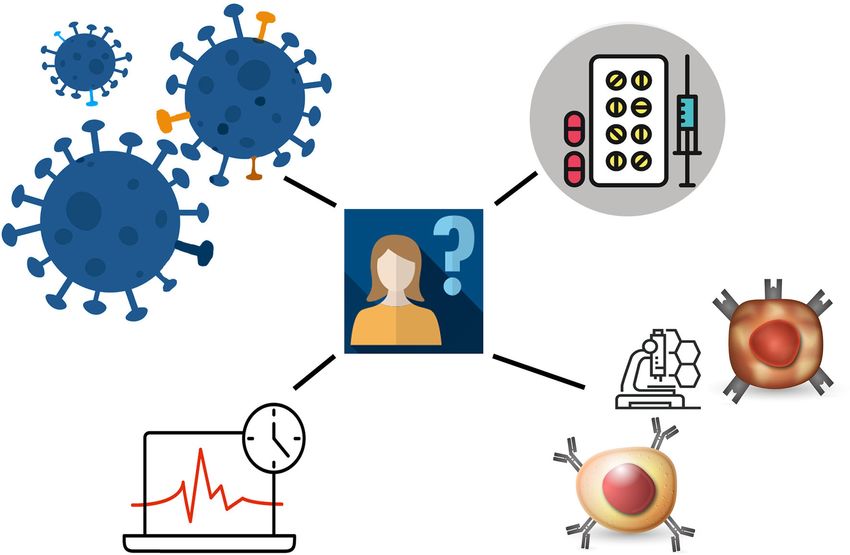
We would like to encourage fellow physicians and scientists                 antibodies. Data from animal models suggest that Fc
to measure both humoral and cellular immune responses to                    receptor-mediated mechanisms might play a role in
SARS-CoV-2 vaccination in MS patients for a number of                       protection from SARS-CoV-2 infection as well (89).
reasons (Figure 1).                                                         Possibly, such non-neutralizing antibodies are more
                                                                            robustly potent with regard to escape mutants as they
• First, the available evidence for vaccination under some of the           usually target more conserved epitopes (87). Furthermore,
  DMT is still limited. For a few of them, only one or no                   the cellular response elicited by vaccination may be more
  published study at all is available (dimethyl fumarate,                   diverse and cross-protective against escape mutants as already
  ozanimod, alemtuzumab, cladribine). Other therapies have                  shown for influenza virus infection in mice (70, 90). It is
  only been investigated with regard to one type of vaccine (e.g.,          necessary to pursue the protective capacity of vaccination
  glatiramer acetate). Based on the data available until now,               against SARS-CoV-2 mutants in order to be able to react in a
  vaccination is most likely efficacious under treatment with                timely manner if vaccine adaptations turn out to be required.
  beta-interferons, glatiramer acetate, teriflunomide, dimethyl              This is especially true for immunocompromised patients who
  fumarate, and natalizumab. By contrast, vaccine responses                 might develop a less robust immune response after
  under S1P receptor modulators, B cell depletion, and high-                vaccination and might hence be more prone to infection
  dose corticosteroids are expected to be attenuated. Especially            with viral escape mutants.

Frontiers in Immunology | www.frontiersin.org                         4                                  June 2021 | Volume 12 | Article 701752
Woopen et al. SARS-CoV-2 Vaccination in MS Patients
FIGURE 1 | Open questions concerning SARS-CoV-2 vaccination in MS patients. Several issues regarding the vaccination against COVID-19 in MS patients still
need to be addressed by further studies. For one, it is not clear, whether vaccination is as efficacious in patients receiving immunomodulating therapies as it is in
healthy people. Second, the immunological equivalent of a protective immune response to vaccination has not been determined yet – are B cells and antibodies
essential, is a specific T cell response needed? Furthermore, the durability of immune responses after vaccination is unknown. Lastly, it needs to be observed
whether SARS-CoV-2 generates mutants that escape protection of a vaccine-elicited immune response.
PROTECTIVE IMMUNE RESPONSE yellow fever virus, smallpox, and SARS-CoV (94). In another study,
AGAINST SARS-COV-2 highly functional SARS-CoV-2-specific CD4+ and CD8+ T cells
were detectable for more than three months after infection. Here,
In most studies on vaccination efficacy in the past, humoral virus-specific memory CD4+ T cells exhibited T helper type 1 and
responses were measured as correlate for a protective immune type 17 cytokine profiles upon stimulation, hence producing the
response (48). Frequently used parameters include antigen- cytokines that are needed for class-switching to IgG and IgA (96). In
specific and neutralizing antibody titers or hemagglutination asymptomatic and mild SARS-CoV-2 infection, the virus-specific T
inhibition titers. However, measuring the humoral response cell response was shown to be more pronounced than the antibody
alone is not always suitable for a precise characterization of response and T cells exhibited antiviral functional properties even
virus-specific immune responses as already shown for the case of when antibodies were not detectable at all (6, 97).
varicella-zoster virus (VZV) infection (91). The important question is which of these components of the
The adaptive immune response after SARS-CoV-2 infection is adaptive immune system confers protection. It was shown that
characterized by heterogenous humoral and cellular responses convalescent plasma transfer in COVID-19 patients was more
which are furthermore interdependent (Figure 2). After COVID- efficacious when SARS-CoV-2-binding antibody titers in plasma
19 disease, spike-binding and neutralizing IgG antibodies declined were higher (98), leading to the assumption that virus-specific
only slightly up until 8 months after infection (94). In asymptomatic antibodies mediate protection against viral replication in infected
individuals infected with SARS-CoV-2, however, titers of virus- patients and therewith might also protect from reinfection. Possibly,
specific and neutralizing antibodies started to decrease as soon as the amount of antibody itself is, however, not as relevant as the
two to three months after infection (95). The number of virus- potential ability to produce antibody upon rechallenge. It was
specific memory B cells increased until three months (96) and even suggested that antigen-specific memory B cells may be more
up until eight months after infection (94). SARS-CoV-2-specific relevant than antibody levels for long-term immunity in some
CD4+ and CD8+ T cells were shown to have a half-life of three to viral infection settings as the memory B cells are able to
five months, even though a less pronounced decline can be expected proliferate and differentiate into plasma cells upon reinfection
beyond eight months after antigen exposition based on data from (99–101). For this reactivation of memory B cells, interaction with
Frontiers in Immunology | www.frontiersin.org 5 June 2021 | Volume 12 | Article 701752Woopen et al. SARS-CoV-2 Vaccination in MS Patients
FIGURE 2 | Current understanding of the adaptive immune response to SARS-CoV-2 infection. Upon infection with SARS-CoV-2, the virus replicates in the human host
and hence antigen load increases. Virus-specific T cells are generated and fight the virus so that antigen load decreases. Simultaneously, B cells differentiate into plasma
cells which produce antiviral antibodies. A part of the secreted antibodies have neutralizing capacities. Memory B cells emerge which can secrete specific antibodies more
rapidly upon rechallenge with the antigen. All of the aforementioned agents of the immune system decrease over time. However, the long-term kinetics of this decrease
and the response to a possible repeated viral challenge at various time points are not known. Figure adapted with permission from (92, 93).
memory CD4+ T cells is needed. In line with this, a correlation was therapy with S1P receptor modulators, B cell-depleting agents, and
shown between the CD4+ T cell response and SARS-CoV-2-specific cladribine. SARS-CoV-2 itself often causes lymphopenia as well
IgG and IgA levels (6). Apart from providing help for B cells, virus- and the lack of lymphocytes can in turn lead to increased viral load
specific CD4+ and CD8+ T cells play a crucial role in protecting the and therewith disease severity. Lymphopenia even serves as a
organism from SARS-CoV-2 via other mechanisms (5–7, 9, 10). As prognostic indicator of COVID-19 disease severity (107). It is
a matter of fact, SARS-CoV-2-specific CD4+ and CD8+ T cells were imaginable that lymphopenia before SARS-CoV-2 infection as
each associated with milder disease in one study while neutralizing observed in MS patients under certain DMT hence also facilitates
antibody titers were not (8). In patients with genetic viral spread. First data by Achiron et al. on the immune response in
agammaglobulinemia, T cells were able to protect from severe MS patients after vaccination with BNT162b2 provided evidence
COVID-19 disease in the absence of B cells (102). For the closely that humoral vaccine responses were attenuated in most patients
related SARS-CoV, which was the cause for a global outbreak with under treatment with ocrelizumab and fingolimod. For both
high morbidity and mortality in 2002 and 2003 (103), it was shown therapies, the extent of the humoral response did not depend on
that virus-specific memory CD8+ T cells may still confer protection the absolute lymphocyte count (108). Regarding ocrelizumab, the
at a time when antibodies and memory B cells are not detectable any failure to produce vaccine-specific IgG antibodies is likely due to the
more (104). depletion of the B cell lineage which is responsible for antibody
Immune correlates for protection against SARS-CoV-2 have production. As for fingolimod, the humoral vaccine response was
not been defined yet. However, high titers of virus-binding and also attenuated independently of the degree of lymphopenia. It was
neutralizing antibody in combination with a CD4+ T helper type shown that the therapeutic effect of fingolimod is not linked to the
1 response and a solid amount of SARS-CoV-2-specific cytotoxic absolute lymphocyte count, and it was suggested that it rather
CD8+ T cells seem to be suitable predictors of a reduced risk of depends on the amount of CD19+ B cells and CD4+ T cells (109).
infection with SARS-CoV-2 and of a decreased probability Analogically, the failure to produce sufficient amounts of anti-
of severe COVID-19 disease (11, 12). The potential role of SARS-CoV-2 antibodies may also be due to the lack of these
measuring antigen-specific memory B cells for the evaluation specific subsets instead of the low absolute number of
of long-term protective immunity should also be discussed for lymphocytes. Possibly, CD19+ B cell and CD4+ T cell counts
SARS-CoV-2 as has been proposed likewise for dengue virus, may hence be a predictor of the efficacy of humoral vaccine
smallpox, and VZV (100, 101, 105, 106). responses in patients under DMT. Further studies will be needed
As discussed above, DMT modulate the immune system in MS to evaluate this hypothesis.
patients and therewith the response to infectious agents and A less frequent laboratory abnormality in MS patients under
vaccination. It would be helpful to be able to discern the DMT is hypogammaglobulinemia. It appears especially in patients
individual capacity to mount a protective immune response after who have been on B cell-depleting agents over a long period of time
vaccination based on immunological parameters. The most frequent (30, 110). As mentioned above, B cell-depleted patients have an
laboratory finding in this context is lymphopenia, especially under increased risk for contracting a SARS-CoV-2 infection and for
Frontiers in Immunology | www.frontiersin.org 6 June 2021 | Volume 12 | Article 701752Woopen et al. SARS-CoV-2 Vaccination in MS Patients
severe COVID-19 disease. Patients with low antibody levels due to Most studies addressing the immunogenicity of SARS-CoV-2
common variable immunodeficiency are more susceptible to severe vaccines employed ELISA for the detection of spike protein- and
COVID-19 disease as well. Thus, hypogammaglobulinemia may receptor binding domain (RBD)-specific binding antibody,
also be a predictor for higher susceptibility to and severity of different forms of neutralization assays, interferon-gamma
COVID-19 in patients with acquired hypogammaglobulinemia (IFN-µ) enzyme-linked immunospot (ELISpot) assays of
(30, 111). Possibly, a reduced vaccine response can be expected in peripheral blood mononuclear cells (PBMC), and intracellular
these patients as well. However, the impaired immune response is in cytokine staining of CD4+ and CD8+ T cells. SARS-CoV-2 spike
all likelihood causally connected not to the low amount of pre- protein- and RBD-binding antibody titers correlated tightly with
existing antibody levels but to the underlying lack of B cells. neutralizing antibody titers in several vaccination studies (81, 84,
Overall, there is an interdependence between the different 86, 117). In order to be able to compare our data with the data
immune compartments, but possibly also at least a partial from the vaccine trials, we will measure SARS-CoV-2 RBD-
redundance. The immunomodulation conferred by many DMT specific binding antibody titers and conduct IFN-µ ELISpot
in MS patients does not impair the immune response as assays of PBMC. Data acquired via a SARS-CoV-2
profoundly as nonselective immunosuppressive agents. B cell- QuantiFERON ® test (QIAGEN ® ) measuring the IFN-µ
depleted MS patients, for example, may profit from a robust secretion of lymphocytes stimulated with two SARS-CoV-2
virus-specific T cell response, even if antibodies are not produced antigen pools will be compared to the ELISpot data. By adding
sufficiently. This highlights the importance of examining both an ELISA for the detection of nucleocapsid-specific antibodies,
arms of the adaptive immune response. we will gather information on whether patients may have been
infected with SARS-CoV-2 before or after vaccination. The
aforementioned will be conducted as an observational clinical
MEASURING HUMORAL AND CELLULAR study in our center. In parallel, we participate in prospective,
RESPONSES TO VACCINATION multicenter, open-label, low-intervention phase IV clinical trials
evaluating the use of SARS-CoV-2 mRNA vaccines in MS patients
We suggest measuring the humoral as well as cellular immune treated with siponimod or ofatumumab (NCT04792567 and
responses after SARS-CoV-2 vaccination in MS patients. EUDRACT 2021-000307-20, respectively).
Reasonable time points for the measurement of the adaptive
immune response would be before the vaccination, and 4 and 8
weeks after administration of the first vaccine dose to evaluate the
immunological efficacy of the vaccination. We propose recurrent CONCLUSION
measurements 6 and 12 months after the immunization in order to MS patients should be vaccinated against SARS-CoV-2 as soon
be able to estimate the durability of a protective immune response. as possible in order to reduce their infection and associated
Certain caveats need to be addressed with respect to the relapse risk. Extrapolating from other studies with non-live
analysis of vaccine responses. As for the analysis of anti-SARS- vaccines, application of currently authorized SARS-CoV-2
CoV-2 antibodies, multiple different assays are in use. On the one vaccines is expected to be safe in patients with MS. However,
hand, there are assays for the detection of antibodies that bind vaccination may induce an attenuated immune response in
different antigens of the virus, most frequently the spike protein patients under certain DMT and evidence on sensible time
or parts of it and the nucleocapsid. On the other hand, different points for vaccination, especially in B cell-depleting therapy, is
assays are available evaluating the neutralizing properties of the currently lacking. Therefore, we propose to closely survey MS
antibodies including plaque reduction neutralization assays, patients after vaccination and to measure their humoral and
microneutralization assays, and pseudovirus neutralization cellular responses to SARS-CoV-2 vaccination.
assays, amongst others. Partly, these tests have generated
unreliable data and some of the available enzyme-linked
immunosorbent assays (ELISA) for the measurement of
binding antibodies have exhibited limited precision (112, 113). DATA AVAILABILITY STATEMENT
A new optimized quantitative test for SARS-CoV-2 spike- and
nucleocapsid-binding IgG and IgM antibodies has recently been The original contributions presented in the study are included in
developed based on chemiluminescence enzyme immunoassay the article/supplementary material. Further inquiries can be
(CLEIA) technology with the goal of being able to determine a directed to the corresponding author.
threshold for the definition of protective immunity soon (114).
The measurement of cellular responses poses certain
problems as well. Frequently measured outcome parameters AUTHOR CONTRIBUTIONS
for the quantification of the amount and functionality of the T
cell response include proliferation and cytokine secretion of T CW wrote the manuscript and created the figures. TZ designed
cells after stimulation with antigen peptide pools. Besides the and revised the manuscript. KA and KS provided critical
composition and length of the peptides themselves, peptide feedback and are in charge of conducting the described studies
concentration and number of peptides in the respective pool in our center. All authors contributed to the article and approved
may significantly influence the results (115, 116). the submitted version.
Frontiers in Immunology | www.frontiersin.org 7 June 2021 | Volume 12 | Article 701752Woopen et al. SARS-CoV-2 Vaccination in MS Patients
REFERENCES 22. Smith TE, Kister I. Infection Mitigation Strategies for Multiple Sclerosis
Patients on Oral and Monoclonal Disease-Modifying Therapies. Curr Neurol
1. Vakili K, Fathi M, Hajiesmaeili M, Salari M, Saluja D, Tafakhori A, et al. Neurosci (2021) 21:36. doi: 10.1007/s11910-021-01117-y
Neurological Symptoms, Comorbidities, and Complications of COVID-19: 23. Luna G, Alping P, Burman J, Fink K, Fogdell-Hahn A, Gunnarsson M, et al.
A Literature Review and Meta-Analysis of Observational Studies. Eur Neurol Infection Risks Among Patients With Multiple Sclerosis Treated With
(2021) 1–18. doi: 10.1159/000516258 Fingolimod, Natalizumab, Rituximab, and Injectable Therapies. JAMA
2. Pezzini A, Padovani A. Lifting the Mask on Neurological Manifestations of Neurol (2020) 77:184–91. doi: 10.1001/jamaneurol.2019.3365
COVID-19. Nat Rev Neurol (2020) 16:636–44. doi: 10.1038/s41582-020-0398-3 24. Reder AT, Centonze D, Naylor ML, Nagpal A, Rajbhandari R, Altincatal A,
3. Wang D, Hu B, Hu C, Zhu F, Liu X, Zhang J, et al. Clinical Characteristics of et al. Covid-19 in Patients With Multiple Sclerosis: Associations With
138 Hospitalized Patients With 2019 Novel Coronavirus–Infected Disease-Modifying Therapies. CNS Drugs (2021) 35:317–30. doi: 10.1007/
Pneumonia in Wuhan, China. Jama (2020) 323:1061–9. doi: 10.1001/ s40263-021-00804-1
jama.2020.1585 25. Fan M, Qiu W, Bu B, Xu Y, Yang H, Huang D, et al. Risk of COVID-19
4. World Health Organization (COVID-19) Dashboard. (2021). Available at: Infection in MS and Neuromyelitis Optica Spectrum Disorders. Neurol -
https://covid19.who.int/ (Accessed April 15, 2021). Neuroimmunol Neuroinflamm (2020) 7(5):e787. doi: 10.1212/nxi.
5. Ni L, Ye F, Cheng M-L, Feng Y, Deng Y-Q, Zhao H, et al. Detection of 0000000000000787
SARS-CoV-2-Specific Humoral and Cellular Immunity in COVID-19 26. Parrotta E, Kister I, Charvet L, Sammarco C, Saha V, Charlson RE, et al. Covid-19
Convalescent Individuals. Immunity (2020) 52:971–7.e3. doi: 10.1016/ Outcomes in MS: Observational Study of Early Experience From NYU Multiple
j.immuni.2020.04.023 Sclerosis Comprehensive Care Center. Neurol - Neuroimmunol Neuroinflamm
6. Grifoni A, Weiskopf D, Ramirez SI, Mateus J, Dan JM, Moderbacher CR, (2020) 7(5):e835. doi: 10.1212/nxi.0000000000000835
et al. Targets of T Cell Responses to SARS-CoV-2 Coronavirus in Humans 27. Louapre C, Collongues N, Stankoff B, Giannesini C, Papeix C, Bensa C, et al.
With COVID-19 Disease and Unexposed Individuals. Cell (2020) 181:1489– Clinical Characteristics and Outcomes in Patients With Coronavirus Disease
501.e15. doi: 10.1016/j.cell.2020.05.015 2019 and Multiple Sclerosis. JAMA Neurol (2020) 77:1079–88. doi: 10.1001/
7. Braun J, Loyal L, Frentsch M, Wendisch D, Georg P, Kurth F, et al. SARS- jamaneurol.2020.2581
Cov-2-Reactive T Cells in Healthy Donors and Patients With COVID-19. 28. Chaudhry F, Bulka H, Rathnam AS, Said OM, Lin J, Lorigan H, et al. Covid-
Nature (2020) 587:270–4. doi: 10.1038/s41586-020-2598-9 19 in Multiple Sclerosis Patients and Risk Factors for Severe Infection.
8. Moderbacher CR, Ramirez SI, Dan JM, Grifoni A, Hastie KM, Weiskopf D, J Neurol Sci (2020) 418:117147. doi: 10.1016/j.jns.2020.117147
et al. Antigen-Specific Adaptive Immunity to SARS-CoV-2 in Acute 29. Sormani MP, Rossi ND, Schiavetti I, Carmisciano L, Cordioli C, Moiola L,
Covid-19 and Associations With Age and Disease Severity. Cell (2020) et al. Disease-Modifying Therapies and Coronavirus Disease 2019 Severity in
183:996–1012.e19. doi: 10.1016/j.cell.2020.09.038 Multiple Sclerosis. Ann Neurol (2021) 89:780–9. doi: 10.1002/ana.26028
9. McMahan K, Yu J, Mercado NB, Loos C, Tostanoski LH, Chandrashekar A, 30. Zheng C, Kar I, Chen CK, Sau C, Woodson S, Serra A, et al. Multiple
et al. Correlates of Protection Against SARS-CoV-2 in Rhesus Macaques. Sclerosis Disease-Modifying Therapy and the COVID-19 Pandemic:
Nature (2021) 590:630–4. doi: 10.1038/s41586-020-03041-6 Implications on the Risk of Infection and Future Vaccination. CNS Drugs
10. Sahin U, Muik A, Vogler I, Derhovanessian E, Kranz LM, Vormehr M, et al. (2020) 34:879–96. doi: 10.1007/s40263-020-00756-y
BNT162b2 Induces SARS-CoV-2-Neutralising Antibodies and T Cells in 31. Loarce-Martos J, Garcı́a-Ferná ndez A, Ló pez-Gutié rrez F, Garcı́a-Garcı́a V,
Humans. Infect Dis (except HIV/AIDS) [Preprint] (2020) 1–49. doi: 10.1101/ Calvo-Sanz L, del Bosque-Granero I, et al. High Rates of Severe Disease and
2020.12.09.20245175 Death Due to SARS-CoV-2 Infection in Rheumatic Disease Patients Treated
11. Ewer KJ, Barrett JR, Belij-Rammerstorfer S, Sharpe H, Makinson R, Morter With Rituximab: A Descriptive Study. Rheumatol Int (2020) 40:2015–21.
R, et al. T Cell and Antibody Responses Induced by a Single Dose of doi: 10.1007/s00296-020-04699-x
ChAdOx1 nCoV-19 (AZD1222) Vaccine in a Phase 1/2 Clinical Trial. Nat 32. Costa GD, Leocani L, Montalban X, Guerrero AI, Srensen PS, Magyari M,
Med (2021) 27:270–8. doi: 10.1038/s41591-020-01194-5 et al. Real-Time Assessment of COVID-19 Prevalence Among Multiple
12. Stephenson KE, Gars ML, Sadoff J, de Groot AM, Heerwegh D, Truyers C, Sclerosis Patients: A Multicenter European Study. Neurol Sci (2020)
et al. Immunogenicity of the Ad26.COV2.S Vaccine for COVID-19. Jama 41:1647–50. doi: 10.1007/s10072-020-04519-x
(2021) 325(15):1535–44. doi: 10.1001/jama.2021.3645 33. Kemp SA, Collier DA, Datir RP, Ferreira IATM, Gayed S, Jahun A, et al.
13. Lurie N, Saville M, Hatchett R, Halton J. Developing Covid-19 Vaccines at Sars-CoV-2 Evolution During Treatment of Chronic Infection. Nature
Pandemic Speed. New Engl J Med (2020) 382:1969–73. doi: 10.1056/ (2021) 592:277–82. doi: 10.1038/s41586-021-03291-y
nejmp2005630 34. Correale J, Fiol M, Gilmore W. The Risk of Relapses in Multiple Sclerosis
14. U.S. Food & Drug Administration: COVID-19 Vaccines. (2021). Available at: During Systemic Infections. Neurology (2006) 67:652–9. doi: 10.1212/
https://www.fda.gov/emergency-preparedness-and-response/coronavirus- 01.wnl.0000233834.09743.3b
disease-2019-covid-19/covid-19-vaccines (Accessed April 15, 2021). 35. Buljevac D, Flach HZ, Hop WCJ, Hijdra D, Laman JD, Savelkoul HFJ, et al.
15. European Commission: Safe COVID-19 Vaccines for Europeans. (2021). Prospective Study on the Relationship Between Infections and Multiple
Available at: https://ec.europa.eu/info/live-work-travel-eu/coronavirus- Sclerosis Exacerbations. Brain (2002) 125:952–60. doi: 10.1093/brain/awf098
response/safe-covid-19-vaccines-europeans_en (Accessed April 15, 2021). 36. Greenwood B. The Contribution of Vaccination to Global Health: Past,
16. Kelly H, Sokola B, Abboud H. Safety and Efficacy of COVID-19 Vaccines in Present and Future. Philos Trans R Soc B Biol Sci (2014) 369:20130433.
Multiple Sclerosis Patients. J Neuroimmunol (2021) 356:577599. doi: 10.1098/rstb.2013.0433
doi: 10.1016/j.jneuroim.2021.577599 37. Herroelen L, de Keyser J, Ebinger G. Central-Nervous-System
17. World Health Organization: Draft Landscape and Tracker of COVID-19 Candidate Demyelination After Immunisation With Recombinant Hepatitis B
Vaccines (2021). Available at: https://www.who.int/publications/m/item/ Vaccine. Lancet (1991) 338:1174–5. doi: 10.1016/0140-6736(91)92034-y
draft-landscape-of-covid-19-candidate-vaccines (Accessed April 15, 2021). 38. Sutton I, Lahoria R, Tan I, Clouston P, Barnett M. CNS Demyelination and
18. Thompson AJ, Banwell BL, Barkhof F, Carroll WM, Coetzee T, Comi G, et al. Quadrivalent HPV Vaccination. Mult Scler (2009) 15:116–9. doi: 10.1177/
Diagnosis of Multiple Sclerosis: 2017 Revisions of the McDonald Criteria. 1352458508096868
Lancet Neurol (2018) 17:162–73. doi: 10.1016/s1474-4422(17)30470-2 39. Miller AE, Morgante LA, Buchwald LY, Nutile SM, Coyle PK, Krupp LB,
19. The Multiple Sclerosis International Federation (Msif). Atlas of MS 3rd et al. A Multicenter, Randomized, Double-Blind, Placebo-Controlled Trial of
Edition (2020). Influenza Immunization in Multiple Sclerosis. Neurology (1997) 48:312–4.
20. Reich DS, Lucchinetti CF, Calabresi PA. Multiple Sclerosis. New Engl J Med doi: 10.1212/wnl.48.2.312
(2018) 378:169–80. doi: 10.1056/nejmra1401483 40. Confavreux C, Suissa S, Saddier P, Bourdes V, Vukusic S. Group V in MSS.
21. McGinley MP, Goldschmidt CH, Rae-Grant AD. Diagnosis and Treatment Vaccinations and the Risk of Relapse in Multiple Sclerosis. Vaccines in
of Multiple Sclerosis: A Review. Jama (2021) 325:765–79. doi: 10.1001/ Multiple Sclerosis Study Group. New Engl J Med (2001) 344:319–26.
jama.2020.26858 doi: 10.1056/nejm200102013440501
Frontiers in Immunology | www.frontiersin.org 8 June 2021 | Volume 12 | Article 701752Woopen et al. SARS-CoV-2 Vaccination in MS Patients
41. Loebermann M, Winkelmann A, Hartung H-P, Hengel H, Reisinger EC, 60. Mehling M, Hilbert P, Fritz S, Durovic B, Eichin D, Gasser O, et al. Antigen-
Zettl UK. Vaccination Against Infection in Patients With Multiple Sclerosis. Specific Adaptive Immune Responses in Fingolimod-Treated Multiple
Nat Rev Neurol (2012) 8:143–51. doi: 10.1038/nrneurol.2012.8 Sclerosis Patients. Ann Neurol (2011) 69:408–13. doi: 10.1002/ana.22352
42. Metze C, Winkelmann A, Loebermann M, Hecker M, Schweiger B, Reisinger 61. Kappos L, Mehling M, Arroyo R, Izquierdo G, Selmaj K, Curovic-Perisic V,
EC, et al. Immunogenicity and Predictors of Response to a Single Dose et al. Randomized Trial of Vaccination in Fingolimod-Treated Patients With
Trivalent Seasonal Influenza Vaccine in Multiple Sclerosis Patients Multiple Sclerosis. Neurology (2015) 84:872–9. doi: 10.1212/wnl.
Receiving Disease-Modifying Therapies. CNS Neurosci Ther (2019) 0000000000001302
25:245–54. doi: 10.1111/cns.13034 62. Ufer M, Shakeri-Nejad K, Gardin A, Su Z, Paule I, Marbury TC, et al. Impact
43. Farez MF, Correale J, Armstrong MJ, Rae-Grant A, Gloss D, Donley D, et al. of Siponimod on Vaccination Response in a Randomized, Placebo-
Practice Guideline Update: Vaccine-Preventable Infections and Controlled Study. Neurol - Neuroimmunol Neuroinflamm (2017) 4:e398.
Immunization in Multiple Sclerosis. Report of the Guideline Development. doi: 10.1212/nxi.0000000000000398
Dissemination Implementation Subcommittee Am Acad Neurol (2019) 93 63. Vagberg M, Kumlin U, Svenningsson A. Humoral Immune Response to
(13):584–94. doi: 10.1212/WNL.0000000000008157 Influenza Vaccine in Natalizumab-Treated MS Patients. Neurol Res (2012)
44. Ständige Impfkommission. Empfehlungen Der Ständigen Impfkommission 34:730–3. doi: 10.1179/1743132812y.0000000059
(STIKO) am Robert Koch-Institut 2020/2021. Epid Bull (2020) 34:1–68. 64. Kaufman M, Pardo G, Rossman H, Sweetser MT, Forrestal F, Duda P.
doi: 10.25646/7083.6 Natalizumab Treatment Shows No Clinically Meaningful Effects on
45. Achiron A, Dolev M, Menascu S, Zohar D-N, Dreyer-Alster S, Miron S, et al. Immunization Responses in Patients With Relapsing-Remitting Multiple
Covid-19 Vaccination in Patients With Multiple Sclerosis: What We Have Sclerosis. J Neurol Sci (2014) 341:22–7. doi: 10.1016/j.jns.2014.03.035
Learnt by February 2021. Mult Scler J (2021) 27:864–70. doi: 10.1177/ 65. McCarthy CL, Tuohy O, Compston DAS, Kumararatne DS, Coles AJ, Jones
13524585211003476 JL. Immune Competence After Alemtuzumab Treatment of Multiple
46. MS International Federation. MS, the Coronavirus and Vaccines - Updated Global Sclerosis. Neurology (2013) 81:872–6. doi: 10.1212/wnl.0b013e3182a35215
Advice (2021). Available at: https://www.msif.org/news/2020/02/10/the- 66. Centonze D, Rocca MA, Gasperini C, Kappos L, Hartung H-P, Magyari M,
coronavirus-and-ms-what-you-need-to-know/ (Accessed March 10, 2021). et al. Disease-Modifying Therapies and SARS-CoV-2 Vaccination in
47. DMSG: Impfungen und Multiple Sklerose. (2021). Available at: https://www. Multiple Sclerosis: An Expert Consensus. J Neurol (2021) 1–8. doi: 10.1007/
dmsg.de/corona-virus-und-ms/impfung0/ (Accessed March 15, 2021). s00415-021-10545-2
48. Ciotti JR, Valtcheva MV, Cross AH. Effects of MS Disease-Modifying 67. Bar-Or A, Calkwood JC, Chognot C, Evershed J, Fox EJ, Herman A, et al.
Therapies on Responses to Vaccinations: A Review. Mult Scler Relat Dis Effect of Ocrelizumab on Vaccine Responses in Patients With Multiple
(2020) 45:102439. doi: 10.1016/j.msard.2020.102439 Sclerosis: The VELOCE Study. Neurology (2020) 95:e1999–2008.
49. Pellegrino P, Carnovale C, Perrone V, Pozzi M, Antoniazzi S, Radice S, et al. doi: 10.1212/wnl.0000000000010380
Efficacy of Vaccination Against Influenza in Patients With Multiple 68. van der Kolk LE, Baars JW, Prins MH, van Oers MHJ. Rituximab Treatment
Sclerosis: The Role of Concomitant Therapies. Vaccine (2014) 32:4730–5. Results in Impaired Secondary Humoral Immune Responsiveness. Blood (2002)
doi: 10.1016/j.vaccine.2014.06.068 100:2257–9. doi: 10.1182/blood.V100.6.2257.h81802002257_2257_2259
50. Otero-Romero S, Ascherio A, Lebrun-Frenay C. Vaccinations in Multiple 69. Albert D, Dunham J, Khan S, Stansberry J, Kolasinski S, Tsai D, et al.
Sclerosis Patients Receiving Disease-Modifying Drugs. Curr Opin Neurol Variability in the Biological Response to Anti-CD20 B Cell Depletion in
(2021) 34(3):322–8. doi: 10.1097/wco.0000000000000929 Systemic Lupus Erythaematosus. Ann Rheum Dis (2008) 67:1724–31.
51. Mokhtarian F, Shirazian D, Morgante L, Miller A, Grob D, Lichstein E. doi: 10.1136/ard.2007.083162
Influenza Virus Vaccination of Patients With Multiple Sclerosis. Mult Scler 70. Eisenberg RA, Jawad AF, Boyer J, Maurer K, McDonald K, Prak ETL, et al.
(1997) 3:243–7. doi: 10.1177/135245859700300405 Rituximab-Treated Patients Have a Poor Response to Influenza Vaccination.
52. Moriabadi NF, Niewiesk S, Kruse N, Jung S, Weissbrich B, ter Meulen V, J Clin Immunol (2013) 33:388–96. doi: 10.1007/s10875-012-9813-x
et al. Influenza Vaccination in MS. Neurology (2001) 56:938–43. 71. Deepak P, Kim W, Paley MA, Yang M, Carvidi AB, El-Qunni AA, et al.
doi: 10.1212/wnl.56.7.938 Glucocorticoids and B Cell Depleting Agents Substantially Impair
53. Olberg HK, Eide GE, Cox RJ, Jul-Larsen A, Lartey SL, Vedeler CA, et al. Immunogenicity of Mrna Vaccines to SARS-Cov-2. Medrxiv Prepr Serv
Antibody Response to Seasonal Influenza Vaccination in Patients With Heal Sci [Preprint] (2021). doi: 10.1101/2021.04.05.21254656
Multiple Sclerosis Receiving Immunomodulatory Therapy. Eur J Neurol 72. Chilimuri S, Mantri N, Gongati S, Zahid M, Sun H. Covid-19 Vaccine
(2018) 25:527–34. doi: 10.1111/ene.13537 Failure in a Patient With Multiple Sclerosis on Ocrelizumab. Nato Adv Sci
54. Schwid SR, Decker MD, Lopez-Bresnahan M. Investigators for the R- Inst Se (2021) 9:219. doi: 10.3390/vaccines9030219
IVSImmune Response to Influenza Vaccine Is Maintained in Patients 73. Baker D, Roberts CAK, Pryce G, Kang AS, Marta M, Reyes S, et al. Covid-19
With Multiple Sclerosis Receiving Interferon Beta-1a. Neurology (2005) Vaccine-Readiness for Anti-CD20-Depleting Therapy in Autoimmune
65:1964–6. doi: 10.1212/01.wnl.0000188901.12700.e0 Diseases. Clin Exp Immunol (2020) 202:149–61. doi: 10.1111/cei.13495
55. Bar-Or A, Freedman MS, Kremenchutzky M, Menguy-Vacheron F, Bauer D, 74. Bar-Or A, Grove RA, Austin DJ, Tolson JM, VanMeter SA, Lewis EW, et al.
Jodl S, et al. Teriflunomide Effect on Immune Response to Influenza Vaccine Subcutaneous Ofatumumab in Patients With Relapsing-Remitting Multiple
in Patients With Multiple Sclerosis. Neurology (2013) 81:552–8. Sclerosis: The MIRROR Study. Neurology (2018) 90:e1805–14. doi: 10.1212/
doi: 10.1212/wnl.0b013e31829e6fbf wnl.0000000000005516
56. Mehling M, Fritz S, Hafner P, Eichin D, Yonekawa T, Klimkait T, et al. 75. Bhise V, Dhib-Jalbut S. Potential Risks and Benefits of Multiple Sclerosis Immune
Preserved Antigen-Specific Immune Response in Patients With Multiple Therapies in the COVID-19 Era: Clinical and Immunological Perspectives.
Sclerosis Responding to IFN-Beta-Therapy. PloS One (2013) 8:e78532. Neurotherapeutics (2021) 18:244–51. doi: 10.1007/s13311-021-01008-7
doi: 10.1371/journal.pone.0078532 76. Lahood N, Emerson SS, Kumar P, Sorensen RU. Antibody Levels and
57. Olberg HK, Cox RJ, Nostbakken JK, Aarseth JH, Vedeler CA, Myhr K-M. Response to Pneumococcal Vaccine in Steroid-Dependent Asthma. Ann
Immunotherapies Influence the Influenza Vaccination Response in Multiple Allergy (1993) 70:289–94.
Sclerosis Patients: An Explorative Study. Mult Scler J (2014) 20:1074–80. 77. Herron A, Dettleff G, Hixon B, Brandwin L, Ortbals D, Hornick R, et al.
doi: 10.1177/1352458513513970 Influenza Vaccination in Patients With Rheumatic Diseases. Saf efficacy
58. von Hehn C, Howard J, Liu S, Meka V, Pultz J, Mehta D, et al. Immune Response to JAMA (1979) 242:53–6. doi: 10.1001/jama.1979.03300010037025
Vaccines Is Maintained in Patients Treated With Dimethyl Fumarate. Neurol 78. Borba EF, Saad CGS, Pasoto SG, Calich ALG, Aikawa NE, Ribeiro ACM,
Neuroimmunol Neuroinflamm (2018) 5:e409. doi: 10.1212/nxi.0000000000000409 et al. Influenza A/H1N1 Vaccination of Patients With SLE: Can Antimalarial
59. Bar-Or A, Wiendl H, Miller B, Benamor M, Truffinet P, Church M, et al. Drugs Restore Diminished Response Under Immunosuppressive Therapy?
Randomized Study of Teriflunomide Effects on Immune Responses to Rheumatology (2012) 51:1061–9. doi: 10.1093/rheumatology/ker427
Neoantigen and Recall Antigens. Neurol - Neuroimmunol Neuroinflamm 79. Chu L, McPhee R, Huang W, Bennett H, Pajon R, Nestorova B, et al. A
(2015) 2:e70. doi: 10.1212/nxi.0000000000000070 Preliminary Report of a Randomized Controlled Phase 2 Trial of the Safety
Frontiers in Immunology | www.frontiersin.org 9 June 2021 | Volume 12 | Article 701752Woopen et al. SARS-CoV-2 Vaccination in MS Patients
and Immunogenicity of Mrna-1273 SARS-CoV-2 Vaccine. Vaccine (2021) With COVID-19: Initial Three-Month Experience. Medrxiv [Preprint]
39(20):2791–9. doi: 10.1016/j.vaccine.2021.02.007 (2020) 1–31. doi: 10.1101/2020.08.12.20169359
80. Widge AT, Rouphael NG, Jackson LA, Anderson EJ, Roberts PC, Makhene 99. Nguyen-Contant P, Embong AK, Kanagaiah P, Chaves FA, Yang H, Branche
M, et al. Durability of Responses After SARS-CoV-2 mRNA-1273 AR, et al. S Protein-Reactive Igg and Memory B Cell Production After
Vaccination. New Engl J Med (2021) 384:80–2. doi: 10.1056/nejmc2032195 Human SARS-Cov-2 Infection Includes Broad Reactivity to the S2 Subunit.
81. Anderson EJ, Rouphael NG, Widge AT, Jackson LA, Roberts PC, Makhene Mbio (2020) 11(5):e01991-20. doi: 10.1128/mbio.01991-20
M, et al. Safety and Immunogenicity of SARS-CoV-2 mRNA-1273 Vaccine 100. Sá nchez-Vargas LA, Kounlavouth S, Smith ML, Anderson KB,
in Older Adults. New Engl J Med (2020) 383:2427–38. doi: 10.1056/ Srikiatkhachorn A, Ellison DW, et al. Longitudinal Analysis of Memory B
nejmoa2028436 and T Cell Responses to Dengue Virus in a 5-Year Prospective Cohort Study
82. Jackson LA, Anderson EJ, Rouphael NG, Roberts PC, Makhene M, Coler in Thailand. Front Immunol (2019) 10:1359. doi: 10.3389/fimmu.
RN, et al. An mRNA Vaccine Against SARS-CoV-2 Preliminary Report. 2019.01359
New Engl J Med (2020) 383:1920–31. doi: 10.1056/nejmoa2022483 101. Akkaya M, Kwak K, Pierce SK. B Cell Memory: Building Two Walls of
83. Walsh EE, Frenck RW, Falsey AR, Kitchin N, Absalon J, Gurtman A, et al. Safety Protection Against Pathogens. Nat Rev Immunol (2020) 20:229–38.
and Immunogenicity of Two RNA-Based Covid-19 Vaccine Candidates. New doi: 10.1038/s41577-019-0244-2
Engl J Med (2020) 383:2439–50. doi: 10.1056/nejmoa2027906 102. Soresina A, Moratto D, Chiarini M, Paolillo C, Baresi G, Focà E, et al. Two X-
84. Sadoff J, Gars ML, Shukarev G, Heerwegh D, Truyers C, de Groot AM, et al. linked Agammaglobulinemia Patients Develop Pneumonia as COVID-19
Interim Results of a Phase 1-2a Trial of Ad26.COV2.S Covid-19 Vaccine. Manifestation But Recover. Pediatr Allergy Immu (2020) 31:565–9.
New Engl J Med (2021) 384:1824–35. doi: 10.1056/nejmoa2034201 doi: 10.1111/pai.13263
85. Folegatti PM, Ewer KJ, Aley PK, Angus B, Becker S, Belij-Rammerstorfer S, 103. Peiris JSM, Guan Y, Yuen KY. Severe Acute Respiratory Syndrome. Nat Med
et al. Safety and Immunogenicity of the ChAdOx1 nCoV-19 Vaccine Against (2004) 10:S88–97. doi: 10.1038/nm1143
SARS-CoV-2: A Preliminary Report of a Phase 1/2, Single-Blind, 104. Channappanavar R, Fett C, Zhao J, Meyerholz DK, Perlman S. Virus-Specific
Randomised Controlled Trial. Lancet (2020) 396:467–78. doi: 10.1016/ Memory CD8 T Cells Provide Substantial Protection From Lethal Severe
s0140-6736(20)31604-4 Acute Respiratory Syndrome Coronavirus Infection. J Virol (2014)
86. Ramasamy MN, Minassian AM, Ewer KJ, Flaxman AL, Folegatti PM, Owens 88:11034–44. doi: 10.1128/jvi.01505-14
DR, et al. Safety and Immunogenicity of ChAdOx1 nCoV-19 Vaccine 105. Crotty S, Felgner P, Davies H, Glidewell J, Villarreal L, Ahmed R. Cutting
Administered in a Prime-Boost Regimen in Young and Old Adults Edge: Long-Term B Cell Memory in Humans After Smallpox Vaccination.
(COV002): A Single-Blind, Randomised, Controlled, Phase 2/3 Trial. J Immunol (2003) 171:4969–73. doi: 10.4049/jimmunol.171.10.4969
Lancet (2021) 396:1979–93. doi: 10.1016/s0140-6736(20)32466-1 106. Pinna D, Corti D, Jarrossay D, Sallusto F, Lanzavecchia A. Clonal Dissection
87. Prevost J, Finzi A. The Great Escape? SARS-CoV-2 Variants Evading of the Human Memory B-cell Repertoire Following Infection and
Neutralizing Responses. Cell Host Microbe (2021) 29:322–4. doi: 10.1016/ Vaccination. Eur J Immunol (2009) 39:1260–70. doi: 10.1002/eji.200839129
j.chom.2021.02.010 107. Tan L, Wang Q, Zhang D, Ding J, Huang Q, Tang Y-Q, et al. Lymphopenia
88. Wang Z, Schmidt F, Weisblum Y, Muecksch F, Barnes CO, Finkin S, et al. Predicts Disease Severity of COVID-19: A Descriptive and Predictive Study.
mRNA Vaccine-Elicited Antibodies to SARS-CoV-2 and Circulating Signal Transduct Target Ther (2020) 5:33. doi: 10.1038/s41392-020-0148-4
Variants. Nature (2021) 592:616–22. doi: 10.1038/s41586-021-03324-6 108. Achiron A, Mandel M, Dreyer-Alster S, Harari G, Magalashvili D, Sonis P,
89. Schafer A, Muecksch F, Lorenzi JCC, Leist SR, Cipolla M, Bournazos S, et al. et al. Humoral Immune Response to COVID-19 mRNA Vaccine in Patients
Antibody Potency, Effector Function, and Combinations in Protection and With Multiple Sclerosis Treated With High-Efficacy Disease-Modifying
Therapy for SARS-CoV-2 Infection In Vivo. J Exp Med (2021) 218(3): Therapies. Ther Adv Neurol Diso (2021) 14:175628642110128.
e20201993. doi: 10.1084/jem.20201993 doi: 10.1177/17562864211012835
90. Kreijtz JHCM, Bodewes R, van Amerongen G, Kuiken T, Fouchier R a. M, 109. Kaufmann M, Haase R, Proschmann U, Ziemssen T, Akgün K. Real World
Osterhaus ADME, et al. Primary Influenza A Virus Infection Induces Cross- Lab Data: Patterns of Lymphocyte Counts in Fingolimod Treated Patients.
Protective Immunity Against a Lethal Infection With a Heterosubtypic Virus Front Immunol (2018) 9:2669. doi: 10.3389/fimmu.2018.02669
Strain in Mice. Vaccine (2007) 25:612–20. doi: 10.1016/j.vaccine.2006.08.036 110. Roberts DM, Jones RB, Smith RM, Alberici F, Kumaratne DS, Burns S, et al.
91. Matko S, Akgün K, Tonn T, Ziemssen T, Odendahl M. Antigen-Shift in Rituximab-Associated Hypogammaglobulinemia: Incidence, Predictors and
Varicella-Zoster Virus-Specific T-Cell Immunity Over the Course of Outcomes in Patients With Multi-System Autoimmune Disease.
Fingolimod-Treatment in Relapse-Remitting Multiple Sclerosis Patients. J Autoimmun (2015) 57:60–5. doi: 10.1016/j.jaut.2014.11.009
Mult Scler Relat Dis (2020) 38:101859. doi: 10.1016/j.msard.2019.101859 111. Quinti I, Lougaris V, Milito C, Cinetto F, Pecoraro A, Mezzaroma I, et al. A
92. Cox RJ, Brokstad KA. Not Just Antibodies: B Cells and T Cells Mediate Possible Role for B Cells in COVID-19?: Lesson From Patients With
Immunity to COVID-19. Nat Rev Immunol (2020) 20:581–2. doi: 10.1038/ Agammaglobulinemia. J Allergy Clin Immun (2020) 146:211–3.
s41577-020-00436-4 doi: 10.1016/j.jaci.2020.04.013
93. Sette A, Crotty S. Adaptive Immunity to SARS-CoV-2 and COVID-19. Cell 112. Tang MS, Hock KG, Logsdon NM, Hayes JE, Gronowski AM, Anderson
(2021) 184:861–80. doi: 10.1016/j.cell.2021.01.007 NW, et al. Clinical Performance of Two SARS-Cov-2 Serologic Assays. Clin
94. Dan JM, Mateus J, Kato Y, Hastie KM, Yu ED, Faliti CE, et al. Chem (2020) 66:hvaa120. doi: 10.1093/clinchem/hvaa120
Immunological Memory to SARS-CoV-2 Assessed for Up to Eight 113. Liu W, Liu L, Kou G, Zheng Y, Ding Y, Ni W, et al. Evaluation of
Months After Infection. Biorxiv [Preprint] (2020) 2020.11.15.383323. Nucleocapsid and Spike Protein-Based Enzyme-Linked Immunosorbent
doi: 10.1101/2020.11.15.383323 Assays for Detecting Antibodies Against SARS-Cov-2. J Clin Microbiol
95. Long Q-X, Tang X-J, Shi Q-L, Li Q, Deng H-J, Yuan J, et al. Clinical and (2020) 58(6):e00461-20. doi: 10.1128/jcm.00461-20
Immunological Assessment of Asymptomatic SARS-CoV-2 Infections. Nat 114. Noda K, Matsuda K, Yagishita S, Maeda K, Akiyama Y, Terada-Hirashima J,
Med (2020) 26:1200–4. doi: 10.1038/s41591-020-0965-6 et al. A Novel Highly Quantitative and Reproducible Assay for the Detection
96. Rodda LB, Netland J, Shehata L, Pruner KB, Morawski PA, Thouvenel CD, et al. of Anti-SARS-Cov-2 IgG and IgM Antibodies. Sci Rep-uk (2021) 11:5198.
Functional SARS-CoV-2-Specific Immune Memory Persists After Mild COVID- doi: 10.1038/s41598-021-84387-3
19. Cell (2021) 184:169–83.e17. doi: 10.1016/j.cell.2020.11.029 115. Suneetha PV, Schlaphoff V, Wang C, Stegmann KA, Fytili P, Sarin SK, et al.
97. Sekine T, Perez-Potti A, Rivera-Ballesteros O, Strålin K, Gorin J-B, Olsson A. Effect of Peptide Pools on Effector Functions of Antigen-Specific CD8+ T
Robust T Cell Immunity in Convalescent Individuals With Asymptomatic Cells. J Immunol Methods (2009) 342:33–48. doi: 10.1016/j.jim.2008.11.020
or Mild COVID-19. Cell (2020) 183(1):158–68.e14. doi: 10.1016/j.cell. 116. Kiecker F, Streitz M, Ay B, Cherepnev G, Volk H-D, Volkmer-Engert R, et al.
2020.08.017 Analysis of Antigen-Specific T-Cell Responses With Synthetic Peptides—
98. Joyner MJ, Senefeld JW, Klassen SA, Mills JR, Johnson PW, Theel ES, et al. What Kind of Peptide for Which Purpose? Hum Immunol (2004) 65:523–36.
Effect of Convalescent Plasma on Mortality Among Hospitalized Patients doi: 10.1016/j.humimm.2004.02.017
Frontiers in Immunology | www.frontiersin.org 10 June 2021 | Volume 12 | Article 701752You can also read


