Cardiotoxicity of Fluoropyrimidines: Epidemiology, Mechanisms, Diagnosis, and Management - MDPI
←
→
Page content transcription
If your browser does not render page correctly, please read the page content below
Journal of
              Clinical Medicine

Review
Cardiotoxicity of Fluoropyrimidines: Epidemiology,
Mechanisms, Diagnosis, and Management
Michał Jurczyk * , Magdalena Król, Aleksandra Midro, Magdalena Kurnik-Łucka                                      , Adrian Poniatowski
and Krzysztof Gil

                                          Department of Pathophysiology, Jagiellonian University Medical College, 31-121 Krakow, Poland;
                                          mmagda.krol@student.uj.edu.pl (M.K.); aleksandra.midro@student.uj.edu.pl (A.M.);
                                          magdalena.kurnik@uj.edu.pl (M.K.-Ł.); adrian.poniatowski@uj.edu.pl (A.P.); krzysztof.m.gil@uj.edu.pl (K.G.)
                                          * Correspondence: michal.jurczyk@uj.edu.pl; Tel.: +48-12-633-39-47

                                          Abstract: Cancer is a growing public health problem; it is responsible annually for millions of deaths
                                          worldwide. Fluoropyrimidines are highly effective and commonly prescribed anti-neoplastic drugs
                                          used in a wide range of chemotherapy regimens against several types of malignancies. 5-fluorouracil
                                          and its prodrugs affect neoplastic cells in multiple ways by impairing their proliferation, principally
                                          through the inhibition of thymidylate synthase. Fluoropyrimidine-induced cardiotoxicity was de-
                                          scribed more than 50 years ago, but many details such as incidence, mechanisms, and treatment are
                                          unclear and remain disputed. Severe cardiotoxicity is not only life-threatening, but also leads to
                                          withdrawal from an optimal chemotherapy regimen and decreases survival rate. Differences in the
                                          frequency of cardiotoxicity are explained by different chemotherapy schedules, doses, criteria, and

                                   populations. Proposed pathophysiological mechanisms include coronary vasospasm, endothelial
                                          damage, oxidative stress, Krebs cycle disturbances, and toxic metabolites. Such varied pathophysiol-
Citation: Jurczyk, M.; Król, M.;
Midro, A.; Kurnik-Łucka, M.;
                                          ogy of the cardiotoxicity phenomenon makes prevention and treatment more difficult. Cardiovascular
Poniatowski, A.; Gil, K.                  disturbances, including chest pain, arrhythmias, and myocardial infarction, are among the most
Cardiotoxicity of Fluoropyrimidines:      common side effects of this class of anti-neoplastic medication. This study aims to summarize the
Epidemiology, Mechanisms,                 available data on fluoropyrimidine cardiotoxicity with respect to symptoms, incidence, metabolism,
Diagnosis, and Management. J. Clin.       pathophysiological mechanism, diagnosis, management, and resistance.
Med. 2021, 10, 4426. https://doi.org/
10.3390/jcm10194426                       Keywords: cancer treatment; chemotherapy; fluoropyrimidines; 5-fluorouracil; capecitabine; side
                                          effects; cardiotoxicity; heart failure; arrhythmias; vasospasm
Academic Editors: Guido Bocci and
Teruhiko Imamura

Received: 27 July 2021
                                          1. History of 5-Fluorouracil (5-FU) Administration
Accepted: 24 September 2021
Published: 27 September 2021
                                                The beginnings of cancer chemotherapy reach back to 1942 when Goodman et al.
                                          used nitrogen mustards (isolated from the poisonous gas, Yperite) to treat Hodgkin’s
Publisher’s Note: MDPI stays neutral
                                          disease and leukemias [1]. In 1954, scientists revealed that liver tumors cells absorb more
with regard to jurisdictional claims in
                                          uracil than normal liver cells [2]. In 1957, Heidelberger et al. induced tumor cell death
published maps and institutional affil-   using 5-fluorouracil (5-FU), which became the first drug of the fluoropyrimidine class of
iations.                                  chemotherapeutics [3] The FDA approved 5-FU in April 1962 to treat adenocarcinoma of
                                          the colon, rectum, breast, gastric, and pancreas. Yet, cardiac complications, among other
                                          adverse effects, began to be increasingly reported only a few years later.
                                                Cardiotoxicity is a rare but serious complication of cytostatic agents, defined as a
Copyright: © 2021 by the authors.
                                          negative impact on heart function or cardiac cells. Nowadays, the definition includes not
Licensee MDPI, Basel, Switzerland.
                                          only clinical symptoms, but also changes in left ventricular ejection fraction or histopatho-
This article is an open access article
                                          logical changes in cardiomyocytes [4,5]. Many studies identified anthracyclines as the
distributed under the terms and           most cardiotoxic chemotherapeutics; however, 5-FU and other fluoropyrimidines were also
conditions of the Creative Commons        proven to affect cardiac cells and heart function [6–8]. Fluoropyrimidine cardiotoxicity was
Attribution (CC BY) license (https://     first described in 1969, and since then, many studies have confirmed these findings [2].
creativecommons.org/licenses/by/          In 1990 Gradishar and Voke summarized that the incidence of FU-related ischemic-like
4.0/).                                    symptoms fluctuated between 1.6%. and 10.2% [9–11].

J. Clin. Med. 2021, 10, 4426. https://doi.org/10.3390/jcm10194426                                                https://www.mdpi.com/journal/jcm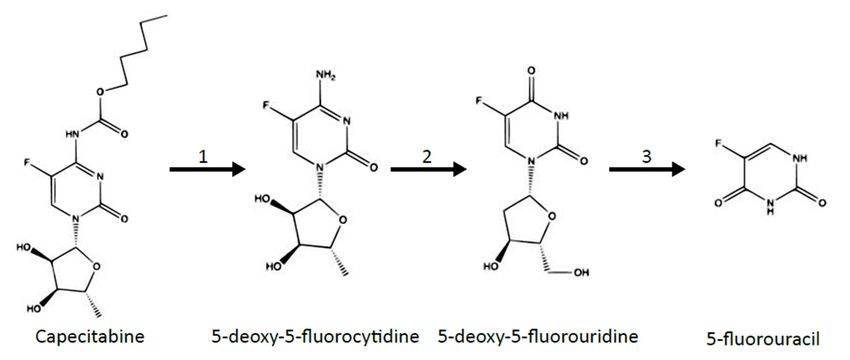
J. Clin. Med. 2021, 10, 4426                                                                                         2 of 23

                                     Originally, one of the most significant routes of administration of 5-FU was a weekly
                               bolus [12]. Seifert et al. conducted a prospective randomized trial that demonstrated
                               the efficacy of 5-FU infusion [13]. De Gramont et al. proved that adding oxaliplatin to
                               5-FU could be beneficial in colon cancer treatment, creating the FOLFOX regimen, which
                               remains the first-line treatment in metastatic colon cancer [14,15]. Nowadays, 5-FU is the
                               third most used chemotherapeutic administered in many solid organ tumors, including
                               adenocarcinomas of the gastrointestinal tract, and carcinomas of bladder, breast, head,
                               and neck [7,16,17]. It is estimated that about 150,000 patients are potentially exposed to
                               fluoropyrimidine treatment, annually [18].
                                     Capecitabine is a prodrug of 5-FU. To form 5-FU, it undergoes hydrolysis in the liver
                               and neoplastic tissues, where its activity is significantly higher. Capecitabine is used
                               mainly in the therapy of gastrointestinal and breast cancers. The effectiveness of oral
                               capecitabine in metastatic colorectal cancer is proven to be comparable to intravenous 5-FU
                               while causing fewer adverse effects, such as diarrhea, stomatitis, neutropenia, and hair
                               loss [19,20]. It is primarily recommended in monotherapy for patients who previously
                               underwent surgery for III stage colorectal cancer [16]. The goal of this adjuvant therapy
                               is to eradicate the micrometastases present at the time of surgery, thereby increasing the
                               cure rate.
                                     Through the years, cancer-associated survival-rate remarkably increased, and fluo-
                               ropyrimidines remain the foundation of many antineoplastic treatments. Despite many
                               studies explaining their mechanism of action (some of which are inconsistent with each
                               other), there is still a lack of knowledge concerning their cardiotoxicity. The purpose of
                               this study is to present an updated outline of fluoropyrimidine cardiotoxicity, namely
                               its symptoms, incidence rate, metabolism, pathophysiological mechanisms, diagnosis,
                               management, and resistance. Our results and discussion are integrated in each section.
                                     PubMed was searched up through August 2020 for studies relating to fluoropyrim-
                               idine mechanisms published in English. We used the following terms: (cardiotoxicity,
                               vasospasm, endothelial injury, or heart failure) and (5-fu, 5-fluorouracil, fluorouracil,
                               capecitabine, or fluoropyrimidine). Three reviewers independently screened titles and
                               abstracts, including appropriate studies about fluoropyrimidines. All disagreements in
                               rating studies were resolved by discussion until a consensus was reached. Full-text articles
                               were acquired based on study relevance; nevertheless, the classification procedure was
                               not proved methodically. Original studies, case reports, and review articles were included.
                               References of included studies were also checked for further appropriate articles.

                               2. Frequency of Fluoropyrimidine-Induced Cardiotoxicity
                                    The frequency of symptomatic and asymptomatic cardiotoxicity during 5-FU treat-
                               ment varies between studies. European Society of Cardiology (ESC) experts emphasized
                               the possibility of underestimating myocardial damage during fluoropyrimidine treat-
                               ment [21,22]. The American Society of Clinical Oncology remarked that heart diseases
                               after cancer treatment are a growing health concern and that multidisciplinary teams
                               should take care of these patients [23]. Nevertheless, the frequency of cardiotoxic events
                               is disputable, ranging up to 68% [2,24]. This phenomenon is explained by different ad-
                               ministration schedules, diagnostic criteria, screening examinations, included populations,
                               and varying alertness to symptoms among patients. The ESC-estimated frequency of
                               fluoropyrimidine induced myocardial ischemia is up to 10% in patients, depending on
                               the route of administration, dosage, and scheduling [22]. Some studies reveal that cardio-
                               vascular complications after 5-FU administration usually happen during the first dose of
                               chemotherapy. The mean time to the onset of the first cardiotoxicity symptoms is 12 h;
                               however, some complications may occur up to 2 days after 5-FU infusion [25,26]. Another
                               study shows that acute symptoms usually appear on the third or fourth day of a five-day
                               continuous infusion and after the fourth intravenous administration in bolus treatment [27].
                               Table 1 presents the differences concerning the frequency of cardiotoxicity between various
                               studies, which are possibly explained by the different populations and schedules included.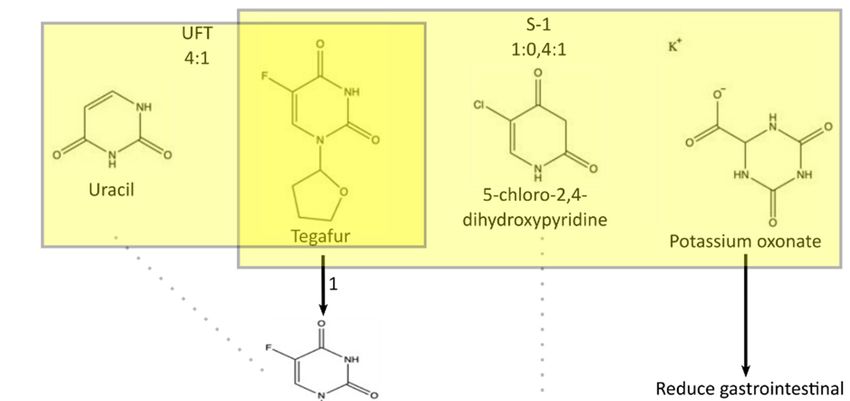
J. Clin. Med. 2021, 10, 4426                                                                                                3 of 23

                               Table 1. Frequency of cardiotoxicity after the administration of fluoropyrimidines. *—retrospective
                               study; #—prospective study.

                                                    Article                               Frequency of Cardiotoxicity
                                           Meyer et al. (1997) # [28]                          5-FU-related: 1.9%
                                           Wacker et al. (2003) # [29]                          5-FU-related: 19%
                                          Kosmas et al. (2006) # [30]                    Fluoropyrimidines-related: 4.0%
                                                                                              5-FU-related: 5.9%
                                           Jensen et al. (2006) * [31]
                                                                                           Capecitabine-related: 2.8%
                                           Jensen et al. (2010) # [32]                         5-FU-related: 8.5%
                                            Koca et al. (2011) # [33]                      Capecitabine-related: 34.6%
                                            Khan et al. (2012) * [34]                          5-FU-related: 19.9%
                                          Lestuzzi et al. (2014) # [21]                        5-FU-related: 5.9%
                                                                                               5-FU-related: 25%
                                            Peng et al. (2018) # [35]
                                                                                           Capecitabine-related: 33.8%
                                             Jin et al. (2019) * [36]                          5-FU-related: 29.5%
                                         Dyhl-Polk et al. (2020) * [37]                  Fluoropyrimidines-related: 5.2%

                                    Cardiac muscle disturbances are one of the most common and most dangerous side
                               effects of fluoropyrimidine treatment. Their occurrence should always be considered before
                               the prescription of chemotherapy, as it may have severe consequences on a patient’s health.
                               The differing frequency of cardiotoxicity events described in studies may result from the
                               subtleness of symptoms and diagnostic difficulties.

                               3. Metabolism of 5-FU
                                     Like some antineoplastic treatments, 5-FU is converted to highly cytotoxic metabolites,
                               leading to both therapeutic and harmful consequences. The drug 5-fluorouracil can inter-
                               fere with tumor cells due to its chemical structure. Some studies revealed the significance
                               of fluorine derivatives in the human organism and emphasized the role of fluorine sub-
                               stitution, which may cause an increase in the molecule’s toxicity [38]. The van der Waal’s
                               radius of the fluorine atom (1.35 Å) is virtually identical to that of hydrogen (1.2 Å) [39].
                                     Figure 1 presents the conversion of the oral prodrug capecitabine to 5-FU in three
                               metabolic steps, with the last steps being catalyzed by thymidine phosphorylase [40]. It
                               should be noted that capecitabine bioavailability can reach up to 100% [41]. Another
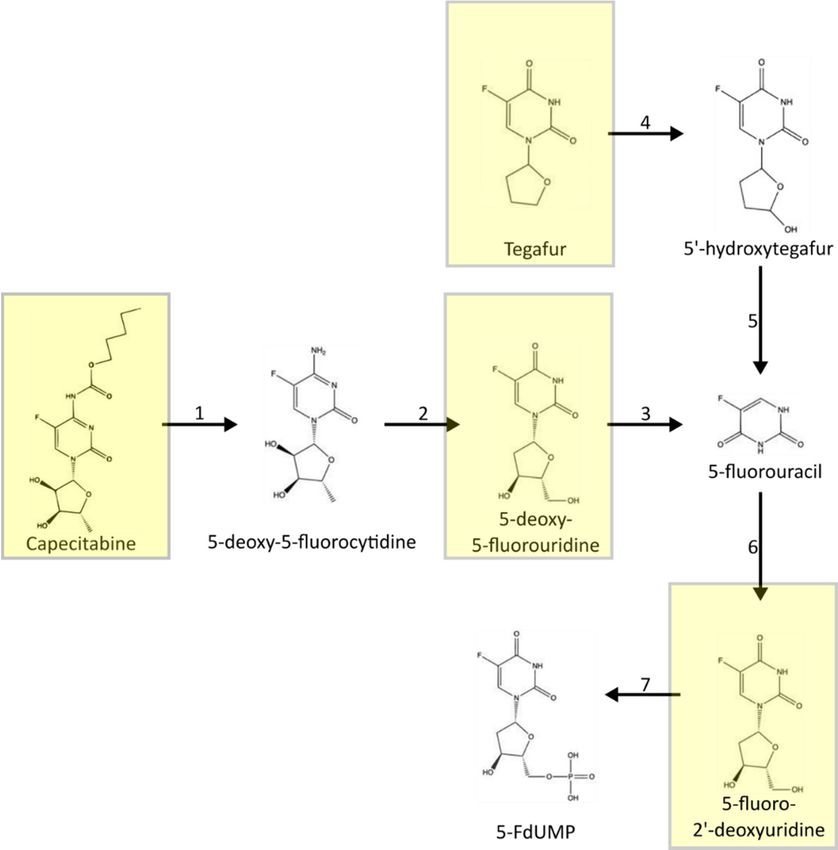
                               similar chemotherapeutic agent is 5-deoxy-5-fluorouridine, which is converted to 5-FU by
                               thymidine phosphorylase, as presented in Figure 2. The agent 5-fluoro-20 -deoxyuridine
                               transformed into 5-fluorodeoxyuridine monophosphate by using thymidine kinase. Thus,
                               5-fluoro-20 -deoxyuridine administration causes inhibition of thymidylate synthase and
                               disturbances in DNA structure. Tegafur is a prodrug metabolized into 5-fluorouracil by
                               P450 cytochrome enzymes. A combination of antineoplastic drugs is available based
                               on 5-fluorouracil, including UFT, S1, and BOF-2A, with their metabolism presented in
                               Figure 3 [40,42–44]. UFT is a mix of tegafur, converted into 5-fluorouracil and uracil, which
                               slows down the degradation of 5-FU. S1 contains tegafur, 5-chloro-2,4-dihydroxypyridine
                               (which reduces 5-FU catabolism), and potassium oxonate, which is responsible for reducing
                               gastrointestinal toxicity. BOF-2A is split into 2,6-dihydroxy-3-cyanopyridine and 3-cyano-
                               2,6-dihydroxypyridine. The first one is converted into 5-fluorouracil by hepatic microsomal
                               enzymes, and the second reduces 5-FU degradation.
FdUMP competitively binds to thymidylate synthase along with 5,10-methylenetet-
rahydrofolate and forms a ternary complex. As a result, methyltransferase is effectively
inhibited [46,50]. The enzyme plays a crucial role in the proper function of DNA. FdUMP
significantly impairs cell growth, whereas its derivative, FdUTP, directly incorporates into
J. Clin. Med. 2021, 10, 4426 DNA in place of dTTP; therefore, it may cause innumerable DNA abnormalities. On4 the of 23
other hand, FUTP is analogically built into RNA to easily disrupt its delicate structure.
Thethree-step
Figure1.1.The
Figure three-stepmetabolism
metabolismofofcapecitabine,
capecitabine,another
anothercommonly
commonlyused
usedantineoplastic
antineoplasticdrug
drug
converted to 5-fluorouracil. 1—carboxylesterase; 2—cytidine deaminase; 3—thymidine
converted to 5-fluorouracil. 1—carboxylesterase; 2—cytidine deaminase; 3—thymidine phosphory- phospho-
J. Clin. Med. 2021, 10, x lase.
FOR PEER
rylase. REVIEW
Reactions
Reactions occur
occur infollowing
in the the following
sites: sites: 1—liver;
1—liver; 2—liver
2—liver and tumor;
and tumor; 3—tumor.
3—tumor. Based
Based on: on:
-Mar- 5 of
tino et al. with
-Martino et al.modification.
with modification.
Figure 2. Metabolism
Figureof2.the prodrugs of
Metabolism of 5-fluorouracil:
the prodrugs ofcapecitabine, 5-deoxy-5-fluorouridine,
5-fluorouracil: 5-fluoro-2′-deoxyuridine,
capecitabine, 5-deoxy-5-fluorouridine, 5-
and tegafur. 1—carboxylesterase; 2—cytidine deaminase; 3—thymidine phosphorylase; 4—cytochrome
fluoro-20 -deoxyuridine, and tegafur. 1—carboxylesterase; 2—cytidine deaminase; 3—thymidine P450 enzymes;
5—spontaneous degradation; 6—thymidine phosphorylase; 7—thymidine kinase. dehydrogenase; 14-dihydropyrimidase;
phosphorylase; 4—cytochrome P450 enzymes; 5—spontaneous degradation; 6—thymidine phos-
15-β-ureidopropionase; 16- aconitase inhibition. Based on: Muhale et al. and Shirasaka et al. with modification.
phorylase; 7—thymidine kinase. dehydrogenase; 14-dihydropyrimidase; 15-β-ureidopropionase; 16-
aconitase inhibition. Based on: Muhale et al. and Shirasaka et al. with modification.J. Clin.
J. Clin. Med.Med. 10, 10,
2021,
2021, 4426PEER REVIEW
x FOR 6 of525
of 23
Figure 3. Metabolism
Figure of the
3. Metabolism prodrugs
of the of of
prodrugs 5-fluorouracil:
5-fluorouracil:UFT,
UFT,S-1,
S-1,and
andBOF-2A.
BOF-2A.1—cytochrome P450 en-
1—cytochrome P450
enzymes, 2—spontaneous degradation, 3—DPD, dihydropyrimidine dehydrogenase, and
zymes, 2—spontaneous degradation, 3—DPD, dihydropyrimidine dehydrogenase, and 4—hepatic mi- 4—he-
patic microsomal
crosomal enzymes.
enzymes. EMFU—2,6-dihydroxy-3-cyanopyridine;
EMFU—2,6-dihydroxy-3-cyanopyridine; CNDP-3-cyano-2,6-dihydrox-
CNDP-3-cyano-2,6-dihydroxypyridine.
ypyridine. Based on: Mallet–Martino et al., Miura et al., and Shirasaka et al. with modification.
Based on: Mallet–Martino et al., Miura et al., and Shirasaka et al. with modification.
The action of 5-FU has significant effects, especially during the S phase of the cell
cycle, which is strictly associated with the activation of 5-fluorouracil and its conversion
to both FdUMP and FUTP [39,45,46]. Subsequent steps are presented in Figure 4. By and
large, FdUMP causes numerous abnormalities of the double-helical structure of DNA,
while FUTP mainly leads to RNA dysfunction. It remains unclear which mechanism
contributes to antineoplastic effects to a greater extent. However, about 80% of 5-FU is
eliminated through reductive catabolism via dihydropyrimidine dehydrogenase (DPD) [47].
Lishke et al. highlighted that DPD triggers catabolic reactions and the generation of specific
metabolites, such as fluoroacetate (FAC). This compound can lead to the inhibition of
aconitase, which is one of the Krebs cycle enzymes, which in turn may severely impair
mitochondrial metabolism [48]. Fraile et al. reported that the half-life of 5-FU is usually
around 10 min [49].J. Clin. Med. 2021, 10, x FOR PEER REVIEW 7 of 25
J. Clin. Med. 2021, 10, 4426 6 of 23
Figure 4. Metabolism of 5-fluorouracil. 1—UrdPase, uridine phosphorylase; 2—OPRT, oro-
tate phosphoribosylotransferase; 3—dThdPase, thymidine phosphorylase and TK, thymidine ki-
nase; 4—UK, uridine kinase; 5—thymidylate synthase; 6—uridine monophosphate kinase; 7—
Figure 4. Metabolism of 5-fluorouracil. 1—UrdPase, uridine phosphorylase; 2—OPRT, orotate phos-
deoxyuridine monophosphate kinase; 8—ribonucleotide reductase; 9—uridine diphosphate kinase;
phoribosylotransferase; 3—dThdPase, thymidine phosphorylase and TK, thymidine kinase; 4—UK,
10—deoxyuridine diphosphate kinase; 11—RNA polymerase; 12—DNA polymerase; 13—DPD,
uridine kinase; 5—thymidylate synthase; 6—uridine monophosphate kinase; 7—deoxyuridine
dihydropyrimidine
monophosphate dehydrogenase;
kinase; 8—ribonucleotide 14—DPS- dihydropyrimidase;
reductase; 15—UPβ1-β-ureidopropionase;
9—uridine diphosphate kinase; 10—deoxyur-
16—aconitase inhibition. These are seen as 5-FU, 5-Fluorouracil;
idine diphosphate kinase; 11—RNA polymerase; 12—DNA polymerase; 13—DPD, 5-FUR; 5-Fluorouridine; 5-FUMP,
dihydropyrimi-
dine dehydrogenase; 14—DPS- dihydropyrimidase; 15—UPβ1-β-ureidopropionase; 16—aconitase 5-
5-fluorouridine monophosphate; 5-FdUMP, 5-fluorodeoxyuridine monophosphate; 5-FUDP,
inhibition. Thesediphosphate;
fluorouridine are seen as 5-FU, 5-Fluorouracil;
5-FdUDP, 5-FUR; 5-Fluorouridine;
5-fluorodeoxyuridine diphosphate; 5-FUMP,
5-FUTP,5-fluorouridine
5-fluorouridine
monophosphate; 5-FdUMP,
triphosphate; 5-FdUTP, 5-fluorodeoxyuridine
5-fluorodeoxyuridine monophosphate;
triphosphate; 5-FUDP, 5-fluorouridine Based
FUH2, 5,6-Dihydro-5-fluorouracil. di-
phosphate; 5-FdUDP, 5-fluorodeoxyuridine diphosphate; 5-FUTP, 5-fluorouridine
on: Diasio et al., Miura et al., Peters et al., and Shirasaka et al. with modification. triphosphate; 5-
FdUTP, 5-fluorodeoxyuridine triphosphate; FUH2, 5,6-Dihydro-5-fluorouracil. Based on: Diasio et
al., Miura et al., Peters
FdUMP et al., and binds
competitively Shirasaka et al. with modification.
to thymidylate synthase along with 5,10-methylenetetra-
hydrofolate and forms a ternary complex. As a result, methyltransferase is effectively
4. inhibited
Symptoms of Fluoropyrimidine
[46,50]. Cardiotoxicity
The enzyme plays a crucial role in the proper function of DNA. FdUMP
significantly impairs
The clinical cell growth,
presentation whereas its derivative,
of fluoropyrimidine FdUTP,includes
cardiotoxicity directly incorporates into
a wide variety
of DNA in placeincluding
symptoms, of dTTP; angina
therefore, it may myocardial
pectoris, cause innumerable DNA
infarction, abnormalities.
cardiogenic shock,Onar-
the
other hand, FUTP is analogically built into RNA to easily disrupt its delicate structure.
rhythmias (atrial fibrillation, ventricular arrhythmias, atrioventricular block,), coronary
vasospasm, and heart failure [4,10,36,51–53] The ESC described 5-FU as a drug that may
4. Symptoms of Fluoropyrimidine Cardiotoxicity
The clinical presentation of fluoropyrimidine cardiotoxicity includes a wide vari-
ety of symptoms, including angina pectoris, myocardial infarction, cardiogenic shock,J. Clin. Med. 2021, 10, 4426 7 of 23
arrhythmias (atrial fibrillation, ventricular arrhythmias, atrioventricular block,), coro-
nary vasospasm, and heart failure [4,10,36,51–53] The ESC described 5-FU as a drug that
may lead to arrhythmias including bradycardia, atrioventricular block, atrial fibrillation,
supraventricular tachycardias, ventricular tachycardia/fibrillation, or sudden cardiac death.
Furthermore, 5-fluorouracil is also associated with peripheral arterial toxicity (including
Raynaud’s phenomenon), and ischemic stroke diseases [22]. Table 2 presents the most
significant adverse reactions after administration of 5-FU. Landmark studies on 5-FU
cardiotoxicity were considered, with most indicating the numerous consequences of coro-
nary vasospasm, such as ischemic changes or dysrhythmias, as the most crucial adverse
reactions. The mechanism of 5-FU explains clinically manifested chest pain and heart
palpitations. Some adverse reactions, such as myocardial infarction, heart failure, or hy-
potension, could be life-threatening. Some articles also provide divergent information
about the mortality rate after the administration of 5-FU, which may be explained by
different schedules, routes of administration, populations of patients, health professionals’
awareness, and patient knowledge.
Studies presented an increased duration of QT in patients after fluoropyrimidine treat-
ment, which persists for up to 6 months after administration [30,33,54]. Fluoropyrimidine
treatment leads to both tachycardia and bradycardia [29,34,55]. Rezkalla et al. reported
that the frequency of asymptomatic ST changes during 5-FU infusion is up to 68% of pa-
tients [24]. On the other hand, the multicenter study conducted by Płońska–Gościniak et al.
(2017) showed that chemotherapy with 5-FU or capecitabine in colorectal cancer patients
did not affect the conduction system, LV structural parameters, and systolic function as
measured by LVEF. However, chemotherapy with 5-FU or capecitabine in colorectal cancer
patients may trigger subtle changes in myocardial performance, which are solely detectable
by tissue Doppler echocardiography after 12 months [54]. Some case repots described a
5-FU induced myocarditis with a set of symptoms typical for myocarditis after the first
course of 5-FU treatment [56,57]. Many studies described Takotsubo cardiomyopathy
that developed after 5-FU chemotherapy [58–60]. Takotsubo cardiomyopathy, also known
as apical ballooning syndrome (ABS), is primarily induced by stress and the release of
catecholamines, resulting in transient myocardial abnormalities and hyperkinesis. The
disease may be easily confused with coronary artery disease; however, it does not have a
long-lasting impact on ventricular walls [60]. Moriyama et al. (2019) described the case of a
69-year-old patient with frequent paroxysms of atrial fibrillation (AF) during combination
chemotherapy with 5-FU, which was sensitive to antianginal agents. Coronary angiog-
raphy performed within the chemotherapeutic period demonstrated moderate stenosis
in the right coronary artery (RCA). Severe spasm at the proximal portion of the atrial
branch of the RCA was induced by the acetylcholine provocation test, suggesting that
5-FU might have predisposed vasospasm in the RCA, and the subsequent atrial ischemia
could have led to AF [61]. Ray et al. (2020) presented a case of simultaneous cardiotoxicity
and stroke-like neurotoxicity in a patient treated with the FOLFOX regimen. This study
suggests that 5-FU-induced vasospasm in coronary arteries and cerebral vasculature is
likely to cause simultaneous cardiac and neurological events. Similar observations were
not reported previously in the medical literature [62].
Capecitabine may also lead to a cardiotoxicity similar to 5-FU-induced cardiotoxicity,
including angina pectoris, arrhythmias, and dyspnea [30,31,33,63]. Saunders et al. de-
scribed a patient who developed capecitabine-induced acute myopericarditis [64]. Another
example is a rare case of Takotsubo cardiomyopathy after the administration of capecitabine
described by Qasem et al. [65].J. Clin. Med. 2021, 10, 4426 8 of 23
Table 2. Frequency of signs and symptoms after the administration of 5-FU. *—retrospective study;
#—prospective study.
Article Frequency of Sings and Symptoms
Angina: 3.9%
Jensen et al. (2006) * [31]
Arrhythmias 0.4%
Rezkalla et al. (1989) # [24] ECG changes: 68%
Angina pectoris: 4.9%
De Forni et al. (1992) # [66]
Hypotension: 0.3%
ECG changes: 4%
Arrhythmias: 2.3%
Chest pain: 2.1%
Myocardial infarction: 1.6%
Tsavaris et al. (2002) # [67]
Palpitation: 1.4%
Conductive abnormalities: 0.9%
Malaise: 0.5%
Loss of consciousness: 0.5%
ECG changes: 4%
Chest pain: 1.7%
Kosmas et al. (2008) # [30]
Palpitation: 1.1%
Malaise: 0.6%
ECG changes: 30.8%
Palpitation: 23%
Angina: 9.6%
Koca et al. (2011) # [33] Dyspnea 7.6%
Tachycardia: 5.6%
Hypotension: 3.8%
Hypertension: 1.9%
Ischemic change: 19.9%
Arrhythmia: 16.8%
Peng et al. (2018) # [35]
Heart failure: 2.6%
Myocardial infraction: 1.0%
Acute coronary syndrome: 4%
Dyhl-Polk et al. (2020) # [37]
Chest pain: 0.7%
In summary, the average mortality rate due to fluoropyrimidines cardiotoxicity oscil-
lates from 1.6% to 10.2%. Although oral capecitabine may also pose a risk of cardiovascular
complications, its administration is sometimes more convenient for patients [9–11].
5. Routes of 5-FU Administration
Over the years, several routes of 5-fluorouracil administration have been explored.
Nowadays, continuous infusion is of great significance; however, in some cases, intra-
venous bolus administration can be applied as well [68,69]. Other routes of 5-FU adminis-
tration will also be considered.
Continuous infusion ensures prolonged exposure, and thus the concentration of
the drug is relatively steady and less harmful for most cells. Studies established that
infusion may result in less toxic effects on the bone marrow or digestive system [70,71].
De Gramont et al. highlighted that 5-fluorouracil should be given in continuous infusion
to increase efficacy [72]. Researchers observed that, after continuous infusion, troponins
were visibly elevated, and the risk of cardiotoxicity was increased to 7–18% compared
to intravenous bolus [73,74]. Unfortunately, various studies proved that a single bolus
injection is not as effective as 5-FU continuous infusion. Shorter exposure to 5-FU does not
prevent most tumor cells from further proliferating.
Some studies reported that intravenous bolus administration could be given from
7.2 to 17 mg/kg [75–77]. The 5-FU plasma half-life was estimated at around 7–28 min.The oral administration route was not proven effective enough, as th
taken orally may lead to unpredictable plasma concentrations due to its pha
[49]. Bioavailability varies considerably between individuals, and thus a w
J. Clin. Med. 2021, 10, 4426
adverse symptoms, including cardiotoxicity effects, can occur. 9 of 23
Pericardial infusion was reported by Lerner-Tung et al., by which 5-
high levels in the pericardial sac. Moreover, its half-life is thereby significa
compared
Moreover, Heggie to systemic administration
et al. indicated that the half-life(168 min
of 5-FU vs. 7–28
catabolites min).
could be muchPericardial
longer, infu
lasting even up to 33 h [78].
proven to cause less harm to proliferating cells [79].
The oral administration route was not proven effective enough, as the drug when taken
orally Although 5-FU results
may lead to unpredictable in effective
plasma concentrationschemotherapy, the intravenous
due to its pharmacokinetics [49]. ro
istration
Bioavailabilityremains relativelybetween
varies considerably inconvenient
individuals,forandthe thus patient requiring
a wide variety of adverse frequen
symptoms, including
pointments cardiotoxicity risky
and potentially effects,catheterization
can occur. [80]. Thus, several oral pro
Pericardial infusion was reported by Lerner-Tung et al., by which 5-FU can reach
have been
high levels in developed,
the pericardial sac.whose classification
Moreover, its half-life isisthereby
presented in Figure
significantly increased5. Capec
sumably
compared tothe mostadministration
systemic common and (168 widely
min vs. 7–28accepted 5-FU due
min). Pericardial to its
infusion wasconvenien
also
proven to cause less harm to proliferating cells [79].
netics. The drug can be administered orally and is converted to 5-FU throu
Although 5-FU results in effective chemotherapy, the intravenous route of administra-
vation steps, which translates to less severe systemic toxicities. Nowadays, c
tion remains relatively inconvenient for the patient requiring frequent infusion appoint-
preferably used inrisky
ments and potentially metastatic colorectal
catheterization [80]. Thus,cancer
several[20]. Other 5-FU
oral prodrugs of 5-FUprodrugs
have a
been developed,5′-deoxy-5-fluorouridine,
oxyuridine, whose classification is presented in Figure 5. Capecitabine
BOF-A2, ftorafur, UFT, is presumably
and S-1 [40,
the most common and widely accepted 5-FU due to its convenient pharmacokinetics. The
fluorodeoxyuridine is a first-generation prodrug, while 5′-deoxy-5-fluor
drug can be administered orally and is converted to 5-FU through three activation steps,
ftorafur are second
which translates generation
to less severe systemicprodrugs; however,
toxicities. Nowadays, they areisnot
capecitabine commonly
preferably
used in metastatic colorectal cancer [20]. Other 5-FU
day practice. The third generation includes capecitabine, mentionedprodrugs are 5-fluorodeoxyuridine, 50 - above
deoxy-5-fluorouridine, BOF-A2, ftorafur, UFT, and S-1 [40,42,44]. The 5-fluorodeoxyuridine
hibitors (BOF-A2, UFT, and S-1), which prevent the enzymatic degradatio
is a first-generation prodrug, while 50 -deoxy-5-fluorouridine and ftorafur are second gen-
example, BOF-A2
eration prodrugs; however,contains
they areboth 3-cyano-2,6-dihydroxy
not commonly used in everyday practice.pyridine (CNDP),
The third
generation includes
inhibitor of DPD, capecitabine, mentioned above, and DPD inhibitors
and 1-ethoxymethyl-5-fluorouracil (BOF-A2, Another
(EMFU). UFT, 5
and S-1), which prevent the enzymatic degradation of 5-FU. For example, BOF-A2 con-
UFT, has been extensively examined and applied in the treatment of many
tains both 3-cyano-2,6-dihydroxy pyridine (CNDP), a competitive inhibitor of DPD, and
as breast, colon, and stomach
1-ethoxymethyl-5-fluorouracil (EMFU).with Another good
5-FU tolerance.
prodrug, UFT, Finally,
has been S-1 was develop
extensively
examined and applied in the treatment of many tumors,
overcome burdensome side reactions, but the drug did not show greater such as breast, colon, and stomach
with good tolerance. Finally, S-1 was developed in 1996 to overcome burdensome side
other prodrugs.
reactions, but the drug did not show greater efficacy than other prodrugs.
Figure 5. Classification of 5-fluorouracil prodrugs. Based on: Malet-Martino et al. with modification.
Figure 5. Classification of 5-fluorouracil prodrugs. Based on: Malet-Martino et al. wit
6. Mechanisms of Fluoropyrimidines Cardiotoxicity
Using 5-FU treatment may lead to myocardial ischemia and coronary artery disease,
including Prinzmetal’s angina, heart failure, and arrhythmic changes [81], yet detailed
mechanisms of cardiotoxicity induced by fluoropyrimidines remain unclear and uncertain,J. Clin. Med. 2021, 10, 4426 10 of 23
but are definitely multifactorial [7,82–84]. The European Society of Cardiology identified
coronary vasospasm and endothelial injury as key pathophysiologic processes [22]. An
endothelial-dependent vasospasm is related to direct endothelial dysfunction, whereas
an endothelial-independent vasospasm refers to primary smooth muscle dysfunction [7].
Based on preclinical studies, endothelial dysfunction should activate apoptosis and au-
tophagy pathways in both endothelial cells and myocytes [85,86]. Another consequence of
endothelial damage is an increased blood level of vasoconstrictors, such as endothelin-1
and urotensin-2, which was observed in 5-FU treated patients [87,88]. Severe endothelial
damage, together with platelet accumulation and fibrin formation, was also observed in
5-FU-treated rabbits in scanning electron microscopy studies [89]. Thus, after vessel injury,
a thrombogenic effect may also be triggered. The pro-coagulant effect is further enhanced
due to the primary cause of the patients’ treatment, i.e., tumors [90,91]. Moreover, due to
endothelial dysfunction, or eNOS abnormalities, acetylcholine can cause paradoxical vaso-
constriction instead of vasodilation [92,93]. In this way, chronic vasoconstriction related to
5-FU treatment might have cardiotoxic consequences. Primary smooth muscle dysfunction
should result in vasoconstriction in the presence of a functionally intact endothelium.
Such contraction of vascular smooth muscles was proven in vitro when aortic rings of
white rabbits were exposed to increasing doses of 5-FU. This endothelium-independent
vasoconstriction was mediated by the activation of kinase C (PK-C) in vitro [51,94]. It is
worth mentioning that Salepci et al. demonstrated that 5-FU-induced coronary vasospasm
was independent of angiotensin II levels in 31 patients treated with 5-FU/leucovorin [95].
Using 5-FU treatment is also associated with enhanced oxidative stress due to the
formation of reactive oxygen species, lipid peroxidation, and the decrease in glutathione
level, with cardiomyocytes being especially vulnerable to reactive oxygen species damage
because of their numerous mitochondria [7,82–84,96]. For example, Durak et al. demon-
strated that the administration of 5-FU to guinea pigs reduced the activity of superoxide
dismutase and glutathione peroxidase with a concomitant increase in catalase activity and
concentration of malondialdehyde [97]. Similarly, an increase of the oxidative stress was
observed in vitro in 5-FU treated cardiomyocytes [86]. Moreover, animal studies revealed
the significant role of 5-FU degradation to highly toxic metabolites, which could interfere
with the Krebs cycle [98,99]. In a single case report, an increased serum level of alpha-
fluoro-beta-alanine, a precursor of fluoroacetate, was reported in a patient who received
a continuous intravenous infusion of 5-FU and experienced precordial pain with right
bundle branch block [100].
Furthermore, 5-FU-induced cardiotoxicity could be related to the disruption of the
energetic metabolism of erythrocytes, which was observed in both in vivo and in vitro
studies [101,102]. A rapid increase in O2 consumption leads to severe changes in the
metabolism of phosphate compounds in erythrocytes, while a drastic decrease in ATP
levels causes disruptions in their structure and functioning, such as irreversible echinocy-
tosis or increased membrane fluidity, diminishing their ability to deliver oxygen. As a
result, it makes oxygen transport or delivery more difficult, leaving metabolically active
organs like the heart with insufficient oxygen supply, and inevitably resulting in ischemic
damage [101,102].
Figure 6 summarizes the possible mechanisms of 5-FU-induced cardiotoxicity, which
are mostly based on preclinical studies only. We have yet to discover the mechanistic
relationships that would let us predict the chances of serious adverse cardiac reactions in
patients treated with fluoropyrimidines, and we have also yet to learn to react effectively
enough to avoid those complications.J. Clin. Med. 2021, 10, 4426 11 of 23
J. Clin. Med. 2021, 10, x FOR PEER REVIEW 12 of 25
Figure 6.
Figure Mechanisms leading
6. Mechanisms leading to
to cardiotoxicity.
cardiotoxicity.
7. Diagnostics
7. Diagnostics of of 5-FU
5-FU Cardiotoxicity
Cardiotoxicity
The most
The most widely
widelyused usedtechnique
technique to to
monitor
monitorcardiotoxic effects
cardiotoxic is electrocardiography.
effects is electrocardiog-
Indeed, patients treated with fluoropyrimidines present a
raphy. Indeed, patients treated with fluoropyrimidines present a wide range wide range of electrocardio-
of electro-
graphic changes, such as increased P duration, P dispersion, QT
cardiographic changes, such as increased P duration, P dispersion, QT interval, interval, QT dispersion,
QT dis-
T wave inversion,
persion, and ST elevation
T wave inversion, [29,30,33,103].
and ST elevation Koca et Koca
[29,30,33,103]. al. reported new ECG
et al. reported newabnor-
ECG
malities in 33%
abnormalities in of
33% patients afterafter
of patients capecitabine treatment,
capecitabine the most
treatment, the mostcommon
common being sinus
being si-
tachycardia and a prolonged QTc interval [33]. Rezkalla et al. described
nus tachycardia and a prolonged QTc interval [33]. Rezkalla et al. described asymptomatic asymptomatic
ST-segment elevation
ST-segment elevationinin24% 24%ofof patients
patients before
before 5-FU5-FU administration
administration andand in 68%
in 68% whilewhile
they
they were being treated [24]. As far as electrophysiological changes
were being treated [24]. As far as electrophysiological changes are concerned, it has been are concerned, it
has been noted that various arrhythmias can occur, including premature
noted that various arrhythmias can occur, including premature ectopic beats, atrioven- ectopic beats,
atrioventricular
tricular block,
block, atrial atrial fibrillation,
fibrillation, and ventricular
and ventricular extrasystoles
extrasystoles [30,33]. [30,33].
Heart rate variability (HRV) may be an early indicator of anthracycline-induced
Heart rate variability (HRV) may be an early indicator of anthracycline-induced car-
cardiotoxicity, but there is a lack of evidence in using HRV as an indicator of 5-FU car-
diotoxicity, but there is a lack of evidence in using HRV as an indicator of 5-FU cardiotox-
diotoxicity [104].
icity [104].
Elevation of cardiac troponins was noted by Holubec et al. in almost 57% of pa-
Elevation of cardiac troponins was noted by Holubec et al. in almost 57% of patients,
tients, while other researchers reported no significant increase after fluoropyrimidine
while other researchers reported no significant increase after fluoropyrimidine treatment
treatment [74,95,103]. Brain natriuretic peptide (BNP) elevation was observed in 29–48%
[74,95,103]. Brain natriuretic peptide (BNP) elevation was observed in 29–48% of patients
of patients [32,74]. Studies claimed no significant increase in creatine kinase (CK) while
[32,74]. Studies claimed no significant increase in creatine kinase (CK) while retrospective
retrospective study (Saif et al. 2009) reported increased CK or lactic dehydrogenase (LDH)
study (Saif et al. 2009) reported increased CK or lactic dehydrogenase (LDH) in 12% of
in 12% of patients [69,103,105,106].
patients [69,103,105,106].
Unfortunately, there are discrepancies between studies in echocardiographic results.
Unfortunately, there are discrepancies between studies in echocardiographic results.
Some studies reported no differences in echocardiography, while other investigators ob-
Some
servedstudies reported
significant no differences
changes in echocardiography,
after fluoropyrimidine treatment while other investigators ob-
[54,66,103,105,107].
served significant changes after fluoropyrimidine treatment [54,66,103,105,107].
Polk et al. noted that the evaluation of histopathological changes is still difficult, as
Polk et biopsy
myocardial al. noted that the
samples areevaluation of histopathological
hardly accessible [83]. changes is still difficult, as
myocardial biopsy samples are hardly accessible [83].J. Clin. Med. 2021, 10, 4426 12 of 23
Various diagnostic procedures were examined to assess their relevance in predicting
5-FU-related cardiotoxicity. For the time being, the most essential for early diagnosis seems
to be electrocardiographic monitoring and routine clinical observations of patients and
their reported symptoms.
8. Cardiotoxicity Risk Factors
In 2020, the European Society for Medical Oncology emphasized that patients with a
pre-existing cardiovascular disease or cardiovascular risk factors are at greater risk of oncol-
ogy treatment-induced cardiotoxicity. Recommendations suggest screening and treatment
of cardiovascular risk factors. They also noted the important role of close and early collabo-
ration between cardiologists, oncologists, hematologists, and radiation oncologists [108].
In 2020, the American Society of Clinical Oncology (ASCO) also suggested assessment and
treatment of cardiovascular risk factors before initiation of chemotherapy [23].
A clinical history of cardiac diseases was noted as a relevant risk factor for cardiotoxi-
city by Meyer et al. Their work presented that patients who were suffering from ischemic
heart disease had a relative risk of 8 for complications compared with those without is-
chemic heart disease [28]. Labianca et al. observed that pre-existing ischemic heart disease
increased the risk of cardiotoxicity by 1.1% to 4.5% [10]. Jin et al. included pre-existing
cardiac disease as the risk factor after 5-FU administration [36]. The results of the study
published by Polk et al. in 2016 suggested that cardiac comorbidity was the risk factor
for symptomatic cardiotoxicity and increased risk of 3.7% to 16.7% [63]. Nonetheless,
further research is needed to check whether smoking cessation can prevent some cases of
symptomatic cardiotoxicity. However, another review written by Depetris et al. showed
the lack of solid evidence for the occurrence of the 5-fluorouracil-induced cardiotoxicity
among patients with a history of cardiac disease or the presence of cardiovascular risk
factors [82].
Researchers reported that the risk of cardiac complications during 5-FU-based chemother-
apy was higher in renal insufficiency, cardiac comorbidities, or more extended therapies [31,73].
Moreover, the analysis performed by Jin et al. presented the significant correlation between
the incidence of cardiotoxicity in all patients and their age, smoking history, ECOG PS >2, ane-
mia (hemoglobinJ. Clin. Med. 2021, 10, 4426 13 of 23
ways rather than pre-existing cardiovascular comorbidities [116]. For example, Ma et al.
mentioned DPD (dihydropyrimidine dehydrogenase) as one such enzyme affecting sus-
ceptibility to cardiotoxicity, whose deficiency was noted among 3–5% of 5-FU patients,
and it resulted in a lower ability to degrade 5-FU [117]. Milano et al. (1999) published a
study in which they analyzed the correlation between dihydropyrimidine dehydrogenase
deficiency and 5-FU-related toxicity. Their conclusions suggested that clinically manifested
overexposure to 5-FU seemed to be linked to DPD deficiency. A similar significant re-
lationship between lymphocytic DPD activity and 5-FU clearance has been previously
reported [116,118]. It should be noted that genetic predisposition plays a significant role in
cardiovascular problems after 5-FU therapy.
In one study involving a group of patients with a variant in the gene promoter of
the thymidylate synthase, the concentration of this enzyme was significantly increased.
Moreover, these patients presented inadequate response to treatment, as well as fewer ad-
verse effects [119,120]. One case report referred to a patient with coronary vasoconstriction
and confirmed variant in the DPD gene [25,121]. Likewise, a high risk of the rapid onset
of severe toxicities is observed in the case of variants in OPRT (orotate phosphoribosyl-
transferase), with an average incidence of 16% to 17% in the United States [117,122]. This
variant is related to an increase in 5-FU anabolism to form toxic intracellular 5-fluorouridine
nucleotides. Other variants associated with the excessive fluoropyrimidine toxicity include
variants of TYMS (thymidylate synthase) and MTHFR (methylene tetrahydrofolate reduc-
tase) [123,124]. Recently, Saif et al. (2016) reported the case of a patient diagnosed with
Takotsubo cardiomyopathy, secondary to 5-FU therapy. The concomitant presence of two
pharmacogenetic abnormalities of TYMS and DPYD was unique to this patient, and that
combination of variants has never been reported in medical literature before [125].
The results presented by Milano et al. (1999) showed that the overwhelming majority
of cases of DPD deficiency was in women (79%). A sex-related tumor profile cannot
explain this observation because most cases were digestive tract cancers. This work
showed that female patients were prone to carrying a DPD-deficiency syndrome, and they
should be given priority in systematic investigations of DPD activity before 5-FU-based
chemotherapy [116]. On the other hand, Raber et al. (2020) published the results of a
retrospective case-control study that found that men were highly represented in cases
of cardiotoxicity; however, prior observations suggested that the tendency to adverse
cardiac effects after 5-FU therapy is more common among female patients [126]. An
ASCO study also claimed health disparities between racial and ethnic groups. For example,
African Americans are more likely to suffer from hypertension, diabetes, and cardiovascular
diseases. Moreover, African American women with breast cancer have poorer survival
rates when compared with nonminority groups [23].
Nevertheless, adverse cardiac effects associated with 5-FU-based chemotherapy were
sometimes observed among the patients with no known risk factors [127]. That is why
robust cardiac management during chemotherapy is recommended. It should consist of a
cardiac screening test to estimate the risk of cardiotoxicity in individual cases, reduction of
anemia before treatment initiation to improve cardiac tolerance, and observation of bone
marrow suppression to adjust doses of 5-FU according to the guidelines for chemotherapy
regimens [36]. Some studies recommend that when the diagnosis of fluoropyrimidine
cardiotoxicity is unclear, testing for genetic variants affecting thymidylate synthase and
dihydropyrimidine dehydrogenase activity may help support the diagnosis [126,128,129].
Since patients who undergo 5-FU continuous infusion are particularly prone to cardiac
symptoms, they should avoid excessive physical activity. It is worth mentioning that effort-
induced myocardial ischemia (EMI) frequently occurs during 5-FU administration [21].
Even though many studies have been conducted and many factors were assessed,
there is still a lack of conclusions as to the clear triggers of 5-FU related cardiotoxicity.
For example, factors such as sex or history of cardiac diseases may be correlated with a
higher rate of side effects. However, severe clinical manifestations of cardiotoxicity were
also described among patients with no history of cardiac disorders. Furthermore, someJ. Clin. Med. 2021, 10, 4426 14 of 23
studies also demonstrated that the risk of cardiac side effects was higher due to earlier renal
insufficiency, coronary artery disease, heart failure, or more extended therapies. On the
other hand, some authors suggest that the susceptibility to adverse reactions corresponds
more to different enzyme polymorphisms in the catabolizing pathways than to pre-existing
cardiovascular comorbidities. Thus, it is still challenging to put forth overall conclusions,
and every patient should be managed individually.
9. Management of Fluoropyrimidine Cardiotoxicity
Saif et al. described that even though 92% of patients with an episode of 5-FU-
related cardiotoxicity survived and recovered, the noted mortality rates were still high [69].
Thalambedu et al. summarized that in case of any signs of 5-FU cardiotoxicity, therapy
should be discontinued and replaced by anti-anginal agents. Some studies suggested that
this intervention could bring about the disappearance of cardiac symptoms in as much as
69% of patients [130].
First, in patients with acute chest pain, which is the most common manifestation of
5-FU cardiotoxicity, a precise anamnesis needs to be taken and a cardio-pulmonary physical
examination conducted, including an assessment of cardiac risk factors and details of the
chemotherapy protocol such as dosage, routes of administration, and the date of the last
cycle before the onset of symptoms. Moreover, non-invasive tests, including ECG, need
to be conducted to check for any signs of ischemic ST changes or arrhythmias. Echocar-
diographic examination, cardiac troponins, BNP levels, and CT coronary angiography
should be performed to establish the diagnosis. The necessity of constant monitoring of
cardiac biomarker levels among patients who undergo 5-FU-based chemotherapy remains
undetermined. However, the 2012 Clinical Practice Guidelines of the European Society of
Medical Oncology recommend it in the case of patients with a history of cardiovascular
diseases as a class III/IV recommendation [131,132]. The results of non-invasive tests may
indicate the need for invasive tests, such as a coronary angiogram, which are generally
dedicated for patients with known risk factors for cardiovascular disease [7]. The American
College of Cardiology/American Heart Association suggests that urgent coronary angiog-
raphy should be performed in ACS (acute coronary syndrome) or the need to exclude ACS.
Invasive pharmacologic provocation during coronary angiography seems to be a practical
test to diagnose functional coronary abnormalities. Nonetheless, this method is not widely
available, and its usefulness in risk-stratification in the case of 5-FU cardiotoxicity remains
unclear, necessitating further studies [133].
The next step in managing patients with clinical manifestation of anginal chest pain
should be nitrates, beta-blockers, and calcium channel blockers. These medications are
standard initial therapy despite the debate on their efficacy [25,30,31,67,134]. Steger et al.
stated that even though some studies could not confirm the effect of calcium channel
blockers or nitrates in reducing the risk of cardiotoxicity, prophylactic administration
is widespread [135]. It is also worth mentioning that the direct toxic effect of 5-FU on
the vascular endothelium may cause severe thrombogenic disorders. This problem was
addressed by Kinhult et al., and their in vivo experiment on rabbits suggested a protective
dalteparin treatment. However, no such clinical trials have ever been performed [89].
Sara et al. (2018) summarized that management of patients with cardiac adverse effects after
treatment with 5-FU should be focused on determining whether 5-FU can be attributed to
the cardiotoxicity and identifying and treating other coexisting coronary disease. Moreover,
it is crucial to determine whether further 5-FU is required, or if any acceptable alternative
treatment can be safely considered. When further doses of 5-FU are required, clinicians
should continue cautiously, consider using prophylactic antianginal therapy, and monitor
patients closely with a low threshold to terminating therapy. However, to clarify the
optimal strategy, randomized clinical trials comparing different approaches to manage
these patients will be essential [7].
Ma et al. highlighted the use of uridine triacetate as a highly effective and safe
antidote in the case of 5-FU-induced vasospasm. In their study, 96% of patients whoJ. Clin. Med. 2021, 10, 4426 15 of 23
overdosed 5-FU, and received uridine triacetate, survived. On the contrary, the survival
rate for similar patients who did not receive the antidote was only 16%. The action
of uridine triacetate is associated with competitive inhibition of cytotoxic components
responsible for incorporating 5-FU into RNA. The initiation of treatment within 96 h
after termination of 5-FU infusion was noted as a significant factor in survival. These
findings illustrate the potential severity of early-onset toxicities and the need for immediate
recognition and treatment. Nevertheless, prospective trials designed for patients with
FIC (fluoropyrimidine-induced cardiotoxicity) need to be performed to investigate and
describe the accurate role of this drug in treatment [117].
Many studies reported the negative impact of hydrogen peroxide on cultured cardiac
myocytes. According to Lin et al., a compound can protect cardiac cells against cytotoxic
H2O2. Non-mitogenic human acidic FGF has been proven to be cardioprotective; however,
its effect during 5-FU therapy is still unknown [136]. Probucol is an antioxidant which can
also reduce lipid levels. The drug was tested to prevent endothelial damage of the central
artery in rabbit ears after 5-FU therapy. The probucol-treated animals were significantly less
affected by 5-FU therapy, and their results were similar to the control group. Clotting and
endothelial injury were observed only in the group treated with 5-FU. This study revealed
the cardioprotective function of probucol during 5-FU administration [137]. Another
study indicated a significant role of clenbuterol, which increases Ca2+-ATPase activity and
reduces oxidative stress. Moreover, the compound prevents cardiac cells from programmed
cell death, and it may improve ventricular diastolic function. Clenbuterol is a crucial
cardioprotective factor in the presence of H2O2 in vitro; however, its role in vivo, especially
during chemotherapy, is unclear [138]. The research conducted by Sun et al. showed that
propofol conditioning might also protect against cardiomyocyte hypoxia and myocardial
ischemia. This phenomenon was accompanied by increased endocannabinoid (AEA and
2-AG) release and alleviated oxidative stress [139].
Other unmissable findings were reported by Altieri et al. They performed a study to
assess the role of glucagon-like-peptide 1 in counteraction of 5-FU-induced endothelial
cell senescence and reduction of eNOS as well as SIRT-1 expression. GLP-1 analogs
and degradation inhibitors are clinically available and were reported to exert beneficial
cardiovascular actions. Likewise, their research presented that GLP-1 prevented endothelial
senescence due to 5-FU and treated its vascular toxicity in vitro. However, further studies
are necessary to check whether similar results may be observed in vivo and in the clinical
scenario [140].
Zhang et al. described the cardioprotective action of coenzyme complex in combina-
tion with chemotherapy administered to older adults with gastrointestinal cancer. This
substance decreases cardiotoxicity by enhancement of mitochondrial energy production,
cell membrane stabilization, and beneficial effects on the metabolism of long-chain fatty
acids. More data need to be collected to verify and confirm the clinical use of the coen-
zyme complex [141]. Moreover, it is described that calcitriol has a protective effect on
organ damage after 5-FU administration; however, the function of the substance remains
unclear [142].
Bi et al. (2018) published the results of their work, which indicated indole alkaloid
derivative B (IADB) as a mitigating agent against 5-FU-induced cardiotoxicity. Researchers
examined its antioxidant activation as well as modulation of autophagy. The administration
of bifunctional IADB may be beneficial, especially during high-dose chemotherapy, as it
can reduce cardiotoxicity by preventing reactive oxygen species overproduction. Further
investigation is required, and other substances are also being investigated [143].
Rateesh et al. (2015) reported the successful use of peripheral venoarterial extracor-
poreal membrane oxygenation (ECMO) in a patient with acute 5-fluorouracil–induced
cardiomyopathy. Together with medical therapy for heart failure, almost complete recovery
of cardiac function was possible. The authors emphasized that early use of ECMO for
hemodynamic stabilization enables myocardial recovery after improving initial stunning.
An aggressive strategy, including mechanical support, has been associated with improvedJ. Clin. Med. 2021, 10, 4426 16 of 23
survival compared with conservative treatment [144]. In 2017, Sundaravel et al. reported
the first case of FOLFOX-induced Takotsubo cardiomyopathy treated with an Impella
device. Their patient had severe cardiogenic shock with an EF of 20%, which improved
significantly after three days of using the Impella Assist Device [58].
To conclude, different ways of management in the case of 5-FU induced cardiotoxicity
are proposed, but most of them depend on the individual state of the patient. The general
rule worth remembering is discontinuing chemotherapy and replacing it with anti-anginal
drugs after any symptom of cardiotoxicity. A precise anamnesis and a cardio-pulmonary
physical examination needs to be taken, including assessing cardiac risk factors and the
details of the chemotherapy such as dosage, routes of administration, and the date of the
last course before symptoms occurred. Moreover, non-invasive tests, including ECG, need
to be conducted to check for any signs of ischemic ST changes or arrhythmias. Finally,
despite the debate about its efficacy, standard initial therapy with nitrates and calcium
channel blockers should be initiated. Any further clinical decisions should be based on the
patient’s clinical state and other possible therapeutic options.
10. Reintroduction of 5-FU
The reintroduction of 5-FU in patients with a previous history of cardiotoxic events
after 5-FU administration is not currently recommended. It was documented that repeated
exposure to 5-FU can cause a recurrence of cardiotoxicity in 82–100% of patients, with
a death rate in these cases approaching 18% [26,69]. After the resolution of cardiotoxic
symptoms, rechallenge may be considered if it is the only therapeutic option to improve
the patient’s chances for survival. It should be preceded by a multidisciplinary discussion
between oncologists and cardiologists. In addition, risk stratification, coronary evaluation,
and treatment following ACA/AHA guidelines need to be performed. Patients with
antecedent CAD (coronary artery disease) are recommended to reduce other risk factors,
including smoking, hypertension, or uncontrolled diabetes [16].
Moreover, a reduction in the dosage of 5-FU seems to be a viable option, and even
though we still have no confirmation of the efficacy of the pharmacologic prophylaxis,
a prolonged course of pretreatment with nitrates and calcium channel blockers and its
continuation during drug infusion has been proposed. To mitigate the risk, patients should
also be provided with careful cardiac monitoring, and the suggested method for drug
administration is a bolus regimen that has been proven to be safer than a continuous
infusion of 5-FU [30,134,145,146]. The study performed by Jensen et al. showed that a
combination of prophylaxis with dose-reduced 5-FU decreased the risk of cardiotoxicity
in 9 out of 12 patients [31]. Some authors tried to find indications for other prophylaxis
agents. For example, Salepci et al. performed a study to assess the prophylactic use of
ACEI. They measured the level of angiotensin II among the patients treated with 5-FU
bolus administration. However, no changes were observed compared to the control group,
and their theory was disproven [95].
Some case reports described successful conversion from 5-FU to capecitabine without
a recurrence of cardiac symptoms. They show that capecitabine may be an option for
patients who develop 5-FU-induced chest pain. Nevertheless, these patients should be
very closely monitored for the recurrence of symptoms [147,148]. The European Society of
Cardiology prepared dedicated guidelines about the cardiotoxicity of oncology treatment.
The authors emphasized that the final decision about treatment continuation or cessation
has to be made by responsible physicians based on the individual characteristics of the
patient [22].
Nevertheless, when the completion of the fluoropyrimidine-based regimens is limited,
alternative strategies should be considered. An example of a safe therapeutic option in
patients who experienced FIC after prior 5-FU infusion seems to be raltitrexed [111,114].
Another possible alternative is TAS-102 (trifluridine/tipiracil). This is a combination of
substances that contain DPD inhibitors. As a result, less FBAL (α-fluoro-β-alanine) metabo-
lite is concentrated, and lower rates of cardiac complications may be observed [149,150].You can also read


