CDC/IDSA COVID-19 Clinician Call - January 23, 2021
←
→
Page content transcription
If your browser does not render page correctly, please read the page content below
CDC/IDSA
COVID-19                                        • 51st in a series of weekly calls, initiated by CDC as a
                                                  forum for information sharing among frontline

Clinician Call                                    clinicians caring for patients with COVID-19

                                                • The views and opinions expressed here are those
January 23, 2021                                  of the presenters and do not necessarily reflect the
                                                  official policy or position of the CDC or
                                                  IDSA. Involvement of CDC and IDSA should not be
                                                  viewed as endorsement of any entity or individual
Welcome & Introductions                           involved.
Dana Wollins, DrPH, MGC
Vice President, Clinical Affairs & Guidelines
                                                • This webinar is being recorded and can be found
IDSA
                                                  online at www.idsociety.org/cliniciancalls.
Ask the Expert: Vaccine Q&A with the CDC

              Sara Oliver, MD, MSPH
             ACIP Work Group Co-Lead
                       CDC
Questions to be Addressed
▪ mRNA COVID-19 Vaccines Safety & Efficacy
▪ Clinical Considerations
  – Dosing & Administration– timing between doses, administration of different vaccine types
  – Persons with a History of SARS-CoV-2 Infection– timing to administer vaccine
  – Persons with Current Infection- protocol for those who receive diagnosis after first dose
  – Persons who previously received passive antibody therapy
  – Persons with underlying medical conditions
  – Pregnant women
▪ Contraindications & Precautions
▪ Anaphylaxis following Vaccination
▪ Patient Counseling- effect of vaccine on SARS-CoV-2 transmission; timing and durability of immune
  response; infection prevention/control recs for persons with post-vaccination symptoms
▪ Adenoviral Vector COVID-19 Vaccines
Question?
Use the “Q&A” Button

                            Comment?
                       Use the “Chat” Button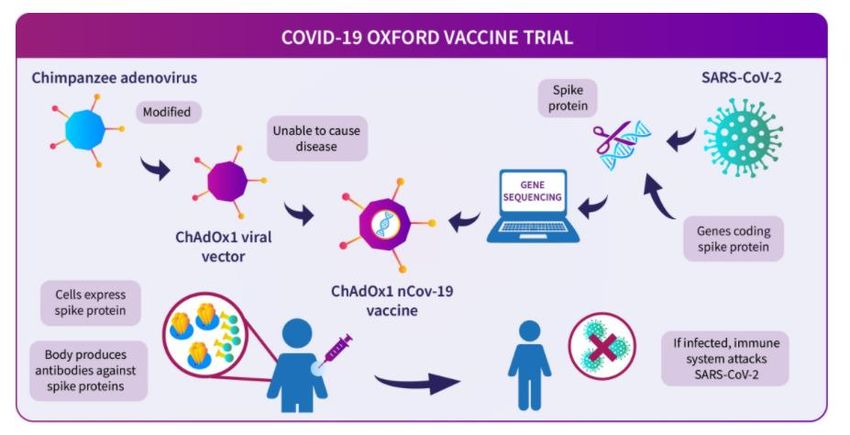
COVID-19 Vaccines
Sara Oliver, MD, MSPH
ACIP Work Group Co-Lead
CDC

January 23, 2020

                          For more information: www.cdc.gov/COVID19
Disclosures

Dr. Oliver reports nothing to disclose
COVID-19 vaccine platforms

                   mRNA                                             Adenovirus Vector
                                                                                                                Protein Subunit
              Pfizer-BioNTech                                          Janssen/JnJ
                                                                                                                   Novavax
                  Moderna                                             AstraZeneca

Pfizer-BioNTech                   Moderna                    Janssen                  AstraZeneca                     Novavax
                                                                                    – Two doses 4 weeks apart
– Two doses 3 weeks apart   – Two doses 4 weeks apart   – One dose                                              – Two doses 3 weeks apart
                                                                                    – Chimp adenovirus vector
– mRNA with lipid           – mRNA with lipid           – Human adenovirus                                      – Nanoparticle vaccine with
                                                                                    – Transported at 2-8oC
nanoparticle                nanoparticle                  26 vector                                             Matrix-M1 adjuvant
                                                                                    – Phase III trial ongoing
– EUA issued Dec 2020       – EUA issued Dec 2020       – Transported at 2-8oC                                  – Transported at 2-8oC
                                                                                    – Approved in UK
– Transported at -70oC      – Transported at -20oC      – Phase III trial ongoing                               – Phase III trial ongoing
                                                                                    – Prelim VE (SD/SD) ~62%
– High (~95%) VE            – High (~94%) VE
                                                                                    pooled VE with LD/SD ~70%
ACIP recommendations for use of COVID-19 vaccines

   ▪ Use of mRNA COVID-19 vaccines under
     FDA’s Emergency Use Authorization
      – December 12, 2020: Pfizer-BioNTech
      – December 19, 2020: Moderna

https://www.cdc.gov/mmwr/volumes/69/wr/mm6950e2.htm?s_cid=mm6950e2_w
https://www.cdc.gov/mmwr/volumes/69/wr/mm695152e1.htm?s_cid=mm695152e1_w
mRNA COVID-19 vaccines
Safety and Efficacy

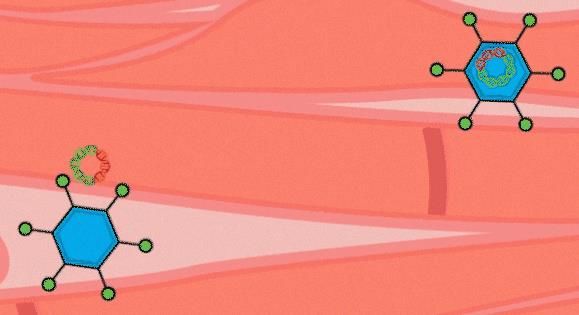
Messenger RNA vaccines

                                                      LNP

                                                             Spike protein            ▪ Provides instruction directly to the
                                                             encoded mRNA               immune system (Spike protein)

                                                                             B cell
                                                                                      ▪ Efficiently creates specific immune
                                                              Antigen                   memory
                                                             presenting
                                                    CD8+        cell
                                                    T cell                   CD4+
                                                                             T cell   ▪ mRNA can neither interact with
                                                                                        nor integrate into DNA

Source: https://www.fda.gov/media/144583/download
Efficacy data
Pfizer-BioNTech COVID-19 vaccine: Phase III data
▪ Primary efficacy endpoint: Symptomatic, laboratory-confirmed COVID-
19 among subjects without evidence of prior infection
– Efficacy: 95.0% (90.3–97.6%)
▪ High efficacy (≥92%) for additional efficacy analysis: across age, sex, race, and
ethnicity categories, and those with underlying medical conditions
– Efficacy among adults ≥65 years of age: 94.7% (66.7–99.9%)
11Efficacy data Pfizer-BioNTech COVID-19 vaccine: Phase III data ▪ Efficacy noted against severe disease as well – FDA definition*: 66.4% (-124.8–96.3%) – CDC definition**: 100% (-9.9–100%) ▪ Numbers of observed COVID-19 associated hospitalization or death are low – Five COVID-19 associated hospitalizations occurred, all in placebo recipients – No COVID-19 associated deaths occurred *FDA definition: Respiratory Rate ≥ 30, Heart Rate ≥125, SpO2≤ 93% on room air at sea level or PaO2/FIO2< 300 mm Hg; OR Respiratory failure or Acute Respiratory Distress Syndrome (ARDS), defined as needing high-flow oxygen, non-invasive or mechanical ventilation, or ECMO; OR evidence of shock (systolic blood pressure
Safety data
  Pfizer-BioNTech COVID-19 vaccine: Phase III data
▪ Serious adverse events were reported in a similar proportion among
  recipients of vaccine and placebo (0.6% vs 0.5%).

▪ Severe reactions were more common in vaccine recipients; any grade ≥3
  reaction was reported by 8.8% of vaccinated versus 2.1% of placebo group.

                                                                              13
Safety data
Pfizer-BioNTech COVID-19 vaccine: Phase III data
▪ Local reactions occurring within 7 days were common
– Pain at the injection site most common
▪ Systemic reactions within 7 days were common
– Fatigue, headache and muscle pain most common
▪ Symptom onset was usually 1-2 days post-vaccine receipt
▪ Most symptoms resolved after 1 day (median duration)
14Safety data
Pfizer-BioNTech COVID-19 vaccine: Local Reactogenicity
Dose 1 Dose 2
Pfizer-BioNTech vaccine Placebo Pfizer-BioNTech vaccine Placebo
N=2291 N=2298 N=2098 N=2103
Rednessa, n (%)
Select local reactions
Any 104 (4.5) 26 (1.1) 123 (5.9) 14 (0.7)
in persons aged Severe (Grade 3) 6 (0.3) 4 (0.2 10 (0.5) 0 (0)
16-55 years Pain at the injection siteb, n (%)
Any 1904 (83.1) 322 (14.0) 1632 (77.8) 245 (11.7)
Severe (Grade 3) 24 (1.0) 2 (0.1) 25 (1.2) 0 (0)
Dose 1 Dose 2
Pfizer-BioNTech Vaccine Placebo Pfizer-BioNTech Vaccine Placebo
N=1802 N=1792 N=1660 N=1646
Select local reactions Rednessa, n (%)
Any 85 (4.7) 19 (1.1) 120 (7.2) 12 (0.7)
in persons aged >55 Severe (Grade 3) 3 (0.2) 2 (0.1) 8 (0.5) 1 (0.1)
years Pain at the injection siteb, n (%)
Any 1282 (71.1) 166 (9.3) 1098 (66.1) 127 (7.7)
Severe (Grade 3) 4 (0.2) 0 (0) 8 (0.5) 0 (0)
https://www.cdc.gov/vaccines/covid-19/info-by-product/pfizer/reactogenicity.html 15Safety data
Pfizer-BioNTech COVID-19 vaccine: Systemic Reactogenicity
Dose 1 Dose 2
Pfizer-BioNTech vaccine Placebo Pfizer-BioNTech vaccine Placebo
N=2291 N=2298 N=2098 N=2103
Fever, n (%)
≥38.0°C 85 (3.7) 20 (0.9) 331 (15.8) 10 (0.5)
Select systemic ≥38.0°C to 38.4°C 64 (2.8) 10 (0.4) 194 (9.2) 5 (0.2)
reactions in persons >38.4°C to 38.9°C 15 (0.7) 5 (0.2) 110 (5.2) 3 (0.1)
aged 16-55 years >38.9°C to 40.0°C 6 (0.3) 3 (0.1) 26 (1.2) 2 (0.1)
>40.0°C 0 (0) 2 (0.1) 1 (0) 0 (0)
Fatiguea, n (%)
Any 1085 (47.4) 767 (33.4) 1247 (59.4) 479 (22.8)
Dose 1 Dose 2
Pfizer-BioNTech Vaccine Placebo Pfizer-BioNTech Vaccine Placebo
N=1802 N=1792 N=1660 N=1646
Fever
Select systemic ≥38.0°C 26 (1.4) 7 (0.4) 181 (10.9) 4 (0.2)
reactions in persons ≥38.0°C to 38.4°C 23 (1.3) 2 (0.1) 131 (7.9) 2 (0.1)
aged >55 years >38.4°C to 38.9°C 1 (0.1) 3 (0.2) 45 (2.7) 1 (0.1)
>38.9°C to 40.0°C 1 (0.1) 2 (0.1) 5 (0.3) 1 (0.1)
>40.0°C 1 (0.1) 0 (0) 0 (0) 0 (0)
Fatiguea, n (%)
Any 615 (34.1) 405 (22.6) 839 (50.5) 277 (16.8)
https://www.cdc.gov/vaccines/covid-19/info-by-product/pfizer/reactogenicity.html
16Safety data
Pfizer-BioNTech COVID-19 vaccine: Phase III data
▪ Lymphadenopathy
– Higher frequency in vaccine group (n=64), compared to placebo (n=6)
– As localized lymph nodes are involved in the vaccine response, it is plausible this could
be related to the vaccine
▪ Bell’s palsy
– Higher frequency in vaccine group (n=4), compared to placebo (n=0)
– Incidence within vaccine group consistent with expected population rates
– No known causal relationship
17Efficacy data
Moderna COVID-19 vaccine: Phase III data
▪ Primary efficacy endpoint: Symptomatic, laboratory-confirmed COVID-19
among subjects without evidence of prior infection subjects without
evidence of prior infection
– Efficacy: 94.1% (89.3%–96.8%)
▪ High efficacy for additional efficacy analysis, across age, sex, race, and
ethnicity categories, and those with underlying medical conditions
– Efficacy among adults 18-64 years of age: 95.6% (90.6%–97.9%)
– Efficacy among adults ≥65 years of age: 86.4% (61.4%–95.5%)
• Efficacy among adults ≥75 years of age: 100%
18Efficacy data
Moderna COVID-19 vaccine: Phase III data
▪ The ability of the vaccine series to prevent asymptomatic SARS-CoV-2
infection has not been assessed to date in a large, prospective clinical trial.
However, it can be informed by PCR screening among trial participants
returning for second dose.
▪ Four weeks after the first dose of the Moderna COVID-19 vaccine, 14
participants (0.1%) had a positive SARS-CoV-2 PCR without symptoms of
COVID-19, compared to 38 (0.3%) of those receiving placebo.
19Efficacy data Moderna COVID-19 vaccine: Phase III data ▪ 30 cases of severe disease* noted in placebo group, 1 in vaccine group – VE estimate: 97% (76%-100%) ▪ Numbers of observed COVID-19 associated hospitalization or death are low – Nine COVID-19 associated hospitalizations in placebo recipient, 1 in vaccine recipient – One COVID-19 associated death occurred in placebo recipient *Definition: Respiratory Rate ≥ 30, Heart Rate ≥125, SpO2≤ 93% on room air at sea level or PaO2/FIO2< 300 mm Hg; OR respiratory failure or Acute Respiratory Distress Syndrome (ARDS), defined as needing high-flow oxygen, non-invasive or mechanical ventilation, or ECMO; OR evidence of shock (systolic blood pressure
Safety data
 Moderna COVID-19 vaccine: Phase III data

▪ Serious adverse events were reported in a similar proportion among
  recipients of vaccine and placebo (1.0% vs 1.0%).

▪ Severe reactions were more common in vaccine recipients; any grade ≥3
  reaction was reported by 21.5% of vaccinated versus 4.4% of placebo group.

                                                                               21
Safety data
Moderna COVID-19 vaccine: Phase III data
▪ Local reactions occurring within 7 days were common
– Pain at the injection site most common
▪ Systemic reactions within 7 days were common
– Fatigue, headache, and myalgia most common
▪ Symptom onset was usually 1-2 days post-vaccine receipt
▪ Most symptoms resolved after 2-3 days (median duration)
22Safety data
Moderna COVID-19 vaccine: Local reactogenicity
Dose 1 Dose 2
Moderna vaccine Placebo Moderna vaccine Placebo
N=11401 N=11404 N=10357 N=10317
Local Reaction
Select local reactions in Any 9960 (87.4) 2432 (21.3) 9371 (90.5) 2134 (20.7)
persons aged 18-64 years Severe (Grade 3) 452 (4.0) 39 (0.3) 766 (7.4) 41 (0.4)
Pain at the injection site
Any 9908 (86.9) 2179 (19.1) 9335 (90.1) 1942 (18.8)
Severe (Grade 3) 367 (3.2) 23 (0.2) 479 (4.6) 21 (0.2)
Dose 1 Dose 2
Moderna Vaccine Placebo Moderna Vaccine Placebo
N=3762 N=3746 N=3587 N=3549
Local Reaction
Select local reactions in Any 2805 (74.6) 566 (15.1) 3010 (83.9) 473 (13.3)
persons aged ≥65 years Severe (Grade 3) 77 (2.0) 39 (1.0) 212 (5.9) 29 (0.8)
Pain at the injection site
Any 2782 (74.0) 481(12.8) 2990 (83.4) 421 (11.9)
Severe (Grade 3) 50 (1.3) 32 (0.9) 96 (2.7) 17 (0.5)
https://www.cdc.gov/vaccines/covid-19/info-by-product/moderna/reactogenicity.html 23Safety data
Moderna COVID-19 vaccine: Systemic reactogenicity
Dose 1 Dose 2
Moderna vaccine Placebo Moderna vaccine Placebo
N=11401 N=11404 N=10357 N=10317
Select systemic Systemic Reaction
Any 6503 (57.0) 5063 (44.4) 8484 (81.9) 3967 (38.4)
reactions in persons
Grade 3 or 4 368 (3.2) 252 (2.2) 1811 (17.4) 217 (2.1)
aged 18-64 years
Fever
Any 105 (0.9) 39 (0.3) 1806 (17.4) 38 (0.4)
Grade 3 10 (Safety data Moderna COVID-19 vaccine: Phase III data ▪ Lymphadenopathy – Ipsilateral (same side) axillary swelling and tenderness was a solicited adverse event – More common among vaccine recipients
Safety data
 Moderna COVID-19 vaccine: Phase III data
▪ Bell’s palsy
 – Small imbalance between vaccine group (n=3) and placebo (n=1)
 – Currently available information is insufficient to determine a causal relationship with
   the vaccine
 – Post-authorization surveillance will help determine any possible causal relationship

                                                                                             26
mRNA COVID-19 vaccines Clinical Considerations
Dosing and administration
 ▪ Authorized age groups:
     – Pfizer-BioNTech: ≥ 16 years
     – Moderna: ≥ 18 years
 ▪ Administration: two-dose series administered intramuscularly
     – Pfizer-BioNTech: three weeks apart
     – Moderna: four weeks apart
 ▪ Persons should not be scheduled to receive the second dose earlier than the
   recommended intervals
     – However, doses administered earlier should not be repeated
 ▪ The second dose should be administered as close to the recommended interval as
   possible. However, if it is not feasible to adhere to the recommended interval, the
   second dose of Pfizer-BioNTech and Moderna COVID-19 vaccines may be scheduled for
   administration up to 6 weeks (42 days) after the first dose.
https://www.cdc.gov/vaccines/covid-19/info-by-product/clinical-considerations.html
Dosing and administration ▪ mRNA vaccines are not interchangeable with each other or other COVID-19 vaccines – Either vaccine series may be used; ACIP does not state a product preference – Every effort should be made to determine which vaccine product was received as the first dose – In exceptional situations in which the first-dose vaccine product cannot be determined or is no longer available, any available mRNA COVID-19 vaccine may be administered at a minimum interval of 28 days between doses ▪ mRNA vaccines should be administered alone, with a minimum interval of 14 days before or after administration with any other vaccines – However, mRNA COVID-19 vaccines and other vaccines may be administered within a shorter period in situations where benefits of vaccination are deemed to outweigh the potential unknown risks of vaccine coadministration – If mRNA COVID-19 vaccines are administered within 14 days of another vaccine, doses do not need to be repeated for either vaccine https://www.cdc.gov/vaccines/covid-19/info-by-product/clinical-considerations.html
Persons with a history of SARS-CoV-2 infection

    ▪ Data from clinical trials indicate that mRNA COVID-19 vaccines can safely be
      given to persons with evidence of prior SARS-CoV-2 infection

    ▪ Vaccination should be offered to persons regardless of history of prior
      symptomatic or asymptomatic SARS-CoV-2 infection

    ▪ Viral or serologic testing for acute or prior infection, respectively, is not
      recommended for the purpose of vaccine decision-making

https://www.cdc.gov/vaccines/covid-19/info-by-product/clinical-considerations.html
Persons with a history of SARS-CoV-2 infection
▪ While there is no recommended minimum interval between infection and
vaccination, current evidence suggests that the risk of SARS-CoV-2 reinfection is
low in the months after initial infection by may increase with time due to waning
immunity. Thus, while vaccine supply remains limited, persons with recent
documented acute SARS-CoV-2 infection may chose to temporarily delay
vaccination, if desired, recognizing that the risk of reinfection and therefore
need for vaccination may increase with time following initial infection
https://www.cdc.gov/vaccines/covid-19/info-by-product/clinical-considerations.htmlPersons with known current SARS-CoV-2 infection
▪ Vaccination should be deferred until recovery from acute illness (if person had
symptoms) and criteria have been met to discontinue isolation
▪ Prior receipt of an mRNA COVID-19 vaccine should not affect treatment
decisions (including use of monoclonal antibodies, convalescent plasma,
antiviral treatment, or corticosteroid administration)
https://www.cdc.gov/vaccines/covid-19/info-by-product/clinical-considerations.htmlPersons who previously received passive antibody therapy
▪ No data on the safety and efficacy of mRNA COVID-19 vaccines in persons who
received monoclonal antibodies or convalescent plasma as part of COVID-19
treatment
▪ Based on estimated half-life of therapies as well as evidence suggesting
reinfection is uncommon in the months after initial doses, vaccination should be
deferred for at least 90 days, to avoid potential interference of the antibody
therapy with vaccine-induced immune responses
▪ There is no recommended minimum interval between other antibody therapies
(i.e. those that are not specific to COVID-19 treatment) and mRNA COVID-19
vaccination
https://www.cdc.gov/vaccines/covid-19/info-by-product/clinical-considerations.htmlPersons with underlying medical conditions ▪ Vaccine may be administered to persons with underlying medical conditions who have no contraindications to vaccination ▪ Clinical trials demonstrate similar safety and efficacy profiles in persons with underlying medical conditions, including those that place them at increased risk for severe COVID-19, compared to persons without comorbidities https://www.cdc.gov/coronavirus/2019-ncov/need-extra-precautions/people-with-medical-conditions.html
Persons with a history of dermal filler use

▪ Infrequently, persons who have received dermal fillers may develop
  swelling at or near the site of filler injection following administration of a
  dose of an mRNA COVID-19 vaccine.

▪ This appears temporary and can resolve with medical treatment, including
  corticosteroid therapy.

▪ mRNA COVID-19 vaccines may be administered to persons who have
  received injectable dermal fillers who have no contraindications to
  vaccination. No additional precautions are needed.

https://www.cdc.gov/coronavirus/2019-ncov/need-extra-precautions/people-with-medical-conditions.html
Immunocompromised persons
▪ Persons with HIV infection, other immunocompromising conditions, or who take
  immunosuppressive medications or therapies might be at increased risk for severe
  COVID-19

▪ Data not currently available to establish safety and efficacy of vaccine in these
  groups

▪ These individuals may still receive COVID-19 vaccine unless otherwise
  contraindicated

▪ Individuals should be counseled about:
   – Unknown vaccine safety and efficacy profiles in immunocompromised persons
   – Potential for reduced immune responses
   – Need to continue to follow all current guidance to protect themselves against COVID-19
https://www.cdc.gov/coronavirus/2019-ncov/need-extra-precautions/people-with-medical-conditions.html
Pregnant women

▪ COVID-19 and pregnancy
 – Increased risk of severe illness (ICU admission, mechanical ventilation and death)
 – Might be an increased risk of adverse pregnancy outcomes, such as preterm birth

▪ There are limited data on the safety of COVID-19 vaccines in pregnant women
 – Limited animal developmental and reproductive toxicity (DART) data
 – Studies in humans are ongoing and more planned

▪ If a woman is part of a group (e.g., healthcare personnel) who is recommended to
  receive a COVID-19 vaccine and is pregnant, she may choose to be vaccinated.

   https://www.cdc.gov/coronavirus/2019-ncov/need-extra-precautions/pregnancy-breastfeeding.html
Pregnant women

    ▪ Considerations for vaccination:
       – Level of COVID-19 community transmission (risk of acquisition)
       – Personal risk of contracting COVID-19 (by occupation or other activities)
       – Risks of COVID-19 to her and potential risks to the fetus
       – Efficacy of the vaccine
       – Known side effects of the vaccine
       – Lack of data about the vaccine during pregnancy

https://www.cdc.gov/vaccines/covid-19/info-by-product/clinical-considerations.html
mRNA vaccines Contraindications and Precautions
Anaphylaxis in persons following Pfizer-BioNTech COVID-19
vaccination
▪ As of December 23, 2020 a reported 1,893,360 first doses of Pfizer-BioNTech
  COVID-19 vaccine administered in the United States
▪ 4,393 adverse events reported to VAERS, 175 possibly related to allergic reaction
▪ 21 cases determined to be anaphylaxis: 11.1 per million doses administered
▪ 17 in persons with a documented history of allergies or allergic reactions
▪ Median interval from vaccine receipt to symptom onset: 13 minutes

https://www.cdc.gov/mmwr/volumes/70/wr/mm7002e1.htm?s_cid=mm7002e1_w
Anaphylaxis in persons following Moderna COVID-19
vaccination
▪ As of January 10, 2021 a reported 4,041,396 first doses of Moderna COVID-19
  vaccine administered in the United States
▪ 1,266 adverse events reported to VAERS, 108 possibly related to allergic reaction
▪ 10 cases determined to be anaphylaxis: 2.5 per million doses administered
▪ 19 in persons with a documented history of allergies or allergic reactions
▪ Median interval from vaccine receipt to symptom onset: 7.5 minutes

https://www.cdc.gov/mmwr/volumes/70/wr/mm7004e1.htm?s_cid=mm7004e1_w
Contraindications to mRNA COVID-19 vaccination
Pfizer-BioNTech and Moderna COVID-19 vaccines

▪ Contraindications to either of the mRNA COVID-19 vaccines:
 – Severe allergic reaction (e.g., anaphylaxis) after a previous dose of an mRNA COVID-19 vaccine
   or to any of its components
 – Immediate allergic reaction of any severity to a previous dose of an mRNA COVID-19 vaccine or
   any of its components (including polyethylene glycol [PEG])*
 – Immediate allergic reaction of any severity to polysorbate (due to potential cross-reactive
   hypersensitivity with the vaccine ingredient PEG)*

▪ Persons with an immediate allergic reaction to the first dose of an mRNA vaccine should
  not receive additional doses of either of the mRNA COVID-19 vaccines

  * These persons should not receive mRNA COVID-19 vaccination at this time unless they have been evaluated by an allergist-
  immunologist and it is determined that the person can safely receive the vaccine (e.g., under observation, in a setting with
  advanced medical care available).                                                                                              42
Precautions to mRNA COVID-19 vaccines
Pfizer-BioNTech and Moderna COVID-19 vaccines

▪ Any immediate allergic reaction to any other vaccine or injectable therapy (i.e.,
  intramuscular, intravenous, or subcutaneous vaccines or therapies not related to a
  component of mRNA COVID-19 vaccines or polysorbate)

▪ Unknown risks of developing a severe allergic reaction should be balanced against
  the benefits of vaccination

▪ Deferral of vaccination and/or consultation with an allergist-immunologist may be
  considered

                                                                                       43
Observation period following vaccination
Persons with a precaution to
vaccination or a history of anaphylaxis All other persons
(due to any cause)
30 minutes 15 minutes 44Summary: Triage of persons presenting for mRNA COVID-19
vaccination
MAY PROCEED WITH VACCINATION PRECAUTION TO VACCINATION CONTRAINDICATION TO VACCINATION
ALLERGIES ALLERGIES ALLERGIES
History of allergies that are unrelated to • History of any immediate allergic reaction‡ to History of the following are contraindications to
components of an mRNA COVID-19 vaccine†, vaccines or injectable therapies (except those receiving either of the mRNA COVID-19 vaccines†:
other vaccines, or injectable therapies, such as: related to component of mRNA COVID-19 • Severe allergic reaction (e.g., anaphylaxis) after a
• Allergy to oral medications (including the oral vaccines† or polysorbate, as these are previous dose of an mRNA COVID-19 vaccine
equivalent of an injectable medication) contraindicated) or any of its components
• History of food, pet, insect, venom, • Immediate allergic reaction‡ of any severity to a
environmental, latex, etc., allergies previous dose of an mRNA COVID-19 vaccine
• Family history of allergies or any of its components^ (including
polyethylene glycol)#
• Immediate allergic reaction of any severity to
ACTIONS: polysorbate^#
ACTIONS
• Risk assessment
• 30 minute observation period: Persons with a
history of anaphylaxis (due to any cause) • Consider deferral of vaccination and/or referral ACTIONS
• 15 minute observation period: All other persons
to allergist-immunologist • Do not vaccinate#
• 30 minute observation period if vaccinated • Consider referral to allergist-immunologist
† Refers only to mRNA COVID-19 vaccines currently authorized in the United States (i.e., Pfizer-BioNTech, Moderna COVID-19 vaccines)
‡ Immediate allergic reaction to a vaccine or medication is defined as any hypersensitivity-related signs or symptoms consistent with urticaria, angioedema, respiratory distress (e.g., wheezing, stridor),
or anaphylaxis that occur within four hours following administration.
^ See Appendix A for a list of ingredients. Note: Polyethylene glycol (PEG), an ingredient in both mRNA COVID-19 vaccines, is structurally related to polysorbate and cross-reactive hypersensitivity
between these compounds may occur. Information on ingredients of a vaccine or medication (including PEG, a PEG derivative, or polysorbates) can be found in the package insert.
# These persons should not receive mRNA COVID-19 vaccination at this time unless they have been evaluated by an allergist-immunologist and it is determined that the person can safely receive the
vaccine (e.g., under observation, in a setting with advanced medical care available)
45Ingredients* included in mRNA COVID-19 vaccines
Description Pfizer-BioNTech Moderna
mRNA nucleoside-modified mRNA encoding the viral nucleoside-modified mRNA encoding the viral
spike (S) glycoprotein of SARS-CoV-2 spike (S) glycoprotein of SARS-CoV-2
Lipids 2[(polyethylene glycol)-2000]-N,N- PEG2000-DMG: 1,2-dimyristoyl-rac-glycerol,
ditetradecylacetamide methoxypolyethylene glycol
1,2-distearoyl-sn-glycero-3-phosphocholine 1,2-distearoyl-sn-glycero-3-phosphocholine
cholesterol cholesterol
(4-hydroxybutyl)azanediyl)bis(hexane-6,1- SM-102: heptadecan-9-yl 8-((2-hydroxyethyl) (6-
diyl)bis(2-hexyldecanoate) oxo-6-(undecyloxy) hexyl) amino) octanoate
Salts, potassium chloride Tromethamine
sugars, monobasic potassium phosphate Tromethamine hydrochloride
buffers
sodium chloride Acetic acid
dibasic sodium phosphate dihydrate Sodium acetate
sucrose sucrose
*As reported in the prescribing information
46Additional tools to identify persons with contraindications and precautions to vaccination https://www.cdc.gov/vaccines/covid-19/downloads/pre-vaccination-screening-form.pdf 47
Interim considerations:

Preparing for the potential
management of anaphylaxis
at COVID-19 vaccination sites

https://www.cdc.gov/vaccines/covid-19/info-by-product/pfizer/anaphylaxis-management.html   48
Recommended medications and supplies for the
  management of anaphylaxis at COVID-19 vaccination sites
    Should be available at all sites                                                          Include at sites where feasible
    Epinephrine prefilled syringe or autoinjector*                                            Pulse oximeter
    H1 antihistamine (e.g., diphenhydramine)†                                                 Oxygen

    Blood pressure cuff                                                                       Bronchodilator (e.g., albuterol)

    Stethoscope                                                                               H2 antihistamine (e.g., famotidine, cimetidine)

    Timing device to assess pulse                                                             Intravenous fluids

                                                                                              Intubation kit

                                                                                              Adult-sized pocket mask with one-way valve (also known
                                                                                              as cardiopulmonary resuscitation (CPR) mask)
    *COVID-19 vaccination sites should have at least 5 doses of epinephrine on hand at any given time.
    †Antihistaminesmay be given as adjunctive treatment and should not be used as initial or sole treatment for anaphylaxis. Additionally, caution should be used if oral
    medications are administered to persons with impending airway obstruction.

https://www.cdc.gov/vaccines/covid-19/info-by-product/pfizer/anaphylaxis-management.html                                                                                    49
Key messages
Preparing for the potential management of anaphylaxis at COVID-19 vaccination sites
Early recognition of Prompt treatment with Activation of emergency
anaphylaxis symptoms epinephrine medical services
https://www.cdc.gov/vaccines/covid-19/info-by-product/pfizer/anaphylaxis-management.html
12/21/20Patient Vaccine Counseling
Public health recommendations for vaccinated persons
▪ Limited information regarding how much the vaccine may reduce transmission in the
  general population and how long protection will last.

▪ Protection from vaccine is not immediate; vaccine is a 2-dose series and will take 1 to 2
  weeks following the second dose to be considered fully vaccinated

▪ No vaccine is 100% effective

▪ At this time, vaccinated persons should continue to follow all current guidance to
  protect themselves and others, including:
  –   Wearing a mask
  –   Staying at least 6 feet away from others
  –   Avoiding crowds
  –   Washing hands often
  –   Following CDC travel guidance
  –   Following any applicable workplace or school guidance
https://www.cdc.gov/coronavirus/2019-ncov/index.html
Infection prevention and control recommendations for
   persons with post-vaccination symptoms

   ▪ Healthcare personnel

   ▪ Long-term care facility residents

https://www.cdc.gov/coronavirus/2019-ncov/hcp/post-vaccine-considerations-healthcare-personnel.html
https://www.cdc.gov/coronavirus/2019-ncov/hcp/post-vaccine-considerations-residents.html
Adenoviral vector COVID-19 vaccines
Adenovirus vector vaccines
                                                                                               Human adenovirus 26 (Ad.26) vector
                                                                                               ▪ Nonreplicating
                                                                                               ▪ Used in other vaccines (Ebola vaccine)
                                                                                               ▪ Ad.26 Ebola vaccine used in broad populations,
                                                                                                 including pregnant women and children
                                                                                               ▪ Previous exposure to the vector could reduce
                                                                                                 effectiveness
Graphic source: https://www.janssen.com/infectious-diseases-and-vaccines/vaccine-technology

                                                                                               Chimpanzee adenovirus vector
                                                                                               ▪ Nonreplicating
                                                                                               ▪ Chimpanzee adenovirus vector circumvents
                                                                                                 preexisting immunity to human adenovirus

Graphic source: https://www.research.ox.ac.uk/Article/2020-07-19-the-oxford-covid-19-vaccine
Vaccine safety
COVID-19 Vaccine Safety Strategy

1. Use established systems to implement heightened safety monitoring
   for COVID-19 vaccines

2. Develop new platforms and leverage other federal data sources to
   complement existing systems

3. Communicate clearly on the vaccine safety process and systems now;
   provide COVID-19 vaccine safety data and monitoring results once
   available
VAERS is the nation’s early warning system for vaccine safety

                 +

Vaccine Adverse Event
  Reporting System

    Co-managed by
    CDC and FDA
     http://vaers.hhs.gov
Active Safety Monitoring for COVID-19
Vaccines
▪ V-safe is a new CDC smart-phone based monitoring
program for COVID-19 vaccine safety
▪ Uses text messaging and web surveys to check-in with
vaccine recipients after vaccination
▪ Participants can report any side effects or health problems
after COVID-19 vaccination
▪ Includes active telephone follow-up by CDC for reports of
significant health impact
▪ Additional follow-up with patients who received the vaccine
during pregnancy or within 30 days of becoming pregnantpassive
surveillance
DoD VAECS VA ADERS
start of
vax
active surveillance, passive
surveillance, case consults
safety monitoring timelineUpcoming ACIP Meeting January 27, 2021 10am-5pm EST https://www.cdc.gov/vaccines/acip/index.html
Additional resources
CDC Resources
Learn more with CDC’s COVID-19 vaccine tools and
resources. Find information for COVID-19 vaccination
administration, storage, reporting, patient education,
and more.
• COVID-19 Vaccination:
  https://www.cdc.gov/vaccines/covid-19/index.html
• For Healthcare Professionals:
  https://www.cdc.gov/vaccines/covid-
  19/hcp/index.html

Infection prevention and control
recommendations for persons with post-
vaccination symptoms
▪ Healthcare personnel
▪ Long-term care facility residents
COVID-19 vaccine communication resources
▪ Engaging in Effective COVID-19 Vaccine
  Conversations
      – https://www.cdc.gov/vaccines/covid-
        19/hcp/engaging-patients.htm
▪ Toolkit for Medical Centers, Clinics, and
  Clinicians
     – https://www.cdc.gov/vaccines/covid-19/health-
       systems-communication-toolkit.html

▪ More toolkits coming soon
     –   Long-term care facilities
     –   Health departments
     –   Community-based organizations
     –   Employers of essential workers
Now Available: COVID-19 Vaccine FAQs
Go to www.COVID19LearningNetwork.org and click
on “Vaccines FAQ”We want to hear from you! Please complete
the post-call survey.
Continue the
conversation on Twitter Next Call: Saturday, January 30th
@RealTimeCOVID19 A recording of this call will be posted at
#RealTimeCOVID19 www.idsociety.org/cliniciancalls
-- library of all past calls now available --
Contact Us:
Dana Wollins (dwollins@idsociety.org)
Deirdre Lewis (dlewis@idsociety.org)You can also read


