Climate Change Report - Santos
←
→
Page content transcription
If your browser does not render page correctly, please read the page content below
1

Climate Change Report
Santos Climate Change Report 2021
CEO Statement

Report highlights                                                                             Contents

                                                                                              4             About us
    Industry-leading targets                                        SA
                                                                         N TO S               6             CEO statement
    + Santos to achieve net-zero emissions by 2040.                                           8             Executive summary
    + 26-30 per cent reduction from 2019-20
                                                                NET-ZERO
                                                                EMISSIONS                     12            Introduction
      emissions and emissions intensity by 2030.
    + Reduce customer emissions by more than                          2040                    16            Metrics and targets
      one million tonnes per annum by 2030.
                                                                                                            Santos’ strategy and
                                                                                              22
                                                                                                            climate change

                                                                                              46            Governance and risk

    Zero-emission                                     Zero-emission technologies:             54
                                                                                                            Resilience and opportunity
    technologies: carbon                              clean hydrogen                                        in a lower-carbon future
    capture and storage (CCS)                         + Pathway to cleaner fuels
    + Moomba CCS Project ready for                      enabled by low-cost CCS.
                                                                                              We acknowledge the Traditional
      final investment decision: the                  + Established new Midstream             Owners of the land on which our
      world’s second largest CCS                        Infrastructure and Low-carbon
      project with lowest unit cost at                  Fuels division.
                                                                                              operations exist and on which we
      less than A$30 per tonne.                                                               work. We recognise their continuing
    + Ability to store 1.7 million                                                            connection to land, waters and
      tonnes of CO2 per annum with                                                            culture. We pay our respects to their
      potential of up to 20 million.                                                          Elders past, present and emerging.
                                                   Reducing operational
                                                   emissions
                                                                                              santos.com/sustainability
                                                      + Emissions intensity reduced
                                                        20 per cent in the past 5 years.
     Nature-based offsets
                                                      + Stringent management and              Disclaimer: This report contains forward looking statements that are subject
     + West Arnhem Land Fire                            reporting of emissions.               to risk factors associated with the oil and gas industry. It is believed that
                                                                                              the expectations reflected in these statements are reasonable, but they
       Abatement project – ongoing                                                            may be affected by a range of variables which could cause actual results
                                                      + Continuing integration of renewable   or trends to differ materially, including but not limited to: price fluctuations,
       investment in a world-leading                                                          actual demand, currency fluctuations, geotechnical factors, drilling and
                                                        energy in Cooper Basin operations     production results, gas commercialisation, development progress, operating
       carbon offset project.
                                                        building on 5.5 megawatts of solar    results, engineering estimates, reserve estimates, loss of market, industry
                                                                                              competition, environmental risks, physical risks, legislative, fiscal and
                                                        electricity and 4 megawatts of        regulatory developments, economic and financial market conditions in various
                                                                                              countries, approvals and cost estimates. The report does not purport to
                                                        battery storage already installed.    represent the views of Santos’ joint venture partners across operated or
                                                                                              non-operated assets.
Santos Climate Change Report 2021
About us                                                                                                                                                                                        5

                                                                                                                                                        Papua New Guinea
About us
                                                                                         Dili
                                                                                                                                           PNG LNG        Port Moresby
                                                                         Timor-Leste              Barossa

Santos                                                                              BAYU-UNDAN
                                                                                                 Darwin
                                                                                                   DLNG

locations
                                                                         Dorado

                                                           BARROW ISLAND
                                                           VARANUS ISLAND
                                          NINGALOO         Dampier
                                                         DEVIL CREEK
                                          PYRENEES     MACEDON

                                                                                                                                                                         Gladstone
                                                                                                                                                                          GLNG

                                                                                                                                                                  ARCADIA
                                                                                                                                                     FAIRVIEW        SCOTIA
                                                                                                                                                                 ROMA
                                                                                                                                                       Roma        WALLUMBILLA
                                                                                                                                 BALLERA
                                                                                                                                                                                     Brisbane
                                                                                                                  MOOMBA

                                                                                                      Australia
                                                                                                                                                       NARRABRI
                                                                                                                                                                         Narrabri
                                                                                                                                                                    WILGA PARK
                                                                                                                                                BIBBLEWINDI         LEEWOOD
                                                           Perth

                                                                                                                  PORT BONYTHON
                                                                                                                                                                          Sydney
                                                                                                                      Adelaide
                                                                                                                                                                 Canberra
     Office locations

     Operated facilities

     Non-operated facilities                                                                                                                  Melbourne

     Planned project location

     Planned Carbon Capture and Storage

     Santos operated acreage
                                                   0     250       500            1000
     Santos non-operated acreage                                                                                                                        Hobart
                                              KM
Santos Climate Change Report 2021
CEO statement 77
CEO SA
N TOS
NET-ZERO
statement EMISSIONS
2040
It is with great pleasure I present the 2021 Santos the emission reductions required to limit global
Climate Change Report, which outlines our commitment temperature rise to under 2 degrees.2
to managing climate risk and delivering a sustainable
With low-cost growth opportunities across our
business model in a low-carbon world.
We are proud to introduce portfolio, Santos is in a strong position to take
As a proudly Australian energy producer, Santos has
improved the lives of people throughout Australia
new emission reduction advantage of the role that natural gas will play in
regional and global decarbonisation. And gas is
and Asia for more than 65 years by providing safe, targets, placing us once just the beginning of the journey.
clean, reliable products. With assets spanning Australia,
Papua New Guinea and Timor-Leste, our focus is again at the forefront of the In parallel, at Santos we are evolving our business to
drive deeper emission abatement through our leading
continuing and expanding this mission through cleaner,
low-cost fuels.
energy industry in meeting position in the critical technology of CCS. This will
Critical within this vision is management of emissions.
the climate challenge: drastically lower our operating emissions and provide
permanent, low-cost CO2 abatement for other industries.
This, our fourth annual climate change report referencing Eventually, it will unlock production of zero-emission
the recommendations of the G20’s Task Force on Santos will reduce its hydrogen produced from natural gas, by sequestering
Climate-related Financial Disclosures (TCFD), continues
our track record of transparent reporting of our climate
Scope 1 and 2 emissions the CO2 emissions released during the process.
change commitments and actions. 26-30 per cent by 2030 This proven technology can produce clean hydrogen
for half the cost of hydrogen created with electricity
Our first report in 2018 set a benchmark for climate and to net-zero by 2040. (electrolysis), while using half the volume of water.
change action in three key areas: Our existing LNG customer base in Asia will be the
hydrogen customers of the future, and as they transition
i. Ambition - we set a net-zero 2050 aspiration. to new clean fuels, Santos will transition with them.
ii. Transparency - we were an Australian leader in This transition is supplemented by our continued
releasing a report aligned with recommendations investment in operational efficiency, renewables
of the TCFD. integration and the highest quality nature-based
carbon offset projects to reduce our emissions on
iii. Performance - we expanded our Energy Solutions
the journey to net-zero.
team, tasked with driving wide-ranging and Santos’ role in this low-carbon journey is built around Since our last report, the impact of the COVID-19
progressive emission reduction opportunities. natural gas, which produces half the greenhouse gas pandemic has given Santos’ mission even greater Santos’ commitment to clean, low-cost fuels across the
emissions of coal when used to generate electricity.1 relevance. As the world continues to respond and energy horizon positions the company to not just be
This approach embedded climate change management
It is the perfect partner for renewable energy sources establish a pathway to recovery, cleaner fuels are central resilient, but to thrive in a low-carbon future.
within our business strategy and has delivered clear
results, reducing our emissions intensity and and can be made even cleaner with carbon capture in addressing two key objectives: lifting the developing
commercialising step-change abatement technologies. and storage (CCS), eventually allowing low-cost world from poverty and reducing emissions to meet
zero-emission hydrogen, a fuel of the future. global climate change goals.
Gas is critical to a clean recovery, with coal-to-gas KEVIN GALLAGHER
switching able to contribute almost 10 per cent of Managing Director and Chief Executive Officer
February 2021
1. IEA, The Role of Gas in Today’s Energy Transitions, 2019.
2. IEA, The Role of Gas in Today’s Energy Transitions, 2019.
Santos Climate Change Report 2021
Executive summary 99
Executive M E T R I C S A N D TA R G E TS
summary + Santos has set a new medium-term target to
reduce Scope 1 and 2 emissions and emissions
intensity by 26-30 per cent by 2030 from our
+ Santos has set a new long-term target of achieving
net-zero Scope 1 and 2 emissions by 2040.
+ This strong ambition is enabled by excellent progress
2019-20 financial year baseline in keeping with
against previous targets and commercialising of
Australia's Paris Agreement commitment.
step-change technology in CCS.
+ In addition, the company has a further medium-term
+ Santos transparently reports its greenhouse gas
Santos’ strategy is built around five core asset hubs by 2040.4 Clean hydrogen demand is expected to increase target to reduce customer Scope 1 and 2 emissions
emissions, including fugitive emissions.
in Australia, Timor-Leste and Papua New Guinea. more than 20 times by 2030 to 18 million tonnes and by more than 1 million tonnes per annum by 2030
It recognises the intrinsic role of natural gas, carbon over 100 times by 2040 to 75 million tonnes.5 This is through direct switching to cleaner fuels.
capture and storage (CCS) and the potential for clean equivalent to 215 million tonnes of oil, and more than the
hydrogen as an alternative energy source in a global current global output of wind and solar energy today.
future where temperature increase is limited to well
below 2 degrees Celsius. Aligned with our strategy, Santos is positioned to be ST R AT E GY
a leading domestic and export supplier of natural gas
In this future, modelled by the International Energy Agency and liquified natural gas (LNG) with progressively lower
(IEA) as the ‘Sustainable Development Scenario’ (‘SDS’), emissions through our world-leading CCS project. + Climate change considerations, reducing global + Santos’ natural gas-focused portfolio is economically
global natural gas demand is forecast to grow to a quarter Moving forward, these core capabilities enable us greenhouse gas emissions and improving air quality resilient under all the International Energy Agency’s
of global energy demand and remain strong for at least to accelerate development of clean, zero-emission are intrinsic to our strategy. World Energy Outlook 2018 scenarios.
two decades. This is driven primarily by demand growth hydrogen, to fulfill future needs of our customers.
+ Natural gas has a key role to play in a lower-carbon + Santos’ CCS project is ready to execute, delivering a
in the Asia Pacific region,3 where Santos operates and
In this, our fourth TCFD-aligned climate change report, future as it produces 50 per cent less greenhouse gas technology critical to global climate goals at globally
markets our products.
Santos’ clean fuels trajectory is reflected in progress on emissions than coal when used to generate electricity, significant scale and low cost.
Deployment of CCS technology is forecast to grow our existing 2025 emissions reduction targets and our can significantly improve air quality and is the perfect
+ Santos’ unique opportunities in CCS and clean
more than 30 times current levels by 2030 and 60 times strong new 2030 and 2040 emissions reduction targets. partner for renewable energy.
hydrogen enable us to capture additional upside
+ CCS and zero-emission hydrogen have critical roles in from the transition to a low-carbon world.
meeting global climate change goals, with exponential
growth of clean fuels required over the next 20 years.
N TOS
SA
NET-ZERO
G OV E R N A N C E A N D R I S K M A N AG E M E N T
EMISSIONS
Zero-emission hydrogen produced from 2040 + Santos has had a Climate Change Policy since 2008, + Climate change is incorporated into Santos’
gas with CCS is a proven technology guiding management of emissions and climate
change risks.
Enterprise Material Risk Profile and risk
management processes and practices.
which can be achieved at half the cost of + A dedicated Environment, Health, Safety and + Santos’ Executive Committee includes a role
electrolysis, while using half the volume of water. Sustainability Committee of the Santos Board dedicated to leadership of the company’s
is responsible for monitoring and reviewing the environmental, social and corporate governance
company’s approach to climate change and (ESG), including sustainability and climate change.
management of climate change risks.
+ Key indicators are included in the Short-Term
Incentive Scorecard which link climate-related
performance to remuneration outcomes for
the Executive Committee.
3. IEA, World Energy Outlook 2020.
4. IEA, Energy Technology Perspectives, 2020.
5. IEA, World Energy Outlook 2020.
Santos Climate Change Report 2021
Executive summary 11
At Santos, we have a clear, tangible pathway
Roadmap to to reach our 2030 and 2040 targets.
net-zero 2040
The road to 2030 The road to 2040
Figure 1 Roadmap to net-zero 2040
From our 2019-20 financial year baseline emissions of + A working hydrogen facility would allow us to commence
5 million tonnes of carbon dioxide equivalent (MtCO2e), supplying hydrogen to domestic and export customers,
by 2030 we will reduce our emissions by 26-30 per cent as and when they require it.
through a series of carbon abatement, emissions reduction + Initially, we are studying options to blend up to 10 per cent
and offset initiatives, many already effectively established. hydrogen with natural gas which would not require new
~5 million tonnes pipelines or infrastructure, reducing our customers’
per annum of Our planned growth projects mean that our emissions CO2 emissions.
CO2 emissions will rise over the 2020-2025 period and our emission
+ Once an export pipeline for hydrogen is built, we could
reduction initiatives factor this growth into our reductions,
export hydrogen from the Cooper Basin. The hydrogen
as shown on the roadmap.
that is sold to customers could have no emissions in its
Roadmap to 2030 initiatives include: production (‘Scope 1 and 2’) or its end use (‘Scope 3’).
+ In parallel, we intend to work with other companies and
+ Nature-based offsets: We will maintain and expand our
industries to capture and store their CO2 in the Moomba
successful offset programs, including the West Arnhem
CCS project, which has a capacity of up to 20 million
Land Fire Abatement project detailed on page 30-31.
26-30 per cent reduction by 2030 tonnes of CO2 per annum.
+ Energy efficiency projects: We will deliver operational
+ Our CCS is targeting a cost of less than A$30 per tonne
efficiencies and emission reductions by 2025, as
of CO2 and our studies have shown that we could
promised, of 5 per cent from 2016-17 levels in our
produce hydrogen at less than the Australian Government
Cooper Basin and Queensland operations.
target of A$2/kg of hydrogen, well before 2030.
+ Moomba CCS Phase 1: Following the implementation of
an approved methodology for CCS to earn Australian
Carbon Credit Units (ACCUs), we will implement a CCS
project at Moomba in the Cooper Basin, to capture
1.7 million tonnes of CO2 per annum. This will be the
second-largest CCS project in the world, with the
lowest cost, at less than A$30 per tonne. For Santos, net-zero
+ Electrification: Following this, work is progressing 2040 is a business
to validate concept studies to install centralised
2020 2040
electrification of our Cooper Basin assets, which opportunity, not a
currently use gas for power generation. Centralising
2020 Production Nature-based Energy Moomba Electrification CCS Hydrogen power in this huge area results in efficiencies and
business burden.
emissions growth to offsets efficiency CCS / Hydrogen Expansion with CCS
baseline 120 mmboe projects Phase 1 fuel enables a higher penetration of renewable energy by
consolidating demand and enabling heat recovery.
+ Hydrogen fuel: Once power is centralised, there is
potential for an economically viable hydrogen plant to be
constructed to convert our natural gas to hydrogen.
We will capture and store the CO2 produced in our
Moomba CCS facility, so the hydrogen we use will be
carbon neutral.
Santos Climate Change Report 2021
Introduction 13
1
Introduction
Clean combustible fuels such Eight million people
as natural gas and hydrogen die every year from outdoor
The energy are critical to meeting and household air pollution.14
Energy is the golden thread
challenge that connects economic global energy demand
growth, social equity and while achieving climate goals.
Two parallel challenges of our age are energy and First, increasing the supply of natural gas into Asia and
sustainability. The world has an insatiable demand environmental sustainability. Australia is displacing coal and decarbonising the engine
for energy because it fuels human development; room of global growth, while facilitating more renewable
people’s opportunity to realise their potential, lead
long and healthy lives, be educated and enjoy a
Widespread energy poverty To meet the needs of this large proportion of the world’s energy by ‘firming’ (providing electricity when there is no
population, massive expansion of affordable and reliable sun or wind).
decent standard of living. condemns billions to darkness, energy is recognised as critical. This includes clean fuels
Secondly, our deployment of step-change technology
The criticality of energy in global progress is recognised to ill health, to missed for cooking, such as gas and electricity.13
in CCS sees us poised to reach new horizons for
by its prominence within the United Nations’ Sustainable opportunities. Energy poverty However, the energy challenge must be addressed in a emission reduction: capturing our emissions and those
Development Goals. A vision for driving human sustainable way; that is, ensuring a safe climate for future of other industries and accelerating economic feasibility
development, the 17 goals cover indicators such as is a threat to the achievement generations. This means driving emissions down in both of clean hydrogen, a fuel of the future for power, industry
education, clean water access, gender equality, agriculture, of the Millennium existing energy systems and in meeting new energy demand. and transport.
security, and biodiversity. Acknowledged as underpinning
all of these is goal seven, ‘affordable and clean energy’.6 Development Goals. It is Part of this task can be achieved by technology advances Thirdly, Santos continues to reduce our own carbon
footprint through energy efficiency innovation,
As energy access grows, human development accelerates.
inequitable and unsustainable. and consumers using energy more efficiently. This can
moderate growth in energy demand even as the economy integrating renewables into our operations and investing
But almost two billion people, more than 25 per cent of expands, allowing society to do more with less. in nature-based carbon offset projects.
the world’s population, still live in poverty on less than Ban Ki-moon,
Meeting the twin challenges of human development and
US$3.20 per day, all of them in non-OECD8 countries.9 Former United Nations Most critically however, the carbon intensity of existing
and future energy demand must continue to fall, spurred climate change requires acceleration of lower-emission
Just under one billion people still have no electricity and Secretary General.7 by cleaner fuels and new technology changes. This extends technologies across all of these areas. Santos is proud to be
another billion have access to unreliable electricity. This beyond just energy for power; emissions from industrial leading the way within our sector, developing the clean fuels
energy poverty reduces opportunities and has dramatic processes such as steel and cement, and the transport required to limit temperature rise to below 2 degrees Celsius,
health impacts. More than 40 per cent of the world’s people and land sectors must also be addressed. while supplying the reliable, affordable energy needed to
still rely on polluting and unhealthy fuels for cooking.10 improve human health and lift more of the world's people
The World Health Organization estimates that eight million Whilst expansion of renewables will be an important out of poverty.
people die every year from outdoor and household air contributor to this trend, electricity currently makes up
pollution, linked to inefficient energy use in every sector just 20 per cent of energy consumed and the world
of human activity including coal-fired power plants, relies on hydrocarbon fuels for 80 per cent of its primary
industry and agriculture.11 Just under one billion people energy. These fuels will therefore be in demand for
decades and making them progressively cleaner is the
still have no electricity.12 key to meeting global climate goals.
Energy access is critical to
As a fuels company, Santos' core and emerging business is
meeting global UN Sustainable
playing a key role in the transition to a low-carbon future in
6.
7.
United Nations, 2030 Agenda for Sustainable Development, 2015.
United Nations, Sustainable Energy for All, ourworld.unu.edu/en/un-launches-decade-long-sustainable-energy-for-all-initiative. three ways. Development Goals.
8. OECD is the common acronym for the Organisation for Economic Co-operation and Development, an inter-governmental economic organisation with 37 member countries.
9. World Bank, Piecing together the poverty puzzle, 2018.
10. United Nation, unstats.un.org/sdg.
11. World Health Organisation, who.int/health-topics/air-pollution. 13. United Nation, unstats.un.org/sdg7.
12. IEA, World Energy Outlook 2018. 14. World Health Organisation, who.int/health-topics/air-pollution (2018).
Santos Climate Change Report 2021
Introduction                                                                                                                                                                                           15

Taskforce on Climate-related                                                                                    Santos’ Climate
Financial Disclosures                                                                                           Change Policy

This is Santos’ fourth annual report aligned with                                                                          OUR COMMITMENT                                 O U R ACT I O N S
the G20’s Taskforce on Climate-Related Financial
Disclosures (TCFD) recommendations.
                                                                                                                Santos recognises the science of               We will:
Our previous climate change reports can be accessed via our website, santos.com.                                climate change and supports the
                                                                                                                objective of limiting global temperature   +   Work with governments and
This report addresses the themes recommended                                                                                                                   stakeholders in the design of climate
by the TCFD as outlined below.                                                                                  rise to less than 2 degrees Celsius.
                                                                                                                                                               change regulation and policies.
                                                                                                                Our strategy focuses on natural gas        +   Factor carbon pricing and
                                                                                                                which we believe will continue to play         greenhouse gas emissions into
             M E T R I C S A N D TA R G E TS                                         ST R AT E GY
                                                                                                                a key role in a low CO2 future.                all business decision-making.

                                                                                                                We are committed to being part of          +   Set greenhouse gas emission targets
                                                                                                                the solution by supporting the twin            consistent with the objective of
          The metrics and targets used                                The actual and potential impacts of                                                      limiting global temperature rise to
                                                                                                                objectives of limiting greenhouse
         to assess and manage relevant                             climate-related risks and opportunities on                                                  less than 2 degrees Celsius.
            climate-related risks and                               the organisation’s businesses, strategy     gas emissions while providing access
                 opportunities.                                              and financial planning.            to reliable and affordable energy to       +   Identify and pursue opportunities to
                                                                                                                domestic and global markets.                   reduce greenhouse gas emissions
                                                                                                                                                               within our operations and through
                                                                                                                                                               the supply chain.

                   G OV E R N A N C E                                          R I S K M A N AG E M E N T
                                                                                                                                                           +   Identify and pursue opportunities
                                                                                                                              G OV E R N A N C E
                                                                                                                                                               to offset greenhouse gas emissions
                                                                                                                                                               where relevant in further support of
                                                                                                                                                               achievement of emissions targets.
          The organisation’s governance                                    The processes used by the            The Environment Health Safety
           around climate-related risks                                  organisation to identify, assess,      & Sustainability Committee is              +   Identify, manage and mitigate climate
                and opportunities.                                      and manage climate-related risks.       responsible for reviewing the                  change risks for our activities.
                                                                                                                effectiveness of this policy.
                                                                                                                                                           +   Report on the Company’s climate
                                                                                                                                                               change governance, strategy, risk
                                                                                                                                                               management and targets and metrics
                                                                                                                                                               in a transparent manner.
17

2
Metrics          Santos has set a new long-term target of
                  achieving net-zero emissions by 2040.

and targets
                 Santos has set three new targets for 2030.

              Santos has existing 2025 targets and is making
                 excellent progress against these targets.

              Santos transparently reports its greenhouse gas
                  emissions, including fugitive emissions.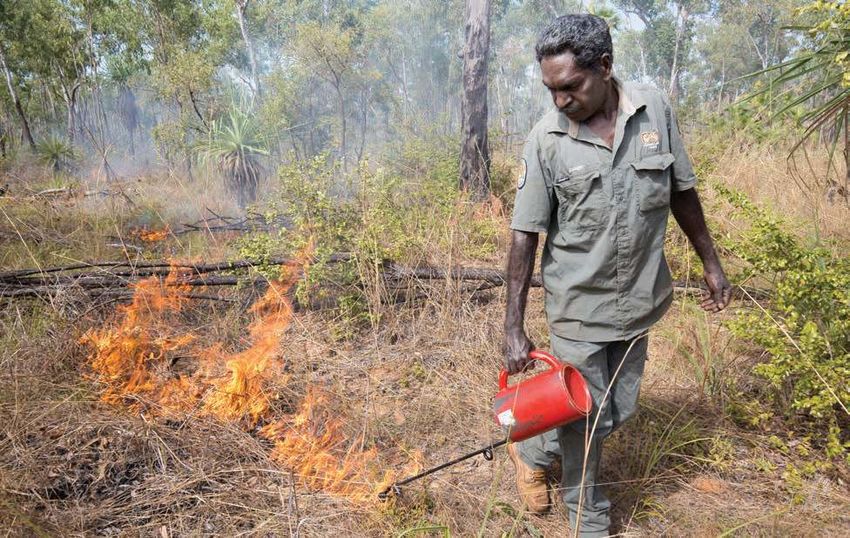
Santos Climate Change Report 2021
Metrics and targets 19
New emissions targets Progress toward 2025 In our 2019 Climate Change Report we set 2025 targets
aligned with our natural gas-focused corporate strategy
and our commitment to limiting greenhouse gas emissions.
In December 2020 we announced a commitment to three new emissions targets’ Santos continues to make excellent progress against
these targets.
targets for 2030 and a new net-zero emissions target for 2040:
2025 target 1
Reduction of global emissions through liquefied natural
Net-zero Scope 1 & 2 emissions gas export growth
Santos will target net-zero reductions
Scope 1 and 2 emissions by 2040. Santos will reduce absolute Scope 1 Our target is to grow liquefied natural gas + In the Northern Territory, progress continues towards
exports to at least 4.5 million tonnes per a final investment decision on Barossa targeted for the
and Scope 2 emissions and emissions
first half of 2021.
intensity from 2019-20 levels by 26-30% annum by 2025.
+ GLNG in Queensland delivered a record over six million
by 2030, in keeping with Australia's Paris
Progress tonnes of liquefied natural gas sales in 2020. GLNG
Agreement commitment. capacity of 8.6 million tonnes per annum provides
Step-change technology: Santos is ahead of progress in delivering LNG growth plans, with
opportunity for further liquefied natural gas sales
2020 LNG exports of 4.3 million tonnes, 45% higher than 2019.
Hydrogen growth in the future.
Once regulatory matters are finalised,
2025 target 2
Santos will use CCS technology to
Customers' Scope 1 & 2 Economically reduce emissions from our base operations
accelerate the economic feasibility of
clean hydrogen and deliver a step-change Santos will actively work with customers
in emissions reduction by 2030. to reduce their Scope 1 and 2 emissions Our target is to reduce emissions by more Throughout 2020 and 2021, new projects are reducing fuel,
by more than one million tonnes CO2e than five per cent across operations in the flare and vent by over two terajoules per day and emissions
per annum by 2030 through direct Cooper Basin and Queensland current at the
by almost 100,000 tonnes of CO2 emissions per year.
switching to cleaner fuels. These include:
2016-17 baseline by 2025
+ 10 additional solar and battery conversions of wells
Progress in 2020 with a further 24 scheduled in 2021.
Santos is currently ahead of the progress needed to + Solar and battery-powered microgrid for the Charo
These targets will be achieved through large-scale emissions achieve this target, with executed projects delivering over field in the Cooper Basin will reduce Charo’s fuel usage
160 ktCO2e per annum of emissions reduction to date, by 35 per cent.
reduction projects including CCS, electrification and or over 2.7% reduction, compared to the 5% reduction target.
renewables integration, nature-based offsets, and
accelerating the economic feasibility of clean hydrogen. 2025 target 3
Pursue step-change emissions reductions technology
Our studies show that by using N TO S Our target is to assess the feasibility and, if
SA CCS to earn Australian Carbon Credit Units (ACCUs),
feasible, invest in technology and innovation expected in 2021.
CCS, we have a pathway to produce
which can deliver a step-change in emissions.
zero-emission hydrogen at less than NET-ZERO Once implemented, Moomba CCS will be one of
the world’s largest CCS projects at the lowest cost,
EMISSIONS Progress
the Australian Government target storing 1.7 million tonnes of CO2 per annum at less
Santos is ahead of our plan in achieving this target. than A$30/tonne. The Cooper Basin has the
of A$2/kg well before 2030. 2040 The Moomba CCS program has now completed testing potential to store up to 20 million tonnes per annum,
and is technically ready for final investment decision, with costs expected to decrease with scale.
awaiting finalisation of an approved methodology forSantos Climate Change Report 2021
Metrics and targets 21
Case study
Moomba CCS and
Successful CCS trial,
zero-emission hydrogen Moomba, South Australia October 2020
In 2020 Santos continued to progress our globally This will support commerciality for the project,
significant Moomba CCS project which is now ready which is expected to cost approximately A$30
for final investment decision pending finalisation of per tonne of CO2 captured.
an approved methodology for CCS to earn Australian
Carbon Credit Units (ACCUs). Appropriate policy settings will accelerate further
CCS deployment in the Cooper Basin, which has the
Front-end engineering design is complete for the capture, capacity to store up to 20 million tonnes of CO2 per
compression, dehydration (removing any water) and annum and become a large-scale, commercial CCS hub.
storage of CO2 from the Moomba plant. As part of The Cooper Basin will be able to offset emissions not
this phase of the project, Santos successfully injected only from oil and gas, but from other industries such
approximately 100 tonnes of CO2 deep underground into as power generation, steel, cement and chemicals
depleted gas reservoirs where it originally came from and and enable clean hydrogen production at significantly
has been safely stored for more than 50 million years. lower cost than produced via electrolysis.
Phase one of the Moomba CCS project aims to inject CCS is recognised as a safe, well-established
up to 1.7 million tonnes of CO2 emissions per annum solution for permanent, large-scale emissions
from the Moomba Gas Plant. reduction and clean hydrogen production,
the keys to economy-wide decarbonisation.
Figure 4 Schematic of CCS infrastructure in the context of
the Cooper Basin and opportunity to support hydrogen growth
CO2
H2 to sales Capture CO2 transmission pipeline Injection wells
Inject
MOOMBA Compress Dehydrate3 Climate change considerations, reducing global
greenhouse gas emissions and improving air quality
are intrinsic to our business strategy.
Santos’
strategy Natural gas has a key role to play in a lower-carbon
future as it produces 50 per cent less greenhouse
and climate gas emissions than coal when used to generate
electricity,15 can significantly improve air quality
and is the perfect partner for renewable energy.
change
Santos is poised to be a world leader in CCS,
a critical technology to limit global temperature
increases to below 2 degrees Celsius.
Santos’ low-cost, high-capacity CCS project positions
us to be a key player in an emerging clean hydrogen
market by capturing the CO2 emissions produced
making hydrogen from our natural gas.
Santos’ natural gas-focused portfolio is economically
resilient under all the International Energy Agency’s
World Energy Outlook 2018 scenarios.Santos Climate Change Report 2021
Santos’ strategy and climate change 25
Our Vision The role of cleaner fuels in a
and portfolio less than 2 degrees Celsius future
Santos’ natural gas portfolio puts the company in a We aspire to reduce emissions and improve air quality The International Energy Agency’s (IEA) Sustainable In the United Kingdom, coal-to-gas switching has
strong position to supply growing regional demand. Our across Asia and Australia by replacing coal with natural gas, Development Scenario, under which global contributed to a drop of 50 per cent in the emissions
Vision is to be Australia’s leading natural gas company by firming renewable energy, capturing and storing CO2 and temperature growth is limited to well below 2 degrees, intensity of power generation since 2010.20 This has
2025, supplying reliable, affordable and cleaner energy accelerating the economic feasibility of clean hydrogen, forecasts gas to remain almost a quarter of global supported a drop in the UK’s total emissions of
to improve the lives of people in Australia and Asia. an important fuel of the future. energy demand in 2040. Over the same period, the 32 per cent since 2008 and more than 50 per cent
SDS requires CCS to rise from the current 40 million since 1990, overachieving on targets already at the
tonnes of CO2 per year to over two billion tonnes per leading edge of developed nations.21
year and clean hydrogen demand to increase over
100 times to 215 million tonnes of oil equivalent.16 Emulating these successes is a priority for the expanding
Figure 3 Santos’ clear and consistent Transform, Build and Grow Strategy
high-carbon economies of Asia, where liquefied natural
As global action on climate change continues to gather gas imports continue to rise rapidly, driven by efforts to
momentum, clean fuels are acknowledged as having a reduce coal use and improve air quality. Under the SDS,
central role, particularly in the Asia-Pacific region where Asia-Pacific gas demand is forecast to grow 50 per cent
Santos markets its products. to 2040, from 11 per cent to 18 per cent of final energy
demand,22 led by growth in China, now the world’s second
Hydrocarbon-based energy comprises 80 per cent of largest liquefied natural gas buyer.
global energy demand, and technology to make these
fuels cleaner and ultimately zero-emission is therefore Moving forward, as emission reduction targets tighten,
imperative to meeting climate goals. gas demand is supplemented by drastic growth in CCS and
emergence of clean hydrogen. With all the flexible qualities
Central to this process is expanded use of natural gas, of gas but producing no emissions, hydrogen can be used
where demand remains strong for several decades. By in steel and fertiliser production, transport, heating, power
displacing coal, which has on average twice the emissions generation and as a form of electricity storage.
as natural gas when used for electricity generation,
gas can abate 1.2 gigatonnes of CO2 and bring global Recognising its importance to a sustainable energy
power sector emissions down by 10 per cent, providing future, governments across the world are making huge
8 per cent17 of the additional emission reductions required investments and designing policy to support the nascent
in the Sustainable Development Scenario. hydrogen economy through infrastructure, demand and
expertise. Many have been enhanced as part of the
The recent experience of developed nations clearly COVID-19 recovery. In Europe, Germany has begun a
demonstrates the positive impact of gas on emissions. US$10 billion hydrogen strategy and France has committed
In the United States, the displacement of coal with US$2 billion in their relief package. Importantly, regional
affordable gas is credited with underpinning its neighbours and existing Santos customers in Korea and
21 per cent drop in power sector emissions since 2010.18 Japan are investing billions in hydrogen infrastructure,
The IEA estimates up to 400 million tonnes of CO2 could while China has announced aggressive hydrogen vehicle
Since 2016, Santos has had a focused strategy to transform, Our strategy is delivering outstanding results across the be avoided by further switching, or 20 per cent of total policies23 expected to be accelerated to meet their recent
build and grow the business based on five core, long-life business, with cumulative free cash flow of more than US power sector emissions. Coal-to-gas switching is net-zero 2060 pledge.24
asset hubs in the Cooper Basin, Western Australia, US$3.5 billion over the last 4 years. essential to the US’ decarbonisation in the Sustainable
Northern Australia & Timor-Leste, Queensland & New South Development Scenario (SDS), providing almost a quarter
Wales, and Papua New Guinea, as shown on Figure 3 and of all emission reductions required.19
pages 4-5.
15. IEA, The Role of Gas in Today’s Energy Transitions, 2019. 16. IEA, CCUS in Clean Energy Transitions, 2020. 21. Climate Action Tracker, 2020.
17. IEA, The Role of Gas in Today’s Energy Transitions, 2019. 22. IEA, World Energy Outlook 2020.
18. IEA, The Role of Gas in Today’s Energy Transitions, 2019. 23. IEA, Hydrogen Tracking Report, 2021 www.iea.org/reports/hydrogen.
19. IEA, The Role of Gas in Today’s Energy Transitions, 2019. 24. Goldman Sachs, China Net Zero: The Clean Tech Revolution, 2021.
20. IEA, The Role of Gas in Today’s Energy Transitions, 2019.Santos Climate Change Report 2021
Santos’ strategy and climate change 27
In its SDS, the IEA forecasts aggressive growth in low-
carbon hydrogen to over 75 million tonnes (215 million Santos is part of global greenhouse gas emissions, while enabling production
of clean hydrogen, crucial to decarbonising other industrial
tonnes of oil equivalent) by 2040, more than processes and the transport sector.
The IEA expects natural gas
the current global output of wind and solar today.25
Crucially, producing clean hydrogen from natural gas to grow to supply a quarter
the climate solution As the world continues its seismic shift to a low-carbon
with CCS is by far the lowest cost method and forecast future, Santos is positioned to seize the opportunities
to maintain this advantage until well beyond 2030.26
of all global energy demand As the world moves to a lower-carbon future to meet within the climate challenge.
in 2040 in all 2018 scenarios. shared goals for limiting greenhouse gas concentration
Cleaner fuels are set to drive global climate action and in the atmosphere, Santos is focused on reducing both
Santos has the assets, expertise and customer base
to seize the opportunities now and into the future.
our own emissions and those of our customers.
The role of clean
This significant commitment, embodied in our
industry-leading net-zero 2040 target, is made
possible by our unique portfolio of assets, technical
hydrogen in a
Figure 4 Global energy demand under the IEA 2018 scenarios
expertise, and low-cost operating model.
lower-carbon future
Already an established exporter of liquefied natural gas to
Current Policies Scenario New Policies Scenario Sustainable Development Scenario markets including China, Japan, Malaysia and South Korea,
Santos is committed to a lower-carbon future and
Santos has a key role in our region’s decarbonisation journey
EJ EJ EJ in 2020 announced its target to achieve net-zero
which we aim to increase, growing liquefied natural gas
900 900 900
emissions by 2040. Central to this goal is progressing
exports to 4.5 million tonnes annually by 2025. Other
the Moomba CCS project, which is now technically
800 800 800 developing Asian economies pursuing economic growth
complete and ready for a final investment decision
700 700 700 will create more demand for liquefied natural gas as a
once the methodology for Australian Carbon Credit
cleaner fuel than coal for power generation, cooking and
600 600 600 Units (ACCUs) is finalised by government.
heat, and to firm renewables.
500 500 500
CCS is a mature technology recognised as a safe,
Across our operations, we are successfully reducing
400 400 400 permanent solution for large-scale emissions reduction.
emissions through our suite of initiatives in energy
300 300 300 The lowest-cost and most common way to produce
efficiency, electrification, integration of renewables and
hydrogen today is by splitting natural gas molecules
200 200 200 nature-based carbon offsets.
(carbon and hydrogen). When used in conjunction
100 100 100 with CCS, the hydrogen produced can be carbon
Going forward, Santos' investment in the step-change
0 0 0
technology of CCS will allow us to drastically reduce the neutral and also eliminates scope 3 emissions.
2016 2020 2025 2030 2040 2016 2020 2025 2030 2040 2016 2020 2025 2030 2040
emissions not just from our own operations, but those of
our customers, through safe and permanent storage of What is hydrogen energy?
Other renewables Bioenergy Hydro Nuclear Gas Oil Coal 1 EJ = 1 Exajoule = 1,000 Petajoules
their CO2, or by supplying clean hydrogen.
Hydrogen is the most common substance in the universe,
CCS is a proven technology in operation for more than 50 but on earth usually occurs in combination with other
years. More than 20 CCS projects exist across the world, elements, for example with oxygen as water or with
in countries such as Canada, the USA and Norway, storing carbon as methane. By itself it is a versatile carrier of
around 40 million tonnes per year of CO2. While this is well energy, able to be stored as a gas or liquid.
short of what is required to reach climate goals, momentum is
building. 30 commercial facilities have been announced since The world already produces 70 million tonnes of hydrogen
2017, with investment potential of around US$27 billion.28 each year. It is safe, clean, reliable and flexible, just like
Hydrocarbon fuels makes up 80 per cent Governments across the world are investing in CCS as a core natural gas. However, the vast majority of this is not
component of emission reduction efforts, including climate currently carbon neutral.
of global energy consumption. 27
policy leader the UK, which is investing US$1.3 billion in CCS
by 2030 as part of their ‘Green Industrial Revolution’ plan.29 Hydrogen can be used for all the same things that
natural gas is currently used for – from heating homes,
Low-cost, permanent CO2 abatement through CCS such as cooking and electricity to powering cars, trucks,
Santos’ Moomba project can remove emissions from energy buses and trains. In addition, it can replace coal in
and heavy industry, responsible for a large proportion of high-emitting industrial processes such as steelmaking,
which are major contributors to global emissions.
25. IEA, World Energy Outlook 2020. 28. IEA, CCUS in Clean Energy Transitions, 2020.
26. IEA, World Energy Outlook 2020. 29. Refer UK Government Publications, gov.uk/government/publications/the-ten-point-plan-for-a-green-industrial-revolution, 2020.
27. IEA, World Energy Outlook, 2020.Santos Climate Change Report 2021
Santos’ strategy and climate change 29
Why hydrogen?
Hydrogen produces no CO2 emissions when burned.
When used as a fuel, the only by-product is water.
The majority of the hydrogen produced in the world today Santos has the resources,
is from natural gas. This process uses half as much water capabilities and track record
and is three times cheaper than generating hydrogen from
water and electricity. While generating hydrogen from supplying clean, reliable energy
natural gas produces CO2, it can be captured and stored, to lead this transition for
such as through Santos’ Moomba CCS project.
the homes and industries of
Australia and the world.
Australia’s clean
fuels opportunity
Hydrogen, along with natural gas, presents a major Hydrogen is already blended into gas networks and being
opportunity for both Santos and Australia to produce used to power some vehicles overseas. Blending up to 10
a clean and reliable fuel that will help Australia and the per cent hydrogen into the existing natural gas network
world transition to lower CO2 emissions. could be the first step in providing clean energy to Australian
homes and industry. Forecasts indicate that demand
Carbon capture and clean hydrogen are essential for for hydrogen could more than double in the next decade
decarbonising ‘hard to abate’ sectors (industrial processes, in Australia.34
heavy transport and aviation) comprising a large proportion
of global emissions.30 In May 2020, following a rigorous Hydrogen production is a natural extension of what Santos
review process by an expert technical panel,31 the Australian already does. Our company has a proven, safe and low-cost
Government announced low-cost hydrogen and CCS as two operational history and access to all the ingredients required
of the five key investment priorities in their ‘Low Emissions for hydrogen production, including natural gas, water and
Technology Roadmap’.32 the ability to store CO2 produced in the process. In addition,
this transition will leverage the skills and competencies in our
This follows ongoing support from Australian federal and existing business of subsurface and operational excellence in
state governments to grow a clean, innovative, safe and major hazard facilities, as well as fuel marketing.
competitive hydrogen industry, including A$150 million in
funding for hydrogen projects since 2015. With appropriate policy settings to accelerate CCS
deployment, the Cooper Basin could become a large-scale,
Australia’s strategic support for CCS and hydrogen commercial CCS hub capturing emissions from oil and
mirrors the international movement to progress these gas production and enabling large-scale clean hydrogen
technologies to meet climate change goals. For example, production in Australia at low cost.
the Norwegian Government in July 2020 earmarked
US$1.8 billion to the US$3.5 billion ‘Longship’ CCS project, The Cooper Basin has a bright future with significant
and governments across the world are committing billions hydrogen production potential. Once large-scale
on strategies to produce and utilise clean hydrogen led by development of hydrogen from electricity and water
Germany, France, Korea, Japan and China.33 (electrolysis) is established and technology improves,35
Santos has a further opportunity to introduce hydrogen
production from electrolysis, using the Cooper Basin’s
world-class solar and viable wind resources. This will take
advantage of markets and infrastructure developed in
the shorter term by our low-cost clean hydrogen produced
from natural gas with CCS.
30. IEA, Energy Technology Perspectives, 2017.
31. Department of Industry, Science, Energy and Resources, Examining additional sources of low-cost abatement: expert panel report, May 2020.
32. Department of Industry, Science, Energy and Resources, First Low Emissions Technology Statement, May 2020.
33. IEA, World Energy Outlook 2020.
34. Deloitte, ERRATUM, Australian and Global Hydrogen Demand Growth Scenario Analysis, COAG Energy Council – National Hydrogen Taskforce, May 2020.
35. Bloomberg New Energy Finance, Hydrogen: The economics of production from renewables, August 2019.Santos Climate Change Report 2021
Santos’ strategy and climate change 31
Case study
West Arnhem Land
Fire Abatement Rangers conduct fire management in Western
Arnhem Land, Northern Territory, Australia
The West Arnhem Land Fire Abatement (WALFA) Since its inception in 2006, WALFA has achieved a
project is a world-renowned fire management cumulative total abatement of over two million tonnes
program that began as a collaboration between CO2e, making it one of the largest greenhouse gas
Santos-operated Darwin LNG, the Northern Territory offset programs in Australia.
Government, the Northern Land Council and the Djelk,
Warddeken, Mimal, Jawoyn and Adjumarllal ranger It has also resulted in the conservation of rainforest
groups of Western Arnhem Land. vegetation, protection of local wildlife and rock art sites,
and facilitated reinvigoration of cultural aspects of land
Northern Australia is one of the most fire-prone management, while supporting more than 300 Indigenous
environments on earth – almost half of the savanna jobs per year.
region burns every year and is a major contributor to the
Northern Territory’s greenhouse gas emissions. Without The success of WALFA has been the catalyst for over
management, bigger, hotter, catastrophic fires destroy or 80 other projects across northern Australia, with savanna
retard large flora, seriously impacting the rich, endemic burning now recognised as a key pillar of bipartisan
biodiversity of the area as well as ancient cultural sites. emissions reductions policies.
For thousands of years, Indigenous owners had managed Australian Carbon Credit Units (ACCUs) earned through
the issue through strategic mosaic burning until their these programs are sold to fund other social and
displacement after European settlement environmental projects, including establishing schools.
Darwin LNG continues to support the WALFA project
The WALFA project sees Indigenous rangers though the purchase of ACCUs.
practice traditional fire management with the aid of
satellite fire mapping and helicopters, across 28,000 The United Nations has recognised WALFA as the best
square kilometres. example in the world of Indigenous communities working
in the carbon market, and pilot programs are underway
Through strategic early season ‘cool’ burns in mosaic in other nations such as Botswana.
patterns, they prevent the instance and intensity of
later season fires.Santos Climate Change Report 2021
Santos’ strategy and climate change 33
A strategic focus on Santos has 12 operated facilities, comprising 90 per cent
of our operated emissions, covered by the Safeguard Figure 5 Santos operated facilities subject to the
Safeguard Mechanism
Mechanism.
resilience in a Aligned with our commitment to reducing emissions,
Cooper Basin Queensland
lower-carbon future all Santos operated assets subject to the Safeguard
Mechanism are operating below their designated facility Operated emissions, MtCO2e Operated emissions, MtCO2e
baselines, as shown in Figure 5.
Santos has been incorporating greenhouse gas emissions 4 4
The emissions and associated baselines in Northern
and carbon pricing into economic planning and decision Australia and Western Australia are from assets acquired
making for over 10 years. from Quadrant Energy in 2018 and ConocoPhillips’ Australia
Santos tests existing and new projects against various West business in 2020 respectively. Prior to the acquisition 2 2
carbon policy assumptions, using a base case carbon price these emissions and baselines were separately reported by
consistent with Australia’s emissions reduction policy, those organisations.
currently the Safeguard Mechanism. 0 0
2016-17 2017-18 2018-19 2019-20 2016-17 2017-18 2018-19 2019-20
These carbon price assumptions are refreshed annually
along with other corporate economic assumptions. Focus on Emissions Baseline Emissions Baseline
The Santos investment screening and decision-making
processes consider the greenhouse gas emissions from all
emissions reduction
projects and the economic impact that a carbon price would Western Australia Santos Group
have on our business. Sensitivity analyses are performed Our greenhouse gas emissions sources include vehicle Operated emissions, MtCO2e Operated emissions, MtCO2e
against the Safeguard Mechanism and other policy scenarios. and equipment fuel combustion, venting, flaring and
fugitive emissions (minor leaks). 10
4
Scenario analysis also considers a range of energy mix
futures. These scenarios are used to understand the We are constantly looking at ways to reduce emissions as
demand for Santos’ products and how this changes part of standard operations. Every molecule of gas that is
under different emissions reduction policies. not consumed through fuel, flaring or venting can potentially 2 8
be supplied to the market. Consistent with this approach,
Santos established the Energy Solutions team in 2017 to
focus on:
Managing emissions + Reducing fuel gas, flaring and venting to enable
0
2016-17 2017-18 2018-19 2019-20
6
more sales gas.
under Australia’s + Reducing waste and emissions by pursuing economic Emissions Baseline
4
uses for by-products such as CO2, produced water
Safeguard Mechanism and salt.
Northern Australia
+ Growing natural gas demand by commercialising
gas through new technologies and new market Operated emissions, MtCO2e 2
Santos’ Australian assets are subject to the emissions
opportunities, including firming for intermittent
reduction policy known as the Safeguard Mechanism,
renewable energy systems. 4
which places a cap (baseline) on emissions from facilities
emitting greater than 100,000 tonnes of CO2 equivalent In 2020 the Energy Solutions team became part of the 0
annually. Under this policy, annual emissions for each Midstream Infrastructure and Low-carbon Fuels function 2016-17 2017-18 2018-19 2019-20
facility are compared against the facility’s baseline, of our business, which is focused on zero-emission 2 Emissions Baseline
and responsible entities must purchase and surrender technologies, reducing operational emissions and our
Australian Carbon Credit Units (ACCUs) for any low-carbon fuels trajectory.
emissions above the baseline for the year.
0
2016-17 2017-18 2018-19 2019-20
Emissions BaselineSantos Climate Change Report 2021
Santos’ strategy and climate change 35
Scenario modelling International Energy Agency scenarios
Scenario analysis is a standard part of Santos’ + Sustainable Development Scenario (SDS) The IEA is a global intergovernmental organisation expected temperature rise is 1.7 to 1.8 degrees Celsius
strategic planning process, analysing the impact A surge in clean energy policies and investment puts that provides energy and climate policy advice by 2100, consistent with global aspirations to limit
of emerging trends and changes in the future the energy system on track to achieve sustainable including scenarios for future global energy demand temperature rise to well below 2 degrees Celsius.
energy mix, market conditions, technology, energy objectives in full, including the Paris and climate change.
consumer behaviour and policy settings. Agreement, energy access and air quality goals, Santos uses this scenario to test the economic resilience
For the 2020 and 2021 Climate Change Reports, Santos of our portfolio, because it provides a robust test of the
In our inaugural 2018 Climate Change Report, Santos and a further 2 scenarios with limited modelling has used the Sustainable Development Scenario published resilience of our business, with total energy demand
modelled the impact of changing climate policy on information provided: in the IEA 2018 World Energy Outlook. Under this scenario, remaining flat.
the company's portfolio of assets, consistent with the + The Delayed Recovery Scenario (DRS)
requirements of the TCFD. Santos used the IEA’s scenarios Same policy assumptions as in the STEPS, but
from the Energy Technology Perspectives 2017 to prolonged pandemic causes lasting damage to
understand the economic resilience of our portfolio under economic prospects;
different climate change policies.
+ The Net-Zero Emissions by 2050 case (NZE2050)
Current Policies Scenario Sustainable
We subsequently modelled the impact using the IEA’s Extends the SDS analysis to meet net-zero by 2050. (CPS) Development Scenario
scenarios from the 2018 World Energy Outlook. The role of natural gas in the energy mix and the carbon
pricing assumptions in the 2020 Sustainable Development
Based solely on existing laws and (SDS)
In November 2020, the IEA released the 2020 World Energy regulations.
Scenario are broadly comparable with the 2018 SDS
Outlook (WEO). The 2020 WEO provided two scenarios Scenario designed to support
scenario. As such, our 2021 Climate Change Report
with detailed modelling:
continues to use the IEA 2018 WEO scenarios. Santos
Total energy demand projected to universal access to energy; reduce
+ Stated Policies Scenario (STEPS) continues to review credible forecasts and update its grow by 41 per cent and natural gas air pollution; combat climate change;
Reflects all of today’s announced policy scenario analysis for material changes. Santos intends by 59 per cent by 2040. and includes a water dimension.
intentions and targets where they are backed to use the WEO 2020 scenarios in the 2022 reporting.
up by detailed measures; Expected temperature rise of ~1.7 to
1.8°C by 2100, consistent with the
global goal to limit temperature rise
to well below 2°C.
New Policies Scenario
(NPS) Total energy demand projected to
remain flat, but natural gas demand
Incorporates announced policy ambitions increases by 14 per cent by 2040.
and includes Paris commitments.
CCS technologies will play an
Expected temperature rise of important role in meeting energy and
~2.7°C by 2100. climate goals, requiring > 2000 million
tonnes CO2 to be captured annually
Total energy demand projected to
by 2040.
grow by 29 per cent and natural gas
by 47 per cent by 2040.Santos Climate Change Report 2021
Santos’ strategy and climate change 37
While the future may differ from forecast scenarios,
modelling discrete scenarios provides us with relevant
The Sustainable Development Scenario provides an
integrated strategy to achieve energy access, air quality, Scenario analysis The company’s relative portfolio value under each
scenario is shown in Figure 7.
insights and understanding of potential trends and climate goals and water access. Under the Sustainable
opportunities that enable Santos to ensure business
resilience and create value for our shareholders,
Development Scenario, temperature is expected to rise
by 1.7 to 1.8 degrees Celsius by 2100, in line with the
demonstrates strong Although value is impacted by significant carbon costs
under the Sustainable Development Scenario, this can
stakeholders and communities where we operate. Paris Agreement ambition of limiting global temperature
rise to well below 2 degrees Celsius. net present value and potentially be offset by investment in emission reductions
across our portfolio and incorporating zero-emission
Santos’ base oil and gas price assumptions take into account products and services into our portfolio as shown in light
the impact of a changing energy mix over the longer term
and are more conservative than the IEA’s WEO oil and gas
Delivering this future requires rapid improvement and
deployment of technology in the innovation pipeline,
earnings outcomes blue in the chart below.
price assumptions under each of their 2018 scenarios. including significant growth in bioenergy and the Santos is already pursuing activities that both lower our
The IEA scenarios use higher carbon price assumptions to implementation of large-scale CCS. Value of our pre-growth portfolio emissions and add value to our portfolio, including:
reflect the more stringent climate change policies required + Conversion of existing operations to run partially or fully
This is modelled through very high carbon price Santos’ pre-growth portfolio represents assets currently
to limit global temperature rise. on renewable power to reduce fuel usage. This reduces
assumptions reaching US$140/tCO2e by 2040. Under in production and reflects our published reserves position.
the emissions from operations and helps to improve
Under the IEA scenarios, all emissions incur a carbon price, this scenario, oil prices decline in real terms from 2025
The portfolio does not include the acquisition of reliability, as there is less equipment to maintain. Fuel
whereas the Santos base case reflects Australia’s current but continue to average above US$60/bbl through to
ConocoPhillips’ Australia-West business. That acquisition saved is then available for sale to the market.
carbon policy, the Safeguard Mechanism. Under the 2040. Gas prices rise to 2025 before slowly decreasing
was completed on 28 May 2020, subsequent to the + Implementing the Moomba CCS project which takes
Safeguard Mechanism, only emissions above the agreed in real terms to around US$8/MMBtu delivered into
completion of the scenario analysis. advantage of our core competencies and infrastructure
baseline for each facility incur a carbon offset cost. Japan by 2040.
position, and will be critical in meeting greenhouse gas
The net present value of our pre-growth portfolio
As oil and gas demand continues to grow under the Current Figure 6 shows the oil, gas and carbon price assumptions emission targets in the longer-term.
is economically resilient under the IEA’s Sustainable
Policies and New Policies Scenarios, prices are projected under each of the IEA’s 2018 World Energy Outlook scenarios. + Pursuing economic uses for our by-products, such as
Development Scenario and more robust under other
to increase in real terms from today’s levels to incentivise CO2 extracted from our product stream to convert a
scenarios which have a higher natural gas demand outlook,
the development of new supply. The oil price is projected to waste product into a new source of revenue.
maintaining value in excess of, or close to Santos’ current
return to above US$90/bbl in real terms by the middle of
portfolio valuations. The Santos scenario shown for + Using CCS technology to accelerate the economic
next decade. The price for gas delivered into Japan is
reference in this section is consistent with the feasibility of clean hydrogen.
projected to rise above US$10/MMBtu in real terms by 2030.
assumptions published in our 2019 half-year results.
The carbon price gradually increases in these scenarios.
Figure 6 Oil, gas and carbon price assumptions under the CPS, NPS and SDS scenarios from the IEA 2018 Scenarios36 Figure 7 Relative value of pre-growth portfolio under Santos and IEA assumptions37
Brent oil price Gas price Carbon price
US$/bbl, 2017$ US$/MMBtu, 2017$ US$/tCO2e, 2017$ NPV
140 12 140
120 10 120
100 100
8
80 80
6
60 60
4
40 40
20 2 20
0 0 0
2020 2025 2030 2035 2040 2020 2025 2030 2035 2040 2020 2025 2030 2035 2040 Santos IEA SDS IEA NPS IEA CPS
Current Policies Scenario New Policies Scenario Sustainable Development Scenario Portfolio Value Potential uplift from climate change response
36 No change in portfolio assumed between scenarios. 37 No change in portfolio assumed between scenarios.You can also read


