Cumbria Infrastructure Plan - May 2016 - Cumbria Local Enterprise Partnership
←
→
Page content transcription
If your browser does not render page correctly, please read the page content below

Cumbria
Infrastructure Plan

May 2016

2 Cumbria Infrastructure Plan

Contents

Foreword                                                            5

Executive Summary                                                   7

Introduction                                                       11

Cumbria Today                                                      13
    Economy                                                        13
    Environment                                                    14
    Spatial Development                                            15
    Growth Context                                                 17
    Investment Projects                                            18

Infrastructure Priorities                                         21
      Current Constraints                                         21
      Existing Investment                                         27
      Future Priorities                                           28

Funding Sources and Scheme Delivery                                37

Appendix 1 - Infrastructure Plan Development                       41

Appendix 2 – Local Issues                                         43

Appendix 3 – Strategic Employment and Housing Sites                47

                                                      Cumbria Infrastructure Plan   3
4 Cumbria Infrastructure Plan
Foreword

Infrastructure has a crucial role in enhancing and
supporting economic growth by attracting visitors,
workers and investment to Cumbria. The county is
facing unprecedented levels of inward investment
and economic growth over the next fifteen years.
Maximising this growth opportunity needs significant
investment in Cumbria’s infrastructure.

We recognise the need to plan strategically and
prioritise investment and resources. As such, we
are pleased to introduce Cumbria’s Infrastructure
Plan. This sets out the strategic infrastructure
requirements that are necessary to unlock
economic growth.

We would like to thank the groups and individuals
who have participated in and contributed to the
Plan’s development including members of the
business community and our public sector partners.

Cumbria LEP

                                                       Cumbria Infrastructure Plan   5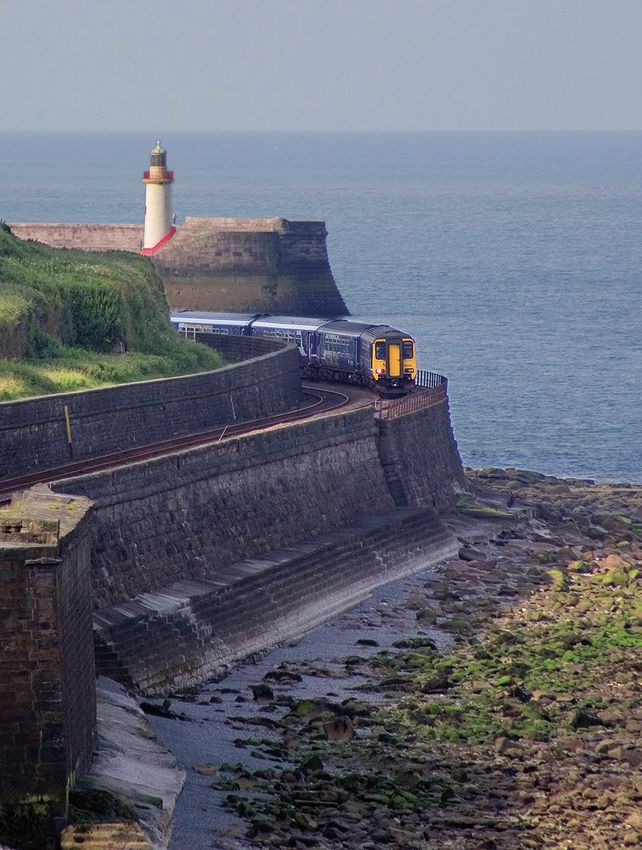
6 Cumbria Infrastructure Plan

Executive Summary

Purpose                                                    to ensure the potential of this investment can be
                                                           realised, improved journey speeds, capacity and
The Cumbria Infrastructure Plan is a strategic             reliability are vital. Here there is a real need for
document that prioritises the infrastructure needed        prioritised investment to increase the capacity of the
to facilitate economic growth and maximise                 rail network and in relation to road connections east
opportunities from large scale projects over the           and west of the M6. There is also the potential for
next fifteen years. The Infrastructure Plan supports       improved connectivity via investment in the county’s
the delivery of key infrastructure improvements to         ports and opportunities to maximise Carlisle
meet the priorities set out in the Cumbria Strategic       Airport’s potential for both passengers and freight.
Economic Plan.                                             New transport infrastructure will allow the efficient
                                                           and sustainable movement of people, goods,
                                                           materials and plant. At the same time utilities and
Supporting UK growth / Delivering
                                                           communication infrastructure are needed to support
good value                                                 growth as well as employment sites and premises,
                                                           and to capture new investment and supply chain
Cumbria presents a unique offer of growth potential        opportunities. All of this should sit alongside
and strong project pipeline totalling over £25             complementary investment in housing, social
billion. Many of the planned investment projects           infrastructure, people and skills to ensure a longer
are critical to the future prosperity of the UK and        term legacy is achieved.
will deliver economic, energy and defence policy
objectives at the national and local level. Examples
include the Moorside nuclear new build, BAE
                                                           Local growth / Future legacy
Systems ‘Successor’ programme and on-going
                                                           This Infrastructure Plan is critical to delivering
decommissioning activity at Sellafield.
                                                           and building upon the priorities outlined within
These and other projects have the potential to
                                                           the Cumbria Strategic Economic Plan (SEP). This
create over 30,000 additional jobs and an additional
                                                           is achieved by prioritising infrastructure that can
estimated £1.3 billion (13% above baseline
                                                           unlock key investments and provide the conditions
projections) of economic output per year by 2030.
                                                           for growth of the existing business base. These
Timely investment in the right infrastructure is crucial
                                                           improvements are essential to improving access to
to maximising Cumbria’s and the UK’s growth
                                                           markets, travel to work and learning, the movement
potential and the delivery of the
                                                           of freight and goods, and opportunities for supply
Northern Powerhouse.
                                                           chain development.

Existing infrastructure / New investment                   The scale of Cumbria’s future population, housing
                                                           and employment growth is a central consideration
Infrastructure capacity issues already exist in            in the plan and a driver of the level of infrastructure
Cumbria. Road and rail connections away from               investment needed.
the M6 and West Coast Mainline routes are
characterised by low travel speeds and a lack              The underlying analysis identifies significant
of resilience. The dispersed nature of Cumbria’s           population growth with substantial numbers
population and the county’s topography further             of additional jobs and homes required. This
emphasise the importance of the transport network          evidence of growth and the demand from future
to growth and development.                                 investment allied with existing constraints and
                                                           gaps in infrastructure provides a sound basis and
Future investment projects will create significant         justification for future investment and realisation of a
pressure on Cumbria’s transport network meaning            longer term legacy.

                                                                           Cumbria Infrastructure Plan               7
Balancing demands / Future resilience                     Infrastructure priorities
The plan highlights the importance of balancing the       The following infrastructure priorities are identified
demands for infrastructure with the need to protect       in the plan. These represent new investment over
Cumbria’s valuable natural landscape, a key driver        and above existing Growth Fund priorities. The
for Cumbria’s strong tourism sector. As such, the         projects are those considered to have the greatest
projects identified in this Infrastructure Plan will be   potential to address Cumbria’s infrastructure needs,
brought forward in a manner that maintains and            contribute to Cumbria LEP’s strategic objectives, the
protects Cumbria’s environment whilst ensuring the        Government’s productivity agenda and Northern
county’s growth potential can be realised through         Powerhouse initiative. These are summarised in the
improvements to the county’s roads, rail, broadband       table opposite.
and telecommunications network.

Flood risk is an important consideration for
Cumbria, with the December 2015 flood events
causing considerable damage and disruption
and further emphasising the importance of timely
and appropriate investment. Flood defence and
alleviation schemes are important to safeguard
new and existing employment and housing land,
and to restore investor and visitor confidence.
New infrastructure will need to be delivered, with
improved resilience a foremost consideration.

8       Cumbria Infrastructure Plan
Short Term Priorities                                  Medium / Long Term Priorities1

     Critical
     • Cumbrian Coastal Railway Enhancements                •   Carlisle Southern Link Road
     • A595 Corridor Enhancements                           •   A590 Road Enhancements
     • Flood Resilience and Mitigation                      •   A66 Road Enhancements
     • Connecting Cumbria Phase 3: 4G and                   •   Ulverston Bypass
          Broadband Connectivity                            •   Whitehaven Relief Route
     • Port of Workington Improvements

     Important
     • Carlisle Station and Surrounding Area
     • Carlisle Airport Enhancements
     • Port of Barrow Improvements
     • Rail Station Improvements
     • Town Centre Transport Improvements
     • Optimising Connectivity

In addition to the priorities outlined above, the Infrastructure Plan highlights the need for partner support
and delivery including wider investment in the rail and road network.

Delivery                                                    Flexibility
The Infrastructure Plan identifies a number of              The identification and prioritisation of schemes was
funding sources that will be important in taking            based on an assessment of the current opportunities
forward the priorities. These include a potential           and issues faced by the county. Should a project not
Devolution Deal for Cumbria, Growth Deal, the               be prioritised, it does not mean that it would not be
Growing Places Fund and European Structural                 prioritised through further future reviews in light of
Investment Funds. Front loading of infrastructure is        new or changing circumstances.
required so that private sector investment decisions
for contributions to infrastructure delivery do not
cause delays to projects. The Plan also emphasises
the importance of government agencies to play an
active role in realising investment.

Infrastructure priorities will be progressed
through the development of business cases for
priority projects. Cumbria LEP will use the
information contained within the Cumbria
Infrastructure Plan to bid for and secure funding
for the essential infrastructure required to support
sustainable growth.

1
    Based on current prioritisation and subject to change

                                                                            Cumbria Infrastructure Plan         9
10 Cumbria Infrastructure Plan
Introduction

The Cumbria Infrastructure Plan has been developed       The output from this plan is a prioritised list of
to identify the infrastructure investment required to    infrastructure needs in Cumbria. The scale of these
unlock additional economic growth for the UK and         needs, combined with the evidence presented
Cumbria. This plan reflects the diversity and scale of   in this document provides the case for increased
opportunity in Cumbria and the need for essential        infrastructure investment. It also demonstrates
and timely investment in transport, employment,          the role that Cumbria Local Enterprise Partnership
telecommunications and flood                             play in co-ordinating county wide infrastructure
defence infrastructure.                                  delivery and making the case to UK Government for
                                                         infrastructure investment that benefits Cumbria and
The scale of investment required is significant and      the UK economy.
reflects the level of ambition and opportunity within
the county. This investment is central to delivering
some of the UK’s most strategically important
projects in energy, defence and manufacturing and
in providing the conditions for business growth. The
return on investment in Cumbria’s infrastructure
is realised through long term productivity growth
and cost savings to the tax payer, Government and
private sector.

                                                                        Cumbria Infrastructure Plan        11
12 Cumbria Infrastructure Plan
Cumbria Today

Cumbria is unique. It is one of the largest counties in    the industry in underpinning the UK’s economic
England covering more than 2,600 square miles and          growth and energy security.
home to nearly half a million people. Strategically
located between Lancashire and Scotland, the               Tourism is also a major employer in Cumbria with
county is of key importance to the UK’s energy             an average of 41m visitors to the county each year
security, the future economic growth of the UK             generating a total of £2.4 billion for the Cumbria
economy, and the Northern Powerhouse agenda.               Economy and supporting 34,000 FTE jobs. The key
                                                           driver for the sector is the high quality environment
Today, Cumbria provides an unrivalled mix of               and natural landscape including the Lake District
assets and investment projects that offer significant      National Park. Cumbria has a nationally significant
economic growth potential. The economic, physical          visitor economy that has further potential to grow
and spatial characteristics of Cumbria, as outlined        through improved infrastructure investment focused
below, highlight Cumbria’s unique offer, the scale         upon improving the county’s road, rail, cycling and
of opportunity within the county, and why providing        telecommunications network. However, there is a
timely investment in the right infrastructure is vitally   need to balance economic growth opportunities
important in order to maximise both Cumbria’s and          with the high quality of environment that
the UK’s growth potential.                                 Cumbria offers.

                                                           Cumbria’s economic importance is set to grow
                                                           in the next fifteen years. The county will benefit
Economy                                                    from major investment opportunities and a
                                                           development pipeline of international significance.
The diversity of Cumbria’s economy is one of its key       Five of the eight largest proposed investment
strengths. Cumbria has been successful in attracting       projects in the North West region are located
and retaining major employers such as BAE, GSK,            in the county. These include the NuGen nuclear
Sellafield, Siemens, Iggesund, Innovia Films and           new build, nuclear decommissioning activity at
Pirelli. It is also home to a diverse range of large,      Sellafield, and Dong Walney offshore wind farm.
medium and small businesses.                               These sit alongside other significant and nationally
                                                           important investments including the ’successor
The county is of international importance to the           class’ submarine programme at BAE in Barrow and
nuclear and energy sectors. Cumbria’s nuclear              investment in GSK’s ‘Biopharm’ facilities at Ulverston.
sector employs over half of the UK’s nuclear               It is estimated that by 2030 these schemes can
workforce. It is critical to the UK’s future energy        support an additional £1.3 billion of economic output
security and has an international reputation for           per year (13% above baseline projections) and over
excellence and innovation. The West Coast of               30,000 additional full time jobs.
Cumbria is home to Sellafield, Europe’s largest
nuclear site employing approximately 10,000 people.        Cumbria’s investment opportunity can only be
The county’s nuclear expertise is strengthened             realised through a step change in infrastructure
through the headquarters of the National Nuclear           investment. It is critical that the efficient movement
Laboratory, the UK’s flagship nuclear research and         of goods, plant and people enables the pipeline of
development facility. The importance of Cumbria’s          investment and reflects the importance of Cumbria
nuclear sector will grow in future years with the          to the productivity of the UK economy and
delivery of a new £16 billion power station at             Northern Powerhouse.
Moorside, providing the right infrastructure is in
place. This highlights the continued importance of

                                                                           Cumbria Infrastructure Plan          13
Environment
Cumbria is the second largest county in England The risk of flooding is an important consideration for
and accounts for around 48% of the North West Cumbria with recent events causing considerable
region’s land mass. It is predominantly rural in damage and disruption and further emphasising
nature, offering a world class physical environment the importance of timely and appropriate
that underpins the vitally important tourism sector. investment. Flood defence and alleviation schemes
Cumbria’s environmental assets and green are important to safeguard existing employment
infrastructure are of significant importance to the land and housing, and to restore investor and
county’s economy and offer an unrivalled living visitor confidence. The road and rail network
and working environment. To protect the value of are particularly vulnerable and the resilience of
this landscape environmental designations cover infrastructure in dealing with these events, which are
a large proportion of the county so the pipeline increasing in frequency, is crucial. Whilst there is a
of infrastructure investment and associated shortlist of projects to safeguard certain areas from
development needs to come forward in a manner flooding, few have progressed to business cases
that is sympathetic to Cumbria’s natural assets. and secured funding. The lack of alternative route
These designations and the topography of options puts the movement of people and goods at
Cumbria do present challenges for infrastructure risk if natural events occur.
development and can act to constrain internal and
external connectivity and journey times. The infrastructure priorities identified in this Plan will
be brought forward in a manner that maintains and
The size and predominantly rural nature of Cumbria protects Cumbria’s environment whilst ensuring the
places increased importance on modern, fast county’s growth potential can be realised through
and reliable infrastructure to ensure the County improvements to the county’s roads, rail, broadband
is competitive. Fast and reliable broadband and and telecommunications network.
mobile coverage are essential, making Cumbria an
attractive place to invest and live. Whilst investment
has been made in the telecommunications network,
further progress is needed to improve coverage
and resilience giving Cumbria the competitive
infrastructure required by its residents, businesses
and those seeking to invest in and re-locate to
the county.
14 Cumbria Infrastructure PlanSpatial Development
Cumbria’s population is concentrated in a number a number of ports situated around the county’s
of key settlements across the county. The city of coastline that, with further investment, could play
Carlisle is the largest urban centre with a population a critical role in servicing the needs of the off-shore
of 73,000 people. Carlisle is central to Cumbria’s energy industry and major new investments within
growth aspirations with a major urban extension of the energy sector. They have the ability to provide
the city planned. Barrow-in-Furness is the second additional capacity supporting imports and exports.
largest urban centre (a population of 56,000), Such investment will relieve pressure on the county’s
supported by major employers such as BAe. road and rail network, improving journey times and
Population and economic activity is also centred reducing congestion.
along the county’s west coast with settlements
such as Whitehaven, Workington, Cockermouth Carlisle Airport also offers significant potential for
and Maryport being particularly important. Penrith, growth in commercial and passenger operations
Ulverston, Windermere, Kendal and Keswick are providing the opportunity to widen Cumbria’s
also strategically important centres of employment, international connectivity and further develop a
services, population and trade. strategically significant logistics hub.
While Cumbria does benefit from a diverse range The economic growth opportunities offered by
of settlements, the dispersed nature of these can Cumbria’s economic and environmental assets
increase travel times for workers, businesses and will be increased further through the major private
freight. Given the significant investments planned sector projects proposed for the county, amplifying
for the county, increasing journey speeds and Cumbria’s role in the Northern Powerhouse and the
reliability is an important issue. UK economy.
The county benefits from a strong north-south
transport spine being served by the M6 and the
West Coast mainline. These both provide key routes
to Scotland in the North, the North West and the rest
of England in the South. The M6 motorway provides
good road links between key settlements within
Cumbria. Improvements are required to improve the
resilience of the surrounding road network, secure
the future investment pipeline, open up housing and
employment sites, and improve the movement of
goods and people across the county.
Cumbria benefits from strong rail linkages to
Scotland and the south via the West Coast Mainline.
Oxenholme, Penrith and Carlisle all benefit from
frequent and fast services to London and Scotland.
Despite this, there are significant opportunities to
make better use of the West Coast Mainline and
other lines for both the transportation of goods and
people. Improving Cumbria’s rail infrastructure is
critical to achieving its growth potential, improving
internal connectivity and providing reliable linkages
to urban centres such as Manchester and Leeds.
In addition, there is potential for improved
connectivity via Cumbria’s ports. Cumbria has
Cumbria Infrastructure Plan 15Figure 1: Cumbria’s spatial context 16 Cumbria Infrastructure Plan
Growth Context
Population                                                             The ability to retain the longer term benefits of
                                                                       employment growth is constrained by a number
Cumbria’s population is estimated to grow by                           of factors, principally the limited scale and nature
around 80,000 to 2032, a significant increase from                     of the existing workforce as compared with a much
its 2012 base of 499,1042. This growth can partially                   larger future demand for labour and skills. At the
be attributed to the employment that will be created                   same time the projects and businesses generating
through the future development pipeline.                               that demand will be in competition with other
                                                                       projects from outside the county. This will mean
Population growth is not distributed evenly across                     significant in-migration of workers to meet needs.
Cumbria with some districts projected to see                           Improving Cumbria’s connectivity and providing
significant growth while others will decline. In                       suitable volumes and quality of housing are
particular growth is forecast to be concentrated in                    critical if Cumbria is to provide the expected level
Carlisle and South Lakeland, where increases of                        of employment required to satisfy the investment
more than 20% are expected by 2032.                                    pipeline.

Employment                                                             Housing

Employment in Cumbria is set to grow significantly                     The delivery of an adequate supply of homes is
as major projects come forward. The Moorside                           crucial in supporting anticipated population and
development alone is estimated to generate around                      economic growth.
21,000 jobs over its lifetime with 6,000 people
likely to be employed during the peak years of                         Annual housing targets outlined in Local Authority
construction (2022-2024). Cumbria LEP’s emerging                       Local Plans are set at 1,900 new homes per
skills plan identifies that an increase of 31,460 FTEs                 annum. Over recent years this target has not been
will be required in the county by 2024. Demand                         met although rates of delivery are showing signs
for labour, particularly from outside the county, will                 of improvement with a longer term pipeline of
be driven by the large investment pipeline and the                     supply identified. Proposals are already in place
county’s declining working age population.                             for new housing developments including a major
                                                                       development to the south of Carlisle which will
Employment growth projections vary significantly                       accommodate around 10,000 homes. Moving
across the county. Growth is projected to be                           forward, Local Plans should fully recognise the
greatest in Carlisle; with an anticipated additional                   quantum and location of the housing needed to
6,193 FTEs (13.3%) by 2031. Barrow-in-Furness                          ensure the levels of housing required to support
and South Lakeland are also projected to have                          future economic growth can be delivered. Moreover
significant employment increases of 14.3% and                          the dispersed character of Cumbria highlights the
9.2% respectively. Employment opportunities will                       crucial role of infrastructure in supporting travel from
be concentrated on several key strategic sites                         new homes to employment areas.
throughout Cumbria with a focus on specific
industries such as the nuclear sector and
associated industry. Growth is expected to be in:
accommodation; food services and recreation;
construction; and the transport and storage sectors.
Cumbria’s Information and communication sector
is also forecast to experience rapid growth –
increasing by over a third by 2031, highlighting the
importance of fast and reliable telecommunications
and broadband infrastructure.

2
    Employment (Experian Local Economic Impact Model), February 2014

                                                                                       Cumbria Infrastructure Plan           17
Investment Projects
Cumbria is set to benefit from major investment will replace the existing Trident force of
opportunities over the next fifteen years. Five of the submarine-based nuclear deterrence, sustaining
eight largest investment projects in the North West more than 1,400 employees working at the BAE
are located in the county. Key projects within the Systems site in Barrow.
development pipeline in Cumbria include:
• Continued Investment in Sellafield -
Approximately £10 billion of investment
• Moorside New Build Nuclear Power Station -
is anticipated at Sellafield up to 2030
Proposed development of three AP1000 reactors
to support ongoing decommissioning.
on land to the north and west of the Sellafield
Investment at Sellafield also includes the Silos
complex. The £16 billion Moorside nuclear
Direct Encapsulation (SDP) project and Box
power station will be capable of supplying up
Encapsulation Plant as part of the Intermediate
to 3.4GW of electricity, providing approximately
Level Waste (ILW) Programme.
7% of the UK’s current electricity requirement
equivalent to supplying around 6 million homes. • Tidal lagoon - Cumbria is the proposed location
for one of six tidal lagoons planned for England
• North West Connections Project - An estimated
and Wales with a total investment value of £5
£1.3 billion investment by National Grid to
billion. A range of other tidal power proposals
connect the electricity generated by proposed
also offer potential opportunities for growth.
energy projects in Cumbria to domestic and
business customers. The project will upgrade the • Walney Offshore Windfarm Extension - DONG
existing network to help distribute the electricity Energy are investing a further £1.3 billion to
generated by the Moorside nuclear power extend their windfarm off Walney. When
station and other sources. complete this will be one of the largest off
shore windfarms in the world and can support
• GSK – A proposed development by
high-skill supply chains linked to servicing and
GlaxoSmithKline (GSK) comprising
maintenance.
the construction of a state-of-the-art
biopharmaceutical production facility. It will • West Cumbria Coal Mine – West Cumbria
directly provide jobs, both in the construction Mining Ltd. are looking to create a coking coal
phase and subsequently an estimated 700 mine approximately 200km² off the coast near
operational jobs (up to 250 in the completed Whitehaven which will produce an estimated
first phase) and stimulate wider growth in the two to three million tonnes of hard to semi-soft
local economy. These jobs will in the main be coking coal a year.
highly skilled, but there will also be entry and
intermediate level opportunities. The scale of pipeline investment will deliver strategic
• United Utilities - A £250 million investment to economic policy objectives at the national and local
develop a 60 mile pipeline route connecting level through the creation of economic growth and
West Cumbria to the integrated grid in the North jobs during construction and operational phases,
West. The project is expected to have a nine and associated supply chains opportunities. The
year design and build phase which will maintain prioritisation of infrastructure schemes that have the
the resilience of West Cumbria’s water supply. most potential to support and maximise the long
term benefits for Cumbria is essential.
• BAE Systems - Investment in BAE at Barrow
includes the development of new build facilities
and the refurbishment of existing infrastructure
in preparation for the construction of a successor
to the Vanguard class submarines. The £12.5
billion successor build submarine programme
18 Cumbria Infrastructure PlanFigure 2: Key investment projects in Cumbria
Cumbria Infrastructure Plan 1920 Cumbria Infrastructure Plan
Infrastructure Priorities

The scale and location of infrastructure investment     Current Constraints
plays a crucial role in maximising Cumbria’s
economic growth potential. Anticipated increases        Identifying the existing constraints and gaps in
in population, employment and housing provide an        infrastructure provision alongside, evidence of
indication as to where the demand for infrastructure    growth and the aspirations for future investment
is greatest. The Cumbria Strategic Economic             provides a sound basis and justification for future
Plan has four priorities for maximising Cumbria’s       investment. There are a number of infrastructure
economic potential:                                     constraints across Cumbria as set out below.

•   Advanced manufacturing growth;                      Rail
•   Nuclear and energy excellence;
•   Vibrant rural and visitor economy; and              Rail is a key element of efficient and sustainable
•   Strategic connectivity of the M6 Corridor.          transport networks; in particular it can support
                                                        high levels of integration between settlements,
The Infrastructure Plan supports the delivery of        but also other transport modes. This includes the
these priorities by helping to prioritise investment    international connectivity for freight and passengers
in infrastructure across Cumbria that can unlock        at ports and airports.
key investments and their supply chains as well as
provide the conditions for growth of the existing       Cumbria’s rail network includes the West Coast
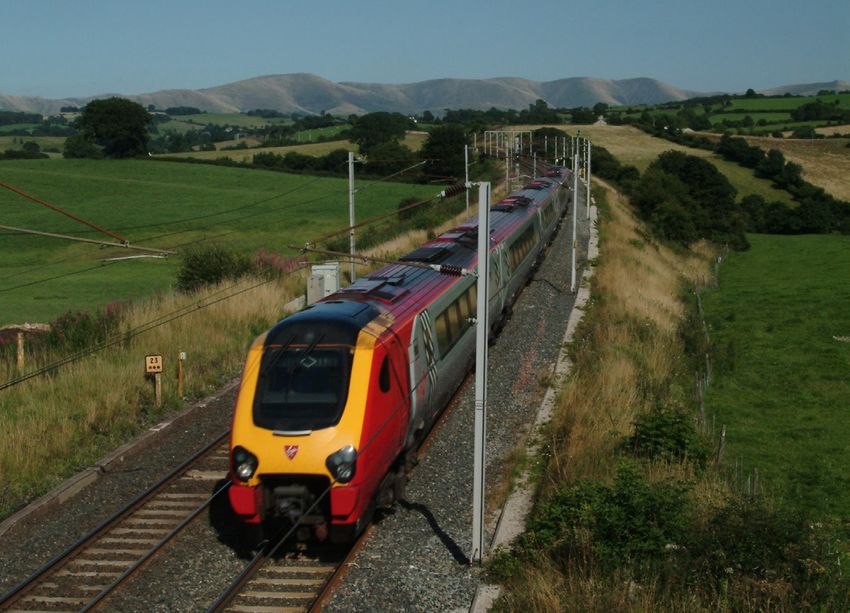
business base.                                          Mainline - the busiest mixed-traffic railway in
                                                        Europe as well as a major TENS (Trans-Europe
The scale of Cumbria’s future population, housing       Network) route linking Scotland and London via
and employment growth is a central consideration        the North West of England and West Midlands. The
in this Infrastructure Plan and a driver of the level   West Coast Mainline provides a vitally important
of infrastructure investment needed. The plan           fast and frequent passenger service to and from
recognises the need for the supporting development      London and Glasgow and its capacity is critical
of housing and employment sites and wider social        to the UK. Capacity is constrained on the line due
infrastructure to deliver a longer term legacy as       to a mix of services on the route such as fast,
well as support economic growth. The evidence of        100mph plus passenger services and diesel-hauled
future growth and contribution to the UK economy        freight services. Passenger numbers are growing
also provides a compelling ask of Government for        significantly on the line with TransPennine services
resources to realise this potential.                    often overcrowded. Given the anticipated growth
                                                        in passenger traffic, capacity issues are likely
                                                        to increase.

                                                        Freight capacity issues that exist on the line are also
                                                        likely to increase as major projects develop. Data
                                                        modelling indicates constraints at various points
                                                        along the route with Carlisle in particular not able
                                                        to continue to operate with existing freight traffic
                                                        without substantial infrastructure investment.

                                                        Away from the West Coast Mainline, rail
                                                        infrastructure has suffered from under investment
                                                        meaning it is of poor quality and not fit for purpose

                                                                        Cumbria Infrastructure Plan           21
to support major project developments in the county. It is essential that improvements are made to
Capacity, line speeds, rolling stock and timetabling Cumbria’s rail network to begin to address the
all require upgrading particularly along the Furness above issues. The improvements required include
Line, Coastal Rail Line, Settle to Carlisle Line and increases in the number of services to support
the Carlisle to Newcastle Line. Demand on these nuclear development along the Cumbria Coast
lines will only increase going forward. Cumbria’s line; investment in rolling stock, and an increase in
rail network is characterised by a number of critical services between Barrow and Manchester Airport,
factors. These include: along the Cumbrian Coast Line and additional
evening and weekend services across the county.
• Journey times between urban areas are not However, more needs to be done to improve
competitive with the car – journey times by Cumbria’s rail services and network over and above
car are at least 10% faster than rail between the enhancements planned via refranchising.
key settlements of Carlisle and Workington, These are needed to ensure projects of national
Whitehaven, Barrow and Windermere; significance (e.g. Moorside) can be delivered on time
and their impacts effectively managed.
• Significant stretches of slow (15-25mph) running
such as along the coast at Parton/Harrington,
Across the county, Cumbria’s rail stations play a
through Maryport and Whitehaven stations;
major strategic role, by supporting the movement
• A lack of electrification on all lines with the of people but also as drivers of investment in
exception of the West Coast Mainline3; themselves. However in many cases, facilities are
• Poor quality rolling stock and passenger facilities of poor quality and require further investment and
on the Furness and Cumbrian Coast Line; improvement to ensure they can accommodate
passenger requirements, and in so doing support
• The Cumbrian Coast and Furness lines are local industries and enhance travel to work areas.
particularly vulnerable to disruption at certain A key priority for investment is Carlisle Station which
locations where the railway forms the sea is strategically important being a major interchange
barrier (e.g. between Sellafield and St Bees) station on the West Coast Mainline and a key
and where it runs along the foot of cliffs (e.g. gateway to Carlisle, West Cumbria and South West
between Parton and Harrington); Scotland. The importance of this station can grow
• No Sunday service between key settlements further as High Speed Rail is extended north.
such as Whitehaven and Barrow;
Addressing the various issues affecting the rail
• A lack of capacity to meet the needs of major
network would bring significant benefits for
project developments (e.g. Moorside) on lines
Cumbria by increasing its capacity to support major
that are vulnerable to adverse weather at points
investment projects, the movement of workers and
where the line forms the sea barrier;
visitors to the county and the development of
• The majority of route mileage is still operated supply chains.
using traditional local mechanical signal boxes
and Absolute Block working. This creates
inefficiencies on the network being expensive to
staff whilst limiting capacity and route opening
hours; and
• Key areas of the Cumbria Coast Line are single
track, constraining the line’s capacity.
3
It should be noted that there is an existing commitment to electrify the Windermere line as part of the wider electrification programme currently
being undertaken by Network Rail.
22 Cumbria Infrastructure PlanCumbria Infrastructure Plan 23
Road                                                    The variability and unpredictability of the strategic
                                                        routes act as a brake on the Cumbrian economy,
Investment in road infrastructure is essential          hampering access to markets, the movement of
in delivering growth across Cumbria and is an           freight and the ability of supply chains and clusters
important consideration for both businesses and         to become embedded and grow. Addressing
visitors to the county. It supports the movement        these issues would bring significant benefit by
of both freight, travel to work journeys and            extending travel to work areas associated with the
visitor traffic. The M6 motorway provides good          major investments proposed within the county and
road links between the key settlements of Carlisle,     enabling routes through Cumbria to support the
Penrith and Kendal and beyond to Lancashire and         operation of the
Scotland. However, road connections east and            UK economy.
west of the M6 are variable and challenged by
Cumbria’s topography. The A66, A69 and A590 are
crucial in supporting trans-northern movements          Figure 3: Average Annual Daily Traffic (AADT)
although journey time unreliability across Cumbria                along Key Corridors
to the M6 is a major issue for the strategic road
network. For instance, low peak hour speeds
and delays particularly on the A595 between
Workington and Sellafield are due to sections of
single carriageway passing through built up areas
with significant numbers of Sellafield employees
commuting along the route. Low peak hour speeds
also exist on the A590 at the western end near
Barrow-in-Furness along with capacity issues at
junctions 40 and 44 of the M6. In addition, route
safety issues are a concern on the A590, A595, A66
and A69. A number of factors contribute to these
issues including a large proportion of HGV’s and
agricultural vehicles making short local journeys,
with numerous bends, hills and side road junctions
present. The vulnerability of the road network has
also been highlighted by the recent flood events.

Cumbria’s tourism industry presents a number of
challenges for the county’s road network particularly
in peak season with longer journey times and
congestion around key settlements such as Keswick
and Windermere. Moreover, the effects of the
December 2015 floods have created significant
disruption to the rural road network, not least the
severance of the A591.

24     Cumbria Infrastructure Plan
Cumbria Infrastructure Plan 25
Sea and Airports                                            ICT

Cumbria’s ports and airport can play a key role             Digital connectivity is a critical element of a vibrant
in delivering economic growth in the county.                economy. Good quality ICT is critical in reducing the
They increase access to markets and support the             constraints caused by the rural nature of Cumbria.
movement of freight and exports. Maximising the             It is especially important to the development and
potential of Cumbria’s ports would also reduce              operation of supply chains and exporters, and is a
the reliance on road and rail freight movements             vital element in supporting the operation of the
required to realise the development of major inward         rural economy.
investment projects.
                                                            The delivery of superfast broadband throughout
Opportunities exist to improve the connectivity to          Cumbria is a priority in meeting the needs of
and from Cumbria’s ports to complement existing             businesses and communities in the county who
investments in port facilities. Key ports should be         currently lack access to higher speed broadband
well integrated into the road and rail network to           and face constraints in its use. It would support
maximise freight movements and employment                   businesses in achieving their growth potential and
opportunities and enable West Cumbria and                   reduce the social exclusion felt by residents and
Northern England to play a role in the European             communities who lack access to private transport.
logistics market. This is also true for Carlisle Airport
which has invested in site facilities to enable the         Flooding
handling of additional freight and potentially
commercial flights in the future.                           The December 2015 flood event highlighted the
                                                            seriousness of flooding as an issue across the
Carlisle Airport has historically suffered from a lack      county. The effects of flooding are serious to
of investment which has meant missed opportunities          those whose homes and businesses are affected.
to increase tourism and inward investment. The              Flooding has led to the closure of roads and rail
airport is considered a key strategic asset for             lines whilst also providing a negative external image
Cumbria. It provides a unique opportunity to develop        of Cumbria’s resilience to flooding events. These
passenger and commercial flights both internally in         matters are all important for investor confidence
the UK and internationally. Developing the airport’s        and the future growth of the Cumbria economy. It is
passenger offer will also play an important role            therefore essential to ensure that new development
in maximising Cumbria’s tourism potential by                and investments are protected from flooding.
facilitating an increase in international tourism visits.
                                                            In the aftermath of this flooding event it is crucial that
Improving infrastructure that supports port and             concerns about flooding can be addressed through
airport facilities, will help facilitate economic growth,   new and worthwhile improvements, moreover
attract international visitors and reinforce Cumbria’s      new infrastructure will need to be delivered with
position in the nuclear and renewable energy                resilience to the effects of flooding (coastal and
sectors. It could also help other sectors to move           fluvial) a foremost consideration.
existing freight away from road and rail, therefore
reducing congestion on current road and                     As well as identifying the key thematic constraints
rail networks.                                              and issues, a series of area specific infrastructure
                                                            issues have been identified in reviewing
                                                            the evidence and through consultation with
                                                            stakeholders from across Cumbria. These are set
                                                            out in Appendix 2.

26      Cumbria Infrastructure Plan
Existing Investment
Cumbria LEP has identified a number of priorities for
investment, some of which have already received
initial funding to support their delivery. The Strategic
Economic Investment Programme outlined in the SEP
summarises 12 investment projects and activities
where Local Growth Funding will be required for
delivery. These are underpinned by investment in
the four economic drivers of business support, skills
development, infrastructure improvements and
environmental sustainability. Existing
initiatives include:
Strategic Economic Investment Programme Projects and Activities
Advanced Manufacturing Growth Nuclear and Energy Excellence
• Advanced Manufacturing Initiative • Centre of Nuclear Excellence
• Growth in Ulverston • Low Carbon Cumbria
• Barrow Waterfront • Infrastructure, Connectivity and
Employment Sites
Strategic connectivity of the M6 Corridor Vibrant Rural and Visitor Economy
• Employment Sites • World Class Visitor Destination
• Housing Delivery • Rural Growth Network Sites and Growth Hub
• Culture, Education and Leisure • Environmental Infrastructure
Supported by the SEP, the Cumbria LEP has
secured Growth Deal funding to deliver a range of
schemes across the county, these include: transport
improvements in Kendal; road and flood defence
improvements in Ulverston; investment in Barrow
Waterfront; delivering access to employment land
at Durranhill, Carlisle; access improvements to
the Port of Workington; the continued roll out of
broadband in the county; and sustainable transport
improvements along a number of tourist corridors.
Cumbria Infrastructure Plan 27Future Priorities
The Cumbria Infrastructure Plan has been Strategic Interventions
developed to identify and prioritise the infrastructure
requirements that are over and above the existing The following infrastructure schemes have been
investment commitments. These are framed by the identified as priorities for investment and will help
growth context within the county and assessment address some of the spatial challenges faced by the
of infrastructure constraints/ barriers (see Appendix county. They have been selected as they have the
1 methodology). The delivery of growth will involve most potential to address Cumbria’s infrastructure
a range of infrastructure interventions and delivery needs, support the imminent demands that will
routes. These are categorised as: arise from major private sector investment projects
and maximise Cumbria’s contribution to the
1. Strategic Interventions – priorities for future northern economy. The delivery of these schemes is
investment likely to be phased with the immediate priority being
2. Partner Interventions – support to partners schemes categorised as critical:
to enable delivery
3. Strategic Site Enabling
4. Developer Led Opportunities
Short Term Priorities
Proposed Scheme Description
Critical
Cumbrian Package of measures to enhance the Cumbrian Coastal railway between Carlisle
Coastal Railway and Carnforth via West Cumbria and Barrow. Measures include line speed and
Enhancements infrastructure improvements, signalling changes, station upgrades and improved
access. These enhancements are required to provide increased capacity,
usage and resilience to support economic, supply chain and employment
growth across Cumbria while also supporting the delivery and operation of new
investments in the west of the county. This improvement can also support the
growing importance of the Port of Workington. The measures would also help to
address issues of line efficiency and vulnerability to flooding and coastal erosion.
A595 Corridor This package of measures will seek to enhance the A595 between the A689,
Enhancements A66 and Sellafield to ensure this network is capable of supporting the economic
growth of West Cumbria. Currently the route suffers from low peak hour speeds
and delays. The scheme would include junction and capacity improvements and
measures to improve safety. It would support the movement of workers, freight
and supply chain opportunities.
28 Cumbria Infrastructure PlanShort Term Priorities
Proposed Scheme Description
Flood Resilience and Improve flood resilience to safeguard existing infrastructure, new investment,
Mitigation employment and housing from flooding events. Improvements will be prioritised
towards key areas of need including flood defences, flood risk management
schemes and improvements to urban drainage schemes. Priority areas for
funding are considered to be Carlisle, Ulverston and Kendal.
Port of Workington Package of measures at the Port of Workington. The scheme is expected to
Improvements include road access improvements and enabling works to open up employment
sites. These improvements would help the Port support the major investments
planned in West Cumbria while also delivering a significant area of new
employment land. The Port would be able to make a significant contribution to
the port capacity for the north of England, supporting wider economic growth.
Connecting Cumbria Delivery of county-wide 4G mobile phone coverage and superfast broadband
Phase 3: 4G across Cumbria. This will improve connectivity to markets and support the rural
and Broadband economy. It will address market failures which have been a barrier to private
Connectivity sector investment in broadband infrastructure and the need identified within
the county to have substantial improvements in access and usage. The delivery
mechanism and detailed scope of this scheme is yet to be determined.
Important
Carlisle Station and Comprehensive improvements to passenger and rail facilities including increased
Surrounding Area freight capacity in and around Carlisle Station is important. This will ensure
it can fulfil a strategic role in supporting the movement of passengers and
freight to West Cumbria and the major investments there (including increased
freight capacity via a freight avoiding line). Better facilities will also ensure the
station can play a prominent role on the West Coast Mainline and ensure the
station is ready for high speed rail. Improvement should drive investment and
regeneration in Carlisle with several transformative opportunities within the
immediate vicinity of the station.
Carlisle Airport Delivery of infrastructure necessary to facilitate the development of scheduled
Enhancements air services. The airport has suffered from a lack of investment which has
meant missed opportunities to increase tourism and inward investment. The
enhancements will include improvements to the airport’s runway including re-
profiling the runway surface, alterations to runway drainage, the installation of
new aerodrome ground lighting and resurfacing works to taxiways. Passenger
terminal facilities and car parking facilities would also be improved. These
improvements would open Cumbria up to more international visitors, a key
priority for maximising the potential of Cumbria’s tourism sector.
Cumbria Infrastructure Plan 29Short Term Priorities
Proposed Scheme Description
Port of Barrow The Port is strategically important in terms of proposals from Dong, BAE and
Improvements Marina Village. It is considered that improvements should focus on ensuring
access and port facilities support investment and supply chains in the town
(e.g. associated with Walney Wind Farm and BAE). The scheme will aid future
investment in the advanced manufacturing and energy sectors and help to
ensure that the port continues to be a key contributor to
Barrow-in-Furness.
Rail Station A fund to support packages of measures at rail stations across Cumbria. The
Improvements nature of improvements at each station will vary at each location but could
include improved parking, station access, ticketing and platform improvements.
This will help to address issues of congestion on the roads by encouraging
journeys by train.
Town Centre Package of transport and highway improvements within town centres across
Transport Cumbria to improve access and promote the use of sustainable modes and to
Improvements enable the delivery of locally significant housing and employment sites. These
schemes may include junction improvements, walking and cycling infrastructure
and marketing/communications to increase the use of sustainable modes. The
schemes would support the delivery of development in towns across the county.
Optimising This scheme includes a wider package of projects designed to provide high
Connectivity quality transport infrastructure and sustainable transport services aimed at
visitors. This could include packaging schemes such as The Water Cycle,
improvements to the Keswick/Borrowdale corridor and the Windermere corridor.
This will help to address a lack of sustainable connectivity at key gateways and
hubs on the edge of the Lake District, a lack of connections between visitor
attractions and public transport hubs, and missing links in high profile cycle
routes. The improvements would support the growth and diversification of the
visitor economy whilst also potentially helping to reduce congestion.
30 Cumbria Infrastructure PlanFigure 4: Key investment projects and short-term infrastructure priorities
Cumbria Infrastructure Plan 31Medium/Long Term Priorities 5-15 years4
Proposed Scheme Description
Carlisle Southern Development of a new link road connecting J42 of the M6 and A595 to enable
Link Road the strategic growth to the south of Carlisle whilst also improving strategic east
to west connectivity and reducing congestion in the city centre. Delivery of this
scheme would extend beyond 2030 and would provide longer term continuity in
the supply of development land to enable the growth of the city. When completed
it is anticipated that this urban extension could accommodate as many as
10,000 new homes alongside new community facilities, schools and strategic
employment opportunities. Initial work on planning this growth location and the
new link road has commenced.
A590 Road Package of schemes which seek to enhance capacity and reliability on the A590.
Enhancements The package includes junction and capacity improvements and measures to
improve safety. Improvements would provide improved links across the south
of the county and with the M6. This would support access to markets, the
development of supply chains and travel to work areas.
A66 Road Package of schemes which seek to enhance capacity and reliability on the
Enhancements A66. The package includes junction improvements and capacity improvements
and measures to improve safety. Improvements will ensure improved access
between West Cumbria and the M6 and would therefore support economic
growth by aiding the movement of goods and people.
Ulverston Bypass A bypass of Ulverston to accommodate future growth along the A590 Corridor.
The scheme would help to unlock employment and housing sites and support
the future investment plans of key businesses. This improvement would therefore
support the continued growth of Ulverston and the wider Furness area.
Whitehaven Relief Development of the Whitehaven Relief Route. This would leave the A595 north
Route of Whitehaven, connecting areas of development land east of Whitehaven and
re-joining the A595 between Mirehouse Road and West Lakes Science Park.
It has an important link to nuclear new build proposals as the route opens up
proposed sites for associated developments and new housing and
employment land.
4
Based on current priorities and subject to change
32 Cumbria Infrastructure PlanPartner Support and Delivery
There will be a need to continue to work with the Department for Transport and Transport for the North to
secure further additional infrastructure improvements to the strategic road and rail networks:
Proposed Scheme Description
Electrification of The lack of electrification has resulted in a number of connectivity shortfalls.
Furness Line, Lakes In particular the Furness Peninsula has infrequent direct train connection to
Line and Hadrian’s Manchester / Manchester Airport (e.g. four direct services a day), impacting on
Wall Country/ interregional and international connectivity. Electric trains are not able to traverse
Tyne Valley Line the Tyne Valley connection between the electrified East and West Coast Main
in addition to Lines, reducing resilience for major north-south electrified rail arteries and inter-
improvements to regional connectivity between the North East and southwest and central Scotland
Cumbrian Coast Line via Cumbria. Passenger services are limited to diesel multiple units running
mostly between Carlisle and Newcastle. The shortfall impedes business-to-
business connectivity for the advanced manufacturing sector in South Cumbria,
and between North City Regions, West Cumbria and central Scotland.
Improvements to the The current strategic route studies for the A69 and A66 together with the study
A66, A69 together underway for west of the M6 will need to feed into RIS2. Continued engagement
with A595 and A590 with Highway’s England will be important in delivering this plan. Upon these
including Ulverston routes, journey times are unpredictable, reducing the attractiveness and use
by-pass of the routes. There are geometric variables along both routes, with numerous
bends, hills and side road junctions present. Piecemeal safety interventions at a
local level at various locations interrupt journey speeds. Long term interventions
along the A590, A66 and A69 would improve access and connectivity for the
Advanced Manufacturing and Energy sectors, including Nuclear developments
on the west coast of Cumbria, marine and bio-pharma industry in Furness and
strategic developments such as Carlisle Airport and sub-regional employment
sites such as Kingmoor Park.
Cumbria Infrastructure Plan 33Developer Led Proposals Progressing Infrastructure Schemes
In addition to the schemes listed, there may be Infrastructure schemes that already have a business
opportunity for the energy sector to bring forward case will be progressed through additional study
major development which could accommodate work. Where there aren’t currently business cases
a clear infrastructure element. Potential schemes for schemes, these will be developed to ensure that
could relate to tidal lagoons and tidal barrages the priority schemes come forward.
which could incorporate new road links. These
schemes would be for specific developers In addition, the LEP will further develop the Strategic
to progress. Investment Plan to take account of any Devolution
Deal and the emerging priorities from the Cumbria
Strategic Site Enabling Infrastructure Plan.
The focus of this plan is to prioritise investment The identification and prioritisation of schemes
in hard infrastructure to support and facilitate was based on an assessment of the current
economic growth rather than direct investment opportunities and issues faced by the county. Should
in land and property. Recognising this, the plan a project not be prioritised, it does not mean that
identifies a number of strategic housing and it would not be prioritised through further future
employment sites identified through the Local reviews in light of new or changing circumstances.
Plan process. Strategic sites for the purposes of
this Infrastructure Plan are sites that are already
identified in Local Plans and defined as being over
10 hectares and sites capable of delivering more
than 500 housing units. This doesn’t include smaller
sites of less than 10 hectares or 500 housing units
which may be grouped together to form a linked
suite of sites.
Delivery of strategic sites may require gap funding
or investment to accelerate or unlock critical
investment. While a number of key sites have been
identified below there should always be scope for
scheme promotors to seek appropriate enabling
development for alternative proposals.
A summary of the key housing and employment
sites are outlined in Appendix 3.
34 Cumbria Infrastructure PlanFigure 5: Strategic Employment and Housing Sites
Cumbria Infrastructure Plan 3536 Cumbria Infrastructure Plan
Funding Sources and Scheme Delivery

The Cumbria Infrastructure Plan needs to deliver          •   Housing programme – This will unlock
against Cumbria LEP and Government objectives to              residential development by bringing sites
maximise positive impacts for the county. Given the           forward that are not viable to the private sector
competition and relative scarcity of finance there            and support the delivery of the infrastructure
is a need to demonstrate that projects respond                required to deliver the additional homes;
to real and evidenced demand within individual
                                                          •   Skills funding pot – A cross agency fund
project proposals and business cases. The following
                                                              between the LEP and the county’s key skills
funding sources and delivery mechanisms will
                                                              providers which will allow joint decision making
be important in taking forward the infrastructure
                                                              on the training programmes and facilities
priorities outlined in this document.
                                                              required to align skills provision with developer
                                                              needs; and
Government Agencies
                                                          •   Project development fund – Such a fund
There is a need for government agencies including             would speed up the development of ideas and
national and regional bodies, central government              infrastructure schemes into project proposals,
and asset owners such as Network Rail and                     strategic outline business cases, feasibility
Highways Agency to play an active part in realising           studies, and other research to develop full
investment. This is relevant for both rail and road           business cases if required. The development
infrastructure improvements which remain the                  fund would also need revenue support to
highest priority.                                             provide staffing capacity and a delivery vehicle
                                                              for the development of any project ideas.
Devolution Deal

Cumbria LEP and its partners have been engaging in
negotiations around a Devolution Deal for Cumbria.
The provision of long term funding commitments
together with increased autonomy this could
bring would significantly assist the delivery of the
transformational infrastructure schemes outlined in
this plan and could enable Cumbria to establish the
following funding opportunities:

•   Investment fund – An investment fund is likely
    to be a critical part of any Cumbria Devolution
    Deal. It will be used to accelerate the delivery of
    crucial infrastructure schemes that can unlock
    growth, alongside other schemes;
•   Transport funding pot – This could be used to
    improve Cumbria’s road, rail, port and airport
    networks. With a need to plan and implement
    improvements over a longer time period,
    the transport fund will require the first six
    years funding up front and have an indicative
    allocation for the subsequent four years;

                                                                          Cumbria Infrastructure Plan         37
You can also read


