Field Indicators of Hydric Soils in the United States - Natural ...
←
→
Page content transcription
If your browser does not render page correctly, please read the page content below
United States
Department of                Field Indicators of
                             Hydric Soils in the
Agriculture
Natural Resources

                             United States
Conservation
Service
In cooperation with
the National Technical
                             A Guide for Identifying and Delineating
Committee for Hydric Soils   Hydric Soils, Version 8.2, 2018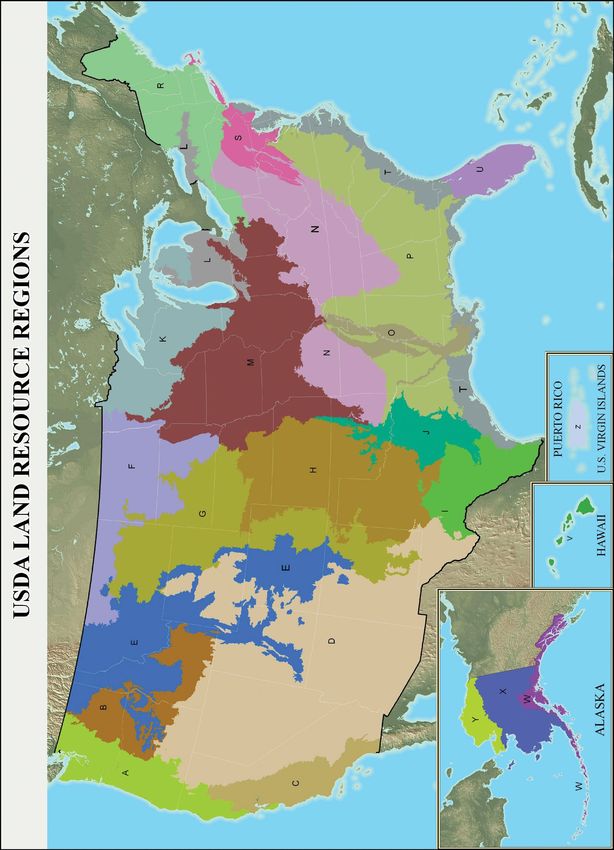
Field Indicators of Hydric Soils
        in the United States
   A Guide for Identifying and Delineating Hydric Soils
                     Version 8.2, 2018
              (Including revisions to versions 8.0 and 8.1)

                      United States Department of Agriculture,
                      Natural Resources Conservation Service,
                                 in cooperation with
                  the National Technical Committee for Hydric Soils

Edited by L.M. Vasilas, Soil Scientist, NRCS, Washington, DC; G.W. Hurt, Soil
    Scientist, University of Florida, Gainesville, FL; and J.F. Berkowitz, Soil Scientist,
    USACE, Vicksburg, MS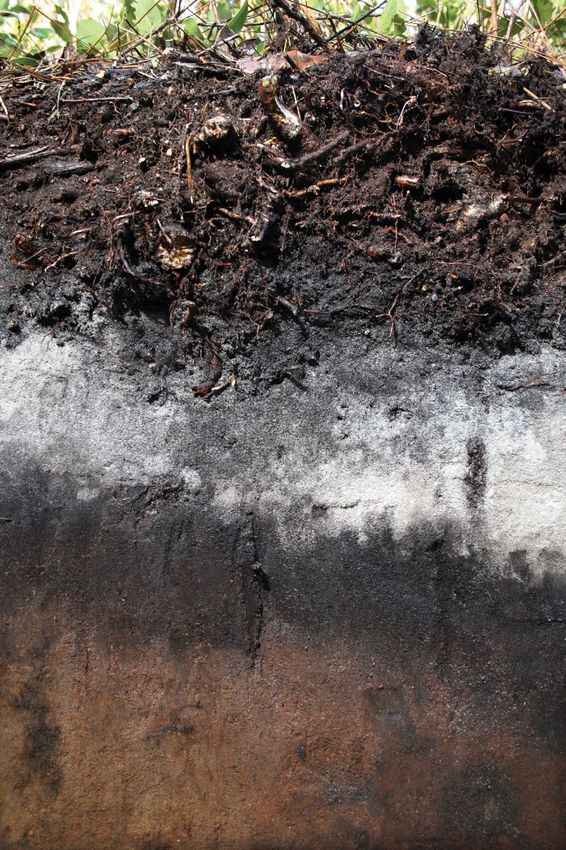
ii

        In accordance with Federal civil rights law and U.S. Department of Agriculture
     (USDA) civil rights regulations and policies, the USDA, its Agencies, offices, and
     employees, and institutions participating in or administering USDA programs are
     prohibited from discriminating based on race, color, national origin, religion, sex,
     gender identity (including gender expression), sexual orientation, disability, age,
     marital status, family/parental status, income derived from a public assistance
     program, political beliefs, or reprisal or retaliation for prior civil rights activity, in
     any program or activity conducted or funded by USDA (not all bases apply to all
     programs). Remedies and complaint filing deadlines vary by program or incident.
        Persons with disabilities who require alternative means of communication for
     program information (e.g., Braille, large print, audiotape, American Sign Language,
     etc.) should contact the responsible Agency or USDA’s TARGET Center at (202)
     720-2600 (voice and TTY) or contact USDA through the Federal Relay Service
     at (800) 877-8339. Additionally, program information may be made available in
     languages other than English.
        To file a program discrimination complaint, complete the USDA Program
     Discrimination Complaint Form, AD-3027, found online at How to File a
     Program Discrimination Complaint (https://www.ascr.usda.gov/how-file-program-
     discrimination-complaint) and at any USDA office or write a letter addressed to
     USDA and provide in the letter all of the information requested in the form. To
     request a copy of the complaint form, call (866) 632-9992. Submit your completed
     form or letter to USDA by: (1) mail: U.S. Department of Agriculture, Office of the
     Assistant Secretary for Civil Rights, 1400 Independence Avenue, SW, Washington,
     D.C. 20250-9410; (2) fax: (202) 690-7442; or (3) email: program.intake@usda.gov.
        USDA is an equal opportunity provider, employer, and lender.

       Copies of this publication can be obtained from:
            NRCS Distribution Center
            1-888-526-3227
            nrcsdistributioncenter@ia.usda.gov

        Information contained in this publication and additional information concerning
     hydric soils are maintained on the website at http://www.nrcs.usda.gov/wps/portal/
     nrcs/main/soils/use/hydric/.

       Citation: United States Department of Agriculture, Natural Resources
     Conservation Service. 2018. Field Indicators of Hydric Soils in the United States,
     Version 8.2. L.M. Vasilas, G.W. Hurt, and J.F. Berkowitz (eds.). USDA, NRCS, in
     cooperation with the National Technical Committee for Hydric Soils.

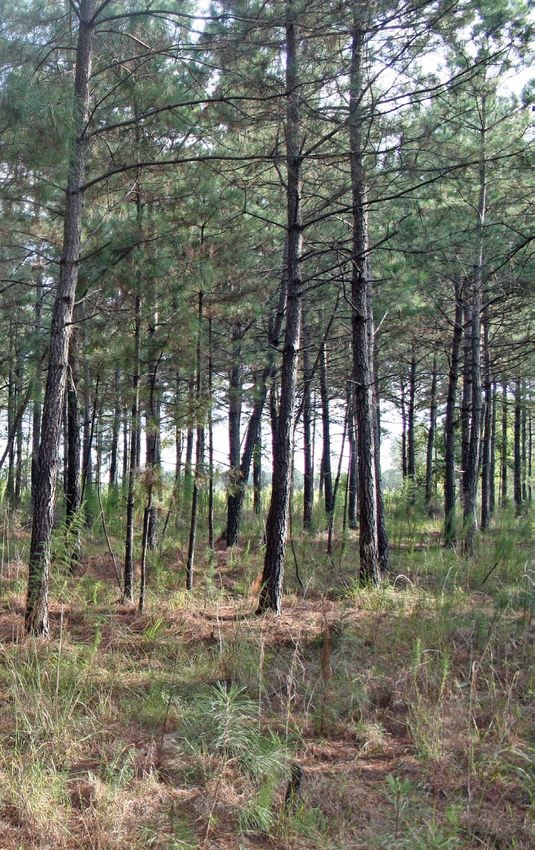
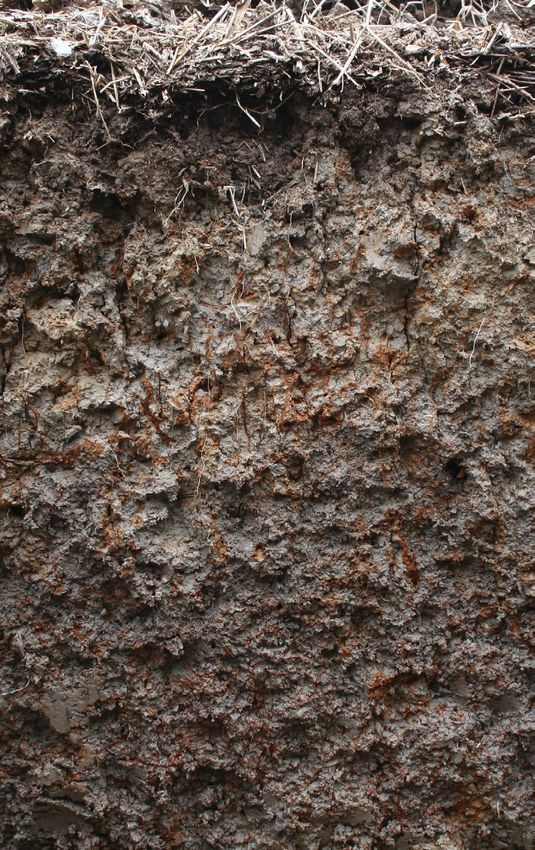
        Cover: A typical landscape and profile of a hydric soil meeting the requirements
     of indicator F3, Depleted Matrix. Note the close-up of a ped showing a gray matrix
     with redox concentrations characteristic of soils meeting this field indicator. The
     Depleted Matrix indicator is the most commonly used indicator in the United States.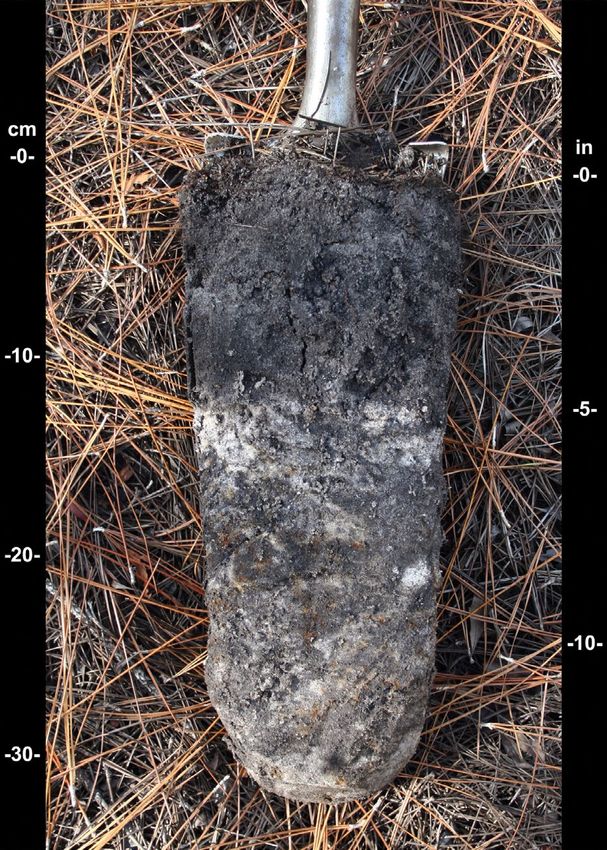
iii

Foreword

         Field Indicators of Hydric Soils in the United States has been developed by soil
     scientists of the Natural Resources Conservation Service (NRCS) in cooperation with
     the U.S. Fish and Wildlife Service (FWS); the U.S. Army Corps of Engineers (COE); the
     Environmental Protection Agency (EPA); various regional, state, and local agencies;
     universities; and the private sector. The editors recognize that this guide could not have
     been developed without the efforts of many individuals. Included in this publication are
     the hydric soil indicators approved by the NRCS and the National Technical Committee
     for Hydric Soils (NTCHS) for use in identifying, delineating, and verifying hydric soils
     in the field. Also included are indicators designated as test indicators, which are not
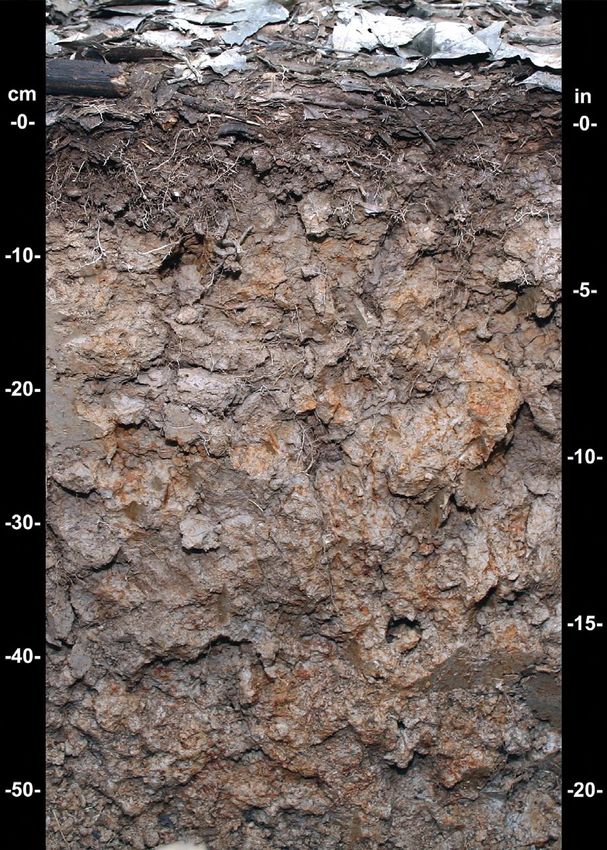
     approved for use but are to be tested so that their utility can be determined.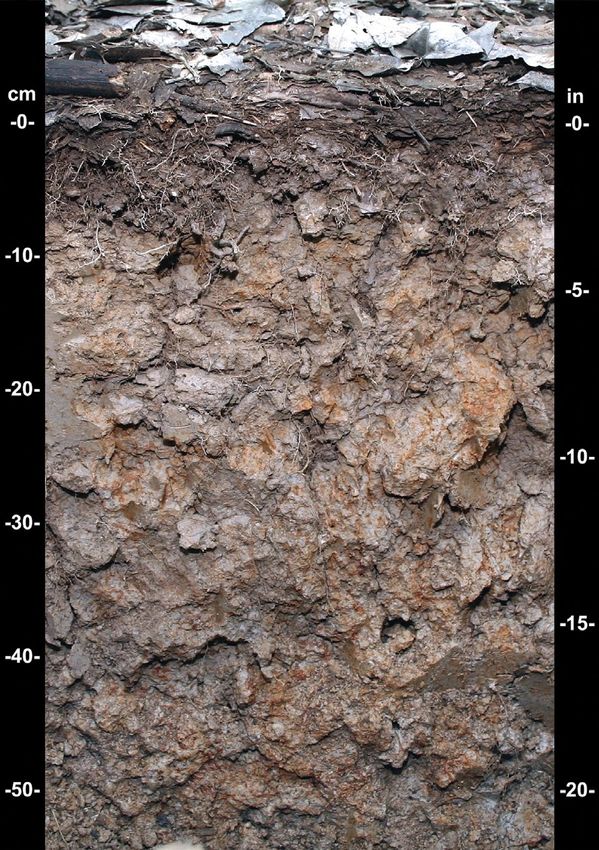
v

Contents

      Foreword ...................................................................................................................... iii
      Index to Indicators ....................................................................................................... vi
      Field Indicators of Hydric Soils in the United States, Version 8.2, 2017 ................1
         Introduction ................................................................................................................1
         Concept ......................................................................................................................2
         Procedure ..................................................................................................................3
         General Guidance for Using the Indicators ................................................................5
         To Comment on the Indicators ...................................................................................6
      Field Indicators of Hydric Soils ...................................................................................9
         All Soils ......................................................................................................................9
         Sandy Soils .............................................................................................................17
         Loamy and Clayey Soils ...........................................................................................21
      Test Indicators of Hydric Soils ..................................................................................29
         All Soils ....................................................................................................................29
         Sandy Soils ..............................................................................................................30
         Loamy and Clayey Soils ...........................................................................................30
      References ..................................................................................................................31
      Glossary ......................................................................................................................33
      Appendices .................................................................................................................43
         Appendix 1: Use Indicators by Land Resource Regions (LRRs) and Certain
              Major Land Resource Areas (MLRAs) ...............................................................43
         Appendix 2: Test Indicators by Land Resource Regions (LRRs) and Certain
              Major Land Resource Regions (MLRAs) ...........................................................44
         Appendix 3: Indicators That Have Been Deleted or Are No Longer Approved
              for Use ...............................................................................................................45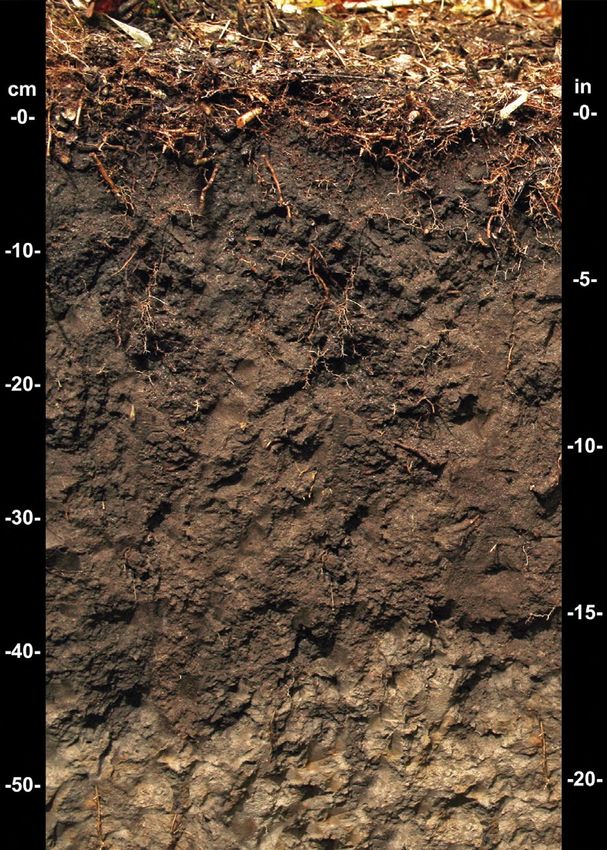
vi

                                                                   Index to Indicators

Field Indicators                                                                    Test Indicators
     All Soils .................................................................9     All Soils ...............................................................29
        A1.—Histosol or Histel .......................................9                  TA4.—Alaska Color Change ............................29
        A2.—Histic Epipedon .........................................9                   TA5.—Alaska Alpine Swales ............................29
        A3.—Black Histic ...............................................9                TA6.—Mesic Spodic .........................................29
        A4.—Hydrogen Sulfide ....................................10                   Sandy Soils .........................................................30
        A5.—Stratified Layers ......................................10                   TS7.—Barrier Islands Low Chroma Matrix ......30
        A6.—Organic Bodies .......................................11                  Loamy and Clayey Soils ....................................30
        A7.—5 cm Mucky Mineral ................................11
        A8.—Muck Presence .......................................12
        A9.—1 cm Muck ...............................................12
        A10.—2 cm Muck .............................................12
        A11.—Depleted Below Dark Surface ...............13
        A12.—Thick Dark Surface ...............................14
        A13.—Alaska Gleyed .......................................15
        A14.—Alaska Redox ........................................15
        A15.—Alaska Gleyed Pores .............................15
        A16.—Coast Prairie Redox ..............................16
        A17.—Mesic Spodic ........................................16
     Sandy Soils .........................................................17
        S1.—Sandy Mucky Mineral ..............................17
        S2.—2.5 cm Mucky Peat or Peat .....................17
        S3.—5 cm Mucky Peat or Peat ........................17
        S4.—Sandy Gleyed Matrix ...............................17
        S5.—Sandy Redox ..........................................17
        S6.—Stripped Matrix ........................................18
        S7.—Dark Surface ...........................................19
        S8.—Polyvalue Below Surface .........................19
        S9.—Thin Dark Surface ...................................20
        S11.—High Chroma Sands..............................20
        S12.—Barrier Islands 1 cm Much.....................21
     Loamy and Clayey Soils ....................................21
        F1.—Loamy Mucky Mineral .............................21
        F2.—Loamy Gleyed Matrix ..............................21
        F3.—Depleted Matrix .......................................21
        F6.—Redox Dark Surface ................................22
        F7.—Depleted Dark Surface ............................22
        F8.—Redox Depressions .................................23
        F10.—Marl .......................................................24
        F11.—Depleted Ochric ....................................24
        F12.—Iron-Manganese Masses ......................24
        F13.—Umbric Surface .....................................25
        F16.—High Plains Depressions .......................25
        F17.—Delta Ochric ..........................................25
        F18.—Reduced Vertic ......................................25
        F19.—Piedmont Flood Plain Soils ...................26
        F20.—Anomalous Bright Loamy Soils .............26
        F21.—Red Parent Material...............................26
        F22.—Very Shallow Dark Surface ...................27
1

Field Indicators of Hydric Soils in the
United States, Version 8.2, 2018

Introduction                                                             The National Technical Committee for Hydric
                                                                      Soils (NTCHS) defines a hydric soil as a soil that
    Field Indicators of Hydric Soils in the United States             formed under conditions of saturation, flooding, or
is a guide to help identify and delineate hydric soils                ponding long enough during the growing season
in the field (fig. 1). Field indicators (indicators) are              to develop anaerobic conditions in the upper part
not intended to replace or modify the requirements                    (Federal Register, 1994). Most hydric soils exhibit
contained in the definition of a hydric soil. Proper                  characteristic morphologies that result from repeated
use of the indicators requires a basic knowledge                      periods of saturation or inundation that last more
of soil-landscape relationships and soil survey                       than a few days. Saturation or inundation, when
procedures.                                                           combined with microbial activity in the soil, causes the

Figure 1.—The soil on the right is hydric. It meets the requirements of indicator S7 (Dark Surface). From the surface and to a depth
    of 10 cm, value is 3 or less and chroma is 1 or less. Below 10 cm, the matrix has chroma of 2 or less. The soil on the left is
    not hydric. It does not have a dark surface layer thick enough to meet the requirements of indicator S7 and does not meet the
    requirements of any other indicator.
2                                                                                                 Field Indicators of

depletion of oxygen. Prolonged anaerobic conditions         characteristic bluish gray or greenish gray colors
promote certain biogeochemical processes, such              known as gley (colors with value of 4 or more on the
as the accumulation of organic matter and the               gley pages in the Munsell color book). Ferric iron is
reduction, translocation, or accumulation of iron           insoluble, but ferrous iron enters the soil solution,
and other reducible elements. These processes               where it may be moved or translocated to other areas
result in distinctive characteristics that persist in the   of the soil. Areas that have lost iron typically develop
soil during both wet and dry periods, making them           characteristic gray or reddish gray colors and are
particularly useful for identifying hydric soils in the     known as redox depletions. If a soil reverts to an
field. The indicators are used to identify the hydric       aerobic state, iron that is in solution will oxidize and
soil component of wetlands; however, there are              become concentrated in patches as soft masses and
some hydric soils that lack any of the currently listed     along root channels or other pores. These areas of
indicators. Therefore, the lack of any listed indicator     oxidized iron are called redox concentrations. Since
does not prevent classification of the soil as hydric.      water movement in these saturated or inundated
Such soils should be studied and their characteristic       soils can be multidirectional, redox depletions and
morphologies identified for inclusion in this guide.        concentrations can occur anywhere in the soil and
    The indicators are designed to be regionally            have irregular shapes and sizes. Soils that are
specific. The description of each indicator identifies      saturated and contain ferrous iron at the time of
the land resource regions (LRRs) and/or major land          sampling may change color upon exposure to the
resource areas (MLRAs) in which the indicator can be        air, as ferrous iron is rapidly converted to ferric iron
applied. The geographic extent of LRRs and MLRAs is         in the presence of oxygen. Such soils are said to
defined in U.S. Department of Agriculture Handbook          have a reduced matrix (Vepraskas, 1994). Redox
296 (USDA, NRCS, 2006b). See the map or LRRs                concentrations, depletions, and reduced matrixes are
(fig. 6, page 7) and the list of LRR-specific indicators    collectively referred to as redoximorphic features.
(Appendices 1 and 2).                                           While indicators related to iron or manganese
    The list of indicators is dynamic; changes and          depletions and/or concentrations are most common
additions are anticipated with new research and field       in hydric soils, they cannot form in soils with parent
testing. The section “To Comment on the Indicators”         materials that are low in Fe or Mn content. Soils that
provides guidance on how to recommend deletions,            formed in such materials may have low-chroma colors
additions, and other changes. Any modifications             that are not related to saturation and reduction. Such
to the indicators must be approved by NRCS and              soils may have hydric soil morphological features that
the NTCHS. The current version of the indicators is         formed through accumulation of organic matter.
available on the NRCS hydric soils website (http://
www.nrcs.usda.gov/wps/portal/nrcs/main/soils/use/           Sulfate Reduction
hydric/).
                                                               Sulfur is one of the last elements to be reduced
                                                            by microbes in an anaerobic environment. The
Concept                                                     microbes convert sulfate (SO42-) to hydrogen
                                                            sulfide gas (H2S). This conversion results in a very
    Hydric soil indicators are formed predominantly by
                                                            pronounced “rotten egg” odor in some soils that are
the accumulation or loss of iron, manganese, sulfur,
                                                            inundated or saturated for long periods. In soils that
or carbon compounds under saturated and anaerobic
                                                            are not saturated or inundated, sulfate is not reduced
conditions. The processes and the soil features that
                                                            and there is no rotten egg odor. The presence of
develop under these conditions are described in the
                                                            hydrogen sulfide is a strong indicator of a hydric soil,
following paragraphs.
                                                            but this indicator occurs only in very wet portions of
                                                            the landscape, in soils that contain sulfur-bearing
Iron and Manganese Reduction,                               compounds.
Translocation, and Accumulation
                                                            Organic-Matter Accumulation
   In an anaerobic environment, soil microbes reduce
iron from the ferric (Fe3+) to the ferrous (Fe2+) form         Soil microbes use carbon compounds that occur
and manganese from the manganic (Mn4+) to the               in organic matter as an energy source. The rate at
manganous (Mn2+) form. Of the two, evidence of              which soil microbes use organic carbon, however,
iron reduction is more commonly observed in soils.          is considerably lower in a saturated and anaerobic
Areas in the soil where iron is reduced often develop       environment than under aerobic conditions. Therefore,
Hydric Soils 3
in saturated soils, partially decomposed organic high or low in content of organic matter; recently
matter may accumulate. The result in wetlands is often developed hydric soils; and soils high in iron inputs.
the development of thick organic surface horizons, In some cases we do not currently have indicators
such as peat or muck, or dark organic-rich mineral to assist in the identification of hydric soils in these
surface layers. situations. As long as the soil meets the definition of a
hydric soil, the lack of an indicator does not preclude
Determining the Texture of Soil Materials the soil from being hydric.
High in Organic Carbon The indicators were developed mostly to identify
the boundary of hydric soil areas and generally work
Soil materials fall into three categories based best on the margins. For example, redoximorphic
upon the organic carbon content: organic soil, mucky features are most likely to occur in soils that cycle
mineral soil, and mineral soil. In lieu of laboratory between anaerobic (reduced) and aerobic (oxidized)
data, the following field estimation method can be conditions. In some cases, portions of an area under
used to categorize soil material that is wet or nearly near-constant saturation will not display an indicator.
saturated with water. This method may be inconclusive Morphological features of hydric soils indicate that
with loamy or clayey mineral soils. Gently rub the saturation and anaerobic conditions have existed
wet soil material between forefinger and thumb. If under either contemporary or former hydrologic
upon the first or second rub the material feels gritty, regimes. Where soil morphology seems inconsistent
it is mineral soil material. If after the second rub the with the landscape, vegetation, or observable
material feels greasy, it is either mucky mineral or hydrology, it may be necessary to obtain the
organic soil material. Gently rub the material two or assistance of an experienced soil or wetland scientist
three more times. If after these additional rubs it feels to determine whether the soil is hydric.
gritty or plastic, it is mucky mineral soil material; if it
still feels greasy, it is organic soil material.
If the material is organic soil material, a further
Procedure
division should be made. Organic soil materials are
classified as muck, mucky peat, or peat. Differentiating Observe and Document the Site
criteria are based on the percentage of visible fibers Before making any decision about the presence
observable with a hand lens in an undisturbed state or absence of hydric soils, the overall site and how
and after rubbing between thumb and fingers 10 it interacts with the soil should be considered. The
times. Muck, mucky peat, and peat correspond to the steps below, while not required to identify a hydric
textures sapric, hemic, and fibric. If there is a conflict soil, can help to explain why a hydric soil is or is not
between unrubbed and rubbed fiber content, rubbed present. Always look at the landscape features of the
content is used. Live roots are not considered. immediate site and compare them to the surrounding
areas. Try to contrast the features of wet and dry sites
Cautions that are in close proximity. When observing slope
features, look first at the area immediately around
A soil that is drained or protected (for instance, by the sampling point. For example, a nearly level bench
dikes or levees) meets the definition of a hydric soil if or depression at the sampling point may be more
the upper part formed under anaerobic conditions in important to the wetness of the site than the overall
an unaltered state. Drained or protected hydric soils landform on which the bench or depression occurs.
generally have one or more of the indicators. Not Understanding how water moves across the site helps
all areas that have hydric soils qualify as wetlands. to clarify the reasons for the presence or absence of
For example, a soil that formed under anaerobic hydric soil indicators.
conditions but no longer has wetland hydrology
or supports hydrophytic vegetation still meets the
Observe and Document the Soil
definition of a hydric soil. However, the area will not
meet the requirements of a wetland determined by To observe and document a hydric soil, first remove
the three factor approach (presence of hydric soils, from the soil surface any woody material larger than
wetland hydrology, and hydrophytic vegetation). 2 cm in cross section that cannot be crushed or
There are hydric soils with morphologies that are shredded when rubbed. Do not remove the organic
difficult to interpret. These include soils with black, surface layers of the soil, which generally consist of
gray, or red parent material; soils with high pH; soils plant remains in various stages of decomposition. Dig4 Field Indicators of
a hole and describe the soil profile. In general, the
hole should be dug to the depth needed to document
an indicator or to confirm the absence of indicators.
For most soils, the recommended excavation depth is
approximately 20 inches (50 cm) from the soil surface,
although a shallower soil pit may suffice for some
indicators (e.g., A2, Histic Epipedon). Digging may be
difficult in some areas because of rocks or hardpans.
Use the completed profile description to determine
which hydric soil indicators have been met (USDA,
NRCS, 2006a).
For soils with thick, dark surface layers, deeper
examination may be required when field indicators are
not observed at a depth of ≤20 inches (50 cm) from
the soil surface. The accumulation of organic matter
in these soils may mask redoximorphic features in the
surface layers. Examination to a depth of 40 inches (1
m) or more may be needed to determine whether the
soils meet the requirements of indicator A12 (Thick
Dark Surface). A soil auger or probe may be useful for
sampling soil materials below a depth of 20 inches.
Whenever possible, excavate the soil deep enough
to determine if there are layers or materials present
that might restrict soil drainage. This determination
will help to indicate why the soil may or may not
be hydric. After a sufficient number of exploratory
excavations have been made to determine the soil
hydrologic relationships at the site, subsequent
excavations can be limited to the depth needed
to identify hydric soil indicators. Consider taking Figure 2.— The soil profile above consists of an 8 cm (3.14
photographs of both the soil and the overall site, inches) layer of peat and/or mucky peat underlain by
a 1 cm (0.4 inches) layer of muck. The remaining soil
including a clearly marked measurement scale in layers are sandy soil material. In LRRs R, W, X, and
pictures of soil profiles. Y, observations would begin below the peat, mucky
In LRRs R, W, X, and Y, start observations at the peat, and muck layers (9 cm). In LRRs, F, G, H, and M,
actual surface for indicators A1, A2, and A3; start observations would start at the actual soil surface. In all
observations at the muck or mineral surface for A11 remaining LRRs, observations would begin at the muck
surface (8 cm).
and A12 and for testing indicators that allow muck;
and start observations at the mineral surface for
all other indicators. In LRRs F, G, H, and M, start
observations at the actual soil surface if the soil is
sandy or when applying indicators A1, A2, and A3 Soil chromas specified in the indicators do not
and at the muck or mineral surface for the remaining have decimal points; however, intermediate colors
field indicators. In the remaining LRRs, start do occur. Colors should not be rounded to make the
observations at the top of the muck or mineral surface chroma meet the requirements of an indicator. A
(underneath any peat and/or mucky peat material), soil matrix with chroma between 2 and 3 should be
except for areas of indicators A1, A2, and A3, where described as having chroma of 2+. It does not have
observations begin at the actual soil surface (fig. 2 ). chroma of 2 and would not meet the requirements
All colors noted in this guide refer to moist of any indicator that requires chroma of 2 or less.
Munsell colors (X-Rite, 2009). Dry soils should be Value should be rounded to the nearest color chip
moistened until the color no longer changes, and wet when using the indicators. For example, a color in
soils should be allowed to dry until they no longer between a value of 3 and 4 should be rounded and
glisten (fig. 3). Care should be taken to avoid over- not excluded from meeting either F3 Depleted Matrix
moistening dry soil. or F6 Redox Dark Surface because the color occursHydric Soils 5
Figure 4.—The lower portion of this soil profile meets the
color and depth requirements of indicator F3 (Depleted
Matrix); however, the upper portion of the profile contains
Figure 3.—The left portion of this ped shows moist soil colors,
a layer with chroma of 2 or more that is more than 15 cm
and the right portion shows dry soil colors. Moist colors
(6 inches) thick. As a result, indicator F3 (Depleted Matrix)
are to be used when hydric soils are identified. The moist
is not met.
colors in this picture would meet the requirements for
indicator F6 (Redox Dark Surface), but the dry colors
would not meet these requirements.
General Guidance for Using the
between color chips. If the value is closer to 3, then Indicators
F6 or some other dark surface indicator should be Many of the hydric soil indicators were developed
considered. If it is closer to 4, then F3 or some other specifically for purposes of wetland delineation.
depleted matrix indicator should be considered. During the development of these indicators, soils in
Always examine soil matrix colors in the field the interiors of wetlands were not always examined;
immediately after sampling. Ferrous iron in the soil therefore, there are wetlands that lack any of the
can oxidize rapidly, resulting in the development of approved hydric soil indicators in the wettest interior
colors with higher chroma or redder hue. Soils that are portions. Wetland delineators and other users of
saturated at the time of sampling may contain reduced the hydric soil indicators should concentrate their
iron and/or manganese that cannot be detected by the sampling efforts near the wetland edge and, if these
eye. Under saturated conditions, redox concentrations soils are hydric, assume that soils in the wetter,
may be absent or difficult to see, particularly in dark interior portions of the wetland also are hydric, even if
colored soils. It may be necessary to let the soil dry they lack an indicator.
(for 5 to 30 minutes or more) to a moist state before All mineral layers above any layers meeting the
the iron or manganese oxidize and the redoximorphic requirements of any indicator(s), except for indicators
features become visible. A16, S6, S11, F8, F12, F19, F20, and F21, have a
Pay particular attention to changes in dominant chroma of 2 or less; or the thickness of the
microtopography over short distances. Small changes layer(s) with a dominant chroma of more than 2 is less
in elevation may result in repetitive sequences of than 15 cm (6 inches). See figure 4.
hydric/nonhydric soil mosaics, making the delineation
of individual areas of hydric and nonhydric soils
Soil Texture and the indicators
difficult. Commonly, the dominant condition (hydric
or nonhydric) is the only reliable interpretation. The Hydric soil indicators occur in three groups.
shape of the local landform can greatly affect the Indicators for “All Soils” are used for any soil
movement of water through the landscape. Significant regardless of texture (A indicators). Indicators for
changes in parent material or lithologic discontinuities “Sandy Soils” are used for soil layers with USDA
in the soil can also affect the hydrologic properties of textures of loamy fine sand or coarser (S indicators).
the soil. Indicators for “Loamy and Clayey Soils” are used6 Field Indicators of
for soil layers of loamy very fine sand and finer (F
indicators). Both Sandy layers and Loamy or Clayey
layers can occur in the same soil profile. Therefore, a
soil that has a loamy surface layer over sand is hydric
if it meets all of the requirements of matrix color,
amount and contrast of redox concentrations, depth,
and thickness for any single indicator or combination
of indicators.
It is permissible to combine certain hydric soil
indicators if all requirements of the indicators are met
except for thickness. The most restrictive requirements
for thickness of layers in any indicators used must
be met. Not all indicators are possible candidates
for combination. For example, indicator F2 (Loamy
Gleyed Matrix) has no thickness requirement and is
not a candidate for combination.
To Comment on the Indicators
The indicators are revised and updated as field
data are collected to improve our understanding of
hydric soil processes. Revisions, additions, and other
comments regarding field observations of hydric
soil conditions that cannot be documented using Figure 5.—Proper installation and monitoring of equipment
the presently recognized hydric soil indicators are as described in the Hydric Soil Technical Standard is
welcome. Any additions or other modifications must required to collect data regarding proposed additions,
deletions, or other changes to the hydric soil indicators.
be approved by the NTCHS. Guidelines for requesting
changes to field indicators are as follows:
adding or deleting a test indicator in Field Indicators of
1. Adding indicators or changing existing
Hydric Soils in the United States:
indicators: Minimally, the following should
a) Detailed descriptions of at least three pedons
accompany all requests for additions and changes
that document the test indicator and detailed
to existing hydric soil indicators in Field Indicators of
descriptions of three neighboring nonhydric
Hydric Soils in the United States:
pedons.
a) Detailed descriptions of at least three pedons
b) Detailed vegetative data collected to represent
that document the addition or change and
the vegetation of the six pedons.
detailed descriptions of the neighboring
nonhydric pedons. 3. All requests involving 1 and 2 above require a
b) Detailed vegetative data collected to represent short written plan that: a) identifies the problem, b)
the vegetation of the six pedons. explains the rationale for the request, and c) provides
c) Saturation/inundation data and oxidation- the following—person responsible and point of contact
reduction potential (Eh) data for a duration that (email and postal addresses and phone number),
captures the saturation cycle (dry-wet-dry) of at timeline for supporting data and final report to be
least one of the hydric pedons and one of the delivered to NTCHS, timeline needed for final NTCHS
nonhydric pedons. Precipitation and in-situ soil- decision, and partners involved in the project.
water pH data from the same sites should also
be provided (fig. 5). Data are to be collected Requests, plans, and data should be sent to:
according to “The Hydric Soil Technical
Lenore Vasilas, Chair NTCHS
Standard” described in Hydric Soils Technical
USDA Natural Resources Conservation Service
Note 11 (http://www.nrcs.usda.gov/wps/portal/
5601 Sunnyside Ave.
nrcs/main/soils/use/hydric/).
Room 1-2126, Stop Code 5471
2. Adding or deleting a test indicator: Minimally, Beltsville, MD 20705-5471
the following should accompany all requests for Email: Lenore.Vasilas@wdc.usda.govHydric Soils 7
Figure 6.—Map of USDA land resource regions.9
Field Indicators of Hydric Soils
The indicator descriptions in this section are
structured as follows:
1. Alpha-numeric listing (A, S, or F indicators)
2. Short name
3. Applicable land resource regions (LRRs)
4. Description of the field indicator
5. User notes
For example, A2 is the alpha numeric listing for
the second indicator for All Soils; Histic Epipedon is
the short name; “For use in all LRRs” indicates the
applicable LRRs; and “a histic epipedon underlain by
mineral soil material with chroma of 2 or less” is the
description. The helpful user notes follow the indicator.
All Soils
“All Soils” refers to soils with any USDA soil texture.
All mineral layers above any of the layers meeting
the requirements of any A indicator(s), except for
indicator A16, have a dominant chroma of 2 or less, or
the thickness of the layer(s) with a dominant chroma
of more than 2 is less than 15 cm (6 inches). In
addition, nodules and concretions are not considered
to be redox concentrations for the application of the
indicators. Use the following A-indicators in all soil
layers, regardless of texture.
A1.—Histosol (for use in all LRRs) or Histel (for
use in LRRs with permafrost). Classifies as a Histosol Figure 7.—Indicator A1 (Histosol or Histel). This soil has more
(except Folist) or as a Histel (except Folistel). than 40 cm (16 inches) of organic material, starting at the
User Notes: In a Histosol, typically 40 cm (16 soil surface
inches) or more of the upper 80 cm (32 inches) is
organic soil material (fig. 7). Organic soil materials
have organic carbon contents (by weight) of 12 to User Notes: Most histic epipedons are surface
18 percent or more, depending on the clay content horizons 20 cm (8 inches) or more thick of organic soil
of the soil. These materials include muck (sapric soil material (fig. 8). Aquic conditions or artificial drainage
material), mucky peat (hemic soil material), and peat is required. See Keys to Soil Taxonomy (Soil Survey
(fibric soil material). See Keys to Soil Taxonomy (Soil Staff, 2014) for a complete definition.
Survey Staff, 2014) for a complete definition.
A3.—Black Histic. For use in all LRRs. A layer of
A2.—Histic Epipedon. For use in all LRRs. A peat, mucky peat, or muck 20 cm (8 inches) or more
histic epipedon underlain by mineral soil material with thick that starts at a depth of ≤15 cm (6 inches) from
chroma of 2 or less. the soil surface; has hue of 10YR or yellower, value of10 Field Indicators of
3 or less, and chroma of 1 or less; and is underlain by
mineral soil material with chroma of 2 or less.
User Notes: Unlike indicator A2, this indicator
does not require proof of aquic conditions or artificial
drainage (fig. 8).
A4.—Hydrogen Sulfide. For use in all LRRs. A
hydrogen sulfide odor starting at a depth ≤30 cm (12
inches) from the soil surface.
User Notes: This “rotten egg smell” indicates that
sulfate-sulfur has been reduced to hydrogen sulfide
gas and therefore the soil is anaerobic (fig. 9).
A5.—Stratified Layers. For use in LRRs C, F, K,
L, M, N, O, P, R, S, T, and U; for testing in LRRs Q, V
and Z. Several stratified layers starting at a depth ≤15
cm (6 inches) from the soil surface. At least one of the
layers has value of 3 or less and chroma of 1 or less,
or it is muck, mucky peat, peat, or a mucky modified
mineral texture. The remaining layers have chroma of
2 or less. For any sandy material that constitutes the
layer with value of 3 or less and chroma of 1 or less,
at least 70 percent of the visible soil particles must be
masked with organic material, viewed through a 10x
or 15x hand lens. Observed without a hand lens, the
particles appear to be close to 100 percent masked.
User Notes: Use of this indicator may require
assistance from a trained soil scientist with local
experience. A stratified layer is depositional and not
Figure 8.—Indicators A2 (Histic Epipedon) and A3 (Black pedogenic. The minimum organic-carbon content of
Histic). This soil meets the depth criterion of A2 and
the color and depth criteria of A3. The black color, a
at least one layer of this indicator is slightly less than
requirement of A3, results from the accumulation of is required for indicator A7 (5 cm Mucky Mineral). An
organic matter when the soil is saturated and anaerobic. undisturbed sample must be observed. Individual
Figure 9.—Indicator A4 (Hydrogen Sulfide) is most likely to occur in salt marshes and other very wet ecosystems.Hydric Soils 11
strata are dominantly less than 2.5 cm (1 inch) modified textures. The size of the organic body is not
thick. A hand lens is an excellent tool to aid in the specifically defined, but the bodies are commonly
identification of this indicator. Many alluvial soils have 1 to 3 cm (0.5 to 1 inch) in diameter (figs. 11 and
stratified layers at greater depths; these soils do not 12). Many organic bodies do not have the required
meet the requirements of this indicator. Many alluvial content of organic carbon and as a result do not meet
soils have stratified layers at the required depths but this indicator. For example, organic bodies of mucky
do not have chroma of 2 or less; these do not meet peat (hemic material) and/or peat (fibric material)
the requirements of this indicator. The stratified layers do not meet the requirements of this indicator, nor
occur in any soil texture (fig. 10). does material consisting of partially decomposed
root tissue. The Organic Bodies indicator includes the
indicator previously named “accretions” (Florida Soil
Survey Staff, 1992).
Figure 11.—Indicator A6 (Organic Bodies). An individual
organic body generally is about 1 to 3 cm in size.
Figure 10.—Indicator A5 (Stratified Layers) in sandy material.
This soil also meets the requirements of indicator A6
(Organic Bodies).
A6.—Organic Bodies. For use in LRRs P (except
for MLRA 136), T, U, and Z. Presence of 2 percent
or more organic bodies of muck or a mucky modified Figure 12.—Indicator A6 (Organic Bodies). Some organic
mineral texture starting at a depth ≤15 cm (6 inches) bodies are smaller than 1 cm.
from the soil surface.
User Notes: Organic bodies typically occur at the
tips of fine roots. In order to meet the Organic Bodies A7.—5 cm Mucky Mineral. For use in LRRs P
indicator, the organic carbon content in organic (except for MLRA 136), T, U, and Z. A layer of mucky
bodies must meet the requirements of muck or mucky modified mineral soil material 5 cm (2 inches) or more12 Field Indicators of
thick, starting at a depth ≤15 cm (6 inches) from the User Notes: The presence of muck of any
soil surface (fig. 13). thickness at a depth of ≤15 cm (6 inches) is the only
User Notes: “Mucky” is a USDA texture modifier requirement. Normally, this expression of anaerobiosis
for mineral soils. The content of organic carbon is at is at the soil surface; however, it may occur at any
least 5 percent and ranges to as high as 18 percent. depth ≤15 cm (6 inches). Muck is sapric soil material
The percentage required depends on the clay content with a minimum content of organic carbon that ranges
of the soil; the higher the clay content, the higher from12 to18 percent, depending on the content of clay.
the content of organic carbon required. For example, Organic soil material is called muck if virtually all of
a mucky fine sand soil contains between 5 and 12 the material has undergone sufficient decomposition
percent organic carbon. When the amount of clay to prevent the identification of plant parts. Mucky peat
is increased as in a mucky sandy loam, the organic (hemic material) and/or peat (fibric material) do not
carbon content increases to between 7 and 14 qualify. Generally, muck is black and has a “greasy”
percent. feel; sand grains should not be evident.
A9.—1 cm Muck. For use in LRRs D, F, G, H, P
(except for MLRA 136), and T; for testing in LRRs C,
I, J, and O. A layer of muck 1 cm (0.5 inch) or more
thick with value of 3 or less and chroma of 1 or less
and starting at a depth ≤15 cm (6 inches) from the soil
surface.
User Notes: Unlike indicator A8 (Muck Presence),
this indicator has a minimum thickness requirement
of 1 cm (fig. 14). Normally, this expression of
anaerobiosis is at the soil surface; however, it may
occur at any depth ≤15 cm (6 inches). Muck is sapric
soil material with a minimum content of organic
carbon that ranges from12 to18 percent, depending
on the content of clay. Organic soil material is called
muck if virtually all of the material has undergone
sufficient decomposition to limit the recognition of
plant parts. Mucky peat (hemic material) and/or peat
(fibric material) do not qualify. Generally, muck is black
and has a “greasy” feel; sand grains should not be
evident.
A10.—2 cm Muck. For use in LRR M and N;
for testing in LRRs A, B, E, K, L, and S (except for
MLRA 148). A layer of muck 2 cm (0.75 inch) or more
thick with value of 3 or less and chroma of 1 or less,
starting at a depth ≤15 cm (6 inches) from the soil
surface.
User Notes: This indicator requires a minimum
muck thickness of 2 cm. Normally, this expression of
anaerobiosis is at the soil surface; however, it may
Figure 13.—Indicator A7 (5 cm Mucky Mineral). This soil has
more than 5 cm of mucky sand, starting at the surface.
occur at any depth ≤15 cm (6 inches). Muck is sapric
soil material with a minimum content of organic
carbon that ranges from12 to18 percent, depending
A8.—Muck Presence. For use in LRRs Q, U, V, on the content of clay. Organic soil material is called
and Z. A layer of muck with value of 3 or less and muck if virtually all of the material has undergone
chroma of 1 or less, starting at a depth ≤15 cm (6 sufficient decomposition to limit the recognition of
inches) from the soil surface. plant parts. Mucky peat (hemic material) and/or peatHydric Soils 13
the depleted or gleyed matrix must have value of 3
or less and chroma of 1 or less starting at a depth
≤15 cm (6 inches) from the soil surface and extend to
the depleted or gleyed matrix. Viewed through a 10x
or 15x hand lens, at least 70 percent of the visible
sand particles must be masked with organic material.
Observed without a hand lens, the sand particles
appear to be close to 100 percent masked.
User Notes: This indicator often occurs in Mollisols
but also applies to soils with umbric epipedons and
dark colored ochric epipedons (figs. 15 and 16). For
soils with dark colored epipedons more than 30 cm
(12 inches) thick, use indicator A12. A depleted matrix
requires value of 4 or more and chroma of 2 or less.
Redox concentrations, including soft iron-manganese
masses and/or pore linings, are required in soils
Figure 14.—Indicator A9 (1 cm Muck). This soil has more than
1 cm of muck, starting at 8 cm on the left measuring
tape. Different LRRs may use the presence of muck or 2
cm of muck as an indicator of a hydric soil.
(fibric material) do not qualify. Generally, muck is black
and has a “greasy” feel; sand grains should not be
evident.
A11.—Depleted Below Dark Surface. For use in
all LRRs, except for W, X, and Y; for testing in LRRs
W, X, and Y. A layer with a depleted or gleyed matrix
that has 60 percent or more chroma of 2 or less,
starting at a depth ≤30 cm (12 inches) from the soil
surface, and having a minimum thickness of either:
a. 15 cm (6 inches), or
b. 5 cm (2 inches) if the 5 cm consists of
fragmental soil material.
Organic, loamy, or clayey layer(s) above the Figure 15.—Indicator A11 (Depleted Below Dark Surface).
depleted or gleyed matrix must have value of 3 or This soil has a thin dark surface horizon that meets the
requirements of indicator A11. Because a depleted matrix
less and chroma of 2 or less starting at a depth14 Field Indicators of
chroma of 1 or less to a depth of at least 30 cm (12
inches) and value of 3 or less and chroma of 1 or less
in any remaining layers above the depleted or gleyed
matrix. In any sandy material above the depleted
or gleyed matrix, at least 70 percent of the visible
soil particles must be masked with organic material,
viewed through a 10x or 15x hand lens. Observed
without a hand lens, the particles appear to be close
to 100 percent masked.
User Notes: This indicator applies to soils that
have a black layer 30 cm (12 inches) or more thick
and have value of 3 or less and chroma of 1 or less
in any remaining layers directly above a depleted or
gleyed matrix (fig. 17). This indicator is most often
associated with overthickened soils in concave
landscape positions. A depleted matrix requires
value of 4 or more and chroma of 2 or less. Redox
concentrations, including soft iron-manganese
Figure 16.—Indicator A11 (Depleted Below Dark Surface).
This soil has a thick dark surface horizon that meets the
requirements of indicator A11. Unlike the matrix in figure
15, the depleted matrix below the dark surface horizon
in this soil starts at a depth of about 29 cm, which is too
deep to meet the requirements of indicator F3 (Depleted
Matrix). Indicator A11 allows a deeper depleted matrix
than indicator F3.
with matrix colors of 4/1, 4/2, or 5/2. A, E, and calcic
horizons may have low chromas and high values
and may therefore be mistaken for a depleted matrix;
however, they are excluded from the concept of
depleted matrix unless the soil has common or many
distinct or prominent redox concentrations occurring
as soft masses or pore linings.
A12.—Thick Dark Surface. For use in all LRRs.
A layer at least 15 cm (6 inches) thick with a depleted
or gleyed matrix that has 60 percent or more chroma
of 2 or less starting below 30 cm (12 inches) of the Figure 17.—Indicator A12 (Thick Dark Surface). Deep
surface. The layer(s) above the depleted or gleyed observation is needed to determine whether a soil meets
matrix and starting at a depthHydric Soils 15
masses and/or pore linings, are required in soils specified gley colors occurs ≤30 cm (12 inches) from
with matrix colors of 4/1, 4/2, or 5/2. A, E, and calcic the soil surface. These must be the colors on the
horizons may have low chromas and high values pages of the Munsell color book (X-Rite, 2009) that
and may therefore be mistaken for a depleted matrix; show gley colors, not simply gray colors. Second,
however, they are excluded from the concept of below these gley colors, the color of similar soil
depleted matrix unless the soil has common or many material is 5Y or redder (2.5Y, 10YR, 7.5YR, etc.).
distinct or prominent redox concentrations occurring The presence of the truly gley colors indicates that
as soft masses or pore linings. the soil has undergone reduction. The requirement
for 5Y or redder colors lower in the profile ensures
A13.—Alaska Gleyed. For use in LRRs W, X, and that the gley colors are not simply the basic color
Y. A mineral layer with a dominant hue of N, 10Y, of the parent material. Tidal sediments, lacustrine
5GY, 10GY, 5G, 10G, 5BG, 10BG, 5B, 10B, or 5PB sediments, loess, and some glacial tills have base
and with value of 4 or more in more than 50 percent colors that appear as gley. This indicator proves
of the matrix. The layer starts at a depth ≤30 cm (12 that the near-surface gley colors are not natural soil
inches) from the mineral surface and is underlain at a material colors and that they are the result of reduced
depth ≤1.5 m (60 inches) from the soil surface by soil conditions. When comparing the near-surface and
material with hue of 5Y or redder in the same type of underlying colors, make sure that both are the same
parent material. type of soil material. Many soils in Alaska consist
User Notes: This indicator can be used for all of two or more types of material (e.g., silty loess
mineral soils, not just sandy soils. The indicator has overlying gravelly glacial till or sand and gravel river
two requirements (fig. 18). First, one or more of the deposits).
A14.—Alaska Redox. For use in LRRs W, X,
and Y. A mineral layer that has dominant hue of 5Y
with chroma of 3 or less, or a gleyed matrix, with
10 percent or more distinct or prominent redox
concentrations occurring as pore linings with value
and chroma of 4 or more. The layer occurs at a depth
≤30 cm (12 inches) from the soil surface.
User Notes: In a soil layer that has been
reduced, one of the first areas where oxygen will be
reintroduced is along pores and the channels of live
roots (fig. 19). As oxidation occurs in these areas,
characteristic reddish orange redox concentrations
(with value and chroma of 4 or more) will be apparent
along the pores and linings. These will stand out in
contrast to the matrix color of the overall soil layer.
First, determine if the dominant color(s) of the soil
layer match the chroma 3 or less or gley colors
indicated. Then break open pieces of the soil and
look for reddish orange redox concentrations along
pores and root linings. The occurrence of these
concentrations indicates that the soil has been
reduced during periods of saturation and is now
oxidizing in a drier state.
A15.—Alaska Gleyed Pores. For use in LRRs W,
X, and Y. A mineral layer that has 10 percent or more
hue of N, 10Y, 5GY, 10GY, 5G, 10G, 5BG, 10BG,
Figure 18.—Indicator A13 (Alaska Gleyed). The bluish band at 5B, 10B, or 5PB with value of 4 or more along root
a depth of about 20 cm indicates the presence of reduced
soil material. The material below 20 cm reflects both the
channels or other pores and that starts at a depth ≤30
color of the parent material and soil weathering under cm (12 inches) from the soil surface. The matrix has a
aerobic conditions. dominant hue of 5Y or redder.16 Field Indicators of
Figure 20.—Indicator A15 (Alaska Gleyed Pores). Gleyed colors
are along root channels. Reduction occurs first along root
channels, where organic carbon is concentrated.
inches) from the soil surface that is at least 10 cm (4
inches) thick and has a matrix chroma of 3 or less
with 2 percent or more distinct or prominent redox
concentrations occurring as soft masses and/or pore
linings.
User Notes: These hydric soils occur mainly
on depressional landforms and portions of the
intermound landforms on the Lissie Formation. Redox
concentrations occur mainly as iron-dominated pore
Figure 19.—Indicator A14 (Alaska Redox). The matrix color linings. Common or many redox concentrations are
meets the requirements of a gleyed matrix. Reddish required. Matrix colors with chroma 3 are allowed
orange redox concentrations occur along the pores and
channels of living roots.
because they may be the color of stripped sand grains
or because few or common sand-sized reddish chert
particles occur and may prevent obtaining chroma of
User Notes: In a soil layer that is becoming 2 or less.
anaerobic, reduced conditions will first occur where
the soil microbes have an ample supply of organic A17.—Mesic Spodic. For use in MLRA 144A and
carbon. Colder soils, such as those in Alaska, 145 of LRR R and in MLRA 149B of LRR S. A layer
normally have a low content of organic carbon, so that is ≥5 cm (2 inches) thick, that starts at a depth
the microbes will congregate along the channels ≤15 cm (6 inches) from the mineral soil surface, that
containing dead roots. Gley colors will first appear has value of 3 or less and chroma of 2 or less, and
along these channels (fig. 20). In a soil layer that is not that is directly underlain by either:
already dominated by gley colors, break open pieces a. One or more layers of spodic materials that
of the soil and look closely at the root channels. have a combined thickness of ≥8 cm (3 inches),
Many of these will be very thin or fine. See if you can that start at a depth ≤30 cm (12 inches) from
observe thin coatings along the channels that match the mineral soil surface, and that have a value
the gley colors listed in the indicator. If they occur, and chroma of 3 or less; or
they indicate that the soil experiences anaerobic b. One or more layers that have a combined
conditions. thickness of ≥5 cm (2 inches), that start at a
depth ≤30 cm (12 inches) from the mineral
A16.—Coast Prairie Redox. For use in MLRA soil surface, that have a value of 4 or more
150A of LRR T; for testing in LRR S (except for and chroma of 2 or less, and that are directly
MLRA 149B). A layer starting at a depth ≤15 cm (6 underlain by one or more layers that have aHydric Soils 17
combined thickness of ≥8 cm (3 inches), that carbon content of 12 to 18 percent, depending on the
are spodic materials, and that have a value and content of clay. Organic soil material is called peat if
chroma of 3 or less. virtually all of the plant remains are sufficiently intact
User Notes: This indicator is used to identify wet to permit identification of plant remains. Mucky peat
soils that have spodic materials or that meet the is at an intermediate stage of decomposition between
definition of Spodosols. The layer or layers described peat and highly decomposed muck. To ascertain if
above that have value of 4 or more and chroma of 2 or mucky peat and/or peat are present, determine the
less are typically described as E or Eg horizons. The percentage of rubbed fibers.
layer or layers that are 8 cm (3 inches) or more, that
have value and chroma 3 or less, and that meet the S3.—5 cm Mucky Peat or Peat. For use in LRRs
definition of spodic materials (that is, have an illuvial F and M; for testing in LRRs K, L, and R. A layer of
accumulation of amorphous materials consisting of mucky peat or peat 5 cm (2 inches) or more thick with
organic carbon and aluminum with or without Fe) are value of 3 or less and chroma of 2 or less, starting at
typically described as Bh, Bhs, or Bhsm horizons. a depth ≤15 cm (6 inches) from the soil surface, and
These Bh, Bhs, or Bhsm horizons typically have underlain by sandy soil material.
several color patterns, cementation, or both. User Notes: Mucky peat (hemic soil material) and
peat (fibric soil material) have a minimum organic
carbon content of 12 to 18 percent, depending on the
Sandy Soils content of clay. Organic soil material is called peat if
“Sandy Soils” have a USDA texture of loamy fine virtually all of the plant remains are sufficiently intact
sand and coarser. All mineral layers above any of the to permit identification of plant remains. Mucky peat
layers meeting the requirements of any S indicator(s), is at an intermediate stage of decomposition between
except for indicator S6 and S11, have a dominant peat and highly decomposed muck. To ascertain if
chroma of 2 or less, or the thickness of the layer(s) with mucky peat and/or peat are present, determine the
a dominant chroma of more than 2 is less than 15 cm percentage of rubbed fibers.
(6 inches). In addition, nodules and concretions are
not considered to be redox concentrations. Use the S4.—Sandy Gleyed Matrix. For use in all LRRs,
following S-indicators for sandy mineral soil materials. except for W, X, and Y. A gleyed matrix that occupies
60 percent or more of a layer starting at a depth ≤15
S1.—Sandy Mucky Mineral. For use in all LRRs, cm (6 inches) from the soil surface.
except for T, U, W, X, Y , and Z and portions of LRR User Notes: Gley colors are not synonymous with
P outside of MLRA 136. A layer of mucky modified gray colors (fig. 21). They are the colors on the gley
sandy soil material 5 cm (2 inches) or more thick color pages in the Munsell color book (X-Rite, 2009)
starting at a depth ≤15 cm (6 inches) from the soil that have hue of N, 10Y, 5GY, 10GY, 5G, 10G, 5BG,
surface. 10BG, 5B, 10B, or 5PB and value of 4 or more. For
User Notes: “Mucky” is a USDA texture modifier this indicator, the gleyed matrix only has to be present
for mineral soils. The content of organic carbon is at at a depth ≤15 cm (6 inches) from the surface. Soils
least 5 percent and ranges to as high as 14 percent with gleyed matrices are saturated for periods of a
for sandy soils. The percent required depends on the significant duration; as a result, there is no thickness
clay content of the soil; the higher the clay content, requirement for the layer.
the higher the content of organic carbon required. For
example, a mucky fine sandy soil contains between 5 S5.—Sandy Redox. For use in all LRRs, except for
and 12 percent organic carbon. Q, V, W, X, and Y. A layer starting at a depth ≤15 cm (6
inches) from the soil surface that is at least 10 cm (4
S2.—2.5 cm Mucky Peat or Peat. For use in LRRs inches) thick and has a matrix with 60 percent or more
G and H. A layer of mucky peat or peat 2.5 cm (1 chroma of 2 or less and 2 percent or more distinct
inch) or more thick with value of 4 or less and chroma or prominent redox concentrations occurring as soft
of 3 or less, starting at a depth ≤15 cm (6 inches) masses and/or pore linings.
from the soil surface, and underlain by sandy soil User Notes: “Distinct” and “prominent” are defined
material. in the Glossary. Redox concentrations include iron
User Notes: Mucky peat (hemic soil material) and and manganese masses (reddish mottles) and pore
peat (fibric soil material) have a minimum organic linings (Vepraskas, 1994). Included within the conceptYou can also read


