Hope for Children with Orphan Liver Diseases - Through Bile Acid Modulation November 2020 - Albireo Pharma
←
→
Page content transcription
If your browser does not render page correctly, please read the page content below

Hope for Children
with Orphan Liver
Diseases
Through Bile Acid Modulation

November 2020

Cautionary Note Regarding Forward-Looking Statements
This presentation includes forward-looking statements within the meaning of the Private Securities Litigation Reform Act of 1995. Forward-looking statements include statements, other than historical facts,
regarding, among other things: the plans for, or progress, scope, cost, initiation, duration, enrollment, results or timing for availability of results of, development of odevixibat or any of our other product
candidates or programs, including regarding expectations regarding the impact of C OVID -19 on our business and our ability to adapt our approach as appropriate; the Phase 3 clinical program for
odevixibat in patients with progressive familial intrahepatic cholestasis (PFIC ), the pivotal trial for odevixibat in biliary atresia, the planned pivotal trial for odevixibat in Alagille syndrome and a Ph ase 2 trial
for elobixibat being conducted by EA Pharma in Japan; the target indication(s) for development or approval, the size, design, population, location, conduct, cost, objective, enrollment, duration or
endpoints of any clinical trial, or the timing for initiation or completion of or availability or reporting of results from any clinical trial, including the Phase 3 PFIC trial for odevixibat, and the long-term open-
label extension study, the pivotal trial for odevixibat in biliary atresia, the planned pivotal trial for odevixibat in Alagi lle syndrome, for submission of any regulatory filing, or for discussions with regulatory
authorities; the timing of and our ability to obtain and maintain regulatory approval of any of our product candidates and an y related restrictions, limitations, or warnings in the label of any approved
product candidates; the timing for commercialization of any of our product candidates, if approved; the size of the PFIC population, the biliary atresia population or any other disease population for
indications that may be targeted by Albireo; the potential benefits or competitive position of odevixibat or any other Albireo product candidate or program or the commercial opportunity in any target
indication; the potential effects of odevixibat on the treatment of PFIC patients and its potential to improve the current standard of ca re; the potential benefits of a rare pediatric disease designation; the
potential benefits of a fast track designation; the potential benefits of orphan drug designation; the pricing of odevixibat if approved; any action by, or decision of, EA Pharma concerning elobixibat; the
potential issuance of a rare pediatric disease priority review voucher ; or our business relationship; the duration of our cash runway; our future operations, financial position, revenues, costs, ex penses,
uses of cash, capital requirements or our need for additional financing; or our strategies, prospects, beliefs, intentions, p lans, expectations, forecasts or objectives. Words such as “anticipates,” “believes,”
“plans,” “expects,” “projects,” “future,” “intends,” “may,” “will,” “should,” “could,” “estimates,” “predicts,” “potential,” “continue,” “guidance,” and similar expressions sometimes identify forward-looking
statements.
Any forward-looking statement involves known and unknown risks, uncertainties and other factors that may cause our actual results, levels of activity, performance or achievements to differ materially
from those expressed or implied by such forward-looking statement, and, therefore, investors are cautioned not to place undue re liance on any forward-looking statement. These factors include, but are
not limited to: negative impacts of the C OVID-19 pandemic, including on manufacturing, supply, conduct or initiation of clinical trials, or other aspects of our business; the potential availability of
odevixibat through the EAP, whether the United States Food and Drug Administration (FDA) continues to allow odevixibat to be administered through the Expanded Access Program (EAP), whether
favorable findings from clinical trials of odevixibat to date, including findings in indications other than PFIC , will be pre dictive of results from the trials from any other clinical trials of odevixibat; whether
either or both of the FDA and European Medicines Agency (EMA) will determine that the primary endpoint for their respective evaluations and treatment duration of the double-blind Phase 3 trial in patients
with PFIC are sufficient to support approval of odevixibat in the United States or the European Union, to treat PFIC , a symptom of PFIC , a specific PFIC subtype(s) or otherwise; the outcome and
interpretation by regulatory authorities of the ongoing third-party study pooling and analyzing of long-term PFIC patient data; the timing for initiation or completion of, or for availability of data from,
clinical trials of odevixibat, including the pivotal program in biliary atresia or the planned pivotal program in Alagille sy ndrome, and the outcomes of such trials; Albireo’s ability to obtain coverage, pricing
or reimbursement for approved products in the United States or European Union; delays or other challenges in the recruitment of patients for, or the conduct of, the pivotal program in biliary atresia or
planned pivotal program in Alagille syndrome; whether odevixibat will meet the criteria to receive a pediatric priority review voucher when applicable; the competitive e nvironment and commercial
opportunity for a potential treatment for PFIC or other orphan pediatric cholestatic liver diseases; the medical benefit that may be derived from odevixibat, elobixibat, A3384 or any of our other product
candidates; the extent to which our agreement for elobixibat with EA Pharma generate s future nondilutive income; the significant control or influence that EA Pharma has over the commercialization of
elobixibat in Japan and the development and commercialization of elobixibat in EA Pharma’s other licensed territories; our ab ility to protect and expand our intellectual property; the timing and success of
submission, acceptance and approval of regulatory filings; and our critical accounting policies. These and other risks and uncertainties that we face are described in our most recent Annual Report on Form
10-K and in other filings that we make or have made with the Securities and Exchange C ommission. In addition, market and industr y statistics contained in this presentation are based on information
available to us that we believe to be reliable but have not independently verified.

All forward-looking statements speak only as of the date this presentation is made and should not be relied upon as representing our views as of any date after this presentation is
made. We specifically disclaim any obligation to update any forward-looking statement, except as required by applicable law. “Albireo” is a trademark of Albireo AB. All other trademarks,
service marks, service marks, trade names, logos and brand names identified in this presentation are the properties of their respective owners.

           2                                                                            ©2020 Albireo Pharma, Inc. All rights reserved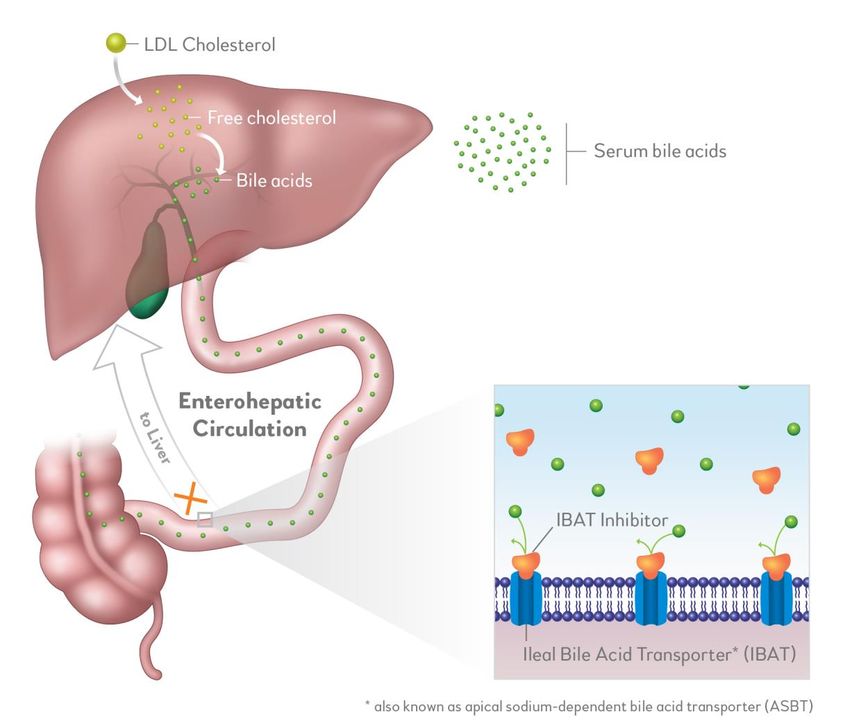
Albireo: Innovative Science + Deep Pipeline
                         + Well Capitalized

STRONG        ▪ More than a decade of leadership in bile acid modulation
BASIC         ▪ World’s first regulatory approval for IBATi therapy (elobixibat)
SCIENCE

ORPHAN
PEDIATRIC    ▪ Odevixibat (IBATi) wholly owned, oral QD capsule/sprinkle with MOU patent
LIVER LEAD     through 2031/34*, orphan desigs., PRIME, PIP, fast track and PRV eligibility
ASSET        ▪ Positive Ph 3 results in PFIC, pivotal trials ongoing in biliary atresia and ALGS

              ▪ Nasdaq listed as ALBO; 19M outstanding shares as of September 30, 2020
SOLID         ▪ $279M cash and cash equivalents as of September 30, 2020
FINANCIAL     ▪ Cash and cash equivalents sufficient to fully fund odevixibat launches and
POSITION        into revenue generating phase

                           *Natural expiry/with potential patent term extension (PTE)
 3                                        ©2020 Albireo Pharma, Inc. All rights reserved
Management Team With Deep Biotech & Pharma Experience

                       Ron Cooper                                                          Jan Mattsson, PhD
                    President and CEO                                                      Chief Scientific Officer
                                                                                               (Co-Founder)
                     Bristol-Myers Squibb
                    (President of Europe)                                                       AstraZeneca

                   Pat Horn, MD, PhD                                                         Simon Harford
                   Chief Medical Officer                                                   Chief Financial Officer
                                                                                          Parexel, GlaxoSmithKline,
                    Orphan Technologies,                                                           Eli Lilly
                  Dyax, Tetraphase, Abbott

                  Pamela Stephenson                                                           Martha Carter
                 Chief Commercial Officer                                                 Chief Regulatory Officer
                        Vertex, Pfizer                                                     Aegerion, Proteon, Trine

                   Michelle Graham                                                           Jason Duncan
             Chief Human Resources Officer                                                  Chief Legal Officer
                                                                                           and General Counsel
                   TESARO, Parexel, Integer,                                              Stallergenes Greer, Sobi,
              Bausch + Lomb, Bristol-Myers Squibb                                                EMD Serono

4                                        ©2020 Albireo Pharma, Inc. All rights reserved
A Robust Pipeline Targeting Liver and GI
                                                        Diseases/Disorders

                                                                PRECLINICAL                  PHASE 1                      PHASE 2   PHASE 3   APPROVED

                                                 PFIC
Commercialization

                                                                                                     Completed Pivotal Trial
  Independent

                          Odevixibat
    Planned

                                             Biliary Atresia

                          Pediatric Liver
                            Diseases        Alagille Syndrome

                                            Other Cholestatic

                                                Chronic                                   Approved in Japan/Partnered with EA Pharma
                           Elobixibat
                                              Constipation
 Commercialization
  Planned Partner

                                               Adult Liver
                         Lead Candidate
                                                Diseases
                           Bile Acid
                                              Undisclosed
                          Modulators
                                               Bile Acid
                             A3384
                                             Malabsorption

                     5                                                   ©2020 Albireo Pharma, Inc. All rights reserved
Delivering on Our Plan as a Public Company

                                    Elobixibat
                                                                                                  Ph3 Odevixibat
                                      Japan
                                                                                                   Biliary Atresia
                                    Approved
                                                                                                    Pivotal Start
                                                                                        Ph3
       Ph3                             Ph3
                        Ph2                                                         Odevixibat
    Elobixibat                     Odevixibat                                                      Odevixibat
                     Odevixibat                                                         Site
    Japan Ph3                      PFIC Pivotal                                                   PFIC Positive
                      Results                                                        Initiation
     Results                          Start                                                         Ph3 Data
                                                                                    Completed

       2016            2017              2018                                         2019            2020
     NASDAQ         Equity Raise                                                       ATM        Equity Raise
                                   Equity Raise
      Listing         ~$50M                                                         Financing       ~$43M
                                     ~$100M
      ~$30M                                                                          ~$21M
                    Legacy Asset                                                                    Royalty
    Elobixibat          Sale         Royalty
                                                                                                  Monetization
    Milestone         ~$4.5M       Monetization
                                                                                                    ~$15M
    Payment                          ~$45M
      ~$8M                                                                                        Debt Facility
                                    Elobixibat                                                       $10M
                                    Approval                                PRV
                                    Milestone                            Eligibility              Equity Raise
                                    Payment                             Odevixibat                  ~$150M
                                     ~$11M

6                                  ©2020 Albireo Pharma, Inc. All rights reserved
Multiple Planned Milestones

                                                                                      1H’20        2H’20            1H’21   2H’21             2022

      PFIC PEDFIC 1 Regulatory filings completion                                                        Early 1H

      PFIC PEDFIC 2 rollover and expanded cohort                                    Open label

            Biliary atresia pivotal program                                         1H 20        Initiation     1H 21       Full site activation

          Alagille syndrome pivotal program                                                        End 20

  PFIC approval, priority review voucher, launch                                                                            2H 21

Lead Candidate Adult Liver Disease (MOA undisclosed)                                 IND-enabling studies

              Novel bile acid modulators

  7                                        ©2020 Albireo Pharma, Inc. All rights reserved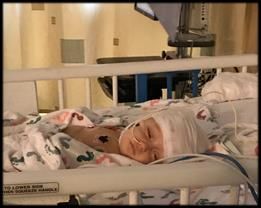
Odevixibat:
    Multi-Disease Development
             Approach

8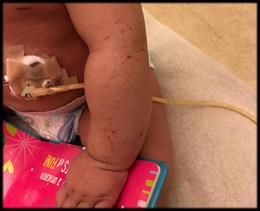
Many Diseases with Cholestasis of the Liver

                                                                                                         Cystic Fibrosis-
                             Intrahepatic                                                                Associated Liver Disease
Progressive Familial         Cholestasis of
Intrahepatic                 Pregnancy                         Primary Biliary
Cholestasis (PFIC)                                             Cholangitis                                        AIDS
                                                                                                                  Cholangiopathy
                              Drug-Induced
                              Cholestasis
                                                                                               Malignancy of Bile Ducts
Biliary Atresia

                                                IG4-associated cholangitis
                  Alagille Syndrome

                                                                                                                  Low Phospholipid-
                                                               Biliary                                            Associated Cholestasis
Primary Sclerosing Cholangitis                                 Strictures

   9                                          ©2020 Albireo Pharma, Inc. All rights reserved
Potential Target Indications

                      ~30,000-40,000* patients in the U.S. and EU alone who are lacking an
                                    approved pharmacological treatment
                 40

                                     Alagille 3-5K
                 35                                                                             Genetic disorder, paucity of bile ducts

                 30                      PFIC
                                        8-10K
                                                                                   Genetic disorders with bile acid build-up in liver
                 25
     Thousands

                                       Pediatric
                 20                      PSC
                                        8-10K                                                 Inflammation and scarring of bile ducts
                 15

                                       Biliary                                                      Blocked or absent large bile ducts
                 10
                                       Atresia
                                       15-20K
                 5

                                                                                   *Estimate derived from literature, primary market research and modeling. Forecast
                 0                                                                 estimates do not include other regional opportunities, such as Saudi Arabia, Turkey,
                                 Bile Acid-Associated                              Asia, LATAM.
                              Cholestatic Liver Diseases

10                                                         ©2019 Albireo Pharma, Inc. All rights reserved.
What Is PFIC?
Genetic Disease
Presentation Survival
Disorder Progression
Multiple genes, Inflammation Almost no patients
Age ~1-2 similar symptoms Fibrosis survive beyond age 20
Cirrhosis without surgical
Cholestatic/ Death diversion or liver
Pruritic transplant*
*Pawlikowska 2010
11 ©2020 Albireo Pharma, Inc. All rights reservedInadequate Treatment Options for PFIC
Off-Label Medications PEBD Surgery Liver Transplantation
(partial external biliary diversion)1
UDCA
0 1 2
Time Post PEBD ( Years)
Seeking symptomatic relief Bile acid and pruritus reductions Limited timely organ availability
UDCA, rifampicin, cholestyramine … Undesirable external stoma bag Need for lifelong immunosuppression
Morbidity and disease recurrence
1Yang, et al. J Pediatr Gastroenterol Nutr 2009
12 ©2020 Albireo Pharma, Inc. All rights reservedKennedie’s Story
Diagnosis Insatiable Pruritis Life Post-Transplant
✓ Failure to thrive “We did what we could. ✓ Urgent need for liver transplant
✓ Unexplained seizure, brain bleed Nothing could comfort her. ✓ Lengthy hospitalization
✓ Undetectable levels of Vitamins Nothing helps the ✓ Various setbacks
A, D, E, K
insatiable itching.” ✓ Compromised immune system
✓ PFIC 2 diagnosis at 6 months
✓ Requires daily immunosuppressive
-Emily, Kennedie’s mother medications
For more patient stories, visit www.pficvoices.com/videos
13 ©2020 Albireo Pharma, Inc. All rights reservedOdevixibat: A Profile Potentially Suitable for Pediatric Use
▪ Once-Daily Dosing
▪ Oral Capsule or Sprinkles
▪ Minimal Systemic Exposure
▪ Favorable Tolerability Profile
14 ©2020 Albireo Pharma, Inc. All rights reservedNAPPED Natural History Data
Provide Strong Rationale for IBATi
NAPPED: Natural Course and Prognosis of PFIC and Effect of Biliary Diversion
PFIC2 Native Liver PFIC1 Native Liver
Survival Improvement* Survival Improvement **
% Of Patients With Native Liver
% Of Patients With Native Liver
P=0.03 Years After Diversion
P=0.001 Years After Diversion
Improved native liver survival does not require bile acid normalization
*Van Wessel et al. 10.1016/j.hep.2020.02.007, Would be 100%, but one patient died due
to complications of multiple PEBD surgeries ** Van Wessel Espghan 2019
15 .
©2020 Albireo Pharma, Inc. All rights reservedPositive Phase 2 Trial Results
PFIC Patients Only*
▪ Studied PFIC, biliary atresia and Alagille syndrome
patients for 4-weeks
▪ Deep sBA reduction across wide range of pediatric
cholestatic patient types
▪ Demonstrated strong correlation between
reduction of sBA and pruritus/sleep improvement
▪ All patients completed treatment; no evidence of
diarrhea during 4-week treatment period
* Excludes PFIC patient with no BSEP function and 17-year-old PFIC
patient with low baseline sBA. Neither meet inclusion criteria for Phase 3
trial.
16 ©2020 Albireo Pharma, Inc. All rights reservedPEDFIC 1&2: Phase 3 PFIC Program Summary
Pediatric PFIC (PEDFIC)
24-Week Treatment
Odevixibat
40 µg/k g/day
Endpoints
N = 23
FDA
PEDFIC 2
• Assessment of change Rollover cohort
in pruritus extension trial
62 Subjects Odevixibat EMA
Oral capsule/sprinkle R 120 µg/k g/day • Serum bile acid
Once daily N = 19 responder rate (reach PEDFIC 2
≤70 μmol/L or a Expanded cohort
reduction of 70%) non-PEDFIC 1 eligible
Key Inclusion Criteria: Placebo FDA/EMA: Single Pivotal
Diagnosis of PFIC1 or 2 N = 20
Sufficient to Support
Confirmed BSEP activity
NDA/MAA Filings
Serum bile acids ≥100 μmol/L
Pruritus ≥2 on 0-4 scale Double-Blind, Randomized, Placebo-Controlled
Trial to Demonstrate Efficacy and Safety of
Odevixibat in Children with PFIC
17
©2020 Albireo Pharma, Inc. All rights reservedPEDFIC 1 Odevixibat PFIC Phase 3 Results
▪ Statistically significant improvement in pruritus assessments p=0.004
▪ Statistically significant improvement in serum bile acid responses p=0.003
▪ Both odevixibat doses statistically significant for both endpoints
▪ Similar efficacy in PFIC 1 and PFIC 2 patients
▪ Excellent tolerability profile
• Most common non-treatment related AEs: infections and infestations 52.4% (odevixibat) vs
60.0% (placebo)
▪ Low rate of treatment-related diarrhea/frequent bowel movements vs placebo
• 9.5% (odevixibat) vs 5.0% (placebo)
▪ Company plans to submit for approval in the U.S. and Europe
18
©2020 Albireo Pharma, Inc. All rights reservedKey Baseline Demographics/Baseline Characteristics
Placebo Odevixibat
n=20 n=42
Age (Years) 3.75 (0.5 - 15.0) 4.48 (0.6 - 15.9)
Sex (% Female) 40.0 54.8
5 (25.0%) Type1 12 (28.6%) Type 1
PFIC Type; n (%)
15 (75.0%) Type 2 30 (71.4%) Type 2
Bile acids and range
247.53 (56.5 - 435) 252.1 (36 – 605)
(nl = 0 – 10 µmol/L)
Pruritus (0-4 scale) 3.02 (1.5 - 4.0) 3.00 (2.0 - 4.0)
Ursodeoxycholic acid; n (%) 18 (90.0%) 32 (76.2%)
Rifampicin; n (%) 17 (85.0%) 24 (57.1%)
ALT and range
76.9 (19.0 - 236.0) 110.2 (16.0 - 798.0)
(nl = 0-35 U/L)
Total Bilirubin and range
3.12 (0.3 - 11.4) 3.18 (0.2 - 18.6)
(nl < 1.20 mg/dL)
19
©2020 Albireo Pharma, Inc. All rights reservedPruritus Improvement Statistically Significant
Proportion of Positive Pruritus Assessments
Primary Endpoint
(P= 0.004)
70.0%
60.0%
50.0%
53.5%
40.0%
30.0%
28.7%
20.0%
10.0%
0.0%
Placebo Odevixibat*
*Odevixibat 40 µg/kg/day and 120 µg/kg/day
20
©2020 Albireo Pharma, Inc. All rights reservedPruritus Change in Mean From Baseline
Absolute Change in Pruritus
Secondary Endpoint
0
-0.2 -0.25
▪ Measured using PRUCISION instrument with
-0.4
0-4 scale
-0.6
▪ >1 point drop deemed clinically meaningful
-0.8 by external expert analysis
-1
-1.13
-1.2
-1.4
(P= 0.020)
Placebo Odevixibat*
*Odevixibat 40 µg/kg/day and 120 µg/kg/day
21
©2020 Albireo Pharma, Inc. All rights reservedSerum Bile Acid Reduction Statistically Significant
Serum Bile Acid
Primary Endpoint
(P=0.003)
0.35
Albireo Definition for Bile Acid Reduction Endpoint
0.3 33.3%
0.25 ▪ Reduction of 70% or greater serum bile acids or
0.2 ▪ Reaching ≤70 μmol/L serum bile acid level
0.15
0.1
0.05
0
None
Placebo Odevixibat*
*Odevixibat 40 µg/kg/day and 120 µg/kg/day
22
©2020 Albireo Pharma, Inc. All rights reservedAbsolute Serum Bile Acid Reduction Statistically Significant
Absolute Serum Bile Acid Reduction (µmol/L)
Secondary Endpoint
(P= 0.002)
60
40
20
13.1
0 38%
-20
Reduction from baseline
-40
-60
serum bile acids
-80
-100 -114.3
-120
-140
Baseline to End of Treatment
-160
Placebo Odevixibat*
*Odevixibat 40 µg/kg/day and 120 µg/kg/day
23
©2020 Albireo Pharma, Inc. All rights reservedSimilar Response in PFIC1 and PFIC2 Patients
Proportion Positive Pruritus Assessments % Change in Serum Bile Acids
80.0% 0.0%
70.0%
-10.0%
60.0%
61.1% -20.0%
50.0%
50.5% -30.4%
40.0% -30.0%
30.0%
-40.0% -42.4%
20.0%
-50.0%
10.0%
0.0% -60.0%
PFIC1 PFIC2 PFIC1 PFIC2
24
©2020 Albireo Pharma, Inc. All rights reservedSummary of Treatment Emergent Adverse Events (TEAE)
Placebo Odevixibat All
N=20 N=42
n (%) n (%)
Any TEAE 17 (85.0) 35 (83.3)
Severe TEAE 2 (10.0) 3 (7.1)
Serious Adverse Events (SAE) 5 (25.0) 3 (7.1)
Drug-related SAE 0 0
TEAEs leading to discontinuation 0 1 (2.4)
All-cause mortality 0 0
25
©2020 Albireo Pharma, Inc. All rights reservedWell Tolerated with a Low Incidence of Diarrhea
Placebo Odevixibat
Treatment-related gastrointestinal adverse events N=20 N=42
n (%) n (%)
Patients with any Drug-Related TEAEs 3 (15.0) 14 (33.3)
Gastrointestinal disorders 2 (10.0) 5 (11.9)
Abdominal pain 0 1 (2.4)
Abdominal pain upper 0 1 (2.4)
Constipation 1 (5.0) 0
Diarrhea/Frequent bowel movements 1 (5.0) 4 (9.5)
26
©2020 Albireo Pharma, Inc. All rights reservedOdevixibat PEDFIC 1 Study Conclusions
▪ Achieved high statistical significance in the pruritus and serum bile acid primary endpoints
▪ Demonstrated similar efficacy in PFIC1 and PFIC2 patients
▪ Excellent tolerability profile with low diarrhea rate
▪ Plans to complete regulatory filings in early 2021
▪ First and largest randomized, placebo-controlled prospective trial in PFIC
▪ Sustained efficacy with once-daily, non-systemic, highly potent IBAT inhibitor
27
©2020 Albireo Pharma, Inc. All rights reservedNext Steps - Planning For Success
Regulatory Filings PFIC Go to Market Expand Pt. Population
▪ US and EU filings completed early ‘21 ▪ KOL engagement ▪ Initiated biliary atresia pivotal trial
▪ Document preparation underway ▪ Pricing and access planning ▪ Plan to initiate Alagille pivotal trial
▪ Registration batches on stability ▪ Patient support program build ▪ Evaluate additional indications
28 ©2020 Albireo Pharma, Inc. All rights reservedCommercialization Strategy & Approach
U.S. Launch EU Launch RoW Strategy
Identify Patients Focused Medical Robust Country
Presence Prioritization
Competitive Strong Market Strong Local
Profile Access Partners
Drive Access to Flexible Commercial
Accelerate Uptake Operations
29 ©2020 Albireo Pharma, Inc. All rights reservedOdevixibat Go-to-Market Plan
PFIC Ph3 Results U.S. & EU Launch
2020 2021 Completed Commercial
Activities
✓ Disease Education & Patient
Hire Field Hire and Train
Account Mapping Advocacy
Management Field Teams
✓ Key Commercial Hires
HCPS
Data Presentations & Publications ✓ Physician, Patient & Payer
Research
✓ Market Access Strategy
✓ Distribution Strategy
Value Story and Economic Hire Account Scientific Finalize ✓ Global Market Prioritization
Models Team Exchange Pricing
MARKET ✓ Brand Name
ACCESS Product Supply
Early Access Program & Distribution Planning
Readiness
Develop Patient Support Program Hire and Train Case Managers
PATIENTS
Expand PFIC Market Awareness Campaign and Ongoing AdvocacyFocused US Prescriber Base for Cholestatic Liver Disease
TARGETS FIELD TEAM DESIGNED TO COVER
~1,100 TARGETS
Small field force optimized for efficiency
~10 FTEs
A TOP KOLs
Pediatric Hepatologists ~100
B
Other KOLs & Prescribers
with cholestatic
liver disease patients ~400 ~60
Key Centers
Hospital-affiliated
C • Hepatologists
• Gastroenterologists (no colonoscopies)
• Prescribe meds for cholestatic liver disease
~600
Total universe of hepatologists and gastroenterologists = ~14,000Expansion Opportunity: Biliary Atresia
Presentation Cause Treatment Disease Progression
Age Absence of Kasai (HPE) ~50% of patients
~2 wk-3 mos. bile ducts have liver transplant
in first 2 years1
Failure to thrive Surgery may Transplant is definitive
Acholic stools restore bile flow treatment
Jaundice
#1 Cause of Pediatric Liver Transplants
Estimated Prevalence 15-20K (U.S./EU)
Data on file;2Lykavieris et al. Hepatology, 2005
1
32 ©2020 Albireo Pharma, Inc. All rights reservedBile Acids: Significant Impact in Biliary Atresia
Lower sBA Correlated Improved Liver Markers Correlated
300 With Improved NLS1 With Lower Serum Bile Acids 2
Median Serum Bile Acid
Concentration (μmol/L)
100 Low Bile AcidsL(≤40
o w μM)
B ile A c id s (
tie nPatients
High Bile Acids (>40 μM)
T w o -Y e a r O u tc o m e s
227
200 80 H ig h B ile a c id s
ts )
Death or Liver Transplant
60
(% o f p a of
Kasai
Surgery 139
Percentage
100 40
110
20
59 39
n= 516 Alive Native Liver
0
0
A ALT
LT GGT P l a te l e ts S p le e n
Baseline
Baseline 6Month 6
Months Last visit*
2 years GGT Platelets Spleen
( 4 0(≤40
U /L ) ( 55 U /L ) ( 1 5 0 / L ) ( 2 c m b e l o w
(≤55 (≥150/ηL) c(≤2 cm below
o sta l r e g i o n )
U/L) U/L) costal region)
sBA Reduction Correlated With Sustained Improvements Post-Kasai (HPE) Over 2 Yrs.
ALT, alanine aminotransferase; GGT, gamma-glutamyl transferase; HPE, hepatoportoenterostomy; sBA, serum bile acids.
1. Da ta on file; 2. Harpavat e t al. Hepatology. 2018;68(suppl 1):85A–86A.
33 ©2020 Albireo Pharma, Inc. All rights reservedBOLD: Precedent-Setting Biliary Atresia Pivotal Trial
Biliary Atresia and the Use of Odevixibat in Treating Liver Disease (BOLD)
24-Month Treatment
Odevixibat
120 µg/kg/day
N= 100 Primary Endpoint
~200 Subjects
Post-Kasai HPE Proportion of patients who Rollover cohort
Oral capsule/sprinkle
R are alive and have not Extension Trial
Once daily undergone a liver transplant
Placebo
N= 100
FDA/EMA: Single Pivotal
Key Inclusion Criteria: Sufficient to Support Filing
Clinical Diagnosis of BA
Age at Kasai HPE ≤ 90 days
Randomized within 3 weeks Double-Blind, Randomized, Placebo-Controlled Trial
to Evaluate the Efficacy and Safety of Odevixibat in
Children with BA who have undergone Kasai HPE ~70 global sites will be initiated
34 ©2020 Albireo Pharma, Inc. All rights reservedExpansion Opportunity: Alagille Syndrome
Genetic Impact Disease
Presentation Disorder Progression
Age Autosomal Paucity of Many patients
~4-12 Mos. dominant bile ducts may need a liver
transplant
Multiple Multiple
Symptoms Organ Impact Disease can stabilize
?
Initiation of Planned Pivotal Trial by EOY 2020
FDA and EMA Agreement on Protocol Design
▪ Estimated prevalence 3-5K (U.S./EU)
▪ Orphan designations received in U.S. and EU
35 ©2020 Albireo Pharma, Inc. All rights reservedUnencumbered Global Rights and Strong Patent Estate
▪ Method of Use Patent Expiration 2034*
• 3 patents, 10+ claims targeted to PFIC
• Multiple Orange-Book listable patents for PFIC and CLDs
▪ Orphan exclusivity in the U.S. (7 yrs.) and EU (10+2yrs.)
▪ Composition of Matter 2025*
Strength of Method-of-Use Patents
WEAK STRONG
Unmet Need New Use Pediatric and New Chemical
Formulations
Orphan Entity (NCE)
Routes of Administration
Population
*with PTE and pediatric extensions
36 ©2020 Albireo Pharma, Inc. All rights reservedHigh Unmet Need and Compelling Opportunity
▪ Pediatric Cholestasis: orphan indications with no approved drug
▪ PEBD: strong clinical rationale for potential benefit of IBAT inhibition
▪ Odevixibat: serum bile acids, pruritus, low diarrhea in pediatric Ph3 trial
▪ Three Pivotal Programs: PFIC, biliary atresia, Alagille syndrome
▪ Exclusivity Position: orphan drug designations (U.S.-7/EU-12* years);
COM 2022/25**; MOU for specified cholestatic liver diseases, 2031/34**
▪ Attractive P&L: modest commercial orphan model
*Assumes execution of agreed PIP **Natural expiry/with potential PTE
37 ©2020 Albireo Pharma, Inc. All rights reservedDelivering on Odevixibat Development & Key Milestones
Pediatric
Liver Disease
Other Rare
CLDs
Franchise
Alagille
Biliary
Atresia
Biliary atresia: First patient visit in pivotal BOLD trial Jul 2020
PFIC
PFIC: PEDFIC 1 Phase 3 topline data readout Sep 2020
PFIC: Full PEDFIC 1 Phase 3 data to be presented at AASLD Nov 2020
Alagille syndrome: Initiate planned pivotal program End 2020
PFIC: Regulatory filings in the US and EU Early 2021
PFIC: Potential approval and launch H2 2021
38 ©2019 Albireo Pharma, Inc. All rights reservedHope for Children with Orphan Liver Diseases Through Bile Acid Modulation November 2020
You can also read


