March 2014 - Housing Terrace: Trends, Needs and Directions Developed by Matt Thomson and Tamara White For the City of Terrace
←
→
Page content transcription
If your browser does not render page correctly, please read the page content below
March

                                                                                      2014


       Housing
  Terrace:
  Trends,
  Needs
  and
  Directions


       Developed
  by
  Matt
  Thomson
  and
  Tamara
  White

       For
  the
  City
  of
  Terrace


       M .
   T h o m s o n
   C o n s u l t i n g
Acknowledgments
The
City
of
Terrace,
M.
Thomson
Consulting
and
Tamara
White
would
like
to
thank
the
individuals
and
groups
who
provided
a
local
perspective
and
essential
input
leading
up
to
the
final
Trends,
Needs
and
Directions
report.
Special
thanks
are
in
order
for
the
City
of
Terrace
Housing
Committee,
whose
members
regularly
reviewed
materials
and
committee
their
valued
time
in
meetings.
The
Housing
Committee
members
are:
Keith
Goodwin
(Chair)
Lynne
Christiansen
Councillor,
City
of
Terrace
Brian
Downie
Councillor,
City
of
Terrace
Jan
Lefrancois
Ulysses
Venegas
Tamara
Ainscow
Marianne
Brorup-‐Weston
We
also
wish
to
thank
David
Block,
City
Planner,
City
of
Terrace
for
his
support
and
assistance
and
Tara
Irwin,
Sustainability
Coordinator,
City
of
Terrace.
Finally,
we
would
like
to
thank
Margaret
Eberle
for
providing
advice
and
guidance
on
the
final
report.
Housing
Terrace:
Trends,
Needs
and
Directions
ii
M.
Thomson
Consulting
Executive
Summary
M.
Thomson
Planning
and
Research
and
Tamara
White
were
retained
by
the
City
of
Terrace
to
complete
a
housing
needs
assessment
study
and
to
provide
directions
to
address
these
needs.
The
purpose
of
the
study
is
to
update
a
2009
report
conducted
by
Eberle
Planning
and
Research
and
HB
Lanarc.
The
report
aims
to
clarify
areas
of
housing
need
and
provide
data
on
the
supply,
diversity
and
condition
of
the
housing
stock.
Since
2009,
the
population
groups
experiencing
difficulty
accessing
affordable,
adequate
and
suitable
housing
have
expanded,
and
currently
include:
• Low-‐income
households
due
to
high
rental
costs
• Individuals
with
mental
illness
or
addictions
issues
who
are
homeless
or
at
risk,
due
to
lack
of
supportive
and
transitional
housing
options
• Single-‐parent
households
due
to
high
rental
costs
• Households
on
fixed
incomes,
particularly
seniors
• Aboriginal
families
and
families
with
children
who
may
need
additional
space
• Physically
disabled
persons
who
can
not
find
accessible
housing
• Individuals
with
cognitive
disabilities
or
complex
health
issues
who
may
need
additional
support
or
accessible
infrastructure
• New
arrivals
who
are
unable
to
find
housing
(including
work
force
housing
for
public
service
workers,
student
housing
for
university
students
and
new
immigrants
who
may
face
language
or
cultural
barriers)
• Youth,
particularly
those
transitioning
from
foster
care
These
groups
are
also
far
less
likely
to
benefit
from
the
economic
boom,
as
they
may
not
work
in
the
occupational
sectors
related
to
resource
development.
Building
on
recommendations
from
the
2009
study,
this
report
contains
the
following
conclusions
and
next
steps
(from
Section
5)
to
guide
the
City’s
and
the
community’s
future
decisions
and
actions
to
address
housing
needs.
1. Expand
municipal
measures
to
facilitate
affordable
housing
and
diversify
housing
form
a) Community
Amenity
Contribution
Policy
b) Develop
an
Affordable
Housing
Reserve
Fund
c) Develop
inclusionary
zoning
policies
d) Adopt
accessibility
bylaws
Housing
Terrace:
Trends,
Needs
and
Directions
iii
M.
Thomson
Consulting
e) Continue
to
diversify
Terrace’s
housing
stock
f) Support
community
efforts
to
develop
a
Terrace
Housing
Society
g) Continue
supporting
improved
housing
conditions
through
enforcement
of
the
Standards
of
Maintenance
bylaws
2. Work
in
partnership
regionally
to
support
affordable
housing
initiatives
and
lobby
to
senior
governments
a) Leverage
economic
investments
to
address
housing
b) Develop
a
regional
mechanism
for
cooperation
c) Increase
density
in
rural
areas
d) Increase
welcoming
community
support
services
e) Lobby
senior
government
f) Lobby
the
CMHC
to
increase
subsidies
for
on-‐reserve
housing
g) Work
with
local
institutions
of
higher
learning
to
support
student
and
staff
housing
h) Reach
out
to
other
Northern
communities
that
have
experienced
economic
booms
Much
of
the
data
in
this
report
is
from
the
2011
Census
or
2011
National
Household
Survey.
Economic
investment
in
Northwestern
BC
since
2011
has
increased
significantly
and
is
having
a
region-‐wide
impact.
In
the
City
of
Terrace,
population
growth
and
a
changing
economic
climate
have
recently
become
key
issues,
particularly
because
of
their
impact
on
housing.
Because
much
of
the
available
data
is
from
2011,
this
report
does
not
always
reflect
the
significant
changes
that
are
presently
occurring
or
expected
to
occur
in
the
region
and
in
the
City
of
Terrace.
Wherever
possible,
recent
data
has
been
collected
(e.g.
rental
market
surveys);
however,
key
informants
noted
that
because
of
the
pace
of
change,
even
data
from
2013
is
not
reflective
of
the
actual
state
of
housing.
This
is
particularly
true
for
housing
sales
prices
and
rents,
where
key
informants
reported
increasing
pressure.
Proposals
for
liquid
natural
gas,
mining
and
possible
investment
in
industrial
development
around
Terrace
have
the
potential
to
significantly
increase
the
population
of
permanent
residents
in
and
around
the
city.
Some
population
projections
developed
by
the
City
of
Terrace
show
that
the
population
of
Greater
Terrace
Area
could
increase
any
where
from
about
33%
to
50%
by
2021.
This
would
have
significant
impacts
on
existing
housing
stock.
Many
of
the
following
key
findings
relate
current
and
projected
growth:
Housing
Terrace:
Trends,
Needs
and
Directions
iv
M.
Thomson
Consulting
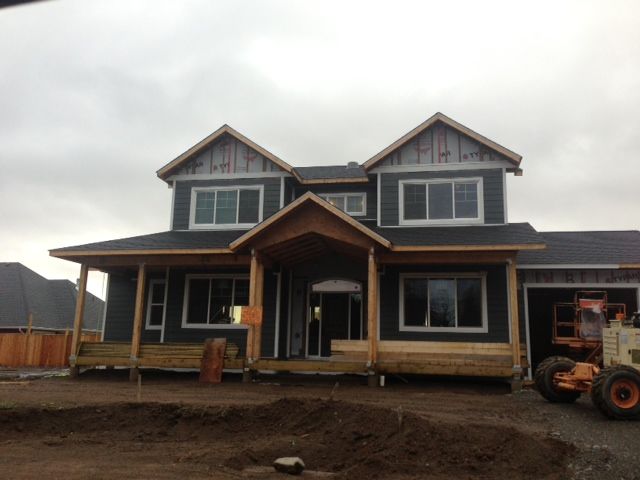
• There
is
significantly
more
pressure
in
the
housing
market
now
than
there
was
in
2009,
when
the
original
study
was
commissioned;
rapid
economic
and
demographic
changes
are
occurring
in
the
community
and
these
appear
to
have
a
significant
impact
on
housing,
particularly
for
vulnerable
populations
• Based
on
the
available
data
(much
of
it
from
2011)
the
median
Terrace
resident
can
afford
a
median
priced
home;
however,
real
estate
prices
are
rapidly
increasing
throughout
the
City
of
Terrace
and
this
combined
with
the
very
rapidly
declining
supply
is
impacting
many
low
and
middle-‐
income
households
• Rental
housing
is
increasingly
expensive
and
vacancy
rates
are
near
zero,
putting
pressure
on
vulnerable
and
low-‐income
families
and
individuals,
who
have
few
choices;
importantly,
nearly
a
quarter
of
the
Greater
Terrace
Area’s
residents
were
living
with
low
incomes
in
2011,
placing
a
significant
proportion
of
the
population
at
risk
of
spending
an
unaffordable
amount
of
income
on
housing
or
being
forced
out
of
the
local
housing
market
• Projected
population
growth
is
significant;
this
will
continue
to
have
a
strong
impact
on
housing
costs
in
both
rental
and
ownership
markets
• Housing
stock
is
generally
older;
however,
since
the
2009
housing
needs
assessment
there
have
been
over
120
new
building
permits
issued
mainly
for
single
family
housing
• There
are
very
limited
options
for
vulnerable
populations,
such
as
individuals
with
cognitive
disabilities
and
individuals
with
mental
illness
• Significant
population
growth
will
either
substantially
increase
the
number
of
households
in
core
housing
need
or
housing
costs
will
ensure
that
low-‐
income
families
are
unable
to
afford
housing
in
Terrace1
• There
is
an
increasing
need
to
accommodate
newcomers
(both
short-‐term
workers
and
long-‐term
families)
and
long-‐time
residents
1
Households
that
pay
more
than
30%
of
their
income
toward
shelter,
or
do
not
have
adequate,
affordable
or
suitable
housing.
For
the
full
CMHC
definition
see
Section
2.9.
Housing
Terrace:
Trends,
Needs
and
Directions
v
M.
Thomson
Consulting
Table
of
Contents
ACKNOWLEDGMENTS .................................................................................................................................... II
EXECUTIVE
SUMMARY .................................................................................................................................. III
LIST
OF
TABLES
AND
FIGURES .................................................................................................................... VII
1.
INTRODUCTION ....................................................................................................................................... 1
1.1
Overall
Directions
from
2009 ................................................................................. 2
1.2
Purpose
and
Scope ................................................................................................ 4
1.3
Housing
Continuum ............................................................................................... 5
1.4
Scope
and
Methods ............................................................................................... 5
2.
COMMUNITY
DEMOGRAPHIC
AND
HOUSING
PROFILE....................................................................... 10
2.1
Population
and
Demographics............................................................................. 10
2.2
Income ................................................................................................................. 16
2.3
Labour
Force
and
Employment............................................................................ 18
2.4
Households
and
Housing ..................................................................................... 21
2.5
New
Construction
and
Ownership
Housing......................................................... 26
2.6
Rental
Housing ..................................................................................................... 30
2.7
Current
Subsidized
and
Non-‐Market
Housing ..................................................... 33
2.8
Affordability
Analysis ........................................................................................... 36
2.9
Current
and
Emerging
Need ................................................................................ 38
3.
STAKEHOLDER
VIEWS ........................................................................................................................... 42
3.1
Stakeholders ........................................................................................................ 42
3.2
Housing
in
Crisis:
Key
Observations ..................................................................... 43
3.3
Housing
Strategies
in
a
Strained
Housing
Market ............................................... 44
3.4
Populations
Groups
Most
Affected ..................................................................... 47
3.5
Perspectives
on
the
City’s
Efforts
to
Address
Housing
Issues ............................. 49
3.6
Concerns
Around
Housing
and
Community
Well-‐being ...................................... 50
3.7
Opportunities
for
Community
Development ...................................................... 52
4.
NEEDS
ASSESSMENT ............................................................................................................................. 54
4.1
Population
and
Economy ..................................................................................... 54
4.2
Housing
Supply..................................................................................................... 54
4.3
Prices .................................................................................................................... 54
4.4
Incomes ................................................................................................................ 55
4.5
Affordability
and
Housing
Need........................................................................... 55
4.6
Key
Findings ......................................................................................................... 56
5.
CONCLUSIONS
AND
NEXT
STEPS .......................................................................................................... 58
5.1
Expand
municipal
measures
to
facilitate
affordable
housing
and
diversify
housing
form ................................................................................................................. 59
5.2
Work
in
partnership
regionally
to
support
affordable
housing
initiatives .......... 62
Housing
Terrace:
Trends,
Needs
and
Directions
vi
M.
Thomson
Consulting
List
of
Tables
and
Figures
FIGURE
1:
HOUSING
CONTINUUM .................................................................................................................. 5
FIGURE
2:
CITY
OF
TERRACE
AND
SURROUNDING
JURISDICTIONS................................................................. 6
FIGURE
3:
TERRACE
CENSUS
AGGLOMERATION ............................................................................................. 7
TABLE
1:
PROPORTION
OF
RESIDENTS
SELECTED
FOR
THE
NATIONAL
HOUSEHOLD
SURVEY
THAT
DID
NOT
RESPOND ......................................................................................................................................................... 8
TABLE
2:
POPULATION
FOR
GREATER
TERRACE
AREA,
2011 ........................................................................ 10
TABLE
3:
PROJECTED
POPULATION
GROWTH
SCENARIOS
FOR
GREATER
TERRACE
AREA,
2011-‐2021 ....... 11
FIGURE
4
NET
MIGRATION
FOR
THE
RDKS .................................................................................................... 12
FIGURE
5:
AGE
GROUPS
IN
THE
CITY
OF
TERRACE
AND
RDKS,
2011 ............................................................ 13
TABLE
4:
POPULATION
CHANGE
BY
AGE
GROUP,
CITY
OF
TERRACE ............................................................ 14
FIGURE
6:
CITY
OF
TERRACE
MEDIAN
AGE,
1996-‐2011................................................................................. 14
FIGURE
7:
AGE
GROUPS
IN
COMMUNITIES
AROUND
TERRACE,
2011.......................................................... 15
TABLE
5:
ABORIGINAL
IDENTITY
BY
JURISDICTION,
2011 ............................................................................. 15
FIGURE
8:
MEDIAN
INCOME
OF
CENSUS
FAMILY
TYPES,
TERRACE
CA,
2008-‐2011...................................... 16
TABLE
6:
MEDIAN
HOUSEHOLD
INCOME,
2010 ............................................................................................ 17
FIGURE
9:
INCOME
DISTRIBUTION
BY
HOUSEHOLD
TYPE,
TERRACE
CA,
2011 ............................................. 18
TABLE
7:
CITY
OF
TERRACE
EMPLOYMENT
STATUS,
2011 ............................................................................ 19
TABLE
8:
OCCUPATION
OF
EMPLOYED
INDIVIDUALS,
2011.......................................................................... 20
TABLE
9:
PROJECTED
GROWTH
IN
HOUSEHOLDS,
GREATER
TERRACE
AREA,
2011-‐2021 ............................ 21
TABLE
10:
HOUSEHOLD
COMPOSITION,
2011 .............................................................................................. 22
TABLE
11:
FAMILY
SIZE
OF
CENSUS
FAMILIES,
2011 ..................................................................................... 23
TABLE
12:
HOUSEHOLDS
BY
DWELLING
TYPE,
2006-‐2011 ............................................................................ 23
TABLE
13:
DWELLINGS
BY
AGE,
2011 ............................................................................................................ 24
TABLE
14:
TENURE
TYPES,
2011 .................................................................................................................... 24
FIGURE
10:
NUMBER
OWNED
AND
RENTED
UNITS
IN
THE
CITY
OF
TERRACE,
2001
TO
2011 ..................... 25
FIGURE
11:
HOUSING
STARTS,
CITY
OF
TERRACE,
2004-‐2011 ...................................................................... 26
FIGURE
12:
RESIDENTIAL
BUILDING
PERMITS
ISSUED,
CITY
OF
TERRACE,
1998-‐2012 ................................. 27
FIGURE
13:
CHANGE
IN
MEDIAN
SALES
PRICE
FOR
THE
CITY
OF
TERRACE,
SINGLE
FAMILY
DWELLINGS,
2009-‐2013 ...................................................................................................................................................... 28
FIGURE
14:
MONTHLY
MEDIAN
SALES
VALUE
FOR
THE
CITY
OF
TERRACE,
2011-‐2014 ............................... 29
FIGURE
15:
MONTHLY
SUPPLY
OF
INVENTORY ............................................................................................. 29
TABLE
15:
RENTAL
MARKET
STATISTICS:
COST
AND
VACANCY
RATE,
TERRACE
CA,
OCTOBER
2013 ........... 30
TABLE
16:
CHANGE
IN
VACANCY
AND
RENT
FOR
BACHELORS,
2009-‐2013 .................................................. 30
Housing
Terrace:
Trends,
Needs
and
Directions
vii
M.
Thomson
Consulting
TABLE
17:
RENTAL
MARKET
SURVEY
RESULTS .............................................................................................. 31
TABLE
18:
RENTAL
HOUSEHOLDS
IN
SUBSIDIZED
HOUSING
AND
RENTAL
HOUSEHOLDS
PAYING
MORE
THAN
30%
OF
HOUSEHOLD
INCOME
ON
SHELTER
COSTS ............................................................................ 32
TABLE
19:
BC
HOUSING
SUBSIDIES
TO
HOUSEHOLDS
IN
GREATER
TERRACE
AREA,
2013 ........................... 33
TABLE
20:
NON-‐MARKET
HOUSING
IN
GREATER
TERRACE
AREA,
2013 ....................................................... 33
TABLE
21:
CHANGE
IN
AFFORDABLE
HOUSING
SPECTRUM,
2009-‐2013 ...................................................... 35
TABLE
22:
AFFORDABILITY
BY
HOUSEHOLD
TYPE ......................................................................................... 37
TABLE
23:
EARNINGS
BY
OCCUPATION ......................................................................................................... 37
TABLE
24:
BC
HOUSING
WAITLISTS
FOR
GREATER
TERRACE
AREA
HOUSING .............................................. 38
TABLE
25:
CORE
HOUSING
NEED
PROFILE
OF
BC,
RDKS
AND
TERRACE
(CA),
2006 ...................................... 39
TABLE
26:
BCNPHA
AND
CONSULTANT-‐GENERATED
CORE
HOUSING
NEED
PROJECTIONS
FOR
RDKS
AND
TERRACE
(CA) ................................................................................................................................................. 40
TABLE
27:
PROJECTED
INCREASES
IN
CORE
HOUSING
NEED
TO
2021,
TERRACE
(CA) ................................. 41
Housing
Terrace:
Trends,
Needs
and
Directions
viii
M.
Thomson
Consulting
1. Introduction
Terrace
is
a
community
that
is
expected
to
grow
rapidly
over
the
next
ten
to
fifteen
years.
The
City
is
faced
with
the
complex
problem
of
addressing
the
housing
needs
of
its
current
populace
while
accommodating
new
population
growth
and
market
pressures.
In
the
past
year
vacancy
rates
have
dropped
to
nearly
0%,
while
rents
have
climbed
significantly.
While
home-‐ownership
and
rental
are
still
accessible
to
the
average
family
according
to
nationwide
affordability
guidelines,
there
is
concern
in
the
community
that
with
the
expected
rapid
growth
this
may
not
be
the
case
in
the
near
future.
Additionally,
vulnerable
populations
are
experiencing
increasing
difficulty
in
securing
any
form
of
existing
or
new
housing.
Though
there
is
a
homeless
shelter,
there
are
no
long-‐term
supportive
housing
units
for
individuals
with
a
mental
illness
or
addictions
issue.
With
an
aging
population
the
need
for
additional
seniors
housing
resources
will
become
more
pressing
over
the
next
ten
years.
The
work
by
the
City
of
Terrace
Housing
Committee
has
laid
the
groundwork
for
the
City
to
develop
strategies
that
will
address
housing
needs
in
the
community.
Since
the
2009
housing
needs
assessment
was
developed
by
Eberle
Planning
and
Research,
a
number
of
measures
have
been
implemented
by
the
City
to
plan
for
housing.
This
report
updates
the
quantitative
and
qualitative
data
from
that
report
and
provides
a
set
of
recommendations
for
the
Housing
Committee
to
build
on
their
previous
work.
BC
Housing
has
recently
updated
their
Housing
Matters
Strategy.2
The
report
identifies
the
following
6
strategies
for
the
province
moving
forward:
• Stable
Housing
for
those
facing
homelessness
• Priority
Assistance
for
vulnerable
citizens
• Aboriginal
Housing
through
a
strong
Aboriginal
housing
sector
• Rental
Housing
for
low
to
moderate
income
households
• Homeownership
for
British
Columbians
• Built
environment
regulatory
framework
for
housing,
building
and
technical
equipment
2
This
report
can
be
found
here:
http://www.bchousing.org/resources/About%20BC%20Housing/Housing_Matters_BC/H
ousing-‐Matters-‐BC.pdf
These
priorities
align
with
housing
needs
in
Terrace,
particularly
housing
for
the
homeless,
support
for
vulnerable
citizens,
Aboriginal
housing
and
rental
housing
for
low
to
moderate
income
households.
1.1 Overall
Directions
from
2009
The
original
report
Housing
Terrace:
Trends,
Needs
and
Directions
2009
identified
five
overall
housing
directions
for
the
City
and
community
to
pursue
to
address
housing
needs.
1. Address
the
housing
and
support
needs
of
low
income
and
homeless
persons
2. Preserve
the
existing
housing
stock
in
good
condition
3. Enhance
the
accessibility
of
the
housing
stock
4. Diversify
the
housing
supply
to
meet
the
needs
of
an
aging
population,
and
young
singles
and
families
5. Promote
sustainability
in
land
use,
residential
density
and
location,
and
energy
efficiency
in
existing
and
new
housing
stock.
The
City
has
made
important
steps
in
each
of
these
directions
since
the
2009
report
was
released.
The
slow
pace
of
a
variety
of
housing
development
between
2009
and
2013
has
meant
that
not
all
recommendations
from
the
2009
report
have
been
acted
upon.
However,
the
following
steps
have
been
taken
by
the
City
to
ensure
that
housing
remains
affordable:
The
Housing
Needs
Task
Force
shaped
Official
Community
Plan
(OCP)
directions,
including
8
OCP
objectives
developed
from
the
2009
Housing
Terrace
report,
including:
• Objective
#1
Promote
sustainability
through
mixed
land
use
considering
neighbourhood
commercial
developments,
residential
density
and
housing
location.
• Objective
#2
Promote
energy
efficiency
in
existing
and
new
housing
stock.
• Objective
#3
Preserve
and
upgrade
the
housing
stock
in
good
condition.
• Objective
#4
Provide
housing
which
meets
the
needs
of
all
residents
with
emphasis
on
housing
for
persons
with
disabilities,
low
income
residents,
the
homeless
and
under-‐housed.
• Objective
#5
Encourage
a
diversity
of
dwelling
units
in
all
neighbourhoods.
• Objective
#6
Strive
to
achieve
accessibility
of
all
newly
built
housing
to
accommodate
residents
with
special
needs.
Housing
Terrace:
Trends,
Needs
and
Directions
2
M.
Thomson
Consulting
• Objective
#7
Neighbourhoods
and
districts
across
the
city
shall
be
linked
to
provide
safe
walking,
cycling
and
efficient
public
transit
opportunities
to
residents.
• Objective
#8
Partner
with
regional
communities,
government
and
related
agencies
to
actively
address
housing
challenges.
Development
of
housing
incentives
through
bylaw
and
policy
changes:
• Small
lot
residential
zoning
in
2008
a
new
one-‐family
residential
zone
(R-‐
1A)
was
established
allowing
smaller
than
typical
parcel
sizes
to
increase
residential
density
• Downtown
Revitalization
Tax
Exemption
Program
benefits
new
multi-‐
family
development
in
the
downtown
core
by
offering
tax
exemption
for
up
to
five
years,
based
on
the
value
of
improvements
• Secondary
suites
are
permitted
in
Single
Family
Residential
Zones:
in
2012
Council
passed
a
bylaw
to
allow
legal
secondary
suites
in
almost
all
residential
zones,
representing
over
90%
of
lands
designated
for
residential
use
Establishment
of
a
Housing
Committee:
The
Committee
was
charged
with:
• Developing
a
Housing
Action
Plan
for
the
City
of
Terrace
which
includes
three
priorities
areas
for
action
for
the
community:
1. Diversify
housing
supply;
develop
single
residential
occupancy
for
youth
and
single
adults;
single
residential
occupancy
for
low-‐income
singles
and
single
parent
families;
supportive
housing
2. Preserve
existing
housing
stock
in
good
condition
3. Encourage
the
local
community
to
invest
in
housing
• Acting
as
a
facilitator
for
community-‐based
housing
projects,
including
the
following
successful
or
ongoing
recommendations:
o Update
the
needs
assessment—Complete
o Council
will
continue
to
lobby
federal
and
provincial
governments
to
prioritize
the
needs
of
the
mentally
ill,
individuals
with
addictions,
individuals
with
developmental
disorders,
and
youth
at
risk—Ongoing
o That
the
City
of
Terrace
actively
support
Tuck
Avenue
Seniors
housing
project—Ongoing
o Seek
funding
and
expertise
from
CMHC
and
BC
Housing
to
hold
a
one-‐day
housing
workshop
with
the
focus
of
establishing
a
non-‐
profit
housing
society
in
Terrace—Complete
but
yet
to
be
finalized.
Housing
Terrace:
Trends,
Needs
and
Directions
3
M.
Thomson
Consulting
o Recommendation
for
a
Standards
of
Maintenance
bylaw,
passed
in
2013—Complete
• Acting
as
a
facilitator
for
community-‐based
housing
projects,
including
the
following
recommendations
from
the
Housing
Action
Plan
that
are
pending:
o Housing
project
team
to
be
encouraged
to
explore
transition
to
form
a
non-‐profit
Terrace
Housing
Society
o That
undeveloped
properties
on
Haugland,
Park
and
Olson
Avenues
be
considered
and
targeted
for
affordable
housing
o That
Council
consider
acquiring
additional
lands
for
affordable
community
housing
developments
1.2 Purpose
and
Scope
The
purpose
of
this
report
is
to
clarify
areas
of
housing
need,
and
provide
up
to
date
data
on
the
supply,
diversity
and
condition
of
the
housing
stock.
Specifically,
this
report
acts
as
an
update
to
the
Housing
Study
completed
in
2009
by
Eberle
Planning
and
Research
and
HB
Lanarc.
The
data
presented
in
this
report
has
the
following
objectives:
• Analyse
current
demographic
information
and
projections
and
consult
with
local
stakeholders
to
identify
housing
needs
and
gaps,
particularly
among
groups
facing
significant
housing
challenges.
• Profile
the
existing
housing
stock
by
type
and
number
of
units
to
develop
an
up
to
date
data
set
of
the
dwelling
units
in
the
City,
including
adjacent
First
Nations
communities,
as
available.
Use
RDKS
residential
housing
stock
by
type
and
number
of
units
to
complement
the
City
housing
data.
• Assess
the
ability
of
the
existing
housing
stock
to
meet
the
demands
of
existing
and
future
residents
of
Terrace
within
the
next
5
and
10-‐year
period.
• Review
best
practices
and
solutions
in
other
communities
that
may
address
current
and
predicted
areas
of
market
and
non-‐market
housing
demand
and
need.
• Develop
recommendations
to
address
current
and
anticipated
market
and
non-‐market
housing
gaps.
Provide
advice
as
to
the
types
of
housing
most
likely
to
be
required
in
the
city
and
its
adjoining
communities
in
the
next
5
to
10
year
period.
Housing
Terrace:
Trends,
Needs
and
Directions
4
M.
Thomson
Consulting
of their lives prefer different housing types and tenures. Economic and health circumstances
also play a role in determining housing choices. Traditionally, young people tend to live in rental
units, while families tend to live in ground‐oriented homes that they own. These preferences
change as people age. When grown children leave home, some empty nesters (age 50 ‐70 years)
seek low maintenance living in smaller units, either through rental or condominium ownership.
Some1.3peopleHousing
age 65 andCover
ontinuum
continue this trend and, as their health needs change, may
require housing with supports to allow them to age in place.
The
housing
continuum
shown
in
Figure
1
(next
page)
represents
the
spectrum
of
housing
Figureo1ptions
depicts tfive o
mgeneric
eet
the
typesdiverse
needs
of housing, of
Terrace’s
representing an ideal residents.
These
The
range of housing. five
role of
generic
t ypes
o f
h ousing
r epresent
a n
i deal
r ange
o
government and the market as well as the income profile of each segment of the continuum isf
h ousing,
t he
r ole
o f
government
also depicted. and
The the
cost m(to
arket
and
tishe
residents) income
highest at the profile
right side of
eofach
the p art
of
the
spectrum.
continuum.
Figure
Figure 1:
1H–ousing
Continuum
Housing Continuum
Public funding Govt as partner Policy/regulation
Non–market Non-market Private market
No/low income Low/moderate income Moderate/high income
This
spectrum
is
discussed
in
detail
in
the
Terrace:
Trends,
Needs
and
Directions
report
from
2009.
3
1.4 Scope
and
Methods
Geographic
Scope
This
report
focuses
mainly
on
the
City
of
Terrace.
However,
some
communities
around
Terrace
are
also
included,
aggregated
into
a
geographic
jurisdiction
called
the
Greater
Terrace
Area.
The
Greater
Terrace
Area
includes
the
City
of
Terrace,
Areas
C
and
E
of
the
Regional
District
of
Kitimat-‐Stikine
(RDKS),
and
the
First
Nations
communities
of
Kitselas,
Kulspai
and
Kitsumkalum.
Figure
2
shows
the
City
of
Terrace
(including
recently
acquired
industrial
lands
near
the
airport
in
green).
Housing
Terrace:
Trends,
Needs
and
Directions
5
M.
Thomson
Consulting
You can also read


