Non-nucleoside reverse transcriptase inhibitor efavirenz activates PXR to induce hypercholesterolemia and hepatic steatosis - NATAP
←
→
Page content transcription
If your browser does not render page correctly, please read the page content below
JOURNAL
Research Article                                                                                               OF HEPATOLOGY
Molecular and Cell Biology

          Non-nucleoside reverse transcriptase inhibitor
               efavirenz activates PXR to induce
           hypercholesterolemia and hepatic steatosis

Graphical abstract                                                                 Authors

                                                                                   Taesik Gwag, Zhaojie Meng, Yipeng Sui, ...,
                                Fatty acids
          Efavirenz                                                   Steatosis    Shuxia Wang, Richard N. Greenberg,
                                                                                   Changcheng Zhou
                        CD36
                                                                                   Correspondence
                                  Cholesterol
                        CD36                                                       c.zhou@uky.edu
                        SQLE     SQLE
         RXR     PXR              Squalene                                         (C. Zhou)

                                    HMG-CoA                                        Lay summary
                                                                                   Efavirenz is widely prescribed for HIV-
                       AcetoacetylCoA    AcetylCoA
                                                                                   infected patients but has some side
         SR-BI
                                                                                   effects. It can increase lipid levels in
                            HDL-C
                                                                                   patients’ blood and liver. Here we show
                                                                                   that efavirenz can activate a unique liver
                                                                                   protein called PXR which mediates the
                                                                                   adverse effects of efavirenz on lipid levels
                                                                                   in mouse models.
Highlights
 Efavirenz is widely prescribed for patients with HIV.

 Efavirenz increases the risk of dyslipidemia and hepatic
  steatosis in patients.

 Efavirenz is a potent agonist of the nuclear receptor PXR.

 Efavirenz activates PXR to elicit the adverse effects on lipid
  homeostasis in mice.

 PXR regulates the expression of several key lipogenic genes
  in the liver.

http://dx.doi.org/10.1016/j.jhep.2018.12.038
Ó 2019 European Association for the Study of the Liver. Published by Elsevier B.V. All rights reserved. J. Hepatol. 2019, 70, 930–940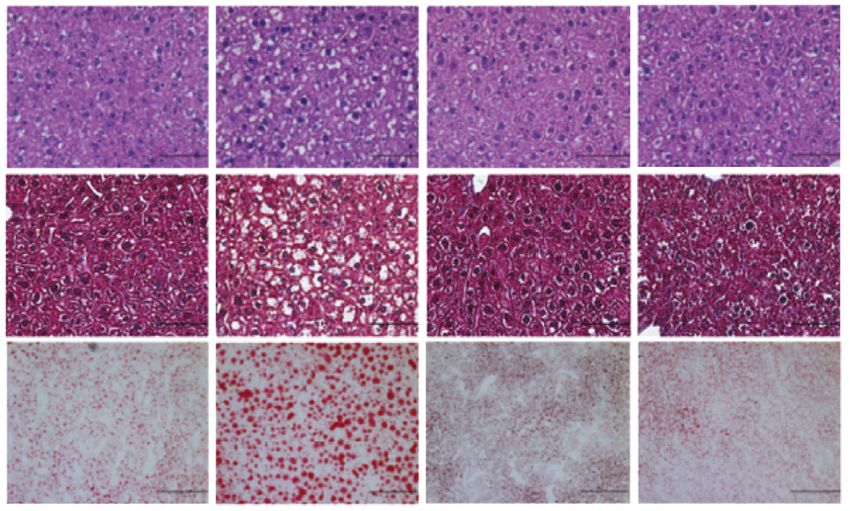
Research Article                                                                                                             JOURNAL
Molecular and Cell Biology                                                                                                   OF HEPATOLOGY

    Non-nucleoside reverse transcriptase inhibitor efavirenz activates
       PXR to induce hypercholesterolemia and hepatic steatosis
 Taesik Gwag1,y, Zhaojie Meng1,y, Yipeng Sui1, Robert N. Helsley1,à, Se-Hyung Park1, Shuxia Wang1,
                           Richard N. Greenberg2, Changcheng Zhou1,⇑
          1
              Department of Pharmacology and Nutritional Sciences, University of Kentucky, Lexington, KY, USA; 2Department of Medicine,
                                                    University of Kentucky, Lexington, KY, USA

Background & Aims: The most prescribed non-nucleoside                                Lay summary: Efavirenz is widely prescribed for HIV-infected
reverse transcriptase inhibitor, efavirenz, has been associated                      patients but has some side effects. It can increase lipid levels
with elevated risk of dyslipidemia and hepatic steatosis in HIV-                     in patients’ blood and liver. Here we show that efavirenz can
infected patients but the underlying mechanisms remain elusive.                      activate a unique liver protein called PXR which mediates the
Herein, we investigated the role of pregnane X receptor (PXR) in                     adverse effects of efavirenz on lipid levels in mouse models.
mediating the adverse effects of efavirenz on lipid homeostasis.                     Ó 2019 European Association for the Study of the Liver. Published by
Methods: Cell-based reporter assays, primary cell culture, and                       Elsevier B.V. All rights reserved.
multiple mouse models including conditional knockout and
humanized mice were combined to study the impact of efavir-
enz on PXR activities and lipid homeostasis in vitro and                             Introduction
in vivo. A novel liver-specific Pxr knockout mouse model was                         As the average lifespan of HIV-infected patients receiving
also generated to determine the contribution of hepatic PXR sig-                     antiretroviral therapy (ART) lengthens, morbidity and mortality
naling to efavirenz-elicited dyslipidemia and hepatic steatosis.                     from cardiovascular disease (CVD) pose considerable chal-
Results: We found that efavirenz is a potent PXR-selective ago-                      lenges.1–4 Not only does HIV infection elevate the risk of CVD,
nist that can efficiently activate PXR and induce its target gene                    but the use of antiretroviral (ARV) drugs has also been associ-
expression in vitro and in vivo. Treatment with efavirenz-                           ated with dyslipidemia and increased risk of CVD, thereby exac-
induced hypercholesterolemia and hepatic steatosis in mice                           erbating a serious health challenge for long-term survivors.1–2,4
but deficiency of hepatic PXR abolished these adverse effects.                       Current optimal ART options consist of a combination of several
Interestingly, efavirenz-mediated PXR activation regulated the                       drug classes including protease inhibitors (PIs), nucleoside/
expression of several key hepatic lipogenic genes including fatty                    nucleotide reverse transcriptase inhibitors (NRTIs), non-
acid transporter CD36 and cholesterol biosynthesis enzyme                            nucleoside reverse transcriptase inhibitor (NNRTIs), and inte-
squalene epoxidase (SQLE), leading to increased lipid uptake                         grase strand transfer inhibitors (INSTIs, also known as integrase
and cholesterol biosynthesis in hepatic cells. While CD36 is a                       inhibitors).2,3 Although several first-generation PIs such as
known PXR target gene, we identified a DR-2-type of PXR-                             amprenavir and ritonavir with documented dyslipidemic prop-
response element in the SQLE promoter and established SQLE                           erties have been used on a limited basis, many currently recom-
as a direct transcriptional target of PXR. Since PXR exhibits con-                   mended first-line ARV drugs have also been associated with
siderable differences in its pharmacology across species, we also                    dyslipidemia and increased CVD risk.2–6 For example, the NNRTI
confirmed these findings in PXR-humanized mice and human                             efavirenz, one of the most prescribed antiretroviral drugs
primary hepatocytes.                                                                 worldwide, has been consistently associated with dyslipidemia
Conclusions: The widely prescribed antiretroviral drug efavir-                       including increased total, low-density lipoprotein (LDL), and
enz induces hypercholesterolemia and hepatic steatosis by acti-                      high-density lipoprotein (HDL) cholesterol levels in multiple
vating PXR signaling. Activation of PXR should be taken into                         clinical studies.2,5–7 Despite the strong evidence linking certain
consideration for patients undergoing long-term treatment with                       ARV drugs with dyslipidemia and CVD risk, the underlying
PXR agonistic antiretroviral drugs.                                                  mechanisms responsible for the adverse effects of ARV drugs
                                                                                     remain elusive.
                                                                                         Alongside others, we have previously identified several HIV
Keywords: HIV; Antiretroviral drugs; Dyslipidemia; Hepatic steatosis; Pregnane X     PIs, including amprenavir and ritonavir, as potent agonists of
receptor; Squalene epoxidase.                                                        pregnane X receptor (PXR; also known as steroid and xenobiotic
Received 11 September 2018; received in revised form 17 December 2018; accepted 23
                                                                                     receptor, or NR1I2).8,9 PXR is a nuclear receptor activated by
December 2018; available online 21 January 2019
⇑ Corresponding author. Address: Department of Pharmacology and Nutritional          numerous endogenous hormones, dietary steroids, pharmaceu-
Sciences, University of Kentucky, 900 South Limestone, 517 Wethington Building,      tical agents, and xenobiotic chemicals.10–12 PXR functions as a
Lexington, KY 40536, USA. Tel.: +1 859 218 1801; fax: +1 859 257 3646.               xenobiotic sensor that induces the expression of genes required
E-mail address: c.zhou@uky.edu (C. Zhou).
  y
    These authors contributed equally to this work.
                                                                                     for xenobiotic metabolism in the liver and intestine.11,12 It has
  à
    R.N.H.’s present address is: Department of Internal Medicine, Division of        recently been demonstrated that PXR signaling also plays an
Cardiovascular Health and Disease, University of Cincinnati College of Medicine,     important role in lipid homeostasis.9,12–15 PXR signaling has
Cincinnati, Ohio, USA.

                                                        Journal of Hepatology 2019 vol. 70 j 930–940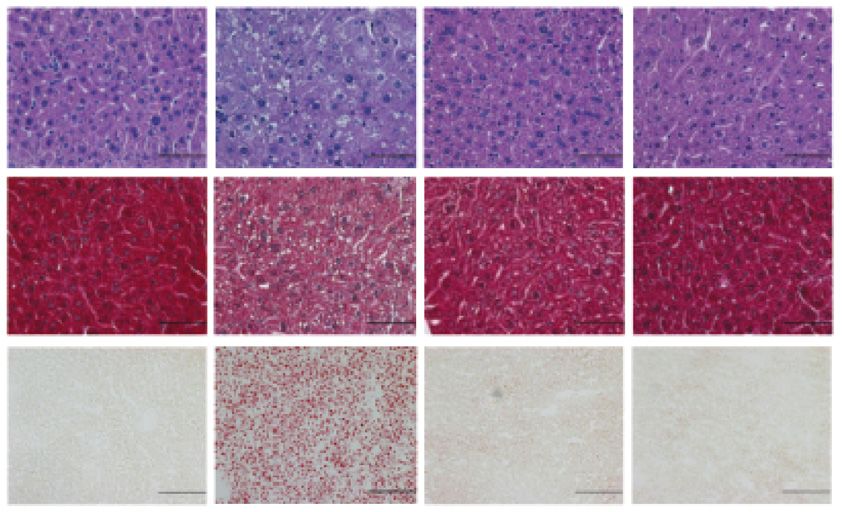
JOURNAL
                                                                                                            OF HEPATOLOGY
also been implicated in contributing to ARV drugs’ dyslipidemic      Results
effects. For example, treatment with ritonavir, a potent PXR         Currently recommended ARV drugs including efavirenz are
activator,8 caused hyperlipidemia and was associated with            potent PXR agonists
increased risk of CVD in patients with HIV.16 We also demon-         We first tested currently recommended ARV drugs from com-
strated that another PI, amprenavir, can activate PXR to elevate     monly used drug classes including NNRTI, NRTI, PI, and INSTI
plasma cholesterol levels in mice.9                                  by transfections assays (Fig. 1A and B). Since PXR exhibits con-
    In the present study, we tested currently recommended ARV        siderable differences in its pharmacology across species,11 the
drugs, and identified several widely prescribed ARV drugs such       potent PXR ligands pregnenolone 16a-carbonitrile (PCN) and
as efavirenz as potent PXR agonists. Interestingly, treatment        rifampicin (RIF) were used as the positive control for mouse
with efavirenz-stimulated hypercholesterolemia and hepatic           (m) and human (h) PXR, respectively. We found that several
steatosis in mice in a PXR-dependent manner. Efavirenz-              widely prescribed ARV drugs, including NNRTI efavirenz and
mediated PXR activation altered the expression of several key        PIs darunavir and lopinavir can potently activate both human
hepatic lipogenic genes including fatty acid transporter CD36        and mouse PXR (Fig. 1A and B). Rilpivirine and lopinavir can also
and cholesterol biosynthesis enzyme squalene epoxidase               affect PXR activity but they are relatively weak agonists for PXR.
(SQLE), leading to increased lipid uptake and cholesterol synthe-    By contrast, the NRTIs emtricitabine, lamivudine, and tenofovir,
sis in hepatic cells.                                                as well as the INSTI raltegravir had no effects on either mouse or
                                                                     human PXR activities. Efavirenz is one of the most prescribed
                                                                     ARV drugs for treatment of HIV infection worldwide and
Materials and methods                                                dose–response analysis showed that efavirenz can activate
Animals                                                              hPXR at concentrations in the low lM range, with an EC50 of
C57BL/6 wild-type (WT) mice were purchased from The Jackson          4.7 lM, which is comparable to potent PXR agonist RIF (Fig. 1C).
Laboratory     (Bar    Harbor,     ME).    The    PXR-humanized
(hPXRmPxr/) and Pxr-null (mPxr/) mice on C57BL/6 back-          Efavirenz is a PXR-selective agonist that modulates the
ground have been described before.17,18 The hPXRmPxr/ and         interactions between PXR and co-regulators
mPxr/ mice used in this study were littermates which had           We next tested the ability of efavirenz to activate a panel of
the same background (mPxr null alleles) except for one allele        other nuclear receptors (Fig. 1D). Efavirenz can activate PXR
of hPXRmPxr/ mice carrying the human PXR gene. To investi-        but was unable to activate any of the other nuclear receptors
gate the tissue-specific role of PXR in xenobiotic and lipid meta-   such as liver X receptor (LXR) and peroxisome proliferator-
bolism, we have obtained mouse embryonic stem cell clones            activated receptor (PPAR). The NRTI emtricitabine did not affect
containing a conditional Pxr-flox allele from International          the activities of PXR or the other nuclear receptors. Nuclear
Knockout Mouse Consortium (EUMMCR, EPD0141_1_G04) and                receptor co-regulators play key roles in nuclear receptor signal-
generated mice carrying Pxr-flox alleles (PxrF/F) on a C57BL/6       ing. We found that efavirenz but not emtricitabine promoted the
background. PxrF/F mice were further crossed with Albumin-           specific interactions between PXR and the co-activators steroid
Cre transgenic mice (The Jackson Laboratory) to generate             receptor coactivator-1 (SRC-1) and PPAR binding protein (PBP)
hepatocyte-specific PXR-deficient mice (termed as PxrDHep).          (Fig. 1E). Unliganded PXR interacted with PXR co-repressors
The PxrF/F and PxrDHep mice used in this study were also litter-     including nuclear receptor co-repressor (NCoR) and silencing
mates and PxrDHep mice carried heterozygous knock-in for             mediator of retinoid and thyroid hormone (SMRT) (Fig. 1F),
Albumin-Cre. All animals were housed in a pathogen-free envi-        and efavirenz disrupted this interaction as did the potent human
ronment with a light–dark cycle, under a protocol approved by        PXR ligand RIF. By contrast, emtricitabine did not affect PXR-co-
the University of Kentucky Institutional Animal Care and Use         repressor interactions. Taken together, binding of efavirenz to
Committee. For the treatment, 8-week-old male mice were fed          PXR inhibits PXR-co-repressor interaction and promotes PXR-
a semisynthetic low-fat AIN76 diet containing 0.02% cholesterol      co-activator recruitment, thereby inducing PXR transcriptional
(Research Diet; New Brunswick, NJ)9,13 and treated by oral gav-      activation in a concentration-dependent manner.
age with vehicle (corn oil), 25, 50, or 100 mg/kg body weight
efavirenz or emtricitabine daily for 1 week. On the day of eutha-    Efavirenz stimulates PXR target gene expression in vitro and
nasia, mice were fasted for 6 h following the dark cycle (feeding    in vivo
cycle) and blood and tissues were then collected as previously       Using mouse primary hepatocytes and human hepatoma
described.9,13                                                       HepaRG cells,9 we found that efavirenz induced the expression
                                                                     of bona fide PXR target genes in these hepatic cells (Fig. S1).
                                                                     As expected, treatment with emtricitabine had no effects on
Statistical analysis                                                 PXR target gene expression in those cells. To investigate the
All data are presented as the mean ± SEM. Individual pairwise        effects of efavirenz on PXR activity in vivo, WT mice were trea-
comparisons were analyzed by 2-sample, 2-tailed Student’s t          ted with vehicle control, 25, 50 or 100 mg/kg body weight of
test unless otherwise noted, with p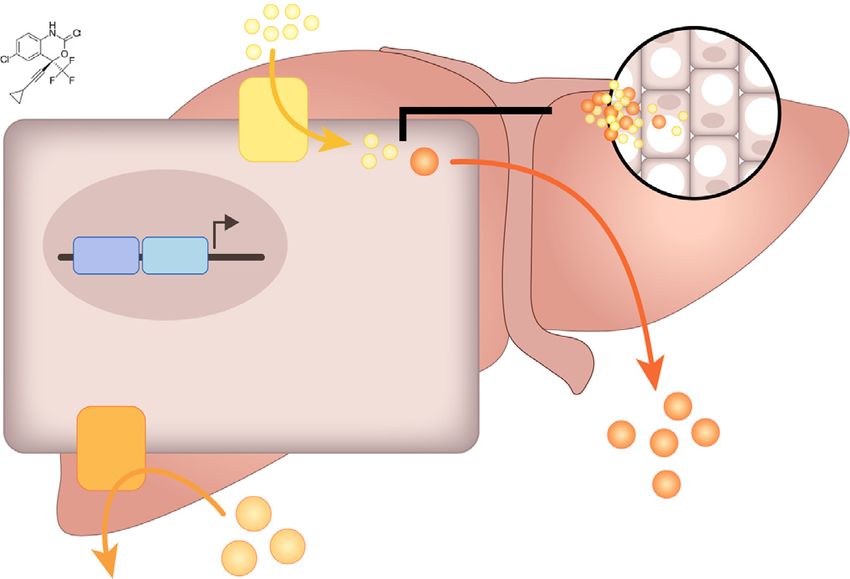
Research Article Molecular and Cell Biology
A 15
B 20
Efavirenz Efavirenz
Rilpivirine NNRTI NNRTI
Rilpivirine
Emtricitabine Emtricitabine
Lamivudine NRTI 15 Lamivudine NRTI
Fold activation
Fold activation
Tenofovir Tenofovir
10
Darunavir Darunavir
Atazanavir PI Atazanavir PI
Lopinavir 10 Lopinavir
Raltegravir INSTI Raltegravir INSTI
5 PCN RIF
5
0 0
Drugs (μM) 0 5 10 20 Drugs (μM) 0 5 10 20
C Efavirenz (EC50 = 4.7 μM) RIF (EC50 = 2.8 μM)
D 6 Control
15 40
Efavirenz
Emtricitabine
Fold activation
Fold activation
Fold activation
30 4
10
20
5 2
10
0 0 0
-1 0 1 2 -1 0 1 2
α
α
γ
β
R
R
R
R
l
R
ro
AR
AR
ER
ER
RX
VD
PX
Log[Conc] (μM)
FX
LX
Log[Conc] (μM)
nt
PP
PP
Co
E F
20 15
Control Control
SRC1 SMRT
Fold activation
15
Fold activation
PBP NCOR
10
10
5
5
0 0
Efavirenz - 5 10 20 - - - - - - - - Efavirenz - 5 10 20 - - - - - - - -
Emtricitabine - - - - - 5 10 20 - - - - Emtricitabine - - - - - 5 10 20 - - - -
RIF - - - - - - - - - 5 10 20 RIF - - - - - - - - - 5 10 20
Concentration (μM) Concentration (μM)
Fig. 1. Non-nucleoside reverse transcriptase inhibitor efavirenz is a potent PXR-selective agonist. (A and B) HepG2 cells were transfected with (A) full-
length mPxr together with a mPxr reporter ((Cyp3a2)3-luc) or (B) full-length hPXR together with hPXR reporter (CYP3A4-luc) and CMX-b-galactosidase control
plasmid. Cells were then treated with DMSO control, ARV drugs, and PCN (mPxr ligand) or RIF (hPXR ligand) at the indicated concentrations for 24 h. (C) HepG2
cells were transfected with hPXR and CYP3A4-luc reporter together with CMX-b-galactosidase plasmid. Cells were then treated with efavirenz or RIF at the
indicated concentrations for 24 h. (D) HepG2 cells were transfected with a GAL4 reporter and a series of GAL4 plasmids in which the GAL4 DNA-binding domain
is linked to the indicated nuclear receptor ligand-binding domain. Cells were treated with DMSO control or 10 lM efavirenz or emtricitabine for 24 h. (E and F)
HepG2 cells were transfected with a GAL4 reporter, VP16-hPXR vector, and expression vector for GAL4 DBD or GAL4 DBD linked to the receptor interaction
domains of PXR co-activators (GAL4-SRC1 or GAL4-PBP) (E) or PXR co-repressors (GAL4-SMRT or GAL4-NCoR) (F). Cells were treated with DMSO control,
efavirenz, emtricitabine, or RIF at the indicated concentrations for 24 h. Data are shown as fold induction of normalized luciferase activity compared with DMSO
treatment and represent the mean of triplicate experiments. ARV, antiretroviral; DBD, DNA binding domain; INSTI, integrase strand transfer inhibitor; NNRTI,
non-nucleoside reverse transcriptase inhibitor; NRTI, nucleoside/nucleotide reverse transcriptase inhibitor; PCN, pregnenolone 16a-carbonitrile; PI, protease
inhibitors; RIF, rifampicin.
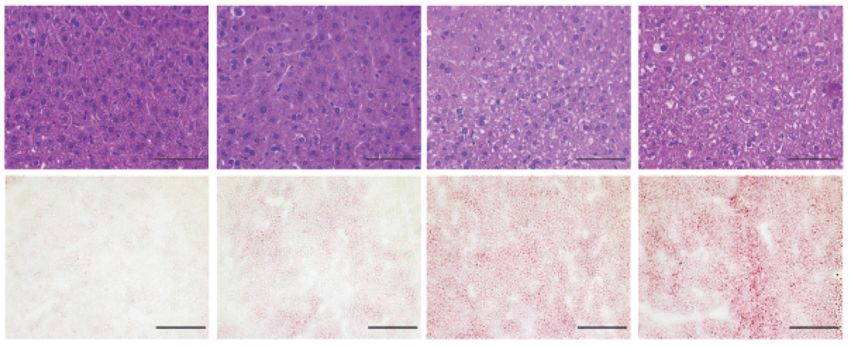
hepatomegaly (Fig. 2B) and hepatic steatosis in mice (Fig. 2C). liver-specific role of PXR in xenobiotic and lipid metabolism,
Consistently, hepatic cholesterol and triglyceride contents were we have successfully generated mice carrying Pxr-flox alleles
significantly increased in efavirenz-treated mice in a dose- (PxrF/F) (Fig. S2). PxrF/F mice were further crossed with
dependent manner (Fig. 2D). WT mice treated with efavirenz Albumin-Cre transgenic mice to generate hepatocyte-specific
also had increased total cholesterol levels in the plasma but PXR-deficient mice (termed PxrDHep) (Fig. S2A). PCR analysis
unchanged triglycerides compared with control WT mice of genomic DNA indicated that the recombination was speci-
(Fig. 2E). Thus, efavirenz treatment can induce hypercholes- fic to the liver of PxrDHep mice (Fig. S2B). As expected, the
terolemia and hepatic steatosis in WT mice. mRNA levels and protein levels of PXR were significantly
decreased in liver but not in other major tissues of PxrDHep
Generation of liver-specific PXR knockout mice mice compared to PxrF/F mice (Fig. 3A and B), which demon-
PXR is expressed at high levels in the liver, an organ central strated the specific and efficient Pxr deletion in the liver of
for maintaining whole-body lipid homeostasis. To define the PxrDHep mice.
932 Journal of Hepatology 2019 vol. 70 j 930–940JOURNAL
OF HEPATOLOGY
A 15
Control
B 30 8 D 30 Cholesterol 60 Triglycerides
**
Liver weight/BW (g/g%)
Efavirenz (25 mg/kg)
**
mRNA expression
** Efavirenz (50 mg/kg)
6 p = 0.052 ** **
*
Body weight (g)
10 Efavirenz (100 mg/kg)
20 20 40
mg/g liver
mg/g liver
4
***
5 ***
* 10 10 20
2
0 0 0 0 0
CYP3A11 GSTA1 MDR1a
C Control
Efavirenz
(25 mg/kg)
Efavirenz
(50 mg/kg)
Efavirenz
(100 mg/kg)
E Cholesterol Triglycerides
150 60
*
H&E
100 40
mg/dI
mg/dI
50 20
Oil Red O
0 0
Fig. 2. Exposure to efavirenz induces hypercholesterolemia and liver steatosis in WT mice. Eight-week-old male WT mice were treated with vehicle, 25, 50,
or 100 mg/kg/day of efavirenz by oral gavage for 1 week. (A) qPCR analysis of the hepatic expression of PXR target genes. (B) Body weight and the ratio of liver
weight to body weight. (C) Hematoxylin and eosin (top, bar = 50 lm) and Oil red O (bottom, bar = 100 lm) stained liver sections. (D) Hepatic total cholesterol
and triglyceride levels. (E) Plasma total cholesterol and triglyceride levels. Significance was determined by 1-way ANOVA (A, B, D, and E). (n = 5–6, *pResearch Article Molecular and Cell Biology
Efavirenz stimulates hypercholesterolemia and hepatic
steatosis through hepatic PXR signaling A Control
To determine whether efavirenz induces dyslipidemia and hep- 30
Efavirenz
8
atic steatosis through hepatic PXR signaling, PxrF/F and PxrDHep
Liver weight/BW (g/g%)
*** ***
littermates were treated with efavirenz (100 mg/kg/day) or
Body weight (g)
6
vehicle control for 1 week. The 100 mg/kg/day dose was 20
selected based on previously studies which suggest that this 4
dose is a mouse equivalent dose to those used clinically in 10
humans (600 mg/day) when considering the interspecies scal- 2
ing factor between mice and humans (12.3:1).21 As expected,
0 0
efavirenz treatment also stimulated the expression of PXR tar- PXRF/F PXR∆Hep PXRF/F PXR∆Hep
get genes such as Cyp311 in the liver of PxrF/F mice but not in
PxrDHep mice (Fig. 3C). Similar to WT mice, efavirenz treatment B PXRF/F PXR∆Hep
did not affect fasting plasma triglyceride levels but significantly Control Efavirenz Control Efavirenz
increased total cholesterol levels in PxrF/F mice (Fig. 3D).
H&E
Lipoprotein fraction analysis showed that efavirenz treatment
significantly increased both LDL and HDL cholesterol levels
but did not affect very low-density lipoprotein cholesterol levels
Trichrome
in PxrF/F mice (Fig. 3E). Interestingly, deficiency of hepatic PXR
abolished the impact of efavirenz treatment on plasma total
and lipoprotein cholesterol levels in PxrDHep mice, suggesting
that hepatic PXR signaling is required for efavirenz-elicited
Oil Red O
hypercholesterolemia. PxrF/F mice treated with efavirenz also
had liver enlargement and increased hepatic steatosis (Fig. 4A
and B). However, short-term efavirenz treatment did not signif-
icantly affect liver fibrosis assessed by trichrome staining
(Fig. 4B). Hepatic cholesterol and triglyceride levels were also C Cholesterol Triglycerides
significantly elevated in efavirenz-treated PxrF/F mice (Fig. 4C). 15 *** * 40
*** **
Deficiency of PXR abolished the impact of efavirenz on hepatic
steatosis in PxrDHep mice (Fig. 4B and C). Consistent with 30
mg/g liver
10
mg/g liver
increased hepatic steatosis, efavirenz also increased plasma ala-
nine aminotransferase and aspartate aminotransferase levels in 20
a PXR-dependent manner (Fig. 4D). 5
10
In addition to efavirenz, PxrF/F and PxrDHep mice were also
treated with emtricitabine, another widely prescribed ARV drug 0 0
that does not activate PXR (Fig. 1). As expected, emtricitabine PXRF/F PXR∆Hep PXRF/F PXR∆Hep
did not affect hepatic PXR target gene expression in both PxrF/
F
and PxrDHep mice (Fig. S3A). Plasma lipid levels and hepatic
D ALT AST
lipid accumulation were not affected by emtricitabine treat- 200 300 ** *
*** *
ment in either PxrF/F or PxrDHep mice (Fig. S3B–F). Taken
150
together, these results suggest that adverse effects of efavirenz 200
on plasma cholesterol levels and hepatic steatosis are mediated
U/L
U/L
100
through hepatic PXR signaling in mice.
100
50
Efavirenz-mediated PXR activation alters the key hepatic
lipogenic gene expression in mice 0 0
We next analyzed the expression of key hepatic genes PXRF/F PXR∆Hep PXRF/F PXR∆Hep
mediating lipid homeostasis to elucidate potential molecular
Fig. 4. Efavirenz treatment leads to increased hepatic steatosis in PxrF/F
mechanisms for the adverse effects of efavirenz. While mice but not in PxrDHep mice. Eight-week-old male PxrF/F and PxrDHep
efavirenz-mediated PXR activation did not affect the expression littermates were treated with vehicle control or 100 mg/kg/day of efavirenz
of several well-studied lipogenic genes including Hmgcr, for 1 week. (A) Body weight, the ratio of liver weight to body weight, and
Srebp1c, Srebp2, Dgats, and Fas (Fig. 5A and S4A), exposure to representative liver image (n = 6–7, ***pJOURNAL
OF HEPATOLOGY
A 6
B
Control
PXRF/F PXR∆Hep
* Efavirenz
mRNA expression
Control Efavirenz Control Efavirenz kDa
4
SR-BI 80
**
SQLE 64
2
** LDLR 140
Actin 42
0
HM R
SQ I
LE
36
EB R
CS
HM R
SQ I
LE
SR P 1 c
36
EB R
HM P2
CS
SR P 1 c
H M P2
-B
-B
C
SR D L
GC
SR DL
CD
CD
SR
EB
SR
EB
G
G
G
L
L
PXRF/F PXR∆Hep
C SQLE/DR2 WT D PXR - + + - + + +
E
PXR - + - + + + RXR - + + - + + + PXRF/F PXR∆Hep
RXR - - + + + + Probe WT WT Mut WT WT WT WT
Cold - - - - 10x 25x Antibody - - - - - goat rabbit Control Efavirenz Control Efavirenz
SQLE 168 bp
Input 168 bp
SQLE/DR2 WT: 5’-GTGGGATTTGAACTCCTGACCTTCGGAAGA-3’
SQLE/DR2 Mutant: 5’-GTGGGATTTacACTCCTtcCaTTCGGAAGA-3’
Fig. 5. Squalene epoxidase is a direct transcriptional target of PXR. (A and B) Eight-week-old male PxrF/F and PxrDHep littermates were treated with vehicle
control or 100 mg/kg/day of efavirenz for 1 week. (A) Hepatic gene expression was analyzed by qPCR (n = 5–7, *pResearch Article Molecular and Cell Biology
hepatocytes from PxrF/F and PxrDHep mice. Consistent with ment significantly increased [3H]-acetate incorporation into
in vivo results, treatment with efavirenz and the known PXR [3H]-cholesterol in control hepatocytes but did not affect
ligand PCN altered the expression of bona fide PXR target genes cholesterol biosynthesis in PXR-deficient hepatocytes (Fig. 6C).
(Fig. S5) and key lipogenic genes including Cd36, Sqle, and Sr-bi As expected, emtricitabine did not affect cholesterol biosynthe-
in control primary hepatocytes but not in PXR-deficient hepato- sis in control or PXR-deficient hepatocytes. Collectively, these
cytes (Fig. 6A). By contrast, the NRTI emtricitabine did not affect results confirmed that efavirenz-mediated PXR activation can
the expression of any of those genes in control or PXR-deficient stimulate fatty acid uptake and cholesterol synthesis in hepatic
hepatocytes. cells.
CD36 plays an important role in regulating fatty acid
uptake15 and we then performed fatty acid uptake assays using Efavirenz induces dyslipidemia and hepatic lipid
[3H]-palmitic acid to determine the effects of efavirenz on hep- accumulation in PXR-humanized mice
atocyte fatty acid uptake. Indeed, activation of PXR by efavirenz PXR exhibits considerable differences in its pharmacology and
or PCN significantly increased [3H]-palmitic acid uptake by con- its ligand-binding domain is divergent across species.10,11 We
trol hepatocytes and deficiency of PXR abolished PXR ligand- next evaluated the effects of efavirenz on hepatic lipogenesis
mediated fatty acid uptake in hepatocytes of PxrDHep mice and plasma lipid levels in PXR-humanized (hPXRmPxr/) mice
(Fig. 6B). By contrast, emtricitabine treatment did not affect that express the human PXR gene in place of mouse Pxr
fatty acid uptake by either control or PXR-deficient hepatocytes gene.17,18 Efavirenz treatment also significantly increased the
(Fig. 6B). hepatic expression of known PXR target genes and newly iden-
Since SQLE is a rate-limiting enzyme in cholesterol biosyn- tified Sqle in hPXRmPxr/ but not mPxr/ mice (Fig. 7A). By
thesis, we also performed cholesterol synthesis assays to deter- contrast, efavirenz-stimulated PXR target gene induction was
mine whether activation of PXR can directly affect cholesterol abolished in the livers of mPxr/ littermates. Consistent with
synthesis in hepatocytes. Consistently, efavirenz and PCN treat- results obtained from WT and PxrF/F mice, exposure to efavirenz
A 4
Control
** Efavirenz
Emtricitabine
PCN
3
**
mRNA expression
*
2 *
1
** *
0
CR
CR
LE
I
I
LE
36
LR
36
LR
CS
CS
c
c
2
2
-B
-B
P1
P1
BP
BP
CD
CD
SQ
SQ
SR
SR
LD
LD
G
G
G
G
EB
EB
E
E
HM
HM
HM
HM
SR
SR
SR
SR
PXRF/F PXR∆Hep
B Fatty acid uptake C Cholesterol synthesis
600 Control 2.0 Control
[3H]-Palmitic acid (dpm/μg protein)
[3H]-Cholesterol (dpm/μg protein)
*** Emtricitabine Emtricitabine
*** **
Efavirenz Efavirenz
PCN 1.5 PCN
400
*
1.0
200
0.5
0 0
PXRF/F PXR∆Hep PXRF/F PXR∆Hep
Fig. 6. Efavirenz-mediated PXR activation stimulates fatty acid uptake and cholesterol synthesis in hepatocytes. Primary hepatocytes isolated from PxrF/F
or PxrDHep mice were treated with 20 lM emtricitabine, efavirenz, or PCN for 24 h. (A) qPCR analysis of lipogenic gene expression. (B) Fatty acid uptake assays
were performed using [3H]-palmitic acid. (C) Cholesterol synthesis assays were performed using [3H]-acetate. Significance was determined by 1-way ANOVA
(A–C). (n = 3, **pJOURNAL
OF HEPATOLOGY
A 5 B Cholesterol
** Control
200
4 ** Efavirenz
mRNA expression
*** **
3 150
*** *
**
mg/dI
2 100
1
50
0
0
36
A1
1
2
36
LE
A1
2
1
LE
A1
A1
RP
RP
CD
CD
T1
SQ
T1
SQ
P3
hPXR-mPXR-/- mPXR-/-
P3
M
M
UG
UG
CY
CY
hPXR-mPXR-/- mPXR-/-
C VLDL-C LDL-C HDL-C
D
4 50 150 30 8
*** * *** *
*
Liver weight/BW (g/g%)
40
Body weight (g)
3 6
100 20
30
mg/dI
mg/dI
mg/dI
2 4
20
50 10
1 2
10
0 0 0 0 0
hPXR hPXR hPXR hPXR hPXR
mPXR-/- mPXR-/- mPXR-/- mPXR-/- mPXR-/-
mPXR-/- mPXR-/- mPXR-/- mPXR-/- mPXR-/-
E hPXR-mPXR-/- mPXR-/- F
Cholesterol Triglycerides
Control Efavirenz Control Efavirenz
30 *** ** 80 *** **
H&E
60
20
mg/g liver
mg/g liver
40
Trichrome
10
20
0 0
Oil Red O
hPXR hPXR
mPXR -/- mPXR-/-
mPXR-/- mPXR-/-
Fig. 7. Efavirenz induces hypercholesterolemia and hepatic steatosis in PXR-humanized mice. Eight-week-old male hPXRmPxr/ and mPxr/ littermates
were treated with vehicle control or 100 mg/kg/day of efavirenz for 1 week. (A) qPCR analysis of hepatic gene expression. (B and C) Plasma total cholesterol (B)
and VLDL, LDL, and HDL cholesterol levels (C). (D) Body weight, the ratio of liver weight to body weight, and representative liver image. (E) Representative H&E
(bar = 50 lm), Trichrome (bar = 50 lm), and Oil red O (bar = 100 lm) stained liver sections. (F) Hepatic total cholesterol and triglyceride levels. Significance was
determined by Student’s t test (A) or 2-way ANOVA (B-D, and F). (n = 5–7, *pResearch Article Molecular and Cell Biology
A 4
Control
Emtricitabine
*** Efavirenz
RIF
3
******
mRNA expression
**
** **
2 **
***
1
**
0
36
LR
CS
36
LR
CS
A1
I
LE
1a
P2
1
c
CR
A1
I
LE
1a
P2
1
c
CR
-B
-B
A1
P1
A1
P1
CD
CD
DR
ST
DR
ST
LD
SQ
EB
LD
SQ
SR
EB
SR
G
G
G
G
P3
EB
P3
EB
HM
HM
HM
HM
G
G
M
SR
M
SR
CY
CY
SR
SR
hPXR-mPXR-/- mPXR-/-
B D 10
Fatty acid uptake *** Control
Efavirenz (25 mg/kg)
8
mRNA expression
Efavirenz (50 mg/kg)
Control
Efavirenz (100 mg/kg)
Emtricitabine
6
[3H]-Palmitic acid (dpm/µg protein)
400 Efavirenz **
***
*** PCN 4 **
300
**
2 ** ** ***
***
200 0
36
LR
CS
I
LE
1a
P2
A4
c
CR
A1
-B
P1
CD
DR
LD
SQ
EB
P3
SR
T1
G
G
EB
HM
100
HM
UG
CY
M
SR
SR
0 E Efavirenz - 5 µM 10 µM 20 µM
hPXR-mPXR-/- mPXR-/- kDa
SQLE 64
C Cholesterol synthesis
Actin 42
F
Control
Emtricitabine
Fatty acids
[3H]-Cholesterol (dpm/µg protein)
4 Efavirenz Steatosis
Efavirenz
RIF
3 ***
CD36
** Cholesterol
2 CD36
SQLE SQLE
RXR PXR Squalene
1
HMG-CoA
0
hPXR-mPXR-/- mPXR-/- AcetoacetylCoA AcetylCoA
SR-BI
HDL-C
Fig. 8. Efavirenz-mediated PXR activation regulates lipogenic gene expression in primary hepatocytes from PXR-humanized mice and humans. (A–C)
Primary hepatocytes isolated from hPXRmPxr/ or mPxr/ mice were treated with 20 lM emtricitabine, efavirenz, or RIF for 24 h. qPCR analysis (A), fatty acid
uptake assays using [3H]-palmitic acid (B), cholesterol synthesis assays using [3H]-acetate (C). (n = 3, *pJOURNAL
OF HEPATOLOGY
results also confirmed elevated SQLE protein levels in efavirenz- biosynthesis.25 Squalene epoxidation is a rate-limiting step
treated human primary hepatocytes (Fig. 8E). Therefore, and also an important regulatory point in cholesterol synthesis.
efavirenz-mediated PXR activation may have a clinically rele- Thus, in addition to HMGCR, SQLE has been considered a
vant impact on hepatic lipogenic pathways in humans. promising target for hypercholesterolemia treatment.25 We
then identified a PXR binding site in the Sqle promoter, and both
EMSA and ChIP assays confirmed Sqle as a direct transcriptional
Discussion target of PXR. Consistent with the known function of SQLE in
Despite significant reductions in the morbidity and mortality cholesterol biosynthesis, efavirenz-medicated PXR activation
associated with HIV infection over the past few decades, HIV- can indeed elevate cholesterol synthesis in cultured primary
infected patients treated with effective ART have an elevated hepatocytes.
risk of dyslipidemia and CVD.1–4 In the current study, we iden- In summary, we have identified several widely-used ARV
tified currently recommended ARV drugs including efavirenz as drugs including the most prescribed NNRTI efavirenz as potent
potent PXR agonists. Short-term exposure to efavirenz signifi- agonists of PXR. Efavirenz can efficiently activate PXR and stim-
cantly increased plasma cholesterol levels and elicited hepatic ulate its target gene expression in vitro and in vivo. Interestingly,
steatosis in mice in a hepatic PXR-dependent manner. Interest- efavirenz treatment led to hypercholesterolemia and hepatic
ingly, PXR can regulate the expression of several key hepatic steatosis in mice, and deficiency of hepatic PXR abolished those
lipogenic genes including CD36, SR-BI, and SQLE which play adverse effects. Efavirenz-mediated PXR activation altered the
important roles in hepatic lipid uptake and cholesterol biosyn- hepatic expression of several key genes including CD36, SR-BI,
thesis (Fig. 8F). While current ART uses a combination of several and SQLE that mediate lipid uptake and cholesterol synthesis
drug classes, we found that only PIs and NNRTIs including efa- in the liver. These findings provide mechanistic insights and
virenz, darunavir, and lopinavir can activate PXR by transfection new understandings of ART-associated dyslipidemia and CVD
assays. By contrast, none of the NRTIs or INSTI we tested acti- risk, and activation of PXR should be taken into consideration
vated PXR. Interestingly, all of these PXR agonistic drugs have for patients undergoing long-term treatment with ARV drugs.
been associated with dyslipidemia in HIV-infected patients.2,5–6
For example, clinical studies have demonstrated that both efa-
virenz and lopinavir can cause hyperlipidemia in HIV-infected Financial support
patients, and the combination of efavirenz and lopinavir has This work was supported by NIH grants, R01HL123358,
more profound effects on elevating lipid levels in patients.2,6 R01ES023470, R01HL131925, and R21ES022745 (to C.Z.). R.N.
On the contrary, several NRTIs including emtricitabine and H. was supported by a predoctoral fellowship from PhRMA
tenofovir that do not activate PXR, confer a low risk of dyslipi- Foundation. The authors also acknowledge the core services
demia.27–29 Consistently, we found that efavirenz but not (supported by NIH grant P30GM127211).
emtricitabine was able to induce hypercholesterolemia and
hepatic steatosis in mice, and deficiency of PXR abolished
efavirenz-elicited adverse effects. These results strongly suggest Conflict of interest
the involvement of PXR in certain ARV drug-associated The authors have no conflict of interest to declare.
dyslipidemia. Please refer to the accompanying ICMJE disclosure forms for
Previous studies have demonstrated that activation of PXR further details.
by various ligands can affect the expression of hepatic lipogenic
genes including CD36, SR-BI, S14, and LPIN1.11,12,14,15,24,30 For
example, CD36, an important fatty acid transporter in the liver,
Authors’ contributions
has been shown to be a direct target gene of PXR.15 In the cur-
C.Z. conceptualized and designed the research. T.G. and Z.M.
rent study, efavirenz-mediated PXR activation stimulated CD36
performed most of the experiments and analyzed the data with
expression and promoted fatty acid uptake by hepatocytes.
the help from Y.S., R.N.H., S-H.P., S.W., and R.N.G. C.Z., T.G., Z.M.,
Therefore, the increased CD36 expression likely contributed sig-
Y.S., S.W., and R.N.G. wrote the manuscript.
nificantly to the efavirenz-elicited hepatic steatosis in vivo. Efa-
virenz treatment also suppressed the hepatic expression of
another scavenger receptor, SR-BI which is a major receptor
Acknowledgement
We thank Dr. Frank Gonzalez at National Cancer Institute for the
mediating selective uptake of HDL. PXR can suppress hepatic
PXR-humanized mice and Dr. Chingwen Yang at Rockefeller Univer-
SR-BI expression14,24 and decreased SR-BI expression has been
sity for the help with PXR-flox mouse generation.
well-established to increase plasma HDL levels in animal mod-
els.22 Although HDL cholesterol has been considered to have
beneficial effects on CVD, SR-BI loss-of-function mutations sig-
nificantly elevated plasma HDL levels in humans, but paradoxi- Supplementary data
cally increased their risk of CVD, which is likely due to the Supplementary data to this article can be found online at
impaired reverse cholesterol transport.23 Therefore, the https://doi.org/10.1016/j.jhep.2018.12.038.
efavirenz-induced HDL levels may also have deleterious instead
of beneficial effects on CVD in HIV-infected patients.
In addition to altered CD36 and SR-BI expression, efavirenz- References
mediated PXR activation also stimulated the expression of SQLE, Author names in bold designate shared co-first authorship
a member of flavoprotein monooxygenase family. SQLE
[1] Friis-Moller N, Sabin CA, Weber R, d’Arminio Monforte A, El-Sadr WM,
catalyzes the epoxidation of squalene to generate 2,3-
Reiss P, et al. Combination antiretroviral therapy and the risk of
oxidosqualene, which is the first oxidative step in cholesterol myocardial infarction. N Engl J Med 2003;349:1993–2003.
Journal of Hepatology 2019 vol. 70 j 930–940 939Research Article Molecular and Cell Biology
[2] Feeney ER, Mallon PW. HIV and HAART-associated dyslipidemia. Open [18] Sui Y, Park SH, Helsley RN, Sunkara M, Gonzalez FJ, Morris AJ, et al.
Cardiovasc Med J 2011;5:49–63. Bisphenol A increases atherosclerosis in pregnane X receptor-humanized
[3] Estrada V, Portilla J. Dyslipidemia related to antiretroviral therapy. AIDS ApoE deficient mice. J Am Heart Assoc 2014;3 e000492.
Rev 2011;13:49–56. [19] Macías J, Mancebo M, Merino D, Téllez F, Montes-Ramírez ML, Pulido F,
[4] Desai M, Joyce V, Bendavid E, Olshen RA, Hlatky M, Chow A, et al. Risk of et al. Changes in liver steatosis after switching from efavirenz to
cardiovascular events associated with current exposure to HIV antiretro- raltegravir among human immunodeficiency virus-infected patients
viral therapies in a US veteran population. Clin Infect Dis with nonalcoholic fatty liver disease. Clin Infect Dis 2017;65:1012–1019.
2015;61:445–452. [20] Macias J, Berenguer J, Japon MA, Giron-Gonzalez JA, Rivero A, Lopez-
[5] van Leth F, Phanuphak P, Stroes E, Gazzard B, Cahn P, Raffi F, et al. Cortes LF, et al. Hepatic steatosis and steatohepatitis in human immun-
Nevirapine and efavirenz elicit different changes in lipid profiles in odeficiency virus/hepatitis C virus-coinfected patients. Hepatology
antiretroviral-therapy-naive patients infected with HIV-1. PLoS Med 2012;56:1261–1270.
2004;1 e19. [21] Stoddart CA, Bales CA, Bare JC, Chkhenkeli G, Galkina SA, Kinkade AN,
[6] Haubrich RH, Riddler SA, DiRienzo AG, Komarow L, Powderly WG, et al. Validation of the SCID-hu Thy/Liv mouse model with four classes of
Klingman K, et al. Metabolic outcomes in a randomized trial of licensed antiretrovirals. PLoS ONE 2007;2 e655.
nucleoside, nonnucleoside and protease inhibitor-sparing regimens for [22] Varban ML, Rinninger F, Wang N, Fairchild-Huntress V, Dunmore JH,
initial HIV treatment. AIDS 2009;23:1109–1118. Fang Q, et al. Targeted mutation reveals a central role for SR-BI in hepatic
[7] Sinxadi PZ, McIlleron HM, Dave JA, Smith PJ, Levitt NS, Haas DW, et al. selective uptake of high density lipoprotein cholesterol. Proc Natl Acad
Plasma efavirenz concentrations are associated with lipid and glucose Sci U S A 1998;95:4619–4624.
concentrations. Medicine (Baltimore) 2016;95 e2385. [23] Zanoni P, Khetarpal SA, Larach DB, Hancock-Cerutti WF, Millar JS,
[8] Dussault I, Lin M, Hollister K, Wang EH, Synold TW, Forman BM. Peptide Cuchel M, et al. Rare variant in scavenger receptor BI raises HDL
mimetic HIV protease inhibitors are ligands for the orphan receptor SXR. cholesterol and increases risk of coronary heart disease. Science
J Biol Chem 2001;276:33309–33312. 2016;351:1166–1171.
[9] Helsley RN, Sui Y, Ai N, Park SH, Welsh WJ, Zhou C. Pregnane X receptor [24] Sporstol M, Tapia G, Malerod L, Mousavi SA, Berg T. Pregnane X receptor-
mediates dyslipidemia induced by the HIV protease inhibitor amprenavir agonists down-regulate hepatic ATP-binding cassette transporter A1 and
in mice. Mol Pharmacol 2013;83:1190–1199. scavenger receptor class B type I. Biochem Biophys Res Commun
[10] Blumberg B, Sabbagh Jr W, Juguilon H, Bolado Jr J, van Meter CM, Ong ES, 2005;331:1533–1541.
et al. SXR, a novel steroid and xenobiotic-sensing nuclear receptor. Genes [25] Belter A, Skupinska M, Giel-Pietraszuk M, Grabarkiewicz T, Rychlewski L,
Dev 1998;12:3195–3205. Barciszewski J. Squalene monooxygenase – a target for hypercholes-
[11] Zhou C, Verma S, Blumberg B. The steroid and xenobiotic receptor (SXR), terolemic therapy. Biol Chem 2011;392:1053–1075.
beyond xenobiotic metabolism. Nucl Recept Signal 2009;7 e001. [26] Gill S, Stevenson J, Kristiana I, Brown AJ. Cholesterol-dependent
[12] Zhou C. Novel functions of PXR in cardiometabolic disease. Biochim degradation of squalene monooxygenase, a control point in cholesterol
Biophys Acta 2016;1859:1112–1120. synthesis beyond HMG-CoA reductase. Cell Metab 2011;13:260–273.
[13] Zhou C, King N, Chen KY, Breslow JL. Activation of PXR induces [27] Gallant JE, DeJesus E, Arribas JR, Pozniak AL, Gazzard B, Campo RE, et al.
hypercholesterolemia in wild-type and accelerates atherosclerosis in emtricitabine, and efavirenz vs. zidovudine, lamivudine, and efavirenz
apoE deficient mice. J Lipid Res 2009;50:2004–2013. for HIV. N Engl J Med 2006;354:251–260.
[14] de Haan W, de Vries-van der Weij J, Mol IM, Hoekstra M, Romijn JA, [28] Gallant JE, Staszewski S, Pozniak AL, DeJesus E, Suleiman JM, Miller MD,
Jukema JW, et al. PXR agonism decreases plasma HDL levels in ApoE3- et al. Efficacy and safety of tenofovir DF vs stavudine in combination
Leiden.CETP mice. Biochim Biophys Acta 2009;1791:191–197. therapy in antiretroviral-naive patients: a 3-year randomized trial. JAMA
[15] Zhou J, Zhai Y, Mu Y, Gong H, Uppal H, Toma D, et al. A novel pregnane X 2004;292:191–201.
receptor-mediated and sterol regulatory element-binding protein-inde- [29] Smith KY, Patel P, Fine D, Bellos N, Sloan L, Lackey P, et al. Randomized,
pendent lipogenic pathway. J Biol Chem 2006;281:15013–15020. double-blind, placebo-matched, multicenter trial of abacavir/lamivudine
[16] Carr A, Samaras K, Chisholm DJ, Cooper DA. Pathogenesis of HIV-1- or tenofovir/emtricitabine with lopinavir/ritonavir for initial HIV treat-
protease inhibitor-associated peripheral lipodystrophy, hyperlipidaemia, ment. AIDS 2009;23:1547–1556.
and insulin resistance. Lancet 1998;351:1881–1883. [30] Moreau A, Teruel C, Beylot M, Albalea V, Tamasi V, Umbdenstock T, et al.
[17] Ma X, Shah Y, Cheung C, Guo GL, Feigenbaum L, Krausz KW, et al. The A novel pregnane X receptor and S14-mediated lipogenic pathway in
PREgnane X receptor gene-humanized mouse: a model for investigating human hepatocyte. Hepatology 2009;49:2068–2079.
drug-drug interactions mediated by cytochromes P450 3A. Drug Metab
Dispos 2007;35:194–200.
940 Journal of Hepatology 2019 vol. 70 j 930–940You can also read


