OECD work in support
of biodiversity
2021
←
→
Page content transcription
If your browser does not render page correctly, please read the page content below

OECD work in support of biodiversity 2021
OECD work in support of biodiversity

                                              OECD work in support                                                         Examples of OECD work, which are detailed further in this brochure, include:

                                                                                                                             Delivering analysis and recommendations on targets and indicators for a Post-2020 Global Biodiversity
                                              of biodiversity                                                                Framework

                                              The planet is facing its sixth mass extinction, with consequences that         Developing good practice insights on the design and implementation of policy instruments for
                                              will affect all life on Earth, today and for centuries to come.                biodiversity
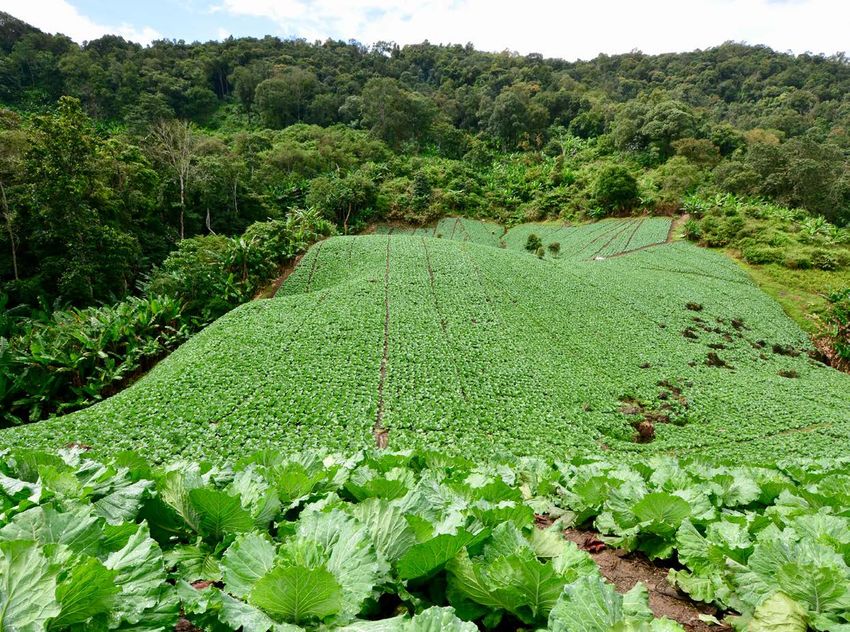
                                              Humans have destroyed or degraded vast areas of the world’s terrestrial,
                                              freshwater and marine ecosystems, and are pushing many towards                 Tracking economic policy instruments and finance for biodiversity
                                              ecological tipping points. Since 1990, primary forest, which includes
                                                                                                                             Identifying and assessing subsidies harmful to biodiversity
                                              some of the most biodiverse habitats, declined by over 80 million
                                              hectares (an area larger than Turkey). Over one million plant and animal
                                                                                                                             Evaluating approaches to mainstream biodiversity across economic sectors and policy areas
                                              species – a quarter of the world’s species – face extinction.
Contents                                      These declines are driven by land and sea-use change, over-exploitation,       Understanding how to overcome political economy issues for effective biodiversity policy reforms
                                              climate change, pollution and spread of invasive alien species.
Introduction: OECD work in support
of biodiversity                    2                                                                                         Aligning biodiversity, climate and food policies for sustainable land use
                                              Failure to halt and reverse biodiversity loss poses a risk to the economy,
Designing effective policy                    business, the financial sector and society as a whole. Biodiversity and        Ensuring the development of the ocean economy is environmentally sustainable
instruments for biodiversity             4    ecosystem services, such as crop pollination, water purification, nutrient
                                              cycling, flood protection and carbon sequestration, underpin human             Delivering economic modelling and projections on biodiversity under different scenarios.
Scaling up finance and incentives             health and well-being, societal resilience and sustainable development.
for biodiversity                         6    The Dasgupta Review (2021) illustrates that the economy is embedded
                                              within nature. All economic activities depend on and affect nature.
Reforming government support,
                                              According to the World Economic Forum, over half of global GDP is
including subsidies, harmful to
                                              moderately or highly dependent on nature.                                                                       Between 1700 and 2000, more than

                                                                                                                                                      85%
biodiversity                             9

Data, indicators and country                  The OECD provides evidence-based analysis and data to help                                                                    of wetlands have disappeared
performance reviews                    12     governments develop policies for biodiversity that are environmentally                                                          (IPBES, 2019)
                                              effective, economically efficient and distributionally equitable.
Mainstreaming biodiversity across
                                              It supports efforts to deliver on national and international objectives
government and sectors                 14
                                              such as the Sustainable Development Goals, particularly SDG 14 (Life
Sustainable land use, agriculture
                                              below Water) and 15 (Life on Land), and to design and implement
and forests                            16     a Post-2020 Global Biodiversity Framework under the Convention
                                              on Biological Diversity (CBD). The OECD also provides a platform to
Sustainable ocean, seas and marine            exchange experiences and share good practices.
resources                          18

Biodiversity and climate change
action                                 22               Biodiversity is “the variability among living                                              Since 1970, populations of mammals, birds, reptiles,
                                                                                                                                                          amphibians and fish have declined by
                                                        organisms from all sources including, inter
                                                         alia, terrestrial, marine and other aquatic
                                                         ecosystems and the ecological complexes                                                                    68%                       (WWF, 2020)

                                                             of which they are part; this includes
                                                         diversity within species, between species
                                                                                                                           KEY WEBSITE
                                                                 and of ecosystems“ (CBD, 1992).
                                                                                                                           Economics and policies for biodiversity: OECD’s response: https://www.oecd.org/environment/resources/biodiversity/

  OECD WORK IN SUPPORT OF BIODIVERSITY 2021                                                                                                                                                                 OECD WORK IN SUPPORT OF BIODIVERSITY 2021   3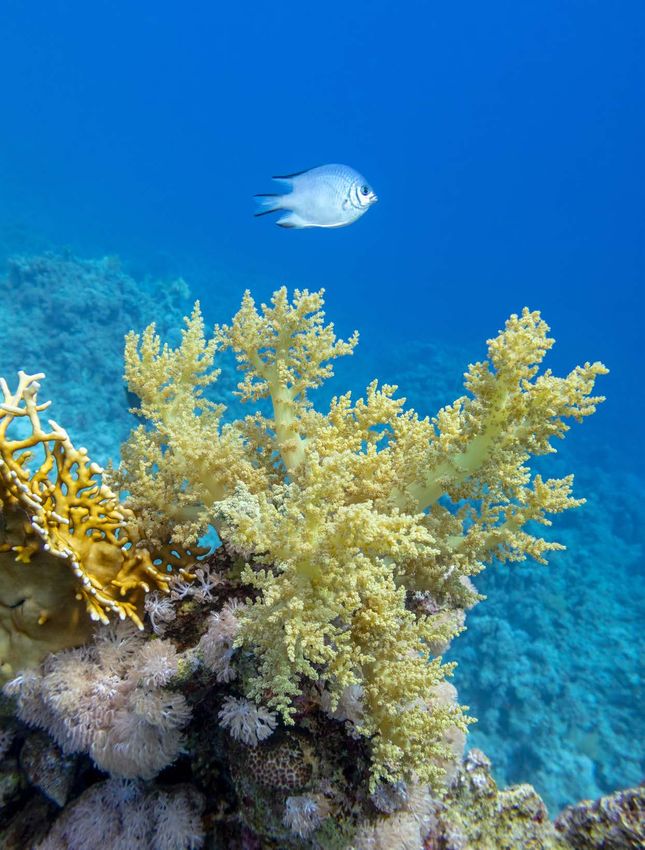
Bonds outstandin
1 100
Annual bond issua
2 500
900
OECD work in support of biodiversity Designing effective policy instruments for biodiversity
1 500
700
500
500
Designing effective and fishing fees and payments for ecosystem services
provide incentives to achieve biodiversity objectives
and Guinea Bissau to finance marine protected areas,
0
and individually transferable quotas for fisheries in
by development projects, after steps have been
taken to avoid and minimise biodiversity loss at
300
policy instruments more cost-effectively. Most can also mobilise finance and
generate revenue. The OECD collects data and tracks
Iceland. Each
-500 case study focuses on the drivers for the development site. Biodiversity Offsets: Effective100
2015 2016 2017 2018 2019 2020 2021 2022 2023 2024 2025 2026 2027 2028 2029 2030 2031 2032 2033 2034 2035
reform, the types of obstacles encountered, key features Design and Implementation (2016) examines the
for biodiversity trends on biodiversity-relevant economic instruments
– also referred to as positive incentives under CBD
of the policy reform, and the lessons learned from the
reform experience. The case studies underscore the
key design and implementation features that need
to be considered to ensure that biodiversity offset
Aichi Target 3 and in the post-2020 Global Biodiversity need for broad stakeholder engagement, for a solid programmes are environmentally effective, economically
Framework – and the revenue they generate, through and clearly communicated foundation of evidence and efficient and distributionally equitable. Insights and
Governments have a key role in providing clear policy the OECD Policy Instruments for the Environment (PINE) for targeted measures to address potential impacts lessons learned are drawn from more than 40 case
signals to promote environmentally sustainable database. Currently, the database includes information on competitiveness and income distribution. studies, with an additional three in-depth country
patterns of production and consumption. Addressing from more than 120 countries. Latest trends are provided case studies from Germany, Mexico and the United
biodiversity loss requires a mix of regulatory (command- in Tracking Economic Instruments and Finance for Designing effective biodiversity offsets States. Key insights from this report include the need
and-control) instruments, such as protected areas, Biodiversity – 2021, covering new data on payments to establish thresholds for what can be offset, to set
quotas, spatial planning; economic instruments, such as for ecosystem services and biodiversity offsets. Biodiversity offsets are used in a range of sectors clear goals and objectives for the programme, and to
taxes, fees and charges, and tradable permit schemes; to help compensate for the adverse effects caused systematically monitor, report and verify offsets.
and information and voluntary approaches, such as Evaluating the effectiveness of policy instruments
ecolabelling and other industry commitments. Drawing for biodiversity Number of countries with biodiversity-relevant economic instruments
on country experiences and case studies, the OECD
70
examines how to better design and implement policy for Impact evaluation studies provide evidence on whether
biodiversity conservation and its sustainable use, and a policy intervention has had the desired impact on 60
provides good practice insights. The OECD also tracks biodiversity, allowing governments to adapt their
50
Number of countries
the use of biodiversity-relevant economic instruments. responses where needed and better target their scarce
resources. Evaluating the Effectiveness of Policy 40
A policy guide for finance, economic Instruments for Biodiversity (2018) provides an overview
30
and environment ministers of methodologies to evaluate the effectiveness of policy
instruments for biodiversity, covering impact evaluation, 20
At the request of the UK G7 Presidency, the OECD cost-effectiveness analysis and other commonly
10
produced a report in 2021 on Biodiversity, Natural used approaches. It then provides an inventory of
Capital and the Economy: A Policy Guide for Finance, biodiversity-relevant impact evaluation studies, across 0
Economic and Environment Ministers. The report both terrestrial and marine ecosystems. The report
1980
1982
1984
1986
1988
1990
1992
1994
1996
1998
2000
2002
2004
2006
2008
2010
2012
2014
2016
2018
2020
provides the latest findings and policy guidance for concludes with lessons learned, policy insights and
G7 and other countries in four key areas: measuring suggestions for further work, such as developing Taxes Fees and charges Environmentally-motivated subsidies Tradable permits Source: OECD (2021), Tracking Economic Instruments and Finance for Biodiversity - 2021.
and mainstreaming biodiversity; aligning budgetary a more strategic approach to undertaking impact
and fiscal policy with biodiversity; embedding evaluation studies, so as to be more geographically KEY PUBLICATIONS
biodiversity in the financial sector; and improving representative, ensure a good balance between different OECD (2021), “Biodiversity, Natural Capital and the Economy: A policy guide OECD (2016), Biodiversity Offsets: Effective Design and Implementation.
for finance, economic and environment ministers“, OECD Environment Policy OECD Publishing, Paris, https://doi.org/10.1787/9789264222519-en
biodiversity outcomes linked to international trade. policy instruments and of terrestrial and marine/ocean Papers, No. 26, OECD Publishing, Paris, https://doi.org/10.1787/1a1ae114-en
It shows how finance, economic and environment ecosystems, and to prioritise larger programmes. OECD (2013), Scaling Up Finance Mechanisms for Biodiversity. OECD
OECD (2021), Tracking Economic Instruments and Finance for Biodiversity – Publishing, Paris, https://www.oecd-ilibrary.org/environment/scaling-
ministries can drive the transformative changes 2021, https://www.oecd.org/environment/resources/biodiversity/ up-finance-mechanisms-for-biodiversity_9789264193833-en
required to halt and reverse the loss of biodiversity. Overcoming barriers to implementing effective tracking-economic-instruments-and-finance.htm
OECD (2010), Paying for Biodiversity: Enhancing the Cost-Effectiveness of
The report builds on an earlier piece of OECD work biodiversity policies OECD (2021), Responsible Business Conduct tools and instruments Payments for Ecosystem Services. OECD Publishing, Paris, https://www.oecd-
to address environmental challenges, (Forthcoming) ilibrary.org/environment/paying-for-biodiversity_9789264090279-en
prepared for the French G7 Presidency in 2019,
OECD (2019), Biodiversity: Finance and the Economic and Business Case for Action,
Biodiversity: Finance and the Economic and Business Governments may face obstacles when implementing OECD Publishing, Paris, https://www.oecd-ilibrary.org/environment/biodiversity-
Case for Action, which provides 10 priorities to scale policy reforms for biodiversity, such as concerns finance-and-the-economic-and-business-case-for-action_a3147942-en KEY WEBSITES
up action on biodiversity, covering issues such as regarding competitiveness and impacts on income Karousakis, K. (2018), “Evaluating the effectiveness of policy instruments Policy instruments for biodiversity
for biodiversity: Impact evaluation, cost-effectiveness analysis and https://www.oecd.org/environment/resources/biodiversity/tracking-economic-
scaling up incentives, ecosystem restoration, aligning distribution as well as vested interests. The Political instruments-and-finance.htm
other approaches“, OECD Environment Working Papers, No. 141, OECD
finance and better monitoring and reporting. Economy of Biodiversity Policy Reform (2017) draws on Publishing, Paris, https://www.oecd-ilibrary.org/environment/evaluating- Policy instruments for the environment database
literature and four case studies to identify how such the-effectiveness-of-policy-instruments-for-biodiversity_ff87fd8d-en https://www.oecd.org/environment/indicators-modelling-outlooks/policy-
Tracking economic instruments for biodiversity OECD (2017), Marine Protected Areas: Economics, Management and Effective instrument-database/
obstacles can be overcome. The case studies cover
Policy Mixes. OECD Publishing, Paris, https://doi.org/10.1787/9789264276208-en
the French tax on pesticides, agricultural subsidy
OECD (2017), The Political Economy of Biodiversity Policy Reform. OECD
Economic instruments such as pesticide taxes, hunting reform in Switzerland, EU payments to Mauritania
Publishing, Paris, https://www.oecd-ilibrary.org/environment/the-political-
economy-of-effective-biodiversity-policy-reform_9789264269545-en
4 OECD WORK IN SUPPORT OF BIODIVERSITY 2021 DESIGNING EFFECTIVE POLICY INSTRUMENTS FOR BIODIVERSITY 5
OECD work in support of biodiversity Scaling up finance and economic incentives for biodiversity
around government action for parliamentarians and civil Biodiversity Framework. The OECD also convenes
society, and support efforts to monitor environmental government, business and financial organisations
progress. However, less than half of OECD countries at its annual Green Finance and Investment Forum.
Biodiversity-relevant taxes surveyed practice some form of green budgeting, and The forum provides a space to exchange experiences,
generate in most cases biodiversity is not covered. The Paris develop partnerships and identify opportunities
7.7 billion
Collaborative on Green Budgeting, launched at the for scaling up private finance for biodiversity,
USD
One Planet Summit in 2017, is the first cross-country climate change and other environmental issues.
and cross-sectoral initiative designed to support
governments to “green” their fiscal policy and embed As part of its efforts to align private finance flows
in revenue per year in OECD countries climate and other environmental commitments. It with biodiversity objectives, the OECD has been
aims to design new, innovative tools to assess and a member of the Informal Working Group (IWG)
(2017-19 average) drive improvements in the alignment of national and the Technical Expert Group (TEG) tasked
expenditure and revenue processes with climate, with establishing the Taskforce on Nature-related
biodiversity and other environmental goals. OECD Financial Disclosure (TNFD). The aim of the TNFD
work is currently underway to identify, analyse and is to help financial institutions and companies to
compare emerging green budgeting approaches for report and act on their nature-related risks.
biodiversity and to develop good practice insights.
The OECD Guidelines for Multinational Enterprises
Scaling up finance and on how much finance the instruments generate or
mobilise. For example, data reported to the PINE
Facilitating exchange on good practice for scaling up
biodiversity finance
and OECD Due Diligence Guidance for Responsible
Business Conduct (RBC) capture biodiversity related
economic incentives database indicate that biodiversity-relevant taxes in
OECD countries generate USD 7.7 billion in revenue To support the on-going discussions towards the Post-
considerations as part of responsible business behaviour
– including across supply chains. To support the private
for biodiversity per year (2017-2019 average). Work is currently
underway to collect information on payments for
2020 Global Biodiversity Framework, the OECD and the
UNDP Biodiversity Finance Initiative (BIOFIN) jointly
sector integrate biodiversity as part of implementing
RBC due diligence aligned with OECD recommendations,
ecosystem services schemes (PES) and biodiversity convened a Virtual Global Conference on Biodiversity the OECD Centre for Responsible Business Conduct and
Halting and reversing current trends in biodiversity offsets. Data collected by the OECD finds, for Finance in April 2020. The objectives of the conference the Environment Directorate plan to jointly undertake
loss will require governments and the private example, that across 10 countries, PES channels were to: 1) examine trends and lessons learned in scaling a project in 2021-22 to provide analysis, guidance
sector to mobilise and align finance for biodiversity. around USD 10 billion per year to biodiversity. up biodiversity finance and policy incentives; 2) foster and stakeholder dialogue supporting businesses and
The OECD collects data on biodiversity-related exchange, among governments and biodiversity finance investors to better identify, manage and report on
finance and economic incentives, and identifies The OECD also collects data on biodiversity-related experts, of experiences, best practices and opportunities biodiversity risks and adverse impacts resulting from
opportunities for scaling up, aligning, and enhancing development finance through the OECD Creditor for mobilising, tracking and aligning finance for their portfolios, investments or business decisions.
the effectiveness of finance for biodiversity. Reporting System, including Official Development biodiversity; and 3) reflect on recommendations on
Assistance (ODA), private finance mobilised by ODA biodiversity finance for the CBD Post-2020 Global
Estimating global biodiversity finance activities and philanthropy. The data show that
biodiversity-related ODA commitments by members
OECD’s report A Comprehensive Overview of Global of OECD’s Development Assistance Committee
Biodiversity Finance (2020), prepared at the request of have increased over the past decade, reaching USD Global biodiversity finance
G7 Environment Ministers, estimates global biodiversity 7.8 billion per year on average in 2017-2019 (2019
flows totalled
finance flows at between USD 78 and 91 billion per year constant prices). Of the biodiversity-related ODA
(2015-2017 average). The analysis identifies USD 67.8 billion
per year in public domestic expenditure, USD 3.9-9.3
billion in international public expenditure and USD
activities, 38% (USD 3.0 billion) targets biodiversity
as a principal objective, while 62% (USD 4.8 billion)
targets biodiversity as a significant objective.
USD 78 -91
6.6-13.6 billion in private expenditure. The report also
offers recommendations for improving the assessment, Green budgeting
billion per year
tracking and reporting of biodiversity finance. (2015-2017 average)
Green budgeting is a systematic approach to examine
Tracking finance for biodiversity and improve the alignment of government spending and (OECD, 2020)
fiscal policy with environmental objectives. It can help
In addition to tracking economic instruments for to mainstream biodiversity and other environmental
biodiversity (see above), the OECD also collects data issues across policy domains, enhance transparency
6 OECD WORK IN SUPPORT OF BIODIVERSITY 2021 SCALING UP FINANCE AND ECONOMIC INCENTIVES FOR BIODIVERSITY 7
OECD work in support of biodiversity Reforming government support, including subsidies, harmful to biodiversity
KEY PUBLICATIONS
OECD (2021), Tracking Economic Instruments and Finance for Biodiversity – 2021, OECD (2013), Scaling-up Finance Mechanisms for Biodiversity, OECD Publishing,
https://www.oecd.org/environment/resources/biodiversity/tracking-economic- Paris, https://www.oecd-ilibrary.org/environment/scaling-up-finance-
instruments-and-finance.htm mechanisms-for-biodiversity_9789264193833-en
OECD (2020), A Comprehensive Overview of Global Biodiversity Finance,
https://www.oecd.org/environment/resources/biodiversity/report- KEY WEBSITES
a-comprehensive-overview-of-global-biodiversity-finance.pdf Biodiversity finance
OECD (2019), Biodiversity: Finance and the Economic and Business Case for Action, https://www.oecd.org/environment/resources/biodiversityfinance.htm
OECD Publishing, Paris, https://www.oecd-ilibrary.org/environment/biodiversity- OECD-UNDP Virtual Global Conference on Biodiversity Finance
finance-and-the-economic-and-business-case-for-action_a3147942-en https://www.oecd.org/environment/resources/biodiversity/oecd-
OECD (2018), OECD Due Diligence Guidance for Responsible Business Conduct, undpvirtualglobalconferenceonbiodiversityfinance.htm
OECD Publishing, http://mneguidelines.oecd.org/COVID-19-and-Responsible- Centre on Green Finance and Investment
Business-Conduct.pdf https://www.oecd.org/cgfi/forum/
Drutschinin, A. and S. Ockenden (2015), “Financing for Development in Support
of Biodiversity and Ecosystem Services“, OECD Development Co-operation
Working Papers, No. 23, OECD Publishing, Paris, https://
doi.org/10.1787/5js03h0nwxmq-en
Reforming government and pesticide use. On the other hand, payments based
on non-commodity criteria (such as the provision of
support, including trees and hedges) and payments for input use linked
to environmental constraints on farming practices,
subsidies, harmful may reduce agricultural pressure on biodiversity.
In 2017-2019, OECD countries alone provided on
to biodiversity average USD 231 billion in support to farmers, of
which USD 112 billion (48%) is considered potentially
most environmentally harmful compared to other
Some elements of government support to agriculture, types of support. Across 54 economies reporting
fisheries and other sectors can encourage unsustainable to the OECD Producer Support Estimate database,
patterns of production and consumption, thereby USD 345 billion per year in agricultural support
driving biodiversity loss. With the adoption of Aichi (2017-19 average) was provided in ways that are
target 3 under the Convention on Biological Diversity, environmentally harmful and market distorting.
countries set a target to eliminate, phase out or
reform incentives, including subsidies, harmful to Fisheries
biodiversity by 2020. However, governments have made Fisheries support can be harmful to biodiversity if it creates
little progress in this regard and failed to achieve this incentives to fish beyond sustainable limits or in a way that
target. Globally, fossil fuel support and agriculture negatively impacts threatened species and habitats.
support potentially most harmful to the environment On average, over 2016-18, the 39 economies reporting to the
amount to more than USD 800 billion per year. OECD Fisheries Support Estimate database spent USD 3.2
billion annually on polices that reduce the cost of inputs,
Tracking global trends in government support despite the fact that these policies are the most likely to
lead to overfishing and illegal, unreported and unregulated
The OECD collects data on government support to (IUU) fishing. Support to fuel was the single largest direct
agriculture, fisheries and fossil-fuel production and support policy, accounting for 25% of total support to the
consumption across OECD and a number of other sector. Governments also finance infrastructure that can
economies. Drawing on these data, the OECD identifies encourage overcapacity and overfishing in certain contexts.
global trends in government support, and estimates the In some countries, spending on infrastructure increased
volume of support that may be harmful to biodiversity. significantly relative to fleet size between 2012-14 and
2016-18.
Agriculture In contrast, the OECD Review of Fisheries 2020, shows
In the agriculture sector, market price support and measures that help fishers to operate their businesses
payments based on commodity output or variable more sustainably, effectively and profitably (e.g. through
input use without imposing environmental constraints education and training), or which provide direct income
on farming practices tend to be the most harmful support in a way that does not incentivise unsustainable
to biodiversity, as they encourage intensification of fishing, currently account for less than a third of
production, which entails higher levels of fertiliser spending to reduce the cost of inputs (USD 1 billion).
8 OECD WORK IN SUPPORT OF BIODIVERSITY 2021 REFORMING GOVERNMENT SUPPORT, INCLUDING SUBSIDIES, HARMFUL TO BIODIVERSITY 9
OECD work in support of biodiversity Reforming government support, including subsidies, harmful to biodiversity
Fossil fuels Identifying and assessing subsidies harmful to
Fossil fuel support can incentivise the use and biodiversity at national level
production of fossil fuels, thereby contributing to
climate change – one of the largest direct drivers of Incentives such as subsidies can have different
global biodiversity loss. The OECD tracks fossil fuel effects in different settings. It is therefore necessary
support through the OECD Inventory of Support to have a sound understanding at the national
Measures for Fossil Fuels. OECD and IEA’s joint level of the magnitude and impacts of subsidies on
estimate shows that 81 predominantly OECD and G20 biodiversity. While comparable data on government
economies spent USD 468 billion in fossil fuel support subsidies in different sectors is useful to track broad
in 2019. In September 2009, Leaders of the Group of trends at a global level, studies conducted at the
Twenty (G20) economies committed to “phase out national level provide the higher degree of specificity
and rationalise over the medium term inefficient necessary to inform and drive subsidy reform.
fossil fuel subsidies while providing targeted support Several countries have undertaken national-level
for the poorest.” Countries subsequently engaged in studies to identify and assess subsidies harmful
voluntary and reciprocal peer reviews of the reform of to biodiversity or to the environment, including
inefficient fossil fuel subsidies, chaired by the OECD. France, Germany, Italy, Lithuania and Switzerland.
To support countries in this endeavour, the OECD
is developing guidance on identifying and assessing
subsidies harmful to biodiversity at a national level. Each year governments provide more than
Trends in agriculture producer support by potential environmental impact (OECD countries)
300000
USD 800 billion
in support potentially harmful to the environment
250000
(OECD, 2021)
200000
USD mn
150000
100000
Potentially most environmentally harmful support
50000
KEY PUBLICATIONS
0
OECD (2021), Biodiversity, Natural Capital and the Economy: A policy guide Martini, R. and J. Innes (2018), “Relative Effects of Fisheries Support Policies“,
1990
1991
1992
1993
1994
1995
1996
1997
1998
1999
2000
2001
2002
2003
2004
2005
2006
2007
2008
2009
2010
2011
2012
2013
2014
2015
2016
2017
2018
2019
for finance, economic and environment ministers, OECD Environment Policy OECD Food, Agriculture and Fisheries Papers, No. 115, OECD Publishing, Paris,
Papers, No. 26, OECD Publishing, Paris, https://doi.org/10.1787/1a1ae114-en https://www.oecd-ilibrary.org/agriculture-and-food/relative-effects-
Most harmful Least harmful Other of-fisheries-support-policies_bd9b0dc3-en
OECD (2021), OECD Companion to the Inventory of Support Measures for Fossil
Fuels 2021, OECD Publishing, Paris, https://doi.org/10.1787/e670c620-en OECD (2017), The Political Economy of Biodiversity Policy Reform, OECD
Source: OECD PSE database Publishing, Paris, https://www.oecd-ilibrary.org/environment/the-political-
OECD (2020), OECD Review of Fisheries 2020, OECD Publishing, Paris,
economy-of-effective-biodiversity-policy-reform_9789264269545-en
https://www.oecd-ilibrary.org/agriculture-and-food/oecd-review-of-fisheries-
2020_7946bc8a-en
OECD (2020), Agricultural Policy Monitoring and Evaluation 2020, OECD Publishing, KEY WEBSITES
Paris, https://www.oecd-ilibrary.org/agriculture-and-food/agricultural-
policy-monitoring-and-evaluation-2020_928181a8-en Agricultural support
https://data.oecd.org/agrpolicy/agricultural-support.htm
OECD (2019), Biodiversity: Finance and the Economic and Business Case for Action,
OECD Publishing, Paris, https://www.oecd-ilibrary.org/environment/biodiversity- Fisheries support
finance-and-the-economic-and-business-case-for-action_a3147942-en https://data.oecd.org/fish/fisheries-support.htm
OECD (2019), Agricultural Policy Monitoring and Evaluation 2019, OECD Publishing, Fossil fuel support data and country notes
Paris, https://www.oecd-ilibrary.org/agriculture-and-food/agricultural- https://www.oecd.org/fossil-fuels/data/
policy-monitoring-and-evaluation-2019_39bfe6f3-en
OECD/IEA (2019), “Update on recent progress in reform of inefficient fossil-fuel
45 subsidies that encourage wasteful consumption“, https://www.oecd.org/fossil-
40 fuels/publication/OECD-IEA-G20-Fossil-Fuel-Subsidies-Reform-Update-2019.pdf
35
umber of countries
30
25
10 OECD WORK IN SUPPORT OF BIODIVERSITY 2021 REFORMING GOVERNMENT SUPPORT, INCLUDING SUBSIDIES, HARMFUL TO BIODIVERSITY 11
20
15
OECD work in support of biodiversity Data, indicators and country performance reviews
Data, indicators and on Biological Diversity (CBD COP15). OECD is working
with governments to provide technical analysis to help
Biodiversity Conservation and Sustainable Use in Latin
America: Evidence from Environmental Performance
The OECD has also developed a Sustainable Ocean
Economy database to provide timely and reliable data
country performance inform the decision-making process in the lead up to and
at CBD COP15. The project “The Post-2020 Biodiversity
Reviews summarises key findings on biodiversity
and ecosystem services from the Environmental
on the natural asset base and the sustainability of
the ocean economy, including the health of marine
reviews Framework: Targets, Indicators and Measurability
Implications at Global and National Level” examines
Performance Reviews completed for Brazil, Chile,
Colombia, Mexico and Peru between 2013 and 2017.
ecosystems. This work will help meet the demands
of the international community for a better evidence
the lessons learned from the Aichi biodiversity targets, base to support decision making, including SDG 14.
Governments require reliable and objective information and how the Post-2020 Global Biodiversity Framework Land use and ocean data
to design effective biodiversity policies. Through its could be improved. In particular, the paper proposed
databases and environmental indicators, the OECD the creation and use of headline indicators. The OECD The OECD collects and reports on land use cover change
provides a repository of information on the state of convened an international expert workshop in February data, a key indicator for pressure on biodiversity loss.
biodiversity (e.g. threatened species data), pressures on 2019 where the key concepts were first proposed.
biodiversity (e.g. land-use change), and policy responses
to reduce these pressures (e.g. protected areas and Environmental Performance Reviews In 2020
economic policy instruments). The data are collected protected areas in OECD countries
in a transparent and consistent way, enabling decision OECD’s country-specific Environmental Performance covered on average
makers to measure their country’s performance, over Reviews (EPRs) provide independent assessments of
time and compared to other countries. The OECD
works closely with countries and international partners
to continuously improve the quality and scope of
countries’ progress towards their environmental policy
objectives. The reviews promote peer learning, enhance
government accountability and provide targeted
16% of terrestrial
information on biodiversity and related policy areas, recommendations aimed at improving environmental
and
21%
and to develop coherent targets and indicators. performance, individually and collectively. All EPRs
examine countries’ performance in halting biodiversity
The Post-2020 Global Biodiversity Framework: loss. In addition, a total of 21 out of the 39 countries
Targets, indicators and measurability implications reviewed in 2010-2021 chose a biodiversity-related of marine area,
at global and national level subject area for in-depth analysis. Recent country compared to 10% and 2% in 2000
reviews with biodiversity chapters include Belgium (OECD, 2020)
The 2011-2020 Strategic Plan for Biodiversity and the Aichi (2021), Greece (2020), Luxembourg (2020), Australia
Biodiversity Targets expired in 2020, and governments (2019) and Latvia (2019). The Green Growth Policy
agreed to establish a post-2020 framework for adoption Review of Indonesia (2019) includes a focus chapter on KEY PUBLICATIONS
at the 15th Conference of the Parties to the Convention the land-ecosystems-climate nexus. The 2018 report OECD (2021), OECD Environmental Performance Reviews: Belgium2021, OECD Mackie, A., et al. (2017), “Indicators on Terrestrial and Marine Protected Areas:
Environmental Performance Reviews, OECD Publishing, Paris, Methodology and Results for OECD and G20 countries“, OECD Environment Working
https://www.oecd-ilibrary.org/environment/oecd-environmental- Papers, No. 126, OECD Publishing, Paris, https://doi.org/10.1787/e0796071-en
performance-reviews-belgium-2021_738553c5-en
OECD (2017), Earth Observation for decision-making, https://www.oecd.org/env/
OECD (2020), Environment at a Glance 2020, OECD Publishing, Paris, indicators-modelling-outlooks/Earth_Observation_for_Decision_Making.pdf
https://www.oecd-ilibrary.org/environment/environment-
at-a-glance/volume-/issue-_4ea7d35f-en Van Winkle, C., et al. (2015), “Biodiversity Policy Response Indicators“, OECD
Amphibians and freshwater fish Environment Working Papers, No. 90, OECD Publishing, Paris, https://www.oecd-
OECD (2019), The Post-2020 Biodiversity Framework: Targets, indicators and ilibrary.org/environment/biodiversity-policy-response-indicators_5jrxd8j24fbv-en
in OECD countries are on average measurability implications at global and national level. November version.
OECD (2012), OECD Environmental Outlook to 2050: The Consequences of
more threatened than birds, plants https://www.oecd.org/environment/resources/biodiversity/report-
Inaction, OECD Publishing, Paris, https://doi.org/10.1787/9789264122246-en
the-post-2020-biodiversity-framework-targets-indicators-and-
and mammals, but specialist birds measurability-implications-at-global-and-national-level.pdf
have declined by nearly OECD (2019), OECD Green Growth Policy Review of Indonesia 2019, OECD KEY WEBSITES
30%
Environmental Performance Reviews, OECD Publishing, Paris,
https://www.oecd-ilibrary.org/environment/oecd-green-growth-policy-review- The Post-2020 Biodiversity Framework: Targets, indicators and
of-indonesia-2019_1eee39bc-en measurability implications at global and national level
https://www.oecd.org/environment/resources/biodiversity/
OECD (2018), Biodiversity Conservation and Sustainable Use in Latin America:
in 40 years
Post-2020-biodiversity-framework.htm
Evidence from Environmental Performance Reviews, OECD
Environmental Performance Reviews, OECD Publishing, Environmental country reviews
Paris, https://doi.org/10.1787/9789264309630-en https://www.oecd.org/environment/country-reviews/
OECD (2018), Monitoring land cover change, https://www.oecd.org/env/ OECD ocean data
indicators-modelling-outlooks/brochure-land-cover-change-v2.pdf https://www.oecd.org/ocean/data/
(Environment at a Glance, 2020)
OECD (2017), Green Growth Indicators 2017, OECD Green Growth Studies, OECD
Publishing, Paris, https://doi.org/10.1787/9789264268586-en
12 OECD WORK IN SUPPORT OF BIODIVERSITY 2021 DATA, INDICATORS AND COUNTRY PERFORMANCE REVIEWS 13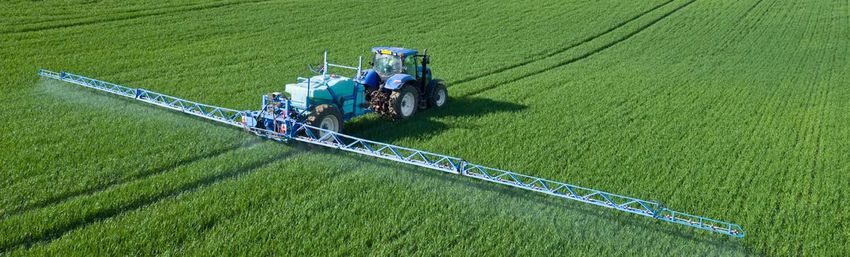
OECD work in support of biodiversity Mainstreaming biodiversity across government and sectors
Mainstreaming It outlines the remaining challenges, such as the need
to strengthen public sector capacity sub-nationally,
National ecosystem assessments policy. NEAs conducted in Japan and the United
Kingdom, for example, have been mentioned in
biodiversity across improve data quality and coverage, and scale up
biodiversity finance. The paper on South Africa
National ecosystem assessments (NEAs) help countries
to gain a better understanding of their economic
documents setting out future policy or biodiversity
strategies, and in legal documents pertaining to the
government and sectors describes how biodiversity considerations have been
mainstreamed in five key policy areas, namely: land use
dependence on biodiversity and ecosystem services.
They involve mapping, assessing and in some cases
conservation and sustainable use of biodiversity.
The sharing of experiences on NEAs could help refine
planning, mining, water, infrastructure, and agriculture. economically valuing ecosystem services. Evidence future NEAs and their utility in policy making.
Mainstreaming biodiversity conservation and sustainable It highlights the key elements of mainstreaming shows that NEAs can – and are already – informing
use across all sectors of the economy is vital to ensuring success in South Africa, which include good science,
sustainable development. A key step for mainstreaming the ability to harness windows of opportunity, and
biodiversity is to improve decision-makers’ ensuring genuine links to development objectives.
understanding of the benefits provided by biodiversity
and ecosystem services, including their values. Work is currently underway to examine (1) how to better
Biodiversity considerations must then be integrated mainstream biodiversity in infrastructure, and (2) how to
into national development strategies, economic enhance the effectiveness of sub-national biodiversity policy.
plans, national budgets, and agriculture, fisheries,
forestry and other sectoral policies. Effective policies Valuing biodiversity and ecosystem services
are needed to encourage business and households
to conserve and more sustainably use biodiversity. Biodiversity and ecosystem services deliver considerable
It is also important to ensure robust monitoring and benefits, but these tend to be undervalued or unvalued
evaluation of mainstreaming occur over time. in day-to-day decisions, economic accounts and market
prices. One reason for this is market failures: the
Mainstreaming biodiversity into national majority of ecosystem services are not priced in the
and sector-level decision-making market as they are often public goods. As a result, there
are insufficient incentives to conserve and sustainably
Mainstreaming Biodiversity for Sustainable use biodiversity. The failure to account for the full
Development (2018) draws on experiences and insights economic values of biodiversity and ecosystem services
from 16 predominantly megadiverse countries to in decision-making is one of the contributing factors to
examine how biodiversity is being mainstreamed at their over-exploitation and thus loss and degradation.
the national level; in the agriculture, forestry and
fisheries sectors; and in development co-operation. The report Cost-Benefit Analysis and the Environment:
It also considers the monitoring and evaluation of Further Developments and Policy Use (2018) examines
biodiversity mainstreaming and how this can be the role of valuation of biodiversity and ecosystem
improved. Key messages from the report include the services to quantify their contribution to human
need to establish a strong social and business case for well-being. A large number of empirical studies
biodiversity, to align policies across biodiversity and that estimate the monetary values associated with
the different sectors, and to develop monitoring and the benefits provided by ecosystem services are KEY PUBLICATIONS
evaluation systems for biodiversity mainstreaming. now available. However, economic valuation of OECD (2021), Biodiversity, Natural Capital and the Economy: A policy guide Manuel, J., et al. (2016), “Key Ingredients, Challenges and Lessons
biodiversity and ecosystem services continues to face for finance, economic and environment ministers, OECD Environment Policy from Biodiversity Mainstreaming in South Africa: People, Products,
Papers, No. 26, OECD Publishing, Paris, https://doi.org/10.1787/1a1ae114-en Process“, OECD Environment Working Papers, No. 107, OECD
In-depth country case study analyses have also been some methodological limitations linked to spatial Publishing, Paris, https://doi.org/10.1787/5jlzgj1s4h5h-en
OECD (2018), Mainstreaming Biodiversity for Sustainable Development. OECD
undertaken, namely for Peru and South Africa. variability and complexities in the way services Publishing, Paris, https://www.oecd-ilibrary.org/environment/mainstreaming- Wilson, L., et al. (2014), “The Role of National Ecosystem Assessments in
The paper on Peru highlights the significant progress are produced. Nevertheless, economic valuation biodiversity-for-sustainable-development_9789264303201-en Influencing Policy Making“, OECD Environment Working Papers, No. 60,
OECD Publishing, Paris, https://www.oecd-ilibrary.org/environment-
made to mainstream biodiversity, through the creation remains a useful tool for integrating biodiversity OECD (2018), Cost-Benefit Analysis and the Environment: Further Developments and
and-sustainable-development/the-role-of-national-ecosystem-
Policy Use, OECD Publishing, Paris, https://doi.org/10.1787/9789264085169-en
of enabling institutional and legal frameworks. values into policy making and project appraisal. assessments-in-influencing-policy-making_5jxvl3zsbhkk-en
Alova, G., J. Orihuela and K. Karousakis (2018), “Mainstreaming
biodiversity and development in Peru: Insights and lessons learned“,
OECD Development Co-operation Working Papers, No. 45, OECD KEY WEBSITE
Publishing, Paris, https://doi.org/10.1787/2933d7d2-en
Economics and policies for biodiversity: OECD’s response
https://www.oecd.org/environment/resources/biodiversity/
14 OECD WORK IN SUPPORT OF BIODIVERSITY 2021 MAINSTREAMING BIODIVERSITY ACROSS GOVERNMENT AND SECTORS 15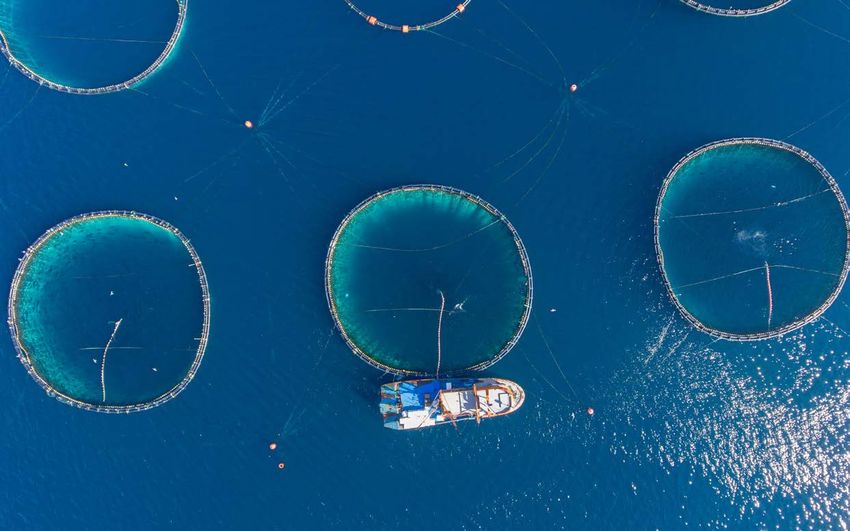
OECD work in support of biodiversity Sustainable land use, agriculture and forests
Sustainable land use, benefit biodiversity, but also ensure the provision of
affordable food and support livelihoods. Without these
addressing food insecurity, shortages and waste.
To achieve sustainable land-use and address these
Towards Sustainable Land Use: Aligning Biodiversity,
Climate and Food Policies (2020) identifies several
agriculture and forests precautions, enacting reforms can become challenging. interconnected challenges, governments require
coherent national strategies and plans, institutions
strategies to improve policy alignment for sustainable
land use. Governments should ensure input from
An important mechanism through which agriculture and policies. Coherent policy frameworks would all relevant stakeholders when developing national
Biodiversity and land use are intrinsically linked impacts biodiversity, is the use of agrichemicals such allow governments to identify and leverage strategies and action plans in response to international
as chemical fertilisers and pesticides. The use of synergies between action for biodiversity, climate agreements or for sectors with relevance to land
Global land use is currently unsustainable. agrichemicals is essential to ensure enough food is and food security, while managing trade-offs. use (e.g. agriculture, forestry and development).
As global populations grow and economies develop, produced to feed the world, but they can have negative This will help to identify opportunities for win-wins
the demands placed on land-use systems will further consequences for biodiversity if excess nutrients Land-use systems and management are not only where actions can have positive impacts across
increase. Land use and biodiversity are intrinsically leach from soils into waterbodies, or if pesticides essential to meeting biodiversity targets under the multiple sectors. In addition, governments should
linked. Land-use change, predominantly from impact non-target organisms. Pesticide use, alongside Convention on Biological Diversity, but also play a crucial create incentives for sustainable land use by
the expansion and intensification of agriculture habitat loss and agricultural intensification, has led role in achieving several of the Sustainable Development appropriately pricing the negative externalities of
is the largest driver of biodiversity decline. to precipitous declines in insect abundance globally. Goals (SDGs), such as ending hunger (SDG 2), clean land-use and reassessing the balance of support
water (SDG 6), clean energy (SDG 7), climate action (SDG provided to actors to ensure certain uses are not
Agriculture covers approximately 49% of the global ice- A broad mix of policy instruments will be needed to 13), and life on land (SDG 15). How to align polices for being promoted at the expense of biodiversity.
free land surface, while managed and plantation forests manage the use of pesticides and fertilisers to reduce sustainable land-use is therefore a crucial question for
cover another 22%.The pressures on land-use systems the biodiversity impacts of agricultural intensification. governments to answer if they are to reach international
are likely to increase as populations grow and demand Managing the Biodiversity Impacts of Fertiliser and environmental goals, and halt biodiversity declines.
for land-intensive products increase. The increasing Pesticide Use (2020) examines the approaches countries
reliance on bio-energy and carbon sequestration have taken so far and the steps they can take to better
in ecosystems to meet international climate manage the impacts of agrichemicals. These include SDG 1, 3, 8 SDG 10, 12, 17
SDG 7
commitments is also likely to have profound impacts broadening the knowledge base, to understand better
on land use systems and subsequently biodiversity. the risks these chemicals pose, setting quantified SDG 15
SDG 7 SDG 6
Understanding how to make land-use systems targets for their use and targeting ‘hotspots’ where Clean Clean Reduce pollution Life on
Energy Water Land
sustainable is therefore a research and policy priority. the risks posed to biodiversity are highest.
Competition
Sustainable agriculture is fundamental to well-being Aligning policies for land-use and biodiversity for water and Pressures
pollution from it Intensification, on
Food Changing biodiversity
expansion, precipitation
vs
Agriculture is fundamental to human well-being and is Governments are faced with multiple and overlapping Fuel
impacts patterns
on biodiversity
an important part of the socio-economic fabric of rural challenges, including improving livelihoods, tackling
areas. It is, therefore, essential that reforms not only climate change, mitigating biodiversity loss and SDG 2 SDG 13
SDG 1, 10
Zero Climate SDG 1, 7, 11, 14
Hunger Action
Increased agricultural production
can increase GHG emissions (directly, indirectly)
KEY PUBLICATIONS
OECD (2020), Towards Sustainable Land Use: Aligning Biodiversity, Climate Henderson, B. and J. Lankoski (2019), “Evaluating the environmental
and Food Policies, OECD Publishing, Paris, https://doi.org/10.1787/3809b6a1-en. impact of agricultural policies“, OECD Food, Agriculture and Fisheries
Papers, No. 130, OECD Publishing, Paris, https://doi.org/10.1787/add0f27c-en
Sud, M. (2020), “Managing the biodiversity impacts of fertiliser and pesticide
use: Overview and insights from trends and policies across selected OECD OECD (2018), Human Acceleration of the Nitrogen Cycle: Managing Risks
countries“, OECD Environment Working Papers, No. 155, OECD Publishing, and Uncertainty, OECD Publishing, Paris, https://
Paris, https://www.oecd-ilibrary.org/environment/managing-the- doi.org/10.1787/9789264307438-en
biodiversity-impacts-of-fertiliser-and-pesticide-use_63942249-en
OECD (2020), Agricultural Policy Monitoring and Evaluation 2020, OECD
Publishing, Paris, https://doi.org/10.1787/928181a8-en
DeBoe, G. (2020), “Economic and environmental sustainability performance
of environmental policies in agriculture“, OECD Food, Agriculture and Fisheries
Papers, No. 140, OECD Publishing, Paris, https://doi.org/10.1787/3d459f91-en
16 OECD WORK IN SUPPORT OF BIODIVERSITY 2021 SUSTAINABLE LAND USE, AGRICULTURE AND FORESTS 17
OECD work in support of biodiversity                                                                                    Sustainable ocean, seas and marine resources

Sustainable ocean,                                          weak and management effectiveness is often poor.
                                                            Marine Protected Areas: Economics, Management and

seas and marine                                             Effective Policy Mixes (2017) examines the evidence
                                                            on the costs and benefits of MPAs and presents good

resources                                                   practice insights on how to enhance the environmental
                                                            and cost effectiveness of MPAs, and to scale up finance.
                                                            It highlights the importance of integrating MPAs into
A healthy ocean and marine ecosystem services
                                                            emerging marine spatial planning instruments to
underpin the ocean economy, and provide critical
                                                            increase their effectiveness, and of complementing
support functions upon which human health and
                                                            MPAs with a mix of other policy instruments to
well-being depend. The multiple benefits that can be
                                                            address the multiple pressures on the ocean.
derived from well-functioning and resilient marine
ecosystems are local, regional and global in scale, and
                                                            Marine spatial planning (MSP) also has a key role to
range from coastal and habitat protection to climate
                                                            play in managing the marine environment. Demands
mitigation and food provisioning. Coral ecosystems alone
                                                            upon marine resources and for the use of the seas are
contribute an estimated USD 172 billion per year to the
                                                            increasing significantly, both for traditional maritime
world economy. This value is derived from ecosystem
                                                            uses (such as shipping and fishing) and new uses
services such as the provision of food and raw materials,
                                                            (such as offshore wind energy and aquaculture).
moderation of extreme ocean events, water purification,
                                                            This is reaching the point that uses are coming into
recreation, tourism, and maintenance of biodiversity.
                                                            conflict with each other and leading to significant
                                                            and often cumulative impacts on biodiversity. MSP
Enhanced action is needed to conserve and sustainably
                                                            has emerged as an approach to better regulate and
use our ocean and marine resources, which are
                                                            manage maritime activities and their impacts on the
under severe pressure from over-exploitation of fish
                                                            marine environment by taking a place-based (rather
and other marine resources, habitat destruction,
                                                            than sectoral) approach. Marine Spatial Planning:
invasive alien species, pollution (e.g. agriculture
                                                            Assessing net benefits and improving effectiveness
run-off, plastics and sewage) and climate change.
                                                            (2017) provides an overview of key issues.
Governments have a key role in putting in place
an effective and coherent policy mix to ensure the
                                                            Fostering a sustainable ocean economy for
achievement of SDG 14 “to conserve and sustainably
                                                            developing countries
use our oceans, seas, and marine resources”, and
marine-related CBD targets. Relevant policy instruments
                                                            The overexploitation and degradation of marine
include regulatory, economic, and information and
                                                            ecosystems is a global challenge, which could potentially
voluntary approaches. The pace of policy action is not
                                                            undermine the growth of the ocean economy. This
keeping up with the pressures on oceans, however.
                                                            is particularly true for developing countries, many
                                                            of which have large coastal populations reliant on
Establishing effective marine protected areas and           ocean ecosystems for employments and food (often in
marine spatial planning                                     artisanal fisheries). The Sustainable Ocean Economy for
                                                            All: Harnessing the Benefits for Developing Countries
Marine Protected Areas (MPAs) are one of the more           (2020), is a joint report from the OECD Development
traditional policy instruments for marine conservation      Co-operation; Science Technology and Innovation;
and sustainable use. They can be an effective instrument    and the Environment Directorates, which highlights
for protecting critical marine habitats, and can help       both how developing countries can better manage and
to ensure the provision of multiple ecosystem services      finance the conservation and sustainable use of oceans
that are fundamental for fisheries, tourism, recreation     marine resources and how developing countries can
and coastal protection. The area of ocean under MPAs        facilitate this through development co-operation.
has expanded in recent years. MPA coverage is one
of the few Aichi and SDG 14 targets that has been
(partially) met by 2020. However, the extent to which
MPAs cover the full spectrum of marine life is still

18 OECD WORK IN SUPPORT OF BIODIVERSITY 2021                                                                                           SUSTAINABLE OCEAN, SEAS AND MARINE RESOURCES 19
OECD work in support of biodiversity Sustainable ocean, seas and marine resources
A complementary paper on Reframing Financing and Fisheries 2020 show considerable progress in improving KEY PUBLICATIONS
Investment for a Sustainable Ocean Economy (2020) sets regulatory frameworks and enforcing legislation since OECD (2021), “Towards G7 action to combat ghost fishing gear: OECD (2017), “Marine Spatial Planning: Assessing net benefits and
out a new framing of the challenges and opportunities 2005, particularly on implementation of port state A background report prepared for the 2021 G7 Presidency of the improving effectiveness“, Green Growth and Sustainable Development
United Kingdom“, OECD Environment Policy Papers, No. 25, OECD Issue Paper, OECD Publishing, Paris. https://www.oecd.org/greengrowth/
for scaling up financing and investment for a sustainable measures, which were not widely used in 2005, and Publishing, Paris, https://doi.org/10.1787/a4c86e42-en GGSD_2017_Issue%20Paper_Marine%20Spatial%20Planning.pdf
ocean economy. It examines the particular challenges are now the most widespread of all interventions OECD (2020), Sustainable Ocean Economy for All: Harnessing the sustainable OECD (2017), Marine Protected Areas, Economics, Management and Effective Policy
associated with financing sustainable ocean activities measured. However, there are still opportunities to ocean economy for developing countries, OECD Publishing, Paris, https://www. Mixes, OECD Publishing, Paris. https://doi.org/10.1787/9789264276208-en
oecd-ilibrary.org/development/sustainable-ocean-for-all_bede6513-en
across different sectors and explores promising improve in three key areas: transparency over vessel OECD (2016), The Ocean Economy to 2030, OECD Publishing, Paris, https://www.
OECD (2020), OECD Review of Fisheries 2020, OECD Publishing, oecd-ilibrary.org/economics/the-ocean-economy-in-2030_9789264251724-en
financing instruments, including by identifying registration and authorisation processes; the stringency
Paris, https://doi.org/10.1787/7946bc8a-en
learnings from elsewhere in the green finance sphere. of transhipment regulation; and market measures
OECD (2020), “Reframing Financing and Investment for a Sustainable Ocean
aimed at increasing traceability and closing access to Economy“, OECD Environment Policy Papers, No. 22, OECD Publishing, KEY WEBSITES
70
Tackling illegal, unreported and unregulated fishing markets and fisheries services to IUU fishing operators. Paris, https://www.oecd-ilibrary.org/environment/reframing-financing-
OECD work in support of a sustainable ocean brochure
and-investment-for-a-sustainable-ocean-economy_c59ce972-en
60 https://www.oecd.org/ocean/OECD-work-in-support-of-a-sustainable-ocean.pdf
Hutniczak, B., C. Delpeuch and A. Leroy (2019a), “Closing Gaps in National
Fisheries play an important role in coastal communities, Reducing ocean pollution Regulations Against IUU Fishing“, OECD Food, Agriculture and Fisheries Papers, OECD work for a sustainable ocean website
50
Number of countries
but directly impact marine biodiversity. The OECD helps No. 120, OECD Publishing, Paris, https://www.oecd-ilibrary.org/agriculture-and- https://www.oecd.org/ocean/
food/closing-gaps-in-national-regulations-against-iuu-fishing_9b86ba08-en
governments establish good policies and governance to Recent work at OECD has focused on addressing key
40
achieve environmentally sound fisheries and sustainable pollutants of marine ecosystems including plastics, Hutniczak, B., C. Delpeuch and A. Leroy (2019b), “Intensifying the Fight Against
IUU Fishing at the Regional Level“, OECD Food, Agriculture and Fisheries Papers,
aquaculture
30 to support resilient communities, excess nitrogen and ghost fishing gear. A 2021 report No. 121, OECD Publishing, Paris, https://doi.org/10.1787/b7b9f17d-en
provide quality food and secure livelihoods. prepared for the G7 UK Presidency for example, discusses OECD (2018), Human Acceleration of the Nitrogen Cycle: Managing Risks and
20 Uncertainty, OECD Publishing, Paris, https://doi.org/10.1787/9789264307438-en
the implications of abandoned, lost or otherwise
One of
10the key issues for marine capture fisheries is discarded fishing gear for fisheries, non-target species OECD (2018), “Improving Plastics Management: Trends, policy responses, and
the role of international co-operation and trade“, OECD Environment Policy
Illegal, Unreported and Unregulated (IUU) fishing. (e.g. entanglement of wildlife), habitats as
Papers, No. 12, OECD Publishing, Paris, https://doi.org/10.1787/c5f7c448-en
0
Two recent studies by the OECD, Closing gaps in well as navigational safety, and coastal
national regulations against IUU fishing (2019) and tourism. The report identifies good practices
Intensifying the fight against IUU fishing at the regional and policies to prevent gear loss, reduce
level (2019), help countries identify how to better its impacts, and to recover lost gear.
address IUU fishing. Results from the OECD Review of
In 2017,
34%
Number of countries with ocean-related instruments
45
of fish stocks were fished
40
35 at biologically unsustainable levels
Number of countries
60%
30
25
20 and were maximally
15 sustainably fished
10
5
0
1980
1983
1986
1989
1992
1995
1998
2001
2004
2007
2010
2013
2016
2019
Taxes Tradable permits systems Fees and charges Subsidies Voluntary approaches Deposit-refund systems
Tax Tradable permits systems Fees and charges Subsidies Voluntary approaches Deposit-refund systems
20 OECD WORK IN SUPPORT OF BIODIVERSITY 2021 SUSTAINABLE OCEAN, SEAS AND MARINE RESOURCES 21You can also read


