Protecting Washington's waters from stormwater pollution
←
→
Page content transcription
If your browser does not render page correctly, please read the page content below
Environment
                                                                                                    Education Guide

                                                                                                Protecting
                                                                                                Washington’s
                                                                                                waters from
                                                                                                stormwater
                                                                                                pollution
                                                                                                Did you know Washington has a
                                                                                                stormwater runoff problem?
                                                                                                Stormwater runoff is damaging
                                                                                                salmon habitat. It’s the Number 1
                                                                                                water pollution problem in the urban
                                                                                                areas of our state, and it causes and
                                                                                                contributes to flooding.
                                                                                                Chances are pretty good you’ve seen
                                                               Stormwater runoff is             stormwater runoff. It’s the water from
                                                               damaging salmon habitat.         rain or snow that runs off yards, roofs
                                                               It’s the Number 1 water          and roadways. As gravity pulls it
                                                               pollution problem in             downhill into low spots, ditches and
                                                               the urban areas of our           storm drains, the water picks up soil,
                                                               state, and it causes and         chemicals and other pollutants and
                                                               contributes to flooding.         carries them into our lakes, rivers and
                                                                                                marine waters.
                                                                                                Our waters and salmon as well as
                                 Photo: Toni Weyman Droscher

                                                                                                other fish and wildlife species aren’t
                                                                                                the only things at risk. Stormwater
                                                                                                problems also affect the health and
                                                                                                safety of people.
                                                                                                As we develop land to accommodate
                                                                                                Washington’s growing population,
                                                                                                our state’s stormwater problem
                                                                                                grows, too. The good news is we
                                                                                                can do something about it—all of us.
                                                                                                In Washington, the state Department
                                                                                                of Ecology, the U.S. Environmental
                                                                                                Protection Agency and local
                                                                                                governments all work together
                                                                                                to regulate stormwater.
                                                                                                The key to solving the problem isn’t
                                                                                                really in the rules and permits. It’s in
                                                                                                people—how we live on the land and
                                                                                                the everyday choices each of us makes.
Ecology publication #07-10-058                                    R printed on recycled paper                                    Page 1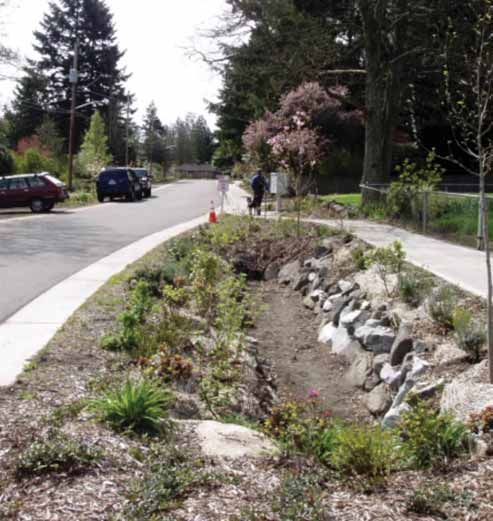
From rain to runoff — what comes down must go somewhere…
If you want to understand                 The landscape connection is
stormwater, watch what
happens the next time it rains.
                                          the key to stormwater runoff
Pay attention to how shapes               On undeveloped sites, water               Wetlands absorb and hold
and surfaces determine what               from rain or snow follows             runoff. In a natural or near-
happens to the water.                     natural patterns of drainage and      natural setting, the water that
    Watch how rainwater flows             circulation. Much of the water        does run off directly into streams
downhill and collects in low              seeps down into the soil and          or other waters is usually filtered
places. See how quickly it starts         into underground water supplies.      and slowed by the web of plants
running down a downspout or               In forests and grasslands, trees      it runs through, a sort of natural
into a gutter. Feel how pavement          and other plants will take up         purifying system.
stays hard but soil gets soft.            some of this water. Water will also
Pay attention to what the water           collect on their leaves and needles
sweeps along in the gutter and            and evaporate.
where there’s an oily sheen on a
puddle. Notice what happens to
streams and rivers. Notice how
runoff seems to be everywhere in
the city and is harder to find in
the forest.

In Washington’s forests, the needles
of evergreen trees hold a lot of
rain—as much as 40 percent of a low
intensity rainfall.

                     A watershed is all
                  the land that drains
                  to the same body of
                 water. A watershed’s
            natural drainage system
                includes a network of
             streams and rivers. In a
              large watershed, many
          different sources and land
               uses can contribute to
                   stormwater runoff.

Page 2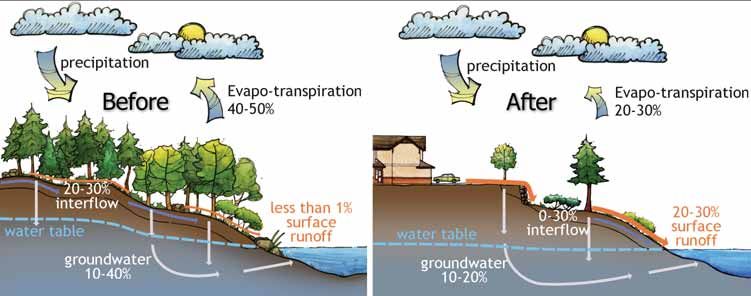
Image courtesy of Puget Sound Partnership
Before development almost all rainfall is taken up by plants, evaporates or infiltrates through the ground.
After conventional development, surface runoff increases significantly while evaporation and infiltration into the
ground decrease.

Developing land typically has
meant removing trees or other
vegetation, reshaping the land,
compacting soil, and creating
hard surfaces. These changes
alter the natural water patterns,
or hydrology, of a site. Much of
the water that plants and soil
previously would have absorbed
now runs off into local waters,
either directly or through a
system of gutters, ditches, swales,
or pipes. These systems collect
runoff and concentrate the flow,
quickly conveying it into streams
or other waters.

Covering as little as                    Water flowing through a watershed picks up things in its path and
10 percent of a watershed                carries them along, including pollution and debris.
with impervious surfaces
can degrade streams,
harming salmon, trout                    How much stormwater do we make?
and other aquatic life.                   POTENTIAL RUNOFF            1,200-square ft. roof 1-acre of pavement
                                          1 inch of rain or snow melt 748 gallons           27,150 gallons
   The way we use and develop             Average annual precipitation
the land changes not only where
                                          Seattle (37 in./yr)         27,700 gallons        1 million gallons
stormwater goes and how fast it
gets there, but also what it meets        Spokane (17 in./yr)         12,700 gallons        0.5 million gallons
along the way—parking lots, roads,        Olympia (51 in./yr)         38,100 gallons        1.4 million gallons
roofs, farms, ranches, ball fields and   Roofs, roads and paved parking lots keep us dry and make life easier, but
more. Whatever stormwater runoff         they are also common sources of runoff. Imagine all the roofs and roads in
picks up from these places, it carries   your area and across the state, and imagine how much runoff they generate.
into Washington’s waters.                Precipitation data source: NOAA - Average annual precipitation, 1971-2000. Figures have been rounded.

                                                                                                                                             Page 3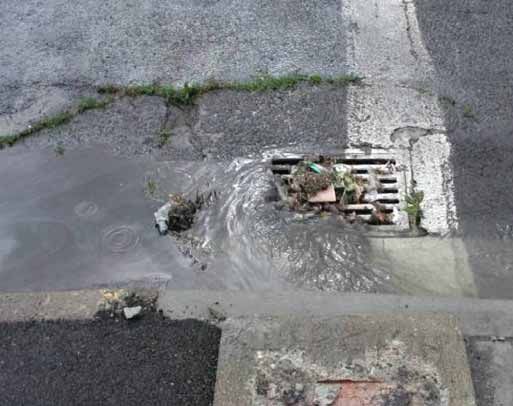
Washington’s growing problem with stormwater runoff
Altered flows — too                     Did you know…?
much, too soon and                      z Economic costs related
too little, too late                      to stormwater in the
Stormwater often gets to where            Puget Sound region are
it’s going faster after an area is        expected to exceed
developed. Runoff quickly flows           $1 billion over the next
into streams and other surface            decade.*
waters instead of seeping into the      z Even the drier east
ground to recharge groundwater            side of the state has to
and slowly feeding those streams
                                          deal with stormwater,
year round.
                                          especially in urban
     The results include much
higher stream flows and flooding
                                          areas. If laid end-to-end,
when it rains (especially during          Spokane’s storm sewers
heavy rains), and much lower              would stretch all the way
stream flows in the dry season.           to Seattle and back.
These extreme high and low flows
are bad for salmon, trout and
other fish as well as people and           There are other flow-related
communities.                            impacts, too. Flooding from
     The high-energy, faster, heavier   extreme high flows can damage
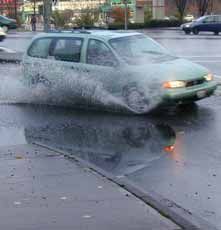
flows erode stream channels and         private property, public roads and   With high amounts of hardened
scour streambeds, churning up silt      utilities. And when stormwater       or paved surfaces, urban areas
and damaging spawning areas.            runs off instead of seeping into     generate more and faster runoff,
The energy from high flows also         groundwater, some wells may          increasing the risk of flooding.
flushes away tiny aquatic life that     go dry.
serve as part of trout and salmon’s
diets and part of a healthy stream.
     Extreme low flows are also
a problem for fish. Some urban
streams that used to run year
round sometimes dry up in the
summer. Others have too little
                                        Stormwater runoff can
flow to allow salmon to swim            affect both the quality
up them to spawn. Hardened              and quantity of drinking
surfaces contribute to this             water supplies. Cities
problem by interrupting the             and counties require
natural water-absorbing process.        more stormwater
                                        protection in areas
Rainfall hits these hard surfaces
                                        near public supply
and escapes directly into               wells to protect them
rivers rather than soaking              from pollution.
into the ground to recharge
underground water supplies
that feed small streams in the
summer months.
                                        * Damages and Costs of Stormwater
                                        Runoff in the Puget Sound Region,
                                        2006; Derek B. Booth, Bernadette
                                        Visitacion and Anne C. Steinemann
Page 4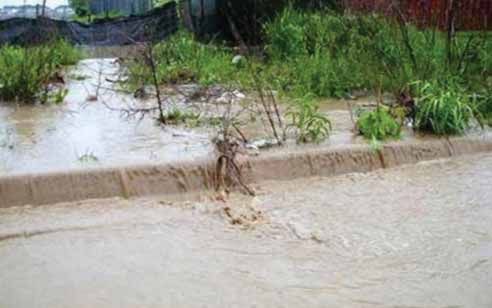
Polluted waters                                                                                      Shared connections

                                                                              Photo: Jill Williams
Most stormwater runoff carries                                                                       Polluted stormwater
pollution and more pollution                                                                         runoff is an issue across
comes from highly urbanized                                                                          the state. It’s easy to see
areas. More importantly, most                                                                        how it connects to issues
of it is not treated, or “cleaned                                                                    about Puget Sound, the
up” before it enters Washington’s
                                                                                                     Spokane River, the Columbia
waters.
                                                                                                     River, and salmon recovery.
                                                                                                     Stormwater runoff connects
Stormwater runoff is
                                                                                                     to other issues, too:
the Number 1 urban water
pollution problem in                                                                                 z Many of the same things
the state.                                                                                             that pollute runoff and
As runoff flows over roofs,
                                                                                                       surface waters can also
pavement and developed land,            Contaminated stormwater runoff                                 pollute aquifers, which
it picks up soil particles, oil and
                                        can create hazards to human health                             are sources of drinking
                                        and affect recreation, tourism,                                water.
grease (mostly from cars and            fishing, and businesses.
trucks), and many different toxic                                                                    z The danger from
chemicals, including those from         Beaches have been closed for                                   landslides and unstable
fertilizers, weed-killers, and          swimming and shellfish harvesting.                             slopes increases in
pesticides. It also picks up bacteria      Salmon suffer not only from                                 areas with stormwater
from pet and livestock waste and        chemical pollutants, but also from                             problems.
failing septic systems.                 soil washed in from construc-
    About one-third of the state’s      tion sites and other bare ground.                            z As we prepare for climate
waters are too polluted to meet         Mud can cover spawning areas,                                  change, we must consider
state water quality standards.          suffocating salmon eggs. It also                               how changes in rain and
Frequently, the cause of this           can clog gills, making it harder or                            snowfall could affect
pollution is stormwater. This water     impossible for salmon, trout, and                              flooding and water
is not fit for drinking or swimming.    other fish to breathe.                                         supplies.
                                                                                                     The good news is that
                                                                                                     solutions for stormwater
                                                                                                     can help us deal with many
                                                                                                     of these connected issues.

                                                                                                     Salmon and trout need cool
                                                                                                     water to survive, but stream
                                                                                                     temperatures can rise when
                                                                                                     cool groundwater isn’t available
                                                                                                     to feed a stream year round.
                                                                                                     Also, stormwater runoff
                                                                                                     entering a stream is often
                                                                                                     warmer than the stream itself.

                                                                                                                                   Page 5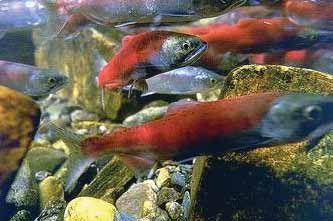
Rethinking stormwater runoff
Dealing with stormwater has
                                       A new approach — reduce runoff at its source
traditionally focused on getting
it out of the way quickly. In          Stormwater runoff accumulates,           z Keeping more stormwater on
Washington, many communities           and so do the problems it creates        site to percolate into the ground.
have rules for managing                as it flows downhill. It makes sense         Better designs for new
stormwater as part of regulating       to try to stop the problems before       developments can make a
development and preventing             they start or get too big to manage.     difference for the future, but
erosion and flooding.                      Innovative developers,               improvements to existing
    However, many communities          engineers and designers are              developments can help deal
are not as used to dealing with        already looking at ways to               with today’s stormwater
stormwater runoff as a major           reduce runoff at its source and          problems, too. The Department of
source of pollution or destroyer       better mimic nature’s systems by:        Ecology is providing grants
of habitat. With increasing storm-     z Retaining more natural                 to local governments to help
water runoff problems and new          vegetative cover.                        fund innovative approaches
state and federal requirements,                                                 to preventing stormwater runoff.
                                       z Reducing hardened surfaces
Washington is rethinking how it
                                       and soil compaction.
handles stormwater.
    Washington has successfully

                                                                                                                     Photo: Seattle Public Utilities
tackled other pollution problems.
By combining regulations with co-
operation, creativity and good long-
term planning, we can reduce the
problems with stormwater runoff.

Our transportation choices
are part of the runoff picture.
Many pollutants in runoff
from roads, driveways and
parking lots come from cars
and trucks. Some sources are:
z Antifreeze
z Brake fluid
z Brake lining
z Exhaust particles
z Oil                                  Seattle’s SEA (Street Edge Alternatives) Streets pilot project reduced the
z Pavement particles                   amount of stormwater runoff leaving a street by 98 percent for a small
                                       rain event. This successful project has inspired similar projects, and the
z Tire particles                       City expects that future projects will cost less than traditional street
z Transmission fluid                   improvements.

Page 6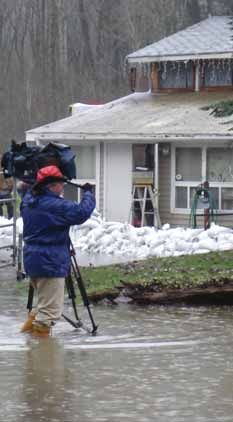
Washington Waters — Ours to Protect
                                        People really can make a               We can create
                                        difference when it comes to            cleaner runoff.
                                        reducing stormwater runoff and         z Reduce fertilizers, turf builders
                                        the problems and costs that go         and pesticides on your lawn
                                        with it. Because we all contribute     and garden. Use small amounts
                                        to the problem, we all can be a        of slow-release fertilizer and
                                        part of the solution. It starts with   environment-friendly products
                                        paying attention to stormwater         for problem areas.
                                        –– at home, at work and in our
                                                                               z Reduce pollution from roads,
                                        communities.
                                                                               driveways and parking lots.
                                                                               Wear and tear on roads, tires and
                                        We can reduce
Permeable pavement like this provides
                                                                               brakes leaves a lot of pollutants
                                        the amount of runoff.                  behind. Fix vehicle fluid leaks
a hard, drivable surface, but it also
                                        z Reduce the amount of paved
lets some stormwater soak back into                                            immediately, and consider
the ground.                             or hard surface areas. Consider        alternatives to driving solo.
                                        permeable paving for that new
                                                                               z Reduce bacterial pollution
                                        patio or driveway.
Choices for the future                  z Look for ways to keep runoff
                                                                               from animal waste. Scoop pet
                                                                               waste and put it in your garbage.
Stormwater pollution often goes         out of the stormwater system so        Cover and control animal manure
hand in hand with growth. Since         it can soak into the ground. Plant     on small farms.
1982, Washington’s population           rain gardens. Use rain barrels.
has grown by two million people,                                               z Maintain your septic system.
                                        Wash your car on the lawn or at
adding the equivalent of 10 new                                                This will keep it from failing and
                                        commercial car wash that recycles
cities the size of Spokane or                                                  causing pollution.
                                        water. (This helps prevent runoff
Tacoma. Millions more people            pollution, too!)
are expected to be added in the                                                We can work together.
next few decades. As the state’s                                               z Get involved with community
population grows, we can choose                                                stormwater projects such
to limit polluted runoff and the                                               as marking storm drains,
harm it does, or risk losing some                                              maintaining neighborhood green
of what makes Washington a                                                     spaces, and establishing pesticide-
special place to live.                                                         aware neighborhoods.
    While new regulations and                                                  z Participate in your local
technologies can help, we can’t                                                watershed management group
expect them to completely make                                                  and in land use, stormwater and
up for the impacts of converting                                                  development planning with
forests and grasslands into                                                       your city or county. Support
shopping malls or subdivisions.                                                     smart development practices
    Choices we make about how                                                                   that maximize the
we use the land, including how                                                                  natural vegetation.
much development to allow,
where it occurs, and how much
vegetated land is retained,
are crucial for successfully
managing stormwater and
for keeping Washington’s
watersheds healthy.

                                                                                                             Page 7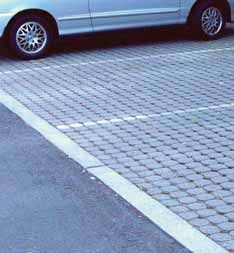
For more information

Washington Department of Ecology
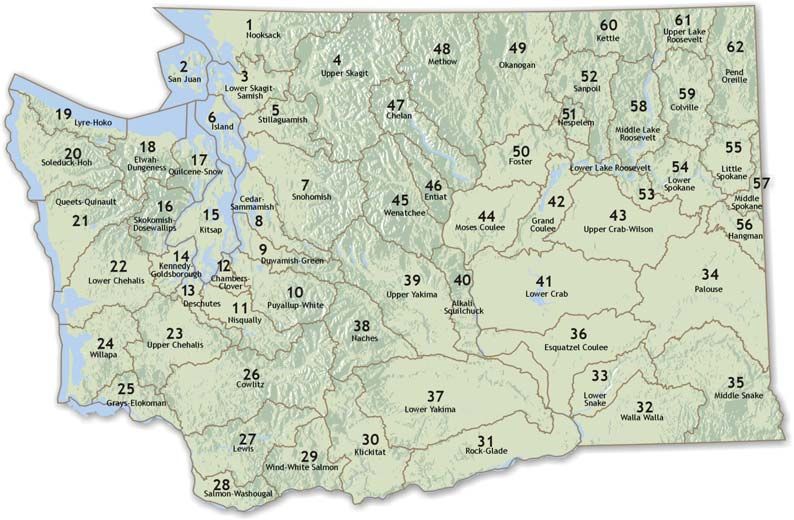
Water Quality Program                                                          Water Resource Inventory Areas
www.ecy.wa.gov/programs/wq/stormwater/index.html                               are administrative and planning
                                                                               boundaries for water basins,
Jocelyn Jones                                                                  commonly known as watersheds.
Stormwater Community Outreach and
Environmental Education Specialist
360-407-7529
Sandy Howard
Communications Manager
360-407-6408

Watershed planning
To find out what watershed you
live in and how to get involved:
www.ecy.wa.gov/watershed/index.html

Helpful websites
z Puget Sound Partnership
www.psp.wa.gov/our_work/stormwater.htm
z U.S. Environmental Protection Agency
cfpub1.epa.gov/npdes/home.cfm?program_id=6
z Seattle Public Utilities SEA Streets Project
www.seattle.gov/util/About_SPU/Drainage_&_Sewer_System/Natural_Drainage_Systems/Street_Edge_Alternatives/index.asp

Other resources
z For local information, contact your city or county.
z Search the Internet for more information on stormwater, runoff, rain gardens, low impact development, etc.

To view this publication online, go to: http://www.ecy.wa.gov/biblio/0710058.html

If you need this publication in an alternate format, please call
(360) 407-7006. Persons with hearing loss can call 711 for Washington
Relay Service. Persons with a speech disability can call (877) 833-6341.

Page 8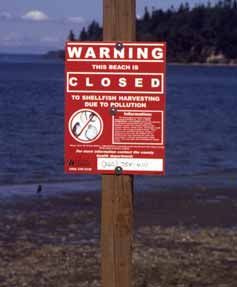
You can also read


