Regulatory Report for DG Incentives, RPZs & IFI - Regulatory Year 2007/08 By Central Networks - Ofgem
←
→
Page content transcription
If your browser does not render page correctly, please read the page content below
Regulatory Report for DG
Incentives, RPZs & IFI
  Regulatory Year 2007/08

  By Central Networks
Central Networks                                                Regulatory Report for DG Incentives, RPZs & IFI

                                                 Foreword

                                                 Our vision is to be recognised as the UK's leading
                                                 Distribution Business.

                                                 This means leading in safety, performance, delivery
                                                 and innovation to provide our customers with a
                                                 reliable and safe network and great customer
                                                 service.

                                                 Our Research, Development & Demonstration
                                                 Strategy will enable us to deliver real benefits to our
                                                 customers, and to improve our network for a secure
                                                 and sustainable future.

As we play our part in the rewiring of Britain, we make investments into our power network to
deliver a network for the future. The initiatives in our technical innovation portfolio will ensure that
these investments make it possible for our network to fulfil its role at the heart of future energy
systems. They will allow us to enhance and transform the network by actively managing it, providing
system integration capabilities, and by enabling our customers to deliver low carbon energy
schemes.

Central Networks is committed to helping government tackle the threat of climate change. Under
the guiding principles of E.ON’s Changing Energy movement, our Research, Development &
Demonstration Strategy will contribute to the Government objectives of achieving 20% renewable
energy generation by 2020, with a 60% reduction in CO2 emissions by 2050. By Changing Energy, we
can help to transform the future of the UK.

John Crackett
Managing Director - Central Networks

                                              Page 2 of 100
Central Networks                                                                                                              Regulatory Report for DG Incentives, RPZs & IFI

Contents

Foreword............................................................................................................................................................................. 2

1.         Introduction .......................................................................................................................................................... 6

1.1        Context.................................................................................................................................................................... 6

1.2        IFI............................................................................................................................................................................... 7

1.3        RPZ ............................................................................................................................................................................ 7

1.4        Summary of National Research & Development ................................................................................... 8

2.         Company Structure ............................................................................................................................................ 9

3.         Overview ............................................................................................................................................................... 10

3.1        Central Networks’ Objectives....................................................................................................................... 10

3.2        End of Year Report ............................................................................................................................................11

3.3        IFI Project Benefits........................................................................................................................................... 12

3.4        Benefit Calculation........................................................................................................................................... 12

4.         Highlights............................................................................................................................................................. 14

4.1        Automation Algorithm.................................................................................................................................... 14

4.2        RPZ 1 / Dynamic Ratings ................................................................................................................................ 15

4.3        Partnerships........................................................................................................................................................ 15

4.4        IFI Events.............................................................................................................................................................. 16

5.         Strategy & Portfolio Management ............................................................................................................ 17

5.1        Key Themes ......................................................................................................................................................... 17

5.2        Landscape ............................................................................................................................................................ 18

5.3        Adoption ............................................................................................................................................................... 19

6.         Project Partners................................................................................................................................................. 19

7.         Expenditure from IFI Projects .....................................................................................................................23

                                                                                          Page 3 of 100
Central Networks                                                                                             Regulatory Report for DG Incentives, RPZs & IFI

8.    Future Intentions ..............................................................................................................................................25

8.1   Future Projects for 2008/09 ..........................................................................................................................25

8.2   Power Networks Research Academy........................................................................................................25

8.3   Identification of Future Work Areas .........................................................................................................26

9.    Individual Project Reports for Period April 2007 - March 2008......................................................26

      EATL STP Overhead Line Module 2 and Forum....................................................................................27

      EATL STP Cable Module 3 and Forum ......................................................................................................30

      EATL STP Plant and Protection Module 4 and Forum .......................................................................32

      EATL STP Networks for Distributed Energy Resources Module 5 ................................................34

      EA Technology - Protective Coatings Forum .........................................................................................37

      EA Technology - Partial Discharge Project .............................................................................................39

      ENA R&D Programme...................................................................................................................................... 41

      Electric Power Research Institute - Advanced Distribution Automation ..................................44

      Electric Power Research Institute - Intelligent Universal Transformer......................................46

      Dynamic Ratings ...............................................................................................................................................48

      Energy Storage for Distribution Systems...............................................................................................50

      Optimising System Design for Improved Performance and Reduced Losses ........................52

      Maintaining Critical Domestic Loads During Power Outages .......................................................54

      Networks to Improve Power Quality ........................................................................................................56

      Fault Current Limiter .......................................................................................................................................58

      Understanding Networks with High Penetrations of Distributed Generation.......................60

      Effect of Electric Vehicles on Distribution Networks.........................................................................62

      SuperGen V AMPerES .....................................................................................................................................64

      Asset Management and Performance of Energy Systems.............................................................64

      Ice Cleaning of Distribution Plant..............................................................................................................67

                                                                             Page 4 of 100
Central Networks                                                                                            Regulatory Report for DG Incentives, RPZs & IFI

      Passive Battery Conditioning for Rural Remote Control Devices.................................................68

      Non Invasive Overhead Line Inspection Techniques .........................................................................70

      Non Intrusive Testing of Tower Foundations........................................................................................72

      Substation Communication Development.............................................................................................74

      Impact of Climate Change on the UK Energy Industry.....................................................................76

      EA Technology ACTIV Project .......................................................................................................................79

      Control System Automation Algorithm................................................................................................... 81

      Earthing Information System......................................................................................................................83

      SuperGen - FlexNet ..........................................................................................................................................85

      Distribution Working Group - Update of R&D Register.....................................................................87

      City Centre Substation Cooling...................................................................................................................88

      Pole Mounted Fault/Load Monitor ...........................................................................................................90

      Vegetation Management..............................................................................................................................92

      Aerial Mapping Demonstration..................................................................................................................94

      Flood Risk Modelling.......................................................................................................................................96

      Vermin Deterrent..............................................................................................................................................98

      GPS Recording of Underground Equipment .........................................................................................99

                                                                            Page 5 of 100
Central Networks                                                 Regulatory Report for DG Incentives, RPZs & IFI

1.    Introduction

The Innovation Funding Incentive (IFI) and Registered Power Zones (RPZ) mechanisms were
introduced by Ofgem with the Distribution Price Control Review which took effect on 1 April 2005
(DPCR4).

This report contains both the IFI and RPZ reports for the two licensed areas of Central Networks East
and Central Networks West.

It covers the period from 1 April 2007 to 31 March 2008, and has been produced in accordance with
the Distributed Generation Regulatory Instructions and Guidance (RIGs) issued by Ofgem and the
Energy Networks Association (ENA) Engineering Recommendation G85 issue 2 - IFI Good Practice
Guide (GPG G85/2).

In addition to reporting on activities in 2007/08, this report highlights a number of key projects
currently underway and presents intentions for future work within these mechanisms.

1.1   Context

Introduced by Ofgem in April 2005, the IFI & RPZ mechanisms were designed to encourage
Distribution Network Operators (DNOs) to apply innovation in the way they pursue the technical
development of their networks. Together these schemes promote technical research and
development projects that deliver value to consumers through financial, quality of supply,
environmental or safety benefits.

Ofgem recognises that the risk/reward balance for innovative projects is distinctly different to that
of a DNO’s core business. The incentives provided by the IFI and RPZ mechanisms are designed to
create a risk/reward balance that is consistent with research, development and innovation.

The proposed incentives were consulted on as an integral part of the DPCR4 process and were widely
supported by a large majority of consultees. Ofgem’s Regulatory Impact Assessment 22 sets out the
case for the introduction of the IFI and RPZ mechanisms.

The two main drivers for providing these incentives were the increasing need for investment in end
of life asset renewal which would better position the networks for the future, and the provision of
connections for an increasing capacity of distributed generation. It is recognised that these are
significant challenges which will only be addressed through the application of technical innovation
in asset investment and operation of networks.

We welcome the revisions to the ENA G85 IFI Good Practice Guide as published in December 2007
(GPG G85/2). These allow for the application of innovation to further areas of concern for
distribution networks. Additionally, the benefits assessment methodology developed as part of
these revisions provides a more flexible approach to assessing the non-quantifiable benefits and
risks associated with innovative projects, and incorporating these into project appraisal in
conjunction with the economic aspects of a project.

                                              Page 6 of 100
Central Networks Regulatory Report for DG Incentives, RPZs & IFI
Ofgem’s commitment to the scheme for the post 2010 years is also welcomed by Central Networks as
a major factor in enabling us to progress a wide ranging portfolio of projects.
1.2 IFI
The Innovation Funding Incentive is intended to promote research and development activities within
distribution network companies. It provides funding for technical development projects that deliver
value to end consumers through financial, quality of supply, environmental or safety benefits. A
definition of technical within the context of this guide is given in the glossary.
IFI projects can embrace any aspect of distribution system asset management from design
through to construction, commissioning, operation, maintenance and decommissioning. The
detail of the IFI mechanism is set out in the Special Licence Condition C3, Standard Licence
Condition 51 for Distribution Licences and the IFI Regulatory Instructions and Guidance (RIG).
This can be summarised as follows:
A DNO may spend up to 0.5% of its Combined Distribution Network Revenue on eligible IFI
projects, as defined by the industry Good Practice Guide G85/2. The DNO is allowed to
recover from customers a significant proportion of its IFI expenditure. The percentage of
project costs passed through to customers is set at 80% in 2007/08, reducing in 5% steps to
70% in 2009/10. This will revert to 80% in 2010/11 and remain at this level until 2014/15.
DNOs must openly report their IFI activities on an annual basis. These reports will be
published on the Ofgem website. Ofgem will not approve IFI projects, but reserves the right
to audit IFI activities if this is judged to be necessary in the interests of customers.
1.3 RPZ
The Registered Power Zones scheme is focused specifically on the connection of generation to
distribution systems and encourages the development of new cost effective ways of connecting and
operating generation.
The application of innovation in this area will deliver specific benefits to new distributed generators
and broader benefits to consumers generally.
The RPZ mechanism is an extension of the Distributed Generation (DG) Incentive that was also
introduced with DPCR4. The detail of the RPZ mechanism is set out in the Special Licence Condition
D2 and Standard Licence Condition 51, with information and guidance provided in the Distributed
Generation Regulatory Instructions and Guidance (DG RIGs). These mechanisms relate as follows:
The DG incentive allows DNOs to recover their generation connection costs by a combination
of 80% cost pass through and an incentive per kW connected of £1.5/kW. This approach is
expected to deliver a higher return to a DNO for generation connection schemes than other
network investments.
Page 7 of 100Central Networks Regulatory Report for DG Incentives, RPZs & IFI
If a DNO employs genuine innovation in its connection of a generation scheme(s), it can seek
to register the connection scheme with Ofgem as an RPZ. Ofgem will assess, using the
published criteria (“Further Details of the RPZ Scheme - Guidance Document”, April 2005),
whether the scheme qualifies as an RPZ. For all designated RPZs the incentive element of
the DG Incentive is increased for the first five years of operation by £3/kW. In any year, a
DNO’s additional revenue from RPZ schemes is capped at £0.5M.
The estimates made by DNOs as part of the DPCR4 process indicated that some 10GW of generation
could be connected in the next five years. This generation could connect at every distribution
voltage level bringing new system design and operating challenges.
1.4 Summary of National Research & Development
Ofgem’s IFI mechanism provides a clear example of the successful promotion of innovation within
UK industry.
This incentive has directly led to investment in a portfolio of projects within the UK electricity
distribution industry, which address a wide range of issues and engage with a variety of providers
from business and academia at a critical time for the industry. In addition it has led to increased
collaborations between the UK network operators.
Figures suggest that the UK Distribution Companies’ combined Research & Development (R&D)
spend dropped steadily from ~£6m per year at privatisation to under £1m in 2003/04. The
introduction of the IFI mechanism in April 2005 has seen R&D expenditure increase rapidly to over
£9m per year in 2006/07 as shown below, with significant financial, customer, social and
environmental benefits forecast.
Distribution Company Spend on Network R&D
10
9 introduction of
Privatisation
8 IFI mechanism
7
6
£m
5
4
3
2
1
0
1990/91 1992/93 1994/95 1996/97 1998/99 2000/01 2002/03 2004/05 2006/07
1989/00 to 2003/04 data represents the collaborative spending on R&D by DNOs through a single provider
October 2004 to 2006/07 data shows reported total IFI investment (including early start projects from Oct 2004 to Apr 2005)
Page 8 of 100Central Networks Regulatory Report for DG Incentives, RPZs & IFI
2. Company Structure
RPZ 1
Central Networks is the electricity distribution business for the Midlands, formed by the
amalgamation of East Midlands Electricity and Midlands Electricity distribution businesses. We are
part of E.ON, one of the world's largest power and gas companies.
As the second largest electricity network operator in the UK we bring power to 4.9 million customers
across Central England through 133,000km of underground and overhead cables - enough to go
round the Earth four times - and via almost 97,000 substations.
We cover an area from the Peak District in the north to parts of Bristol in the south, and from the
Welsh Borders to the Lincolnshire Coast. Our core activities include the design, installation,
commissioning, inspection, maintenance and repair of electricity distribution networks.
Central Networks’ vision is “to be recognised as the UK's leading Distribution business” by achieving
leading performance levels, maintaining effective and efficient delivery, and by applying innovation
to provide our customers with a reliable and safe network and great customer service.
We are developing an active sustainability agenda incorporating the guiding principles of E.ON’s
Changing Energy initiative and Central Networks is rightly proud to have developed the UK’s first
RPZ.
Page 9 of 100Central Networks Regulatory Report for DG Incentives, RPZs & IFI
3. Overview
3.1 Central Networks’ Objectives
The objectives of Central Networks’ Research, Development and Demonstration are designed to be
consistent with supporting Central Network’s five strategic priorities, satisfy the requirements of
E.ON UK’s Changing Energy strategy and support E.ON’s low carbon agenda. The four Key Themes of
the R,D&D programme are:
• Understanding Networks
• Supporting Low Carbon
• Asset Management & Condition Monitoring
• Intelligent Networks
Central Networks aims to develop a balanced portfolio of projects across these Key Themes, with
projects embracing a range of different technological readiness areas, to provide a sustainable and
comprehensive R,D&D programme of work.
At present, the IFI projects undertaken in 2007/08 are spread across the Key Themes as shown:
Understanding Networks Supporting Low Carbon
Asset Mngmnt & Condition Monitoring Intelligent Networks
Project Expenditure 6% 24% 64% 7%
Project Numbers 16% 19% 48% 18%
0% 25% 50% 75% 100%
The portfolio of IFI projects undertaken in 2007/08 was balanced across research, development and
demonstration as follows:
Research Development Demonstration
Project Expenditure 39% 35% 26%
Project Numbers 33% 31% 36%
0% 25% 50% 75% 100%
Page 10 of 100Central Networks Regulatory Report for DG Incentives, RPZs & IFI
3.2 End of Year Report
The table below presents the End of Year Report for DG Incentives, RPZs & IFI.
Regulatory report for DG Incentives, RPZs & IFI
Reporting year 2007/08
Central Networks
Distributed Generation (DG) Incentive East West Total
Total Incentivised DG Capacity MW 16.1 23.025 39.125
Total Capex for DG £m £1 £0.48 £1.48
Use Of System Capex for DG £m 0 0.03 0.03
Shared Connection Capex for DG £m 0 0 0
Assets transferred out of DG Capex to Demand Capex £m 0 0 0
DG Network Unavailability MWh 0.03 14.6 14.63
DG Network Unavailability Rebate Payment £m 0 0 0
Operational & Maintenance Costs for DG £m £0.06 £0.06 £0.12
Innovation Funding Incentive (IFI)
IFI Carry Forward £m £0.686 £0.694 £1.38
Eligible IFI Expenditure £m £1.014 £1.014 £2.03
Eligible IFI Internal Expenditure £m £0.149 £0.149 £0.30
increase over previous reporting year % 82% 82% 82%
Network Revenue by License Region £m £287.94 £278.12 £566.06
Number of Eligible Projects 36 36 36
Portfolio NPV of Benefits £m £2.1 £2.1 £4.2
Registered Power Zones (RPZ)
RPZ 1 name Skegness and Fens CN(e)
RPZ DG capacity MW 0
RPZ starting year yr 2005/06
RPZ 2 name
RPZ DG capacity MW
RPZ starting year yr
Page 11 of 100Central Networks Regulatory Report for DG Incentives, RPZs & IFI
3.3 IFI Project Benefits
The anticipated benefits of each project within Central Networks’ R,D&D portfolio clearly show the
potential value of the IFI scheme both to Central Networks and to its customers. It should be noted,
however, that although quantified financially, not all the projects will result in tangible financial
deliverables to Central Networks in terms of direct savings or deferred investments, as the benefits
may have been derived from the perceived strategic or risk management value or the project could
be designed to avoid future potential costs.
While some of the new technologies and approaches that Central Networks are exploring in these
R,D&D projects will eventually result in the real practical benefits described in the individual reports,
others will be less successful. A balanced portfolio approach reduces the risks and the G85/2
Residual Risk Rating calculation assists the selection process by quantifying risks in a structured
manner. Although some R,D&D projects are unsuccessful and do not deliver the expected benefits,
they can be valuable in that they will increase knowledge both in the Collaborating Partners and the
R&D Provider.
Transferring research and development projects from demonstration to adoption is essential if
benefits are to be delivered to customers and this is often the hardest hurdle for any organisation to
achieve. During the year, a number of the listed projects have successfully delivered benefits and a
selection of these, are described in more detail on the Central Networks Research and Development
web page: http://www.eon-uk.com/distribution/275.aspx.
3.4 Benefit Calculation
The anticipated benefits of each project have been determined using the methodology set down in
ENA ER G85/2 - IFI Good Practice Guide. This is a two stage process involving a generic assessment
of the project benefits and a specific assessment of the risk associated with the project.
The Generic Assessment scores both the tangible financial benefits and a range of non financial
criteria. These are listed below, but are more fully described in the IFI Good Practice Guide.
• NPV of Financial Benefit
• Knowledge Transfer Benefit
• Safety Benefit
• Environmental Benefit
• Network Performance Benefit
Each item in the Generic Assessment Score is weighted in accordance with company strategy and
this score can be seen on each of the individual reports.
The Net Present Value (NPV) of Financial Benefit associated with each project is calculated by taking
the present value of the estimated benefits, multiplying them by the probability of success and then
subtracting the present value costs (including where appropriate the implementation costs). For
each project pursued it is expected that the present value costs will be exceeded by the present
Page 12 of 100Central Networks Regulatory Report for DG Incentives, RPZs & IFI
value of the benefits that it could deliver to customers. These NPV of Financial Benefit figures can be
seen on each of the individual project reports.
The Risk Assessment calculation quantifies the potential risks inherent with each project by scoring
risk and mitigation factors. Again these are listed below, but are more fully described in the IFI Good
Practice Guide.
Risk
• Innovation Level
• Development Type
Mitigation
• Average Annual Spend per Company
• Leverage (Collaboration Ratio)
• Likelihood of Implementation
No weighting is applied to these scores and subtraction of the value of the Mitigation Ratings from
the Risk Ratings produces an overall Residual Risk value for each project. A high negative figure
would indicate a low-risk project. The Residual Risk value is then subtracted from the Generic
Assessment Score to produce the Overall Project Score. Both the Residual Risk Value and Overall
Project Score can be seen on each of the individual project reports.
In line with ENA ER G85/2 GPG, projects falling below the de-minimis level set by the Good Practice
Guide (£40k per licensed DNO, £80k for CN) have been grouped to form programmes, with costs and
benefits aggregated accordingly. A number of projects within the EA Technology Ltd STP modules,
the ENA R&D programme and SuperGen programmes have been reported on in this way.
Page 13 of 100Central Networks Regulatory Report for DG Incentives, RPZs & IFI
4. Highlights
4.1 Automation Algorithm
Central Networks is actively working on smarter, innovative, ways to improve network performance
for its customers. For over ten years we have been installing remotely controlled (RC) devices on our
11kV distribution network. In the event of a fault occurring, these RC devices allowed control
engineers to carry out switching to isolate the fault and restore as many healthy sections of network
as possible without having to wait for operational staff to arrive on site.
Further improvements in network performance required supplies to be restored reliably and faster
than a human operation would be able to assess the situation. This could only be achieved by
automation of the reconfiguration process. Existing automation schemes typically rely on
preconfigured logic initiated by a trip operation or loss of voltage. The required logic was specific to
each location and intolerant of any network abnormalities. It required reprogramming if any
alterations were made to the network. Most schemes were designed to perform checks prior to
switching and would abort in the event of any abnormality to prevent mal-operation.
To address the short comings of preconfigured logic automation schemes, Central Networks has
developed an algorithmic approach to 11kV automation schemes that seeks to replicate the actions
that a control engineer takes when reconfiguring the network in response to a trip event. This
results in a single algorithm providing automation for the entire 11kV network, with no locational
programming required. The algorithm methodology relies on tracing the network connectivity in
real time following an initiation. The tracing can identify all RC devices within the disconnect zone,
all the RC devices that interconnect to other healthy networks plus their associated sources. This
provides the algorithm with the details of the existing demand and limitations of each alternative
circuit, and with this information the algorithm can isolate the faulty section and optimise the
restoration switching to ensure that donor circuits are not overloaded.
Image of CN Network Management System Environment containing Automation Algorithm
Sequence Scheme
marker at Wittering
primary substation
Central Networks believes that the use of this algorithm will deliver better customer service, with
improved reliability and lower maintenance requirements than preconfigured automation schemes.
During 2008/09 the algorithm will be applied to a section of the 11kV network to demonstrate these
benefits.
Page 14 of 100Central Networks Regulatory Report for DG Incentives, RPZs & IFI
4.2 RPZ 1 / Dynamic Ratings
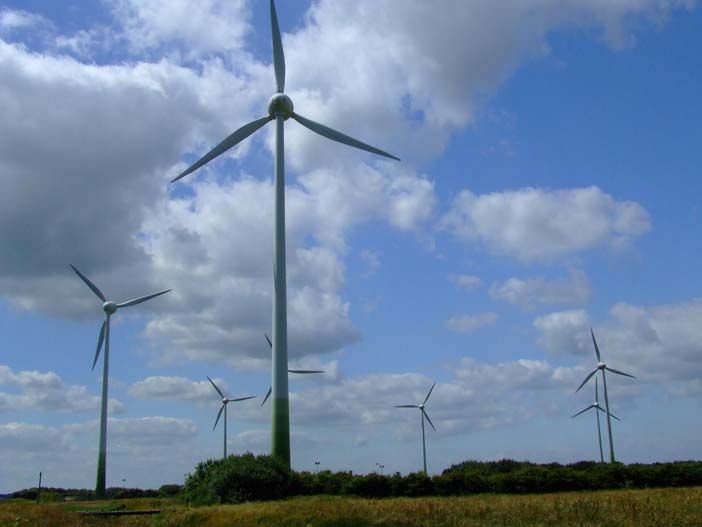
Central Networks’ Skegness and Fens RPZ has
taken a significant step forward during the
year with the installation of four Power Donuts
on the 132kV network, which will be used to
validate the dynamic line rating process.
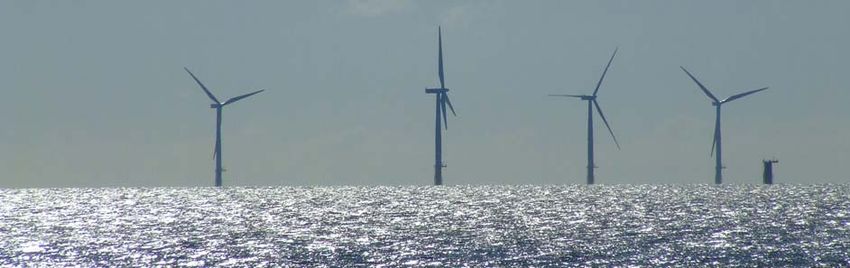
The Skegness RPZ scheme is designed to
facilitate the connection of significant
amounts of renewable wind farm generation
in the local area by using real time weather
data to calculate a dynamic, minute by minute,
line rating.
Line ratings are affected by a number of factors, including ambient temperature and wind speed,
and reflect the capacity of the line to transmit power. Traditionally a fixed line rating has been
calculated for any given section of network. This innovative approach offers a more realistic
assessment of ratings at any given time, and takes into account any cooling effects of higher wind
speeds. Dynamic ratings thereby allow more power to be exported over the network than would
otherwise be possible, improving the economics of wind farm generation connecting to the network
in this area and increasing the amount of renewable electricity into the system.
The project’s weather stations have been installed and we are gathering data for preliminary
analysis. The newly installed donuts are sophisticated measuring devices that relay real time data
on a number of measurement parameters to Central Networks’ control system. The data from these
will be used to validate the calculations based on weather station data, and prove the process.
4.3 Partnerships
Central Networks recognises the value of collaborating with other industry expertise and has
developed its partnerships throughout the 2007/08 reporting year resulting in an increase in
collaboration with universities, research establishments and industry. In addition DNO collaboration
now occurs on almost 60% of projects. We have taken a lead role on a number of key collaborative
projects including:
• Met Office EP2 Study - Impacts of Climate Change on the Energy Industry
• TNEI Project - Sensitivity of DNO Networks to Harmonics associated with Significant
Underground Cable (starting 2008/09)
Page 15 of 100Central Networks Regulatory Report for DG Incentives, RPZs & IFI
4.4 IFI Events
Central Networks has been pleased to host a number of high-level IFI events during the past year.
By bringing a diversity of external organisations together, these events promote collaboration and
cooperation between participating DNOs and other external organisations, through the
dissemination of knowledge gained from projects underway and by allowing discussion and the
identification of future areas of work.
AMPerES 2007 Technical Review Conference
14th Nov 2007, at E.ON’s Ratcliffe on Soar P.S. Site
This event showcased a wide range of projects underway
within the SUPERGEN AMPerES network.
The conference gave researchers the opportunity to
present progress in their work and, critically, provided an
open forum for the discussion of ideas with industry. We
were pleased to welcome many experts from the Electrical
Network Operators and Academia to this event to drive the
work forward.
IFI Dissemination Event - Protecting Back-up Battery Systems
13th Nov 2007, at E.ON’s Ratcliffe on Soar P.S. Site
This was the first joint dissemination event held for projects undertaken within the IFI framework.
Central Networks, EDF Energy and Scottish Power, together with 4energy, presented the technical
developments delivered within a range of Passive Battery Air Conditioning projects:
• Pole & Ground Mounted Battery Protection for Rural Automation Sites - Central
Networks
• City Centre Substation RTU Battery Protection - EDF Energy
• Urban Substation RTU Battery Protection - Scottish Power
EP2 Work Package 6 Workshop
10th March 2008, at E.ON’s Ratcliffe on Soar P.S. Site
Following the EP2 Climate Change Conference, this workshop focused on understanding the issues
associated with Urban Heat Island Effects (Work Package 6) and their effect on transformer ratings
and other associated equipment (e.g. substation batteries). The event was attended by Network
Operators and EATL representatives.
Page 16 of 100Central Networks Regulatory Report for DG Incentives, RPZs & IFI
5. Strategy & Portfolio Management
Future networks will be required to operate more flexibly, efficiently and reliably. The projects
within our IFI portfolio will improve Central Networks’ existing performance and provide us with the
ability to meet future challenges. They will also allow us to ensure the successful integration of new
technologies into existing networks.
Our R,D&D strategy supports E.ON UK’s low carbon leadership and Changing Energy strategy by
developing our understanding of and preparation for the possible future network technologies and
designs that will facilitate a Low Carbon economy.
5.1 Key Themes
Central Networks’ is committed to helping government tackle the threat of climate change. Under
the guiding principles of E.ON’s Changing Energy initiative, our R,D&D Strategy will contribute to the
Government objectives of achieving 20% renewable energy generation by 2020, with a 60% reduction
in CO2 emissions by 2050.
Central Networks’ R,D&D Strategy aims to balance four Key Themes:
• Understanding Networks - Understanding the capabilities and limitations of existing
networks technologies and design across each of Central Networks’ strategic objective areas
is essential in a changing environment that will challenge the accepted fundamental
architecture of traditional networks. Likewise understanding and demonstrating the
opportunities from future technologies and designs will enable early adoption of potentially
disruptive innovations and ensure their successful integration into existing networks.
• Supporting Low Carbon - Supporting E.ON UK’s low carbon leadership and Changing Energy
strategy by understanding and preparing for the possible future network technologies and
designs that will facilitate a Low Carbon economy. Reducing network losses and enabling
the economic connection and operation of new types of renewable power sources and
distributed generation without reducing network performance or increasing operational
risks are the main thrust of this theme.
• Asset Management Condition Monitoring - Against a background of an ageing asset base,
networks will be required to operate more flexibly, efficiently and reliably. This is expected
to result in more complexity in network design and operation and this will have to be
balanced by a need to reduce the safety, health and environmental risks. Developing the
next generation of asset management tools and techniques will facilitate this objective and
maximise the value of Central Networks in the long term, in addition to making our network
more environmentally sustainable.
• Intelligent Networks - Intelligent Networks are expected to feature prominently in all future
network scenarios, whether to support asset management, network performance, active
network control, commercial applications, demand side management or network stability.
Obtaining, communicating, analysing and processing data are fundamental requirements of
future network management. Innovative technologies and arrangements that provide
economic and reliable solutions will improve efficiency and enhance customer service.
Page 17 of 100Central Networks Regulatory Report for DG Incentives, RPZs & IFI
5.2 Landscape
Our programme will include projects from all aspects of the Research, Development and
Demonstration landscape, embracing projects of technology readiness levels (TRL) from TR2 to TR8.
As projects are developed they progress through the technology readiness timeline until they reach
the stage where they can be adopted as Business as Usual. Central Networks R,D&D programme will
deliberately endeavour to maintain a mix of projects with different TRL, both in quantity and
financial commitment.
The picture below represents the Distribution Network Research, Development and Demonstration
Landscape mapped across the technology readiness timeline. Included are the TRL limitations of the
IFI and RPZ mechanisms and the principle delivery channels have also been positioned to show their
areas of activity. Central Networks intends to continue to engage with all of these delivery channels.
The Distribution Network R, D & D Landscape
Technology push and market pull and
knowledge transfer public policy
Innovation Funding Incentive (IFI) Registered Power Zone
(RPZ)
Research Development Demonstration Deployment
SuperGen & EPRI
EATL Strategic Technology Programme (STP)
Adoption as Business
PNRA Technology Strategy Board (TSB) as Usual
E.ON E.Locator & Strategic Engineering Tech. Forum
Energy Technologies Institute – Networks (ETI)
ENSG / DWG
1 2 3 4 5 6 7 8 9
Technology Readiness Levels
One of the delivery channels included is the Energy Technologies Institute - Networks Theme. The
Energy Technologies Institute (ETI) is a 50:50 public-private partnership supported by some of the
worlds leading energy companies (including E.ON UK). When fully operational the ETI aims to inject
some £100m per year into UK-based energy research to deliver a step change in funding, strategic
direction and outcomes of UK energy science and technology.
Within the ETI framework is a Networks Theme, which has the objective of developing sustainable
energy infrastructure and supply technologies. Central Networks has been helping to shape the
initial research agenda of this theme by identifying critical areas and as the ETI networks theme
projects develop, Central Networks involvement is anticipated to increase. Currently no individual
projects identified in this report are part of the ETI Networks Theme programme.
Page 18 of 100Central Networks Regulatory Report for DG Incentives, RPZs & IFI
5.3 Adoption
The critical aspect for all successful R&D projects is the transfer from demonstration to adoption.
This is essential for IFI scheme objectives if benefits are to be delivered to customers. Central
Networks has developed its Implementation Strategy as represented in the diagram below.
The diverse portfolio of Central Networks’ R,D&D projects includes new technologies and approaches
that will eventually result in real practical benefits, along with other projects that contribute to our
increasing knowledge base.
6. Project Partners
Central Networks’ portfolio of IFI projects balances collaborative and independent projects seeking
to minimise the cost of R,D&D whilst ensuring ideas can be taken forward in a timely manner.
The encouragement by Ofgem of collaboration within the IFI incentive brings with it additional
benefits beyond the immediate project outcomes.
Industrial collaborations not only provide new opportunities for established companies, but
critically also provide support for young, or Venture Capital funded, businesses pioneering
the development of energy efficient technologies. Successful IFI projects offer opportunities
to develop and trial beneficial innovative technology with the aim of bringing new products
to market.
The engagement and dialogue key to the success of collaborations with the academia
research base gives university researchers and students an industrial perspective valuable to
future research opportunities, in addition to allowing the open exchange of ideas between
sectors.
Through bodies such as the Engineering Education Scheme, companies may also make links
with schools to introduce the next generation to the opportunities available within industry
and instil a sense of an environment for innovation.
Page 19 of 100Central Networks Regulatory Report for DG Incentives, RPZs & IFI
The map below presents a selection of key project partners with whom we have been pleased to
work during 2007/08. Brief descriptions of the industry & research establishments are also provided
on the subsequent two pages.
University of Strathclyde,
Glasgow University of Edinburgh
Queen’s University,
Belfast
12 University of Twente,
Netherlands
University of Liverpool 7
15 University of Manchester
3
2, 8 University of Nottingham
17
9 4
University of Loughborough
13 14
1 University of Birmingham
19 University of Warwick
University of Cambridge
16
Cranfield University
11
18
5, 20 University of Bath
University of Cardiff
10 Imperial College, London
University of Surrey
21
University of Southampton
6
University of Palermo,
Italy
Central Networks’ Headquarters, Pegasus Business Park
Universities
Research Establishments & Industry
Page 20 of 100Central Networks Regulatory Report for DG Incentives, RPZs & IFI
1 ADAS - is the UK’s largest independent provider of environmental consultancy, rural
development services and policy advice. With expertise across the environmental
sector, ADAS provide consultancy and contracting services to a diverse range of
organisations in the private and public sectors, throughout the UK and internationally.
2 BGS - founded in 1835, the British Geological Survey (BGS) is the world's oldest national
geological survey and the UK's premier centre for earth science information and
expertise. With a client base drawn from the public and private sectors both in the UK
and internationally, they provide expert services and impartial advice in all areas of
geoscience.
3 EA Technology Ltd - originally formed as the Research & Development centre for the UK
electricity industry in the 1960s, it was transformed following electricity privatisation in
the 1990s. The company became fully independent in 1997 with a management and
employee buy-out and is now directly owned by its staff.
EA Technology is a Power Asset Management Company with a world-class reputation
for delivering innovative business solutions to companies, which supply, distribute and
use energy. The company operates the internationally acclaimed Strategic
Technology Programme (STP), of which all UK DNOs are members.
4 E.ON Engineering - is part of the E.ON group and leads the group’s Research and
Development activities. E.ON Engineering (formally Power Technology) is also an
international consultancy to the power industry with core capabilities that span the
range of interests appropriate to a vertically integrated energy company.
E.ON Engineering prides itself for utilising excellence in scientific research and
practical experience to deliver complex engineering solutions that provide real
customer value. Focussed on innovation, energy technologies and engineering, it
provides technical services and products as diverse as risk-based asset management
of technical assets and advanced technology development for a sustainable low
carbon future.
5 EPRI - the Electric Power Research Institute (EPRI) conducts multi-disciplinary research
and development to meet challenges in electricity generation, delivery and use.
Based in the United States, international participation in its technology, operations and
environmental programs includes companies from a further 40 countries.
6 Met Office - is one of the world’s leading providers of environmental and weather related
services. The Met Office’s solutions and services meet the needs of many
communities of interest…from the general public, government and schools, through
broadcasters and on-line media, to civil aviation and almost every other industry
sector in UK and around the world.
7 TNEI - launched in 1992, TNEI is an independent company specialising in a range of
energy services. Their Power Systems and Associated Technologies group
specialises in power systems modelling and analysis and works with distribution
network operators, project and technology developers, and the public sector.
8 4Energy (4e) - is a technology start-up company which designs, develops and
manufactures innovative and environmentally friendly climate control devices for
industrial and utility applications.
Page 21 of 100Central Networks Regulatory Report for DG Incentives, RPZs & IFI
9 AREVA T&D - is a world leader in the transmission and distribution of energy. AREVA
T&D provides a complete range of innovative products, systems and services across
the whole energy value chain from generation to power consumption.
10 Arup - Arup Energy provides multidisciplinary services focused on energy sector
companies engaged in upstream activities from exploration to transmission and
distribution, with energy projects developed and delivered across the globe.
11 Fundamentals Ltd - specialise in the design, development and manufacture of
measurement and control equipment for transmission and distribution power systems.
12 GE Energy - provide products and services for all areas of the energy industry. GE has a
comprehensive transmission and distribution portfolio with products and services that
enable grid intelligence systems and processes.
13 Ice Clean Engineering - offers a revolutionary, non-abrasive & non-toxic, cleaning process
as an alternative to traditional methods of cleaning industrial equipment.
14 Infoterra - a leading provider of geo-information products and services delivers reliable
geospacial knowledge to customers; from satellite and aerial data acquisition to
analysis, from developing software to hosting information.
15 KOREC - is one of Trimble's largest distributors worldwide, supplying advanced GPS
equipment and solutions to the construction, surveying and GIS mapping industries.
16 Nortech - provide a range of telemetry products and central host software solutions for
data collection systems. They design and supply remote site monitoring solutions and
other specialist technology to electricity utilities, telecom network providers and others
with geographically spread networks and assets.
17 Rolls Royce - is a world-leading provider of power systems and services, operating in the
global aerospace, marine & energy markets. Rolls Royce Energy supplies a wide
range of power systems, with solutions encompassing generation technologies,
control systems, energy delivery & systems integration and manufacturing design.
18 Strategy & Solutions - are involved with earthing system design and assessment, providing
measurement, design, policy support, research & development and training services.
19 Sterling Power - is a power engineering group composed of a number of individual
companies who provide a unique range of services within the utility sector. The group
has been established by personnel with a wealth of experience in the utility market.
20 USi - provides engineering services and advanced technology products for the electric
power delivery industry, including the design, manufacture and installation of custom
engineered electrical and electronic equipment and systems.
21 Willow Technologies - is a specialist supplier of electrical and electronic devices focused
on the niche markets of sensing, switching and specialist resistors.
Other Partners - Central Networks has collaboration agreements with a number of other
Academic, Industrial and Research Partners. Where possible this information is given
in the individual reports, but in some cases Central Networks is bound by mutual
confidentiality agreements not to disclose this.
Page 22 of 100Central Networks Regulatory Report for DG Incentives, RPZs & IFI
7. Expenditure from IFI Projects
In the year ending March 2008, Central Networks implemented its planned increase in both the
number of and expenditure on IFI projects. The internal support structures have been strengthened
in order to successfully manage this increased portfolio of R,D&D projects.
The table below details the expenditure during the April 2007 - March 2008 IFI reporting period.
Project Title External Internal Total
EA Technology - STP Overhead Module 2 & Forum £46,255 £4,480 £50,735
EA Technology - STP Cable Module 3 & Forum £55,976 £4,357 £60,333
EA Technology - STP Plant/Protection Module 4 & Forum £43,302 £8,202 £51,504
EA Technology - STP Networks for Dist. Energy Module 5 £52,775 £9,436 £62,211
EA Technology - Protective Coatings Forum £6,240 £1,264 £7,504
EA Technology - Partial Discharge Project & Forum £131,234 £8,625 £139,858
ENA R&D Group Programme £4,850 £6,607 £11,457
Power Technology - Advanced Distribution Automation £33,048 £1,346 £34,394
Power Technology - Intelligent Universal Transformer £24,058 £1,256 £25,315
Dynamic Ratings Project £45,181 £67,538 £112,719
Energy Storage for Distribution Systems £10,706 £1,633 £12,339
Optimising System Design for Performance and Losses £166,081 £7,946 £174,027
Maintaining Critical Domestic Load during Power Outages £135,834 £2,874 £138,708
Networks to Improve Power Quality £59,254 £2,703 £61,957
Magnetic Fault Current Limiter £11,937 £1,572 £13,509
Understanding Networks with High Penetrations of DG £28,438 £4,384 £32,822
Effect of Electric Vehicles on Distribution Networks £16,221 £1,404 £17,625
SuperGen V (AMPerES) £100,000 £8,516 £108,516
Ice Cleaning of Distribution Plant £1,900 £4,733 £6,633
Passive Battery Conditioning for Rural R/C Devices £36,761 £7,782 £44,543
Non Invasive Overhead Line Inspection Techniques £600 £1,703 £2,303
Non Invasive Testing of Tower Foundations £93,075 £9,625 £102,700
Substation Communication Development £3,365 £3,156 £6,521
Impact of Climate Change and Weather Analysis £43,900 £8,506 £52,406
EA Technology ACTIV Project £38,556 £7,768 £46,324
Control System Automation Algorithm £0 £65,946 £65,946
Page 23 of 100Central Networks Regulatory Report for DG Incentives, RPZs & IFI
Earthing Information System £225,000 £4,380 £229,380
SuperGen FlexNet £25,200 £2,286 £27,486
Distribution Working Group - Update of R&D Register £9,659 £2,524 £12,183
S/stn Cooling £17,854 £4,660 £22,513
Pole Mounted Fault/Load Monitor £68,260 £6,861 £75,121
Vegetation Management £136,103 £5,857 £141,960
Aerial Mapping £37,650 £5,252 £42,902
Flooding £9,000 £3,521 £12,521
Vermin Deterrent £2,523 £3,499 £6,022
GPS Recording of Underground Equipment £9,291 £4,859 £14,150
Total £1,730,086 £297,060 £2,027,146
The expenditure on IFI projects is equally divided between the two Licensed Distribution Companies
that are owned by Central Networks.
Internal expenditure varied considerably between projects, but the total internal expenditure was
14.7% of the total cost.
Page 24 of 100Central Networks Regulatory Report for DG Incentives, RPZs & IFI
8. Future Intentions
8.1 Future Projects for 2008/09
In line with our R,D&D Strategy, we will continue to develop a balanced portfolio of projects
engaging in multi-collaborative and bilateral innovative projects with universities, research
establishments and industry.
In addition to the projects taken forward as planned from the 2007/08 reporting year, a series of new
projects will be commenced in the 2008/09 reporting year. These include the following major new
R,D&D projects, which are now underway:
• Radio-metric Arc Detection Demonstration
• Heat Island Study of Birmingham
• Anticipating Faults from Disturbance Records
8.2 Power Networks Research Academy
Central Networks are pleased to confirm their support for this new initiative, which will start in 2008.
The Power Networks Research Academy (PNRA) has been established through a strategic
partnership agreement between the Engineering and Physical Sciences Research Council (EPSRC),
electricity network operators, related manufacturers and consultants that will fund and support PhD
researchers undertaking power network related research projects at UK Universities. The PNRA is
designed to encourage research excellence within the field of electrical power engineering, to
strengthen the teaching capability of the selected universities and address the serious shortfall in
science and engineering academic expertise in the UK.
Central Networks, in collaboration with E.ON Engineering and Manchester University, have
developed a pioneering research and development project which involves significant innovation and
technology transfer. This project will be included in the first cohort of PNRA research projects and is
described in more detailed below. The project will commence in September 2008.
Application of Artificial Immune System Algorithm to Distribution Networks
Algorithms developed for Artificial Immune Systems (AIS) will be modified and applied
to complex physical electricity distribution networks to identify their “unhealthy” areas.
AIS is an area not previously explored and therefore this project will advance scientific
knowledge as well as providing a strategic benefit for the UK’s electricity distribution
networks by impacting on the design, operation and maintenance of these networks.
The use of AIS algorithms has the potential to reduce network costs, improve network
performance and in addition to ultimately deliver significant benefit to customers by
improving their quality of supply. The project therefore has the potential to contribute
both directly and indirectly to the economic competitiveness of the country.
Page 25 of 100You can also read


