Sustainable solutions for historic houses in northern california - a voluntary green code & green rehabilitation manual
←
→
Page content transcription
If your browser does not render page correctly, please read the page content below
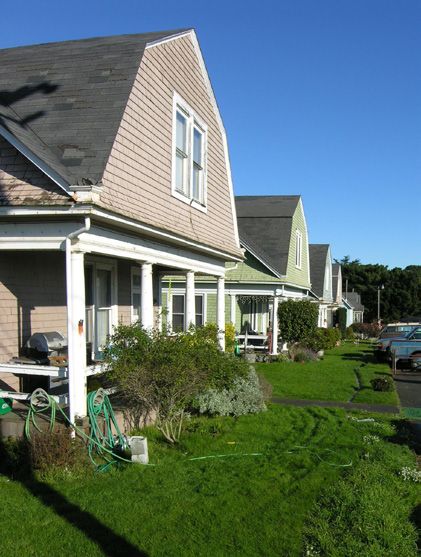
sustainable solutions
for historic houses
in northern california
a voluntary green code & green rehabilitation manual
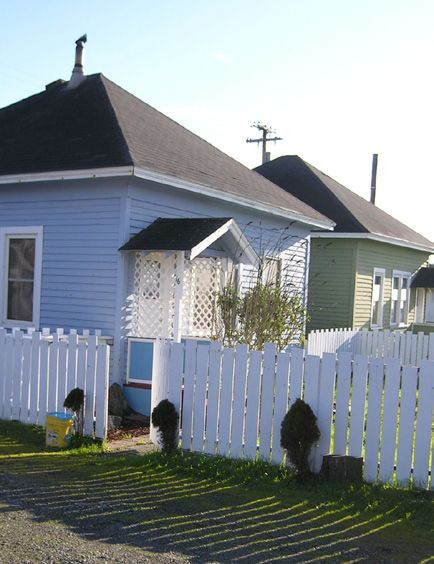
sustainable solutions
    for historic houses
    in northern california
    A voluntary green code and green rehabilitation manual
    contents
    Introduction .......................................................................................................................................................................................................1

1   Treatment standards for historic properties ...................................................................................................................................6

2   Structural details ............................................................................................................................................................................................8

3   Preserving exterior details......................................................................................................................................................................14

4   Insulating for improved energy performance ..............................................................................................................................28

5   Upgrading heating and ventilation .....................................................................................................................................................35

6   Plumbing improvements ..........................................................................................................................................................................41

7   Electrical & lighting systems ...................................................................................................................................................................46

8   Sustainable materials for interior finish ...........................................................................................................................................51

9   Landscaping recommendations ...........................................................................................................................................................56

    Additional resources ..................................................................................................................................................................................63
introduction

introduction                      Statement of purpose

                                  T
Statement of purpose                     his manual was created to help homeowners choose sustainable strategies for restoring and
                                         rehabilitating many of the smaller, Victorian-style, wood-framed houses built in Northern California
Background                               during the late 1800s and early 1900s.
Acknowledgements                  Background
What is a Voluntary Green Code?   This publication was created with support from the U.S. Environmental Protection Agency (EPA) under the
                                  Brownfields Sustainability Pilots program. Research for the Voluntary Green Code and Green Remodeling
What makes a green product?
                                  Manual included a site visit to Humboldt County, CA and assistance from local contacts and green building
How to use this manual            experts.The Samoa area has received EPA Brownfields support, including assistance with environmental
                                  site assessments.

                                  A good deal of the research done for this manual focuses on Samoa, CA, a “company town” of historic,
                                  Victorian-style houses built during the redwood lumber boom in the early 1900s.The information also applies
                                  to many wood-framed houses built throughout the region around the same time period.

                                                           1
introduction                                                             | acknowledgements

               Acknowledgements
               By providing historical background, recommendations, cost information, and details on local conditions and
               best practices, the individuals mentioned below have contributed significantly to the success of this project.
               Diane Strassmaier deserves credit for getting this project started, moving it forward, and contributing her
               own expertise on restoring historic houses. Special thanks also to Sean Armstrong and Andrew Whitney,
               who recruited the “green team” listed below, orchestrated the kickoff roundtable discussion at the Samoa
               Women’s Center, and provided the Samoa houses as a model for this manual.

               thanks to these local experts for contributing valuable information to this manual
               • Grant Lay / owner, Trinidad Electric
               • Bill Hole / professor of Construction Technology, College of the Redwoods
               • Heidi Benzonelli / environmental resources specialist, RealSolutions
               • Sunny Simmons / contractor & owner, New Dimensions
               • Dave Grow / owner, Grow Insulation
               • Chuck Hubler / owner, Maples Plumbing & Heating
               • Eric & Viviana Hollenbeck / Blue Ox Millworks
               • Andrew Whitney / Humboldt County Economic Development Division Specialist
               • Sean Armstrong / Development Project Manager, The Danco Group

                                         2
introduction                                                              | defining a green code

               What is a voluntary green code and how can it guide the rehabilitation
               of historic houses?
               Today the term “green” turns up everywhere, describing products, technologies, companies, strategies,
               and even individuals.What then, is a “voluntary green code,” and why is a green code important if
               you own an old house?

               The first premise in this manual’s green code is simple: It’s greener to rehabilitate an old house
               than to destroy it in order to make way for new development.The second premise confirms
               that rehabilitation is the principal objective – preserving historical details while making repairs and
               improvements to ensure that an older house can continue to provide safe, affordable shelter and
               meet current building performance standards without adversely compromising the integrity of
               the structure.

               The term “voluntary” is also important.The techniques and products mentioned in this manual are
               recommended as smart, sustainable choices, but they are not mandatory. Use this basic information
               as background for further research into options that may apply specifically to your situation.

                                          3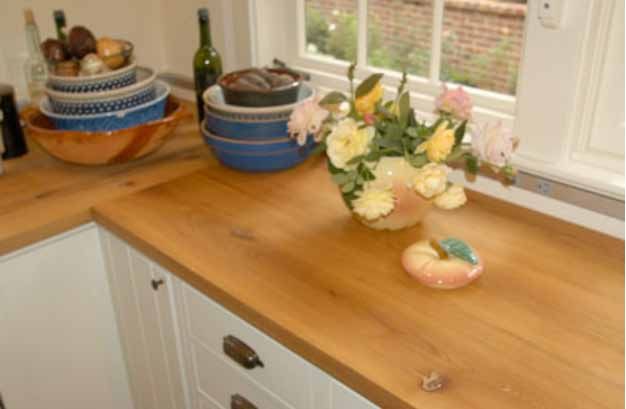
introduction                                                                                         | defining a green product

                                           What makes a green product?
   recycled Building                       Many companies promote their products as green. This makes good sense from a marketing point of view.
   mAteriAlS hAve the                      But “green” and “sustainable” are labels that can be broadly and creatively defined. That’s why it’s a good idea
   greAteSt green vAlue                    to double-check a manufacturer’s claims. The questions below represent a good starting point.
   When repairs, upgrades and
   alterations need to be done on          • Is the product produced in the immediate                • How much energy is required to
   houses, it’s much more sustainable        area or region?                                           manufacture the product? Less
   to use recycled materials instead       • How far does the product have to travel                   energy-intensive manufacturing
   of newly manufactured products.           from manufacturing site to end user?                      processes help to improve green value.
   Recycled products are sometimes         • Do activities associated with the product               • How long will the product last, and what kind
   referred to as salvaged or reclaimed;     benefit the local economy (marketing, selling,            of maintenance will it require?
   these terms have the same basic           installing, etc.)                                       • Does the manufacturing process have
   meaning. Using a recycled material      • Is the product made from renewable                        harmful environmental effects?
   or product often has an additional        resources?                                              • Does the product emit any harmful gasses
   green value: It costs less than a new                                                               after installation or if it burns?
                                           • Can the product be easily recycled?
   version.The construction materials
                                           • Are recycled materials used to produce
   that offer the greatest potential for
                                             the product?
   recycling include the following:
                                            When evaluating a product’s green value, keep in mind that few products score highly in all areas. For
   • Framing lumber
                                           example, a countertop made from recycled glass and concrete offers the benefits of utilizing recycled
   • Dimension lumber (such as             material, but also the negatives associated with Portland cement’s energy-intensive, greenhouse gas-producing
     1x boards)                            manufacturing process. Are the countertops produced in the area or will they be shipped across the
   • Molding                               country? Does the manufacturer use flyash (a recycled material) to reduce the amount of Portland cement
   • Doors                                 required? Is there a comparable, locally produced choice for countertops? If you’re serious about sustainable
   • Cabinets                              building and remodeling, it’s essential to educate yourself, ask plenty of questions, and weigh the positives
   • Hardware                              against the negatives.

   • Wood flooring
   • Plumbing fixtures
   • Kitchen appliances
   • Brick and concrete
   • Lighting

                                                                     4
introduction                                                                                                | how to use this manual

                                                    how to use this manual
  Work in the right                                 Be safe and smart. Some repairs and upgrades            Check with the building department. If the work
  Sequence.                                         covered in this manual can be done effectively          you’re planning to do or have done requires a
  “What do I do first?”That’s the question          by homeowners. Other work is best done by               building permit, it’s illegal to proceed without one.
  that most people ask when they buy an old         experienced contractors.While it’s satisfying and       A phone call can usually establish whether or not
  house. Remodel the bathroom or repair the         economical to complete home-improvement                 a building permit is required.
  siding? Install new light fixtures or add new     projects yourself, it’s risky to go beyond your
                                                                                                            Combine preservation with modernization.
  insulation in the attic? There’s always work to   comfort zone, using unfamiliar tools, techniques and
                                                                                                            An old house is a piece of history.While it’s
  be done in multiple areas, and the projects       materials. Remember: If it feels unsafe, it probably
                                                                                                            important to preserve the character and
  you WANT to do aren’t always the projects         is.Weigh the pros and cons carefully when deciding
                                                                                                            appearance of an historic property, a house also
  you NEED to do. Doing things in the right         what you can do yourself and what should be done
                                                                                                            needs to meet current standards of comfort,
  order will help to avoid cost overruns, while     by building professionals.
                                                                                                            convenience, safety and energy efficiency. Many
  ensuring optimum results. Here are some
                                                    Avoid lead paint problems. Lead paint, which is         upgrades (insulation and improved electrical service,
  guidelines that will help you prioritize what
                                                    likely to be found on any house built before 1978, is   for example) can be made without altering the
  needs to get done.
                                                    associated with lead poisoning that can cause nerve     exterior appearance of a house. Other work may
  • Identify and correct structural                 and kidney damage, hearing loss, and developmental      involve deciding between an authentic restoration
    problems first.                                 problems. Infants and young children are especially     and one that uses alternative materials that can
  • Make the building weathertight as               prone the lead poisoning.The older the house, the       closely approximate an authentic appearance.The
    soon as possible.                               more layers of lead paint it probably has.This has      information in this manual will help you to make
  • Get an electrical upgrade done early,           important consequences for any work done in, on         these decisions.
    and make sure to account for future             and around an old house.Whether this work is
                                                                                                            NOTE:This document is prepared for informational
    remodeling, heating and lighting                done by a homeowner or by contractors, it’s critical
                                                                                                            purposes only. Although best efforts were used
    system upgrades.                                to make sure that established safety procedures are
                                                                                                            to collect information from expert sources, no
  • If possible, hold off on insulating             followed to prevent the health hazards associated
                                                                                                            representation or warranties are made as to
    and air-sealing upgrades until after            with lead exposure. Safety regulations are clearly
                                                                                                            the timeliness, accuracy or completeness of
    electrical, plumbing and heating                identified under Title 8, Section 1532.1 of the
                                                                                                            the information.
    system work has been completed.                 California Code of Regulations.
    This will enable you to air-seal and
    insulate holes in walls and ceilings.
  • Do the decorative work last
    – painting, plaster repair, refinishing
    wood floors, etc.

                                                                              5
treatment standards for
                                  historic properties

                                  F
chApter outline                         or many homeowners and building contractors, preservation standards can seem arbitrary. How do
                                        I know what is “historic” and what is a later replacement? Is an alternative material acceptable if it looks
Four treatments provide
                                        the same as the original material? If an old window does not perform adequately it would seem logical
a range of preservation options
                                  to replace it, but what would be an appropriate replacement?

                                  In order to remove some of the ambiguity of these choices, the Department of the Interior’s Standards for
                                  Treatment of Historic Properties were developed to help protect irreplaceable cultural resources.The DOI
                                  standards do this by promoting consistent preservation practices.The standards have long been used by
                                  many preservation organizations, including state and local historic preservation offices.The standards are
                                  broadly based, applying to all historic building types and materials, to interior and exterior elements, as well
                                  as to building sites and settings.

                                  The standards focus on four treatments: preservation, rehabilitation, restoration and reconstruction.
                                  Rehabilitation will be the most favored treatment for homeowners who are interested in retaining important
                                  historical details while also improving safety, energy efficiency and overall green value. However, the most
                                  sustainable strategies for preserving historic houses demand an awareness of all four areas of treatment.

                                                             6
1 treatment standards for historic properties                                                                  | treatment standards

BASic preServAtion goAlS                            Four treatments provide a range of
The full text of the Secretary of the Interior’s
Standards for Treatment of Historic Properties
                                                    preservation options
is available from the U.S. Dept. of the Interior    Preservation. This treatment places a high premium on the retention of all historic fabric through
(www.nps.gov). Briefly, the Secretary’s Standards   conservation, maintenance and repair. It reflects a property’s continuum over time, and the respectful
give these suggestions:                             changes and alterations that are made through successive occupancies. Owners would use this
                                                    approach if they wanted to stabilize and preserve an historic building to keep it the way it looks now.
• Make every effort to use the building for
  its original purpose.                             Rehabilitation. This treatment also reflects a property’s continuum over time.While emphasizing the
                                                    retention and repair of historic materials, more latitude is provided for their replacement because
• Do not destroy distinctive original
                                                    the property is more deteriorated prior to the work. Alterations and additions for an updated use
  features.
                                                    are acceptable. An owner would use this approach to update a building for a continuing or new use
• Recognize all buildings as products of
                                                    through repair, alterations, and additions.
  their own time.
• Recognize and respect changes that have           Restoration. This treatment focuses on the retention of materials from the most significant time
  taken place over time.                            in a property’s history. It permits the removal of materials from all other periods.This treatment is
• Treat sensitively distinctive stylistic           generally selected for interpretive purposes, by museums for example. An owner would use this
  features or examples of skilled craftwork.        approach if they wanted to backdate the building to an earlier period by removing later features.

• Repair rather than replace worn                   Reconstruction. This treatment establishes limited opportunities to re-create a non-surviving
  architectural features when possible.             site, landscape, building, structure, or object in all new material for interpretive purposes. Property
  When replacement is necessary, new                owners would use this approach if they were to reconstruct a building that has vanished.
  material should match the old in design,
  composition, and color.
• Clean facades using the gentlest methods
  possible. Avoid sandblasting and other
  damaging methods.
• Protect and preserve affected
  archeological resources.
• Compatible contemporary alterations
  are acceptable if they do not destroy
  significant historical or architectural fabric.
• Build new additions so they can
  be removed without impairing the
  underlying structure.

                                                                               7
structural details

                  D
chApter outline             espite variations in size and style, many of the modestly sized, wood-frame houses built in
                            Northern California between 1880 and 1920 share common structural details. Enough of
Foundations
                            these houses have been repaired, remodeled and upgraded to provide good information on
Floor systems     common structural problems and solutions. As with all historic properties, the most difficult decisions
                  usually revolve around what can effectively and affordably be restored versus what needs replacement
Walls
                  and upgrading to improve longevity, structural integrity and building code compliance.
Roof systems
                  Exposure to storms and rainy weather can diminish the durability of any home located along the
                  California’s northern coast. Some of the weather-induced conditions that may cause structural
                  problems in old houses include the following:
                  • wood that rots due to prolonged exposure              • general building settling due to unstable
                    to moisture.                                            soil conditions
                  • erosion from rain and storm water runoff              • structural settling due to inadequate sheer
                    that undermines foundations                             bracing for lateral loads.

                  Fortunately, these conditions can be corrected if they are addressed early enough. Smart rehabilitation
                  strategies for old house structural systems include replacing damaged material, improving structural
                  integrity and managing moisture and drainage.

                                            8
2 structural details | foundations
Foundations
Many small historic houses in Northern California were built on foundations constructed from redwood
posts nailed to redwood plates or grade beams resting directly on the ground. After leveling and grading
the site, workers set the plates, pads and posts and then framed the first floor.The resulting crawlspace
areas were typically left unfinished. Some houses have doors that provide access to the crawlspace area.
With other houses, skirtboards must be removed for crawlspace access.
There are two major issues with this construction technique. First the post-and-grade beam system is
probably not adequately anchored to a stable soil datum.This can mean that the building’s structural load
is not adequately distributed to the soil by spread footings or foundation walls.
Lateral loading is a related problem. Many buildings of this era weren’t built to withstand loading from heavy
winds or earthquakes.Without adequate shear bracing, the walls of a building are likely to wrack when
a force (wind or a tremor) is applied to one side. Despite these foundation details, many historic houses
continue to stand straight and true.The Samoa mill worker houses, for example, are remarkably intact and
stable given their oceanfront location.Where settling has occurred it is generally due to individual posts
shifting or deteriorating.This damage may have been caused locally by improper management of rain and
Concrete solution. Over time, moisture that storm water runoff. Instead of directing water away from foundation areas, improperly installed or poorly
makes its way behind exterior siding will damage functioning gutters and downspouts force water back toward the house, where it erodes soil around
wall framing. Original framing that rests on or near perimeter posts and causes wood to rot and deteriorate.
the ground is also prone to moisture damage. In both common repairs and upgrades for foundations
cases, a reinforced concrete wall and new framing Whether there are visible signs of damage or not, the contractor may recommend that a local
can solve the problem. The restoration work should it’s a good idea to have an experienced building building inspector and/or structural engineer
include flashing and a moisture barrier to keep the contractor evaluate the general design and evaluate the foundation and determine what
framing dry in the future. If necessary, improved condition of an old foundation if this hasn’t been repairs and upgrades are required to ensure
shear bracing can also be incorporated. done before. Depending on what is discovered, safety and code compliance.
Bill Hole photo.
92 structural details | floor systems
Floor systems
corroSion-reSiStAnt A typical floor framing system for a Samoa house (and similar historic houses) consists of full-dimension 2x8
fAStenerS joists spaced on 16-in. centers. Joists are typically supported by a central carrying beam and perimeter beams
And hArdWAre or girders. Floor sheathing is full-dimension 1x redwood boards, nailed either diagonally or perpendicular to
The structural repairs and upgrades joists. Often a second layer of sheathing was installed in opposite directions, with a finished floor on top.
discussed in this chapter almost
Common repairs and upgrades for floor systems.
always involve fasteners and
Perimeter beam and/or rim joist replacement. Selective floor joist and floor sheathing
hardware to make and reinforce
In cases where moisture damage has compromised replacement. Original floor joists and floor
structural connections. It’s important
the structural value of perimeter beams or rim sheathing boards that have been damaged because
to select fasteners and hardware
joists, the damaged sections of these members of moisture or other reasons should be replaced to
designed to resist corrosion in
should be replaced. Salvaged redwood framing restore the structural integrity of the floor system.
this extremely moist environment.
lumber can be used, but other species of While redwood material of identical dimension is
Stainless steel, hot-dipped galvanized,
preservative-treated framing lumber are also the most historically accurate replacement strategy,
and ceramic-coated products
acceptable choices. It’s also important to determine more commonly available framing and sheathing
are recommended. Consult with
the cause of the moisture damage and correct the materials are also acceptable. NOTE: It’s incorrect to
the building department or with
problem when the repair is made.When the lower assume that new joists can be selected in the same
a structural engineer to ensure
part of the wall is damaged, it can mean that there dimension as original joists. Check with the building
that correctly designed corrosion-
was a shift in the foundation that caused exterior department or with a structural engineer to make
resistant fasteners are selected.
materials to move apart, or that improved flashing sure new joists are adequately sized.
and moisture protection are needed.
102 structural details | walls
SuBStituteS for
Walls
redWood frAming Balloon framing established standard spacing for studs and joists (typically on 16-in. or 24-in. centers)
mAteriAl and standard dimensions for commonly used framing lumber. However, variations are often found.
Many historic houses in California Although the walls of the Samoa houses are typically framed with nominal 2x4 studs (actual
have redwood framing.While it’s dimensions: 1¾ in. x 3¾ in.) spaced on 16-in. centers, other stud dimensions are also in evidence.
historically accurate to replace Exterior wall sheathing is typically absent in houses finished with clapboards or other horizontal siding.
damaged redwood framing with However, diagonal braces were sometimes installed at building corners to improve a wall’s shear
another redwood member, this strength. Also, redwood sheathing was used as underlayment beneath sidewall shingles.
approach isn’t essential when common repairs And upgrades for wall systems.
rehabilitating an historic house. Stud and plate replacement. Primarily because of Skirtboard upgrades. The tongue-and-groove or
When the replacement member moisture damage, some wall sections may require spaced redwood skirtboards provide very little
will not be seen after the repair or studs and plates to be replaced.When only part structural value. If this lowermost part of the wall
upgrade is complete (new studs of a wall is damaged, the replacement framing (typically extending from below the water table
or foundation posts, for example) can match the dimensions of the original framing, molding to grade level) needs to be repaired or
and reclaimed redwood members providing that the building inspector agrees with replaced, this is an opportunity to improve the
are problematic to locate, it’s these specifications. The framing can be redwood sheer strength of the foundation and wall so that
appropriate to use other framing or more commonly used species such as Douglas fir. the house can better withstand high winds and
material that is sustainably produced. earthquakes. The State of California has helpful
Structural sheathing. If the siding needs to be
advice on this kind of retrofit work (see Sources).
Similarly, redwood sheathing replaced, this is a good opportunity to insulate
If the skirtboard is replaced, check with the building
can be replaced by modern between studs and install structural sheathing, if
department to make sure the crawlspace has
structural sheathing like plywood it is not already present. Instead of sheathing with
adequate ventilation.This can usually be done by
or oriented strand board (OSB). redwood boards, plywood or oriented strand board
installing vents at regular intervals.
This replacement strategy allows (OSB) sheathing is recommended.
redwood to be used first and
foremost where it is most visible
and can contribute more significantly
to the authentic appearance of
the building.
112 structural details | roof systems
Roof systems
The roof on a typical 1900-vintage Victorian-style house was framed rather than trussed, which means
that rafters were cut and installed individually. Redwood 2x rafters and ridgeboards were commonly used.
Redwood 1x skip sheathing was nailed on top of rafters as an underlayment for the finished roof of wood
shingles or sheetmetal.Today, many original roofs have been replaced with asphalt-fiberglass roof shingles.
On some houses, asphalt shingles are nailed in place directly over the original wood shingles. On other
houses, the original roofing material has been removed, and ½-in. plywood sheathing has been installed
over the skip sheathing as underlayment for the asphalt shingles. to strengthen the roof and provide a
solid base for asphalt shingles.
common repairs and upgrades for roof systems.
Rafter tail replacement. Projecting rafter tails are Reinforced roof framing. In some cases, one or
common on many houses built in Craftsman and more original rafters may show signs of diminished
Victorian folk styles.This highly visible architectural structural value because of moisture damage,
detail is worth preserving.Where damage has bowing or cracking. In these situations, it’s possible
occurred, it is usually restricted to the end of the to sister new 2x material alongside of an original
A small patch makes a big difference.
rafter, so the entire rafter does not need to be rafter to restore structural integrity. Alternatively, the
Exposed rafter tails are prone to moisture damage at
replaced. Instead, a “Dutchman” repair can be old rafter can be removed and replaced.The new
their ends. A “Dutchman” repair restores the original
installed using epoxy adhesive and suitable fasteners framing material does not need to be redwood. If
appearance. An angled scarf joint like the one shown
(see photo).The repair material should be redwood old roofing material is to be removed in preparation
maximizes the glue area that connects the parts,
to match the original rafter. for new roofing, this is a good opportunity to
ensuring a strong bond.
check existing roof sheathing and make repairs as
Redwood sheathing replacement. The underside
necessary. If the original skip sheathing is still
of the roof sheathing is visible where roof eaves
in place, a layer of ½-in. plywood sheathing can
and gable ends extend beyond sidewalls.When this
be added.
material needs to be replaced (to repair damage
or during a reroof), redwood boards should be
used as opposed to plywood or OSB sheathing.
122 structural details | sources
Sources
Corrosion-resistant fasteners & framing connectors
Simpson Strong-Tie / www.strongtie.com
USP Structural Connectors / www.uspconnectors.com
Phoenix Metal Products / www.framingconnectors.com
Manasquan Premium Fasteners / www.manasquanfasteners.com
Earthquake safety
Homeowner’s Guide to Earthquake Safety, available at
http://www.seismic.ca.gov/hog.html
13preserving exterior details
E
chApter outline ven modestly sized Victorian-style homes (Samoa’s mill worker houses are good examples) display a rich
variety of exterior finish treatments. Siding treatments alone can include clapboards, tongue-and-groove
Dealing safely with lead paint
boards and shingles that are installed in straight and decorative courses. Other exterior details include:
Rust-damaged exterior details
• Broad roof overhangs • Flat exterior casing for windows and doors
Entryway and porch details • Exposed rafter tails • Triangular brackets used to support
Windows • Porches (larger houses) and roof overhangs
covered entries (small houses) • Steeply pitched roofs (Victorian style)
Exterior doors
• Turned wood columns (on larger porches) • Shallow roof pitch (on Craftsman-style
Siding and trim • Traditional double-hung windows bungalows)
Gutters
Paints and finishes
Sources
Curb appeal. Restoring exterior details will
be the most costly and time-intensive aspect of
redevelopment, but this investment will also
bring the highest return in terms of market
appeal and long-term value.
143 preserving exterior details | realistic strategies
Managing the preservation of exterior details is often the most visible and most challenging aspect of
owning an historic house. When weathering forces are significant (as they are in Northern California’s moist
coastal environment), painted finishes on exterior details can crack or peel prematurely, and even old-growth
redwood can succumb to moisture damage. In-kind replacement of damaged material is not a given because
the current supply of sustainably sourced redwood is expensive and not as resistant to moisture and insect
damage as old-growth redwood.
These challenges can be met successfully if smart, safe, skillful strategies for restoration, rehabilitation and
replacement are followed. In many cases, the work that needs to be done is labor-intensive rather than
material-intensive.While homeowners can tackle some restoration and repair work on exterior details, it’s
also necessary to make use of local contractors experienced in working on historic properties. A realistic
approach to maintaining historic exterior details typically involves a blend of historic preservation
techniques and alternative strategies that provide acceptable levels of historical accuracy with improved
longevity and/or economy.
Details worth saving. Even the smallest houses
on Samoa have porches that convey craftsmanship,
security and style –valuable qualities that need to
be preserved.
153 preserving exterior details | lead paint
Dealing safely with lead paint
Whenever repairs, alterations and even cleaning work are performed on an old house, concerns about
potentially harmful exposure to lead paint must be addressed. Lead exposure can come from airborne
dust, fumes, and small particles and flakes that are accidentally ingested after being deposited on hands,
clothes, food, plates and utensils.
The State of California describes health and safety precautions relating to lead paint exposure in their
Code of Regulations,Title 8, Section 1532.1. Guidelines are also available from the U.S. Dept. of Housing
and Urban Development (see Sources). It’s critical to follow these safety guidelines, which include
details on approved respirators, protective clothing, and effective cleanup procedures.
Electric heating element
Removing lead paint is especially challenging on historic houses, when it’s a priority to preserve original
siding and other elements that contain lead paint. Contractors who specialize in this work rely on a
number of techniques, including the following:
Heat. Heat guns and similar equipment can be Power sanders and power planes. Specialized
used to soften paint so that it can be scraped free paint-removal powertools are available to remove
of the surface. Heat treatment and paint strippers paint from siding and other surfaces (see Sources).
are popular techniques for removing paint from As shown in the photos, these tools are shrouded
doors, brackets and other architectural elements to prevent debris from escaping. A dust port on the
that include contours or recessed areas. Care must tool’s housing makes it possible to attach the hose
be taken to avoid charring the wood or causing of a HEPA-rated dust collector. It takes a skilled
combustible material to catch fire. Heat guns have operator to use these tools effectively –capturing
Power plane
also been known to cause panes of glass to crack paint dust while also minimizing damage to the
when used on windows and doors. Although heat wood surface. But this approach will remove paint
treatment makes it easier to collect removed paint, quickly and thoroughly from clapboard siding and
lead fumes are a potential hazard. other flat surfaces, with the most effective capture
of chips and dust.
Paint strippers. Like heat treatment, chemically
softening old paint limits the amount of airborne Scraping and sanding by hand. This low-tech
debris, but meticulous collection of waste material approach is also potentially the most hazardous,
is still essential. Also, this technique still typically since there’s no effective way to capture paint
requires some sanding after stripping is completed. flakes and particles as they are created. Airborne
debris can easily spread over a broad area, primarily
Shrouded disc sander impacting the soil surrounding the work zone.
163 preserving exterior details | rust-damaged exterior
Rust-damaged exterior details
In any moist climate and especially in coastal areas, Much of this damage can be addressed with spot
fasteners, hardware and other elements made from repairs, without removing the siding or trim boards.
steel are likely to show signs of rust damage.While When the surrounding wood is in good condition,
naturally occurring tannins in redwood and cedar the old steel fasteners should be removed; then
siding can also have a corrosive effect on steel, the resulting holes can be consolidated and filled
moisture in various forms has the most corrosive with epoxy. Refastening should be done using
effect. Sometimes this damage shows up as rust corrosion-resistant fasteners. Stainless steel,
stains that bleed through layers of paint (see photo). ceramic-coated and hot-dipped galvanized fasteners
Other times, the fastener corrodes and breaks are recommended for all exterior repair and
between the back edge of a board and the framing replacement work.
or sheathing, causing the exterior siding or trim to
Coastal corrosion. Steel nails are certain to pull away from the substrate where it was attached.
corrode, deterioring finishes as well as structural
connections. To eliminate rust stains, modern
corrosion-resistant fasteners should be used
for all exterior repairs and upgrade
173 preserving exterior details | entries & porches
Porch and entryway details
Larger historic houses typically have porches that incorporate a main entry. On these houses, the
porch typically extends the full width of the street façade. Columns, railings and (in some cases)
half-walls are noteworthy details. Smaller houses have covered main entries on the street façade.
Despite the modest size of these entryways, the proportions and detailing are pleasing and
consistent with the overall style of the house. Most often, a gabled entry roof is used, supported
by an exposed post-and-beam framework.
common repairs and upgrades for entryways and porches
Flooring replacement. Damaged porch and Foundation and floor framing repairs. Damaged
entryway flooring can be expected on an old posts and floor framing can be replaced with
house, given the age of the flooring and the fairly redwood or with other framing lumber that has
constant exposure to moisture and foot traffic. been treated to resist rot and insect attack. Make
However, some damage may also be attributable to sure that new or rebuilt foundations comply with
problems with the foundation and framing. Because current building code requirements.With any porch
of this possibility, it’s important to inspect the porch or entry reconstruction, it’s important to flash the
foundation and framing when damaged flooring ledger board’s connection to the house to prevent
is removed. moisture damage along this connection. Joist hangers
Sound roof, shaky floors. A porch roof often and other framing connectors are recommended to
remains sound even though flooring and stair treads When choosing new flooring for entryways and
enhance strength and simplify new framing work.
succumb to weathering and foot traffic. When this porches, a composite tongue-and-groove flooring
happens, the roof can be supported by temporary material called CorrectPorch is worth considering Column repairs. Columns typically deteriorate in
posts while the floor is rebuilt. (see Sources). Made from waste wood and recycled top and bottom areas where moisture damage is
plastic, CorrectPorch will not rot, crack, warp or more likely to occur.While rotted sections can often
succumb to insect attack. However, there are be repaired in place using a combination of wood
certain installation requirements that may make patches and structural epoxies, a more durable
it difficult to duplicate historic porch floor details. repair can often be made by shoring up the porch
Other recommendations for porch flooring include with temporary braces and removing the column
indigenous wood species like fir, redwood and red (see photo).This way, damaged interior areas can
cedar.These flooring choices should be sustainably be treated and the column can be reinstalled with
Durable decking. Composite tongue-and-groove harvested and treated with an exterior wood flashing and base support hardware that can help
porch decking will not warp, crack or rot like solid preservative to help improve moisture repellency, rot prevent future moisture damage.
wood, and this material contains up to 95% recycled resistance and resistance to ultraviolet (UV) damage.
content (See Sources).
183 preserving exterior details | windows
fASt fActS
Windows
Many green building experts don’t Windows have significant functional and aesthetic value in any house.They impact the homeowner’s
consider the vinyl used to make comfort level and heating bill while also playing a major role in the building’s appearance. Old, single-
windows and vinyl siding a green glazed windows can account for 20%-50% of a building’s heat loss. But studies have shown that single-
material.That’s primarily because glazed, double-hung windows that are otherwise in good condition can be upgraded to meet and even
polyvinyl chloride (PVC) is a exceed the energy performance of modern replacement windows.
petroleum product that is not easily Repairing and upgrading existing windows is greener than installing replacement windows. It’s also
recycled into other products. PVC less expensive.When an historic house still has most or all of its original windows, the repair and
tends to persist in landfills rather weatherizing strategy should be considered first.
than degrading naturally like wood
products do. Research has also
shown that vinyl can produce toxic
gasses when burned.
Better than new. To rescue this original window, both sash were removed, repaired, repainted and reglazed
on the workbench. All parts, including jambs and exterior trim, were stripped and repainted. Then the sash and
stops were reinstalled. A restoration like this costs between $200-$300 for labor and materials.
193 preserving exterior details | repairing old windows
common repairs and upgrades for original double-hung windows
Interior Stop Disassembly, sanding and smoothing. Layers of Insulation and weatherstripping. These upgrades
Muntin
Header
paint can seal a window shut or build up thick are essential to improve the energy performance
Head Jamb deposits that prevent the sash from operating of older windows. Low-expanding spray foam
smoothly. In the disassembly process, stops and insulation can be used to fill the airspaces
Sash Pulley
sash are removed so that these parts can be between the window frame and the surrounding
Side Jamb sanded, smoothed and (if necessary) repaired. framing.Weatherstripping can be applied to the
Jambs are also smoothed.Weatherstripping can jambs and to the sash.
Sash Meeting then be installed (see below) before the window
Rail Storm windows. Although factory-made,
is reassembled.
aluminum-frame storm window units are widely
Sash Cord
Reglazing. This is necessary when a glass pane available, a wood-frame storm window is more
Access Panel breaks or old glazing compound is deteriorated historically appropriate. Such windows can be
or missing. affordably fabricated by local millwork shops.
Weight
Sill repair or replacement. Solid wood sills will Rope or chain replacement. Rope can break
Sash Bottom crack and rot if not properly protected from sun or deteriorate over time. Chain doesn’t normally
Rail
Parting
and moisture damage. Cracks and small sections wear out, but it can come loose from its sash
Stop Sill of rot deterioration can be repaired with epoxy. attachment.
Stool
Apron
In severe cases, the sill and lower side jambs may
Pulley replacement. If a pulley wears out or
need to be replaced.
stops turning smoothly, it can be replaced
Sash repair or replacement. Loose or moisture- with a new one.
Traditional double-hung damaged joints between stiles, rails and muntins
window anatomy. Old double-hung windows Re-weighting. Adding or subtracting sash weight
are common problems on old sash. Repairs can
can be restored and upgraded to operate easily and is only necessary if the sash can’t remain
be made using a combination of liquid epoxy
with higher levels of energy efficiency. The sash can stationary after it’s moved up or down.
consolidant and solid epoxy patching material
be removed for repairs and weatherstripping. (see sidebar). If damage is too extensive, it’s better NOTE:There are some excellent books available
Weights, pulleys and other parts are available to order and install replacement sash. that offer detailed repair information on old
from numerous sources. windows (see Sources).
Repair or replacement of stop moldings. These
can crack, splinter or break. If they can’t be
repaired to promote easy sash movement, they
should be replaced.
203 preserving exterior details | replacement windows
recommendations and considerations for replacement windows
reScuing rot-dAmAged Cost and payback. Replacement windowscan cost Low-e coatings. Many new windows with
WindoWS from around $250 to over $500 apiece, depending (double-pane) insulated glass have “low-e” coatings
Modern epoxies can truly work miracles on window type, size, features (cladding, low-e to improve energy efficiency. In hot climates, this
on windows that have suffered rot and coating, etc.) and brand. In cold climates, the energy coating should be located on the inside face of the
impact damage.This type of repair and savings that accrue after installing replacement outer pane of glass to minimize solar gain. In colder
restoration work is appropriate when windows can repay the installation cost in five years. climates (typical in Northern California), the coating
historic preservation is the main priority. In milder climates such as the California coast, the should be applied to the outside face of the inner
It can also be a cost-effective alternative payback time will be at least seven to 10 years. pane of glass.This will help to maximize solar gain.
to the installation of replacement
Historical integrity. Installing replacement
windows, especially when undertaken by
windows inside the original window jambs will
the homeowner. See Sources for suppliers
diminish the available glass area and thus alter
of epoxy restoration materials. Epoxy
a home’s appearance.The visual impact can be
restoration can be divided into 6 steps.
minimized by choosing replacement sash with
1. Remove sash from window, narrow frames that are proportionately similar
remove glass from sash. to the original sash frames.
2. Strip paint from sash.
Replacement window recommendations. If
3. Saturate damaged areas with liquid replacement windows must be installed, all-vinyl
epoxy consolidant. windows are the least-sustainable choice (see
4. Apply solid epoxy to areas that Fast facts). All-wood windows are a sustainable
need to be filled in with solid choice, but homeowners will be faced with the
material. Reglue and clamp sash responsibility of applying and maintaining an exterior
joints if necessary. finish on the windows.The best combination of
5. Shape, sand and smooth durability and sustainability is a solid wood window
repaired areas. with fiberglass exterior cladding (see Sources).
6. Paint, reglaze and replace sash. Fiberglass cladding has proven far more durable It takes more skill to use less material.
in harsh coastal environments than either vinyl Replacing only the damaged parts of an old window
or aluminum cladding. It’s paintable and available (sills and lower side jambs, in this case) preserves
in standard and custom colors. historic fabric and requires a minimal amount of
new redwood. But this type of spliced-in repair also
requires a skilled installer. Bill Hole photo
213 preserving exterior details | exterior doors
Exterior doors
Providing that they aren’t rotted or warped, the original exterior doors on an historic house are almost
always worth preserving. Historic doors were typically made from premium-quality wood (redwood was
often used on the West Coast). These doors usually feature frame-and-panel construction, with mortise-
and-tenon joinery for extra strength.
common repairs and upgrades for exterior doors
Refinishing. If a door has peeling paint on its New threshold. The solid wood threshold used on
exterior face, the entire door should be stripped an exterior doorway is a wear item and should be
using approved techniques for handling lead paint. replaced with a new wood threshold when it
Stripping and refinishing only the exterior face of wears out.
the door is not recommended because it is likely to
Replacement. If a new exterior door is needed, a
cause the door to warp.With the door’s bare wood
solid wood, frame-and-panel door is recommended.
exposed, spot repairs can be made effectively before
Depending on homeowner preferences relating
the door is refinished (see Paint and stain, below).
to security or style issues, a glass top panel may
Weatherstripping. This treatment is essential to be desirable. Local millwork shops are capable
Traditional design. A reproduction of an improve energy performance.The easiest energy of duplicating original doors. Alternatively, it’s also
original five-panel door from the Hammond upgrade involves applying self-adhesive foam possible to closely approximate the style and
Lumber company is on display at Blue Ox weatherstripping to the inside edges of door proportions of these doors when ordering
Millworks in Eureka, CA stop moldings and installing a surface-mount from major manufacturers.
threshold seal along the bottom edge of the door.
Homeowners can perform this upgrade with basic
tools for under $25.
223 preserving exterior details | siding
common repairs and upgrades for exterior siding and trim
Siding the exterior of a Victorian-style house gave designers the opportunity to work creatively with a range
of different siding products, and challenged carpenters to achieve decorative details that still set a standard
for craftsmanship today. But siding also has to function as the building’s skin, shedding moisture and keeping
cold winds outside.
With an old house, it’s not unusual to find siding in excellent condition in one area, while the siding on
another part of the house is too damaged to save.When repairs are made, the goal should be to preserve
the original appearance as closely as possible, while upgrading durability through the use of modern materials
and techniques. NOTE: Corrosion-resistant fasteners should be used for all of the repair and upgrade work
covered in this section.
Removal of peeling finish. The safe removal and (especially in wet climates) is to use vertically
disposal of old finish on exterior siding and trim installed furring strips (for horizontal siding) or a
should be a top priority. Old finish that is left in place rainscreen material (beneath shingles and vertical
–especially when it’s peeling away from the wood board siding) so that an air space is created behind
–poses a health hazard because of its lead content. the siding. Called a “rainscreen wall,” this technique
Well-crafted details. It’s not unusual for
Peeling paint is also aesthetically undesirable. effectively prolongs the life of siding and the paint
a Samoa house to have several types of siding
that covers it. It is required by some building codes.
treatments. Fortunately, many of these decorative Spot replacement of damaged siding and trim.
In retrofit applications, installing a rainscreen wall will
treatments can be reproduced using alternatives On many houses, original siding and trim remain
necessitate building out the exterior casing around
to redwood clapboards, shingles and boards. intact and in good condition near the top of walls,
windows and doors or extending door and window
where weather exposure is not so severe. Lower
jambs to account for the added thickness of
wall sections have suffered more, and damaged
the rainscreen.
siding in these areas should be replaced with new
material that matches the wood species If redwood original siding was removed, it is desirable
and dimensions of the original material. but not mandatory to install new redwood material.
However, the new siding should be a sustainably
Complete residing. Consider this option when
produced equivalent that closely duplicates the
more than a quarter of the existing siding on a wall
original appearance. Acceptable substitutes include
needs replacement.With the siding fully removed,
finger-jointed red cedar clapboards and composite
it’s possible to inspect and repair framing. Insulation,
lap siding such as the SmartSide product from
wall sheathing and an air-moisture barrier membrane
Louisiana Pacific. New siding should either be back-
can then be installed prior to residing.The best
primed at the jobsite prior to installation, or ordered
practice standard for new wood siding installation
with a factory-applied primer on all sides.
233 preserving exterior details | siding
Fiber-cement siding is also a reasonable substitute Water table replacement. When used to
reconditioned Siding for redwood siding, providing that its appearance delineate the main level of the house, this trim
Remodeling contractors are accustomed to (surface texture and overlap or exposure) can element is prone to moisture and weathering
tearing off old wood siding and carting it to closely duplicate that of painted redwood siding. damage because of its location and its projection
the landfill in preparation for residing with new To make a greener choice, select fiber cement beyond the exterior siding. Because many
materials. But on many historic houses along siding manufactured using flyash (an industrial historic houses need water table replacement,
the California coast, siding was milled from byproduct) as a partial substitute for Portland a reliable supply of water table molding should
premium-grade redwood with superior weather cement (see Sources). be found among local millwork shops. Ideally,
resistance and dimensional stability. Some of this this molding can be produced from sustainably
Flashing. When exterior trim and siding repairs
material is worth saving –especially clapboards sourced material such as finger-jointed redwood
are made, it’s also an opportunity to upgrade
and tongue-and-groove boards. Sound redwood or red cedar. Depending on cost and feasibility,
the flashing details that help to protect wood
siding can be removed, reconditioned and then composite material with a high recycled content
from moisture damage. Flexible, rubber-based
reinstalled. Removing lead paint in a workshop could also be considered. Local experts in historic
flashing material with self-adhesive backing is
setting minimizes lead impact around the house preservation should be consulted to make the
recommended for use around windows, doors,
perimeter, and can make it easier to remove paint water table less vulnerable to moisture damage by
skylights and roof penetrations.Where flashing
safely and thoroughly. Following the steps outlined developing a better water-shedding profile
is visible (along the head casing of windows and
below will result in siding that’s higher in quality and improved flashing details.
doors, for example), copper flashing
and green value than any new wood siding you
is recommended.
can buy today.
1. Use prybars to remove the siding.
Work carefully to avoid splitting the material.
2. Remove any fasteners that remain
in the material.
3. Discard boards and sections that have rotted,
cracked, warped or bowed.
4. Remove peeling paint and loose finish, then
sand the surface to feather the edges where
intact paint meets bare wood. Safe practices
for the handling and disposal of lead-based
paint must be followed.
5. Fill any holes that will show after installation
with epoxy filler.
6. Coat all sides of the material with
stain-blocking primer.
7. Reinstall the siding and apply finish coats.
243 preserving exterior details | paint and stain
Exterior finishes
Paint that is applied to exterior siding and trim will always need to be renewed.The good news is that the
longevity of painted exterior finishes can be significantly extended (from 5-7 years to 15 or more years)
by following proven techniques for surface preparation, application and finish selection. Research done by
the Forest Products Laboratory (see Sources) has shown that the following steps will ensure optimum
appearance, durability and resistance to cracking and chalking when exterior siding and trim are painted.
1. Remove loose paint from wood surfaces. surface. Recommended primers include
CAUTION: Make sure to follow the health and Sherman-Williams A-100 Latex Wood Primer,
safety precautions described by the California Pratt & Lambert Suprime Exterior Latex Wood
Code of Regulations,Title 8, Section 1532.1. Primer, Zinsser Cover Stain and Valspar Exterior
2. Sand all surfaces to be repainted. Use 120- Latex Primer. Old paint can be coated with
grit sandpaper, and make sure to “feather” or primer, but it’s not necessary.
Surface prep is the most important smooth any transitions between bare wood and 5. Apply two finish coats of top-quality latex
(and most troublesome) step. Once loose paint old paint that is solidly adhered to the wood. exterior house paint. Avoid using low-quality
has been removed from exterior siding and trim, the 3. Wash and wipe down the siding. For good paint latex paint. Premium-quality paint should say
wood must be sanded and primed before exposure to adhesion, it’s critical to remove chalk, sawdust “100% acrylic” on the label.
sunlight and weathering compromises its and other residue. 6. Make sure that siding and trim can dry.
paint-holding ability. 4. Apply an “extractive-blocking” latex primer. Eliminate splashing and soaking caused by
Use a high-quality primer that will prevent improperly functioning gutters and downspouts
extractives from bleeding through the wood (see Gutters & downspouts, below).
Stain
Stain is not historically accurate as an exterior finish on a Victorian-style house. However, a solid-color
exterior stain is worth considering as a finish on newly installed siding for a couple of reasons:
A stain finish may prove to be less prone to cracking than a painted finish. Modern stain formulations
–specifically “solid color latex stains”– come close to duplicating the appearance of a painted finish.
NOTE: Stain is not a suitable finish over paint; it’s only suitable for use on new siding. A solid color
latex stain still requires a stain-blocking primer coat to be applied first.
Unfinished siding
In cases where a house is resided with redwood or red cedar shingles, it’s acceptable to dispense with
paint or stain and allow the wood to weather naturally.This avoids the possibility of peeling finish. A clear
penetrating preservative formulated for exterior siding can enhance the natural rot-resistant qualities of
redwood and cedar siding while also reducing damage from sun exposure.
25You can also read


