The Complete Plastid Genome of Rhododendron pulchrum and Comparative Genetic Analysis of Ericaceae Species - MDPI
←
→
Page content transcription
If your browser does not render page correctly, please read the page content below
Article
The Complete Plastid Genome of Rhododendron
pulchrum and Comparative Genetic Analysis of
Ericaceae Species
Jianshuang Shen 1 , Xueqin Li 1 , Xiangtao Zhu 1 , Xiaoling Huang 1 and Songheng Jin 1,2, *
 1    Jiyang College, Zhejiang A&F University, Zhuji 311800, China; shenjianshuang18@163.com (J.S.);
      lxqin@zafu.edu.cn (X.L.); zxt8202@163.com (X.Z.); JYXYhxl@aliyun.com (X.H.)
 2    State Key Laboratory of Subtropical Silviculture, School of Forestry and Biotechnology,
      Zhejiang A&F University, Lin’an 311300, China
 *    Correspondence: shjin@zafu.edu.cn; Tel.: +86-575-87760007

 Received: 19 January 2020; Accepted: 29 January 2020; Published: 31 January 2020

 Abstract: Background and Objectives: Rhododendron pulchrum Sweet (R. pulchrum) belongs to the
 genus Rhododendron (Ericaceae), a valuable horticultural and medicinal plant species widely used in
 Western Europe and the US. Despite its importance, this is the first member to have its cpGenome
 sequenced. Materials and Methods: In this study, the complete cp genome of R. pulchrum was
 sequenced with NGS Illumina HiSeq2500, analyzed, and compared to eight species in the Ericaceae
 family. Results: Our study reveals that the cp genome of R. pulchrum is 136,249 bp in length,
 with an overall GC content of 35.98% and no inverted repeat regions. The R. pulchrum chloroplast
 genome encodes 73 genes, including 42 protein-coding genes, 29 tRNA genes, and two rRNA genes.
 The synonymous (Ks) and nonsynonymous (Ka) substitution rates were estimated and the Ka/Ks
 ratio of R. pulchrum plastid genes were categorized; the results indicated that most of the genes
 have undergone purifying selection. A total of 382 forward and 259 inverted long repeats, as well
 as 221 simple-sequence repeat loci (SSR) were detected in the R. pulchrum cp genome. Comparison
 between different Ericaceae cp genomes revealed significant differences in genome size, structure, and
 GC content. Conclusions: The phylogenetic relationships among eight Ericaceae species suggested
 that R. pulchrum is closely related to Vaccinium oldhamii Miq. and Vaccinium macrocarpon Aiton.
 This study provides a theoretical basis for species identification and future biological research of
 Rhododendron resources.

 Keywords: Rhododendron pulchrum; chloroplast genome; phylogenetic analysis

1. Introduction
      Rhododendron species belong to family Ericaceae and have been widely used as valuable horticultural
and medicinal plants in China, Western Europe, the US, and Japan due to their beautiful vegetative
forms and bright-colored flowers [1,2]. The family of Ericaceae consists of nine subfamilies, including
exclusively autotrophic species, fully mycoheterotrophic (MH) species, and partially MH species [3].
The association between autotrophy and heterotrophy is related to drastic changes in plant morphology
(such as the loss and/or reduction of vegetative organs) [4,5], physiology (for example, loss of chlorophyll
and high stomatal conductivity) [5,6], genome (including rampant sequence divergence and gene
loss) [7,8]. Chloroplast genome has been widely employed for studying the transition from autotrophy
to heterotrophy due to its conserved size, gene content, linear gene order, and structure.
      Rhododendron contains between 600–1000 species, and is among the largest genera of
Ericaceae [9]. Previous Rhododendron classification was mainly based on phenotypic characteristics,
and thclassification systems proposed by David Chamberlain (Edinburgh Botanic Garden, UK) and

Forests 2020, 11, 158; doi:10.3390/f11020158                                        www.mdpi.com/journal/forests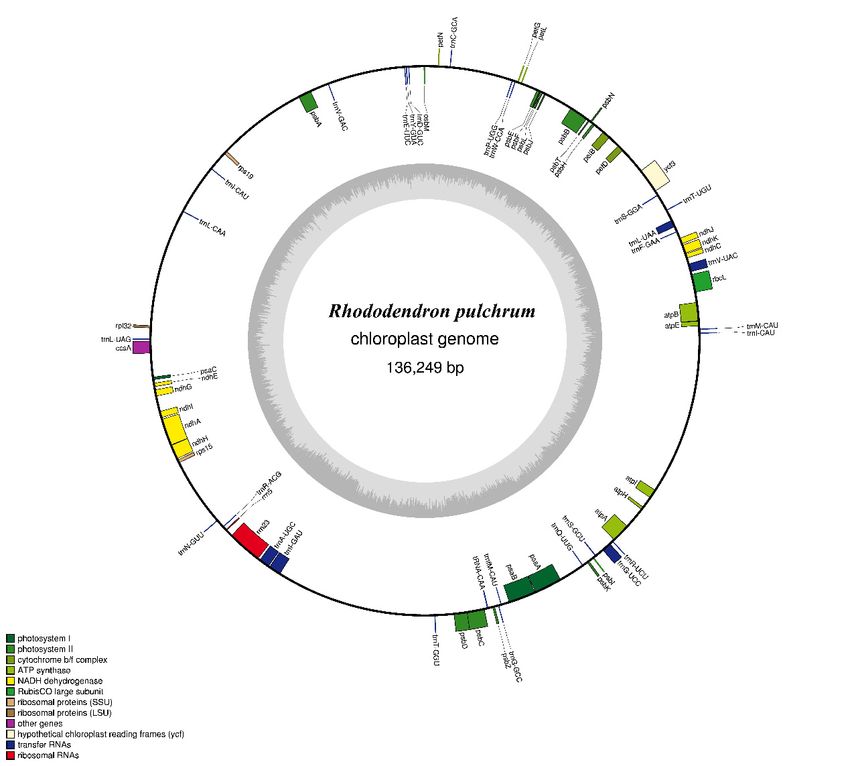
Forests 2020, 11, 158                                                                             2 of 14

Sleumer (Germany) were the most popular. In recent years, the genetic diversity and structure of
the nuclear and plastid genomes serves as another useful strategy to classify Ericaceae species [10,11].
The DNA sequences of nuclear genes have been adopted in studies of phylogeny, population genetics,
molecular evolution, and genetic map construction in Rhododendrons [12].
      According to the published data, the molecular marker technology and morphological analyses
yield consistent results for Rhododendron classification [13]. Recently, complete plastid genome
sequences have found their applications in plant studies, especially in the field of plant taxonomy;
these include dissecting the diversity and phylogenetic relationships among different species [10,14],
utilizing specific gene functions in agriculture and horticulture via genetic engineering [15], and
estimating population genetics via DNA barcoding [16].
      The plastid genome of higher plants is a circular molecule of double-stranded DNA, range from
72 to 217 kb in size and contain approximately 130 genes [17,18]. The plastid genomes (plastomes) of
most photosynthetic land plants are between 140 to 160 kb in size and contain about 113 genes; in
addition, these plastomes are conserved in size, gene content, gene order, gene structure, and genome
structure [19,20]. Most plastomes contain four typical regions, including a large single-copy region
(LSC) a small single-copy (SSC) region, and two identical inverted repeat regions (IR) [14]. Plastomes
can provide valuable genetic information for studies on species identification, phylogeny, biology, and
photosynthetic gene degradation [10,21–23] owing to their conserved structure and relatively high
substitution rate [24].
      The complete plastome sequences of eight Ericaceae species are currently available at the National
Center for Biotechnology Information (NCBI); these include six fully MH species (Monotropoideae) and
two exclusively autotrophic species (Vaccinioideae). By contrast, most previous studies on Rhododendron
have focused on their biology and physiology, whereas their plastid genomes have not been reported [25].
As an important horticultural species in the genus Rhododendron, Rhododendron pulchrum (R. pulchrum) is
widely distributed in the temperate regions of Europe, Asia and North America [26]. Herein, we report
the exhaustively analyzed cp genome of R. pulchrum previously published as a brief note with minimal
analysis [27]. The size and structure of the R. pulchrum cp genome were analyzed, and the Ka/Ks ratio
was determined to study the relationships between Ericaceae species and their closest autotrophic
relatives, as well as to infer their evolutionary patterns. The cp genome information reported here is
valuable for future phylogenetic and evolution studies, molecular marker development, and genetic
improvement through genetic engineering in Rhododendron.

2. Materials and Methods

2.1. Sampling, DNA Extraction and Sequencing
     Fresh leaves were collected from a single R. pulchrum tree grown in the Jiyang College of Zhejiang
A&F University, Zhejiang, China. The harvested tissues were stored at the Rhododendron Germplasm
Resource nursery in Hangzhou Botanical Garden (N30◦ 15’8.65”, E120◦ 7’11.09”) under accession
number HZ041286. Total genomic DNA was extracted using the modified CTAB method [28]. The
integrity and quality of the DNA were evaluated using agarose gel electrophoresis and a one drop
spectrophotometer (OD-1000, Shanghai Cytoeasy Biotech Co., Ltd., Shanghai, China). The whole cp
genome of R. pulchrum was sequenced via 250 bp pair-ended sequencing on an Illumina Hiseq 2500
Platform (Manufacturer, Nanjing, China), and at least 3.68 GB of clean sequencing data were obtained.

2.2. Chloroplast Genome Assembly, Gene Annotation and Plastomes Analysis
    The reads were de novo assembled into complete cp genome by the NOVOPlasty 3.7.2 using
genomes of the Ericaceae species as references [29]. CpGAVAS 2 (http://www.herbalgenomics.org/
cpgavas) was used to annotate the sequences; DOGMA (http://dogma.ccbb.utexas.edu/) and BLAST
were used to manually check the annotation results [30,31]. The complete and annotated cp genome
sequences were deposited to GenBank (accession number MN182619). A physical map of the genome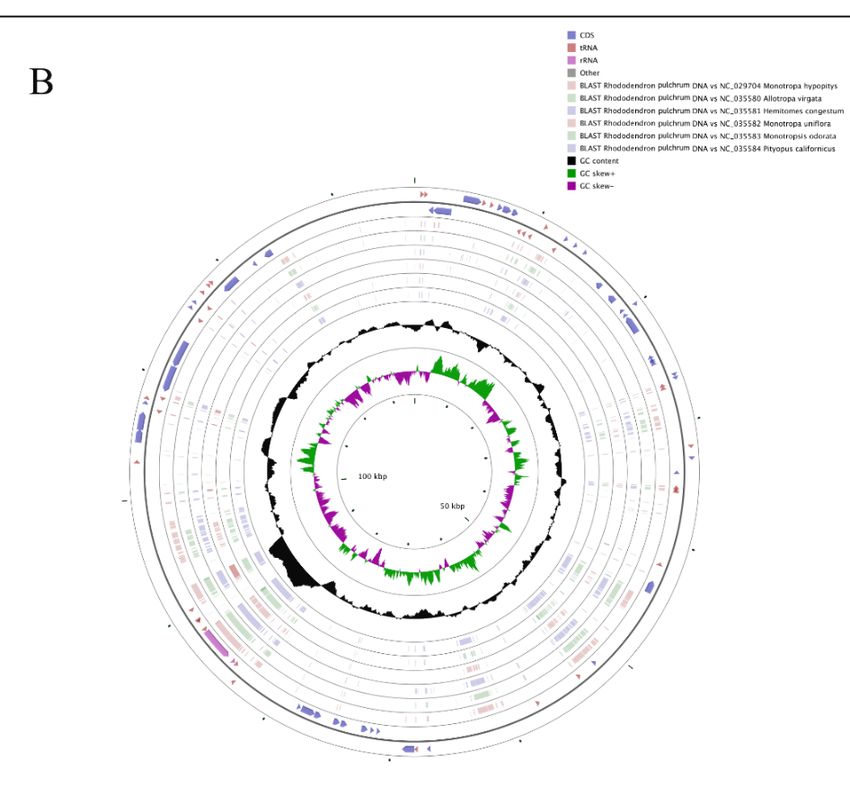
Forests 2020, 11, 158                                                                                3 of 14

was generated by OGDRAWv1.2 (http://ogdraw.mpimp-golm.mpg.de/) and the online software
REPuter [32,33] was used to identify repeat sequences.
     Relative synonymous codon usage (RSCU) and codon usage were examined by CodonW 1.4.4 [34].
GC content of the complete cp genomes and the coding sequences (CDS) was analyzed. MISA [35] and
REPuter [33] were used to visualize the simple sequence repeats (SSRs) and long repeats, respectively.
(MISA. Available from: http://pgrc.ipk-gatersleben.de/misa/misa.html; REPuter. Available from:
https://bibiserv.Cebitec.uni-bielefeld.de/reputer). The sequences were initially aligned using MAFFT
version 5 [36], the pi value of each gene were calculated through alignment of each gene CDS sequences
of different species using VCFtools [37], and the ratios of non-synonymous (Ka) to synonymous (Ks)
substitutions (Ka/Ks) in protein-coding genes were determined by the KaKs_Calculator.

2.3. Whole Plastid Genome Comparison
     To investigate the phylogenetic position of R. pulchrum, MUMmer [38] was used for pairing
sequence alignment of the cp genomes, and the mVISTA (http://genome.lbl.gov/vista/mvista) [39]
program was employed for comparing the complete cp genome of R. pulchrum to eight other related
species whose cp genomes are sequenced. These eight species were divided into two groups at
the genus level, including Vaccinieae (Vaccinium macrocarpon, NC_019616.1 and Vaccinium oldhamii,
NC_042713.1) and Monotropeae (Monotropa hypopitys Linn., NC_029704.1; Allotropa virgata Torr. & A.
Gray, NC_035580.1; Hemitomes congestum A. Gray, NC_035581.1; Monotropa uniflora L., NC_035582.1;
Monotropsis odorata Schwein. ex Elliott, NC_035583.1; and Pityopus californicus (Eastw.) Copeland,
NC_035584.1).

2.4. Phylogenetic Analysis
      The Ericaceae cp genomes were obtained from the Organelle Genome and Nucleotide Resources
database on NCBI. The sequences were initially aligned using MAFFT [36] (version 7, https://mat.cbrc.
jp/alignment/software/) and the resulting multiple sequence alignment was visualized and manually
adjusted in BioEdit [40]. Actinidia deliciosa C.F.Liang & A.R.Ferguson (NC_026691.1) and Actinidia
chinensis Planch (NC_026690.1) were used as outgroups. The phylogenetic tree was constructed by the
GTRGAMMA model implemented in RAxML.

3. Results

3.1. Features of the R. pulchrum cp Genome
     A total of 3.68 Gb of clean data consisting 12.28 million pair-end reads were produced. All
reads were deposited to NCBI Sequence Read Archive (SRA) under accession number MN182619.
The complete R. pulchrum cp genome is 136,249 bp in length (Figure 1), and it does not take the form of
a typical quadripartite structure due to the lack of inverted repeats (IR). The overall GC content of
the R. pulchrum cp genome is 35.98% (Table 1) and we identified 73 functional genes, including two
rRNA genes, 29 tRNA genes, and 42 protein-coding genes (Table 2). We then estimated codon usage
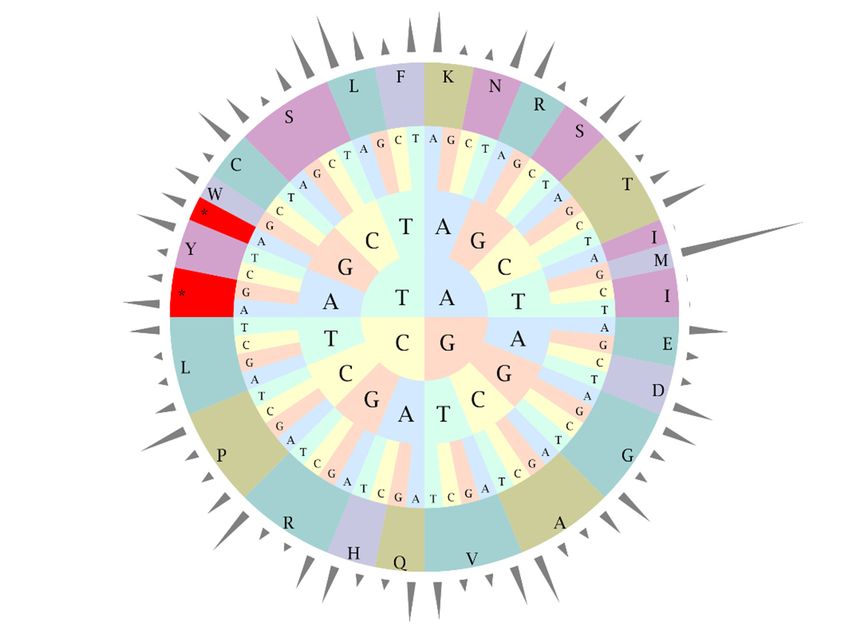
frequency based on the protein-coding and tRNA genes. As shown in Figure 2, the cpGenome was
composed of 8,693 codons (65 different types) encoding 20 amino acids, among which leucine (Leu)
was the most frequently used amino acid (948 in number, 10.90%) and cysteine (Cys) was the least
abundant (76 in number, 0.87%) (Table S1). The results suggest the R. pulchrum cp genome prefers
synonymous codons ended with A or U with a relative synonymous codon usage value (RSCU) > 1.

                             Table 1. Base composition of the R. pulchrum cp genome.

        Region          A (%)          T (U) (%)      C (%)        G (%)       A + T (%)   G + C (%)
      Cp genome         31.16            32.85        18.66        17.32          64.01      35.98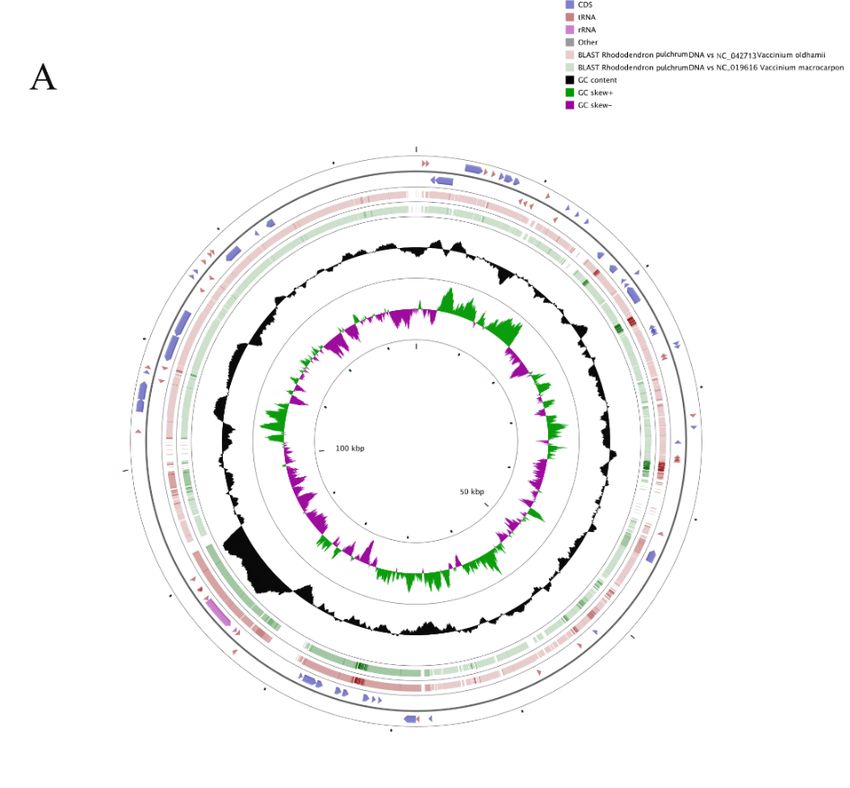
Forests 2020, 11, 158                                                                                                     4 of 14

                                         Table 1. Base composition of the R. pulchrum cp genome.

            Region                A (%)          T (U) (%)         C (%)          G (%)          A + T (%)          G + C (%)
Forests 2020, 11, 158                                                                                                     4 of 14
         Cp genome                31.16            32.85           18.66          17.32            64.01               35.98

          Figure
      Figure       1. Gene
              1. Gene  map map
                            of theofR.the R. pulchrum
                                       pulchrum         cp genome.
                                                  cp genome.  (Color(Color  figure online).
                                                                     figure online).        Genesinreside
                                                                                     Genes reside          in theand
                                                                                                     the inside    inside
      outside  of the outer circle are  in the  forward  and reverse  directions, respectively. The dark  and
          and outside of the outer circle are in the forward and reverse directions, respectively. The dark andlight
      graylight
            barsgray
                 in the inner
                      bars    circle
                           in the     denote
                                  inner       G+C
                                          circle    and G+C
                                                 denote  A+Tand
                                                              contents, respectively.
                                                                  A+T contents,   respectively.

                                  Table 2. Annotated genes of the R. pulchrum cp genome.
                                     Table 2. Annotated genes of the R. pulchrum cp genome.
                          Function                                                     Genes
                            Function                                                          Genes
                                                        trnA-UGC*, trnA-CAA, trnC-GCA, trnD-GUC,           trnE-UUC, trnF-GAA,
                                                        trnfM-CAU,    trnG-GCC,   trnG-UCC*,   trnI-GAU*,
                                                            trnA-UGC*, trnA-CAA, trnC-GCA, trnD-GUC,        trnI-CAU,  trnL-CAA,trnF-
                                                                                                                    trnE-UUC,
                        RNAs, transfer                  trnL-UAG, trnL-UAA*, trnM-CAU, trnN-GUU, trnP-UGG, trnQ-UUG,
                                                         trnR-ACG,   trnR-UCU, trnS-GCU,
                                                            GAA, trnfM-CAU,       trnG-GCC,trnS-GGA,
                                                                                                trnG-UCC*,trnT-UGU,   trnT-GGU,
                                                                                                               trnI-GAU*,   trnI-CAU,
                                                                    trnV-UAC*, trnV-GAC, trnW-CCA, trnY-GUA
                     RNAs,
                  RNAs,     transfer
                         ribosomal                          trnL-CAA, trnL-UAG, trnL-UAA*,
                                                                                       rrn5, rrn23 trnM-CAU, trnN-GUU, trnP-
              Small subunit of ribosome                                                rps19, rps15
                                                         UGG, trnQ-UUG, trnR-ACG, trnR-UCU, trnS-GCU, trnS-GGA, trnT-
              Large subunit of ribosome                                                   rpl32
                    ATP synthase                            UGU, trnT-GGU,    atpA,  atpB, atpE,trnV-GAC,
                                                                                 trnV-UAC*,      atpH, atpI trnW-CCA, trnY-GUA
                    Photosystem I                                               psaA, psaB, psaC, ycf3**
                    RNAs, ribosomal                      psbA, psbB, psbC, psbD, psbE, psbF,rrn5, rrn23
                                                                                              psbH, psbI, psbJ, psbK, psbLvpsbM,
                        Photosystem II
                                                                                    psbN, psbT, psbZ
               Small Calvin
                     subunit  of ribosome
                            cycle                                                          rps19, rps15
                                                                                           rbcL
                 Cytochrome complex                                           petB, petD, petG, petL, petN
               Large subunit of ribosome
                NADH dehydrogenase
                                                                                               rpl32
                                                                  ndhA*, ndhC, ndhE, ndhG, ndhH, ndhI, ndhJ, ndhK
     Others (C-type cytochrome synthesis gene)
                    ATP synthase                                                           ccsA atpE, atpH, atpI
                                                                                  atpA, atpB,
                                     Note: * Genes with one intron; ** genes with two introns.
                         Photosystem I                                            psaA, psaB, psaC, ycf3**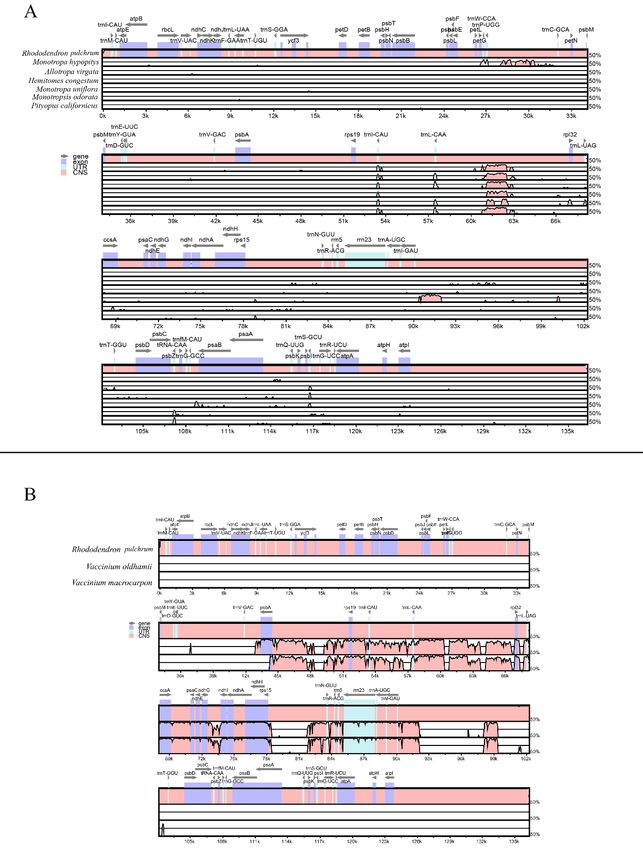
Calvin cycle                                                   rbcL
           Cytochrome complex                                    petB、petD、petG、petL、petN
         NADH     dehydrogenase                         ndhA*, ndhC, ndhE, ndhG, ndhH, ndhI, ndhJ, ndhK
Others (C-type cytochrome synthesis gene)
   Forests 2020, 11, 158
                                                                              ccsA                              5 of 14
                             Note: * Genes with one intron; ** genes with two introns.

         Figure
     Figure      2. Codon-anticodon
             2. Codon-anticodon       recognition
                                    recognition   patternsand
                                                 patterns  andcodon
                                                               codon usage of  theR.R.
                                                                            ofthe    pulchrum  cp genome.
                                                                                        pulchrum          Height
                                                                                                  cp genome.
         of the
     Height     outer
             of the   cylinder
                    outer       represents
                          cylinder         relative
                                    represents       synonymous
                                               relative          codon
                                                        synonymous      usage
                                                                    codon      rate;
                                                                           usage     thethe
                                                                                  rate;  middle  andand
                                                                                            middle   inner layers
                                                                                                        inner
         show
     layers showamino  acids
                   amino     and
                          acids   codons,
                                and       respectively.
                                     codons, respectively.

     AmongAmong     the annotated
               the annotated  genesgenes
                                     in the in  the R. pulchrum
                                            R. pulchrum             cp genome,
                                                           cp genome,   seven have seven   have
                                                                                     introns,  twointrons,  two are
                                                                                                    are protein-
    protein-coding    genes,  and  five  are tRNA     genes   (Table  3).  Six  genes  display
coding genes, and five are tRNA genes (Table 3). Six genes display one intron, these include the one  intron,  these
    include   the protein-coding  gene  ndhA   and  tRNA    genes  trnV-UAC,    trnL-UAA,
protein-coding gene ndhA and tRNA genes trnV-UAC, trnL-UAA, trnA-UGC, trnI-GAU, and trnG-   trnA-UGC,     trnI-GAU,
UCC;and  trnG-UCC;
       one            one protein-coding
            protein-coding                gene (ycftwo
                             gene (ycf3) contains    3) contains
                                                         introns. two introns.
                                                                   Among   all R.Among  all R.
                                                                                  pulchrum     pulchrum
                                                                                            genes,           theycf3
                                                                                                         genes,
                                                                                                    ycf3 has
    has the  largest intron (711 bp +  743 bp)  and  trnL-UAA     has the smallest
largest intron (711 bp + 743 bp) and trnL-UAA has the smallest intron (504 bp).     intron (504  bp).

                                Table
                             Table     3. Exon
                                   3. Exon and and intron
                                               intron     lengths
                                                      lengths         R. pulchrum
                                                              of R.ofpulchrum      cp genes.
                                                                               cp genes.

     Gene Gene Exon I (bp)
                        Exon I (bp)     Intron I (bp)
                                  Intron I (bp)
                                                          Exon II (bp)
                                                      Exon II (bp)
                                                                           Intron II (bp)
                                                                       Intron II (bp)
                                                                                                   Exon III (bp)
                                                                                                 Exon III (bp)
           trnV-UAC         39               584                39                /                       /
  trnV-UAC trnL-UAA  39     52         584 504            39 39              / /                      / /
  trnL-UAA ycf3      52    124         504 711            39 230             / 743                    /153
              ndhA         540              1091               564                /                       /
      ycf3 trnA-UGC 124     37         711 805            230 38            743 /                    153 /
     ndhAtrnI-GAU   540     37        1091 936            564 42             / /                      / /
           trnG-UCC         23               684                48                /                       /
  trnA-UGC           37                805                38                 /                        /
   trnI-GAU
    3.2. Ka/Ks Analysis37
                        of Base Variation 936                   42                   /                 /
  trnG-UCC              23                  684                 48                   /                 /
        To test whether the remaining cp genes in R. pulchrum have undergone selection, we estimated
   the synonymous (Ks) and nonsynonymous (Ka) substitution rates (Table S2). The Ka/Ks ratios were
   then categorized, with Ka/Ks < 1, Ka/Ks = 1, and Ka/Ks > 1 denoting purifying, neutral, and positive
   selections, respectively, in the context of a codon substitution model. According to our results, only two
   genes, rps15 and psbZ, underwent positive selection compared with the eight Ericaceae species (Table
   S2). By contrast, most remaining genes were shown to have undergone purifying selection, which was
   evidenced by a Ka/Ks ratio below 1 and the presence of negatively selected sites within some genes.
   During the transformation of Ericaceae from exclusively autotrophic (R. pulchrum, V. macrocarpon and V.
   oldhamii) to heterotrophic (Monotropeae, six species). We found signs of purifying selection in rpl32,
   which is the only gene annotated in this transformation, in four heterotrophic species (Allotropa virgata,
species (Allotropa virgata, Hemitomes congestum, Monotropsis odorata, and Pityopus californicus); whereas
the rpl32 gene was absent from two heterotrophic species, Monotropa hypopitys and Monotropa uniflora.
3.3. Long-Repeat and SSR Analysis
Forests 2020, 11, 158 6 of 14
A total of 576 long repeats were identified in the R. pulchrum cp genome, including 382 forward
Hemitomes congestum,
(F) and 259 inverted repeats Monotropsis
(I) (Tableodorata,
S3). The Pityopus
andlong californicus);
repeats the rpl32 genevariation
whereassubstantial
exhibited was absent in length—
from two heterotrophic species, Monotropa hypopitys and Monotropa uniflora.
we found 460 (79.86%), 98 (17.01%), and 18 (3.13%) repeats of 15–30 bp, 30–100 bp and 100–1000 bp,
respectively. The
3.3. longestand
Long-Repeat forward repeat was 951 bp in length and was identified in one spot involved
SSR Analysis
the sequence ofAycf3total gene andrepeats
of 576 long the intergenic space.
were identified in the R. pulchrum cp genome, including 382 forward (F)
and 259 inverted repeats (I) (Table S3).
We also identified 221 SSRs from the R. pulchrum The long repeats exhibited substantialincluding
cp genome, variation in 140
length—we
mononucleotide
found 460 (79.86%), 98 (17.01%), and 18 (3.13%) repeats of 15–30 bp, 30–100 bp and 100–1000 bp,
(63.35%), six dinucleotide (2.71%), 58 trinucleotide (26.24%), nine tetranucleotide (4.07%), one
respectively. The longest forward repeat was 951 bp in length and was identified in one spot involved
pentanucleotide (0.45%),
the sequence two
of ycf3 genehexanucleotide (0.90%), and five compound SSRs (2.26%) (Table S4).
and the intergenic space.
Fifty-two SSRs We also identified
contained 221 SSRs
guanine (G)from the R. pulchrum
or cytosine (C), ofcp which
genome,twoincluding
were140 mononucleotide
composed of tandem G or
(63.35%), six dinucleotide (2.71%), 58 trinucleotide (26.24%), nine tetranucleotide (4.07%), one
C repeats; whereas the remaining 169 SSRs had either polyadenine (poly A) or polythymine (poly T).
pentanucleotide (0.45%), two hexanucleotide (0.90%), and five compound SSRs (2.26%) (Table S4).
Further, 34 Fifty-two
SSRs were SSRsfound inguanine
contained intragenic
(G) or regions, and
cytosine (C), the rest
of which werecomposed
two were identified in intergenic
of tandem G or C regions.
repeats; whereas the remaining 169 SSRs had either polyadenine (poly A) or polythymine (poly T).
3.4. Further,
Nucleotide 34 SSRs were
Variability (pi) found
Valuesin of
intragenic
Genes regions, and the rest were identified in intergenic regions.
3.4. Nucleotide Variability (pi) Values of Genes
Gene nucleotide variability (pi) values of R. pulchrum were compared with the eight Ericaceae
species (Figure 3). The valuesvariability
Gene nucleotide of ndhK,(pi) values
rpl32, of R. pulchrum
trnM-CAU, were compared
trnF-GAA, with the eight
tRNA-CAA, Ericaceae trnN-GUU
trnC-GCA,
species (Figure 3). The values of ndhK, rpl32, trnM-CAU, trnF-GAA, tRNA-CAA, trnC-GCA, trnN-GUU
and trnL-UAG were between 0.03 and 0.05, while the values of trnfM-CAU, rrn23, trnS-GCU, trnV-
and trnL-UAG were between 0.03 and 0.05, while the values of trnfM-CAU, rrn23, trnS-GCU, trnV-GAC,
GAC, rrn5 and rps19
rrn5 and rps19were higher
were higher thanthan
0.05. 0.05. Theindicate
The results resultsthat,
indicate that,
in general, in general,
the nucleotide the nucleotide
diversity
diversity among
among the nine
the nine Ericaceae
Ericaceae species
species is high. is high.
Figure 3. Genes nucleotide variability (pi) values of R. pulchrum compared with eight Ericaceae species.Forests 2020, 11, 158 7 of 14
3.5. Comparative Analysis of Gene Content and Genome Structure
Differences in cp sequences can help to infer the gene flow between species [41]. Thus, the complete
R. pulchrum cp genome was compared with those of exclusively autotrophic and mycoheterotrophic
species of Ericaceae, respectively. As shown in Table S5, gene content of R. pulchrum is quite distinct
from the other eight Ericaceae species. We determined that while 9–12 (rps) genes were found among the
other eight species, only two (rps15 and rps 19) were found in R. pulchrum. rps15 was only annotated
in the three exclusively autotrophic species (R. pulchrum, V. macrocarpon and V. oldhamii); rps19 was
annotated in all nine Ericaceae species. There have 5-8 (rpl) genes were found among the other eight
species, only one gene (rpl32) were found in R. pulchrum. There have 4 (rrn) genes were found among
the other eight species, only two gene (rrn23 and rrn5) were found in R. pulchrum. However, gene
content of R. pulchrum has common characteristics with the other eight species. For example, no rpo
genes coding RNA polymerase subunits were found in R. pulchrum and six species of Monotropeae,
while 4 genes were found in two species of Vaccinieae; 28-30 (trn) genes coding Transfer RNA were
found in three exclusively autotrophic species (R. pulchrum, V. macrocarpon and V. oldhamii), while only
15–18 genes were found in six species of Monotropeae. Photosynthesis-related genes (psb, psa, pet, atp,
rbc, ndh) were lost in the cp genomes of the six nonphotosynthetic species of Monotropeae. Moreover,
37, 41 and 44 photosynthesis-related genes were found in genome of R. pulchrum, V. macrocarpon and
V. oldhamii, respectively, with 34 of these genes in common. Four genes (atpF, ndhG, ndhK and PsbZ)
were lost in V. macrocarpon, and seven genes (atpF, ndhB, ndhD, ndhF, PetA, psal and psaJ) were lost in R.
pulchrum. Besides self-replication and photosynthesis related genes, there have eight other genes (accD,
ccsA, cemA, clpP, infA, lhbA, matK and rp3) were found in the other eight Ericaceae species. Among
which, only one gene (ccsA) were found in genome of R. pulchrum, and three genes (accD, clpP and
infA) were only found in six nonphotosynthetic species of Monotropeae.
As shown in (Figure 4, Figure 5 and Figure S1, the R. pulchrum cp genome is quite distinct
from the eight Ericaceae species. Specifically, the R. pulchrum cp genome is more divergent than
mycoheterotrophic Ericaceae species; sequence diversity is higher in the noncoding than coding regions
(Figures 4 and 5). Only one gene (trnL-CAU) in R. pulchrum exhibited higher similarity to that in the six
mycoheterotrophic Ericaceae species (Figure 4A). By contrast, twenty R. pulchrum cp genes showed
relatively higher similarity to those of exclusively autotrophic species of Ericaceae (Figure 4B). Together,
these data revealed a high level of genetic variation among species of different genera within Ericaceae,
especially between mycoheterotrophic (Monotropeae) and exclusively autotrophic species (Vaccinieae
and Rhododendron).Forests 2020, 11, 158 8 of 14
Forests 2020, 11, 158 8 of 14
Figure 4. Comparison
Figure Comparison of ofthe
theeight
eightcomplete
completecpcp
genomes
genomes of Ericaceae
of Ericaceaespecies. The The
species. greygrey
arrows and thick
arrows and
black black
thick lines above the alignment
lines above denote gene
the alignment orientations.
denote The Y-axis
gene orientations. Therepresents sequence similarity.
Y-axis represents sequence
A. Comparison
similarity. between the complete
A. Comparison between cpthegenomes
completeof R.
cppulchrum
genomes andofMonotropeae
R. pulchrum (Monotropa hypopitys,
and Monotropeae
(Monotropa Allotropa virgata,
NC_029704.1;hypopitys, NC_035580.1;
NC_029704.1; Hemitomes
Allotropa congestum,
virgata, NC_035581.1;
NC_035580.1; Monotropa
Hemitomes uniflora,
congestum,
NC_035582.1; Monotropsis odorata, NC_035583.1; and Pityopus californicus, NC_035584.1).
NC_035581.1; Monotropa uniflora, NC_035582.1; Monotropsis odorata, NC_035583.1; and Pityopus B. Comparison
californicus, complete R. pulchrum
between the NC_035584.1). and Vaccinieae
B. Comparison between the macrocarpon,
(Vaccinium complete R.NC_019616.1
pulchrum and Vaccinium
and Vaccinieae
oldhamii, NC_042713.1)
(Vaccinium macrocarpon,cpNC_019616.1
genomes. Theandcp genome of Rhododendron
Vaccinium pulchrum wascp
oldhamii, NC_042713.1) used as the reference.
genomes. The cp
genome of Rhododendron pulchrum was used as the reference.Forests 2020, 11, 158 9 of 14
Forests 2020, 11, 158 9 of 14
Figure5.5.Comparison
Figure Comparisonbetween
betweenthethecp
cp genomes
genomes of of R.
R. pulchrum
pulchrum and related species.
and related species. The
Thetwo
twooutermost
outermost
circles describe gene length and the direction of genome; the two inner circles represent the
circles describe gene length and the direction of genome; the two inner circles represent the similarity similarity
between R. pulchrum the reference genomes of Ericaceae
between the R. pulchrum cp genome and the reference genomes of Ericaceae species; the black shows
the cp genome and species; the black circle circle
GC content.
shows A. The alignment
GC content. of Vaccinium
A. The alignment macrocarpon,
of Vaccinium Vaccinium
macrocarpon, oldhamii, oldhamii,
Vaccinium and Rhododendron pulchrum
and Rhododendron
cppulchrum
genomes. cp B. The alignment
genomes. of Rhododendron
B. The alignment pulchrum pulchrum
of Rhododendron cp genome cpto Monotropa
that ofto
genome hypopitys
that of Monotropa
(NC_029704.1), Allotropa virgata
hypopitys (NC_029704.1), (NC_035580.1),
Allotropa Hemitomes congestum
virgata (NC_035580.1), congestumMonotropa
(NC_035581.1),
Hemitomes uniflora
(NC_035581.1),
(NC_035582.1), Monotropsis odorata (NC_035583.1), and Pityopus californicus (NC_035584.1).
Monotropa uniflora (NC_035582.1), Monotropsis odorata (NC_035583.1), and Pityopus californicus
(NC_035584.1).
3.6. The Phylogenetic Tree of EricaceaeForests 2020, 11, 158 10 of 14
3.6. The
Forests Phylogenetic
2020, 11, 158 Tree of Ericaceae 10 of 14
Phylogenetic analysis was performed based on an alignment of concatenated nucleotide sequences
of allPhylogenetic
ten angiosperm analysis was performed
cp genomes (Figure 6). based on an alignment
A phylogenetic of concatenated
tree was built nucleotide
by using the Gtrgamma
sequences
model andof theallBayesian
ten angiosperm
inferencecp genomes
(BI) method(Figure
based on 6).RAxML,
A phylogenetic tree was
with Actinidia built and
deliciosa by using the
Actinidia
Gtrgamma model and the Bayesian inference (BI) method based on RAxML, with Actinidia
chinensis as outgroups. All relationships inferred from these cp genomes received high supports with deliciosa
and Actinidiavalues
the support chinensis as outgroups.
ranging between 83 Alland
relationships inferred
100. It is worth from that
noticing thesethe
cpnine
genomes
speciesreceived high
from family
supports with
Ericaceae did notthe support
form values
a clade. ranging between
Six heterotrophic species83inand 100.Monotropeae
genera It is worthclustered
noticing into
thatone
the clade,
nine
species from family Ericaceae did not form a clade. Six heterotrophic species in genera
and the three exclusively autotrophic Ericaceae species (R. pulchrum, V. oldhamii and V. macrocarpon) Monotropeae
clustered into one
formed another clade,
(Figure 6).and the three exclusively autotrophic Ericaceae species (R. pulchrum, V.
oldhamii and V. macrocarpon) formed another (Figure 6).
Figure 6. Phylogenetic tree of the nine Ericaceae species based on complete cp genomes.Actinidia
Figure 6. Phylogenetic tree of the nine Ericaceae species based on complete cp genomes. Actinidia
deliciosa (NC_026691.1) and the Actinidia chinensis (NC_026690.1) were used as outgroups.
deliciosa (NC_026691.1) and the Actinidia chinensis (NC_026690.1) were used as outgroups.
4.
4. Discussion
Discussion
The completecp
The complete cpgenome
genome of of R. pulchrum
R. pulchrum differs
differs significantly
significantly from of
from those those of the
the other other
eight eight
Ericaceae
Ericaceae species
species with regardwithto regard
genometosize,
genome size, structure,
structure, GC content, GCgenes
content, genes but
structure, structure, but was
was similar similar
to those of
to
thethose of the two
two Vaccinieae Vaccinieae
species. species.
Compared withCompared
exclusively with exclusively
autotrophic autotrophic
Ericaceae speciesEricaceae species
(photosynthetic,
(photosynthetic, Vaccinieae and
Vaccinieae and Rhododendron), theRhododendron),
cp genomes ofthe cp genomes of species
mycoheterotrophic mycoheterotrophic species
(nonphotosynthetic,
(nonphotosynthetic, Monotropeae)
Monotropeae) are substantially smallerareinsubstantially
size (ca. 33–41smaller
kb) andingene
sizecontent
(ca. 33–41 kb) and
[10,11,42]. Thegene content
R. pulchrum
[10,11,42].
cp genomeThe was R. found
pulchrum cp genome
to have was found
73 functional to have
genes, 11073andfunctional
133 genes genes,
were110 and 133 genes
annotated were
in those of
annotated in those of Vaccinium
Vaccinium macrocarpon and Vaccinium macrocarpon
oldhamii,and Vaccinium
whereas 40–45oldhamii, whereas
genes were 40–45 ingenes
annotated specieswere
of
annotated
Monotropeae in respectively—suggesting
species of Monotropeae respectively—suggesting
that Ericaceae cp genomes thatare
Ericaceae
highly cp genomes
variable. Genearecontent
highly
variable. Gene content
of R. pulchrum is quite of R. pulchrum
distinct from the is quite
eightdistinct
Ericaceaefrom the eight
species, suchEricaceae
as most of species, such as most
the self-replication
of the self-replication
related genes (rps, rpl,related genes
rrn) being (rps, rpl,
missing rrn) beingtomissing
compared the other compared to the but
eight species, other eight as
similar species,
it has
but similar as
maintained it has
most of maintained most of thegenes.
the trn self-replicating trn self-replicating
Interestingly,genes.
both R.Interestingly,
pulchrum and both R. pulchrum
six Monotropeae
and six are
species Monotropeae
missing the species are missing
rpo genes that are the rpo genes
present in thethat
two are presentspecies.
Vaccinieae in the two Vaccinieae species.
Photosynthesis-related
Photosynthesis-related
genes (psb, psa, pet, atp, rbc, genes (psb, lost
ndh) were psa,in pet,
the cp atp, rbc, ndh)
genomes were lost in the
of nonphotosynthetic cp genomes
Ericaceae of
species [10],
nonphotosynthetic Ericaceae species[10], while 37, 41 and 44 photosynthesis-related
while 37, 41 and 44 photosynthesis-related genes were found in genome of R. pulchrum, V. macrocarpon genes were found
in genome of R. pulchrum, V. macrocarpon and V. oldhamii, respectively. Thus, supporting the position
of Rhododendron between Vaccinieae and Monotropeae during evolution. According to the published
data, the plastid genomes of most photosynthetic land plants are conserved in size (140–160 kb) and
display the typical quadripartite structure by showing the LSC, LSC, and two IRs [14,19,20].Forests 2020, 11, 158 11 of 14
and V. oldhamii, respectively. Thus, supporting the position of Rhododendron between Vaccinieae
and Monotropeae during evolution. According to the published data, the plastid genomes of most
photosynthetic land plants are conserved in size (140–160 kb) and display the typical quadripartite
structure by showing the LSC, LSC, and two IRs [14,19,20]. However, our results indicate that the
R. pulchrum cp genome lacks the IRs, which has also been reported in Monotropeae [10], Medicago [43,44]
and Erodium plants (Erodium carvifolium HQ713469.1).
The R. pulchrum cp genome has an overall GC content of 35.98%, which is lower than exclusively
autotrophic Ericaceae species including Vaccinium oldhamii (36.75%) and Vaccinium macrocarpon (36.80%)
but higher than heterotrophic Ericaceae species (Monotropeae), including Pityopus californicus (34.37%),
Monotropa hypopitys (34.31%), Hemitomes congestum (33.71%), Allotropa virgata (33.09%), Monotropsis
odorata (31.20%), and Monotropa uniflora (28.47%). In plants, GC content is often associated with the
degree of primitiveness of a taxon [45], whereas in MH species, it is often related to plastome degradation
level [7]. Further, consistent with that observed with Q. acutissima [46], the ycf 3 and trnL-UAA genes
in R. pulchrum have the largest intron and the smallest intron, respectively. The ycf 3 gene has been
reported to be necessary for stabilizing the accumulation of photosystem I complexes [47], and the
gain of intron is usually considered have closely relationship with the evolution of photosynthesis [46].
This result indicates that ycf 3 is likely a key player in photosynthesis in R. pulchrum. Thus, the
complete cp genomes of genera Vaccinieae, Monotropeae, and Rhododendron are useful for studying
Ericaceae species evolution, photosynthetic gene degradation, and the phylogenetic relationships among
Ericaceae species.
In this study, a total of 221 cp SSRs were identified in R. pulchrum, more than that has been
reported for other Ericaceae species (62) [11]. This may be a result of the complex genetic background
of Rhododendron. Meanwhile, the cpSSRs identified here rarely contain tandem G or C repeats, which
is in line with the published data [48]. These cpSSR markers offer an alternative to morphological
features and nuclear DNA markers in defining Rhododendron subsections. The cpSSRs yielded from
this study can be employed for genetic structure determination, as well as the diversity, differentiation,
and maternity studies of R. pulchrum and its related species.
Compared with the eight Ericaceae species, only two genes rps15 and psbZ—which encode the
small subunit of ribosome and the core complex of photosystem II protein, respectively—showed
signs of positive selection. Co-annotated genes were found in all the eight Ericaceae species during the
transformation of Ericaceae from exclusively autotrophic (Rhododendron, R. pulchrum) to heterotrophic
(Monotropeae, six species). In addition, we observed a high level of genetic diversity among Ericaceae
genera, especially between mycoheterotrophic (Monotropeae) and exclusively autotrophic species
(Vaccinieae and Rhododendron), which is consistent with the genomic rearrangement events in Ericaceae
plants reported by previous studies [11]. In general, the cp genomes of species from the same family
are conserved [23], and cp sequences have been successfully applied to the phylogenetic studies
of angiosperms [49,50]. Our phylogenetic analysis clustered the nine Ericaceae species (from three
genera) and two outgroup species into three distinct phylogenetic groups, including one outgroup
(Actinidia deliciosa and Actinidia chinensis), one exclusively autotrophic group (R. pulchrum, Vaccinium
macrocarpon, and V. oldhamii), and one heterotrophic group (Monotropa hypopitys, Allotropa virgata,
Hemitomes congestum, Monotropa uniflora, Monotropsis odorata, and Pityopus californicus). In addition, the
cp genome of R. pulchrum is closely related to those of Vaccinium oldhamii and Vaccinium macrocarpon
species. Taken together, our results revealed the potential of Ericaceae family as suitable materials for
studying plastid genome development and evolution.
5. Conclusions
In this study, we report the characterization of the complete cp genome of R. pulchrum,
a horticultural and medicinal species cultivated worldwide. The R. pulchrum cp genome displays unique
characteristics compared with species from other genera in Ericaceae, especially genus Monotropeae.
The phylogenetic analysis revealed that R. pulchrum was closely related to species of Vaccinium oldhamiiForests 2020, 11, 158 12 of 14
and Vaccinium macrocarpon. The complete cp genome assembly of R. pulchrum provided in this research
is valuable for future population genomic and phylogenomic studies, and will benefit Rhododendron
conservation and utilization.
Supplementary Materials: The following are available online at http://www.mdpi.com/1999-4907/11/2/158/s1,
Table S1. Codon-anticodon recognition patterns and codon usage of the R. pulchrum cp genome. Table S2. Ka/Ks
ratios of the cp genes from R. pulchrum and related species (NA = not available). Table S3. Long repeats identified
from the R. pulchrum cp genome (F = forward, I = inverted repeat; IGS = intergenic space). Table S4: Simple
sequence repeats (SSRs) identified in the R. pulchrum cp genome. Table S5: Annotated genes of the nine species of
Ericaceae cp genomes.
Author Contributions: The experiments were conceived and designed by S.J.; J.S., X.L., X.Z., and X.H. were
involved in the collection of the study materials and participated in the DNA extraction and data analyses; J.S.
wrote and S.J. revised the manuscript. All authors read and approved the final manuscript.
Funding: The work was funded by the Zhejiang Provincial Natural Science Foundation of China (grant number:
LY16C160011), the National Natural Science Foundation of China (grant number: 31971641), Project of State Key
Laboratory of Subtropical Silviculture, Zhejiang A & F University (grant number: ZY20180208, ZY20180308), and
Jiyang College of Zhejiang A&F University under Grant (grant number: RQ1911B07).
Conflicts of Interest: The authors declare no conflict of interest.
References
1. Popescu, R.; Kopp, B. The genus Rhododendron: An ethnopharmacological and toxicological review.
J. Ethnopharmacol. 2013, 147, 42–62. [CrossRef] [PubMed]
2. Chamberlain, D.; Hyam, R.; Argent, G.; Fairweather, G.; Walter, K.S. The Genus Rhododendron: Its Classification
and Synonymy; Royal Botanic garden Edinburgh: Edinburgh, UK„ 1996; p. 181.
3. Kron, K.A.; Judd, W.S.; Stevens, P.F.; Crayn, D.M.; Anderberg, A.A.; Gadek, P.A.; Quinn, C.J.; Luteyn, J.L.
Phylogenetic Classification of Ericaceae: Molecular and Morphological Evidence. Bot. Rev. 2002, 68, 335–423.
[CrossRef]
4. Leake, J.R. The biology of myco-heterotrophic (’saprophytic’) plants. New Phytol. 1994, 127, 171–216.
[CrossRef]
5. Manen, J.-F.; Habashi, C.; Jeanmonod, D.; Park, J.-M.; Schneeweiss, G.M. Phylogeny and
intraspecific variability of holoparasitic Orobanche (Orobanchaceae) inferred from plastid rbcL sequences.
Mol. Phylogenetics Evol. 2004, 33, 482–500. [CrossRef]
6. Stewart, G.R.; Press, M.C. The physiology and biochemistry of parasiticangiosperms. Annu. Rev. Plant Phys.
1990, 41, 127–151.
7. Wicke, S.; Müller, K.F.; Depamphilis, C.W.; Quandt, D.; Bellot, S.; Schneeweiss, G.M. Mechanistic model of
evolutionary rate variation en route to a nonphotosynthetic lifestyle in plants. Proc. Natl. Acad. Sci. USA
2016, 113, 9045–9050. [CrossRef]
8. Graham, S.W.; Lam, V.K.Y.; Merckx, V.S.F.T. Plastomes on the edge: The evolutionary breakdown of
mycoheterotroph plastid genomes. New Phytol. 2017, 214, 48–55. [CrossRef]
9. Craven, L.; Dăneţ, F.; Veldkamp, J.; Goetsch, L.; Hall, B. Vireya Rhododendrons: Their monophyly and
classification (Ericaceae, Rhododendron section Schistanthe). Blumea - Biodiversity, Evol. Biogeogr. Plants
2011, 56, 153–158. [CrossRef]
10. Thomas, W.A.B.; Michael, B.B.; Sasa, S.; John, V.F. On the brink: The highly reduced plastomes of
nonphotosynthetic Ericaceae. New Phytol. 2017, 216, 254.
11. Fajardo, D.; Senalik, D.; Ames, M.; Zhu, H.Y.; Steffan, S.A.; Rebecca, H.; James, P.; Nicholi, V.; Emily, G.;
Kathy, K.; et al. Complete plastid genome sequence of Vaccinium macrocarpon: Structure, gene content, and
rearrangements revealed by next generation sequencing. Tree Genet. Genomes 2013, 9, 489–498. [CrossRef]
12. Zheng, S.; Tian, X.; Huang, C.; Wang, L.; Feng, Y.; Zhang, J. Molecular and morphological evidence for
natural hybridization between Rhododendron decorum and R. delavayi (Ericaceae). Biodivers. Sci. 2017, 25,
627–637. [CrossRef]
13. Tsai, C.; Huang, S.; Chen, C.; Tseng, Y.; Huang, P.; Tsai, S.; Hou, C. Genetic relationships of Rhododendron
(Ericaceae) in Taiwan based on the sequence of the internal transcribed spacer of ribosomal DNA. J. Hortic.
Sci. Biotechnol. 2003, 78, 234–240. [CrossRef]Forests 2020, 11, 158 13 of 14
14. Jansen, R.K.; Saski, C.; Lee, S.; Hansen, A.K.; Daniell, H. Complete plastid genome sequences of three rosids
(Castanea, Prunus, Theobroma): Evidence for at least two independent transfers of rpl22 to the nucleus.
Mol. Biol. Evol. 2011, 28, 835–847. [CrossRef] [PubMed]
15. Maliga, P.; Svab, Z. Engineering the plastid genome of Nicotiana sylvestris, a diploid model species for
plastid genetics. Plant Chromosom. Eng. Met. Protoc. 2011, 701, 37–50.
16. Fazekas, A.J.; Burgess, K.S.; Kesanakurti, P.R.; Graham, S.W.; Newmaster, S.G.; Husband, B.C.; Percy, D.M.;
Hajibabaei, M.; Barrett, S.C.H. Multiple Multilocus DNA Barcodes from the Plastid Genome Discriminate
Plant Species Equally Well. PLoS One 2008, 3, e2802. [CrossRef]
17. Sugiura, M. The chloroplast genome. Plant Mol. Boil. 1992, 19, 149–168. [CrossRef]
18. Sugiura, M. The chloroplast genome. Essays Biochem. 1995, 30, 49–57.
19. Ravi, V.; Khurana, J.P.; Tyagi, A.K.; Khurana, P. An update on chloroplast genomes. Plant Syst. Evol. 2008,
271, 101–122. [CrossRef]
20. Wicke, S.; Schneeweiss, G.M.; DePamphilis, C.W.; M.€uller, K.F.; Quandt, D. The evolution of the plastid
chromosome in land plants: Gene content, gene order, gene function. Plant Mol. Biol. 2011, 76, 273–297.
[CrossRef]
21. Zhu, Q.L. Comparative genomic research on the organellar genome of watermelon and melon. Ph.D. Thesis,
Northeast Agricultural University: Harbin, China, 2018.
22. Kang, H.I.; Lee, H.O.; Lee, I.H.; Kim, I.S.; Lee, S.W.; Yang, T.J.; Shim, D. Complete chloroplast genome of
Pinus densiflora Siebold & Zucc. and comparative analysis with five pine trees. Forests 2019, 10, 600.
23. Liu, X.; Chang, E.-M.; Liu, J.-F.; Huang, Y.-N.; Wang, Y.; Yao, N.; Jiang, Z.-P. Complete Chloroplast Genome
Sequence and Phylogenetic Analysis of Quercus bawanglingensis Huang, Li et Xing, a Vulnerable Oak Tree
in China. Forests 2019, 10, 587. [CrossRef]
24. Wu, Z.-Q.; Ge, S. The phylogeny of the BEP clade in grasses revisited: Evidence from the whole-genome
sequences of chloroplasts. Mol. Phylogenetics Evol. 2012, 62, 573–578. [CrossRef] [PubMed]
25. Zhang, C.Y. Study on cross compatibility of Rhododendron, L. Ph.D. Thesis, Nanjing Forestry University,
Nanjing, China, 2012.
26. Galle, F.C. Azaleas—Plants, Habits, Flowers and Leaves; Timber Press: Portland, OR, USA, 1985.
27. Shen, J.S.; Li, X.Q.; Zhu, X.T.; Huang, X.L.; Jin, S.H. Complete chloroplast genome of Rhododendron
pulchrum, an ornamental medicinal and food tree. Mitochondrial DNA Part B 2019, 4, 3527–3528. [CrossRef]
28. Doyle, J.J. A rapid DNA isolation procedure for small quantities of fresh leaf tissue. Phytochem. Bull. 1987,
19, 11–15.
29. Dierckxsens, N.; Mardulyn, P.; Smits, G. Novoplasty: De novo assembly of organelle genomes from whole
genome DNA. Nucleic Acids Res. 2016, 45, e18.
30. Liu, C.; Shi, L.; Zhu, Y.; Chen, H.; Zhang, J.; Lin, X.; Guan, X. CpGAVAS, an integrated web server for the
annotation, visualization, analysis, and GenBank submission of completely sequenced chloroplast genome
sequences. BMC Genom. 2012, 13, 715. [CrossRef]
31. Wyman, S.K.; Jansen, R.K.; Boore, J.L. Automatic annotation of organellar genomes with DOGMA. Bioinform.
2004, 20, 3252–3255. [CrossRef]
32. Kurtz, S.; Schleiermacher, C. REPuter: Fast computation of maximal repeats in complete genomes. Bioinform.
1999, 15, 426–427. [CrossRef]
33. Kurtz, S. REPuter: The manifold applications of repeat analysis on a genomic scale. Nucleic Acids Res. 2001,
29, 4633–4642. [CrossRef]
34. Peden, J.F. Analysis of codon usage. Biosystems. 1999, 5, 45–50.
35. Beier, S.; Thiel, T.; Münch, T.; Scholz, U.; Mascher, M. MISA-web: A web server for microsatellite prediction.
Bioinform. 2017, 33, 2583–2585. [CrossRef] [PubMed]
36. Katoh, K.; Kuma, K.-I.; Toh, H.; Miyata, T. MAFFT version 5: Improvement in accuracy of multiple sequence
alignment. Nucleic Acids Res. 2005, 33, 511–518. [CrossRef] [PubMed]
37. Danecek, P.; Auton, A.; Abecasis, G.; Albers, C.A.; Banks, E.; Depristo, M.A.; Handsaker, R.E.; Lunter, G.;
Marth, G.T.; Sherry, S.T.; et al. The variant call format and VCFtools. Bioinform. 2011, 27, 2156–2158.
[CrossRef]
38. Kurtz, S.; Phillippy, A.; Delcher, A.L.; Smoot, M.; Shumway, M.; Antonescu, C.; Salzberg, S.L. Versatile and
open software for comparing large genomes. Genome Boil. 2004, 5, R12. [CrossRef] [PubMed]Forests 2020, 11, 158 14 of 14
39. Mayor, C.; Brudno, M.; Schwartz, J.R.; Poliakov, A.; Rubin, E.M.; Frazer, K.A.; Pachter, L.S.; Dubchak, I.
VISTA: Visualizing global DNA sequence alignments of arbitrary length. Bioinform. 2000, 16, 1046–1047.
[CrossRef] [PubMed]
40. Hall, T.A. BioEdit: A user-friendly biological sequence alignment editor and analysis program for Windows
95/98/NT. Nucleic Acids Symp. Ser. 1999, 41, 95–98.
41. Cavender Bares, J.; González Rodríguez, A.; Eaton, D.A.R.; Hipp, A.A.L.; Beulke, A.; Manos, P.S. Phylogeny
and biogeography of the American live oaks (Quercus subsection Virentes): A genomic and population
genetics approach. Mol Ecol. 2015, 24, 3668–3687. [CrossRef]
42. Kim, S.-C.; Baek, S.-H.; Lee, J.-W.; Hyun, H.J. Complete chloroplast genome of Vaccinium oldhamii and
phylogenetic analysis. Mitochondrial DNA Part B 2019, 4, 902–903. [CrossRef]
43. Tao, X.; Ma, L.; Zhang, Z.; Liu, W.; Liu, Z. Characterization of the complete chloroplast genome of alfalfa
(Medicago sativa ) (Leguminosae). Gene Rep. 2017, 6, 67–73. [CrossRef]
44. Yang, C.; Wu, X.; Guo, X.; Bao, P.; Chu, M.; Zhou, X.; Liang, Z.; Ding, X.; Yan, P. The complete chloroplast
genome of Medicago sativa cv. Hangmu No.1, a plant of space mutation breeding. Mitochondrial DNA Part B
2019, 4, 603–604. [CrossRef]
45. Schmid, P.A.; Flegel, W. Codon usage in vertebrates is associated with a low risk of acquiring nonsense
mutations. J. Transl. Med. 2011, 9, 87. [CrossRef] [PubMed]
46. Li, X.; Li, Y.; Zang, M.; Li, M.; Fang, Y. Complete Chloroplast Genome Sequence and Phylogenetic Analysis
of Quercus acutissima. Int. J. Mol. Sci. 2018, 19, 2443. [CrossRef]
47. Boudreau, E.; Takahashi, Y.; Lemieux, C.; Turmel, M.; Rochaix, J. The chloroplast ycf3 and ycf4 open reading
frames of Chlamydomonas reinhardtii are required for the accumulation of the photosystem I complex.
EMBO J. 1997, 16, 6095–6104. [CrossRef] [PubMed]
48. Wang, L.; Wuyun, T.-N.; Du, H.; Wang, D.; Cao, D. Complete chloroplast genome sequences of Eucommia
ulmoides: Genome structure and evolution. Tree Genet. Genomes 2016, 12, 12. [CrossRef]
49. Jansen, R.K.; Cai, Z.; Raubeson, L.A.; Daniell, H.; Depamphilis, C.W.; Leebens-Mack, J.; Müller, K.F.;
Guisinger-Bellian, M.; Haberle, R.C.; Hansen, A.K.; et al. Analysis of 81 genes from 64 plastid genomes
resolves relationships in angiosperms and identifies genome-scale evolutionary patterns. Proc. Natl. Acad.
Sci. USA 2007, 104, 19369–19374. [CrossRef]
50. Goremykin, V.V.; Holland, B.; Hirsch-Ernst, K.I.; Hellwig, F.H. Analysis of Acorus calamus Chloroplast
Genome and Its Phylogenetic Implications. Mol. Boil. Evol. 2005, 22, 1813–1822. [CrossRef] [PubMed]
© 2020 by the authors. Licensee MDPI, Basel, Switzerland. This article is an open access
article distributed under the terms and conditions of the Creative Commons Attribution
(CC BY) license (http://creativecommons.org/licenses/by/4.0/).You can also read


