TIDE TURNERS PLASTIC CHALLENGE - India TOOLKIT
←
→
Page content transcription
If your browser does not render page correctly, please read the page content below
TIDE TURNERS
      PLASTIC
   CHALLENGE
          India
          TOOLKIT
Plastic Tide Turners Challenge Badge | Toolkit

Foreword

Anything that sounds too good to be true probably is. Plastic is no exception. Cheap, durable, and light
plastic has made its way into every country, every society, every lifestyle. Yes, it makes life easier in lots
of ways. Who amongst us can say they’ve never used a plastic straw, plastic shopping bag, or plastic
spoon? But here’s the downside: Our production and consumption of single use and disposable
(use and throw) plastics and our inability to manage plastic waste sustainably have led to a massive
pollution problem. Marine litter and microplastics are flooding our oceans and is hurting marine
ecosystems and human health on an unprecedented scale.

The solution does not lie at sea, though. It lies on land with us, the ones who started the problem.

From cutting back on our use of single-use disposable plastic to recycling more effectively to finding
sustainable alternatives to plastic, solutions to plastic pollution are within our grasp.

In this leadership challenge, we’re going to learn what those solutions are and how we can be a part of
them. That’s just the beginning. Then we will lay out a plan for how we can inspire others to join in the
fight against plastic pollution. The final frontier will be a set of challenges that we hope could unleash
a new movement for action that will seek to reduce plastic waste where it matters most: upstream.

We’re fortunate to have as beautiful a place as planet earth to call home. And let’s not forget, we share
this home with wondrous plants and animals, all of whom are doing their part to keep the planet
healthy and beautiful. Let’s do our part, too. Let’s keep our oceans, forests, rivers, and roads picture
perfect and free of plastic pollution.

Learning outcomes
So, you want to do something about plastic              1.   Understand how plastic pollution is
pollution? Or you’ve been hearing a lot                      threatening life in oceans, other water
about it and you’re curious? Completing
                                                             bodies and on land;
this challenge is a great place to start! You
might be wondering: what’s the point of                 2.   Understand how the global community is

the challenge, why can’t I just jump in right                tackling the issue;

away and do something about plastic? Great              3.   Understand and act to reduce your
enthusiasm, love it! But go ahead and use the                personal use of single-use or disposable
toolkit, because it will help you have a bigger
                                                             plastics;
impact on your work.
                                                        4.   Inspire your friends, family, school/college,
In fact, by the time you complete this
                                                             and community to refuse , reduce, reuse
challenge, you will be able to:
                                                             and recycle single-use or disposable
                                                             plastics;

                                                        5.   Take the lead on a wider scale to
                                                             create lasting change in your region
                                                             or community related to the use of
                                                             single-use plastics and marine litter and
                                                             mircoplastics.
Plastic Tide Turners Challenge Badge | Toolkit

About the challenge

The Tide Turners Plastic Challenge is a global youth movement to fight plastic pollution around the world.
It is designed to inspire young adults to reflect upon their plastic consumption, discover solutions to
reduce this consumption, and lead change in their homes, communities and institutions.

By joining the challenge, you will be part of an entire generation of young leaders who are changing the
world, one action at a time!

Level 1: Entry level Activities are designed to get you thinking about your own consumption and what
simple actions you can take to reduce single-use plastic from your day to day life.

Level 2: With the leader level activities, you will delve deeper to explore, investigate and take action about
single-use plastic consumption and its management within your home, neighborhood or at a community
level.

Level 3: In the Champion level, you will be ready to scale-up efforts to make a greater impact. Activities
would include taking action to promote sustainable consumption & production by influencing consumers
and businesses. You will educate others and continue your advocacy efforts by turning your learnings and
actions into educational assets like videos, comics, storybooks, GIFs etc.
Plastic Tide Turners Challenge Badge | Toolkit

                             BG

Background Information
                                                                                                          What are plastics?
The problem with plastic pollution
                                                                                                          The word plastic derives
                                                                                                          from the Greek word
Imagine if you could do something about ocean                                                             plastikos meaning “capable

                       pollution, climate change, human                                                   of being shaped or molded”.
                                                                                                          Plastics are organic
                        health and floods all at once! Sounds                                             polymers of high molecular
 Learning                like a job for a superhero? Actually, it                                         mass and often contain
Outcome 1                                                                                                 other substances. They are
                         could be you! And all you’d have to                                              usually synthetic and most

                        do is refuse, reduce, reuse and recycle                                           commonly derived from
                                                                                                          petrochemicals. The first
                       plastic in your daily life and get others                                          synthetic plastic invented

to do the same. Hello, Captain No-Plastic!                                  If that                       was “Bakelite” in the year
                                                                                                          1907 by Belgian chemist,
sounds weird, guess what? It gets weirder. Plastic is not                                                 Leo Bakeland.

only connected to ocean pollution, climate change,
human health and flooding, but much, much more.
Try tourism, toxic waste and turtle safety. But let’s not
get ahead of ourselves.
                                                                                                        Two not-nice nines
1. What’s the scoop on plastic?                                                                         Throughout the history, humans have produced
                                                                                                        90,00,00,00,00,000 kilos (9 billion
                                                                                                        tonnes) of plastics. How much is that? By
Have you ever stopped to think about how much                                                           comparison, that’s approximately the weight of
plastic you use? For most of us, the answer is a lot.                                                   8,00,00,000 Blue Whales.
From shampoo bottles to food packaging to toys and                                                      The other nasty nine? Just 9 percent of this 9
                                                                                                        billion tonnes has been recycled (turned into
even clothing—a surprising amount of the stuff we                                                       something reusable).
encounter on a daily basis is either made of plastic or                                                 Source - https://www.newsweek.com/
                                                                                                        plastic-production-pollution-9-billion-tons-
has some plastic component to it. So why did we end                                                     recycling-63922
up using so much plastic and is it all bad?

The main problem lies with single-use plastics, or                                                   2. How’s plastic hurting?
things we use just one time and then throw away.
                                                                                                     If you’re scared to ask, we’ll do it: If only 9 percent
These include plastic straws, takeout containers, food                                               of plastic has been recycled, what happens to
wrappers, water bottles, and shopping bags. We use                                                   the rest of it?
and toss way more single-use plastics than we need.
                                                                                                     This is where things get problematic. Our waste
                                                                                                     management systems don’t have what it takes to
     Don’t mean to keep you up at night, but…                                                        contain the plastic onslaught. The plastic we throw
     Around the world,                                                                               away goes to fills into drains, piles up on roads or

     1 million                                                                                       open lands and gets buried under soil. It may even
     packaged drinking bottles are                                                                   reach water bodies including rivers and seas or end
     purchased every minute.
                                                                                                     up in landfills. which (in theory, at least) are special
     Every year we use up to                                                                         sites dedicated to safely containing garbage. A

     5 trillion                                                                                      huge quantity of plastic also goes to trash dumps.

     single-use plastic bags. What does that look like? Well, if                                     Many of these are right by the sea, which means
     tied together, plastic bags could be wrapped around the                                         trash overflows from them directly into the ocean
     world seven times every hour.
                                                                                                     (Source: www.earthday.org /2018/04/06/ where-
     50 percent of all the plastic we use is single-use.                                             does-your-waste-go).
     Sources : worldenvironmentday.global/en/about/beat-plastic-pollution
     and The State of Plastics

 4
Plastic Tide Turners Challenge Badge | Toolkit

                       Landfills are not much better. As                                        even harder to clean up.
                       it moves to landfills, lighter plastic
                                                                                                Microplastics are extremely dangerous, as fish and
                       such as polythene bags often flies
                                                                                                other marine animals have been known to eat
                       off in the wind and ends up around
                                                                                                them. This is not cool at all, either for their health or
                       drains, from where it enters rivers
                                                                                                ours, because quite often fish who ate microplastics
  Studies show         and ultimately oceans. Same story
                                                                                                become part of our dinner. Our daily table salt
that 90 percent
                       with litter. Rainwater and wind send
of bottled water                                                                                contains nano particles of plastic.
and 83 percent         plastic litter into streams and rivers,
  of tap water
                       from where, once again, it ends up in
 contain plastic
    particles.         the oceans.
Source: The State of
  Plastics, UNEP.      Plastics      are      non-biodegradable,
                       which means, unlike orange peels or
   bread crusts, bacteria cannot break down current                                                           Polyethylene Terephthalate
                                                                                                                      Soft drink bottles, mineral water,
                                                                                                                            container, cooking oil.
   generation of plastics and turn it into something
   which is harmless. In other words, plastic waste can                                                       High density Polyethylene
                                                                                                               Milk jugs, cleaning agents, laundry detergent,
   take centuries to decompose, and, in the process,                                                                bleaching agents, shampoo bottles,
                                                                                                                      washing and showering soaps.
   could leak harmful chemicals into the soil and
                                                                                                              Polyvinyl Chloride
   water. There’s a silver lining, though: scientists are                                                        Trays for sweets, fruit, plastic packaging,
                                                                                                                 (bubble foil) and food foils to wrap food
   coming up with amazing solutions.

   Instead of decomposing harmlessly, plastic slowly                                                          Low-density Polyethylene
                                                                                                              Crushed bottles,shopping bags, high resistant
   breaks down into smaller pieces called microplastics                                                            snacks and most of the wrappings.

   (measuring less than 5 mm in diameter), which are                                                          Polypropylene
                                                                                                              Furniture, consumers, luggage, toys as well as
                                                                                                                bumpers, lining and external borders of
                                  Over the past 20 years,                                                                      the cars.
                                  entrepreneurs, companies and
                                                                                                              Polystyrene
                                  researchers have created a huge
                                  variety of biodegradable and/or                                             Toys, hard packing, refrigerator tray, cosmetic
                                                                                                              bags, costume jewelry, CD case, vending cups.
                                  compostable plastic substitutes.
                                  Everything from edible six pack
                                  rings to grocery bags made from                                             Other plastics, including acrylic, polycarbonate,
                                  shellfish shells—it’s all out there.                                               polyactic fibers, nylon, fiberglass.

                                  Source: CleanSeas Back to School
                                  Plastic Challenge - https://bit.
                                  ly/2RBJ2qo)

        The surprising uses of banana peels
        Cartoon characters slip on them all the time. But
        they’re good for something even more important:
        Insulating electric cables instead of using plastic. Who
        would’ve thought? Fortunately for us, 16-year-old Elif
        Bilgin from Turkey did think. She also developed her
        award-winning idea, not giving up even after 10 failed
        trials.
        Learn more: https://bit.ly/1a4nr3h

                                                                                                                                                                  5
Plastic Tide Turners Challenge Badge | Toolkit

Single-use, so much to lose                                                              Earth needs to look #instaready too!
                                                                                         The beauty industry has been in the spotlight lately for
                                                                                         its rampant use of plastics. From microplastics in facial
                                                                                         scrubs to excessive plastic packaging to the practically
     Nearly one-third of the plastic packaging we use                                    indestructible facial and wet
ends up clogging our city streets and polluting our                                      wipes, a wide range of beauty
                                                                                         products are wreaking havoc
natural environment.                                                                     on the planet. We all need to
                                                                                         choose our products more
                                                                                         carefully—find tips in Appendix
  Every year, up to 13 million tonnes of plastic leaks                                   3 of the badge. We can’t be
into our oceans where it endangers marine wildlife.                                      making ourselves look good
                                                                                         while ruining the Earth’s natural
That’s the same as pouring an entire garbage truck
                                                                                         beauty.
of plastic into the ocean every minute.                                                  Learn more at: https://www.teenvogue.com/story/the-beauty-
                                                                                         industry-has-a-plastics-problem?verso=true.

                                   By 2050 there will be
                                   more plastic in the
                                   oceans than there are
                                   fish (by weight)

Whew! That’s a lot to take in. But the great part
is, each and every one of us can do something to
tackle plastic pollution.And we’re going to start
right now.

      World Cleanup Day is a thing!
      Did you know there’s a day dedicated to making the
      world cleaner? A whole global movement comes
      together to take action and do
      something about the waste in
      their backyard. Cleaning up your
      room might be a bore but
      cleaning planet earth is fun –
      especially when you’re joining
      forces with millions of people
      in 150 countries around the
      world. Join the fun on 21st
      September
      www.worldcleanupday.org
      https://oceanconservancy.org/trash-free-seas/
      international-coastal-cleanup/

 6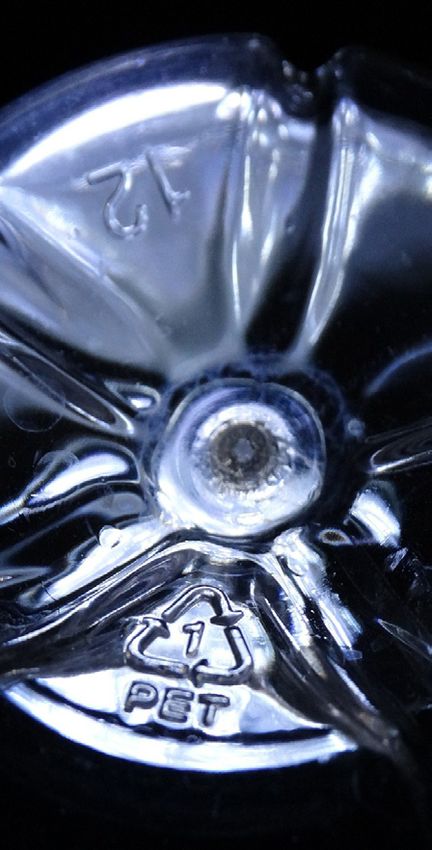
Plastic Tide Turners Challenge Badge | Toolkit

HOW LONG UNTIL IT’S GONE ?

Check out decomposition timelines of some of the items that we often use.

 Fastest to                                                                                                                         Slowest to
 decompose                                                                                                                          decompose

      TEA BAG                                                                                                                           WOOLEN
      1 month
                                                                                                                                        SOCK
                                                                                                                                        1 year
           BANANA
           SKIN
           6 weeks
                                 APPLE
                                 CORE
                                 2 months

  0                       2 months              4 months          6 months            8 months           10 months            12 months

          PLASTIC BAG
          20 years                                                                                                         MOBILE
             MAGAZINE                            PLASTIC                                                                   PHONE
             S                                   BOTTLE                                                                    1000 years
             50 years                            450 years

      0              200 years              400 years             600 years                  800 years               1000 years

                                                                                                                                                 7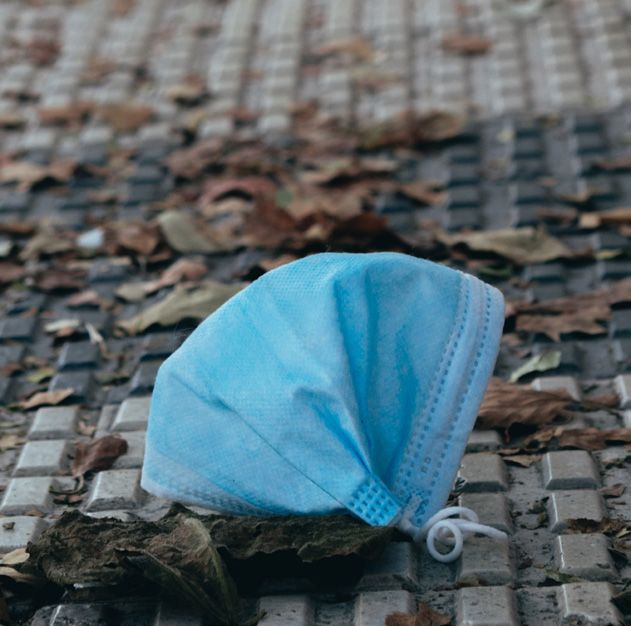
Plastic Tide Turners Challenge Badge | Toolkit

                    A

Challenge activities for                                                A.3      Let’s kick-The Plastic!
                                                                                 Adopting a sustainable consumption pattern not
youth (Individual users)                                                         only reduces our impact as plastic consumers on
                                                                                 the planet but also ensures the conservation of all
                                                                                 resources by means of responsible production and
                                                                                 consumption. Check out Zero waste Manual for
Badge Activities                                                                 some cool sustainable habits.

                                                                                 Zero waste manual : https://tide-turners.org/
Enough talking. It’s time to act. Here is the first set of
                                                                                 assets/Files/ZeroWasteManual.pdf
challenges to get you started on your Plastic Tide Turner
journey.

A. Entry level

These activities will get you thinking about how you can
                                                                               Every year, World Migratory Bird Day
reduce your use of single use or disposable plastics in
                                                                               presents an annual theme aiming to
your daily life and start getting others to do the same.
                                                                               raise awareness of issues affecting
                                                                               migratory birds and to inspire people
A.1    Sit tight! It’s movie night! : Watch this short
                                                                               and organizations around the world to
       informative film on plastic pollution.
                                                                               take measures for their conservation.
       The Plastic Ocean : https://youtu.be/ju_2NuK5O-E                        This year’s theme − “Protect Birds: Be
                                                                               the Solution to Plastic Pollution!” −
A.2    Never too late to evaluate : Did you know?                              will put the spotlight on the negative
       Half of all plastics we generate is thrown                              impact of plastic pollution on
       away approximately 20 minutes after a single                            migratory birds and their habitats.
       use. Let’s conduct a review of what all plastic
       products are part of your lifestyle and what
       changes can reduce your impact on the planet
       and its health.

                                                                           Did you enjoy the entry level challenge
       Provided below are some links to calculate
       your plastic footprint -                                            activities? Collect your badge and gear up
                                                                           for the leader level to step up!
       1. The Happy Turtle Plastic Footprint Calculator:
       https://www.thehappyturtle.in/plastic-foot-
       print-calculator-individual/
       2. Plastic Footprint Calculator by Omni Calcula-
       tor:
       https://www.omnicalculator.com/ecology/plas-
       tic-footprint
       3. My Little Plastic Footprint by Plastic Soup
       Foundation: https://www.mylittleplasticfoot-
       print.org/

 8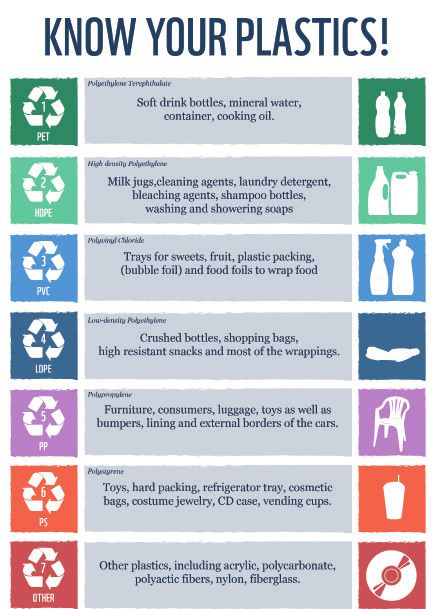
Plastic Tide Turners Challenge Badge | Toolkit

Background Information                                                      Around 11.1 billion plastic items are tangled in coral
                                                                            reefs—blocking their oxygen and light and releasing
                                                                            harmful chemicals.

                   Before you embark on the next level
   Learning
                   of challenges, let’s learn a bit more
  Outcome 1
                   about plastic pollution.
                                                                                Earth wants to know what feels so heavy
                                                                                The 300 million tonnes of plastic
                                                                                waste we produce each year,
Why does plastic pollution matter?                                              that’s what. That’s nearly the
                                                                                same as the weight of the entire
So, there’s tonnes of plastic. Why is that such a big deal?                     human population!
                                                                                Source: www.unenvironment.org/interactive/
Only because it hurts everyone on the planet.                                   beat-plastic-pollution

But don’t take our word for it.

Six ways plastic waste hurts the planet
                                                                            2. Spoiling our soil
1. Harming our marine friends
                                                                            Plastic waste takes its toll on land, too. Plastic from
Had a bad meal lately? Ocean animals say “join the club.”
                                                                            landfills leaks toxins into the soil and water, affecting
Many marine animals swallow plastic items or get
                                                                            the health of soil, plants, and soil dwellers like
trapped in them and often die as a result.
                                                                            earthworms performing                                     Kicking off a
                                                                            essential ecosystem                                       new look
                                                                            services. By entering the                                 Spanish football
                                                                                                                                      team Real
                                                                            soil, plastic—you guessed                                 Madrid’s new
                                                                            it—finds its way back to                                  kit is made
                                                                                                                                      completely from
                                                                            us via the crops we eat.                                  ocean plastic!
                                                                            Even cows have been
                                                                            known to eat plastic bags. In India as many as 20 bags
                                                                            per cow have been found inside cow stomachs.

                                                                                 While India is not a top global consumer of plastics11 Kgs
                                                                                 (https://bit.ly/2TTDdXK) of plastic are consumed per capita
                                                                                 compared with 110 Kgs in the U.S. it has poor rates(https://bit.
                                                                                 ly/2LgRVI3) of waste management.
                                                                                 Much of the country’s recycling
                                                                                 sector is informal and unregulated,
                                                                                 operating without government
                                                                                 oversight. Every day, India
                                                                                 generates 1.5 Crore Kgs (https://
                                                                                 bit.ly/2PE9Mr6) of plastic waste
                                                                                 of which only 90 Lakh Kgs are
                                                                                 collected and recycled, leaving the
                                                                                 rest to pollute water, clog drains,
                                                                                 kill cows and degrade soil.
                                                                                 Source: https://www.huffpost.
                                                                                 com/entry/single-use-plastic-ban-india_n_5b3a09b6e4b0f3
                                                                                 c221a28a07

                                                                                                                                                    9
Plastic Tide Turners Challenge Badge | Toolkit

3. Cranking up climate change                                                  5. Sick of plastic!

Yep, plastic is behind climate change, too. Plastic is                         When plastic bags block sewage systems, this results
made from petroleum and making plastic products                                in stagnant water that provides a breeding ground
accounts for around 8 percent of the world’s oil                               for mosquitoes and other pests. This situation can
production. That figure is       projected to rise to 20                       lead to the spread of malaria and other vector-borne
percent by 2050. Drilling for oil and processing                               diseases. (Source: Single-Use Plastics—A Roadmap for
it into plastic releases greenhouse gases into the                             Sustainability)
environment, which causes global warming and
                                                                              6. Costing us big bucks
hence contribute to climate change. And wait, there’s
more. Even when it’s just sitting around in seawater                          Cleaning up the plastic mess is expensive. In fact, we
and sunlight, plastic releases green house gases.                             spend billions each year
                                                                              dealing with waste.

                                                                              Single - use Plastic affects
                                                                              our economies in other
     No, you’re not hallucinating…                                            ways, too, for example
     The plastic waste items that can be used for                             by discouraging tourism.
     road construction are various items like plastic
                                                                              Who wants to go visit
     carrybags, plastic cups, plastic packaging for
     potato chips, biscuits, chocolates, etc.                                 places covered in plastic
     Source:https://www.thebetterindia.com/43685/plastic-                     waste?
     waste-in-road-construction-plastic-man-india-prof-
     vasudevan/                                                               According to the State of
                                                                              Plastics report, “Studies
4. Blocked drain, major pain                                                  suggest that the total economic damage to the world’s
                                                                              marine ecosystem caused by plastic amounts to more
We’re still going. Did you know that plastic waste                            than $8 billion every year.”
can cause flooding in cities? The thing is, plastic bags                      Source: http://worldenvironmentday.global/en/news/
clogs drains and waterways, which is a key cause of                           infographic-if-you-can%E2%80%99t-reuse-it-refuse-it

urban flooding in many countries such as India and
Bangladesh.

10
B
B.Leader level
This level might be a bit harder, but The Ministry of Environment, Forest and
the impact will be bigger, too! For Climate Change, India has notified the Plastic
Learning Waste Management (Amendment) Rules 2018
these challenges, you’ll team up with
Outcome
others and start making some noise which includes phasing out of MLP- Multi-
3&4
at school and at your home and even Layered Plastic is widely used in food packaging
in your community. industries. These rules came into existence
to give thrust on plastic waste minimization,
source segregation, recycling, involving waste
Get a score of 20 or higher and you’ll be ready for pickers, recyclers and waste processors in
the Champion Level challenges next! Don’t forget collection of plastic waste fraction either
to capture the activities in form of photographs
from households or any other source of its
and videos !
generation or intermediate material recovery
B1. Explore the treasure in your bin facility and adopt polluter pay principle for
the sustainability of the waste management
Conduct an audit of single use plastic (SUP) in your
system.
home. Analyse the pattern of use of SUP- which all
Source: http://www.indiaenvironmentportal.org.
plastic products reach your home, are they recyclable
in/content/454052/plastic-waste-management-
and how can you prevent it from entering your amendment-rules-2018/
home? Challenge yourself to reduce your home’s Reference : http://cpcb.nic.in/
plastic consumption before the end of your tide
turner journey.
DID YOU KNOW ?
B.2 Become a plastic waste management warrior Cigarette filters contain tiny plastic
fibres? In fact in a recent Global survey ,
Start collecting plastic waste and segregate it
Cigarettes were the most common
categorically as per different recycling grades.
type of plastic waste found in the
Identify a recycler* in your area and send your
environment. Other sneak plastic can
waste for recycling. Don’t forget to measure the
be found in chewing gum, clothing,
weight!
glitter and tea bags.
2. Take a quick look in your trash bin and see what is in there, or
Activity 1: Survey of plastics
write down items before you throw them away – a tally chart
next to the bin may be useful for this.
Objectives: 3. As the week progresses, keep track of the single-use plastic items
you use (either on paper or on your phone). You could also tally
Completion time: 7 days
up the numbers of each item you use. Do not miss including
Identify what plastics you are using
the single use plastic items that you may be using indirectly, for
Identify other single use or disposable plastics you encounter example your grocery may include plastic packaging which is
discarded after transferring it to a storage container.
Instructions: 4. Fancy something a little more challenging? Go one step
1. Go on a plastic journey – Make a note of all the single-use further and look at the various types of plastic and their uses.
plastic items you use throughout the day that are simply For example, a bottle lid and the bottle itself can be made of
thrown away. You can use these notes to create a tally chart different types of polyethylene terephthalate, also known as PET.
to record the number and types of items. You can also investigate how a piece of plastic gets from your
school into the ocean.
11Plastic Tide Turners Challenge Badge | Toolkit
Update the location of your recycler on google map
and link him/her with your community, locality or
society. Fact bulletin!
Starting with your house, encourage your neighbours
and community to start sending segregated plastic By 2050, there could be more plastic in
waste to this recycler. the ocean than fish by weight.
Since 2000, the world has produced the
* kabadiwala shop same amount of plastic as all the amount in
the preceding years combined.
How much plastic waste did you send for recycling?
Almost 75% of all plastic ever produced has
already become waste.
Did you identify a local recycler in your area (if yes,
Only 9% of plastic ever made has been
ask for name of local recycler and mobile no and recycled, only 10% of that has been recycled
address). more than once.
Plastic waste could be cut by 57% by
Which of the following actions were you able to phasing out single-use plastics and reducing
the plastic burden on our waste systems.
complete:
93% of bottled water analysed from nine
countries were found to have varying levels
Your family started plastic segregation and recycling
of microplastic contamination.
Along with your family, your neighbours joined your
initiative of segregation and recycling
Share with us how you got on with the
Along with your family & neighbours, your RWA/
challenge activities for leader level.
society started a waste segregation and recycling
Collect your badge and proceed with the
scheme (attach letter)
champion level. You’re just one step away
from earning your champion badge.
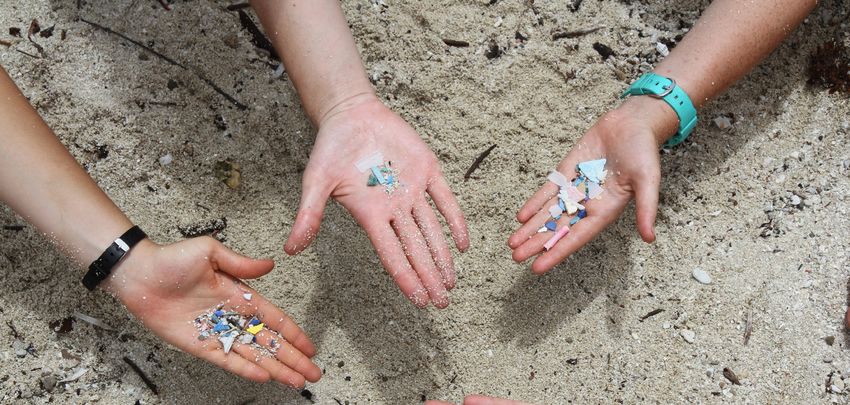
Plastic debris found on Milman Island, Queensland.
Image credits- WWF-Aus / Veronica Joseph
12Plastic Tide Turners Challenge Badge | Toolkit
Segregation at source is Integral to a good waste
Background Information management system. It improves collection and
processing efficiency.
How can the world solve plastic pollution?
So far, more than 60 countries have introduced
Governments need to create
strong policies that encourage national laws on plastic bags and Styrofoam
Learning a more circular way to design, products.
Outcome 2 produce and consume plastics.
They also need to make sure all
plastic products are properly
labelled so everyone knows
what can be recycled and how.
One of the most important aspects of sustainability is
achieving a circular economy. A circular economy is an
alternative to the traditional linear way that economies
work, in which we make stuff, use it, and dispose of it.
In a circular economy, we hang on to and use resources
for as long as possible, get the most value out of them,
and then find ways to recover and regenerate products
and materials.
They need to encourage and invest in research
and innovation for new solutions, and to raise When you count regulations at local levels as
awareness amongst everyone about reducing well, there are more than 140 laws around the
or cutting out single-use plastics. The businesses, world aimed at banning and discouraging the
corporates, RWAs and institutions need to use of plastic bags and Styrofoam.
enforce these policies at the local level and make
Mostly, it’s too soon to say if the laws are
sure that plastic is consumed and disposed
actually working. But in 30 percent of cases,
off responsibly. Tie up with local recyclers,
dramatic drops in plastic pollution and plastic
mandating waste segregation and periodic
bags usage have already been reported.
collection of waste by recyclers.
As India progresses towards a circular economy,
there is need to transition towards improved waste
Share! Show off! You’re a tide turner! management systems with increased emphasis on
Completed any of the challenges yet? Make sure you shout
about it and let the world know! What was fun about the information, education, and communication (IEC)
challenge? What was not so great? Did you learn something amongst its citizens on the issues relating to plastic
that surprised you? Did you inspire anyone else? We want
your photos, videos and stories! waste management.
Tag us at @UNEnvironment @WWFINDIA and @
CEE and use the hashtag #CleanSeas. Or email us at: Source: https://www.teriin.org/sites/default/
unenvironment-yea@un.org
files/2018-06/plastic-waste-management_0.pdf
13C
Badge Activities Atleast 200 people
Atleast 500 people
More than 1000 people
C. Champion Level: scale-up your
efforts
Learning
Get a score of 70 or higher to be a
Outcome
3,4 & 5 Champion ! Don’t forget to capture
the activities in form of photographs Creating behaviour change
and videos !
This level is for those who want to be Champions on Wanting to change the world (for better) is
always great but it’s never easy. Most people
Plastic. You will have had such success at the Leader are too slow to change .Turtle by the way is a
level, that you’re ready to scale-up your efforts to either an victim of disposable plastic bags - so many are
dying eating them thinking it is jelly fish .. Work
organization, community, city or national level to make an as a team and support one another. Before
even greater impact. These challenges require you to be: getting started, think hard about how to make
a) Innovative your projects successful.
b) inspiring The following may provide some food for
thought:
c) smart : focus on how you can have the
greatest impact Be specific. E.g., instead of saying “use less
plastic,” you could advise others to “start carrying
a reusable water bottle around.”
Action planning. Help the people you’re
C.1 Create a movement of change : working with create a realistic plan that can
work.
Evaluate any utility item that generates single use plastic Paying attention to current behaviour. It
helps when people start thinking about how
waste in your home. Research about the business they do things and how they could/should
company of that product about their practices (do they change.
practice circular economy? Do they have a buy back What’s getting in the way? Everyone has a
ton of excuses. No time, no money, not enough
policy?). Complete one or more of the following activities. info. Be prepared for this and arm yourself with
helpful alternatives and information.
Putting words into action. Talking about
stuff isn’t enough. Getting others to try things
Encourage the company to start a buy back scheme/ out for themselves helps them take the plunge
policy (to start taking the waste generated from their and has more impact.
products) Spending time in nature. Get your friends off
their phones and in the fresh air. Feeling more
connected with nature makes people want to
Influenced a company to start taking back the waste look after the planet and keep it beautiful.
generated from their products? Saying it out loud. Try to get others to make
public commitments about tackling plastic
pollution. Making promises makes it more likely
Tell us more about your experience, which company did they will keep their word.
you approach, how did you contact them and what was Share, share, share. Encourage everyone to
the result? spread the word through their networks and
communities. People are more likely to listen
to what a friend has to say than a politician or
Start a petition to encourage community to consume some random official.
sustainably produced products Keeping an eye on things. Making a start is
one thing, but how to make sure people keep
up their good behaviour? Follow up with them,
Tell us how did it go? How many people did you send them reminders, prompts, and maybe
encourage to sign your petition? : even start a system of rewards.
Adapted from Making It Count—Increasing
the Impact of Climate Change and Food
Security Education Programmes.
14Plastic Tide Turners Challenge Badge | Toolkit
C.2 Innovate to advocate for a sustainable future:
Be a champ! Turn your learnings and actions into a digital asset to educate others and continue your
advocacy efforts. Develop a short video, storybook, comic, gifs or anything artistic to spread awareness
about single use plastic.
What did you do? (Multiple selections allowed).
Developed education module (worksheets, activities,etc. on plastics for students).
Developed a video to spread awareness.
Developed a comic/ storybook/ Game/ GIFs or any other innovative education material.
*Using assets or other organizations or authors from the web is strictly prohibited and can lead to your
disqualification.
Great work! You’ve completed the Champion level activities.
Hey champ! You have earned it! Collect your certificate.
15Plastic Tide Turners Challenge Badge | Toolkit
D
Challenge activities for Eco Clubs
Steps to participate in the Tide Turners
Plastic Challenge:
1 - Register for Tide Turners Plastic Challenge on www. 7 - Develop an implementation plan to engage eco club
tide-turners.org as Eco Club. students to complete the challenge activities in a time
bound manner.
2 - Login using credentials i.e. login ID and Password.
8 - Fill the report in the provided template and upload it
3 - Book your seat to attend the eco club coordinators
online to proceed to next level.
online training from the provided calendar (You can
attend only one training. Re-scheduling is not allowed 9 - Eco coordinator/teacher will upload the report of the
therefore, pick a date which suits your schedule). activities completed by his/her eco club on the www.
tide-turners.org
4 - After attending the training, onboard the students of
your eco club on your dashboard on www.tide-turners. 10 - Eco coordinators/teachers will be provided a demo
org session on the website to understand the functionality
and reporting mechanism
5 - Download the tide turner toolkit for reference from
website, along with the reporting formats which need to
be filled in.
6 - Organize an orientation session for the students
of your eco-club. (you can assign a eco club head to
monitor the progress of the challenge activities and
report to you)
Incentive for Joining this Global
Movement
1 - Earn a certificate upon successful completion on the Tide Turners Plastic Challenge by your eco
club.
2 - Participating students will get a champion certificate upon completing all the activities.
3 - Participating students will also earn a digital badge upon completion of each level of the challenge
I.e. level 1, level 2 and level 3 respectively.
4 - Eco club coordinator will receive a Gold, Silver or Bronze certificate depending on the level of
engagement of the eco club students and the impact created by them.
5 - Best performing eco clubs will be invited and recognized at the tide turner summit.
16Plastic Tide Turners Challenge Badge | Toolkit
Eco club activities
Level 2
Leader
Level 1
Entry
A.2.1 Spread the word :
A.1.1 My Plastic Diary : Hey champ! Take a leap and share your learnings
with other students, your family or community.
Keep a ‘plastic diary’ and maintain it for seven days How about organizing a digital event to engage
(Monday-Sunday). Fill My Plastic Diary Activity students, families or communities to spread
with count of plastic waste that you or your family awareness and encourage action? Make a plan with
generates on a daily basis. Share your findings with your team or get some ideas from your teacher.
your teacher and other students in your club.
A.1.2 Movie time! :
You are one step away from
Learn about why single-use plastics are not Level 3
environment friendly and how they impact our becoming a Tide Turner Champion.
Champion Complete any one of the following
oceans and the planet.
level task to complete the challenge.
A.1.3 Be a champ :
A.3.1 Innovate or act :
Learnt something new! Awareness must lead
to action. Think and decide, what can you do Conduct an assessment to understand plastic
about reducing your or your family’s plastic waste issues in your surroundings (at home, school,
consumption. Tell your teacher about one action community etc) and write a report based on your
that you will take to use less plastic and help keep findings. Tip! You can conduct a survey of available
our oceans and cities free of plastic pollution. facilities or behavioural assessment of people etc.
My plastic diary
Maintain daily record of the number of single use plastic products listed below that you use each day
Monday Tuesday Wednesday Thursday Friday Saturday Sunday Add your total use here
Plastic bags
Plastic food wrappers from
chips/chocolates/other snacks
Non refillable pen
Chewing gums.
Ice cream container or other dairy
product in plastic packaging
Shampoo Sachets
Any other single use plastic
17AP
Appendices is now a pandemic affecting many countries globally.
The COVID-19 virus (also called SARS-CoV-2) is a
Appendix 1 new virus in humans. The possible animal source of
COVID-19 has not yet been confirmed but research is
ongoing.” -WHO
COVID-19 and plastics
A major period of the year 2020 has been spent battling
the pandemic, caused by Covid-19, a zoonotic disease. Face masks typically contain
polypropylene (PP), which, due to the
Let’s learn how the pandemic affects plastic pollution. microfibers’ hydrophobic composition,
acts as a protective layer against
bodily fluid droplets. Other more
intricate and expensive face masks
What is COVID-19?
include polyurethane (PUR) and/or
polyacrylonitrile (PAN).
“COVID-19 is the infectious disease caused by the
most recently discovered coronavirus. This new virus
and disease were unknown before the outbreak
began in Wuhan, China, in December 2019. COVID-19
Myths around plastic usage during COVID -19
Myths around plastic usage Single-use plastics have low risk of Virus stays on plastic surfaces for
during COVID -19 contamination shorter duration
There is no evidence yet, to prove that Single-use products are extending Virus stays on plastics for more than 72 hours (more
and amplifying the risk of COVID* than other surfaces), which makes single-use gloves
and masks more prone to spreading the disease
COVID-19 litter issues
Our streets, beaches and ocean have been hit by a tidal wave of COVID-19
waste including plastic face masks, gloves, hand sanitizer bottles and food
packaging (UNCTAD).
Physical distancing has also led to a flood of products delivered daily to
homes – wrapped in a plethora of packaging – as people turn to online
shopping and takeout services. (UNCTAD).
Plastic sacks of medical waste piling up outside hospitals, and used personal
protective equipment are found floating in coastal waters and washing up
on the world’s beaches. (World Economic Forum).
Many waste-management services have not been operating in full capacity,
owing to physical distancing norms and thus leading to slower disposal of
plastic waste. (World Economic Forum).
18Plastic Tide Turners Challenge Badge | Toolkit
for thousands of years.
Plastic Production during the COVID-19
Incorrect disposal and waste management have led to
Production of disposable masks and global sales has plastic products such as gloves, masks and hand sanitizer
seen a drastic increase from around $800 million in bottles being found in the natural environments.
2019 to $166 billion this year (UNCTAD). Improper management of household medical waste
Every month the world needs 89 million plastic will further spread the COVID-19 virus and put others,
medical masks, 76 million plastic examination masks including waste workers, at risk.
and 1.6 million plastic protective goggles (WHO).
Single-use Plastic Turns Hero in Corona Battle!
What is a zoonotic disease?
Plastics have become indispensable during the
pandemic. Face masks, gloves, Personal Protective A zoonosis is any disease or infection that is
Equipment (PPE), hand sanitizers, include plastic in their naturally transmissible from vertebrate animals to
humans.
production or packaging, or both. Single-use plastic
is now the safest protective material used by frontline There are over 200 known types of zoonoses.
workers in the health care sector, relief missions, stores Ebola, avian influenza (or bird flu), H1N1 flu virus
and online delivery services. (or swine flu), Middle East respiratory syndrome
(MERS), Rift Valley fever, sudden acute respiratory
As COVID-19 has spread to the developing world, with syndrome (SARS), West Nile virus, the Zika virus¬–
and now the novel corona virus or COVID 19 are
limited access to medical support, increased numbers
some examples of zoonotic diseases.
of cases will have to self-medicate at home. This has
Zoonotic pathogens may be bacterial, viral or
increased the use of protective material in households
parasitic, or may involve unconventional agents and
too. can spread to humans through direct contact or
through food, water or the environment.
Some zoonoses, such as rabies, are 100%
Increased use by the public preventable through vaccination and other
methods.
The use of face masks, gloves, hand sanitizers and the To know more: https://www.youtube.com/
increased dependence on foods and other products watch?v=2rr7u04m5Nc&feature=youtu.be
procured online, have also stepped up the generation I
of single-use plastic greatly.
Are We Heading Towards a Tsunami of Plastic
Pollutants?
COVID 19 can also spread, if the waste from infected
patient is not managed properly.
It is a fact that plastics waste constitutes a significant
portion of the total municipal solid waste (MSW)
generated in India.
Plastics are non-biodegradable and remain on earth
19Plastic Tide Turners Challenge Badge | Toolkit What Can You Do to Help? Become aware yourself and spread awareness. It is priority! Masks, gloves, and other bio-medical waste, discarded indiscriminately by the public, pose health hazards. Practise and encourage the use of reusable face masks, in combination with frequent hand washing with soap and water or an alcohol-based rub, that is packaged sustainably. Emphasize the importance of practicing safe measures like social or physical distancing, as well as avoiding touching the eyes, mouth, or nose. Educate your peers and community on the need to segregate waste, especially medical waste at home. It is instrumental in containing the spread of Covid-19, as well as limiting the amount of recyclable plastic waste from ending in landfills and oceans. Conduct awareness campaigns and give practical guidance based on WHO guidelines and Stockholm Convention guidance. Devise innovative ways to engage the community in actively containing the spread of COVID-19, as also reducing the generation of plastic waste. To access more know-how on safe disposal of household medical waste, refer to: https://wedocs.unep.org/bitstream/handle/20.500.11822/32775/FS7.pdf?sequence=1&isAllowed=y COVID 19 Waste Management FACTSHEET https://wedocs.unep.org/bitstream/handle/20.500.11822/32282/ COVIDWM.pdf?sequence=1&isAllowed=y 20
Plastic Tide Turners Challenge Badge | Toolkit

Appendix 2

What are world leaders doing about plastics?

Smile, y’all. We promised you good news and here it is. All                                 What do you do when someone tags you
over the world, people are joining forces to reduce plastic                                 in a photo that’s not your best?
                                                                                                 Unfriend. That’s also what many governments are
waste. Let’s check out some of what’s been happening.                                            deciding to do with single-use plastics.

                                                                                                 In Africa, 25 countries have introduced bans on
                                                                                                 plastic bags and more than half of them kicked
                                                                                                 off the ban between 2014 and 2017.

  The Food and Agriculture Organization is                                                       The European Union parliament has voted to
  working on better food packaging                                                               ban single-use plastics, and if all goes according
                                                                                                 to plan, it will take effect by 2021.
   A big share of plastic packaging comes from food in developing
  countries. The Food and Agriculture Organization of the UN (FAO)
                                                                                                 Costa Rica is on a mission to be the first country
  is working on ways to replace plastic packaging with packaging
  made out of biomass. This could include packaging made from
                                                                                                 in the world to eliminate single-use plastics by
  tree fibers, corn starch, potatoes and food waste. Making the switch                           2021.
  will help us move away from polluting plastics. It will
  also provide a nice circular solution, because when bio-                                       New York City, USA, banned all Styrofoam
  based packaging reaches its end-of-life stage it can be                                        products in 2017.
  used for composting.
                                                                                                 India has vowed to eliminate all single-use plastics
  Adapted from the FAO report Bio-based food
  packaging in Sustainable Development: www.bit.                                                 by 2022. In addition, several states and cities in
  ly/2t8m9RB                                                                                     the country have introduced bans on plastic carry
  Learn more about FAO’s work on creating                                                        bags and other plastic materials.
  a bio-based, reuse economy: www.bit.
  ly/2ROcxFS                                                                                     Japan is an interesting example, where, with
                                                                                                 no bans on single-use plastic, they
                                                                                                 still manage relatively little plastic
                                                                                                 pollution. How’re they pulling it off?
                                                                                                 Thanks to a very effective waste
                                                                                                 management system and a
                                                                                                 population that largely cares about
                                                                                                 the planet.

    UN Environment 				                                                                     Learn more about what
    Clean Seas campaigns                                                                    governments around the world
                                                                                            are doing about plastic in
                                                                                            Chapters 3 and 4 of Single-Use
                                                                                            Plastics—A Roadmap for Sustainability.

    #CleanSeas
    In February 2017, UN Environment launched the
    Clean Seas campaign to bring together governments, the
    general public and the private sector to fight marine plastic
    pollution. So far, more than 57 countries have joined the
    movement, and companies are entering the fray, too. In fact,
    Volvo Cars has announced that, starting in 2025, at least 25 per
    cent of the plastics used in new Volvo car models will come
    from recycled materials. Regular people can join, too! Find
    inspiration in the story of one young man who launched the
    world’s largest beach clean-up. Then take the pledge and join
    the movement.

                                                                                                                                                        21
Plastic Tide Turners Challenge Badge | Toolkit
Appendix 3
Working with partners: plugging into a bigger World Association of Girl Guides and Girl
effort
Scouts (WAGGGS) – Find exciting opportunities to
Another great way to have impact is by joining forces participate in global and regional events.
with others. Anyone can join in – the bigger the group, Visit https://www.wagggs.org for exciting
the bigger the change. Check out these organizations opportunities!
and initiatives that are working on reducing plastic World Organization of Scout Movement (WOSM)
waste. They would love some help from plastic tide – Find programs, events, and activities you can take
turners around the world. part in and learn more about inspiring others to
Centre for Environment Education (CEE), India – take action. Visit https://www.scout.org to take
Build on your knowledge of plastic waste with CEE’s action!
array of resources and find ways to get involved. Bharat Scouts and Guides (BSG) - 5.6 million
https://www.ceeindia.org. Bharat Scouts and Guides (BSG) have pledged to
Food and Agriculture Organization of the United #GiveUp their plastic woggles, a signature element
Nations (FAO) – FAO is working hard on different of the BSG uniform, as a part of the Earth Hour
solutions to plastic waste, including finding campaign, replacing it with more sustainable and
sustainable alternatives to plastic packaging. Get the eco-friendly options. Visit www.bsgindia.org
scoop on progress so far at www.fao.org World Wide Fund for Nature (WWF) – WWF has
a commitment to ‘No Plastics in Nature’ by 2030
FAO Youth and United Nations Global Alliance – If
and is driving consumer awareness on the impact
you care about the environment and development,
of plastics on people and nature. WWF is also
this is the place for you. Find loads of ways to get
working with companies on making commitments
involved and team up with young people around the
to recycling, reducing and finding alternatives to
world. Visit http://www.fao.org/yunga/resources/en/
plastics. Visit https://www.worldwildlife.org to
for more updates.
learn more.
Junior Achievement – Learn leadership and
other practical skills with help from Junior
Achievement’s range of programs. Visit https://www.
juniorachievement.org to learn more!
Planet or Plastic? – This platform from National
Geographic will help you learn more, find more
ways to reduce your use of single-use plastics
and take a global pledge. Learn more at https://
www.nationalgeographic.com/environment/
planetorplastic/
UN Environment – Get the latest on UN Environment’s
work on protecting the planet and get involved
through a range of different campaigns.
Visit www.unenvironment.org
22Plastic Tide Turners Challenge Badge | Toolkit
Appendix 4
Plastics and the SDGs
How are they connected?
The Sustainable Development Goals (SDGs) are a set of 17 goals that the international community identified as our
world’s most pressing needs, which we need to achieve by 2030 to nail a more sustainable future for everyone.
It’s not a stretch to say we can’t achieve the SDGs unless we get a handle on our plastics problem.
As you know by now, plastics endanger wildlife, threaten human health, worsen problems like climate change,
flooding, and disease, and cost our global economy billions each year. Good thing, then, that the people who designed
the SDGs included a whole bunch of goals that are directly linked to plastics.
With everyone buckling up and getting to work on the SDGs, there’s a lot of hope on the horizon that we’ll all do
something about plastic pollution and other global problems together.
The above SDGs are the ones most closely linked to plastic pollution. Learn more about specific targets within the
SDGs that are relevant to plastic pollution on page 21 of the publication:
Towards Responsible Use of Plastics—Reduce, Reuse, Recycle : https://bit.ly/2WCuTgx
23You can also read


