Welcome to the German Pavilion of the Federal Ministry of Transport, Building and Urban Development Tervetuloa Saksalaiseen Paviljonkiin ...
←
→
Page content transcription
If your browser does not render page correctly, please read the page content below
Welcome to the German Pavilion of the Federal Ministry of Transport,
                                                                             Building and Urban Development

                                                                  Tervetuloa Saksalaiseen Paviljonkiin Liikenteen Rakentamisen ja
                                                                              Kaupunkikehityksen Liittoministeriöltä

                                                                        Herzlich Willkommen im Deutschen Pavillon des
                                                                    Bundesministeriums für Verkehr, Bau und Stadtentwicklung

                                                                                                            “The sustainable development has worldwide an outstanding meaning as model
                                                                                                            for the future, especially in civil engineering. The Federal Government has a special
Building the future - Sustainable Building Strategies

                                                                                                            responsibility, because their buildings are in the public eye. Government recognizes
                                                                                                            its role model as awarding authority for building. The Federal Ministry of Transport,
                                                                                                            Building and Urban Development supported significantly the development of zero
                                                                                                            and plus energy houses with holistic solutions to connect modern architecture and
                                                                                                            electro mobility within the context of the research initiative Future Building. The
                                                                                                            buildings of future produce more energy as they need for their own operating, by
                                                                                                            integrating renewable energy extraction systems. The exhibition shows the high
                                                                                                            state of the technical development and gives suggestions for the implementation in
                                                                                                            practice.”
                                                        Dr. Peter Ramsauer
                                                        Federal Minister of Transport, Building and Urban
                                                        Development

                                                        The Federal Ministry of Transport, Building and Urban Development supplies with the reworked “Guideline for Sustainable Building”
                                                        an obligatory practical aid for sustainable planning, building and building of federal real property and buildings.

                                                        The Federal Building Authority has, with the “Assessment System for Sustainable Building”, a plan-
                                                        ning tool available, which implies and assesses sustainable aspects already in the beginning of the
                                                        planning phase and over the buildings entire life cycle. Sustainability is thereby no topic just for
                                                        exclusive buildings, but an indispensable social concept.

                                                                                                            Besides functionality, safety and efficiency, impor-
                                                                                                            tant political aims of building activities are the
                                                                                                            quality of architecture as well as sustainable and
                                                                                                            energy-efficient building design. This applies
                                                                                                            also the application of building materials, tech-
                                                                                                            nologies and procedures, monument protection
                                                                                                            and art in architecture. All this aspects should be
                                                                                                            implemented with the Federal Buildings.

                                                        Planning of the New Construction                                                                           Reference: TU Darmstadt, T. Ott
                                                        Umweltbundesamt, Berlin
                                                        Reference: Braun, Kerbl, Löffler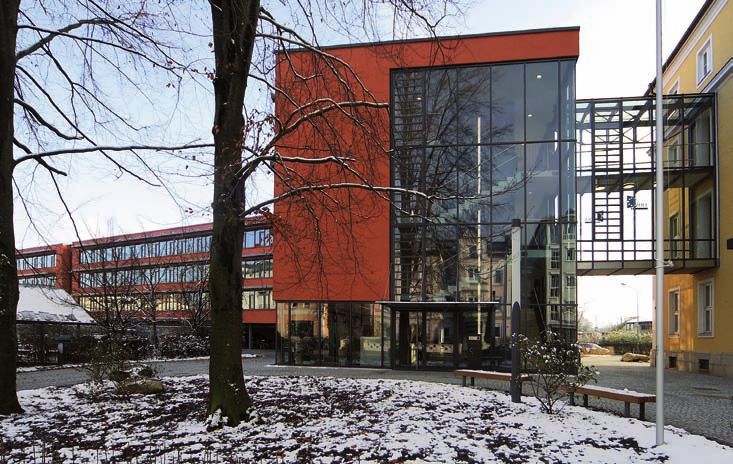
Centre of Competence
                                            Sustainable Building
Centre of Competence Sustainable Building

                                            within the
                                            Federal Institute for Research on Building, Urban Affairs and Spatial Development (BBSR)

                                            ► Scientific consultance and assistance to the Federal Ministry of Transport, Building and Urban Development (BMVBS),
                                              the “Round Table of Sustainable Building” and the task groups and committees

                                            ►   Development, implementation and further advancement of the „Assessment System for Sustainable Building“ for
                                                the buildings of the Federal Government (BNB) including office buildings, residential and educational buildings

                                            ► Scientific attendance of BNB pilot projects

                                            ► Education of „BNB-Coordinators“

                                            ► Public Relation
                                              - Support of the information platform “Sustainable Building” (www.nachhaltigesbauen.de)
                                              - Preparation and implementation of exhibitions
                                              - Scheduling and realisation of conferences and events, including documentation and publication
                                              - Transfer of knowledge through public lectures

                                            ►   Organisation of the “Round Table of Sustainable Building”

                                            e-mail contact:

                                            nachhaltiges-bauen@bbr.bund.de
Federal Government                                                             Parliament
National Sustainablility Strategie by the German Federal Government

                                                                      Committee of Governmental                                                    Parliamentary                                      Federal
                                                                                                              Council for Sustainable                                                Peer
                                                                       Secretaries for Sustainable                                               Advisory Council for                               Agency for
                                                                                                                  Development                                                       Review
                                                                             Development                                                      Sustainable Development                                Statistics

                                                                                            Civil dialogue
                                                                                                                             Own                                         Demonstration
                                                                                             sustainable                                      Research Projects
                                                                                                                          Initiatives                                      Projects
                                                                                            development

                                                                                                    Federal Building
                                                                               Public                                                   Industry             Associations                    Research
                                                                                                      Authorities

                                                                                               Guideline for                     Round Table                        Assessment System for
                                                                                           Sustainable Building              Sustainable Building                    Sustainable Building

                                                                                     Federal Ministy of Transport, Building and Urban Development (BMVBS)
                                                                             Construction                   Research                     Support                   Advice                    Regulations

                                                                      In 2002 the Federal Government passed the national Sustainabi-          2001. It consists of representatives of the building sector, industry,
                                                                      lity Strategy under the title „Perspectives for Germany“. Targets       chambers of architects and engineers, relevant building authori-
                                                                      are the areas „generational equality“, „quality of life“, „social       ties and the sciences.
                                                                      cohesion“ and „international responsibility“. Furthermore the
                                                                                                                                              The „Committee of Governmental Secretaries for Sustainabi-
                                                                      four fields of action energy and climate protection, transport, agri-
                                                                                                                                              lity Development“ implement the national sustainability stra-
                                                                      culture as well as global responsibility measures were named.
                                                                                                                                              tegy into concrete action. To its tasks it also belongs to develop
                                                                      Already 2001 the Council for Sustainable Development was                the national Sustainibility Strategy further on its content and
                                                                      founded by the Federal Government. The Councils maintasks               to check the state of implementation. Moreover the commit-
                                                                      are to advise the Federal Government in Sustainability and the          tee is the main person of contact for the governmental advisory
                                                                      dialogue with the different interest groups. The Council gives          council for sustainable development, which was constituted
                                                                      recommendations to the Federal Government and names con-                in 2010, for the Federal States and the national local-authority
                                                                      crete fields of action. The Council gives statements about current      organisations.
                                                                      topics, gives scientific studies in order and helps spreading the
                                                                                                                                              By means of 21 indicators, the sustainability will be constantly
                                                                      model of Sustainability in the public. The public is invited to par-
                                                                                                                                              observed and assessed by the Federal Agency for Statistics. At
                                                                      ticipate actively in the „civil dialogue sustainable development“
                                                                                                                                              regular intervals progress reports and indicator reports are crea-
                                                                      to develop the national Sustainability Strategy further on.
                                                                                                                                              ted. In 2009 a peer review was instructed, the report „Sustainabi-
                                                                      To support the Federal Ministry of Transport, Building and Urban        lity - Made in Germany“ was created by experts of Sustainability,
                                                                      Development in implementing sustainable building activities,            climate and economy from seven countries with organisational
                                                                      the Round Table Sustainable Building was founded in December            support by the Council for Sustainable Development.
The responsibility for the Federal Government´s civil building The “Guidelines for the Realisation of Federal Building Measu-
in Germany and overseas lies with the Federal Ministry of Trans- res” (RBBau) set out the responsibilities and procedure for fede-
port, Building and Urban Development. This includes the initia- ral building measures.
tion of research projects, the supply of funding, the advice of Fede-
The Federal Office for Building and Regional Planning (BBR) is
ral states and communes as well as the development of rules.
responsible for building matters for the constitutional bodies,
An important issue is the development of sustainable buildings, the highest federal authorities and civil building matters over-
because the main parts of our energy- and resource consump- seas as well as for buildings in Berlin and Bonn.
tion, of the emissions but also of the consumption of our const-
All other federal buildings in the german territory are dealt
ructed area are determined by real estate and transport.
with by the building authorities of the federal States by means
At the same time the federal buildings are in public interest, thus of administrative agreements between the Federal Government
lending them a special function as role models. and the Federal States (based on fiscal administration law).
Federal Building Authority - Coordination of Sustainability
Federal Ministry of
Federal Ministry
Transport, Building and
of Defense
Urban Development BMVg
BMVBS
Supreme demand side
- Institute for Federal Real Estate (BImA)
- Federal Ministries
demand side / User
- Federal Offices
- Embassies
Documentation, Certificate
Federal Building Authority
- other public facilities on a federal level
Federal Office
Building Authorities of
for Building and the Federal States
Regional Planning
BBR Preliminary Planning
Basis for Decision (DE-Cons)
Coordination of Sustainability
in the Planning Phase Draft Documents „Construction“ (DD-Cons)
Sustainability Coordinator
Detailed Design
Final Delivery / Initial Operation
Sustainability Assessment
Conformity Testing
until the end of 2011 in BBSR, Division II5, as from 2012 in the Federal Building Authority
The performance of the coordination of sustainability in the Within the framework of the implementation of the Guideline
planning phase, the assessment and the conformity testing is and the Assessment System for Sustainable Bulding, further
an ongoing task of the Federal Building Authority. Until the end training was offered to users in the respective operative build-
of 2011 the BBSR executes the conformity testing on an interim ing authorities.
basis.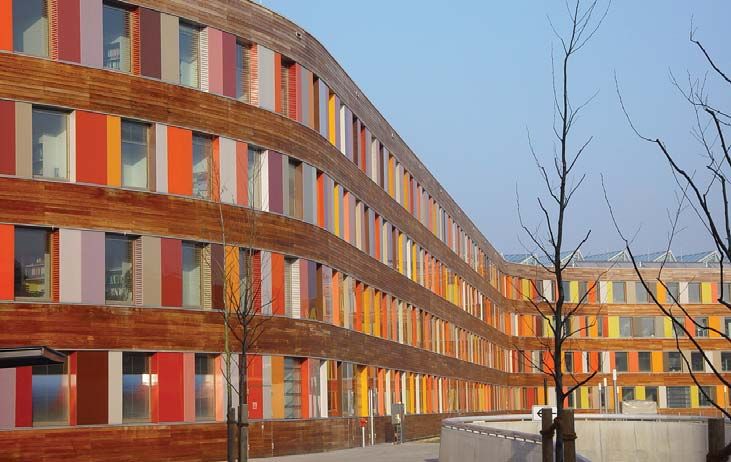
Leitfaden Nachhaltiges Bauen

                                                                                     General                                  Part A                    Part B                           Part C                      Part D
                                                                                                                      Basic Principles of          New Buildings                 Operation + Maintenance          Building Stock
                                                                             Goals of Sustainable Building
                                                                                                                     Sustainable Building     (Administration Buildings)         (Adminstration Buildings)   (Administration Buildings)
Guideline and Assessment System for Sustainable Building

                                                                completed
                                                                                                       Usability                               BNB_New Buildings                     Module A1                BNB_Building Stock
                                                                in process                                                                           Office and                       Operation and                Office and
                                                                                                Regardless of Building Type
                                                                                                                                               Administration Buildings               Maintenance            Administration Buildings

                                                           In the year 2001 the Federal Ministry of Transport, Building and                                         ned for the first half of 2012. Moreover it serves as a working aid
                                                           Urban Development (BMVBS) introduced the first “Guideline for                                            for the implementation of the holistic approach in connection
                                                           Sustainable Building” which provides a clear statement of requi-                                         with federal building activities for which the application of the
                                                           rements for the building sector, influenced by the final report of                                       guideline is mandatory. It can also be used by other awarding
                                                           the committee of inquiry “Protection of People and the Environ-                                          authorities for construction, such as the Federal States, munici-
                                                           ment“ in 1998. The Guideline for Sustainable Building updated in                                         palities or the private sector.
                                                           2011 offers in a first step a concrete practical aid for the planning
                                                           and the construction of federally owned properties. The structu-                                         The reissue of the Guideline for Sustainable Building integrates
                                                           ral maintenance, the operation and the utilisation (Part C and D)                                        a method for a sustainable assessment - the BNB - for the first
                                                           are still in process and the imlementation of these parts is plan-                                       time and defines the silver-level as a minimum requirement.

                                                                             BNB_New Buildings                  BNB_Building Stock            BNB_New Buildings                 BNB_New Buildings                 BNB_ODF
                                                                                    Office and                           Office and             Residential Buildings
                                                                                                                                                                                   Education Buildings           Outdoor Facilities
                                                                              Administration Buildings             Administration Buildings        (blocks of flats)

                                                                completed
                                                                in process
                                                                                                      Modul A1
                                                                                               Operation and Maintenance

                                                           The BNB is an “Assessment System for Sustainable Building”                                               buildings and outdoor facilities are being developed, as well
                                                           especially for federal buildings. The existing assessment profil                                         as a system for existing buildings. Furthermore, it shall be con-
                                                           for new office and administrative buildings will be further                                              tinuously revised to reflect results of current research and to
                                                           developed for application with other types of buildings and                                              accommodate changes in the area of statutory regulations,
                                                           kinds of utilisation. Consequently, benchmarks and specific                                              standardisation and the “Round Table Sustainable Building”.
                                                           requirements for new built residential buildings, educational
Announcement about using and acceptance of
assessment systems for sustainable building
In April 2010 the Federal Ministry of Transport, Building the ministry. The idea of the announcement is the installation
and Urban Development has announced several informations of a high standard of sustainability to the building sector in ger-
about the using-conditions of the BNB-System for provider of many. The review and recommendation of private assessment
the private sector and rules for acceptance and recommenda- systems by the Federal Government, is the first effort for a trans-
tion of private assessment systems for sustainable buildings by parent policy and quality control.
The announcement is structured in three main-parts:
General
Using-conditions of the Assessment System for Sustainable
Building (BNB)
National Quality Requirements for Assessment Systems
Acceptance of different assessment systems
Part I: General
Information about complexity of assessment systems
Informations about the holistic approach
Informations about the BNB and using the logo (“N”) for
private stakeholders
Conditions of review BBSR / BMVBS
Acceptance of different building profiles
Requirements for not acceptance
Part II: Using-conditions of the Assessment System for Sus-
tainable Building (BNB)
Requirements for the education of auditors
Requirements for certifying bodies
Using the logo (“N”)
Quality Control
Part III: Acceptance of different assessment systems Accepted Stakeholders
Requirements for the hole assessment system for part II: Steinbeis-Transfer-Institut, BNB
Ecological quality requirements for part III: German Sustainable Building Council (DGNB),
Economical quality requirements building profile for new office buildings
Social-cultural and functional quality requirements
Technical quality Requirements
Requirements for the assessment of the process quality
In verification
Requirements for the describtion of local profiles
Requirements for the education of auditors for part III: German Sustainable Building Council
Requirements for certifying bodies (DGNB), building profiles for new hotels, office building
Quality control refurbishment, new industrial and retail buildings
30

                                                                                  9    18                                                                                                               19

                                                                                  20                                                                                                                    1

                                                                                                                                                                               4 32                     10     11 34

                                                                                                                                                                                                             © Braun-Kerbl-Löffler
                                                                                                                                                                                                               Architekten + Ingenieure

                                                                             2                                                                                               26                         35    36
Federal Sustainable Buildings “Made in Germany”

                                                                                                                                                                            © Architekten von Gerkan,
                                                                                                                                                                              Marg und Partner

                                                                        21        12                                         3 13 31

                                                                   22

                                                       23     14             27

                                                       5 33   15   16                        24                                                                                8

                                                                                            © Gerber Architekten, Dortmund

                                                       28     29   37

                                                                        6

                                                                                                                                        25

                                                                                                                                       © Architekturbüro Ferdinand Heide
                                                                                                                                       Bild:Staatliches Bauamt Regensburg

                                                                                                                             38

                                                                                                                                          7
                                                                                                                                                                                                                                          Picture credits (if not stated otherwise): Federal Office for Building and Regional Planning

                                                                                              17

                                                                                            © Kaj Müller Architekten
Implementation and application of the Assessment System for Sustainable Building
In 2008, the Federal Ministry of Transport, Building and Urban A degree of fulfilment of 65%, corresponding to Category Silver,
Development (BMVBS), in co-operation with the German Sus- is targeted. Starting from the basis of the present system, sus-
tainable Building Council e. V. (DGNB), and with the scientific tainability assessment will be further developed for additional
support of the Federal Institute for Research on Building, Urban utilisation categories, building stock, outdoor facilities and for
Affairs and Spatial Development (BBSR), developed a national the utilisation and operation of buildings and properties. These
assessment system for the new construction of office and admi- systems are evaluated in pilot applications. The existing assess-
nistration buildings. With the introduction of the revised Gui- ment system for the new construction of office and administra-
deline for Sustainable Building 2011, the federal government tion buildings is individually adjusted to the special prerequisi-
undertakes to apply the Assessment System for Sustainable Buil- tes, requirements and objectives of the various categories. The
ding (BNB) for the new construction of non-military federal buil- results will be published on the information portal www.nach-
ding projects. haltigesbauen.de.
BNB_New Buildings BNB_Building Stock
Office and Administration Buildings Office and Administration Buildings
The assessment system was evaluated in two pilot phases with The pilot phase for the assessment of comprehensive measures
a total of eight government buildings. With the introduction of involving existing buildings with a total of three projects is expec-
Federal Sustainable Buildings “Made in Germany”
the Guideline, the BNB is currently being applied in nine new ted to be completed at the beginning of 2012. Two buildings cur-
building projects, starting with the early planning phase. rently undergoing renovation will be monitored by the system.
1 Paul-Wunderlich-Haus Eberswalde Completion 2007 26 Umweltbundesamt Berlin-Bismarckplatz Planning stage
2 Regionshaus Hannover Completion 2007 27 Bundessozialgericht Kassel Completion 2010
3 Umweltbundesamt Dessau Completion 2005 Bundesministerium für Ernährung,
28 Bonn Completion 2002
Landwirtschaft und Verbraucherschutz
4 Bundesamt für Strahlenschutz Berlin Completion 2009
29 Bundesamt für Landwirtschaft und Ernährung Bonn Completion 2004
5 Bundesministerium für Gesundheit Bonn Completion 2007
30 Deutsche Botschaft Washington Completion 2014
6 Institutsgebäude Darmstadt Completion 2004
7 Hauptzollamt Rosenheim Completion 2007
8 Justizzentrum Chemnitz Completion 2008
9 Hauptzollamt Hamburg Completion 2011
BNB_Module_Operation and Maintenance
The evaluation of the system is taking place at three projects
10 Bundesministerium für Bildung und Forschung Berlin Completion 2014
which had already been assessed in 2008 in the first pilot phase.
11 Umweltbundesamt Berlin-Marienfelde Completion 2019
Intriguing findings are anticipated from the assessment, e.g. of
12 Bundesamt für Strahlenschutz, Extension Building Salzgitter Planning stage
actual consumption under real-life conditions, which is expec-
13 Umweltbundesamt, Extension Building Dessau Planning stage
ted to be published at the beginning of 2012.
14 Deutsches Zentrum für Luft- und Raumfahrt Köln Planning stage
15 UN Campus Bonn Planning stage 31 Umweltbundesamt Dessau Completion 2005
16 Bundesamt für Justiz Bonn Completion 2016 32 Bundesamt für Strahlenschutz Berlin Completion 2009
Garmisch-
17 Finanzamt Completion 2011 33 Bundesministerium für Gesundheit Bonn Completion 2007
Partenkirchen
BNB_New Buildings_Education Facilities
The BNB was adjusted for the assessment of education facilities.
The pilot phase involving a total of seven buildings is expected BNB_Outdoor Facilities on Federal Properties
to be completed in the first quarter of 2012. Five projects are included in the evaluation of the newly deve-
loped assessment system for outdoor facilities on federal pro-
18 Technologiezentrum Holz Hamburg Completion 2011
perty. The results are expected to be presented at the begin-
19 Lehrsaalgebäude Uckermark-Kaserne Prenzlau Under construction
ning of 2012.
20 Bildungs- und Gemeinschaftszentrum Hamburg Completion 2011
21 Campus Handwerk Bielefeld Completion 2015 34 Umweltbundesamt Berlin-Marienfelde Completion 2019
22 Grundschule Lünen Completion 2011 35 Bundesministerium für Wirtschaft und Technologie Berlin Completion 2000
23 Volks- und Musikhochschule /Studienzentrum Neuss Completion 2011 36 Innenhofgestaltung Deutscher Bundestag Berlin Completion 2011
24 Hörsaal- und Laborgebäude Erfurt Completion 2011 37 Bundesamt für Naturschutz Bonn Completion 2006
25 Hörsaal- und Verfügungsgebäude Regensburg Completion 2011 38 Pinonierschule Ingolstadt Completion 2009
A wide variety of information on the subject of sustainable buil-
ding is available at the Internet portal www.nachhaltigesbauen.
de of the Federal Ministry of Transport, Building and Urban Deve-
lopment (BMVBS).
Information Portal Sustainable Building | www.nachhaltigesbauen.de
Here, general explanations and statements regarding sustaina-
ble building can be found as well as information about federal
guidelines and working aids. Furthermore, the Assessment Sys-
tem for Sustainable Building is explained alongside extensive
data for use as a basis for sustainability assessment. This offering is
supplemented by information regarding research topics, current
events and an array of good examples for sustainable building.
The information is as a rule available public. For the members of
the Round Table of Sustainable Building there is a seperate login
access available for additional information.
GUIDELINES & WORKING AIDS
Different federal guidelines and working aids
with various topics, e.g.
News Sustainable Building
Fire Protection
Recycling
...and many more
Sustainable Building
LIFE CYCLE DATA BASES
Guidelines and Working Aids ÖKOBAU.DAT.
Datensatz: 7.3.4 Fugendichtungsbänder
Datensatzinformation
Referenzjahr
Name
Technisches
Anwendungsgebiet
Datensatz:
Kerninformation des Datensatzes
Geographische
Repräsentativität
Butyl;6.1.2
DE
2005
(de)Abwasserrohr PP;Datensatz:
Inhalt: Datensatzinformation - ModellierungInhalt:
und Validierung
Basisname Name
(de)
Datensatzinformation
Datensatzinformation
Referenzjahr
7.3.4 Fugendichtungsbänder Butyl
Technisches
Fugenabdichtung
Anwendungsgebiet
5.4 Fassadenfarbe Voranstrich
- Umweltindikatoren
- ModellierungInhalt:
Kerninformation des Datensatzes
Geographische
Repräsentativität
Datensatz:
und Validierung
DE
2005
Silikat-Dispersion;
Datensatzinformation
- Umweltindikatoren
Datensatzinformation
Referenzjahr
Name
Basisname
6.1.2 Abwasserrohr PP
Technisches
(de) Datensatz:
4.1.2 Bewehrungsstahl;
Rohr zur Abwasserdurchleitung
Anwendungsgebiet
(de) 3.1.1 Schnittholz Buche (12% Feuchte/10,7%Datensatz:
- ModellierungInhalt:
und Validierung
Datensatzinformation
Kerninformation des Datensatzes
Geographische
Repräsentativität
DE
- Umweltindikatoren
2005
Basisname
Datensatzinformation
Name
Referenzjahr
H2O); 739 kg/m3 bei 12% Holzfeuchte (de)
- Modellierung Datensatzinformation
Kerninformation des Datensatzes
Geographische
Repräsentativität
Basisname
5.4 Fassadenfarbe Voranstrich Silikat-Dispersion
Technisches
DE
2.21 WDVS VerklebungDatensatz:
und Validierung - Umweltindikatoren
2002
4.1.2 Bewehrungsstahl
Voranstrich als Putzgrund, Verbrauch ca.Bewehrungsstahl,
Anwendungsgebiet
300 g/m2 je Anstrich
und Beschichtung
Technisches
1.1.01 Zement
Anwendungsgebiet
Fluss
Kerninformation des
Datensatzes
Anwendungshinweis für
Datensatz
Kratzputz
Kerninformation des Datensatzes
Geographische
Repräsentativität
Referenzjahr
Name
(Durchschnitt);
DE
mineralisch;(de)
2007
Datensatz beinhaltet die CO2-Aufnahme
Betonstabstahl, BStÖkobilanz
35,18 kg/m2 (de)
Inhalt: Datensatzinformation - Modellierung und Validierung - Umweltindikatoren
Inhalt: Datensatzinformation - ModellierungInhalt:
Datensatzinformation
Kerninformation des Datensatzes
Geographische
Basisname; Technische Kennwerte/ Eigenschaften
Repräsentativität
3.1.1 Schnittholz Buche (12% Feuchte/10,7%
Schnittholz Buche (12% Feuchte; 10,7% H2O)
1 m3 (Volumen)
Name
und Validierung
DE
H2O); 739 kg/m3 bei 12% Holzfeuchte
Schnittholz für Bauanwendungen - Schnittholz Buche mit 660 kg/m3 Dichte atro
Referenzjahr
Datensatzinformation
2002
- Umweltindikatoren
- Modellierung und Validierung - Umweltindikatoren
Datensatzinformation
Kerninformation des Datensatzes
Geographische
Repräsentativität
Referenzjahr
Name Kennwerte/ Eigenschaften
Basisname; Technische Basisname
2.21 WDVS Verklebung und Beschichtung
im Wald. Es muss zwingend immer ein entsprechendes End-of-Life-Scenario
500 ergänzt werden. Im Falle der Verbrennung
Anwendungsgebiet
Wärmedämmverbundsystem
ist der Datensatz "Holz, naturbelassen
1.1.01
Kratzputz
Zement
mineralisch;
DE
2006
(Durchschnitt)
(Verbrennung, Verrottung, Deponie) für eine vollständige
Anwendungsgebiet
in MVA" zu verwenden. für Fassadenanwendungen
Hydraulisches Bindemittel
35,18 kg/m2
Der vorliegende Datensatz ist bereits mit einem Sicherheitszuschlag von 10% auf die Ergebnisse versehen, da kein unabhängiges Review vorliegt. Das Umweltprofil beinhaltet die
Aufwendungen für die Lebenszyklus-Stadien "Cradle to Gate". Es basiert hauptsächlich auf Literaturrecherchen und direkten Datenerhebungen der Industrie. Der Cradle to gate-
Technisches Technisches
Gliederung Produktgruppe () Klassifizierung / Ebene / Ebene / Ebene
Fluss Fugendichtungsbänder
Fluss Abwasserrohr
FlussPP Fluss
Voranstrich (Kunstharz) Bewehrungsstahl Prozesse / 3 Holz / 3.1 Vollholz / 3.1.1 Fluss
Bau-Schnittholz Fluss
WDVS Verklebung und Beschichtung Zement
Kerninformation des Kerninformation des Kerninformation des Kerninformation des Kerninformation desset) PE INTERNATIONAL Kerninformation des
1 kg (Masse) 1 kg (Masse) 1 kg (Masse) 1 kg (Masse) Urheberrecht? Ja Eigner des Datensatzes (contact data 1 qm (Fläche) 1 kg (Masse)
Datensatzes Datensatzes Datensatzes Datensatzes Datensatzes Datensatzes
Quantitative Referenz
Anwendungshinweis für Der vorliegendeAnwendungshinweis
Datensatz ist bereitsfür Anwendungshinweis
mit einem Sicherheitszuschlag
Der vorliegende Datensatz
von 10%istauffür
bereits
dieDer
Ergebnisse
mitvorliegende Anwendungshinweis
einem Sicherheitszuschlag
Datensatz ist bereitsvon mit
10%Der
einem
auf
vorliegende
die
Sicherheitszuschlag
Ergebnisse
Datensatz istvon
Referenzfluss (Name bereits
und10% mit
aufeinem
dieBuche
Schnittholz Ergebnisse
SicherheitszuschlagAnwendungshinweis
von
(12% Feuchte; 10,7% H2O) - m3 10% auf die
(Volumen)
fürErgebnisse
Der vorliegende
versehen, Anwendungshinweis
Datensatz ist bereits mitDas einem vorliegende
Sicherheitszuschlag
Umweltprofil vonbeinhaltet
10% aufdiedieAufwendungen
Ergebnisse für die Lebenszyklus-Stadien "Cradle to Gate".
Einheit)
Datensatz versehen, da keinDatensatz
unabhängiges Review vorliegt. versehen, Datensatz
Das Umweltprofil
da kein beinhaltet
unabhängigesdie Aufwendungen
Review
versehen,vorliegt.
dafür fürunabhängiges
kein
Das
die Datensatz beinhaltet
Umweltprofil Reviewda vorliegt.
die
keinAufwendungen
unabhängiges
Das Umweltprofil Review beinhaltet
vorliegt.dieDas Aufwendungen
Umweltprofil beinhaltet
für dieDatensatzdie Aufwendungen fürversehen, die Lebenszyklus-
da kein fürunabhängiges
Datensatz ReviewEs vorliegt.
repräsentiert
Das Umweltprofil
Zement durchschnittlicher
beinhaltet die Aufwendungen
Zusammensetzung
für dieund Festigkeit.
Zeitliche Repräsentativität
Lebenszyklus-Stadien "Cradle to Gate". Es basiertfürhauptsächlich
die Lebenszyklus-Stadien
auf Literaturrecherchen
"Cradle Lebenszyklus-Stadien
to und
Gate".
direkten
Es basiert hauptsächlich
"Cradle to Gate" aufund
Stadien
Literaturrecherchen
Verarbeitung.
"Cradle toEsGate".
basiertEs hauptsächlich
basiert hauptsächlichauf Literaturrecherchen
auf Literaturrecherchen und direkten Datenerhebungen Lebenszyklus-Stadien "Cradle to Gate" für Kleber, Armierung, Gewebe und Putz. Nicht im Datensatz
Zeitliche Gültigkeit des Gliederung
Datenerhebungen der Industrie. und direkten Datenerhebungen der und Industrie.
direkten Datenerhebungen der Industrie. der Industrie. ZurDatensatzes
Herstellung von Bewehrungsstahl
2011 wird überwiegend Schrott als Rohstoff enthalten
verwendet. sindDa die Aufwendungen für denKlassifizierung
Dämmstoff. Der / Ebene
Datensatz / Ebene / Ebene
basiert hauptsächlich auf direkten
sich das Recyclingpotential Produktgruppe
der Industrie.()
Erläuterungen zuraus der Differenz des Schrottes nach der Nutzung und der eingesetzten
zeitlichen Datenerhebungen Prozesse / 1 Mineralische Baustoffe / 1.1 Bindemittel / 1.1.1 Zement
Gliederung Klassifizierung Gliederung Produktgruppe
/ Ebene / Ebene / Ebene () Gliederung
Klassifizierung / Ebene / Ebene / Ebene Klassifizierung / Ebene / Ebene Schrottmenge berechnet,
Jährlicher Durchschnitt
ist für diesen Datensatz kein Recyclingpotential anzusetzen (Recyclingpotential =
Repräsentativität
Produktgruppe () Produktgruppe () 0). Technische Repräsentativität Gliederung Klassifizierung / Ebene / Ebene
Prozesse / 7 Komponenten Fenster und Fassaden Prozesse
/ 7.3 Dichtungskomponenten
/ 6 Kunststoffe / 6.1 Rohre
/ 7.3.4
Prozesse
/ 6.1.2 Abwasserrohre
/ 5 Beschichtungen / 5.4 Fassadenfarben
Technische Beschreibung Produktgruppe () Urheberrecht? Ja Eigner des Datensatzes (contact data set) VDZ
Fugendichtungsbänder Prozesse
Schnittholz /entstehen
2 Dämmstoffe / 2.21
ReiheWDVS
Data base with generic information on the
Schnittholz wird aus Stammholz mit verschiedenen Abmessungen gewonnen. Neben im Sägewerk eine von Nebenprodukten, wie Rinde, Hackschnitzel,
Gliederung inklusive der
Klassifizierung / Ebene / Ebene / Ebene
Hintergrundsysteme
Holzspäne und Sägemehl. Das Schnittholz ist entrindet, geschnitten, technisch getrocknet, sortiert und schließlich verpackt.
Urheberrecht? Ja Eigner desUrheberrecht?
DatensatzesProduktgruppe
(contact
Ja data() set) des
Eigner Datensatzes (contact
PE INTERNATIONAL data set) PE INTERNATIONAL Quantitative Referenz
Prozesse / 4 Metalle / 4.1 Stahl / 4.1.2 Bewehrungsstahl
Flussdiagramme/Abbildungen
Urheberrecht? Ja Eigner des Datensatzes (contact data set) PE INTERNATIONAL (source data set) Urheberrecht? Ja Eigner des Datensatzes (contact data set) PE INTERNATIONAL
Quantitative Referenz Quantitative Referenz Referenzfluss (Name
Zement - kg (Masse)
Quantitative Referenz Urheberrecht? Ja Eigner des Datensatzes (contact data set) Referenz
Quantitative PE INTERNATIONAL und Einheit)
Referenzfluss (Name und Referenzfluss (Name
Abwasserrohr PP - kg (Masse) Voranstrich (Kunstharz) - kg (Masse) Zeitliche Repräsentativität
Referenzfluss (Name Einheit) und Einheit) Quantitative Referenz Referenzfluss (Name
Fugendichtungsbänder - kg (Masse) WDVS Verklebung und Beschichtung - qm (Fläche)
und Einheit) und Einheit) Zeitliche Gültigkeit des
Zeitliche Repräsentativität Zeitliche Repräsentativität Referenzfluss (Name 2011
Zeitliche Repräsentativität Bewehrungsstahl - kg (Masse) Zeitliche Repräsentativität Datensatzes
Zeitliche Gültigkeit des Zeitliche Gültigkeit des und Einheit)
2011 2011 Erläuterungen zur
Zeitliche Gültigkeit des Datensatzes Datensatzes Zeitliche Repräsentativität Zeitliche Gültigkeit des
2011 2010 zeitlichen Jährlicher Durchschnitt
Datensatzes Datensatzes
Erläuterungen zur zeitlichen Erläuterungen zur Repräsentativität
ecological quality of building material
Jährlicher Durchschnitt Zeitliche Gültigkeit
Erläuterungen zur Repräsentativität zeitlichen Jährlicher Durchschnitt 2011 Erläuterungen zur
des Datensatzes Technische Repräsentativität
zeitlichen Jährlicher Durchschnitt Repräsentativität zeitlichen Jährlicher Durchschnitt
Repräsentativität Technische Repräsentativität Erläuterungen zur Repräsentativität
Technische Repräsentativität Technische Zement ist ein hydraulisches Bindemittel, d. h. ein fein gemahlener anorganischer Stoff, der, mit Wasser
Technische Beschreibung Die Lebenszyklusanalyse der Abwasserrohre auf Polypropylen-Basiszeitlichen Jährlicher
umfasst die Durchschnitt Beschreibung gemischt, Zementleim ergibt, welcher durch Hydratation erstarrt und erhärtet und nach dem Erhärten auch
Technische Repräsentativität Repräsentativität Technische Repräsentativität
inklusive der Technische "cradle to gate",
Lebenswegabschnitte Die d. h. insbesondere
Lebenszyklusanalyse einen
vonExtrusionsprozess
Silikat-Dispersion unter
Voranstrich umfasst die Lebenswegabschnitte cradle to inklusive der unter Wasser fest und raumbeständig bleibt. Zement nach EN 197-1 muss bei entsprechender Dosierung
Technische Hintergrundsysteme
Die Lebenszyklusanalyse Verwendung
von Butyl-Fugendichtungsbändern Beschreibung inklusiveTransporte
von PP-Granulat.
umfasst im wesentlichen gate
die und vom Werk zum Einbauort
Verarbeitung,
Herstellung von
Technische sind nicht berücksichtigt
d.h. Repräsentativität
die Herstellung und
von Roh- und Hilfsstoffen sind ebenso berücksichtigt wie die Technische Bei dem WDVS handelt Hintergrundsysteme und nach entsprechendemDas
es sich um ein Außenwand-Dämmsystem. Mischen mit Gesteinskörnungen
Dämmmaterial und das und Wasser Beton oder Mörtel ergeben, der
Beschreibung inklusive einem Polybutadienkautschuk. Die Systemgrenzemüssen bildet dasder
bei Hintergrundsysteme
Systembetrachtungen
fertige Produkt am Werkstor eingerechnet
mit einerwerden.
Farbenproduktion inkl. Verpackung sowie die Verarbeitung auf der Baustelle (Lösemittelemissionen). Die
Dichte Beschreibung inklusive Wandmaterial sind nicht im Prozess berücksichtigt. ausreichend Das lang verarbeitbar
System sein muss,
weist folgende nach einer bestimmten
Spezifikationen auf: Zeitraum ein festgelegtes Festigkeitsniveau
der Hintergrundsysteme von 1,2 g/cm3 in verschiedenen Dicken und Breiten. Transporte vom Werk zur Baustelle Systemgrenze Technische
sind nicht bildet damit die verarbeitete DerFarbe. Transporte
Datensatz vom Werk
repräsentiert zur Baustelle sind
die Stahlproduktion nicht
in Deutschland. derErHintergrundsysteme
basiert auf den wesentlichen Außenwand-Dämmsystem
Prozessen Mineralischererreicht
Kratzputz: undKleber
langfristig raumbeständig
(mineralisch) sein muss.
4,0 kg/m2, Die Lebenszyklusanalyse
Glasgewebe 0,18 des Zements umfasst die
Flussdiagramme/Abbildungen
berücksichtigt und müssen bei Systembetrachtungen eingerechnet werden. berücksichtigt und Beschreibung
müssen ggfs. bei Systembetrachtungen eingerechnet werden.
innerhalb eines Elektrostahlwerks. Hauptprozess hierbei ist das Schmelzen von Schrott inkg/m2, einemArmierung
Elektroofen (mineralisch) 8,0 kg/m2, Lebenswegabschnitte
Kratzputz (mineralisch) "cradle23,0tokg/m2
gate", d. h. die Herstellung von Roh- und Brennstoffen sind ebenso
(source data set) inklusive der (EAF) unter Energiezufuhr (Stromverbrauch). Wesentlichstes Rohmaterial des EAF ist Eisenschrott, welcher berücksichtigt, wie die Zementherstellung. Sekundärbrennstoffe gehen ohne Umweltlast in das System ein.
Modellierung und Validierung Modellierung und Validierung Hintergrundsysteme sowohl innerhalb der Produktion im Werk anfällt (Verschnitt) Modellierung und Validierung
aber auch aus Verschnitten von Stahlherstellern Die Transportvorgänge sind berücksichtigt. Die Systemgrenze bildet das versandfertige lose Produkt.
Angewandte Methode und Allokation Angewandte Methode und Allokation stammt (z. B. aus dem Fahrzeugbau) oder Schrott von Endnutzern Angewandte(End-of-Life
Methode Produkte) darstellt. Wie im
und Allokation Transporte zur Weiterverarbeitung sind nicht berücksichtigt und müssen bei erweiterten
gemischten Stahlwerk mit Hochofen und Konverter dient Kalkstein zur Aufnahme von unerwünschten Systembetrachtungen eingerechnet werden.
Art des Datensatzes EPD Art des Datensatzes EPD Stahlkomponenten. Kalkstein dient als ein Zusatzstoff zur Schlackebildung, Art des Datensatzes ebenso wird Kohle EPD (Kohlenstoff)
(environmental indicators)
als Reduktionsmittel verwendet. Transporte jeglicher Materialfraktionen sind im Datensatz berücksichtigt. Modellierung
Zur und Validierung
Datenquellen und Repräsentativität Datenquellen und Repräsentativität Herstellung von Kohlenstoffstahl und niedrig legiertem Stahl Datenquellen werden die folgenden und Repräsentativität
Prozessschritte Angewandte Methode und Allokation
Datenquellen (source Datenquellen (source durchlaufen: Rohmaterialhandhabung und Lagerung, Ofenbeschicktung Datenquellen mit und ohne Schrottvorheizung, EAF
(source
GaBi4 Software und Datenbank 2006 GaBi4 Software und Datenbank 2006 Schrottschmelzen, Stahl- und Schlackenabstich, Pfannenofenbehandlung zur Qualitätssicherung, GaBi4 Software Art unddes Datenbank
Datensatzes 2006 EPD
data set) data set) data set)
Building Material and Building Data
Ascheverwertung/Entsorgung und schließlich das Stranggießen. Output des Stranggießens ist Bramme aus
Validierung Validierung Validierung Datenquellen und Repräsentativität
Stahl. Diese wird anschließend weiterverarbeitet zu Stahlstäben mit Hilfe eines Ziehvorgangs. Der Verbund
Review Dependent internal review Review Dependent internal review des Bewehrungsstahls mit dem umgebenden Beton bestimmt maßgeblich
Review die Qualität von Stahlbeton.
Dependent ZurDatenquellen
internal review (source
Verbesserung des Verbundes ist der Bewehrungsstahl gerippt. GaBi4 Software und Datenbank 2006
data set)
Reviewer (Name und Reviewer (Name und Reviewer (Name und
Institution) (contact PE INTERNATIONAL Institution) (contact Modellierung und Validierung
PE INTERNATIONAL Institution) (contact PE INTERNATIONAL Umweltdaten der deutschen Zementindustrie, 2006
data set) data set) Modellierung und Validierung data set)
Angewandte Methode und Allokation Angewandte Methode und Allokation
Validierung
Administrative Information Administrative Information Art des Datensatzes EPD Art des Datensatzes EPD Administrative Information Review Independent external review
Datenquellen und Repräsentativität
Dateneingabe Dateneingabe Datenquellen und Repräsentativität Dateneingabe Reviewer (Name
Datenquellen (source data
GaBi4 Software und Datenbank 2006
Zeitpunkt der Zeitpunkt der
set)
Zeitpunkt der und Institution) PE INTERNATIONAL
2009-08-13 16:14:48 +01:00 Datenquellen
2009-08-18 00:47:56 +01:00 (source GaBi4 Software und Datenbank 2006Analyse und Bewertung der forstlichen Produktion, 2000 2009-08-18 15:06:33 +01:00
(contact data set)
Dateneingabe Dateneingabe data set) Dateneingabe
Informationsdienst Holz: Ökobilanzen Holz, 1997
Kennung Kennung Validierung Kennung
Informationsdienst Holz: Erstellung von Ökobilanzen, 1997 Administrative Information
Modellierung und Validierung NetLZ-Projektbericht "Grundsätze für Holz und Holzwerkstoffe", 2007
Dateneingabe
UUID des Datensatzes 92ca6e07-3d8d-40fc-8c79-53eae3c45fe3 UUID des Datensatzes e1ae179a-a036-42b7-b2d8-9ac249dab8a1
Review Dependent internal review UUID des Datensatzes
Vergleichende Oekobilanzierung der Rundholzproduktion, 2001
8a77a3ca-6fc5-4984-a78f-37a2b5f1dbe5
Angewandte Methode und Allokation Zeitpunkt der
Letzte ÄnderungLetzte Letzte ÄnderungLetzte Administrative Information Letzte
Ökologische Bilanzierung von Bauschnittholz undÄnderungLetzte
veredelten Vollholzprodukten, 2000
2009-08-05 17:22:16 +01:00
2009-08-13T16:14:48+01:00 2009-08-18T00:47:56+01:00 2009-08-18T15:06:33+01:00
Dateneingabe
Änderung Art des Datensatzes EPD Änderung Validierung Änderung
Dateneingabe Review Dependent internal review
Kennung
Eigner des Datensatzes Datenquellen und Repräsentativität Eigner des Datensatzes Reviewer (Name und
Eigner des Datensatzes
Link to Envirionmental Product Declarations (EPD)
by the Institute Construction and Environment e.V.
Assessment System for Sustainable Building (BNB) Data base with proved manufacturer based information
on the ecological quality of building material
(environmental indicators)
USEFUL LIFE
Research
Data base with generic information on the
average useful life of building material
(environmental and economical indicators)
Standardisation of Sustainability in Building
WECOBIS
Lead Market Initiative for Europe (LMI) Webbased ecological building
material information system
Information to sanitary and ecological aspects of building material
Integration of the EPD-Data
Integration into other design and evaluation tools
Conferences and Events Linkage to further information and data sources (e.g. WINGIS)
Best Practice ASSESSMENT SYSTEM
Evaluation procedure for the comprehensive examination
and of sustainability aspects of buildings
Internal Member Area “Round Table” Assessment Method Ecological Economical Socio-Cultural
Quality Quality and Functional
Main criteria groups Quality
Weighting
Technical Quality
Parameter of relevance
Process Quality
Profiles of Criteria
Location Profile
Guideline for Sustainable Building 2011

                                                                                                                                                        Design Principles
                                                                                                                                                        Ecological Assessment
                                                                                                                                                        Efficiency
                                                                                                                                                        Health, Comfort and Socio-Cultural Issues
                                                                                                                                                        Tender / Building Construction
                                                                                                                                                        Operation, Use, Maintenance
                                                                                                                                                        Quality Management
                                                                                                                                                        Implementation of the Guideline
Guidelines and Working Aids of the Federal Government

                                                        GUIDELINE FOR FIRE PROTECTION                   GUIDELINE FOR ART IN ARCHITECTURE                GUDELINE FOR ENERGY CERTIFICATES              GUIDELINE FOR ENERGY-SAVING                   PPP-MANUAL: GUIDELINE FOR PUBLIC
                                                                                                                                                                                                       CONTRACTING                                   PRIVATE PARTNERSHIPS
                                                        contains advices and guidelines for the staff   contains guidelines for the coopera-             contains basic information, representative
                                                        of the Federal Government Building Authori-     tion with artists within civil works of          buildings, calculation system, model cal-                                                   overview on essential measurements in PPP-
                                                                                                                                                                                                       contains advice on call for tender,
                                                        ties and for the commissioned consultants.      the Federal Government.                          culation, plausibility check, result docu-                                                  projects (preparation, economic feasibility
                                                                                                                                                         mentation and typical problems.               submisson preparation and -appraisal, con-
                                                                                                                                                                                                                                                     study, placing, contract management, ...).
                                                                                                        Aims: Promoting the engagement for                                                             tracting, work phases and procurement
                                                                                                        building culture and to strengthen art in        Appendix: Checklist, etc.                     instruments.
                                                                                                        architecture.

                                                        FLOOD PROTECTION READER                         GUIDELINE FOR INDOOR HYGIENE                     WORKING AID FOR WASTEWATER                    WORKING AID FOR SOIL AND GROUNDWA-            WORKING AID FOR RECYCLING
                                                                                                                                                                                                       TER PROTECTION
                                                        contains codes of practice and guidelines       contains hygienic requirements on every-         includes the design of wastewater systems,                                                  contains scopes and aims, definitions, legal
                                                        for building precaution for concerned citi-     day life at schools, indoor air pollution at     registration, appraisal and maintenance of    guideline for the planning and execution of   foundations, deconstruction, new construc-
                                                        zens, principles and documents for preven-      schools, requirements on construction and        existing wastewater systems of the existing   the restoration of dangerous soil modifica-   tion, handling of construction waste.
                                                        tive flood protection.                          indoor climate, guidelines and procedures        properties of the Federal Government.         tion and groundwater pollution in the buil-
                                                                                                        for reconstruction.                                                                            ding stock of the Federal Government.
WECOBIS
Web-based Ecological Building Material Information System (WECOBIS)
WECOBIS- Web-based Building Material Information System
A substantiated assessment and choice of construction products during the planning and construction phases is one of the main chal-
lenges for sustainable planning, construction and management of buildings.
WECOBIS has provided users with a comprehensive update since 2009. The system offers online links with further sources of infor-
mation and data. WECOBIS offers structured and neutral information to health and ecological aspects of construction products. The
system supports the observation of life cycle phases providing information for building product categories regarding the relevant
raw material, production and manufacturing process, use and re-use of the products.
The webpage of wecobis, which has its origins already in 2000, is operated by the BMVBS in co-operation with the Bavarian Chamber
of Architects (BayAK), and is organised by the office of BBSR.
Data content User Friendliness
WECOBIS provides comprehensive information on health, envi- The user friendliness of WECOBIS has a high priority. In future,
ronmental and technical parameters as well possible applica- more practical information for architects and planners will be
tions with 165 data sheets for the following building product offered:
categories and basic construction materials. This allows a buil-
Tendering assistance
ding material classification of most components of a building.
Risk tables regarding environ-
mental hazards
Building products category
Comparisons of sets of building
Building Boards Adhesives product
Flooring Solid Construction The online presentation will allow
Insulation Mortar and Screeds for continuous updating. Technically
Seals Surface treatments this is achieved through a network of editors.
Timber and derived Glazing Online links
timber products
WECOBIS is linked to the Hazardous Materials Information Sys-
tem of the BG Bau (WINGIS) and other
environmental information services.
Basic Construction materials
Binders Office
Aggregates
The WECOBIS administrative offices has been set up in the
Plastics BBSR, Division II 6 – Civil Engineering – Construction and
Metals Environment.Life Cycle Analysis – Information and Tools
The German assessment methodology BNB uses a holistic assessment procedure which considers the life cycle of a building and a
comprehensive quantification. This evaluation of sustainable construction requires the most diverse basis data. BMVBS therefore
provides essential data, guidelines and practical tools for life cycle analysis, which ensure that sustainability criteria are included in
planning and construction processes, and are comprehensively documented.
Ökobau.dat
Ökobau.dat was the first German database developed for construction products Example: Data sheet Gypsum stone
Process data set: Gypsum stone (CaSO4-dihydrate); underground and open pit mining; production mix, at
and processes providing information on their environmental impacts. At present plant; grinded and purified product (en)
650 so-called stylesheets developed with support of the German construction mate- Table of Contents: Process information - Modelling and validation - Administrative information -
Inputs and Outputs
rials industry offer information on the global and ecological effects and provide a Process information
Key Data Set Information
simplified basis for data for the ecological evaluation of buildings. If IBU/ECO EPDs Location DE
are available, these data are integrated in the Ökobau.dat. These data are usually Reference year 2005
Base name; Treatment, standards, routes; Mix and location types; Quantitative
used for further lifecycle assessment of building systems or the entire building. Name
product or process properties
Gypsum stone (CaSO4-dihydrate); underground and open pit mining; produc-
tion mix, at plant; grinded and purified product
Ökobau.dat is continuously updated, e. g. further stylesheets are implemented, Use advice for data set
The data set represents a cradle to gate inventory. It can be used to characterise
the supply chain situation of the respective commodity in a representative man-
background information (energy mix etc.) is adapted, and provided data will be ner. Combination with individual unit processes using this commodity enables
the generation of user-specific (product) LCAs.
adjusted to upcoming European Standard EN 15804. Classification
Class name / Hierarchy level
Materials production / Other mineralic materials
The data set covers all relevant process steps / technologies over the supply chain
Ökobau.dat is provided as free download on the German webpage of Sustainable Con- General comment on
data set
of the represented cradle to gate inventory with a good overall data quality. The
inventory is mainly based on industry data and is completed, where necessary,
by secondary data.
struction of BMVBS (www.nachhaltigesbauen.de). Copyright? Yes Owner of data setY (contact data set) PE INTERNATIONAL
Environmental Product Declarations
Life Cycle Analysis - Information and Tools
Environmental Product Declarations (EPD) offer the relevant basic data of environmental features of
a product and hence, for assessing buildings on an ecological level. These manufacturer-orientated
data are examined by an independent advisory board. Thus, a reliable and secure source of data is
given for environmental and health related issues for construction products. The declaration testi-
fies to what extent a product contributes to
greenhouse effect, destruction of the ozone layer,
acidification, smog,
use of energy and resources.
Institute Construction
overfertilization,
and Environment
In Germany the examinations conducted by the Institute Construction and Environment e.V. (IBU),
ensure that EPD are based on ISO standards and the currently established ECO EPD comply with the European Standard EN 15804.
Service Life of Construction Elements (Table)
For the sustainable buildings assessment the service life of construction elements Example: 340 Interior Wall (specified period of 50 years)
predicted is decisive, as this determines the frequency calculated for the replace- Code No. Construction Element / Material a
Repla-
cement
ment of construction elements within a specified period. within 50a
343 Interior Column
Information regarding the service life of construction elements is given in the Gui- 343.111 Masonry Column > 50 0
343.211 Concrete Column > 50 0
deline for Sustainable Building 2001. This information is continuously updated and 343.311 Wood Column > 50 0
provided as free download on the German webpage of Sustainable Construction of 343.411 Steel Column > 50 0
BMVBS (www.nachhaltigesbauen.de). 344 Interior doors and windows - interior door
standard: wooden door, derived timber product, aluminium, synthetic mate-
344.111 > 50 0
At the moment, the information given in the Guideline for Sustainable Building rial, steel, stainless steel
344.211 special door: glass, sound-proof, smoke control > 50 0
2001 or the updated information given by BMVBS via its webpage has to be used 344.311 fireproof door > 50 0
within the BNB system for the evaluation of federal buildings, if no exact details 344.312 special door: damp location 40 1
344.113 special door: sliding revolving 30 1
are available from the planners or the product manufacturers. 344.114 special door: automatic door 20 2Einzelbewertung BewertungsgraÒk der Hauptkriteriengruppen
Erfüllungsgrad Note
Ökologische Qualität 89%
ZertiÒkat 1
2
3
Wirkungen auf die globale Umwelt
Treibhauspotenzial (GWP)
Ozonschichtabbaupotenzial (ODP)
Ozonbildungspotenzial (POCP)
100%
100%
100%
4 Versauerungspotenzial (AP) 100%
SILBER 5
6
Überdüngungspotenzial (EP)
Risiken für die lokale Umwelt
80%
75%
1,2
8 Sonstige Wirkungen auf die globale Umwelt 50%
9 Mikroklima 100%
Ressourceninanspruchnahme
10 Primärenergiebedarf nicht erneuerbar (PEne) 100%
11 Gesamtprimärenergiebedarf und Anteil erneuerbare Primärenergie (PEe) 85%
14 Trinkwasserbedarf und Abwasseraufkommen 77%
15 Flächeninanspruchnahme 100%
Ökonomische Qualität 91%
Lebenszykluskosten
16 Gebäudebezogene Kosten im Lebenszyklus 95%
1,1
Wertentwicklung
17 Wertstabilität 85%
Soziokulturelle und funktionale Qualität 39%
Gesundheit, Behaglichkeit und Nutzerzufriedenheit
18 Thermischer Komfort im Winter 10%
19 Thermischer Komfort im Sommer 10%
20 Innenraumhygiene 50%
21 Akustischer Komfort 0%
22 Visueller Komfort 62%
23 Einflussnahme des Nutzers 50%
24 Dachgestaltung 100%
25 Sicherheit und Störfallrisiken 63%
Funktionalität
3,7
26 Barrierefreiheit 75%
27 Flächeneffizienz 26%
28 Umnutzungsfähigkeit 64%
29 Zugänglichkeit 20%
30 Fahrradkomfort 100%
Sicherung der Gestaltungsqualität
31 Sicherung der gestalterischen und städtebaulichen Qualität im Wettbewerb 0%
Kategorie Neubau Büro- und Verwaltungsgebäude 32 Kunst am Bau 0%
Version 2008 - konsolidiert Technische Qualität 68%
Qualität der technischen Ausführung
Objekt Hauptzollamt Rosenheim - Erweiterungsbau 33 Brandschutz 75%
Standort Rosenheim 34 Schallschutz 70% 1,9
35 Energetische und feuchteschutztechnische Qualität der Gebäudehülle 59%
Fertigstellung 2007 40 Reinigung und Instandhaltung 79%
42 Rückbaubarkeit, Recyclingfreundlichkeit, Demontagefreundlichkeit 57%
Bauherr Bundesrepublik Deutschland Prozessqualität 35%
Auditor Dipl.-Ing. Nicolas Kerz, Bundesinstitut für Qualität der Planung
Bau-, Stadt- und Raumforschung im BBR 43
44
Qualität der Projektvorbereitung 23%
Integrale Planung 64%
Architekt / Planer Staatliches Bauamt Rosenheim 45 Optimierung und Komplexität der Herangehensweise der Planung 45%
46 Nachweis der Nachhaltigkeitsaspekte in Ausschreibung und Vergabe 0% Hauptkriteriengruppen Erfüllungsgrad Anteil gesamt
47 Schaffung von Voraussetzungen für eine optimale Nutzung und Bewirtschaftung 38% 4,0
Qualität der Bauausführung
Bewertungsnummer V 2008_kon_0001 48 Baustelle / Bauprozess 40% Ökologische Qualität 89 % 22,5 %
ausgestellt am 16.02.2010 49 Qualität der ausführenden Unternehmen / Präqualifikation 50% Ökonomie Qualität 91 % 22,5 %
50 Qualitätssicherung der Bauausführung 0%
51 Systematische Inbetriebnahme 50% Soziokulturelle und funktionale Qualität 39 % 22,5 %
Technische Qualität 68 % 22,5 %
Standortmerkmale 75%
Prozessqualität 35 % 10,0 %
Standortmerkmale
56 Risiken am Mikrostandort 71%
Günther Hoffmann 57 Verhältnisse am Mikrostandort 33%
Leiter der Abteilung Bauwesen, 58 Image und Zustand von Standort und Quartier 58% 1,7
59 Verkehrsanbindung 97%
Bauwirtschaft und Bundesbauten im BMVBS
60 Nähe zu nutzungsrelevanten Einrichtungen 94%
61 Anliegende Medien / Erschließung 88%
HZA Anlage 2 HZA Anlage 3
Certificate, Cover Sheet Certificate, Appendix 2 Certificate, Appendix 3
The Federal Ministry of Transport, Building and Urban Deve-
lopment (BMVBS) has developed, as part of a two-year collabo-
Assessment System for Sustainable Building
ration with the German Sustainable Building Council (DGNB),
an initial criteria checklist for the comprehensive assessment
of sustainability aspects for building.
Ecological Economical Socio-Cultural
The ”Assessment System for Sustainable Building” of the BMVBS Quality Quality and Functional
for the building stock of the Federal Government is an overall Quality
assessment procedure for newly built office and public admi-
nistration buildings. The assessment system is published and
updated on the website “Sustainable Building” of the BMVBS Technical Quality
(www.nachhaltigesbauen.de).
Process Quality
The planning-based assessment system is distinguished for its
comprehensive consideration of the entire life cycle of buildings. Location Profile
Not only ecological, economical, social and cultural qualities are
evaluated, but also technical and procedural aspects.
Ecological Quality 22,5 %
For the main grading (mark) the building is considered as the Economical Quality 22,5 %
system boundary. The assessment of building qualities is accom- Sozio-Cultural and Functional Quality 22,5 %
plished in accordance with transparent rules and objective, Technical Quality 22,5 %
essentially quantitative methods. Process Quality 10,0 %
Location Attributes -- %
The aim of sustainable building is the protection of common
property such as environment, natural resources, health, cul-
ture and capital. The classical three dimensions of sustainabi- This six qualities are exactly defined by criteria profiles and orga-
lity – ecology, economy and the socio-cultural aspects - which nised in main criteria groups. The weighing of the criteria against
also influence the quality evaluation of buildings - deduce one another is accomplished with the aid of a factor of relevance.
from these subjects of protection. According to the achieved degree of performance, a certificate
can be obtained in bronze, silver and gold.
Furthermore, the technical qualities and process qualities have to
be considered, which influence the entire scope of sustainability. The site characteristics are identified in a separate note.You can also read


