Year 7 Curriculum Guide - The Bishop of Winchester Academy
←
→
Page content transcription
If your browser does not render page correctly, please read the page content below
Year 7 Curriculum Guide
Introduction

Year 7 is an important year when starting secondary school. The transition from primary to secondary is a vast change and
comes with its own challenges. Our focus for the students is to develop skills that will help with their organisation,
planning and time keeping. This will develop as they settle into the Academy through attending a range of classes and
meeting their new teachers.

I began this year with having high expectations from year 7 and will continue this during the course of their journey
through the Academy. These students have the ability and drive to develop themselves into well rounded citizen’s and will
have various opportunities to showcase themselves as individuals and as a community.

Abigail Cartwright - Head of Year 7

Mentors:
7.1 Mr B Shooter Ben.Shooter@tbowa.org
7.2 Mr T Gilbert/ Miss E Jose Toby.Gilbert@tbowa.org Emily.Jose@tbowa.org
7.3 Miss Osborne Emma.Osborne@tbowa.org
7.4 Mrs S Mull Seema.Mull@tbowa.org
7.5 Miss M Jones Melanie.Jones@tbowa.org
7.6 Miss E Sandford Emma.Sandford@tbowa.org
7.7 Miss S Charles Sandra.Charles@tbowa.org
7.8 Mr B Morgan Ben.Morgan@tbowa.org

Key Dates:
    -    Virtual mentor meetings between Tuesday 22nd September and Friday 2nd October 2020
    -    KS3 Information Evening – Wednesday 13th January 2021
    -    Year 7 Parents Evening – Tuesday 23rd February 2021
    -    KS3 Information Evening – Wednesday 21st April 2021

Homework Club:
Homework helps students overcome the forgetting curve. Homework club will be held every evening after school for an
hour in C004.

Rewards
Students earn House Points in lessons, and can achieve Bronze, Silver and Gold awards throughout the year

Knowledge Organisers
30 minute daily tasks must be completed according to the timetable in the KO folder

Frequently Asked Questions:

How can I login to Show My Homework?
Show My Homework can be accessed through the internet. Students are to login through the office 365 button and enter
their school email and school password. This will be the same login they use to access the school computers.

How can I access Hegarty Maths?
Hegarty Maths can be accessed through the internet. Students need click the login button and enter the academy’s name.
They will be asked to enter their full name and create their own password. Tasks will be set for them by their maths
teacher, which will include a video to watch and a quiz at the end. Students are advised to take notes throughout the
video.

Who can I speak to if I have a problem?
Students see their mentors every morning for 30 minutes. Mentors are your first point of contact as a parent and a
student. Students are encouraged to discuss any concerns or worries that they have with their mentor or another member
of staff they feel comfortable with.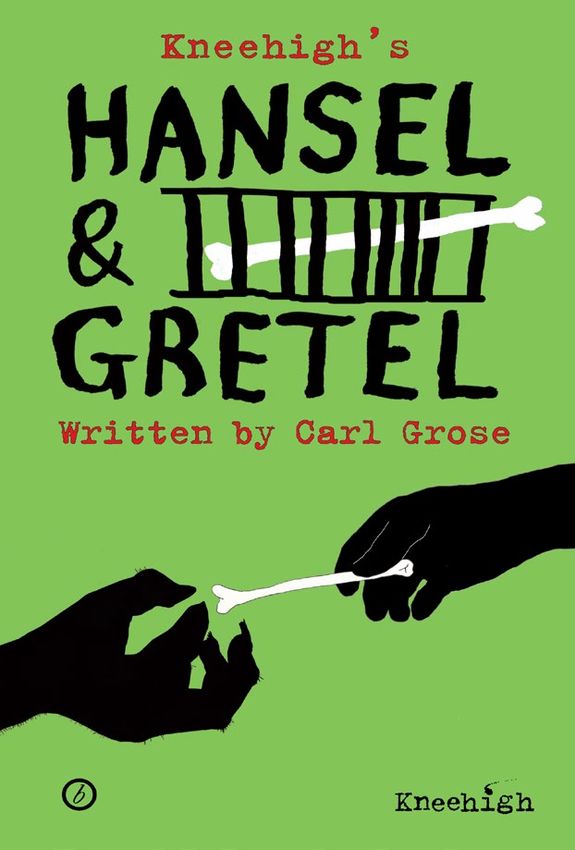
Subject: English
Intent for the year:
At the Bishop of Winchester Academy, the English curriculum equips students with the communication skills
needed to flourish in a relational world.
We teach reading strategies through presenting students with challenging, relevant historical and
contemporary texts that cover a range of topics and forms, both fiction and non-fiction. We encourage
students to become strong, independent readers.
We aim to help students become passionate, confident, talented writers by providing opportunities to write in
a range of forms; for a range of purposes; and for a range of audiences. Helping students broaden their
vocabulary through specific teaching in every single lesson and providing opportunities for students to ‘free
write’ – so they have a concerted focus on writing skills each half term – is built into our curriculum.
From frequent classroom discussion and working in pairs, or small groups, to individual and group
presentations, we encourage students to develop their skills with oracy and attenuated listening. We explicitly
teach skills that are used by good public speakers including effective annunciation and the use of rhetoric to
persuade.
In Year 7, specifically, this is addressed through approaching a Shakespeare play that deals with issues about
relationships and responsibility, a substantial fiction text dealing with emotional and social issues and a classic
from Charles Dickens that still has relevance for today’s reader. Students are taught literacy skills in all lessons
and are taught ambitious vocabulary that they use in their communication. Students in year 7 have weekly
spelling and vocabulary tests and will take regular reading tests in order to develop their literacy skills.
Topics covered
Topic Topic:
Michaelmas 1 Fantasy: Lent 2 Resilience:
Shakespeare: ‘A Independence
Midsummer Night’s Social standards and
Dream’ political systems
Stagecraft and staging Contemporary attitudes
Character Conflict and debates
Narrative
Michaelmas 2 Fantasy: Pentecost 1 Identity:
Themes “Oliver Twist”
Non-fiction texts Victorian England
Modern/classic Character and narrative
interpretations Setting, tone and
Writing critically atmosphere
Lent 1 Resilience: Pentecost 2 Identity:
‘Private Peaceful” Personal identity and
Interpreting meaning role within society
Writer’s perspective Crime and punishment
Narrative voice Religious beliefs
Responsibility
Parents / Carers can help by:
Discussing the themes that occur within the texts and relating them to current events, thus helping the
student to understand the application of texts in the real world.
Encouraging the student to read independently. Selecting appropriate, but challenging texts and
completing Accelerated Reader quizzes as texts are completed to monitor understanding.
Ensuring homework tasks are completed on time and to a suitably high standard.
Useful websites:
https://www.bbc.co.uk/bitesize
Deals with several of the texts that we are exploring, but also has several useful sections on skills, including
self-testing segments
https://www.arbookfind.co.uk/UserType.aspx
Accelerate Reader – ‘Book’ Find’. Allows students to see if a particular book is rated and tested for the
Accelerated Reader programme.
https://www.satchelone.com
The homepage for every student that shows what their homework is each week, including any necessary
resources and help sheets. Work is often submitted through SMHW as well.
https://senecalearning.com/en-GB/
Free, interactive learning platform.
Recommended reading:
Consisting of Northern
Lights (1995) (AKA The
The Hobbit is set within
Golden Compass), The
Tolkien's fictional
Subtle Knife (1997), and
universe and follows the
The Amber Spyglass
quest of home-loving
(2000). It follows the
Bilbo Baggins, the titular
coming of age of two
hobbit, to win a share of
children, Lyra Belacqua
the treasure guarded by
and Will Parry, as they
Smaug the dragon.
wander through a series
Bilbo's journey takes him
of parallel universes.
from light-hearted, rural
surroundings into more
The book details the sinister territory.
early life of Yousafzai,
her father's
ownership of schools A fairy tale retelling /
and activism, and the mashup of Sleeping
assassination Beauty and Snow White,
attempt made but with darkness and
against Yousafzai, twists the reader may
when she was aged not expect. Riddell's
15, following her illustrations, presented
activism for female in black, white and gold,
education. give a very traditional
and magical feel to a
very modern fairy tale.
Extra-curricular opportunities:
10:10 Club: Accelerate Reader Reading Club
10:10 Club: Creative Writing Club
10:10 Club: Moving Image and Fiction Club (films and reading)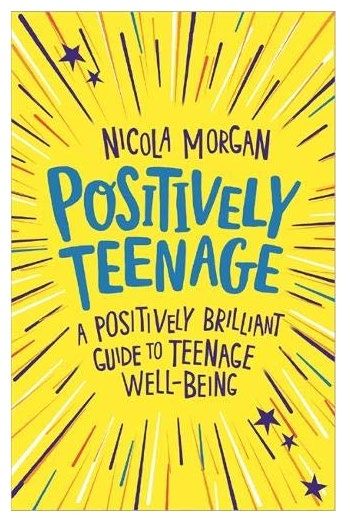
Subject: Mathematics and Statistics
Intent for the year:
Maths counts. Maths is the universal language by which we make sense of the world around us and
the means by which its problems are solved. The key to unlocking the potential of young people and
to solving the biggest threats to humanity are found in our classrooms.
But, not everything that counts can be counted. Students must be equipped to develop their
independence and to understand that there is a purpose to maths beyond the classroom which is vital
to them playing their full part in society. Students will be Mathematically fluent, financially numerate,
statistically competent young people who are able to use Maths to model the world around them.
In Year 7 pupils will broaden their understanding of the basic mathematical concepts that they were
taught in Key Stage 2. They will have opportunities to develop a conceptual understanding through
application and problem solving including real-life concepts. In addition, the introduction of new
topics including algebra, graphs and statistics, will strengthen their skills in reasoning and
interpretation. Year 7 pupils will independently model mathematical situations and start to make
connections between different areas of mathematics alongside their other subjects. Pupils will begin
to become confident in their use of mathematical language to reason in number, geometry and
algebra problems.
Topics covered
Topic Topic
Michaelmas 1 Place value Lent 2 Volume
Calculating with positive Operations & inverses
integers Introduction to
Calculating with positive expressions
decimals Introduction to
Estimating and Rounding sequences
Types of Numbers Using sequences
Order of operations Introduction to
Powers & Roots equations
Michaelmas 2 Applied Mathematics: Pentecost 1 Volume
The Maths of War Operations & inverses
Introduction to fractions Introduction to
Operating with fractions expressions
Introduction to Introduction to
percentages sequences
Operating with Using sequences
percentages (including Introduction to
percentage change) equations
Introduction to ratio
Operating with ratios
Lent 1 Exploring 2D shape Pentecost 2 Introduction to
properties probability
Perimeter & area Experiments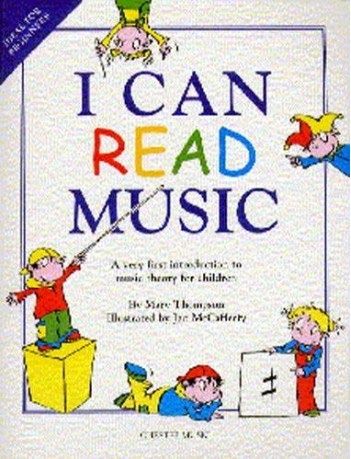
Transformations Frequency tables,
Circle properties pictograms, vertical line
Exploring angles charts
Exploring 3D shape Bar charts and pie charts
properties Introduction to central
tendency (averages)
Introduction to spread
(range)
Parents / Carers can help by:
Ensuring that your child has the correct equipment for every lesson including the Casio FX991 scientific
calculator.
Supporting your child with their weekly Hegarty Maths and knowledge organiser activities.
Attending parent’s evenings to discuss your child’s progress in their maths learning.
Attending any parent workshops offered by the maths department.
Talk about and embrace the maths that surrounds us in everyday life.
Useful websites:
https://hegartymaths.com/
https://www.mathscareers.org.uk/sport/
https://wonderopolis.org
https://wild.maths.org
https://explore-math.weebly.com
https://www.mathsisfun.com
Recommended reading:
Have you ever
wondered why you need
to study math? Does it A mathemagician is a
bore you? What good mathematician who is
are fractions, decimals, also a magician. The
and angles anyway? 50 name "mathemagician"
Amazing Things Kids was probably first applied
Need to Know about to Martin Gardner, but has
Math is the book that since been used to
makes math cool! It will describe many
help you realize that mathematician/magicians,
math is important and
fascinating.
From the mysterious
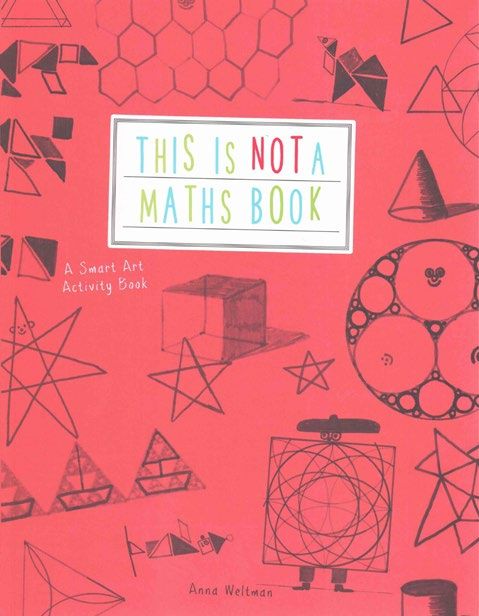
power of the decimal Discover how
point to the oddity of maths can be
odd numbers, fun and artistic and art
wonder are the can be
essence of these mathematical with
remarkable poems. this awesome
The winner of the activity book, full
Queen's Gold Medal of fun drawing
for Poetry takes us challenges with a
through the delight mathematical
and silliness maths basis
has to offer
Extra-curricular opportunities
After school maths club for key stage 3 pupils.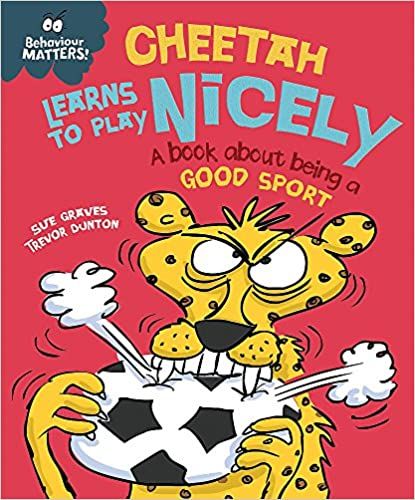
Subject: Science
Intent for the year:
Science is an essential part of a curriculum because an understanding of scientific vocabulary, processes and
concepts is useful for everyone in a society, especially the developed technological society we currently, and
will continue to live in. Science in school is the basis for anyone interested in careers in any fields in health,
technology, engineering, agriculture, etc. but also will help anyone outside of those fields to understand better
an increasingly complex world. The modern general public relies increasingly on social media for its news,
where there is an abundance of information but rarely any verification of 'facts' and often the broadcasting of
opinions of anti-science personalities as fact. A fundamental scientific education will help everyone to approach
public issues objectively and rationally.
Students in year 7 will learn how to become a scientist. They will learn to follow the scientific enquiry processes
method, developing their investigative skill and becoming able to assess risk securely. They will then learn
about Life on Earth, and discover how organisms are structured as well as how they interact. Finally, Chemistry
at the Core will develop students’ understanding of the building blocks of matter, and how their actions may
influence the climate on Earth.
Topics covered: Enquiry Processes, Life on Earth, Chemistry at the Core
Topic Topic
Michaelmas 1 Enquiry Processes Lent 2 Life on Earth
Asking Questions Variation
Planning Investigations Plant Reproduction
Collecting Data Animal Reproduction
Analysing/Evaluating
Michaelmas 2 Enquiry Processes Pentecost 1 Chemistry at the Core
Communicating Science Elements
Reviewing Evidence Periodic Table
Risks and Benefits of
New Ides
Reviewing Theories over
Time
Lent 1 Life on Earth Pentecost 2 Chemistry at the Core
Cells Earth’s Resources
Movement Climate
Interdependence
Parents / Carers can help by:
Encourage your child to use Seneca Learning for their revision.
Engage in reading from the Science Reading List below.
Useful websites:
https://app.senecalearning.com/login
https://www.bbc.co.uk/bitesize/subjects/zng4d2p
https://www.kerboodle.com/users/login
Recommended reading:
Why is snot green? Do rabbits Why Don't Penguins' Feet
fart? What is space made of? Freeze? is the latest
Where does all the water go at compilation of readers'
low tide? Can animals talk? What answers to the questions in
are scabs for? Will computers ever the 'Last Word' column of
be cleverer than people? Discover New Scientist, the world's
the answers to these and an awful best-selling science weekly.
lot of other brilliant questions Yet again, many seemingly
frequently asked at the Science simple questions turn out to
Museum in this wonderfully funny have complex answers. And
and informative book. some that seem difficult
have a very simple
explanation. This new
selection is popular science
at its most entertaining and
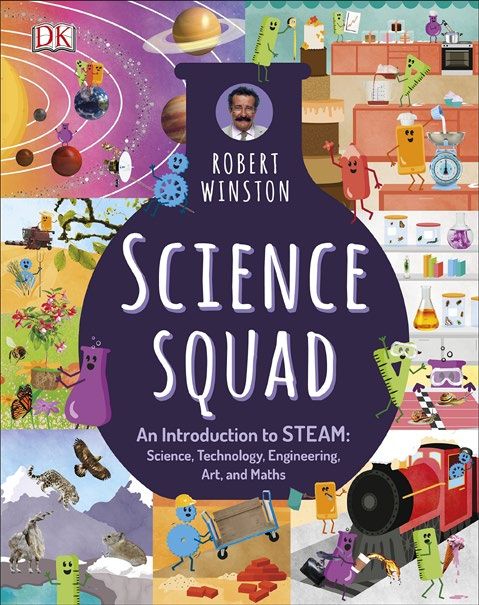
The zany characters of
enlightening.
the Science Squad will
guide kids through this
engaging, fact packed
kid’s book from Robert
Winston all about the Discover 80 trail-blazing
key subjects – science, scientific ideas, which
technology, engineering, underpin our modern
art, and maths. An world, giving us everything
excellent introduction to from antibiotics to gene
understanding these therapy, electricity to space
concepts, Science Squad rockets and batteries to
is a colourful, well- smart phones. What is
presented education string theory or black holes?
book for children. And who discovered gravity
and radiation?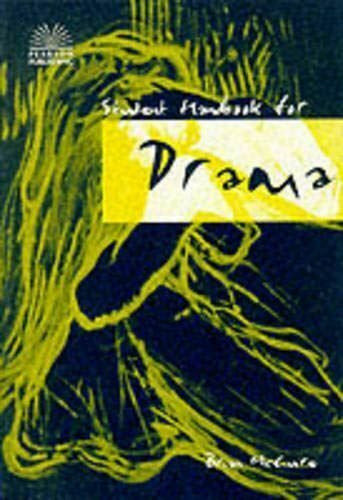
Subject: RS
Intent for the year:
Religious Studies is unique in the sense it is an academic subject with the opportunity to contribute so much to
the holistic development of students. Our vision is that all students have a depth and breadth of knowledge
and understanding of the world religions and world views outlined by the Bournemouth and Poole locally
agreed syllabus. Students will learn from these religions and world views in a way that contributes to their
personal development. This includes the Spiritual, Moral, Social and Cultural capital (SMSC), British Values, and
Community Cohesion which focuses on preparing pupils for life in the 21st century, engaging pupils in a
contemporary and relevant context.
In Yr. 7 students study Christianity and Buddhism. This starts with an introduction to Christianity through a unit
of work called 'The Big Story'. Lessons form a narrative from Genesis through to the incarnation of Jesus
through the lens of Christianity. Students continue their study in Yr.7 through investigating the life of
Siddhartha Gautama and the beliefs and practices of Buddhism. Key concepts are identified and questions of
belief, practice, and identity can be raised. Key knowledge of the two units is retrieved and compared through
the application to two thematic topics, Life after Death and Environment and Animals.
Topics covered
Topic Topic
Michaelmas 1 Introduction to RS: What Lent 2 The Sangha
is RS? Meditation
The Bible Wesak
LApps The Five Moral Precepts
John 10:10 'life in all its Buddhist Statues
fullness' Different traditions in
The Big Story: Creation Buddhism
The Fall
The 10 Commandments
Michaelmas 2 King David Pentecost 1 Life After Death:
Sacrifices Resurrection & Funeral
Exile Service
Messiah Judgement
The New Adam Reincarnation
The Jewish Law Karma
Justice The Wheel of Life
Philosophical
Immortality
Lent 1 Buddhism: Introduction Pentecost 2 Environment & Animals:
Sidhartha Gautama St Francis
The Four Sights The work of the charity
Asceticism 'A Rocha'
The Four Noble Truths The Monkey King in
The Eightfold Path Buddhism
Trees In Buddhism &
Christianity
Dominion & Stewardship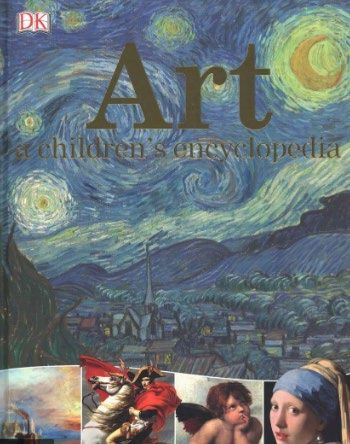
Peter Singer &
'speciesism'
Parents / Carers can help by:
Recognise that at TBOWA RS is an academic rigorous subject where students study religious, non-
religious and ethical world views.
Having a discussion with their child each week about their RS lesson, and any ethical topics in the news.
Support their child by developing a broad sense of the world, not just the views of an individual.
Read, share and discuss any communication received with regards RS
Useful websites:
https://www.bbc.co.uk/bitesize/subjects/zh3rkqt
https://quizlet.com/en-gb
https://www.kerboodle.com/users/login
https://www.educationquizzes.com/ks3/religious-education/
Recommended reading:
You're thirteen.
A Wrinkle in Time is the All you want is a
first in a series of four normal life. But
book that follow the most normal
adventures of Meg kids don't need
Murry. heart
transplants.
When the Pevensie Tenar is chosen as high
children - Peter, priestess to the ancient
Susan, Edmund and and nameless Powers
Lucy - step through of the Earth, and
a wardrobe door in everything is taken
the strange country from her--home,
house. family, possessions,
even her name.
Extra-curricular opportunities
Guest speakers from PACE
Spirited Arts competition
Guest Buddhist and Christian speakers
Email a believerSubject: Geography
Intent for the year:
Geography has an important place in The Bishop of Winchester Academy curriculum as it develops in students
a sense of place in the natural and physical landscape surrounding them. It fosters within them a sense of awe
and wonder that will remain with them for the rest of their lives. By studying Geography students will be able
to understand the interaction between physical and human processes, how humans have shaped the planet
and the effect they are having on it. It provides a vital life skill of allowing students to understand the world
around them which can be applied through everyday activities such as travel, work and education. The
Geography curriculum will equip students with the necessary skills for a variety of careers, education
opportunities beyond The Bishop of Winchester Academy.
In Year 7 students will be introduced to the subject as a separate discipline, understand that geography is all
around them and develop life long skills of map work and photo analysis. Students will be encourage to focus
on awareness, empathy and independence. In this year students are working at a local scale.
Topics covered
Topic Topic
Michaelmas 1 What is Geography: Lent 2 Settlement:
Differences between How were sites chosen?
human, physical and How do settlements
environmental change?
Geography Why are there different
Map skills patterns of land use?
Michaelmas 2 Our local area: Pentecost 1 Brilliant Britain:
Describing places Human and physical
What is Bournemouth factors of UK
like? How do we define the
Decision making – where British today?
should Bournemouth How does geology
build a new stadium? impact on the UK
Lent 1 Rivers: Pentecost 2 Geographical enquiry:
How do rivers shape the What to study
land? How to collect data
Why is flooding a How to present data
problem? How to reach a
Can flooding be conclusion
reduced?
Parents / Carers can help by:
Talking about places – maybe those in the news, having an atlas or map handy to locate them
Visiting local areas – for example Hengistbury Head, use a map to navigate around it
Go for a walk along the River Stour watching the river processes at work
Discussing where your family came from and the reasons you live in Bournemouth nowUseful websites:
www.bbc.co.uk up to date news events and weather forecasts
www.bournemouthecho.co.uk local news and events
www.ordnancesurvey.co.uk free online maps
https://www.ordnancesurvey.co.uk/mapzone/ games and map skills
https://www.gov.uk/government/organisations/environment-agency rivers and flooding information
Recommended reading:
Ideal for locating places
Discover the weird and in the news or to visit.
wonderful creatures Any up to date Atlas is
lurking below the river’s good, these are the ones
surface, from the used in TBOWA.
Amazon’s crushing
anaconda snake and
naughty nibbling
piranhas to the electric
eels that will give you a
nasty shock!
An Amazon adventure set in the wilderness of
Brazil, Journey to the River Sea is filled with mystery
and memorable characters.
It is 1910 and Maia, tragically orphaned at thirteen, has
been sent from England to start a new life with distant
relatives in Manaus, hundreds of miles up the Amazon.
She is accompanied by an eccentric and mysterious
governess who has secret reasons of her own for
making the journey. Both soon discover an exotic
world bursting with new experiences in Journey to the
River Sea, Eva Ibbotson's highly colourful, joyous
adventure.
Extra-curricular opportunities
Take part in Geography’s very own photographic competition
Enter a picture on BBC South’s Weather WatcherSubject: History
Intent for the year:
The Bishop’s’ History education aims to inspire students with a deep fascination of history and furnish them
with the talents that great historians possess to help them succeed in life. We know that studying History is an
essential life-skill. Through knowing and understanding our past and how our past has been (or can be) our
students are able to: develop a sense of identity and respect for our place in the world; defend against
misinformation and prejudice in a changing and diverse world; develop knowledge and understanding of
different historical periods and the arcs of historical change, and the complexities of historical debates;
understand the connections across subjects allowing students to remember more and accomplish more in all
aspects of their curriculum.
In Year 7 specifically this is addressed through exploring: Medieval Britain and the role of the Church; The
Tudors; and early modern and nineteenth century Britain.
Topics covered: Medieval Britain, The Tudors, early modern
Britain and nineteenth century Britain.
Topic Topic
Michaelmas 1 Medieval Britain: Lent 2 The Tudors:
The Norman invasion Edward IV and Mary
The Norman Elizabeth I
consolidation of power The Spanish Armada
Michaelmas 2 Medieval Britain: Pentecost 1 The British Civil War:
The role of the Church The causes
The Black Death The key battles
The Peasants Revolt The death of Charles I
Lent 1 The Tudors: Pentecost 2 Early modern History:
The Reformation The Restoration
Henry VIII The Empire
Using interpretations in
History
Parents / Carers can help by:
Encourage him / her to complete extra reading around the topics they are studying in class.
Check what homework is set and that it is being done.
Encourage your child to re draft work.
Question your child on key events and topics that they have studied and support them in learning the
key figures and chronology.
Useful websites:
www.senecalearning.com
BBC Bitesize
The History learning site
Spartacus educationalRecommended reading:
This is a piece of
historical fiction set in
the time of Henry VIII as This book gives
he searches for a male students an
heir. It gives students a understanding of
good idea of the context the Norman
of the period. invasion and the
changes made in
England under the
Normans.
This book gives
students a greater This book gives
understanding of students a greater
Tudor England and understanding of
all that went on in the formation and
society. conduct of the
British Empire.
Extra-curricular opportunities
Corfe Castle trip TBC
Corfe Castle project competitionSubject: Spanish
Intent for the year:
Being able to communicate in more than one language, opens-up a world of opportunities to students in
regards to personal travel, friendship and employment opportunities. The academic rigour involved in the
acquisition of a second language, facilitates the development of memory and reasoning skills and gives
students a broader perspective that contributes to success in other academic areas.
Our vision is that all language learners develop linguistic skills and self- confidence in their role as a “World
Citizen” Ultimately, we want our students to have a love of Spanish language and culture as they work
towards developing mastery and an enduring curiosity to build upon their knowledge after they have left our
school.
In Year 7 specifically this is addressed through the introduction of four modules which aims to give students
opportunities to communicate in a second language around personal information, family, free time and school.
The teaching of those topics will allow students to also develop the four main skills of language learning:
listening, speaking, reading and writing.
Topics covered: Mi Vida (My life), Mi Tiempo Libre (My free time), Mi Instituto
( My school), Mi Família y mis amigos ( My Family and friends)
Topic Topic
Mi Vida ( My life) Mi Instituto ( My school)
Greetings Saying what subjects you study
Introducing yourself Describing your school
Michaelmas 1
Talking about personality Using the words for “a”, “Some” and
Lent 2
Using adjectives that end in - o/ -a “the”
Talking about age, brothers and sisters talking about break time
Saying when your birthday is Using “er” and “ir” verbs
Using numbers and the alphabet
Understanding dates
Mi Vida ( My life) Mi Instituto ( My school)
Revision and Assessments Understanding details about schools
Mi Tiempo libre ( My free time) Using predictions as a listening strategy
Michaelmas 2
Saying what you like to do Revision and assessments
Pentecost 1
Giving opinions using me gusta + infinitive Mi Familia y amigos ( My Family and
Saying what you do in your free time friends)
Instruments and lessons Describing your family
Using possessive adjectives
Describing your hair and eyes
Using the verbs “ser” and “tener”
Mi Tiempo libre ( My free time) Mi Familia y amigos ( My Family and
Using “AR” verbs in the present tense friends)
Talking about weather Describing your family
Saying what sports you do
Pentecost 2
Saying what other people look like
Using the verbs “Hacer” and “Jugar” Describing where you live
Lent 1
Reading about different hobbies Prepositions
understanding more challenging texts Using the verb “estar”
Taking part in a longer conversation Revision and assessments
Using question words
Revision and assessmentsParents / Carers can help by:
Having a conversation each week with your child regarding their Spanish work
Requesting to see your child’s book and Knowledge Organiser to acknowledge what has been learnt
Encouraging your child to create flashcards to put up around the house to facilitate memorising of the
vocabulary
Making Spanish alive at home by testing in a “fun way” the vocabulary learnt in class
Engaging in short conversation in Spanish to facilitate confidence and interest for the subject
Discussing the importance of learning a language for the future
Useful websites:
https://www.memrise.com
https://www.duolingo.com/course/es/en/Learn-Spanish-Online
www.quizlet.com
www.bbc.co.uk/languages
https://www.languagesonline.org.uk/Hotpotatoes/spanishindex.html#Topics
Recommended reading:
A collection of short
Spanish language course stories for beginning
made easy for beginners. Spanish as an additional
Learn Spanish with stories language learners.
and audios as workbook.
Read for pleasure at your
level and expand your
vocabulary.
Listen as you read
Spanish national
along to short
television
stories written in
Spanish, Volume 1. https://www.rtve.es/di
recto/la-1/
Extra-curricular opportunities:
Take part in a completion “ Spelling Bee”
Become an ambassador for an international student
Watch Spanish movies after schoolSubject: Creative Arts
Intent for the year:
At the Bishop of Winchester Academy, Creative Arts educates all students to develop their knowledge, skills
and attributes to manage opportunities, challenges and responsibilities they will face as they mature into
adulthood. Creative Arts intends to develop all students’ understanding of how to stay safe, be healthy and
build self-esteem, resilience, empathy and become confident members of their community. Life skills that are
covered at ‘The Bishop’ can support students’ understanding and knowledge of how to tackle barriers to
learning, raise aspirations and the life chances for all!
Year 7 Creative Arts encourages students to explore different avenues, opening their minds to the creative and
imaginative pathways. Providing all students with endless opportunities to develop their imaginative, skill set,
understanding and knowledge, taking them on a historical and culture journey that will excite, enthuse and
inspire them. This will open their eyes and minds to the greater world, familiarising themselves with historical
and contemporary progression in art.
Topics covered:
Topic Topic
Michaelmas 1 Picasso and Cubism Lent 2 Carousel with other
Collage & Photography subjects
Cubist 3D exploration
Completion of personal
outcome and evaluation
Michaelmas 2 Monet and Painting Pentecost 1 Carousel with other
Visual recording & colour subjects
Final Outcome completion
Personal Evaluation
Lent 1 Carousel with other Pentecost 2 Carousel with other
subjects subjects
Parents / Carers can help by:
Having a discussion each week with their child regarding their Creative Arts work and to support with
monitoring progress outside of school.
To support with encouraging their child to attend gallery visits to support with wider learning about
Creative Arts.
Attend relevant school events/information evenings which are Creative Arts related.
Read, share and discuss any communication received with regards to Creative Arts related topics.
Useful websites:
https://www.tate.org.uk/visit/tate-modern - to support with inspiration and gallery visits
https://www.npg.org.uk/ - to support with inspiration and gallery visits
https://www.artsy.net/ - to support with research and wider context, generating inspiration for
student
https://www.sitebuilderreport.com/inspiration/artist-websites - artist websites, to explore and
discover new artists
https://www.bbc.co.uk/bitesize/subjects/z6f3cdm – to learn new key art terminologyRecommended reading:
Whether it's Leonardo da
This beautiful art book
Vinci's mysterious Mona
charts the evolution of
Lisa, Vermeer's vibrant
the greatest cultural
depictions of light, the art
achievements in painting,
featured here is
sculpture and
introduced in a format and
photography. With
style that will appeal to
amazing facts, clear
any student. The book
explanations, and
proceeds chronologically,
stunning photography, it
accompanied by a timeline
is the essential
to offer helpful historical
introduction to the art
context.
world for students.
This read takes you If you can write your
on a journey name, you have
through art history, enough touch to learn
from early art to draw. Let Mark
drawn on cave Linley inspire you to
walls to the images pick up your pencil and
we make today on create a magical
our computers and masterpiece. His
phone cameras. positive approach
secures quick, accurate
results and ever-
growing confidence.
Extra-curricular opportunities:
Young Photographer’s Competition
South West Dorset CompetitionSubject: Computer Science
Intent for the year:
Students will receive a high-quality Computer Science education, equipping them to use computational
thinking which is the ability to break down large problems into more manageable chunks and create step by
step algorithmic solutions to understand and change the world. In order that our learners are best prepared
for their digital future, all year 7 and 8 students study a programme that covers both an introduction to
computational thinking, the use of Microsoft Office, components of a computer system, an introduction to web
technologies and block-based programming.
Topics covered
Topic Topic
Michaelmas 1 Introduction to Computer Lent 2 Web Technologies
Science HTML
File Management Basic formatting tags
Cloud Computing Create a webpage
Microsoft Outlook Create hyperlinks
Netiquette
Michaelmas 2 Hardware Pentecost 1 Principles of Web Design
Input and Output Purpose and Audience
Devices Evaluating designs
Process and Storage Creating Wireframes
CPU Digital Assets
Fetch, Decode, Execute Online Safety
Cycle
Microsoft PowerPoint
Lent 1 Software Pentecost 2 Programming with the
Operating System Micro:bit
System Software Key Components
Application Software Programming an Output
Microsoft Word Programming an Input
Use of Variables
Parents / Carers can help by:
Allowing students time to practice on a computer
Discuss staying safe online
Attend relevant school events/information evenings
Read, share and discuss any communication received with the Computer Science departmentUseful websites:
https://www.thinkuknow.co.uk/parents/
https://www.bbc.co.uk/bitesize
https://makecode.microbit.org/
https://www.w3schools.com/html/
https://www.office.com/
Recommended reading:
This book introduces kids This book is fiction and
to the design and follows child bloggers
function of the hardware who travel by train and
and networks that meet characters along
digitally connect us. It the way. A good book to
makes learning about encourage students who
computers easy for enjoy Computer Science
young readers, and it is to read.
sure to inspire your
budding engineers.
This fascinating
book is filled with
This book will help
100 fascinating
students get started
facts, bright,
with the Micro:bit.
infographic
Using Microsoft Code
illustrations, a
Blocks, the book
glossary and index
provides a
and links to
progressive
specially selected
introduction to
websites to find
coding as well as
out more.
interfacing with
sensors and
transducers for those
students who would
like to build
knowledge from the
classroom.
Extra-curricular opportunities
Code ClubSubject: Drama
Intent for the year:
In their first year of Drama at The Bishop of Winchester Academy, our students will have the opportunities to
practically explore a diverse range of theatre styles and genres. They will develop their understanding of
characterisation, performance and theatre design skills needed to develop performance work from page to
stage. The opportunity to analyse and evaluate professional works of live theatre including examples of
physical theatre, monologue, storytelling, pantomime, and puppetry will be embedded throughout our
students’ learning to enhance their creative and reflective learning process.
Drama is a collaborative form of art, which means our students will gain vast experience in developing their
communication and group working skills when shaping their ideas, building resilience and the ability to
compromise and create group consensus when working with others. Underpinned within our curriculum vision
is the fundamental purpose of Drama to enable students to explore emotions and express ideas that are deeply
felt through a creative and collaborative learning process.
Topics
Rotation 1 - Introduction to Character
In the first rotation students will be develop their understanding on how drama skills and theatrical techniques
can be used to devise original performance work from a stimulus based on characterisation.
Topics covered:
What physical and vocal skills are needed to present a character for performance?
How does an actors express emotions through their physicality?
How does an actors express emotions through their use of voice?
How does an actor present emotions in a naturalistic way?
How does an actor present emotions in a symbolic way?
Rotation 2 – Theatre for Children
In the second rotation students will expand and develop their understanding of characterisation and archetype
when interpreting script and exploring pre-existing professional work with a targeted audience for children.
Topics covered:
Why are archetypes and stock characters used in theatre targeted at children?
How does an actor develop and perform a stock character using their characterisation skills?
How does an actor interpret a script from page to stage?
How can an actor use exaggerated characterisations skills to engage an audience of children?
What is the role and responsibilities of a puppeteer in theatre?
Parents / Carers can help by:
Having a discussion with their child each week about their drama lessons, enquiring on what ideas they
developed in class.
Having discussions with your child about acting performances you view as a family through a television
series or film production Engaging with theatre either with exposure to live theatrical events such as local pantomimes and
musicals, including our school production held annually at The Bishop of Winchester Academy or online
Supporting their child with homework, including learning lines and supporting practical rehearsals in
the home by encouraging them to perform any work they need to prepared for class/performance to
build confidence and resilience
Useful websites, including online theatre productions:
https://www.bbc.co.uk/bitesize/subjects/zbckjxs
https://www.rsc.org.uk/education/about-rsc-education/home-learning-with-the-rsc
https://www.bing.com/videos/search?q=half+moon+theatre&&view=detail&mid=C2A5C2A834B98302395
EC2A5C2A834B98302395E&&FORM=VRDGAR&ru=%2Fvideos%2Fsearch%3Fq%3Dhalf%2520moon%2520th
eatre%26qs%3Dn%26form%3DQBVR%26sp%3D-1%26pq%3Dhalf%2520moon%2520theatre%26sc%3D8-
17%26sk%3D%26cvid%3DC20AA16EF83D44CA82B8C02DF9CAE852
https://www.vam.ac.uk/articles/the-story-of-pantomime
https://www.kneehigh.co.uk/
Recommended reading:
This book
This book provides a reference provides a
source for key-stage 3 and 4 reference to
drama students. It gives an Stanislavski
understanding of guide to acting.
improvisational drama This book
techniques, helps students explores the
structure an improvisation and process of
supports writing about their Method Acting
drama work. The book to create
includes forms to help them believable
make notes and provides characters on
definitions of theatrical terms stage.
and other information.
This scripted version of Hansel
and Gretel, is re-invented the
Kneehigh way, through Carl
Grose, to have pertinent
messages for the modern
world. These messages are
both political and about
human nature. Extracts from
this script will be part of
students’ exploration of
Theatre for Children in class.
This classic retelling of "Kneehigh are a company who
children’s’ fairy tales by Roald have always taken a sideways look
at classic tales, as they create their
Dahl will be used as part of the
own ramshackle myth and magic...
exploration part of the A madcap pleasure." - Lyn
exploration of Theatre for Gardner, The Guardian
Children.
Extra-curricular opportunities
Drama Club
Glee Club
Take part in our School Musical
Attending a Theatre Trip – arranged by the Performing Arts departmentSubject: Food
Intent for the year:
At the Bishop of Winchester Academy, our Food curriculum educates all students to develop their knowledge,
skills and attributes to manage opportunities, challenges and responsibilities they will face as they mature into
adulthood. Food and Cookery intends to develop all students’ understanding of how to stay safe, be healthy
and build self-esteem, resilience, empathy and become confident members of their community. Life skills that
are covered at ‘The Bishop’ can support students’ understanding and knowledge of how to tackle barriers to
learning, raise aspirations and the life chances for all!
Year 7 Food intends to develop all students’ knowledge and understanding of how to consume food in order to
keep one healthy and physically fit, educating them about the kitchen and social and environmental factors.
Exposing their minds to a world of food and health, where they will familiarise themselves with how to
hygienically and safely use a kitchen and consume a balanced diet for a healthy lifestyle.
Topics covered:
Topic Topic
Michaelmas 1 Health & Safety of self in Lent 2 Food Poisoning
Kitchen Handling & Manufacture of
Risk Assessment of Kitchen Meat
Eat well Guide Origin/Fairtrade of Meat
Nutritional Categories & Bolognaise Demonstration
Age Groups & Practical
Michaelmas 2 Knife Skills Demonstration Pentecost 1 Adapting a Recipe
& Practical Quorn Practical/Meat
Yeast/Fermentation Substitute
Gluten Addition of Flavour
Dough Practical Practical/Adding and
Soup Demonstration subtracting Ingredients
Pastry - Shortcrust
Lent 1 Presentation of Soup and Pentecost 2 Shortcrust Pastry Practical
Bread Shortcrust Pastry Practical
Bacteria Demonstration & Filling
Cross-Contamination Theory Evaluations
Practical Evaluations
Parents / Carers can help by:
Having a discussion each week with their child regarding their Food and Cookery work and to support
with monitoring progress outside of school.
Attend relevant school events/information evenings which are Food & Cookery related.
Read, share and discuss any communication received with regards to Food & Cookery related topics.
To support with the purchasing and preparing of ingredients at home, so child is prepared for Food and
Cookery Practical lessons.
To encourage your child to cook with you at home so they become more confident in the kitchen.Useful websites:
https://www.bbcgoodfood.com/ - to discover new and interesting recipes
https://www.bbc.co.uk/food/recipes - inspiring recipes for one’s diet
https://www.supercook.com/#/recipes - planning balanced dishes
https://www.epicurious.com/ - vast range of recipes, primers on baking bread and making pies
https://www.bbc.co.uk/bitesize/topics/zrdtsbk/resources/1 - to view a range of topics to support Food and
Cookery learning
Recommended reading:
Follow Julia Child, chef,
Get muddy, get green
author, and television
fingers and get growing!
personality, from her
Tips on how to grow all
childhood in Pasadena,
kinds of fruits, vegetables
California, to her life as a
and herbs indoors and
spy in WWII, to the
outdoors. Packed with fun
cooking classes she took
gardening activities
in Paris, to the
guaranteed to get your
publication of Mastering
hands dirty!
the Art of French
Cooking, to the funny
moments of being a chef
on TV!
Learn how they
grow, how they get
to stores, and how Explore a week of
many kinds there lunches, from apples to
are! pizza, by taking a romp
through thousands of
years of extraordinary
events.
Extra-curricular opportunities:
South West Dorset CompetitionSubject: Music and Music Tech
Intent for the year: “Music gives a soul to the universe, wings to the mind, flight to the
imagination, and life to everything.” – Plato.
All students receive a high quality and well-rounded music curriculum and we immerse them in an extensive
range of culturally rich and diverse music that enables the practical skills and theoretical knowledge both in the
traditional sense and the technological. We advance our students learning journeys by offering the traditional
aspect of music making and the more technological for a full rounded experience. With this in mind, and as the
creative industries continue to evolve in an ever changing landscape of technological advancements, we
engage our learners in using industry standard music making software. Apple’s Logic software is one of the
leading and cutting edge music software programmes which not only supports our learners in the more
technological aspect of music creation, it also improves overall IT skills whilst gives our students the ability to
experience the industry it thrives in for their future.
In year 7, students will study a variety of styles of music; past and present that will enable them to appreciate
the creative side of music both through traditional and technological formats. They will develop their
instrumental skills on the keyboard, African drumming and vocal skills in order to become comfortable in
performance. They will have opportunities to discover the world of music technology in our purpose equipped
Apple Mac Music room, and learn how to compose their own music using industry standard software logic.
They will also be able to listen critically to a wide variety of music and analyse music in a musical way which will
widen their understanding of the cultural significance which encapsulates this broad art form.
Topics covered:
Topic Topic
Michaelmas 1 Elements of Music Lent 2 Carousel with other
Voice works subjects
African Drumming
Keyboard skills
Michaelmas 2 Apple Mac Logic Pentecost 1 Carousel with other
Dance Music subjects
Music theory
Lent 1 Carousel with other Pentecost 2 Carousel with other
subjects subjects
Parents / Carers can help by:
Having a discussion each week with their child regarding their own musical journey and work and to
support with monitoring progress outside of school.
Listen to a variety of music in a variety of different styles.
To support with encouraging their child to attend concerts and visits to theatres to support with wider
learning about Performing Arts.
Attend relevant school events/information evenings which are Performing Arts related.
Read, share and discuss any communication received with regards to Performing Arts related topics.
Useful websites:
• https://www.focusonsound.com/
• https://www.soundonsound.com/
• https://www.musictheory.net/
• https://musictechstudent.co.uk/
• https://www.usefulmusic.com/Recommended reading:
This introduction to essential
elements of music is ideal for
students preparing for
examinations, as well as an
excellent resource for
everyone learning to read Absolute Beginners has
music. In this book you will been designed to tell you
find: a step-by-step
presentation of the basic facts
everything you need to
of music theory; a grade-by- know from the very first
grade format; clear, easily- time. A look and learn
understood explanations; vital course that uses clear
information suitable for music pictures instead of long
students of all ages and explanations.
abilities
The simplest
introduction to learning Music Technology
to read music. This book
from Scratch provides
looks at basic musical
theory - note names, a complete beginners
signs and symbols, what guide to recording,
they look like and what mixing, and mastering
they mean. music. It is an
No musical knowledge is
essential book for
needed - ideal for anyone studying or
children starting to learn interested in music
to sing or play an technology, and those
instrument.
wishing to create their
own professional-
quality recordings.
Extra-curricular opportunities:
Variety of music groups including Vocal Group, Music Tech club, Ukulele group, TBOWA Radio, Strings
and Things, African Drumming group, School of Rock
Whole Academy production
Performance throughout the year in the form of concertsSubject: Healthy Living
Intent for the year:
At The Bishop of Winchester Academy, learning how to live a healthy lifestyle is a non-negotiable and is
imperative to ensure students live life to the full. This vision means teaching students not only about the
benefits of a healthy, active lifestyle for their physical health but for their mental and social health as well. In
Healthy Living students will have develop the knowledge and understanding to allow them to achieve three
main aims –
1. Develop a culture where participation is for all by experiencing a broad and balanced practical
curriculum
2. Students will learn how to lead a healthy, active lifestyle
3. Understand various careers in sport through high quality provision
In Year 7 students will learn the core and advanced skills of a variety of sports throughout the year. They will
also learn fundamental knowledge about health, fitness and well-being, physical training and anatomy and
physiology. The practical sports are taught on rotations throughout the year.
Topics covered
Topic Topic
Michaelmas 1 Netball Lent 2 Badminton
Football Dynamics
Badminton Netball
Dynamics Rugby
Health, fitness and well- Physical training
being
Michaelmas 2 Dynamics Pentecost 1 Athletics
Rugby Anatomy and physiology
Football
Badminton
Health, fitness and well-
being
Lent 1 Football Pentecost 2 Tennis
Badminton Rounders
Dynamics Cricket
Football Anatomy and physiology
Physical training
Parents / Carers can help by:
Ensure students have the correct PE kit for every lesson
Encourage students to participate in 10:10 clubs and teams
Encourage students to participate in clubs outside of school
Using KO’s to quiz students on key terms
Useful websites:
https://www.bbc.co.uk/bitesize/subjects/zxf3cdm
https://www.youtube.com/user/thebodycoach1Recommended reading:
Develop mental strength How to become a top
to overcome any sports sportsman from a
challenge! student’s perspective –
managing homework,
pressure and fears!
Learning to play games
and sport fairly and the
importance of
sportsmanship and fair How you can use
play! sporting techniques such
as thinking, completion
and resilience, and apply
them to overall life!
Extra-curricular opportunities
Netball
Football
Rugby
Fitness
Trampolining
Badminton
Basketball
Athletics
Rounders
Cricket
TennisSubject: PSHE Year 7
Intent for the year:
‘The Bishop’s’ PSHE education aims to help students to develop the knowledge, skills and attributes they need
to manage many of the opportunities, challenges and responsibilities they will face as they mature into
adulthood. It intends that students are taught how to stay safe, be healthy and build self-esteem, resilience,
empathy and become confident members of their community. Life skills that are covered at ‘The Bishop’ can
support students understanding and knowledge of how to tackle barriers to learning, raise aspirations and the
life chances for all.
In Year 7, specifically this is addressed through exploring life in the wider world, relationship and sex education,
and health and wellbeing. These topics will give the students a greater understanding of the world around
them and develop their sense of independence. Students will link these topics to their personal, social and
emotional wellbeing.
Topics covered
Topic Topic
Michaelmas 1 : Living in the Wider World Lent 2 : Relationship and Sex
Aspirations Education
Self Esteem Cyber Bullying
Stereotyping Relationships
Social Media British Citizen
Ethical Financial Radicalisation
Decisions
Michaelmas 2 : Living in the Wider World Pentecost 1 : Health and Wellbeing
Budgeting Healthy Lifestyle
Savings Balanced Diet
Financial Products Food Groups
Transactions Impact of poor health
Lent 1 : Relationship and Sex Pentecost 2 : Health and Wellbeing
Education Mental Health
Friendships Anger
Families Puberty
Relationships
Bullying
Parents / Carers can help by:
Having a discussion with their child each week about their PSHE lesson, being mindful that there will be
some sensitive and challenging topics
Support their child by developing a broad sense of the world, not just the views of an individual
Attend relevant school events / information evenings which are PSHE related
Read, share and discuss any communication received with regards PSHE related topicsUseful websites:
https://youngminds.org.uk/ - mental health and emotional wellbeing for young people
https://www.nhs.uk/change4life - Healthy Living
https://www.bbc.co.uk/bitesize/subjects/ztvg9j6 - PSHE & citizenship educational support
https://www.nhs.uk/live-well/sexual-health/stages-of-puberty-what-happens-to-boys-and-girls/ - Puberty
https://www.bbc.co.uk/bitesize/tags/zh4wy9q/starting-secondary-school/1 - Transition from Primary to
Secondary.
https://www.kooth.com/ - Counselling Service
Recommended reading:
A book that helps to
develop the growth
mind-set of a child.
Practical, insightful and
positive, this is the book From your first day to
to help children build your final exams, this
resilience, embrace handbook will have
their mistakes and grow you achieving,
into successful, happy succeeding and being
adults. the best you can be!
Whether your goal is
to learn a few fast
and easy recipes,
start eating healthier, this book shows you
or to create your own how to approach these
years far more positively
YouTube cooking so that you can really
channel one day, The flourish and be in
Healthy Cookbook for control. You'll find
Teens is the perfect simple strategies to
place to start. this develop a positive
cookbook for teens attitude, growth mindset,
self-understanding,
will get you into the determination and
kitchen right away resilience and you'll see
with basic techniques how those strengths will
that will have you help you cope with any
feeling like a master challenges, enjoy life
chef in no time. and achieve your
potential.You can also read


