2019 Full Year Results - 5 February 2020 - GSK
←
→
Page content transcription
If your browser does not render page correctly, please read the page content below
2019 Full Year Results

5 February 2020
Cautionary statement regarding
forward-looking statements
This presentation may contain forward-looking statements. Forward-looking statements give the Group’s current expectations or forecasts of future events.
An investor can identify these statements by the fact that they do not relate strictly to historical or current facts. They use words such as ‘anticipate’,
‘estimate’, ‘expect’, ‘intend’, ‘will’, ‘project’, ‘plan’, ‘believe’, ‘target’ and other words and terms of similar meaning in connection with any discussion of future
operating or financial performance. In particular, these include statements relating to future actions, prospective products or product approvals, future
performance or results of current and anticipated products, sales efforts, expenses, the outcome of contingencies such as legal proceedings, and financial
results.
Other than in accordance with its legal or regulatory obligations (including under the Market Abuse Regulations, UK Listing Rules and the Disclosure
Guidance and Transparency Rules of the Financial Conduct Authority), the Group undertakes no obligation to update any forward-looking statements,
whether as a result of new information, future events or otherwise. Investors should, however, consult any additional disclosures that the Group may make
in any documents which it publishes and/or files with the US Securities and Exchange Commission (SEC). All investors, wherever located, should take note
of these disclosures. Accordingly, no assurance can be given that any particular expectation will be met and investors are cautioned not to place undue
reliance on the forward-looking statements.
Forward-looking statements are subject to assumptions, inherent risks and uncertainties, many of which relate to factors that are beyond the Group’s control
or precise estimate. The Group cautions investors that a number of important factors, including those in this presentation, could cause actual results to differ
materially from those expressed or implied in any forward-looking statement. Such factors include, but are not limited to, those discussed under Item 3.D
‘Risk factors’ in the Group’s Annual Report on Form 20-F for FY 2018. Any forward-looking statements made by or on behalf of the Group speak only as of
the date they are made and are based upon the knowledge and information available to the Directors on the date of this presentation.
A number of adjusted measures are used to report the performance of our business, which are non-IFRS measures. These measures are defined and
reconciliations to the nearest IFRS measure are available in our fourth quarter 2019 earnings release and Annual Report on Form 20-F for FY 2018.
All expectations and targets regarding future performance and the dividend should be read together with “Assumptions related to 2019 guidance and
2016-2020 outlook” on pages 61 and 62 of our full year and fourth quarter 2019 earnings release.

                                                                                                                                                                          2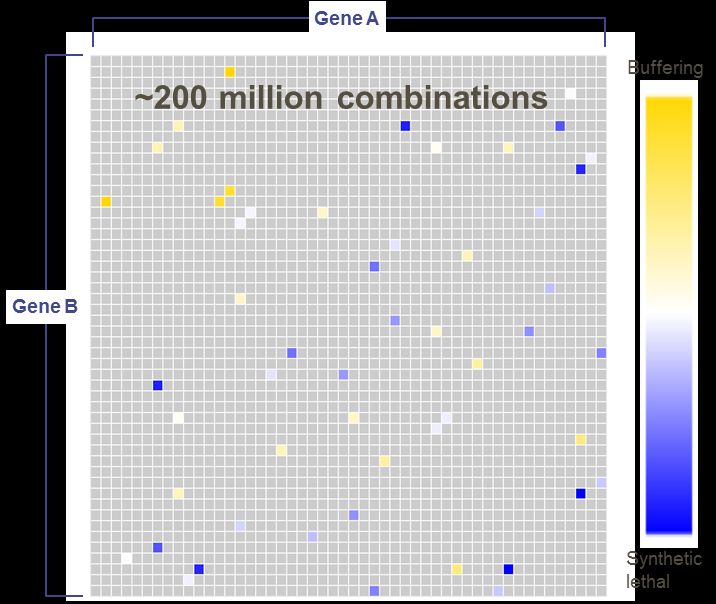
Agenda

     2019 progress and preparing for         Emma Walmsley,
     the future                              Chief Executive Officer

     2019 results and 2020 guidance          Iain Mackay,
                                             Chief Financial Officer

     R&D update                              Hal Barron,
                                             Chief Scientific Officer, President R&D

     2020 focus                              Emma Walmsley,
                                             Chief Executive Officer

     Q&A:
     David Redfern, Chief Strategy Officer, Chairman of ViiV
     Luke Miels, President Global Pharmaceuticals
     Brian McNamara, CEO GSK Consumer Healthcare
     Roger Connor, President Global Vaccines

                                                                                       3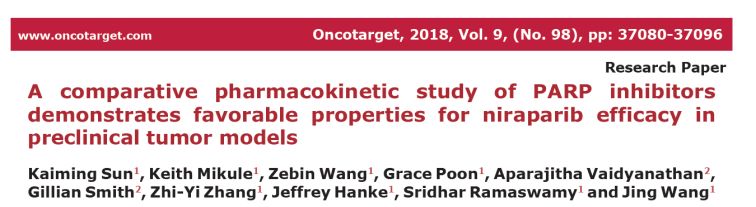
Emma Walmsley, CEO

5 February 2020
Significant progress on our long term priorities in 2019

                         Driving new Innovation       6 positive data read-outs
                         approach                     from pivotal studies
 Innovation
                         Driving transition to 2DRs   8 submissions and 4 new
                         in HIV                       assets into pivotal studies

                         Strengthened commercial      Increased Shingrix
 Performance             performance                  capacity

                         Building Specialty           New Consumer JV with
                         capability                   Pfizer
 Trust
                         Continued progress in        Top ranked in the DJSI for
                         Global Health                pharma industry
     Culture                                                                        5
Group sales and earnings growth in year of progress
Pharmaceuticals Respiratory* +15% Group sales growth
flat CER HIV +1%; dolutegravir +2% of +8%
(pro forma +4%)
Benlysta +25%
Zejula sales of £229m 26.6%
Group Adjusted
Vaccines operating margin
+19% CER Shingrix sales of £1,810m,+ >100%
Meningitis +15% Total EPS of
93.9p, +23%;
Adjusted EPS of
Pro forma +2% 123.9p, +1%
Consumer
Healthcare Oral health +7%
+17% CER FCF of £5.1 billion
Wellness +14% (pro forma flat)
All growth rates and margin changes at CER
The definitions for non-IFRS measures are set out on pages 60 of our FY 2019 earnings release, and reconciliations are set out on pages 21 and 35 6
*Respiratory refers to the Ellipta portfolio and NucalaNew product momentum continues to build
Respiratory: continued strong uptake Oncology: Regulatory submissions made for
for Trelegy and Nucala Zejula, belantamab and dostarlimab
TRELEGY: launched in 44 countries including Japan & China
ZEJULA: approved in US for use in 4L+ ovarian cancer in patients with gBRCA
CAPTAIN study in asthma met primary endpoint of superiority over ICS/LABA in mutations or HRD+ (QUADRA); PRIMA data in 1L OC maintenance submitted to
lung function*; US approval anticipated 2H 2020 FDA
NUCALA: At-home self-administration US approval received June 2019; market Belantamab mafodotin: Filed for treatment of relapsed/refractory* multiple
leading position myeloma; launch anticipated 1H 2020
Significant opportunity remains with ~27% of US SEA eligible patients having
Dostarlimab: Filed in US for the 2nd line treatment of recurrent endometrial cancer
received a biologic
*versus Relvar/Breo *Patients with relapsed multiple myeloma who are refractory to an immunomodulatory agent, a proteasome inhibitor,
and an anti-CD38 antibody
HIV: guideline updates underscore 2DR Vaccines: continued strong performance
efficacy, further launches planned from Shingrix
DOVATO: US (DHHS) and European (EACS) guidelines updated to include Dovato SHINGRIX: 2019 sales of £1,810 million; 14 million vaccinated in the US with at
for first line use least 1 dose since launch
Cabotegravir + rilpivirine: CRL received December 2019, working with FDA to Approval in China received May 2019; phased introduction of doses starting in
determine next steps 2020
Fostemsavir: FDA breakthrough designation; US approval anticipated 2020 Work underway on new facility to further grow capacity to meet demand
7Driving our growth outlook to 2022 and beyond
2023+
Pivotal Pivotal
Phase 1-2
‘165 otilimab (aGM-CSF)1 ‘091 (TLR4)
‘609 (ICOS agonist)1 ’254 (HIV MI)
‘863 daprodustat (HIF-PHI) ’836 (HBV ASO)
now-2022 ‘944 gepotidacin1 ‘595 (PRMT5 inhibitor)
(topoisomerase IV inhibitor) ‘656 (leucyl tRNA)
bintrafusp alfa1 ‘672 linerixibat (IBAT inhibitor)
(TGFβ trap/anti-PDL1) ‘762 (BET inhibitor)
CAB PrEP (HIV) ‘794 (NY ESO-1)
belantamab COPD vaccine
mafodotin MenABCWY vaccine
RSV vaccines
cabotegravir
+ rilpivirine
fostemsavir
dostarlimab
8
1. Recently entered pivotal studiesIntegration progressing rapidly
#1 in OTC
• Leadership positions in Integration initiated and
Pain Relief, Respiratory progressing on track
and VMS1
Complementary
#1 position in strengths in innovation,
Therapeutic Oral Health2 digital and retail
Strong geographic Value creation
footprint • £0.5bn cost synergy
• #1 in US, #2 in China1 potential
• ~1/3 of sales in EMs3 • Investing in growth
1. GSK analysis based on Nielsen, IRI and Euromonitor data; 2. Nicholas Hall’s DB6 Global OTC Database, 2018
3. Based on Q4 2019 reported results of the JV and excluding any impact from planned future divestments 9Preparing for 2 new companies
Investment in R&D and future growth drivers New GSK: a leading
biopharma company with
R&D focused on science of the
immune system, genetics and
New Common approach to R&D and capital allocation advanced technologies
Capabilities and efficiencies in support functions
2-year GSK Optimise supply chain and portfolio. Divestments
separation
programme New Build key technology infrastructure and
CH corporate functions
New leading Consumer
Healthcare company with
category leading power brands
CH JV integration, synergy delivery and investment in and innovation based on
growth drivers science and consumer insights
102019 results and 2020 guidance Iain Mackay, CFO
Headline results

                                                                 2019               Reported growth %
                                                                   £m                   AER              CER

              Turnover*                                         33,574                   10                 8

              Total operating profit                             6,961                   27                23
              Total EPS                                          93.9p                   27                23

              Adjusted operating profit*                         8,972                    3                 -
              Adjusted EPS                                      123.9p                    4                 1

              Free cash flow                                     5,073                  (11)              n/a

            * For 2019 on a pro-forma basis, Turnover growth was 4% CER and Adjusted operating profit declined -3% CER
                                                                                                                         12
Results reconciliation
2019
Disposals,
Total Intangible Intangible Major Transaction significant Adjusted
results amortisation impairment restructuring related legal and other results
Turnover
33.8 33.8
(£bn)
Operating
7.0 0.8 0.1 1.1 0.3 (0.3) 9.0
profit (£bn)
EPS
93.9 12.6 1.3 18.2 1.2 (3.3) 123.9
(pence)
2018 EPS
73.7 9.6 2.0 13.1 30.2 (9.2) 119.4
(pence)
13Pharmaceuticals
2019
Sales Operating margin Sales
All figures £m flat CER -720bps CER New launches: Trelegy, Nucala, Juluca,
+2% AER -710bps AER Dovato
17,269 17,554
33.3% Ventolin AG
2,612 Continued strong Benylsta performance
3,081
26.2% Impact of generic Advair
4,722
4,854
5,744
4,595
Operating profit
9,463 8,776
Tight control of costs
Impact of generic Advair
Investment in R&D and new
2018 2019 2018 2019 product support
Oncology Respiratory Established Addition of Tesaro cost base
II HIV 14Vaccines
2019
Sales Operating margin Sales
All figures £m +19% CER +730bps CER
+21% AER +850bps AER Shingrix demand
7,157 Meningitis growth
41.4%
541
5,894 MMRV supply constraints
523 1,810
784
33.0%
881 1,018
2,966
1,943
Operating profit
3,706 3,788
Operating leverage
Higher royalty income
2018 2019 2018 2019
Flu Meningitis
Shingrix Established 15Consumer Healthcare
2019
Sales Operating margin Sales
All figures £m
+2% CER Close of JV on 31 July
+50bps CER
8,792 8,995 Power brands performance
20.8%
20.2%
7,658 Strong growth in International
2,451 2,583
19.8% Divestments & phasing out of contract
1,828 manufacturing c.1%
Respiratory performance
2,479 2,456
2,340
1,776 1,874
1,517
Operating profit
3,862 3,956 Manufacturing restructuring benefits
3,490
Continued strong cost control
Targeted brand investment
2018 2018 2019 2018 2018 2019
Reported Pro-forma Reported Pro-forma
US EU International
16Sales and Adjusted operating margins
2019
Sales Adjusted operating margin
All figures £m
2018 sales at '18 rates 30,821 2018 operating margin 28.4%
Pro Forma sales at '18 rates 1,178 Pro forma impact on margin 0.2%
2018 sales at '18 rates (PF) 31,999 2018 Proforma margin 28.2%
Pharma up 0% CER 1 COGS up 5% CER 0.3%
Vaccines up 19% CER 1,139 SG&A up 7% CER 0.8% -1.9%
CER
Consumer up 2% CER 144 R&D up 13% CER 1.0%
Corporate up 9% CER 4 Royalties up 17% CER 0.1%
CER +4% 33,287 2019 margin at 18 FX 26.2%
FX +1% 467 Currency 0.4%
AER +5% 33,754 2019 margin at 19 FX 26.6%
17Adjusted operating profit to net income
Continued delivery of financial efficiency
2018 2019
£m £m 2020 Outlook*
Operating profit 8,745 8,972
Net finance expense (698) (810) Between £850-900m
Share of associates 31 74
Tax (1,535) (1,318)
Tax rate 19.0% 16.0% Around 17%
Non-controlling interests (674) (787)
Net income 5,869 6,131
* All expectations and targets regarding future performance should be read together with the “Outlook assumptions and cautionary statement” sections of the Fourth Quarter 2019
Results Announcement and the cautionary statement slide included with this presentation
182019 free cash flow of £5.1bn
£m Key Drivers
2018 free cash flow 5,692
Lower CCL 244 Comparison to Novartis milestone in 2018
Improved operating cashflow / working
Lower net operating cash** 242 capital and benefit from FX offset by RAR
Higher net Capex* 292 Including upfront to Merck KGaA of €300m
Higher restructuring payments 108
Higher interest and major legal costs,
Other*** 221 partially offset by lower distributions to non-
controlling interests
2019 free cash flow 5,073
CCL: contingent consideration liability
* Net Capex includes purchases less disposals of PP&E and intangibles
** Net operating cash is net cash inflow from operating activities including changes in working capital, excluding restructuring, operating CCL, and significant legal payments
*** Other includes significant legal payments, net interest paid, income from associates and JVs and distributions to minorities 19Preparing for 2 new companies
New GSK
Major restructuring savings and costs
Common approach to R&D and capital allocation £ bn, 2019 FX
0.7 0.8
Capabilities and efficiencies in support functions
Leaner organisation, leveraging recent and ongoing technology
investments, consistent operating models and location strategy 0.3
Optimise supply chain and product portfolio including 0.1
through non-core divestments
2-year 2020 2021 2022 2023
25% manufacturing footprint reduction since 2017 – maintain
separation momentum, competitive network fitting portfolio by 2022 Cash 0.6 0.6 0.4 0.0
programme Non-cash 0.3 0.3 0.2 0.0
Non-core divestment proceeds to fund cash costs of
programme and delivering New GSK Total 0.9 0.9 0.6 0.0
New Consumer Healthcare
Build technology infrastructure and corporate functions required to operate as a standalone company
Estimated one-time charge of £600-700m with the majority incurred prior to separation
No change to Adjusted operating margin outlook of mid-to-high 20s by 2022 for Consumer Healthcare
202020 guidance and considerations for the next two years
2020 2021 2022
Guidance: Adjusted EPS decline -1 to -4 % at CER
Shingrix slight improvements to Q4 2019 run rate Shingrix limited opportunity for further growth
Pharma revenues slight decline Increasing revenues from new launches
Investment in R&D and future growth drivers
2-year separation programme and savings
CH JV integration, synergy delivery and investment in growth drivers
All expectations and targets regarding future performance should be read together with the “Outlook assumptions and cautionary statement” sections of the Fourth Quarter 2019
Results Announcement and the cautionary statement slide included with this presentation
21R&D update Dr Hal Barron, Chief Scientific Officer
Strengthening our R&D
Science
             pipeline through a focus on
x
             science related to the immune
Technology   system, the use of human
x            genetics, and advanced
Culture      technologies

                                             23
Innovation
2019 saw our new approach to R&D come to life
and drive significant progress
Science
Strengthened our pipeline
• 3 major approvals
- Dovato, Dectova, Nucala pre-filled syringe
• 8 submissions
- Zejula in 1L OC, belantamab mafodotin in 4L+ MM, dostarlimab in dMMR/MSI-H recurrent EC, cabotegravir + rilpivirine in HIV,
fostemsavir in HIV, Trelegy in asthma, Zejula in 4L+ HRD+ OC, daprodustat in anaemia (Japan only)
• 6 positive data read-outs from pivotal studies
- CAPTAIN (Trelegy), PRIMA (Zejula), DREAMM-2 (belantamab mafodotin), GARNET (dostarlimab), HES (Nucala), BLISS-LN (Benlysta)
• 4 new assets advanced in to pivotal Phase 2/3 studies
- otilimab in RA, gepotidacin in uUTI / GC, bintrafusp alfa in BTC, ICOS in HNSCC
Technology
Realised benefits from our technology approach
• 8 joint programmes initiated with 23andMe across a broad range of disease areas
• Signed major agreements and initiated work with the Laboratory for Genomics Research and Lyell
Culture
Recognised our shifting culture
• Appointed new talent into 24% of key R&D roles with half being external hires
• Introduced annual Transformational Medicine Awards to celebrate successful delivery of our SxTxC approach 24Innovation
Our R&D pipeline of 39 medicines and 15 vaccines
In 2019: 20 progressions/additions, 14 terminations^ and 3 approvals
Phase 1 Phase 1 Expansion/Phase 2 Pivotal/Registration Vaccines
3358699* (BET targeted inhibitor)^ RA 3640254 (maturation inhibitor) HIV Benlysta + Rituxan SLE** Shingrix immuno-compromised* – Registration
3858279* (CCL17 inhibitor) OA pain 3228836* (HBV ASO) HBV cabotegravir** LA + rilpivirine* LA HIV Bexsero paediatric (US) - Phase 3
2636771 (PI3kb inhibitor) cancer 3772847* (IL33r antagonist) asthma Dovato HIV MMR (US) – Phase 3
2983559 (RIP2k inhibitor) IBD 2982772 (RIP1k inhibitor)^ pso/RA/UC daprodustat (HIF-PHI) anaemia Strep pneumonaie (next gen) – Phase 2
3511294* (IL5 LA antagonist) asthma 3377794* (NY-ESO-1 TCR) cancer fostemsavir (attachment inhibitor) HIV Rotarix liquid – Registration
2292767 (PI3kd inhibitor) respiratory diseases 2586881* (rhACE2) acute lung injury/PAH Nucala COPD/HES/nasal polyps Therapeutic COPD* – Phase 2
1795091 (TLR4 agonist) cancer 2330811 (OSM antagonist) systemic sclerosis Trelegy* asthma RSV paediatric – Phase 2
3810109* (broadly neutralizing antibody) HIV 2881078 (SARM) COPD muscle weakness Dectova* IV influenza MenABCWY – Phase 2
3537142* (NYESO1 ImmTAC) cancer 525762 (molibresib, BET inhibitor) cancer Nucala pre-filled syringe severe asthma Menveo liquid – Phase 2
3439171* (H-PGDS inhibitor) DMD 2862277 (TNFR1 antagonist) acute lung injury belantamab mafodotin* (BCMA ADC) multiple myeloma Malaria* (fractional dose) – Phase 2
3145095 (RIP1k inhibitor) pancreatic cancer 2330672 (linerixibat, IBAT inhibitor) cholestatic pruritus in PBC Zejula* (PARP inhibitor) ovarian cancer** Ebola – Phase 2
3368715* (Type 1 PRMT inhibitor) cancer 3326595* (PRMT5 inhibitor) cancer dostarlimab* (PD-1 antagonist) endometrial cancer** Shigella* – Phase 2
2269557 (nemiralisib PI3Kd inhibitor) APDS GR121619* (oxytocin) postpartum haemorrhage bintrafusp alfa* (TGFβ trap/anti-PDL1) BTC** Tuberculosis – Phase 2
3745417 (STING agonist) cancer TSR-022* (TIM-3 antagonist ) cancer otilimab* (3196165) RA HIV* – Phase 2
3174998* (OX40 agonist) cancer 3036656* (leucyl t-RNA inhibitor) tuberculosis gepotidacin* (2140944) uUTI and GC RSV maternal* – Phase 2
3186899* (CRK-12 inhibitor) visceral leishmaniasis 2831781* (LAG3) ulcerative colitis 3359609* (ICOS receptor agonist) HNSCC**, # RSV older adults* – Phase 1/2
3732394 (combinectin entry inhibitor) HIV TSR-033* (LAG3 antagonist) cancer Key: Therapeutic HBV* – Phase 1/2
Approved
Flu Universal – Phase 1/2
Note: Progressed / Added
Only the most advanced indications are shown for each asset. Hepatitis C – Phase 1/2
^ ‘772 and '699 were terminated and returned to Research so may start future studies in other indications. Terminated / Out-licensed
* In-license or other alliance relationship with third party. ** Additional indications also under investigation. C. Difficile – Phase 1
# ICOS HNSCC is a Phase 2/3 study with registrational potential.
RA = rheumatoid arthritis; OA = osteoarthritis; DMD = Duchenne muscular dystrophy; APDS= activated phosphoinositide 3-kinase delta syndrome; PBC = primary biliary cholangitis; TB = tuberculosis; SLE = systemic SAM (rabies model) – Phase 1 25
lupus erythematosus; HES = hyper eosinophilic syndrome; BTC = biliary tract cancer; uUTI = uncomplicated urinary tract infection; GC= gonorrhoea; HNSCC = head and neck squamous cell carcinomaInnovation
In the last 12 months we have achieved
23 positive pipeline milestones
1H 2019 2H 2019
Submission Cabotegravir LA +rilpivirine LA HIV treatment ✓ Fostemsavir HIV ✓ Key:
Zejula 4L ovarian cancer sNDA (QUADRA) ✓ Trelegy asthma ✓ ✓ +ve data in-house, decided to progress
belantamab mafodotin 4L MM monotherapy (DREAMM-2) ✓ +ve data in-house, decision pending
dostarlimab for dMMR/MSI-H recurrent endometrial cancer
(GARNET) ✓ data in-house, additional data needed
-ve data in-house, return to research
Zejula 1L ovarian cancer (PRIMA) ✓
daprodustat anaemia - JAPAN ONLY ✓ -ve data in-house, decided to terminate
Pivotal data Trelegy asthma ✓ belantamab mafodotin 4L MM monotherapy (DREAMM-2) ✓ HES = hypereosinophilic syndrome
Nucala HES ✓ MM = multiple myeloma
RA = rheumatoid arthritis
Zejula 1L ovarian cancer (PRIMA) ✓ UC = ulcerative colitis
ER+ = oestrogen receptor +
dostarlimab for dMMR/MSI-H recurrent endometrial cancer
(GARNET) ✓ MSI-H = microsatellite instable-high
dMMR = deficient mismatch repair
Benlysta lupus nephritis (BLISS LN) ✓
PoC data 3511294 (IL5 LA antagonist) asthma3 ✓ 2982772 (RIP1 kinase) UC 1. Investigator sponsored study
2. From initial cohorts data
2982772 (RIP1 kinase) RA 3640254 (maturation inhibitor) HIV 3. Interim/PK/PD confirmed
4. Data in-house and analysis ongoing
3772847 (IL33R) asthma ✓ 3326595 (PRMT5) cancer monotherapy2 ✓
3389404/3228836 (HBV ASO) hepatitis B ✓ Zejula + bev. 1L ovarian cancer
(OVARIO - single arm, safety study)
Zejula vs Zejula + bev. recurrent ovarian cancer (AVANOVA)1 ✓ Zejula + dostarlimab + bev. 2L+ platinum resistant ovarian
cancer (OPAL)4
dostarlimab recurrent MSS/MSI-H endometrial cancer
(GARNET) ✓ belantamab mafodotin 2L MM combo therapy (DREAMM-6) ✓
2586881 (ACE2) PAH Benlysta + Rituxan Sjogren’s syndrome
26
525762 (BET inh) ER+ breast combo therapy Moved to H1 2020Innovation
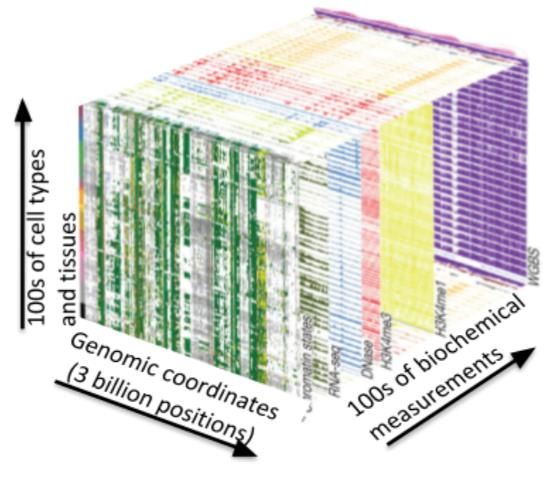
At Q2 2018 we said:
Functional genomics combined with machine learning will be powerful
Deep
X learning
27Innovation
Zejula
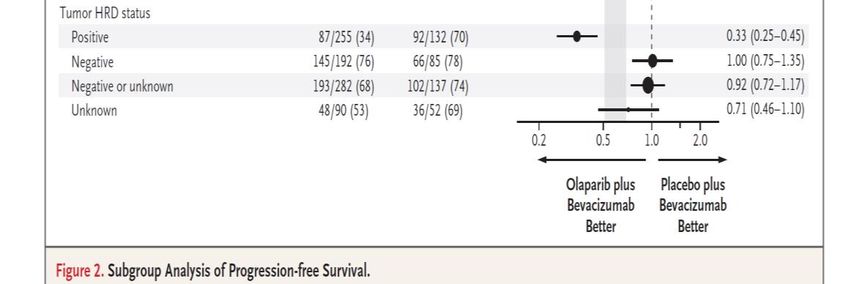
PRIMA showed clinically significant benefit in all biomarker subgroups
Homologous Recombination Deficient (HRd)
HRd/BRCAmut
HRd/BRCAmut HRd/BRCAwt
HRd/BRCAwt HR-proficient *
HR-proficient
100 100 100
Hazard ratio: 0.40 (95% CI, 0.27–0.62) Hazard ratio: 0.50 (95% CI, 0.31–0.83) Hazard ratio: 0.68 (95% CI, 0.49–0.94)
90 pInnovation
Zejula
A unique PK profile may explain the benefit in HR-proficient patients
BRCAmut TNBC model BRCAwt ovarian model
“Our results show that at steady state, tumor
exposure to niraparib is 3.3 times greater than
plasma exposure in tumor xenograft mouse models.
In comparison, the tumor exposure to olaparib is less
than observed in plasma. In addition, niraparib
crosses the blood-brain barrier and shows good
sustainability in the brain, whereas sustained brain
exposure to olaparib is not observed in the same
models.
Consistent with its favourable tumor and brain
distribution, niraparib achieves more potent tumor
growth inhibition than olaparib in BRCAwt models
and an intracranial tumor model at maximum
tolerated doses.”
Sun et al
29Innovation
Zejula
Developing the most compelling PARP inhibitor in ovarian cancer
Study start Read-out
4L
treatment
QUADRA pivotal
following 3-4 regimens of
chemotherapy
open label, single arm study
n= 461
2017 Complete Approved
recurrent OC and
niraparib + pembrolizumab (MK-3475)
TOPACIO POC advanced /metastatic 2016 Complete Published in JAMA
Recurrent TNBC
platinum resistant
n=~120
Open label, single arm nira + dostarlimab
platinum resistant MOONSTONE pivotal
ovarian cancer n=~150
2H 2019 2021 Enrolling
Recurrent NOVA pivotal platinum sensitive
niraparib vs. placebo following chemo
n= 553
2013 Complete Approved
maintenance therapy niraparib vs niraparib + bev
AVANOVA* POC platinum sensitive
n= ~100 (part 1 and part 2 combined)
2015 Complete Best of ASCO 2019
or treatment
RTOR
maintenance following niraparib monotherapy
1L
monotherapy and
PRIMA
OVARIO
pivotal
POC
CR/PR with frontline
chemo
maintenance following
frontline chemo+bev
n=~620
single arm, open label study of niraparib
+ bevacizumab
2016
2018
Complete
2020
Submitted in US
Published in NEJM
SGO 2020 presentation
n=~100
combination with novel maintenance in newly Combo w/dostarlimab +/- bevacizumab
FIRST pivotal 2018 2023 Enrolling
agents diagnosed advanced OC n=~620
30
*Investigator sponsored studyInnovation
belantamab mafodotin
DREAMM-2 showed a clinically meaningful benefit with both doses
mPFS was 2.9 and 4.9 months in the 2.5-mg/kg and 3.4-mg/kg groups, not reached in patients with MR or better
A. PFS survival by response B. PFS survival by response
(belantamab mafodotin 2.5-mg/kg) (belantamab mafodotin 3.4-mg/kg)
Post-hoc analysis. Responses in intent-to-treat population as assessed by IRC according to 2016 IMWG criteria (Kumar S et al. Lancet Oncol 2016;17:e328–346).
IMWG, International Myeloma Working Group; IRC, independent review committee; MR, minimal response; NE, not evaluable; PD, progressive disease; PFS, progression-free survival; PR, partial response; SD, stable disease.
Lonial S et al. Lancet Oncology, 2019, epub ahead of print
31Innovation
belantamab mafodotin
DREAMM-9 initiated and DREAMM-7 on track to start 1H 2020
Development strategy for use in:
Study start Est launch
relapsed/ Belantamab mafodotin monotherapy,
DREAMM-1 pilot 2014 ---
refractory patients single arm, n=73
Belantamab mafodotin monotherapy, BLA accepted, MAA validated
DREAMM-2 pivotal daratumumab failures Jun 2018 2020 RTOR
4L/3L
single arm, n=223 Published in Lancet Oncology
failed lenalidomide and Belantamab mafodotin monotherapy vs.
DREAMM-3 pivotal 1H 2020 2023
proteasome inhibitor PomDex, n=320
monotherapy and DREAMM-4 pilot
relapsed/ Belantamab mafodotin + PD1 combination,
Mar 2019 ---
refractory patients single arm, n=40
combinations
relapsed/ Belantamab mafodotin + novel
DREAMM-5 pilot Oct 2019 ---
refractory patients combinations platform study, n=514
Belantamab mafodotin+LenDex OR
DREAMM-6 pilot failed 1 prior therapy Oct 2018 ---
+BorDex, open label, n= 99
2L
combination with SOC
209418
DREAMM-7
ISS
pivotal
relapsed/
refractory patients
failed 1 prior therapy
Belantamab mafodotin+PomDex,
n= 78
Belantamab mafodotin+BorDex vs.
Dara+BorDex, n= 478
Jan 2019
1H 2020
---
2024
‘916+PomDex vs. PomBorDex,
DREAMM-8 pivotal failed 1 prior therapy 2H 2020 2023
n= 450
1L
combination with novel
DREAMM-9
DREAMM-10
pivotal
pivotal
transplant ineligible
transplant ineligible
Belantamab mafodotin+BorLenDex vs.
BorLenDex; n=798
Belantamab mafodotin+novel agent vs
SOC, n=TBC
Jan 2020
2021
---
---
and SOC agents 32Innovation
belantamab mafodotin
Lower dose provides similar efficacy with a better safety profile
Belantamab mafodotin, 2.5 mg/kg (N=95) Belantamab mafodotin, 3.4 mg/kg (N=99)
Number of patients with event (safety population), n (%)*
Grade 1-2 Grade 3 Grade 4 Grade 5 Grade 1-2 Grade 3 Grade 4 Grade 5
Keratopathy or corneal epithelium changes† 41 (43) 26 (27) 0 0 53 (54) 20 (20) 1 (1) 0
Thrombocytopenia‡ 14 (15) 8 (8) 11 (12) 0 24 (24) 11 (11) 22 (22) 1 (1)
Anemia 4 (4) 19 (20) 0 0 12 (12) 22 (22) 3 (3) 0
Blurred vision§ 17 (18) 4 (4) 0 0 28 (28) 2 (2) 0 0
Increased aspartate aminotransferase 17 (18) 2 (2) 0 0 18 (18) 6 (6) 0 0
Fatigue 13 (14) 2 (2) 0 0 21 (21) 5 (5) 0 0
Dry eye** 12 (13) 1 (1) 0 0 23 (23) 0 0 0
Neutropenia†† 4 (4) 5 (5) 4 (4) 0 12 (12) 12 (12) 3 (3) 0
• 71% of patients experienced keratopathy, about a quarter (24%) of whom were asymptomatic
• 27% of patients experienced Grade 3 keratopathy
• 1% of patients discontinued therapy due to keratopathy
• Keratopathy was appropriately diagnosed and managed by the DREAMM-2 investigators in collaboration with
ophthalmologists and optometrists
Lonial S et al. Lancet Oncology, 2019, epub ahead of print; Data on visual acuity referenced is GSK data on file.
Listed in order of decreasing frequency of Any Grade events in the 2·5-mg/kg cohort. *Events reported based on Common Terminology Criteria for Adverse Events criteria v4.03 in the safety population (including all patients who received at least one dose of trial treatment). †Keratopathy or
corneal epithelium changes (considered an adverse event of special interest [AESI]) were observed by ophthalmic examination. ‡Thrombocytopenia (considered an AESI) includes preferred terms thrombocytopenia, decreased platelet count, and cerebral hemorrhage. § Blurred vision includes
preferred terms vision blurred, diplopia, visual acuity reduced and visual impairment. ¶Infusion-related reactions (considered an AESI) includes preferred terms infusion-related reaction, pyrexia, chills, diarrhea, nausea, asthenia, hypertension, lethargy, tachycardia, vomiting, cough and
hypotension occurring within 24 hours of infusion. **Dry eye includes preferred terms dry eye, ocular discomfort, eye pruritus and foreign body sensation in eye. ††Neutropenia includes neutropenia, febrile neutropenia and neutrophil count decreased. Lonial S et al. Lancet Oncology, 2019, epub 33
ahead of print.Innovation
Progressing our innovative new medicines
Building momentum with impactful programmes across the portfolio
GSK ‘836 in chronic Hepatitis B gepotidacin in uUTIs and gonorrhoea
• Programme in-licensed from Ionis Pharmaceuticals in Q3 2019 • uUTI and GC not addressed by new oral antibiotics in 20 years
• Ph2a data presented at AASLD (Nov)1 • ~40% of uUTI patients have antibiotic resistance infections2
• HBsAg reduction seen in HBeAg positive and negative patients • Emerging resistance to 1st line therapy for gonorrhea3,4,5
with 300mg dose • Ph3 programme initiated to investigate gepo vs. ceftriaxone +
azithromycin (GC) and gepo vs. nitrofurantoin (uUTI)
Ph2b study start targeted by end 2020 Ph3 results expected by end 2021
GSK ‘609 ICOS agonist in HNSCC daprodustat in anaemia
• Demonstrated activity in both monotherapy and PD-1 combo • Futility analysis performed Dec 2019 on CV outcome studies,
• Ph2/3 INDUCE-3 study in HNSCC initiated (combo with which are continuing without modification
pembrolizumab) • Filed in Japan for anaemia due to chronic kidney disease
• Design allows progression to pivotal if interim analysis positive • Topline data from Ph3 cardiovascular outcome study est. 2022
Multiple POCs in 2H 2020 and 1H 2021 PMDA decision anticipated by end 2020
uUTIs = uncomplicated urinary tract infections; GC = urogenital gonorrhea; HNSCC = head and neck squamous cell carcinoma; POC = proof of concept; PMDA = Pharmaceuticals and Medicines Device Agency
1. Yuen MF et al. Phase 2a, randomized, double-blind, placebo-controlled study of an antisense inhibitor (ISIS 505358) in treatment-naïve chronic hepatitis B (CHB) patients: safety and antiviral efficacy. Poster presented at AASLD, The Liver Meeting, November 8-12, 2019, Boston.
2. World Health Organization STD Fact Sheet 2016: https://www.who.int/en/news-room/fact-sheets/detail/sexually-transmitted-infections-(stis)
3. Workowski KA, Berman SM, Douglas Jr. JM. Emerging antimicrobial resistance in Neisseria gonorrhoeae: urgent need to strengthen prevention strategies. Ann Intern Med. 2008;148(8):606-13
4. Antibiotic Resistance Threats in the United States. US CDC https://www.cdc.gov/drugresistance/biggest-threats.html 34
5. GSK US physician market research, 2019Innovation
Accelerating our innovative vaccine candidates
Key data anticipated this year for RSV and COPD
Respiratory syncytial virus (RSV) vaccine COPD therapeutic vaccine
• 177,000 hospitalisations and 14,000 deaths in older adults • Targeted at reducing acute exacerbations
• 50% of infants are infected before 1 year of age, and virtually everyone gets an RSV
• 75% of exacerbations are linked to
infection by 2 years of age
infections1: 30-45% are associated with
• Targeting protection across all ages with high burden two bacteria (haemophilus influenzae and
moraxella catarrhalis)2
1) Maternal 2) Paediatric 3) Older adults
• Extracted functional antigen from these
• Maternal antibodies to • Immunological priming to • Adjuvant to confer bacteria and combined with GSK’s
confer protection for first 6 confer protection from 4 protection beyond 60 AS01e adjuvant system
months months to 2 years old years of age
• Ph2 POC study ongoing in adults age 40-
• ~4m annual birth cohort* • ~4m annual birth cohort* • ~70m age 60+**
80 with COPD
All three candidates have FDA fast track designation and key data in 2020 POC data expected H2 2020
1. Sethi & Murphy 2008 and Sethi S & Murphy N Engl J Med 2008
2. Wilkinson et al Thorax 2017.
* US birth cohort: https://www.cdc.gov/nchs/fastats/births.htm.
** US Census: https://www.census.gov/data/tables/2018/demo/age-and-sex/2018-older-population.html
35Innovation
Improving our lifecycle management
Strengthening the partnership between Development and Commercial
Benlysta for lupus nephritis Nucala for HES, COPD and NP Trelegy for asthma
• Lupus nephritis (LN) is a common and • First treatment to demonstrate significant • ~30% of asthma patients on ICS/LABA
serious complication of systemic lupus reduction in flares for patients with still experience symptoms4
erythematosus (SLE) Hypereosinophilic Syndrome (HES)
• Positive headline results reported from
• Active LN can occur in up to 60% of • Pivotal HES study showed 50% reduction the Ph3 CAPTAIN study in May 2019
adults with SLE and remains an indicator in flares and regulatory submission is on-
of poor prognosis1,2,3 track for 1H 2020 • sNDA successfully filed in Oct 2019
• Positive headline results seen in Ph3 • First patient dosed in pivotal COPD study • Potential to be the first and only single
BLISS-LN study with primary and all inhaled triple therapy approved in the US
secondary endpoints met • Pivotal nasal polyps (NP) study aims to for asthma and COPD patients
be the first Ph3 study to show impact of
• Potential to be the first US approved an anti-IL-5 on NP
therapy for LN
Submission on-track for 1H 2020 Ph3 NP study on-track to report 1H 2020 FDA decision anticipated in 2020
1. Saxena et al, Lupus nephritis: current update. Arthritis Research & Therapy 2011, 13:240
2. Gordon C, Hayne D, Pusey C, et al. European Consensus Statement on the Terminology used in the Management of Lupus Glomerulonephritis. Lupus 2009;18:257-26
3. Waldman M and Appel GB. Update of the Treatment of Lupus Nephritis. Kidney International 2006;70:1403-1412.
4. Sulaiman I, Greene G, MacHale E, et al. A randomised clinical trial of feedback on inhaler adherence and technique in patients with severe uncontrolled asthma. Eur Respir J 2018;51.
36Innovation
Embedding our approach of using human genetics,
functional genomics and AI/machine learning
Human genetics is Functional genomics AI/ML capability is growing
starting to deliver work is initiating fast
23 and Me collaboration Laboratory for Genomics Research • ~50 engineers based across 5 global
• 8 joint programmes ongoing in sites; target to grow to 80 by year-end
• Joint Steering Committee initiated
oncology, immunology, neurology and
cardiovascular • Recruitment underway for a Director • Data inside GSK is on-track to double
in 2020 vs baseline of its entire history
• First project will enter the clinic in 2020 • Secondment programme for GSK
scientists has been initiated
• Database of 10 million+ customers with • Launched Fellows programme in
80% deciding to participate in research • On-track to select 3 joint projects and London for 10 early career ML experts
start university-funded projects in 1H
• All data are anonymized and 2020 • Evaluating key impact areas, such as
deidentified target discovery, drug design /
Erik Ingelsson, previously Professor of manufacturing and companion software
Medicine and Genetics at Stanford,
appointed SVP Human Genetics, GSK
37Innovation
Upcoming GSK R&D pipeline milestones
Potential for a number of approvals in 2020
1H 2020 2H 2020 1H 2021
Anticipated belantamab mafodotin 4L MM monotherapy (DREAMM-2) Fostemsavir HIV Nucala HES
approval dostarlimab for dMMR/MSI-H recurrent endometrial cancer
Zejula 1L ovarian cancer (PRIMA) Benlysta monotherapy for lupus nephritis
(GARNET)
Trelegy asthma
daprodustat anaemia - JAPAN ONLY
Anticipated Nucala HES Nucala NP Benlysta + Rituxan SLE
submission
Benlysta monotherapy for lupus nephritis Key:
Pivotal data Nucala NP Benlysta + Rituxan SLE bintrafusp alfa BTC ✓ +ve data in-house, decided to progress
daprodustat (HIF-PHI) anaemia* ✓ +ve data in-house, decision pending
data in-house, additional data needed
belantamab mafodotin 1L MM combo therapy
PoC data 2881078 (SARM) COPD muscle weakness 2831781 (LAG3) UC* -ve data in-house, return to research
(DREAMM-9)**
3174998 (OX40) + 1795091 (TLR4) cancer combo therapy* 3377794 (NY-ESO) MM & NSCLC* therapy 3359609 (ICOS) mono & combo therapy lung platform
-ve data in-house, decided to terminate
525762 (BET inh) ER+ breast combo therapy 1795091 (TLR4) + ICOS/pembro cancer combo therapy*
3036656 (leucyl t-RNA) tuberculosis
2330672 (linerixibat, IBAT inhibitor) cholestatic pruritus in
PBC1
525762 (BET inh) mCRPC combo therapy
3359609 (ICOS) +CTL4 cancer combo therapy * Interim analysis (internal) ** Safety run in data 1. Ph2b study
belantamab mafodotin combination with PD-1 in MM
HES = hypereosinophilic syndrome ER+ = oestrogen receptor+
(DREAMM-4)
MM = multiple myeloma mCRPC = metastatic castration resistant prostate cancer
COPD vaccine NP = nasal polyposis MSI-H = microsatellite instable-high
SLE = systemic lupus erythematosus PBC = primary biliary cholangitis
RSV older adults vaccine* UC = ulcerative colitis EC = endometrial cancer
NSCLC = non-small cell lung cancer BTC = biliary tract cancer
RSV maternal vaccine dMMR = deficient mismatch repair uUTI = uncomplicated urinary tract infection
38Significant progress on our long term priorities in 2019
Driving new Innovation 6 positive data read-outs
approach from pivotal studies
Innovation
Driving transition to 2DRs 8 submissions and 4 new
in HIV assets into pivotal studies
Strengthened commercial Increased Shingrix
Performance performance capacity
Building Specialty New Consumer JV with
capability Pfizer
Trust
Continued progress in Top ranked in the DJSI for
Global Health pharma industry
Culture 39Focus on execution as we prepare for the future
2020 focus
Innovation New GSK: a leading
• Execution of launches
biopharma company with
• Continue to strengthen pipeline
R&D focused on science of the
– Progress pipeline immune system, genetics and
– Drive operating advanced technologies
Performance
• Drive growth and operating performance performance
• Build Specialty capability
• Integration of Pfizer consumer health
– Successful
• Prepare for separation integration
New leading Consumer
– Prepare for Healthcare company with
Trust 2 new companies category leading power brands
• Regular updates on innovation and science and consumer
• Global health focused for impact insights
• Modern employer
Culture 40Q&A
Appendix
2020 outlook

Adjusted EPS/Dividend                                                  Operating costs                                                         Other
Adjusted EPS guidance:                                                  SG&A and R&D                                                            Royalties
Decline -1% to -4% at CER excluding                                     R&D investment to grow at a similar                                     Around £300m
divestments                                                             rate to 2019                                                            Net finance expense
Dividend                                                                Continued investment in new launches                                    Between £850-900m
Expect 80p for 2020                                                     and building specialty capability                                       Effective Tax rate
                                                                                                                                                Around 17%

Pharmaceuticals                                                        Vaccines                                                                Consumer Healthcare
Turnover                                                                Turnover                                                                Turnover
Slight decline excluding divestments                                    Annualising Shingrix Q419                                               Revised external category reporting
                                                                        performance with some slight                                            structure to be in place from Q1 2020
                                                                        improvements is a reasonable run                                        Transaction
                                                                        rate for 2020                                                           Nutrition sale to Unilever expected
                                                                                                                                                around the end of Q1 20201

Note: all outlooks at CER. Full 2020 EPS guidance can be found on page 2 of our Fourth Quarter 2019 press release.                                              1 Subject to legal and regulatory approvals

All expectations and targets regarding future performance should be read together with the “Outlook assumptions and cautionary statement” sections of the Fourth Quarter 2019 Results Announcement and the
cautionary statement slide included with this presentation

                                                                                                                                                                                                              43
Currency
2019 currency sales exposure 2020 Adjusted EPS ready reckoner
US $ 41 % US $
10 cents movement in average exchange rate for full year
Euro € 18 %
impacts Adjusted EPS by approx. +/- 5.5%
Japanese ¥ 6%
Other* 35 % Euro €
10 cents movement in average exchange rate for full year
impacts Adjusted EPS by approx. +/- 1.5%
• The other currencies that each represent more than
1% of Group sales are: Australian Dollar, Brazilian Real,
Japanese ¥
Canadian Dollar, Chinese Yuan, Indian Rupee, Russian
Rouble. 10 Yen movement in average exchange rate for full year
• In total they accounted for 13% of Group revenues in 2019. impacts Adjusted EPS by approx. +/- 1.0%
If exchange rates were to hold at the closing rates on 31 January 2020 ($1.31/£1, €1.19/£1 and Yen 143/£1) for the rest of 2020, the
estimated negative impact on 2020 Sterling turnover growth would be around 3% and if exchange gains or losses were recognised at the
same level as in 2019, the estimated negative impact on 2020 Sterling Adjusted EPS growth would be around 5%.
All expectations and targets regarding future performance should be read together with the “Outlook assumptions and cautionary statement” sections of the Fourth Quarter 2019 Results Announcement and
the cautionary statement slide included with this presentation 44Expected costs and savings under Major Restructuring
Programmes
£bn Cumulative 2019 2020 2021 2022 2023
Date
Actuals to
Announced 2019 Average Rates 2018 Actuals Projected 1
Combined Savings 2 3.9 4.2 4.3
Integration &
2015 Total charges 5.2 0.1 0.1
Restructuring
Programme 3 Cash payments 3.6 0.3 0.1
2018 Savings 2 0.2 0.4 0.5
Restructuring
Q2’18 Total charges 0.4 0.8 0.4 0.2
Programme
(incl. Tesaro) Cash payments 0.0 0.2 0.3 0.2 0.1
Synergies 2 0.2 0.4 0.5
Consumer JV Dec-18 Total charges 0.3 0.5 0.1 0.1
Cash payments 0.2 0.4 0.1 0.0
Savings 2 0.1 0.3 0.7 0.8
Separation
Preparation Feb-20 Total charges 0.9 0.9 0.6 0.0
Programme 4
Cash payments 0.5 0.7 0.4 0.0
1 All
expectations and targets regarding future performance should be read together with the “Outlook assumptions and cautionary statement” sections of the Fourth Quarter 2019 Results Announcement and the
cautionary statement slide included with this presentation.
2 Savings and synergies shown are cumulative for the programme to date throughout the table
3 The Combined Integration and Restructuring programme is substantially complete, therefore GSK will cease external reporting of total costs and benefits for this programme from 2020 onward.
4 Does not include additional one-time costs to prepare Consumer Healthcare for separation, estimated at £600-700m, excluding transaction costs 45Innovation
Our R&D pipeline
39 medicines and 15 vaccines
Phase 1 Phase 1 Expansion/Phase 2 Pivotal/Registration Vaccines
3858279* (CCL17 antagonist) OA pain 3640254 (maturation inhibitor) HIV Benlysta + Rituxan SLE** Shingrix immuno-compromised* – Registration
3745417 (STING agonist) cancer 3228836* (HBV ASO) HBV cabotegravir** LA + rilpivirine* LA HIV Bexsero pediatric (US) – Phase 3
3186899* (CRK-12 inhibitor) visceral leishmaniasis 3772847* (IL33r antagonist) asthma daprodustat (HIF-PHI) anemia MMR (US) – Phase 3
3511294* (IL5 LA antagonist) asthma 3377794* (NY-ESO-1 TCR) cancer fostemsavir (attachment inhibitor) HIV Rotarix liquid – Registration
1795091 (TLR4 agonist) cancer 2330811 (OSM antagonist) systemic sclerosis Nucala COPD/HES/nasal polyps Therapeutic COPD* – Phase 2
3810109* (broadly neutralizing antibody) HIV 2881078 (SARM) COPD muscle weakness Trelegy* asthma RSV paediatric – Phase 2
3537142* (NYESO1 ImmTAC) cancer 525762 (molibresib, BET inhibitor) cancer belantamab mafodotin* (BCMA ADC) multiple myeloma MenABCWY – Phase 2
3439171* (H-PGDS inhibitor) DMD 2330672 (linerixibat, IBATi) cholestatic pruritus in PBC Zejula* (PARP inhibitor) ovarian cancer** Menveo liquid – Phase 2
3368715* (Type 1 PRMT inhibitor) cancer 3326595* (PRMT5 inhibitor) cancer dostarlimab* (PD-1 antagonist ) endometrial cancer** Malaria* (fractional dose) – Phase 2
2269557 (nemiralisib, PI3Kd inhibitor) APDS GR121619* (oxytocin) postpartum haemorrhage bintrafusp alfa* (TGFβ trap/anti-PDL1) BTC** Shigella* – Phase 2
3174998* (OX40 agonist) cancer TSR-022* (TIM-3 antagonist ) cancer otilimab* (3196165) RA RSV maternal* – Phase 2
3732394 (combinectin, entry inhibitor) HIV 3036656* (leucyl t-RNA inhibitor) TB gepotidacin* (2140944) uUTI and GC RSV older adults* – Phase 1/2
2831781* (LAG3) ulcerative colitis 3359609* (ICOS receptor agonist) HNSCC**1 Therapeutic HBV* – Phase 1/2
TSR-033* (LAG3 antagonist) cancer C. Difficile – Phase 1
SAM (rabies model) – Phase 1
Note: Only the most advanced indications are shown for each asset
*In-license or other alliance relationship with third party;
RA = rheumatoid arthritis; OA = osteoarthritis; DMD = Duchenne muscular dystrophy; APDS= activated phosphoinositide 3-kinase delta syndrome; PBC = primary biliary cholangitis; **Additional indications also under investigation;
TB = tuberculosis; SLE = systemic lupus erythematosus; HES = hyper eosinophilic syndrome; BTC = biliary tract cancer; uUTI = uncomplicated urinary tract infection; GC= gonorrhoea; 1. ICOS HNSCC is a Phase 2/3 study with registrational potential
HNSCC = head and neck squamous cell carcinoma 46Innovation Upcoming milestones that will inform our progress
2H 2019 1H 2020 2H 2020 1H 2021 2H 2021
Anticipated fostemsavir (attachment inhibitor) HIV ✓ Nucala HES Nucala NP Benlysta + Rituxan SLE bintrafusp alfa BTC
submission
Trelegy asthma ✓ Benlysta lupus nephritis
belantamab mafodotin 4L MM monotherapy
(DREAMM-2) ✓
dostarlimab dMMR/MSI-H recurrent endometrial
cancer (GARNET) ✓
Zejula 1L ovarian cancer (PRIMA) ✓
daprodustat (HIF-PHI) anemia - JAPAN ONLY ✓
Pivotal data belantamab mafodotin 4L MM monotherapy
✓ Nucala NP Benlysta + Rituxan SLE bintrafusp alfa BTC Gepotidacin bacterial infections
(DREAMM-2)
Nucala HES ✓ daprodustat (HIF-PHI) anemia* ✓ dostarlimab combo with CT 1L EC (RUBY)
Zejula 1L ovarian cancer (PRIMA) ✓ Zejula + dostarlimab 2L+ PROC ovarian
cancer (MOONSTONE)
dostarlimab dMMR/MSI-H and MSS recurrent
endometrial cancer (GARNET) ✓
Benlysta lupus nephritis (BLISS LN) ✓
belantamab mafodotin (BCMA) 1L combo in MM
PoC data 2982772 (RIP1 kinase) UC^ 2881078 (SARM) COPD muscle weakness 2831781 (LAG3) UC*
(DREAMM-9)**
TSR-022 NSCLC (AMBER)
3174998 (OX40) + 1795091 (TLR4) cancer 3359609 (ICOS) mono & combo therapy lung
3640254 (maturation inhibitor) HIV 3377794 (NY-ESO) MM & NSCLC* therapy
combo therapy* platform Key:
3326595 (PRMT5) cancer monotherapy2 ✓ 525762 (BET inh) ER+ breast combo therapy
1795091 (TLR4) + ICOS/ pembro cancer combo
therapy* ✓ +ve data in-house, decided to progress
Zejula + bev. 1L ovarian cancer
3036656 (leucyl t-RNA) tuberculosis
(OVARIO: single arm, safety study) +ve data in-house, decision pending
Zejula + dostarlimab + bev. 2L+ platinum 2330672 (linerixibat, IBAT inhibitor) cholestatic
resistant ovarian cancer (OPAL)3 pruritus in PBC1
data in-house, additional data needed
Benlysta + Rituxan Sjogren’s syndrome 525762 (BET inh) mCRPC combo therapy
-ve data in-house, return to research
belantamab mafodotin (BCMA) 2L MM combo
✓ 3359609 (ICOS) +CTL4 cancer combo therapy
therapy (DREAMM-6)
belantamab mafodotin (BCMA) PD-1 combo in
-ve data in-house, decided to terminate
MM (DREAMM-4) HES: hypereosinophilic syndrome; MM: multiple myeloma;
NP: Nasal polyposis; RA: rheumatoid arthritis; SLE:
COPD vaccine
systemic lupus erythematosus; UC: ulcerative colitis;
NSCLC: non-small cell lung cancer ER+; estrogen receptor
RSV older adults vaccine* + ; mCRPC: metastatic castration resistant prostate cancer;
MSI-H: Microsatellite Instable- high, dMMR: deficient
RSV maternal vaccine mismatch repair; PBC- primary biliary cholangitis; EC-
endometrial cancer; BTC - biliary tract cancer
^Further research to be conducted *Interim Analysis (internal) **Safety run data 47
1. Ph2b study 2. From initial cohorts data 3. Data in-house and analysis ongoingInnovation
Changes in portfolio since Q3 2019
Changes to pipeline
New to Phase I expansion/
New to Phase I New to Pivotal New to Registration
Phase II
TSR-033 (LAG3 antagonist) cancer started GSK3359609 (ICOS receptor agonist) started belantamab mafodotin (BCMA
Phase I expansion Ph2/3 study in HNSCC immunoconjugate) 4L+ multiple myeloma
RSV maternal started Phase II fostemsavir (attachment inhibitor) HIV
dostarlimab (PD-1) recurrent dMMR/MSI-H
endometrial cancer (GARNET)
Zejula (PARP) 1L ovarian cancer (PRIMA)
Shingrix immuno-compromised
Rotarix liquid
Removed from Phase I
Removed from Phase I Removed from Pivotal Removed from Registration
expansion/ Phase II
GSK3358699 (targeted BET inhibitor) RA moved Tuberculosis vaccine (out licensed)
back to research HIV vaccine
GSK2636771 (PI3kb inhibitor) cancer – ongoing
investigator sponsored studies will continue
Changes to milestones
Zejula + dostarlimab (PARP + PD-1) 2L+ PROC ovarian cancer (MOONSTONE): pivotal data moved from 2H2020 to 2H2021
belantamab mafodotin (BCMA immunoconjugate) 1L MM (DREAMM-9): combination therapy dose data moved from 1H2020 to 1H2021
TSR-022 (TIM-3) NSCLC (AMBER): PoC data moved from 2H2020 to 2H2021
GSK525762 (BET) ER+ breast cancer combination: PoC data moved from 2H2019 to 1H2020
GSK2330811 (OSM antagonist) for systemic sclerosis: PoC data in 2H2020 removed from chart. Data expected is proof of mechanism
GSK3858279 (CCL17 antagonist) for OA pain: PoC data in 1H2021 removed from chart. Data expected is proof of mechanism 48You can also read


