CARRIER PRODUCTS AND LEED CERTIFICATION - Carrier Corporation Syracuse, New York July 2011
←
→
Page content transcription
If your browser does not render page correctly, please read the page content below
CARRIER PRODUCTS AND
LEED® CERTIFICATION

Carrier Corporation
Syracuse, New York

July 2011
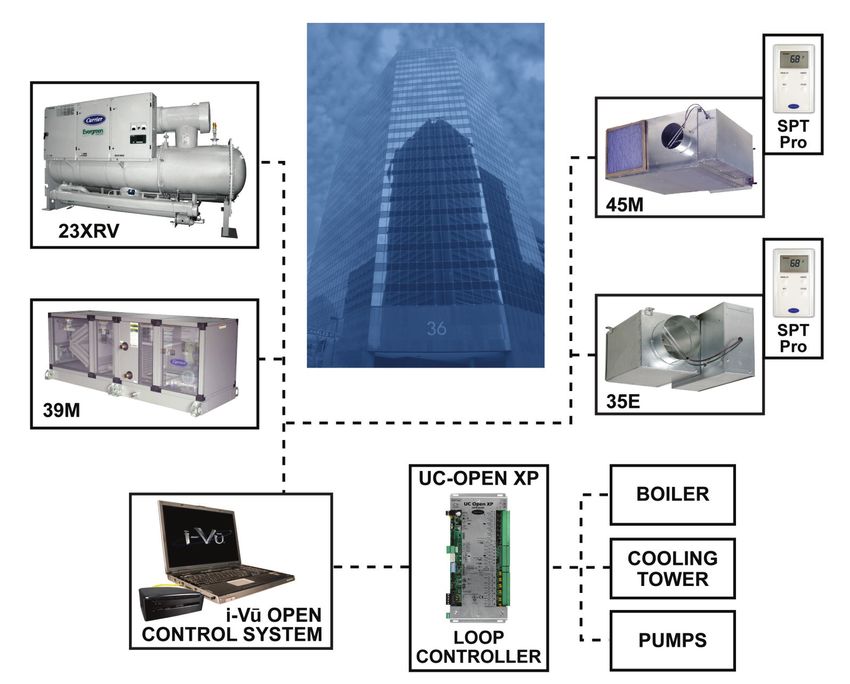
TABLE OF CONTENTS
INTRODUCTION .............................................................. 2,3           LEED FOR EXISTING BUILDINGS: OPERATIONS
                                                                                          AND MAINTENANCE .............................................. 10-13
LEED GREEN BUILDING CERTIFICATION                                                            Energy and Atmosphere (EA) .............................. 10,11
PROGRAM OVERVIEW ................................................ 3-5                        Indoor Environmental Quality (IEQ) ......................... 12
                                                                                             Water Efficiency (WE) .............................................. 13
LEED GREEN BUILDING CERTIFICATION
PROGRAM AND HVAC PRODUCTS AND                                                             CARRIER PRODUCTS AND
SERVICES ...................................................................... 5-7       LEED CERTIFICATION ........................................... 13-18

LEED FOR NEW CONSTRUCTION AND MAJOR                                                       SYSTEM DIAGRAMS............................................... 19-51
RENOVATIONS .............................................................. 8,9
   Energy and Atmosphere (EA) ..................................... 8
   Indoor Environmental Quality (IEQ) ........................... 9

INTRODUCTION

The LEED® (Leadership in Energy and Environmental                                         that official projects demonstrate compliance with the
Design) green building certification program is the                                       requirements of the LEED green building certification
preeminent program for rating the design, construction                                    program. Elements of the LEED rating systems have
and operation of green buildings. The program was                                         been written into building codes throughout the U.S.
developed by the U.S. Green Building Council®
(USGBC) and is administered by the GBCI™ (Green                                           This paper provides a high-level overview of the
Building Certification Institute). By optimizing energy                                   LEED green building certification program and
and resource use, green buildings not only reduce                                         describes where high-performance heating, ventilating,
environmental impacts, but also benefit building owners                                   and air conditioning (HVAC) systems and products
and occupants.       Green building practices reduce                                      play a critical role in optimizing green building
operating costs, increase worker productivity, and                                        performance. The paper focuses on the application of
promote healthy indoor air quality.                                                       LEED 2009 for New Construction and Major
The LEED green building certification program is a                                        Renovations™ (LEED for New Construction) and
widely recognized, voluntary third-party certification                                    LEED for Existing Buildings: Operations and
program. In fact, several US federal government                                           Maintenance™ (LEED for Existing Buildings: O&M)
agencies, and state and local governments now require                                     in North America.

*LEED is a registered trademark of the U.S. Green Building Council.

                                                                                      2
The first LEED rating system was released in 2000. The LEED GREEN BUILDING CERTIFICATION
LEED green building certification program has since PROGRAM OVERVIEW
evolved to include standards that cover all aspects of the
design, construction, operation and maintenance of green GREEN BUILDING DESIGN AND
buildings. In 2009, there were significant changes to the CONSTRUCTION
LEED green building certification program, including: The credit categories in this group address the design
1. The point totals have been increased, with the primary and construction process for green buildings. LEED
emphasis on building energy use and transportation of certification applies permanently to these buildings and
building occupants. The goal of these changes is to cannot be increased or revoked. There are currently five
reduce the carbon footprint of a building. LEED rating systems that relate to green building and
2. The LEED green building certification program has construction: LEED for New Construction, LEED for
been updated to reference ASHRAE 90.1-2007 and Schools ™, LEED for Core & Shell™, LEED for Retail:
62.1-2007 and other industry standards used for
New Construction ™ and LEED for Healthcare™.
certification.
3. All the rating systems in the LEED green building These ratings are best applied when the primary goal is
certification program now have common point totals to achieve certification for design related activities,
and levels of certification. whether the building is new or existing.
4. A new credit category, Regional Priority credits, has
been added. Additional points may be earned for The LEED for New Construction & Major
incorporating strategies that address regional Renovations rating system covers new design and
environmental issues. An example of a regional issue is construction and major renovation projects for
the use of water in the Southwest U.S.A. commercial, high-rise residential and institutional
5. Across the LEED green building certification program, buildings, where at least 50% of the space is owner
the credit requirements among the different LEED 2009 occupied. Projects which do not meet these requirements
rating systems have been reconciled for consistency. should use the LEED for Core & Shell or LEED for
6. In LEED for New Construction, a new prerequisite has Commercial Interiors™. Points are issued in seven
been added for water efficiency. One additional point
credit categories:
has been added in the Innovation in Design credit
category. Sustainable Sites (SS)
7. In LEED for Existing Buildings: O&M, one additional Water Efficiency (WE)
point has been added in the Innovation in Operations Energy & Atmosphere (EA)
credit category.
Materials & Resources (MR)
8. Point thresholds have been changed to better reflect the
impact that a particular credit can have on the Indoor Environmental Quality (IEQ)
environment and human health and productivity. For Innovation in Design (ID)
example, the use of renewable energy now receives a Regional Priority (RP)
higher number of points than in earlier versions as a The focus of LEED for New Construction is on design
result of the recognition of the important role played by issues, whether for new buildings or existing buildings
renewable energy in reducing our carbon footprint.
undergoing major renovation.
9. Minimum Program Requirements (MPRs) limit the
application of the LEED rating system to permanent All commercial and institutional buildings (except K-12
buildings with a minimum of 1000 square feet (ft2) and school buildings) are eligible for certification under
at least one full-time equivalent employee (FTE). In LEED for New Construction, including office buildings,
order to become certified, building owners must now retail and service establishments, high-rise residential
agree to share their energy and water consumption data buildings, government buildings, recreational facilities,
for at least three years following certification. manufacturing plants, and laboratories. Also covered
Additional requirements include minimum occupancy
and site boundary requirements.
under this rating system are libraries, museums, and
churches.
The LEED for Schools rating system is based on LEED
for New Construction but is tailored to address issues
specific to the design and construction of K-12 schools,
such as classroom acoustics, master planning, mold
prevention and environmental site assessment.
3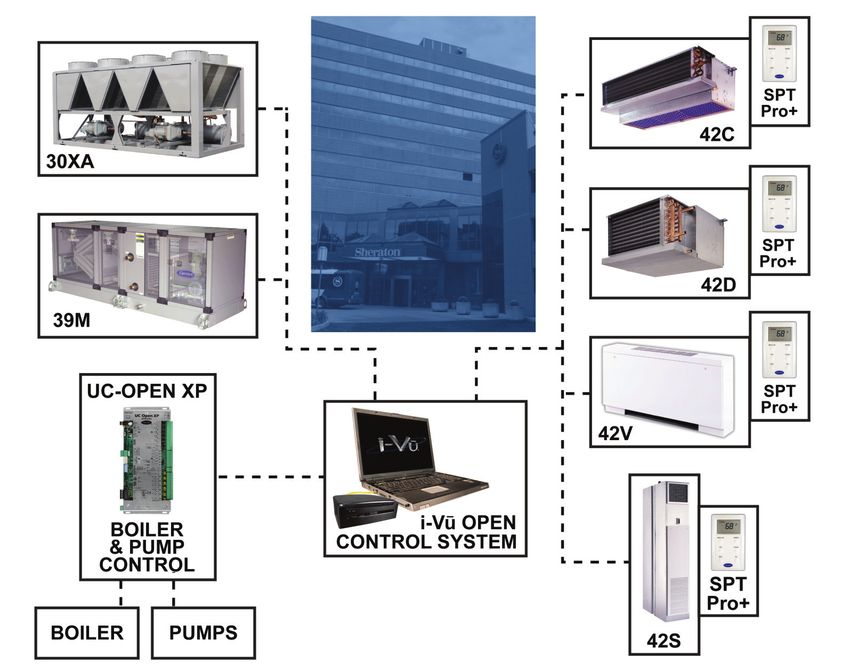
Currently, all new construction and major renovations of          LEED for Retail: Commercial Interiors addresses the
K-12 school facilities seeking LEED certification must            special needs of chain retailers, who frequently rent
use LEED for Schools. LEED for New Construction can               space and fit it out to meet their specific needs.
no longer be applied to K-12 school building projects.
                                                                  GREEN BUILDING OPERATIONS
LEED for Core & Shell establishes standards for basic
building elements, such as structure and building level
                                                                  & MAINTENANCE
systems, which are under the control of the building              Green building operations and maintenance are
developer. LEED for Core & Shell is used for the design           addressed in one rating system, LEED for Existing
of new buildings or major renovations of existing                 Buildings: Operations & Maintenance. This rating
buildings where less than 50% of the building is owner            system can be applied to buildings that were previously
occupied.                                                         certified under one of the other LEED rating systems or
                                                                  have never been certified. Greater than 50% of the space
LEED for Retail: New Construction takes into account              in these buildings must be occupied and the focus is on
that retail businesses often use a standard store layout          operational performance, not design. LEED for Existing
and duplicate it in many locations. Retail stores also            Buildings: O&M does not apply to buildings where more
have unique lighting, occupancy and other requirements            than 50% of the space or 50% of the occupants are
which are addressed in LEED for Retail: New                       impacted by renovation.        Projects that exceed these
Construction.                                                     percentages should use one of the design and
LEED for Healthcare guides the design and                         construction LEED rating systems. Unlike the other
construction of both new buildings and major                      rating systems, LEED for Existing Buildings: O&M
renovations of existing buildings, and can be applied to          requires recertification. Buildings can apply for
inpatient, outpatient and licensed long-term care                 recertification as frequently as each year but must file for
facilities, medical offices, assisted living facilities and       recertification at least once every 5 years to maintain
medical education and research centers. Health care               their LEED for Existing Buildings: O&M status. It is
applications have many special requirements in terms of           possible to improve the certification level during
ventilation air, filtration, and pressure relationships           recertification. An additional system for schools is under
requirements that are different than other types of               consideration.
buildings. The LEED for Healthcare rating system was              The focus of LEED for Existing Buildings: O&M is
developed based on the requirements in the Green Guide            on building operational metrics and the documentation
for Health Care™.                                                 and verification of sustainable practices. LEED for
                                                                  Existing Buildings: O&M credit categories are the same
GREEN BUILDING INTERIOR DESIGN AND                                as those for LEED for New Construction, with the
CONSTRUCTION                                                      exception that innovation points are awarded under
The credit categories in this section address the needs           Innovations in Operations (IO) in the LEED for Existing
associated with tenant fit-out of office and retail spaces,       Buildings: O&M rating system. LEED for Existing
where the building shell and basic systems are designed           Buildings: O&M applies to the same building types as
by the a building owner or developer. The two rating              LEED for New Construction (i.e., office buildings, retail
systems that address interior design and construction are:        and service establishments, high-rise residential
LEED for Commercial Interiors™, and LEED for Retail:              buildings, government buildings, recreational facilities,
Commercial Interiors™. These rating systems are                   manufacturing plants, laboratories, libraries, museums,
frequently used in conjunction with LEED for Core &               and churches) and also includes schools (K-12).
Shell and are design oriented. Certification applies
                                                                  LEED for Existing Buildings: O&M can be applied to
permanently to spaces.
                                                                  existing buildings not already LEED certified, as well as
LEED for Commercial Interiors includes credit                     buildings certified under the one of the other LEED
categories that are similar to those found in LEED for            rating systems (e.g., LEED for New Construction, LEED
New Construction. Under LEED for Commercial                       for Core & Shell, and LEED for Schools). Even if the
Interior, however, the focus is on categories that may be         building was previously LEED certified in one of the
under the control of the building owners and/or tenants.          other rating systems, the LEED for Existing Buildings:
For instance, energy performance optimization addresses           O&M application is considered a separate, initial
lighting and lighting controls, while resource utilization        application.
addresses interior building systems and furnishings. This
LEED rating system may be applied to interior spaces              USGBC encourages building owners to start the building
where the building owner occupies less than 50% of the            performance recording period for LEED for Existing
space.                                                            Buildings: O&M as soon as achieving certification in
                                                                  one of the other rating systems.
                                                              4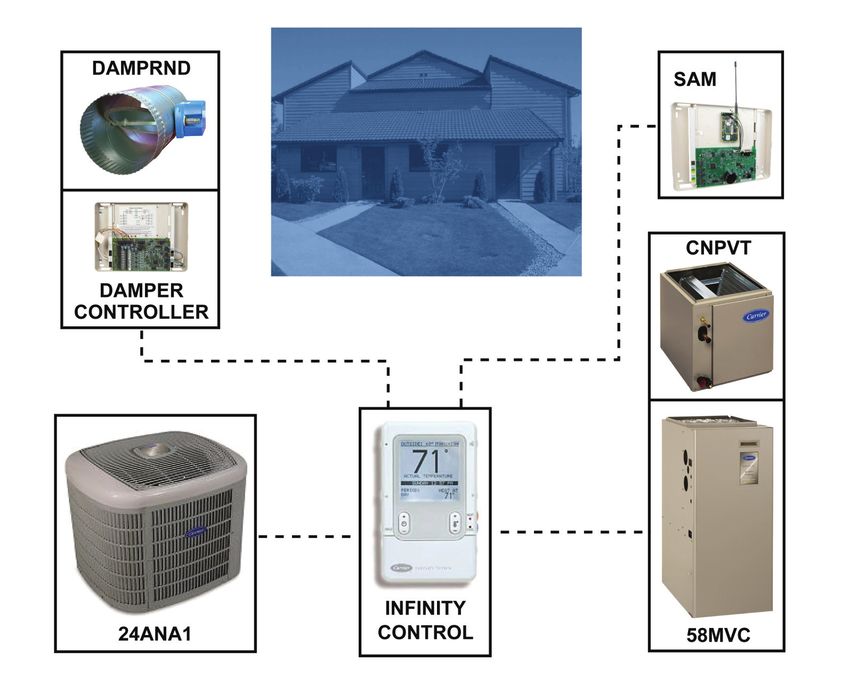
GREEN RESIDENTIAL BUILDINGS award points for achieving credits in the following
categories:
The LEED for Homes™ rating system applies to the
new construction and total renovation of existing single
Sustainable Sites (SS)
family and multi-family homes with fewer than four
Water Efficiency (WE)
stories above grade. Homebuilders interested in
participating in the LEED for Homes program are Energy & Atmosphere (EA)
required to contact a LEED for Homes Provider Materials & Resources (MR)
organization. LEED for Homes Provider has three Indoor Environmental Quality (IEQ)
primary roles: 1) Marketing LEED to builders; 2) Regional Priority (RP)
Providing green home rating support services to The seventh category for LEED for New Construction is
builders; and 3) Training, coordinating and overseeing Innovation in Design (ID), and the seventh category for
LEED qualified inspectors and builder support staff. LEED for Existing Buildings: O&M is Innovation in
Unlike the other rating systems, the LEED for Homes Operations (IO). Projects can achieve LEED Certified,
certification process requires a LEED for Homes Green LEED Silver, LEED Gold, or LEED Platinum level of
Rater, who may work directly for a LEED for Homes certification, depending on the number of points
Provider or contract independently with one or several awarded. (See Fig. 1.) The majority of credits in the
Providers. The primarily role of the LEED for Homes LEED rating systems are performance-based and
Green Rater is the oversight of all verification services achieving them is dependent on the impacts to the
on a LEED for Homes registered project. overall building. The contribution any product or
LEED for Homes covers the same basic credit categories system may make to the points achieved depends on
as the other rating systems, but with distinct differences. how it impacts the entire building and its operations.
LEED for Homes includes two unique credit categories:
1) Location and Linkages, and 2) Awareness and
Education. This rating system includes both performance
and prescriptive requirements. Another difference in
LEED for Homes is the number of available options for
credits as compared to the other rating systems. The
LEED for Homes Green Rater may choose to use either
the prescriptive or performance based approach.
GREEN NEIGHBORHOODS
The LEED for Neighborhood Development™ rating NOTE: Due to credit requirements, no project can
system addresses sites with multiple buildings and obtain the full 110 points.
sustainable infrastructure design. LEED for
Neighborhood Development focuses on site selection, Fig. 1. 110 Possible LEED Points
design, and construction elements of neighborhoods
from both a local and regional perspective. This rating The LEED green building certification program does not
system has four credit categories: Smart Location and certify products or services. However, the selection of
Linkage, Neighborhood Pattern and Design, Green products or service programs is critical to obtaining
Infrastructure and Buildings, and Innovation and Design LEED certification for a registered project because the
Process. Individual buildings in a LEED for right products or service programs can help meet the
Neighborhood Development registered project are goals of green construction and ongoing operation and
required to pursue LEED certification in one of the other maintenance. The choice of heating, ventilating, and air
LEED rating systems, such as LEED for New conditioning (HVAC) products, in particular, can have a
Construction. significant impact on LEED certification, as the HVAC
system directly impacts two categories that together
influence 40% of the available points. (See Fig. 2 and
LEED GREEN BUILDING CERTIFICATION 3.)
PROGRAM AND HVAC PRODUCTS AND The achievement of points in any particular area depends
SERVICES on the combination of products selected and the specific
application of those products. Therefore, no products or
The LEED 2009 rating systems for LEED for New systems can claim that their use will guarantee that
Construction and LEED for Existing Buildings: O&M LEED points will be awarded.
5
Carrier HVAC products, which are built to high                    monitoring and trend logging of space temperature and
standards of energy efficiency and indoor air quality, can        humidity conditions. Carrier’s i-Vu® open control
assist building owners with earning LEED points in the            system can be configured to meet these criteria.
credit categories of Energy & Atmosphere (EA) and                 Carrier products can also contribute to LEED for New
Indoor Environmental Quality (IEQ). Success in the                Construction Innovation in Design credits. In this credit
credit category of Energy & Atmosphere is more                    category, ID Credits 1.1 through 1.5 provide the
important than ever. Under the LEED 2009 for New                  opportunity to earn points for exceeding requirements in
Construction rating system, EA Prerequisite 2:                    one of the other five credit categories (i.e., Sustainable
Minimum Energy Performance requires that a building’s             Site, Water Efficiency, Energy & Atmosphere, Materials
energy performance be at least 10% better than the                & Resources, and Indoor Environmental Quality).
requirements of ASHRAE 90.1-2007. Efficiency ratings
that are based on part-load as well as full-load efficiency       Points in the Innovation in Design credit category may
are better indicators of a high-efficiency product.               also be earned by demonstrating performance in an area
Meeting the benchmark for commercial building energy              of green building or sustainability that is not addressed
codes in the United States is no longer satisfactory for          in the rating system. One innovative Carrier product that
earning LEED certification. HVAC products, as a                   may contribute to a credit in the ID category is Carrier’s
minimum, must be at least at the levels required by               Microsteam® turbine generator. Carrier’s Microsteam
ASHRAE 90.1-2007 or must meet nationally-                         turbine provides sustainable energy recovery by using
implemented federal requirements that exceed the                  existing steam sources to generate usable electric energy.
requirements of ASHRAE 90.1-2007. Many Carrier                    Contact a Carrier Sales Engineer to discuss other HVAC
products offer multiple lines that provide efficiencies           systems that may contribute to earning ID Credits.
higher than the minimum required ASHRAE                           New school construction projects are certified under the
efficiencies.                                                     LEED for Schools rating system. Within this rating
The Energy & Atmosphere credit category also includes             system, Carrier products can contribute to IEQ Credit 9:
credits for commissioning and measurement and                     Enhanced Acoustical Performance. This credit awards
verification (M&V). Building controls are important               points for reducing background noise in learning spaces,
elements in achieving both of these credits. Carrier’s            which can be achieved through sound and vibration
i-Vu® open control system is capable of managing and              control of HVAC equipment.
monitoring HVAC systems and easily integrates with
other building systems, such as lighting. One of the
requirements for the thermal comfort verification credit
is that the building automation system (BAS) provides

                                       Fig. 2. Overview of LEED for New Construction &
                                                      Major Renovations
                                                              6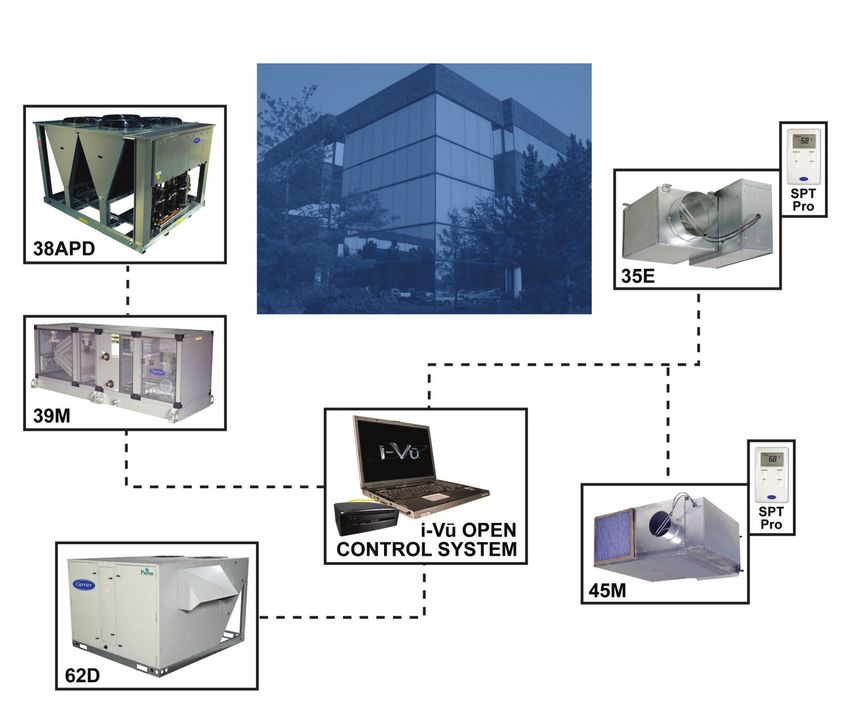
Fig. 3. Overview of LEED for Existing Buildings:
                                               Operations & Maintenance

Carrier product and service offerings can contribute to        control of systems and also gather and record data
meeting the goals of LEED for Existing Buildings:              for initial certification and for the required ongoing
O&M through preventive ongoing maintenance                     trend and data collection required for recertification.
solutions and modernization upgrades to equipment,             Almost one half of all the points in LEED for Existing
controls, and systems. Carrier’s service staff can help        Buildings: O&M are impacted by the application of
building owners and facility managers create and               the BAS.
execute plans for achieving and maintaining LEED for           Carrier products and services may also contribute to
Existing Buildings: O&M certification. Services                points earned in the Regional Priority category. For
available include remote equipment and system                  example, energy saving features are very important in
monitoring, demand control ventilation monitoring              the Northeastern United States, while air quality
and adjustment, and both unit and performance                  products may contribute to the Regional Priority
analysis. Preventive maintenance service agreements            category in areas with poor outdoor air quality.
are available for all brands of rooftops, chillers,
packaged products, water source heat pumps, boilers,           The following section describes the prerequisite and
compressors, air-handlers, cooling towers, pumps,              credit requirements in the LEED for New Construction
variable speed drives, controls, and accessories.              and LEED for Existing Buildings: O&M that are most
Carrier can also install and service building                  applicable to HVAC equipment. The EA and IEQ
automation and control systems and energy saving               credit categories address HVAC equipment in the
solutions, including microturbines and variable speed          LEED for New Construction rating system, and the
drives, and perform upgrades to equipment. Remote              EA, IEQ and WE credit categories address HVAC
monitoring capability for system and equipment                 equipment in the LEED for Existing Buildings: O&M
diagnostics and operating controls are also available.         rating system.
These products and services can contribute to                  NOTE: This document only covers the prerequisite
sustainable, efficient operation of a building and             and credit requirements that involve HVAC
should be considered by owners seeking LEED for                equipment. This paper does not address all of the
Existing      Buildings:  O&M        certification   or        prerequisite requirements that are required for LEED
recertification at a higher level than previously              certification.
awarded.                                                       Products are not reviewed or certified under LEED.
LEED for Existing Buildings: O&M requires                      LEED credit requirements cover the performance of
monitoring performance of HVAC systems, and other              materials in aggregate, not the performance of
building energy and water systems. Carrier’s i-Vu®             individual products or brands. For more information
open control system can provide optimized building             on LEED, visit: www.usgbc.org.
                                                          7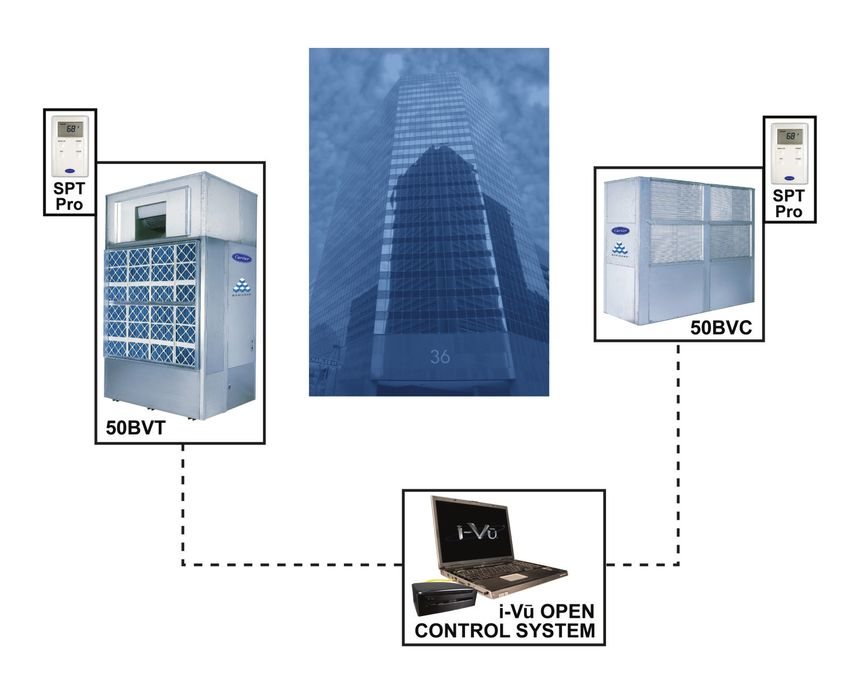
LEED FOR NEW CONSTRUCTION &
MAJOR RENOVATIONS
ENERGY & ATMOSPHERE (EA)
26 HVAC-RELATED LEED POINTS POSSIBLE
NOTE: All three prerequisites in the EA credit energy analysis component of this credit. The HAP
category directly relate to HVAC equipment. The program can run analysis programs that comply with
Carrier products referenced comply with the the modeling requirements for this credit and produce
requirements of each of these prerequisites under reports that are easily transferable to LEED templates.
LEED.
EA Credit 3: Enhanced Commissioning
EA Prerequisite 1: Fundamental Commissioning 2 Points
of Building Energy Systems Review system operation. In addition to the
Provide commissioning services that assure that the requirements of EA Prerequisite 1, this credit requires
owner’s requirements are met in the finished building. a review of building systems operations with the
The Building Automation System (BAS) is an building staff within 10 months of substantial
important component which must be commissioned completion. A BAS that controls, monitors, and trends
and can provide the systems control and logging and logs building system operation can help identify
required to execute the commissioning plan. Carrier’s operational problems and provide recordable data.
i-Vu® open control system has features which can Carrier’s i-Vu® open control system can be a valuable
enhance this process. tool in this process.
EA Credit 4: Enhanced Refrigerant Management
EA Prerequisite 2: Minimum Energy Performance
2 Points
Establish the minimum level of energy efficiency for
Minimize the Ozone Depletion Potential (ODP) and
the building or system by specifying Carrier
Global Warming Potential (GWP) of the system.
equipment that exceeds the energy efficiency and
Carrier units that use reduced refrigerant charges and
control requirements of ASHRAE 90.1-2007. It should
environmentally sound refrigerants, such as Puron®
be noted that for some products, such as rooftops, new
refrigerant (R-410A) and R-134a and Carrier’s
efficiency levels have been implemented by federal
absorption chillers, which use water as the refrigerant,
law which exceed ASHRAE 90.1-2007 and can be
contribute toward satisfying this credit under LEED.
found in ASHRAE 90.1-2010.
Novation® heat exchanger technology with
microchannel condenser coils can reduce required
EA Prerequisite 3: Fundamental Refrigerant
refrigerant charge by up to 40% compared to
Management
traditional coil technology. This credit only allows the
Reduce ozone depletion by specifying units that do not
assumption of a 2% leak rate. There is no approved
use chlorofluorocarbon (CFC) refrigerants. All new
test procedure for verification of a leak rate, and
Carrier equipment uses non-CFC refrigerants and
claiming a leak rate lower than 2% is not allowed
Carrier can assist with replacement equipment or the
under LEED.
conversion to non-CFC refrigerants for many types of
existing equipment. General guidelines for charge determination:
EA Credit 1: Optimize Energy Performance ODP/GWP calculation for acceptable charge of
1 to 19 Points R-134a
One component of this credit requires the reduction of packaged unit—2.8 lb/ton
the energy cost of the proposed building compared to scroll or reciprocating chillers—3.30 lb/ton
ASHRAE 90.1-2007 minimum tables and beyond the centrifugal or screw chillers— 3.03 lb/ton
performance level required to meet EA Prerequisite 2. ODP/GWP calculation for acceptable charge of
Carrier units that are designed for efficient part-load R-410A
performance, heat reclaim, or that include energy packaged unit—1.98 lb/ton
saving features such as demand controlled ventilation scroll or reciprocating chillers—2.11 lb/ton
(DCV) can contribute towards satisfying this credit centrifugal or screw chillers—2.17 lb/ton
under LEED. In addition, the Carrier HAP (Hourly
Analysis Program) is a program that can be used in the NOTE: The actual acceptable refrigerant charge
values are based on job weighted average.
8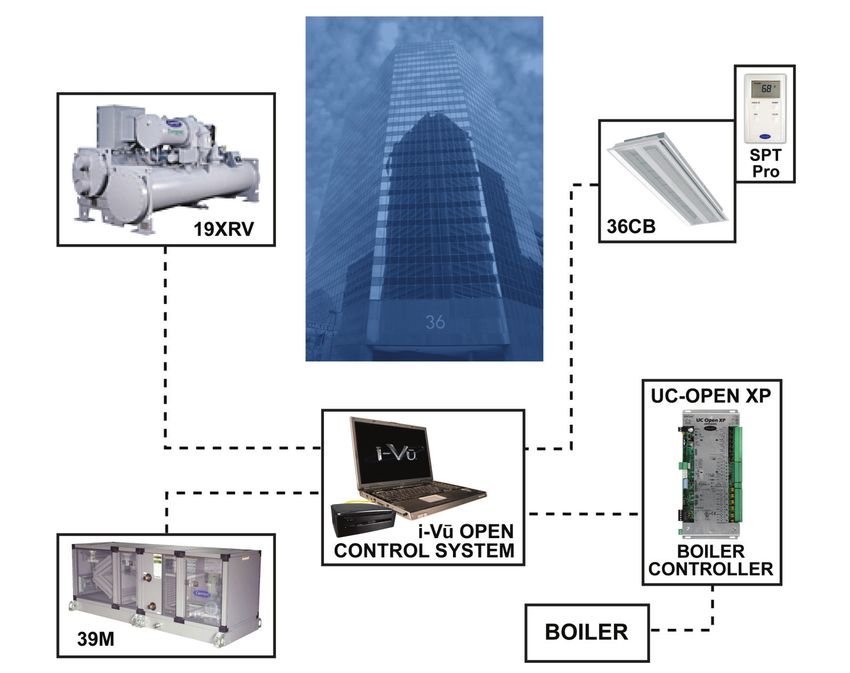
EA Credit 5: Measurement and Verification
3 Points                                                         and all other energy-using systems in the building.
Develop and implement a plan to measure and record               Data can be collected and used to develop trend logs.
building energy consumption over time. Carrier     One of the new Minimum Program Requirements
equipment and building control systems, such as    (MPRs) is to provide energy and water consumption
Carrier’s i-Vu® open control system, can be configured
                                                   data to USGBC. The ability of the BAS to track this
to measure and record energy usage and monitor the required data contributes toward satisfying EA Credit
performance of fans, compressors, heating devices, 5 and the MPRs under LEED.
___________________________________________________________________________________________
INDOOR ENVIRONMENTAL QUALITY (IEQ)
6 HVAC-RELATED LEED POINTS POSSIBLE
NOTE: There are two prerequisites in the IEQ credit              IEQ Credit 2 under LEED while promoting energy
category, but only one relates to HVAC equipment.                efficiency.
Carrier products referenced contribute towards                   IEQ Credit 5: Indoor Chemical and Pollutant
satisfying IEQ Prerequisite 1 under LEED.                        Source Control
IEQ Prerequisite 1: Minimum Indoor Air Quality                   1 Point
Performance                                                      Minimize and control pollutant entry into building
Establish minimum indoor air quality (IAQ)                       systems. Carrier air-handling units and rooftop units
performance by specifying units that meet the                    can be provided with a MERV (Minimum Efficiency
ventilation rates described in ASHRAE 62.1-2007 and              Reporting Value) 13 filter system.
unit construction that enhances indoor air quality. The          IEQ Credit 6.2: Controllability of Systems—
Carrier units applicable to this prerequisite (all airside       Thermal Comfort
equipment including rooftop units, air handlers,                 1 Point
vertical packaged units, water source heat pumps,                Provide individual comfort control for 50% of the
packaged terminal air conditioners, and fan coil units)          building’s occupants. Carrier systems that may be
comply with the construction and performance                     configured to comply with the IEQ Credit 6.2
requirements of IEQ Prerequisite 1 under LEED,                   requirements under LEED include variable volume
including the required MERV 6 filters in units.                  and temperature (VVT®) systems designed for small
IEQ Credit 1: Outdoor Air Delivery Monitoring                    zones, UFAD (underfloor air distribution) systems,
1 Point                                                          chilled beam systems, and individual room terminal
                                                                 units.
Install permanent monitoring systems to ensure
ventilation meets ASHRAE 62.1-2007. This credit                  IEQ Credit 7.1: Thermal Comfort—Design
requires monitoring of carbon dioxide in densely                 1 Point
occupied spaces and monitoring of outdoor airflow in             Control and maintain humidity and temperature, and
other spaces. Carrier units that use DCV (demand                 comply with the requirements of ASHRAE 55-2004.
controlled ventilation) with monitored output or that            Carrier rooftop units and air handlers coupled with
use air-handling units with airflow stations contribute          Carrier building controls contribute toward satisfying
towards satisfying IEQ Credit 1 under LEED.                      the IEQ Credit 7.1 requirement and dehumidification
IEQ Credit 2: Increased Ventilation                              options can maintain humidity control throughout all
1 Point                                                          seasons. Permanent monitoring of comfort conditions
                                                                 is required.
Improve IAQ by increasing the outdoor air ventilation
to 30% above that required by ASHRAE 62.1-2007.                  IEQ Credit 7.2: Thermal Comfort—Verification
Ventilation load represents one of the largest elements          1 Point
of the heating and cooling load. Since increased                 Permanent monitoring of space comfort conditions.
ventilation will tend to increase the heating and                This credit can only be obtained if Credit 7.1, Thermal
cooling load and impact space humidity, options that             Comfort: Design is achieved, and requires that
recover energy or control humidity should be                     permanent monitoring of space comfort conditions can
considered. Carrier offers equipment and options                 be maintained. Carrier’s i-Vu® open control system
[such as energy recovery, DOAS (Dedicated Outdoor                can contribute towards satisfying IEQ Credit 7.2 under
Air Systems)], outdoor humidity control, air handlers,           LEED.
and rooftop units that can contribute toward satisfying
                                                             9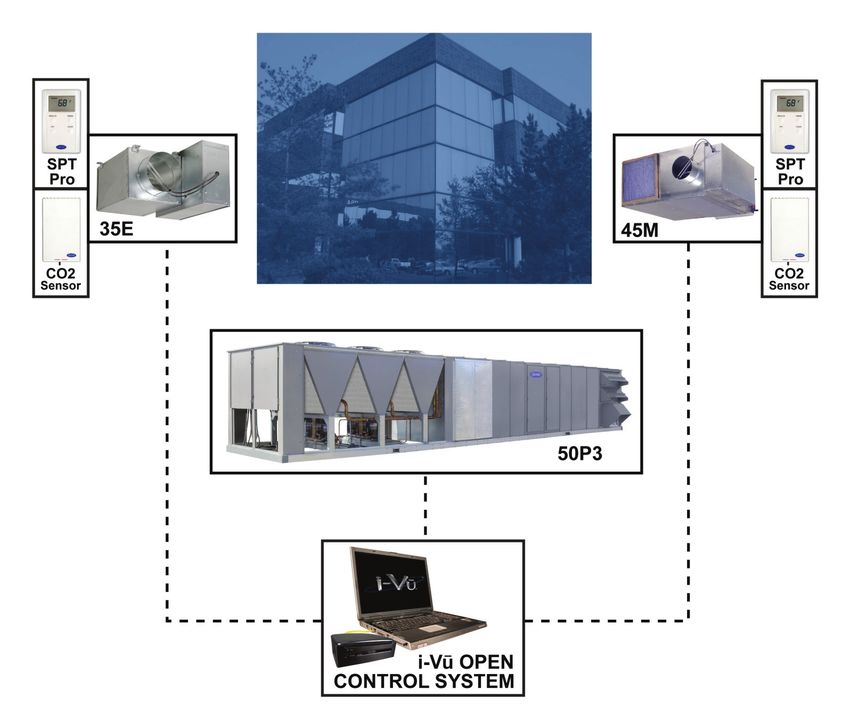
LEED FOR EXISTING BUILDINGS:
OPERATIONS & MAINTENANCE

ENERGY & ATMOSPHERE (EA)
28 HVAC-RELATED LEED POINTS
POSSIBLE

NOTE: There are three prerequisites in the EA credit             EA Prerequisite 3: Fundamental Refrigerant
category that relate to HVAC equipment. The Carrier              Management
products referenced comply with the requirements of              Minimize the Ozone Depletion Potential (ODP) and
EA Prerequisite 1, EA Prerequisite 2, and EA                     Global Warming Potential (GWP) of the system. All
Prerequisite 3 under LEED.                                       new Carrier equipment uses non-CFC refrigerants and
                                                                 can be specified for new HVAC systems or
EA Prerequisite 1: Energy Efficiency Best                        replacement equipment and building modernization.
Management Practices—Planning, Documentation,                    For those systems still using CFC refrigerants, Carrier
and Opportunity Assessment                                       can maintain the equipment to help keep the leak rates
Document the equipment sequence of operations and                within the required limits and can also provide options
develop a building operating and maintenance plan to             for refrigerant containment, refrigerant conversion, or
ensure that energy efficient operating strategies are            planned unit replacement.
maintained. This prerequisite requires an energy audit
that meets the requirements of the ASHRAE Level I                EA Credit 1: Optimize Energy Performance
walk-through assessment. Carrier’s staff includes                1 to 18 Points
experts who are trained in conducting energy audits              Points are awarded for achieving increasing levels of
and who can help conduct an audit and determine cost             ENERGY STAR energy performance ratings. Proper
effective upgrades and operational improvements.                 building system operations and maintenance and
Carrier offers preventive maintenance service                    energy improvements through system upgrades and
agreements for all brands of rooftops, chillers, boilers,        new equipment, controls, and accessories can improve
compressors, air-handler, cooling towers, pumps,                 the ENERGY STAR energy performance rating.
variable speed drives, controls and accessories.                 Carrier has a wide range of high-efficiency products,
Agreements can provide both preventive and                       from the 23XRV chiller to high performance water
predictive maintenance, and remote monitoring                    source heat pump units and rooftop units, which can
capabilities.                                                    contribute to a building’s energy efficiency. Carrier
                                                                 also offers system upgrades, such as variable speed
EA Prerequisite 2: Minimum Energy Efficiency                     drive (VSD) retrofits on existing chillers, air handlers
Performance                                                      and pumps, and services, such as duct sealing, which
Proper maintenance and operation can have a                      can have a significant impact on reducing energy use.
significant impact on a building’s ENERGY STAR®                  Since the ENERGY STAR energy performance rating
energy performance rating. Through its preventive                is based on performance over time, establishing
maintenance service agreements, Carrier can help                 maintenance programs and the monitoring and
maintain equipment and systems at high performance               recording of energy usage patterns is important to keep
levels. Carrier also offers a complete line of building          the building operating at design efficiency levels.
controls to keep the system operating at peak                    Carrier’s i-Vu® open control system can keep the
efficiency and which can provide the reports necessary           building operating at peak performance and provide
for the ENERGY STAR Portfolio Manager tool and to                the trend logging required by this credit.
maintain LEED recertification requirements. Carrier
has many new products and services to upgrade the
building HVAC system and improve the building’s
energy performance.

                                                            10
LEED FOR EXISTING BUILDINGS:
OPERATIONS & MAINTENANCE (cont)
ENERGY & ATMOSPHERE (EA)
28 HVAC-RELATED LEED POINTS
POSSIBLE (cont)
EA Credit 2.1: Existing Building Commissioning— EA Credit 3.2: Performance Measurement—
Investigation and Analysis System-Level Metering
2 Points 2 Points
Over time, building occupancy and use patterns Measuring energy consumption at the HVAC system
normally change from design conditions. Unless level provides information that can be used to
usage patterns are re-evaluated, equipment operation determine when adjustment or maintenance is
may become less efficient. Carrier has trained staff to required. Carrier’s i-Vu® open control system
help building owners and managers determine if their measures and records system level energy use data for
building systems are operating at peak performance for all types of fuel sources.
the current building usage.
EA Credit 5: Enhanced Refrigerant Management
EA Credit 2.2: Existing Building Commissioning— 1 Point
Implementation Use refrigerants that minimize the Ozone Depletion
2 Points Potential (ODP) and Global Warming Potential
This credit provides an opportunity to implement (GWP) of the building’s HVAC system. Carrier can
changes in the HVAC system operation and to upgrade provide a full line of replacement HVAC equipment
components to better meet the building’s current that uses reduced refrigerant charges and
needs. Carrier provides services that maintain and environmentally sound refrigerants, such as Puron®
recondition HVAC equipment, restoring operation to refrigerant (R-410A) and R-134a, which contribute
optimal levels. Carrier also has a full line of energy towards satisfying EA Credit 5 under LEED. Carrier’s
efficient HVAC products and add-on components, absorption chillers use water as the refrigerant, for
such as VSDs (variable speed drives for chillers, air cooling without CFCs. Novation® heat exchanger
handlers, and pumps) which can be retrofitted to technology with microchannel condenser coils can
existing HVAC systems to help the system better reduce required refrigerant charge by up to 40%
match load conditions of the current building and compared to traditional coil technology. This credit
reduce energy consumption. only allows the assumption of a 2% leak rate. There is
no approved test procedure for verification of a leak
EA Credit 2.3: Existing Building Commissioning— rate, and claiming a leak rate lower than 2% is not
Ongoing Commissioning allowed under LEED.
2 Points
General guidelines for charge determination:
Maintaining building systems at peak operations
requires continuously monitoring performance and ODP/GWP calculation for acceptable charge of
routinely adjusting to changes in building use and R-134a
operation. Carrier provides services for regular packaged unit—2.8 lb/ton
commissioning and Carrier’s i-Vu® open control scroll or reciprocating chillers—3.30 lb/ton
system offers scheduled assessment and monitoring of centrifugal or screw chillers— 3.03 lb/ton
building systems’ performance.
ODP/GWP calculation for acceptable charge of
EA Credit 3.1: Performance Measurement— R-410A
Building Automation System packaged unit—1.98 lb/ton
1 Point scroll or reciprocating chillers—2.11 lb/ton
centrifugal or screw chillers—2.17 lb/ton
One of the best technologies for determining if the
building is operating efficiently is a building NOTE: The actual acceptable refrigerant charge
automation system, which monitors energy use and values are based on job weighted average.
provides usage trends. Carrier can provide building
automation systems that meter and track the use of
energy at the building and individual system level.
11LEED FOR EXISTING BUILDINGS:
OPERATIONS AND MAINTENANCE (cont)
INDOOR ENVIRONMENTAL QUALITY (IEQ)
5 HVAC-RELATED LEED POINTS
POSSIBLE
NOTE: There are three prerequisites in the IEQ credit outdoor airflow in other spaces. Carrier units that use
category, but only one relates to HVAC equipment. demand controlled ventilation (DCV) when output can
The Carrier products referenced comply with the be monitored or air-handling units with airflow
requirements of IEQ Prerequisite 1. stations can both contribute towards satisfying this
credit under LEED. Maintaining performance logs
IEQ Prerequisite 1: Minimum Indoor Air Quality can also ontribute to satisfying this credit. Carrier’s
Performance i-Vu® open control system provides monitoring and
Modify or maintain air handling units (including trend logging functions.
rooftop units and indoor self contained units) to supply
a ventilation rate that meets the outdoor air ventilation IEQ Credit 1.3: Indoor Air Quality Best
rates described in ASHRAE 62.1-2007. Implement Management Practices—Increased Ventilation
and maintain an HVAC system maintenance program 1 Point
to ensure the proper operations and maintenance of Improve IAQ by increasing the outdoor air ventilation
HVAC units as they relate to outdoor air introduction to 30% above that required by ASHRAE 62.1-2007.
and exhaust. This prerequisite requires that all air Carrier offers HVAC system options, such as energy
handlers provide the ventilation air required by the recovery and outdoor humidity control, which can
ASHRAE standard or the required minimum airflow contribute to meeting this requirement while
under LEED. This prerequisite also requires that maintaining energy efficiency.
exhaust systems be checked regularly. Carrier can
provide building controls and make system IEQ Credit 1.4: Indoor Air Quality Best
adjustments and modifications that improve airflow Management Practices—Reduce
and track the systems operation. Particulates in Air Distribution
1 Point
IEQ Credit 1.1: Indoor Air Quality Best Reduce exposure of building occupants and
Management Practices—Indoor Air maintenance personnel to potentially hazardous
Quality Management Program particulate contaminants using filtration media with a
1 Point MERV (Minimum Efficiency Reporting Value) rating
Enhance indoor air quality by optimizing practices to of 13 or greater for all outside air intakes and inside air
prevent and correct indoor air quality problems and recirculation returns. Carrier provides after-market
maintain the well-being of the occupant. This credit system retrofits using a technology solution that
requires the implementation of an Indoor Air Quality includes air filtration of particles and dirt and lower
(IAQ) management program based on EPA’s “Indoor airside pressure drop for energy savings and
Air Quality Building Education and Assessment germicidal air purification. Additionally, Carrier can
Model (I-Beam),” EPA Reference Number 402-01- help establish and institute a filter maintenance plan,
001, December 2002. Carrier’s trained staff can which complies with the on-going maintenance
provide assistance in identifying HVAC system requirements of this credit.
operation and performance issues that can compromise
building IAQ. They also provide assistance in IEQ Credit 2.3: Occupant Comfort—Thermal
correcting the problems and instituting controls and Comfort Monitoring
procedures to help prevent future IAQ issues. 1 Point
Provide continuous monitoring and optimization of
IEQ Credit 1.2: Indoor Air Quality Best
systems that regulate indoor comfort and conditions
Management Practices—Outdoor Air
(air temperature, humidity, air speed and radiant
Delivery Monitoring
temperature) in occupied spaces to comply with the
1 Point
comfort criteria of ASHRAE Standard 55-2004.
Provide ventilation system monitoring capabilities. Carrier control systems with system and equipment
This credit requires monitoring of carbon dioxide diagnostic capabilities can provide remote monitoring
(CO2) in densely occupied spaces and monitoring of of operating control limits.
12LEED FOR EXISTING BUILDINGS: CARRIER PRODUCTS AND
OPERATIONS & MAINTENANCE (cont) LEED CERTIFICATION
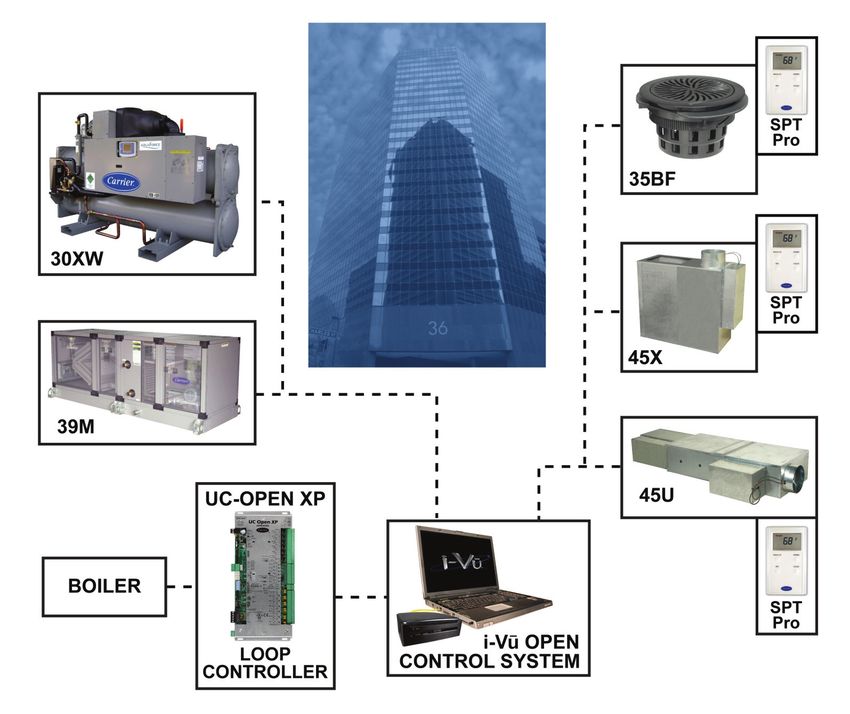
WATER EFFICIENCY (WE) The charts on the following pages list the key
2 HVAC-RELATED LEED POINTS POSSIBLE components of the major types of HVAC systems and
the Carrier products that contribute toward satisfying
NOTE: There is only one prerequisite in the WE the respective credits under LEED.
credit category and it does not relate to HVAC
equipment. Products are not reviewed or certified under LEED.
LEED credit requirements cover the performance of
materials in aggregate, not the performance of
individual products or brands. Therefore, no products,
WE Credit 4.1: Cooling Tower Water programs, or services can claim that their use will
Management—Chemical Management guarantee the achievement of LEED points.
1 Point
Although water-cooled equipment is more efficient
than air-cooled equipment, cooling towers are a
significant source of a building’s water usage, which
may be a consideration in places where water is a
scarce resource. If not managed correctly, chemicals
used in a cooling tower’s water treatment can result in
an increase in the use of water (blow-down). A good
water treatment program can maintain water
conditions while reducing the need for blow-down.
Carrier can assist in developing a cooling tower
maintenance plan that will maintain optimum water
conditions without excess water usage, reducing blow-
down and make-up water needs.
WE Credit 4. 2: Cooling Tower Water
Management—Non-Potable Water Source Use
1 Point
Water from other building sources can be used to
reduce the use of potable water for cooling tower
operation. In addition, proper control of the cooling
tower can reduce the initial need for water. Cooling
tower water use can be minimized through proper
maintenance, treatment, and control. Carrier can help
develop and implement a plan to minimize water use
and maintain the cooling tower at peak performance.
13CARRIER PRODUCTS CONTRIBUTE TO LEED CERTIFICATION
NEW CONSTRUCTION AND MAJOR RENOVATIONS
SIZE RANGE SYSTEM COMPONENT
SYSTEM TYPE
(Tons) Refrigeration Air Handler Terminal Control System
Constant Volume DX Single Zone Outdoor Packaged Rooftop Unit System
Infinity®
48/50XL,XL‐A,VL,VL‐A,ES,ES‐A
Programmable Control or
2‐5 50XT,XT‐A, 50VT,VT‐A, EZ, EZ‐A
Performance™
48XT, XT‐A, VT, VT‐A, EZ‐A
Programmable Control
48/50HC, 48/50TC
Carrier 3‐12.5 i‐Vu® Open Control System
50TCQ, 50HCQ None
Products
15‐27.5 48/50TC, 48/50HC, 50TCQ i‐Vu Open Control System
ComfortLink™ Controls and
20 ‐ 60 48/50A
i‐Vu Open Control System
ComfortLink Controls and
30 ‐ 100 48/50P
i‐Vu Open Control System
EA Prerequisite 2 EA Prerequisite 1
EA Prerequisite 3 EA Credit 1
EA Credit 1 EA Credit 3
EA Credit 4 EA Credit 5
LEED
N/A IEQ Prerequisite 1 N/A IEQ Prerequisite 1
Categories
IEQ Credit 1 IEQ Credit 1
IEQ Credit 2 IEQ Credit 2
IEQ Credit 5 IEQ Credit 7.1
IEQ Credit 7.1 IEQ Credit 7.2
Variable Volume and Temperature (VVT®) DX Outdoor Packaged Rooftop Unit System
48/50HC, 48/50TC OPND, OPNDR
Carrier 3‐12.5
50TCQ, 50HCQ 35E, 35J, 35K i‐Vu® Open Control System
Products
15‐27.5 48/50TC,48/50HC,50TCQ 45M, 45N, 45R
EA Prerequisite 2 EA Prerequisite 1
EA Prerequisite 3 EA Credit 1
EA Credit 1 EA Credit 3
EA Credit 1
EA Credit 4 EA Credit 5
LEED IEQ Prerequisite 1
N/A IEQ Prerequisite 1 IEQ Prerequisite 1
Categories IEQ Credit 6.2
IEQ Credit 1 IEQ Credit 1
IEQ Credit 7.1
IEQ Credit 2 IEQ Credit 2
IEQ Credit 5 IEQ Credit 7.1
IEQ Credit 7.1 IEQ Credit 7.2
Variable Air Volume (VAV) DX Outdoor Packaged Rooftop Unit System
4&5 48/50PD i‐Vu Open Control System
35BD
ComfortLink Controls and
Carrier 20‐60 48/50A 35E, 35J, 35K
i‐Vu Open Control System
Products 35L, 35N,
ComfortLink Controls and
30‐100 48/50P 45M, 45N, 45R
i‐Vu Open Control System
EA Prerequisite 2 EA Prerequisite 1
EA Prerequisite 3 EA Credit 1
EA Credit 1 EA Credit 3
EA Credit 1
EA Credit 4 EA Credit 5
LEED IEQ Prerequisite 1
N/A IEQ Prerequisite 1 IEQ Prerequisite 1
Categories IEQ Credit 6.2
IEQ Credit 1 IEQ Credit 1
IEQ Credit 7.1
IEQ Credit 2 IEQ Credit 2
IEQ Credit 5 IEQ Credit 7.1
IEQ Credit 7.1 IEQ Credit 7.2
Constant Volume DX Dedicated Outdoor Air Unit System
Microprocessor Control and
6‐35 62D
Carrier i‐Vu Open Control System
None
Products N/A Microprocessor Control and
62E
i‐Vu Open Control System
EA Prerequisite 2 EA Prerequisite 1
EA Prerequisite 3 EA Credit 1
EA Credit 1 EA Credit 3
EA Credit 4 EA Credit 5
LEED
N/A IEQ Prerequisite 1 N/A IEQ Prerequisite 1
Categories
IEQ Credit 1 IEQ Credit 1
IEQ Credit 2 IEQ Credit 2
IEQ Credit 5 IEQ Credit 7.1
IEQ Credit 7.1 IEQ Credit 7.2
Examples of specific product arrangement for highlighted systems are shown on pages 19‐51.
NOTE: Not all credits apply to all units
14SIZE SYSTEM COMPONENT
SYSTEM
RANGE
TYPE Refrigeration Air Handler Terminal Control System
(Tons)
Constant Volume DX Split System
38AUZ, 38AUD
6‐20 i‐Vu Open Control System
Carrier 38AUQ 40RUA
None
Products 39M,L,S ComfortLink Controls and
25‐65 38APS
i‐Vu Open Control System
EA Prerequisite 1
EA Prerequisite 2 EA Credit 1
EA Prerequisite 2 EA Credit 1 EA Credit 3
EA Prerequisite 3 IEQ Prerequisite 1 EA Credit 5
LEED
N/A EA Credit 1 IEQ Credit 1 N/A IEQ Prerequisite 1
Categories
EA Credit 4 IEQ Credit 2 IEQ Credit 1
IEQ Credit 5 IEQ Credit 2
IEQ Credit 7.1 IEQ Credit 7.1
IEQ Credit 7.2
Variable Volume and Temperature (VVT) DX Split System
38AUZ, 38AUD
6‐20 OPND, OPNDR i‐Vu Open Control System
Carrier 38AUQ 40RUA
35E, 35J, 35K
Products 38APS,APD 39M,L,S ComfortLink™ Controls and
25‐65 45M, 45N, 45R
i‐Vu Open Control System
EA Prerequisite 1
EA Prerequisite 2 EA Credit 1
EA Credit 1 EA Credit 3
EA Prerequisite 2 EA Credit 1
IEQ Prerequisite 1 EA Credit 5
LEED EA Prerequisite 3 IEQ Prerequisite 1
N/A IEQ Credit 1 IEQ Prerequisite 1
Categories EA Credit 1 IEQ Credit 6.2
IEQ Credit 2 IEQ Credit 1
EA Credit 4 IEQ Credit 7.1
IEQ Credit 5 IEQ Credit 2
IEQ Credit 7.1 IEQ Credit 7.1
IEQ Credit 7.2
Variable Air Volume (VAV) DX Split System
38AUZ, 38AUD 35BD
6‐20 i‐Vu Open Control System
Carrier 38AUQ 35E, 35J, 35K
39M,L,S
Products 35L, 35N, ComfortLink™ Controls and
25‐65 38APS,APD
45M, 45N, 45R i‐Vu Open Control System
EA Prerequisite 1
EA Prerequisite 2 EA Credit 1
EA Prerequisite 2 EA Credit 1 EA Credit 3
EA Credit 1
EA Prerequisite 3 IEQ Prerequisite 1 EA Credit 5
LEED IEQ Prerequisite 1
N/A EA Credit 1 IEQ Credit 1 IEQ Prerequisite 1
Categories IEQ Credit 6.2
EA Credit 4 IEQ Credit 2 IEQ Credit 1
IEQ Credit 7.1
IEQ Credit 5 IEQ Credit 2
IEQ Credit 7.1 IEQ Credit 7.1
IEQ Credit 7.2
Constant Volume DX Indoor Packaged Unit System
2‐8 50AH
50XCW, 50XCA,
Carrier 5‐20
50XCR with 09XC None i‐Vu Open Control System
Products
20‐30 50BVC
30‐60 50BVT
EA Prerequisite 2
EA Prerequisite 2
EA Prerequisite 3
EA Prerequisite 3
EA Credit 1
EA Credit 1
EA Credit 3
EA Credit 4
LEED EA Credit 4
N/A IEQ Prerequisite 1 N/A
Categories IEQ Prerequisite 1
IEQ Credit 1
IEQ Credit 1
IEQ Credit 2
IEQ Credit 2
IEQ Credit 5
IEQ Credit 5
IEQ Credit 7.1
IEQ Credit 7.1
Variable Volume and Temperature (VVT) DX Indoor Packaged Unit System
50XCW, 50XCA,
5‐20 OPND, OPNDR
Carrier 50XCR with 09XC
35E, 35J, 35K i‐Vu Open Control System
Products 20‐30 50BVC
45M, 45N, 45R
30‐60 50BVT
EA Prerequisite 2 EA Prerequisite 1
EA Prerequisite 3 EA Credit 1
EA Credit 1 EA Credit 3
EA Credit 1
EA Credit 4 EA Credit 5
LEED IEQ Prerequisite 1
N/A IEQ Prerequisite 1 IEQ Prerequisite 1
Categories IEQ Credit 6.2
IEQ Credit 1 IEQ Credit 1
IEQ Credit 7.1
IEQ Credit 2 IEQ Credit 2
IEQ Credit 5 IEQ Credit 7.1
IEQ Credit 7.1 IEQ Credit 7.2
15CARRIER PRODUCTS CONTRIBUTE TO LEED CERTIFICATION –
NEW CONSTRUCTION AND MAJOR RENOVATIONS (CONT)
SIZE RANGE SYSTEM COMPONENT
SYSTEM TYPE
(Tons) Refrigeration Air Handler Terminal Control System
Variable Air Volume (VAV) DX Indoor Packaged Unit System
20‐30 50BVJ 35BD
Carrier 30‐60 50BVW 35E, 35J, 35K
i‐Vu Open Control System
Products 35L, 35N,
60‐100 50XJ
45M, 45N, 45R
EA Prerequisite 2 EA Prerequisite 1
EA Prerequisite 3 EA Credit 1
EA Credit 1 EA Credit 3
EA Credit 1
EA Credit 4 EA Credit 5
LEED IEQ Prerequisite 1
N/A IEQ Prerequisite 1 IEQ Prerequisite 1
Categories IEQ Credit 6.2
IEQ Credit 1 IEQ Credit 1
IEQ Credit 7.1
IEQ Credit 2 IEQ Credit 2
IEQ Credit 5 IEQ Credit 7.1
IEQ Credit 7.1 IEQ Credit 7.2
Constant Volume Boiler‐Tower Loop DX Water Source Heat Pump System
50PTH, 50PSH
1/2 ‐ 10
50PCH, 50P1H, 50HQP
50VS, 50PSV, 50PTV
Carrier 1/2 ‐ 25
50VQP, 50PCV, 50P1V
Products UCXP Loop Controller and
1/2 ‐ 6 50PSD, 50PTD None
i‐Vu Open Control System
3/4 ‐ 1‐1/2 50PEC
3 ‐ 30 50PSW 42 Series fan coils
18‐30 50BVQ
30‐60 50BVV
EA Prerequisite 2
EA Prerequisite 2
EA Prerequisite 3
EA Prerequisite 3
EA Credit 1
EA Credit 1
EA Credit 3
EA Credit 4
LEED EA Credit 4
N/A IEQ Prerequisite 1 N/A
Categories IEQ Prerequisite 1
IEQ Credit 1
IEQ Credit 1
IEQ Credit 5
IEQ Credit 2
IEQ Credit 6.2
IEQ Credit 5
IEQ Credit 7.1
IEQ Credit 7.1
Constant Volume Ground Source Loop DX Water Source Heat Pump System
50PTH, 50PSH
1/2 ‐ 10
50PCH, 50P1H, 50HQP
50VS, 50PSV, 50PTV
Carrier 1/2 ‐ 25
50VQP, 50PCV, 50P1V
Products UC Open Loop Controller and
1/2 ‐ 6 50PSD, 50PTD None
i‐Vu Open Control System
3/4 ‐ 1‐1/2 50PEC
3 ‐ 30 50PSW 42 Series fan coils
18‐30 50BVQ
30‐60 50BVV
EA Prerequisite 2
EA Prerequisite 2
EA Prerequisite 3
EA Prerequisite 3
EA Credit 1
EA Credit 1
EA Credit 3
EA Credit 4
LEED EA Credit 4
N/A IEQ Prerequisite 1 N/A
Categories IEQ Prerequisite 1
IEQ Credit 1
IEQ Credit 1
IEQ Credit 5
IEQ Credit 2
IEQ Credit 6.2
IEQ Credit 5
IEQ Credit 7.1
IEQ Credit 7.1
Tower Loop Variable Air Volume DX Water Source Heat Pump System
OPND, OPNDR
Carrier 50VQP UCXP Loop Controller and
7‐ 25 35E, 35J, 35K
Products i‐Vu Open Control System
45M, 45N, 45R
EA Prerequisite 2
EA Prerequisite 2
EA Prerequisite 3
EA Prerequisite 3
EA Credit 1
EA Credit 1
EA Credit 1 EA Credit 3
EA Credit 4
LEED IEQ Prerequisite 1 EA Credit 4
N/A IEQ Prerequisite 1
Categories IEQ Credit 6.2 IEQ Prerequisite 1
IEQ Credit 1
IEQ Credit 7.1 IEQ Credit 1
IEQ Credit 5
IEQ Credit 2
IEQ Credit 6.2
IEQ Credit 5
IEQ Credit 7.1
IEQ Credit 7.1
Examples of specific product arrangement for highlighted systems are shown on pages 19‐51.
NOTE: Not all credits apply to all units
16SIZE RANGE SYSTEM COMPONENT
SYSTEM TYPE
(Tons) Refrigeration Air Handler Terminal Control System
Constant Volume Chilled Water Fan Coil System
30RAP,RB,XA,HXA
10‐500
(Air‐Cooled)
19XR,XRV, 23XRV,
Carrier
70‐1500 30XW, MPV 42B,42D,42C,42S,42V,42WKN i‐Vu Open Control System
Products
(Water‐Cooled)
16TJ,LJ,DJ,NK
80‐500
(Absorption)
EA Prerequisite 2
EA Credit 1 EA Prerequisite 1
EA Prerequisite 2 EA Credit 1
IEQ Prerequisite 1 EA Credit 3
LEED EA Prerequisite 3 IEQ Prerequisite 1
N/A IEQ Credit 1 EA Credit 5
Categories EA Credit 1 IEQ Credit 6.2
IEQ Credit 2 IEQ Credit 7.1
EA Credit 4 IEQ Credit 7.1
IEQ Credit 5 IEQ Credit 7.2
IEQ Credit 7.1
Constant Volume Chilled Water System
30RAP,RB,XA,HXA
10‐500
(Air‐Cooled)
19XR,XRV, 23XRV,
Carrier 39M,L,S 35N
70‐1500 30XW,MPV i‐Vu Open Control System
Products 40RUS 45J,45K,45Q
(Water‐Cooled)
16TJ,LJ,DJ,NK
80‐500
(Absorption)
EA Prerequisite 1
EA Prerequisite 2
EA Prerequisite 2
EA Credit 1
EA Prerequisite 2 EA Credit 1 EA Credit 3
IEQ Prerequisite 1
LEED EA Prerequisite 3 IEQ Prerequisite 1 EA Credit 5
N/A IEQ Credit 1
Categories EA Credit 1 IEQ Credit 6.2 IEQ Credit 1
IEQ Credit 2
EA Credit 4 IEQ Credit 7.1 IEQ Credit 6.2
IEQ Credit 5
IEQ Credit 7.1
IEQ Credit 7.1
IEQ Credit 7.2
Variable Air Volume (VAV) Chilled Water System
30RAP,RB,XA,HXA
10‐500
(Air‐Cooled)
35BD
19XR,XRV, 23XRV,
Carrier 35E, 35J, 35K
70‐1500 30XW,MPV 39M,L,S i‐Vu Open Control System
Products 35L, 35N,
(Water‐Cooled)
45M, 45N, 45R
16TJ,LJ,DJ,NK
80‐500
(Absorption)
EA Prerequisite 1
EA Prerequisite 2
EA Prerequisite 2
EA Credit 1
EA Prerequisite 2 EA Credit 1 EA Credit 3
IEQ Prerequisite 1
LEED EA Prerequisite 3 IEQ Prerequisite 1 EA Credit 5
N/A IEQ Credit 1
Categories EA Credit 1 IEQ Credit 6.2 IEQ Credit 1
IEQ Credit 2
EA Credit 4 IEQ Credit 7.1 IEQ Credit 6.2
IEQ Credit 5
IEQ Credit 7.1
IEQ Credit 7.1
IEQ Credit 7.2
Underfloor Air Distribution (UFAD) System
30RAP,RB,XA,HXA
10‐500
(Air‐Cooled)
35BF‐R, 35BF‐D
19XR,XRV, 23XRV,
Carrier 35BF‐V, 35BF‐CT
70‐1500 30XW,MPV 39 M,L,S i‐Vu Open Control System
Products 42K
(Water‐Cooled)
45X, 45U
16TJ,LJ,DJ,NK
80‐500
(Absorption)
EA Prerequisite 1
EA Prerequisite 2
EA Prerequisite 2
EA Credit 1
EA Prerequisite 2 EA Credit 1 EA Credit 3
IEQ Prerequisite 1
LEED EA Prerequisite 3 IEQ Prerequisite 1 EA Credit 5
N/A IEQ Credit 1
Categories EA Credit 1 IEQ Credit 6.2 IEQ Credit 1
IEQ Credit 2
EA Credit 4 IEQ Credit 7.1 IEQ Credit 6.2
IEQ Credit 5
IEQ Credit 7.1
IEQ Credit 7.1
IEQ Credit 7.2
17CARRIER PRODUCTS CONTRIBUTE TO LEED CERTIFICATION –
NEW CONSTRUCTION AND MAJOR RENOVATIONS (CONT)
SIZE RANGE SYSTEM COMPONENT
SYSTEM TYPE
(Tons) Refrigeration Air Handler Terminal Control System
Chilled Beam System
30RAP,RB,XA,HXA
10‐500
(Air‐Cooled)
19XR,XRV, 23XRV,
Carrier
70‐1500 30XW, MPV 39 M,L,S 36CBA, 36CBP i‐Vu Open Control System
Products
(Water‐Cooled)
16TJ,LJ,DJ,NK
80‐500
(Absorption)
EA Prerequisite 2 EA Prerequisite 1
EA Credit 1 EA Prerequisite 2
EA Prerequisite 2 IEQ Prerequisite 1 EA Credit 1 EA Credit 3
LEED EA Prerequisite 3 IEQ Credit 1 IEQ Prerequisite 1 EA Credit 5
N/A
Categories EA Credit 1 IEQ Credit 2 IEQ Credit 6.2 IEQ Credit 1
EA Credit 4 IEQ Credit 5 IEQ Credit 7.1 IEQ Credit 6.2
IEQ Credit 7.1 IEQ Credit 7.1
IEQ Credit 7.2
Classroom Unit Ventilators
30RAP,RB,XA HXA
10‐500
(Air‐Cooled)
19XR,XRV, 23XRV,
Carrier
70‐1500 30XW, MPV 40UV, UH i‐Vu Open Control System
Products
(Water‐Cooled)
16TJ,LJ,DJ,NK
80‐500
(Absorption)
EA Prerequisite 2 EA Prerequisite 1
EA Credit 1 EA Prerequisite 2
EA Prerequisite 2 IEQ Prerequisite 1 EA Credit 3
LEED EA Prerequisite 3 IEQ Credit 6.2 EA Credit 5
N/A
Categories EA Credit 1 IEQ Credit 7.1 IEQ Credit 1
EA Credit 4 IEQ Credit 6.2
IEQ Credit 7.1
IEQ Credit 7.2
Ductfree Split Systems
3/4 ‐ 3 38GXC 40GXC
38MVC 40MVC
38HDF 40QNC, 40KMC
38HDR 40QAC
RAVAT RAVKR, RAVUT, RAVCT
Carrier
RASLA RASLK Microprocessor Control
Products
38QFR 40QNQ, 40KMQ
38GXQ 40GXQ
38MVQ 40MVQ
38QRR 40QAQ
38GXM 40GXM
EA Prerequisite 2
EA Prerequisite 2
EA Credit 1 IEQ Credit 6.2
LEED EA Prerequisite 3
N/A IEQ Prerequisite 1 IEQ Credit 7.1
Categories EA Credit 1
IEQ Credit 6.2 IEQ Credit 7.2
EA Credit 4
IEQ Credit 7.1
Residential Split System
1‐1/2 ‐ 5 24ABA, 24APA 24ACA, FE4 , FV4, FX4
24ANA CAP, CAN, CAS
Carrier 25HBA, 25HPA 58MBV, 58MTB, 58MXB Infinity® Programmable
Products 25HCA,25HNA 58MCB Control with SAM
38HDR, 58MVC
38HQR
EA Prerequisite 2
EA Prerequisite 2 EA Credit 1 EA Prerequisite 1
EA Prerequisite 3 IEQ Prerequisite 1 EA Credit 1
LEED
N/A EA Credit 1 IEQ Credit 1 IEQ Prerequisite 1
Categories
EA Credit 4 IEQ Credit 2 IEQ Credit 7.1
IEQ Credit 5 IEQ Credit 7.2
IEQ Credit 7.1
Examples of specific product arrangement for highlighted systems are shown on pages 19‐51.
NOTE: Not all credits apply to all units
18You can also read


