Creating habitat for urban wildlife - City of Sydney
←
→
Page content transcription
If your browser does not render page correctly, please read the page content below
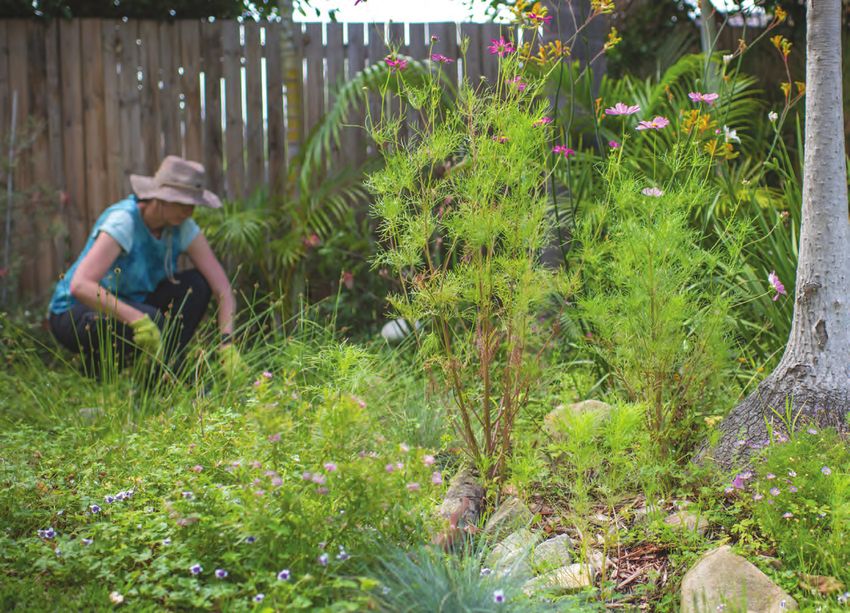
Creating habitat for urban wildlife
Acknowledgements                                                       Contents
The Habitat Creation Guide is a resource encouraging City of           5    Creating habitat for urban wildlife
Sydney residents, developers, schools, community groups and            7    How to use this guide
gardeners to create areas that celebrate not only the local native     9    What to consider before planning a habitat garden
plants that thrive in our region, but also the habitat we can create
to support our unique urban wildlife.                                  10   Attracting frogs
                                                                       14   Attracting small birds
                                                                       20   Attracting lizards
                                                                       24   Attracting native bees
                                                                       26   Attracting butterflies
                                                                       28   Attracting other beneficial insects and invertebrates
                                                                       31   Planting guide
                                                                       36   Trees
                                                                       40   Tall shrubs
                                                                       42   Medium shrubs
                                                                       48   Small shrubs
                                                                       50   Grasses
                                                                       52   Herbs & groundcovers
                                                                       54   Climbers
                                                                       56   Ferns
                                                                       58   Sedges
                                                                       60   Floating plants
                                                                       62   Reeds
                                                                       64   Specialist native nurseries

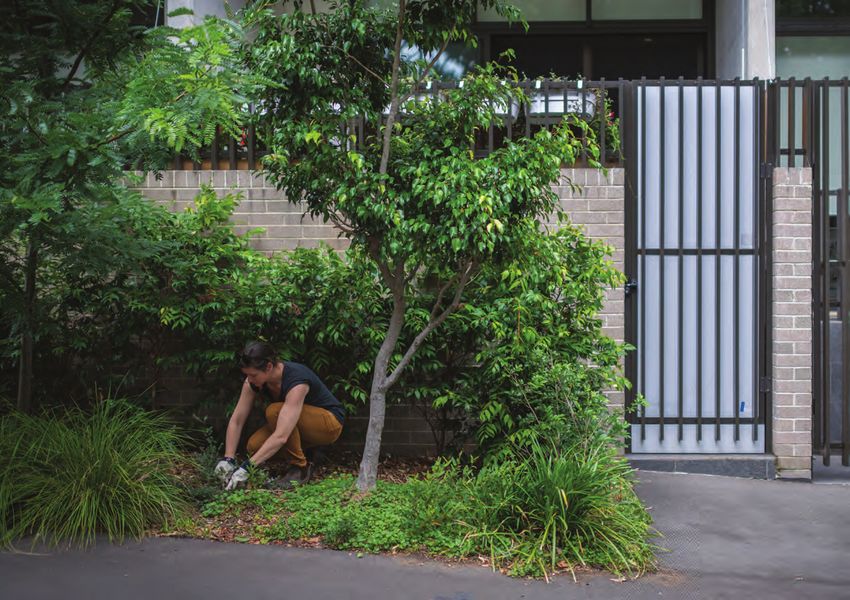
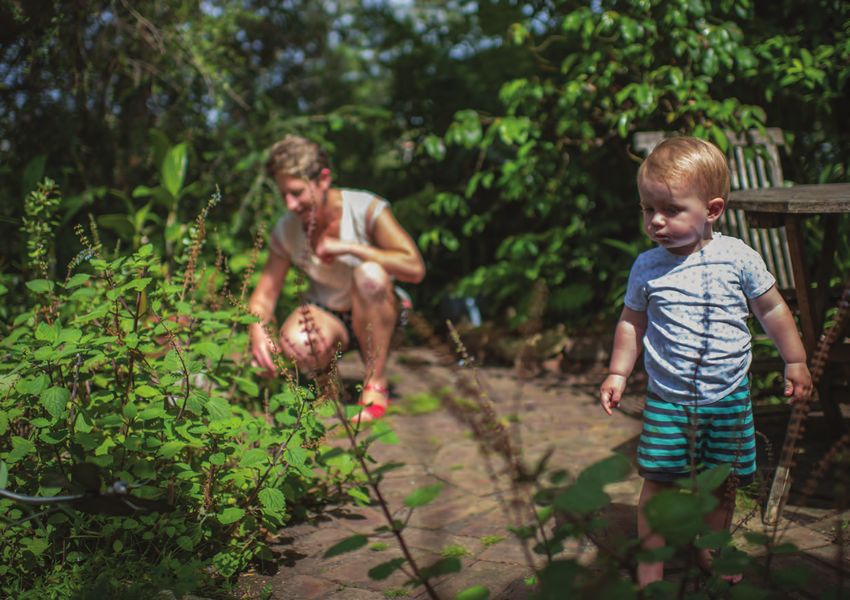
                                                                       Pictured left: Apartment landscaped with native plants in Waterloo   3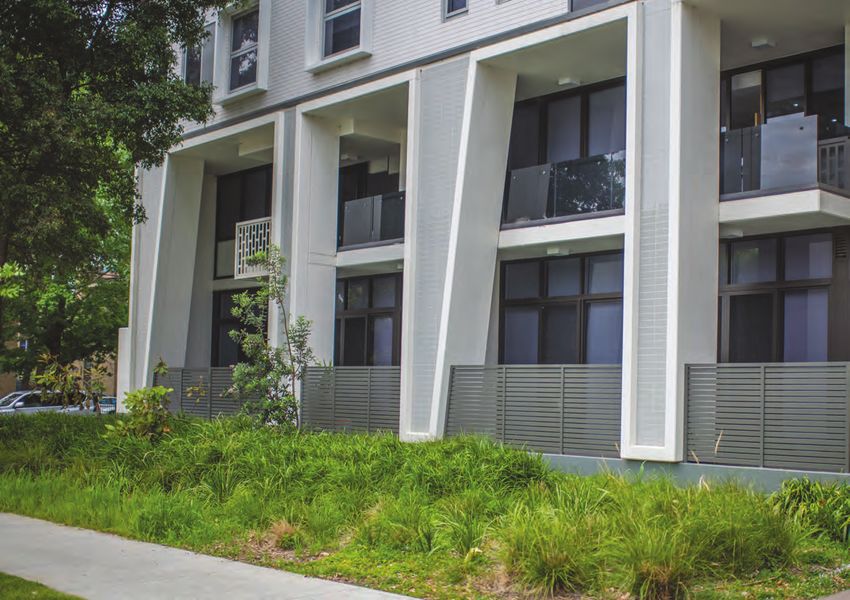
Creating habitat                                           Each habitat garden helps create a network that
                                                           increases opportunities for wildlife to move across
for urban wildlife                                         the city. Picture them as stepping stones, such
We live in a spectacular and unique part of Sydney.        as a potted plant on your balcony helping native
The inner city is home to around 365 local native          bees to travel across the city.
plants and 90 different native bird species.
                                                           Boost your quality of life
Let’s make urban wildlife a priority                       In addition to helping our native wildlife, these gardens
 While some animals have adapted well to urbanisation,     will also help you maintain a connection with nature.
 many have disappeared or are now only found               Being close to nature lowers stress, boosts immunity,
 in small numbers. These have been identified as           increases creativity, improves cognitive function and
‘priority’ species in the City’s Urban Ecology Strategic   contributes positively to your quality of life.
 Action Plan. They include frogs, small birds, lizards,    Many native animals perform useful
 owls, microbats and other small mammals such as           services. Eastern Blue-tongue
 the bandicoot. This guide focuses on these priority       Lizards eat snails
 species, along with native bees, butterflies and other    and slugs, while
 invertebrates.                                            ladybeetles eat
                                                           aphids. Native bees
Habitat ‘stepping stones’ help                             and butterflies
animals move through our city                              are excellent
All of us have the opportunity to make sure our homes      pollinators.
 and lifestyles can support native animals and plants.
A simple way to do this is to create ‘habitat gardens’
– in gardens, courtyards or on balconies.

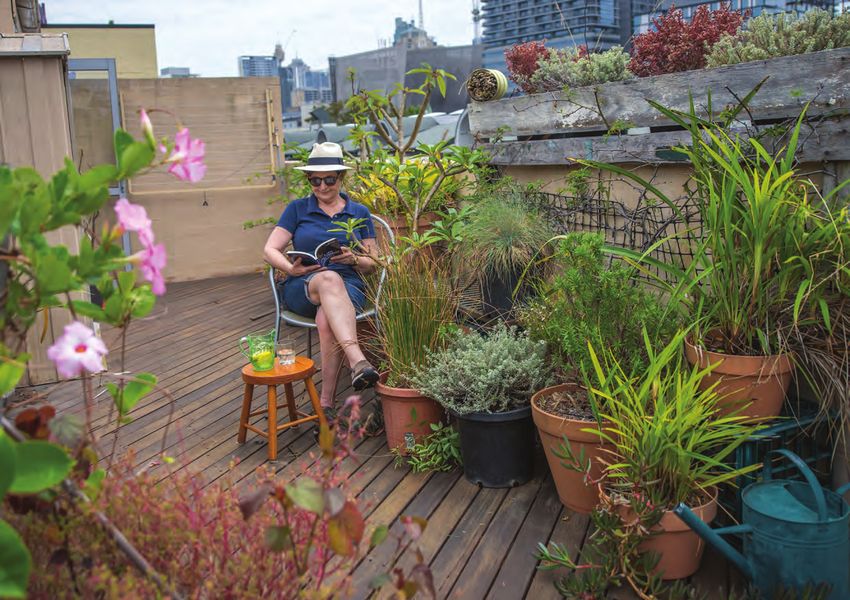
Pictured left: Rooftop garden in Chippendale                                                                           5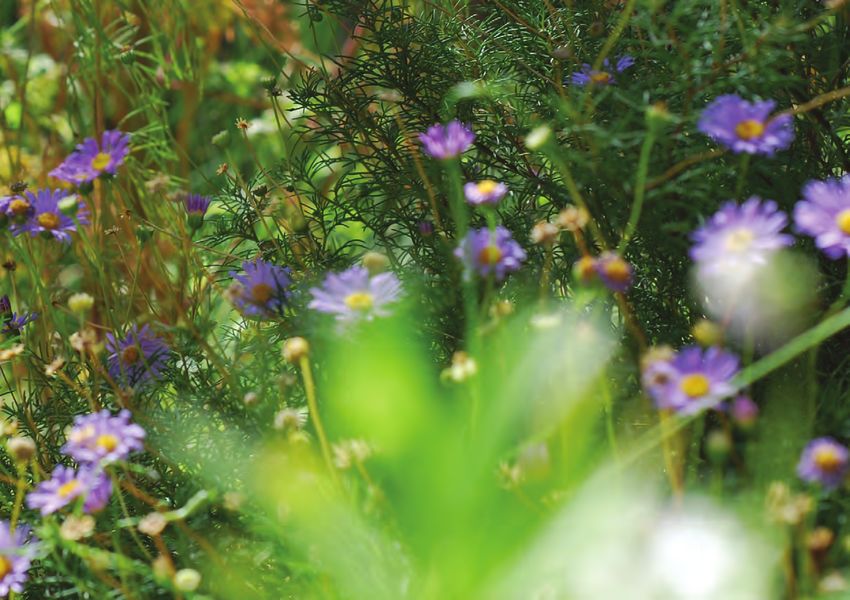
How to use this guide                                                    I have a cat or a dog, what can I do?
                                                                         Cats are very efficient predators of small birds
The first part of this guide is full of practical tips to help you       and other native animals and dogs can be a
with greening, landscaping or gardening projects with a                  deterrent.
focus on creating habitat for our native wildlife.
It looks at different opportunities that you can try on your             If you have a cat, fit bells to their collar or put a colourful
balcony or in your backyard or small courtyard.                          scrunchie around their neck; both of these methods will
                                                                         alert birds from a distance. Keep them inside at night or
Even the smallest garden can provide habitat, especially if it           consider having them as indoor cats only.
has local native plants. Learn about some basic plant species
that are hardy, easy to grow and will help get you started               If you have a dog, keep them inside at night and
on improving your area. You will find the comprehensive                  consider restricting their access to only part of your
Planting Guide with recommended plant species as part of                 garden (for example by fencing off a small area or
this booklet.                                                            putting in different levels that they can’t access).
We have included illustrations and images from the local
area to inspire you when planning your own urban refuge                  What about herbicides or pesticides?
for our local wildlife. If you’d like some advice from Council           It’s important to avoid using chemical herbicides
about your plans or to see more examples, please don’t                   and pesticides – particularly insecticides – in and
hesitate to contact the Urban Ecology Coordinator at the                 around your habitat garden, including lawn areas, because
City of Sydney Council – that’s what we’re here for!                     these will kill the insects and other invertebrates that our
                                                                         local wildlife feed on.
NOTE: The guide is intended for use by residents of the City of Sydney
area. It is not designed to inform the revegetation of
natural areas such as Bushcare or Landcare sites or
riparian zones, such as land alongside creeks,
streams, gullies, rivers and wetlands.

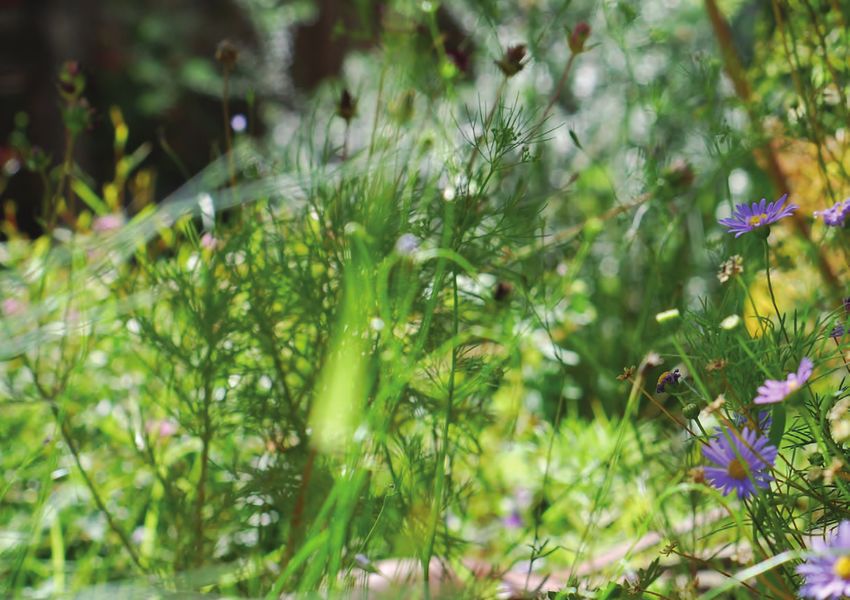
                                                                         Pictured left: Melaleuca hypericifolia                            7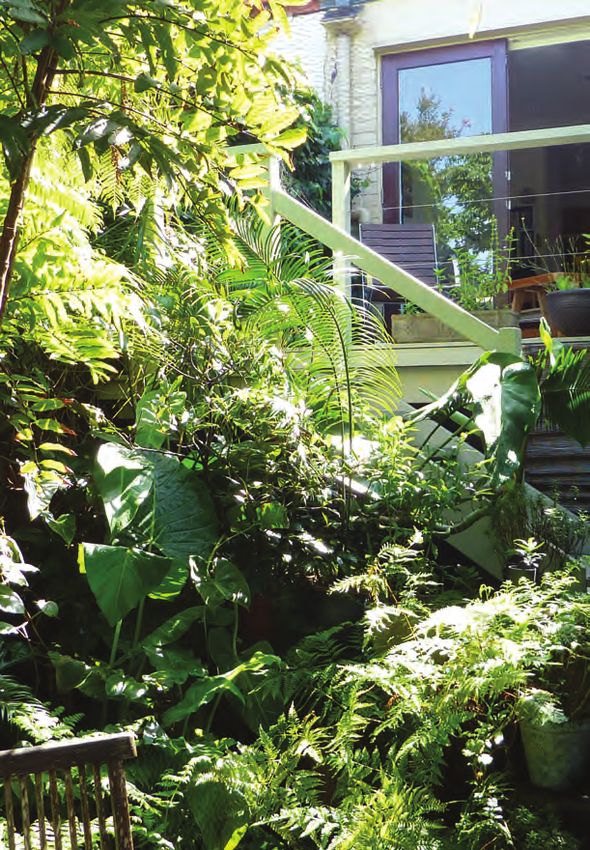
What to consider before                                      What plants do
                                                             I have already?
planning a habitat garden                                    Don’t think you
                                                             need to clear away
Where can I plant a habitat garden?                          existing plants to
Balconies, courtyards, backyards, entrances, common          create habitat
areas and verges are all places suitable to plant a          gardens. Existing
habitat garden.                                              plants can easily
                                                             be incorporated
What are the conditions like?                                into your plans, and
                                                             more diversity can
Sunny and windy?                                             help. However, you’ll
Consider planting a screen to reduce the impact of           need to make sure that
strong winds, which would reduce your options of             existing plants don’t create
what to plant. Great screens that also attract pollinators   too much shade for other plants to
include: Golden Guinea Vine (Hibbertia scandens) ,           grow. This may change your selections. The Planting Guide
Passionfruit, Bougainvillea .                                in this booklet shows the sun or shade conditions new
                                                             habitat plants flourish in. If you don’t
Sunny and hot?
                                                             think your garden needs more plants,
Again, consider a screen to help you create a cooler
                                                             think about a small frog pond or bird
microclimate that other plants can do well in. Vines or
                                                             bath.
shrubs would be a good choice. Refer to the Planting
Guide for some ideas.

Shady?
Consider a row of shade-loving plants like:
Sweet Morinda (Morinda jasminoides) , Star Jasmine
(Trachelospermum jasminoides) .
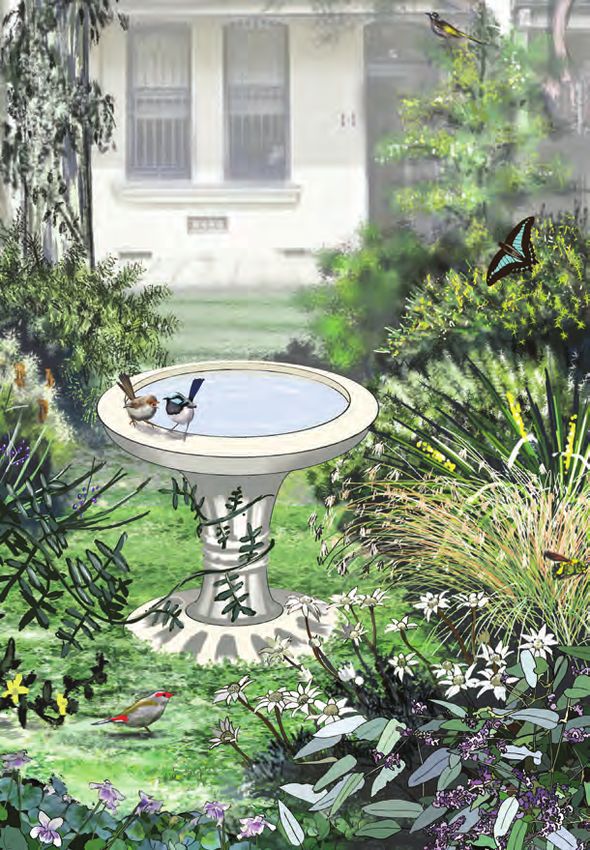
                                                             Pictured left: Small courtyard habitat garden in Glebe;
  Find me in the Planting Guide                              Above: Carpenter Bee                                        9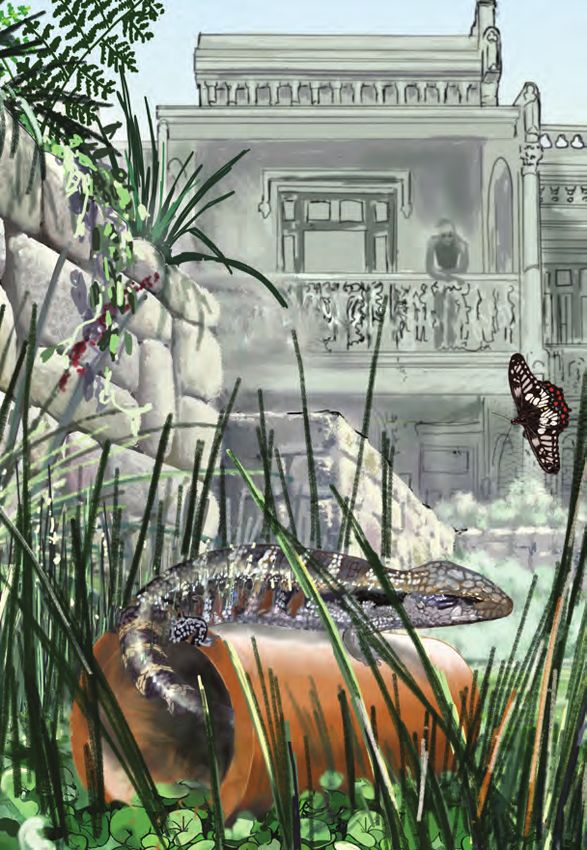
Attracting frogs:
building a pond
Suitable for small courtyards, backyards and common areas
– but not for balconies!

Six frog species are currently known to live in the
City of Sydney area: the Striped Marsh Frog, the
Common Eastern Froglet, the Peron’s Tree Frog,
the Dart Frog, the Eastern Dwarf Tree Frog, and a
threatened species, the Green and Golden Bell Frog.
Ponds are the best option of habitat for frogs, and it’s
easy to provide one that’s suitable. But ponds also
provide great habitat for dragonflies and lizards such as
the Eastern Water Skink. Small birds are also likely to
visit your pond for a drink or bath.
If it’s not easy to install a pond, you can attract frogs by
providing a suitable habitat for foraging and shelter.
It’s best to source native aquatic plants, grasses and
sedges from specialist suppliers.
What to consider when designing your pond                     How deep should my pond be?
                                                              ● Make sure the sides are gently sloping so that frogs
Where should I put my pond?                                     can climb in and out.
● Find a spot in a partly sunny and partly shady
  position, away from trees. Frogs like to bask in the        ● Consider an overflow point in case the pond floods
  sun and most aquatic plants also need sunshine.               during heavy rain.
  Some shade will help to keep the water temperature          ● Both shallow and deeper sections are ideal.
  down on really hot days.
                                                              ● Try to keep the deepest point less than 300mm, as ponds
                                                                deeper than this require development approval from the
How big should the pond be and what shape?                      City, as well as pool fencing.
● The bigger the better. Large ponds (at least 1500mm
  diameter) will attract a range of different frog species.   How do I keep water in the pond?
● The Striped Marsh Frog and Common Eastern                   ● To hold water, a pond needs to be lined. There are lots of
  Froglet will like ponds of any size.                          options for pond liners – the most reliable and easiest to
● Choose a size that works for the area you have.               install are rigid shell ponds, or ponds with EPDM or butyl
  We’ve seen novel ponds that are 1m in length and              liner sheets.
  20cm wide!                                                  ● Rigid shells usually have steep sides, so if you’re using
● Your pond can be any shape: rectangular, jellybean-           one, put in some rock steps or place a tree branch in the
  shaped or round. The frogs won’t care, so just                pond to help frogs climb in and out.
  choose one that best suits your space.                      ● If using a liner sheet, first put in a soft
                                                                layer of sand or even carpet underfelt
 If you have a swimming pool, a fantastic alternative           to prevent the liner coming into
 to installing a frog pond is to convert your pool              contact with sharp rocks or
 into a pond. This will save you money on energy                anything similar that could pierce
 bills! Check out more information from Ku-ring-gai             it.
 Council’s successful program called Pool to Pond.
                                                              Pictured right: Common Eastern Froglet                         11
What do I put in my pond? Sand
Plants ● Add at least 20mm of clean river sand to the bottom of
your pond. Over time, this will contribute to the habitat as
● It’s important to install plants in your pond. Local
it becomes home to a variety of microorganisms that help
native plants are best. Reeds and water lilies are great
create a healthy aquatic ecosystem. It will also help your
for inside the pond. Frogs will lay their eggs among
aquatic plants to spread from their pots.
them and use them for basking and foraging.
● Some suggestions include: Common Water-plantain Around the pond
(Alisma plantago-aquatica) , Frogsmouth (Philydrum ● Find some rocks such as sandstone boulders, pavers, or
lanuginosum) and Water Ribbons (Triglochin bricks to place around the edge of the pond. The frogs
procera) . Check out the Planting Guide if you want will bask on them and shelter beneath them during the
to explore other plants. colder months. Place them in piles as shown in the photo
on page 13. The rocks will also assist in anchoring the
● Ideally, create clumps of at least two different reed
edges of the pond.
species along with at least one submerged species in
the pond. ● Plant grasses and sedges around the pond. You will need
at least two species of long grasses or sedges planted
● You can place these plants in pots, provided they are
very densely (6 to 8 plants/m2).
large enough to give the plants room to grow.
Try Blady Grass (Imperata cylindrica) and Blue Flax Lily
● Your plants will spread, but it’s important to maintain (Dianella caerulea) . These look good with
some open space in your pond so you may have to Knobby Club Rush (Ficinia nodosa) and Soft Rush (Juncus
cut them back from time to time. Just snip them off usitatus) .
below the water level at the end of winter.
12 Find me in the Planting GuideIf you’re a renter or don’t want standing water in Other things to consider for your frogs
your garden, densely planted long grasses and ● Having a low, dim garden light nearby, such as a small
sedges can still provide a good foraging and solar-powered one, will help attract insects for frogs to
eat. It will also help you see the frogs in the evening.
sheltering habitat for frogs.
● Please don’t collect frogs, tadpoles or frog eggs from
another location to put them in your pond – it’s illegal
I’ve got the liner and the plants. Now what? and may result in the spread of disease.
● It’s time to fill your pond. You can use tap water, but
as the chlorine or chloramine often kills tadpoles, ● Be patient and the frogs will come. Prepare to be amazed!
it’s a good idea to neutralise it by adding water It’s good to change some of the pond water occasionally
conditioner. However, for the first fill, it won’t be to keep it clean and healthy. About 30% at a time is a good
necessary to do this, as the chlorine should dissipate measure, but don’t change more than that on the same day.
after 24 hours and it’s unlikely to attract frogs in this
short time.
Pictured left: Eastern Dwarf Tree Frog; Right: Frog ponds for small spaces 13Attracting small birds: adding dense shrubs Suitable for small courtyards, backyards, common areas and low balconies The City had 12 recorded small bird species at last count in 2017. These included, in low numbers, the Superb Fairy-wren, New Holland Honeyeater, Silvereye, Spotted Pardalote, Rufous Fantail, Red- browed Finch, Fairy Martin, Golden-headed Cisticola and when migrating, the White-plumed Honeyeater. Many small birds are vibrantly coloured and have lovely calls, so they can make a very appealing addition to your garden. They are also great at controlling insect pests and assisting with pollination and seed dispersal. Many small bird species, including the Grey Dantail, Red-browed Finch, Spotted Pardalote and White- browed Scrubwrenare still common in large bushland areas around Sydney.
If we create the right habitat for them, it is possible that   But I live in an apartment, what
some of the species that have disappeared from the city        can I do?
will recolonise the area.
                                                               ● If you have a balcony and
Small birds need dense shrubs in which to find shelter           live on the third floor or
and food (which, depending on the species, comprises             lower, you could definitely
insects, nectar or seeds). By incorporating dense shrub          try attracting birds. By
vegetation in your garden, you can assist small birds to         greening your balcony,
survive in Sydney, and hopefully to once again become            you’ll attract insects that
more widespread. You don’t need a big backyard to                some of these small birds like
create a small amount of habitat. You could also work            to eat
together with your neighbours to develop habitats.               – it just might take them longer to
                                                                 visit than if you had a yard. But
Where can I plant suitable shrubs?                               you can be confident that
● It’s important to first consider the characteristics of        you’re improving the local
  your space. Does it receive much sun, or is it mostly          environment for them.
  shaded? What is the soil type? Are there damp                ● Again, think about the
  areas? Thinking about these characteristics will help          characteristics of your
  you choose the most suitable plants for your space.            space – Does it get a lot of
                                                                 sun? Is it shady? Is it windy?
                                                                 Knowing this will help you
                                                                 choose the most appropriate
                                                                 plants.

                                                               Pictured top: Silvereye; Bottom: Golden-headed Cisticola   15
Is there a special way to design ● Most native shrubs respond well to pruning so you can
and arrange the plants to attract birds? shape them to create a more formal-looking garden.
Pruning also encourages denser growth, which makes for
● It’s recommended that you plant shrubs at a density of
a better habitat. Several species, such as Coastal Rosemary
approximately 1 to 2 plants/m2, while native grasses,
(Westringia fruticosa) and the non-native Plumbago
sedges, herbs and groundcovers, vines/scramblers and
, can be shaped into hedges that provide great screening
ferns should be planted more densely, at 6 to 8 plants/m2.
as well as habitat. Vines are also excellent for screening –
Planting at this density will increase the speed at which
you can grow them over a fence for example – as well
your garden develops as a valuable habitat and will also
for providing great habitat
help to minimise weed invasion.
and a proliferation of
● It’s a good idea both in terms of small bird habitat flowers in the spring.
and garden aesthetics to plant several of the same
plant species together in ‘clumps’. This is particularly
recommended for grasses, groundcovers and ferns.
● Your small bird habitat garden may have a more natural
appearance compared to traditional gardens, but it
doesn’t need to look messy.
Many native plants have very
attractive foliage and
produce lovely flowers.
16 Find me in the Planting GuideDo small birds like any particular flowers? How many different
● Choose plants that have small flowers that only small types of plants can I
birds will be able to get their beaks into. use?
● Plants that produce large flowers are likely to ● It’s good to
encourage larger, aggressive nectar-feeding birds choose a variety
like the Noisy Miner and Rainbow Lorikeet that tend of shrubs that
to chase away small birds like the Superb Fairy- have different
wren and New Holland Honeyeater. For example, types of foliage
avoid large-flowering Grevillea hybrids that are and small
very common in nurseries (and often marketed as flowers.
‘bird attracting’). Instead, choose small-flowering ● Shrubs with spiky
Grevilleas, such as the Pink Spider Flower (Grevillea leaves, such as Silky
sericea) and Red Spider Flower (Grevillea Hakea (Hakea sericea)
speciosa) , or any of the other species in the , will provide protection
Planting Guide. for small birds.
What about fruit for small birds? ● It’s also important to include shrubs with softer leaves,
such as Sunshine Wattle (Acacia longifolia) or Large-
● Avoid planting fruiting plants, or at least keep them
leaf Hop Bush (Dodonaea triquetra) , which are a good
to a minimum. Plants that produce soft, fleshy fruit
food source.
are also likely to encourage large, aggressive birds –
particularly the Pied Currawong, which is a predator ● Try to include some shrubs that branch from the ground
to other birds. as well, such as Coastal Rosemary (Westringia fruticosa)
, in addition to shrubs that branch from higher up the
● Some species of fruiting plants, including Blueberry
main stem or trunk.
Ash (Elaeocarpus reticulatus) and Lilly Pilly
(Acmena smithii) , are included in the Planting
Guide, as they are very reliable and well-suited to
shady environments where many other plants struggle. Pictured left: Superb Fairy-wren; Red-browed Finch;
Above right: New Holland Honeyeater 17I don’t really like native plants. Some things to remember
Can I use other plants?
Can I feed the birds in my garden?
● There are some non-native plants listed in the Planting
The birds that many people feed in Sydney are usually very
Guide that many small birds are often attracted to. If you
common and do not need our help. They include Rainbow
remember the principles above, you will be heading in
Lorikeets, Sulphur-crested Cockatoos, Pied Currawongs,
the right direction.
and introduced birds like the Common Myna. Some of
● You can also consider features at ground level in your these birds are aggressive towards, or prey on, small birds,
garden like rocks and logs, and let leaf litter accumulate which will flee if these larger birds are hanging around your
there. Adding compost and mulch will also be beneficial. garden.
Small birds will enjoy foraging around for insects and
Many of the foods that people feed birds, especially fatty
other invertebrates.
meat, bread, sunflower seeds and mixes of honey and water,
are very bad for them. It’s far better to create a garden that
If I can’t garden, what provides them with natural food.
else
can I do? I have a cat or a dog, what can I do?
Put in a birdbath. Read more about pets and your habitat garden
Place it on page 7.
somewhere
exposed
so that birds can What about herbicides or pesticides
keep an eye out Avoid using them in and around your habitat
for danger, but garden. Read more on page 7.
keep it close to
dense understorey
vegetation.
Pictured above: A small birdbath;
18 Right: Example of habitat gardening in a small spaceDid you know? We have birds that visit Sydney at only certain times of the year. These can either be migratory or vagrants. Migratory birds are those that are moving from breeding or feeding grounds and can be seen passing through Sydney at various times. A bird is considered a vagrant if it is found outside its expected range. They can also be called accidental birds. Regardless, they can cause great excitement in the birding world. Examples of migratory birds seen in Sydney are the Yellow-faced and White-naped Honeyeaters. These birds are known for their great autumn migration. Each autumn they are seen going north from their range in Victoria to their winter feeding grounds in northern New South Wales and Queensland. We’ve spotted them in Glebe and the Rocks in previous years. Then there are the migratory birds coming from Papua New Guinea such as the Dollarbird that was last spotted in Sydney Park. And there is the well-known call of summer with the arrival of the Channel-billed Cuckoo that migrates from New Guinea and Indonesia. We are also lucky to see some wetland migratory birds. We will often see the Latham’s Snipe that comes all the way from Japan to Australia and is seen stopping off at Sydney Park on its way south in November, and then when it heads back home to Japan in March.
Attracting lizards:
sun-basking and shelter
Suitable for small courtyards, backyards and common areas

Nine lizard species are currently found in Sydney.
Of these, only three small skinks – the Wall Skink,
the Dark-flecked Garden Sunskink and the Pale-
flecked Garden Sunskink, which are the little brown
lizards you’ve probably noticed in your garden or in
parks around the city – are very common.
Urban gardens can provide a valuable habitat
for lizards, and they in return play a useful role in
controlling garden pests – for example, Eastern Blue-
tongues love to eat garden snails and slugs. They and
several other lizards readily inhabit urban backyards in
Sydney if there is suitable habitat for them.
Lizards, like frogs, don’t produce their own body heat,
and rely on the warmth of their surroundings to raise
their body temperature. They are therefore most active
during the warmer months, when they bask in the sun
in the morning – often on rocks, pathways or lawns –               and even pieces of plywood, roofing tin and terracotta roof
before foraging for food later in the day. At night, and in        tiles will make lizards happy.
winter, they hide away.
                                                                   PVC pipe of about 100mm diameter, laid on the ground, is
The most important habitat features for lizards are sites          perfect for Eastern Blue-tongues, and they’ll readily shelter
for shelter and basking. It’s easy to provide these – just         inside it. These features may not necessarily look attractive
follow the guidelines below, which also outline how to             in your garden but can easily be concealed among dense
provide suitable foraging habitat.                                 understorey plants.
                                                                   Note: When you’re creating habitat for reptiles, be aware you may also be
What rocks do lizards love?                                                     making a nice place for other critters such as spiders, including
Provide clusters of rocks in full sun for basking. Rock-                          Redbacks. While poisonous, these spiders are often shy.
retaining walls, rockeries and other rock features in your                        They’re also great food for other spiders such as the Daddy-
garden can provide great lizard habitat, particularly if                          long-legs.
                                                                                 It’s a spider-eat-spider world! In the City of Sydney area, it’s a
you use sandstone, which is the natural habitat of many                       very rare sight to see Funnel-web
lizards around Sydney. Position them in an area that               Spiders or snakes, but it’s always good
gets a lot of sun.                                                 to keep an eye out for them,
                                                                   and another good reason to
When constructing a rock retaining-wall, minimising the            encourage kookaburras to
use of mortar will create many crevices. A wall like this is       visit your ‘hood.
like an apartment block for lizards such as the Bar-sided
Skink. When they find a crevice to their liking, they’ll take up
residence in it, and you’ll often be able to see them poking
their heads out or basking just outside it.

What other features
can I offer lizards?
Provide hollow logs, boulders,
leaf litter and bark for refuge from
predators and a place to hibernate in
winter. Fallen branches, piles of bricks,                          Pictured left: Rock retaining wall; Above: Eastern Water Dragon                    21
Do lizards prefer certain plants? What about compost and mulch?
It’s important to provide some dense understorey plants, Adding compost and mulch to your garden, and allowing
particularly long grasses and/or sedges, around or close leaf litter to accumulate, will increase foraging opportunities
to your lizard shelter and basking sites. This will give them for lizards, as it will provide habitat for the invertebrates on
a protected area in which to forage. It’s best to use a few which they feed.
different, preferably native species.
Ideally, create clumps of two or more different grass or What else do I have to think of?
sedge species, planted very densely (6 to 8 plants/m2). ● Take care when mowing long grass! Most lizards will run
Long grasses that spread via rhizomes as well as seed are away from the lawnmower, but Eastern Blue-tongues will
particularly recommended – these include Blady Grass sometimes stay put and hide in the grass. Check the area
(Imperata cylindrical) and Blue Flax Lily (Dianella caerulea) carefully before you mow and encourage any lizards you
. Ficinia Nodosa is a robust and attractive sedge that is find to move away.
also highly recommended.
● Provide access to shallow water for drinking, for example
in a shallow pot plant saucer.
● Don’t capture lizards from urban parks or the bush to
release in your garden – it’s illegal and they probably
won’t stick around anyway. If you provide the right
habitat for them, they’ll find you!
I have a cat or a dog, what can I do?
Read more about pets and your habitat garden
on page 7.
What about herbicides or pesticides?
Avoid using them in and around your habitat
garden. Read more on page 7.
22 Find me in the Planting Guide Pictured left: Rock piles like this are ideal basking sites for lizardsDid you know? One small species, the Gully Skink, has a very limited distribution in Sydney, where it is only found in a few sites in the Eastern Suburbs, including Rushcutters Bay, Green Square and on the North Shore. Most of the other lizards found in Sydney are larger species such as the Eastern Blue-tongue, Eastern Water Skink, Bar-sided Skink and Eastern Water Dragon. They are all fairly common in bushland around Sydney, but their presence has declined in the city.
Attracting native bees:                                                Blue-banded, Teddy Bear or Sugarbag:
                                                                       meet our native bees
pollinators at work                                                    About 200 native bee species are found in the Sydney
Suitable for small courtyards, backyards, common areas and balconies   region. Almost all are solitary, and nest in small holes
                                                                       in the ground, old mortar, mud bricks, timber, hollow
You know what the European honeybee looks like.                        stems, or in old borer holes. Although solitary, many
It’s the famous bee that produces most of the honey we                 will often nest together in one place, with each female
eat, and is an important pollinator of many crops, fruits              in a separate nest. Solitary native bees found in Sydney
and vegetables. As its name suggests, this species was                 include the Blue-banded Bee, Teddy Bear Bee and
introduced to Australia. But there are over 1,500 species              the Resin Bee. Most native bees are too small to sting,
of native bees in Australia, and they play an important                and the others are not aggressive the way European
role in pollinating our native plants, as well as fruits and           honeybees are – although if you get too close or bother
vegetables including citrus fruits, watermelon and avocado,            them, they will sting you!
macadamia and mango trees.
                                                                       Only one native bee species in Sydney – the Sugarbag
                                                                       Bee, sometimes referred to as the Bush Bee – lives in
                                                                       hives in which it stores honey and pollen. It is very small,
                                                                       and is stingless, unlike the other solitary native bees.
                                                                       About 6,000 to 10,000 Sugarbag Bees live in each
                                                                       hive. They produce delicious honey, but each hive only
                                                                       produces about 500ml per year in Sydney’s climate.
                                                                       You can attract native bees to your space by planting a
                                                                       variety of native shrubs, grasses and groundcovers as
                                                                       well as establishing fruit and vegetable gardens.
                                                                       The Planting Guide indicates plants that are particularly
                                                                       attractive to native bees.
How do I create a nest for native bees? I’m interested in owning a native stingless
● It’s very simple to create artificial nests for Blue-banded beehive, where do I start?
Bees and Resin Bees. It’s very easy to keep a Sugarbag beehive. Sugarbag
Bees aren’t affected by the pests and diseases that are
● Blue-banded Bees will nest in nest blocks or rammed
devastating European honeybees around the world,
earth bricks that are placed in a sunny position,
and the hives are virtually maintenance free. It’s really
preferably with some protection from the weather.
interesting to watch these little bees flying around
● Resin Bees will nest in holes drilled in blocks of hardwood your garden, visiting your plants and carrying brightly
that are placed in a sheltered position. Check out the links coloured pollen back to the hive.
on this page for further instructions.
Refer to www.aussiebee.com.au for details of hive
● Note that it may take some time – two or more seasons – suppliers and further information on how to care for
for the bees to take up residence. Your artificial nests are your hive, including how to access the honey. This can
likely to provide habitat for a range of other interesting be quite disruptive to the bees though!
invertebrates in addition to native bees.
● Refer to the Aussie Bee and How do I find out more?
Bees Business websites Native bee workshops are held periodically around
for more detailed Sydney.
instructions on how to Any workshops hosted by the City of Sydney
make these shelters. will be advertised on the What’s On website
(whatson.sydney). Workshops and seminars provide
great opportunities to learn more about various native
bee species, how to build artificial nest sites for solitary
species, and how to care for Sugarbag beehives.
Pictured left: Native Blue-banded Bee;
Above: Example of nest box holes in hardwood for native solitary bees 25Attracting butterflies: The larvae of many butterfly species
will only feed on one or a small
plant a colourful nectar bar number of particular plant species
– often native grasses, peas and
Suitable for small courtyards, backyards, common areas daisies.
and balconies
The larvae of skipper butterflies
Of the approximately 400 butterfly species in
feed on Lomandra as well as
Australia, over 100 are found in the Sydney region,
Common Couch , Pencilled Blue
including the Common Jezebel, Australian Painted
larvae feed on Wisteria ,
Lady, Yellow Admiral, Citrus Swallowtail, Zebra Blue,
Zebra Blue larvae feed on Plumbago
Splendid Ochre, Blue Triangle and Monarch. The
, Citrus Swallowtail larvae feed
inner city also supports the only known colony of
on various citrus species, and
the Pearl White Butterfly in the entire Sydney region
Blue Triangle eggs. Some
– it’s been sighted in the Royal Botanic Gardens and
butterfly larvae have been
Hyde Park, in connection with rare rainforest trees
known to feed on Camphor
planted there.
Laurel and avocado trees.
Most butterflies feed on the nectar of flowering plants.
These examples illustrate how
They also need plants on which the females can lay
some butterflies have adapted to
eggs and on which the caterpillars, or larvae, can feed
feed on introduced plant species in
when they hatch.
addition to the native species with which they’ve evolved.
This means that you don’t have to have an entirely native
garden to attract them.
Most butterflies require warm conditions to fly, and
therefore prefer sunny habitats. They often bask in the sun.
Butterflies like some moisture in the form of surface water,
moist soils or mud to absorb minerals.
How can I support butterflies in my garden?
Find me in the Planting GuideThe most important plants to sustain butterfly
populations in your garden are those that provide food Did you know?
for their larvae. The Planting Guide indicates both native A bee survey conducted by the University of Sydney
and introduced species that are known food sources across 14 community gardens in the City in 2014
for butterfly larvae, as well as flowers to attract butterflies. documented 19 bee species.
It also indicates the colour of most flowers in the guide.
The survey found that on average, gardens supported
Butterflies in Sydney like to feed on the nectar of 6 bee species. This diversity of bee species is similar to
colourful flowers, such as blue, purple, red, orange, less urbanised areas such as Ku-ring-gai Council! This
yellow, cream and white flowers. Choose a variety shows just how important a small garden can be in an
of colourful plants with nectar-producing flowers. If urban environment.
possible, plant several of each of the suitable species
together to make it easier for butterflies to find them. The study concluded that if bee-attracting flowers are
planted, the bees will follow. It found that African blue
basil is an excellent plant that continuously provides
Do butterflies need water? nectar and pollen for foraging bees.
Maintaining a sunny, open area in your garden will
make it more attractive to butterflies, because they If you’re really interested in how to design your garden
need warm conditions to fly. Many butterflies are also for bees, check out the Planting Guide but also this
attracted to water. If you don’t have a frog pond, bird excellent and detailed guide to bee attractive flowers:
bath or other water feature, even a small dish of muddy www.agrifutures.com.au/bee-friendly (free PDF
water in a sunny position will be likely to attract them. download).
Is there anything I should avoid doing?
It’s very important to avoid using chemical herbicides
and pesticides – particularly insecticides – in and
around your butterfly habitat, as these will kill both
adult butterflies and their larvae.
Pictured left: Blue Triangle Butterfly; Australian Painted Lady ButterflyAttracting other beneficial Become an insect
connoisseur
insects and invertebrates Because they’re
Suitable for small courtyards, backyards, common areas and balconies
usually small,
invertebrates are
In addition to butterflies and bees, there are literally not always easy
thousands (if not millions) of other insects and to see – but if you
invertebrates inhabiting almost any garden, no matter keep an eye out,
how small. All of them play an important role in keeping you’ll be amazed
your garden and the local environment healthy. at how many
The words ‘insect’ or ‘invertebrate’ may at first make species you find in
you think of flies, cockroaches, mosquitoes and slugs. your garden and what
But there are many, many more species than those, you can discover about
and the vast majority are beneficial to your garden. them. Many invertebrates
Insects provide food for other, larger species such are yet to be identified, even in
as frogs, small birds and lizards, and contribute to urban areas like Sydney.
pollination, soil fertility and soil aeration. Many insects And they’re not all small – stick insects can grow up to 25
are also incredibly interesting and, like butterflies, centimetres in length!
have fascinating life cycles, with a larval stage that Your existing garden is already likely to support a diverse
looks very different from the adult. If you look closely, array of invertebrates. Take some time to have a close look
many of them are truly beautiful – think of dragonflies, and see what you can find.
ladybeetles and some cicadas with their stunning
colours. What is an invertebrate?
An animal without a backbone.
Pictured above: Blue Dasher Dragonfly; Right: Cicada; Far right:
Attracting insects with a green wall at Harold Park, Forest LodgeHow do I keep my invertebrates happy? You can encourage a wide range of invertebrates to live in your garden by following any or all of the habitat creation tips already outlined in this guide. Creating habitat for any of these species will also create great habitat for invertebrates. Other tips ● Compost and mulch: Adding compost and mulch to your garden, and allowing leaf litter to accumulate, will contribute to habitat for worms and many other invertebrates. ● Herbs: Ladybeetles like garden herbs such as coriander, dill and fennel, so establishing a herb garden is a good way to attract them while also providing you with fresh herbs for your cooking. ● Avoid chemical herbicides and pesticides: Avoid using chemical herbicides and pesticides – particularly insecticides – in your garden. They are lethal to many insects. Try companion planting or attracting natural predators instead.
Planting
 Guide

           31
32
About this list of plants                                          Choosing your plants
The plants in this guide will help you create habitat for
specific fauna species. Most of the plants are native to           Plant heights may vary
this area, but some non-native species are included.               The heights specified are the maximum the plant would
                                                                   reach under natural conditions over many years. In the
The list is a starting point for you. Over time you’ll learn       restricted spaces and modified soils of many urban
what else is appropriate for your space and for creating           gardens, most plants will not reach these heights.
urban habitat.                                                     Growth of some small trees and most shrubs can also
You’ll find most of them in general retail nurseries and           be restricted by pruning.
specialist native nurseries. A list of specialist native
nurseries is at the end of this guide – you can order              Every site is different
over the phone or online from some of them.                        Most of the species are robust and should grow well
If a species isn’t available, just order it in – you’ll help       in the specified soil and light conditions. But every site
increase the diversity and supply in your local nursery.           is different, and there may be some trial and error in
                                                                   finding out the plants that best suit your garden.
                                                                   The amount of shade and the quality of the soil will
                                                                   affect how the plants grow.
                                                                   Choose lots of variety. Using a wide variety of species
                                                                   will increase the plants, resilience to pests, disease, and
                                                                   other potential impacts of climate change.
                                                                   Adding new plants from time to time will increase
                                                                   diversity and compensate for any plant losses,
                                                                   especially for short-lived species. For example, Wattles
                                                                   (Acacia) are fast growing but short-lived.

Pictured left: Habitat gardening outside a residence in Waterloo                                                                 33
Planting and After planting
● Water once a week for six weeks after planting. You can
maintenance tips water more often if you are using pots or planter boxes,
and in windy or hot weather. While many native plants
Before planting tolerate dry periods, you should water them occasionally,
● Dig a hole and ensure it is deeper than the tube or pot particularly in hot weather.
your plant comes in. ● Apply slow-release native fertiliser in warmer months
● Place half a handful of pre-soaked water crystals into the only. Avoid using those that are high in phosphate, such
hole and mix these thoroughly into soil – these will help as blood and bone fertilisers.
in dry conditions.
● Release the plant from the tube or pot by holding it
upside down. Tap the bottom while holding the soil in
place, in case the roots are not properly developed.
● Place the plant in the hole and backfill it, pressing the
soil firmly around its roots to prevent air pockets from
forming.
● Spread mulch around the plant to
stimulate growth. Use aged mulch
to avoid losing nitrogen from
the soil.
● Water immediately.
34Guiding trees and vines
● Tie tree saplings to stakes to help guide growth.
Habitat value
On the following tables, look for these icons to see
● Vines need training to cover walls, fences or trellises – which animals the suggested plants attract or support.
unless you prefer them to scramble across the ground.
Pruning Beneficial insects Native bees
● Some small trees and most shrubs respond well to & invertebrates
light pruning, best done at the end of winter. Pruning Possums
encourages denser growth and prevents your shrubs Frogs
Small birds
looking straggly. You can also shape the plant the way
Butterfly larvae
you want it. Lizards
● Cut back grasses to around 10cm from their base after Butterflies
they seed.
● Cut back dead foliage from reeds to at or just below water
level after summer. Foliage usually dies off in winter.
352 3 4 5
Cabbage Tree Palm Prickly-leaved Paperbark Broad–leaved Paperbark Lilly Pilly
7 8
Early Green Wattle Parramatta Wattle
1 6 9 10
Sydney Red Gum Turpentine Forest Oak Dwarf Apple
36 Treesr
the s tur
e
tre
s) r/o ature e e ois tes
me o u tim alu bu
a t(me l
r co al
fe
rin
g tv pe es
m
att
ri
n
we ysic ita l ty on rat er
nt igh we b i siti e h
Pla He Flo ph Flo Ha So Po Tol Ot
white flowers; pinkish
Sydney Red Gum 15– bark; iconic Sydney tree Nov –
1 sand sun
Angophora costata 25 commonly seen around Dec hollows for birds &
harbour foreshore possums
2
Cabbage Tree Palm
Livistona australis
20–
25
red fruit
Dec –
Feb
dead fronds provide
microbat roosts
any
sun or
shade • salt and wind tolerant, prefers moist
soil but will cope in dry
Prickly-leaved sun or provides dense shade cover,
3 Paperbark Melaleuca
styphelioides
10–
20
white flowers; prickly
leaves
Dec –
Feb
any dappled
light
• possible to grow shade-tolerant lawn
beneath it
Broad-leaved sun or
4 Paperbark Melaleuca
quinquenervia
10–
20
white flowers
Mar –
Jul
any dappled
light
• can develop buttressed roots when
mature
many different cultivar varieties
cream-white flowers; white
available, e.g. Firescreen,
5
Lilly Pilly
Syzygium smithii
10–
20
to maroon fruit; pinkish-red
new foliage
Nov –
Feb
aggressive birds
(currawongs)
any
sun or
shade • Hedgemaster; good hedge plant;
responds well to light pruning;
prefers moist soil but will cope in dry
cream-yellow flowers; sun or
6 Turpentine 15– Oct – dense leaf cover can inhibit growth of
distinctive woody fruit; any dappled
Syncarpia glomulifera 20 Dec plants beneath it
distinctive stringy bark frogmouths & owls light
very hardy, fast growing, nitrogen
Early Green Wattle 5– Jul –
7 golden-yellow flowers any sun fixing, lives longer than other Acacia
Acacia decurrens 15 Nov
species (up to 20 years)
very hardy, fast growing, nitrogen
Parramatta Wattle 5– Nov –
8 pale-bright yellow flowers any sun fixing, lives longer than other Acacia
Acacia parramattensis 15 Feb
species (up to 20 years)
9 Forest Oak woody cone, drooping Mar –
15 black cockatoos sun
Allocasuarina torulosa foliage May
Dwarf Apple cream flowers, rarely grows Nov –
10 4–7 sand sun
Angophora hispida talller than 4m Jan
Trees 3711 12 13 14
Grey Myrtle Old Man Banksia Coast Banksia Black Wattle
15 17 18
Broad-leaved Scribbly Gum Swamp Paperbark Flax-leaved Paperbark
38 Trees *
*selected images onlyr
the s tur
e
tre
s) r/o ature e e ois tes
me o u tim alu bu
a t(me l
r co al
fe
rin
g tv pe es
m
att
ri
n
we ysic ita l ty on rat er
nt igh we b i siti e h
Pla He Flo ph Flo Ha So Po Tol Ot
11
Grey Myrtle
Backhousia myrtifolia
15 white flowers
Dec –
Jan
any
sun or
shade • limited availability; prefers moist soil
12 Old Man Banksia 4–8
creamy-grey flowers; Dec –
sand sun requires well-drained soil
Banksia serrata gnarled branches Mar
requires well-drained soil; faster
13 Coast Banksia 6–
pale yellow flowers
Jan –
sand sun growing than other Banksia species;
Banksia integrifolia 15 Jun
salt and wind tolerant
pale yellow flowers, similar
to Acacias; young leaves
14 Black wattle
Callicoma serratifolia
10–
12
a pale copper colour;
attractive lichen often
Oct –
Nov
sand shade
• Prefers moist soil
grows on trunk
Broad-leaved white flowers; white/grey stick insects,
15 Scribbly Gum
10– Jul –
smooth bark with ‘scribbly’ hollows for birds & sand sun
15 Nov
Eucalyptus haemastoma pattern possums
Narrow-leaved white flowers; white/grey
Apr – stick insects,
16 Scribbly Gum 15 smooth bark with ‘scribbly’ any sun
Oct hollows for birds &
Eucalyptus racemosa pattern
possums
17
Swamp Paperbark
Melaleuca ericifolia
8 white flowers
Dec –
Feb
sand sun
• responds well to light pruning; good
hedge plant; salt tolerant
Flax-leaved Paperbark sun or
18 (or Snow in Summer)
Melaleuca linariifolia
10
Sep –
Feb
any dappled
light
•
Trees 392 3
Sunshine wattle Black She-oak
1
Sickle Wattle
4 5 6
Coffee Bush Sweet Bursaria NSW Christmas Bush
7 8 9 10 11
Fern-leaf Spider Flower Coast Tea Tree Ball Honey Myrtle Scentless Rosewood Native Broom
40 Tall shrubsr
the s tur
e
tre
s) r/o ature e e ois tes
me o u tim alu bu
a t(me l
r co al
fe
rin
g tv pe es
m
att
ri
n
we ysic ita l ty on rat er
nt igh we b i siti e h
Pla He Flo ph Flo Ha So Po Tol Ot
1 Sickle Wattle pale yellow flowers; Apr – fast growing; nitrogen-fixing; short-
5 any sun
Acacia falcata crescent-shaped leaves Aug lived (4–10 years)
2 Sunshine Wattle Feb – fast growing; nitrogen-fixing; short-
6 yellow flowers sand sun
Acacia terminalis Oct lived (4–10 years)
Black She-oak May –
3 8 woody cone black cockatoos sand sun
Allocasuarina littoralis May
dappled
4
Coffee Bush
Breynia oblongifolia
5
tiny white flowers; orange-
pink berries
Sep –
Feb
aggressive birds
(currawongs)
any light or
shade • has a tendency to sucker
Sweet Bursaria white flowers; prickly all
5 5 any sun very hardy
Bursaria spinosa branches year
white flowers in October;
NSW Christmas Bush sun or
6 striking pink-red sepals Nov –
Ceratopetalum 6 sand dappled requires very well-drained soil
in December (around Jan light
gummiferum
Christmas time)
Fern-leaf Spider
7 Aug –
Flower 5 red flowers any sun various cultivars available
Nov
Grevillea longifolia
Coast Tea Tree
8 Leptospermum
laevigatum
7 white flowers
Aug –
Oct
sand sun
• very hardy; salt and wind tolerant
sun or
9
Ball Honey Myrtle
Melaleuca nodosa
5 white-yellow flowers
Sep –
Feb
any dappled
light •
dappled
10
Scentless Rosewood
Synoum glandulosum
7 white-pinkish flowers
all
year
aggressive birds
(currawongs)
any light or
shade
• limited availability
11 Native Broom
Viminaria juncea
6 yellow flowers
Sep –
Nov
sand sun
• prefers moist soil
Tall shrubs 412 3 4 5
White Wattle Myrtle Wattle Sweet Wattle Prickly Moses
1 6 7 8
Sydney Golden Wattle Scrub She-oak Heath-leaved Banksia Swamp Banksia
9 10 11
Hairpin Banksia River Rose Crimson Bottlebrush
42 Medium shrubsr
the s tur
e
tre
s) r/o ature e e ois tes
me o u tim alu bu
a t(me l
r co al
fe
rin
g tv pe es
m
att
ri
n
we ysic ita l ty on rat er
nt igh we b i siti e h
Pla He Flo ph Flo Ha So Po Tol Ot
Sydney Golden Wattle Jun – fast-growing; nitrogen-fixing; short-
1 4 yellow flowers sand sun
Acacia longifolia Oct lived (4–10 years)
White Wattle All fast-growing; nitrogen-fixing; short-
2 4 yellow flowers sand sun
Acacia linifolia year lived (4–10 years)
Myrtle Wattle Jun – fast-growing; nitrogen-fixing; short-
3 3 yellow flowers sand sun
Acacia myrtifolia Oct lived (4–10 years)
Sweet Wattle Apr – fast-growing; nitrogen-fixing; short-
4 2.5 creamy-yellow flowers sand sun
Acacia suaveolens Sept lived (4–10 years)
Prickly Moses pale yellow flowers; spiky Apr – fast-growing; nitrogen-fixing; short-
5 2 sand sun
Acacia ulicifolia leaves Oct lived (4–10 years)
6 Scrub She-oak Apr – sand sun salt tolerant
3 woody cone black cockatoos
Allocasuarina distyla Sept
Heath-leaved Banksia orange-red flowers; dainty Apr – sand sun salt tolerant
7 3
Banksia ericifolia leaves Aug
yellow-golden brown
8
Swamp Banksia
Banksia robur
2 flowers; large ornamental
leaves
Jan –
Jul
sand sun
• requires well-drained moist soil
Hairpin Banksia yellow-orange flowers; Apr – sand sun requires well-drained soil
9 2
Banksia spinulosa dainty leaves Aug
dappled
•
River Rose Sept – rambling shrub; good hedge plant;
10 2 pink flowers sand light or
Bauera rubioides Feb grows via suckers; prefers moist soil
shade
11 Crimson Bottlebrush
Callistemon citrinus
3 bright red flowers
Nov –
Mar
sand sun
• very hardy
Medium shrubs 4316
12
Finger Hakea
Narrow-leaved Bottlebrush
13 14 15 17
Large-leaf Hop-bush Pink Wax Flower White Spider Flower Silky Hakea
18 19 20 21
Needlebush Austral Indigo White Kunzea Tantoon
44 Medium shrubsr
the s tur
e
tre
s) r/o ature e e ois tes
me o u tim alu bu
a t(me l
r co al
fe
rin
g tv pe es
m
att
ri
n
we ysic ita l ty on rat er
nt igh we b i siti e h
Pla He Flo ph Flo Ha So Po Tol Ot
Narrow-leaved
12 Bottlebrush
Callistemon linearis
3 pale red flowers
Sep –
Nov
sand sun
•
13 Large-leaf Hop-bush
Dodonaea triquetra
2 fruit is green or reddish
Jun –
Oct
any sun
• very hardy; fast-growing; short-lived
14 Pink Wax Flower 2 pink flowers
Sep –
sand sun
Eriostemon australasius Nov
White Spider Flower July –
15 2 white flowers sand sun
Grevillea linearifolia Oct
16 Finger Hakea 3 cream-white flowers
Sept –
any sun good hedge plant
Hakea dactyloides Oct
17 Silky Hakea 3 prickly leaves
Jun –
any sun
Hakea sericea Sep
18 Needlebush Aug –
3 prickly leaves sand sun
Hakea teretifolia Oct
Austral Indigo Sep –
19 2 pink-purple flowers any sun nitrogen fixing
Indigofera australis Nov
20
White Kunzea
Kunzea ambigua
3
white flowers with honey-
like fragrance
Sep –
Nov
any sun
• can grow on rock shelves and
shallow soils
21
Tantoon Leptospermum
polygalifolium
2.5 white flowers
Sep –
Dec
clay sun
• well-suited to areas that are
temporarily inundated
Medium shrubs 4523 24 25
Small-leaved Daisy Bush Sago Bush Rusty Pomaderris
22 26 27
Peach Blossom Tea-tree Bush Pea Waratah
28 29 30
Butterfly Bush Lemon and other Citrus Plumbago
46 Medium shrubsr
the s tur
e
tre
s) r/o ature e e ois tes
me o u tim alu bu
a t(me l
r co al
fe
rin
g tv pe es
m
att
ri
n
we ysic ita l ty on rat er
nt igh we b i siti e h
Pla He Flo ph Flo Ha So Po Tol Ot
Peach Blossom
22 Tea-tree 2
pale-deep pink flowers; Mar –
sand sun salt tolerant
Leptospermum prickly leaves Sep
squarrosum
Small-leaved
23 Daisy Bush
Olearia microphylla
2 white flowers
Jun –
Oct
any sun
•
Sago Bush cream-white flowers;
24 Ozothamnus Aug –
2 foliage emits pleasant sand sun
Nov
diosmifolius fragrance after rain
cream-yellow flowers; new
25
Rusty Pomaderris Sep –
2 growth rusty colour and sand sun
Pomaderris ferruginea Oct
hairy
26 Bush Pea 2 yellow and red flowers
Aug –
sand sun
Pultenaea daphnoides Nov
requires well-drained soil and
sun or
27
Waratah Oct – watering during prolonged dry
3 red flowers sand dappled
Telopea speciosissima Nov conditions; prune vigorously after
light
flowering
sun or
28
Butterfly Bush
Buddleja species
2 purple flowers Varies any dappled
light
• not native; prefers moist soil
29 Lemon and other 2–4 white flowers Varies any sun not native
Citrus
30 Plumbago 2.5 pale blue flowers
Nov –
any sun good hedge plant; not native
Plumbago auriculata Mar
Medium shrubs 471 2 3 4
White Correa Common Correa Swamp Lily Egg and Bacon
5 6 7 8
Hop Goodenia Grey Spider Flower Pink Spider Flower Red Spider Flower
9 10 11 12
Thyme Honeymyrtle Coast Rosemary Sandfly Zieria Lavender
48 Small shrubsr
the s tur
e
tre
s) r/o ature e e ois tes
me o u tim alu bu
a t(me l
r co al
fe
rin
g tv pe es
m
att
ri
n
we ysic ita l ty on rat er
nt igh we b i siti e h
Pla He Flo ph Flo Ha So Po Tol Ot
White Correa Apr –
1 1 white flowers sand sun salt tolerant
Correa alba Jun
2 Common Correa May – tolerates extended dry periods once
1 red and green flowers sand sun
Correa reflexa Nov established
3 Swamp Lily
Crinum pedunculatum
1.5 white flowers
Aug –
Jan
any sun
• will grow in large pot if watered
regularly; prefers moist or wet soil
4 Egg and Bacon Jul –
1.5 yellow and red flowers sand sun
Dilllwynia retorta Sept
5
Hop Goodenia
Goodenia ovata
1 yellow flowers
Oct –
Mar
any
sun or
shade • copes with temporary inundation
6 Grey Spider Flower Aug –
1.5 grey flowers sand sun
Grevillea buxifolia Apr
Pink Spider Flower Aug –
7 1.5 pink flowers any sun
Grevillea sericea Dec
8 Red Spider Flower Aug –
1.5 red flowers sand sun
Grevillea speciosa Nov
9 Thyme Honeymyrtle
Melaleuca thymifolia
1
purple flowers; flowers
frequently
Nov –
Jul
any sun
• long-lived
Most
Coast Rosemary
10 1.5 white flowers of the sand sun good hedge plant
Westringia fruticosa
year
Sept
sun or
Sandfly Zieria – Nov,
11 1.5 white flowers sand dappled natural insect repellent
Zieria smithii Mar –
light
May
Lavender Jun –
12 1 blue-purple flowers any sun good hedge plant; not native
Lavandula spp. Jul
Small shrubs 491 2 4 6
Three-awned Speargrass Wallaby Grass Long-hair Plume Grass Forest Hedgehog Grass
10
Creeping Beard Grass
8 9 11 12
Blady Grass Weeping Grass Tussock Grass Kangaroo Grass
50 Grasses* *Selected Images Onlyr
the s tur
e
tre
s) r/o ature e e ois tes
me o u tim alu bu
a t(me l
r co al
fe
rin
g tv pe es
m
att
ri
n
we ysic ita l ty on rat er
nt igh we b i siti e h
Pla He Flo ph Flo Ha So Po Tol Ot
Three-awned Dec –
1 Speargrass 0.5 sand sun
Aristida vagans Feb
Wallaby Grass Oct –
2 1 any sun
Rytidosperma tenuius Jan
Barbed Wire Grass Sept –
3 1 any sun
Cymbopogon refractus May
4 Long-hair Plume Grass Sept –
1 pale fluffy flower head sand sun
Dichelachne crinita Nov
Short-hair Plume Sept –
5 Grass Dichelachne 1 pale fluffy flower head any sun
micrantha Nov
6
Forest Hedgehog Grass
Echinopogon ovatus
1
Sept –
Nov
clay sun
•
Right Angle Grass Most sun or
7 1 of the sand limited availaibility
Entolasia marginata year shade
8 Blady Grass
Imperata cylindrica
1 pale fluffy flower head
Dec –
Feb
any sun
• spreads readily, via rhizomes as well
as seed
dappled
9
Weeping Grass
Microlaena stipoides
0.2
Sept –
Feb
any light or
shade •
Most dappled
10 Creeping Beard Grass
Oplismenus imbecillis
0.3 of the
year
any light or
shade • suitable for no-mow lawn
Tussock Grass Oct – sun or
11 1 sand
Poa affinis Feb shade
Kangaroo Grass Sept –
12 1 rusty red flower head any sun
Themeda australis Mar
Grasses 511 2
Flannel flower Centella
5 6 3 4
Kidney Weed Pennywort Blue Flax-lily Black-anther Flax-lily
7 8 9 10 11
White Root Spiny Headed Mat Rush Cockspur flower Native violet Sprawling bluebell
52 Herbs & groundcoversr
the s tur
e
tre
s) r/o ature e e ois tes
me o u tim alu bu
a t(me l
r co al
fe
rin
g tv pe es
m
att
ri
n
we ysic ita l ty on rat er
nt igh we b i siti e h
Pla He Flo ph Flo Ha So Po Tol Ot
Flannel Flower Sep –
1 1 creamy white flowers any sun
Actinotus helianthi Feb
2
Centella
Centella asiatica
GC white pink (very small)
Jul –
Aug
any shade
• suitable for no-mow lawn; edible
very hardy; spreads readily via
3
Blue Flax-lily
Dianella caerulea
0.5
blue flowers; edible purple
berries
Sep –
Nov
any
sun or
shade • rhizomes as well as seed; various
cultivars available
very hardy; spreads readily via
4
Black-anther Flax-lily
Dianella revoluta
1
blue flowers; edible purple
berries
Sep –
Nov
any
sun or
shade • rhizomes as well as seed; various
cultivars available
Most dappled
5
Kidney Weed
Dichondra repens
GC white of the
year
any light or
shade
• suitable for no-mow lawn
Pennywort dappled
6 Hydrocotyle
peduncularis
GC very small
Dec –
Feb
any light or
shade
• suitable for no-mow lawn
dappled
7
White Root
Lobelia purpurascens
GC white flowers
Sep –
Jan
any light or
shade
• suitable for no-mow lawn
Spiny Headed
8 Mat Rush
Lomandra longifolia
1 prickly flower heads
Sep –
Nov
any
sun or
shade • very hardy; various cultivars available
Most
9 Cockspur Flower
Plectranthus parviflorus
0.5 peppermint-like fragrance of the
year
any shade
•
dappled
10 Native Violet
Viola hederacea
GC white and purple flowers
All
year
any light or
shade
• suitable for no-mow lawn; edible
flowers
11 Sprawling Bluebell 0.5 pale pink-mauve flowers
Sep –
any
sun or
grows well in rockeries
Wahlenbergia gracilis Feb shade
GC: groundcover
Herbs & groundcovers 531 2 3 4 5
Old Man’s Beard Forest Clematis False Sarsparilla Guinea Flower Climbing Guinea Flower
6 7 8 9
Dusky Coral Pea Wonga Wonga Vine Bougainvillea Star Jasmine
10 11 12 13
Kangaroo Vine Passionfruit Climbing Roses Wisteria
54 Climbersr
the s tur
e
r/o ature e e ois tes
me l o u
fe g tim alu m ribu
na r co al rin ita
tv pe on rat
es att
nt we ysic we b i l ty siti e h er
Pla Flo ph Flo Ha So Po Tol Ot
1 Old Man’s Beard Oct –
white flowers sand sun
Clematis aristata Nov
2 Forest Clematis Aug –
prolific white flowers sand sun
Clematis glycinoides Oct
3 False Sarsparilla Sep – very hardy; also grows as a
purple flowers sand sun
Hardenbergia violacea Oct groundcover
sun or
4
Guinea Flower
Hibbertia dentata
yellow flowers
Sep –
Dec
sand dappled
light
• also grows as a groundcover
Climbing Guinea
5 Flower Hibbertia
scandens
yellow flowers
Sep –
Jan
any sun
• also grows as a groundcover
Dusky Coral Pea Sep –
6 red and black flowers any sun grows vigorously; short-lived
Kennedia rubicunda Nov
prolific white flowers sun or
7
Wonga Wonga Vine
Pandorea pandorana
(cultivars available with
pinkish flowers)
Sep –
Nov
any dappled
light
•
8 Bougainvillea Oct –
pink-red-purple flowers sand sun not native
Bougainvillea glabra Jan
Star Jasmine
white flowers with pleasant Oct – sun or
9 Trachelospermum any not native
fragrance Dec shade
jasminoides
very small cream flowers dappled hardy and fast growing; can be used
Kangaroo Vine Sep–
10 with a small grape-like any light or as a groundcover or climber; also
Cissus antarctica May
berry (not edible) shade good for containers and indoors
Passionfruit Nov –
11 white flowers any sun not native
Passiflora spp. Feb
Roses — various need rich soils — if planting in sand,
12 various Varies any sun
climbing varieties add mulch; not native
13 Wisteria Wisteria sp. mauve flowers
Sept –
Feb
any sun
• not native; prefers moist soil
Climbers 55You can also read


